

Developments and Challenges for mAb-Based Therapeutics
Open accessThe DOI matches its Crossref record; 311 of the 323 references it cites were found in a registry or an index.
Abstract
The continuous increase in the number of approved monoclonal antibody (mAb)-based therapy suggests that mAbs, and their derivatives, will continue to be the focus of the biotherapeutics industry for years to come. Although vast improvements in our capability to manufacture, characterize, and stabilize mAbs have been achieved, there are still challenges to be overcome. These include analytical and stabilization approaches associated with the development of high concentration mAb formulations. In addition, several mAb-based modalities are under development, including antibody drug conjugates (ADCs), fusion proteins, and bispecific antibodies (bsAbs), all designed to overcome the limitations encountered with mAb therapy. The current status of their development, with emphasis on manufacturing challenges as well as preliminary clinical results, will be reviewed.
Overview
The claims and statistics of this paper haven’t been checked yet.
Free: it reads the open-access text and checks the first 5 claims that cite a source we can check. Create a free account to check every claim.
Integrity signals
Registry
Cites
Statistics
Figures
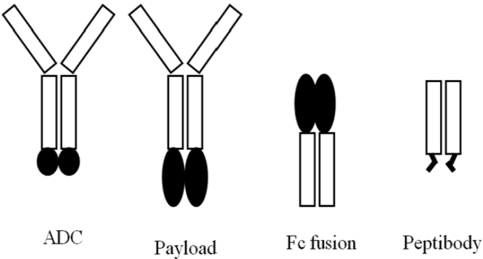
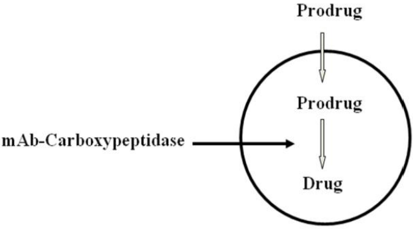
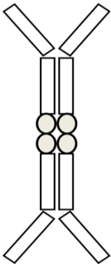
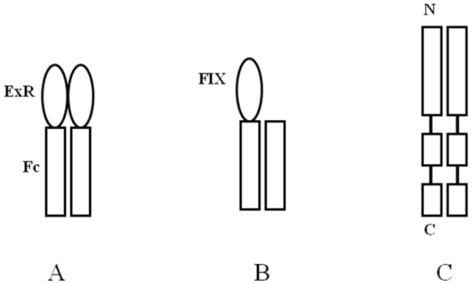
Verification
Claims the paper makes
The claims and statistics of this paper haven’t been checked yet.
Free: it reads the open-access text and checks the first 5 claims that cite a source we can check. Create a free account to check every claim.
Claims other papers make about this one
Each is checked against this paper’s own text: does it say what the citing paper says it does?
The source backs part of the claim, not all of it — or backs it for a different population, condition or comparison.
In the citing paper
“PAT enables measurement of physical instabilities such as aggregation or chemical alterations including post-translational modifications or cross-linking which can complement stabilization formulation strategies [92].”
From The role of Raman spectroscopy in biopharmaceuticals from development to manufacturing (2022) · cites this paper as [92]
Experimental — accuracy not yet measured
Self-check
Percentages, sums and reported differences re-computed from the paper’s own numbers.
The self-check needs the paper’s full text.
Citations
Cites
Continuous cultures of fused cells secreting antibody of predefined specificity
KÖHLER, G., & MILSTEIN, C. (1975) · Nature · doi:10.1038/256495a0 · Cited by 17,229 · cited 1×
“The development of hybridoma technology has enabled a consistent production of mAbs at large scale, paving the way for development of various therapeutic antibodies [4].”
BackgroundCoiffier, B., Lepage, E., Brière, J., Herbrecht, R., Tilly, H., Bouabdallah, R., Morel, P., Van Den Neste, E., Salles, G., Gaulard, P., et al. (2002) · New England Journal of Medicine · doi:10.1056/nejmoa011795 · Cited by 5,574 · cited 2×
“This drug is currently being utilized as a single agent (for induction and maintenance), or in combination with chemotherapeutic agents, for the treatment of various human lymphoma and chronic lymphocytic lymphoma [10,28].”
BackgroundInhibitory Fc receptors modulate in vivo cytoxicity against tumor targets
Clynes, R. A., Towers, T. L., Presta, L. G., & Ravetch, J. V. (2000) · Nature Medicine · doi:10.1038/74704 · Cited by 2,768 · cited 1×
“According to this mechanism, the Fc portion interacts with FCγ-receptors on the surface of the effector immune cells (such as monocyte and macrophages), while the antibody is bound to the surface antigen of the cancer cell through its Fab region, and results in ADCC response [21,22].”
BackgroundMcLaughlin, P., Grillo-López, A. J., Link, B. K., Levy, R., Czuczman, M. S., Williams, M. E., Heyman, M. R., Bence-Bruckler, I., White, C. A., Cabanillas, F., et al. (1998) · Journal of Clinical Oncology · doi:10.1200/jco.1998.16.8.2825 · Cited by 2,755 · cited 1×
“1997 Rituximab Rituxan® CD20 Non-Hodgkin’s lymphoma Chimeric IgG1 First approved full length chimeric mAb [10,11]”
BackgroundPhage antibodies: filamentous phage displaying antibody variable domains
McCafferty, J., Griffiths, A. D., Winter, G., & Chiswell, D. J. (1990) · Nature · doi:10.1038/348552a0 · Cited by 2,423 · cited 1×
“Another effective way of producing human antibody is phage display [20].”
BackgroundNormalizing tumor vasculature with anti-angiogenic therapy: A new paradigm for combination therapy
Jain, R. K. (2001) · Nature Medicine · doi:10.1038/nm0901-987 · Cited by 2,184 · cited 1×
“For example, bevacizumab binds to the soluble vascular endothelial growth factor (VEGF), and thus inhibits angiogenesis, which is important for the maintenance of tumor vasculature and tumor health [24].”
BackgroundScott, A. M., Wolchok, J. D., & Old, L. J. (2012) · Nature Reviews Cancer · doi:10.1038/nrc3236 · Cited by 2,160
Zhou, H.-X., Rivas, G., & Minton, A. P. (2008) · Annual Review of Biophysics · doi:10.1146/annurev.biophys.37.032807.125817 · Cited by 2,149 · cited 1×
“[110,127].”
Engineered antibody fragments and the rise of single domains
Holliger, P., & Hudson, P. J. (2005) · Nature Biotechnology · doi:10.1038/nbt1142 · Cited by 1,931 · cited 1×
“and Hudson [273].”
VEGF-Trap: A VEGF blocker with potent antitumor effects
Holash, J., Davis, S., Papadopoulos, N., Croll, S. D., Ho, L., Russell, M., Boland, P., Leidich, R., Hylton, D., Burova, E., et al. (2002) · Proceedings of the National Academy of Sciences · doi:10.1073/pnas.172398299 · Cited by 1,691 · cited 1×
“Similarly, anti-angeogenic vascular endothelial growth factor (VEGF) inhibitor has been developed as an Fc-fusion protein, termed VEGF-Trap [220].”
BackgroundBRUTON, O. C. (1952) · Pediatrics · doi:10.1542/peds.9.6.722 · Cited by 1,492
Site-specific conjugation of a cytotoxic drug to an antibody improves the therapeutic index
Junutula, J. R., Raab, H., Clark, S., Bhakta, S., Leipold, D. D., Weir, S., Chen, Y., Simpson, M., Tsai, S. P., Dennis, M. S., et al. (2008) · Nature Biotechnology · doi:10.1038/nbt.1480 · Cited by 1,382
Monoclonal antibodies: versatile platforms for cancer immunotherapy
Weiner, L. M., Surana, R., & Wang, S. (2010) · Nature Reviews Immunology · doi:10.1038/nri2744 · Cited by 1,283 · cited 4×
“Based on the sequence of the constant region of the heavy chain, antibodies are divided into five classes: IgM, IgD, IgG, IgE, and IgA [14].”
BackgroundInfluentialEffects of Drug Loading on the Antitumor Activity of a Monoclonal Antibody Drug Conjugate
Hamblett, K. J., Senter, P. D., Chace, D. F., Sun, M. M. C., Lenox, J., Cerveny, C. G., Kissler, K. M., Bernhardt, S. X., Kopcha, A. K., Zabinski, R. F., et al. (2004) · Clinical Cancer Research · doi:10.1158/1078-0432.ccr-04-0789 · Cited by 1,247
Casadevall, N., Nataf, J., Viron, B., Kolta, A., Kiladjian, J.-J., Martin-Dupont, P., Michaud, P., Papo, T., Ugo, V., Teyssandier, I., et al. (2002) · New England Journal of Medicine · doi:10.1056/nejmoa011931 · Cited by 1,246 · cited 1×
“protein; for example, the neutralization of endogenous erythropoietin by the antibody, formed against recombinant human erythropoietin (epoetin), has been reported to cause red cell aplasia [84].”
BackgroundTREM-1 amplifies inflammation and is a crucial mediator of septic shock
Bouchon, A., Facchetti, F., Weigand, M. A., & Colonna, M. (2001) · Nature · doi:10.1038/35074114 · Cited by 1,090 · cited 1×
“TREM-1 can cause, upon bacterial infection, excessive amplification of inflammation and mediate septic shock [218].”
BackgroundStability of Protein Pharmaceuticals
Manning, M. C., Patel, K., & Borchardt, R. T. (1989) · Pharmaceutical Research · doi:10.1023/a:1015929109894 · Cited by 1,078 · cited 5×
“There are instances of covalent cross-linking that may occur between different amino acid residues besides Cys, which, unlike disulfide linkage, are non-reducible [81] Successful development of mAb-based therapeutics requires a careful assessment of the various degradation pathways possible for a molecule (both physic…”
BackgroundInfluentialInstability, stabilization, and formulation of liquid protein pharmaceuticals
Wang, W. (1999) · International Journal of Pharmaceutics · doi:10.1016/s0378-5173(99)00152-0 · Cited by 1,064 · cited 3×
“Surfactants may stabilize protein molecules from interfacial stress by preferentially accumulating at the interface, thus preventing the proteins from being partitioned onto the interface [16,47,100].”
BackgroundSelf-citationDevelopment trends for human monoclonal antibody therapeutics
Nelson, A. L., Dhimolea, E., & Reichert, J. M. (2010) · Nature Reviews Drug Discovery · doi:10.1038/nrd3229 · Cited by 1,026
Shen, B.-Q., Xu, K., Liu, L., Raab, H., Bhakta, S., Kenrick, M., Parsons-Reponte, K. L., Tien, J., Yu, S.-F., Mai, E., et al. (2012) · Nature Biotechnology · doi:10.1038/nbt.2108 · Cited by 1,008 · cited 1×
“The solvent accessibility and spatial environment of the engineering sites have been demonstrated to influence the stability of thiol-reactive linkers and therapeutic activity [179].”
BackgroundSelecting and screening recombinant antibody libraries
Hoogenboom, H. R. (2005) · Nature Biotechnology · doi:10.1038/nbt1126 · Cited by 973
Antibody Structure, Instability, and Formulation
Wang, W., Singh, S., Zeng, D. L., King, K., & Nema, S. (2007) · Journal of Pharmaceutical Sciences · doi:10.1002/jps.20727 · Cited by 941 · cited 6×
“A number of review articles are available that focus on this topic for mAb-based therapeutics, or protein-based therapeutics in general [16,48,49].”
BackgroundInfluentialSelf-citationTopp, M. S., Kufer, P., Gökbuget, N., Goebeler, M., Klinger, M., Neumann, S., Horst, H.-A., Raff, T., Viardot, A., Schmid, M., et al. (2011) · Journal of Clinical Oncology · doi:10.1200/jco.2010.32.7270 · Cited by 913 · cited 1×
“The first BiTE® developed by Micromet, blinatumomab, is a recombinant anti-CD3 × anti-CD19, and is the most advanced BiTE® in clinical trials [252,253].”
BackgroundProtein aggregation: Pathways, induction factors and analysis
Mahler, H.-C., Friess, W., Grauschopf, U., & Kiese, S. (2009) · Journal of Pharmaceutical Sciences · doi:10.1002/jps.21566 · Cited by 901 · cited 3×
“Level of aggregates in clinical and commercial drug product is tightly controlled by the regulatory agencies [48,51].”
BackgroundChallenges in the development of high protein concentration formulations
Shire, S. J., Shahrokh, Z., & Liu, J. (2004) · Journal of Pharmaceutical Sciences · doi:10.1002/jps.20079 · Cited by 882 · cited 1×
“A more technical definition will be the maximum amount of protein that remains in solution, following 30min of centrifugation at 30,000 g in the presence of co-solute [122,123].”
Background"Diabodies": small bivalent and bispecific antibody fragments.
Holliger, P., Prospero, T., & Winter, G. (1993) · Proceedings of the National Academy of Sciences · doi:10.1073/pnas.90.14.6444 · Cited by 874 · cited 1×
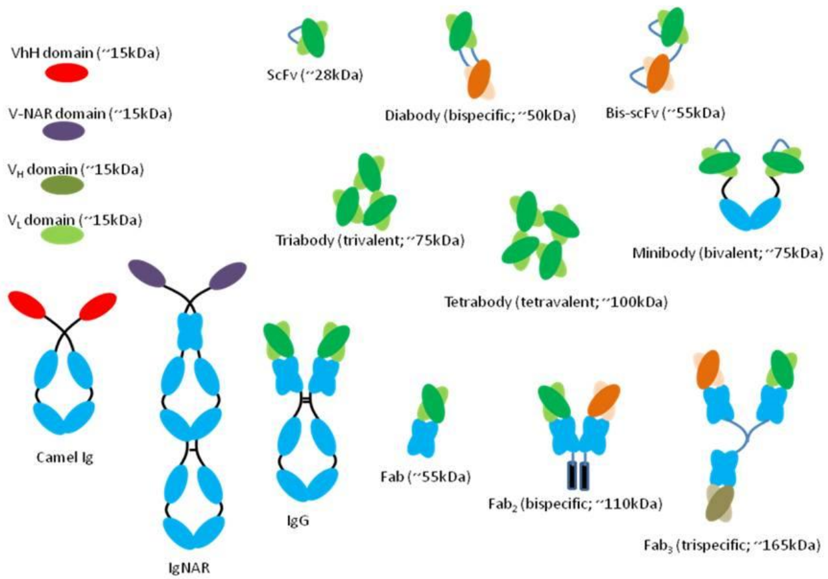
“In diabodies, each VL domain is connected by a short peptide linker to the VH domain of the other antigen specificity, and vice versa [248].”
BackgroundStrategies and challenges for the next generation of therapeutic antibodies
Beck, A., Wurch, T., Bailly, C., & Corvaia, N. (2010) · Nature Reviews Immunology · doi:10.1038/nri2747 · Cited by 847 · cited 2×
“1998 Etanercept Enbrel® TNFreceptor RA TNFR2-Fc fusion First approved Fc fusion protein [9]”
BackgroundTherapeutic antibodies for autoimmunity and inflammation
Chan, A. C., & Carter, P. J. (2010) · Nature Reviews Immunology · doi:10.1038/nri2761 · Cited by 837 · cited 1×
“A thorough description of various modes of action applicable to therapeutic antibody can be found elsewhere [25].”
BackgroundProtein glycosylation: Structural and functional aspects
LIS, H., & SHARON, N. (1993) · European Journal of Biochemistry · doi:10.1111/j.1432-1033.1993.tb18347.x · Cited by 833 · cited 1×
“Presence of glycosylation in general is thought to provide structural stability to protein against stress factors, such as thermal stress, and to improve solubility [32].”
Background‘Knobs-into-holes’ engineering of antibody CH3 domains for heavy chain heterodimerization
Ridgway, J. B. B., Presta, L. G., & Carter, P. (1996) · "Protein Engineering, Design and Selection" · doi:10.1093/protein/9.7.617 · Cited by 810 · cited 1×
“Other explored approaches include: (1) chemical conjugation of two different monoclonal antibodies or smaller antibody fragments [244], (2) ‘Knobs-into-holes’ strategy [245,246], and (3) strand-exchange engineered domain (SEED) [247].”
BackgroundKerwin, B. A. (2008) · Journal of Pharmaceutical Sciences · doi:10.1002/jps.21190 · Cited by 792 · cited 1×
“Polysorbates (polysorbate-20 and -80) are the most commonly used surfactants in the pharmaceutical industry [101].”
BackgroundAntibody-Drug Conjugates in Cancer Therapy
Sievers, E. L., & Senter, P. D. (2013) · Annual Review of Medicine · doi:10.1146/annurev-med-050311-201823 · Cited by 770
HIV vaccine design and the neutralizing antibody problem
Burton, D. R., Desrosiers, R. C., Doms, R. W., Koff, W. C., Kwong, P. D., Moore, J. P., Nabel, G. J., Sodroski, J., Wilson, I. A., & Wyatt, R. T. (2004) · Nature Immunology · doi:10.1038/ni0304-233 · Cited by 765 · cited 1×
“Second, by increasing the antibody density on the viral surface, which may be the most important factor in virus neutralization [311], the neutralizing ability of the antibody is amplified considerably [312].”
BackgroundThe 3.2-Å crystal structure of the human IgG1 Fc fragment–FcγRIII complex
Sondermann, P., Huber, R., Oosthuizen, V., & Jacob, U. (2000) · Nature · doi:10.1038/35018508 · Cited by 719 · cited 2×
“interaction site for FCγR on the Fc region is located near the hinge domain [36], and glycosylation in the hinge region is critical for mediating interaction between FCγR and the Fc region (i.”
BackgroundChallenges in the Development of High Protein Concentration Formulations
Shire, S. J., Shahrokh, Z., & Liu, J. (2010) · Current Trends in Monoclonal Antibody Development and Manufacturing · doi:10.1007/978-0-387-76643-0_9 · Cited by 657
Antibody−Drug Conjugates: Linking Cytotoxic Payloads to Monoclonal Antibodies
Ducry, L., & Stump, B. (2010) · Bioconjugate Chemistry · doi:10.1021/bc9002019 · Cited by 625 · cited 1×
“Various types of chemical linkers have been designed to achieve the desired properties [171,172].”
BackgroundStructure-Immunogenicity Relationships of Therapeutic Proteins
Hermeling, S., Crommelin, D. J. A., Schellekens, H., & Jiskoot, W. (2004) · Pharmaceutical Research · doi:10.1023/b:pham.0000029275.41323.a6 · Cited by 617 · cited 2×
“Another major impact of protein aggregation is immunogenicity, which may result from the multiplicity of epitope and/or change in conformation [82,83].”
BackgroundPluen, A., Boucher, Y., Ramanujan, S., McKee, T. D., Gohongi, T., di Tomaso, E., Brown, E. B., Izumi, Y., Campbell, R. B., Berk, D. A., et al. (2001) · Proceedings of the National Academy of Sciences · doi:10.1073/pnas.081626898 · Cited by 603 · cited 1×
“For example, diffusion has been reported to play a prominent role in the transport of molecules within tumors [262].”
BackgroundSynthesis of site-specific antibody-drug conjugates using unnatural amino acids
Axup, J. Y., Bajjuri, K. M., Ritland, M., Hutchins, B. M., Kim, C. H., Kazane, S. A., Halder, R., Forsyth, J. S., Santidrian, A. F., Stafin, K., et al. (2012) · Proceedings of the National Academy of Sciences · doi:10.1073/pnas.1211023109 · Cited by 596 · cited 1×
“For example, p-acetylphenylalanine was site-specifically incorporated into both a Fab fragment and full-length IgG, and conjugated to an auristatin derivative through a stable oxime linkage [180].”
BackgroundBispecific T-Cell Engaging Antibodies for Cancer Therapy
Baeuerle, P. A., & Reinhardt, C. (2009) · Cancer Research · doi:10.1158/0008-5472.can-09-0547 · Cited by 592 · cited 1×
“The first BiTE® developed by Micromet, blinatumomab, is a recombinant anti-CD3 × anti-CD19, and is the most advanced BiTE® in clinical trials [252,253].”
BackgroundErickson, H. K., Park, P. U., Widdison, W. C., Kovtun, Y. V., Garrett, L. M., Hoffman, K., Lutz, R. J., Goldmacher, V. S., & Blättler, W. A. (2006) · Cancer Research · doi:10.1158/0008-5472.can-05-4489 · Cited by 584 · cited 1×
“Indeed, ADCs can be adequately processed to release the active form of the drug in the lysosomes of the target cells, such as mAb-maytansinoid conjugates containing either a disulfide linker or a thioether linker [188].”
BackgroundImmunogenicity of therapeutic proteins: Clinical implications and future prospects
Schellekens, H. (2002) · Clinical Therapeutics · doi:10.1016/s0149-2918(02)80075-3 · Cited by 556 · cited 1×
“Another major impact of protein aggregation is immunogenicity, which may result from the multiplicity of epitope and/or change in conformation [82,83].”
BackgroundCleland, J. L., Powell, M., & Shire, S. J. (1993) · PubMed · Cited by 543
Camelid immunoglobulins and nanobody technology
Muyldermans, S., Baral, T. N., Retamozzo, V. C., De Baetselier, P., De Genst, E., Kinne, J., Leonhardt, H., Magez, S., Nguyen, V. K., Revets, H., et al. (2009) · Veterinary Immunology and Immunopathology · doi:10.1016/j.vetimm.2008.10.299 · Cited by 533 · cited 1×
“has used the immunization approach to generate single variable domainbased antibodies called nanobodies [285,286].”
MethodGlycosylation of Recombinant Antibody Therapeutics
Jefferis, R. (2008) · Biotechnology Progress · doi:10.1021/bp040016j · Cited by 526
Hybrid hybridomas and their use in immunohistochemistry
Milstein, C., & Cuello, A. C. (1983) · Nature · doi:10.1038/305537a0 · Cited by 517 · cited 1×
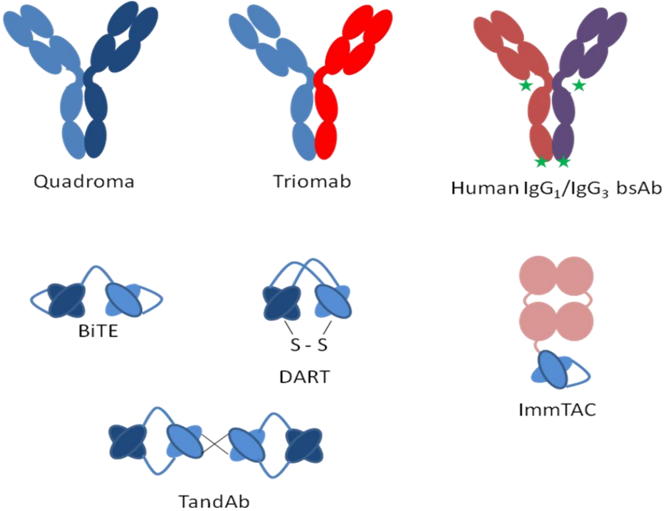
“employed to construct and produce bsAbs was the quadroma technology [241,242], which is based on the somatic fusion of two different hybridoma cell lines expressing murine monoclonal antibodies.”
MethodDoronina, S. O., Mendelsohn, B. A., Bovee, T. D., Cerveny, C. G., Alley, S. C., Meyer, D. L., Oflazoglu, E., Toki, B. E., Sanderson, R. J., Zabinski, R. F., et al. (2006) · Bioconjugate Chemistry · doi:10.1021/bc0502917 · Cited by 515 · cited 1×
“target cells, led to the design of many other different types of cleavable linkers, such as dipeptide linkers; valine-citrulline [184], Val-Cit, and Phe-Lys [185].”
BackgroundSievers, E. L., Appelbaum, F. R., Spielberger, R. T., Forman, S. J., Flowers, D., Smith, F. O., Shannon-Dorcy, K., Berger, M. S., & Bernstein, I. D. (1999) · Blood · doi:10.1182/blood.v93.11.3678 · Cited by 512
An efficient route to human bispecific IgG
Merchant, A. M., Zhu, Z., Yuan, J. Q., Goddard, A., Adams, C. W., Presta, L. G., & Carter, P. (1998) · Nature Biotechnology · doi:10.1038/nbt0798-677 · Cited by 510 · cited 1×
“Other explored approaches include: (1) chemical conjugation of two different monoclonal antibodies or smaller antibody fragments [244], (2) ‘Knobs-into-holes’ strategy [245,246], and (3) strand-exchange engineered domain (SEED) [247].”
BackgroundTrkola, A., Kuster, H., Rusert, P., Joos, B., Fischer, M., Leemann, C., Manrique, A., Huber, M., Rehr, M., Oxenius, A., et al. (2005) · Nature Medicine · doi:10.1038/nm1244 · Cited by 502
Identification of multiple sources of charge heterogeneity in a recombinant antibody
Harris, R. J., Kabakoff, B., Macchi, F. D., Shen, F. J., Kwong, M., Andya, J. D., Shire, S. J., Bjork, N., Totpal, K., & Chen, A. B. (2001) · Journal of Chromatography B: Biomedical Sciences and Applications · doi:10.1016/s0378-4347(00)00548-x · Cited by 500 · cited 1×
“Besides aggregation, chemical degradation may also lead to the loss in the activity of biologics; for example, isomerized species of Herceptin® mAb (isomerization on Asp in CDR) was found to posses only 9–21% of biological activity of the native species [88].”
BackgroundMacromolecular crowding: qualitative and semiquantitative successes, quantitative challenges
Hall, D., & Minton, A. P. (2003) · Biochimica et Biophysica Acta (BBA) - Proteins and Proteomics · doi:10.1016/s1570-9639(03)00167-5 · Cited by 488 · cited 1×
“1) is occupied by the solutes [119,120].”
Cardoso, R. M. F., Zwick, M. B., Stanfield, R. L., Kunert, R., Binley, J. M., Katinger, H., Burton, D. R., & Wilson, I. A. (2005) · Immunity · doi:10.1016/j.immuni.2004.12.011 · Cited by 449 · cited 1×
“In another example, many pathogenic viruses have evolved narrow cavities in their surface antigens to escape immunosurveillance [267].”
BackgroundHuman antibodies from transgenic animals.
Lonberg, N. (2005) · Nature Biotechnology · doi:10.1038/nbt1135 · Cited by 434 · cited 2×
“Fully human antibodies, on the other hand, are either naturally obtained, recombinantly expressed, or collected from transgenic mouse, in which the immune repertoire has been replaced by the human genes [18,19].”
BackgroundNadler, L. M., Stashenko, P., Hardy, R., Kaplan, W. D., Button, L. N., Kufe, D. W., Antman, K. H., & Schlossman, S. F. (1980) · PubMed · Cited by 413
Intracellular Activation of SGN-35, a Potent Anti-CD30 Antibody-Drug Conjugate
Okeley, N. M., Miyamoto, J. B., Zhang, X., Sanderson, R. J., Benjamin, D. R., Sievers, E. L., Senter, P. D., & Alley, S. C. (2010) · Clinical Cancer Research · doi:10.1158/1078-0432.ccr-09-2069 · Cited by 393 · cited 1×
“In addition, the released small molecule drugs, due to its membrane permeability, are able to exert cytotoxic activity on bystander cells [162].”
BackgroundEfficient Cancer Therapy with a Nanobody-Based Conjugate
Cortez-Retamozo, V., Backmann, N., Senter, P. D., Wernery, U., De Baetselier, P., Muyldermans, S., & Revets, H. (2004) · Cancer Research · doi:10.1158/0008-5472.can-03-3935 · Cited by 382 · cited 3×
“Compared to monoclonal antibodies, camelid VhH and shark V-NAR domains display long surface loops, and are thus able to penetrate cavities in target antigens [268–270].”
MethodTyler-Cross, R., & Schirch, V. (1991) · Journal of Biological Chemistry · doi:10.1016/s0021-9258(18)54607-x · Cited by 371 · cited 3×
“Similarly to deamidation, isomerization is favored at neutral and basic pH, and the rate has been reported to be influenced by the steric effect [63,67].”
BackgroundReduction−Alkylation Strategies for the Modification of Specific Monoclonal Antibody Disulfides
Sun, M. M. C., Beam, K. S., Cerveny, C. G., Hamblett, K. J., Blackmore, R. S., Torgov, M. Y., Handley, F. G. M., Ihle, N. C., Senter, P. D., & Alley, S. C. (2005) · Bioconjugate Chemistry · doi:10.1021/bc050201y · Cited by 370 · cited 1×
“Heterogeneity can be minimized by preferential cleavage of particular mAb inter-chain disulfides through chemical reduction and oxidation, and isomeric homogeneity can be as high as 60–90% [176].”
BackgroundAnegón, I., Cuturi, M. C., Trinchieri, G., & Perussia, B. (1988) · The Journal of experimental medicine · doi:10.1084/jem.167.2.452 · Cited by 368 · cited 1×
“Activation of FCγR results in various types of immune responses including: ADCC, antibody-mediated phagocytosis, and secretion of inflammatory modulators [38–40].”
BackgroundReversal of Oncogenesis by the Expression of a Major Histocompatibility Complex Class I Gene
Tanaka, K., Isselbacher, K. J., Khoury, G., & Jay, G. (1985) · Science · doi:10.1126/science.3975631 · Cited by 366 · cited 2×
“targets, and potentially to overcome tumor immune escape mediated by down-regulation or loss of MHC [231].”
BackgroundImmunotoxin Treatment of Cancer
Pastan, I., Hassan, R., FitzGerald, D. J., & Kreitman, R. J. (2007) · Annual Review of Medicine · doi:10.1146/annurev.med.58.070605.115320 · Cited by 359 · cited 1×
“Plant or bacterial toxins are genetically fused to antibodies or their fragments and delivered to cancer cells, in which the fusion proteins are internalized and subsequently kill cancer cells [197].”
BackgroundModulation of cell surface iron transferrin receptors by cellular density and state of activation
Larrick, J. W., & Cresswell, P. (1979) · Journal of Supramolecular Structure · doi:10.1002/jss.400110415 · Cited by 357 · cited 1×
“Transferrin plays a pivotal role in iron uptake, and transferrin receptor (TfR) has been reported to be more abundantly expressed in dividing cells [203].”
BackgroundThe Carbohydrate at FcγRIIIa Asn-162
Ferrara, C., Stuart, F., Sondermann, P., Brünker, P., & Umaña, P. (2006) · Journal of Biological Chemistry · doi:10.1074/jbc.m510171200 · Cited by 354
Formulation and delivery issues for monoclonal antibody therapeutics
Daugherty, A. L., & Mrsny, R. J. (2006) · Advanced Drug Delivery Reviews · doi:10.1016/j.addr.2006.03.011 · Cited by 351 · cited 1×
“A number of review articles are available that focus on this topic for mAb-based therapeutics, or protein-based therapeutics in general [16,48,49].”
BackgroundMack, M., Riethmüller, G., & Kufer, P. (1995) · Proceedings of the National Academy of Sciences · doi:10.1073/pnas.92.15.7021 · Cited by 351 · cited 1×
“any requirement for pre- or co-stimulation of effector T cells [239,240].”
BackgroundRituximab therapy of patients with B-cell chronic lymphocytic leukemia
Huhn, D. (2001) · Blood · doi:10.1182/blood.v98.5.1326 · Cited by 347 · cited 1×
“This drug is currently being utilized as a single agent (for induction and maintenance), or in combination with chemotherapeutic agents, for the treatment of various human lymphoma and chronic lymphocytic lymphoma [10,28].”
BackgroundDomain antibodies: proteins for therapy
Holt, L. J., Herring, C., Jespers, L. S., Woolven, B. P., & Tomlinson, I. M. (2003) · Trends in Biotechnology · doi:10.1016/j.tibtech.2003.08.007 · Cited by 345 · cited 1×
“targets [284].”
Simultaneous targeting of multiple disease mediators by a dual-variable-domain immunoglobulin
Wu, C., Ying, H., Grinnell, C., Bryant, S., Miller, R., Clabbers, A., Bose, S., McCarthy, D., Zhu, R.-R., Santora, L., et al. (2007) · Nature Biotechnology · doi:10.1038/nbt1345 · Cited by 344 · cited 1×
“Several other technologies are currently being pursued, including dual-variable domain immunoglobulin (DVD-Ig TM ) for the generation of an Fv-bispecific molecule [256], and mAb 2 TM”
BackgroundConnolly, B. D., Petry, C., Yadav, S., Demeule, B., Ciaccio, N., Moore, J. M. R., Shire, S. J., & Gokarn, Y. R. (2012) · Biophysical Journal · doi:10.1016/j.bpj.2012.04.047 · Cited by 340
The denaturation and degradation of stable enzymes at high temperatures
DANIEL, R. M., DINES, M., & PETACH, H. H. (1996) · Biochemical Journal · doi:10.1042/bj3170001 · Cited by 336 · cited 6×
“There are instances of covalent cross-linking that may occur between different amino acid residues besides Cys, which, unlike disulfide linkage, are non-reducible [81] Successful development of mAb-based therapeutics requires a careful assessment of the various degradation pathways possible for a molecule (both physic…”
BackgroundInfluentialPotent neutralization of botulinum neurotoxin by recombinant oligoclonal antibody
Nowakowski, A., Wang, C., Powers, D. B., Amersdorfer, P., Smith, T. J., Montgomery, V. A., Sheridan, R., Blake, R., Smith, L. A., & Marks, J. D. (2002) · Proceedings of the National Academy of Sciences · doi:10.1073/pnas.172229899 · Cited by 331 · cited 1×
“higher potency than that reported for human polyclonal botulinum-immune globulin or individual mAbs [309].”
BackgroundHu, S., Shively, L., Raubitschek, A. A., Sherman, M. A., Williams, L. E., Wong, J. Y., Shively, J. E., & Wu, A. M. (1996) · PubMed · Cited by 330
Mimura, Y., Church, S., Ghirlando, R., Ashton, P. R., Dong, S., Goodall, M., Lund, J., & Jefferis, R. (2000) · Molecular Immunology · doi:10.1016/s0161-5890(00)00105-x · Cited by 329 · cited 1×
“In fact, the presence of oligosaccharide has been reported to improve the structural integrity of IgG1 mAb [33,34].”
BackgroundJefferis, R., Lund, J., & Pound, J. D. (1998) · Immunological Reviews · doi:10.1111/j.1600-065x.1998.tb01188.x · Cited by 329 · cited 1×
“Complete deglycosylation of IgG1 results in loss of binding capacity with FCγR and subsequent loss of effector function [41].”
BackgroundKinetic studies of protein–protein interactions
Schreiber, G. (2002) · Current Opinion in Structural Biology · doi:10.1016/s0959-440x(02)00287-7 · Cited by 323 · cited 1×
“Formulation conditions such as pH, ionic strength, and concentration of mAb may also have significant influence on aggregation [61].”
BackgroundReturn to the Past: The Case for Antibody-Based Therapies in Infectious Diseases
Casadevall, A., & Scharff, M. D. (1995) · Clinical Infectious Diseases · doi:10.1093/clinids/21.1.150 · Cited by 318 · cited 2×
“serum therapy was used against a diverse range of infectious diseases, including pneumococcal pneumonia, meningococcal meningitis, erysipelas, anthrax and others [1,314].”
BackgroundMinton, A. P. (1998) · Methods in Enzymology · doi:10.1016/s0076-6879(98)95038-8 · Cited by 317 · cited 1×
“Although the above mentioned parameters are measured to predict high concentration behavior, there is another school of thought that claims prediction of high concentration behavior from dilute solution is not reliable [133,157].”
BackgroundRunkel, L., Meier, W., Pepinsky, R. B., Karpusas, M., Whitty, A., Kimball, K., Brickelmaier, M., Muldowney, C., Jones, W., & Goelz, S. E. (1998) · Pharmaceutical Research · doi:10.1023/a:1011974512425 · Cited by 304 · cited 2×
“towards aggregation, as was observed with IFN-β, which resulted in the formation of insoluble aggregates and loss of activity upon enzymatic deglycosylation [35].”
BackgroundMethodSolubility as a Function of Protein Structure and Solvent Components
Schein, C. H. (1990) · Nature Biotechnology · doi:10.1038/nbt0490-308 · Cited by 302 · cited 1×
“A more technical definition will be the maximum amount of protein that remains in solution, following 30min of centrifugation at 30,000 g in the presence of co-solute [122,123].”
BackgroundSutherland, M. S. K., Sanderson, R. J., Gordon, K. A., Andreyka, J., Cerveny, C. G., Yu, C., Lewis, T. S., Meyer, D. L., Zabinski, R. F., Doronina, S. O., et al. (2006) · Journal of Biological Chemistry · doi:10.1074/jbc.m510026200 · Cited by 296 · cited 1×
“The binding of ADCs to specific tumor-associated antigens (TAAs) can trigger internalization of the binding complex and release the drugs inside the cancer cells for the intended cytotoxic action [161].”
BackgroundGlycoproteins: glycan presentation and protein-fold stability
Wormald, M. R., & Dwek, R. A. (1999) · Structure · doi:10.1016/s0969-2126(99)80095-1 · Cited by 290 · cited 1×
“sequence such as Asn-X-Ser/Thr [30,31].”
Orally administered L. lactis secreting an anti-TNF Nanobody demonstrate efficacy in chronic colitis
Vandenbroucke, K., de Haard, H., Beirnaert, E., Dreier, T., Lauwereys, M., Huyck, L., Van Huysse, J., Demetter, P., Steidler, L., Remaut, E., et al. (2010) · Mucosal Immunology · doi:10.1038/mi.2009.116 · Cited by 289 · cited 1×
“These functionally active dAbs and nanobodies can be reformatted into a linked dAb or CH1/CL dAb, or be attached to VH and/or VL chains, or the CH3 of a regular antibody to make a bispecific or multispecific molecule [287].”
BackgroundPeroxide formation in polysorbate 80 and protein stability
Ha, E., Wang, W., & John Wang, Y. (2002) · Journal of Pharmaceutical Sciences · doi:10.1002/jps.10216 · Cited by 286 · cited 1×
“, hydrogen peroxide from polysorbate degradation) [73–75].”
Self-citationThe growth and potential of human antiviral monoclonal antibody therapeutics
Marasco, W. A., & Sui, J. (2007) · Nature Biotechnology · doi:10.1038/nbt1363 · Cited by 284 · cited 1×
“Second, by increasing the antibody density on the viral surface, which may be the most important factor in virus neutralization [311], the neutralizing ability of the antibody is amplified considerably [312].”
BackgroundA recombinant human enzyme for enhanced interstitial transport of therapeutics
Bookbinder, L. H., Hofer, A., Haller, M. F., Zepeda, M. L., Keller, G.-A., Lim, J. E., Edgington, T. S., Shepard, H. M., Patton, J. S., & Frost, G. I. (2006) · Journal of Controlled Release · doi:10.1016/j.jconrel.2006.05.027 · Cited by 282 · cited 1×
“The maximum volume that can be administered is typically less than 2 mL [114].”
BackgroundYadav, S., Laue, T. M., Kalonia, D. S., Singh, S. N., & Shire, S. J. (2012) · Molecular Pharmaceutics · doi:10.1021/mp200566k · Cited by 280 · cited 1×
“[121].”
Structural Comparison of Fucosylated and Nonfucosylated Fc Fragments of Human Immunoglobulin G1
Matsumiya, S., Yamaguchi, Y., Saito, J.-I., Nagano, M., Sasakawa, H., Otaki, S., Satoh, M., Shitara, K., & Kato, K. (2007) · Journal of Molecular Biology · doi:10.1016/j.jmb.2007.02.034 · Cited by 278 · cited 1×
“The absence of fucose residue in the Fc-linked glycan moiety has been reported to increase the efficacy of mAb in initiating the ADCC response at much lower concentrations, which has been attributed to the higher binding affinity of non-fucosylated mAb to the FCγRIIIa receptor [42–44].”
BackgroundKimura, H., Sakai, K., Arao, T., Shimoyama, T., Tamura, T., & Nishio, K. (2007) · Cancer Science · doi:10.1111/j.1349-7006.2007.00510.x · Cited by 277 · cited 13×
“Activation of FCγR results in various types of immune responses including: ADCC, antibody-mediated phagocytosis, and secretion of inflammatory modulators [38] [39] [40].”
InfluentialRecombination of a mixture of univalent antibody fragments of different specificity
Nisonoff, A., & Rivers, M. M. (1961) · Archives of Biochemistry and Biophysics · doi:10.1016/0003-9861(61)90296-x · Cited by 277 · cited 1×
“Bispecific, monovalent antibodies were first described in 1961 by Nisonoff and Rivers [224].”
BackgroundEfficient Targeting of Conserved Cryptic Epitopes of Infectious Agents by Single Domain Antibodies
Stijlemans, B., Conrath, K., Cortez-Retamozo, V., Van Xong, H., Wyns, L., Senter, P., Revets, H., De Baetselier, P., Muyldermans, S., & Magez, S. (2004) · Journal of Biological Chemistry · doi:10.1074/jbc.m307341200 · Cited by 276
Analysis of non-ideal behavior in concentrated hemoglobin solutions
Ross, P. D., & Minton, A. P. (1977) · Journal of Molecular Biology · doi:10.1016/s0022-2836(77)80191-5 · Cited by 275 · cited 1×
“gradient of osmotic pressure deviate from linearity and demonstrates concentration dependence [138].”
BackgroundCatumaxomab: Clinical development and future directions
Linke, R., Klein, A., & Seimetz, D. (2010) · mAbs · doi:10.4161/mabs.2.2.11221 · Cited by 274
Dornan, D., Bennett, F., Chen, Y., Dennis, M., Eaton, D., Elkins, K., French, D., Go, M. A. T., Jack, A., Junutula, J. R., et al. (2009) · Blood · doi:10.1182/blood-2009-02-205500 · Cited by 273 · cited 1×
“minimize heterogeneity is to create a limited number of cyteine residues through engineering [177,178].”
BackgroundMolecular Origins of Osmotic Second Virial Coefficients of Proteins
Neal, B. L., Asthagiri, D., & Lenhoff, A. M. (1998) · Biophysical Journal · doi:10.1016/s0006-3495(98)77691-x · Cited by 272 · cited 1×
“negative B22 in general refer to repulsive and attractive interactions, respectively [141].”
BackgroundJoubert, M. K., Hokom, M., Eakin, C., Zhou, L., Deshpande, M., Baker, M. P., Goletz, T. J., Kerwin, B. A., Chirmule, N., Narhi, L. O., et al. (2012) · Journal of Biological Chemistry · doi:10.1074/jbc.m111.330902 · Cited by 268 · cited 1×
“In this article the author has clearly shown that presence of large number of particles in therapeutic mAb formulation to induce immunogenicity through innate immune response, which may further progress through T-cell response [85].”
BackgroundHuman Antibody Effector Function
Burton, D. R., & Woof, J. M. (1992) · Advances in Immunology · doi:10.1016/s0065-2776(08)60486-1 · Cited by 265 · cited 1×
“, effector function) [36,37].”
Antioxidants for Prevention of Methionine Oxidation in Recombinant Monoclonal Antibody HER2
Lam, X. M., Yang, J. Y., & Cleland, J. L. (1997) · Journal of Pharmaceutical Sciences · doi:10.1021/js970143s · Cited by 263
Phagocytosis mediated by three distinct Fc gamma receptor classes on human leukocytes.
Anderson, C. L., Shen, L., Eicher, D. M., Wewers, M. D., & Gill, J. K. (1990) · The Journal of experimental medicine · doi:10.1084/jem.171.4.1333 · Cited by 262 · cited 1×
“Activation of FCγR results in various types of immune responses including: ADCC, antibody-mediated phagocytosis, and secretion of inflammatory modulators [38–40].”
BackgroundMoore, P. A., Zhang, W., Rainey, G. J., Burke, S., Li, H., Huang, L., Gorlatov, S., Veri, M. C., Aggarwal, S., Yang, Y., et al. (2011) · Blood · doi:10.1182/blood-2010-09-306449 · Cited by 260 · cited 1×
“A competing recombinant format based on a covalently-linked bispecific diabody, termed DARD® (Dual-Affinity Re-Targeting), was reported by the biotechnology company MacroGenics Inc [254,255].”
BackgroundMolecular origins of surfactant-mediated stabilization of protein drugs
Lee, H. J., McAuley, A., Schilke, K. F., & McGuire, J. (2011) · Advanced Drug Delivery Reviews · doi:10.1016/j.addr.2011.06.015 · Cited by 258 · cited 1×
“Surfactants may stabilize protein molecules from interfacial stress by preferentially accumulating at the interface, thus preventing the proteins from being partitioned onto the interface [16,47,100].”
BackgroundTargeting Dendritic Cells with Antigen-Containing Liposomes
van Broekhoven, C. L., Parish, C. R., Demangel, C., Britton, W. J., & Altin, J. G. (2004) · Cancer Research · doi:10.1158/0008-5472.can-04-0138 · Cited by 256 · cited 1×
“even viruses for targeted gene therapy [279–281].”
Structural properties of monoclonal antibody aggregates induced by freeze–thawing and thermal stress
Hawe, A., Kasper, J. C., Friess, W., & Jiskoot, W. (2009) · European Journal of Pharmaceutical Sciences · doi:10.1016/j.ejps.2009.06.001 · Cited by 255 · cited 1×
“At elevated temperature, mAb may undergo conformational destabilization, or partial-to-complete unfolding, which may lead to the formation of aggregates via non-covalent interactions [48,56].”
BackgroundPolson, A. G., Calemine-Fenaux, J., Chan, P., Chang, W., Christensen, E., Clark, S., de Sauvage, F. J., Eaton, D., Elkins, K., Elliott, J. M., et al. (2009) · Cancer Research · doi:10.1158/0008-5472.can-08-2250 · Cited by 252 · cited 1×
“Presumably, due to the increased stability of the linker, reduced toxicity was observed relative to conjugates with cleavable linkers [187].”
BackgroundSerum therapy revisited: animal models of infection and development of passive antibody therapy
Casadevall, A., & Scharff, M. D. (1994) · Antimicrobial Agents and Chemotherapy · doi:10.1128/aac.38.8.1695 · Cited by 251 · cited 1×
“serum therapy was used against a diverse range of infectious diseases, including pneumococcal pneumonia, meningococcal meningitis, erysipelas, anthrax and others [1,314].”
BackgroundBrennan, M., Davison, P. F., & Paulus, H. (1985) · Science · doi:10.1126/science.3925553 · Cited by 251 · cited 1×
“Other explored approaches include: (1) chemical conjugation of two different monoclonal antibodies or smaller antibody fragments [244], (2) ‘Knobs-into-holes’ strategy [245,246], and (3) strand-exchange engineered domain (SEED) [247].”
BackgroundAntibody-based therapeutics to watch in 2011
Reichert, J. M. (2011) · mAbs · doi:10.4161/mabs.3.1.13895 · Cited by 236
Krielgaard, L., Jones, L. S., Randolph, T. W., Frokjaer, S., Flink, J. M., Manning, M. C., & Carpenter, J. F. (1998) · Journal of Pharmaceutical Sciences · doi:10.1021/js980126i · Cited by 232
Biomaterials: Interfacial Phenomena and Applications
(1982) · Advances in Chemistry · doi:10.1021/ba-1982-0199 · Cited by 223
Rapid Measurement of Protein Osmotic Second Virial Coefficients by Self-Interaction Chromatography
Tessier, P. M., Lenhoff, A. M., & Sandler, S. I. (2002) · Biophysical Journal · doi:10.1016/s0006-3495(02)75513-6 · Cited by 217 · cited 1×
“[144–150].”
Ji, J. A., Zhang, B., Cheng, W., & Wang, Y. J. (2009) · Journal of Pharmaceutical Sciences · doi:10.1002/jps.21746 · Cited by 215 · cited 1×
“Although EDTA is effective for most metal ions, there are certain metal ions, such Fe 3+ , for which EDTA has been found to be ineffective at preventing metal-induced oxidation [107].”
BackgroundCharacterization of HIV-1 neutralization escape mutants
McKeating, J. A., Gow, J., Goudsmit, J., Pearl, L. H., Mulder, C., & Weiss, R. A. (1989) · AIDS · doi:10.1097/00002030-198912000-00001 · Cited by 214 · cited 5×
“Brain uptake of biotinylated anti-sense PNA (peptide-nucleic acid) against HIV was greatly enhanced when co-administered with the anti-TfR/avidin fusion protein [207].”
BackgroundInfluentialLindhofer, H., Mocikat, R., Steipe, B., & Thierfelder, S. (1995) · The Journal of Immunology · doi:10.4049/jimmunol.155.1.219 · Cited by 213 · cited 1×
“A major improvement to the conventional quadroma approach employed the somatic fusion of a murine and a rat hybridoma cell line, expressing monoclonal antibodies with two IgG subclasses selected for their preferential pairing [15,243].”
MethodHybrid hybridoma producing a bispecific monoclonal antibody that can focus effector T-cell activity.
Staerz, U. D., & Bevan, M. J. (1986) · Proceedings of the National Academy of Sciences · doi:10.1073/pnas.83.5.1453 · Cited by 208 · cited 1×
“employed to construct and produce bsAbs was the quadroma technology [241,242], which is based on the somatic fusion of two different hybridoma cell lines expressing murine monoclonal antibodies.”
MethodAdams, G., Schier, R., McCall, A., Crawford, R., Wolf, E., Weiner, L., & Marks, J. (1998) · British Journal of Cancer · doi:10.1038/bjc.1998.233 · Cited by 208 · cited 1×
“01% of the applied dose has been reported to penetrate into the tumor [111,112].”
BackgroundNature and consequences of protein–protein interactions in high protein concentration solutions
Saluja, A., & Kalonia, D. S. (2008) · International Journal of Pharmaceutics · doi:10.1016/j.ijpharm.2008.03.041 · Cited by 208 · cited 3×
“When molecules are in close proximity, they can interact with each other, resulting in reversible self-association, increase in viscosity, opalescence, and even aggregation [126].”
BackgroundInfluentialIida, S., Misaka, H., Inoue, M., Shibata, M., Nakano, R., Yamane-Ohnuki, N., Wakitani, M., Yano, K., Shitara, K., & Satoh, M. (2006) · Clinical Cancer Research · doi:10.1158/1078-0432.ccr-05-2619 · Cited by 206 · cited 1×
“High binding affinity allows non-fucosylated mAb to compete with the binding of serum IgG to the FCγRIIIa receptor expressed on natural killer cells (NK) [45].”
BackgroundMonoclonal Antibodies in Cancer Therapy: 25 Years of Progress
Oldham, R. K., & Dillman, R. O. (2008) · Journal of Clinical Oncology · doi:10.1200/jco.2007.15.7438 · Cited by 204 · cited 1×
“treatment of cancer; initially focused primarily against lymphoma and leukemia, however it was also used for the treatment of solid tumors, such as melanoma [17].”
MethodBispecific tandem diabody for tumor therapy with improved antigen binding and pharmacokinetics
Kipriyanov, S. M., Moldenhauer, G., Schuhmacher, J., Cochlovius, B., Von der Lieth, C.-W., Matys, E. R., & Little, M. (1999) · Journal of Molecular Biology · doi:10.1006/jmbi.1999.3156 · Cited by 202 · cited 1×
“Further extension of diabodies, tandem diabodies [249], has also been manufactured.”
BackgroundCacia, J., Keck, R., Presta, L. G., & Frenz, J. (1996) · Biochemistry · doi:10.1021/bi951526c · Cited by 202 · cited 3×
“Similarly to deamidation, isomerization is favored at neutral and basic pH, and the rate has been reported to be influenced by the steric effect [63,67].”
BackgroundKueltzo, L. A., Wang, W. E. I., Randolph, T. W., & Carpenter, J. F. (2008) · Journal of Pharmaceutical Sciences · doi:10.1002/jps.21110 · Cited by 200 · cited 1×
“Freeze/thaw causes aggregation via a number of factors such as partitioning of the protein molecule to ice-water interface, adsorption to the container surface (solid-water interface), cryo-concentration, and change in pH due to non-uniform crystallization of buffer [57–60].”
BackgroundSelf-citationHarris, R. J., Shire, S. J., & Winter, C. (2004) · Drug Development Research · doi:10.1002/ddr.10344 · Cited by 198 · cited 1×
“Increase in viscosity increases the time of injection, and also the pain at injection site, which may lead to decrease in patient compliance [132].”
BackgroundJohnson, S., Burke, S., Huang, L., Gorlatov, S., Li, H., Wang, W., Zhang, W., Tuaillon, N., Rainey, J., Barat, B., et al. (2010) · Journal of Molecular Biology · doi:10.1016/j.jmb.2010.04.001 · Cited by 198 · cited 1×
“A competing recombinant format based on a covalently-linked bispecific diabody, termed DARD® (Dual-Affinity Re-Targeting), was reported by the biotechnology company MacroGenics Inc [254,255].”
BackgroundSelf-citationProlonged activity of factor IX as a monomeric Fc fusion protein
Peters, R. T., Low, S. C., Kamphaus, G. D., Dumont, J. A., Amari, J. V., Lu, Q., Zarbis-Papastoitsis, G., Reidy, T. J., Merricks, E. P., Nichols, T. C., et al. (2010) · Blood · doi:10.1182/blood-2009-08-239665 · Cited by 196 · cited 1×
“This fusion construct demonstrated higher circulation half life, due to its binding to FcRn, and resultant recycling of the fusion molecule [221].”
BackgroundWakankar, A. A., Feeney, M. B., Rivera, J., Chen, Y., Kim, M., Sharma, V. K., & Wang, Y. J. (2010) · Bioconjugate Chemistry · doi:10.1021/bc900434c · Cited by 195 · cited 1×
“Thus, the addition of such molecules to antibodies may negatively impact antibody stability [190,191] or solubility [192].”
BackgroundDavis, J. H., Aperlo, C., Li, Y., Kurosawa, E., Lan, Y., Lo, K.-M., & Huston, J. S. (2010) · Protein Engineering, Design and Selection · doi:10.1093/protein/gzp094 · Cited by 194 · cited 2×
“Other explored approaches include: (1) chemical conjugation of two different monoclonal antibodies or smaller antibody fragments [244], (2) ‘Knobs-into-holes’ strategy [245,246], and (3) strand-exchange engineered domain (SEED) [247].”
BackgroundUnderstanding and Modulating Opalescence and Viscosity in a Monoclonal Antibody Formulation
Salinas, B. A., Sathish, H. A., Bishop, S. M., Harn, N., Carpenter, J. F., & Randolph, T. W. (2010) · Journal of Pharmaceutical Sciences · doi:10.1002/jps.21797 · Cited by 191 · cited 1×
“Second virial coefficient is a measure of intermolecular interaction, and is primarily driven by electrostatic attraction or repulsion, van der Waals attraction, and repulsion from molecular crowding [140–142].”
BackgroundAntibody–drug conjugates for cancer: poised to deliver?
Hughes, B. (2010) · Nature Reviews Drug Discovery · doi:10.1038/nrd3270 · Cited by 188 · cited 1×
“Drug resistance has been observed both for anticancer small molecule drugs [164,165] and mAbs [166,167].”
BackgroundDityrosine as a product of oxidative stress and fluorescent probe
Malencik, D. A., & Anderson, S. R. (2003) · Amino Acids · doi:10.1007/s00726-003-0014-z · Cited by 186 · cited 1×
“, disulfide linkage and dityrosine linkage) may also lead to the formation of aggregates [54,55].”
BackgroundSaluja, A., Fesinmeyer, R. M., Hogan, S., Brems, D. N., & Gokarn, Y. R. (2010) · Biophysical Journal · doi:10.1016/j.bpj.2010.08.020 · Cited by 183 · cited 1×
“concentration, and can be determined by dynamic light scattering in a high-throughput manner [151].”
BackgroundLu, D., Zhang, H., Koo, H., Tonra, J., Balderes, P., Prewett, M., Corcoran, E., Mangalampalli, V., Bassi, R., Anselma, D., et al. (2005) · Journal of Biological Chemistry · doi:10.1074/jbc.m500815200 · Cited by 180 · cited 1×
“This was validated at the preclinical level by Zu and colleagues using a single-gene bispecific diabody (bs-diabody) specific for VEGFR2 (KDR) and VEGFR3 (Flt-4) [229,230].”
BackgroundSpiridon, C., Ghetie, M.-A., Uhr, J. W., Marcheş, R., Li, J. L., Shen, G. L., & Vitetta, E. S. (2002) · PubMed · Cited by 179
Glycosylation influences on the aggregation propensity of therapeutic monoclonal antibodies
Kayser, V., Chennamsetty, N., Voynov, V., Forrer, K., Helk, B., & Trout, B. L. (2011) · Biotechnology Journal · doi:10.1002/biot.201000091 · Cited by 172 · cited 1×
“In fact, the presence of oligosaccharide has been reported to improve the structural integrity of IgG1 mAb [33,34].”
BackgroundProduction of therapeutic antibodies with controlled fucosylation
Yamane-Ohnuki, N., & Satoh, M. (2009) · mAbs · doi:10.4161/mabs.1.3.8328 · Cited by 170 · cited 2×
“A number of processes have been proposed for selective defucosylation, including selective inactivation of fucosylation pathway in mammalian cells, enzymatic modification of the N-glycan, and chemical synthesis of the non-fucosylated form of the N-glycan [31].”
BackgroundSaito, S., Hasegawa, J., Kobayashi, N., Kishi, N., Uchiyama, S., & Fukui, K. (2011) · Pharmaceutical Research · doi:10.1007/s11095-011-0563-x · Cited by 170 · cited 1×
“[143], found that the B22 value, measured by sedimentation equilibrium, demonstrated strong qualitative correlation with the viscosity and aggregation propensity of mAbs.”
BackgroundRobinson, M. K., Doss, M., Shaller, C., Narayanan, D., Marks, J. D., Adler, L. P., González Trotter, D. E., & Adams, G. P. (2005) · Cancer Research · doi:10.1158/0008-5472.can-04-2008 · Cited by 169 · cited 1×
“allow for lower separation of the two binding sites and possess an excellent combination of rapid tumor uptake and clearance for in vivo imaging [276,277].”
BackgroundSuppression of tumour growth in mice by a drug–antibody conjugate using a novel approach to linkage
ROWLAND, G. F., O'NEILL, G. J., & DAVIES, D. A. L. (1975) · Nature · doi:10.1038/255487a0 · Cited by 166 · cited 1×
“The concept of ADCs as magic bullets was proposed decades ago [168], however only three such drug”
BackgroundImmunotoxins and Anticancer Drug Conjugate Assemblies: The Role of the Linkage between Components
Dosio, F., Brusa, P., & Cattel, L. (2011) · Toxins · doi:10.3390/toxins3070848 · Cited by 166 · cited 1×
“Various types of chemical linkers have been designed to achieve the desired properties [171,172].”
BackgroundAndya, J. D., Hsu, C. C., & Shire, S. J. (2003) · AAPS PharmSci · doi:10.1208/ps050210 · Cited by 165 · cited 1×
“, disulfide linkage and dityrosine linkage) may also lead to the formation of aggregates [54,55].”
BackgroundChen, B., Bautista, R., Yu, K., Zapata, G. A., Mulkerrin, M. G., & Chamow, S. M. (2003) · Pharmaceutical Research · doi:10.1023/b:pham.0000008042.15988.c0 · Cited by 165 · cited 1×
“The presence of cryoprotectants, such as sucrose and trehalose, may provide protection against freeze/thaw-induced degradation of drug substance which may undergo multiple freeze/thaw cycles during storage [94,102,103].”
BackgroundA revival of bispecific antibodies
Kufer, P., Lutterbüse, R., & Baeuerle, P. A. (2004) · Trends in Biotechnology · doi:10.1016/j.tibtech.2004.03.006 · Cited by 157 · cited 1×
“BiTE® antibodies are recombinant protein constructs created by linking two scFv molecules via a five amino acid peptide linker [251].”
Liu, H., Chumsae, C. M., Gaza‐Bulseco, G., Hurkmans, K., & Radziejewski, C. H. (2010) · Analytical Chemistry · doi:10.1021/ac100575n · Cited by 154 · cited 1×
“(4) disulfide bonds in the CH2 domain are the most susceptible to reduction [175].”
BackgroundThe concentration-dependence of macromolecular parameters
Harding, S. E., & Johnson, P. (1985) · Biochemical Journal · doi:10.1042/bj2310543 · Cited by 152 · cited 1×
“Kd is related to B22 via an equation developed by Harding and Johnson [152], and thus can be utilized for indirect measurement of B22.”
MethodA Critical Review of Analytical Methods for Subvisible and Visible Particles
Narhi, L. O., Jiang, Y., Cao, S., Benedek, K., & Shnek, D. (2009) · Current Pharmaceutical Biotechnology · doi:10.2174/138920109788488905 · Cited by 152 · cited 4×
“Level of aggregates in clinical and commercial drug product is tightly controlled by the regulatory agencies [48,51].”
BackgroundInfluentialStrauss, S. J., Morschhauser, F., Rech, J., Repp, R., Solal‐Céligny, P., Zinzani, P. L., Engert, A., Coiffier, B., Hoelzer, D. F., Wegener, W. A., et al. (2006) · Journal of Clinical Oncology · doi:10.1200/jco.2006.05.6291 · Cited by 152 · cited 1×
“oncology and infectious diseases, cocktails of two conventionally manufactured mAbs are used for targeting HER2/neu (breast cancer [307]) and CD20 and CD22 (non-Hodgkin’s lymphoma [308]).”
BackgroundProtein Adsorption on Biomaterials
Horbett, T. A. (1982) · Advances in chemistry series · doi:10.1021/ba-1982-0199.ch017 · Cited by 151
Brange, J., r, L. L., Havelund, S., & Vølund, A. (1992) · Pharmaceutical Research · doi:10.1023/a:1015835017916 · Cited by 149
Treatment of Refractory Hodgkin's Disease With an Anti-CD16/CD30 Bispecific Antibody
Hartmann, F., Renner, C., Jung, W., Deisting, C., Juwana, M., Eichentopf, B., Kloft, M., & Pfreundschuh, M. (1997) · Blood · doi:10.1182/blood.v89.6.2042 · Cited by 149 · cited 1×
“HRS-3/A9 is a CD16-directed bispecific antibody already tested in clinical trials [232,259].”
BackgroundBiomembranes: Structural and Functional Aspects
Shinitzky, M. (1994) · Medical Entomology and Zoology · Cited by 147
Identification of Sites of Degradation in a Therapeutic Monoclonal Antibody by Peptide Mapping
Kroon, D. J., Baldwin-Ferro, A., & Lalan, P. (1992) · Pharmaceutical Research · doi:10.1023/a:1015894409623 · Cited by 145 · cited 1×
“, OKT3 (IgG2), which demonstrated oxidation at several Met residues and free Cys under 5 °C storage condition [72].”
BackgroundPikal‐Cleland, K. A., Cleland, J. L., Anchordoquy, T. J., & Carpenter, J. F. (2002) · Journal of Pharmaceutical Sciences · doi:10.1002/jps.10184 · Cited by 144 · cited 1×
“Freeze/thaw causes aggregation via a number of factors such as partitioning of the protein molecule to ice-water interface, adsorption to the container surface (solid-water interface), cryo-concentration, and change in pH due to non-uniform crystallization of buffer [57–60].”
BackgroundXie, H., Audette, C. A., Hoffee, M., Lambert, J. M., & Blättler, W. A. (2004) · Journal of Pharmacology and Experimental Therapeutics · doi:10.1124/jpet.103.060533 · Cited by 142 · cited 1×
“The premature release explains the faster-than-expected clearance of the conjugates of cantuzumab mertansine (huC242-DM1) in blood [170].”
BackgroundEffect of Ions on Agitation- and Temperature-Induced Aggregation Reactions of Antibodies
Fesinmeyer, R. M., Hogan, S., Saluja, A., Brych, S. R., Kras, E., Narhi, L. O., Brems, D. N., & Gokarn, Y. R. (2008) · Pharmaceutical Research · doi:10.1007/s11095-008-9792-z · Cited by 141 · cited 1×
“the Hoffmeister series [109].”
Fluorescence detection for the XLI analytical ultracentrifuge
MacGregor, I. K., Anderson, A. L., & Laue, T. M. (2004) · Biophysical Chemistry · doi:10.1016/j.bpc.2003.10.018 · Cited by 141 · cited 1×
“Thus it is extremely important to ensure that both structural and functional integrity have not been compromised by labeling of the molecule [135,136].”
BackgroundGraziano, R. F., & Fanger, M. W. (1987) · The Journal of Immunology · doi:10.4049/jimmunol.139.10.3536 · Cited by 140 · cited 1×
“According to this mechanism, the Fc portion interacts with FCγ-receptors on the surface of the effector immune cells (such as monocyte and macrophages), while the antibody is bound to the surface antigen of the cancer cell through its Fab region, and results in ADCC response [21,22].”
BackgroundStreltsov, V. A., Varghese, J. N., Carmichael, J. A., Irving, R. A., Hudson, P. J., & Nuttall, S. D. (2004) · Proceedings of the National Academy of Sciences · doi:10.1073/pnas.0403509101 · Cited by 140 · cited 1×
“thus able to penetrate cavities in target antigens [268–270].”
BackgroundGokarn, Y. R., Fesinmeyer, R. M., Saluja, A., Razinkov, V., Chase, S. F., Laue, T. M., & Brems, D. N. (2011) · Protein Science · doi:10.1002/pro.591 · Cited by 135 · cited 1×
“Salts are known to influence the solubility and conformational stability of proteins, and their effect is concentration dependent [108].”
BackgroundKing, H. D., Dubowchik, G. M., Mastalerz, H., Willner, D., Hofstead, S. J., Firestone, R. A., Lasch, S. J., & Trail, P. A. (2002) · Journal of Medicinal Chemistry · doi:10.1021/jm020149g · Cited by 135 · cited 1×
“due to the hydrophobic nature of these peptides [193].”
BackgroundBakker, A. B. H., Python, C., Kissling, C. J., Pandya, P., Marissen, W. E., Brink, M. F., Lagerwerf, F. M., Worst, S., van Corven, E., Kostense, S., et al. (2008) · Vaccine · doi:10.1016/j.vaccine.2008.08.050 · Cited by 133 · cited 2×
“stomatitis virus have been demonstrated to act synergistically in virus neutralization, and similar findings were subsequently reported for other viruses, including rabies [303] and HIV [304–306].”
ResultAggregation and Precipitation of Human Relaxin Induced by Metal-Catalyzed Oxidation
Li, S., Nguyen, T. H., Schoneich, C., & Borchardt, R. T. (1995) · Biochemistry · doi:10.1021/bi00017a008 · Cited by 132 · cited 1×
“, surface exposure and steric hindrance) and the solution pH [73,77].”
BackgroundNon-Covalent Interactions in Proteins
Karshikoff, A. (2006) · IMPERIAL COLLEGE PRESS eBooks · doi:10.1142/p477 · Cited by 132
Friess, H., Langrehr, J. M., Oettle, H., Raedle, J., Niedergethmann, M., Dittrich, C., Hossfeld, D. K., Stöger, H., Neyns, B., Herzog, P., et al. (2006) · BMC Cancer · doi:10.1186/1471-2407-6-285 · Cited by 125 · cited 1×
“Viscosity has been reported to be directly correlated to glide force for sc injection [130,131].”
BackgroundProtein Particulate Detection Issues in Biotherapeutics Development—Current Status
Das, T. K. (2012) · AAPS PharmSciTech · doi:10.1208/s12249-012-9793-4 · Cited by 124 · cited 1×
“soluble particles; (2) sub-visible particles (1–100 μm size), and (3) visible particles (>100 μm size) [51,52].”
BackgroundOflazoglu, E., Stone, I. J., Gordon, K. A., Wood, C. G., Repasky, E. A., Grewal, I. S., Law, C., & Gerber, H. P. (2008) · Clinical Cancer Research · doi:10.1158/1078-0432.ccr-08-0916 · Cited by 124 · cited 1×
“Increasing the drug load may not increase the efficacy after reaching a limit [173,189].”
BackgroundWörn, A., & Plückthun, A. (1998) · Biochemistry · doi:10.1021/bi980712q · Cited by 123 · cited 1×
“Moreover, histidine has been reported to demonstrate stabilizing effects [97,98], although contradictory findings have also been”
ResultAntibody–drug conjugates – a perfect synergy
Adair, J. R., Howard, P. W., Hartley, J. A., Williams, D. G., & Chester, K. A. (2012) · Expert Opinion on Biological Therapy · doi:10.1517/14712598.2012.693473 · Cited by 119 · cited 1×
“The rapid growth in monoclonal antibody (mAb) therapeutics has recently stimulated the research and development of antibody-drug conjugates (ADCs) in different phases [158–160].”
BackgroundNakamura, T., Peng, K.-W., Vongpunsawad, S., Harvey, M. E., Mizuguchi, H., Hayakawa, T., Cattaneo, R., & Russell, S. J. (2004) · Nature Biotechnology · doi:10.1038/nbt942 · Cited by 118 · cited 1×
“even viruses for targeted gene therapy [279–281].”
Mascola, J. R., Louder, M. K., VanCott, T. C., Sapan, C. V., Lambert, J. S., Muenz, L. R., Bunow, B. J., Birx, D. L., & Robb, M. L. (1997) · Journal of Virology · doi:10.1128/jvi.71.10.7198-7206.1997 · Cited by 118 · cited 1×
“stomatitis virus have been demonstrated to act synergistically in virus neutralization, and similar findings were subsequently reported for other viruses, including rabies [303] and HIV [304–306].”
ResultJäger, M., Schoberth, A., Ruf, P., Hess, J., Hennig, M., Schmalfeldt, B., Wimberger, P., Ströhlein, M., Theissen, B., Heiss, M. M., et al. (2012) · Cancer Research · doi:10.1158/0008-5472.can-11-2235 · Cited by 117 · cited 1×
“ascites in patients with EpCAM-positive tumors, and was the first bispecific antibody approved for clinical use [15,261].”
BackgroundKordower, J. H., Charles, V, Bayer, R., Bartus, R. T., Putney, S., Walus, L. R., & Friden, P. M. (1994) · Proceedings of the National Academy of Sciences · doi:10.1073/pnas.91.19.9077 · Cited by 116 · cited 1×
“the same antibody or fragments [204].”
Ryan, C. P., Smith, M. E. B., Schumacher, F. F., Grohmann, D., Papaioannou, D., Waksman, G., Werner, F., Baker, J. R., & Caddick, S. (2011) · Chemical Communications · doi:10.1039/c1cc11114k · Cited by 115 · cited 1×
“the thioether-maleimide has been reported to undergo complete hydrolysis of the maleimide ring (ring opening reaction) at pH 8 in 4 h at 37 °C [183].”
BackgroundOlafsen, T., Cheung, C. W., Yazaki, P. J., Li, L., Sundaresan, G., Gambhir, S. S., Sherman, M. A., Williams, L. E., Shively, J. E., Raubitschek, A. A., et al. (2004) · Protein Engineering Design and Selection · doi:10.1093/protein/gzh009 · Cited by 114 · cited 1×
“allow for lower separation of the two binding sites and possess an excellent combination of rapid tumor uptake and clearance for in vivo imaging [276,277].”
BackgroundZharikova, D., Mozdzanowska, K., Feng, J., Zhang, M., & Gerhard, W. (2005) · Journal of Virology · doi:10.1128/jvi.79.11.6644-6654.2005 · Cited by 113 · cited 1×
“Indeed, treatment with a single mAb has culminated in escape variants in HIV [294], hepatitis C virus [295], and influenza A [296].”
BackgroundTous, G. I., Wei, Z., Feng, J., Bilbulian, S., Bowen, S., Smith, J., Strouse, R., McGeehan, P., Casas-Finet, J., & Schenerman, M. A. (2005) · Analytical Chemistry · doi:10.1021/ac0500582 · Cited by 110 · cited 1×
“There are instances of covalent cross-linking that may occur between different amino acid residues besides Cys, which, unlike disulfide linkage, are non-reducible [81].”
BackgroundWarne, N. W. (2011) · European Journal of Pharmaceutics and Biopharmaceutics · doi:10.1016/j.ejpb.2011.03.004 · Cited by 109 · cited 5×
“Nevertheless, histidine buffer has been found to be extremely useful in formulating several mAb-based commercial products and is suggested to be the primary buffer of choice [96].”
BackgroundInfluentialXuan, C., Steward, K. K., Timmerman, J. M., & Morrison, S. L. (2010) · Blood · doi:10.1182/blood-2009-10-250555 · Cited by 109
Molecular engineering of antibodies for therapeutic and diagnostic purposes
Ducancel, F., & Muller, B. H. (2012) · mAbs · doi:10.4161/mabs.20776 · Cited by 108 · cited 3×
“The first, fully human mAb, adalimumab (anti-TNF), was not approved by the FDA until 2002 [29].”
BackgroundA thermally targeted elastin-like polypeptide-doxorubicin conjugate overcomes drug resistance
Bidwell, G. L. I., Davis, A., Fokt, I., Priebe, W., & Raucher, D. (2007) · Investigational new drugs · doi:10.1007/s10637-007-9053-8 · Cited by 108 · cited 1×
“Drug resistance has been observed both for anticancer small molecule drugs [164,165] and mAbs [166,167].”
BackgroundSukumar, M., Doyle, B. L., Combs, J. L., & Pekar, A. H. (2004) · Pharmaceutical Research · doi:10.1023/b:pham.0000032993.98705.73 · Cited by 108 · cited 2×
“[124] reported that an IgG1, demonstrating considerable opalescence at high concentration, was essentially monomeric, and the opalescence was primarily a result of Raleigh scattering.”
BackgroundThurber, G. M., & Wittrup, K. D. (2008) · Cancer Research · doi:10.1158/0008-5472.can-07-3018 · Cited by 107 · cited 1×
“Similarly, scFvs have been reported to efficiently penetrate certain tissue barriers due to their more efficient extravasation from blood vessels and improved diffusion in the extracellular matrix, in comparison to a mAb [265].”
BackgroundPain Perception after Subcutaneous Injections of Media Containing Different Buffers
Laursen, T., Hansen, B., & Fisker, S. (2006) · Basic & Clinical Pharmacology & Toxicology · doi:10.1111/j.1742-7843.2006.pto_271.x · Cited by 107 · cited 1×
“For example, histidine buffer is known to be less prone to cause pain upon injection compared to phosphate and citrate buffer [116–118].”
BackgroundArmbruster, C., Stiegler, G. M., Vcelar, B. A., Jäger, W., Köller, U., Jilch, R., Ammann, C. G., Pruenster, M., Stoiber, H., & Katinger, H. W. D. (2004) · Journal of Antimicrobial Chemotherapy · doi:10.1093/jac/dkh428 · Cited by 107 · cited 1×
“stomatitis virus have been demonstrated to act synergistically in virus neutralization, and similar findings were subsequently reported for other viruses, including rabies [303] and HIV [304–306].”
ResultEffects of Reducing Sugars on the Chemical Stability of Human Relaxin in the Lyophilized State
Li, S., Patapoff, T. W., Overcashier, D., Hsu, C., Nguyen, T. H., & Borchardt, R. T. (1996) · Journal of Pharmaceutical Sciences · doi:10.1021/js950456s · Cited by 106 · cited 1×
“[105,106] demonstrated that”
Selection and affinity maturation of IgNAR variable domains targeting Plasmodium falciparum AMA1
Nuttall, S. D., Humberstone, K. S., Krishnan, U. V., Carmichael, J. A., Doughty, L., Hattarki, M., Coley, A. M., Casey, J. L., Anders, R. F., Foley, M., et al. (2004) · Proteins: Structure, Function, and Bioinformatics · doi:10.1002/prot.20005 · Cited by 106 · cited 1×
“thus able to penetrate cavities in target antigens [268–270].”
BackgroundKeck, Z., Li, S. H., Xia, J., von Hahn, T., Balfe, P., McKeating, J. A., Witteveldt, J., Patel, A. H., Alter, H. J., Rice, C. M., et al. (2009) · Journal of Virology · doi:10.1128/jvi.00248-09 · Cited by 101 · cited 1×
“Indeed, treatment with a single mAb has culminated in escape variants in HIV [294], hepatitis C virus [295], and influenza A [296].”
BackgroundPenichet, M. L., Kang, Y.-S., Pardridge, W. M., Morrison, S. L., & Shin, S.-U. (1999) · The Journal of Immunology · doi:10.4049/jimmunol.163.8.4421 · Cited by 100 · cited 2×
“Brain uptake of biotinylated anti-sense PNA (peptide-nucleic acid) against HIV was greatly enhanced when co-administered with the anti-TfR/avidin fusion protein [207].”
BackgroundHartmann, F., Renner, C., Jung, W. E., Costa, L. M. D., Tembrink, S., Held, G., Sek, A., König, J., Bauer, S., Kloft, M., et al. (2001) · PubMed · Cited by 99
Vallera, D. A., Todhunter, D. A., Kuroki, D. W., Shu, Y., Sicheneder, A., & Chen, H. (2005) · Clinical Cancer Research · doi:10.1158/1078-0432.ccr-04-2290 · Cited by 99 · cited 1×
“bsAbs that bind two antigens on the same cell can be used to enhance specificity for cells expressing both targets relative to cells expressing only one [198,227,228].”
BackgroundBrun, V. L., Frieß, W., Bassarab, S., Muehlau, S., & Garidel, P. (2010) · European Journal of Pharmaceutics and Biopharmaceutics · doi:10.1016/j.ejpb.2010.01.009 · Cited by 97
Non-Covalent Interactions: Theory and Experiment
Hobza, P., & Müller‐Dethlefs, K. J. (2009) · RSC theoretical and computational chemistry series · doi:10.1039/9781847559906 · Cited by 97
STRAMBINI, G. B., & Gonnelli, M. (2006) · Biophysical Journal · doi:10.1529/biophysj.106.099531 · Cited by 96 · cited 1×
“Freeze/thaw causes aggregation via a number of factors such as partitioning of the protein molecule to ice-water interface, adsorption to the container surface (solid-water interface), cryo-concentration, and change in pH due to non-uniform crystallization of buffer [57–60].”
BackgroundLode, H. N., Xiang, R., Becker, J. C., Gillies, S. D., & Reisfeld, R. A. (1998) · Pharmacology & Therapeutics · doi:10.1016/s0163-7258(98)00033-3 · Cited by 96 · cited 1×
“fusion construct has been reported to enhance the delivery of IL2 to tumor microenvironments and result in activation of natural killer cells, through IL2 binding to the cognate receptor, as well as tumor cell killing via ADCC mechanism [211,212].”
BackgroundAntibodies and gene therapy: teaching old ‘magic bullets’ new tricks
Sanz, L., Blanco, B., & Álvarez‐Vallina, L. (2003) · Trends in Immunology · doi:10.1016/j.it.2003.12.001 · Cited by 91 · cited 1×
“to systemic administration of antibody fragments [288].”
Killing of target cells by redirected granzyme B in the absence of perforin
Kurschus, F. C., Kleinschmidt, M., Fellows, E., Dornmair, K., Rudolph, R., Lilie, H., & Jenne, D. E. (2004) · FEBS Letters · doi:10.1016/s0014-5793(04)00187-5 · Cited by 87 · cited 1×
“agent of immunotoxins [198–201].”
Advances in bispecific biotherapeutics for the treatment of cancer
May, C., Sapra, P., & Gerber, H. (2012) · Biochemical Pharmacology · doi:10.1016/j.bcp.2012.07.011 · Cited by 87 · cited 1×
“receptors; and (4) recruitment of T-cells to the proximity of tumor cells; to name a few [225].”
BackgroundMack, M., Gruber, R., Schmidt, S., Riethmüller, G., & Kufer, P. (1997) · The Journal of Immunology · doi:10.4049/jimmunol.158.8.3965 · Cited by 86 · cited 1×
“any requirement for pre- or co-stimulation of effector T cells [239,240].”
BackgroundA Human Monoclonal Antibody Cocktail as a Novel Component of Rabies Postexposure Prophylaxis
de Kruif, J., Bakker, A. B. H., Marissen, W. E., Kramer, R. A., Throsby, M., Rupprecht, C. E., & Goudsmit, J. (2007) · Annual Review of Medicine · doi:10.1146/annurev.med.58.061705.145053 · Cited by 86 · cited 1×
“For example, combination therapy with mAb cocktails has been reported to prevent escape variants for many viruses including influenza [297], hepatitis B virus [298], and rabies virus [299].”
BackgroundThe formulation of biopharmaceutical products
Parkins, D. A., & Lashmar, U. T. (2000) · Pharmaceutical Science & Technology Today · doi:10.1016/s1461-5347(00)00248-0 · Cited by 85 · cited 2×
“Examples of chemical degradation include deamidation, oxidation, isomerization, clipping/fragmentation, and cross-linking [16,47,50].”
BackgroundOttiger, M., Thiel, M. A., Feige, U., Lichtlen, P., & Urech, D. (2009) · Investigative Ophthalmology & Visual Science · doi:10.1167/iovs.08-2372 · Cited by 85 · cited 1×
“ESBA105, a TNF-alpha inhibitory scFv, have been reported to penetrate through ocular epithelial barriers and reach therapeutic concentrations in different ocular compartments including the vitreous humor and retina [266].”
BackgroundMetrics for antibody therapeutics development
Reichert, J. M. (2010) · mAbs · doi:10.4161/mabs.2.6.13603 · Cited by 85 · cited 1×
“1986 Muromonab Orthoclone® CD3 Acute transplant rejection Murine, IgG2a First ever Ab approved by FDA; later withdrawn [6]”
Background
Research works printed but not linked: 5
- Pearlman, R., Wang, Y.J., Eds.; Plenum Press: New York, NY, USA, 1996; pp. 1-140.
- Harding,S.E., Rowe, A.J., Horton, J.C., Eds.; Royal Society of Chemistry: Cambridge, UK, 1992; pp. 90-125.
- Hershenson, F.J.S., Ed.; John Wiley & Sons, Inc: Hoboken, NJ, USA, 2010. 130.
- MacGregor, I.K.; Anderson, A.L.; Laue, T.M. Fluorescence detection for the XLI analytical ultracentrifuge. Biophys. Chem. 2004, 108, 165-185. 137. Scherer, T.; Kanai, S.; Liu, J.; Shire, S. Characterization of monoclonal antibodies at high concentrations by light scattering. In Proceedings of AAPS National Biotechnology Conference, San Diego, CA, USA, 2007. 138.
- Brock, T.D. (1998). Milestones in Microbiology; 1556–1940, ASM Press.
Cited by
Subcutaneous delivery of monoclonal antibodies: How do we get there?
Viola, M., Sequeira, J., Seiça, R., Veiga, F., Serra, J., Santos, A. C., & Ribeiro, A. J. (2018) · Journal of Controlled Release · doi:10.1016/j.jconrel.2018.08.001 · Cited by 234
Tomar, D. S., Kumar, S., Singh, S. K., Goswami, S., & Li, L. (2016) · mAbs · doi:10.1080/19420862.2015.1128606 · Cited by 214
“During downstream ultrafiltration and diafiltration steps, high viscosity of the antibody solution may increase the back pressure of the pump and decrease the transmembrane flux, which may increase the processing time, destabilize the drug substance and increase manufacturing costs.(14,15)”
BackgroundSelf-citationButreddy, A., Janga, K. Y., Ajjarapu, S., Sarabu, S., & Dudhipala, N. R. (2020) · International Journal of Biological Macromolecules · doi:10.1016/j.ijbiomac.2020.11.188 · Cited by 171
Overview of Antibody Drug Delivery
Awwad, S., & Angkawinitwong, U. (2018) · Pharmaceutics · doi:10.3390/pharmaceutics10030083 · Cited by 153
“High temperatures can lead to conformational destabilization or partial/complete unfolding [26] and a change in pH can lead to aggregation.”
BackgroundInfluentialThe role of Raman spectroscopy in biopharmaceuticals from development to manufacturing
Esmonde-White, K. A., Cuellar, M., & Lewis, I. R. (2022) · Analytical and Bioanalytical Chemistry · doi:10.1007/s00216-021-03727-4 · Cited by 152
Metadata
- Authors
- Goswami, S., Wang, W., Arakawa, T., & Ohtake, S.
- Affiliations
- Pfizer (United States) (US)
- Alliance Protein Laboratories (United States) (US)
- Corresponding author
- Arakawa, Tsutomu
- Venue
- Antibodies
- Publisher
- MDPI AG
- Published
- 2013-08-16
- Volume
- 2
- Issue
- 3
- Pages
- 452-500
- ISSN
- 2073-4468 (ISSN-L)
- OpenAlex
- W2033785641
- Cited by
- 144
- References
- 323
- Citations by year
- 2026: 5 · 2025: 17 · 2024: 10 · 2023: 9 · 2022: 8 · 2021: 14 · 2020: 18 · 2019: 10 · 2018: 14 · 2017: 12 · 2016: 12 · 2015: 10 · 2014: 4 · 2013: 1
- FWCI
- 6.98
- Type
- journal article
- Language
- en
- Open access
- gold
- doi.org
- Licence
- Locations
- Antibodies (publishedVersion, cc-by)
- DOAJ (DOAJ: Directory of Open Access Journals) (submittedVersion, cc-by-sa)
- Topics
- Life Sciences › Immunology and Microbiology › Immunology › Monoclonal and Polyclonal Antibodies Research
- Life Sciences › Biochemistry, Genetics and Molecular Biology › Molecular Biology › Protein purification and stability
- Life Sciences › Immunology and Microbiology › Immunology › Biosimilars and Bioanalytical Methods
- Keywords
- monoclonal antibodies, biologic therapy, antibody-drug conjugates, bispecific antibodies, fusion protein, high-concentration formulations, antibody stabilization, antibody production
About these checks
Registry, retraction, Cites and statistics results are computed, not judged, with one exception: a printed reference that no index lists is read once by a model before it counts as a citation error. Claims are extracted by a model and kept only when their quote appears verbatim in the text; each cited source is then checked, with a model’s help, for whether it says what the claim relies on. Those verdicts can be wrong — read the claim’s quote and the cited source before relying on one.
Statistics and arithmetic are recomputed, not judged.
Confidence bands are shown only for fields calibrated on our annotated test set. None is calibrated yet, so no band is shown.
What counts as a claim ›How we measure confidence ›How we check this ›
Are you an author, or do you see a problem with this page? Request a review
Data sources
Bibliographic data: Semantic Scholar, OpenAlex, Crossref.
Contains information from the Semantic Scholar Academic Graph Datasets, made available under the ODC Attribution License (ODC-BY 1.0).
Semantic Scholar’s data is described in: Kinney, R., et al. (2023). The Semantic Scholar Open Data Platform. arXiv:2301.10140.
