

Developments and Challenges for mAb-Based Therapeutics
Open accessThe DOI matches its Crossref record; 311 of the 323 references it cites were found in a registry or an index.
Abstract
The continuous increase in the number of approved monoclonal antibody (mAb)-based therapy suggests that mAbs, and their derivatives, will continue to be the focus of the biotherapeutics industry for years to come. Although vast improvements in our capability to manufacture, characterize, and stabilize mAbs have been achieved, there are still challenges to be overcome. These include analytical and stabilization approaches associated with the development of high concentration mAb formulations. In addition, several mAb-based modalities are under development, including antibody drug conjugates (ADCs), fusion proteins, and bispecific antibodies (bsAbs), all designed to overcome the limitations encountered with mAb therapy. The current status of their development, with emphasis on manufacturing challenges as well as preliminary clinical results, will be reviewed.
Overview
The claims and statistics of this paper haven’t been checked yet.
Free: it reads the open-access text and checks the first 5 claims that cite a source we can check. Create a free account to check every claim.
Integrity signals
Registry
Cites
Statistics
Figures
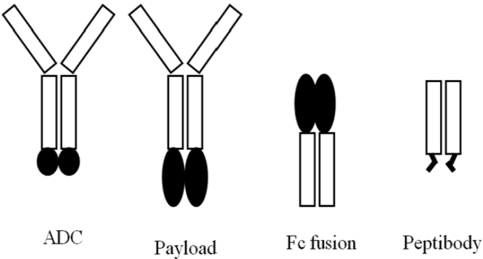
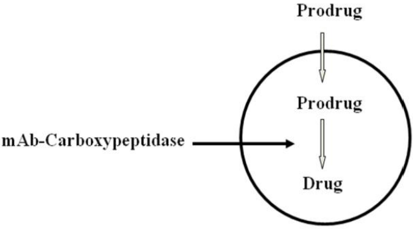
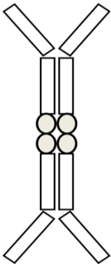
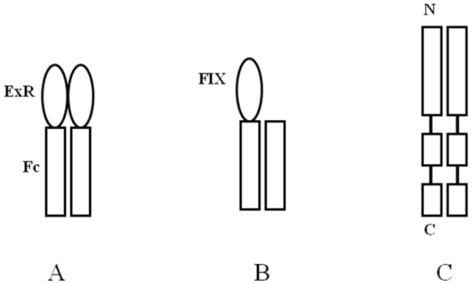
Verification
Claims the paper makes
The claims and statistics of this paper haven’t been checked yet.
Free: it reads the open-access text and checks the first 5 claims that cite a source we can check. Create a free account to check every claim.
Claims other papers make about this one
Each is checked against this paper’s own text: does it say what the citing paper says it does?
The source backs part of the claim, not all of it — or backs it for a different population, condition or comparison.
In the citing paper
“PAT enables measurement of physical instabilities such as aggregation or chemical alterations including post-translational modifications or cross-linking which can complement stabilization formulation strategies [92].”
From The role of Raman spectroscopy in biopharmaceuticals from development to manufacturing (2022) · cites this paper as [92]
Experimental — accuracy not yet measured
Self-check
Percentages, sums and reported differences re-computed from the paper’s own numbers.
The self-check needs the paper’s full text.
Citations
Cites
Continuous cultures of fused cells secreting antibody of predefined specificity
KÖHLER, G., & MILSTEIN, C. (1975) · Nature · doi:10.1038/256495a0 · Cited by 17,229 · cited 1×
“The development of hybridoma technology has enabled a consistent production of mAbs at large scale, paving the way for development of various therapeutic antibodies [4].”
BackgroundCoiffier, B., Lepage, E., Brière, J., Herbrecht, R., Tilly, H., Bouabdallah, R., Morel, P., Van Den Neste, E., Salles, G., Gaulard, P., et al. (2002) · New England Journal of Medicine · doi:10.1056/nejmoa011795 · Cited by 5,574 · cited 2×
“This drug is currently being utilized as a single agent (for induction and maintenance), or in combination with chemotherapeutic agents, for the treatment of various human lymphoma and chronic lymphocytic lymphoma [10,28].”
BackgroundInhibitory Fc receptors modulate in vivo cytoxicity against tumor targets
Clynes, R. A., Towers, T. L., Presta, L. G., & Ravetch, J. V. (2000) · Nature Medicine · doi:10.1038/74704 · Cited by 2,768 · cited 1×
“According to this mechanism, the Fc portion interacts with FCγ-receptors on the surface of the effector immune cells (such as monocyte and macrophages), while the antibody is bound to the surface antigen of the cancer cell through its Fab region, and results in ADCC response [21,22].”
BackgroundMcLaughlin, P., Grillo-López, A. J., Link, B. K., Levy, R., Czuczman, M. S., Williams, M. E., Heyman, M. R., Bence-Bruckler, I., White, C. A., Cabanillas, F., et al. (1998) · Journal of Clinical Oncology · doi:10.1200/jco.1998.16.8.2825 · Cited by 2,755 · cited 1×
“1997 Rituximab Rituxan® CD20 Non-Hodgkin’s lymphoma Chimeric IgG1 First approved full length chimeric mAb [10,11]”
BackgroundPhage antibodies: filamentous phage displaying antibody variable domains
McCafferty, J., Griffiths, A. D., Winter, G., & Chiswell, D. J. (1990) · Nature · doi:10.1038/348552a0 · Cited by 2,423 · cited 1×
“Another effective way of producing human antibody is phage display [20].”
BackgroundNormalizing tumor vasculature with anti-angiogenic therapy: A new paradigm for combination therapy
Jain, R. K. (2001) · Nature Medicine · doi:10.1038/nm0901-987 · Cited by 2,184 · cited 1×
“For example, bevacizumab binds to the soluble vascular endothelial growth factor (VEGF), and thus inhibits angiogenesis, which is important for the maintenance of tumor vasculature and tumor health [24].”
BackgroundScott, A. M., Wolchok, J. D., & Old, L. J. (2012) · Nature Reviews Cancer · doi:10.1038/nrc3236 · Cited by 2,160
Zhou, H.-X., Rivas, G., & Minton, A. P. (2008) · Annual Review of Biophysics · doi:10.1146/annurev.biophys.37.032807.125817 · Cited by 2,149 · cited 1×
“[110,127].”
Engineered antibody fragments and the rise of single domains
Holliger, P., & Hudson, P. J. (2005) · Nature Biotechnology · doi:10.1038/nbt1142 · Cited by 1,931 · cited 1×
“and Hudson [273].”
VEGF-Trap: A VEGF blocker with potent antitumor effects
Holash, J., Davis, S., Papadopoulos, N., Croll, S. D., Ho, L., Russell, M., Boland, P., Leidich, R., Hylton, D., Burova, E., et al. (2002) · Proceedings of the National Academy of Sciences · doi:10.1073/pnas.172398299 · Cited by 1,691 · cited 1×
“Similarly, anti-angeogenic vascular endothelial growth factor (VEGF) inhibitor has been developed as an Fc-fusion protein, termed VEGF-Trap [220].”
Background
Research works printed but not linked: 5
- Pearlman, R., Wang, Y.J., Eds.; Plenum Press: New York, NY, USA, 1996; pp. 1-140.
- Harding,S.E., Rowe, A.J., Horton, J.C., Eds.; Royal Society of Chemistry: Cambridge, UK, 1992; pp. 90-125.
- Hershenson, F.J.S., Ed.; John Wiley & Sons, Inc: Hoboken, NJ, USA, 2010. 130.
- MacGregor, I.K.; Anderson, A.L.; Laue, T.M. Fluorescence detection for the XLI analytical ultracentrifuge. Biophys. Chem. 2004, 108, 165-185. 137. Scherer, T.; Kanai, S.; Liu, J.; Shire, S. Characterization of monoclonal antibodies at high concentrations by light scattering. In Proceedings of AAPS National Biotechnology Conference, San Diego, CA, USA, 2007. 138.
- Brock, T.D. (1998). Milestones in Microbiology; 1556–1940, ASM Press.
Cited by
Subcutaneous delivery of monoclonal antibodies: How do we get there?
Viola, M., Sequeira, J., Seiça, R., Veiga, F., Serra, J., Santos, A. C., & Ribeiro, A. J. (2018) · Journal of Controlled Release · doi:10.1016/j.jconrel.2018.08.001 · Cited by 234
Tomar, D. S., Kumar, S., Singh, S. K., Goswami, S., & Li, L. (2016) · mAbs · doi:10.1080/19420862.2015.1128606 · Cited by 214
“During downstream ultrafiltration and diafiltration steps, high viscosity of the antibody solution may increase the back pressure of the pump and decrease the transmembrane flux, which may increase the processing time, destabilize the drug substance and increase manufacturing costs.(14,15)”
BackgroundSelf-citationButreddy, A., Janga, K. Y., Ajjarapu, S., Sarabu, S., & Dudhipala, N. R. (2020) · International Journal of Biological Macromolecules · doi:10.1016/j.ijbiomac.2020.11.188 · Cited by 171
Overview of Antibody Drug Delivery
Awwad, S., & Angkawinitwong, U. (2018) · Pharmaceutics · doi:10.3390/pharmaceutics10030083 · Cited by 153
“High temperatures can lead to conformational destabilization or partial/complete unfolding [26] and a change in pH can lead to aggregation.”
BackgroundInfluentialThe role of Raman spectroscopy in biopharmaceuticals from development to manufacturing
Esmonde-White, K. A., Cuellar, M., & Lewis, I. R. (2022) · Analytical and Bioanalytical Chemistry · doi:10.1007/s00216-021-03727-4 · Cited by 152
Antibody Fragments as Potential Biopharmaceuticals for Cancer Therapy: Success and Limitations
Kholodenko, R. V., Kalinovsky, D. V., Doronin, I. I., Ponomarev, E. D., & Kholodenko, I. V. (2019) · Current Medicinal Chemistry · doi:10.2174/0929867324666170817152554 · Cited by 126
Akbar, R., Bashour, H., Rawat, P., Robert, P. A., Smorodina, E., Cotet, T.-S., Flem-Karlsen, K., Frank, R., Mehta, B. B., Vu, M. H., et al. (2022) · mAbs · doi:10.1080/19420862.2021.2008790 · Cited by 113
“volume of antibody dose, increase dose interval by improved pharmacokinetic profile, reduce the healthcare cost, and improve the bioprocessing of drugs during downstream ultrafiltration and diafiltration steps.(293) Most of the in silico studies on limited datasets correlated viscosity with sequencestructural properti…”
BackgroundZhou, C., Qi, W., Neil Lewis, E., & Carpenter, J. F. (2015) · Analytical Biochemistry · doi:10.1016/j.ab.2014.11.016 · Cited by 109
“Monoclonal antibodies have become one of the most important categories of therapeutic proteins, and evaluation of thermal stability is crucial for research and development of antibody therapeutic products [52, 53].”
BackgroundYang, W. C., Minkler, D. F., Kshirsagar, R., Ryll, T., & Huang, Y. (2015) · Journal of Biotechnology · doi:10.1016/j.jbiotec.2015.10.009 · Cited by 118
Desai, M. G., Kundu, A., Hageman, M., Lou, H., & Boisvert, D. (2023) · mAbs · doi:10.1080/19420862.2023.2285277 · Cited by 102
“68 These challenges can cause significant difficulties with manufacturing, storage, and administration by adversely impacting filtration, filter-and needle-clogging, shelf life, and potency.”
BackgroundInfluentialmRNA: A Novel Avenue to Antibody Therapy?
Schlake, T., Thran, M., Fiedler, K., Heidenreich, R., Petsch, B., & Fotin-Mleczek, M. (2019) · Molecular Therapy · doi:10.1016/j.ymthe.2019.03.002 · Cited by 89
“Compared to mAbs, mAb fragments and engineered variants such as diabodies, triabodies, minibodies, and single-domain antibodies provide unique properties, including higher tissue penetration and the opportunity to combine several targeting moieties.(118) Bispecific antibodies can be divided into three main categories…”
BackgroundSabra, R., Billa, N., & Roberts, C. J. (2019) · International Journal of Pharmaceutics · doi:10.1016/j.ijpharm.2019.118775 · Cited by 92
Targeted delivery of immune therapeutics to lymph nodes prolongs cardiac allograft survival
Bahmani, B., Uehara, M., Jiang, L., Ordikhani, F., Banouni, N., Ichimura, T., Solhjou, Z., Furtmüller, G. J., Brandacher, G., Álvarez, D., et al. (2018) · Journal of Clinical Investigation · doi:10.1172/jci120923 · Cited by 90
mRNA in cancer immunotherapy: beyond a source of antigen
Hoecke, L. V., Verbeke, R., Dewitte, H., Lentacker, I., Vermaelen, K. Y., Breckpot, K., & Lint, S. V. (2021) · Molecular Cancer · doi:10.1186/s12943-021-01329-3 · Cited by 89
“Many challenges associated with the use of mAbs and antibody fragments became apparent with the advancement of this field, among which cost-efficient production of these proteins and ensuring sufficiently high levels at the site of action, two challenges for which it is contended that IVT mRNA can provide a solution […”
BackgroundAgrawal, P., Wilkstein, K., Guinn, E. J., Mason, M. L., Martinez, C. I. S., & Saylae, J. (2023) · Organic Process Research & Development · doi:10.1021/acs.oprd.2c00291 · Cited by 89
Selective depletion of metastatic stem cells as therapy for human colorectal cancer
Céspedes, M. V., Unzueta, U., Aviñó, A. M., Gallardo, A., Álamo, P., Sala, R., Sánchez‐Chardi, A., Casanova, I., Mangues, M. A., Pousa, A. L., et al. (2018) · EMBO Molecular Medicine · doi:10.15252/emmm.201708772 · Cited by 83
“…CRC cells in vitro Following, we used the human SW1417 CRC cell line to assess if the loaded oligo-FdU conferred cytotoxic activity to the nanoparticle while maintaining its CXCR4 targeting capacity, provided that drug conjugation can alter protein conformation and function (Goswami et al, 2013).”
MethodCompeting aggregation pathways for monoclonal antibodies
Wu, H., Kroe‐Barrett, R., Singh, S., Robinson, A. S., & Roberts, C. J. (2014) · FEBS Letters · doi:10.1016/j.febslet.2014.01.051 · Cited by 91
“While most therapeutic MAbs are formulated at pH values between 5 and 7 [4], key processing steps such as viral inactivation and elution from certain affinity-chromatography resins occur at much more acidic conditions [5,6].”
BackgroundGirard, V., Hilbold, N.-J., Ng, C. K. S., Pegon, L., Chahim, W., Rousset, F., & Monchois, V. (2015) · Journal of Biotechnology · doi:10.1016/j.jbiotec.2015.04.026 · Cited by 76
Doughty, D. V., Clawson, C. Z., Lambert, W., & Subramony, J. A. (2016) · Journal of Pharmaceutical Sciences · doi:10.1016/j.xphs.2016.04.009 · Cited by 74
Integrated flow-through purification for therapeutic monoclonal antibodies processing
Ichihara, T., Ito, T., Kurisu, Y., Galipeau, K., & Gillespie, C. M. (2017) · mAbs · doi:10.1080/19420862.2017.1417717 · Cited by 67
Engaging with Raman Spectroscopy to Investigate Antibody Aggregation
Ettah, I., & Ashton, L. (2018) · Antibodies · doi:10.3390/antib7030024 · Cited by 65
In-Use Interfacial Stability of Monoclonal Antibody Formulations Diluted in Saline i.v. Bags
Kannan, A., Shieh, I. C., Hristov, P., & Fuller, G. G. (2020) · Journal of Pharmaceutical Sciences · doi:10.1016/j.xphs.2020.10.036 · Cited by 54
A stress-controlled microfluidic shear viscometer based on smartphone imaging
Solomon, D. E., Abdel-Raziq, A., & Vanapalli, S. A. (2016) · Rheologica Acta · doi:10.1007/s00397-016-0940-9 · Cited by 59
“Antibody-based therapies are being increasingly used for diseases in which the immune system is compromised (Goswami et al. 2013).”
BackgroundEmerging trends and therapeutic applications of monoclonal antibodies
Ramaiah, M. J., Nalluri, H. P., Reddy, P. N., Sainath, S. B., Kumar, N. S. S., Sai Kiran, G. V. S. D., Dhiman, R., Chamarthy, S., Komaragiri, R. R., Manyam, R. R., et al. (2024) · Gene · doi:10.1016/j.gene.2024.148607 · Cited by 51
Lai, P., Swan, J. W., & Trout, B. L. (2021) · mAbs · doi:10.1080/19420862.2021.1907882 · Cited by 49
QSAR models for prediction of chromatographic behavior of homologous Fab variants
Robinson, J. R., Karkov, H. S., Woo, J. A., Krogh, B. O., & Cramer, S. M. (2016) · Biotechnology and Bioengineering · doi:10.1002/bit.26236 · Cited by 48
“Deamidation is a commonly occurring chemical modification in biopharmaceuticals (Goswami et al., 2013).”
BackgroundShah, D. D., Zhang, J., Hsieh, M.-C., Sundaram, S., Maity, H., & Mallela, K. M. G. (2018) · Journal of Pharmaceutical Sciences · doi:10.1016/j.xphs.2018.07.024 · Cited by 48
Bispecific antibodies: The next generation of targeted inflammatory bowel disease therapies
Peyrin‐Biroulet, L., Demarest, S. J., & Nirula, A. (2018) · Autoimmunity Reviews · doi:10.1016/j.autrev.2018.07.014 · Cited by 52
Holstein, M. A., Hung, J., Feroz, H. M., Ranjan, S., Du, C., Ghose, S., & Li, Z. J. (2020) · Biotechnology and Bioengineering · doi:10.1002/bit.27510 · Cited by 47
Structure and Relaxation in Solutions of Monoclonal Antibodies
Wang, G., Varga, Z., Hofmann, J. L., Zarraga, I. E., & Swan, J. W. (2018) · The Journal of Physical Chemistry B · doi:10.1021/acs.jpcb.7b11053 · Cited by 46
Laurini, E., Marson, D., Aulic, S., Fermeglia, A., & Pricl, S. (2021) · Scientific Reports · doi:10.1038/s41598-021-99827-3 · Cited by 48
Stability of Protein Pharmaceuticals: Recent Advances
Manning, M. C., Holcomb, R. E., Payne, R. W., Stillahn, J. M., Connolly, B. D., Katayama, D. S., Liu, H., Matsuura, J. E., Murphy, B. M., Henry, C. S., et al. (2024) · Pharmaceutical Research · doi:10.1007/s11095-024-03726-x · Cited by 48
Development challenges of high concentration monoclonal antibody formulations
Kollár, É., Balázs, B., Tari, T., & Siró, I. (2020) · Drug Discovery Today Technologies · doi:10.1016/j.ddtec.2020.08.005 · Cited by 47
Baek, Y., Singh, N., Arunkumar, A., Borys, M., Li, Z. J., & Zydney, A. L. (2017) · Biotechnology and Bioengineering · doi:10.1002/bit.26326 · Cited by 44
“Reductions in the protein solution viscosity lead to an increase in the maximum achievable protein concentration (Cmax), consistent with results from previous experimental studies (Goswami et al., 2013; Hung et al., 2016).”
BackgroundResultLi, Z., & Easton, R. (2017) · mAbs · doi:10.1080/19420862.2017.1392424 · Cited by 46
“IV infusion makes a higher dose possible, but it has disadvantages, including inconvenience for patients and the high cost for patient care.(10) SC or IM administration requires minimal skills and is less invasive, thus enabling patients to”
BackgroundFSH-blocking therapeutic for osteoporosis
Gera, S., Kuo, T., Gumerova, A. A., Korkmaz, F., Sant, D., DeMambro, V., Sudha, K., Padilla, A., Prévot, G., Munitz, J., et al. (2022) · eLife · doi:10.7554/elife.78022 · Cited by 46
“To prevent deamidation and isomerization at neutral and basic pHs, therapeutic antibodies are generally formulated at pHs away from their isoelectric pH (pI) ( Goswami et al., 2013 ; Wang et al., 2007 ).”
Doshi, N., Giddings, J., Luis, L., Wu, A., Ritchie, K., Liu, W., Chan, W., Taing, R., Chu, J., Sreedhara, A., et al. (2021) · Pharmaceutical Research · doi:10.1007/s11095-021-03021-z · Cited by 41
Garidel, P., Pevestorf, B., & Bahrenburg, S. (2015) · European Journal of Pharmaceutics and Biopharmaceutics · doi:10.1016/j.ejpb.2015.09.017 · Cited by 43
Intermolecular interactions in highly concentrated formulations of recombinant therapeutic proteins
Baek, Y., & Zydney, A. L. (2017) · Current Opinion in Biotechnology · doi:10.1016/j.copbio.2017.12.016 · Cited by 41
Raut, A. S., & Kalonia, D. S. (2015) · Molecular Pharmaceutics · doi:10.1021/acs.molpharmaceut.5b00256 · Cited by 39
Alsaggar, M., & Liu, D. (2018) · Journal of drug targeting · doi:10.1080/1061186x.2018.1437919 · Cited by 39
“must deal with formulation and production challenges [194], and the immunogenicity of antibodies, that could result in rapid systemic clearance of these drug carriers [195].”
BackgroundTechnical Decision-Making with Higher Order Structure Data: Starting a New Dialogue
Gabrielson, J. P., & Weiss, W. F. (2015) · Journal of Pharmaceutical Sciences · doi:10.1002/jps.24393 · Cited by 38
Modulation of P2X3 and P2X2/3 Receptors by Monoclonal Antibodies
Shcherbatko, A., Foletti, D. L., Poulsen, K., Strop, P., Zhu, G., Hasa-Moreno, A., Witt, J. M., Loo, C., Krimm, S., Pios, A., et al. (2016) · Journal of Biological Chemistry · doi:10.1074/jbc.m116.722330 · Cited by 38
“bodies, as an alternative to small molecule-based drugs, are increasingly utilized for the treatment of diseases, due to their remarkable specificity toward their targets and their favorable pharmacokinetics properties (26).”
BackgroundLi, W., Yang, B., Zhou, D., Xu, J., Li, W., & Suen, W.-C. (2017) · Journal of Chromatography B · doi:10.1016/j.jchromb.2017.02.019 · Cited by 36
Computational fluid dynamics (CFD) as a tool for industrial UF/DF tank optimization
Wutz, J., Waterkotte, B., Heitmann, K., & Wucherpfennig, T. (2020) · Biochemical Engineering Journal · doi:10.1016/j.bej.2020.107617 · Cited by 35
Preclinical challenges for developing long acting intravitreal medicines
Awwad, S., Henein, C., Ibeanu, N., Khaw, P. T., & Brocchini, S. (2020) · European Journal of Pharmaceutics and Biopharmaceutics · doi:10.1016/j.ejpb.2020.05.005 · Cited by 35
Bieberbach, M., Kosiol, P., Seay, A., Bennecke, M., Hansmann, B., Hepbildikler, S., & Thom, V. (2019) · Biotechnology Progress · doi:10.1002/btpr.2776 · Cited by 32
“diversity and complexity of biophysical properties is further increasing.(5) Moreover, the virus filtration process may be”
BackgroundUsing X-Ray Crystallography to Simplify and Accelerate Biologics Drug Development
Brader, M. L., Baker, E. N., Dunn, M. F., Laue, T. M., & Carpenter, J. F. (2016) · Journal of Pharmaceutical Sciences · doi:10.1016/j.xphs.2016.10.017 · Cited by 33
Giannos, S. A., Kraft, E. R., Zhao, Z.-Y., Merkley, K. H., & Cai, J. (2018) · Pharmaceutical Research · doi:10.1007/s11095-018-2368-7 · Cited by 30
Kruse, T., Kampmann, M., Rüddel, I., & Greller, G. (2020) · Biochemical Engineering Journal · doi:10.1016/j.bej.2020.107703 · Cited by 29
Rodrigues, D., Tanenbaum, L. M., Thirumangalathu, R., Somani, S., Zhang, K., Kumar, V., Amin, K., & Thakkar, S. V. (2020) · Journal of Pharmaceutical Sciences · doi:10.1016/j.xphs.2020.12.016 · Cited by 29
The Impact of Nanobody Density on the Targeting Efficiency of PEGylated Liposomes
Mesquita, B. S., Fens, M. H. A. M., Maggio, A. D., Bosman, E., Hennink, W. E., Heger, M., & Oliveira, S. (2022) · International Journal of Molecular Sciences · doi:10.3390/ijms232314974 · Cited by 29
“However, fulllength antibodies are associated with high manufacturing costs [10] and carry immunological risks even when fully humanized [11].”
BackgroundHamuro, Y., Derebe, M. G., Venkataramani, S., & Nemeth, J. F. (2021) · Protein Science · doi:10.1002/pro.4129 · Cited by 28
“While mAbs and their derivatives are expected to be the focus of the biotherapeutic industry and vast improvements have been made in characterization, manufacturing, and storage of mAbs, there are still many technical challenges.(2) One of the major challenges for therapeutic proteins is to maintain structural integri…”
BackgroundSrivastava, R., O’Dell, C., Bolessa, E., McLinden, S., Fortin, L., & Deorkar, N. (2022) · Journal of Pharmaceutical Sciences · doi:10.1016/j.xphs.2022.05.011 · Cited by 29
An Overview on the Recent Advances in Alternative Solvents as Stabilizers of Proteins and Enzymes
Almeida, J. S., Capela, E. V., Loureiro, A. M., Tavares, A. P. M., & Freire, M. G. (2022) · ChemEngineering · doi:10.3390/chemengineering6040051 · Cited by 29
“Another challenge in their development is due to the large size of mAbs and their surface-exposed functional groups, which are susceptible to chemical degradation [17].”
BackgroundInfluentialRobinson, J. R., Snyder, M. A., Belisle, C., Liao, J., Chen, H., He, X., Xu, Y., & Cramer, S. M. (2018) · Journal of Chromatography A · doi:10.1016/j.chroma.2018.07.049 · Cited by 26
Characterization of a Porous Nano-electrospray Capillary Emitter at Ultra-low Flow Rates
Járvás, G., Fonslow, B. R., Yates, J. R., Foret, F., & Guttman, A. (2016) · Journal of Chromatographic Science · doi:10.1093/chromsci/bmw148 · Cited by 23
Computational selection of antibody-drug conjugate targets for breast cancer
Fauteux, F., Hill, J. J., Jaramillo, M., Pan, Y., Phan, S., Famili, F. A., & O'Connor‐McCourt, M. D. (2015) · Oncotarget · doi:10.18632/oncotarget.6679 · Cited by 23
Li, W., Yang, B., Zhou, D., Xu, J. Y., Ke, Z., & Suen, W.-C. (2016) · Journal of Chromatography B · doi:10.1016/j.jchromb.2016.05.004 · Cited by 24
Patel, A., Gupta, V., Hickey, J. M., Nightlinger, N. S., Rogers, R. S., Siska, C. C., Joshi, S. B., Seaman, M. S., Volkin, D. B., & Kerwin, B. A. (2018) · Journal of Pharmaceutical Sciences · doi:10.1016/j.xphs.2018.08.012 · Cited by 23
Bauer, J., Mathias, S., Kube, S., Otte, K., Garidel, P., Gamer, M., Blech, M., Fischer, S., & Karow‐Zwick, A. R. (2020) · mAbs · doi:10.1080/19420862.2020.1787121 · Cited by 25
“The simultaneously reported reduction of viscosity(12,16) was confirmed by successful ultrafiltration of the in silico optimized variant, while mAb2 was non-processable into highly concentrated liquid formulations (HCLF) without additional development efforts.(60) It can be reasonably assumed that viscosity difference…”
BackgroundShedding light on both ends: An update on analytical approaches for N- and C-terminomics
Koudelka, T., Winkels, K., Kaleja, P., & Tholey, A. (2021) · Biochimica et Biophysica Acta (BBA) - Molecular Cell Research · doi:10.1016/j.bbamcr.2021.119137 · Cited by 23
Kijanka, G., Bee, J. S., Bishop, S. M., Que, I., Löwik, C. W. G. M., & Jiskoot, W. (2016) · Journal of Pharmaceutical Sciences · doi:10.1016/j.xphs.2016.02.034 · Cited by 25
Cruz, M. A., Blanco, M. A., & Ekladious, I. (2025) · mAbs · doi:10.1080/19420862.2025.2550757 · Cited by 23
“19,24,25 High viscosity is often unique to high protein concentration solution DPs. Protein solutions exhibit exponential increases in viscosity with increasing protein concentrations such that small changes in concentration within the high-concentration regime dramatically affect viscosity.”
Measuring biotherapeutic viscosity and degradation on-chip with particle diffusometry
Clayton, K. N., Lee, D. H., Wereley, S. T., & Kinzer‐Ursem, T. L. (2017) · Lab on a Chip · doi:10.1039/c7lc00507e · Cited by 20
Rojekar, S. V., Pallapati, A., Gimenez–Roig, J., Korkmaz, F., Sultana, F., Sant, D., Haeck, C. M., Macdonald, A., Kim, S., Rosen, C. J., et al. (2023) · eLife · doi:10.7554/elife.88898 · Cited by 20
Doshi, N., Ritchie, K., Shobha, T., Giddings, J., Gregoritza, K., Taing, R., Rumbelow, S. J., Chu, J., Tomlinson, A., Kannan, A., et al. (2021) · Pharmaceutical Research · doi:10.1007/s11095-021-03087-9 · Cited by 19
Oyetayo, O., & Kiefer, H. (2016) · Pharmaceutical Research · doi:10.1007/s11095-016-1878-4 · Cited by 19
Larson, A. M., Weight, A. K., Love, K. T., Bonificio, A., Wescott, C. R., & Klibanov, A. M. (2017) · Journal of Pharmaceutical Sciences · doi:10.1016/j.xphs.2017.01.018 · Cited by 21
Development of Topical Delivery Systems for Flightless Neutralizing Antibody
Haidari, H., Zhang, Q. Y., Melville, E. L., Kopecki, Z., Song, Y., Cowin, A. J., & Garg, S. (2017) · Journal of Pharmaceutical Sciences · doi:10.1016/j.xphs.2017.03.012 · Cited by 19
Discovery of a Photoinduced Histidine-Histidine Cross-Link in an IgG4 Antibody
Powell, T., Knight, M. J., O’Hara, J., & Burkitt, W. I. (2020) · Journal of the American Society for Mass Spectrometry · doi:10.1021/jasms.0c00076 · Cited by 18
Correlation between the Protein Pharmaceutical Surface Activity and Interfacial Stability
Wang, Y., Wang, T., Chen, Q., Zhou, W., & Guo, J. (2023) · Molecular Pharmaceutics · doi:10.1021/acs.molpharmaceut.2c01114 · Cited by 18
Kinetics and Characterization of Non-enzymatic Fragmentation of Monoclonal Antibody Therapeutics
Ravuluri, S., Bansal, R., Chhabra, N., & Rathore, A. S. (2018) · Pharmaceutical Research · doi:10.1007/s11095-018-2415-4 · Cited by 17
Nguyen, T. T. T. N., Mistarz, U. H., Costa, N., Herbet, A., Boquet, D., Bécher, F., & Rand, K. D. (2018) · Journal of Pharmaceutical and Biomedical Analysis · doi:10.1016/j.jpba.2018.07.012 · Cited by 15
Kijanka, G., Bee, J. S., Schenerman, M. A., Korman, S. A., Wu, Y., Slütter, B., & Jiskoot, W. (2019) · Journal of Pharmaceutical Sciences · doi:10.1016/j.xphs.2019.04.021 · Cited by 17
Huang, J., Hong, S., Goh, L. Y. H., Zhang, H., Peng, T., Chow, K. T., Gokhale, R. D., & Tuliani, V. (2024) · Pharmaceuticals · doi:10.3390/ph17040528 · Cited by 14
“Aggregates can be classified as soluble particles of submicron (<1 µ m size) and insoluble particles, consisting of subvisible (<1–100 µ m) and visible (>100 µ m) particles [3].”
BackgroundMoggridge, J. A., Biggar, K. K., Dawson, N. J., & Storey, K. B. (2017) · Technology in Cancer Research & Treatment · doi:10.1177/1533034617714149 · Cited by 14
Challenges and Emerging Technologies in Biomanufacturing of Monoclonal Antibodies (mAbs)
McDonnell, S., Principe, R. F., Zamprognio, M. S., & Whelan, J. (2023) · Biomedical engineering · doi:10.5772/intechopen.108565 · Cited by 17
Bispecific Antibody (bsAb) Construct Formats and their Application in Cancer Therapy
Acheampong, D. O. (2019) · Protein and Peptide Letters · doi:10.2174/0929866526666190311163820 · Cited by 15
Population balance modelling of aggregation of monoclonal antibody based therapeutic proteins
Bansal, R., Srivastava, P., Rathore, A. S., & Chokshi, P. (2020) · Chemical Engineering Science · doi:10.1016/j.ces.2020.115479 · Cited by 15
An accelerated antibody aggregation test based on time sequenced dynamic light scattering
Conner, C. G., McAndrew, J. J. F., Menegatti, S., & Velev, O. D. (2022) · Colloids and Surfaces A Physicochemical and Engineering Aspects · doi:10.1016/j.colsurfa.2022.129833 · Cited by 13
Application and development of optical-based viscosity measurement technology
Ge, Y., Huang, X., Tang, X., Wang, Y., Chen, F., Xiao, D., Peng, L., & Li, B. (2024) · Optics and Lasers in Engineering · doi:10.1016/j.optlaseng.2024.108413 · Cited by 13
Lindorfer, M. A., Beum, P. V., & Taylor, R. P. (2013) · Antibodies · doi:10.3390/antib2040598 · Cited by 13
“The mechanisms of action of monoclonal antibodies (mAbs) that have been approved for, or are under consideration to be used for the immunotherapy of cancer are under active and intense investigation [1–10].”
BackgroundIshii, Y., Imamoto, Y., Yamamoto, R., Tsukahara, M., & Wakamatsu, K. (2014) · Biological and Pharmaceutical Bulletin · doi:10.1248/bpb.b14-00729 · Cited by 13
Negative Immune Checkpoint Inhibitors
Drewniak‐Świtalska, M., Fortuna, P., & Krzystek‐Korpacka, M. (2025) · Pharmaceutics · doi:10.3390/pharmaceutics17060713 · Cited by 12
Hassan, L. A., Al‐Ghobashy, M. A., & Abbas, S. S. (2019) · Biomedical Chromatography · doi:10.1002/bmc.4676 · Cited by 13
Jun, T., Shin, S.-H., & Won, Y. (2024) · International Journal of Pharmaceutics · doi:10.1016/j.ijpharm.2024.124636 · Cited by 11
Insights on the Formulation of Recombinant Proteins
Ribeiro, R., Abreu, T. R., Silva, A. C., Gonçalves, J., & Moreira, J. N. (2019) · Advances in biochemical engineering, biotechnology · doi:10.1007/10_2019_119 · Cited by 14
Dong, L., Bebrin, N. E., Piatkov, K. I., Abdul-Hadi, K., Iwasaki, S., Qian, M. G., & Wei, D. (2021) · Analytical Chemistry · doi:10.1021/acs.analchem.1c00698 · Cited by 11
Formulation Development for Antibody-Drug Conjugates
Ji, J. A., Liu, J., & Wang, Y. J. (2015) · AAPS advances in the pharmaceutical sciences series · doi:10.1007/978-3-319-13081-1_5 · Cited by 10
“emtansine (Goswami et al. 2013).”
Protein stability and viscosity in molecularly crowded high-concentration biologics
Zheng, Z., Renawala, H., Wuelfing, W. P., Buist, N., Raheem, I. T., Cote, A. S., Givand, J. C., Gabelli, S. B., Burlage, R., Templeton, A. C., et al. (2026) · Advanced Drug Delivery Reviews · doi:10.1016/j.addr.2026.115854 · Cited by 11
Robinson, J., Vats, M., & Hartmann, M. (2025) · Journal of Chromatography A · doi:10.1016/j.chroma.2025.465784 · Cited by 9
Sakamoto, M., Shoji, A., & Sugawara, M. (2016) · Analytical Biochemistry · doi:10.1016/j.ab.2016.04.011 · Cited by 9
“In addition, mechanically stress is likely to cause antibody aggregation [25].”
BackgroundSpray layering of human immunoglobulin G: Optimization of formulation and process parameters
Jiang, B., Yu, D., Zhang, Y., Yu, H., Feng, H., & Hoag, S. W. (2021) · International Journal of Pharmaceutics · doi:10.1016/j.ijpharm.2021.121238 · Cited by 9
Nouraei, M. S., Faghihi, H., Najafabadi, A. R., Zadeh, A. H. M., Darabi, M., & Vatanara, A. (2019) · AAPS PharmSciTech · doi:10.1208/s12249-019-1509-6 · Cited by 7
Enhanced Antitumor Immunity Through T Cell Activation with Optimized Tandem Double-OX40L mRNAs
Deng, Z., Tian, Y., Wang, J., Xu, Y., Liu, Z., Xiao, Z., Wang, Z., Hu, M., Liu, R., & Yang, P. (2025) · International Journal of Nanomedicine · doi:10.2147/ijn.s479434 · Cited by 7
“20 These challenges result in costly, time-consuming, and labor-intensive manufacturing processes.”
Thorn, C. R., Bhattacharya, D. S., Crawford, L., Lin, V., Badkar, A. V., & Kolhe, P. (2025) · Journal of Pharmaceutical Sciences · doi:10.1016/j.xphs.2025.103804 · Cited by 7
Protein and Antibody Functionalization Using Continuous Flow Microreactor Technology
Sebeika, M. M., Gedeon, N. G., Sadler, S., Kern, N. L., Wilkins, D. J., Bell, D. E., & Jones, G. B. (2015) · Journal of Flow Chemistry · doi:10.1556/1846.2015.00008 · Cited by 7
Venkataramani, S., Ernst, R., Derebe, M. G., Wright, R. T., Kopenhaver, J. S., Jacobs, S. A., Singh, S., & Ganesan, R. (2020) · Scientific Reports · doi:10.1038/s41598-020-66636-z · Cited by 9
Gyorgypal, A., Potter, O. G., Chaturvedi, A., Powers, D. N., & Chundawat, S. P. S. (2023) · Reaction Chemistry & Engineering · doi:10.1039/d2re00568a · Cited by 6
Metadata
- Authors
- Goswami, S., Wang, W., Arakawa, T., & Ohtake, S.
- Affiliations
- Pfizer (United States) (US)
- Alliance Protein Laboratories (United States) (US)
- Corresponding author
- Arakawa, Tsutomu
- Venue
- Antibodies
- Publisher
- MDPI AG
- Published
- 2013-08-16
- Volume
- 2
- Issue
- 3
- Pages
- 452-500
- ISSN
- 2073-4468 (ISSN-L)
- OpenAlex
- W2033785641
- Cited by
- 144
- References
- 323
- Citations by year
- 2026: 5 · 2025: 17 · 2024: 10 · 2023: 9 · 2022: 8 · 2021: 14 · 2020: 18 · 2019: 10 · 2018: 14 · 2017: 12 · 2016: 12 · 2015: 10 · 2014: 4 · 2013: 1
- FWCI
- 6.98
- Type
- journal article
- Language
- en
- Open access
- gold
- doi.org
- Licence
- Locations
- Antibodies (publishedVersion, cc-by)
- DOAJ (DOAJ: Directory of Open Access Journals) (submittedVersion, cc-by-sa)
- Topics
- Life Sciences › Immunology and Microbiology › Immunology › Monoclonal and Polyclonal Antibodies Research
- Life Sciences › Biochemistry, Genetics and Molecular Biology › Molecular Biology › Protein purification and stability
- Life Sciences › Immunology and Microbiology › Immunology › Biosimilars and Bioanalytical Methods
- Keywords
- monoclonal antibodies, biologic therapy, antibody-drug conjugates, bispecific antibodies, fusion protein, high-concentration formulations, antibody stabilization, antibody production
About these checks
Registry, retraction, Cites and statistics results are computed, not judged, with one exception: a printed reference that no index lists is read once by a model before it counts as a citation error. Claims are extracted by a model and kept only when their quote appears verbatim in the text; each cited source is then checked, with a model’s help, for whether it says what the claim relies on. Those verdicts can be wrong — read the claim’s quote and the cited source before relying on one.
Statistics and arithmetic are recomputed, not judged.
Confidence bands are shown only for fields calibrated on our annotated test set. None is calibrated yet, so no band is shown.
What counts as a claim ›How we measure confidence ›How we check this ›
Are you an author, or do you see a problem with this page? Request a review
Data sources
Bibliographic data: Semantic Scholar, OpenAlex, Crossref.
Contains information from the Semantic Scholar Academic Graph Datasets, made available under the ODC Attribution License (ODC-BY 1.0).
Semantic Scholar’s data is described in: Kinney, R., et al. (2023). The Semantic Scholar Open Data Platform. arXiv:2301.10140.
