

Invasive Candidiasis: Update and Current Challenges in the Management of This Mycosis in South America
Open accessThe DOI matches its Crossref record; 103 of the 103 references it cites were found in a registry or an index.
Abstract
Invasive candidiasis encompassing Candida bloodstream infections and deep-seated candidiasis can become a persistent health problem. These infections are caused by Candida species and have high morbidity and mortality rates. Species distribution, access to diagnosis, treatment and mortality are different around the world. The mortality rate is high in South America (30–70%), and Candida albicans is the most prevalent species in this region. However, a global epidemiological shift to non-albicans species has been observed. In this group, C. parapsilosis is the species most frequently detected, followed by C. tropicalis, and at a slower rate, C. glabrata, which has also increased, in addition to the emerging C. auris, resistance to several drugs. This article summarizes relevant aspects of candidemia pathogenesis, such as the mechanisms of fungal invasion, immune response, and the impact of genetic defects that increase host susceptibility to developing the infection. We also discuss relevant aspects of treatment and future challenges in South America.
Overview
The claims and statistics of this paper haven’t been checked yet.
Free: it reads the open-access text and checks the first 5 claims that cite a source we can check. Create a free account to check every claim.
Integrity signals
Registry
Cites
Statistics
Figures
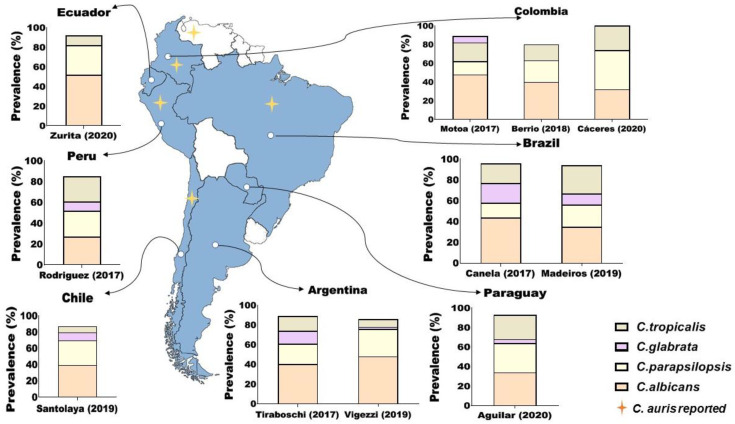
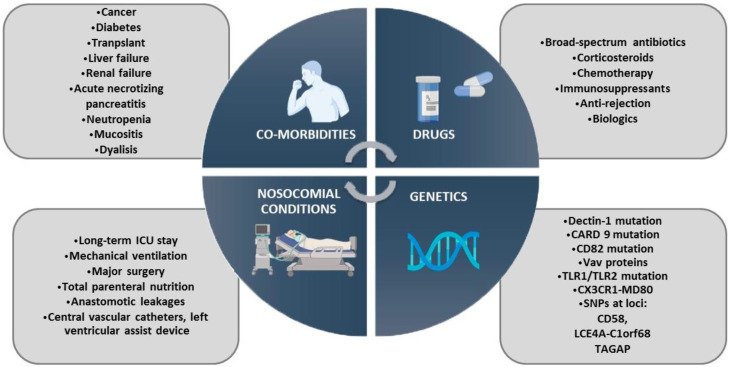
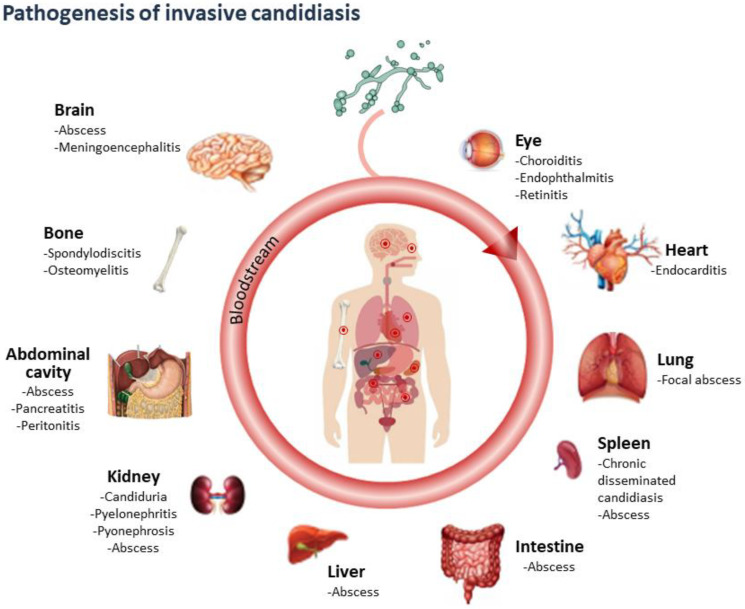
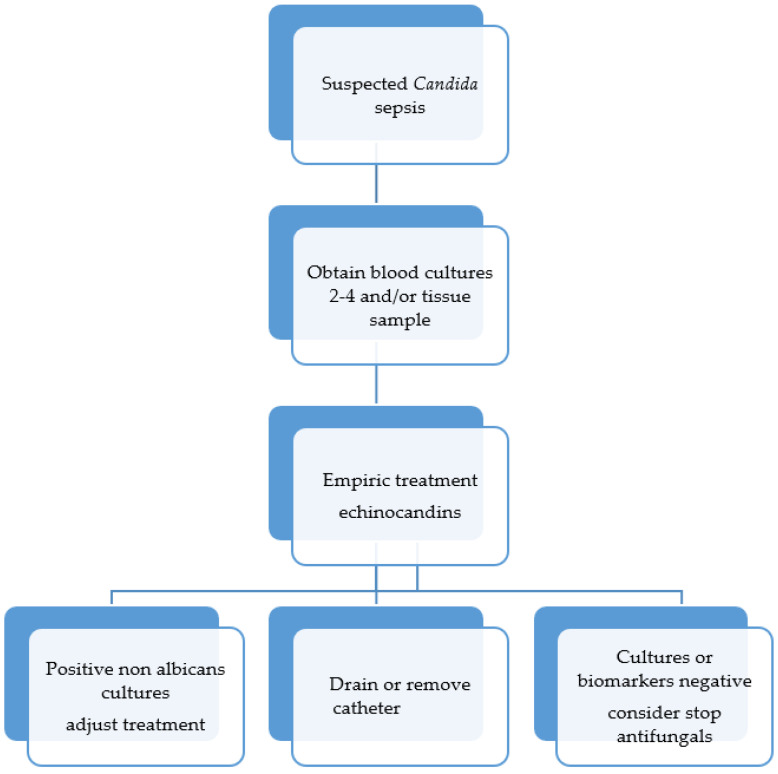
Verification
Claims the paper makes
The claims and statistics of this paper haven’t been checked yet.
Free: it reads the open-access text and checks the first 5 claims that cite a source we can check. Create a free account to check every claim.
Claims other papers make about this one
Each is checked against this paper’s own text: does it say what the citing paper says it does?
The source backs part of the claim, not all of it — or backs it for a different population, condition or comparison.
In the citing paper
“In South America, candidemia incidence ranges from 0.6–6.0 per 1000 hospital admission.48”
From Epidemiology of Invasive Candidiasis (2024) · cites this paper as [48]
Experimental — accuracy not yet measuredThe source backs part of the claim, not all of it — or backs it for a different population, condition or comparison.
In the citing paper
“In South America, studies found that the mortality rate varies from 30–70%.48”
From Epidemiology of Invasive Candidiasis (2024) · cites this paper as [48]
Experimental — accuracy not yet measured
Self-check
Percentages, sums and reported differences re-computed from the paper’s own numbers.
The self-check needs the paper’s full text.
Citations
Cites
Chen, N., Zhou, M., Dong, X., Qu, J., Gong, F., Han, Y., Qiu, Y., Wang, J., Liu, Y., Wei, Y., et al. (2020) · The Lancet · doi:10.1016/s0140-6736(20)30211-7 · Cited by 21,415
Wisplinghoff, H., Bischoff, T., Tallent, S. M., Seifert, H., Wenzel, R. P., & Edmond, M. B. (2004) · Clinical Infectious Diseases · doi:10.1086/421946 · Cited by 4,496 · cited 3×
“Although current guidelines recommend therapy with FLZ AFST, not all patients are tested due to a lack of supplies in regional laboratories [86].”
BackgroundMethodPappas, P. G., Kauffman, C. A., Andes, D. R., Clancy, C. J., Marr, K. A., Ostrosky-Zeichner, L., Reboli, A. C., Schuster, M. G., Vazquez, J. A., Walsh, T. J., et al. (2016) · Clinical Infectious Diseases · doi:10.1093/cid/civ933 · Cited by 4,200
Global and Multi-National Prevalence of Fungal Diseases-Estimate Precision
Bongomin, F., Gago, S., Oladele, R., & Denning, D. (2017) · Journal of Fungi · doi:10.3390/jof3040057 · Cited by 2,953
Romani, L. (2011) · Nature Reviews Immunology · doi:10.1038/nri2939 · Cited by 1,793 · cited 3×
“Circulating cells such as neutrophils and resident macrophages act as effector cells in the control of fungal load through the production of metabolites such as H2O2, superoxide anion, nitric oxide (NO) and peroxide nitrites, which have a more powerful candidacidal activity compared to their progenitors [47,54].”
BackgroundLockhart, S. R., Etienne, K. A., Vallabhaneni, S., Farooqi, J., Chowdhary, A., Govender, N. P., Colombo, A. L., Calvo, B., Cuomo, C. A., Desjardins, C. A., et al. (2017) · Clinical Infectious Diseases · doi:10.1093/cid/ciw691 · Cited by 1,662
Pappas, P. G., Lionakis, M. S., Arendrup, M. C., Ostrosky-Zeichner, L., & Kullberg, B. J. (2018) · Nature Reviews Disease Primers · doi:10.1038/nrdp.2018.26 · Cited by 1,636 · cited 4×
“quickly to different parts of the world [12,26].”
BackgroundInfluentialGarcia-Vidal, C., Sanjuan, G., Moreno-García, E., Puerta-Alcalde, P., Garcia-Pouton, N., Chumbita, M., Fernandez-Pittol, M., Pitart, C., Inciarte, A., Bodro, M., et al. (2021) · Clinical Microbiology and Infection · doi:10.1016/j.cmi.2020.07.041 · Cited by 1,022 · cited 1×
“7% (7/989) [35], Italy: 8% (3/43) [36], and the UK: 12.”
Pappas, P. G., Rex, J. H., Lee, J., Hamill, R. J., Larsen, R. A., Powderly, W., Kauffman, C. A., Hyslop, N., Mangino, J. E., Chapman, S., et al. (2003) · Clinical Infectious Diseases · doi:10.1086/376906 · Cited by 845 · cited 1×
“Early identification of candidemia and treatment with appropriate antifungal drugs certainly reduce morbidity and mortality [81,82].”
BackgroundA Homozygous CARD9 Mutation in a Family with Susceptibility to Fungal Infections
Glocker, E.-O., Hennigs, A., Nabavi, M., Schäffer, A. A., Woellner, C., Salzer, U., Pfeifer, D., Veelken, H., Warnatz, K., Tahami, F., et al. (2009) · New England Journal of Medicine · doi:10.1056/nejmoa0810719 · Cited by 800 · cited 1×
“in 2009 [71] in a large Iranian consanguineous family consisting of 43 members.”
Background
Cited by
El-Saadony, M. T., Saad, A. M., Mohammed, D. M., Korma, S. A., Alshahrani, M. Y., Ahmed, A. E., Ibrahim, E. H., Salem, H. M., Alkafaas, S. S., Saif, A. M., et al. (2025) · Frontiers in Immunology · doi:10.3389/fimmu.2025.1491777 · Cited by 197
“Nosocomial infections may result from invasive candidiasis, or candidemia, which is the most prevalent opportunistic mycosis worldwide (151).”
Epidemiology of Invasive Candidiasis
Bays, D., Jenkins, E., Lyman, M., Chiller, T., Strong, N., Ostrosky-Zeichner, L., Hoenigl, M., Pappas, P., & Thompson, G. (2024) · Clinical Epidemiology · doi:10.2147/clep.s459600 · Cited by 109
Saied, M., 亮, 前., Abdelghany, T. M., Amin, B. H., & 陽祐, 中. (2023) · International Journal of Biological Macromolecules · doi:10.1016/j.ijbiomac.2023.124709 · Cited by 52
The Role of Novel Antifungals in the Management of Candidiasis: A Clinical Perspective
Ordaya, E. E., Clement, J., & Vergidis, P. I. (2023) · Mycopathologia · doi:10.1007/s11046-023-00759-5 · Cited by 45
“Compared to C. albicans isolates which commonly remain susceptible to fluconazole, non-albicans species demonstrate variable susceptibility to antifungal agents [7–9].”
BackgroundInfluentialYassin, M. T., Al-Otibi, F. O., Al-Askar, A. A., & Elmaghrabi, M. M. (2023) · Microorganisms · doi:10.3390/microorganisms11081957 · Cited by 40
“Candidemia continues to be a significant contributor to morbidity and mortality within healthcare environments [10].”
BackgroundNovel evidence on sepsis-inducing pathogens: from laboratory to bedside
Gatica, S., Fuentes, B., Rivera-Asín, E., Ramírez-Céspedes, P., Sepúlveda-Alfaro, J., Catalán, E. A., Bueno, S. M., Kalergis, A. M., Simón, F., Riedel, C. A., et al. (2023) · Frontiers in Microbiology · doi:10.3389/fmicb.2023.1198200 · Cited by 43
“An escalating number of countries in Latin America have reported the detection of Candida auris (Riera et al., 2022).”
BackgroundHonorato, L., Bonilla, J. J. A., Valdez, A. F., Frases, S., Araújo, G. R. D. S., Sabino, A. L. R. D. N., da Silva, N. M., Ribeiro, L., Ferreira, M. D. S., Kornetz, J., et al. (2024) · mSphere · doi:10.1128/msphere.00467-24 · Cited by 28
“Despite the current armamentarium of antifungal drugs, systemic candidiasis has a mortality rate of approximately 40% (4), but can reach up to 70% in South America (11).”
BackgroundSroor, F. M., Younis, A., Abdelraof, M., & Abdelhamid, I. A. (2025) · Journal of Molecular Structure · doi:10.1016/j.molstruc.2025.141520 · Cited by 29
Sandhu, Z. A., Raza, M. A., Alqurashi, A. A., Sajid, S., Ashraf, S., Imtiaz, K., Aman, F., Alessa, A. H., Shamsi, M. B., & Latif, M. (2024) · Pharmaceutics · doi:10.3390/pharmaceutics16050645 · Cited by 23
“Researchers still face many challenges associated with the current antifungal treatments therapy, which causes a high death rate among people with IFI [20].”
BackgroundCarolis, E. D., Posteraro, B., Falasca, B., Spruijtenburg, B., Meis, J. F. G. M., & Sanguinetti, M. (2023) · Microbiology Spectrum · doi:10.1128/spectrum.02388-23 · Cited by 20
Shaik, S., Lee, J.-H., Kim, Y., & Lee, J. (2024) · Frontiers in Cellular and Infection Microbiology · doi:10.3389/fcimb.2024.1414618 · Cited by 18
Antifungal stewardship: the Latin American experience
Riera, F. O., Cortés, J. A., Ricardo Rabagliati, B., Scapellato, P. G., Caeiro, J. P., Magri, M. M. C., Sotomayor, C. E., & Falci, D. R. (2023) · Antimicrobial Stewardship & Healthcare Epidemiology · doi:10.1017/ash.2023.471 · Cited by 16
Self-citationŠtefánek, M., Wenner, S., Borges, V., Pinto, M., Gomes, J. P., Rodrigues, J., de Faria, I. C. J., Pessanha, M. A., Martins, F., Sabino, R., et al. (2022) · Antibiotics · doi:10.3390/antibiotics11091245 · Cited by 21
Tufa, T. B., Bongomin, F., Fathallah, A., Cândido, A. L. S. M., Hashad, R., Abdallaoui, M. S., Nail, A. M. A., Fayemiwo, S. A., Penney, R. O. S., Orefuwa, E., et al. (2023) · Journal of Infection and Public Health · doi:10.1016/j.jiph.2023.08.015 · Cited by 15
“The growing number of immunocompromised haemato-oncological and transplant population, as well as immunocompetent patients requiring intensive care unit (ICU) admission are the main drivers of the steady increase in the frequency of IFIs in the past few decades [2].”
BackgroundRinaldi, M., Bartoletti, M., Bonazzetti, C., Caroccia, N., Gatti, M., Tazza, B., Horna, C. S., Giannella, M., & Viale, P. (2023) · International Journal of Antimicrobial Agents · doi:10.1016/j.ijantimicag.2023.106998 · Cited by 17
Motta, J. C., Rivas-Pinedo, P., & Oñate, J. (2025) · Journal of Fungi · doi:10.3390/jof11090609 · Cited by 15
“In addition, the presence of multiple comorbidities in the same patient significantly increases the risk of invasive infection by Candida spp. [49,50].”
Anticandidal and Antibiofilm Effect of Synbiotics including Probiotics and Inulin-Type Fructans
Gamboa, R. G., Domínguez-Simi, M. Á., Hernandez, M. S. G., Madrigal, J. B., Moyá, A., Ruiz-Álvarez, B. E., & González‐Ávila, M. (2022) · Antibiotics · doi:10.3390/antibiotics11081135 · Cited by 20
“are opportunistic fungal pathogens that can cause mycosis in humans [11].”
BackgroundPPZ1-TORC1 pathway mediates ferroptosis and antifungal resistance in Candida albicans
Miao, H., Chen, X., Huang, Y., Yu, S., Wang, Y., Huang, X. H., & Wei, X. (2024) · Fungal Genetics and Biology · doi:10.1016/j.fgb.2024.103954 · Cited by 11
Sahoo, B., Goyal, R., Dutta, S., Joshi, P., & Sanyal, K. (2025) · ACS Infectious Diseases · doi:10.1021/acsinfecdis.5c00079 · Cited by 15
Zapata-Zapata, C., Rojas, M., García, L. T., Quintero, W., Terrón, M. C., Luque, D., & Mesa-Arango, A. C. (2023) · Journal of Fungi · doi:10.3390/jof9090888 · Cited by 11
“tropicalis is one of the more common species identified in cases of candidemia [2,8].”
BackgroundRodrigues, L. S., Siqueira, A. C., Spalanzani, R. N., Vasconcelos, T. M., Sestren, B., Poubel, S. B., Abreu, R. B. V., Kraft, L., Ricieri, M. C., Motta, F. D. A., et al. (2022) · Journal of Fungi · doi:10.3390/jof8121280 · Cited by 12
“parapsilosis complex is often the main non-albicans species, especially in patients aged ≤ 2 years [1,4,7].”
BackgroundInfluentialMaione, A., Buonanno, A., Galdiero, M., de Alteriis, E., Petrillo, F., Reibaldi, M., Guida, M., & Galdiero, E. (2023) · International Journal of Molecular Sciences · doi:10.3390/ijms241612876 · Cited by 8
“They are reported to cause severe morbidity and mortality in hospitalized patients, being co-isolated in biofilms from various mucosal surfaces including [11].”
BackgroundThe Natural Anthraquinone Parietin Inactivates Candida tropicalis Biofilm by Photodynamic Mechanisms
Marioni, J., Romero, B. C., Mugas, M. L., Martinez, F., Gomez, T. I., Morales, J. M. N., Konigheim, B. S., Borsarelli, C. D., & Montoya, S. C. N. (2025) · Pharmaceutics · doi:10.3390/pharmaceutics17050548 · Cited by 6
“Within this group, Candida tropicalis stands out for its ability to form biofilms that are highly resistant to conventional treatments, which makes eradication difficult and favors the persistence of infections in immunocompromised patients [2,3].”
Peixoto, P. H. S., Silva, M. L., Portela, F. V. M., da Silva, B., Milanez, E., de Oliveira, D., Ribeiro, A., de Almeida, H., de Lima-Neto, R. G., Guedes, G. M. D. M., et al. (2023) · Journal of Fungi · doi:10.3390/jof9080844 · Cited by 6
Hassan, F. F., Mushrif, M. H., & Suleiman, A. A. (2024) · Network Modeling Analysis in Health Informatics and Bioinformatics · doi:10.1007/s13721-024-00464-3 · Cited by 6
“This high ratio can be a limitation in detecting such infections and subsequent slowdown in treat-ment (Riera et al. 2022).”
Kannan, K. P., & Girija, A. S. S. (2024) · Brazilian Journal of Microbiology · doi:10.1007/s42770-024-01469-w · Cited by 7
“These infections, stemming from various Candida species, carry significant morbidity and mortality rates [34].”
Lee, J., Park, S., Kim, Y.-M., Guk, T., Choi, J. K., Kim, J.-Y., Lee, M.-Y., Jang, M.-K., & Park, S. (2022) · Antibiotics · doi:10.3390/antibiotics11121779 · Cited by 6
“If local infections are not treated immediately or adequate treatment is not provided, they can disseminate through the bloodstream, resulting in systemic infections with high mortality [13].”
BackgroundFonseca, S. N. S. (2024) · Current Opinion in Pediatrics · doi:10.1097/mop.0000000000001327 · Cited by 7
“Candida spp. is highly prevalent in Latin America countries [10,11,12,13 && ] and it is a significant cause of bloodstream infection to fluconazole and voriconazole but susceptible to anidulafungin .”
BackgroundCandidozyma auris Alert in South America: An Epidemiological and Therapeutic Update
Marena, G. D., Nosanchuk, J. D., & Taborda, C. P. (2025) · Current Tropical Medicine Reports · doi:10.1007/s40475-024-00338-8 · Cited by 5
“Furthermore, approximately 10% of this clade is multidrug-resistant [8].”
Virulence Factors and Molecular Identification of Candida Species Causing Candidemia in Honduras
Chávez, J. F., Ortíz, B., López, R., Muñoz, C., Aguilar, K., Laínez-Arteaga, I., Galindo, C., Rivera, L. E., Ballesteros‐Monrreal, M. G., Montes, K., et al. (2025) · Journal of Fungi · doi:10.3390/jof11070470 · Cited by 4
“The epidemiology of Candida species varies significantly across geographic regions and can even differ between healthcare institutions within the same country [5,34,46].”
A review of bioactive plant compounds against WHO priority fungal pathogens
Calegari-Alves, Y. P., Costa, R. P., Innocente-Alves, C., Soares, G. D. N., Lima, E. S., Saciloto-de-Oliveira, L. R., Alves, L. R., Vainstein, M. H., Beys‐da‐Silva, W. O., & Santi, L. (2025) · Microbial Pathogenesis · doi:10.1016/j.micpath.2025.107930 · Cited by 7
Alves, P. G. V., Menezes, R. D. P., Silva, N. B. S., Faria, G. D. O., Bessa, M. A. D. S., de Araújo, L. B., de Aguiar, P. A. D. F., Penatti, M. P. A., Pedroso, R. D. S., & Röder, D. V. D. D. B. (2024) · Journal de Mycologie Médicale · doi:10.1016/j.mycmed.2024.101482 · Cited by 5
Silva-Rodrigues, G., de Castro, I. M., Borges, P. H. G., Suzukawa, H. T., de Souza, J. M., Bartolomeu-Gonçalves, G., Pelisson, M., Medeiros, C. I. S., Bispo, M. D. L. F., Almeida, R. S., et al. (2024) · Pharmaceutics · doi:10.3390/pharmaceutics16081053 · Cited by 5
Alfadil, A., Ibrahem, K. A., Alrabia, M. W., Mokhtar, J. A., & Ahmed, H. (2024) · PLoS ONE · doi:10.1371/journal.pone.0303373 · Cited by 3
Similarity searching for anticandidal agents employing a repurposing approach
Rodríguez‐Villar, K., Cortés‐Benítez, F., Palacios‐Espinosa, J. F., & Pérez‐Villanueva, J. (2023) · Molecular Informatics · doi:10.1002/minf.202300206 · Cited by 2
Teixeira, M. V. S., Mejía, J. A. A., Ferreira, M. E. D. S., & Furtado, N. A. J. C. (2023) · Antibiotics · doi:10.3390/antibiotics12030509 · Cited by 2
“Although Candida albicans has been reported as a predominant species involved in invasive candidiasis around the world [3,4], the proportion of this infection caused by non-albicans species has grown in recent decades [1,3].”
BackgroundHatam, G., Morovati, H., Alikhani, M., Rahimi, A., Pakshir, K., Amini, S. R., & Zomorodian, K. (2023) · Advanced Biomedical Research · doi:10.4103/abr.abr_243_22 · Cited by 1
“[1‐3] Following some predisposing factors, such as immunosuppression, the microflora population of yeasts switches to infection.[4] The most prevalent etiological agents are Candida albicans, C.”
BackgroundSagbay, L. M. S., Loja, C. D. R. E., & Prieto, C. (2024) · Ciencia Latina Revista Científica Multidisciplinar · doi:10.37811/cl_rcm.v8i1.9499 · Cited by 3
Ding, L., Wang, L., Zhao, Z., Bai, C., & Li, X. (2024) · Medical Mycology · doi:10.1093/mmy/myae010 · Cited by 1
Inhibition of calcineurin as a strategy for biofilm control: Trichosporon spp. as a case study
da Silva, B. N., de Andrade, A. R. C., Lopes, F. E. S., Aguiar, A. L. R., Portela, F. V. M., Silva, M. L., Vasconcelos, B. M., Sidrim, J. J. C., Castelo‐Branco, D. D. S. C. M., & Cordeiro, R. D. A. (2025) · Biofouling · doi:10.1080/08927014.2025.2492712 · Cited by 1
“Although Candida albicans is still the most important pathogen associated with IFI (Braga et al. 2018; Riera et al. 2022), other species have been increasingly implicated in recent decades (Souza et al. 2022).”
Rodrigues, D. S., Cabral, V. P. D. F., Moreira, L. E. A., Ferreira, T. L., Sá, L. G. D. A. V., da Silva, C. R., Neto, J. B. D. A., Cavalcanti, B. C., Magalhães, I. L., de Moraes, M. O., et al. (2026) · Mycologia · doi:10.1080/00275514.2026.2616853 · Cited by 1
“The article of Riera et al. (2022) about invasive candidiasis in South America reported that between 2017 and 2021, C. albicans was the most serious species, whereas the most frequent non-albicans species was C. parapsilosis .”
Rinaldi, M., Bartoletti, M., Bonazzetti, C., Caroccia, N., Gatti, M., Tazza, B., Horna, C. S., Giannella, M., & Viale, P. (2023) · Research Square · doi:10.21203/rs.3.rs-2943124/v1 · Cited by 1
Doorley, L. A. (2023) · doi:10.21007/etd.cghs.2023.0620 · Cited by 1
Новикова, В. В., Пулина, Н. А., Luzhanin, V. G., & Курбатов, Е. Р. (2022) · Drug development & registration · doi:10.33380/2305-2066-2022-11-4(1)-91-98
Sherif, B., & Mahmood, Y. (2023) · Egyptian Journal of Microbiology · doi:10.21608/ejm.2023.207321.1228
Paciente com fístula arteriovenosa com corrente sanguínea infectada por fungo
Araújo, G. L., & Valenzuela, R. G. V. (2023) · Brazilian Journal of Health Review · doi:10.34119/bjhrv6n5-539
The impact of ORF19.36.1 in the pathobiology of Candida albicans
Arita, G. S., Ma, Q., Leaves, I., Pradhan, A., Hickey, E., Dambuza, I. M., Bebes, A., Conrado, P. C. V., Galinari, C. B., Seixas, F. A. V., et al. (2023) · Microbial Pathogenesis · doi:10.1016/j.micpath.2023.106437
Invasive Candidiasis: Risk Assessment for Predictor of Infection
Rinawati, W. (2024) · IntechOpen eBooks · doi:10.5772/intechopen.1003939 · Cited by 1
Epidemiology and antifungal susceptibility patterns of invasive candidiasis: A single-center study
Younas, A., Iftikhar, I., & Rasool, K. (2024) · Infectious Diseases Journal of Pakistan · doi:10.61529/idjp.v33i1.263
“17 Our study also indicated low frequency in terms of the isolation of Candida from blood (79”
BackgroundResultDing, L., Wang, L., Zhao, Z., Bai, C., & Li, X. (2024) · Supportive Care in Cancer · doi:10.1007/s00520-024-08567-3 · Cited by 1
“The incidence of candidemia ranges from 0.74 to 6.0 per 1000 hospital admissions in developing countries [1, 2].”
InfluentialGoda, H., Nakashiro, K., Hino, S., Kuribayashi, N., & Uchida, D. (2025) · Cureus · doi:10.7759/cureus.78210 · Cited by 1
“Deep-seated cutaneous candidiasis, also referred to as fungal granuloma in some cases, can be classified into endogenous and exogenous infections [7-10].”
ANIDULAFUNGIN AND HUMAN MONOCYTES REDUCE Candida spp. BIOFILM WITH DIFFERENT FUNGAL BIOMASSPreprint
Icely, P. A., Angiolini, S. C., Rodríguez, E., Vigezzi, C., Paiva, C., Miró, M. S., Abiega, C. D., Caeiro, J. P., Riera, F. O., & Sotomayor, C. E. (2025) · bioRxiv (Cold Spring Harbor Laboratory) · doi:10.1101/2025.03.03.641158
“Candida albicans is the most common agent of bloodstream infection in ICU patients in Latin America followed by Candida parapsilosis 1,2 ; in the central region of Argentina, our patients with systemic infections from intensive care units (ICU) had a prevalence of 48.6% for C. albicans , followed…”
InfluentialSelf-citationPirogard, N., Chongtrakool, P., Lertsudkanung, D., & Chayakulkeeree, M. (2025) · Mycoses · doi:10.1111/myc.70094
de Sousa, B. R., de Melo, C. C., Oliveira, M. M. E., Hinrichsen, S. L., Cordeiro, R. D. A., & de Lima-Neto, R. G. (2025) · Future Microbiology · doi:10.1080/17460913.2025.2544485
Resistome and Resistance Mechanisms of Candidozyma Auris Clade IV: A Systematic Review
Bonilla-Caballero, M. A., Álvarez, G., & González, Á. F. (2025) · Current Tropical Medicine Reports · doi:10.1007/s40475-025-00353-3
“The Y132F substitution is the most reported mutation in the ERG11 gene, followed by K143R and Phe132T (also known as F132Y) in isolates from Colombia, United States, Venezuela, and Mexico [7, 10, 15–20].”
Duarte, C. K. D. S., da Silva, M. N. P., Santos, M. D. R., Medeiros, V. D. V., Santos, D. C., de Oliveira, A. J., Alexandre‐Moreira, M. S., de Queiroz, A. C., Rosa, L. H., Passarini, M. R. Z., et al. (2025) · Springer eBooks · doi:10.1007/978-3-032-07096-8_10
Ma, S., Xie, K.-F., Duan, J., Wang, X., Yang, Y.-H., & Wang, Y. (2026) · Infection and Immunity · doi:10.1128/iai.00365-25
Asymptomatic Candiduria due to Candida inconspicua in a Patient With Hematologic Malignancy
Soto, A. F., Tinoco, J., Charpentier-Videla, P., Rojas-Mancilla, E., Macias-Cofre, D., Caceres-Canales, D., Morales-Gonzalez, C., Guajardo, L., Briones-Martínez, J. L., Mejias-Escobar, E., et al. (2026) · Case Reports in Infectious Diseases · doi:10.1155/crdi/1373865
Belizário, J. A., Jardine, M. E. B., Pereira, G. L., Stefani, M. M., Menezes, R. D. P., Röder, D. V. D. D. B., Pedroso, R. D. S., Ambrósio, S. R., Benard, G., & Pires, R. H. (2026) · Pathogens · doi:10.3390/pathogens15040410
“Epidemiological studies indicate that C. parapsilosis is among the leading causes of candidemia in Latin America, in some centers accounting for approximately 20–30% of Candida bloodstream infections, particularly in neonatal and intensive care units [2,3].”
Amengor, C. D. K., Biniyam, P. D., Gyan, P., Harley, B. K., Neglo, D., Quansah, P., Ohene‐Adu, V., Adu-Adjei, K., Osei, M., Amengor, C. M., et al. (2026) · In Silico Research in Biomedicine · doi:10.1016/j.insi.2026.100447
Harley, B. K., Opoku, M., Asamoah, T. D., Mantey, A. E., Ben, I. O., Jato, J., Aggrey, M. O., Kortei, N. K., & Fleischer, T. C. (2026) · Results in Chemistry · doi:10.1016/j.rechem.2026.103590
Gómez-Gaviria, M., Baruch-Martínez, D. A., & Mora-Montes, H. M. (2026) · Microorganisms · doi:10.3390/microorganisms14092038
“In recent decades, the epidemiology of invasive candidiasis has shifted from infections predominantly caused by C. albicans toward a growing participation of non-albicans Candida species [122,123].”
Mirrakhimov, A. E. (2026) · Springer eBooks · doi:10.1007/978-3-032-29397-8_143
Sriram, N., Sadiq, S. P., Vilwanathan, R., Sivaraman, T., Govindhapriya, M., Trivedi, R. K., & Sureshan, M. (2026) · Journal of Molecular Modeling · doi:10.1007/s00894-026-06962-7
Metadata
- Authors
- Riera, F. O., Caeiro, J. P., Angiolini, S. C., Vigezzi, C., Rodriguez, E., Icely, P. A., & Sotomayor, C. E.
- Affiliations
- Fundacion Allende (AR)
- Hospital Privado (AR)
- Consejo Nacional de Investigaciones Científicas y Técnicas (AR)
- Research Group of Immunology and Mycology, Córdoba 5000, Argentina
- Corresponding author
- Sotomayor, Claudia Elena
- ORCID
- Venue
- Antibiotics
- Publisher
- MDPI AG
- Published
- 2022-06-30
- Volume
- 11
- Issue
- 7
- Pages
- 877
- ISSN
- 2079-6382 (ISSN-L)
- PMC
- PMC9312041
- OpenAlex
- W4283760440
- Cited by
- 65
- References
- 103
- Citations by year
- 2026: 9 · 2025: 15 · 2024: 16 · 2023: 19 · 2022: 6
- FWCI
- 2.15
- Type
- journal article
- Language
- en
- Open access
- gold
- doi.org
- Licence
- Locations
- Antibiotics (publishedVersion, cc-by)
- PubMed Central (publishedVersion, cc-by)
- PubMed (publishedVersion)
- DOAJ (DOAJ: Directory of Open Access Journals) (submittedVersion, cc-by-sa)
- Funders
- Agencia Nacional de Promoción Científica y Tecnológica-FONCyT (PICT-2015-1393, 30720150100934CB, 33720180100058CB, PIP-112 201501-00652CO)
- SECyT-UNC (PICT-2015-1393, 30720150100934CB, 33720180100058CB, PIP-112 201501-00652CO)
- CONICET (PICT-2015-1393, 30720150100934CB, 33720180100058CB, PIP-112 201501-00652CO)
- Topics
- Health Sciences › Medicine › Infectious Diseases › Antifungal resistance and susceptibility
- Life Sciences › Immunology and Microbiology › Microbiology › Yeasts and Rust Fungi Studies
- Health Sciences › Medicine › Infectious Diseases › Fungal Infections and Studies
- Keywords
- invasive candidiasis, candidemia, Candida species distribution, non-albicans Candida, Candida parapsilosis, Candida tropicalis, Candida glabrata, Candida auris, antifungal resistance, host susceptibility, fungal pathogenesis, immune response, candidemia mortality, South America
About these checks
Registry, retraction, Cites and statistics results are computed, not judged, with one exception: a printed reference that no index lists is read once by a model before it counts as a citation error. Claims are extracted by a model and kept only when their quote appears verbatim in the text; each cited source is then checked, with a model’s help, for whether it says what the claim relies on. Those verdicts can be wrong — read the claim’s quote and the cited source before relying on one.
Statistics and arithmetic are recomputed, not judged.
Confidence bands are shown only for fields calibrated on our annotated test set. None is calibrated yet, so no band is shown.
What counts as a claim ›How we measure confidence ›How we check this ›
Are you an author, or do you see a problem with this page? Request a review
Data sources
Bibliographic data: Semantic Scholar, OpenAlex, Crossref.
Contains information from the Semantic Scholar Academic Graph Datasets, made available under the ODC Attribution License (ODC-BY 1.0).
Semantic Scholar’s data is described in: Kinney, R., et al. (2023). The Semantic Scholar Open Data Platform. arXiv:2301.10140.
