

Applications of Compounds from Coffee Processing By-Products
Open accessThe DOI matches its Crossref record; 94 of the 94 references it cites were found in a registry or an index.
Abstract
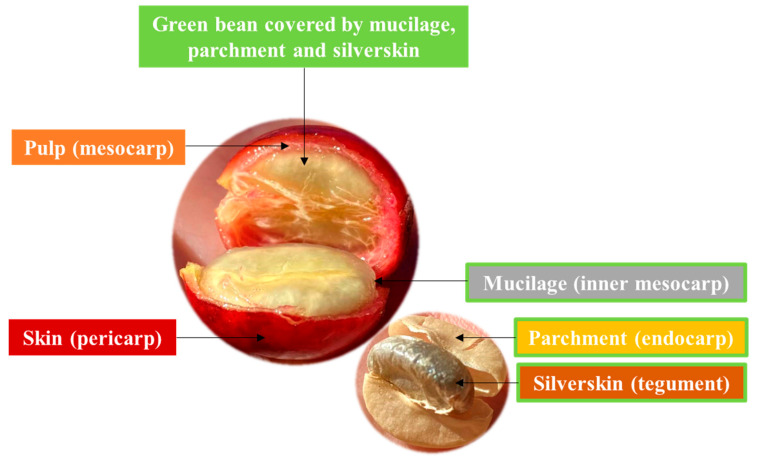
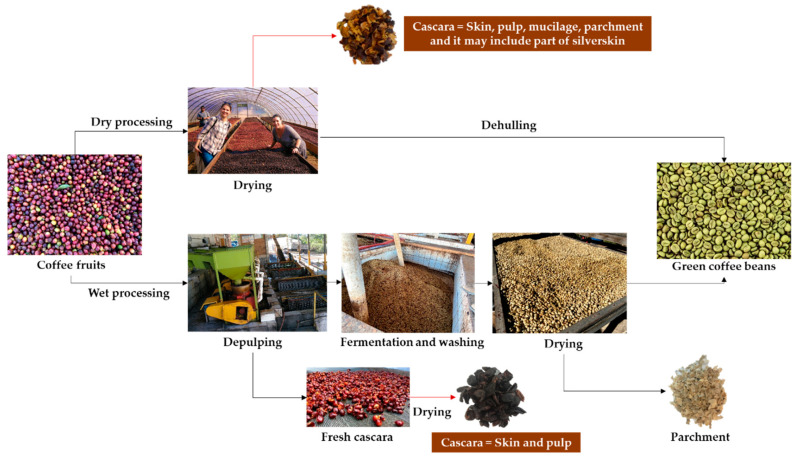
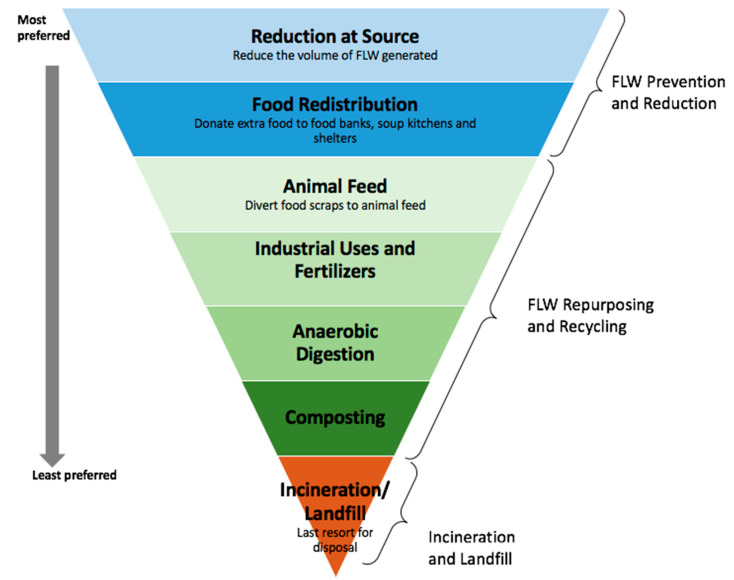
To obtain the coffee beverage, approximately 90% of the edible parts of the coffee cherry are discarded as agricultural waste or by-products (cascara or husk, parchment, mucilage, silverskin and spent coffee grounds). These by-products are a potential source of nutrients and non-nutrient health-promoting compounds, which can be used as a whole ingredient or as an enriched extract of a specific compound. The chemical composition of by-products also determines food safety of the novel ingredients. To ensure the food safety of coffee by-products to be used as novel ingredients for the general consumer population, pesticides, mycotoxins, acrylamide and gluten must be analyzed. According with the priorities proposed by the Food Agriculture Organization of the United Nations (FAO) to maximize the benefit for the environment, society and economy, food waste generation should be avoided in the first place. In this context, the valorization of food waste can be carried out through an integrated bio-refinery approach to produce nutrients and bioactive molecules for pharmaceutical, cosmetic, food and non-food applications. The present research is an updated literature review of the definition of coffee by-products, their composition, safety and those food applications which have been proposed or made commercially available to date based on their chemical composition.
Overview
The claims and statistics of this paper haven’t been checked yet.
Free: it reads the open-access text and checks the first 5 claims that cite a source we can check. Create a free account to check every claim.
Integrity signals
Registry
Cites
Statistics
Figures

Verification
Claims the paper makes
The claims and statistics of this paper haven’t been checked yet.
Free: it reads the open-access text and checks the first 5 claims that cite a source we can check. Create a free account to check every claim.
Claims other papers make about this one
Each is checked against this paper’s own text: does it say what the citing paper says it does?
The source backs part of the claim, not all of it — or backs it for a different population, condition or comparison.
In the citing paper
“Coffee is consumed daily globally; however, only 10% of the fruit is used to prepare the drink, with 90% being discarded and generating up to approximately 823,740 kg/year of waste. From this material, a relevant amount of pigment could be extracted and revalued [83].”
From Innovative Approaches to an Eco-Friendly Cosmetic Industry: A Review of Sustainable Ingredients (2024) · cites this paper as [83]
Experimental — accuracy not yet measuredThe cited source says what the claim attributes to it.
In the citing paper
“Based on the United Nations Food and Agriculture Organization (FAO), the priority for the environment is to avoid waste production; therefore, the recovery of food excess is a potential solution [83].”
From Innovative Approaches to an Eco-Friendly Cosmetic Industry: A Review of Sustainable Ingredients (2024) · cites this paper as [83]
Self-check
Percentages, sums and reported differences re-computed from the paper’s own numbers.
The self-check needs the paper’s full text.
Citations
Cites
Carbohydrates, dietary fiber, and incident type 2 diabetes in older women
Meyer, K. A., Kushi, L. H., Jacobs, D. R., Slavin, J., Sellers, T. A., & Folsom, A. R. (2000) · The American Journal of Clinical Nutrition · doi:10.1093/ajcn/71.4.921 · Cited by 1,271
Sustainable management of coffee industry by-products and value addition—a review
Murthy, P. S., & Madhava Naidu, M. (2012) · Resources, Conservation and Recycling · doi:10.1016/j.resconrec.2012.06.005 · Cited by 1,055
Production, Composition, and Application of Coffee and Its Industrial Residues
Mussatto, S. I., Machado, E. M. S., Martins, S., & Teixeira, J. A. (2011) · Food and Bioprocess Technology · doi:10.1007/s11947-011-0565-z · Cited by 1,010
Chemical, Functional, and Structural Properties of Spent Coffee Grounds and Coffee Silverskin
Ballesteros, L. F., Teixeira, J. A., & Mussatto, S. I. (2014) · Food and Bioprocess Technology · doi:10.1007/s11947-014-1349-z · Cited by 870
Functional Properties of Coffee and Coffee By-Products
Esquivel, P., & Jiménez, V. M. (2012) · Food Research International · doi:10.1016/j.foodres.2011.05.028 · Cited by 847
Scientific Opinion on acrylamide in food
(CONTAM), E. P. O. C. I. T. F. C. (2015) · EFSA Journal · doi:10.2903/j.efsa.2015.4104 · Cited by 828
Cho, A.-S., Jeon, S.-M., Kim, M.-J., Yeo, J., Seo, K.-I., Choi, M.-S., & Lee, M.-K. (2010) · Food and Chemical Toxicology · doi:10.1016/j.fct.2010.01.003 · Cited by 787
Spent coffee grounds: A review on current research and future prospects
Campos-Vega, R., Loarca-Piña, G., Vergara-Castañeda, H. A., & Oomah, B. D. (2015) · Trends in Food Science & Technology · doi:10.1016/j.tifs.2015.04.012 · Cited by 679
Scientific Opinion on the safety of caffeine
EFSA Panel on Dietetic Products, N. A. A. (. (2015) · EFSA Journal · doi:10.2903/j.efsa.2015.4102 · Cited by 613
Recovery of Biomolecules from Food Wastes—A Review
Baiano, A. (2014) · Molecules · doi:10.3390/molecules190914821 · Cited by 504
Research works printed but not linked: 4
- Sadeghian-Khalajabadi S. Mejía-Muñoz B. Arcila-Pulgarín J. Composición elemetal de fruto de café y extracción de nutrientes por las cosechas en la zona cafetera de Colombia Cenicafé 2006 57 251 261
- Rathinavelu R. Graziosi G. Potential alternative use of coffee wastes and by-products Coffee Organ. 2005 1967 1 4
- Gonzalez B. Uso sostenible del pergamino de café como ingrediente alimentario en la elaboración de pan libre de gluten con alto contenido en fibra Bachelor’s Thesis Universidad Autónoma de Madrid Madrid, Spain 2016
- Cubero-Castillo E. Bonilla-Leiva A.R. García-Velasques E. Coffee Berry Processing By-Product Valorization: Coffee Parchment as a Potential Fiber Source to Enrich Bakery Goods Abstract J. Food Nutr. Popul. Health 2017 1 1 7
Cited by
Coffee: A comprehensive overview of origin, market, and the quality process
Freitas, V. V., Borges, L. L. R., Vidigal, M. C. T. R., dos Santos, M. H., & Stringheta, P. C. (2024) · Trends in Food Science & Technology · doi:10.1016/j.tifs.2024.104411 · Cited by 160
Barrea, L., Pugliese, G., Frías-Toral, E., Ghoch, M. E., Castellucci, B., Chapela, S. P., Carignano, M. D. L. A., Laudisio, D., Savastano, S., Colao, A., et al. (2021) · Critical Reviews in Food Science and Nutrition · doi:10.1080/10408398.2021.1963207 · Cited by 190
Sustainability issues along the coffee chain: From the field to the cup
Peixoto, J. A. B., Silva, J. F., Oliveira, M. B. P. P., & Alves, R. C. (2022) · Comprehensive Reviews in Food Science and Food Safety · doi:10.1111/1541-4337.13069 · Cited by 173
Urugo, M. M., Tola, Y. B., Ogah, O., & Endale, F. (2023) · Food Science & Nutrition · doi:10.1002/fsn3.3848 · Cited by 159
“Numerous scientific studies have shown that drinking coffee lowers the risk of certain health complications, including type II diabetes, heart disease, liver cirrhosis, obesity, and cancer (Iriondo-dehond et al., 2020; Kusumah & Mejia, 2022; Núñez et al., 2020; Wu et al., 2022).”
BackgroundCoffee By-Products and Their Suitability for Developing Active Food Packaging Materials
Oliveira, G., Passos, C. P., Ferreira, P., Coimbra, M. A., & Gonçalves, I. (2021) · Foods · doi:10.3390/foods10030683 · Cited by 147
“From 100 kg of wet processed fresh coffee cherries, 39 kg of CP, 22 kg of CM, and 39 kg of CPm are obtained [27], which means that part of the water added during wet processing is retained in CP and CM.”
BackgroundMethodInfluentialThe Potential of Spent Coffee Grounds in Functional Food Development
Bevilacqua, E., Cruzat, V. F., Singh, I., Rose’Meyer, R. B., Panchal, S. K., & Brown, L. (2023) · Nutrients · doi:10.3390/nu15040994 · Cited by 134
“However, there are few studies investigating the health benefits of SCG, although there is a growing interest in its potential, due to the presence of many bioactive compounds that are also found in coffee beverages [26,27].”
BackgroundZhao, N., Liu, Z., Yu, T., & Yan, F. (2023) · Trends in Food Science & Technology · doi:10.1016/j.tifs.2023.104312 · Cited by 124
Innovative Approaches to an Eco-Friendly Cosmetic Industry: A Review of Sustainable Ingredients
Sasounian, R., Martinez, R. M., Lopes, A. M., Giarolla, J., Rosado, C., Magalhães, W. V., Velasco, M. V. R., & Baby, A. R. (2024) · Clean Technologies · doi:10.3390/cleantechnol6010011 · Cited by 96
“Based on the United Nations Food and Agriculture Organization (FAO), the priority for the environment is to avoid waste production; therefore, the recovery of food excess is a potential solution [83].”
BackgroundJauregi, P., Esnal‐Yeregi, L., & Labidi, J. (2024) · PeerJ Analytical Chemistry · doi:10.7717/peerj-achem.32 · Cited by 100
Chlorogenic Acids and Caffeine from Coffee By-Products: A Review on Skincare Applications
Rodrigues, R., Oliveira, M. B. P. P., & Alves, R. C. (2023) · Cosmetics · doi:10.3390/cosmetics10010012 · Cited by 90
Scientometric Overview of Coffee By-Products and Their Applications
Durán-Aranguren, D. D., Robledo, S., Restrepo, E. G., Valencia, J. W. A., & Tarazona, N. A. (2021) · Molecules · doi:10.3390/molecules26247605 · Cited by 92
Interest of Coffee Melanoidins as Sustainable Healthier Food Ingredients
Iriondo‐DeHond, A., Casas, A. R., & del Castillo, M. D. (2021) · Frontiers in Nutrition · doi:10.3389/fnut.2021.730343 · Cited by 91
“TABLE 1 | Step of generation during coffee processing, quantity, composition (5, 6), and biological properties of coffee by-products containing melanoidins.”
BackgroundSelf-citationNolasco, A., Squillante, J., Velotto, S., D’Auria, G., Ferranti, P., Mamone, G., Errico, M. E., Avolio, R., Castaldo, R., Cirillo, T., et al. (2022) · Journal of Cleaner Production · doi:10.1016/j.jclepro.2022.133520 · Cited by 75
Main trends in application of novel natural additives for food production
Stabnikova, О., Маринін, А. І., & Stabnikov, V. (2021) · Ukrainian Food Journal · doi:10.24263/2304-974x-2021-10-3-8 · Cited by 76
“New coffee by-products, silverskin extract, have been proposed to be used as a source of dietary fibre and bioactive compounds in preparation of developed novel food products (Figure 3) (Iriondo-DeHond et al., 2020).”
Sileshi, G. W., Barrios, E., Lehmann, J. C., & Tubiello, F. N. (2025) · Earth system science data · doi:10.5194/essd-17-369-2025 · Cited by 71
Coffee Microbiota and Its Potential Use in Sustainable Crop Management. A Review
Duong, B., Marraccini, P., Maeght, J., Vaast, P., Lebrun, M., & Duponnois, R. (2020) · Frontiers in Sustainable Food Systems · doi:10.3389/fsufs.2020.607935 · Cited by 76
Bhandarkar, N. S., Mouatt, P., Majzoub, M. E., Thomas, T., Brown, L., & Panchal, S. K. (2021) · Pathogens · doi:10.3390/pathogens10111369 · Cited by 65
Sales, A. L., Iriondo‐DeHond, A., DePaula, J., Ribeiro, M., Ferreira, I. M. P. L. V. O., Miguel, M. A. L., del Castillo, M. D., & Farah, A. (2023) · Foods · doi:10.3390/foods12091905 · Cited by 62
Self-citationValorization of coffee by-products in the industry, a vision towards circular economy
Gil-Gómez, J. A., Pardo, L. M. F., & Leguizamón-Vargas, Y. C. (2024) · Discover Applied Sciences · doi:10.1007/s42452-024-06085-9 · Cited by 53
“…diesel and hydrocarbon fuels, by anaerobic digestion, hydrogenation, esterification, transesterification, fermentation or pyrolytic reactions [44–48 , Other types of studies focus their attention on the extraction of oil from used coffee grounds with different types of non-polar (hexane,…”
Rebollo‐Hernanz, M., Aguilera, Y., Gil‐Ramírez, A., Benítez, V., Cañas, S., Braojos, C., & Martin-Cabrejas, M. A. (2023) · Applied Sciences · doi:10.3390/app13148326 · Cited by 53
Comparative Analysis of Selected Chemical Parameters of Coffea arabica, from Cascara to Silverskin
Bobková, A., Poláková, K., Demianová, A., Belej, Ľ., Bobko, M., Jurčaga, L., Gálik, B., Novotná, I., Iriondo‐DeHond, A., & del Castillo, M. D. (2022) · Foods · doi:10.3390/foods11081082 · Cited by 44
“(2020) [3] reported that Cascara and Silverskin are main sustainable sources of dietary fiber.”
BackgroundResultSelf-citationEckhardt, S., Franke, H., Schwarz, S., & Lachenmeier, D. W. (2022) · Molecules · doi:10.3390/molecules27238435 · Cited by 45
“[69] does not refer to cascara flour, but to coffee cherry pulp processed differently.”
BackgroundDauber, C., Romero, M., Chaparro, C., Ureta, C., Ferrari, C., Lans, R., Frugoni, L., Echeverry, M. V., Sánchez-Calvo, B., Trostchansky, A., et al. (2023) · Applied Food Research · doi:10.1016/j.afres.2023.100373 · Cited by 40
Assessment on Coffee Cherry Flour of Mengani Arabica Coffee, Bali, Indonesia as Iron Non-Heme Source
Setyobudi, R. H., Yandri, E., Nugroho, Y. A., Susanti, M. S., Wahono, S. K., Widodo, W. E., Zalizar, L., Saati, E. A., Maftuchah, M., Atoum, M. F. M., et al. (2021) · Sarhad Journal of Agriculture · doi:10.17582/journal.sja/2022.37.s1.171.183 · Cited by 37
Coffee Cherry on the Top: Disserting Valorization of Coffee Pulp and Husk
Král, E., Rukov, J. L., & Mendes, A. C. (2023) · Food Engineering Reviews · doi:10.1007/s12393-023-09352-4 · Cited by 39
“The multifunctionality of commercial applications of coffee by-products is also well described elsewhere [38, 106].”
Evaluation of Coffee Pulp Waste from Coffee Cultivation Areas in Indonesia as Iron Booster
(2022) · Jordan Journal of Biological Sciences · doi:10.54319/jjbs/150318 · Cited by 37
Caffeinated Beverages—Unveiling Their Impact on Human Health
Čižmárová, B., Kraus, V., & Birková, A. (2025) · Beverages · doi:10.3390/beverages11010018 · Cited by 44
López-Parra, M. B., Gómez-Domínguez, I., Iriondo-DeHond, M., Merino, E. V., Sánchez-Martín, V., Mendiola, J. A., Iriondo‐DeHond, A., & del Castillo, M. D. (2024) · Foods · doi:10.3390/foods13071114 · Cited by 35
Self-citationOspina-Maldonado, S. L., Martín-Gómez, H., & Cardoso‐Ugarte, G. A. (2024) · International Journal of Food Science & Technology · doi:10.1111/ijfs.17571 · Cited by 33
Quality Properties of Bakery Products and Pasta Containing Spent Coffee Grounds (SCGs): A Review
Ahanchi, M., Sugianto, E. C., Chau, A., & Khoddami, A. (2024) · Foods · doi:10.3390/foods13223576 · Cited by 31
Littardi, P., Rinaldi, M., Grimaldi, M. G., Cavazza, A., & Chiavaro, E. (2020) · Foods · doi:10.3390/foods10010005 · Cited by 33
“Finally, the safety of coffee parchment was demonstrated by the absence of pesticides and mycotoxins (aflatoxin B1 and enniantin B) [9].”
BackgroundCoffee Oil Extraction Methods: A Review
Ribeiro, R. C., Mota, M. F. S., Silva, R. M., Silva, D., Novaes, F. J. M., da Veiga, V. F., Bizzo, H. R., Teixeira, R. S. S., & Rezende, C. M. (2024) · Foods · doi:10.3390/foods13162601 · Cited by 30
“This approach not only reduces waste, but also creates value from by-products [107].”
BackgroundPeixoto, J. A. B., Andrade, N., Machado, S., Costa, A. S. G., Puga, H., Oliveira, M. B. P. P., Martel, F., & Alves, R. C. (2022) · Foods · doi:10.3390/foods11121671 · Cited by 30
Karmakar, R., Aggarwal, S., Kathuria, D., Singh, N., Tripathi, V. S., Sharma, P. K., Mitra, D., Kumar, S., & Bhattacharya, S. (2025) · Food Bioscience · doi:10.1016/j.fbio.2025.106833 · Cited by 27
Renaudie, M., Dumas, C., Vuilleumier, S., & Ernst, B. (2021) · Bioresource Technology Reports · doi:10.1016/j.biteb.2021.100918 · Cited by 25
Spent coffee grounds: A sustainable approach toward novel perspectives of valorization
Bijla, L., Aissa, R., Laknifli, A., Bouyahya, A., Harhar, H., & Gharby, S. (2022) · Journal of Food Biochemistry · doi:10.1111/jfbc.14190 · Cited by 28
Quality Attributes and Sensory Acceptance of Different Botanical Coffee Co-Products
Poláková, K., Bobková, A., Demianová, A., Bobko, M., Lidiková, J., Jurčaga, L., Belej, Ľ., Mesárošová, A., Korčok, M., & Tóth, T. (2023) · Foods · doi:10.3390/foods12142675 · Cited by 24
“Cascara accounts for up to 45% of the coffee cherry [9,10], while silverskin only makes up approximately 1% [12].”
BackgroundMethodInfluentialPreedalikit, W., Chittasupho, C., Leelapornpisid, P., Potprommanee, S., & Kiattisin, K. (2023) · Foods · doi:10.3390/foods12234292 · Cited by 24
“This process involves the removal of the mucilaginous layer, or pulp, from the seed [27].”
BackgroundUrugo, M. M., Getachew, P., Lambe, B. T., Yohannis, E., Afework, A., Meteke, N., Yasin, S., Milkias, M., Tola, Y. B., Teka, T. A., et al. (2025) · Applied Food Research · doi:10.1016/j.afres.2025.101181 · Cited by 24
Coral-Velasco, D. A., Correa, L. F., Sánchez, Ó. J., & Gómez, J. A. (2022) · Biomass Conversion and Biorefinery · doi:10.1007/s13399-022-03130-8 · Cited by 22
“These residues with a high carbohydrates content [129] can be separated by pressing.”
Enhancing biopolymer materials with coffee waste‐derived reinforcements
Bairwan, R. D., Khalil, H. P. S. A., Nuryawan, A., Ahmad, M. I., Kassim, M. H. M., & Azfaralariff, A. (2024) · Polymer Engineering and Science · doi:10.1002/pen.27046 · Cited by 25
Melikoğlu, M. (2025) · Food Chemistry · doi:10.1016/j.foodchem.2025.147004 · Cited by 21
Thai, L. Q., Niwat, C., Qin, S., & Konsue, N. (2024) · Future Foods · doi:10.1016/j.fufo.2024.100381 · Cited by 20
Innovative of cascara as potential in beverage, food and their functional impact: a review
Wibowo, N. A., Wanita, Y. P., Novitasari, E., Amri, A. F., Purwanto, E., Yulianti, Y., & Aurum, F. S. (2024) · International Journal of Food Science & Technology · doi:10.1111/ijfs.17562 · Cited by 20
Telukdarie, A., Munsamy, M., Katsumbe, T. H., Maphisa, X., & Philbin, S. P. (2023) · Information · doi:10.3390/info14080454 · Cited by 21
“Integrate bio-refinery valo isation [36]—valo isation of food waste via integrated bio-refinery approaches to produce pharmaceutical, cosmetic, food, and non-food applications.”
BackgroundInfluentialCoffee silverskin as a substrate for biobased production of biomass and hydrogen by Escherichia coli
Mirzoyan, S., Aghekyan, H., Vanyan, L., Vassilian, A., & Trchounian, K. A. (2022) · International Journal of Energy Research · doi:10.1002/er.8612 · Cited by 18
“In general, approximately 2 kg of CS waste is produced for 100 kg of roasted coffee bean.(9) Cellulose is more abundant in CS consisting of 23.”
BackgroundHarsono, S. S., Wibowo, R. K. K., & Supriyanto, E. (2021) · Journal of Ecological Engineering · doi:10.12911/22998993/138997 · Cited by 18
Turan, D., Wang, Y., Grundmann, D., Paillart, M. J. M., Dieleman, R., & Rahn, A. K. K. (2024) · Food Packaging and Shelf Life · doi:10.1016/j.fpsl.2024.101350 · Cited by 17
Ginting, A. R., Kit, T., Mingvanish, W., & Thanasupsin, S. P. (2022) · Sustainability · doi:10.3390/su14148435 · Cited by 19
Slow Pyrolysis of Specialty Coffee Residues towards the Circular Economy in Rural Areas
Fernández, J., Llano, T., Kochaniec, M. K., & Coz, A. (2023) · Energies · doi:10.3390/en16052300 · Cited by 15
Calderon, N., Jiang, G., Gibney, P. A., & Dando, R. (2023) · Fermentation · doi:10.3390/fermentation9100865 · Cited by 16
Bojórquez-Quintal, E., Xotlanihua-Flores, D., Bacchetta, L., Diretto, G., Maccioni, O., Frusciante, S., Rojas-Abarca, L. M., & Sánchez-Rodríguez, E. (2024) · Plants · doi:10.3390/plants13192741 · Cited by 18
“%) in consumption countries [4,5].”
Innovative Circular Biowaste Valorisation—State of the Art and Guidance for Cities and Regions
Valdés, M. Á. S., Soriano‐Disla, J. M., Gambuzzi, E., & Martínez, G. C. (2024) · Sustainability · doi:10.3390/su16208963 · Cited by 18
Thongbai, B., Sukboonyasatit, D., Banlue, K., Inchuen, S., Chuenta, W., Siriamornpun, S., & Suwannarong, S. (2025) · Molecules · doi:10.3390/molecules30091934 · Cited by 15
Zhang, J., Sun, X., Liu, P., Zhang, T., Jelderks, J. A., & Corke, H. (2022) · Foods · doi:10.3390/foods11121710 · Cited by 16
“Indeed, coffee cascara has been proven to be a potential source of macro- and/or micro-nutrients and non-nutrient health-beneficial bioactive compounds, which can be applied as either whole ingredients or specific-compound(s)-enriched extracts [7].”
BackgroundMethodThe magical smell and taste: Can coffee be good to patients with cardiometabolic disease?
Ribeiro, M. M., Alvarenga, L., Cardozo, L., Kemp, J. A., Lima, L. S., de Almeida, J. S., Leal, V. D. O., Stenvinkel, P., Shiels, P. G., & Mafra, D. (2022) · Critical Reviews in Food Science and Nutrition · doi:10.1080/10408398.2022.2106938 · Cited by 15
“Coffee is rich in anti-inflammatory and antioxidant compounds, including polyphenols, diterpenes, chlorogenic acid (CGAs), and caffeine (Chen 2019; Iriondo-DeHond, Iriondo-DeHond, and Del Castillo 2020), which have been linked to cardiometabolic protection, including reduced risk of atherosclerosis…”
BackgroundRuschioni, S., Duca, D., Tulli, F., Zarantoniello, M., Cardinaletti, G., Corsi, L., Olivotto, I., Basili, D., Naspetti, S., Truzzi, C., et al. (2024) · Animals · doi:10.3390/ani14040609 · Cited by 15
“…to both reduce the environmental impact and increase the added value of CB, such as the recovery of functional ingredients for potential applications in the food, pharmaceutical, and cosmetics industries, direct energy production, composting, bioenergy, and the production of biomaterials [3,6–10].”
BackgroundRennert, M., & Hiller, B. T. (2023) · Polymers · doi:10.3390/polym15142985 · Cited by 15
Özhamamcı, İ. (2024) · Applied Sciences · doi:10.3390/app14156442 · Cited by 13
Braojos, C., Rebollo‐Hernanz, M., Cañas, S., Aguilera, Y., Gil‐Ramírez, A., Martin-Cabrejas, M. A., & Benítez, V. (2024) · Current Research in Food Science · doi:10.1016/j.crfs.2024.100804 · Cited by 12
Rashwan, A. K., Eltohamy, K. M., Mustafa, A. M., El‐Shiekh, R. A., El‐Dessouki, A. M., Abo-Elghiet, F., Mohamed, A. K., Osman, A. I., Ding, K., & Chen, W. (2026) · Bioresource Technology · doi:10.1016/j.biortech.2026.134399 · Cited by 11
Silva, N. C. S., da Fonseca, Y. A., de Camargos, A. B., Lima, A. L. D., Ribeiro, M. C., Gurgel, L. V. A., & Baêta, B. E. L. (2021) · Journal of Chemical Technology & Biotechnology · doi:10.1002/jctb.6950 · Cited by 11
Iriondo‐DeHond, A., Salazar, M. D. P., Domènech, L. G., Zapata, J. E., & del Castillo, M. D. (2022) · Wiley eBooks · doi:10.1002/9781119804055.ch11 · Cited by 12
Self-citationNolasco, A., Squillante, J., Velotto, S., D’Auria, G., Ferranti, P., Mamone, G., Errico, M. E., Avolio, R., Castaldo, R., Luca, L. D., et al. (2024) · Foods · doi:10.3390/foods13071044 · Cited by 11
Otálora, M. C., Wilches‐Torres, A., & Castaño, J. A. G. (2024) · ACS Food Science & Technology · doi:10.1021/acsfoodscitech.4c00477 · Cited by 11
Quagliata, E., Gazzara, S., Dauber, C., Rodríguez, A., Panizzolo, L. A., Irigaray, B., Gámbaro, A., Mendiola, J. A., Vieitez, I., & del Castillo, M. D. (2025) · Foods · doi:10.3390/foods14193388 · Cited by 12
Development of Cascara Tea from Coffee Cherry Pulp
Jiamjariyatam, R., Samosorn, S., Dolsophon, K., Tantayotai, P., Lorliam, W., & Krajangsang, S. (2022) · Journal of Culinary Science & Technology · doi:10.1080/15428052.2022.2106336 · Cited by 11
Coffee Silverskin: nontraditional natural antioxidant for the meat industry
Mesárošová, A., Jurčaga, L., Bobková, A., Kročko, M., Demianová, A., Poláková, K., Lidiková, J., Mendelová, A., Švecová, T., Baluch, M., et al. (2025) · Applied Food Research · doi:10.1016/j.afres.2025.101185 · Cited by 10
ВИКОРИСТАННЯ ВІДХОДІВ ВИРОБНИЦТВА КАВИ ЯК СИРОВИНИ ДЛЯ ТВЕРДОГО ПАЛИВА
Іващук, О. С., Atamanyuk, V., Chyzhovych, R., & Собечко, І. Б. (2023) · Journal of Chemistry and Technologies · doi:10.15421/jchemtech.v30i4.265116 · Cited by 9
Khasanah, H., Widianingrum, D. C., Purnamasari, L., Wafa, A., & Hwang, S. G. (2022) · Jurnal Ilmu-Ilmu Peternakan · doi:10.21776/ub.jiip.2022.032.03.13 · Cited by 14
Nadaleti, D. H. S., de Rezende, J. C., Malta, M. R., dos Santos, C. S., Pereira, A. A., & Carvalho, G. R. (2022) · Journal of the Science of Food and Agriculture · doi:10.1002/jsfa.12051 · Cited by 9
Coffee By-Products: An Overview of Their Antimicrobial Properties
Maia, S., Ferreira, H., Oliveira, M. B. P. P., & Alves, R. C. (2026) · Molecules · doi:10.3390/molecules31101768 · Cited by 10
“Economic and social sustainability focuses on achieving both social and economic benefits, to drive long-term economic growth, while also benefiting the environment [13].”
Gallego-Barceló, P., Bagüés, A., Benítez-Álvarez, D., López‐Tofiño, Y., Gálvez-Robleño, C., López‐Gómez, L., del Castillo, M. D., & Abalo, R. (2023) · Nutrients · doi:10.3390/nu16010065 · Cited by 9
Coffee and Coffee By-Products as Multifunctional Foods and Ingredients
Nemzer, B. V., Al-Taher, F., Abshiru, N. A., & de Mejía, E. G. (2025) · Annual Review of Food Science and Technology · doi:10.1146/annurev-food-052924-114847 · Cited by 8
Alcántara, K., Guirao, A., Solana-Guilabert, A., Agulló, V., Díaz-Mula, H. M., Valverde, J. M., & Martínez‐Romero, D. (2026) · Applied Food Research · doi:10.1016/j.afres.2026.101705 · Cited by 7
Mukarunyana, B., Sundberg, C., Boman, C., Kabera, T., & Fick, J. B. (2026) · Environmental Technology & Innovation · doi:10.1016/j.eti.2025.104739 · Cited by 6
Preliminary Physical and Chemical Characterization of By-Products from Cuban Coffee Production
Mesa, D., Figueroa, J. P., Leyes, E. A. R., Castillo, C., Collazo, A., Núñez, H. M., Viltres, D., Mirabal‐Gallardo, Y., & Coll, Y. (2024) · Foods · doi:10.3390/foods13213348 · Cited by 7
Minari, T. P., Vilela-Martin, J. F., Yugar‐Toledo, J. C., & Pisani, L. P. (2025) · Biomedicines · doi:10.3390/biomedicines13081875 · Cited by 7
“Numerous epidemiological studies suggest that moderate coffee consumption is associated with a lower risk of various chronic diseases, including cardiovascular conditions, type 2 diabetes (T2D), and hypertension [7–12].”
Aniszewska, M., Gendek, A., Tamelová, B., Malaťák, J., Velebil, J., Krilek, J., Čabalová, I., Výbohová, E., & Bubeníková, T. (2025) · Fuel · doi:10.1016/j.fuel.2024.134191 · Cited by 6
Gallego-Barceló, P., Benítez-Álvarez, D., Bagüés, A., Silván-Ros, B., Montalbán-Rodríguez, A., López‐Gómez, L., Vera, G., del Castillo, M. D., Uranga, J. A., & Abalo, R. (2024) · Foods · doi:10.3390/foods13162474 · Cited by 5
“Cga/mL), providing an indication of its antioxidant potential [13,23].”
BackgroundClosing the Loop in Plant-Based Food Systems: Polyphenol Recovery from Agro-Food Chain By-Products
Paul, A., Chiș, M. S., Păucean, A., Fărcaș, A. C., García-Segovia, P., Negrea, M., Voica, D. V., Oros, S., & Oliveira, M. B. P. P. (2026) · Agriculture · doi:10.3390/agriculture16080899 · Cited by 5
Biomolecules from Plant Residues
Ancín‐Azpilicueta, C., Esparza, I., & Jiménez‐Moreno, N. (2020) · Biomolecules · doi:10.3390/biom10111496 · Cited by 5
“[16] present a review on the coffee processing by-products, analyzing their composition, safety and those food applications that have been proposed or commercialized to date.”
BackgroundPuari, A. T., Rusnam, & Yanti, N. R. (2023) · IOP Conference Series Earth and Environmental Science · doi:10.1088/1755-1315/1182/1/012037 · Cited by 6
Kit, T., Ginting, A. R., Sumpavapol, P., Chheang, L., & Thanasupsin, S. P. (2024) · Processes · doi:10.3390/pr12122805 · Cited by 5
He, F., Gao, J., Zhang, J., Ma, R., Lyu, Y., Cesarino, I., & Li, Z. (2025) · LWT · doi:10.1016/j.lwt.2025.117985 · Cited by 10
Aalam, Z., Khtira, A., Joine, M., Akbib, N., Gharby, S., & Sakar, E. H. (2024) · Biomass Conversion and Biorefinery · doi:10.1007/s13399-024-06316-4 · Cited by 7
“Coffee and its by-products stand out among bioactive compounds due to its pronounced antioxidant effect [67, 68].”
Rao, L. J. (2025) · Food Reviews International · doi:10.1080/87559129.2025.2516114 · Cited by 4
“[21] An overview on the applications of coffee Husk, coffee pulp, coffee silver skin, and spent coffee grounds, in the research areas of bioactive phytochemicals, microbial transformation, environmental applications, biofuels and construction materials is discussed.”
High Dietary Fiber and Antioxidant Cookies with Substituted Parchment and Silver Skin Coffee
Lanywati, E., Rizkaprilisa, W., & Dewi, L. (2023) · Food Science and Technology Journal (Foodscitech) · doi:10.25139/fst.v6i2.6352 · Cited by 4
Utilization of Agro-Waste of Piper longum for a Potential Pancreatic Lipase Inhibitor
Gaur, P., Tiwari, N., & Shanker, K. (2022) · ACS Agricultural Science & Technology · doi:10.1021/acsagscitech.2c00021 · Cited by 4
Monazzah, M., Herrmann, C., Morlock, G. E., Fuchs, J., & Lachenmeier, D. W. (2025) · Toxics · doi:10.3390/toxics13090739 · Cited by 3
Adoyo, G. O., Owino, W., Wafula, E., Engelsen, S. B., Abong, G. O., & Nyonje, W. A. (2025) · Discover Sustainability · doi:10.1007/s43621-025-02293-4 · Cited by 3
“In the dry process, the mixed fruits (green, ripe, and over-ripe) are generally sun-dried and subsequently mechanically de-hulled (milled) to remove the husks ( skin , pulp , mucilage , and parchment ) and as much as possible of the silverskin [4].”
InfluentialAurum, F. S., Wibowo, N. A., Purwanto, E., Wanita, Y. P., Novitasari, E., Amri, A. F., Yulianti, Y., Karim, M. A., Zainal, P. W., & Praseptiangga, D. (2026) · Journal of Multidisciplinary Applied Natural Science · doi:10.47352/jmans.2774-3047.359 · Cited by 3
Azzahra, A. F., Akbar, L. D., Rosyidah, E., & Romadloni, S. (2026) · Jurnal Inovasi Pengabdian Masyarakat · doi:10.62734/ipm.v3i1.684 · Cited by 3
Empowering Communities through Utilization of Coffee Skin Waste into Tea
Mashami, R. A., Hatimah, H., Kurnia, N., & Khaeruman, K. (2022) · Lumbung Inovasi Jurnal Pengabdian kepada Masyarakat · doi:10.36312/linov.v7i4.957 · Cited by 3
Lestari, W., Hasballah, K., Listiawan, M. Y., & Sofia, S. (2023) · International Journal on Advanced Science Engineering and Information Technology · doi:10.18517/ijaseit.13.2.17449 · Cited by 3
Obtaining coffee mucilage microcapsules by spray drying using chemically modified banana starch
Hernández, J. P. R., Chávez‐Salazar, A., Restrepo‐Montoya, E. M., Galeano, F. J. C., & López, D. Y. O. (2024) · Ingeniería y Competitividad · doi:10.25100/iyc.v26i2.13502 · Cited by 3
Physicochemical, Antioxidant and Mineral Composition of Cascara Beverage Prepared by Cold Brewing
Muriqi, S., Červenka, L., Česlová, L., Kašpar, M., Řezková, S., Husáková, L., Patočka, J., Česla, P., & Velichová, H. (2025) · Food Technology and Biotechnology · doi:10.17113/ftb.63.01.25.8605 · Cited by 3
“In addition to its use as a beverage, cascara offers a potential source of phenolic compounds with antioxidant properties, which could have a beneficial effect on human health ( 3–5 ).”
Iriondo-DeHond, M., Iriondo‐DeHond, A., Herrera, T., Miguel, E., & del Castillo, M. D. (2025) · Fermentation · doi:10.3390/fermentation11050291 · Cited by 3
Self-citationPuari, A. T., Rusnam, R., & Yanti, N. R. (2022) · Jurnal Teknik Pertanian Lampung (Journal of Agricultural Engineering) · doi:10.23960/jtep-l.v11i2.242-252 · Cited by 3
Setiawan, S. C. E., Yuliantara, A., Rizkaprilisa, W., & Paramastuti, R. (2024) · Science Technology and Management Journal · doi:10.53416/stmj.v4i1.224 · Cited by 5
Metadata
- Authors
- Iriondo-DeHond, A., Iriondo-DeHond, M., & del Castillo, M. D.
- Affiliations
- Food Bioscience Group, Department of Bioactivity and Food Analysis, Instituto de Investigación en Ciencias de la Alimentación (CIAL) (CSIC-UAM), Calle Nicolás Cabrera, 9, 28049 Madrid, Spain
- Madrid Institute for Rural, Agrarian and Food Research and Development (ES)
- Venue
- Biomolecules
- Publisher
- MDPI AG
- Published
- 2020-08-21
- Volume
- 10
- Issue
- 9
- Pages
- 1219
- ISSN
- 2218-273X (ISSN-L)
- PMC
- PMC7564712
- OpenAlex
- W3080351627
- Cited by
- 167
- References
- 94
- Citations by year
- 2026: 32 · 2025: 35 · 2024: 29 · 2023: 24 · 2022: 22 · 2021: 21 · 2020: 4
- FWCI
- 2.33
- Type
- journal article
- Language
- en
- Open access
- gold
- doi.org
- Licence
- Locations
- Biomolecules (publishedVersion, cc-by)
- PubMed Central (publishedVersion, cc-by)
- PubMed (publishedVersion)
- DIGITAL.CSIC (Spanish National Research Council (CSIC)) (submittedVersion, cc-by)
- DOAJ (DOAJ: Directory of Open Access Journals) (submittedVersion, cc-by-sa)
- Funders
- Fundación General CSIC (201970E117)
- Ministerio de Ciencia e Innovación (PID2019-111510RB-I00)
- Topics
- Health Sciences › Medicine › Pharmacology (medical) › Coffee research and impacts
- Life Sciences › Agricultural and Biological Sciences › Food Science › Agricultural and Biological Research
- Health Sciences › Medicine › Biochemistry (medical) › Phytochemicals and Antioxidant Activities
- Keywords
- coffee processing by-products, coffee waste valorization, cascara, spent coffee grounds, food waste, bioactive compounds, food safety, mycotoxins, acrylamide, gluten, biorefinery, novel food ingredients
- MeSH terms
- Coffee, Refuse Disposal
About these checks
Registry, retraction, Cites and statistics results are computed, not judged, with one exception: a printed reference that no index lists is read once by a model before it counts as a citation error. Claims are extracted by a model and kept only when their quote appears verbatim in the text; each cited source is then checked, with a model’s help, for whether it says what the claim relies on. Those verdicts can be wrong — read the claim’s quote and the cited source before relying on one.
Statistics and arithmetic are recomputed, not judged.
Confidence bands are shown only for fields calibrated on our annotated test set. None is calibrated yet, so no band is shown.
What counts as a claim ›How we measure confidence ›How we check this ›
Are you an author, or do you see a problem with this page? Request a review
Data sources
Bibliographic data: Semantic Scholar, OpenAlex, Crossref.
Contains information from the Semantic Scholar Academic Graph Datasets, made available under the ODC Attribution License (ODC-BY 1.0).
Semantic Scholar’s data is described in: Kinney, R., et al. (2023). The Semantic Scholar Open Data Platform. arXiv:2301.10140.
