

Metformin Inhibits ROS Production by Human M2 Macrophages via the Activation of AMPK
Open accessThe DOI matches its Crossref record; 59 of the 60 references it cites were found in a registry or an index.
Abstract
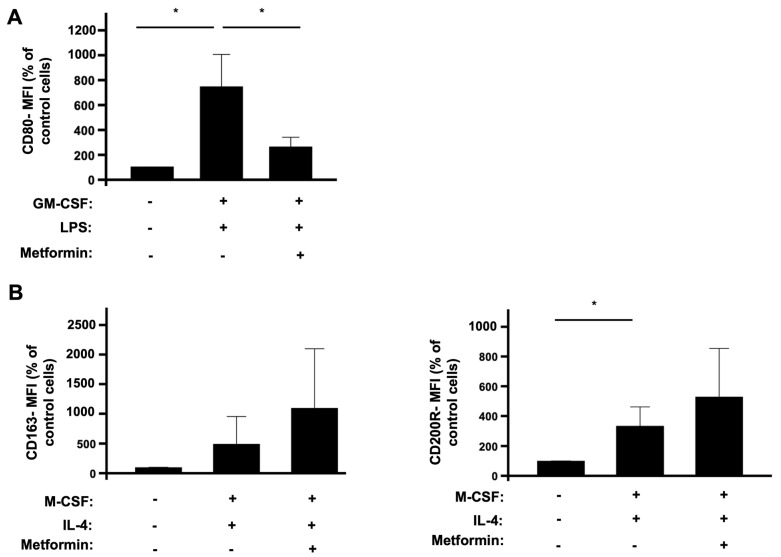
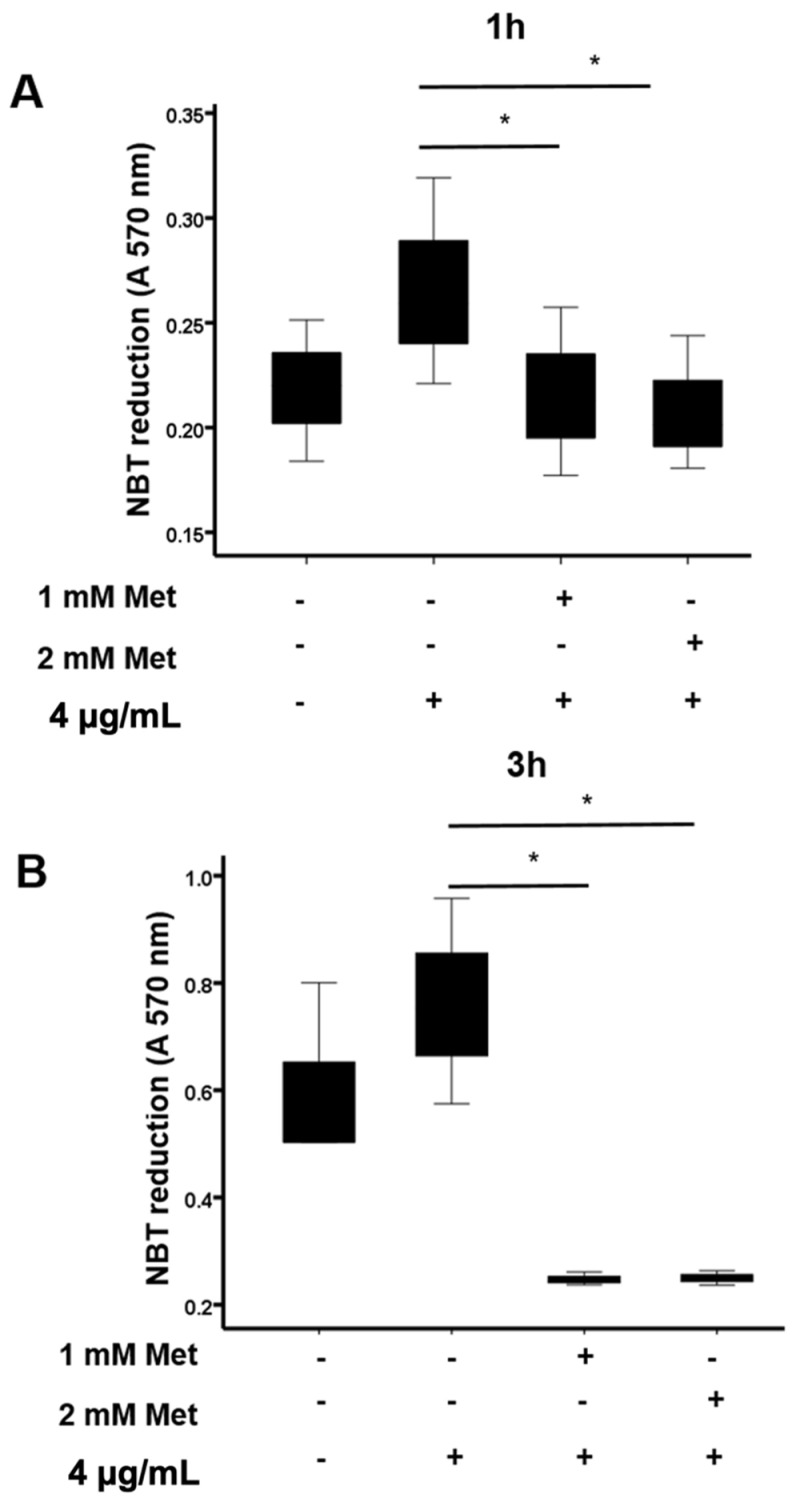
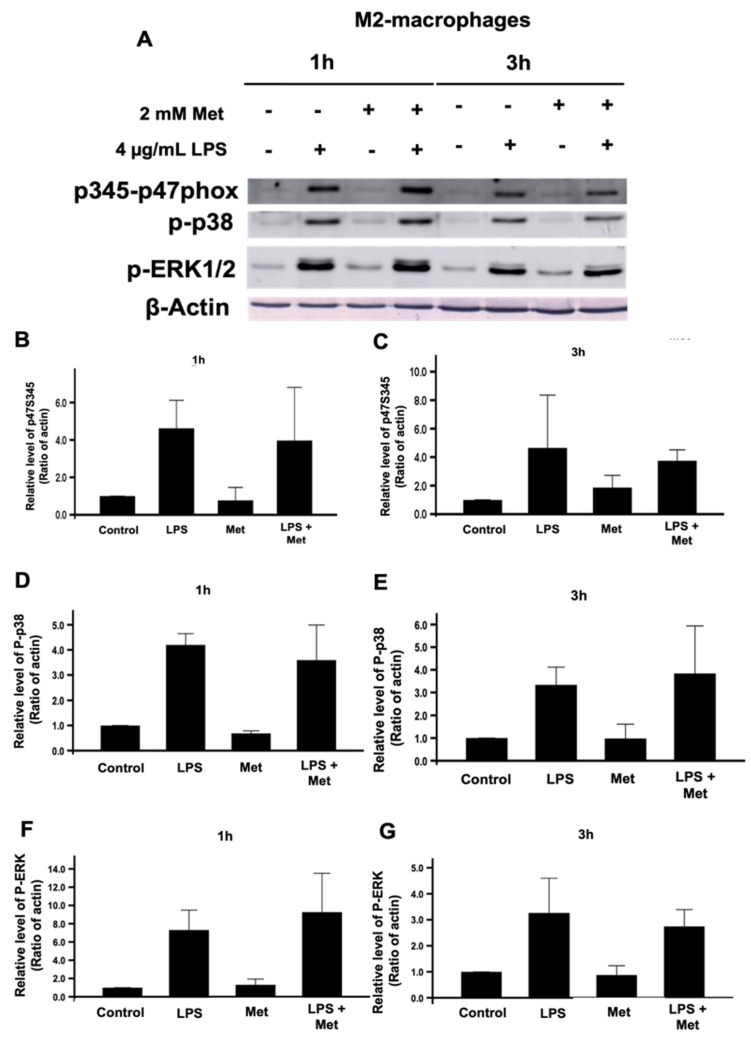
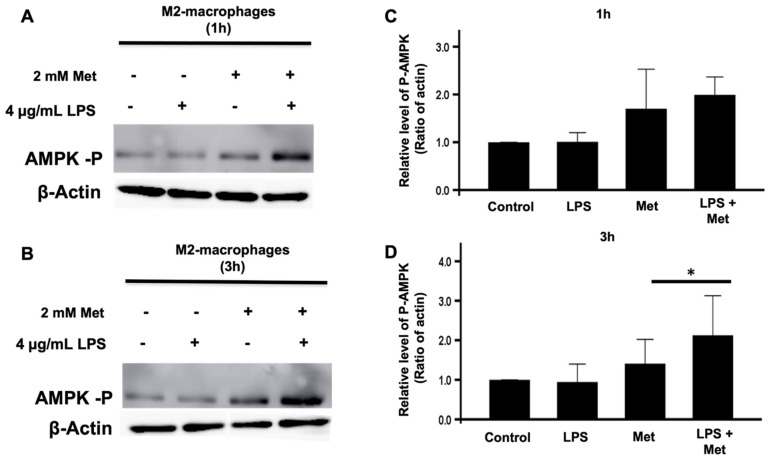
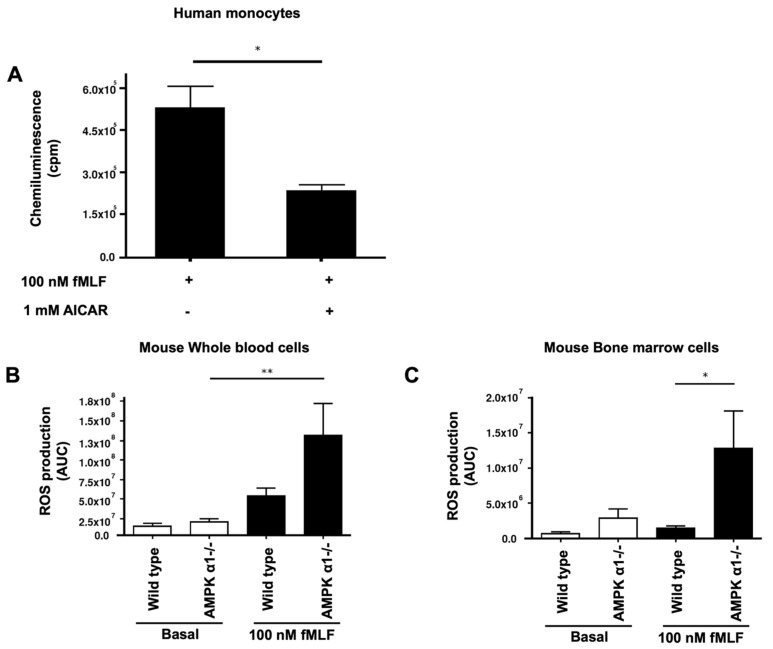
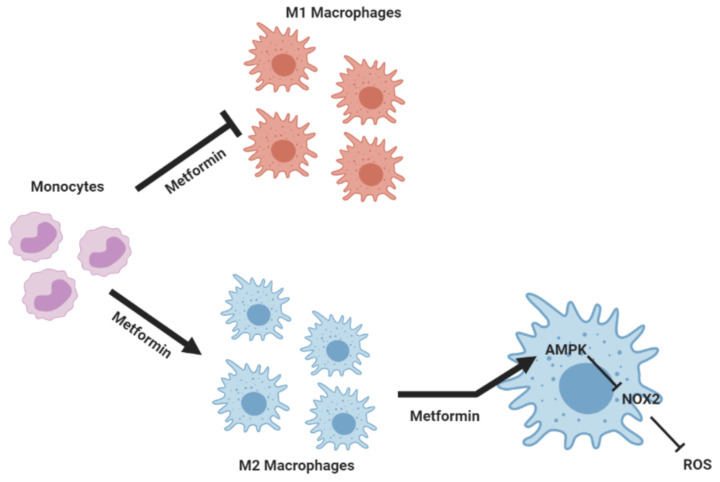
Metformin (1,1-dimethylbiguanide hydrochloride) is the most commonly used drug to treat type II diabetic patients. It is believed that this drug has several other beneficial effects, such as anti-inflammatory and anticancer effects. Here, we wanted to evaluate the effect of metformin on the production of reactive oxygen species (ROS) by human macrophages. Macrophages are generated in vivo from circulating monocytes depending on the local tissue environment. In vitro proinflammatory macrophages (M1) and anti-inflammatory macrophages (M2) can be generated by culturing monocytes in the presence of different cytokines, such as GM-CSF or M-CSF, respectively. We show that metformin selectively inhibited human monocyte differentiation into proinflammatory macrophages (M1) without inhibiting their differentiation into anti-inflammatory macrophages (M2). Moreover, we demonstrate that, in response to LPS, M2 macrophages produced ROS, which could be very harmful for nearby tissues, and metformin inhibited this process. Interestingly, metformin with LPS induced activation of the adenosine-monophosphate-activated protein kinase (AMPK) and pharmacological activation of AMPK by AICAR, a known AMPK activator, decreased ROS production, whereas the deletion of AMPK in mice dramatically enhanced ROS production in different types of immune cells. These results suggest that metformin exhibits anti-inflammatory effects by inhibiting the differentiation of human monocytes into M1 macrophages and by limiting ROS production by macrophages via the activation of AMPK.
Overview
The claims and statistics of this paper haven’t been checked yet.
Free: it reads the open-access text and checks the first 5 claims that cite a source we can check. Create a free account to check every claim.
Integrity signals
Registry
Cites
Statistics
Figures
Verification
Claims the paper makes
The claims and statistics of this paper haven’t been checked yet.
Free: it reads the open-access text and checks the first 5 claims that cite a source we can check. Create a free account to check every claim.
Claims other papers make about this one
Each is checked against this paper’s own text: does it say what the citing paper says it does?
The source backs part of the claim, not all of it — or backs it for a different population, condition or comparison.
In the citing paper
“Notably, several antifibrotic interventions -including traditional Chinese medicinal (TCM) compounds and pharmaceutical agents such as metformin, glucagon-like peptide-1 receptor agonists (GLP-1RAs) or SGLT2 inhibitors (SGLT2is)- promote restorative macrophage polarization, at least in part, through activation of AMPK-dependent pathways and enhance hepatic autophagy (34, 39, 41–44).”
From Strategies to promote liver fibrosis amelioration with involvement of restorative macrophages (2026) · cites this paper as [42]
Experimental — accuracy not yet measured
Self-check
Percentages, sums and reported differences re-computed from the paper’s own numbers.
The self-check needs the paper’s full text.
Citations
Cites
Role of AMP-Activated Protein Kinase in Mechanism of Metformin Action
Zhou, G., Myers, R., Li, Y., Chen, Y., Shen, X., Fenyk-Melody, J., Wu, M., Ventre, J., Doebber, T., Fujii, N., et al. (2001) · Journal of Clinical Investigation · doi:10.1172/jci13505 · Cited by 5,652 · cited 1×
“At a cellular level, studies showed that metformin increased AMPK activity in hepatocytes [6].”
BackgroundBlood Monocytes Consist of Two Principal Subsets with Distinct Migratory Properties
Geissmann, F., Jung, S., & Littman, D. R. (2003) · Immunity · doi:10.1016/s1074-7613(03)00174-2 · Cited by 3,391
Watterson, K. R., Bestow, D., Gallagher, J., Hamilton, D. L., Ashford, F. B., Meakin, P. J., & Ashford, M. L. J. (2013) · Neurosignals · doi:10.1159/000334144 · Cited by 3,389
Babior, B. M., Kipnes, R. S., & Curnutte, J. T. (1973) · Journal of Clinical Investigation · doi:10.1172/jci107236 · Cited by 2,931 · cited 1×
“These macrophages have proinflammatory functions, such as phagocytosis accompanied by reactive oxygen species (ROS) production [25], cytolytic and proteolytic activities, removal of damaged tissues known as M2 macrophages.”
BackgroundFrom Monocytes to M1/M2 Macrophages: Phenotypical vs. Functional Differentiation
Italiani, P., & Boraschi, D. (2014) · Frontiers in Immunology · doi:10.3389/fimmu.2014.00514 · Cited by 2,067 · cited 2×
“Several key regulatory inflammatory roles are attributed to macrophages, which are heterogeneous cells present in lymphoid and nonlymphoid tissues [22].”
Backgroundthe Immunological Genome Consortium, Gautier, E. L., Shay, T., Miller, J., Greter, M., Jakubzick, C., Ivanov, S., Helft, J., Chow, A., Elpek, K. G., et al. (2012) · Nature Immunology · doi:10.1038/ni.2419 · Cited by 1,972 · cited 1×
“These macrophages exhibit anti-inflammatory functions, such as tissue repair and remodeling, angiogenesis, and immunosuppression [26], and show different transcriptional profiles depending on their localization [27].”
BackgroundCellular and molecular mechanisms of metformin: an overview
Viollet, B., Guigas, B., Garcia, N. S., Leclerc, J., Foretz, M., & Andreelli, F. (2012) · Clinical Science · doi:10.1042/cs20110386 · Cited by 1,720 · cited 3×
“The transient reduction in cellular energy (a decrease in ATP levels versus an increase in AMP levels), as well as the phosphorylation of AMPK both activate switching of the cell’s status from anabolic to catabolic [1,14,15].”
BackgroundSteinberg, G. R., & Kemp, B. E. (2009) · Physiological Reviews · doi:10.1152/physrev.00011.2008 · Cited by 1,637 · cited 1×
“AMPK is a phylogenetically conserved serine/threonine protein kinase [7,8].”
BackgroundMetformin—mode of action and clinical implications for diabetes and cancer
Pernicova, I., & Korbonits, M. (2014) · Nature Reviews Endocrinology · doi:10.1038/nrendo.2013.256 · Cited by 1,349
AMP-Activated Protein Kinase in Metabolic Control and Insulin Signaling
Towler, M. C., & Hardie, D. G. (2007) · Circulation Research · doi:10.1161/01.res.0000256090.42690.05 · Cited by 1,253 · cited 1×
“Both the phosphorylation of AMPK and its binding with a nucleotide lead to its activation [58].”
Background
Research works printed but not linked: 1
- 14. Kennedy, M.S.N.; Masharani, U. Pancreatic Hormones & Antidiabetic Drugs. In Basic & Clinical Pharmacology; Katzung, B.G., Ed.; McGraw-Hill Education: New York, NY, USA, 2017.
Cited by
Mechanism of metformin regulation in central nervous system: Progression and future perspectives
Cao, G., Gong, T., Du, Y., Wang, Y., Ge, T., & Liu, J. (2022) · Biomedicine & Pharmacotherapy · doi:10.1016/j.biopha.2022.113686 · Cited by 116
The Role and Mechanism of Metformin in Inflammatory Diseases
Lin, H., Ao, H., Guo, G., & Liu, M. (2023) · Journal of Inflammation Research · doi:10.2147/jir.s436147 · Cited by 105
“141,142 While apart from affecting macrophage polarization, metformin could play an anti-inflammatory role by inhibiting the fatty acid synthesis and Akt palmitoylation in macrophages.”
Insulin resistance induced by obesity: Mechanisms, metabolic implications and therapeutic approaches
Choo, Y. N., Ravi, R. N., & Subramaniyan, V. (2026) · Molecular Biology Reports · doi:10.1007/s11033-026-11509-3 · Cited by 55
Hu, H., Zhang, W., Zhou, Y., Zhao, K., Kuang, J., Liu, X., Li, G., & Xi, Y. (2024) · Advanced Composites and Hybrid Materials · doi:10.1007/s42114-024-00989-1 · Cited by 49
Wound Healing versus Metastasis: Role of Oxidative Stress
Lopez, T. E., Wendremaire, M., Lagarde, J., Duquet, O., Alibert, L., Paquette, B., Garrido, C., & Lirussi, F. (2022) · Biomedicines · doi:10.3390/biomedicines10112784 · Cited by 47
“Indeed, decreased M2 ROS production, after lipopolysaccharide (LPS) treatment, do not affect the expression of M2 markers such as CD163 or CD200R [53].”
BackgroundRegulation of Fructose Metabolism in Nonalcoholic Fatty Liver Disease
Lodge, M., Dykes, R., & Kennedy, A. J. (2024) · Biomolecules · doi:10.3390/biom14070845 · Cited by 38
“Metformin also prevents LPS-induced M1 macrophage polarization by activating AMPK reducing ROS production [179–181].”
BackgroundSuleimanov, S. K., Efremov, Y. M., Klyucherev, T. O., Salimov, E. L., Ragimov, A. A., Timashev, P. S., & Vlasova, I. I. (2024) · International Journal of Molecular Sciences · doi:10.3390/ijms25031860 · Cited by 34
“Nassif et al. demonstrated that the hypoglycemic agent metformin inhibits LPS-induced radical-generating M2 activity in human macrophages via the activation of adenosine monophosphate protein kinase [34].”
BackgroundLi, H., Mao, B., Zhong, J., Li, X., & Sang, H. (2024) · Journal of Orthopaedic Translation · doi:10.1016/j.jot.2024.06.013 · Cited by 32
“Numerous studies have demonstrated metformin ’ s selective inhibition of human monocyte differentiation into pro-inflammatory macrophages (M1) without affecting their differentiation into anti-inflammatory macrophages (M2) [41].”
BackgroundTherapeutic strategies targeting mechanisms of macrophages in diabetic heart disease
Zhang, C., Shi, Y., Liu, C., Sudesh, S. M., Zhao, H., Li, P., Liu, Q., Ma, Y., Shi, A., & Cai, H. (2024) · Cardiovascular Diabetology · doi:10.1186/s12933-024-02273-4 · Cited by 32
“Interestingly, metformin reduces oxidative stress and inflammatory responses by inhibiting the differentiation of human monocytes into M1 macrophages and limiting macrophage ROS production through the activation of AMPK [139].”
BackgroundInfluentialSalminen, A. (2023) · Biogerontology · doi:10.1007/s10522-023-10072-9 · Cited by 31
“Recently, Nassif et al. (2022) demonstrated that metformin exposure of human M2 macrophages inhibited the production of ROS via the activation of AMPK signaling.”
BackgroundAdvances in the Insulin–Heart Axis: Current Therapies and Future Directions
Caturano, A., Vetrano, E., Galiero, R., Sardu, C., Rinaldi, L., Russo, V., Monda, M., Marfella, R., & Sasso, F. C. (2024) · International Journal of Molecular Sciences · doi:10.3390/ijms251810173 · Cited by 29
“In human macrophages, metformin treatment selectively inhibited the differentiation of human monocytes into proinflammatory M1 macrophages [87].”
BackgroundOspina, H. A., Guay-Vincent, M.-M., & Descoteaux, A. (2022) · mBio · doi:10.1128/mbio.02578-22 · Cited by 27
“A recent report indicated that AICAR significantly decreased the production of reactive oxygen species (ROS) in N-formylmethionyl-leucyl-phenylalanine (fMLF)-stimulated macrophages (61).”
BackgroundZhang, C., Yan, R., Bai, M., Sun, Y., Han, X., Cheng, C., & Ye, L. (2023) · Small · doi:10.1002/smll.202306966 · Cited by 24
Terasaki, M., Yashima, H., Mori, Y., Saito, T., Inoue, N., Matsui, T., Osaka, N., Fujikawa, T., Ohara, M., & Yamagishi, S. (2024) · International Journal of Molecular Sciences · doi:10.3390/ijms25179724 · Cited by 21
Ren, C., Tazawa, K., Kawashima, N., Ohshima, R., Okada, Y., Wang, S., Yu, Z., Han, P., Ohsugi, Y., Katagiri, S., et al. (2025) · Frontiers in Immunology · doi:10.3389/fimmu.2025.1643676 · Cited by 18
“In addition, it inhibits the polarization of monocytes into M1 macrophages and decreases the production of reactive oxygen species (42).”
The Role of Neutrophil Extracellular Networks in Cardiovascular Pathology
Szymańska, Z., Staniewski, A., Karpiński, M., Zalewska, K., Kalus, O., Gramala, Z., Maćkowiak, J., Mertowski, S., Filipiak, K. J., Rahnama, M., et al. (2025) · Cells · doi:10.3390/cells14191562 · Cited by 19
Fu, L., Yang, Y., Tian, H., Jia, X.-Y., Liu, K., Gao, H., Li, Y., Qi, J., Yu, X.-J., & Kang, Y.-M. (2024) · European Journal of Pharmacology · doi:10.1016/j.ejphar.2024.176373 · Cited by 17
Li, H., Zhang, Y., Du, S., Shen, J., Liu, X., & Jing, J. (2025) · Frontiers in Immunology · doi:10.3389/fimmu.2025.1543702 · Cited by 19
“Alternatively activated macrophages (M2) secrete anti-in fl ammatory cytokines that downregulate the immune response and suppress in fl ammation (146).”
Repurposing Antiepileptic Drugs for Cancer: A Promising Therapeutic Strategy
Tarawneh, N., Hussein, S. N., & Abdalla, S. (2025) · Journal of Clinical Medicine · doi:10.3390/jcm14082673 · Cited by 15
“Lastly, by affecting reactive oxygen species (ROS) production and regulating glycolysis and the pentose phosphate pathway (PPP), metformin starves cancer cells of the energy and biosynthetic materials needed for growth [37,38].”
The molecular determinants regulating redox signaling in diabetic endothelial cells
Srivastava, S. P., Kopasz-Gemmen, O., Thurman, A., Rajendran, B. K., Selvam, M., Kumar, S., Srivastava, R., Suresh, M. X., Kumari, R., Goodwin, J. E., et al. (2025) · Frontiers in Pharmacology · doi:10.3389/fphar.2025.1563047 · Cited by 12
Benjaskulluecha, S., Boonmee, A., Haque, M., Wongprom, B., Pattarakankul, T., Pongma, C., Sri-ngern-ngam, K., Keawvilai, P., Sukdee, T., Saechue, B., et al. (2023) · iScience · doi:10.1016/j.isci.2023.108733 · Cited by 11
Wang, Q., Rong, P., Zhang, W., Yang, X., Chen, L., Cao, Y., Liu, M., Feng, W., Ouyang, Q., Chen, Q., et al. (2024) · Science China Life Sciences · doi:10.1007/s11427-024-2628-1 · Cited by 11
“AMPK, the upstream kinase phosphorylating TBC1D1, has been shown as a key factor regulating generation of ROS that is a critical regulator of inflammation (Nassif et al., 2022; Wang et al., 2019).”
Khalili-Hezarjaribi, H., Bahrami, A. R., Saljooghi, A. S., & Matin, M. M. (2024) · International Journal of Pharmaceutics · doi:10.1016/j.ijpharm.2024.124838 · Cited by 14
Oxidative Stress in Cardiovascular Diseases: Mechanisms and Exploring Advanced Therapies
Dushyant, Balram, B., Singh, G., Kumar, N., Narwal, S., & Dhingra, A. K. (2025) · Cardiovascular & Hematological Agents in Medicinal Chemistry · doi:10.2174/0118715257344485250207074727 · Cited by 10
Fedotova, E. I., Berezhnov, A. V., Popov, D. Y., Shitikova, E. Y., & Vinokurov, A. Y. (2025) · International Journal of Molecular Sciences · doi:10.3390/ijms26031019 · Cited by 11
“…of AMPK has been shown to be a result of the anti-inflammatory Prevention of monocyte di ff erentiation into M1-type macrophages due to decreased ROS production via the activation of AMPK has been shown to be a result of the anti-in fl ammatory e ff ect of metformin [284]. effect of metformin [284].”
Immune function of colon cancer associated miRNA and target genes
Han, L., Chen, S., Luan, Z., Fan, M., Wang, Y., Sun, G., & Dai, G. (2023) · Frontiers in Immunology · doi:10.3389/fimmu.2023.1203070 · Cited by 10
“They can secrete growth factors and cytokines that stimulate cancer cell proliferation and migration (45).”
BackgroundAkebia saponin D attenuates allergic airway inflammation through AMPK activation
Xuan, L., Yang, S., Ren, L., Liu, H., Zhang, W., Sun, Y., Xu, B., Gong, L., & Liu, L. (2024) · Journal of Natural Medicines · doi:10.1007/s11418-023-01762-2 · Cited by 9
“AMPK activation could inhibit LPS-induced production of cytokines [42, 43].”
Bibliometric analysis of metformin as an immunomodulator (2013–2024)
Zhou, T., Yu, Y., Li, L., Liu, X., Xiang, Q., & Yu, R. (2025) · Frontiers in Immunology · doi:10.3389/fimmu.2024.1526481 · Cited by 13
“In addition, metformin can inhibit the differentiation of pro-in fl ammatory macrophages (M1) and reduce the production of reactive oxygen species (ROS) showing a strong anti-in fl ammatory effect (73, 74).”
Scafidi, A., Mogensen, F. L., Campus, E., Pailas, A., Neumann, K., Legrave, N. M., Bernardin, F., Pereira, S. L., Antony, P. M. A., Nicot, N., et al. (2024) · Heliyon · doi:10.1016/j.heliyon.2024.e37792 · Cited by 8
“It has been previously shown that the concomitant treatment with metformin and LPS affects the classical M1-like macrophage polarization [16].”
BackgroundMethodMacrophage and chondrocyte phenotypes in inflammation
Pemmari, A., & Moilanen, E. (2024) · Basic & Clinical Pharmacology & Toxicology · doi:10.1111/bcpt.14085 · Cited by 10
“42 Metformin, a widely used antidiabetic that has been studied in various age-related diseases, inhibits M1 activation 43 and has been shown to be attenuate cartilage degradation in experimental OA.”
Gong, H., Ma, S., Wang, B., Liu, Y., Xiao, H., Wang, Y., Sun, D., Su, Y., Wang, J., & Zhao, J. (2025) · Materials Today Bio · doi:10.1016/j.mtbio.2025.102494 · Cited by 7
Harnessing the role of insulin-like growth factor in glioblastoma: a comprehensive review
Nakhaei, A., Afshari, S., Mohammadian, M., Ahmadi, S. S., Mohatshami, E., Jalili‐Nik, M., Jalali, M., Karav, S., Afshari, A. R., Kesharwani, P., et al. (2025) · Neuroscience · doi:10.1016/j.neuroscience.2025.12.044 · Cited by 7
Human alveolar macrophage function is impaired in tuberculosis contacts with diabetes
Kleynhans, L., Kunsevi-Kilola, C., Tshivhula, H., Webber, T., Keyser, A. T., Prins, N., Snyders, C., Shabangu, A., Rozot, V., Kidd, M., et al. (2025) · EBioMedicine · doi:10.1016/j.ebiom.2025.106050 · Cited by 7
“78,79 These treatments may have variable effects on immune responses, and their inclusion reflects the real-world complexity of studying immune function in T2D populations.”
Coşar, A., Özcan, P., Tanoğlu, F. B., Tok, O. E., Özkara, G., Timur, H. T., Çetin, Ç., & Neccar, D. (2024) · Gynecological Endocrinology · doi:10.1080/09513590.2024.2302086 · Cited by 9
“The underlying mechanism could be the anti-inflammatory and antioxidant role of metformin, which leads to a decrease in ROS production via stimulating AMPK-dependent pathways in macrophages, as indicated by Nassif et al. [36].”
Djebri, N. C., Zoudji, S., Messaoud, A., Messali, R., Loudjedi, S., & Aribi, M. (2025) · International Immunopharmacology · doi:10.1016/j.intimp.2025.115299 · Cited by 6
Reeves, B., Song, J., Leier, A., Smith, A., Kim, S. J., Chen, S., Tashi, T., & Prchal, J. T. (2025) · Haematologica · doi:10.3324/haematol.2025.288404 · Cited by 5
“28 Interferon-α has been shown to downregulate genes involved in oxidative stress and upregulate genes responsible for antioxidative defense in patients with MPN, indicating its potential to alleviate oxidative stress.”
Zhong, J., & Yang, G. (2026) · Biomedicine & Pharmacotherapy · doi:10.1016/j.biopha.2026.119583 · Cited by 6
Recent advances in small-molecule radiosensitizers for Cancer therapy
Chen, L., Yan, L., Liu, Z., & Xu, X. X. (2025) · Chemical Engineering Journal · doi:10.1016/j.cej.2025.165858 · Cited by 10
Cekuc, M. S., Ergul, Y. S., Pius, A. K., Makarcyzk, M. J., Shinohara, I., Murayama, M., Susuki, Y., Ma, C., Morita, M., Chow, S. K., et al. (2024) · Journal of Inflammation Research · doi:10.2147/jir.s498888 · Cited by 5
“48 One potential strategy to preserve bone tissue is by facilitating intracellular energy generation and managing the response to oxidative stress.”
Elhamid, M. A. A., Mehanna, E. T., Mesbah, N. M., Abo–Elmatty, D. M., Jamil, L., & Hafez, M. M. (2026) · Biomedicines · doi:10.3390/biomedicines14030642 · Cited by 4
“…ROS in response to inflammatory stimuli in human macrophages, which was accompanied by the activation of AMP-activated protein kinase (AMPK), indicating that the effect of metformin on the inhibition of ROS is mediated by AMPK-mediated regulation of oxidative stress and NADPH oxidase activity [39].”
Barayan, D., Khalaf, F., Rehou, S., Tedesco, D. J., Bhattachan, P., Pond, G. R., Abdullahi, A., & Jeschke, M. G. (2025) · npj Aging · doi:10.1038/s41514-025-00224-1 · Cited by 4
“…anti-in fl ammatory properties, we also observed a shift in the polarization of macrophages towards a predominately M2 phenotype, which was accompanied by a slight decrease in circulating levels of GM-CSF, a cytokine responsible for the polarization of monocytes to M1 macrophages 17,45,46 .”
Hong, D., Ambe, R. C., Barragan, J. A., Reyes, K. M., & Cervantes, J. (2024) · Neuroglia · doi:10.3390/neuroglia5020006 · Cited by 4
“The inhibition of ROS production is presumed to be the result of AMPK activation by MTF [38].”
BackgroundMetformin: Beyond Type 2 Diabetes Mellitus
Ahmad, R., & Haque, M. (2024) · Cureus · doi:10.7759/cureus.71730 · Cited by 6
“Thereby, metformin deters the transformation of monocytes into macrophages [169,170].”
Sun, K. H., Choi, C. H., Cho, G.-W., & Jang, C. H. (2023) · Journal of Personalized Medicine · doi:10.3390/jpm13091317 · Cited by 4
“When normal cells are exposed to stressors known to damage them by producing ROS, metformin has been shown to protect against ROS [49,50].”
BackgroundMohammadi, S., & Al-Harrasi, A. (2024) · World Journal of Diabetes · doi:10.4239/wjd.v15.i9.1847 · Cited by 4
The regeneration model of aging and its practical implications
Dassoff, E. (2026) · Discover Medicine · doi:10.1007/s44337-025-00558-5 · Cited by 2
“AMP activates AMPK, which indirectly inhibits NF-kβ, the NLRP3 inflammasome, and macrophage ROS production, and can explain these effects [113–115].”
Strategies to promote liver fibrosis amelioration with involvement of restorative macrophages
Aquino, J. B. (2026) · Frontiers in Immunology · doi:10.3389/fimmu.2026.1792423 · Cited by 1
Rodríguez‐Meana, B., del Valle, J., & Navarro, X. (2024) · Cells · doi:10.3390/cells13242112 · Cited by 1
“However, other studies have demonstrated anti-inflammatory effects, including the reduction in macrophage activation and recruitment, promotion of their differentiation into M2-like macrophages, or the reduction in cytokine production [43,53,55–57].”
Li, H., Li, X., & Liu, F. (2025) · Diabetes Research and Clinical Practice · doi:10.1016/j.diabres.2025.113059 · Cited by 1
Главін, О. А., & Дьоміна, Е. А. (2022) · Oncology · doi:10.32471/oncology.2663-7928.t-24-1-2022-g.10202 · Cited by 1
Anti-cancer Efficacy of Metformin: Recent Updates on Breast and Other Cancers
Kabir, M. I., Kumar, R., Bugata, L. S. P., & Raina, K. (2023) · Current Pharmacology Reports · doi:10.1007/s40495-023-00336-w · Cited by 1
“Metformin intake is also associated with anti-inflammatory and immunomodulatory properties [99–101] (summarized in Table 3); for example, a recent study showed that metformin inhibited the differentiation of human monocyte THP1 cells into pro-inflammatory M1-type macrophages [100].”
BackgroundMykytenko, A. О., Akimov, O. Y., & Непорада, К. С. (2024) · Medical and Clinical Chemistry · doi:10.11603/mcch.2410-681x.2024.i2.14761
Ramezani, S., Moslemi, D., Firuzpour, F., Didar, H., Mazloumi, S., & rezaeiroushan, N. (2024) · Iranian Journal of Blood and Cancer · doi:10.61186/ijbc.16.4.56
The regeneration model of aging and its practical implicationsPreprint
Dassoff, E. S. (2025) · OSF Preprints (OSF Preprints) · doi:10.31219/osf.io/e8kzr_v3
Huang, Y., Zhou, Y., Qin, Q., Mo, S., Xu, Z., Tang, Z., Wu, Y., & Qin, F. (2025) · Toxicology and Applied Pharmacology · doi:10.1016/j.taap.2025.117560
Metformin and the Risk of Infection: From Epidemiology to Immunology
Chamnan, P., Dunachie, C. K. A. S., & Dunachie, S. (2026) · Pharmaceutical science. · doi:10.5772/intechopen.1013758
Al-Khateeb, A. M., Muid, S. A., & Froemming, G. R. A. (2026) · Asia-Pacific Journal of Molecular Biology and Biotechnology · doi:10.35118/apjmbb.2026.034.1.14
Lu, H., Mu, Q., Wang, B., Chen, Y., Zeng, B., Gu, L., & Zhao, W. (2026) · International Journal of Molecular Sciences · doi:10.3390/ijms27114724
“Existing evidence has demonstrated that metformin can alleviate oxidative stress injury by activating autophagy through AMPK [47,48].”
Черемшенко, Н. Л., Symchych, T. V., Gogol, S., Virych, P. A., & Чехун, В. Ф. (2026) · Oncology · doi:10.15407/oncology.2026.02.118
“The metformin-induced suppression of M1 Mph polarization and maintaining of M2 Mph polarization is one of the mechanisms of its anti-inflammatory properties which underlie its protective effects in chronic inflammatory diseases, atherosclerosis, and obesity [10–12].”
Satyam, S. M., Safaii, E., Shameer, I., Kumari, R., Prabhakar, S., Eltrabishi, M. T. Z. M., El‐Tanani, M., Rehman, A., & Abdelfattah, M. T. M. W. M. (2026) · Antibiotics · doi:10.3390/antibiotics15060583
Zhang, F., Liu, Y. H., Liu, R., Li, B., & Li, J. (2026) · Frontiers in Immunology · doi:10.3389/fimmu.2026.1801258 · Cited by 1
AMPK and macrophage crosstalk in diabetes: Mechanisms, inflammation, and therapeutic perspectives
Ahmad, I., Zia, M. A., Tavares, R. G., Spanevello, R. M., & Stefanello, F. M. (2026) · Cytokine & Growth Factor Reviews · doi:10.1016/j.cytogfr.2026.08.002 · Cited by 1
Fadel, A. A., & Al-Jawari, S. A. K. (2026) · Iraqi Journal of Science · doi:10.24996/ijs.2026.67.8.12
“Adiponectin is a key adipokine that enhances insulin sensitivity, and the increase observed in the Glucovance group indicates that glyburide may exert an additional modulatory effect on adipose tissue activity, complementing the action of Metformin [17,18].”
Ojo, P. O., Rotimi, D. E., Ezenabor, E. H., Akanji, M. A., & Adeyemı, O. S. (2026) · Discover Medicine · doi:10.1007/s44337-026-00686-6
Liu, J., Li, Z., Mo, S., Yuan, Q., Dai, J., & Su, D. (2026) · Talanta · doi:10.1016/j.talanta.2026.130573
Tavangar, A., Oroojan, A. A., Behmanesh, M. A., Dolatshahi, M., Faramarz, S., & Alboghobeish, S. (2026) · Current Molecular Pharmacology · doi:10.1016/j.cmp.2026.09.005
Wu, X., Hua, Z., Li, F., Deng, J., & Deng, H. (2026) · Research Square · doi:10.21203/rs.3.rs-11536557/v1
Metadata
- Authors
- Nassif, R. M., Chalhoub, E., Chedid, P., Hurtado-Nedelec, M., Raya, E., Dang, P. M.-C., Marie, J.-C., & El-Benna, J.
- Affiliations
- Centre National de la Recherche Scientifique (FR)
- University of Balamand (LB)
- Centre de Recherche sur l’Inflammation (CRI), Laboratoire d’Excellence Inflamex, Faculté de Médecine Xavier Bichat, Université de Paris, INSERM-U1149, CNRS-ERL8252, 75018 Paris, France
- Venue
- Biomedicines
- Publisher
- MDPI AG
- Published
- 2022-01-29
- Volume
- 10
- Issue
- 2
- Pages
- 319
- ISSN
- 2227-9059 (ISSN-L)
- PMC
- PMC8869356
- OpenAlex
- W4210604230
- Semantic Scholar
- 5dafc45b276ed4ca560ee757c9aa5cb9d9fa3117
- Cited by
- 63
- References
- 60
- Citations by year
- 2026: 15 · 2025: 16 · 2024: 22 · 2023: 7 · 2022: 3
- FWCI
- 3.92
- Type
- journal article
- Language
- en
- Open access
- gold
- doi.org
- Licence
- Locations
- Biomedicines (publishedVersion, cc-by)
- PubMed Central (publishedVersion, cc-by)
- PubMed (publishedVersion)
- HAL (submittedVersion)
- HAL (submittedVersion, other-oa)
- DOAJ (DOAJ: Directory of Open Access Journals) (submittedVersion, cc-by-sa)
- Funders
- Agence Nationale de la Recherche (ANR-10-LABX-0017)
- Institut National de la Santé et de la Recherche Médicale
- Agence Universitaire de la Francophonie
- Centre National de la Recherche Scientifique
- Université de Paris
- Topics
- Life Sciences › Biochemistry, Genetics and Molecular Biology › Molecular Biology › Metabolism, Diabetes, and Cancer
- Life Sciences › Immunology and Microbiology › Immunology › Immune cells in cancer
- Health Sciences › Medicine › Endocrinology, Diabetes and Metabolism › Adipokines, Inflammation, and Metabolic Diseases
- Keywords
- metformin, reactive oxygen species, M2 macrophages, AMPK, monocyte differentiation, M1 macrophages, anti-inflammatory activity, lipopolysaccharide, AICAR, type 2 diabetes, biguanides
About these checks
Registry, retraction, Cites and statistics results are computed, not judged, with one exception: a printed reference that no index lists is read once by a model before it counts as a citation error. Claims are extracted by a model and kept only when their quote appears verbatim in the text; each cited source is then checked, with a model’s help, for whether it says what the claim relies on. Those verdicts can be wrong — read the claim’s quote and the cited source before relying on one.
Statistics and arithmetic are recomputed, not judged.
Confidence bands are shown only for fields calibrated on our annotated test set. None is calibrated yet, so no band is shown.
What counts as a claim ›How we measure confidence ›How we check this ›
Are you an author, or do you see a problem with this page? Request a review
Data sources
Bibliographic data: Semantic Scholar, OpenAlex, Crossref.
Contains information from the Semantic Scholar Academic Graph Datasets, made available under the ODC Attribution License (ODC-BY 1.0).
Semantic Scholar’s data is described in: Kinney, R., et al. (2023). The Semantic Scholar Open Data Platform. arXiv:2301.10140.
