

Metformin Inhibits ROS Production by Human M2 Macrophages via the Activation of AMPK
Open accessThe DOI matches its Crossref record; 59 of the 60 references it cites were found in a registry or an index.
Abstract
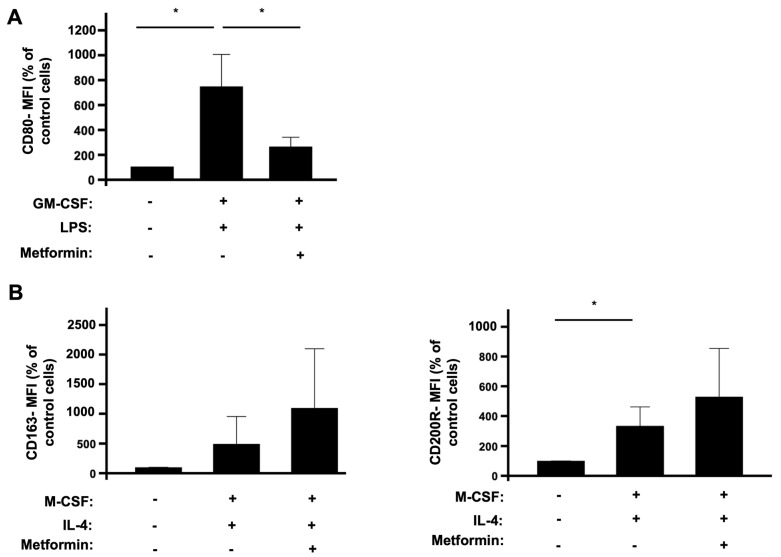
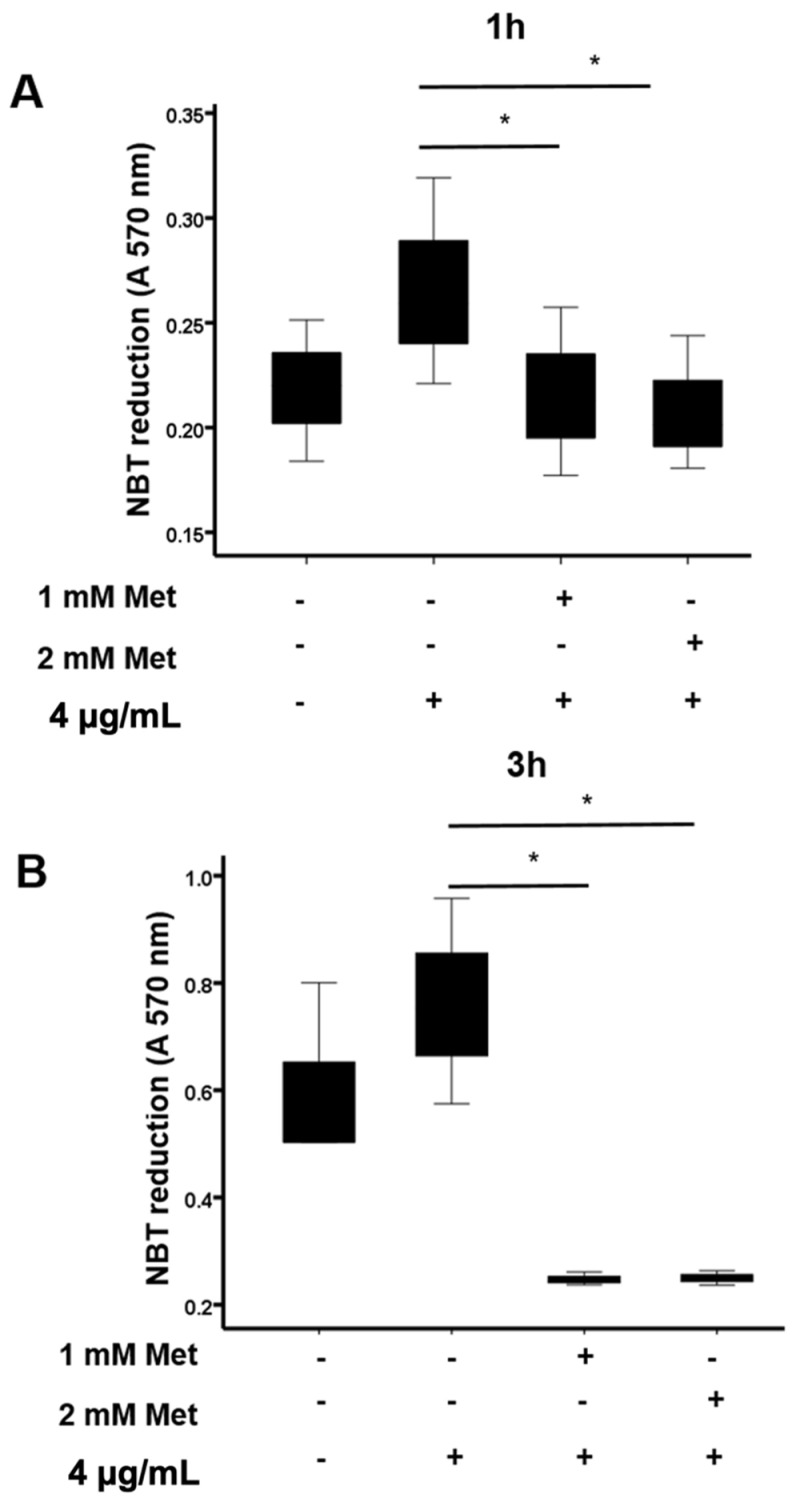
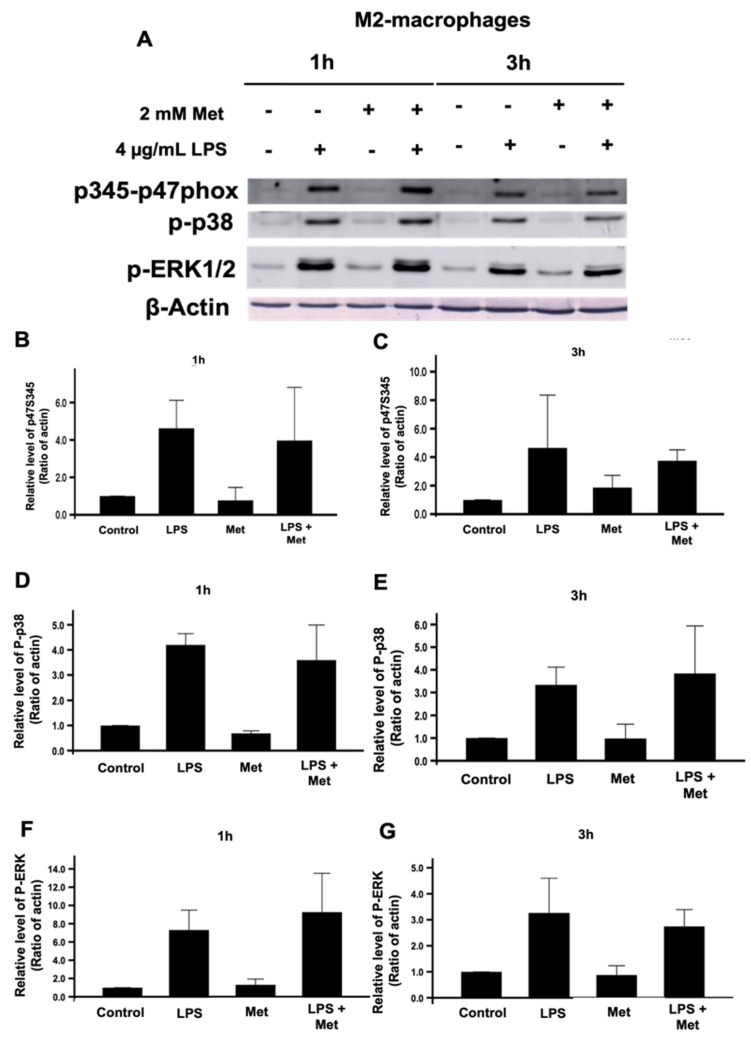
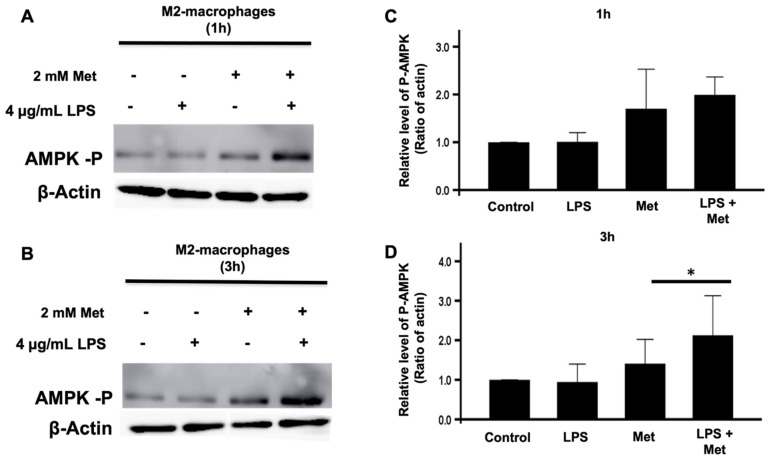
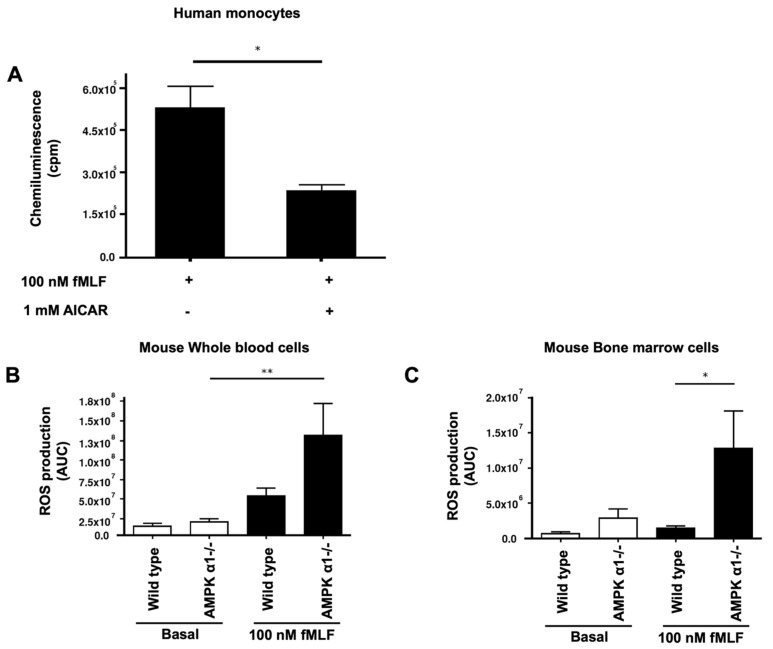
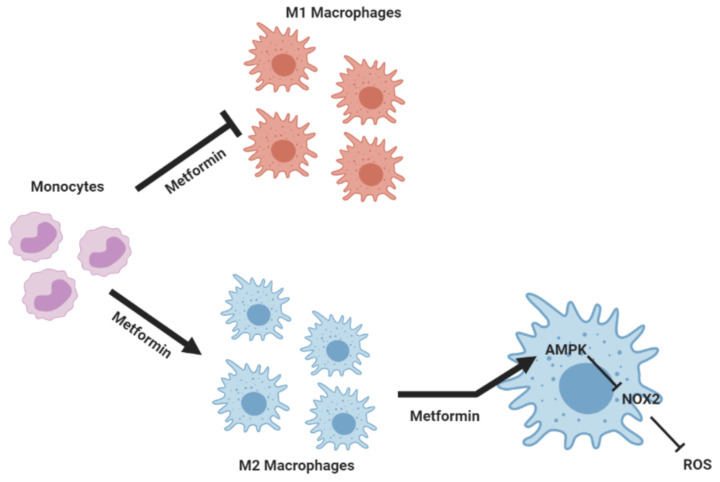
Metformin (1,1-dimethylbiguanide hydrochloride) is the most commonly used drug to treat type II diabetic patients. It is believed that this drug has several other beneficial effects, such as anti-inflammatory and anticancer effects. Here, we wanted to evaluate the effect of metformin on the production of reactive oxygen species (ROS) by human macrophages. Macrophages are generated in vivo from circulating monocytes depending on the local tissue environment. In vitro proinflammatory macrophages (M1) and anti-inflammatory macrophages (M2) can be generated by culturing monocytes in the presence of different cytokines, such as GM-CSF or M-CSF, respectively. We show that metformin selectively inhibited human monocyte differentiation into proinflammatory macrophages (M1) without inhibiting their differentiation into anti-inflammatory macrophages (M2). Moreover, we demonstrate that, in response to LPS, M2 macrophages produced ROS, which could be very harmful for nearby tissues, and metformin inhibited this process. Interestingly, metformin with LPS induced activation of the adenosine-monophosphate-activated protein kinase (AMPK) and pharmacological activation of AMPK by AICAR, a known AMPK activator, decreased ROS production, whereas the deletion of AMPK in mice dramatically enhanced ROS production in different types of immune cells. These results suggest that metformin exhibits anti-inflammatory effects by inhibiting the differentiation of human monocytes into M1 macrophages and by limiting ROS production by macrophages via the activation of AMPK.
Overview
The claims and statistics of this paper haven’t been checked yet.
Free: it reads the open-access text and checks the first 5 claims that cite a source we can check. Create a free account to check every claim.
Integrity signals
Registry
Cites
Statistics
Figures
Verification
Claims the paper makes
The claims and statistics of this paper haven’t been checked yet.
Free: it reads the open-access text and checks the first 5 claims that cite a source we can check. Create a free account to check every claim.
Claims other papers make about this one
Each is checked against this paper’s own text: does it say what the citing paper says it does?
The source backs part of the claim, not all of it — or backs it for a different population, condition or comparison.
In the citing paper
“Notably, several antifibrotic interventions -including traditional Chinese medicinal (TCM) compounds and pharmaceutical agents such as metformin, glucagon-like peptide-1 receptor agonists (GLP-1RAs) or SGLT2 inhibitors (SGLT2is)- promote restorative macrophage polarization, at least in part, through activation of AMPK-dependent pathways and enhance hepatic autophagy (34, 39, 41–44).”
From Strategies to promote liver fibrosis amelioration with involvement of restorative macrophages (2026) · cites this paper as [42]
Experimental — accuracy not yet measured
Self-check
Percentages, sums and reported differences re-computed from the paper’s own numbers.
The self-check needs the paper’s full text.
Citations
Cites
Role of AMP-Activated Protein Kinase in Mechanism of Metformin Action
Zhou, G., Myers, R., Li, Y., Chen, Y., Shen, X., Fenyk-Melody, J., Wu, M., Ventre, J., Doebber, T., Fujii, N., et al. (2001) · Journal of Clinical Investigation · doi:10.1172/jci13505 · Cited by 5,652 · cited 1×
“At a cellular level, studies showed that metformin increased AMPK activity in hepatocytes [6].”
BackgroundBlood Monocytes Consist of Two Principal Subsets with Distinct Migratory Properties
Geissmann, F., Jung, S., & Littman, D. R. (2003) · Immunity · doi:10.1016/s1074-7613(03)00174-2 · Cited by 3,391
Watterson, K. R., Bestow, D., Gallagher, J., Hamilton, D. L., Ashford, F. B., Meakin, P. J., & Ashford, M. L. J. (2013) · Neurosignals · doi:10.1159/000334144 · Cited by 3,389
Babior, B. M., Kipnes, R. S., & Curnutte, J. T. (1973) · Journal of Clinical Investigation · doi:10.1172/jci107236 · Cited by 2,931 · cited 1×
“These macrophages have proinflammatory functions, such as phagocytosis accompanied by reactive oxygen species (ROS) production [25], cytolytic and proteolytic activities, removal of damaged tissues known as M2 macrophages.”
BackgroundFrom Monocytes to M1/M2 Macrophages: Phenotypical vs. Functional Differentiation
Italiani, P., & Boraschi, D. (2014) · Frontiers in Immunology · doi:10.3389/fimmu.2014.00514 · Cited by 2,067 · cited 2×
“Several key regulatory inflammatory roles are attributed to macrophages, which are heterogeneous cells present in lymphoid and nonlymphoid tissues [22].”
Backgroundthe Immunological Genome Consortium, Gautier, E. L., Shay, T., Miller, J., Greter, M., Jakubzick, C., Ivanov, S., Helft, J., Chow, A., Elpek, K. G., et al. (2012) · Nature Immunology · doi:10.1038/ni.2419 · Cited by 1,972 · cited 1×
“These macrophages exhibit anti-inflammatory functions, such as tissue repair and remodeling, angiogenesis, and immunosuppression [26], and show different transcriptional profiles depending on their localization [27].”
BackgroundCellular and molecular mechanisms of metformin: an overview
Viollet, B., Guigas, B., Garcia, N. S., Leclerc, J., Foretz, M., & Andreelli, F. (2012) · Clinical Science · doi:10.1042/cs20110386 · Cited by 1,720 · cited 3×
“The transient reduction in cellular energy (a decrease in ATP levels versus an increase in AMP levels), as well as the phosphorylation of AMPK both activate switching of the cell’s status from anabolic to catabolic [1,14,15].”
BackgroundSteinberg, G. R., & Kemp, B. E. (2009) · Physiological Reviews · doi:10.1152/physrev.00011.2008 · Cited by 1,637 · cited 1×
“AMPK is a phylogenetically conserved serine/threonine protein kinase [7,8].”
BackgroundMetformin—mode of action and clinical implications for diabetes and cancer
Pernicova, I., & Korbonits, M. (2014) · Nature Reviews Endocrinology · doi:10.1038/nrendo.2013.256 · Cited by 1,349
AMP-Activated Protein Kinase in Metabolic Control and Insulin Signaling
Towler, M. C., & Hardie, D. G. (2007) · Circulation Research · doi:10.1161/01.res.0000256090.42690.05 · Cited by 1,253 · cited 1×
“Both the phosphorylation of AMPK and its binding with a nucleotide lead to its activation [58].”
BackgroundYang, J., Zhang, L., Yu, C., Yang, X.-F., & Wang, H. (2014) · Biomarker Research · doi:10.1186/2050-7771-2-1 · Cited by 1,099 · cited 2×
“These macrophages exhibit anti-inflammatory functions, such as tissue repair and remodeling, angiogenesis, and immunosuppression [26], and show different transcriptional profiles depending on their localization [27].”
BackgroundThe CD14+ CD16+ blood monocytes: their role in infection and inflammation
Ziegler-Heitbrock, L. (2007) · Journal of Leukocyte Biology · doi:10.1189/jlb.0806510 · Cited by 1,041 · cited 1×
“Double-positive CD14 and CD16 cells were profiled as monocytes [26,47].”
BackgroundEffect of genetic variation in the organic cation transporter 1 (OCT1) on metformin action
Shu, Y., Sheardown, S. A., Brown, C., Owen, R. P., Zhang, S., Castro, R. A., Ianculescu, A. G., Yue, L., Lo, J. C., Burchard, E. G., et al. (2007) · Journal of Clinical Investigation · doi:10.1172/jci30558 · Cited by 967 · cited 1×
“In fact, it is currently known that metformin enters the cell using organic cation transport (OCT) [10].”
BackgroundNADPH oxidases: An overview from structure to innate immunity-associated pathologies
Panday, A., Sahoo, M. K., Osorio, D., & Batra, S. (2015) · Cellular & Molecular Immunology · doi:10.1038/cmi.2014.89 · Cited by 944
AMPK activators: mechanisms of action and physiological activities
Kim, J., Yang, G., Kim, Y., Kim, J., & Ha, J. (2016) · Experimental & Molecular Medicine · doi:10.1038/emm.2016.16 · Cited by 817 · cited 1×
“The kinase is a complex heterotrimeric protein composed of three subunits: a catalytic α subunit and two regulatory β and γ subunits [1,9].”
BackgroundSag, D., Carling, D., Stout, R. D., & Suttles, J. (2008) · The Journal of Immunology · doi:10.4049/jimmunol.181.12.8633 · Cited by 796
Babior, B. M. (2004) · Current Opinion in Immunology · doi:10.1016/j.coi.2003.12.001 · Cited by 705 · cited 1×
“During this phenomenon, ROS generated by an oxidative burst are essential for the degradation of the internalized particles [31].”
BackgroundTan, H.-Y., Wang, N., Li, S., Hong, M., Wang, X., & Feng, Y. (2016) · Oxidative Medicine and Cellular Longevity · doi:10.1155/2016/2795090 · Cited by 657 · cited 1×
“Indeed, an imbalance between ROS production and removal may induce oxidative stress and tissue damage [42,43].”
BackgroundThe AMP-activated protein kinase α2 catalytic subunit controls whole-body insulin sensitivity
Viollet, B., Andreelli, F., Jørgensen, S. B., Perrin, C., Geloen, A., Flamez, D., Mu, J., Lenzner, C., Baud, O., Bennoun, M., et al. (2003) · Journal of Clinical Investigation · doi:10.1172/jci16567 · Cited by 499 · cited 3×
“Benoit Viollet (Institut Cochin, Paris, France) [45].”
InfluentialThe NADPH oxidase of professional phagocytes—prototype of the NOX electron transport chain systems
Cross, A. R., & Segal, A. W. (2004) · Biochimica et Biophysica Acta (BBA) - Bioenergetics · doi:10.1016/j.bbabio.2004.03.008 · Cited by 489 · cited 1×
“The associated ROS production can be modulated in the presence of bacterial agonists, such as fMLF, LPS, and cytokines, such as TNF-α and IL-1β [36,37].”
BackgroundCusi, K. (1996) · Journal of Clinical Endocrinology & Metabolism · doi:10.1210/jc.81.11.4059 · Cited by 455 · cited 1×
“Then, it acts first by inhibiting the complex I of the electron transport chain located at the internal membrane of the mitochondria, leading to the decrease in ATP production [11,12], and second by activating the tumor suppressor liver kinase I B1 (LKB1),”
BackgroundMetformin Action: Concentrations Matter
He, L., & Wondisford, F. E. (2015) · Cell Metabolism · doi:10.1016/j.cmet.2015.01.003 · Cited by 448 · cited 1×
“Then, it acts first by inhibiting the complex I of the electron transport chain located at the internal membrane of the mitochondria, leading to the decrease in ATP production [11,12], and second by activating the tumor suppressor liver kinase I B1 (LKB1),”
BackgroundEl-Benna, J., Dang, P. M.-C., Gougerot-Pocidalo, M.-A., Marie, J.-C., & Braut-Boucher, F. (2009) · Experimental and Molecular Medicine · doi:10.3858/emm.2009.41.4.058 · Cited by 446
Self-citationVasamsetti, S. B., Karnewar, S., Kanugula, A. K., Thatipalli, A. R., Kumar, J. M., & Kotamraju, S. (2015) · Diabetes · doi:10.2337/db14-1225 · Cited by 397 · cited 1×
“showed that metformin inhibited monocyte to M1 differentiation via AMPK [56].”
BackgroundThe AMP-activated protein kinase (AMPK) and cancer: Many faces of a metabolic regulator
Faubert, B., Vincent, E. E., Poffenberger, M. C., & Jones, R. G. (2015) · Cancer Letters · doi:10.1016/j.canlet.2014.01.018 · Cited by 354 · cited 1×
“The transient reduction in cellular energy (a decrease in ATP levels versus an increase in AMP levels), as well as the phosphorylation of AMPK both activate switching of the cell’s status from anabolic to catabolic [1,14,15].”
BackgroundGalic, S., Fullerton, M. D., Schertzer, J. D., Sikkema, S., Marcinko, K., Walkley, C. R., Izon, D., Honeyman, J., Chen, Z.-P., van Denderen, B. J., et al. (2011) · Journal of Clinical Investigation · doi:10.1172/jci58577 · Cited by 342 · cited 1×
“Indeed, it is implicated in inflammation, as increased inflammatory markers in both mouse models of obesity [17] and in obese humans [18] are associated with an attenuation of AMPK phosphorylation.”
BackgroundMetformin: a review of its potential indications
Wang, Y.-W., He, S.-J., Feng, X., Cheng, J., Luo, Y.-T., Tian, L., & Huang, Q. (2017) · Drug Design, Development and Therapy · doi:10.2147/dddt.s141675 · Cited by 320 · cited 1×
“It is the first drug of choice for the treatment of type II diabetic patients [3,4].”
BackgroundDang, P. M.-C. (2006) · Journal of Clinical Investigation · doi:10.1172/jci27544 · Cited by 318 · cited 1×
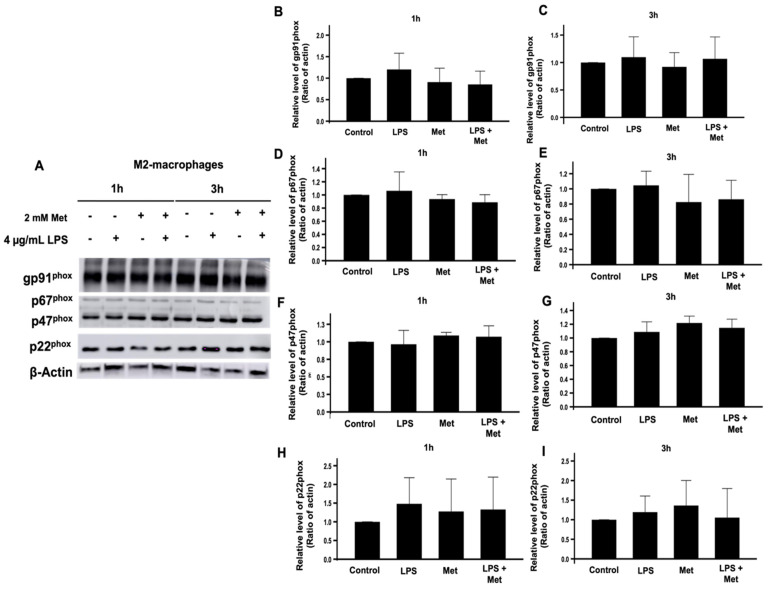
“They were then incubated overnight at 4 ◦C with the following primary antibodies: mouse monoclonal p22phox (1:2000 from Santa Cruz, Heidelberg, Germany), rabbit monoclonal p47phox and p67phox (1:4000, manufactured in-house [39,46]), mouse monoclonal gp91phox (1:4000 from Santa Cruz), rabbit monoclonal AMPK and phospho…”
MethodSelf-citationThe metabolic landscape of RAS-driven cancers from biology to therapy
Mukhopadhyay, S., Vander Heiden, M. G., & McCormick, F. (2021) · Nature Cancer · doi:10.1038/s43018-021-00184-x · Cited by 315 · cited 1×
“Indeed, it was shown that KRAS mutants promote metabolic dysregulation in cancer cells [19] and that metformin selectively inhibits metastatic colorectal cancer with the KRAS mutation [20].”
BackgroundPhagocyte NADPH oxidase: a multicomponent enzyme essential for host defenses.
Benna, J. E., Dang, P. M., Gougerot‐Pocidalo, M., & Elbim, C. (2005) · PubMed · Cited by 294
Self-citationStructure and Physiological Regulation of AMPK
Yan, Y., Zhou, X. E., Xu, H. E., & Melcher, K. (2018) · International Journal of Molecular Sciences · doi:10.3390/ijms19113534 · Cited by 254 · cited 1×
“AMPK is a phylogenetically conserved serine/threonine protein kinase [7,8].”
BackgroundAMPK: Regulation of Metabolic Dynamics in the Context of Autophagy
Tamargo-Gómez, I., & Mariño, G. (2018) · International Journal of Molecular Sciences · doi:10.3390/ijms19123812 · Cited by 252 · cited 2×
“AMPK regulates the metabolism and probably other cellular functions by linking them with the available energy levels in the cell [16].”
BackgroundEspèces réactives de l’oxygène et stress oxydant
Migdal, C., & Serres, M. (2011) · médecine/sciences · doi:10.1051/medsci/2011274017 · Cited by 236 · cited 1×
“In phagocytes, ROS are generated by the nicotinamide adenine dinucleotide phosphate (NADPH) oxidase (NOX2) and the myeloperoxidases (MPO) [29].”
BackgroundMetformin improves obesity-associated inflammation by altering macrophages polarization
Jing, Y., Wu, F., Li, D., Yang, L., Li, Q., & Li, R. (2018) · Molecular and Cellular Endocrinology · doi:10.1016/j.mce.2017.09.025 · Cited by 224
Gauthier, M.-S., O’Brien, E. L., Bigornia, S., Mott, M., Cacicedo, J. M., Xu, X. J., Gokce, N., Apovian, C., & Ruderman, N. (2011) · Biochemical and Biophysical Research Communications · doi:10.1016/j.bbrc.2010.11.127 · Cited by 213 · cited 1×
“Indeed, it is implicated in inflammation, as increased inflammatory markers in both mouse models of obesity [17] and in obese humans [18] are associated with an attenuation of AMPK phosphorylation.”
BackgroundNOX2-dependent regulation of inflammation
Singel, K. L., & Segal, B. H. (2016) · Clinical Science · doi:10.1042/cs20150660 · Cited by 213 · cited 1×
“Among the NOX family, NOX2 is predominantly expressed in immune cells, particularly in neutrophils, monocytes, and macrophages [34].”
BackgroundRoos, D. (2016) · British Medical Bulletin · doi:10.1093/bmb/ldw009 · Cited by 212
Qing, L., Fu, J., Wu, P., Zhou, Z., Yu, F., & Tang, J. (2019) · Europe PMC (PubMed Central) · Cited by 191
Roles of Nox1 and other Nox isoforms in cancer development
Kamata, T. (2009) · Cancer Science · doi:10.1111/j.1349-7006.2009.01207.x · Cited by 190 · cited 1×
“This can disturb cellular and tissue homeostasis, resulting in pathologic status, such as inflammation, atherosclerosis, and cancers [28,30,44].”
BackgroundJessen, N., Pold, R., Buhl, E. S., Jensen, L. S., Schmitz, O., & Lund, S. (2003) · Journal of Applied Physiology · doi:10.1152/japplphysiol.00250.2002 · Cited by 170 · cited 2×
“To investigate if, indeed, AMPK could inhibit ROS production in phagocytes, we first used 5-aminoimidazole-4-carboxamide ribonucleotide (AICAR), a known more potent AMPK activator than metformin [48,49].”
BackgroundMethodDewas, C., Dang, P. M.-C., Gougerot-Pocidalo, M.-A., & El-Benna, J. (2003) · The Journal of Immunology · doi:10.4049/jimmunol.171.8.4392 · Cited by 163
Self-citationPhosphorylation of the Respiratory Burst Oxidase Subunit p67 during Human Neutrophil Activation
Benna, J. E., Dang, P. M.-C., Gaudry, M., Fay, M., Morel, F., Hakim, J., & Gougerot-Pocidalo, M.-A. (1997) · Journal of Biological Chemistry · doi:10.1074/jbc.272.27.17204 · Cited by 160
Self-citationMetformin and cancer: An existing drug for cancer prevention and therapy (Review)
Zi, F., Zi, H., Li, Y., He, J., Shi, Q., & Cai, Z. (2017) · Oncology Letters · doi:10.3892/ol.2017.7412 · Cited by 152 · cited 1×
“It is the first drug of choice for the treatment of type II diabetic patients [3,4].”
BackgroundActivation of p47 , a Cytosolic Subunit of the Leukocyte NADPH Oxidase
Johnson, J. L., Park, J.-W., Benna, J. E., Faust, L. P., Inanami, O., & Babior, B. M. (1998) · Journal of Biological Chemistry · doi:10.1074/jbc.273.52.35147 · Cited by 150
Metformin acutely lowers blood glucose levels by inhibition of intestinal glucose transport
Horakova, O., Kroupova, P., Bardová, K., Buresova, J., Janovská, P., Kopecký, J., & Rossmeisl, M. (2019) · Scientific Reports · doi:10.1038/s41598-019-42531-0 · Cited by 145 · cited 1×
“The result of metformin’s uptake is the decrease in circulated glucose in the blood [5].”
BackgroundMonocyte differentiation and macrophage polarization
Orekhov, A. N., Orekhova, V. A., Nikiforov, N. G., Myasoedova, V. A., Grechko, A. V., Romanenko, E. B., Zhang, D., & Chistiakov, D. A. (2019) · Vessel Plus · doi:10.20517/2574-1209.2019.04 · Cited by 136
Dang, P. M.-C., Dewas, C., Gaudry, M., Fay, M., Pedruzzi, E., Gougerot-Pocidalo, M.-A., & El Benna, J. (1999) · Journal of Biological Chemistry · doi:10.1074/jbc.274.29.20704 · Cited by 104
Self-citationWang, J., Sun, X., Ma, Q., Fu, G., Cong, L., Zhang, H., Fan, D., Feng, J., Lu, S., Liu, J., et al. (2018) · Journal of Cellular and Molecular Medicine · doi:10.1111/jcmm.13655 · Cited by 93 · cited 1×
“In a cancer model, it was suggested that metformin increased M1 and decreases M2-like macrophages [54].”
BackgroundXie, J., Xia, L., Xiang, W., He, W., Yin, H., Wang, F., Gao, T., Qi, W., Yang, Z., Yang, X., et al. (2020) · Proceedings of the National Academy of Sciences · doi:10.1073/pnas.1918845117 · Cited by 81 · cited 1×
“Indeed, it was shown that KRAS mutants promote metabolic dysregulation in cancer cells [19] and that metformin selectively inhibits metastatic colorectal cancer with the KRAS mutation [20].”
BackgroundMukhopadhyay, S., Chatterjee, A., Kogan, D., Patel, D., & Foster, D. A. (2015) · Cell Cycle · doi:10.1080/15384101.2015.1087623 · Cited by 60 · cited 2×
“AICAR, another pharmacological activator of AMPK, enhances the efficacy of rapamycin, the mTORC1 inhibitor, to kill human cancer cells by regulating phospholipase D (PLD) activity [21].”
BackgroundChedid, P., Hurtado-Nédelec, M., Marion-Gaber, B., Bournier, O., Hayem, G., Gougerot‐Pocidalo, M., Frystyk, J., Flyvbjerg, A., Benna, J. E., & Marie, J. (2011) · American Journal Of Pathology · doi:10.1016/j.ajpath.2011.10.013 · Cited by 59 · cited 1×
“Metformin is known to activate AMPK, allowing it to regulate the energetic cell status [16] and possibly the production of ROS by phagocytes [57].”
BackgroundSelf-citationNADPH oxidase mediated oxidative stress in hepatic fibrogenesis
Paik, Y.-H., & Brenner, D. A. (2011) · The Korean Journal of Hepatology · doi:10.3350/kjhep.2011.17.4.251 · Cited by 54 · cited 1×
“The associated ROS production can be modulated in the presence of bacterial agonists, such as fMLF, LPS, and cytokines, such as TNF-α and IL-1β [36,37].”
BackgroundYan, Z., Tian, X., Zhu, J., Lu, Z., Yu, L., Zhang, D., Liu, Y., Yang, C., Zhu, Q., & Cao, X. (2018) · Molecular Medicine · doi:10.1186/s10020-018-0013-x · Cited by 44
Harrison, I. P., & Selemidis, S. (2014) · Clinical and Experimental Pharmacology and Physiology · doi:10.1111/1440-1681.12238 · Cited by 43 · cited 1×
“Indeed, an imbalance between ROS production and removal may induce oxidative stress and tissue damage [42,43].”
BackgroundNucleosides block AICAR-stimulated activation of AMPK in skeletal muscle and cancer cells
Dolinar, K., Jan, V., Pavlin, M., Chibalin, A., & Pirkmajer, S. (2018) · American Journal of Physiology-Cell Physiology · doi:10.1152/ajpcell.00311.2017 · Cited by 32 · cited 2×
“To investigate if, indeed, AMPK could inhibit ROS production in phagocytes, we first used 5-aminoimidazole-4-carboxamide ribonucleotide (AICAR), a known more potent AMPK activator than metformin [48,49].”
BackgroundMethodMartin, L. M., Möller, M., Weiss, U., Russe, O. Q., Scholich, K., Pierre, S. C., Geißlinger, G., & Niederberger, E. (2019) · International Journal of Molecular Sciences · doi:10.3390/ijms20133255 · Cited by 20
Metformine et cancer : de nouvelles perspectives pour un ancien médicament
Loubière, C., Dirat, B., Tanti, J., & Bost, F. (2013) · Annales d Endocrinologie · doi:10.1016/j.ando.2013.02.002 · Cited by 18
Role of the NADPH oxidase systems Nox and Duox in host defense and inflammation
Benna, J. E., Dang, P. M., & Gougerot‐Pocidalo, M. (2007) · Expert Review of Clinical Immunology · doi:10.1586/1744666x.3.2.111 · Cited by 16 · cited 1×
“NOX represents a family of seven transmembrane enzymes: NOX1, NOX2, NOX3, NOX4, NOX5, DUOX1, and DUOX2 [33].”
BackgroundSelf-citationShrivastava, A. (2007) · PubMed · Cited by 6
Research works printed but not linked: 1
- 14. Kennedy, M.S.N.; Masharani, U. Pancreatic Hormones & Antidiabetic Drugs. In Basic & Clinical Pharmacology; Katzung, B.G., Ed.; McGraw-Hill Education: New York, NY, USA, 2017.
Cited by
Mechanism of metformin regulation in central nervous system: Progression and future perspectives
Cao, G., Gong, T., Du, Y., Wang, Y., Ge, T., & Liu, J. (2022) · Biomedicine & Pharmacotherapy · doi:10.1016/j.biopha.2022.113686 · Cited by 116
The Role and Mechanism of Metformin in Inflammatory Diseases
Lin, H., Ao, H., Guo, G., & Liu, M. (2023) · Journal of Inflammation Research · doi:10.2147/jir.s436147 · Cited by 105
“141,142 While apart from affecting macrophage polarization, metformin could play an anti-inflammatory role by inhibiting the fatty acid synthesis and Akt palmitoylation in macrophages.”
Insulin resistance induced by obesity: Mechanisms, metabolic implications and therapeutic approaches
Choo, Y. N., Ravi, R. N., & Subramaniyan, V. (2026) · Molecular Biology Reports · doi:10.1007/s11033-026-11509-3 · Cited by 55
Hu, H., Zhang, W., Zhou, Y., Zhao, K., Kuang, J., Liu, X., Li, G., & Xi, Y. (2024) · Advanced Composites and Hybrid Materials · doi:10.1007/s42114-024-00989-1 · Cited by 49
Wound Healing versus Metastasis: Role of Oxidative Stress
Lopez, T. E., Wendremaire, M., Lagarde, J., Duquet, O., Alibert, L., Paquette, B., Garrido, C., & Lirussi, F. (2022) · Biomedicines · doi:10.3390/biomedicines10112784 · Cited by 47
“Indeed, decreased M2 ROS production, after lipopolysaccharide (LPS) treatment, do not affect the expression of M2 markers such as CD163 or CD200R [53].”
Background
Metadata
- Authors
- Nassif, R. M., Chalhoub, E., Chedid, P., Hurtado-Nedelec, M., Raya, E., Dang, P. M.-C., Marie, J.-C., & El-Benna, J.
- Affiliations
- Centre National de la Recherche Scientifique (FR)
- University of Balamand (LB)
- Centre de Recherche sur l’Inflammation (CRI), Laboratoire d’Excellence Inflamex, Faculté de Médecine Xavier Bichat, Université de Paris, INSERM-U1149, CNRS-ERL8252, 75018 Paris, France
- Venue
- Biomedicines
- Publisher
- MDPI AG
- Published
- 2022-01-29
- Volume
- 10
- Issue
- 2
- Pages
- 319
- ISSN
- 2227-9059 (ISSN-L)
- PMC
- PMC8869356
- OpenAlex
- W4210604230
- Semantic Scholar
- 5dafc45b276ed4ca560ee757c9aa5cb9d9fa3117
- Cited by
- 63
- References
- 60
- Citations by year
- 2026: 15 · 2025: 16 · 2024: 22 · 2023: 7 · 2022: 3
- FWCI
- 3.92
- Type
- journal article
- Language
- en
- Open access
- gold
- doi.org
- Licence
- Locations
- Biomedicines (publishedVersion, cc-by)
- PubMed Central (publishedVersion, cc-by)
- PubMed (publishedVersion)
- HAL (submittedVersion)
- HAL (submittedVersion, other-oa)
- DOAJ (DOAJ: Directory of Open Access Journals) (submittedVersion, cc-by-sa)
- Funders
- Agence Nationale de la Recherche (ANR-10-LABX-0017)
- Institut National de la Santé et de la Recherche Médicale
- Agence Universitaire de la Francophonie
- Centre National de la Recherche Scientifique
- Université de Paris
- Topics
- Life Sciences › Biochemistry, Genetics and Molecular Biology › Molecular Biology › Metabolism, Diabetes, and Cancer
- Life Sciences › Immunology and Microbiology › Immunology › Immune cells in cancer
- Health Sciences › Medicine › Endocrinology, Diabetes and Metabolism › Adipokines, Inflammation, and Metabolic Diseases
- Keywords
- metformin, reactive oxygen species, M2 macrophages, AMPK, monocyte differentiation, M1 macrophages, anti-inflammatory activity, lipopolysaccharide, AICAR, type 2 diabetes, biguanides
About these checks
Registry, retraction, Cites and statistics results are computed, not judged, with one exception: a printed reference that no index lists is read once by a model before it counts as a citation error. Claims are extracted by a model and kept only when their quote appears verbatim in the text; each cited source is then checked, with a model’s help, for whether it says what the claim relies on. Those verdicts can be wrong — read the claim’s quote and the cited source before relying on one.
Statistics and arithmetic are recomputed, not judged.
Confidence bands are shown only for fields calibrated on our annotated test set. None is calibrated yet, so no band is shown.
What counts as a claim ›How we measure confidence ›How we check this ›
Are you an author, or do you see a problem with this page? Request a review
Data sources
Bibliographic data: Semantic Scholar, OpenAlex, Crossref.
Contains information from the Semantic Scholar Academic Graph Datasets, made available under the ODC Attribution License (ODC-BY 1.0).
Semantic Scholar’s data is described in: Kinney, R., et al. (2023). The Semantic Scholar Open Data Platform. arXiv:2301.10140.
