

Cell Adhesion Molecules in Fibrotic Diseases
Open accessThe DOI matches its Crossref record; 86 of the 87 references it cites were found in a registry or an index.
Abstract
Mechanisms underlying the pathogenesis of tissue fibrosis remain incompletely understood. Emerging evidence suggests that cell adhesion molecules (CAMs) are critical in fibrotic progression in many organs, including lung, kidney, skin, and liver. CAMs promote cell–cell and cell–extracellular matrix (ECM) interactions to maintain tissue architecture and normal function in homeostasis. However, dysregulated expression and function of CAMs can lead to chronic inflammation and tissue fibrosis. The major families of CAMs include integrins, cadherins, selectins, and immunoglobulins. Here, we review the role of the CAMs in fibrosis development across various organs with a focus on integrins and cadherins, and discuss their respective roles in the development of pulmonary fibrosis.
Overview
The claims and statistics of this paper haven’t been checked yet.
Free: it reads the open-access text and checks the first 5 claims that cite a source we can check. Create a free account to check every claim.
Integrity signals
Registry
Cites
Statistics
Figures
Verification
Claims the paper makes
The claims and statistics of this paper haven’t been checked yet.
Free: it reads the open-access text and checks the first 5 claims that cite a source we can check. Create a free account to check every claim.
Claims other papers make about this one
Each is checked against this paper’s own text: does it say what the citing paper says it does?
In the citing paper
“A seminal study demonstrated that Cadherin-11 facilitates robust adhesion between M2-like macrophages and myofibroblasts, creating a niche enriched with active TGF-b (3, 57, 63, 64).”
From The mechanotransduction-immune axis in organ fibrosis: dual regulatory mechanisms and translational therapeutic perspectives (2025) · doi:10.3389/fimmu.2025.1670213 · cites this paper as [57]
Self-check
Percentages, sums and reported differences re-computed from the paper’s own numbers.
The self-check needs the paper’s full text.
Citations
Cites
1 retracted
Yan, C., Yang, Q., & Gong, Z. (2018) · Neoplasia · doi:10.1016/j.neo.2018.02.002 · Cited by 22
RetractedMizgerd, J. P., Kubo, H., Kutkoski, G. J., Bhagwan, S. D., Scharffetter-Kochanek, K., Beaudet, A. L., & Doerschuk, C. M. (1997) · The Journal of Experimental Medicine · doi:10.1084/jem.186.8.1357 · Cited by 7,306
Munger, J. S., Huang, X., Kawakatsu, H., Griffiths, M. J. D., Dalton, S. L., Wu, J., Pittet, J.-F., Kaminski, N., Garat, C., Matthay, M. A., et al. (1999) · Cell · doi:10.1016/s0092-8674(00)80545-0 · Cited by 2,076 · cited 4×
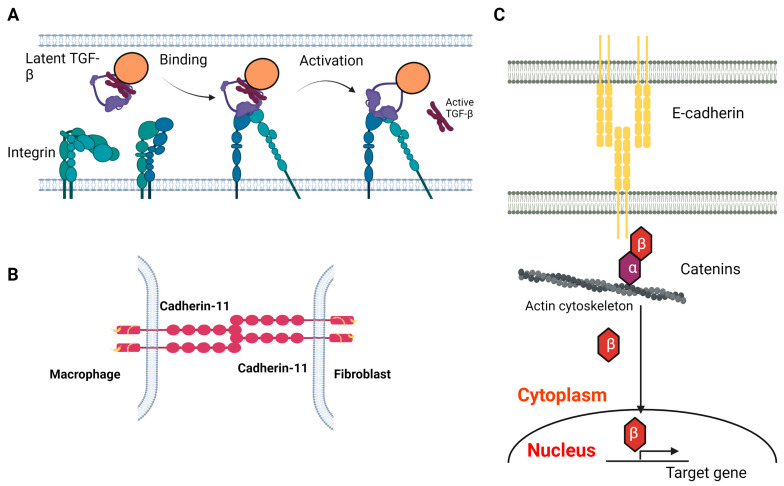
“Latent TGF-β activation requires an intact integrin αvβ6, as a truncated mutant lacking the β6 cytoplasmic domain fails to activate latent TGF-β [19].”
InfluentialLoh, C.-Y., Chai, J., Tang, T., Wong, W., Sethi, G., Shanmugam, M., Chong, P., & Looi, C. (2019) · Cells · doi:10.3390/cells8101118 · Cited by 1,315 · cited 1×
“During EMT, cells undergo cadherin switch from E-cadherin to N-cadherin, which leads to the release of active β-catenin and promotes cell proliferation [57].”
BackgroundCadherins in development: cell adhesion, sorting, and tissue morphogenesis
Halbleib, J. M., & Nelson, W. J. (2006) · Genes & Development · doi:10.1101/gad.1486806 · Cited by 1,064 · cited 1×
“Dysfunctional cadherins can disrupt tissue architecture and contribute to pathological conditions, including developmental disorders and tissue fibrosis [13,14].”
BackgroundLatent TGF-β structure and activation
Shi, M., Zhu, J., Wang, R., Chen, X., Mi, L., Walz, T., & Springer, T. A. (2011) · Nature · doi:10.1038/nature10152 · Cited by 1,013 · cited 1×
“Moreover, integrins can regulate mechanical forces via the actin cytoskeleton, further promoting the release of active TGF-β from the latent complex [63].”
BackgroundHenderson, N. C., Arnold, T. D., Katamura, Y., Giacomini, M. M., Rodriguez, J. D., McCarty, J. H., Pellicoro, A., Raschperger, E., Betsholtz, C., Ruminski, P. G., et al. (2013) · Nature Medicine · doi:10.1038/nm.3282 · Cited by 866 · cited 2×
“Targeting αv integrin genetically or pharmaceutically has been shown to attenuate fibrosis in various organs, including lung and liver in vivo [21].”
BackgroundPadua, D., & Massagué, J. (2009) · Cell Research · doi:10.1038/cr.2008.316 · Cited by 809
The integrin αvβ8 mediates epithelial homeostasis through MT1-MMP–dependent activation of TGF-β1
Mu, D., Cambier, S., Fjellbirkeland, L., Baron, J. L., Munger, J. S., Kawakatsu, H., Sheppard, D., Broaddus, V. C., & Nishimura, S. L. (2002) · The Journal of Cell Biology · doi:10.1083/jcb.200109100 · Cited by 729 · cited 1×
“Unlike αvβ6, αvβ8 activates TGF-β independently of its cytoplasmic domain [32].”
E-cadherin mediates contact inhibition of proliferation through Hippo signaling-pathway components
Kim, N.-G., Koh, E., Chen, X., & Gumbiner, B. M. (2011) · Proceedings of the National Academy of Sciences · doi:10.1073/pnas.1103345108 · Cited by 698
Cited by
Healing the diabetic wound: Unlocking the secrets of genes and pathways
Kamal, R., Awasthi, A., Pundir, M., & Thakur, S. (2024) · European Journal of Pharmacology · doi:10.1016/j.ejphar.2024.176645 · Cited by 87
Cellular crosstalk in fibrosis: Insights into macrophage and fibroblast dynamics
Froom, Z. S. C. S., Callaghan, N. I., & Huyer, L. D. (2025) · Journal of Biological Chemistry · doi:10.1016/j.jbc.2025.110203 · Cited by 71
Citrus flavonoids and adhesion molecules: Potential role in the management of atherosclerosis
Ebrahimi, F., Ghazimoradi, M. M., Fatima, G., & Bahramsoltani, R. (2023) · Heliyon · doi:10.1016/j.heliyon.2023.e21849 · Cited by 52
“Generally, adhesion molecules have five main families, i.e., immunoglobulin superfamily, selectins, integrins, cadherins, and others [8].”
BackgroundProgressive lung fibrosis: reprogramming a genetically vulnerable bronchoalveolar epithelium
Bridges, J. P., Vladar, E. K., Kurche, J. S., Krivoi, A., Stancil, I. T., Dobrinskikh, E., Hu, Y., Sasse, S. K., Lee, J. S., Blumhagen, R. Z., et al. (2025) · Journal of Clinical Investigation · doi:10.1172/jci183836 · Cited by 46
“Molecular pathways associated with these transitional states currently include (95).”
(2025) · doi:10.3389/fimmu.2025.1670213 · Cited by 29
Sýkora, M., Bačová, B. S., Andelová, K. O., Beňová, T. E., Martišková, A., Kurahara, L. H., Hirano, K., & Tribulová, N. (2024) · International Journal of Molecular Sciences · doi:10.3390/ijms25063275 · Cited by 20
“Cell adhesion molecules are also critical in fi brotic progression [102].”
BackgroundTargeting immune cell migration as therapy for inflammatory disease: a review
Song, B., Guo, W., He, Y., Yao, X., Sun, J., & Wang, S. (2025) · Frontiers in Immunology · doi:10.3389/fimmu.2025.1650760 · Cited by 16
Antony, F., Brough, Z., Orangi, M., Al‐Seragi, M., Aoki, H., Babu, M., & Duong, F. (2024) · PROTEOMICS · doi:10.1002/pmic.202300599 · Cited by 10
“Another hallmark of liver diseases is the remodeling of the extracellular matrix, which involves cell adhesion proteins such as CD44 that contribute to fibrosis progression and inflammation [25–28].”
Mechanisms and therapeutic potential of epithelial-immune crosstalk in airway inflammation
Chen, Y., Yang, Y., Liu, H., Hao, Y., Xu, X., Zhang, Y., Zhao, H., Zuo, T., Yu, H., Yin, J., et al. (2025) · Expert Review of Clinical Immunology · doi:10.1080/1744666x.2025.2514604 · Cited by 10
“…such as integrins, cadherins, selectins, and immunoglobulins, are expressed on airway epithelial cells and involved in intercellular adhesion, cell-to-basement membrane adhesion, and cellular motility processes, thereby affecting the migration or residence of immune cells in the airway [56,57].”
Li, J., Zhang, J., Zou, L., Cao, M., Zhu, Z., Li, Y., Zhou, M., Fu, W., Dong, Z., Gao, H., et al. (2025) · British Journal of Pharmacology · doi:10.1111/bph.70033 · Cited by 6
“Currently, five major classes of cell adhesion molecules have been identified and characterized, including integrins , cadherins , immunoglobulin superfamily, selectins and CD44 (Hogg & Landis, 1993; Hu et al., 2023; Lewczuk et al., 2019; Liang et al., 2004; Pogorzelska-Dyrbus & Szepietowski, 2021).”
Zheng, S., Zhang, Y., Hou, Y., Li, H., He, J., Zhao, H., Sun, X., & Liu, Y. (2023) · International Journal of Molecular Sciences · doi:10.3390/ijms241713305 · Cited by 6
“In IPF, cell adhesion molecules are involved in leukocyte recruitment and activation, mediate cell–cell interactions between cells of the same type, and mediate cell interactions with extracellular matrix molecules [20].”
BackgroundPrabahar, A., Chamberlain, C. S., Vanderby, R., Murphy, W. L., Dangelo, W., Mangesh, K., Brown, B. N., Mazumder, B., Badylak, S. F., & Jiang, P. (2025) · PLoS Computational Biology · doi:10.1371/journal.pcbi.1012997 · Cited by 5
Walker, M., Gourdon, D., & Cantini, M. (2024) · Current Opinion in Biomedical Engineering · doi:10.1016/j.cobme.2024.100570 · Cited by 7
“…of focal adhesions [29,30]; integrin b 1, a critical component of the cell-ECM interactive machinery whose dysregulation is associated with cancer and fibrosis [31,32]; and ILK, a multifunctional molecular actor in cell e matrix interactions, cell adhesion, and anchorage-dependent cell growth [33].”
Transcriptome and proteome profile analysis of the regulation of chicken ovarian development
Huang, X., Xu, C., Li, S., Tan, Y., Huang, Y., & Yin, Z. (2025) · Poultry Science · doi:10.1016/j.psj.2025.105384 · Cited by 5
“The positively correlated mRNA-protein pairs were enriched in ECM-receptor interaction, focal adhesion, and steroid biosynthesis (Fig.”
InfluentialZhang, Y., Wang, C., Jia, R., Zhou, J., Chen, L., Zhang, Z., Jiang, Z., Wang, Y., Rong, X., & Jiang, Y. (2025) · Environmental Chemistry and Ecotoxicology · doi:10.1016/j.enceco.2025.09.004 · Cited by 4
Lin, R., Liang, X., Zhang, X., Qiao, Y., Li, G., Xiao, Y., Bi, H., & Wei, L. (2025) · Toxics · doi:10.3390/toxics13060483 · Cited by 3
“The dysregulation of the expression and function of CAMs may lead to chronic inflammation and tissue fibrosis [32].”
Kim, H., Kwon, J.-H., Lee, S., Byun, S., Kim, H. S., Kim, H., Park, S., Yoo, J., & Yoon, H. (2025) · Experimental & Molecular Medicine · doi:10.1038/s12276-025-01533-x · Cited by 4
Jo, Y., Moon, J. W., Park, J., Yang, H. E., Cho, S., Son, H.-G., Yang, H., & Park, I. (2025) · International Forum of Allergy & Rhinology · doi:10.1002/alr.70044 · Cited by 2
Liu, C., Wang, L., Huai, J., He, S., Su, Q., Min, Q., & An, Z. (2025) · Mediators of Inflammation · doi:10.1155/mi/6267309 · Cited by 3
“Theconvergent enrichment of both biomarkers in CAMs pathway underscores its fundamental importance in adenoma pathogenesis, where CAM dysregulation promotes cellular detachment and invasive behavior characteristic of neoplastic progression [41].”
Ketogenic Diet and Exercise Improve Peripheral Neuropathy in a Mouse Model of Metabolic Syndrome
Eid, S., Jaisil, P., Guo, K., Hayes, J. M., Pacut, C. M., Rigan, D. M., Carter, A., Teener, S. J., Kim, B., Kiriluk, C., et al. (2026) · Diabetes · doi:10.2337/db25-1015 · Cited by 2
Localized Knockout of E‐Cadherin in Subglottic Mucosa Increases Fibrosis
So, R. J., Collins, S. L., Chan‐Li, Y., Lina, I. A., Gelbard, A. H., Motz, K., & Hillel, A. T. (2025) · Otolaryngology · doi:10.1002/ohn.1226 · Cited by 2
Sriwattanapong, K., Thaweesapphithak, S., Khamwachirapitak, C., Sae‐ear, P., Prommanee, S., Sa‐Ard‐Iam, N., Phothichailert, S., Jung, H.-S., Shotelersuk, V., & Porntaveetus, T. (2025) · Cell Proliferation · doi:10.1111/cpr.70096 · Cited by 3
“Furthermore, dysregulation of cell adhesion molecules (CAMs) like MCAM, ICAM2 and NCAM2 may contribute to chronic inflammation and fibrosis [23].”
Pandey, V. P., Sharma, N., Kaundal, R. S., & Pandey, T. (2026) · Journal of Drug Delivery Science and Technology · doi:10.1016/j.jddst.2025.107975 · Cited by 1
Applying dendrimer nanoprobes to the diagnosis and evaluation of kidney fibrosis
Li, X., & Xu, L. (2026) · Nanomedicine · doi:10.1080/17435889.2026.2628240 · Cited by 1
Anton, I. C., Solcan, C., Mititelu-Tarțău, L., Amălinei, C., Poroch, M., Poroch, V., Bucă, B. R., Tartau, C. G., Pelin, A.-M., & Botnariu, G. E. (2026) · Life · doi:10.3390/life16050793 · Cited by 1
“Alterations in cadherin-mediated cell adhesion have been associated with pathological remodeling in several renal diseases [57].”
Vasilyev, D. K., Романовна, Л. А., Gumanova, N. G., & Drapkina, O. M. (2025) · Russian Journal of Preventive Medicine · doi:10.17116/profmed202528071100 · Cited by 1
Rudtanatip, T., Phanphak, J., Somintara, S., El‐Abid, J., Wongprasert, K., Kovensky, J., & Sakaew, W. (2025) · Biomedical Reports · doi:10.3892/br.2025.2001
“The detachment of injured cells is linked to changes in adhesion molecules such as cadherins, integrins and occludin junction proteins, which are essential for maintaining cell‑cell and cell‑extracellular matrix adhesions (31).”
Tang, Z., Ou, Z., Wan, H., Tao, M., Li, X., Huang, Y., Tan, Q., Peng, Q., Dong, L., & Zhao, J. (2026) · International Immunopharmacology · doi:10.1016/j.intimp.2026.116463
Korbut, A. I., Ananishnikova, E. A., Bgatova, N. P., Muraleva, N. A., & Klimontov, V. V. (2026) · Bulletin of Experimental Biology and Medicine · doi:10.1007/s10517-026-06622-z
Xia, J., Gupta, A., Poupard, E., Helms, H., & Baker, B. M. (2026) · bioRxiv (Cold Spring Harbor Laboratory) · doi:10.64898/2026.07.22.740063
“8 ), their persistence during the resolution phase suggests a potential role in vascular repair or immune regulation rather than active fibrosis 51,52 .”
Huang, C., Shi, X., & Ziyou, Y. (2026) · Bioresources and Bioprocessing · doi:10.1186/s40643-026-01135-z
“…of CYP1B1 induced extensive transcriptional perturbations, involving dysregulated genes functionally linked to fibrosis, such as those mediating cell adhesion, GPCR signaling, ion transport, and cytoskeletal remodeling (Hu et al. 2023; Tsou et al. 2014; Wang et al. 2025; Wilczak et al. 2025).”
Influential
Metadata
- Authors
- Hu, Q., Saleem, K., Pandey, J., Charania, A. N., Zhou, Y., & He, C.
- Affiliations
- University of Pittsburgh (US)
- University of Alabama at Birmingham (US)
- Corresponding author
- He, Chao
- Venue
- Biomedicines
- Publisher
- MDPI AG
- Published
- 2023-07-14
- Volume
- 11
- Issue
- 7
- Pages
- 1995
- ISSN
- 2227-9059 (ISSN-L)
- PMC
- PMC10377070
- OpenAlex
- W4384338096
- Semantic Scholar
- 4eac04b5fc6f74b72bb2dc8874cf24865fb785a6
- Cited by
- 32
- References
- 87
- Citations by year
- 2026: 8 · 2025: 17 · 2024: 5 · 2023: 2
- FWCI
- 1.24
- Type
- journal article
- Language
- en
- Open access
- gold
- doi.org
- Licence
- Locations
- Biomedicines (publishedVersion, cc-by)
- PubMed Central (publishedVersion, cc-by)
- PubMed (publishedVersion)
- DOAJ (DOAJ: Directory of Open Access Journals) (submittedVersion, cc-by-sa)
- Funders
- National Institutes of Health (K08HL163406, R01HL156973, R01HL139584)
- Topics
- Health Sciences › Medicine › Immunology and Allergy › Cell Adhesion Molecules Research
- Health Sciences › Medicine › Pulmonary and Respiratory Medicine › Interstitial Lung Diseases and Idiopathic Pulmonary Fibrosis
- Health Sciences › Medicine › Rheumatology › Systemic Sclerosis and Related Diseases
- Keywords
- adhesion molecules, fibrosis, pulmonary fibrosis, integrins, cadherins, selectins, immunoglobulins, extracellular matrix, chronic inflammation, renal fibrosis, liver fibrosis, skin fibrosis
About these checks
Registry, retraction, Cites and statistics results are computed, not judged, with one exception: a printed reference that no index lists is read once by a model before it counts as a citation error. Claims are extracted by a model and kept only when their quote appears verbatim in the text; each cited source is then checked, with a model’s help, for whether it says what the claim relies on. Those verdicts can be wrong — read the claim’s quote and the cited source before relying on one.
Statistics and arithmetic are recomputed, not judged.
Confidence bands are shown only for fields calibrated on our annotated test set. None is calibrated yet, so no band is shown.
What counts as a claim ›How we measure confidence ›How we check this ›
Are you an author, or do you see a problem with this page? Request a review
Data sources
Bibliographic data: Semantic Scholar, OpenAlex, Crossref.
Contains information from the Semantic Scholar Academic Graph Datasets, made available under the ODC Attribution License (ODC-BY 1.0).
Semantic Scholar’s data is described in: Kinney, R., et al. (2023). The Semantic Scholar Open Data Platform. arXiv:2301.10140.
