

The DOI matches its Crossref record; 3 of the 3 references it cites were found in a registry or an index.
Has-miR-129-5p’s Involvement in Different Disorders, from Digestive Cancer to Neurodegenerative Diseases
Abstract
At present, it is necessary to identify specific biochemical, molecular, and genetic markers that can reliably aid in screening digestive cancer and correlate with the degree of disease development. Has-miR-129-5p is a small, non-coding molecule of RNA, circulating in plasma, gastric juice, and other biological fluids; it plays a protective role in tumoral growth, metastasis, etc. Furthermore, it is involved in various diseases, from the development of digestive cancer in cases of downregulation to neurodegenerative diseases and depression. Methods: We examined meta-analyses, research, and studies related to miR-129-5-p involved in digestive cancer and its implications in cancer processes, as well as metastasis, and described its implications in neurological diseases. Conclusions: Our review outlines that miR-129-5p is a significant controller of different pathways, genes, and proteins and influences different diseases. Some important pathways include the WNT and PI3K/AKT/mTOR pathways; their dysregulation results in digestive neoplasia and neurodegenerative diseases.
Overview
The claims and statistics of this paper haven’t been checked yet.
Run the check — free, no account needed. It reads the open-access text and checks the sources it cites.
Integrity signals
Registry
Cites
Statistics
Figures
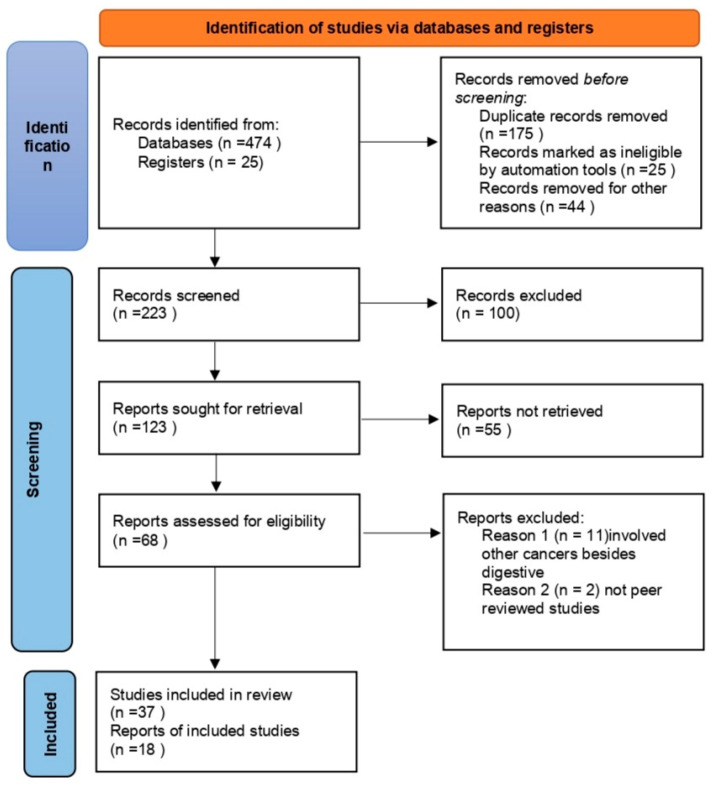
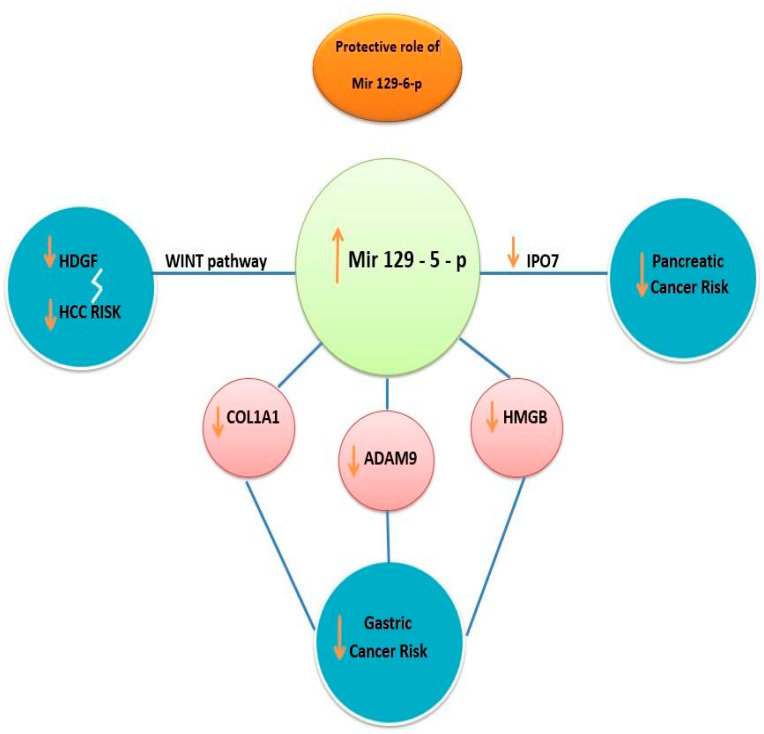
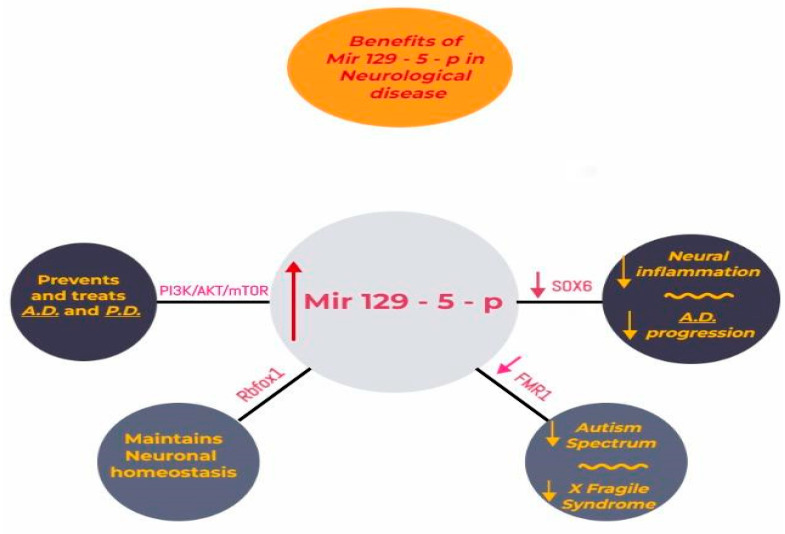
Verification
Claims the paper makes
The claims and statistics of this paper haven’t been checked yet.
Run the check — free, no account needed. It reads the open-access text and checks the sources it cites.
Claims other papers make about this one
Each is checked against this paper’s own text: does it say what the citing paper says it does?
In the citing paper
“Decreased levels of miR-129-5p have been observed in various cancers and low miR-129-5p levels have been associated with a reduced efficacy of chemotherapy because miR-129-5p was found to control various genes linked to cell proliferation [78, 79].”
From A role for astrocytic miR-129-5p in frontotemporal dementia (2025) · cites this paper as [79]
Self-check
Percentages, sums and reported differences re-computed from the paper’s own numbers.
The self-check needs the paper’s full text.
Citations
Cites
MicroRNA-Based Diagnosis and Therapy
Ho, P. T. B., Clark, I. M., & Le, L. T. T. (2022) · International Journal of Molecular Sciences · doi:10.3390/ijms23137167 · Cited by 630
Functional roles and networks of non-coding RNAs in the pathogenesis of neurodegenerative diseases
Wu, Y.-Y., & Kuo, H.-C. (2020) · Journal of Biomedical Science · doi:10.1186/s12929-020-00636-z · Cited by 213
Are Wnt/β-Catenin and PI3K/AKT/mTORC1 Distinct Pathways in Colorectal Cancer?
Prossomariti, A., Piazzi, G., Alquati, C., & Ricciardiello, L. (2020) · Cellular and Molecular Gastroenterology and Hepatology · doi:10.1016/j.jcmgh.2020.04.007 · Cited by 155
Research works printed but not linked: 56
- Xu, 2021, Pancreatic Cancer Progression Is Regulated by IPO7/p53/LncRNA MALAT1/MiR-129-5p Positive Feedback Loop, Front. Cell Dev. Biol., 9, 630262, 10.3389/fcell.2021.630262 · DOI
- Qiu, 2019, miR-129-5p suppresses proliferation, migration, and induces apoptosis in pancreatic cancer cells by targeting PBX3, Acta Biochim. Biophys. Sin., 51, 997, 10.1093/abbs/gmz096 · DOI
- Kipkeeva, F., Muzaffarova, T., Korotaeva, A., Nikulin, M., Grishina, K., Mansorunov, D., Apanovich, P., and Karpukhin, A. (2020). MicroRNA in Gastric Cancer Development: Mechanisms and Biomarkers. Diagnostics, 10. · DOI
- Long, 2021, PI3K/AKT Signal Pathway: A Target of Natural Products in the Prevention and Treatment of Alzheimer’s Disease and Parkinson’s Disease, Front Pharmacol., 12, 648636, 10.3389/fphar.2021.648636 · DOI
- Zhao, 2019, Research progress in microRNA-based therapy for gastric cancer, OncoTargets Ther., 12, 11393, 10.2147/OTT.S221354 · DOI
- Herrera-Pariente, C., Montori, S., Llach, J., Bofill, A., Albeniz, E., and Moreira, L. (2021). Biomarkers for Gastric Cancer Screening and Early Diagnosis. Biomedicines, 9. · DOI
- 2020, The Promising Role of miR-21 as a Cancer Biomarker and Its Importance in RNA-Based Therapeutics, Mol. Ther. Nucleic Acids, 20, 409, 10.1016/j.omtn.2020.03.003 · DOI · Paper page
- Jiang, 2016, MiR-129-5p is down-regulated and involved in migration and invasion of gastric cancer cells by targeting interleukin-8, Neoplasma, 63, 673, 10.4149/neo_2016_503 · DOI
- Chen, 2021, LncRNA PCGEM1 mediates oxaliplatin resistance in hepatocellular carcinoma via miR-129-5p/ETV1 axis in vitro, Adv. Clin. Exp. Med., 30, 831, 10.17219/acem/135533 · DOI
- Huge, 2022, MiR-129-5p exerts Wnt signaling-dependent tumor-suppressive functions in hepatocellular carcinoma by directly targeting hepatoma-derived growth factor HDGF, Cancer Cell Int., 22, 1, 10.1186/s12935-022-02582-2 · DOI
- Wang, 2018, MiR-129-5p suppresses gastric cancer cell invasion and proliferation by inhibiting COL1A1, Biochem. Cell Biol., 96, 19, 10.1139/bcb-2016-0254 · DOI
- Serafino, 2020, Targeting the Wnt/β-catenin pathway in neurodegenerative diseases: Recent approaches and current challenges, Expert Opin. Drug Discov., 15, 803, 10.1080/17460441.2020.1746266 · DOI
- Wan, 2020, miR-129-5p inhibits proliferation, migration, and invasion in rectal adenocarcinoma cells through targeting E2F7, J. Cell. Physiol., 235, 5689, 10.1002/jcp.29501 · DOI
- Ho, 2023, Single cell quantification of microRNA from small numbers of non-invasively sampled primary human cells, Commun. Biol., 6, 458, 10.1038/s42003-023-04845-8 · DOI
- Chiurillo, 2015, Role of the Wnt/β-catenin pathway in gastric cancer: An in-depth literature review, World J. Exp. Med., 5, 84, 10.5493/wjem.v5.i2.84 · DOI
- Yan, 2017, MiR-129-5p influences the progression of gastric cancer cells through interacting with SPOCK1, Tumor Biol., 39, 1010428317706916, 10.1177/1010428317706916 · DOI
- Kalita, 2023, Role of Some microRNA/ADAM Proteins Axes in Gastrointestinal Cancers as a Novel Biomarkers and Potential Therapeutic Targets—A Review, Curr. Issues Mol. Biol., 45, 2917, 10.3390/cimb45040191 · DOI
- Chandrasekera, 2022, Metalloprotease ADAM9 cleaves ephrin-B ligands and differentially regulates Wnt and mTOR signaling downstream of Akt kinase in colorectal cancer cells, J. Biol. Chem., 298, 102225, 10.1016/j.jbc.2022.102225 · DOI
- Grutzmann, 2004, ADAM9 expression in pancreatic cancer is associated with tumour type and is a prognostic factor in ductal adenocarcinoma, Br. J. Cancer, 90, 1053, 10.1038/sj.bjc.6601645 · DOI
- Oh, S., Park, Y., Lee, H.-J., Lee, J., Lee, S.-H., Baek, Y.-S., Chun, S.-K., Lee, S.-M., Kim, M., and Chon, Y.-E. (2020). A Disintegrin and Metalloproteinase 9 (ADAM9) in Advanced Hepatocellular Carcinoma and Their Role as a Biomarker During Hepatocellular Carcinoma Immunotherapy. Cancers, 12. · DOI
- Feng, 2020, MiR-129-5p inhibits proliferation of gastric cancer cells through targeted inhibition on HMGB1 expression, Eur. Rev. Med. Pharmacol. Sci., 24, 3665
- Kaya, 2014, The role of high mobility group box 1 (HMGB1) in colorectal cancer, Med. Sci. Monit., 20, 530, 10.12659/MSM.890531 · DOI
- Chen, 2018, High mobility group protein B1 controls liver cancer initiation through yes-associated protein -dependent aerobic glycolysis, Hepatology, 67, 1823, 10.1002/hep.29663 · DOI
- Kang, 2018, The Dual Role of HMGB1 in Pancreatic, Cancer J. Pancreatol., 1, 19, 10.1097/JP9.0000000000000002 · DOI
- Stelow, 2010, Pancreatic Acinar Cell Carcinomas with Prominent Ductal Differentiation: Mixed Acinar Ductal Carcinoma and Mixed Acinar Endocrine Ductal Carcinoma, Am. J. Surg. Pathol., 34, 510, 10.1097/PAS.0b013e3181cfcac7 · DOI
- Hosoda, 2016, Molecular Genetics of Pancreatic Neoplasms, Surg. Pathol. Clin., 9, 685, 10.1016/j.path.2016.05.011 · DOI
- Karaayvaz, 2013, miR-129 promotes apoptosis and enhances chemosensitivity to 5-fluorouracil in colorectal cancer, Cell Death Dis., 4, e659, 10.1038/cddis.2013.193 · DOI
- Yin, 2012, MicroRNAs as Diagnostic Biomarkers in Gastric Cancer, Int. J. Mol. Sci., 13, 12544, 10.3390/ijms131012544 · DOI
- Serafino, 2017, Developing drugs that target the Wnt pathway: Recent approaches in cancer and neurodegenerative diseases, Expert Opin. Drug Discov., 12, 169, 10.1080/17460441.2017.1271321 · DOI
- Zeng, 2019, MicroRNA-129-5p alleviates nerve injury and inflammatory response of Alzheimer’s disease via downregulating SOX6, Cell Cycle, 18, 3095, 10.1080/15384101.2019.1669388 · DOI
- Geng, 2016, MiR-129-5p-mediated Beclin-1 suppression inhibits endothelial cell autophagy in atherosclerosis, Am. J. Transl. Res., 8, 1886
- Chen, 2019, Relationship between long non-coding RNAs and Alzheimer’s disease: A systematic review, Pathol. Res. Pract., 215, 12, 10.1016/j.prp.2018.11.012 · DOI
- Li, 2021, Insights into lncRNAs in Alzheimer’s disease mechanisms, RNA Biol., 18, 1037, 10.1080/15476286.2020.1788848 · DOI
- Jiang, 2022, Non-coding RNAs: The Neuroinflammatory Regulators in Neurodegenerative Diseases, Front. Neurol., 13, 929290, 10.3389/fneur.2022.929290 · DOI
- Chen, 2021, Long non-coding RNA: An underlying bridge linking neuroinflammation and central nervous system diseases, Neurochem. Int., 148, 105101, 10.1016/j.neuint.2021.105101 · DOI
- Li, 2017, Upregulation of miR-202-5p promotes cell apoptosis and suppresses cell viability of hypoxia-induced myocardial H9c2 cells by targeting SOX6 to inhibit the activation of the PI3K/AKT/FOXO3a pathway, Int. J. Clin. Exp. Pathol., 10, 8884
- Iranpanah, A., Kooshki, L., Moradi, S.Z., Saso, L., Fakhri, S., and Khan, H. (2023). The Exosome-Mediated PI3K/Akt/mTOR Signaling Pathway in Neurological Diseases. Pharmaceutics, 15. · DOI
- Mattson, 2004, Pathways towards and away from Alzheimer’s disease, Nature, 430, 631, 10.1038/nature02621 · DOI · Paper page
- Dobricic, 2022, Common signatures of differential microRNA expression in Parkinson’s and Alzheimer’s disease brains, Brain Commun., 4, fcac274, 10.1093/braincomms/fcac274 · DOI · Paper page
- Loffreda, 2020, miR-129-5p: A key factor and therapeutic target in amyotrophic lateral sclerosis, Prog. Neurobiol., 190, 101803, 10.1016/j.pneurobio.2020.101803 · DOI
- Li, 2018, MicroRNA-132 provides neuroprotection for tauopathies via multiple signaling pathways, Acta Neuropathol., 136, 537, 10.1007/s00401-018-1880-5 · DOI · Paper page
- Kuo, 2021, The role of noncoding RNAs in Parkinson’s disease: Biomarkers and associations with pathogenic pathways, J. Biomed. Sci., 28, 78, 10.1186/s12929-021-00775-x · DOI
- Chen, 2018, MicroRNA-129-5p Regulates Glycolysis and Cell Proliferation by Targeting the Glucose Transporter SLC2A3 in Gastric Cancer Cells, Front. Pharmacol., 9, 502, 10.3389/fphar.2018.00502 · DOI
- Improta-Caria, A.C., Nonaka, C.K.V., Cavalcante, B.R.R., De Sousa, R.A.L., Júnior, R.A., and Souza, B.S.D.F. (2020). Modulation of MicroRNAs as a Potential Molecular Mechanism Involved in the Beneficial Actions of Physical Exercise in Alzheimer Disease. Int. J. Mol. Sci., 21. · DOI
- Wu, 2019, MicroRNA-129 modulates neuronal migration by targeting Fmr1 in the developing mouse cortex, Cell Death Dis., 10, 287, 10.1038/s41419-019-1517-1 · DOI
- Zongaro, 2013, The 3′ UTR of FMR1 mRNA is a target of miR-101, miR-129-5p and miR-221: Implications for the molecular pathology of FXTAS at the synapse, Hum. Mol. Genet., 22, 1971, 10.1093/hmg/ddt044 · DOI
- Rajman, 2017, A microRNA-129-5p/Rbfox crosstalk coordinates homeostatic downscaling of excitatory synapses, EMBO J., 36, 1770, 10.15252/embj.201695748 · DOI · Paper page
- Deng, 2021, Role of microRNA-129 in cancer and non-cancerous diseases (Review), Exp. Ther. Med., 22, 918, 10.3892/etm.2021.10350 · DOI
- Ishaq, Y., Ikram, A., Alzahrani, B., and Khurshid, S. (2023). The Role of miRNAs, circRNAs and Their Interactions in Development and Progression of Hepatocellular Carcinoma: An Insilico Approach. Genes, 14. · DOI
- Yao, 2021, MicroRNA-129 plays a protective role in sepsis-induced acute lung injury through the suppression of pulmonary inflammation via the modulation of the TAK1/NF-κB pathway, Int. J. Mol. Med., 48, 139, 10.3892/ijmm.2021.4972 · DOI
- Qinlin, 2022, miR-129-5p targets FEZ1/SCOC/ULK1/NBR1 complex to restore neuronal function in mice with post-stroke depression, Bioengineered, 13, 9708, 10.1080/21655979.2022.2059910 · DOI
- Lourenco, 2013, TNF-α mediates PKR-dependent memory impairment and brain IRS-1 inhibition induced by Alzheimer’s β-amyloid oligomers in mice and monkeys, Cell Metab., 18, 831, 10.1016/j.cmet.2013.11.002 · DOI
- Xu, 2020, Roles of the PI3K/AKT/mTOR signalling pathways in neurodegenerative diseases and tumours, Cell Biosci., 10, 54, 10.1186/s13578-020-00416-0 · DOI
- Vadlakonda, 2013, Role of PI3K-AKT-mTOR and Wnt Signaling Pathways in Transition of G1-S Phase of Cell Cycle in Cancer Cells, Front Oncol., 12, 85
- Balaskas, P., Goljanek-Whysall, K., Clegg, P.D., Fang, Y., Cremers, A., Smagul, A., Welting, T.J.M., and Peffers, M.J. (2023). MicroRNA Signatures in Cartilage Ageing and Osteoarthritis. Biomedicines, 11. · DOI
- Wang, I.-F., Ho, P.-C., and Tsai, K.-J. (2022). MicroRNAs in Learning and Memory and Their Impact on Alzheimer’s Disease. Biomedicines, 10. · DOI
Cited by
Sorted by citations
A role for astrocytic miR-129-5p in frontotemporal dementia
Kaurani, L., Pradhan, R., Schröder, S., Burkhardt, S., Schuetz, A.-L., Krüger, D. M., Pena, T., Heutink, P., Sananbenesi, F., & Fischer, A. (2025) · Translational Psychiatry · doi:10.1038/s41398-025-03338-y · Cited by 10
Metadata
- Authors
- Boicean, A., Birsan, S., Ichim, C., Boeras, I., Roman-Filip, I., Blanca, G., Bacila, C., Fleaca, R. S., Dura, H., & Roman-Filip, C.
- Affiliations
- Faculty of Medicine, Lucian Blaga University of Sibiu, 550169 Sibiu, Romania
- Molecular Biology Laboratory of the Applied Ecology Research Center, Faculty of Sciences, Lucian Blaga University of Sibiu, 550012 Sibiu, Romania
- Department of Neurology, “George Emil Palade” University of Medicine, Pharmacy, Sciences and Technology, 540136 Targu Mures, Romania
- Faculty of Social Sciences, Lucian Blaga University of Sibiu, 550012 Sibiu, Romania
- Venue
- Biomedicines
- Publisher
- MDPI AG
- Published
- 2023-07-21
- Volume
- 11
- Issue
- 7
- Pages
- 2058
- ISSN
- 2227-9059
- PMC
- PMC10377727
- Cited by
- 23
- References
- 3
- Language
- en
- Funders
- Ministry of Research, Innovation, and Digitization (28PFE/30.12.2021)
- Lucian Blaga University of Sibiu (28PFE/30.12.2021)
About these checks
Registry, retraction, Cites and statistics results are computed, not judged, with one exception: a printed reference that no index lists is read once by a model before it counts as a citation error. Claims are extracted by a model and kept only when their quote appears verbatim in the text; each cited source is then checked, with a model’s help, for whether it says what the claim relies on. Those verdicts can be wrong — read the claim’s quote and the cited source before relying on one.
Statistics and arithmetic are recomputed, not judged.
Confidence bands are shown only for fields calibrated on our annotated test set. None is calibrated yet, so no band is shown.
What counts as a claim ›How we measure confidence ›How we check this ›
Are you an author, or do you see a problem with this page? Request a review
