

Systemic Actions of SGLT2 Inhibition on Chronic mTOR Activation as a Shared Pathogenic Mechanism between Alzheimer’s Disease and Diabetes
Open accessThe DOI matches its Crossref record; 160 of the 160 references it cites were found in a registry or an index.
Abstract
Alzheimer’s disease (AD) affects tens of millions of people worldwide. Despite the advances in understanding the disease, there is an increased urgency for pharmacological approaches able of impacting its onset and progression. With a multifactorial nature, high incidence and prevalence in later years of life, there is growing evidence highlighting a relationship between metabolic dysfunction related to diabetes and subject’s susceptibility to develop AD. The link seems so solid that sometimes AD and type 3 diabetes are used interchangeably. A candidate for a shared pathogenic mechanism linking these conditions is chronically-activated mechanistic target of rapamycin (mTOR). Chronic activation of unrestrained mTOR could be responsible for sustaining metabolic dysfunction that causes the breakdown of the blood-brain barrier, tau hyperphosphorylation and senile plaques formation in AD. It has been suggested that inhibition of sodium glucose cotransporter 2 (SGLT2) mediated by constant glucose loss, may restore mTOR cycle via nutrient-driven, preventing or even decreasing the AD progression. Currently, there is an unmet need for further research insight into molecular mechanisms that drive the onset and AD advancement as well as an increase in efforts to expand the testing of potential therapeutic strategies aimed to counteract disease progression in order to structure effective therapies.
Overview
The claims and statistics of this paper haven’t been checked yet.
Free: it reads the open-access text and checks the first 5 claims that cite a source we can check. Create a free account to check every claim.
Integrity signals
Registry
Cites
Statistics
Figures
Verification
Claims the paper makes
The claims and statistics of this paper haven’t been checked yet.
Free: it reads the open-access text and checks the first 5 claims that cite a source we can check. Create a free account to check every claim.
Claims other papers make about this one
Each is checked against this paper’s own text: does it say what the citing paper says it does?
In the citing paper
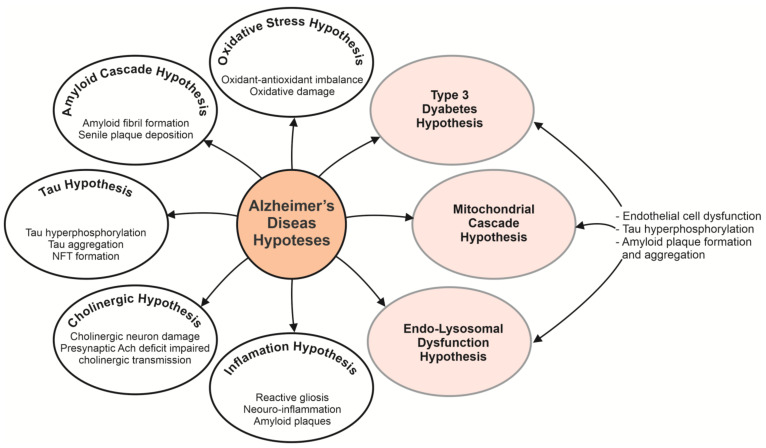
“Flozins, by restoring the circadian rhythm of mTOR activity, seem to bring benefits in patients with Alzheimer’s Disease according to “Type 3 Diabetes Hypothesis”, “Mitochondrial Cascade Hypothesis” and “Endo-Lysosomal Dysfunction Hypothesis” [105].”
From Neuroprotective effect of SGLT2 inhibitors. (2021) · cites this paper as [105]
In the citing paper
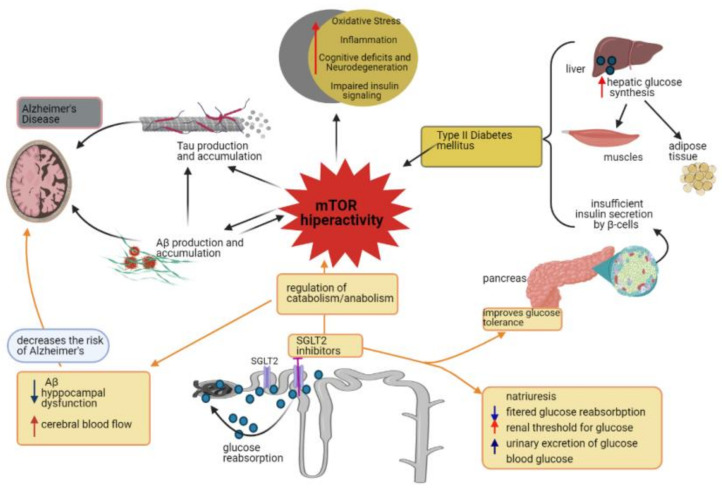
“SGLT2 inhibitors are able to mimic those states by promoting catabolism and restoring mTOR cycling, thus decreasing cognitive impairment associated with metabolic diseases [105].”
From Neuroprotective effect of SGLT2 inhibitors. (2021) · cites this paper as [105]
Self-check
Percentages, sums and reported differences re-computed from the paper’s own numbers.
The self-check needs the paper’s full text.
Citations
Cites
The amyloid hypothesis of Alzheimer's disease at 25 years
Selkoe, D. J., & Hardy, J. (2016) · EMBO Molecular Medicine · doi:10.15252/emmm.201606210 · Cited by 6,164
Autophagy: cellular and molecular mechanisms
Glick, D., Barth, S., & Macleod, K. F. (2010) · The Journal of Pathology · doi:10.1002/path.2697 · Cited by 3,802
The neuropathological diagnosis of Alzheimer's disease
DeTure, M. A., & Dickson, D. W. (2019) · Molecular Neurodegeneration · doi:10.1186/s13024-019-0333-5 · Cited by 3,329
Pathways towards and Away from Alzheimer’s Disease
Mattson, M. P. (2004) · Nature · doi:10.1038/nature02621 · Cited by 3,052 · cited 1×
“To date, with a multifactorial nature, the ultimate cause of AD remains elusive, and is generally considered to be related to genetic, neuroendocrine, biochemical, environmental, and immune factors based on aging [4,5].”
BackgroundmTOR at the nexus of nutrition, growth, ageing and disease
Liu, G. Y., & Sabatini, D. M. (2020) · Nature Reviews Molecular Cell Biology · doi:10.1038/s41580-019-0199-y · Cited by 2,737
2019 Alzheimer’s disease facts and figures.
Alzheimer's Association (2019) · Alzheimer's & Dementia · doi:10.1016/j.jalz.2019.01.010 · Cited by 2,461
Huotari, J., & Helenius, A. (2011) · The EMBO Journal · doi:10.1038/emboj.2011.286 · Cited by 2,265 · cited 1×
“They are the last step to degrading organelles, macromolecules or protein aggregates by the endocytic and autophagic pathway [51,52].”
BackgroundInflammation as a central mechanism in Alzheimer's disease
Kinney, J. W., Bemiller, S. M., Murtishaw, A. S., Leisgang, A. M., Salazar, A. M., & Lamb, B. T. (2018) · Alzheimer's & Dementia: Translational Research & Clinical Interventions · doi:10.1016/j.trci.2018.06.014 · Cited by 2,253
Laplante, M., & Sabatini, D. M. (2009) · Journal of Cell Science · doi:10.1242/jcs.051011 · Cited by 2,170
Rubinsztein, D. C., Mariño, G., & Kroemer, G. (2011) · Cell · doi:10.1016/j.cell.2011.07.030 · Cited by 2,107
Cited by
Neuroprotective effect of SGLT2 inhibitors.
Pawlos, A., Broncel, M., Woźniak, E., & Gorzelak-Pabiś, P. (2021) · Molecules · doi:10.3390/molecules26237213 · Cited by 304
Cognitive impairment and type 2 diabetes mellitus: Focus of SGLT2 inhibitors treatment
Rizzo, M. R., Di Meo, I., Polito, R., Auriemma, M. C., Gambardella, A., di Mauro, G., Capuano, A., & Paolisso, G. (2022) · Pharmacological Research · doi:10.1016/j.phrs.2022.106062 · Cited by 178
Filipiuc, L.-E., Ababei, D. C., Alexa‐Stratulat, T., Pricope, C. V., Bild, V., Ştefănescu, R., Stanciu, G. D., & Tamba, B.-I. (2021) · Pharmaceutics · doi:10.3390/pharmaceutics13111823 · Cited by 92
Self-citationLu, Y.-P., Wu, H., Zhu, T., Li, X.-T., Zuo, J., Hasan, A. A., Reichetzeder, C., Delić, D., Yard, B. A., Klein, T., et al. (2022) · Biomedicine & Pharmacotherapy · doi:10.1016/j.biopha.2022.113947 · Cited by 73
Xu, X., Sun, B., & Zhao, C. (2023) · Neurobiology of Disease · doi:10.1016/j.nbd.2023.106314 · Cited by 74
“As a debilitating neurodegenerative disease, AD has become one of the leading causes of age-related dementia, affecting over 47 million people globally with an annual increase in incidence (Stanciu et al., 2021; Maggiore et al., 2022).”
Li, Z., Lin, C., Cai, X., Lv, F., Yang, W., & Ji, L. (2024) · Alzheimer s Research & Therapy · doi:10.1186/s13195-024-01645-y · Cited by 55
“Additionally, SGLT-2i could correct the disrupted circadian rhythm of mammalian target of rapamycin (mTOR) caused by metabolic abnormalities, hence reducing tau protein and β-amyloid protein deposition, which delayed cognitive decline in patients with Alzheimer’s disease [49].”
Endocannabinoid Modulation in Neurodegenerative Diseases: In Pursuit of Certainty
Vasincu, A., Rusu, R.-N., Ababei, D. C., Larion, M., Bild, W., Stanciu, G. D., Solcan, C., & Bild, V. (2022) · Biology · doi:10.3390/biology11030440 · Cited by 56
“AD is one of the most serious CNS diseases, characterized by neuronal degeneration with irreversible evolution, and clinically it is manifested by impairment of cognitive functions often accompanied by other disorders such as behavioral, verbal, motor, mood and functional disorders, altering patients’ quality of life…”
BackgroundSelf-citationComprehensive Overview of Alzheimer’s Disease: Etiological Insights and Degradation Strategies
Singh, M. K., Shin, Y., Ju, S., Han, S., Kim, S. S., & Kang, I. (2024) · International Journal of Molecular Sciences · doi:10.3390/ijms25136901 · Cited by 49
“This could lead to a reduction in tau phosphorylation and the accumulation of A β in AD models [120,121].”
BackgroundChemical Composition and Antioxidant Activity of Ammi visnaga L. Essential Oil
Kamal, F. Z., Stanciu, G. D., Lefter, R. M., Cotea, V. V., Niculaua, M., Ababei, D. C., Ciobica, A. S., & Ech‐Chahad, A. (2022) · Antioxidants · doi:10.3390/antiox11020347 · Cited by 48
Self-citationKatsenos, A. P., Davri, A. S., Simos, Y. V., Nikas, I. P., Bekiari, C., Paschou, S. A., Peschos, D., Konitsiotis, S., Vezyraki, P., & Tsamis, K. I. (2022) · Expert Opinion on Investigational Drugs · doi:10.1080/13543784.2022.2022122 · Cited by 40
Resveratrol: A Natural Compound Targeting the PI3K/Akt/mTOR Pathway in Neurological Diseases
Utpal, B. K., Mokhfi, F. Z., Zehravi, M., Sweilam, S. H., Gupta, J. K., Kareemulla, S., Ronald Darwin, C., Rao, A. A., Kumar, V. V., Krosuri, P., et al. (2024) · Molecular Neurobiology · doi:10.1007/s12035-024-04608-4 · Cited by 41
“However, it might also hamper cell death in microglia [73].”
Piątkowska‐Chmiel, I., Herbet, M., Gawrońska‐Grzywacz, M., Pawłowski, K., Ostrowska-Leśko, M., & Dudka, J. (2023) · Psychopharmacology · doi:10.1007/s00213-023-06341-7 · Cited by 36
Hong, B., Bea, S., Ko, H. Y., Kim, W. J., Cho, Y. M., & Shin, J.-Y. (2024) · Annals of Internal Medicine · doi:10.7326/m23-3220 · Cited by 33
“…and empagli fl o-zin restored hyperactivated mTOR to a physiologically O RIGINAL R ESEARCH SGLT2 Inhibitors, Dulaglutide, and Risk for Dementia activated state in murine models, thereby accelerating the decline of brain function and preventing the onset or progression of Alzheimer disease (54 – 57).”
GLP-1 Analogs, SGLT-2, and DPP-4 Inhibitors: A Triad of Hope for Alzheimer’s Disease Therapy
Złotek, M., Kurowska, A., Herbet, M., & Piątkowska‐Chmiel, I. (2023) · Biomedicines · doi:10.3390/biomedicines11113035 · Cited by 32
“Studies have demonstrated that SGLT2 inhibitors possess the ability to suppress mTOR and restore its circadian rhythm [251].”
BackgroundGunawan, P. Y., Gunawan, P. A., & Hariyanto, T. I. (2024) · Diabetes Therapy · doi:10.1007/s13300-024-01538-1 · Cited by 32
“With this suppression of mTOR signaling, the process of dementia, especially Alzheimer’s dementia, can also be inhibited [46, 47].”
BackgroundInfluentialMuhammad, R. N., Albahairy, M. A., Fattah, M. A. A. E., & Ibrahim, W. W. (2024) · Psychopharmacology · doi:10.1007/s00213-024-06663-0 · Cited by 29
“Interestingly, Stanciu and colleagues have established that SGLT2 inhibitors are capable of repressing mTOR, which seems to bring benefits to patients with Alzheimer’s disease (Stanciu et al. 2021).”
Stanciu, G. D., Ababei, D. C., Solcan, C., Bild, V., Ciobîcă, A., Chiriac, S. I. B., Ciobanu, L., & Tamba, B.-I. (2023) · Pharmaceuticals · doi:10.3390/ph16111620 · Cited by 21
“…of antihyper-glycemic agents that modulate sodium-glucose transport proteins, expressed primarily in segments 1 and 2 of the renal proximal convoluted tubules, lowering the renal threshold for glucose, reducing the reabsorption of filtered glucose and promoting urinary glucose excretion [18,19].”
BackgroundSelf-citationAbdelsalam, R. M., Hamam, H. W., Eissa, N. M., El-Sahar, A. E., & Essam, R. M. (2024) · Molecular Neurobiology · doi:10.1007/s12035-024-04499-5 · Cited by 22
“…our results, it was shown that SGLT-2 inhibitors can restore mTOR levels and decrease the cognitive impairment associated with metabolic diseases [81], and the administration of EMPA has been shown to reduce acetic acid-induced ulcerative colitis by inhibiting the PI3K/pAkt/NF-κB/TNF-α…”
Exploring the Cardiorenal Benefits of SGLT2i: A Comprehensive Review
Cersosimo, A., Drera, A., Adamo, M., Metra, M., & Vizzardi, E. (2024) · Kidney and Dialysis · doi:10.3390/kidneydial4040016 · Cited by 24
“These changes result in a reduction of oxidative stress, leading to a decrease in inflammation [35].”
Qu, Y.-J., Ding, M.-R., Gu, C., Zhang, L., Zhen, R.-R., Chen, J.-F., Hu, B., & An, H. (2022) · Pharmaceutical Biology · doi:10.1080/13880209.2022.2098344 · Cited by 20
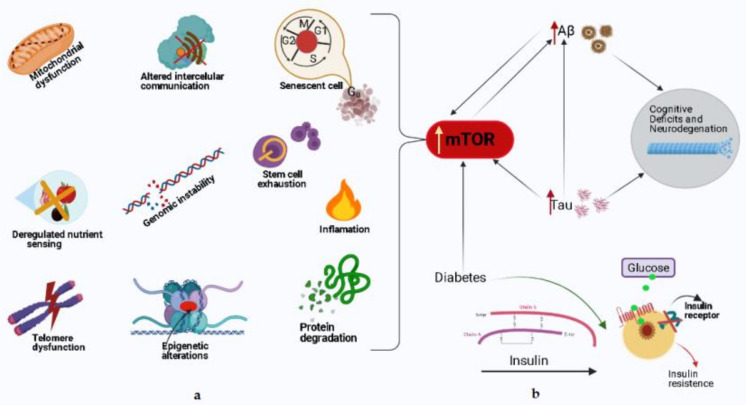
“Recent studies have revealed that mTOR activation may be responsible for the breakdown of the blood-brain barrier in AD, the hyperphosphorylation of tau protein, and the persistent metabolic dysfunction associated with the formation of senile plaques (Stanciu et al. 2021).”
BackgroundmTOR and SGLT-2 Inhibitors: Their Synergistic Effect on Age-Related Processes
Troise, D. E., Mercuri, S., Infante, B., Losappio, V., Cirolla, L. A., Netti, G. S., Ranieri, E., & Stallone, G. (2024) · International Journal of Molecular Sciences · doi:10.3390/ijms25168676 · Cited by 21
“…could be considered as an additional therapy alongside RAPA for treating conditions characterized by prolonged mTOR activation and age-related diseases [57] (Figure most a tt ention due to spontaneous mutations of the respective genes and their medical use as antidiabetic treatments [51].”
BackgroundRiemma, M. A., Mele, E., Donniacuo, M., Telesca, M., Bellocchio, G., Castaldo, G., Rossi, F., Angelis, A. D., Cappetta, D., Urbanek, K., et al. (2024) · Frontiers in Pharmacology · doi:10.3389/fphar.2024.1422740 · Cited by 15
Abdel-Lah, E. S., Sherkawy, H. S., Mohamed, W. H., Fawy, M. A., Hasan, A. A., Muhammed, A. A., Taha, A. F., Tony, A. A., Hamad, N., & Gamea, M. G. (2025) · Inflammopharmacology · doi:10.1007/s10787-025-01755-5 · Cited by 13
“A previous study showed that SGLT-2 inhibitors can mimic the previously mentioned states by promoting catabolism, restoring mTOR cycling, and reducing cognitive impairment linked to metabolic disorders (Stanciu et al. 2021).”
Targeting Neurodegeneration with SGLT2is: From Molecular Mechanisms to Clinical Implications
Asadinejad, H., Taherkhani, S., Golboos, S. M., Azizi, Y., & Mohammadkhanizadeh, A. (2025) · Molecular Neurobiology · doi:10.1007/s12035-025-05457-5 · Cited by 11
“SGLT2is inhibit excessive mTOR activation, which is linked to impaired synaptic plasticity and reduced BDNF production [197].”
Blood Pressure Management Strategies and Podocyte Health
Semenikhina, M., Mathew, R. O., Barakat, M., Beusecum, J. P. V., Ilatovskaya, D. V., & Palygin, O. (2024) · American Journal of Hypertension · doi:10.1093/ajh/hpae120 · Cited by 11
Ramakrishan, P., Rajangam, J., Mahinoor, S. S., Bisht, S., Mekala, S., Upadhyay, D. K., Solomon, V. R., Sabarees, G., & Pelluri, R. (2025) · Metabolic Brain Disease · doi:10.1007/s11011-025-01555-4 · Cited by 11
“Enzymes Aβ40 and Aβ42 are pres - ent in aging lesions (Stanciu et al. 2021).”
Wu, J., Zhu, S., Zhao, C., & Xu, X. (2022) · Current Alzheimer Research · doi:10.2174/1567205019666220202120638 · Cited by 13
Gamal, N., Bakly, W. M. S. E., Saad, S. S. T., El-Waseef, D. A. E.-D. A., El‐Shal, A. S., Morsy, W. E., & Magdy, Y. (2025) · Naunyn-Schmiedeberg s Archives of Pharmacology · doi:10.1007/s00210-025-04136-5 · Cited by 11
“Our findings align with those of Stanciu et al. (2021) and Ibrahim et al. (2022).”
Brain insulin signaling and cognition: Possible links
Yaribeygi, H., Maleki, M., Butler, A. E., Jamialahmadi, T., & Sahebkar, A. (2023) · EXCLI journal · doi:10.17179/excli2023-5841 · Cited by 17
“Brain insulin is involved in many neuronal processes including dendritic sprouting, cell growth and repair, and neuronal stem cell activation (Stanciu et al., 2021).”
Anoush, M., Taghaddosi, N., Hosseini, Z. B., Rahmati, F., Bijani, S., Kalantari‐Hesari, A., & Hosseini, M. (2025) · IBRO Neuroscience Reports · doi:10.1016/j.ibneur.2025.01.008 · Cited by 12
Cognitive Benefits of Sodium-Glucose Co-Transporters-2 Inhibitors in the Diabetic Milieu
Yaribeygi, H., Maleki, M., Sathyapalan, T., Rizzo, M., & Sahebkar, A. (2023) · Current Medicinal Chemistry · doi:10.2174/0929867330666230202163513 · Cited by 10
Stanciu, G. D. (2025) · Pharmaceuticals · doi:10.3390/ph18121797 · Cited by 7
“Mechanistically, these drugs often act on convergent pathways, such as reducing neuroinflammation, improving mitochondrial bioenergetics or enhancing autophagic clearance of misfolded proteins [23,24].”
Self-citationReducing Alzheimer’s disease risk with SGLT2 inhibitors: From glycemic control to neuroprotection
Alami, M., Morvaridzadeh, M., Khayari, A. E., Boumezough, K., Fatimy, R. E., Khalil, A., Fülöp, T., & Berrougui, H. (2025) · Ageing Research Reviews · doi:10.1016/j.arr.2025.102751 · Cited by 6
Stanciu, G. D., Ababei, D. C., Rusu, R.-N., Bild, V., & Tamba, B.-I. (2022) · Pharmaceutics · doi:10.3390/pharmaceutics14061270 · Cited by 7
“These data suggest that the 673 amino acid position could be critical for the selection of the BACE1 cleavage site during APP processing [33,78,79].”
BackgroundSelf-citationBlebea, N. M., Pușcașu, C., Hancu, G., Stăniguț, A. M., & Chiriță, C. (2025) · Pharmaceuticals · doi:10.3390/ph18060890 · Cited by 6
“Affecting over 50 million people worldwide, it presents primarily as cognitive decline, often accompanied by disturbances in behavior, language, motor function, mood, and overall daily functioning—factors that collectively impair quality of life [88–91].”
Milori, P. H., Armelin, L. M., Mutarelli², A. M., & Caramelli, P. (2025) · Journal of Alzheimer s Disease · doi:10.1177/13872877251395086 · Cited by 5
“44 Although SGLT2i demonstrate promising neuroprotective effects, it is important to highlight that the drugs used as a control group in this study — GLP-1 RA and DPP-4i — also belong to the class of novel oral antidiabetic agents with neuroprotective mechanisms established in pre-clinical studies.”
Hsiao, Y.-Y., Chen, Y., Kuo, M., Chien, Y.-S., Li, G., Wu, S., Lin, W.-L., Chiu, S.-F., Li, C.-H., Lin, J.-C., et al. (2025) · The Journal of Clinical Endocrinology & Metabolism · doi:10.1210/clinem/dgae861 · Cited by 4
Davidson, M., Stanciu, G. D., Rabinowitz, J., Untu, I., Dobrin, R., & Tamba, B.-I. (2025) · Dialogues in Clinical Neuroscience · doi:10.1080/19585969.2025.2480566 · Cited by 4
“…conditions such as diabetes, hypercholesterolaemia, atherosclerosis, hypertension, obesity, stroke, and chronic kidney disease (Stanciu et al. 2020; Stanciu et al. 2021). these conditions can act as triggers or accelerators of the neuropathological features associated with AD, particularly the…”
Self-citationAdvances in SGLT2 Inhibitor Research on Cognitive Impairment in Type 2 Diabetes
(2022) · Journal of Contemporary Medical Practice · doi:10.53469/jcmp.2022.04(04).37 · Cited by 2
Neuroprotective potential of gliflozins
Kokin, A. S., & Суплотова, Л. А. (2023) · Diabetes Mellitus · doi:10.14341/dm13085 · Cited by 3
Molecular Research on Alzheimer’s Disease
Falsetti, L. (2023) · Biomedicines · doi:10.3390/biomedicines11071883 · Cited by 2
Role of polyphenols in epilepsy: from the perspective of gut microbiota
Xu, X., Shi, J., Cai, G., Ma, C., Wang, W., Feng, R., Boczek, T., Tang, Y., He, Z., & Guo, F. (2024) · Food Science and Human Wellness · doi:10.26599/fshw.2024.9250303 · Cited by 1
“For example, as the most prevalent type of dementia, AD affects over 47 million people worldwide with a continuously growing number of incidences, particularly in aging population [29] .”
Zhang, L., Cai, L., Lin, H., Wu, W., Zhu, L., Cai, J., Hu, C., Lin, X., Sun, H., & Wei, X. (2025) · European Journal of Neuroscience · doi:10.1111/ejn.70221 · Cited by 1
“It has been proposed that SGLT2i is able to restore chronically activated mechanistic target of rapamycin to prevent or even delay the progression of AD (Stanciu et al. 2021).”
Hai, H., Li, M., Hu, X., Peng, J., & He, Z. (2026) · Frontiers in Neurology · doi:10.3389/fneur.2026.1875385 · Cited by 1
“Recent studies have shown that inhibiting mTOR can reduce tau phosphorylation and enhance memory in AD animal models, indicating its therapeutic potential (56, 57).”
Research Progress on Autophagy in Coronary Heart Disease
刘, 垚. (2025) · Advances in Clinical Medicine · doi:10.12677/acm.2025.153793
Elfaki, E. M., Al-Kuraishy, H. M., Al-Gareeb, A. I., Albuhadily, A. K., Eliwa, D., Alexiou, A. T., Papadakis, M., & Batiha, G. E. (2025) · Neuroscience · doi:10.1016/j.neuroscience.2025.10.045
Metabolic connections between Alzheimer's disease and diabetes
Adhikary, K., Ganguly, K., Chowdhury, S. R., & Banerjee, P. (2025) · Elsevier eBooks · doi:10.1016/b978-0-443-33355-2.00024-4
Epileptic seizures and synaptic network dysfunctions in GluA2 autoimmune encephalitis
Yuan, Y. (2023) · Common Library Network (Der Gemeinsame Bibliotheksverbund) · doi:10.22032/dbt.62589
Pan, R., Wang, B., Li, Y., Li, H., Liang, X., Zhang, Y., Liu, X., Huang, X., Wang, R., Ji, H., et al. (2026) · Diabetes Metabolic Syndrome and Obesity · doi:10.2147/dmso.s628886
Metadata
- Authors
- Stanciu, G. D., Rusu, R. N., Bild, V., Filipiuc, L. E., Tamba, B.-I., & Ababei, D. C.
- Affiliations
- Center for Advanced Research and Development in Experimental Medicine (CEMEX), Grigore T. Popa University of Medicine and Pharmacy, 16 Universitatii Street, 700115 Iasi, Romania
- Pharmacodynamics and Clinical Pharmacy Department, Grigore T. Popa University of Medicine and Pharmacy, 16 Universitatii Street, 700115 Iasi, Romania
- Grigore T. Popa University of Medicine and Pharmacy (RO)
- Corresponding author
- Tamba, Bogdan-Ionel
- ORCID
- Venue
- Biomedicines
- Publisher
- MDPI AG
- Published
- 2021-05-19
- Volume
- 9
- Issue
- 5
- Pages
- 576
- ISSN
- 2227-9059 (ISSN-L)
- PMC
- PMC8160780
- OpenAlex
- W3161031064
- Semantic Scholar
- c3af07e03b8ab6c023cb182dc81e433cb9611e55
- Cited by
- 47
- References
- 160
- Citations by year
- 2026: 1 · 2025: 15 · 2024: 12 · 2023: 8 · 2022: 8 · 2021: 3
- FWCI
- 1.03
- Type
- journal article
- Language
- en
- Open access
- gold
- doi.org
- Licence
- Locations
- Biomedicines (publishedVersion, cc-by)
- PubMed Central (publishedVersion, cc-by)
- PubMed (publishedVersion)
- DOAJ (DOAJ: Directory of Open Access Journals) (submittedVersion, cc-by-sa)
- Funders
- “Grigore T. Popa” University of Medicine and Pharmacy, Iasi Romania (4715/25.02.2021)
- Topics
- Life Sciences › Neuroscience › Cellular and Molecular Neuroscience › Alzheimer's disease research and treatments
- Health Sciences › Medicine › Psychiatry and Mental health › Dementia and Cognitive Impairment Research
- Health Sciences › Medicine › Endocrinology, Diabetes and Metabolism › Diabetes Treatment and Management
- Keywords
- Alzheimer's disease, type 3 diabetes, SGLT2 inhibition, mTOR activation, metabolic dysfunction, blood-brain barrier disruption, tau hyperphosphorylation, amyloid plaques, shared pathogenesis, treatment options
About these checks
Registry, retraction, Cites and statistics results are computed, not judged, with one exception: a printed reference that no index lists is read once by a model before it counts as a citation error. Claims are extracted by a model and kept only when their quote appears verbatim in the text; each cited source is then checked, with a model’s help, for whether it says what the claim relies on. Those verdicts can be wrong — read the claim’s quote and the cited source before relying on one.
Statistics and arithmetic are recomputed, not judged.
Confidence bands are shown only for fields calibrated on our annotated test set. None is calibrated yet, so no band is shown.
What counts as a claim ›How we measure confidence ›How we check this ›
Are you an author, or do you see a problem with this page? Request a review
Data sources
Bibliographic data: Semantic Scholar, OpenAlex, Crossref.
Contains information from the Semantic Scholar Academic Graph Datasets, made available under the ODC Attribution License (ODC-BY 1.0).
Semantic Scholar’s data is described in: Kinney, R., et al. (2023). The Semantic Scholar Open Data Platform. arXiv:2301.10140.
