

Lenvatinib as an Initial Treatment in Patients with Intermediate-Stage Hepatocellular Carcinoma Beyond Up-To-Seven Criteria and Child–Pugh A Liver Function: A Proof-Of-Concept Study
Open accessPublished version of a preprint
The DOI matches its Crossref record; 47 of the 48 references it cites were found in a registry or an index.
Abstract
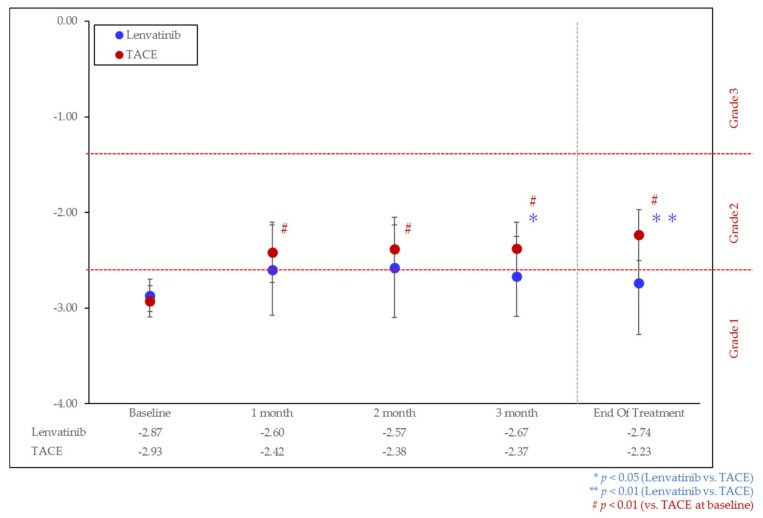
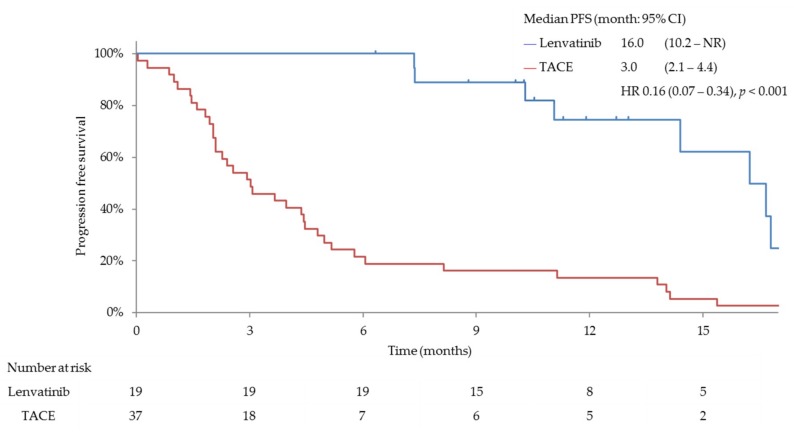
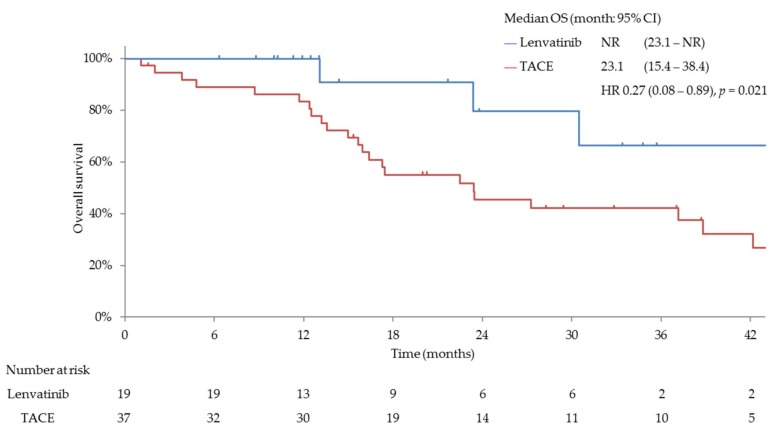
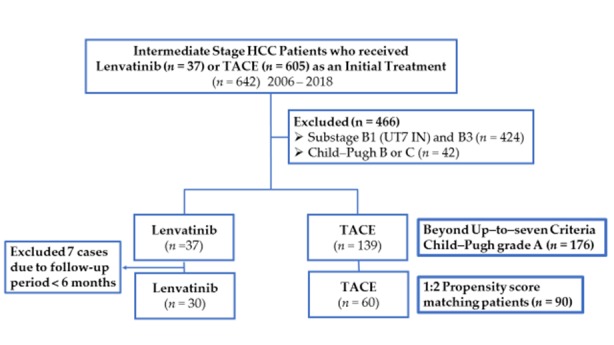
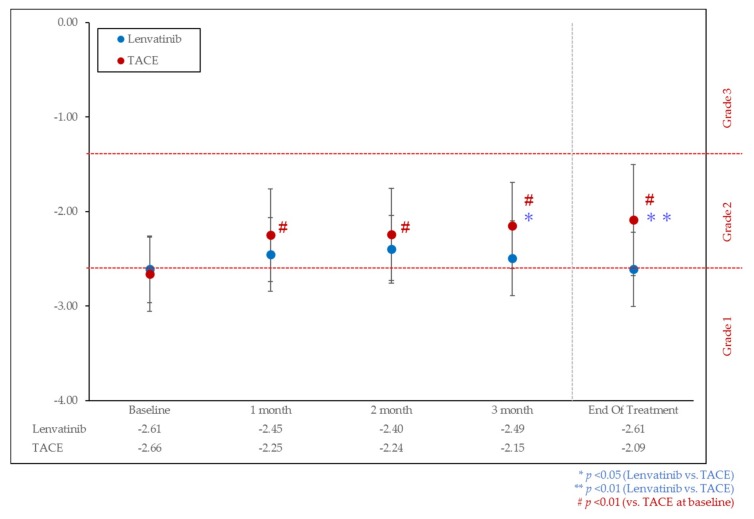
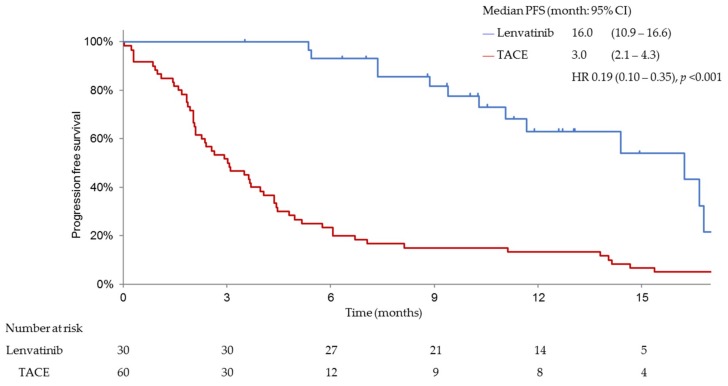
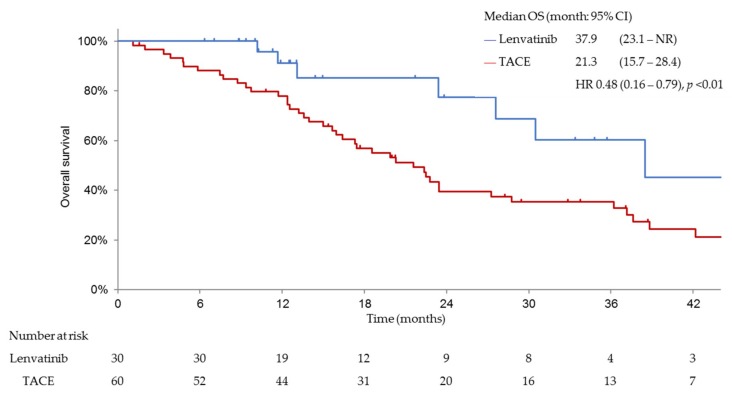
Although transcatheter arterial chemoembolization (TACE) is the standard of care for intermediate-stage hepatocellular carcinoma (HCC), this is a largely heterogeneous disease that includes a subgroup of patients who do not benefit from TACE. The treatment strategy for this subgroup of patients currently remains an unmet need in clinical practice. Here, we performed a proof-of-concept study that lenvatinib may be a more favorable treatment option over TACE as an initial treatment in intermediate-stage HCC patients with large or multinodular tumours exceeding the up-to-seven criteria. This proof-of-concept study included 642 consecutive patients with HCC initially treated with lenvatinib or conventional TACE (cTACE) between January 2006 and December 2018. Of these patients, 176 who received lenvatinib or cTACE as an initial treatment and met the eligibility criteria (unresectable, beyond the up-to-seven criteria, no prior TACE/systemic therapy, no vascular invasion, no extrahepatic spread and Child–Pugh A liver function) were selected for the study. Propensity score matching was used to adjust for patient demographics. After propensity-score matching, the outcome of 30 patients prospectively treated with lenvatinib (14 in clinical trials, one in an early access program and 15 in real world settings) and 60 patients treated with cTACE as the initial treatment was compared. The change of albumin-bilirubin (ALBI) score from baseline to the end of treatment were −2.61 to −2.61 for 30 patients in the lenvatinib group (p = 0.254) and −2.66 to −2.09 in the cTACE group (p < 0.01), respectively. The lenvatinib group showed a significantly higher objective response rate (73.3% vs. 33.3%; p < 0.001) and significantly longer median progression-free survival than the cTACE group (16.0 vs. 3.0 months; p < 0.001). Overall survival was significantly longer in the lenvatinib group than in the cTACE group (37.9 vs. 21.3 months; hazard ratio: 0.48, p < 0.01). In patients with large or multinodular intermediate-stage HCC exceeding the up-to-seven criteria with Child–Pugh A liver function, who usually do not benefit from TACE, lenvatinib provides a more favorable outcome than TACE.
Overview
The claims and statistics of this paper haven’t been checked yet.
Free: it reads the open-access text and checks the first 5 claims that cite a source we can check. Create a free account to check every claim.
Integrity signals
Registry
Cites
Statistics
Figures
Verification
Claims the paper makes
The claims and statistics of this paper haven’t been checked yet.
Free: it reads the open-access text and checks the first 5 claims that cite a source we can check. Create a free account to check every claim.
Claims other papers make about this one
Each is checked against this paper’s own text: does it say what the citing paper says it does?
The cited source says what the claim attributes to it.
In the citing paper
“those with a large intrahepatic tumour burden (such as bilobar multifocal disease) might be considered unsuitable for TACE and therefore as candidates for systemic therapies, given a lower likelihood of objective responses and a higher risk of liver injury with embolic therapies147.”
From Adjuvant and neoadjuvant immunotherapies in hepatocellular carcinoma (2024) · cites this paper as [147]
Self-check
Percentages, sums and reported differences re-computed from the paper’s own numbers.
The self-check needs the paper’s full text.
Citations
Cites
Cancer incidence and mortality worldwide: Sources, methods and major patterns in GLOBOCAN 2012
Ferlay, J., Soerjomataram, I., Dikshit, R., Eser, S., Mathers, C., Rebelo, M., Parkin, D. M., Forman, D., & Bray, F. (2015) · International Journal of Cancer · doi:10.1002/ijc.29210 · Cited by 28,766
EASL Clinical Practice Guidelines: Management of hepatocellular carcinoma
Galle, P. R., Forner, A., Llovet, J. M., Mazzaferro, V., Piscaglia, F., Raoul, J.-L., Schirmacher, P., & Vilgrain, V. (2018) · Journal of Hepatology · doi:10.1016/j.jhep.2018.03.019 · Cited by 11,406
Angiogenesis in cancer and other diseases
Carmeliet, P., & Jain, R. K. (2000) · Nature · doi:10.1038/35025220 · Cited by 9,070 · cited 1×
“That is, giving TACE to intermediate-stage HCC patients with up-to-seven criteria out leads to a spike in the intra-tumoral concentration of VEGF, FGF or PDGF, suggesting that blockade of these receptors may prevent the effects of a surge in proangiogenic factors [39,40].”
BackgroundA New Era of Systemic Therapy for Hepatocellular Carcinoma with Regorafenib and Lenvatinib
Kudo, M. (2017) · Liver Cancer · doi:10.1159/000462153 · Cited by 5,936
Self-citationNormalization of Tumor Vasculature: An Emerging Concept in Antiangiogenic Therapy
Jain, R. K. (2005) · Science · doi:10.1126/science.1104819 · Cited by 5,527 · cited 1×
“In addition, as is very well known, antiangiogenic agents play a very important role in the normalization of tumor vasculature [44] and in the enhancement of the effective, homogeneous delivery of anticancer agents (including lipiodol and gelatin sponge) into tumor tissues [45], resulting in improved responses to TACE…”
BackgroundKudo, M., Finn, R. S., Qin, S., Han, K.-H., Ikeda, K., Piscaglia, F., Baron, A., Park, J.-W., Han, G., Jassem, J., et al. (2018) · The Lancet · doi:10.1016/s0140-6736(18)30207-1 · Cited by 5,497 · cited 4×
“Of 30 lenvatinib-treated patients, 15 were treated in prospective clinical trials followed by commercially available lenvatinib after the data cut off (one from the phase II trial [26] of lenvatinib started in 2006 and 13 from the phase III REFLECT trial [15]), one patient was treated in the early access program and 1…”
BackgroundMethodResultInfluentialSelf-citationHepatocellular Carcinoma: Epidemiology and Molecular Carcinogenesis
El–Serag, H. B., & Rudolph, K. L. (2007) · Gastroenterology · doi:10.1053/j.gastro.2007.04.061 · Cited by 5,415 · cited 1×
“Hepatocellular carcinoma (HCC) is the third leading cause of cancer-related death worldwide and an important health concern[1-3].”
BackgroundMarrero, J. A., Kulik, L. M., Sirlin, C. B., Zhu, A. X., Finn, R. S., Abecassis, M. M., Roberts, L. R., & Heimbach, J. K. (2018) · Hepatology · doi:10.1002/hep.29913 · Cited by 4,539 · cited 2×
“Up to now, there has been no report on the efficacy of initial treatment with lenvatinib for intermediate-stage HCC without prior TACE since it is not recommended by worldwide guidelines such as the European Association for the Study of the Liver (EASL) [5], American Association for the Study of Liver Diseases (AASLD)…”
MethodModified RECIST (mRECIST) Assessment for Hepatocellular Carcinoma
Lencioni, R., & Llovet, J. (2010) · Seminars in Liver Disease · doi:10.1055/s-0030-1247132 · Cited by 4,329 · cited 1×
“Treatment response in both groups was evaluated by dynamic CT in accordance with modified Response Evaluation Criteria in Solid Tumor (mRECIST) [31].”
MethodOmata, M., Cheng, A.-L., Kokudo, N., Kudo, M., Lee, J. M., Jia, J., Tateishi, R., Han, K.-H., Chawla, Y. K., Shiina, S., et al. (2017) · Hepatology International · doi:10.1007/s12072-017-9799-9 · Cited by 2,171 · cited 1×
“Up to now, there has been no report on the efficacy of initial treatment with lenvatinib for intermediate-stage HCC without prior TACE since it is not recommended by worldwide guidelines such as the European Association for the Study of the Liver (EASL) [5], American Association for the Study of Liver Diseases (AASLD)…”
MethodSelf-citation
Cited by
AASLD Practice Guidance on prevention, diagnosis, and treatment of hepatocellular carcinoma
Singal, A. G., Llovet, J. M., Yarchoan, M., Mehta, N., Heimbach, J. K., Dawson, L. A., Jou, J. H., Kulik, L. M., Agopian, V. G., Marrero, J. A., et al. (2023) · Hepatology · doi:10.1097/hep.0000000000000466 · Cited by 2,052
“[293] – 298] Based on current data, the AASLD advises against combination therapy outside of clinical trials.”
EASL Clinical Practice Guidelines on the management of hepatocellular carcinoma
Sangro, B., Argemi, J., Ronot, M., Paradis, V., Meyer, T., Mazzaferro, V., Jepsen, P., Golfieri, R., Galle, P., Dawson, L., et al. (2025) · Journal of Hepatology · doi:10.1016/j.jhep.2024.08.028 · Cited by 985
Targeted therapy for hepatocellular carcinoma
Huang, A., Yang, X.-R., Chung, W.-Y., Dennison, A. R., & Zhou, J. (2020) · Signal Transduction and Targeted Therapy · doi:10.1038/s41392-020-00264-x · Cited by 739
“0 months).(85) Lenvatinib pharmacokinetics in HCC is affected by body weight(86,87) and a sufficient dose (relative dose intensity, RDI) is required to achieve a good therapeutic effect and consequently improved outcomes and prognosis are associated with the preservation of liver function which reduces the number of p…”
BackgroundKudo, M., Kawamura, Y., Hasegawa, K., Tateishi, R., Kariyama, K., Shiina, S., Toyoda, H., Imai, Y., Hiraoka, A., Ikeda, M., et al. (2021) · Liver Cancer · doi:10.1159/000514174 · Cited by 678
Self-citationAdjuvant and neoadjuvant immunotherapies in hepatocellular carcinoma
Llovet, J. M., Pinyol, R., Yarchoan, M., Singal, A. G., Marron, T. U., Schwartz, M., Pikarsky, E., Kudo, M., & Finn, R. S. (2024) · Nature Reviews Clinical Oncology · doi:10.1038/s41571-024-00868-0 · Cited by 391
“…B disease, those with a large intrahepatic tumour burden (such as bilobar multifocal disease) might be considered unsuitable for TACE and therefore as candidates for systemic therapies, given a lower likelihood of objective responses and a higher risk of liver injury with embolic therapies 147 .”
Self-citationSystemic treatment of hepatocellular carcinoma: An EASL position paper
Bruix, J., Chan, S. L., Galle, P. R., Rimassa, L., & Sangro, B. (2021) · Journal of Hepatology · doi:10.1016/j.jhep.2021.07.004 · Cited by 380
Self-citationKudo, M., Han, K.-H., Ye, S.-L., Zhou, J., Huang, Y.-H., Lin, S.-M., Wang, C.-K., Ikeda, M., Chan, S. L., Choo, S. P., et al. (2020) · Liver Cancer · doi:10.1159/000507370 · Cited by 314
Self-citationChinese expert consensus on conversion therapy for hepatocellular carcinoma (2021 edition)
Alliance of Liver Cancer Conversion Therapy, C. O. L. C. O. T. C. A.-C. A., Sun, H.-C., Zhou, J., Wang, Z., Liu, X., Xie, Q., Jia, W., Zhao, M., Bi, X., Li, G., et al. (2022) · Hepatobiliary Surgery and Nutrition · doi:10.21037/hbsn-21-328 · Cited by 206
“In addition, some studies have reported that for multi-nodular tumors (mostly CNLC stage IIb) that exceed the ‘up-toseven criteria’ (the Kinki criteria), treatment with the TKI lenvatinib leads to a median survival of 37 months (36).”
BackgroundFu, Z., Li, X., Zhong, J., Chen, X., Cao, K., Ding, N., Liu, L., Zhang, X., Zhai, J., & Qu, Z. (2021) · Hepatology International · doi:10.1007/s12072-021-10184-9 · Cited by 167
Xie, D.-Y., Zhu, K., Ren, Z.-G., Zhou, J., Fan, J., & Gao, Q. (2023) · Hepatobiliary Surgery and Nutrition · doi:10.21037/hbsn-22-469 · Cited by 162
“For TACE-unsuitable HCC, the JSH recommend a lenvatinib-TACE sequential therapy based on a proof-of-concept study (66,67).”
Breakthroughs in Hepatocellular Carcinoma Therapies
Singal, A. G., Kudo, M., & Bruix, J. (2023) · Clinical Gastroenterology and Hepatology · doi:10.1016/j.cgh.2023.01.039 · Cited by 162
Self-citationKudo, M. (2019) · Liver Cancer · doi:10.1159/000502905 · Cited by 160
Self-citationKudo, M., Aoki, T., Ueshima, K., Tsuchiya, K., Morita, M., Chishina, H., Takita, M., Hagiwara, S., Minami, Y., Ida, H., et al. (2023) · Liver Cancer · doi:10.1159/000529574 · Cited by 158
Self-citationKudo, M., Ueshima, K., Ikeda, M., Torimura, T., Tanabe, N., Aikata, H., Izumi, N., Yamasaki, T., Nojiri, S., Hino, K., et al. (2022) · Liver Cancer · doi:10.1159/000522547 · Cited by 141
Self-citationChen, M., Cao, J., Hu, J., Topatana, W., Li, S., Juengpanich, S., Lin, J., Tong, C., Shen, J., Zhang, B., et al. (2021) · Liver Cancer · doi:10.1159/000512028 · Cited by 138
Self-citationThe importance of liver functional reserve in the non-surgical treatment of hepatocellular carcinoma
D’Avola, D., Granito, A., de la Torre‐Aláez, M., & Piscaglia, F. (2021) · Journal of Hepatology · doi:10.1016/j.jhep.2021.11.013 · Cited by 119
New concepts in the treatment of hepatocellular carcinoma
Sidali, S., Trépo, E., Sutter, O., & Nault, J. (2022) · United European Gastroenterology Journal · doi:10.1002/ueg2.12286 · Cited by 128
Recent Advances in Systemic Therapy for Hepatocellular Carcinoma in an Aging Society: 2020 Update
Kudo, M. (2020) · Liver Cancer · doi:10.1159/000511001 · Cited by 113
Self-citationKudo, M., Ueshima, K., Saeki, I., Ishikawa, T., Inaba, Y., Morimoto, N., Aikata, H., Tanabe, N., Wada, Y., Kondo, Y., et al. (2023) · Liver Cancer · doi:10.1159/000531377 · Cited by 124
Self-citationCisplatin in Liver Cancer Therapy
Hamaya, S., Oura, K., Morishita, A., & Masaki, T. (2023) · International Journal of Molecular Sciences · doi:10.3390/ijms241310858 · Cited by 109
“In addition, lenvatinib-TACE sequential therapy, where TACE is performed after prior administration of lenvatinib, is effective [139,161,162].”
BackgroundKudo, M. (2022) · Liver Cancer · doi:10.1159/000526163 · Cited by 107
Self-citationKudo, M. (2021) · Liver Cancer · doi:10.1159/000519749 · Cited by 100
Self-citationShimose, S., Iwamoto, H., Niizeki, T., Shirono, T., Noda, Y., Kamachi, N., Okamura, S., Nakano, M., Suga, H., Kuromatsu, R., et al. (2020) · Cancers · doi:10.3390/cancers12071867 · Cited by 85
Hung, Y., Lee, I., Chi, C., Lee, R., Liu, C., Chiu, N., Hwang, H.-E., Chao, Y., Hou, M., & Huang, Y. (2021) · Liver Cancer · doi:10.1159/000517393 · Cited by 88
Kawamura, Y., Kobayashi, M., Shindoh, J., Kobayashi, Y., Okubo, S., Tominaga, L., Kajiwara, A., Kasuya, K., Iritani, S., Fujiyama, S., et al. (2020) · Liver Cancer · doi:10.1159/000510299 · Cited by 77
Zhang, T., Merle, P., Wang, H., Zhao, H., & Kudo, M. (2021) · HepatoBiliary Surgery and Nutrition · doi:10.21037/hbsn-2021-7 · Cited by 71
Self-citationKudo, M. (2020) · Liver Cancer · doi:10.1159/000505189 · Cited by 70
Self-citationSerum copper, zinc and metallothionein serve as potential biomarkers for hepatocellular carcinoma
Tamai, Y., Iwasa, M., Eguchi, A., Shigefuku, R., Sugimoto, K., Hasegawa, H., & Takei, Y. (2020) · PLoS ONE · doi:10.1371/journal.pone.0237370 · Cited by 70
“In recent years, lenvatinib has become available as a single agent for the firstline treatment of patients with advanced, or unresectable, HCC [35, 36].”
BackgroundImpacts of COVID-19 on Liver Cancers: During and after the Pandemic
Chan, S. L., & Kudo, M. (2020) · Liver Cancer · doi:10.1159/000510765 · Cited by 65
Self-citationArita, J., Ichida, A., Nagata, R., Mihara, Y., Kawaguchi, Y., Ishizawa, T., Akamatsu, N., Kaneko, J., & Hasegawa, K. (2022) · Journal of Hepato-Biliary-Pancreatic Sciences · doi:10.1002/jhbp.1135 · Cited by 69
Shimose, S., Kawaguchi, T., Tanaka, M., Iwamoto, H., Miyazaki, K., Moriyama, E., Suzuki, H., Niizeki, T., Shirono, T., Nakano, M., et al. (2020) · Oncology Letters · doi:10.3892/ol.2020.11758 · Cited by 69
“Tumor size, median (range), mm 27 (11-127) 31 (11-127) 27 (11-101) 25 (11-85) 0.”
BackgroundLenvatinib for Hepatocellular Carcinoma: A Literature Review
Hatanaka, T., Naganuma, A., & Kakizaki, S. (2021) · Pharmaceuticals · doi:10.3390/ph14010036 · Cited by 68
“When the ALBI scores at baseline and at the end of treatment were compared, the ALBI score was sustained in the lenvatinib group, while it worsened in the TACE group [75].”
BackgroundResultInfluentialPersano, M., Rimini, M., Tada, T., Suda, G., Shimose, S., Kudo, M., Cheon, J., Finkelmeier, F., Lim, H. Y., Presa, J., et al. (2023) · European Journal of Cancer · doi:10.1016/j.ejca.2023.05.021 · Cited by 72
Self-citationCheon, J., Chon, H. J., Bang, Y. H., Park, N. H., Shin, J. W., Kim, K. M., Lee, H. C., Lee, J., Yoo, C., & Ryoo, B. (2020) · Liver Cancer · doi:10.1159/000508901 · Cited by 63
Akahoshi, K., Shindoh, J., Tanabe, M., Ariizumi, S., Eguchi, S., Okamura, Y., Kaibori, M., Kubo, S., Shimada, M., Taketomi, A., et al. (2024) · Liver Cancer · doi:10.1159/000538627 · Cited by 96
Switching to systemic therapy after locoregional treatment failure: Definition and best timing
Ogasawara, S., Ooka, Y., Koroki, K., Maruta, S., Kanzaki, H., Kanayama, K., Kobayashi, K., Kiyono, S., Nakamura, M., Kanogawa, N., et al. (2020) · Clinical and Molecular Hepatology · doi:10.3350/cmh.2019.0021n · Cited by 65
Shimose, S., Iwamoto, H., Tanaka, M., Niizeki, T., Shirono, T., Noda, Y., Kamachi, N., Okamura, S., Nakano, M., Suga, H., et al. (2021) · Cancers · doi:10.3390/cancers13010160 · Cited by 63
“had previously reported that LEN is associated with better OS than TACE in patients with intermediate-stage HCC beyond the up-to-seven criteria in A Proof-Of-Concept Study [14].”
BackgroundInfluentialChuma, M., Uojima, H., Numata, K., Hidaka, H., Toyoda, H., Hiraoka, A., Tada, T., Hirose, S., Atsukawa, M., Itokawa, N., et al. (2020) · Cancers · doi:10.3390/cancers12020293 · Cited by 58
Ando, Y., Kawaoka, T., Amioka, K., Naruto, K., Ogawa, Y., Yoshikawa, Y., Kikukawa, C., Kosaka, Y., Uchikawa, S., Morio, K., et al. (2021) · Oncology · doi:10.1159/000515865 · Cited by 58
Wang, M.-D., Xu, X., Wang, K.-C., Diao, Y., Xu, J., Gu, L., Yao, L., Li, C., Lv, G., & Yang, T. (2024) · Cancer Science · doi:10.1111/cas.16194 · Cited by 62
“39 In addition, a novel TKI, donafenib, has been approved for use in uHCC patients who have not received systemic therapy, and demonstrated significant extension in median survival time and a 17% reduction in risk of death when compared with sorafenib in advanced HCC.”
BackgroundBarbier, C. E., Heindryckx, F., & Lennernäs, H. (2021) · International Journal of Molecular Sciences · doi:10.3390/ijms222313051 · Cited by 61
The advanced development of molecular targeted therapy for hepatocellular carcinoma
Yan, T., Yu, L., Zhang, N., Peng, C., Su, G., Jing, Y., Zhang, L., Wu, T., Cheng, J., Guo, Q., et al. (2022) · Cancer Biology and Medicine · doi:10.20892/j.issn.2095-3941.2021.0661 · Cited by 63
Advances in Locoregional and Systemic Treatments for Hepatocellular Carcinoma
Singal, A. G., Salem, R., Pinato, D. J., & Pillai, A. A. (2025) · Gastroenterology · doi:10.1053/j.gastro.2025.03.047 · Cited by 66
Müller, L., Stoehr, F., Mähringer‐Kunz, A., Hähn, F., Weinmann, A., & Kloeckner, R. (2021) · Journal of Hepatocellular Carcinoma · doi:10.2147/jhc.s285735 · Cited by 53
Hiraoka, A., Kumada, T., Tada, T., Hirooka, M., Kariyama, K., Tani, J., Atsukawa, M., Takaguchi, K., Itobayashi, E., Fukunishi, S., et al. (2021) · Hepatology Research · doi:10.1111/hepr.13734 · Cited by 56
“Moreover, Kudo et al.30 and TAB L E 1 Characteristics of BCLC‐”
BackgroundSelf-citationHiraoka, A., Kumada, T., Tada, T., Hirooka, M., Kariyama, K., Tani, J., Atsukawa, M., Takaguchi, K., Itobayashi, E., Fukunishi, S., et al. (2022) · Cancer Medicine · doi:10.1002/cam4.4854 · Cited by 51
Self-citationConversion therapy for unresectable hepatocellular carcinoma after lenvatinib: Three case reports
Tomonari, T., Sato, Y., Tanaka, H., Tanaka, T., Taniguchi, T., Sogabe, M., Okamoto, K., Miyamoto, H., Muguruma, N., Saito, Y., et al. (2020) · Medicine · doi:10.1097/md.0000000000022782 · Cited by 49
A Paradigm Change in the Treatment Strategy for Hepatocellular Carcinoma
Kudo, M. (2020) · Liver Cancer · doi:10.1159/000507934 · Cited by 48
Self-citationHatanaka, T., Yata, Y., Naganuma, A., & Kakizaki, S. (2023) · Cancers · doi:10.3390/cancers15061798 · Cited by 55
“The results have been replicated in other clinical studies [25], and LEN-TACE sequential therapy has become one of the established approaches for intermediate-stage HCC in Japan.”
BackgroundResultShimose, S., Kawaguchi, T., Iwamoto, H., Tanaka, M., Miyazaki, K., Ono, M., Niizeki, T., Shirono, T., Okamura, S., Nakano, M., et al. (2020) · Nutrients · doi:10.3390/nu12041076 · Cited by 51
“reported that LEN is associated with better overall survival (OS) than transarterial chemoembolization (TACE) in patients with large or multinodular intermediate-stage HCC according to the up-to-seven criteria (Child–Pugh class A) [8].”
BackgroundKuroda, H., Oikawa, T., Ninomiya, M., Fujita, M., Abe, K., Okumoto, K., Katsumi, T., Sato, W., Igarashi, G., Iino, C., et al. (2022) · Liver Cancer · doi:10.1159/000522424 · Cited by 48
Ricke, J., Schinner, R., Seidensticker, M., Gasbarrini, A., van Delden, O. M., Amthauer, H., Peynırcıoğlu, B., Bargellini, I., Iezzi, R., Toni, E. N. D., et al. (2021) · Journal of Hepatology · doi:10.1016/j.jhep.2021.07.037 · Cited by 46
Xia, D., Bai, W., Wang, E., Li, J., Chen, X., Wang, Z., Huang, M., Huang, M. X., Sun, J., Weizhu, Y., et al. (2022) · Liver Cancer · doi:10.1159/000523849 · Cited by 49
Non-alcoholic fatty liver disease-related hepatocellular carcinoma
Daher, D., Dahan, K. S. E., & Singal, A. G. (2023) · Journal of Liver Cancer · doi:10.17998/jlc.2022.12.30 · Cited by 50
Matsumoto, M. M., Mouli, S. K., Saxena, P., Gabr, A., Riaz, A., Kulik, L., Ganger, D. R., Maddur, H., Boike, J. R., Flamm, S. L., et al. (2021) · CardioVascular and Interventional Radiology · doi:10.1007/s00270-021-02810-8 · Cited by 42
“In BCLC B, recent recommendations have evolved to systemic agents in tumors exceeding the up to 7 criteria [21], due to predicted poor outcomes/tolerance with TACE.”
BackgroundLee, J., Sung, P. S., Yang, H., Lee, S. K., Nam, H. C., Yoo, S. H., Lee, H. L., Kim, H. Y., Lee, S. W., Kwon, J. H., et al. (2020) · Journal of Clinical Medicine · doi:10.3390/jcm9124121 · Cited by 43
“A recent report demonstrated that lenvatinib may be useful as an initial treatment for multinodular intermediate stage HCC exceeding the up-to-seven criteria in patients with good liver function who are expected to fail to attain a good prognosis after transarterial treatments [13,19,20].”
BackgroundBurgio, V., Iavarone, M. A., Costanzo, G. G. D., Marra, F., Lonardi, S., Tamburini, E., Piscaglia, F., Masi, G., Celsa, C., Foschi, F. G., et al. (2021) · Cancer Management and Research · doi:10.2147/cmar.s330195 · Cited by 45
New treatment paradigm with systemic therapy in intermediate-stage hepatocellular carcinoma
Kudo, M. (2022) · International Journal of Clinical Oncology · doi:10.1007/s10147-022-02166-0 · Cited by 40
“by TACE resulted in a favorable treatment effect [51].”
BackgroundSelf-citationParadigm shift in the treatment options of hepatocellular carcinoma
Su, T., Hsu, S., & Kao, J. (2021) · Liver International · doi:10.1111/liv.15052 · Cited by 40
Real Life Study of Lenvatinib Therapy for Hepatocellular Carcinoma: RELEVANT Study
Gardini, A. C., Rimini, M., Kudo, M., Shimose, S., Tada, T., Suda, G., Goh, M. J., Jefremow, A., Scartozzi, M., Cabibbo, G., et al. (2022) · Liver Cancer · doi:10.1159/000525145 · Cited by 41
Self-citationManagement of patients with intermediate stage hepatocellular carcinoma
Prince, D. S., Liu, K., Xu, W., Chen, M., Sun, J., Lu, X., & Ji, J. (2020) · Therapeutic Advances in Medical Oncology · doi:10.1177/1758835920970840 · Cited by 40
Teng, Y., Ding, X., Li, W., Sun, W., & Chen, J. (2022) · Technology in Cancer Research & Treatment · doi:10.1177/15330338221075174 · Cited by 38
“Upper gastrointestinal bleeding commonly occurred in patients with HCC.”
BackgroundInfluentialWang, S., Wang, Y., Yu, J., Wu, H., & Zhou, Y. (2022) · Cancers · doi:10.3390/cancers14225525 · Cited by 42
Zhu, H.-D., Liu, R., Jia, Z., Xia, D., Zhong, B., Fan, W., Lü, J., Zhao, M. D., & Teng, G. (2024) · EngMedicine · doi:10.1016/j.engmed.2024.100037 · Cited by 38
Oura, K., Morishita, A., Tadokoro, T., Fujita, K., Tani, J., & Kobara, H. (2024) · International Journal of Molecular Sciences · doi:10.3390/ijms252413590 · Cited by 41
“However, in cases where the effect of TACE cannot be expected owing to the Up-to-7 criteria or tumor morphology or in cases where liver function is likely to deteriorate [142], it is useful to implement systemic therapy and, in some cases, add TACE to the treatment strategy.”
Surveillance and Monitoring of Hepatocellular Carcinoma During the COVID-19 Pandemic
Mehta, N. J., Parikh, N. D., Kelley, R. K., Hameed, B., & Singal, A. G. (2020) · Clinical Gastroenterology and Hepatology · doi:10.1016/j.cgh.2020.06.072 · Cited by 36
Hirao, A., Sato, Y., Tanaka, H., Nishida, K., Tomonari, T., Hirata, M., Bando, M., Kida, Y., Tanaka, T., Kawaguchi, T., et al. (2021) · Cancers · doi:10.3390/cancers13194917 · Cited by 35
Watanabe, Y., Aikawa, M., Kato, T., Takase, K., Watanabe, Y., Okada, K., Okamoto, K., & Koyama, I. (2022) · Surgical Endoscopy · doi:10.1007/s00464-022-09677-x · Cited by 33
Surveillance, Diagnosis, and Treatment Outcome of Hepatocellular Carcinoma in Japan: 2023 Update
Kudo, M. (2023) · Liver Cancer · doi:10.1159/000530079 · Cited by 35
Self-citationSaito, N., Tanaka, T., Nishiohuku, H., SATO, T. A., Masada, T., Matsumoto, T., Anai, H., Sakaguchi, H., Sueyoshi, S., Marugami, N., et al. (2020) · Hepatology Research · doi:10.1111/hepr.13550 · Cited by 31
Teng, W., Wang, H., Lin, S., & On behalf of Diagnosis Group and Systemic Therapy Group of TLCA (2024) · Liver Cancer · doi:10.1159/000537686 · Cited by 44
“Lenvatinib treatment followed by additional selective TACE could improve the ef fi cacy of TACE and prolong survival [93, 94]; hence, it may be recommended for patients with HCC who are refractory to or unsuitable for TACE.”
Persano, M., Rimini, M., Tada, T., Suda, G., Shimose, S., Kudo, M., Cheon, J., Finkelmeier, F., Lim, H. Y., Rimassa, L., et al. (2022) · Journal of Cancer Research and Clinical Oncology · doi:10.1007/s00432-022-04512-1 · Cited by 31
Self-citationWang, L., Wang, H., Cui, Y., Liu, M., Jin, K., Xu, D., Wang, K., & Xing, B. (2023) · Frontiers in Oncology · doi:10.3389/fonc.2023.1115109 · Cited by 35
The current landscape of therapies for hepatocellular carcinoma
Coffman, K., Xie, C., Hrones, D. M., Ghabra, S., Greten, T. F., & Monge, C. (2023) · Carcinogenesis · doi:10.1093/carcin/bgad052 · Cited by 33
Kudo, M. (2021) · Cancers · doi:10.3390/cancers13215475 · Cited by 32
“Such recommendations are based on evidence from results seen in (1) sorafenib–TACE sequential therapy [50] and (2) lenvatinib–TACE sequential therapy [45,51].”
BackgroundSelf-citationChanges in therapeutic options for hepatocellular carcinoma in Asia
Ogasawara, S., Koroki, K., Kanzaki, H., Kobayashi, K., Kiyono, S., Nakamura, M., Kanogawa, N., Saito, T., Kondo, T., Nakagawa, R., et al. (2021) · Liver International · doi:10.1111/liv.15101 · Cited by 28
Tomonari, T., Sato, Y., Tani, J., Hirose, A., Ogawa, C., Morishita, A., Tanaka, H., Tanaka, T., Taniguchi, T., Okamoto, K., et al. (2020) · Hepatology Research · doi:10.1111/hepr.13597 · Cited by 27
“However, MTAs are likely to be better than TACE in preserving the liver function.(31) Both LEN and SOR might be potential treatment options for second line treatments for u‐HCC.”
BackgroundSelf-citationLai, Z., Huang, Y., Wen, D., Lin, X., Kan, A., Li, Q., Wei, W., Chen, M., Xu, L., He, M., et al. (2022) · BMC Medicine · doi:10.1186/s12916-022-02608-6 · Cited by 27
“However, the efficacy of these therapies is still unsatisfactory for HCC with high-risk disease or disease beyond up-to-seven criteria [7, 8].”
BackgroundRole of Multidisciplinary Care in the Management of Hepatocellular Carcinoma
Byrd, K. H., Alqahtani, S. A., Yopp, A. C., & Singal, A. G. (2021) · Seminars in Liver Disease · doi:10.1055/s-0040-1719178 · Cited by 30
Xia, W.-L., Zhao, X., Guo, Y., Cao, G., Wu, G., Fan, W., Yao, Q.-J., Xu, S., Guo, C., Hu, H., et al. (2022) · Frontiers in Oncology · doi:10.3389/fonc.2022.961394 · Cited by 29
Wang, K., Zhu, H., Yu, H., Cheng, Y., Xiang, Y., Cheng, Z., Li, Y., Li, T., Wang, D., Zhu, Z., et al. (2023) · Journal of Oncology · doi:10.1155/2023/6353047 · Cited by 30
“Similar results were reported in another study for patients received the treatment of lenvatinib combined with TACE compared with TACE alone [7].”
BackgroundResultKudo, M., Kurosaki, M., Ikeda, M., Aikata, H., Hiraoka, A., Torimura, T., & Sakamoto, N. (2020) · Hepatology Research · doi:10.1111/hepr.13541 · Cited by 25
Self-citationHan, Y., Zhi, W., Xu, F., Zhang, C., Huang, X., & Luo, J. (2021) · World Journal of Gastroenterology · doi:10.3748/wjg.v27.i19.2415 · Cited by 28
Sun, L., Xu, X., Meng, F., Liu, Q., Wang, H., Li, X., Li, G., & Chen, F. (2022) · Frontiers in Oncology · doi:10.3389/fonc.2022.980214 · Cited by 28
Kudo, M. (2024) · Liver Cancer · doi:10.1159/000539301 · Cited by 24
“…therapy on OS was fi rst demonstrated in a 2019 proof-of-concept study that showed that LEN-TACE prolonged OS compared with TACE alone even in patients with a tumor burden exceeding the up-to-seven criteria (hazard ratio [HR], 0.48; 95% con fi dence interval [CI], 0.16 – 0.79; p < 0.01) [4].”
MethodInfluentialSelf-citationRapposelli, I. G., Tada, T., Shimose, S., Burgio, V., Kumada, T., Iwamoto, H., Hiraoka, A., Niizeki, T., Atsukawa, M., Koga, H., et al. (2021) · Liver International · doi:10.1111/liv.15014 · Cited by 25
Zhang, S., Wang, W., Zhong, B., & Ni, C. (2022) · Journal of Clinical and Translational Hepatology · doi:10.14218/jcth.2021.00336 · Cited by 29
Evolution of systemic treatment for advanced hepatocellular carcinoma
Wu, T., Shen, Y., & Cheng, A. (2021) · The Kaohsiung Journal of Medical Sciences · doi:10.1002/kjm2.12401 · Cited by 23
“In patients with intermediate HCC who are expected to obtain borderline benefits from locoregional therapy, such as patients with a single large tumor or multiple diffuse tumors, systemic treatment may have greater efficacy than locoregional treatment.(80) For patients with initial advanced disease that is later down-…”
BackgroundKoga, H., Iwamoto, H., Suzuki, H., Shimose, S., Nakano, M., & Kawaguchi, T. (2023) · Clinical and Molecular Hepatology · doi:10.3350/cmh.2023.0102 · Cited by 25
The role of lenvatinib in the era of immunotherapy of hepatocellular carcinoma
Lee, M., Chan, L. L., & Chan, S. L. (2023) · Journal of Liver Cancer · doi:10.17998/jlc.2023.07.17 · Cited by 29
Self-citationCurrent Locoregional Therapies and Treatment Strategies in Hepatocellular Carcinoma
Cardarelli‐Leite, L., Hadjivassiliou, A., Klass, D., Chung, J., Ho, S. G. F., Lim, H. J., Kim, P. T. W., Mujoomdar, A., & Liu, D. M. (2020) · Current Oncology · doi:10.3747/co.27.7171 · Cited by 25
Meyers, B. M., Knox, J. J., Liu, D. M., McLeod, D., Ramjeesingh, R., Tam, V. C., & Lim, H. J. (2023) · Cancer Treatment Reviews · doi:10.1016/j.ctrv.2023.102584 · Cited by 25
Gardini, A. C., Tada, T., Shimose, S., Kumada, T., Niizeki, T., Cascinu, S., & Cucchetti, A. (2021) · Targeted Oncology · doi:10.1007/s11523-021-00803-8 · Cited by 21
The evolving role of lenvatinib at the new era of first-line hepatocellular carcinoma treatment
Chan, L. L., & Chan, S. L. (2023) · Clinical and Molecular Hepatology · doi:10.3350/cmh.2023.0114 · Cited by 25
Self-citationXiang, Z., Li, G., Mu, L., Wang, H., Zhou, C., Yan, H., & Huang, M. (2023) · Technology in Cancer Research & Treatment · doi:10.1177/15330338231200320 · Cited by 24
Li, L., Xu, X., Wang, W., Huang, P., Yu, L., Ren, Z., Fan, J., Zhou, J., Zhang, L., & Wang, Z. (2025) · Journal for ImmunoTherapy of Cancer · doi:10.1136/jitc-2024-010035 · Cited by 25
Rapposelli, I. G., Shimose, S., Kumada, T., Okamura, S., Hiraoka, A., Costanzo, G. G. D., Marra, F., Tamburini, E., Forgione, A., Foschi, F. G., et al. (2021) · ESMO Open · doi:10.1016/j.esmoop.2021.100190 · Cited by 20
Shi, Q., Liu, J., Li, T., Zhou, C., Wang, Y., Huang, S., Yang, C., Chen, Y., & Xiong, B. (2022) · Clinics and Research in Hepatology and Gastroenterology · doi:10.1016/j.clinre.2022.101893 · Cited by 20
Overview of lenvatinib as a targeted therapy for advanced hepatocellular carcinoma
Rehman, O., Jaferi, U., Padda, I., Khehra, N., Atwal, H., Mossabeh, D., & Bhangu, R. (2021) · Clinical and Experimental Hepatology · doi:10.5114/ceh.2021.109312 · Cited by 19
“Lenvatinib has shown efficacy in patients with BCLC stage B or C refractory to transcatheter arterial chemoembolization (TACE) [3].”
BackgroundInfluentialNeoadjuvant treatment strategies for hepatocellular carcinoma
Xu, L., Chen, L., & Zhang, W. (2021) · World Journal of Gastrointestinal Surgery · doi:10.4240/wjgs.v13.i12.1550 · Cited by 21
Metadata
- Authors
- Kudo, M., Ueshima, K., Chan, S., Minami, T., Chishina, H., Aoki, T., Takita, M., Hagiwara, S., Minami, Y., Ida, H., Takenaka, M., Sakurai, T., Watanabe, T., Morita, M., Ogawa, C., Wada, Y., Ikeda, M., Ishii, H., Izumi, N., & Nishida, N.
- Affiliations
- Kindai University (JP)
- Chinese University of Hong Kong (HK)
- Takamatsu Red Cross Hospital (JP)
- National Kyushu Medical Center (JP)
- National Cancer Center Hospital East (JP)
- Chiba Cancer Center (JP)
- Musashino Red Cross Hospital (JP)
- Corresponding author
- Kudo, Masatoshi
- ORCID
- Venue
- Cancers
- Publisher
- MDPI AG
- Published
- 2019-07-31
- Volume
- 11
- Issue
- 8
- Pages
- 1084
- ISSN
- 2072-6694 (ISSN-L)
- PMC
- PMC6721438
- OpenAlex
- W2953756046
- Cited by
- 309
- References
- 48
- Citations by year
- 2026: 16 · 2025: 34 · 2024: 43 · 2023: 56 · 2022: 62 · 2021: 59 · 2020: 35 · 2019: 2
- FWCI
- 25.19
- Type
- journal article
- Language
- en
- Open access
- gold
- dx.doi.org
- Licence
- Locations
- Cancers (publishedVersion, cc-by)
- Preprints.org (acceptedVersion, cc-by)
- PubMed Central (publishedVersion, cc-by)
- PubMed (publishedVersion)
- DOAJ (DOAJ: Directory of Open Access Journals) (submittedVersion)
- Funders
- Bristol-Myers Squibb
- Eli Lilly and Company
- Eisai
- Smoking Research Foundation
- Kobayashi Foundation for Cancer Research
- SENSHIN Medical Research Foundation
- Yakult Bio-Science Foundation
- Chugai Pharmaceutical
- Japan Society for the Promotion of Science (18K07922)
- Topics
- Health Sciences › Medicine › Hepatology › Hepatocellular Carcinoma Treatment and Prognosis
- Health Sciences › Medicine › Oncology › Colorectal Cancer Treatments and Studies
- Health Sciences › Medicine › Oncology › Renal cell carcinoma treatment
- Keywords
- lenvatinib, hepatocellular carcinoma, intermediate-stage HCC, transarterial chemoembolization, up-to-seven criteria, initial treatment, objective response rate, progression-free survival, overall survival, albumin-bilirubin score, real-world evidence, tyrosine kinase inhibitors, unmet medical needs
About these checks
Registry, retraction, Cites and statistics results are computed, not judged, with one exception: a printed reference that no index lists is read once by a model before it counts as a citation error. Claims are extracted by a model and kept only when their quote appears verbatim in the text; each cited source is then checked, with a model’s help, for whether it says what the claim relies on. Those verdicts can be wrong — read the claim’s quote and the cited source before relying on one.
Statistics and arithmetic are recomputed, not judged.
Confidence bands are shown only for fields calibrated on our annotated test set. None is calibrated yet, so no band is shown.
What counts as a claim ›How we measure confidence ›How we check this ›
Are you an author, or do you see a problem with this page? Request a review
Data sources
Bibliographic data: Semantic Scholar, OpenAlex, Crossref.
Contains information from the Semantic Scholar Academic Graph Datasets, made available under the ODC Attribution License (ODC-BY 1.0).
Semantic Scholar’s data is described in: Kinney, R., et al. (2023). The Semantic Scholar Open Data Platform. arXiv:2301.10140.
