

Lenvatinib as an Initial Treatment in Patients with Intermediate-Stage Hepatocellular Carcinoma Beyond Up-To-Seven Criteria and Child–Pugh A Liver Function: A Proof-Of-Concept Study
Open accessPublished version of a preprint
The DOI matches its Crossref record; 47 of the 48 references it cites were found in a registry or an index.
Abstract
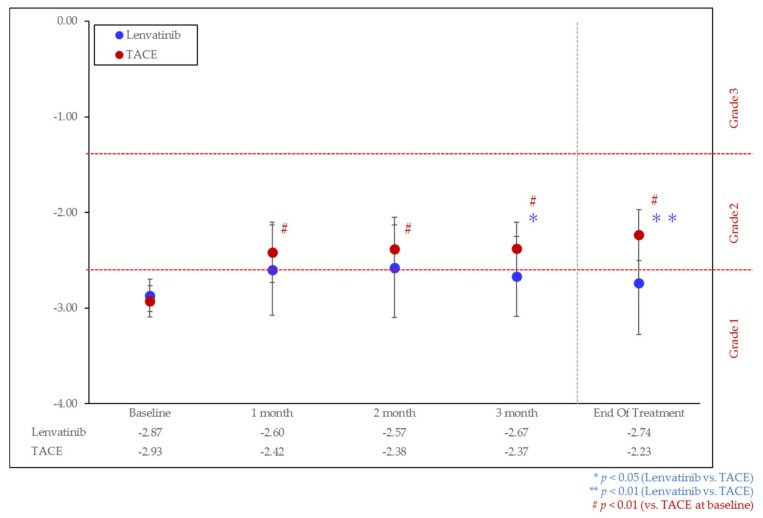
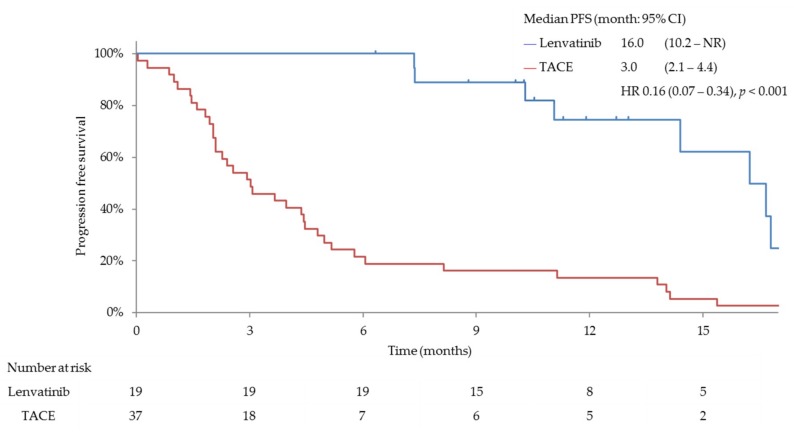
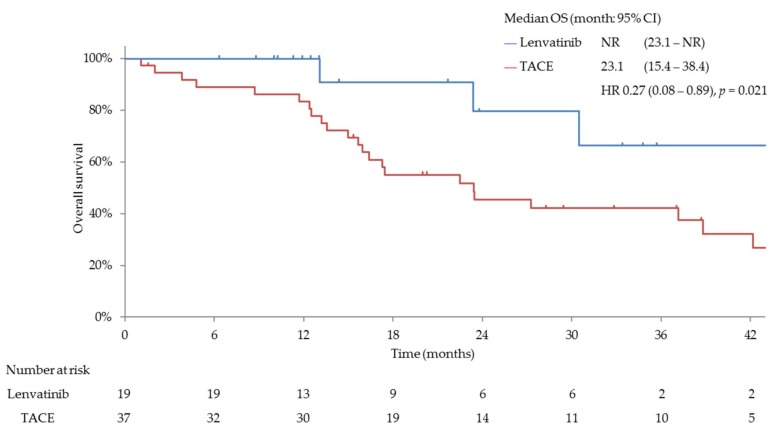
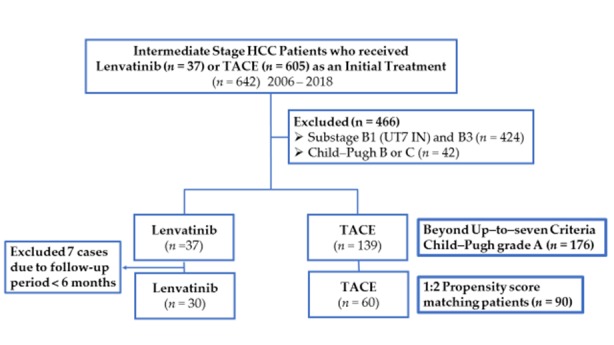
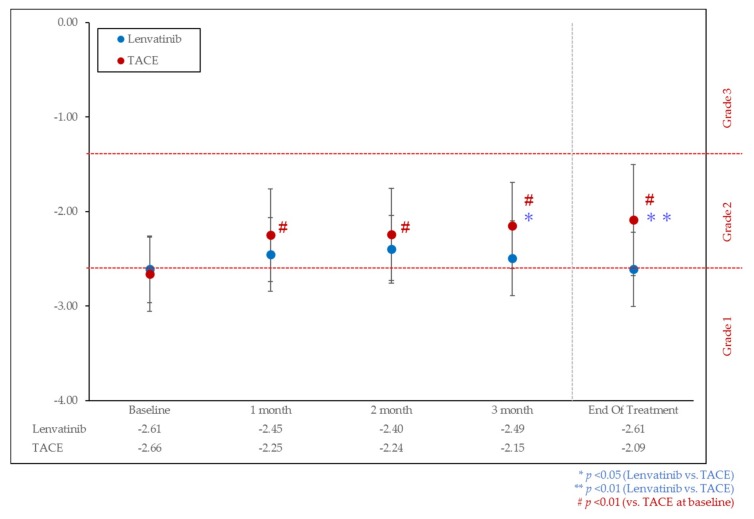
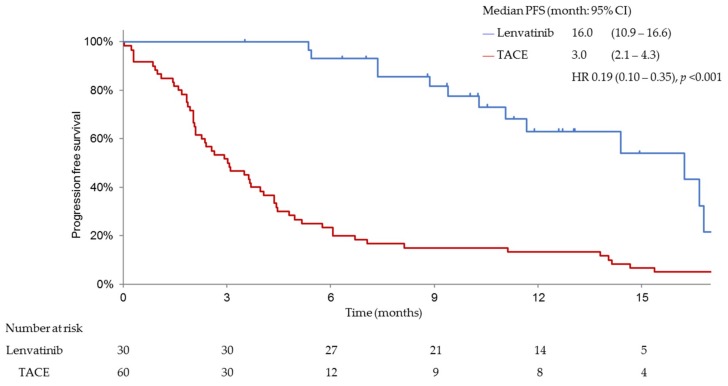
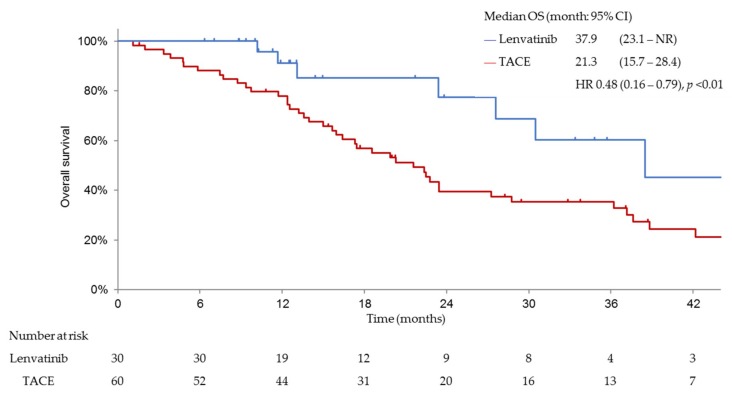
Although transcatheter arterial chemoembolization (TACE) is the standard of care for intermediate-stage hepatocellular carcinoma (HCC), this is a largely heterogeneous disease that includes a subgroup of patients who do not benefit from TACE. The treatment strategy for this subgroup of patients currently remains an unmet need in clinical practice. Here, we performed a proof-of-concept study that lenvatinib may be a more favorable treatment option over TACE as an initial treatment in intermediate-stage HCC patients with large or multinodular tumours exceeding the up-to-seven criteria. This proof-of-concept study included 642 consecutive patients with HCC initially treated with lenvatinib or conventional TACE (cTACE) between January 2006 and December 2018. Of these patients, 176 who received lenvatinib or cTACE as an initial treatment and met the eligibility criteria (unresectable, beyond the up-to-seven criteria, no prior TACE/systemic therapy, no vascular invasion, no extrahepatic spread and Child–Pugh A liver function) were selected for the study. Propensity score matching was used to adjust for patient demographics. After propensity-score matching, the outcome of 30 patients prospectively treated with lenvatinib (14 in clinical trials, one in an early access program and 15 in real world settings) and 60 patients treated with cTACE as the initial treatment was compared. The change of albumin-bilirubin (ALBI) score from baseline to the end of treatment were −2.61 to −2.61 for 30 patients in the lenvatinib group (p = 0.254) and −2.66 to −2.09 in the cTACE group (p < 0.01), respectively. The lenvatinib group showed a significantly higher objective response rate (73.3% vs. 33.3%; p < 0.001) and significantly longer median progression-free survival than the cTACE group (16.0 vs. 3.0 months; p < 0.001). Overall survival was significantly longer in the lenvatinib group than in the cTACE group (37.9 vs. 21.3 months; hazard ratio: 0.48, p < 0.01). In patients with large or multinodular intermediate-stage HCC exceeding the up-to-seven criteria with Child–Pugh A liver function, who usually do not benefit from TACE, lenvatinib provides a more favorable outcome than TACE.
Overview
The claims and statistics of this paper haven’t been checked yet.
Free: it reads the open-access text and checks the first 5 claims that cite a source we can check. Create a free account to check every claim.
Integrity signals
Registry
Cites
Statistics
Figures
Verification
Claims the paper makes
The claims and statistics of this paper haven’t been checked yet.
Free: it reads the open-access text and checks the first 5 claims that cite a source we can check. Create a free account to check every claim.
Claims other papers make about this one
Each is checked against this paper’s own text: does it say what the citing paper says it does?
The cited source says what the claim attributes to it.
In the citing paper
“those with a large intrahepatic tumour burden (such as bilobar multifocal disease) might be considered unsuitable for TACE and therefore as candidates for systemic therapies, given a lower likelihood of objective responses and a higher risk of liver injury with embolic therapies147.”
From Adjuvant and neoadjuvant immunotherapies in hepatocellular carcinoma (2024) · cites this paper as [147]
Self-check
Percentages, sums and reported differences re-computed from the paper’s own numbers.
The self-check needs the paper’s full text.
Citations
Cites
Cancer incidence and mortality worldwide: Sources, methods and major patterns in GLOBOCAN 2012
Ferlay, J., Soerjomataram, I., Dikshit, R., Eser, S., Mathers, C., Rebelo, M., Parkin, D. M., Forman, D., & Bray, F. (2015) · International Journal of Cancer · doi:10.1002/ijc.29210 · Cited by 28,766
EASL Clinical Practice Guidelines: Management of hepatocellular carcinoma
Galle, P. R., Forner, A., Llovet, J. M., Mazzaferro, V., Piscaglia, F., Raoul, J.-L., Schirmacher, P., & Vilgrain, V. (2018) · Journal of Hepatology · doi:10.1016/j.jhep.2018.03.019 · Cited by 11,406
Angiogenesis in cancer and other diseases
Carmeliet, P., & Jain, R. K. (2000) · Nature · doi:10.1038/35025220 · Cited by 9,070 · cited 1×
“That is, giving TACE to intermediate-stage HCC patients with up-to-seven criteria out leads to a spike in the intra-tumoral concentration of VEGF, FGF or PDGF, suggesting that blockade of these receptors may prevent the effects of a surge in proangiogenic factors [39,40].”
BackgroundA New Era of Systemic Therapy for Hepatocellular Carcinoma with Regorafenib and Lenvatinib
Kudo, M. (2017) · Liver Cancer · doi:10.1159/000462153 · Cited by 5,936
Self-citationNormalization of Tumor Vasculature: An Emerging Concept in Antiangiogenic Therapy
Jain, R. K. (2005) · Science · doi:10.1126/science.1104819 · Cited by 5,527 · cited 1×
“In addition, as is very well known, antiangiogenic agents play a very important role in the normalization of tumor vasculature [44] and in the enhancement of the effective, homogeneous delivery of anticancer agents (including lipiodol and gelatin sponge) into tumor tissues [45], resulting in improved responses to TACE…”
BackgroundKudo, M., Finn, R. S., Qin, S., Han, K.-H., Ikeda, K., Piscaglia, F., Baron, A., Park, J.-W., Han, G., Jassem, J., et al. (2018) · The Lancet · doi:10.1016/s0140-6736(18)30207-1 · Cited by 5,497 · cited 4×
“Of 30 lenvatinib-treated patients, 15 were treated in prospective clinical trials followed by commercially available lenvatinib after the data cut off (one from the phase II trial [26] of lenvatinib started in 2006 and 13 from the phase III REFLECT trial [15]), one patient was treated in the early access program and 1…”
BackgroundMethodResultInfluentialSelf-citationHepatocellular Carcinoma: Epidemiology and Molecular Carcinogenesis
El–Serag, H. B., & Rudolph, K. L. (2007) · Gastroenterology · doi:10.1053/j.gastro.2007.04.061 · Cited by 5,415 · cited 1×
“Hepatocellular carcinoma (HCC) is the third leading cause of cancer-related death worldwide and an important health concern[1-3].”
BackgroundMarrero, J. A., Kulik, L. M., Sirlin, C. B., Zhu, A. X., Finn, R. S., Abecassis, M. M., Roberts, L. R., & Heimbach, J. K. (2018) · Hepatology · doi:10.1002/hep.29913 · Cited by 4,539 · cited 2×
“Up to now, there has been no report on the efficacy of initial treatment with lenvatinib for intermediate-stage HCC without prior TACE since it is not recommended by worldwide guidelines such as the European Association for the Study of the Liver (EASL) [5], American Association for the Study of Liver Diseases (AASLD)…”
MethodModified RECIST (mRECIST) Assessment for Hepatocellular Carcinoma
Lencioni, R., & Llovet, J. (2010) · Seminars in Liver Disease · doi:10.1055/s-0030-1247132 · Cited by 4,329 · cited 1×
“Treatment response in both groups was evaluated by dynamic CT in accordance with modified Response Evaluation Criteria in Solid Tumor (mRECIST) [31].”
MethodOmata, M., Cheng, A.-L., Kokudo, N., Kudo, M., Lee, J. M., Jia, J., Tateishi, R., Han, K.-H., Chawla, Y. K., Shiina, S., et al. (2017) · Hepatology International · doi:10.1007/s12072-017-9799-9 · Cited by 2,171 · cited 1×
“Up to now, there has been no report on the efficacy of initial treatment with lenvatinib for intermediate-stage HCC without prior TACE since it is not recommended by worldwide guidelines such as the European Association for the Study of the Liver (EASL) [5], American Association for the Study of Liver Diseases (AASLD)…”
MethodSelf-citation
Cited by
Items 201–300 of 307
Pinto, E., Pelizzaro, F., Simeon, V., Bucci, L., Gambato, M., Vitale, A., Sangiovanni, A., Cabibbo, G., Ghittoni, G., Svegliati‐Baroni, G., et al. (2026) · Alimentary Pharmacology & Therapeutics · doi:10.1111/apt.70534 · Cited by 7
“Since in patients managed with TACE the probability to respond to treatment and the consequent prognosis are linked to the tumour burden [18], we postulated that this variable may be helpful in predicting EHP after TACE.”
Mawatari, S., Tamai, T., Kumagai, K., Saisyoji, A., Muromachi, K., Toyodome, A., Taniyama, O., Sakae, H., Ijuin, S., Tabu, K., et al. (2022) · Cancers · doi:10.3390/cancers14246139 · Cited by 4
“showed a proof-of-concept study to compare the effectiveness of LEN and TACE and showed the superiority of LEN over TACE as first-line treatment for patients with intermediate-stage HCC beyond the up-to-seven criteria with Child–Pugh A liver function [23].”
BackgroundHund, H. C., Du, L., Matsuoka, L. K., Sze, D. Y., Kennedy, A. S., Golzarian, J., Gandhi, R. T., Collins, Z. S., & Brown, D. B. (2023) · Journal of Vascular and Interventional Radiology · doi:10.1016/j.jvir.2023.08.039 · Cited by 4
Scoping review of values elicitation tools for treatment decisions in hepatocellular carcinoma
Ritaccio, G., Barritt, A. S., Conklin, J., Richardson, D. R., Evon, D. M., Sanoff, H. K., Basch, E., Wheeler, S. B., & Moon, A. M. (2024) · BMC Gastroenterology · doi:10.1186/s12876-024-03167-1 · Cited by 4
Asano, K., Kageyama, K., Yamamoto, A., Jogo, A., Nakano, M., Murai, K., Yukawa‐Muto, Y., Odagiri, N., Kotani, K., Kozuka, R., et al. (2024) · Cancer Medicine · doi:10.1002/cam4.70367 · Cited by 4
“There is some international consensus that long-term liver function worsens in patients who undergo TACE repeatedly despite TACE refractoriness [3, 20, 21].”
BackgroundLu, C.-H., Kao, W., Wu, C., Ting, W.-Y., Lu, C.-H., Chuang, K.-I., Ni, C.-F., Hsieh, Y., Wu, M., Su, C., et al. (2025) · Liver Cancer · doi:10.1159/000546185 · Cited by 4
Zhao, K.-F., Xie, C.-B., & Wu, Y. (2025) · World Journal of Clinical Cases · doi:10.12998/wjcc.v13.i23.101742 · Cited by 4
Causes of mortality among patients with early-stage hepatocellular carcinoma
Dahan, K. S. E., Daher, D., Rich, N. E., Nayak, A., Ankoma-Sey, C., Govalan, R., Bhongade, M. B., Molina, E., Amador, E., Pitts, H., et al. (2025) · Hepatology · doi:10.1097/hep.0000000000001471 · Cited by 4
Анатольевич, С. А., Sapronenko, V. S., Логинова, Е. Н., & Nadey, E. V. (2022) · Экспериментальная и клиническая гастроэнтерология · doi:10.31146/1682-8658-ecg-205-9-222-228 · Cited by 4
Nong, X., Zhang, Y., Xie, J., Liang, J., Xie, A., & Zhang, Z. (2023) · Journal of Gastrointestinal Oncology · doi:10.21037/jgo-23-69 · Cited by 7
“Notably, in patients with stage B disease who exceed the up-to-7 criterion, TACE may harm liver reserve function and thus worsen their prognosis (15).”
Zong, Z., Tang, R., Li, M., Xiong, X., Li, D., Fan, J., Ye, W., & Xue, C. (2024) · The Turkish Journal of Gastroenterology · doi:10.5152/tjg.2024.23071 · Cited by 4
Shimose, S., Iwamoto, H., Tanaka, M., Niizeki, T., Shirono, T., Kajiwara, A., Noda, Y., Kamachi, N., Okamura, S., Nakano, M., et al. (2021) · Oncology · doi:10.1159/000518612 · Cited by 4
A new era of systemic therapy for intermediate and advanced stage hepatocellular carcinoma
Kudo, M. (2020) · HepatoBiliary Surgery and Nutrition · doi:10.21037/hbsn-20-420 · Cited by 4
Self-citationLiu, J., Zhang, S., & Shao, H. (2025) · BMJ Open · doi:10.1136/bmjopen-2025-099510 · Cited by 5
Ohama, H., Hiraoka, A., Tada, F., Kato, K., Fukunishi, Y., Yanagihara, E., Kato, M., Saneto, H., Izumoto, H., Ueki, H., et al. (2022) · Cancers · doi:10.3390/cancers15010236 · Cited by 3
Kimura, M., Nishikawa, K., Imamura, J., & Kimura, K. (2024) · Cancer Medicine · doi:10.1002/cam4.70217 · Cited by 3
“16,17 Atezolizumab combined with bevacizumab (Atez/Bev) and lenvatinib (LEN) have been endorsed as initial treatments for advanced HCC. 18,19 Notably, the synergy of atezolizumab, a programmed death-ligand 1 (PD-L1) blocker, with bevacizumab, an antagonist of VEGF, has been validated for its…”
BackgroundAl-Jassim, R., Al-Khalifa, N., & Fadel, E. (2024) · Asian journal of Current Research in Clinical Cancer · doi:10.51847/o0zawpmalb · Cited by 3
Bannangkoon, K., Hongsakul, K., Tubtawee, T., Janjindamai, P., Akkakrisee, S., Piratvisuth, T., & Geater, A. F. (2022) · Clinical and Translational Gastroenterology · doi:10.14309/ctg.0000000000000506 · Cited by 3
Zhang, D.-L., Feng, D., He, X., Zhang, X.-F., Li, L., Li, Z., Niu, X., Zhuang, Y.-L., Liu, Z., Gao, X., et al. (2022) · Frontiers in Oncology · doi:10.3389/fonc.2022.959151 · Cited by 4
Management of Intermediate-Stage Hepatocellular Carcinoma
Patel, M. V., & Pillai, A. A. (2023) · Surgical Oncology Clinics of North America · doi:10.1016/j.soc.2023.06.008 · Cited by 4
Oshita, K., Kobayashi, T., Namba, Y., Fukuhara, S., Matsubara, K., Takei, D., Nakano, R., Okamoto, W., Sakai, H., Tanimine, N., et al. (2023) · BMJ Open · doi:10.1136/bmjopen-2023-073797 · Cited by 3
Tsuruoka, M., Ninomiya, M., Inoue, J., Iwata, T., Sano, A., Sato, K., Onuki, M., Sawahashi, S., & Masamune, A. (2024) · Oncology · doi:10.1159/000540438 · Cited by 5
“In recent years, it has been reported that treatment with molecular-targeted drugs is more effective for stage B patients with more than 7 tumors and a tumor diameter greater than 7 cm [4, 5].”
Hoang, M. T. Q., Koh, Y. X., Sultana, R., Allen, J. C., Moris, D., Cheow, P. C., Chung, A. Y. F., Jeyaraj, P. R., Mack, P. O. P., Ooi, L. L., et al. (2024) · International Journal of Surgery · doi:10.1097/js9.0000000000001868 · Cited by 3
Wang, M., Cheng, J., & Qian, N. (2024) · Scientific Reports · doi:10.1038/s41598-024-74801-x · Cited by 3
Su, Y., Liu, Y., Hsiao, C., Hsu, C., & Chen, L. (2022) · Journal of Hepatocellular Carcinoma · doi:10.2147/jhc.s220978 · Cited by 4
Systemic Therapy Combined with Locoregional Therapy in Intermediate-stage Hepatocellular Carcinoma
Kudo, M. (2024) · Interventional Radiology · doi:10.22575/interventionalradiology.2023-0035 · Cited by 9
Self-citationAn, C., Li, L., Yang, L., Zuo, M., Liu, W., Li, C., & Wu, P. (2025) · Journal of Hepatocellular Carcinoma · doi:10.2147/jhc.s532116 · Cited by 3
Yang, J., Xu, Q., & Wu, S. (2025) · Medicine · doi:10.1097/md.0000000000046799 · Cited by 2
“[31] Henceforth, it is imperative to prioritize investigations into the immunosuppressive microenvironment and elucidate the mechanisms of drug resistance in HCC, particularly in relation to CP classification and tumor burden.”
Unresectable hepatocellular carcinoma: prospects for drug therapy with lenvatinib
Бредер, В. В., Тинович, А. Д., Петкау, В. В., Балахнин, П. В., Викторович, В. М., Гречухина, К. С., Zafirova, M. A., Mikerov, I. A., Покатаев, И. А., & Хасанова, А. И. (2022) · Malignant tumours · doi:10.18027/2224-5057-2021-11-3-45-52 · Cited by 2
The change rate in serum nitric oxide may affect lenvatinib therapy in hepatocellular carcinoma
Kawamura, A., Uojima, H., Chuma, M., Shao, X., Hidaka, H., Nakazawa, T., Take, A., Sakaguchi, Y. M., Numata, K., Kako, M., et al. (2022) · BMC Cancer · doi:10.1186/s12885-022-10002-x · Cited by 2
“On this basis, simultaneously suppressing VEGF signals suppress tumor angiogenesis to the cancer cells, and VEGF inhibitors appropriately reduce the production of NO and facilitate antitumor drug delivery as block angiogenesis [8, 9].”
BackgroundChen, S., Guo, A., Lu, L., Lin, S., Hu, X., Zhu, L., & Chen, X. (2022) · Journal of Cancer · doi:10.7150/jca.76021 · Cited by 2
Influence of serum Gas6 levels on prognosis in patients with hepatocellular carcinoma
Hayashi, M., Abe, K., Sugaya, T., Takahata, Y., Fujita, M., Takahashi, A., & Ohira, H. (2023) · Japanese Journal of Clinical Oncology · doi:10.1093/jjco/hyad132 · Cited by 2
Zhang, Y., Numata, K., Imajo, K., Uojima, H., Funaoka, A., Komiyama, S., Ogushi, K., Chuma, M., Irie, K., Kokubu, S., et al. (2024) · Hepatology Research · doi:10.1111/hepr.14089 · Cited by 3
“11,14 Furthermore, lenvatinib is also beneficial for intermediate ‐ stage HCC patients beyond the up ‐ to ‐ seven criteria 15 and those refractory to TACE.”
Self-citationSystemic Therapy for Hepatocellular Carcinoma
Kinsey, E. N., & Morse, M. A. (2024) · Clinics in Liver Disease · doi:10.1016/j.cld.2024.08.010 · Cited by 4
Shimose, S., Niizeki, T., Iwamoto, H., Tanaka, M., Moriyama, E., Shirono, T., Nakano, M., Kuromatsu, R., Koga, H., & Kawaguchi, T. (2025) · Hepatology Research · doi:10.1111/hepr.14193 · Cited by 2
Niitsu, H., Makishima, H., Hasegawa, N., Ikeda, T., Iizumi, T., SAITO, T. K., Numajiri, H., Nakai, K., Mizumoto, M., Okumura, T., et al. (2025) · Liver Cancer · doi:10.1159/000548347 · Cited by 2
“Silva et al. [20] reported 1-year OS of 29% for TACE for HCC with PVTT. Based on these reports, TACE for TACE-unsuitable HCC has an unfavorable outcome and systemic therapy before considering TACE may be a more effective approach than TACE alone [18].”
InfluentialRimini, M., Liscia, N., Burgio, V., & Gardini, A. C. (2022) · Expert Opinion on Investigational Drugs · doi:10.1080/13543784.2022.2053108 · Cited by 2
Indonesian consensus on systemic therapies for hepatocellular carcinoma
Hasan, I., Loho, I. M., Setiawan, P. B., Djumhana, A., Purnomo, H. D., Siregar, L., Gani, R. A., Sulaiman, A. S., & Lesmana, C. R. A. (2022) · Asia-Pacific Journal of Clinical Oncology · doi:10.1111/ajco.13768 · Cited by 2
Optimal tumor numbers in surgical candidates for multiple hepatocellular carcinomas
Kokudo, T., Ishizawa, T., Nagata, R., Ichida, A., Mihara, Y., Kawaguchi, Y., Akamatsu, N., Kaneko, J., Arita, J., Kokudo, N., et al. (2022) · Surgery · doi:10.1016/j.surg.2022.06.019 · Cited by 2
Lenvatinib Therapy in Patients with Unresectable Hepatocellular Carcinoma in Real Clinical Practice
Петкау, В. В., Султанбаев, А. В., Меньшиков, К. В., Antipin, A. S., Викторович, В. М., Filippova, V. M., Vasilyeva, Y. V., Тарханов, А. А., Mukhitova, M. R., Murzalina, M. Z., et al. (2022) · Russian Journal of Gastroenterology Hepatology Coloproctology · doi:10.22416/1382-4376-2022-32-4-75-88 · Cited by 2
Lin, P., Hung, M., Shao, S., Chen, H., Chan, Y., Chang, K., Lin, S., & Ou, H. (2023) · Cancer Medicine · doi:10.1002/cam4.6124 · Cited by 1
INASL Consensus on Management of HCC: Navigating an Evolving Field
Singal, A. G., Pillai, A. A., & Parikh, N. D. (2023) · Journal of Clinical and Experimental Hepatology · doi:10.1016/j.jceh.2023.10.003 · Cited by 2
Sato, R., Moriguchi, M., Saiga, A., Asahara, K., & Aramaki, T. (2024) · Cancer Medicine · doi:10.1002/cam4.7446 · Cited by 2
Loco-regional treatments of unresectable hepatocellular carcinoma: safety first
Raoul, J. (2022) · HepatoBiliary Surgery and Nutrition · doi:10.21037/hbsn-2021-30 · Cited by 2
How we use hepatic arterial infusion chemotherapy in the new era of systemic therapy?
Ogasawara, S., Kanogawa, N., & Kato, N. (2022) · HepatoBiliary Surgery and Nutrition · doi:10.21037/hbsn-22-396 · Cited by 2
Kudo, M. (2024) · Liver Cancer · doi:10.1159/000543245 · Cited by 2
“Because these phenomena occur when LEN is administered only 4 days before TACE [8], treatment with LEN prior to TACE is crucial to increase the ef fi cacy of TACE and prolong PFS [9].”
Self-citationHoshiai, S., Hasegawa, N., Yamada, T., Takahashi, N., Mori, K., Mori, K., Fukuda, K., Takizawa, D., Mathis, B. J., Nakajima, T., et al. (2025) · Scientific Reports · doi:10.1038/s41598-025-01444-x · Cited by 1
“As the previously reported ORR for TACE for HCC beyond up-to-7 criteria in a prospective study was 33.3%, the lower 95% CI limit seen in this study exceeds the ORR of previous reports 3 .”
InfluentialNiizeki, T., Mawatari, S., Shibata, M., Sasaki, R., Itoh, S., Shakado, S., Sugimoto, R., Morita, Y., Kuwashiro, T., Endo, M., et al. (2025) · Journal of Gastroenterology and Hepatology · doi:10.1111/jgh.17024 · Cited by 1
Lu, W., Li, Z., Chen, P., Chen, B., Zhang, G., Yang, Z., & Hao, J. (2025) · Journal of Cancer Research and Clinical Oncology · doi:10.1007/s00432-025-06233-7 · Cited by 2
“Our tumor response outcomes align with those reported in the REFLECT trial (Kudo et al. 2019).”
Tanahashi, Y., Ikeda, T., Kubota, K., Kutsuna, M., Kobayashi, T., Funayama, S., Ozaki, K., Ichikawa, S., & Goshima, S. (2025) · Magnetic Resonance in Medical Sciences · doi:10.2463/mrms.mp.2025-0055 · Cited by 1
Wang, P., Liu, S., & Lu, X. (2026) · Biomarkers · doi:10.1080/1354750x.2026.2628045 · Cited by 1
“…PD-1 inhibitors. hiraoka et al. reported that alBi scores increase in patients with hcc in 4 weeks after initiating lenvatinib treatment (hiraoka et al. 2019), although another study did not find any changes (Kudo et al. 2019), even in those with impaired baseline liver function (sho et al. 2020).”
Li, Z., Wu, H., Xu, R., Chang, X., Wang, S., & Sun, P. (2026) · Frontiers in Immunology · doi:10.3389/fimmu.2026.1717797 · Cited by 1
“…highlights the profound clinical impact of achieving tumor control, as it directly translates to survival bene fi t. Multivariate analysis reinforced this link, identifying the preservation of Child-Pugh class (absence of deterioration) at 6 months as a strong independent predictor of ORR (16, 19).”
InfluentialLuu, V. D., Tân, Đ. Đ., Thông, P. M., Khang, L. V., Dung, L. T., Bỉnh, L. T., Trang, N. N., Cương, N. N., Luan, N. D., le Lam, N., et al. (2026) · Frontiers in Radiology · doi:10.3389/fradi.2026.1763042 · Cited by 1
“A recent proof-of-concept study showed that lenvatinib followed by TACE in patients not meeting the “up-to-7” criterion and ineligible for TACE yielded favorable result (88).”
Chen, S., Shen, L., Qi, H., Hu, P., Cao, F., Xie, L., Wang, Y., & Fan, W. (2026) · BMJ Open Gastroenterology · doi:10.1136/bmjgast-2025-002154 · Cited by 1
“Evidence confirms that TACE plus TKIs (eg, lenvatinib or sorafenib) and/or ablation can significantly improve outcomes compared with TACE alone, 32–36 establishing TACE plus targeted therapy as a validated foundational regimen.”
Yarchoan, M. M., Llovet, J. M., Kelley, R. K., Finn, R., Parikh, N. D., Tabrizian, P., Burgoyne, A., Agopian, V. G., Sanford, N. N., Cao, H. S. T., et al. (2026) · Gut · doi:10.1136/gutjnl-2026-339505 · Cited by 2
Muraishi, N., Kawamura, Y., Kobayashi, M., Shindoh, J., Kobayashi, Y., Okubo, S., Iritani, S., Fujiyama, S., Hosaka, T., Saitoh, S., et al. (2021) · Internal Medicine · doi:10.2169/internalmedicine.7589-21 · Cited by 1
“reported the potential efficacy of upfront lenvatinib-TACE sequential therapy in patients with intermediate stage HCC that fell outside the Up-to-7 criteria (6, 7).”
BackgroundThe prime time for management of hepatocellular carcinoma in Hong Kong
Chan, L. L., & Chan, S. L. (2023) · Clinical and Molecular Hepatology · doi:10.3350/cmh.2023.0094 · Cited by 1
Self-citationCurrent Challenges in Treating Unresectable Hepatocellular Carcinoma
Dufour, J. (2023) · healthbook TIMES Oncology Hematology · doi:10.36000/hbt.oh.2023.18.127 · Cited by 1
Kaneko, S., Asahina, Y., Murakawa, M., Azuma, S., Inada, K., Mochida, T., Watakabe, K., Shimizu, T., Tsuchiya, J., Miyoshi, M., et al. (2024) · PLoS ONE · doi:10.1371/journal.pone.0297882 · Cited by 1
Gurtatta, R. S., Whalen, S. E., & Ray, C. E. (2024) · Seminars in Interventional Radiology · doi:10.1055/s-0043-1778660 · Cited by 1
Xie, D., Li, Z., Yuan, J., Yin, X. H., Chen, R., Zhang, L., & Ren, Z. (2024) · Journal of Hepatocellular Carcinoma · doi:10.2147/jhc.s444682 · Cited by 1
“32 The synergistic efficacy of immunotherapy plus target agents and dual immunotherapy has also been demonstrated in the first-line setting.”
Tang, S., Gao, Y., Yan, X., Zhi, W., & Yue, H. (2024) · Frontiers in Oncology · doi:10.3389/fonc.2024.1431069 · Cited by 1
Intermediate hepatocellular carcinoma: new horizons and prospects for our patients
Prinzi, F. L., Rossari, F., Silletta, M., Foti, S., Camera, S., Vitiello, F., Amadeo, E., COBELLI, F. D., Aldrighetti, L. A., Rimini, M., et al. (2024) · Expert Review of Gastroenterology & Hepatology · doi:10.1080/17474124.2024.2422367 · Cited by 1
“The panel suggests using the combination atezolizumab + bevacizumab as first-line systemic therapy permeability to the administration of TACE-infused chemotherapeutic agents [45,46].”
Rinka, K., Kioka, K., Amano, Y., Nakai, T., Kawasaki, Y., & Kawada, N. (2025) · Journal of Medical Case Reports · doi:10.1186/s13256-025-05040-5 · Cited by 1
Treatment Selection for Early to Intermediate Hepatocellular Carcinoma
Nouso, K., Ohki, T., Yamashita, T., Takaki, H., Liu, C.-A., Kang, T. W., Lee, D. H., Lee, S. J., Kulkarni, S. S., Shree, D., et al. (2020) · Applied Sciences · doi:10.3390/app10134607 · Cited by 1
“showed a better survival benefit of lenvatinib than TACE in patients with intermediate-stage HCC beyond the up-to-seven criteria [26].”
BackgroundIdentification of the Response-Related Biomarker of Bimonthly Hepatic Arterial Infusion Chemotherapy
Moriya, K., Namisaki, T., Takaya, H., Kaji, K., Kawaratani, H., Shimozato, N., Sawada, Y., Douhara, A., Sato, S., Furukawa, M., et al. (2021) · Journal of Clinical Medicine · doi:10.3390/jcm10040629 · Cited by 1
“Lenvatinib also demonstrated a more favorable outcome than transcatheter arterial chemoembolization (TACE) in patients with large or multinodular intermediate-stage HCC who did not benefit from TACE [6] and showed potential benefits for aHCC patients using second-line or later therapies and a high burden of intrahepat…”
BackgroundInfluentialParaneoplastic Polyarthritis in Hepatocellular Carcinoma Treated With Lenvatinib
Sathiyapalan, A., Legault, K., van der Pol, C. B., & Meyers, B. M. (2021) · Hepatology · doi:10.1002/hep.31794 · Cited by 1
Kang, H. Y., & Lee, H. W. (2021) · International Journal of Gastrointestinal Intervention · doi:10.18528/ijgii210046 · Cited by 1
“For TACE-unsuitable patients, lenvatinib is the only first-line agent associated with better OS compared with TACE in TACE-naïve patients with up-to-7 criteria out nodules.(38) After propensityscore matching, a comparison of outcomes showed a significantly higher ORR (73.”
Sugimoto, R., Motomura, K., Satoh, T., Tanaka, Y., Yamashita, S., Higuchi, N., Koyanagi, T., Nakamura, T., Tanaka, M., Azuma, Y., et al. (2023) · Preprints.org · doi:10.20944/preprints202310.1682.v1 · Cited by 1
Oncological care for the patients with hepatocellular carcinoma in COVID-19 pandemic
Петкау, В. В., Breder, V. V., Николаевна, Б. Е., Лактионов, К. К., & Stilidi, I. S. (2020) · Meditsinskiy sovet = Medical Council · doi:10.21518/2079-701x-2020-9-226-231
Chen, S., Lu, L., Hu, X., Lin, S., & Zhu, L. (2020) · medRxiv · doi:10.1101/2020.10.07.20166769
COVID-19のアウトブレイク時における肝細胞がん治療のガイダンス: ―日本肝がん分子標的治療研究会ワーキンググループレポート―
正俊, 工., 雅之, 黒., 公史, 池., 相方, 浩., 淳, 平., 拓司, 鳥., & 直哉, 坂. (2020) · Kanzo · doi:10.2957/kanzo.61.389
Болотина, Л. В. (2020) · Journal of Modern Oncology · doi:10.26442/18151434.2020.3.200353
When Should We Consider Systemic Therapy in BCLC Stage B Hepatocellular Carcinoma
Yim, H. J. (2020) · 춘·추계 학술대회 (KASL)
Les usages juridiques locaux dans le parc régional des Causses du Quercy
Calmon, P. (2008) · Le Gnomon: revue internationale d'histoire du notariat
Chronic periodontits: An interaction between Porphyromonas gingivalis and Dendritic cells
Veldhuizen, R. A. W. (2014) · Utrecht University Repository (Utrecht University)
Change Rate in Serum Nitric Oxide May Affect Lenvatinib Therapy in Hepatocellular CarcinomaPreprint
Kawamura, A., Uojima, H., Chuma, M., Shao, X., Hidaka, H., Nakazawa, T., Take, A., Sakaguchi, Y. M., Numata, K., Kako, M., et al. (2022) · Research Square · doi:10.21203/rs.3.rs-1402262/v1
Fakih, O., Haddad, S., Walker, S. L. M., Edeline, J., Estrade, F., Wang, X., Lamarca, Á., McNamara, M. G., Valle, J. W., & Hubner, R. A. (2022) · Liver Cancer International · doi:10.1002/lci2.61
Filipović, A., Mašulović, D., Zivanovic, M., Filipović, T., Bulatović, D., Zakošek, M., Nikolić, D., & Galun, D. A. (2022) · Medicina · doi:10.3390/medicina58121701 · Cited by 1
“The need for TACE should be estimated by assessing indications as the up-to-seven criteria [29,30] and albumin-bilirubin grade [31].”
BackgroundLin, L.-W., Xie, H., Ke, K., Yan, L., Chen, R., Lin, J., & Yang, W.-Z. (2023) · Research Square · doi:10.21203/rs.3.rs-2694765/v1
Tai, Y., Morita, Y., Makino, M., Ida, S., Muraki, R., Kitajima, R., Takeda, M., Kikuchi, H., Hiramatsu, Y., & Takeuchi, H. (2023) · 日本消化器外科学会雑誌 · doi:10.5833/jjgs.2022.0104
Yoshimaru, Y., Nagaoka, K., Tanaka, K., Narahara, S., Inada, H., Kurano, S., Tokunaga, T., Iio, E., Watanabe, T., Setoyama, H., et al. (2023) · Hepatology Research · doi:10.1111/hepr.13995
“13,14 17 Among these adverse events, hypertension, proteinuria, bleeding, thrombosis, and delayed wound healing were related to disturbance of VEGF ‐ dependent physiological functions and homeostasis.”
BackgroundSelf-citationGiannini, E. G., & Strazzabosco, M. (2024) · Liver International · doi:10.1111/liv.15781
Hu, J., Zhao, S., Zuo, M., Li, C. H., Yao, W., Yang, X., Xing, W., & Song, P. (2025) · Therapeutic Advances in Medical Oncology · doi:10.1177/17588359251316665
Wang, B. (2025) · Journal for ImmunoTherapy of Cancer · doi:10.1136/jitc-2025-011909
Zeng, Q., Zhang, R., Zheng, X., Li, X., He, Q., Zhang, R., Wu, S., & Chen, B. (2025) · Oncology Research and Treatment · doi:10.1159/000546337 · Cited by 1
“However, TKIs alone offer limited ef fi cacy, and their combination with TACE has been proposed to exploit the complementary mechanisms of localized ischemia and systemic inhibition of tumor growth [9].”
Influence of immune targeted therapy on immune system parameters in patients with endometrial cancer
Stakheyeva, M. N., Ermak, N. A., Maltseva, A. A., Livanos, E. I., Коломиец, Л. А., & Чердынцева, Н. В. (2025) · Siberian Journal of Oncology · doi:10.21294/1814-4861-2025-24-2-56-67
Prospects on Molecular Targeted Therapy and Immunotherapy for Liver Cancer
Dong, J., & Zhang, L. (2025) · Springer eBooks · doi:10.1007/978-981-97-7969-7_31
Radiofrequency/Microwave Ablation-Assisted ALPPS
Hong, D., & Peng, S.-Y. (2025) · Springer eBooks · doi:10.1007/978-981-96-7364-3_8
Shirakawa, S., Yanai, T., & Kawakami, K. (2025) · Oncology · doi:10.1159/000547883 · Cited by 1
“Kudo et al. [12] reported a better response to lenvatinib compared to TACE for intermediate-stage HCC with high tumor burden in a retrospective study (73% vs. 33%).”
Deciphering the role of myofibroblasts in microvascular invasion of hepatocellular carcinoma
Liu, X., Pan, J., Wang, L., Xie, Q., Fan, T., & Wang, Q. (2025) · Frontiers in Pharmacology · doi:10.3389/fphar.2025.1596181
A Case of Hepatocellular Carcinoma with Remarkable Response by Lenvatinib within a Short Duration
Kisu, E., Tanaka, T., Ito, K., Ide, T., & Noshirο, H. (2025) · Nihon Rinsho Geka Gakkai Zasshi (Journal of Japan Surgical Association) · doi:10.3919/jjsa.86.296
Lin, P.-T., Teng, W., Chen, W.-T., Su, C., Hsieh, Y., Lin, C., Lin, C., & Lin, S. (2025) · Journal of Cancer Research and Clinical Oncology · doi:10.1007/s00432-025-06381-w · Cited by 1
“While this criterion has demonstrated prognostic value in previous studies(Kudo et al. 2019; Kimura et al. 2017; Li et al. 2025), its applicability to systemic therapy settings remains less established.”
Kawamura, A., Uojima, H., Chuma, M., Shao, X., Hidaka, H., Nakazawa, T., Take, A., Sakaguchi, Y., Numata, K., Kako, M., et al. (2022) · Figshare · doi:10.6084/m9.figshare.20581032
Kawamura, A., Uojima, H., Chuma, M., Shao, X., Hidaka, H., Nakazawa, T., Take, A., Sakaguchi, Y., Numata, K., Kako, M., et al. (2022) · Figshare · doi:10.6084/m9.figshare.20581026
Kawamura, A., Uojima, H., Chuma, M., Shao, X., Hidaka, H., Nakazawa, T., Take, A., Sakaguchi, Y., Numata, K., Kako, M., et al. (2022) · Figshare · doi:10.6084/m9.figshare.20581029
Do We Still Need a BCLC‐Intermediate Stage for Hepatocellular Carcinoma‐Management?
Peck-Radosavljevic, M. (2026) · Liver International · doi:10.1111/liv.70517
“…kinase inhibitor lenvatinib in intermediate stage HCC patients with tumours beyond the up- to-seven criteria that drug treat-ment in large tumours offers much superior survival outcomes compared to TACE through a combination of superior tumour response as well as less damage to liver function [8].”
Taniki, N., Ojiro, K., Kasuga, R., Nakadai, Y., Tabuchi, T., Chu, P., Usui, S., Hoshi, H., Kaneko, F., Yamaguchi, A., et al. (2026) · Cancer Medicine · doi:10.1002/cam4.71503
熊, 刚. (2026) · Advances in Clinical Medicine · doi:10.12677/acm.2026.163761
Metadata
- Authors
- Kudo, M., Ueshima, K., Chan, S., Minami, T., Chishina, H., Aoki, T., Takita, M., Hagiwara, S., Minami, Y., Ida, H., Takenaka, M., Sakurai, T., Watanabe, T., Morita, M., Ogawa, C., Wada, Y., Ikeda, M., Ishii, H., Izumi, N., & Nishida, N.
- Affiliations
- Kindai University (JP)
- Chinese University of Hong Kong (HK)
- Takamatsu Red Cross Hospital (JP)
- National Kyushu Medical Center (JP)
- National Cancer Center Hospital East (JP)
- Chiba Cancer Center (JP)
- Musashino Red Cross Hospital (JP)
- Corresponding author
- Kudo, Masatoshi
- ORCID
- Venue
- Cancers
- Publisher
- MDPI AG
- Published
- 2019-07-31
- Volume
- 11
- Issue
- 8
- Pages
- 1084
- ISSN
- 2072-6694 (ISSN-L)
- PMC
- PMC6721438
- OpenAlex
- W2953756046
- Cited by
- 309
- References
- 48
- Citations by year
- 2026: 16 · 2025: 34 · 2024: 43 · 2023: 56 · 2022: 62 · 2021: 59 · 2020: 35 · 2019: 2
- FWCI
- 25.19
- Type
- journal article
- Language
- en
- Open access
- gold
- dx.doi.org
- Licence
- Locations
- Cancers (publishedVersion, cc-by)
- Preprints.org (acceptedVersion, cc-by)
- PubMed Central (publishedVersion, cc-by)
- PubMed (publishedVersion)
- DOAJ (DOAJ: Directory of Open Access Journals) (submittedVersion)
- Funders
- Bristol-Myers Squibb
- Eli Lilly and Company
- Eisai
- Smoking Research Foundation
- Kobayashi Foundation for Cancer Research
- SENSHIN Medical Research Foundation
- Yakult Bio-Science Foundation
- Chugai Pharmaceutical
- Japan Society for the Promotion of Science (18K07922)
- Topics
- Health Sciences › Medicine › Hepatology › Hepatocellular Carcinoma Treatment and Prognosis
- Health Sciences › Medicine › Oncology › Colorectal Cancer Treatments and Studies
- Health Sciences › Medicine › Oncology › Renal cell carcinoma treatment
- Keywords
- lenvatinib, hepatocellular carcinoma, intermediate-stage HCC, transarterial chemoembolization, up-to-seven criteria, initial treatment, objective response rate, progression-free survival, overall survival, albumin-bilirubin score, real-world evidence, tyrosine kinase inhibitors, unmet medical needs
About these checks
Registry, retraction, Cites and statistics results are computed, not judged, with one exception: a printed reference that no index lists is read once by a model before it counts as a citation error. Claims are extracted by a model and kept only when their quote appears verbatim in the text; each cited source is then checked, with a model’s help, for whether it says what the claim relies on. Those verdicts can be wrong — read the claim’s quote and the cited source before relying on one.
Statistics and arithmetic are recomputed, not judged.
Confidence bands are shown only for fields calibrated on our annotated test set. None is calibrated yet, so no band is shown.
What counts as a claim ›How we measure confidence ›How we check this ›
Are you an author, or do you see a problem with this page? Request a review
Data sources
Bibliographic data: Semantic Scholar, OpenAlex, Crossref.
Contains information from the Semantic Scholar Academic Graph Datasets, made available under the ODC Attribution License (ODC-BY 1.0).
Semantic Scholar’s data is described in: Kinney, R., et al. (2023). The Semantic Scholar Open Data Platform. arXiv:2301.10140.
