

The DOI matches its Crossref record; 113 of the 119 references it cites were found in a registry or an index.
The Potential of Lonidamine in Combination with Chemotherapy and Physical Therapy in Cancer Treatment
Open accessAbstract
Lonidamine (LND) has the ability to resist spermatogenesis and was first used as an anti-spermatogenic agent. Later, it was found that LND has a degree of anticancer activity. Currently, LND is known to target energy metabolism, mainly involving the inhibition of monocarboxylate transporter (MCT), mitochondrial pyruvate carrier (MPC), respiratory chain complex I/II, mitochondrial permeability transition (PT) pore, and hexokinase II (HK-II). However, phase II clinical studies showed that LND alone had a weak therapeutic effect, and the effect was short and reversible. Interestingly, LND does not have the common side effects of traditional chemotherapeutic drugs, such as alopecia and myelosuppression. In addition, LND has selective activity toward various tumors, and its toxic and side effects do not overlap when combined with other chemotherapeutic drugs. Therefore, LND is commonly used as a chemosensitizer to enhance the antitumor effects of chemotherapeutic drugs based on its disruption of energy metabolism relating to chemo- or radioresistance. In this review, we summarized the combination treatments of LND with several typical chemotherapeutic drugs and several common physical therapies, such as radiotherapy (RT), hyperthermia (HT), and photodynamic therapy (PDT), and discussed the underlying mechanisms of action. Meanwhile, the development of novel formulations of LND in recent years and the research progress of LND derivative adjudin (ADD) as an anticancer drug were also discussed.
Overview
The claims and statistics of this paper haven’t been checked yet.
Run the check — free, no account needed. It reads the open-access text and checks the sources it cites.
Integrity signals
Registry
Cites
Statistics
Figures
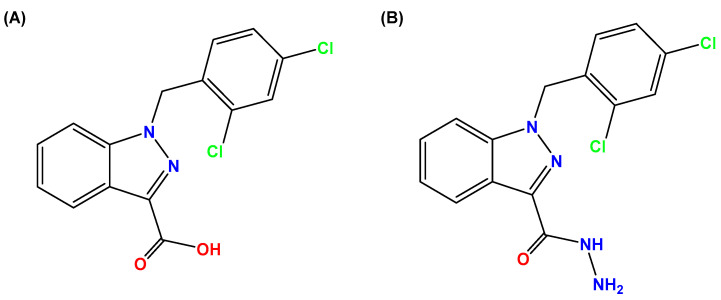
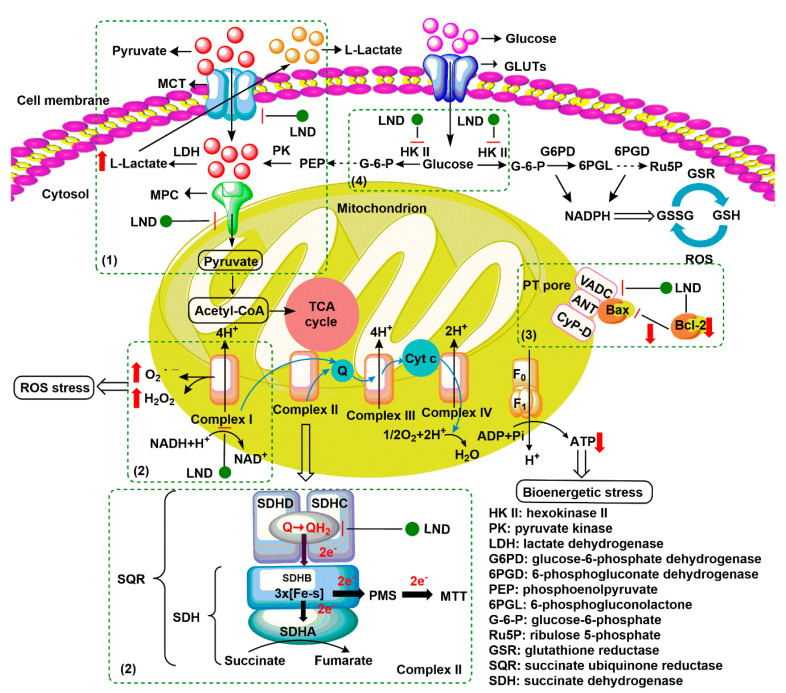
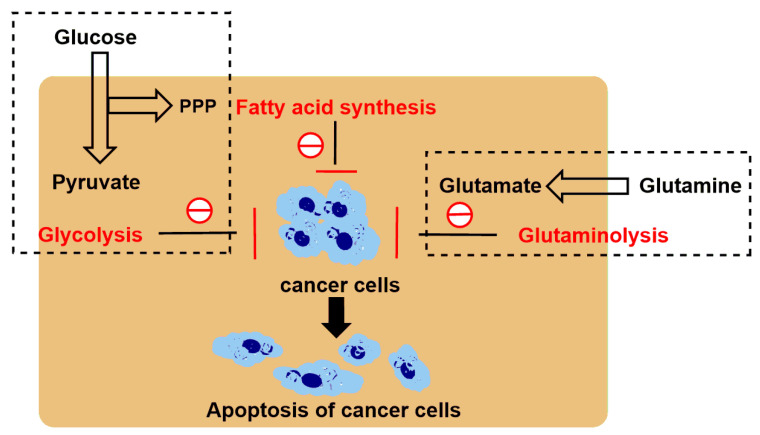
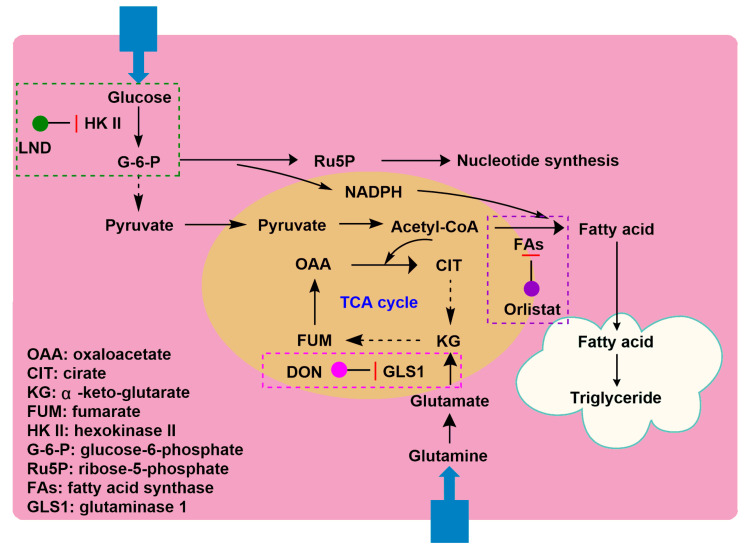
Verification
Claims the paper makes
The claims and statistics of this paper haven’t been checked yet.
Run the check — free, no account needed. It reads the open-access text and checks the sources it cites.
Claims other papers make about this one
Each is checked against this paper’s own text: does it say what the citing paper says it does?
In the citing paper
“2-DG, 3BP, and metformin sensitize cancer cells to different chemotherapeutic agents and irradiation [78,79].”
From 20-Hydroxyecdysone Confers Antioxidant and Antineoplastic Properties in Human Non-Small Cell Lung Cancer Cells (2023) · cites this paper as [78]
Self-check
Percentages, sums and reported differences re-computed from the paper’s own numbers.
The self-check needs the paper’s full text.
Citations
Cites
Cisplatin in cancer therapy: Molecular mechanisms of action
Dasari, S., & Bernard Tchounwou, P. (2014) · European Journal of Pharmacology · doi:10.1016/j.ejphar.2014.07.025 · Cited by 5,537
Johnstone, T. C., Suntharalingam, K., & Lippard, S. J. (2016) · Chemical Reviews · doi:10.1021/acs.chemrev.5b00597 · Cited by 2,508
Photodynamic therapy – mechanisms, photosensitizers and combinations
Kwiatkowski, S., Knap, B., Przystupski, D., Saczko, J., Kędzierska, E., Knap-Czop, K., Kotlińska, J., Michel, O., Kotowski, K., & Kulbacka, J. (2018) · Biomedicine & Pharmacotherapy · doi:10.1016/j.biopha.2018.07.049 · Cited by 2,173
Targeting cancer metabolism: a therapeutic window opens
Heiden, M. G. V. (2011) · Nature Reviews Drug Discovery · doi:10.1038/nrd3504 · Cited by 1,443
Doxorubicin-induced cardiomyopathy: From molecular mechanisms to therapeutic strategies
Octavia, Y., Tocchetti, C. G., Gabrielson, K. L., Janssens, S. P., Crijns, H. J. G. M., & Moens, A. L. (2012) · Journal of Molecular and Cellular Cardiology · doi:10.1016/j.yjmcc.2012.03.006 · Cited by 1,425
Q's next: the diverse functions of glutamine in metabolism, cell biology and cancer
DeBerardinis, R. J., & Cheng, T. (2010) · Oncogene · doi:10.1038/onc.2009.358 · Cited by 1,365
Mechanisms of action of arsenic trioxide.
Miller, W. H., Schipper, H. M., Lee, J. S., Singer, J. W., & Waxman, S. (2002) · PubMed · Cited by 941
Heat Shock Proteins: Endogenous Modulators of Apoptotic Cell Death
Garrido, C., Gurbuxani, S. K., Ravagnan, L., & Kroemer, G. (2001) · Biochemical and Biophysical Research Communications · doi:10.1006/bbrc.2001.5427 · Cited by 790
A microenvironmental model of carcinogenesis
Gatenby, R. A., & Gillies, R. J. (2007) · Nature reviews. Cancer · doi:10.1038/nrc2255 · Cited by 741
Metabolic targets for cancer therapy
Galluzzi, L., Kepp, O., Heiden, M. G. V., & Kroemer, G. (2013) · Nature Reviews Drug Discovery · doi:10.1038/nrd4145 · Cited by 731
Research works printed but not linked: 4
- Cioli, 1980, Anti-spermogenic activity of lonidamine (AF-1890) in rabbit, Ultramicroscopy, 5, 418
- Lin, 2011, The progress of the platinum antitumor drugs and clinical evaluation, Eval. Anal. Drug Use Hosp. China, 11, 4
- Yu, 2010, LND and NP regimen treament for advanced non-small cell lung cancer, Chin. Clin. Oncol., 37, 763
- Zhang, 2016, Research progress on the relationship between tumor microenvironment and radiosensitivity of tumor cells, J. Jilin. Univ. Med. Edit., 42, 1038
Cited by
Sorted by citations
Targeting monocarboxylate transporters (MCTs) in cancer: How close are we to the clinics?
Singh, M., Afonso, J., Sharma, D., Gupta, R., Kumar, V., Rani, R., Baltazar, F., & Kumar, V. (2023) · Seminars in Cancer Biology · doi:10.1016/j.semcancer.2023.01.007 · Cited by 194
Dysregulation of metabolic pathways in pulmonary fibrosis
Rajesh, R., Atallah, R., & Bärnthaler, T. (2023) · Pharmacology & Therapeutics · doi:10.1016/j.pharmthera.2023.108436 · Cited by 132
The Warburg effect: a score for many instruments in the concert of cancer and cancer niche cells
Jaworska, M., Szczudło, J., Pietrzyk, A., Shah, J., Trojan, S., Ostrowska, B., & Kocemba‐Pilarczyk, K. A. (2023) · Pharmacological Reports · doi:10.1007/s43440-023-00504-1 · Cited by 128
Lu, H., Tong, W., Jiang, M., Liu, H., Meng, C., Wang, K., & Mu, X. (2024) · ACS Nano · doi:10.1021/acsnano.4c04024 · Cited by 92
Nanomaterial-enabled metabolic reprogramming strategies for boosting antitumor immunity
Ma, M., Zhang, Y., Pu, K., & Tang, W. (2024) · Chemical Society Reviews · doi:10.1039/d4cs00679h · Cited by 100
Metadata
- Authors
- Huang, Y., Sun, G., Sun, X., Li, F., Zhao, L., Zhong, R., & Peng, Y.
- Affiliations
- Beijing University of Technology (CN)
- Corresponding author
- Sun, Guohui
- Venue
- Cancers
- Publisher
- MDPI AG
- Published
- 2020-11-11
- Volume
- 12
- Issue
- 11
- Pages
- 3332
- ISSN
- 2072-6694 (ISSN-L)
- PMC
- PMC7696079
- OpenAlex
- W3105923034
- Cited by
- 124
- References
- 119
- Citations by year
- 2026: 15 · 2025: 32 · 2024: 25 · 2023: 27 · 2022: 15 · 2021: 10
- FWCI
- 1.33
- Type
- journal article
- Language
- en
- Open access
- gold
- doi.org
- Licence
- Locations
- Cancers (publishedVersion, cc-by)
- PubMed Central (publishedVersion, cc-by)
- PubMed (publishedVersion)
- DOAJ (DOAJ: Directory of Open Access Journals) (submittedVersion, cc-by-sa)
- Funders
- National Natural Science Foundation of China (82003599, 21778011)
- Science and Technology General Project of Beijing Municipal Education Commission (KM202110005005)
- Beijing Natural Science Foundation (7184192)
- Beijing Postdoctoral Research Foundation (2018-ZZ-022, ZZ2019-30)
- the Great Wall Scholars Program of Beijing Municipal Education Commission (CIT&TCD20180308)
- Science and Technology Key Project of Beijing Municipal Education Commission (PXM2015_014204_500175)
- Topics
- Life Sciences › Biochemistry, Genetics and Molecular Biology › Cancer Research › Cancer, Hypoxia, and Metabolism
- Life Sciences › Biochemistry, Genetics and Molecular Biology › Molecular Biology › Metabolism, Diabetes, and Cancer
- Life Sciences › Pharmacology, Toxicology and Pharmaceutics › Toxicology › Bioactive Compounds and Antitumor Agents
- Keywords
- lonidamine, adjudin, chemosensitization, cancer energy metabolism, mitochondrial pyruvate carrier, mitochondrial permeability transition pore, hexokinase 2, chemoresistance, radiosensitization, hyperthermia, photodynamic therapy, combination therapy
About these checks
Registry, retraction, Cites and statistics results are computed, not judged, with one exception: a printed reference that no index lists is read once by a model before it counts as a citation error. Claims are extracted by a model and kept only when their quote appears verbatim in the text; each cited source is then checked, with a model’s help, for whether it says what the claim relies on. Those verdicts can be wrong — read the claim’s quote and the cited source before relying on one.
Statistics and arithmetic are recomputed, not judged.
Confidence bands are shown only for fields calibrated on our annotated test set. None is calibrated yet, so no band is shown.
What counts as a claim ›How we measure confidence ›How we check this ›
Are you an author, or do you see a problem with this page? Request a review
