

The KEAP1–NRF2 System as a Molecular Target of Cancer Treatment
Open accessThe DOI matches its Crossref record; 114 of the 115 references it cites were found in a registry or an index.
Abstract
The Kelch-like ECH-associated protein 1 (KEAP1)—Nuclear factor erythroid-derived 2-like 2 (encoded by the Nfe2l2 gene; NRF2) system attracts extensive interest from scientists in basic and clinical cancer research fields, as NRF2 exhibits activity as both an oncogene and tumor suppressor, depending on the context. Especially unique and malignant, NRF2-addicted cancers exhibit high levels of NRF2 expression. Somatic mutations identified in the NRF2 or KEAP1 genes of NRF2-addicted cancers cause the stabilization and accumulation of NRF2. NRF2-addicted cancers hijack the intrinsic roles that NRF2 plays in cytoprotection, including antioxidative and anti-electrophilic responses, as well as metabolic reprogramming, and acquire a marked advantage to survive under severe and limited microenvironments. Therefore, NRF2 inhibitors are expected to have therapeutic effects in patients with NRF2-addicted cancers. In contrast, NRF2 activation in host immune cells exerts significant suppression of cancer cell growth, indicating that NRF2 inducers also have the potential to be therapeutics for cancers. Thus, the KEAP1–NRF2 system makes a broad range of contributions to both cancer development and suppression. These observations thus demonstrate that both NRF2 inhibitors and inducers are useful for the treatment of cancers with high NRF2 activity.
Overview
The claims and statistics of this paper haven’t been checked yet.
Free: it reads the open-access text and checks the first 5 claims that cite a source we can check. Create a free account to check every claim.
Integrity signals
Registry
Cites
Statistics
Figures
Verification
Claims the paper makes
The claims and statistics of this paper haven’t been checked yet.
Free: it reads the open-access text and checks the first 5 claims that cite a source we can check. Create a free account to check every claim.
Self-check
Percentages, sums and reported differences re-computed from the paper’s own numbers.
The self-check needs the paper’s full text.
Citations
Cites
Itoh, K., Chiba, T., Takahashi, S., Ishii, T., Igarashi, K., Katoh, Y., Oyake, T., Hayashi, N., Satoh, K., Hatayama, I., et al. (1997) · Biochemical and Biophysical Research Communications · doi:10.1006/bbrc.1997.6943 · Cited by 3,999 · cited 1×
“Of the NRF2 target genes, Nqo1 encodes a representative marker enzyme that has been exploited for the evaluation of NRF2 activity [11].”
BackgroundItoh, K., Wakabayashi, N., Katoh, Y., Ishii, T., Igarashi, K., Engel, J. D., & Yamamoto, M. (1999) · Genes & Development · doi:10.1101/gad.13.1.76 · Cited by 3,634 · cited 4×
“As an approach to delineate the domain function, a yeast two-hybrid screen was conducted using the Neh2 domain as bait, and we identified a new molecule, KEAP1 [20].”
BackgroundMethodInfluentialSelf-citationCell Survival Responses to Environmental Stresses Via the Keap1-Nrf2-ARE Pathway
Kensler, T. W., Wakabayashi, N., & Biswal, S. (2007) · Annual Review of Pharmacology and Toxicology · doi:10.1146/annurev.pharmtox.46.120604.141046 · Cited by 3,630 · cited 1×
“our body is equipped with the ability to eliminate these toxic xenobiotics and adapt to the environment, which we refer to as the adaptive response or the environmental stress response [3,4].”
BackgroundNegative regulation of PKB/Akt-dependent cell survival by the tumor suppressor PTEN
Stambolic, V., Suzuki, A., de la Pompa, J. L., Brothers, G. M., Mirtsos, C., Sasaki, T., Ruland, J., Penninger, J. M., Siderovski, D. P., & Mak, T. W. (1998) · Cell · doi:10.1016/s0092-8674(00)81780-8 · Cited by 2,551 · cited 6×
“In contrast, Pten (phosphatase and tensin homolog deleted on chromosome 10) dephosphorylates PIP3 to PIP2 and thus counteracts the action of PI3K [26]. v-akt murine thymoma viral oncogene homolog (protein kinase B; Akt) is activated via phosphorylation.”
BackgroundInfluentialTracking the Evolution of Non–Small-Cell Lung Cancer
Jamal-Hanjani, M., Wilson, G. A., McGranahan, N., Birkbak, N. J., Watkins, T. B. K., Veeriah, S., Shafi, S., Johnson, D. H., Mitter, R., Rosenthal, R., et al. (2017) · New England Journal of Medicine · doi:10.1056/nejmoa1616288 · Cited by 2,349 · cited 1×
“Aberrant activation of NRF2 has been shown to provoke malignant growth and anticancer drug resistance in many types of cancers [53] (see Section 6).”
BackgroundKomatsu, M., Kurokawa, H., Waguri, S., Taguchi, K., Kobayashi, A., Ichimura, Y., Sou, Y.-S., Ueno, I., Sakamoto, A., Tong, K. I., et al. (2010) · Nature Cell Biology · doi:10.1038/ncb2021 · Cited by 2,288 · cited 1×
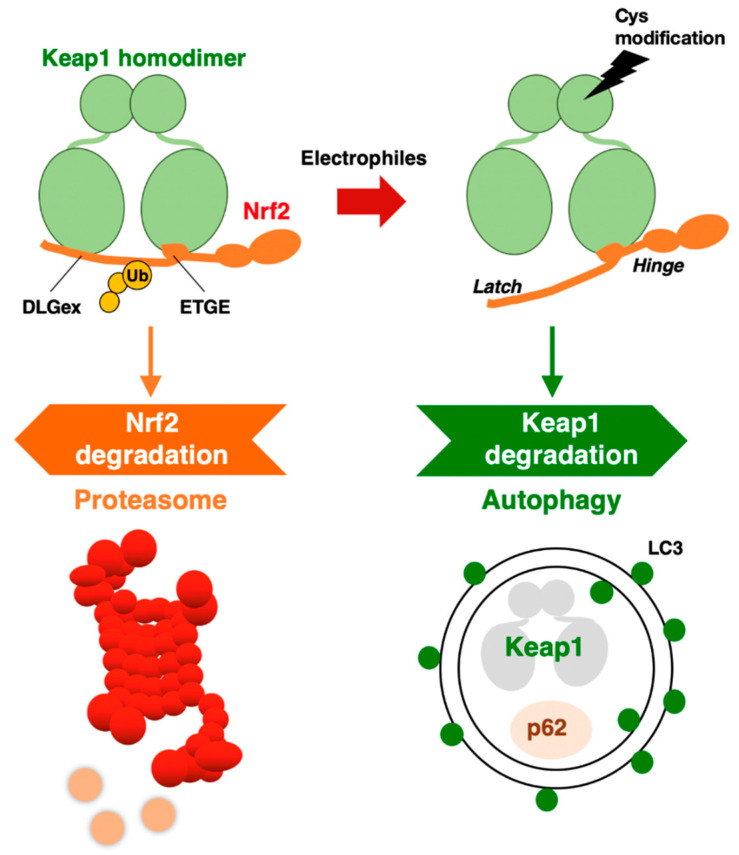
“As p62 is a scaffold or chaperone protein in autophagy [36], the most plausible scenario is that p62 binds to KEAP1 and brings KEAP1 to the autophagosome.”
BackgroundSelf-citationOncogene-induced Nrf2 transcription promotes ROS detoxification and tumorigenesis
DeNicola, G. M., Karreth, F. A., Humpton, T. J., Gopinathan, A., Wei, C., Frese, K., Mangal, D., Yu, K. H., Yeo, C. J., Calhoun, E. S., et al. (2011) · Nature · doi:10.1038/nature10189 · Cited by 2,277 · cited 1×
“Furthermore, NRF2 gene expression is transcriptionally regulated by oncogenes, such as K-Ras and c-Myc [75].”
BackgroundKobayashi, A., Kang, M.-I., Okawa, H., Ohtsuji, M., Zenke, Y., Chiba, T., Igarashi, K., & Yamamoto, M. (2004) · Molecular and Cellular Biology · doi:10.1128/mcb.24.16.7130-7139.2004 · Cited by 2,224 · cited 2×
“NRF2 has a very short half-life, which is less than 20 min [9,10].”
BackgroundThe KEAP1-NRF2 system: a thiol-based sensor-effector apparatus for maintaining redox homeostasis
Yamamoto, M., Kensler, T. W., & Motohashi, H. (2018) · Physiological Reviews · doi:10.1152/physrev.00023.2017 · Cited by 1,968 · cited 1×
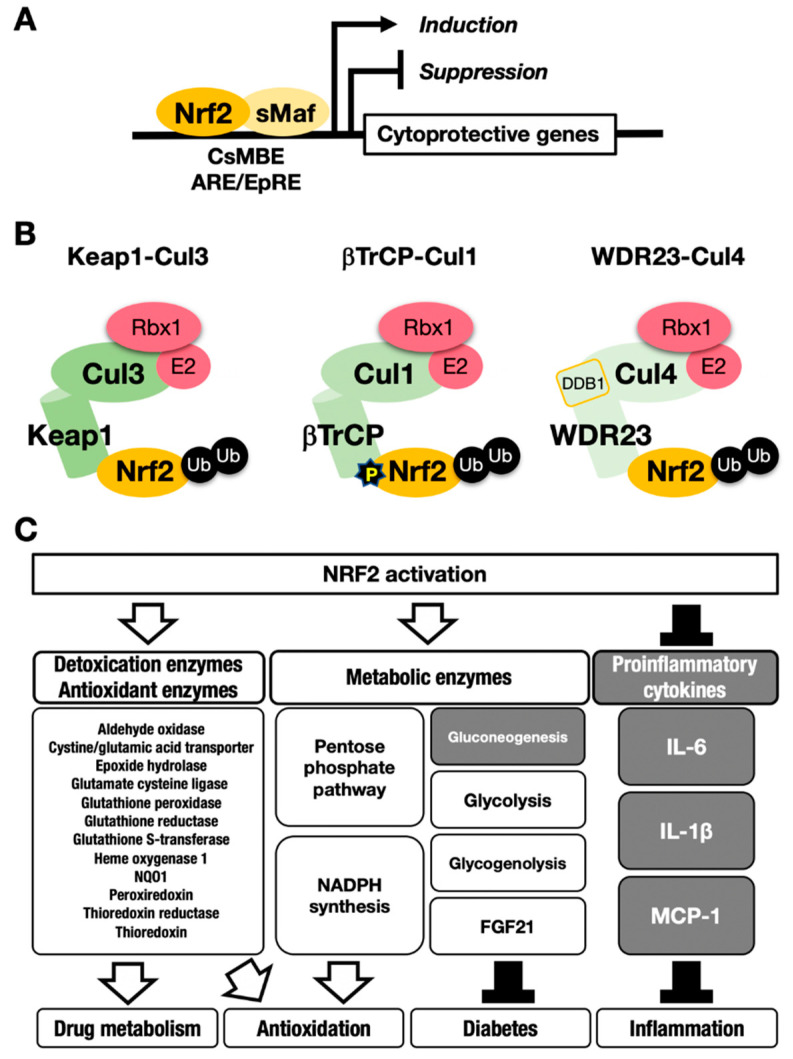
“Nuclear factor erythroid-derived 2-like 2; encoded by the Nfe2l2 gene (NRF2) is a transcription factor that controls the environmental stress response by changing gene expression profiles [5].”
BackgroundSelf-citationAnalysis of lung tumor initiation and progression using conditional expression of oncogenic K-ras
Jackson, E. L., Willis, N., Mercer, K., Bronson, R. T., Crowley, D., Montoya, R., Jacks, T., & Tuveson, D. A. (2001) · Genes & Development · doi:10.1101/gad.943001 · Cited by 1,898 · cited 1×
“To verify this notion, we exploited the KrasG12Ddriven lung adenocarcinoma system [96] and examined two mouse models with different NRF2 activity levels in the presence of adenovirus expressing Cre recombinase [97]: KEAP1flox-A mice [17] and KEAP1flox-B mice [98].”
Method
Cited by
Defining roles of specific reactive oxygen species (ROS) in cell biology and physiology
Sies, H., Belousov, V. V., Chandel, N. S., Davies, M. J., Jones, D. P., Mann, G. E., Murphy, M. P., Yamamoto, M., & Winterbourn, C. (2022) · Nature Reviews Molecular Cell Biology · doi:10.1038/s41580-022-00456-z · Cited by 1,735
Self-citationNrf2 and Oxidative Stress: A General Overview of Mechanisms and Implications in Human Disease
Ngo, V., & Duennwald, M. L. (2022) · Antioxidants · doi:10.3390/antiox11122345 · Cited by 1,130
Oxidative cell death in cancer: mechanisms and therapeutic opportunities
An, X., Yu, W., Liu, J., Tang, D., Yang, L., & Chen, X. (2024) · Cell Death & Disease · doi:10.1038/s41419-024-06939-5 · Cited by 523
“The role of NRF2 has been con fi rmed beyond initial assumptions, presenting both challenges and opportunities in cancer treatment [69].”
BackgroundMultifunctional nanoparticle-mediated combining therapy for human diseases
Li, X., Peng, X., Zoulikha, M., Boafo, G. F., Magar, K. T., Ju, Y., & He, W. (2024) · Signal Transduction and Targeted Therapy · doi:10.1038/s41392-023-01668-1 · Cited by 521
“68 Tumorigenicity is regulated by two means of the Nrf2 antioxidant reply, either via Keap1-dependent and Keap1-independent mechanisms or via stimulating the development and cancer-cell survival, which are already inducted since Nrf2 and the anti-oxidative reply aids tumors in dealing with…”
BackgroundWang, Y., Cheng, H., Wang, T., Zhang, K., Zhang, Y., & Kang, X. (2023) · Cell Proliferation · doi:10.1111/cpr.13448 · Cited by 225
“release of Nrf2, which leads to the accumulation of Nrf2 in the cytoplasm and subsequent nuclear transfer.(104) After entering the nucleus,”
BackgroundLiu, Z., Zhao, Y., Kong, P., Liu, Y., Huang, J., Xu, E., Wei, W., Li, G., Cheng, X., Xue, L., et al. (2023) · Cancer Cell · doi:10.1016/j.ccell.2022.12.004 · Cited by 184
Thioredoxin Reductase Inhibition for Cancer Therapy
Gencheva, R., & Arnér, E. S. J. (2022) · Annual Review of Pharmacology and Toxicology · doi:10.1146/annurev-pharmtox-052220-102509 · Cited by 173
Autophagy Regulates Stress Responses, Metabolism, and Anticancer Immunity
White, E. P., Lattime, E. C., & Guo, J. Y. (2021) · Trends in cancer · doi:10.1016/j.trecan.2021.05.003 · Cited by 151
Nrf2: An all-rounder in depression
Zuo, C., Cao, H., Song, Y., Gu, Z., Huang, Y., Yang, Y., Miao, J., Zhu, L., Chen, J., Jiang, Y., et al. (2022) · Redox Biology · doi:10.1016/j.redox.2022.102522 · Cited by 145
“Apart from the canonical Keap1-Nrf2 regulation, there exists Keap1-independent regulation of Nrf2.”
BackgroundInfluentialNrf2 signaling pathway: current status and potential therapeutic targetable role in human cancers
Li, L., Wu, Q., Lu, F., Lei, J., Zhou, Y., Liu, Y., Zhu, N., You, Y., Ning, Z., She, T., et al. (2023) · Frontiers in Oncology · doi:10.3389/fonc.2023.1184079 · Cited by 150
“Activation of Nrf2 can also be triggered through MAPK signaling molecules, such as p38 and JNK (32, 33).”
BackgroundRole of Phytochemicals in Skin Photoprotection via Regulation of Nrf2
Chaiprasongsuk, A., & Panich, U. (2022) · Frontiers in Pharmacology · doi:10.3389/fphar.2022.823881 · Cited by 147
“…tBHQ and diethylmaleate were demonstrated to modify C151 in Keap1, that mediates proteasomal degradation, leading to Nrf2 stabilization and enhancing its nuclear accumulation (Deshmukh et al., 2017; Dayalan Naidu et al., 2018; Dayalan Naidu and DinkovaKostova, 2020; Taguchi and Yamamoto, 2020).”
BackgroundSánchez-Ortega, M., Carrera, A. C., & Garrido, A. (2021) · Cells · doi:10.3390/cells10081879 · Cited by 141
“NRF2 protein has a short half-life [50].”
BackgroundInfluentialMirzaei, S., Zarrabi, A., Hashemi, F., Zabolian, A., Saleki, H., Azami, N., Hamzehlou, S., Farahani, M. V., Hushmandi, K., Ashrafizadeh, M., et al. (2021) · Antioxidants · doi:10.3390/antiox10030349 · Cited by 136
Li, F., Aljahdali, I. A. M., Zhang, R., Nastiuk, K. L., Krolewski, J. J., & Ling, X. (2021) · Journal of Experimental & Clinical Cancer Research · doi:10.1186/s13046-021-02026-1 · Cited by 123
Igarashi, K., Nishizawa, H., Saiki, Y., & Matsumoto, M. (2021) · Journal of Biological Chemistry · doi:10.1016/j.jbc.2021.101032 · Cited by 94
Wang, Y., Shen, Z., Zhao, S., Huang, D., Wang, X., Wu, Y., Pei, C., Shi, S., Jia, N., He, Y., et al. (2022) · Ecotoxicology and Environmental Safety · doi:10.1016/j.ecoenv.2022.113615 · Cited by 73
Small molecules targeting protein–protein interactions for cancer therapy
Wu, D., Li, Y., Zheng, L., Xiao, H., Ouyang, L., Wang, G., & Sun, Q. (2023) · Acta Pharmaceutica Sinica B · doi:10.1016/j.apsb.2023.05.035 · Cited by 71
“Targeting this PPI is a novel therapeutic option for incurable diseases such as lung cancer 151 e 153 .”
BackgroundThe PARP Enzyme Family and the Hallmarks of Cancer Part 1. Cell Intrinsic Hallmarks
Demény, M. Á., & Virág, L. (2021) · Cancers · doi:10.3390/cancers13092042 · Cited by 85
Sun, C., Han, B., Zhai, Y., Zhao, H., Li, X., Qian, J., Hao, X., Liu, Q., Shen, J., & Kai, G. (2022) · Free Radical Biology and Medicine · doi:10.1016/j.freeradbiomed.2022.01.015 · Cited by 71
The interplay of oncogenic signaling, oxidative stress and ferroptosis in cancer
Zeng, W., Long, X., Liu, P., & Xie, X. (2023) · International Journal of Cancer · doi:10.1002/ijc.34486 · Cited by 73
“element (ARE), nuclear NRF2 enhances the expression of target genes including heme oxygenase 1, SODs, thioredoxin reductase and glutathione peroxidase.(55) Oncogene-induced NRF2 activation imparts resistance to oxidative stress and facilitates tumorigenesis.”
BackgroundAHR and NRF2 in Skin Homeostasis and Atopic Dermatitis
Edamitsu, T., Taguchi, K., Okuyama, R., & Yamamoto, M. P. (2022) · Antioxidants · doi:10.3390/antiox11020227 · Cited by 71
“NRF2 induces a battery of cytopr tective genes in resp nse to oxidative and electrophilic stresses [6,7].”
BackgroundSelf-citationZhang, Y., Tan, Y., Liu, S., Yin, H., Duan, J., Fan, L., Zhao, X., & Jiang, B. (2022) · Toxicology Mechanisms and Methods · doi:10.1080/15376516.2022.2075297 · Cited by 60
“Furthermore, Withaferin A suppresses epithelialto-mesenchymal transition (EMT) in non-small cell lung cancer (Kyakulaga et al. 2018).”
BackgroundInfluentialIbrahim, K. M., Darwish, S. F., Mantawy, E. M., & El‐Demerdash, E. (2023) · Molecular and Cellular Biochemistry · doi:10.1007/s11010-023-04805-0 · Cited by 70
“This enzyme is accountable for ubiquitylation and proteasomal degradation of Nrf2 [20].”
BackgroundCurrent perspectives of mitochondria-targeted antioxidants in cancer prevention and treatment
Zinovkin, R. A., Lyamzaev, K. G., & Chernyak, B. V. (2023) · Frontiers in Cell and Developmental Biology · doi:10.3389/fcell.2023.1048177 · Cited by 63
“In agreement with that, there are many examples of so-called Nrf2-addicted cancers bearing mutations in Keap1-Nrf2 system resulting in its permanent activation (reviewed in (Taguchi and Yamamoto, 2020)).”
BackgroundReactive oxygen species in cancer: Mechanistic insights and therapeutic innovations
Ma, N., Wang, Y., Li, X., Xu, M., & Tan, D. (2025) · Cell Stress and Chaperones · doi:10.1016/j.cstres.2025.100108 · Cited by 65
“60 Other mechanisms for the breakdown of NRF2 include the interaction between the nuclear protein transducin repeat-containing protein and phosphorylated NRF2 and CUL1, which leads to the ubiquitination of NRF2.”
Nrf2‐Mediated Ferroptosis Inhibition Exerts a Protective Effect on Acute‐on‐Chronic Liver Failure
Wu, J., Xue, R., Wu, M., Yin, X., Xie, B., & Meng, Q. (2022) · Oxidative Medicine and Cellular Longevity · doi:10.1155/2022/4505513 · Cited by 54
“The nuclear factor erythroid 2-related factor 2 (Nrf2) is a vital nuclear transcription factor, which controls a battery of cellular defensive genes to maintain redox homeostasis and cell survival [15].”
BackgroundThe Nrf2-Keap1/ARE signaling pathway in aquatic animals
Bian, D., Zhang, X., Zhu, X.-R., Tang, W.-H., Qin, P., Chen, Y.-H., Wang, G., Zhang, D.-Z., Tang, B., & Liu, Q. (2025) · International Journal of Biological Macromolecules · doi:10.1016/j.ijbiomac.2025.142595 · Cited by 55
The KEAP1–NRF2 pathway regulates TFEB/TFE3-dependent lysosomal biogenesis
Ong, A. J. S., Bladen, C. E., Tigani, T. A., Karamalakis, A. P., Evason, K. J., Brown, K., & Cox, A. G. (2023) · Proceedings of the National Academy of Sciences · doi:10.1073/pnas.2217425120 · Cited by 48
Lee, J., & Roh, J. (2023) · Antioxidants · doi:10.3390/antiox12061218 · Cited by 48
“Frequent inactivation or mutation of KEAP1 is observed in human cancers, and KEAP1-mutant tumors are frequently resistant to conventional therapies [52].”
BackgroundOxidative Stress and Redox-Dependent Signaling in Prostate Cancer
Kalinina, E. V., Гаврилюк, Л. А., & Pokrovsky, V. S. (2022) · Biochemistry (Moscow) · doi:10.1134/s0006297922050030 · Cited by 49
Insights into the Role of Oxidative Stress in Hepatocellular Carcinoma Development
Li, Y., Yu, Y., Yang, L., & Wang, R. (2023) · Frontiers in Bioscience-Landmark · doi:10.31083/j.fbl2811286 · Cited by 57
“As Nrf2 shields cells from stress damage, it is formally classified as a tumor suppressor [59]; however, persistent oxidative stress during cancer development can result in Nrf2 hyperactivation, thus enhancing cancer cell survival [60] (Fig.”
BackgroundFerroptosis as a promising targeted therapy for triple negative breast cancer
Mokhtarpour, K., Razi, S., & Rezaei, N. (2024) · Breast Cancer Research and Treatment · doi:10.1007/s10549-024-07387-7 · Cited by 50
“Additionally, mutations or inactivation of this protein in human cancers often lead to treatment resistance [44, 45].”
Mercedes, S. A. V., Bocci, F., Ahmed, M. A., Eder, I., Zhu, N., Levine, H., Onuchic, J. N., Jolly, M. K., & Wong, P. K. (2022) · Frontiers in Molecular Biosciences · doi:10.3389/fmolb.2022.807324 · Cited by 46
“, 2014) and is associated with poor clinical outcomes in cancer patients (Rojo de la Vega et al., 2018; Taguchi and Yamamoto, 2020).”
BackgroundSenataxin and R-loops homeostasis: multifaced implications in carcinogenesis
Gatti, V., Domenico, S. D., Melino, G., & Peschiaroli, A. (2023) · Cell Death Discovery · doi:10.1038/s41420-023-01441-x · Cited by 43
Aldo Keto Reductases AKR1B1 and AKR1B10 in Cancer: Molecular Mechanisms and Signaling Networks
Banerjee, S. (2021) · Advances in experimental medicine and biology · doi:10.1007/5584_2021_634 · Cited by 51
Emerging Role of NRF2 Signaling in Cancer Stem Cell Phenotype
Hallis, S. P., Kim, J. M., & Kwak, M. (2023) · Molecules and Cells · doi:10.14348/molcells.2023.2196 · Cited by 46
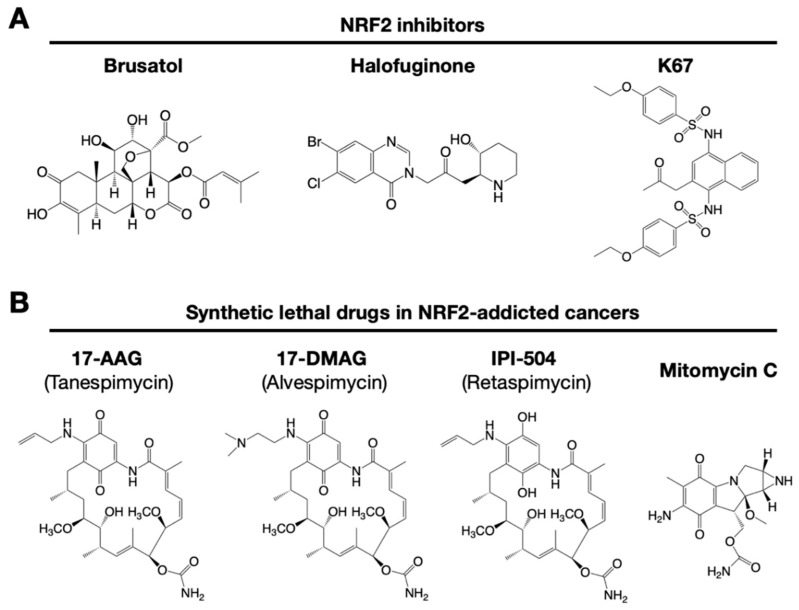
“…remains, several synthetic and natural compounds, including brusatol, chrysin, and trigonelline, have been investigated to demonstrate their inhibitory effects on tumor growth, malignant progression, and therapy resistance (Cuadrado et al., 2019; Panieri et al., 2020; Taguchi and Yamamoto, 2020).”
Ferroptosis in cancer: metabolism, mechanisms and therapeutic prospects
Wu, Y., Li, H., Yue, K., Jing, C., & Duan, Y. (2025) · Molecular Cancer · doi:10.1186/s12943-025-02520-6 · Cited by 53
“NRF2 is stabilized and enters the cell nucleus, interacting with AREs and activating the expression of antioxidative and metabolic regulatory genes [109, 110].”
A comprehensive review of BET-targeting PROTACs for cancer therapy
Zhou, X., Zhao, F., Xu, Y.-T., Guan, Y., Yu, T., Zhang, Y., Duan, Y., & Zhao, Y. (2022) · Bioorganic & Medicinal Chemistry · doi:10.1016/j.bmc.2022.117033 · Cited by 40
Andrés, C. M. C., de la Lastra, J. M. P., Munguira, E. B., Andrés, C., Plou, F. J., & Lebeña, E. P. (2024) · International Journal of Molecular Sciences · doi:10.3390/ijms25063521 · Cited by 35
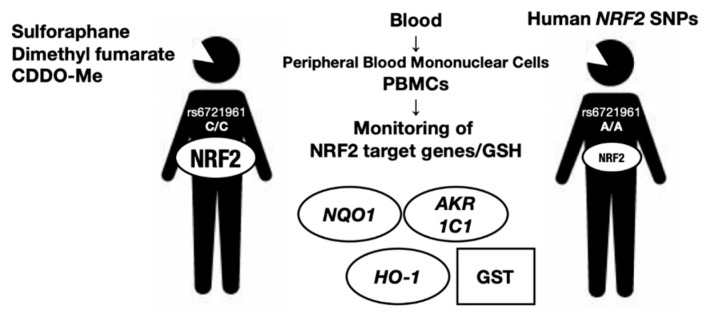
“The NRF2 hypothesis has never been proven in humans due to the slow progression of the monitoring of the NRF2 activity in vivo [17].”
BackgroundBallout, F., Lu, H., Chen, Z., Hu, T., Chen, L., Washington, M. K., El-Rifai, W. M., & Peng, D. (2022) · Antioxidants · doi:10.3390/antiox11101859 · Cited by 37
“Because cancer cells are addicted to high levels of NRF2 [32,33], the premise of NRF2 targeting has become an attractive idea [54].”
BackgroundKhan, G., Hussain, M. S., Khan, Y., Fatima, R., Ahmad, S., Sultana, A., & Alam, P. (2025) · Brain Research · doi:10.1016/j.brainres.2025.149776 · Cited by 39
Kurmasheva, N., Said, A., Wong, B., Kinderman, P., Han, X., Rahimic, A. H. F., Kress, A., Carter-Timofte, M. E., Holm, E., van der Horst, D., et al. (2024) · Nature Communications · doi:10.1038/s41467-024-48422-x · Cited by 34
Jiang, X., Zhou, X., Yu, X., Chen, X., Hu, X., Lu, J., Zhao, H., Cao, Q., Gu, Y., Yang, Y., et al. (2022) · Modern Pathology · doi:10.1038/s41379-022-01010-0 · Cited by 33
Beyond Antioxidation: Keap1–Nrf2 in the Development and Effector Functions of Adaptive Immune Cells
Pant, A., Dasgupta, D., Tripathi, A., & Pyaram, K. (2023) · ImmunoHorizons · doi:10.4049/immunohorizons.2200061 · Cited by 32
“It is encoded by the gene NFE2L2 (NF, erythroid 2, like 2) and belongs to the capncollar subfamily of basic leucine zipper transcription factors (23, 24).”
BackgroundChu, Z., Zhu, L., Zhou, Y., Yang, F., Hu, Z., Luo, Y., Li, W., & Luo, F. (2024) · Critical Reviews in Food Science and Nutrition · doi:10.1080/10408398.2024.2367570 · Cited by 31
“It also induces nuclear translocation of Nrf2 and promotes its activation (Dodson and Zhang 2017; Silva-Islas and Maldonado 2018; Taguchi and Yamamoto 2020).”
Sun, Y., Liu, G., Li, M., Wang, L., He, Z., & Gu, S. (2022) · Biological Trace Element Research · doi:10.1007/s12011-022-03345-w · Cited by 27
Novel NRF2 ‐activated cancer treatments utilizing synthetic lethality
Baird, L., Kensler, T. W., & Yamamoto, M. P. (2022) · IUBMB Life · doi:10.1002/iub.2680 · Cited by 26
“Genetic activation of NRF2 is most commonly observed in non-small cell lung carcinoma (NSCLC), a subtype which accounts for 85% of all lung tumours, where it is associated with the generation of aggressive tumours that are recalcitrant to most therapeutic interventions.(78) Optimal treatment strategies for NSCLC patie…”
BackgroundSelf-citationSong, Y., Liu, Y., Li, D.-J., Yang, S., Wang, Q., Liu, Y.-N., Li, M.-K., Mei, C., Cui, H., Chen, S., et al. (2021) · Biomedicine & Pharmacotherapy · doi:10.1016/j.biopha.2021.112293 · Cited by 26
Faruk, M. O., Ichimura, Y., Kageyama, S., Komatsu‐Hirota, S., El‐Gowily, A. H., Sou, Y., Koike, M., Noda, N. N., & Komatsu, M. (2021) · Journal of Biological Chemistry · doi:10.1016/j.jbc.2021.101405 · Cited by 29
“The stress response mediated by NRF2 occurs in all tissues, but it plays pivotal roles in the liver, where it is responsible for the production of phase-I phase-II drug-metabolizing enzymes and efflux transporters (33).”
BackgroundSubba, R., Ahmad, M. H., Ghosh, B., & Mondal, A. C. (2022) · European Journal of Pharmacology · doi:10.1016/j.ejphar.2022.174993 · Cited by 31
Role of Nrf2 in bisphenol effects: a review study
Salehabadi, A., Farkhondeh, T., Harifi-Mood, M. S., Aschner, M., & Samarghandian, S. (2022) · Environmental Science and Pollution Research · doi:10.1007/s11356-022-20996-3 · Cited by 27
Datta, S., Ghosh, S., Bishayee, A., & Sinha, D. (2022) · Pharmacological Research · doi:10.1016/j.phrs.2022.106319 · Cited by 27
Mo, Q., You, S., Fu, H., Wang, D., Zhang, J., Wang, C., & Li, M. (2022) · Antioxidants · doi:10.3390/antiox11122333 · Cited by 27
Nrf2/Keap1/ARE regulation by plant secondary metabolites: a new horizon in brain tumor management
Dewanjee, S., Bhattacharya, H., Bhattacharyya, C., Chakraborty, P., Fleishman, J. S., Alexiou, A. T., Papadakis, M., & Jha, S. K. (2024) · Cell Communication and Signaling · doi:10.1186/s12964-024-01878-2 · Cited by 30
“Clearly, under normal conditions, Keap1 strictly regulates Nrf2 expression to a low level in order to avoid overexpression of its target genes [55].”
BackgroundHIF-1 and NRF2; Key Molecules for Malignant Phenotypes of Pancreatic Cancer
Hamada, S., Matsumoto, R., & Masamune, A. (2022) · Cancers · doi:10.3390/cancers14020411 · Cited by 24
“The KEAP1-NRF2 system is the central machinery that regulates oxidative stress responses [23,60].”
BackgroundTeng, Y., Jin, Z., Ren, W., Lu, M., Hou, M., Zhou, Q., Wang, W., Yang, H., & Zou, J. (2022) · Oxidative Medicine and Cellular Longevity · doi:10.1155/2022/3047425 · Cited by 25
“On the contrary, upregulating keap1/Nrf2 expression can e ff ectively resist chronic in fl ammation, degenerative changes, and even cancer caused by oxidative stress [47 – 49].”
Jin, J., Chen, F., He, W., Zhao, L., Lin, B., Zheng, D., Chen, L., He, H., & He, Q. (2023) · Cancer Research · doi:10.1158/0008-5472.can-22-1693 · Cited by 25
Crosstalk between ROS-inflammatory gene expression axis in the progression of lung disorders
Ashique, S., Mishra, N., Mantry, S., Garg, A., Kumar, N., Gupta, M., Kar, S. K., Islam, A., Mohanto, S., & Subramaniyan, V. (2024) · Naunyn-Schmiedeberg s Archives of Pharmacology · doi:10.1007/s00210-024-03392-1 · Cited by 25
“In addition, mutations in KEAP1, which negatively regulates Nrf2, can lead to constitutive activation of Nrf2, enhancing antioxidant defenses (Taguchi et al. 2011; Taguchi and Yamamoto 2020).”
Specific targeting of the NRF2/β-TrCP axis promotes beneficial effects in NASH
Fernández-Ginés, R., Encinar, J. A., Escoll, M., Carnicero-Senabre, D., Jiménez-Villegas, J., García‐Yagüe, Á. J., González‐Rodríguez, Á., García‐Martinez, I., Valverde, Á. M., Rojo, A. I., et al. (2024) · Redox Biology · doi:10.1016/j.redox.2024.103027 · Cited by 24
“Moreover, strong NRF2 activation due to somatic point mutations in the interface between NRF2 and KEAP1 are found in a high fraction of tumors including 10 % of hepatocellular carcinomas [22].”
BackgroundFerroptosis and cognitive impairment: Unraveling the link and potential therapeutic targets
Naderi, S., Khodagholi, F., Janahmadi, M., Motamedi, F., Torabi, A., Batool, Z., Heydarabadi, M. F., & Pourbadie, H. G. (2024) · Neuropharmacology · doi:10.1016/j.neuropharm.2024.110210 · Cited by 24
Revisiting therapeutic strategies for ovarian cancer by focusing on redox homeostasis (Review)
Kobayashi, H., Imanaka, S., & Shigetomi, H. (2022) · Oncology Letters · doi:10.3892/ol.2022.13200 · Cited by 24
“Decreased intracellular ROS‑scavenging ability in the host significantly promotes cancer development (117).”
http://www.antpublisher.com/index.php/APT/article/view/566/692, & Ohta, S. (2023) · Aging Pathobiology and Therapeutics · doi:10.31491/apt.2023.03.104 · Cited by 27
Morataya-Reyes, M., Villacorta, A., Gutiérrez-García, J., Egea, R., Martín-Pérez, J., Barguilla, I., Marcos, R., & Hernández, A. (2025) · Journal of Hazardous Materials · doi:10.1016/j.jhazmat.2025.138359 · Cited by 23
Fernández-Ginés, R., Encinar, J. A., Hayes, J. D., Oliva, B., Rodríguez-Franco, M. I., Rojo, A. I., & Cuadrado, A. (2022) · Redox Biology · doi:10.1016/j.redox.2022.102396 · Cited by 38
“Moreover, somatic mutations in the interphase of KEAP1/NRF2 have been reported in a large variety of human tumours [59 – 61].”
BackgroundRole of Nrf2, STAT3, and Src as Molecular Targets for Cancer Chemoprevention
Ahsan, H., Islam, S. U., Ahmed, M. B., & Lee, Y. S. (2022) · Pharmaceutics · doi:10.3390/pharmaceutics14091775 · Cited by 22
“Activation of Nrf2 may occur via MAPK, such as p38 and JNK [11].”
BackgroundYang, C., Bao, S., Wang, Z., Fang, Z., & Tang, H. (2024) · European journal of medical research · doi:10.1186/s40001-024-01930-4 · Cited by 23
“The activity of NRF2 is negatively regulated by kelch-like ECH-associated protein 1 (KEAP1) [8].”
BackgroundAndrographolide Derivatives Target the KEAP1/NRF2 Axis and Possess Potent Anti‐SARS‐CoV‐2 Activity
Schulte, B., König, M., Escher, B. I., Wittenburg, S., Proj, M., Wolf, V., Lemke, C., Schnakenburg, G., Sosič, I., Streeck, H., et al. (2022) · ChemMedChem · doi:10.1002/cmdc.202100732 · Cited by 22
NRF2 drives an oxidative stress response predictive of breast cancer
Wolowczyk, C., Neckmann, U., Aure, M. R. R., Hall, M., Johannessen, B., Zhao, S., Skotheim, R. I., Andersen, S. B., Zwiggelaar, R. T., Steigedal, T. S., et al. (2022) · Free Radical Biology and Medicine · doi:10.1016/j.freeradbiomed.2022.03.029 · Cited by 24
Kumari, S., Singh, P., Dash, D., & Singh, R. (2024) · Mitochondrion · doi:10.1016/j.mito.2024.101943 · Cited by 21
Shannar, A., Chou, P. J., Peter, R. M., Dave, P. D., Patel, K., Pan, Y., Xu, J., Sarwar, M. S., & Kong, A. T. (2024) · Current Pharmacology Reports · doi:10.1007/s40495-024-00388-6 · Cited by 25
“Further studies have shown that NRF2 is also a major factor in inducing ARE-mediated activation of antioxidant and anti-inflammatory genes [66].”
KEAP1-NRF2 Interaction in Cancer: Competitive Interactors and Their Role in Carcinogenesis
Oskomić, M., Tomić, A., Barbarić, L., Matić, A., Kindl, D. C., & Matovina, M. (2025) · Cancers · doi:10.3390/cancers17030447 · Cited by 24
Liu, J., Xu, Y., Chen, S., Hao, C., Liang, J., & Li, Z. (2022) · World Journal of Gastroenterology · doi:10.3748/wjg.v28.i32.4635 · Cited by 21
Matsumoto, R., Hamada, S., Tanaka, Y., Taguchi, K., Yamamoto, M. P., & Masamune, A. (2021) · Journal of Pharmacology and Experimental Therapeutics · doi:10.1124/jpet.121.000744 · Cited by 21
Self-citationFerroptosis and cancer: when iron turns against tumors
Toyokuni, S., Kong, Y., Maeda, Y. K., Lyu, Q., Ohara, Y., Sato, K., Motooka, Y., Nakamura, K., & Tanaka, H. (2025) · Cellular and Molecular Life Sciences · doi:10.1007/s00018-025-05982-5 · Cited by 23
“Cancer cells upregulate NRF2 [104, 105], a master transcription factor that induces a suite of antioxidant enzymes, including glutamate-cysteine ligase (GCL), gluta - thione peroxidases (GPX4), and ferritin subunits [ 85, 106]. models and human disease.”
Kyriakaki, P., Zisis, F., Pappas, A. C., Mavrommatis, A., & Tsiplakou, E. (2022) · Metabolites · doi:10.3390/metabo13010044 · Cited by 20
“A crucial mechanism for preventing the hazardous aftermath of oxidative stress is the NFE2L2 pathway, activated under stressful conditions, supplying oxidant compounds, or under inflammation [80].”
BackgroundAryl hydrocarbon receptor role in chronic inflammatory skin diseases: a narrative review
Dec, M., & Arasiewicz, H. (2024) · Advances in Dermatology and Allergology · doi:10.5114/ada.2023.135617 · Cited by 24
“Besides its primary impact on gene transcription, AHR has the ability to activate other transcription factors, including nuclear factor κ B and nuclear factor erythroid 2-related factor 2 (Nrf2), in order to regulate gene expression [13–15].”
BackgroundNetwork Analysis Identifies Drug Targets and Small Molecules to Modulate Apoptosis Resistant Cancers
Fathima, S., Sinha, S., & Donakonda, S. (2021) · Cancers · doi:10.3390/cancers13040851 · Cited by 17
“It is reported that KEAP1 regulates cancer cell growth [44].”
BackgroundNRF2/HO-1 pathway activation by ATF3 in a noise-induced hearing loss murine model
Wang, X., Zeng, C., Lai, Y., Su, B., Chen, F., Zhong, J., Chu, H., & Bing, D. (2022) · Archives of Biochemistry and Biophysics · doi:10.1016/j.abb.2022.109190 · Cited by 16
Al-Kuraishy, H. M., Al-Gareeb, A. I., Eldahshan, O. A., Abdelkhalek, Y. M., dahshan, M. E., Ahmed, E., Sabatier, J., & Batiha, G. E. (2023) · Journal of Biochemical and Molecular Toxicology · doi:10.1002/jbt.23605 · Cited by 16
Huang, T., Li, H., Chen, X., Chen, D., Yu, B., He, J., Luo, Y., Yan, H., Zheng, P., Yu, J., et al. (2024) · Molecular Nutrition & Food Research · doi:10.1002/mnfr.202200719 · Cited by 18
Žarković, N., Jaganjac, M., Žarković, K., Gęgotek, A., & Skrzydlewska, E. (2022) · Frontiers in Bioscience-Landmark · doi:10.31083/j.fbl2704119 · Cited by 16
“Moreover, cancer elimination by cell competition probably involves the KEAP1–NRF2 system, which is by many considered as possible molecular target of cancer treatment [83,163], for which 4-HNE is known to be very potent and specific regulator.”
BackgroundModel organisms for investigating the functional involvement of NRF2 in non-communicable diseases
Rojo, A. I., Buttari, B., Cadenas, S., Carlos, A. R., Cuadrado, A., Falcão, A. S., López, M. G., Georgiev, M. I., Grochot‐Przeczek, A., Gumeni, S., et al. (2024) · Redox Biology · doi:10.1016/j.redox.2024.103464 · Cited by 18
Lee, H. W., Choi, J., Seo, D., Lkhagvasuren, G., Choi, J., Park, S., Min, N. Y., Lee, D. H., Bang, H., Ham, S. W., et al. (2024) · Biochimica et Biophysica Acta (BBA) - Molecular Cell Research · doi:10.1016/j.bbamcr.2024.119659 · Cited by 19
The roles of KLHL family members in human cancers.
Ye, G., Wang, J., Yang, W., Li, J., Meng, Y., & Jin, X. (2022) · PubMed Central · Cited by 21
Roh, J. (2024) · Critical Reviews in Oncology/Hematology · doi:10.1016/j.critrevonc.2024.104440 · Cited by 16
Kandemir, Ö., Küçükler, S., Çomaklı, S., Gür, C., & İleritürk, M. (2024) · Food and Chemical Toxicology · doi:10.1016/j.fct.2024.115202 · Cited by 15
Bae, T., & Kwak, M. (2024) · Journal of Cancer Prevention · doi:10.15430/jcp.24.021 · Cited by 15
Fearon, A. E., Slabber, C. F., Kuklin, A., Bachofner, M., Tortola, L., Pohlmeier, L. M., Pantasis, S., Hornemann, T., Chen, L., Köpf, M., et al. (2021) · iScience · doi:10.1016/j.isci.2021.103143 · Cited by 14
Hirose, W., Horiuchi, M., Li, D., Motoike, I. N., Zhang, L., Nishi, H., Taniyama, Y., Kamei, T., Suzuki, M., Kinoshita, K., et al. (2022) · Cellular and Molecular Gastroenterology and Hepatology · doi:10.1016/j.jcmgh.2022.09.004 · Cited by 16
“The resulting high level of NRF2 activation 89 reinforces cytoprotection and confers a growth advantage or malignant phenotypes on 90 cancer cells.(3,14,15) We proposed that cancers with constitutive and high-level NRF2 91 expression should be referred to as NRF2-addicted cancers.”
BackgroundSelf-citationChen, C., Carrillo, N. D., Chen, M., Wen, T., Awasthi, P., Anderson, R. A., & Cryns, V. L. (2025) · Journal of Biological Chemistry · doi:10.1016/j.jbc.2025.110367 · Cited by 22
“NRF2 controls the expression of a broad array of genes that contain antioxidant response elements, such as heme oxygenase-1 (HO-1), which act to restore redox homeostasis (3, 5, 6).”
NRF-mediated autophagy and UPR: Exploring new avenues to overcome cancer chemo-resistance
Dastghaib, S., Shafiee, S. M., Ramezani, F., Ashtari, N., Tabasi, F., Saffari‐Chaleshtori, J., Siri, M., Vakili, O., Igder, S., Zamani, M., et al. (2024) · European Journal of Pharmacology · doi:10.1016/j.ejphar.2024.177210 · Cited by 21
Wei, J., Zhang, C., Tang, X., Huang, J., Liu, H., He, Y., Zhu, R.-G., & Gao, J. (2023) · Food Bioscience · doi:10.1016/j.fbio.2023.102938 · Cited by 13
Discovery of neddylation E2s inhibitors with therapeutic activity
Mamun, M., Liu, Y., Geng, Y.-P., Zheng, Y., Gao, Y., Sun, J., Zhao, L., Zhao, L., & Liu, H. (2023) · Oncogenesis · doi:10.1038/s41389-023-00490-2 · Cited by 12
“Nuclear factor erythroid 2-related factor 2 (NRF2) accumulation via CRL3 inhibition can contribute to cancer growth, resistance to chemotherapy and radiation, and poor prognosis for patients [32, 33].”
BackgroundIwasaki, T., Shirota, H., Sasaki, K., Ouchi, K., Nakayama, Y., Oshikiri, H., Otsuki, A., Suzuki, T., Yamamoto, M., & Ishioka, C. (2024) · Cancer Science · doi:10.1111/cas.16355 · Cited by 17
Self-citationWang, Y., Wang, S., Ma, C., Qi, W., Lv, J., Zhang, M., Wang, S., Wang, R., Lu, Y., & Qiu, W. (2024) · Scientific Reports · doi:10.1038/s41598-024-81375-1 · Cited by 14
“This process occurs when the cells experience OS 28 .”
Xu, E., Yin, C., Yi, X., & Liu, Y. (2021) · Environmental Toxicology · doi:10.1002/tox.23441 · Cited by 12
Advances in the relationship between ferroptosis and epithelial–mesenchymal transition in cancer
Mu, W., Zhou, Z., Shao, L., Wang, Q., Feng, W.-X., Tang, Y., He, Y., & Wang, Y. (2023) · Frontiers in Oncology · doi:10.3389/fonc.2023.1257985 · Cited by 12
“The Kelch-like ECH-associated protein 1 (Keap1) regulates the activity of Nrf2 in the cytoplasm, which is critical for ubiquitination and proteasome degradation (30).”
BackgroundComputational analysis of protein–protein interactions of cancer drivers in renal cell carcinoma
Pei, J., Zhang, J., & Cong, Q. (2023) · FEBS Open Bio · doi:10.1002/2211-5463.13732 · Cited by 11
“NRF2 is targeted by protein degradation through its interaction with the Kelch-like ECH-associated protein 1 (KEAP1) [65], which is an adaptor protein that bridges NRF2 and Cullin 3 (CUL3)-based E3-ubiquitin ligase complex.”
BackgroundCatechins counteracted hepatotoxicity induced by cadmium through Keap1-Nrf2 pathway regulation
Lan, Y., Wang, M., Yuan, H., & Xu, H. (2024) · Food Bioscience · doi:10.1016/j.fbio.2024.104593 · Cited by 12
A mini-review-cancer energy reprogramming on drug resistance and immune response
Liu, C., Yang, L., Gao, T., Yuan, X., Bajinka, O., & Wang, K. (2024) · Translational Oncology · doi:10.1016/j.tranon.2024.102099 · Cited by 12
Metadata
- Authors
- Taguchi, K., & Yamamoto, M.
- Affiliations
- Tohoku University (JP)
- Corresponding author
- Yamamoto, Masayuki
- Venue
- Cancers
- Publisher
- MDPI AG
- Published
- 2020-12-26
- Volume
- 13
- Issue
- 1
- Pages
- 46
- ISSN
- 2072-6694 (ISSN-L)
- PMC
- PMC7795874
- OpenAlex
- W3114836680
- Cited by
- 195
- References
- 115
- Citations by year
- 2026: 21 · 2025: 34 · 2024: 38 · 2023: 34 · 2022: 46 · 2021: 21
- FWCI
- 2.42
- Type
- journal article
- Language
- en
- Open access
- gold
- doi.org
- Licence
- Locations
- Cancers (publishedVersion, cc-by)
- Europe PMC (PubMed Central) (publishedVersion, other-oa)
- PubMed Central (publishedVersion, cc-by)
- PubMed (publishedVersion)
- DOAJ (DOAJ: Directory of Open Access Journals) (submittedVersion, cc-by-sa)
- Funders
- Ministry of Education, Culture, Sports, Science and Technology (19H05649, 19K07395)
- Core Research for Evolutional Science and Technology (16gm0410013h0006)
- Japan Agency for Medical Research and Development (JP20cm0106101)
- Topics
- Life Sciences › Biochemistry, Genetics and Molecular Biology › Molecular Biology › Genomics, phytochemicals, and oxidative stress
- Life Sciences › Biochemistry, Genetics and Molecular Biology › Molecular Biology › Redox biology and oxidative stress
- Life Sciences › Biochemistry, Genetics and Molecular Biology › Cancer Research › NF-κB Signaling Pathways
- Keywords
- Keap1, Nrf2, Nrf2 inhibitors, Nrf2 inducers, oncogene addiction, tumor suppressor, oxidative stress response, metabolic reprogramming, tumor microenvironment, host immune cells, cancer therapy targets
About these checks
Registry, retraction, Cites and statistics results are computed, not judged, with one exception: a printed reference that no index lists is read once by a model before it counts as a citation error. Claims are extracted by a model and kept only when their quote appears verbatim in the text; each cited source is then checked, with a model’s help, for whether it says what the claim relies on. Those verdicts can be wrong — read the claim’s quote and the cited source before relying on one.
Statistics and arithmetic are recomputed, not judged.
Confidence bands are shown only for fields calibrated on our annotated test set. None is calibrated yet, so no band is shown.
What counts as a claim ›How we measure confidence ›How we check this ›
Are you an author, or do you see a problem with this page? Request a review
Data sources
Bibliographic data: Semantic Scholar, OpenAlex, Crossref.
Contains information from the Semantic Scholar Academic Graph Datasets, made available under the ODC Attribution License (ODC-BY 1.0).
Semantic Scholar’s data is described in: Kinney, R., et al. (2023). The Semantic Scholar Open Data Platform. arXiv:2301.10140.
