

The KEAP1–NRF2 System as a Molecular Target of Cancer Treatment
Open accessThe DOI matches its Crossref record; 114 of the 115 references it cites were found in a registry or an index.
Abstract
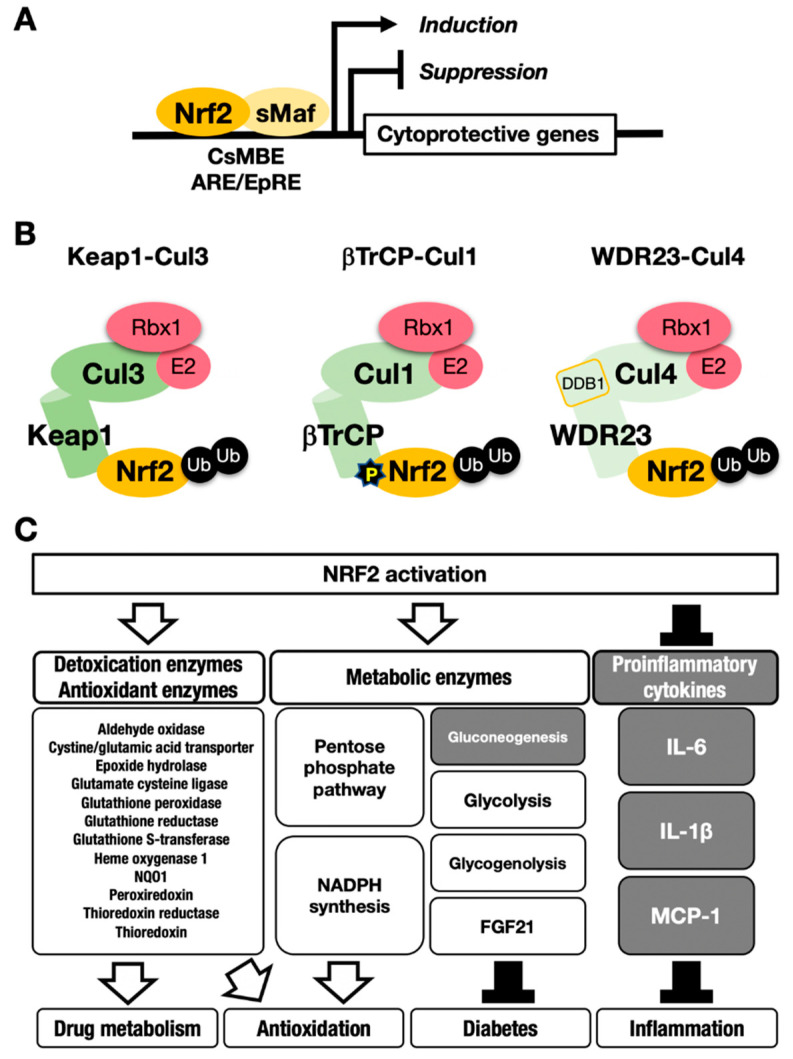
The Kelch-like ECH-associated protein 1 (KEAP1)—Nuclear factor erythroid-derived 2-like 2 (encoded by the Nfe2l2 gene; NRF2) system attracts extensive interest from scientists in basic and clinical cancer research fields, as NRF2 exhibits activity as both an oncogene and tumor suppressor, depending on the context. Especially unique and malignant, NRF2-addicted cancers exhibit high levels of NRF2 expression. Somatic mutations identified in the NRF2 or KEAP1 genes of NRF2-addicted cancers cause the stabilization and accumulation of NRF2. NRF2-addicted cancers hijack the intrinsic roles that NRF2 plays in cytoprotection, including antioxidative and anti-electrophilic responses, as well as metabolic reprogramming, and acquire a marked advantage to survive under severe and limited microenvironments. Therefore, NRF2 inhibitors are expected to have therapeutic effects in patients with NRF2-addicted cancers. In contrast, NRF2 activation in host immune cells exerts significant suppression of cancer cell growth, indicating that NRF2 inducers also have the potential to be therapeutics for cancers. Thus, the KEAP1–NRF2 system makes a broad range of contributions to both cancer development and suppression. These observations thus demonstrate that both NRF2 inhibitors and inducers are useful for the treatment of cancers with high NRF2 activity.
Overview
The claims and statistics of this paper haven’t been checked yet.
Free: it reads the open-access text and checks the first 5 claims that cite a source we can check. Create a free account to check every claim.
Integrity signals
Registry
Cites
Statistics
Figures
Verification
Claims the paper makes
The claims and statistics of this paper haven’t been checked yet.
Free: it reads the open-access text and checks the first 5 claims that cite a source we can check. Create a free account to check every claim.
Self-check
Percentages, sums and reported differences re-computed from the paper’s own numbers.
The self-check needs the paper’s full text.
Citations
Cites
Itoh, K., Chiba, T., Takahashi, S., Ishii, T., Igarashi, K., Katoh, Y., Oyake, T., Hayashi, N., Satoh, K., Hatayama, I., et al. (1997) · Biochemical and Biophysical Research Communications · doi:10.1006/bbrc.1997.6943 · Cited by 3,999 · cited 1×
“Of the NRF2 target genes, Nqo1 encodes a representative marker enzyme that has been exploited for the evaluation of NRF2 activity [11].”
BackgroundItoh, K., Wakabayashi, N., Katoh, Y., Ishii, T., Igarashi, K., Engel, J. D., & Yamamoto, M. (1999) · Genes & Development · doi:10.1101/gad.13.1.76 · Cited by 3,634 · cited 4×
“As an approach to delineate the domain function, a yeast two-hybrid screen was conducted using the Neh2 domain as bait, and we identified a new molecule, KEAP1 [20].”
BackgroundMethodInfluentialSelf-citationCell Survival Responses to Environmental Stresses Via the Keap1-Nrf2-ARE Pathway
Kensler, T. W., Wakabayashi, N., & Biswal, S. (2007) · Annual Review of Pharmacology and Toxicology · doi:10.1146/annurev.pharmtox.46.120604.141046 · Cited by 3,630 · cited 1×
“our body is equipped with the ability to eliminate these toxic xenobiotics and adapt to the environment, which we refer to as the adaptive response or the environmental stress response [3,4].”
BackgroundNegative regulation of PKB/Akt-dependent cell survival by the tumor suppressor PTEN
Stambolic, V., Suzuki, A., de la Pompa, J. L., Brothers, G. M., Mirtsos, C., Sasaki, T., Ruland, J., Penninger, J. M., Siderovski, D. P., & Mak, T. W. (1998) · Cell · doi:10.1016/s0092-8674(00)81780-8 · Cited by 2,551 · cited 6×
“In contrast, Pten (phosphatase and tensin homolog deleted on chromosome 10) dephosphorylates PIP3 to PIP2 and thus counteracts the action of PI3K [26]. v-akt murine thymoma viral oncogene homolog (protein kinase B; Akt) is activated via phosphorylation.”
BackgroundInfluentialTracking the Evolution of Non–Small-Cell Lung Cancer
Jamal-Hanjani, M., Wilson, G. A., McGranahan, N., Birkbak, N. J., Watkins, T. B. K., Veeriah, S., Shafi, S., Johnson, D. H., Mitter, R., Rosenthal, R., et al. (2017) · New England Journal of Medicine · doi:10.1056/nejmoa1616288 · Cited by 2,349 · cited 1×
“Aberrant activation of NRF2 has been shown to provoke malignant growth and anticancer drug resistance in many types of cancers [53] (see Section 6).”
BackgroundKomatsu, M., Kurokawa, H., Waguri, S., Taguchi, K., Kobayashi, A., Ichimura, Y., Sou, Y.-S., Ueno, I., Sakamoto, A., Tong, K. I., et al. (2010) · Nature Cell Biology · doi:10.1038/ncb2021 · Cited by 2,288 · cited 1×
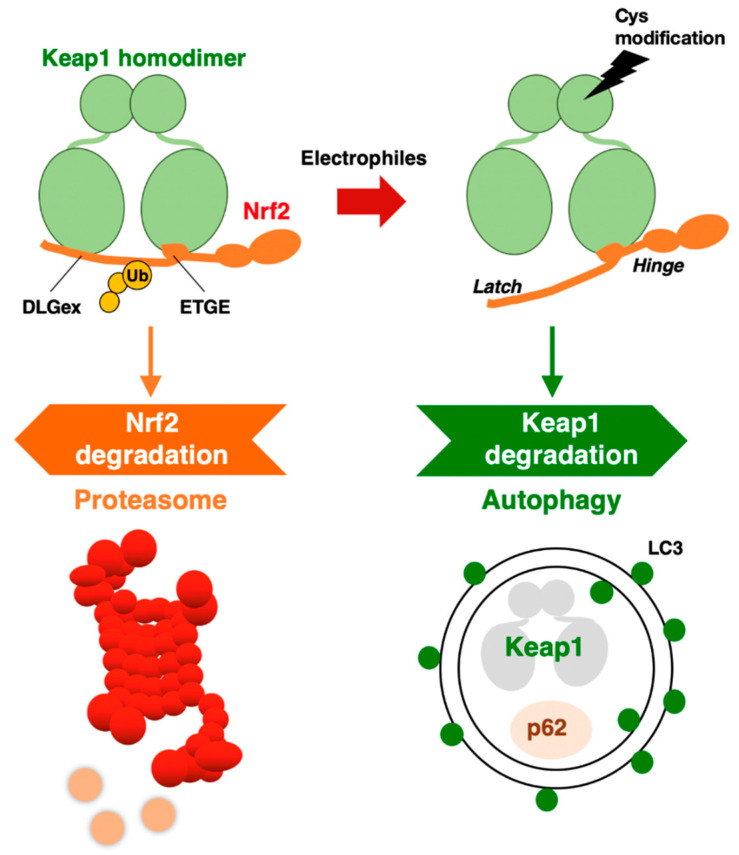
“As p62 is a scaffold or chaperone protein in autophagy [36], the most plausible scenario is that p62 binds to KEAP1 and brings KEAP1 to the autophagosome.”
BackgroundSelf-citationOncogene-induced Nrf2 transcription promotes ROS detoxification and tumorigenesis
DeNicola, G. M., Karreth, F. A., Humpton, T. J., Gopinathan, A., Wei, C., Frese, K., Mangal, D., Yu, K. H., Yeo, C. J., Calhoun, E. S., et al. (2011) · Nature · doi:10.1038/nature10189 · Cited by 2,277 · cited 1×
“Furthermore, NRF2 gene expression is transcriptionally regulated by oncogenes, such as K-Ras and c-Myc [75].”
BackgroundKobayashi, A., Kang, M.-I., Okawa, H., Ohtsuji, M., Zenke, Y., Chiba, T., Igarashi, K., & Yamamoto, M. (2004) · Molecular and Cellular Biology · doi:10.1128/mcb.24.16.7130-7139.2004 · Cited by 2,224 · cited 2×
“NRF2 has a very short half-life, which is less than 20 min [9,10].”
BackgroundThe KEAP1-NRF2 system: a thiol-based sensor-effector apparatus for maintaining redox homeostasis
Yamamoto, M., Kensler, T. W., & Motohashi, H. (2018) · Physiological Reviews · doi:10.1152/physrev.00023.2017 · Cited by 1,968 · cited 1×
“Nuclear factor erythroid-derived 2-like 2; encoded by the Nfe2l2 gene (NRF2) is a transcription factor that controls the environmental stress response by changing gene expression profiles [5].”
BackgroundSelf-citationAnalysis of lung tumor initiation and progression using conditional expression of oncogenic K-ras
Jackson, E. L., Willis, N., Mercer, K., Bronson, R. T., Crowley, D., Montoya, R., Jacks, T., & Tuveson, D. A. (2001) · Genes & Development · doi:10.1101/gad.943001 · Cited by 1,898 · cited 1×
“To verify this notion, we exploited the KrasG12Ddriven lung adenocarcinoma system [96] and examined two mouse models with different NRF2 activity levels in the presence of adenovirus expressing Cre recombinase [97]: KEAP1flox-A mice [17] and KEAP1flox-B mice [98].”
Method
Cited by
Items 101–196 of 196
Juszczak, M., Tokarz, P., & Woźniak, K. (2024) · International Journal of Molecular Sciences · doi:10.3390/ijms251910257 · Cited by 16
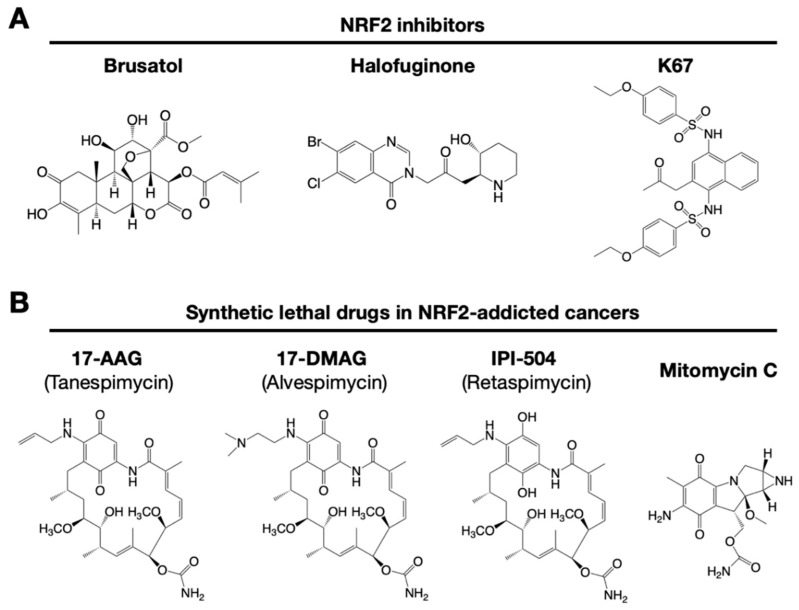
“…level of NRF2 at mRNA and Currently, work on new derivatives of K67 is in progress. protein levels and a decreased level of KEAP1 protein without These derivatives potentially increase the sensitivity of cancer cells to anticancer drugs such as sorafenib or regorafenib [24]. a change in mRNA level.”
BackgroundYang, L., Yadollahi, P., Essien, F., Putluri, V., Chandra, S., Reddy, K. R. K., Kamal, A. H. M., Putluri, N., Abdurrahman, L., Echartea, M. E. R., et al. (2025) · Journal of Translational Medicine · doi:10.1186/s12967-025-06258-z · Cited by 14
“Historically, Nrf2 was thought to primarily function as a tumor suppressor by regulating antioxidant gene expression and detoxifying reactive oxygen species (ROS) [50].”
UCHL3 promotes cervical cancer development and metastasis by stabilizing NRF2 via deubiquitination
Zhang, Y., Liu, J., Liu, J., Liu, M., Liu, H., & Zhang, J. (2022) · Biochemical and Biophysical Research Communications · doi:10.1016/j.bbrc.2022.11.065 · Cited by 12
Yang, Q., Yan, R., Zhang, J., Zhang, T., Kong, Q., Zhang, X., Xia, H., Ye, A., Qiao, X., Kato, K., et al. (2023) · The Science of The Total Environment · doi:10.1016/j.scitotenv.2023.165207 · Cited by 12
Uche, N., Dai, Q., Lai, S., Kolander, K. D., Thao, M. T., Schibly, E., Sendaydiego, X., Zielonka, J., & Benjamin, I. J. (2023) · Antioxidants · doi:10.3390/antiox12081585 · Cited by 10
“Toxic chemicals and electrophiles promote the shift toward oxidative stress and trigger rapid translocation of Nrf2 into the nucleus where it binds to antioxidant response elements (AREs) of target genes including NAD(P)H dehydrogenase [quinone] 1 (Nqo1), heme oxygenase 1 (HMOX1) and superoxide dismutase 1, -2 (SOD1,…”
BackgroundZinc Finger 521 Modulates the Nrf2-Notch Signaling Pathway in Human Ovarian Carcinoma
Scicchitano, S., Faniello, M. C., & Mesuraca, M. (2023) · International Journal of Molecular Sciences · doi:10.3390/ijms241914755 · Cited by 10
Emerging role of Nrf2 in Parkinson’s disease therapy: a critical reassessment
Sharma, V., Sharma, P., & Singh, T. G. (2024) · Metabolic Brain Disease · doi:10.1007/s11011-024-01452-2 · Cited by 16
“In SH-SY5Y cells exposed to para - quat, the lithium (a GSK-3β inhibitor) prevented cell death and apoptosis, which resulted in higher levels of Nrf2 and elevated mRNA expression of genes associated to Nrf2, including HO-1, GSH, and NQO1 (Alural et al. 2015).”
InfluentialDai, Y., Chen, H., Pan, Y., & Song, H. (2022) · BioMed Research International · doi:10.1155/2022/9418332 · Cited by 10
“Keap1 is a sensor for oxidative stress and specifically targets the Nrf2 [33, 34].”
BackgroundNrf2 expression in pancreatic stellate cells promotes progression of cancer
Tanaka, Y., Hamada, S., Matsumoto, R., Taguchi, K., Yamamoto, M. P., & Masamune, A. (2021) · American Journal of Physiology-Gastrointestinal and Liver Physiology · doi:10.1152/ajpgi.00120.2021 · Cited by 10
Self-citationHosseini‐Fard, S. R., Dehpour, A. R., Emamgholipour, S., & Golestani, A. (2022) · Life Sciences · doi:10.1016/j.lfs.2022.120576 · Cited by 11
Mercedes, S. A. V., Bocci, F., Zhu, N., Levine, H., Onuchic, J. N., Jolly, M. K., & Wong, P. K. (2021) · bioRxiv (Cold Spring Harbor Laboratory) · doi:10.1101/2021.04.21.440858 · Cited by 10
Zhang, Z., Zhou, Y., Yang, J., Zhang, W., Mai, K., & Zhang, Y. (2023) · Aquaculture Reports · doi:10.1016/j.aqrep.2023.101539 · Cited by 9
Li, Y., Wang, X., Li, S., Wang, L., Ding, N., She, Y., & Li, C. (2025) · The American Journal of Chinese Medicine · doi:10.1142/s0192415x25500041 · Cited by 12
Zhang, Y., Ma, J., Jing, N., Zhang, H., Xie, Y., Liu, H., Shan, X., Ren, J., & Jin, J. (2023) · Foods · doi:10.3390/foods12030439 · Cited by 10
“Keeping high sensitivity to ROS and RNS [43] when cells are stimulated, Nrf2 can induce the transcription of anti-oxidative stress genes and phase II detoxification enzymes [44], improving cell self-protection [45].”
BackgroundZhao, J., Liu, L., Zhao, W., Lv, C., Zhang, N., Jia, X., & Zhang, Z. (2023) · Open Medicine · doi:10.1515/med-2023-0729 · Cited by 11
Modular Nanotransporters Delivering Biologically Active Molecules to the Surface of Mitochondria
Khramtsov, Y. V., Ulasov, A. V., Slastnikova, T. A., Rosenkranz, A. A., Lupanova, T. N., Georgiev, G. P., & Sobolev, A. S. (2023) · Pharmaceutics · doi:10.3390/pharmaceutics15122687 · Cited by 9
Liu, X., Li, T., Liu, Y., Sun, S., & Liu, D. (2021) · Toxicology · doi:10.1016/j.tox.2021.152820 · Cited by 9
Jiang, H., Garcia, V., Yanum, J. A., Lee, J., & Dai, G. (2021) · American Journal of Physiology-Gastrointestinal and Liver Physiology · doi:10.1152/ajpgi.00204.2021 · Cited by 9
Toyokuni, S., Kong, Y., Zheng, H., Maeda, Y. K., Katabuchi, M., & Motooka, Y. (2023) · Antioxidants and Redox Signaling · doi:10.1089/ars.2022.0142 · Cited by 10
Gao, F., Sun, Y., & Gan, H. (2024) · Archives of Dermatological Research · doi:10.1007/s00403-024-03657-y · Cited by 10
“Keap1 facilitates the ubiquitination and subsequent proteasomal degradation of NrF2, keeping its levels low [44].”
The crosstalk between Nrf2 and pyroptosis in diseases
Wang, X., Monemi, M., Moghadam, F. M., Fazilat, A., Roshani, S., & Valilo, M. (2025) · Pathology - Research and Practice · doi:10.1016/j.prp.2025.156085 · Cited by 9
A novel β-TrCP1/NRF2 interaction inhibitor for effective anti-inflammatory therapy
García‐Yagüe, Á. J., Cañizares-Moscato, L., Encinar, J. A., Cazalla, E., Fernández-Ginés, R., Escoll, M., Rojo, A. I., & Cuadrado, A. (2025) · Journal of Biomedical Science · doi:10.1186/s12929-025-01157-3 · Cited by 8
“Consequently, sustained or high-level inhibition of KEAP1 may inadvert-ently contribute to tumor progression, particularly in the setting of established malignancies [55–57].”
The role of NRF2 function and regulation in atherosclerosis: an update
Dabravolski, S. A., Churov, A. V., Beloyartsev, D. F., Kovyanova, T. I., Lyapina, I. N., Sukhorukov, V. N., & Orekhov, A. N. (2025) · Molecular and Cellular Biochemistry · doi:10.1007/s11010-025-05233-y · Cited by 9
“Therefore, the beneficial effect of NRF2 activation was shown on numerous diseases, including several types of cancer [42], liver diseases [43], neurodegenerative diseases [44], radiation [45], ageing-related diseases [46], and ASCVD [40, 41].”
Dera, A. A., & Fayi, M. S. A. (2025) · Discover Oncology · doi:10.1007/s12672-025-02787-7 · Cited by 8
Yang, J., Zheng, X., Liu, X., Zhou, Q., Sun, C., Song, C., Wang, A., & Liu, B. (2024) · Water Biology and Security · doi:10.1016/j.watbs.2024.100340 · Cited by 8
Differential Response and Resistance to KRAS-Targeted Therapy
Liu, Z., Lenz, H., Yu, J., & Zhang, L. (2025) · Molecular Carcinogenesis · doi:10.1002/mc.23908 · Cited by 7
“Nrf2 is a transcription factor and the master regulator of the cellular antioxidant response and can promote cancer development and progression and therapeutic response [152, 153].”
Kiser, C., Gonul, C. P., & Genç, Ş. (2023) · Cytotechnology · doi:10.1007/s10616-023-00609-8 · Cited by 6
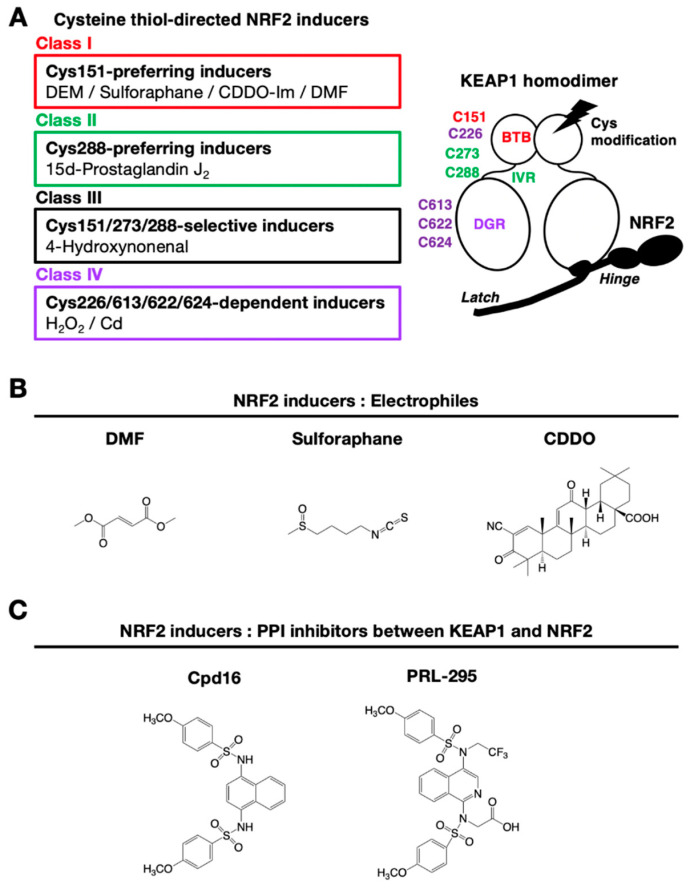
“DEM induces Nrf2 by modifying cysteine residues of Keap1 and enhances Keap1 degradation (Taguchi and Yamamoto 2020; Krafczyk and Klotz 2022).”
Shi, L., Wang, Z., Xiao, J., Hu, R., Zou, H., Wang, J., Yue, Z., Peng, Q., Jiang, Y., Xue, B., et al. (2025) · International Journal of Molecular Sciences · doi:10.3390/ijms26062818 · Cited by 10
“However, under stress conditions, KEAP1 becomes inactive, NRF2 is released from KEAP1, and NRF2 undergoes nuclear translocation [47].”
Regulation of NRF2 by Phosphoinositides and Small Heat Shock ProteinsPreprint
Chen, C., Chen, M., Wen, T., Awasthi, P., Carrillo, N. D., Anderson, R. A., & Cryns, V. L. (2023) · bioRxiv (Cold Spring Harbor Laboratory) · doi:10.1101/2023.10.26.564194 · Cited by 6
“…studies have demonstrated that NRF2 is destabilized under basal conditions via the activities of three E3 ubiquitin ligase complexes, KEAP1/Cullin-3, β -TrCP/SCF, and HRD1, which interact with different domains in NRF2 to trigger its destruction by the ubiquitin-proteasome system 6, 34, 35 .”
BackgroundSulaiman, S. H., Omer, R. A., Barzani, K. I. S., Barzani, H. A. H., Ashfaq, M., Smerat, A., & Feizi‐Dehnayebi, M. (2026) · Chemical Physics Impact · doi:10.1016/j.chphi.2026.101054 · Cited by 6
Effects of KEAP1 Silencing on NRF2 and NOTCH Pathways in SCLC Cell Lines
Fabrizio, F. P., Sparaneo, A., Gorgoglione, G., Battista, P., Centra, F., Muti, F. D., Trombetta, D., Centonza, A., Graziano, P., Rossi, A., et al. (2024) · Cancers · doi:10.3390/cancers16101885 · Cited by 8
“The NRF2 is a key regulator of the cell’s adaptative response to radical oxidant species and xenobiotics through the interaction with its negative regulator, Keap1, and contributes to cancer development, progression, and chemoresistance [18,20,21].”
BackgroundKyriazi, D., Voth, L., Bader, A., Ewert, W., Gerlach, J., Elfrink, K., Franz, P., Tsap, M. I., Schirmer, B., Damiano-Guercio, J., et al. (2024) · Nature Communications · doi:10.1038/s41467-024-54181-6 · Cited by 6
“…the phenotype of suppressed cell migration and invasion, causing cell shrinkage due to decreased focal adhesions via an inhibited RhoA-ROCK pathway, as demonstrated by the KEAP1/NRF2 inhibition in non-small-cell lung cancer cells 86 as a strategy for treating cancers with high NRF2 activity 87 .”
Khrapov, S. E., Kozhin, P. M., Валерьевна, Х. М., Евгеньевна, С. А., Romakh, L. P., Pavlov, V. S., Владимирович, Ч. А., Викторович, Х. С., Зенков, Н. К., & Брониславовна, М. Е. (2021) · Сибирский научный медицинский журнал · doi:10.18699/ssmj20210303 · Cited by 5
Thioredoxin and glutathione reductases
Arnér, E. S. J. (2022) · Elsevier eBooks · doi:10.1016/b978-0-323-90219-9.00009-1 · Cited by 7
Nrf2 Mutation/Activation Is Dispensable for the Development of Chemically Induced Mouse HCC
Mattu, S., Zavattari, P., Kowalik, M. A., Serra, M., Sulas, P., Pal, R. R., Puliga, E., Sutti, S., Foglia, B., Parola, M., et al. (2021) · Cellular and Molecular Gastroenterology and Hepatology · doi:10.1016/j.jcmgh.2021.08.011 · Cited by 5
Liu, J., Li, Z., Gu, H., & Shen, S. (2025) · Foods · doi:10.3390/foods14132202 · Cited by 6
Involvement of KEAP1 / NRF2 pathway in non‐ BRAF mutated squamous cell carcinoma of the thyroid
Schoultz, E., Dahlberg, J., Nilsson, L. M., Dzanan, J. J., Carlsson, T., Dahr, N., Andersson, E., Muhammad, G., Muth, A., Elias, E., et al. (2025) · The Journal of Pathology · doi:10.1002/path.6444 · Cited by 5
Therapeutic potential of isothiocyanates by targeting the NRF2 pathway
García‐Yagüe, Á. J., Cazalla, E., & Cuadrado, A. (2026) · Free Radical Biology and Medicine · doi:10.1016/j.freeradbiomed.2026.03.029 · Cited by 5
Modulation of carcinogenesis with selected GRAS nutraceuticals via Keap1‐Nrf2 signaling pathway
Nair, B., Adithya, J., Chandrababu, G., Lakshmi, P. K., Koshy, J. J., Manoj, S. V., Ambiliraj, D. B., Balachandran, V., Sethi, G., & Nath, L. R. (2023) · Phytotherapy Research · doi:10.1002/ptr.7940 · Cited by 4
“The Cullin 3 (CUL3)-based ubiquitin ligase complex's Keap1 component can regulate the excessive accumulation of Nrf2 inside the cells (Taguchi & Yamamoto, 2020).”
BackgroundUnderstanding the Role of NRF2 Signalling in Cancer
Basalingappa, K. M., Singh, P. G., Gopenath, T. S., Ramesh Bharadwaj, M. N., & Ilangovan, R. (2022) · Current Protein and Peptide Science · doi:10.2174/1389203723666220914120325 · Cited by 4
Uslu, H., Uslu, G. A., Çoban, T. A., Özkaraca, M., Mendĭl, A. S., & Can, H. (2025) · Drug and Chemical Toxicology · doi:10.1080/01480545.2025.2543419 · Cited by 3
“Nrf2 activation is regulated by molecular mechanisms originating from Kelch-like ech-associated protein 1 (Keap1) in response to both oxidative and electrophilic stresses (taguchi & yamamoto, 2020).”
Zhu, C., Zhang, F., Li, X., Xing, D., Cai, H., Wang, X., Qu, H., Li, L., & Zheng, X. (2026) · Phytomedicine · doi:10.1016/j.phymed.2026.157869 · Cited by 3
Maimaiti, S., Dagnell, M., Coppo, L., & Arnér, E. S. J. (2025) · Free Radical Biology and Medicine · doi:10.1016/j.freeradbiomed.2025.07.035 · Cited by 3
Timosaponin AIII inhibits gastric cancer by causing oxidative stress and blocking autophagic flux
Zhu, C., Chen, S., Lu, Y., Song, J., Wang, S., Guo, J., Han, X., Fang, Y., Zhang, S., Qiu, W., et al. (2025) · Translational Oncology · doi:10.1016/j.tranon.2025.102481 · Cited by 3
“When confronted with OS, the Keap1-Nrf2 pathway is frequently activated, resulting in decreased Keap1 expression and increased Nrf2 expression, and it typically plays a protective role in cancer cells [13].”
Wang, J., Yang, L., Lv, Y.-Y., & Jiang, L. H. (2022) · Child s Nervous System · doi:10.1007/s00381-022-05454-2 · Cited by 3
Wang, K., Wang, Z., Wang, Z., Xie, X., Zang, L., Wang, L., & Che, F. (2022) · Frontiers in Oncology · doi:10.3389/fonc.2022.962970 · Cited by 3
Nobiletin suppresses nasopharyngeal carcinoma by regulating the KEAP1/NRF2/ARE pathway
Liang, Y., Wei, M., Yao, Y., Chen, B., Deng, J., Xu, S., Li, L., Liu, W., Cai, Y., & Zheng, G. (2025) · Acta Biochimica et Biophysica Sinica · doi:10.3724/abbs.2025113 · Cited by 3
“Notably, this pathway plays a pivotal role in growth development and inhibition across various tumors, garnering increasing attention in the realm of oncology therapy [28].”
Chalcone constituents pulincisones A-F isolated from Pulicaria incisa with NQO1 inducer activity
Hamed, A. R., Mohamed, T. A., Abdel-Halim, S. A., El‐Razek, M. H. A., El-Toumy, S. A. H., Higgins, M., Skalicka‐Woźniak, K., Dinkova‐Kostova, A. T., Paré, P. W., Sakr, M. M., et al. (2025) · Scientific Reports · doi:10.1038/s41598-025-15999-2 · Cited by 2
Targeting NRF2 addiction in cancer: synthetic lethal strategies beyond direct inhibition
Gebru, M. T., & Stokoe, D. (2026) · Frontiers in Cell and Developmental Biology · doi:10.3389/fcell.2026.1856014 · Cited by 3
Genomic landscape of chemical-induced lung tumors under Nrf2 different expression levels
Satoh, H., Arai, Y., Furukawa, E., Moriguchi, T., Hama, N., Urushidate, T., Totoki, Y., Kato, M., Ohe, Y., Yamamoto, M. P., et al. (2022) · Carcinogenesis · doi:10.1093/carcin/bgac041 · Cited by 2
Self-citationRidho, F. M., Fahrudin, P., Syachputra, A. J., Aruan, I. A., Ulfah, K., & Syahri, A. (2024) · KELUWIH Jurnal Kesehatan dan Kedokteran · doi:10.24123/kesdok.v6i1.6752 · Cited by 3
Kumari, S., Singh, P., Dash, D., & Singh, R. (2024) · Research Square · doi:10.21203/rs.3.rs-4004020/v1 · Cited by 2
Zhang, G., Duan, G., Yang, Z., Deng, X., Han, L., Zhu, M., Jia, X., & Li, L. (2024) · Annals of Medicine and Surgery · doi:10.1097/ms9.0000000000002559 · Cited by 2
“In a state of homeostasis, the degradation of Nrf2 occurs via its interaction with Kelch-like ECH-associated protein 1 (KEAP1), an adaptor protein associated with Cullin 3 E3 ubiquitin ligase, leading to its subsequent degradation through the proteasome [8] .”
BackgroundJayan, S., John, J., Madhav Manoj, K., Thulasidharan, M. U., Rahul, R. S., Deepak, D. R., & Krishnan, V. (2025) · Archives of Oral Biology · doi:10.1016/j.archoralbio.2025.106345 · Cited by 1
Microneedle-Assisted Delivery of Herbal Actives: Innovations and Therapeutic Potential
Shah, P., Acharya, S. P., Presswala, Z., & Prajapati, B. G. (2025) · Biomedical Materials & Devices · doi:10.1007/s44174-025-00430-1 · Cited by 1
Mersich, I., Blagg, B. S. J., & Ali, A. (2025) · iScience · doi:10.1016/j.isci.2025.114293 · Cited by 1
Zhu, Y., Jin, C., & Ding, K. (2025) · Carbohydrate Research · doi:10.1016/j.carres.2025.109781 · Cited by 1
Hamada, N., Ito, Y., Niimi, H., Atarashi, M., Kuwamura, M., Taguchi, K., Yamamoto, M., & Izawa, T. (2025) · Toxicological Sciences · doi:10.1093/toxsci/kfaf165 · Cited by 1
Self-citationzhang, J., Zhang, X., Zhang, L., Yao, G., Zhao, H., Qiao, P., & Xue, T. (2026) · Cell Biology and Toxicology · doi:10.1007/s10565-026-10158-3 · Cited by 1
Farman, A., Zheng, X., Wu, M., Hong, L., Qian, W., & Liu, J. (2026) · Cell Biology International · doi:10.1002/cbin.70153 · Cited by 1
“NRF2 (NFE2‐related factor 2) has gained considerable appeal because of the dependency of cancer cells on its elevation (Taguchi and Yamamoto 2020).”
Islam, M. T., Taguchi, H., Yamakoshi, H., Yinuo, W., Shibata, H., Iwabuchi, Y., Toyama, T., & Saito, Y. (2026) · Scientific Reports · doi:10.1038/s41598-026-49334-0 · Cited by 1
“While Nrf2 activation is widely recognized for its cytoprotective and anti-inflammatory effects, sustained Nrf2 upregulation has been linked to increased tumor survival and chemoresistance in certain contexts 7 .”
Shadab, A. (2026) · Immunological Investigations · doi:10.1080/08820139.2026.2714418 · Cited by 2
Aspirin promotes ferroptosis by attenuating Nrf2 in triple-negative breast cancerPreprint
Gou, Q., Xie, Y., Gou, Q., Liu, Z., & Ma, J. (2023) · Research Square · doi:10.21203/rs.3.rs-2586619/v1 · Cited by 1
Study of the Role of NRF2 in the Progression and Metabolic Adaptation of Glioblastoma
Moubarak, M. M. (2024) · theses.fr (ABES) · doi:10.70675/c7f50cd9za643z437dza037z13798faf9515 · Cited by 3
Allied Domecq España: la gestión práctica de la inteligencia emocional
Blanco, M. T. S. (2002) · Capital humano: revista para la integración y desarrollo de los recursos humanos
Yildiz, M., & Seğmen, H. (2022) · IntechOpen eBooks · doi:10.5772/intechopen.102753 · Cited by 1
S-14-01 Fate of Nrf2-activated cells in tissue homeostasis
Taguchi, K., Hirose, W., & Yamamoto, M. P. (2022) · Toxicology Letters · doi:10.1016/j.toxlet.2022.07.118
Self-citationAkın, D. F., & Aktaş, S. H. (2023) · Namık Kemal Tıp Dergisi · doi:10.4274/nkmj.galenos.2023.74745
Ren, L., Zou, M., Zhu, X., Xu, W., Liu, G., Sun, J., Fan, F., & Zhang, C. (2023) · PubMed Central · doi:10.12122/j.issn.1673-4254.2023.08.12 · Cited by 1
Yuan, J., Gao, H., Zhou, D., Wang, Y., Shen, F., Chen, Y., & Zhu, R. (2023) · Natural Product Communications · doi:10.1177/1934578x231214129
Xiao, D., Li, R., Qin, X., Feng, J., Baranenko, D., Natdochii, L., Zhou, Y., Liu, J., & Lin, Y. (2024) · bioRxiv (Cold Spring Harbor Laboratory) · doi:10.1101/2024.01.14.575612
Kumari, S., Singh, P., & Singh, R. (2024) · SSRN Electronic Journal · doi:10.2139/ssrn.4761569 · Cited by 1
Xiao, D., Li, R., & Lin, Y. (2024) · SSRN Electronic Journal · doi:10.2139/ssrn.4867542
Evaluating the Role of Nrf-2/HO-1 Pathway in Glioblastoma Treatment Efficacy: A Co-Culture Study
Güneş, Z., Başkent, M. F., Arslan, S., Atasoy, B. M., Köstek, O., Şahin, A., & Karademir-Yilmaz, B. (2024) · Clinical and Experimental Health Sciences · doi:10.33808/clinexphealthsci.1408641
Amiri‐Ardekani, E., Radfar, A., Tavakoli-far, F., Farkhondeh, T., Aschner, M., Samini, F., & Samarghandian, S. (2025) · Current Nutrition & Food Science · doi:10.2174/0115734013328720241112032005
Broccoli and Arthritis: A Review
Song, M., Xu, X., Wele, P., Wei, D., Wu, X., & Yan, W. (2025) · Food Frontiers · doi:10.1002/fft2.70015
Genetic evidence for causal effects of inflammatory protein factors on breast cancer
Liu, X., Xu, X., Ye, P., Jiang, Z., Tian, L., Yin, Y., & Li, F. (2025) · Discover Oncology · doi:10.1007/s12672-025-03370-w · Cited by 1
“Furthermore, this pathway interaction suggests that therapeutic strategies targeting both LIFR and the Keap1/Nrf2 pathway might offer synergistic benefits in breast cancer prevention and treatment [54].”
Liu, L., Wang, C., Chen, Z., Yin, M., Zhang, K., Zhang, C., Peng, S., Li, M., Jiang, S., & Chen, H. (2025) · Bioorganic Chemistry · doi:10.1016/j.bioorg.2025.108886 · Cited by 2
Mersich, I., Blagg, B. S. J., & Ali, A. (2025) · bioRxiv (Cold Spring Harbor Laboratory) · doi:10.1101/2025.09.04.674202
Occhiuto, C. J., Moerland, J. A., Liby, K. T., & Leal, A. S. (2025) · Antioxidants · doi:10.3390/antiox14121406
Fengzhi, L. I., Aljahdali, I. A. M., Zhang, R., Nastiuk, K. L., Krolewski, J. J., & Ling, X. (2021) · Figshare · doi:10.6084/m9.figshare.15162096
Azonbakin, S. A., Agbanlinsou, A., Sonou, A., Ogoussan, C., Goussanou, Y., Adjagba, M., & Laleye, A. (2026) · Open Journal of Genetics · doi:10.4236/ojgen.2026.161001
Identification and characterization of alantolactone as a potential NRF2 inhibitor
Gul, S., Naeem, A., Irfan, M., Ali, M. A., Khan, M., & Li, Y. (2026) · Egyptian Journal of Medical Human Genetics · doi:10.1186/s43042-026-00839-3
“Under normal physiological conditions, Kelch-like ECH-associated protein (KEAP1) which is negative regulator of NRF2, binds with NRF2 and promotes its pro-teasomal degradation by ubiquitination [2].”
Augmenting Nrf2 signaling pathway promotes adipocyte differentiation from human embryonic stem cells
Park, M. H., Gil, D., Han, H., & Kim, J.-H. (2026) · Experimental Cell Research · doi:10.1016/j.yexcr.2026.114917
Değirmenci, N. S., Yildirim, Z., Padar, G., Sahin, F., & Ulu, Z. Ö. (2026) · Medical Oncology · doi:10.1007/s12032-025-03223-0 · Cited by 2
“Reduced NRF2 activity leads to a reduction in SLC7A11 and GPX4 [ 51, 52 ].”
Pang, C., Zhang, W., Yue, C., Li, H., Li, J., Wang, X., Duan, X., Li, L., Gao, Z., & Hai, X. (2026) · Journal of Toxicology · doi:10.1155/jt/5808911 · Cited by 1
“In conditions of oxidative stress, Nrf2 moves into the nucleus, where it attaches to antioxidant response elements, thereby enhancing the expression of downstream antioxidant genes, including NAD(P)H dehydrogenase quinone 1 (NQO1) [17].”
Vashisht, K., Kumar, H., Ankalgi, A. D., Ashawat, M. S., Baldi, A., & Kushawaha, S. K. (2026) · Inflammopharmacology · doi:10.1007/s10787-026-02225-2
Bourbonne, V. (2022) · theses.fr (ABES) · doi:10.70675/f90fb61az261ez488fza8a3z89487161816b
Caloca-Camarena, F., Arceo-Orozco, S., Flores-Peña, R., Salto-Sevilla, J. A., Sandoval-Rodriguez, A. S., Rosas-Campos, R., Monroy-Ramírez, H. C., Armendáriz‐Borunda, J., & Galicia‐Moreno, M. (2026) · Cellular Signalling · doi:10.1016/j.cellsig.2026.112614
Pawar, C. S., & Prasad, N. R. (2026) · Drug Development Research · doi:10.1002/ddr.70358
Recent advancements in NRF2-regulated ferroptosis modulation for targeted cancer therapy
Ülker, Ö. C., Capozzi, A., Sari-Goktas, N. N., Sorice, M., Saso, L., & Buttari, B. (2026) · Molecular Biology Reports · doi:10.1007/s11033-026-12705-x
“As a result, high NRF2 activity is associated with aggressive tumor behavior and reduced sensitivity to therapies that act through oxidative stress or induction of ferroptosis [14, 30] (Fig.”
Matić, A., Šupljika, F., Petohleb, L., Paić, A. T., Kindl, D. C., Horvat, G., Barbarić, L., Oskomić, M., Matovina, M., & Tomić, A. (2026) · RSC Advances · doi:10.1039/d6ra05272j
Molecular Mechanisms of Obesity-Associated Oxidative Stress and Therapeutic Strategies
Wang, R., Luo, Y., Liu, L., Zhang, J., Li, R., & Zhang, N. (2026) · Antioxidants · doi:10.3390/antiox15091193 · Cited by 1
Qazi, A. A. (2026) · Journal of Applied Toxicology · doi:10.1002/jat.70467
Faraji, M., & Nazıfı, S. (2026) · Oxidative Medicine and Cellular Longevity · doi:10.1155/omcl/8809922
“In oncology, a promising therapeutic strategy is to disrupt the cytoprotective network formed by the NRF2 – HSF1 – HSP90 axis, which malignant cells exploit to survive therapeutic stress [170, 171].”
BindingDB Entry 50018681: A comprehensive review of BET-targeting PROTACs for cancer therapy.
BindingDB (2024) · UC San Diego · doi:10.7270/q2930zdd
Metadata
- Authors
- Taguchi, K., & Yamamoto, M.
- Affiliations
- Tohoku University (JP)
- Corresponding author
- Yamamoto, Masayuki
- Venue
- Cancers
- Publisher
- MDPI AG
- Published
- 2020-12-26
- Volume
- 13
- Issue
- 1
- Pages
- 46
- ISSN
- 2072-6694 (ISSN-L)
- PMC
- PMC7795874
- OpenAlex
- W3114836680
- Cited by
- 195
- References
- 115
- Citations by year
- 2026: 21 · 2025: 34 · 2024: 38 · 2023: 34 · 2022: 46 · 2021: 21
- FWCI
- 2.42
- Type
- journal article
- Language
- en
- Open access
- gold
- doi.org
- Licence
- Locations
- Cancers (publishedVersion, cc-by)
- Europe PMC (PubMed Central) (publishedVersion, other-oa)
- PubMed Central (publishedVersion, cc-by)
- PubMed (publishedVersion)
- DOAJ (DOAJ: Directory of Open Access Journals) (submittedVersion, cc-by-sa)
- Funders
- Ministry of Education, Culture, Sports, Science and Technology (19H05649, 19K07395)
- Core Research for Evolutional Science and Technology (16gm0410013h0006)
- Japan Agency for Medical Research and Development (JP20cm0106101)
- Topics
- Life Sciences › Biochemistry, Genetics and Molecular Biology › Molecular Biology › Genomics, phytochemicals, and oxidative stress
- Life Sciences › Biochemistry, Genetics and Molecular Biology › Molecular Biology › Redox biology and oxidative stress
- Life Sciences › Biochemistry, Genetics and Molecular Biology › Cancer Research › NF-κB Signaling Pathways
- Keywords
- Keap1, Nrf2, Nrf2 inhibitors, Nrf2 inducers, oncogene addiction, tumor suppressor, oxidative stress response, metabolic reprogramming, tumor microenvironment, host immune cells, cancer therapy targets
About these checks
Registry, retraction, Cites and statistics results are computed, not judged, with one exception: a printed reference that no index lists is read once by a model before it counts as a citation error. Claims are extracted by a model and kept only when their quote appears verbatim in the text; each cited source is then checked, with a model’s help, for whether it says what the claim relies on. Those verdicts can be wrong — read the claim’s quote and the cited source before relying on one.
Statistics and arithmetic are recomputed, not judged.
Confidence bands are shown only for fields calibrated on our annotated test set. None is calibrated yet, so no band is shown.
What counts as a claim ›How we measure confidence ›How we check this ›
Are you an author, or do you see a problem with this page? Request a review
Data sources
Bibliographic data: Semantic Scholar, OpenAlex, Crossref.
Contains information from the Semantic Scholar Academic Graph Datasets, made available under the ODC Attribution License (ODC-BY 1.0).
Semantic Scholar’s data is described in: Kinney, R., et al. (2023). The Semantic Scholar Open Data Platform. arXiv:2301.10140.
