

Targeting Glucose Metabolism Enzymes in Cancer Treatment: Current and Emerging Strategies
Open accessThe DOI matches its Crossref record; 316 of the 322 references it cites were found in a registry or an index.
Abstract
Reprogramming of glucose metabolism provides sufficient energy and raw materials for the proliferation, metastasis, and immune escape of cancer cells, which is enabled by glucose metabolism-related enzymes that are abundantly expressed in a broad range of cancers. Therefore, targeting glucose metabolism enzymes has emerged as a promising strategy for anticancer drug development. Although several glucose metabolism modulators have been approved for cancer treatment in recent years, some limitations exist, such as a short half-life, poor solubility, and numerous adverse effects. With the rapid development of medicinal chemicals, more advanced and effective glucose metabolism enzyme-targeted anticancer drugs have been developed. Additionally, several studies have found that some natural products can suppress cancer progression by regulating glucose metabolism enzymes. In this review, we summarize the mechanisms underlying the reprogramming of glucose metabolism and present enzymes that could serve as therapeutic targets. In addition, we systematically review the existing drugs targeting glucose metabolism enzymes, including small-molecule modulators and natural products. Finally, the opportunities and challenges for glucose metabolism enzyme-targeted anticancer drugs are also discussed. In conclusion, combining glucose metabolism modulators with conventional anticancer drugs may be a promising cancer treatment strategy.
Overview
The claims and statistics of this paper haven’t been checked yet.
Free: it reads the open-access text and checks the first 5 claims that cite a source we can check. Create a free account to check every claim.
Integrity signals
Registry
Cites
Statistics
Figures
Verification
Claims the paper makes
The claims and statistics of this paper haven’t been checked yet.
Free: it reads the open-access text and checks the first 5 claims that cite a source we can check. Create a free account to check every claim.
Claims other papers make about this one
Each is checked against this paper’s own text: does it say what the citing paper says it does?
The cited source says what the claim attributes to it.
In the citing paper
“While many of these have shown efficacy in pre-clinical models, challenges in achieving selectivity, combined with pathway redundancies and bypass mechanisms may limit their utility as single agents in the clinic [55].”
From The HIF Axes in Cancer - Angiogenesis, Metabolism and Immune-Modulation (2025) · cites this paper as [55]
The cited source says what the claim attributes to it.
In the citing paper
“Similarly, anti-cancer agents that target the multiple steps of glucose metabolism from glucose uptake to lactate production have also been developed (Table 2) [55].”
From The HIF Axes in Cancer - Angiogenesis, Metabolism and Immune-Modulation (2025) · cites this paper as [55]
Self-check
Percentages, sums and reported differences re-computed from the paper’s own numbers.
The self-check needs the paper’s full text.
Citations
Cites
Hallmarks of Cancer: The Next Generation
Hanahan, D., & Weinberg, R. A. (2011) · Cell · doi:10.1016/j.cell.2011.02.013 · Cited by 66,590 · cited 1×
“For most malignant tumors, angiogenesis, a hallmark of cancer, is not only a significant feature but also a drug target [74].”
BackgroundTargeting HIF-1 for cancer therapy
Semenza, G. L. (2003) · Nature Reviews Cancer · doi:10.1038/nrc1187 · Cited by 6,717
The emerging hallmarks of cancer metabolism
Pavlova, N. N., & Thompson, C. B. (2016) · Cell Metabolism · doi:10.1016/j.cmet.2015.12.006 · Cited by 5,926 · cited 4×
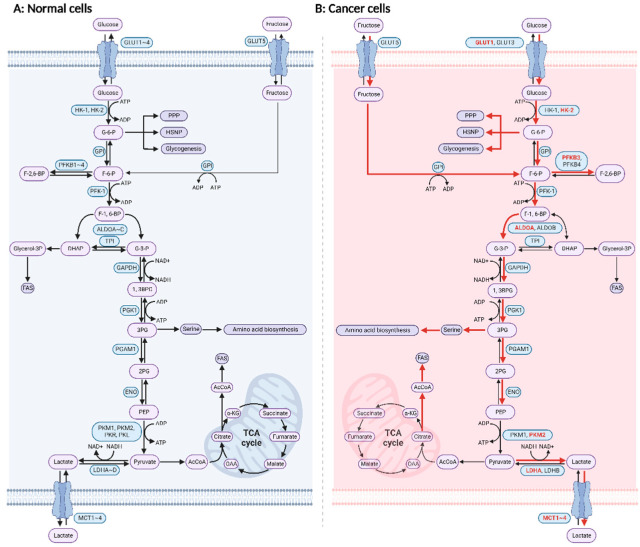
“In the 1920s, Otto Warburg first observed that cancer cells tend to metabolize glucose to lactate even in the presence of sufficient oxygen, known as the Warburg effect or aerobic glycolysis (Figure 1B) [2].”
BackgroundInfluentialThe Warburg Effect: How Does it Benefit Cancer Cells?
Liberti, M. V., & Locasale, J. W. (2016) · Trends in Biochemical Sciences · doi:10.1016/j.tibs.2015.12.001 · Cited by 5,150 · cited 1×
“Although the energy produced by each glucose molecule during aerobic glycolysis is less than that produced by OXPHOS, aerobic glycolysis can generate a number of ATP molecules comparable to OXPHOS when the amount of glucose is sufficient [16].”
BackgroundMetabolic regulation of gene expression by histone lactylation
Zhang, D., Tang, Z., Huang, H., Zhou, G., Cui, C., Weng, Y., Liu, W., Kim, S., Lee, S., Perez-Neut, M., et al. (2019) · Nature · doi:10.1038/s41586-019-1678-1 · Cited by 4,371 · cited 1×
“Lactate participates in the homeostatic regulation of M1 macrophages [20] and inhibits CD8+ T cells and natural killer cells (NK cells) from producing γ-interferon [21], which in turn maintains an immunosuppressive microenvironment [22,23].”
BackgroundA guide to immunometabolism for immunologists
O'Neill, L. A. J., Kishton, R. J., & Rathmell, J. (2016) · Nature Reviews Immunology · doi:10.1038/nri.2016.70 · Cited by 3,315
Aerobic glycolysis: Meeting the metabolic requirements of cell proliferation
Lunt, S. Y., & Vander Heiden, M. G. (2011) · Annual Review of Cell and Developmental Biology · doi:10.1146/annurev-cellbio-092910-154237 · Cited by 3,057 · cited 1×
“Oxidative phosphorylation (OXPHOS) and anaerobic glycolysis are the two major catabolic glucose pathways, in which glycolysis is the common initiation pathway of both [1].”
BackgroundMetabolic reprogramming and cancer progression
Faubert, B., Solmonson, A., & DeBerardinis, R. J. (2020) · Science · doi:10.1126/science.aaw5473 · Cited by 2,740 · cited 1×
“Extensive studies have confirmed that metabolic reprogramming of glucose, which plays a vital role in the proliferation, invasion and metastasis of cancer cells, is closely associated with the survival of cancer cells [24,25].”
BackgroundOne-Carbon Metabolism in Health and Disease
Ducker, G. S., & Rabinowitz, J. D. (2017) · Cell Metabolism · doi:10.1016/j.cmet.2016.08.009 · Cited by 2,239 · cited 3×
“For example, glucose-6-phosphate (G-6-P) is a substrate for the pentose phosphate pathway that produces reduced nicotinamide adenine dinucleotide phosphate (NADPH) and ribose-5-phosphate (R-5-P) substrates, and R-5-P is a substrate for nucleic acid synthesis.”
BackgroundYang, A., Kaghad, M., Wang, Y., Gillett, E., Fleming, M. D., Dötsch, V., Andrews, N. C., Caput, D., & McKeon, F. (1998) · Molecular Cell · doi:10.1016/s1097-2765(00)80275-0 · Cited by 2,085
Cited by
Altered metabolism in cancer: insights into energy pathways and therapeutic targets
Tufail, M., Jiang, C.-H., & Li, N. (2024) · Molecular Cancer · doi:10.1186/s12943-024-02119-3 · Cited by 534
“By inhibiting glucose transporters, specifically GLUT1, which is often overexpressed in various cancers, these inhibitors effectively starve cancer cells of their primary energy source [60, 216].”
BackgroundUnveiling the mechanisms and challenges of cancer drug resistance
Khan, S. U., Fatima, K., Aisha, S., & Malik, F. (2024) · Cell Communication and Signaling · doi:10.1186/s12964-023-01302-1 · Cited by 417
“Further reports suggest the resistance dependence of cancer cells on glycolytic intermediate and glucose transporter are therapeutically significant nodes in both preclinical and clinical settings [292].”
BackgroundModulating Glycolysis to Improve Cancer Therapy
Chelakkot, C., Chelakkot, V. S., Shin, Y., & Song, K. (2023) · International Journal of Molecular Sciences · doi:10.3390/ijms24032606 · Cited by 374
“Additionally, several of the glycolysis inhibitors that have been developed for clinical use have been shown to have off-target effects, killing non-cancerous cells [327].”
BackgroundWang, Z., Zhang, X., Fang, C., Liu, X., Liao, Q., Wu, N., & Wang, J. (2024) · Immunology · doi:10.1111/imm.13793 · Cited by 204
“As a result, inhibiting glucose metabolism enzymes has shown great promise as a novel cancer treatment strategy [140 – 142].”
Lu, H., Tong, W., Jiang, M., Liu, H., Meng, C., Wang, K., & Mu, X. (2024) · ACS Nano · doi:10.1021/acsnano.4c04024 · Cited by 105
Clinical research framework proposal for ketogenic metabolic therapy in glioblastoma
Duraj, T., Kalamian, M., Zuccoli, G., Maroon, J. C., D’Agostino, D. P., Scheck, A. C., Poff, A. M., Winter, S. F., Hu, J. L., Klement, R. J., et al. (2024) · BMC Medicine · doi:10.1186/s12916-024-03775-4 · Cited by 73
The HIF Axes in Cancer - Angiogenesis, Metabolism and Immune-Modulation
Acuña-Pilarte, K., & Koh, M. Y. (2025) · Trends in Biochemical Sciences · doi:10.1016/j.tibs.2025.06.005 · Cited by 64
Current Advances on Nanomaterials Interfering with Lactate Metabolism for Tumor Therapy
Cheng, Q., Shi, X., Li, Q., Wang, L., & Wang, Z. (2023) · Advanced Science · doi:10.1002/advs.202305662 · Cited by 76
Self-citationMetabolic Reprogramming in Cancer: Implications for Immunosuppressive Microenvironment
Aden, D., Sureka, N., Zaheer, S., Chaurasia, J. K., & Zaheer, S. (2024) · Immunology · doi:10.1111/imm.13871 · Cited by 69
“Nutritional strategies that modulate glucose, amino acid and lipid metabolism, such as ketogenic diets or caloric restriction, have shown potential to synergize with conventional therapies and enhance their efficacy by targeting metabolic vulnerabilities in cancer cells [289, 500, 501].”
InfluentialDrug resistance mechanisms in cancers: Execution of pro-survival strategies
Dhanyamraju, P. K. (2023) · Journal of Biomedical Research · doi:10.7555/jbr.37.20230248 · Cited by 71
Amplifying cancer treatment: advances in tumor immunotherapy and nanoparticle-based hyperthermia
Zhang, Y., Li, Z., Huang, Y., Zou, B., & Xu, Y. B. (2023) · Frontiers in Immunology · doi:10.3389/fimmu.2023.1258786 · Cited by 53
“Tumors frequently have an acidic milieu due to augmented glycolytic metabolism, known as the Warburg effect (112, 113).”
BackgroundSelf-citationWang, T., Zhang, M., Khan, M. T., Li, J., Wu, X. J., Ma, T., & Li, Y. (2023) · Biomedicine & Pharmacotherapy · doi:10.1016/j.biopha.2023.115956 · Cited by 50
Zhou, Y., Guo, Y., Ran, M., Shan, W., Granchi, C., Giovannetti, E., Minutolo, F., Peters, G. J., & Tam, K. Y. (2023) · Cancer Letters · doi:10.1016/j.canlet.2023.216425 · Cited by 53
Trejo‐Solís, C., Silva‐Adaya, D., Serrano-García, N., Magaña-Maldonado, R., Jiménez‐Farfán, D., Ferreira-Guerrero, E., Cruz-Salgado, A., & Castillo‐Rodríguez, R. A. (2023) · International Journal of Molecular Sciences · doi:10.3390/ijms242417633 · Cited by 50
“The administration of 3-BPr has been also evaluated in stage IV metastatic melanoma and patients with advanced hepato-cellular carcinoma [169,170].”
BackgroundYadav, K., Singh, D., Singh, M. R., & Pradhan, M. (2022) · OpenNano · doi:10.1016/j.onano.2022.100107 · Cited by 40
Reprogramming of Thyroid Cancer Metabolism: from Mechanism to Therapeutic Strategy
Wan, Y., Li, G., Cui, G., Duan, S., & Chang, S. (2025) · Molecular Cancer · doi:10.1186/s12943-025-02263-4 · Cited by 44
“Since glucose metabolism is the most researched field in cancer metabolism, anticancer drugs blocking glucose metabolism-related enzymes and regulators are increasingly promising [299].”
A Systematic Review of Proteomics in Obesity: Unpacking the Molecular Puzzle
Rodríguez-Muñoz, A., Rad, H. M., Martín-Chaves, L., Benítez‐Porres, J., Rodríguez‐Capitán, J., Gonzalez-Jimenez, A., Insenser, M. R., Tinahones, F. J., & Murri, M. (2024) · Current Obesity Reports · doi:10.1007/s13679-024-00561-4 · Cited by 43
“One important drug, metformin, which is an inhibitor of one isoform of PK, has been widely used to counteract glucose levels in diabetic patients [151].”
BackgroundDecoding the Role of Insulin-like Growth Factor 1 and Its Isoforms in Breast Cancer
Kotsifaki, A., Maroulaki, S., Karalexis, E., Stathaki, M., & Armakolas, A. (2024) · International Journal of Molecular Sciences · doi:10.3390/ijms25179302 · Cited by 44
“For example, preclinical studies demonstrated that lowering environmental glucose enhances the effects of traditional chemotherapy [181].”
BackgroundTargeting glycolysis: exploring a new frontier in glioblastoma therapy
Yang, L., Li, S., Yu, L., Leng, J., & Li, N. (2025) · Frontiers in Immunology · doi:10.3389/fimmu.2024.1522392 · Cited by 44
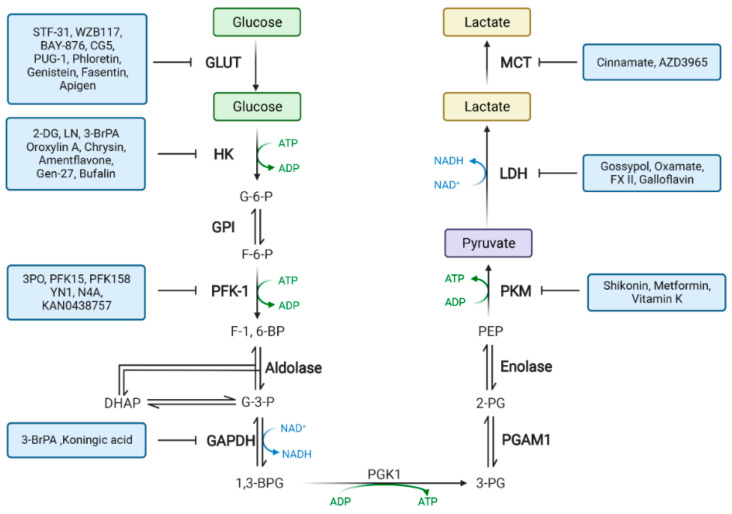
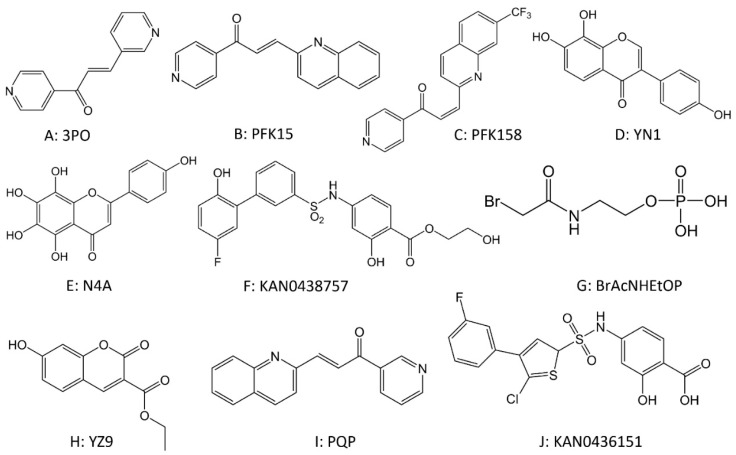
“Other inhibitors like 3-PO, PFK15, PFK158, YN1, and N4A have also shown strong antitumor proliferation ef fi cacy in preclinical studies (84).”
Garg, P., Singhal, G., Horne, D., Salgia, R., & Singhal, S. S. (2025) · Biochimica et Biophysica Acta (BBA) - Reviews on Cancer · doi:10.1016/j.bbcan.2025.189396 · Cited by 39
Mitochondrial signaling pathways and their role in cancer drug resistance
Sharma, A., Virmani, T., Kumar, G., Sharma, A., Virmani, R., Gugulothu, D. B., Singh, K., Misra, S. K., Pathak, K., Chitranshi, N., et al. (2024) · Cellular Signalling · doi:10.1016/j.cellsig.2024.111329 · Cited by 32
Metabolic Reprogramming of Cancer Cells and Therapeutics Targeting Cancer Metabolism
Punnasseril, J. M. J., Auwal, A., Gopalan, V., Lam, A. K.-Y., & Islam, F. (2025) · Cancer Medicine · doi:10.1002/cam4.71244 · Cited by 33
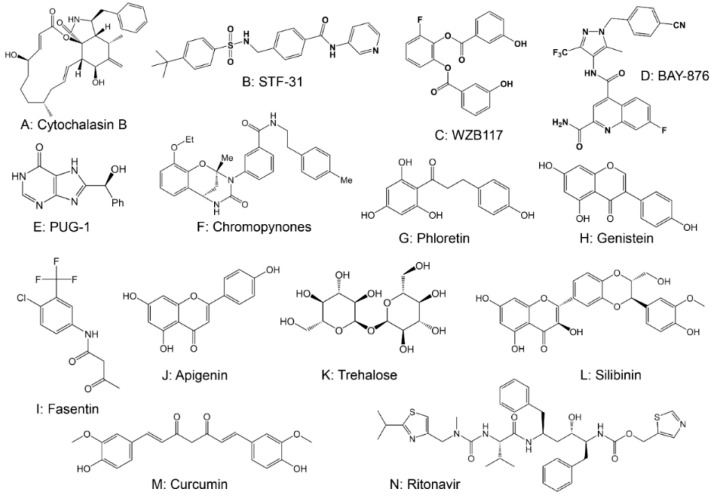
“Moreover, WZB117 is a bis-hydroxybenzoate that suppresses cancer cell growth by preventing glucose transport via GLUT 1's glucose binding site [133].”
InfluentialDietary approaches for exploiting metabolic vulnerabilities in cancer
Menyhárt, O., & Győrffy, B. (2023) · Biochimica et Biophysica Acta (BBA) - Reviews on Cancer · doi:10.1016/j.bbcan.2023.189062 · Cited by 26
Nafie, M. S., Abu-Elsaoud, A. M., & Diab, M. K. (2025) · Computational and Structural Biotechnology Journal · doi:10.1016/j.csbj.2025.07.016 · Cited by 31
“Nowadays, anticancer drugs target enzymes in metabolic pathways crucial for tumorigenesis [100].”
Goat Milk: A Versatile Dairy Alternative with Unique Health Benefits and Functional Properties
Verma, A. K., Singh, T. P., Rajkumar, V., Chatli, M. K., Kushwah, T., Nanda, P. K., Curros, B., Lorenzo, J. M., & Das, A. K. (2025) · Food Reviews International · doi:10.1080/87559129.2025.2479122 · Cited by 33
“[220] Moreover, studies comparing the effects of 3-hydroxybutyric acid and lauric acid on colon cancer cells found that both compounds hindered cancer cell growth by switching the cells’ energy metabolism from glycolysis to oxidative phosphorylation, suggesting a mechanism of action through…”
Li, S., Han, H., Yang, K., Li, X., Ma, L., Yang, Z. R., & Zhao, Y. (2024) · International Immunopharmacology · doi:10.1016/j.intimp.2024.113702 · Cited by 23
Malayil, R., Chhichholiya, Y., Vasudeva, K., Singh, H. V., Singh, T., Singh, S., & Munshi, A. (2023) · Medical Oncology · doi:10.1007/s12032-023-02037-2 · Cited by 20
“Enzymes involved in glucose metabolism like hexokinase (HK) and LDHA also been found to be highly expressed in many BC [32].”
BackgroundSmall-molecule redox modulators with anticancer activity: A comprehensive mechanistic update
Pal, C. (2023) · Free Radical Biology and Medicine · doi:10.1016/j.freeradbiomed.2023.10.406 · Cited by 18
Glycolysis and chemoresistance in acute myeloid leukemia
Yang, Y., Pu, J., & Yang, Y. (2024) · Heliyon · doi:10.1016/j.heliyon.2024.e35721 · Cited by 29
Uridine as a hub in cancer metabolism and RNA biology
Choi, K., Berard, B. A., Yoon, J., & Kim, D. (2025) · Experimental & Molecular Medicine · doi:10.1038/s12276-025-01402-7 · Cited by 21
“In the presence of uridine and the absence of glucose, phosphoglucomutase 2 (PGM2) connects the UPP1/UPP2 reaction to the PPP by catalyzing the conversion of ribose 1-phosphate to ribose 5-phosphate (R5P) 24 .”
Engineering metabolism to modulate immunity
Kapnick, S. M., Martin, C. A., & Jewell, C. M. (2023) · Advanced Drug Delivery Reviews · doi:10.1016/j.addr.2023.115122 · Cited by 19
Youssef, R., Maniar, R., Khan, J., & Mesa, H. A. (2023) · Current Issues in Molecular Biology · doi:10.3390/cimb45120609 · Cited by 19
Tran, N. A., Moonshi, S. S., Lam, A. K.-Y., Lu, C. T., Vu, C. Q., Arai, S., & Ta, H. T. (2025) · Cancer and Metastasis Reviews · doi:10.1007/s10555-025-10267-1 · Cited by 20
“Metabolic intervention involves deprivation of intra-tumoural oxygen or nutrients such as amino acids [19], glucose [20], and lactate [21] which cancer cells use as a major energy source to survive and proliferate.”
Makino, Y., Rajapakshe, K. I., Chellakkan Selvanesan, B., Okumura, T., Date, K., Dutta, P., Abou-Elkacem, L., Sagara, A., Min, J., Sans, M., et al. (2025) · Gut · doi:10.1136/gutjnl-2024-332412 · Cited by 16
“38 39 The advantage of glycolysis-targeted treatment is that it acts on tumour cell proliferation and affects tumour microenvironment via modulating lactate level, providing the chance to improve the efficacy of immunotherapy.”
The effect of Apigenin on Glycometabolism and cell death in an anaplastic thyroid cancer cell line.
Heydarzadeh, S., Moshtaghie, A., Daneshpour, M., & Hedayati, M. (2023) · Toxicology and Applied Pharmacology · doi:10.1016/j.taap.2023.116626 · Cited by 12
Li, X., Yang, M., Wang, T., Liu, S., Han, H., & Dong, P. (2025) · Metabolic Brain Disease · doi:10.1007/s11011-025-01753-0 · Cited by 14
“Specific targeted agents used in clinical treatment of brain cancer derived from glioblastoma (GBM) cells rely on the high glucose uptake rate of GLUT3(Holman 2020; Zhang et al. 2022). synthesis(Günenc et al. 2022).”
Hu, K., Shu, C., Lee, C., Tseng, C., Chou, Y., & Liu, P. (2023) · Cancer Cell International · doi:10.1186/s12935-023-03110-6 · Cited by 14
“Several anticancer drugs targeting to glucose metabolism enzyme such as glucose transferase, hexokinase, phosphofructokinase, pyruvate kinase, lactate dehydrogenase have been developed [6].”
BackgroundGuddeti, R. K., Pacharla, H., Yellapu, N. K., Karyala, P., & Pakala, S. B. (2023) · Medical Oncology · doi:10.1007/s12032-023-01974-2 · Cited by 15
Schumacher, T. J., Iyer, A. V., Rumbley, J. N., Ronayne, C. T., & Mereddy, V. R. (2024) · BMC Cancer · doi:10.1186/s12885-024-13186-6 · Cited by 16
“Interestingly, many utilize glycolytic metabolism even in the presence of sufficient oxygen (Warburg effect, aerobic glycolysis), an oncogenic process that has been leveraged as a therapeutic target [9–12].”
Shende, S., Rathored, J., & Budhbaware, T. (2025) · Discover Oncology · doi:10.1007/s12672-025-02238-3 · Cited by 16
“Inhibitors of glycolytic enzymes like hexokinase and LDH can reduce lactate production, restoring immune cell function [54].”
Bessa, C., Loureiro, J. B., Barros, M. G. R. T., Isca, V. M. S., Sardão, V. A., Oliveira, P. J., Bernardino, R. L., Herman-de-Sousa, C., Costa, M. A., Correia‐de‐Sá, P., et al. (2023) · International Journal of Molecular Sciences · doi:10.3390/ijms24065710 · Cited by 12
Nanotechnology and Curcumin: A Novel and Promising Approach in Digestive Cancer Therapy
Zhang, Y., Li, Z., Huang, Y., Xu, Y. B., & Zou, B. (2023) · Nanomedicine · doi:10.2217/nnm-2023-0213 · Cited by 13
Self-citationZeb, A., Khan, W., Islam, W. U., Khan, F., Khan, A., Khan, H., Khalid, A., Rehman, N. U., Ullah, A., & Al‐Harrasi, A. (2024) · Current Medicinal Chemistry · doi:10.2174/0109298673304759240722064518 · Cited by 13
Targeting glucose metabolism for HPV-associated cervical cancer: A sweet poison
Tian, Y., Zhang, S., & Ni, F. (2024) · Biomedicine & Pharmacotherapy · doi:10.1016/j.biopha.2024.117519 · Cited by 17
Metabolic reprogramming: The driving force behind cancer drug resistance
El-Sehrawy, A. A. M. A., Hsu, C.-Y., Alkhathami, A. G., Chandra, M., Basunduwah, T. S., Malathi, H., Senapati, J. N., Gautam, A., Kadhem, M., & Yasin, H. A. (2025) · Seminars in Oncology · doi:10.1016/j.seminoncol.2025.152392 · Cited by 11
Differential roles of highly expressed PFKFB4 in colon adenocarcinoma patients
Gu, X., Dai, X., Huang, Y., Zhang, Y., Dong, L., Gao, C., & Wang, F. (2023) · Scientific Reports · doi:10.1038/s41598-023-43619-4 · Cited by 13
Self-citationETS1 drives EGF-induced glycolytic shift and metastasis of epithelial ovarian cancer cells
Chatterjee, P., Ghosh, D., Chowdhury, S., & Roy, S. S. (2024) · Biochimica et Biophysica Acta (BBA) - Molecular Cell Research · doi:10.1016/j.bbamcr.2024.119805 · Cited by 10
Musso, N., Bonacci, P. G., Consoli, G. M. L., Maugeri, L., Terrana, M., Lanzanò, L. L., Longo, E., Buscarino, G., Consoli, A., & Petralia, S. (2025) · Journal of Colloid and Interface Science · doi:10.1016/j.jcis.2025.137873 · Cited by 10
New Organometallic Ru(II) Compounds with Lonidamine Motif as Antitumor Agents
Shutkov, I. A., Okulova, Y. N., Mazur, D. M., Melnichuk, N. A., Babkov, D. A., Sokolova, E. V., Спасов, А. А., Milaeva, E. R., & Nazarov, A. A. (2023) · Pharmaceutics · doi:10.3390/pharmaceutics15051366 · Cited by 12
Bioenergetic alteration in gastrointestinal cancers: The good, the bad and the ugly
Chu, Y., Chen, C.-W. D., Lai, M., Lim, S., & Lin, W.-R. (2023) · World Journal of Gastroenterology · doi:10.3748/wjg.v29.i29.4499 · Cited by 13
Derivatives Incorporating Acridine, Pyrrole, and Thiazolidine Rings as Promising Antitumor Agents
Garberová, M., Potočňák, I., Tvrdoňová, M., Majirská, M., Bago-Pilatova, M., Bekešová, S., Kováč, A., Takáč, P., Khiratkar, K., Kudlicková, Z., et al. (2023) · Molecules · doi:10.3390/molecules28186616 · Cited by 10
“In the context of cancer, dysregulated glucose metabolism is a hallmark of tumor cells [16].”
BackgroundLi, P., Ge, H., Zhao, J., Zhou, Y., Zhou, J., Li, P., Luo, J., Zhang, W., Tian, Z., & Zhao, X. (2023) · Molecular and Cellular Biochemistry · doi:10.1007/s11010-023-04887-w · Cited by 10
Canonical WNT/β-catenin signaling upregulates aerobic glycolysis in diverse cancer types
Rathee, M., Umar, S. M., Dev, A. J. R., Kashyap, A., Mathur, S. R., Gogia, A., Mohapatra, P., & Prasad, C. P. (2024) · Molecular Biology Reports · doi:10.1007/s11033-024-09694-0 · Cited by 12
Adnan, S. F., & Al-Abady, Z. N. (2024) · Journal of Biomedicine and Biochemistry · doi:10.57238/jbb.2024.7432.1129 · Cited by 11
“Since LDHA knockdown may reduce cancer cell proliferation, targeting LDHA might be an effective way to prevent the formation of cancerous tumors [22].”
Metabolic crossroads: unravelling immune cell dynamics in gastrointestinal cancer drug resistance
suri, C., Pande, B., Sahithi, L. S., Swarnkar, S., Khelkar, T., & Verma, H. K. (2025) · Cancer Drug Resistance · doi:10.20517/cdr.2024.164 · Cited by 14
Jovičić, S. M. (2024) · International Journal of Immunopathology and Pharmacology · doi:10.1177/03946320241250293 · Cited by 10
Taniguchi‐Ponciano, K., Hinojosa‐Álvarez, S., Hernández-Pérez, J., Chávez-Santoscoy, R. A., Remba-Shapiro, I., Guinto, G., Magallón-Gayón, E., Telles-Ramirez, B., de Leon-Conconi, R. P., Vela-Patiño, S., et al. (2024) · Acta Neuropathologica Communications · doi:10.1186/s40478-024-01796-x · Cited by 9
Lee, J. E., Seo, S., Ham, D.-W., & Shin, E. (2025) · Biomolecules & Therapeutics · doi:10.4062/biomolther.2025.040 · Cited by 8
“…kinases; TERT, telomerase reverse transcriptase; T. gondii , Toxoplasma gondii ; Topo-I, topoisomerase-I. glucose metabolism centered on aerobic glycolysis, and targeting the enzymes involved in this pathway has emerged as a promising strategy for anticancer drug development (Zhang et al ., 2022).”
Glucose-6-phosphate dehydrogenase: a therapeutic target for ovarian cancer
Wang, C., Yu, C., Chang, H., Song, J., Zhang, S., Zhao, J., Wang, J., Wang, T., Qi, Q., & Shan, C. (2023) · Expert Opinion on Therapeutic Targets · doi:10.1080/14728222.2023.2247558 · Cited by 10
“Glucose metabolism is upregulated in proliferating cancer cells [13–16].”
BackgroundGuo, Y., Lu, X., Zhou, Y., Chen, W., & Tam, K. Y. (2023) · Experimental Cell Research · doi:10.1016/j.yexcr.2023.113830 · Cited by 10
Targeting PGK1: A New Frontier in Breast Cancer Therapy Under Hypoxic Conditions
Cui, J., Chai, S., Liu, R., & Shen, G. (2024) · Current Issues in Molecular Biology · doi:10.3390/cimb46110725 · Cited by 9
“In the context of solid tumors, particularly under hypoxic conditions within the TME, PGK1-mediated glycolysis supplies essential energy to tumor cells, thereby playing a significant role in the progression of various cancers [74].”
Clotrimazole as a new frontier: Drug repurposing and its efficacy in cancer therapy
Karpe, S. C., Kiran, M., Majhi, S., Meena, J., Kumar, R., Chander, H., Anvikar, A. R., & Kasana, H. (2025) · Cancer Pathogenesis and Therapy · doi:10.1016/j.cpt.2025.03.004 · Cited by 11
“32,33 The primary regulating glycolytic enzyme, PFK, has been linked to increased lactate generation.”
Inhibiting glycolysis facilitated checkpoint blockade therapy for triple-negative breast cancer
Li, C., Tang, Y., Zhang, R., Shi, L., Chen, J., Zhang, P., Zhang, N., & Li, W. (2025) · Discover Oncology · doi:10.1007/s12672-025-02320-w · Cited by 10
Gunasangkaran, G., Muthukrishnan, S., Ravi, A. K., Arumugam, V. A., Velayuthaprabhu, S., Sakthivel, K. M., Arockianathan, P. M., & Ashokkumar, K. (2025) · Molecular Biology Reports · doi:10.1007/s11033-025-10800-z · Cited by 7
Zhang, Y., Weh, K. M., Tripp, B. A., Clarke, J., Howard, C. L., Sunilkumar, S., Howell, A. B., & Kresty, L. A. (2023) · Pharmaceuticals · doi:10.3390/ph16121697 · Cited by 7
“However, to date, the success of treating cancers with glucose metabolism modifier drugs has been limited due to unacceptable toxicities, short half-life and solubility issues [108].”
BackgroundSelf-citationIntegrating alternative therapies in overcoming chemotherapy resistance in tumors
Alqarni, S. S., & Khan, N. U. (2025) · Molecular Biology Reports · doi:10.1007/s11033-025-10361-1 · Cited by 7
Bonifacio-Mundaca, J., Casavilca-Zambrano, S. A., Desterke, C., Casafont, Í., & Mata-Garrido, J. (2025) · Biomedicines · doi:10.3390/biomedicines13081898 · Cited by 7
“Targeting glycolysis with inhibitors of HK2, LDHA, or PKM2 has shown promise in preclinical models, indicating that disrupting glycolytic flux could be a therapeutic strategy in MYC-driven medulloblastoma [32].”
li, Y., Zhang, Y., Nie, Y., & Chen, X. (2026) · Frontiers in Immunology · doi:10.3389/fimmu.2025.1678446 · Cited by 9
“GLUT1 inhibitors (WZB117, BAY876) block glucose uptake in HCC and glioblastoma, synergizing with hypoxia-targeting agents (72).”
Self-citationTumor microenvironment-like conditions alter pancreatic cancer cell metabolism and behavior
Gardner, G. L., & Stuart, J. A. (2024) · American Journal of Physiology-Cell Physiology · doi:10.1152/ajpcell.00452.2024 · Cited by 7
Gupta, P., Chattopadhaya, A., & Gautam, V. (2024) · Biomedical Materials · doi:10.1088/1748-605x/ad7e6a · Cited by 6
“Cancer starvation therapy based on limiting glucose uptake in cancer cells has been served as an effective therapeutic target by several drugs [27].”
Nishizawa, H., Funasaki, S., Ma, W., Kubota, Y., Watanabe, K., Arima, Y., Kuroda, S., Ito, T., Furuya, M., Motoshima, T., et al. (2025) · Genes to Cells · doi:10.1111/gtc.13195 · Cited by 6
“Specifically, inhibitors targeting glycolytic enzymes or the SREBP1 pathway may serve as promising therapeutic candidates (Pusapati et al. 2016; Batchuluun, Pinkosky, and Steinberg 2022; Zhang et al. 2022; Zhao, Lin, and Wang 2022).”
Hexokinases in gastrointestinal cancers: From molecular insights to therapeutic opportunities
Liang, G., Ma, Y., Deng, P., Li, S., He, C., He, H., Liu, H., Fan, Y., & Li, Z. (2025) · Seminars in Oncology · doi:10.1016/j.seminoncol.2025.152351 · Cited by 7
Design, synthesis and biological evaluation of glucose metabolism inhibitors as anticancer agents
Cheng, Y., Jones, J. P., Yu, T. T., Olzomer, E. M., Su, J., Katen, A., Black, D. S., Hart‐Smith, G., Childress, E. S., Wilkins, M. R., et al. (2024) · Bioorganic Chemistry · doi:10.1016/j.bioorg.2024.107665 · Cited by 6
Synthesis, characterization, and anticancer evaluation of nano-sized schiff base metal chelates
Mousa, I., Ageeli, A. A., Siddiq, H. A., Alkhathami, N. D., Alatawi, N. M., Alenazy, D. M., Aldulmani, S. A., & Alaghaz, A.-N. M. A. (2025) · BioMetals · doi:10.1007/s10534-025-00746-x · Cited by 5
“However, as these metals is an integral part of metalloproteins and a necessary component of human tissues, the endogenous metal may be less harmful to healthy cells (Zhang et al. 2022).”
Chrysomycin A Reshapes Metabolism and Increases Oxidative Stress to Hinder Glioblastoma Progression
Liu, D.-N., Zhang, W.-F., Feng, W.-D., Xu, S., Feng, D.-H., Song, F., Zhang, H., Fang, L., Du, G., & Wang, Y. (2024) · Marine Drugs · doi:10.3390/md22090391 · Cited by 5
“After that, G6P can enter the PPP through catalysis by glucose-6-phosphate dehydrogenase (G6PD) or flux into glycolysis through pyruvate kinase M2 (PKM2), another rate-limiting enzyme [51] (Figure 5A).”
BackgroundBansal, N., Alaseem, A. M., Babu, A. M., Alasiri, G. A., Singh, T. G., Tyagi, Y., & Sharma, G. (2025) · Molecular Diversity · doi:10.1007/s11030-025-11362-9 · Cited by 6
“One significant effect of aloe compounds on cancer cells has been discovered recently, which shows that aloe-emodin inhibits the glucose uptake significantly by directly affecting the GLUT1 expression in cancer cells [154].”
The MET Family of Receptor Tyrosine Kinases Promotes a Shift to Pro-Tumor Metabolism
Davis, J. C., & Waltz, S. E. (2024) · Genes · doi:10.3390/genes15070953 · Cited by 6
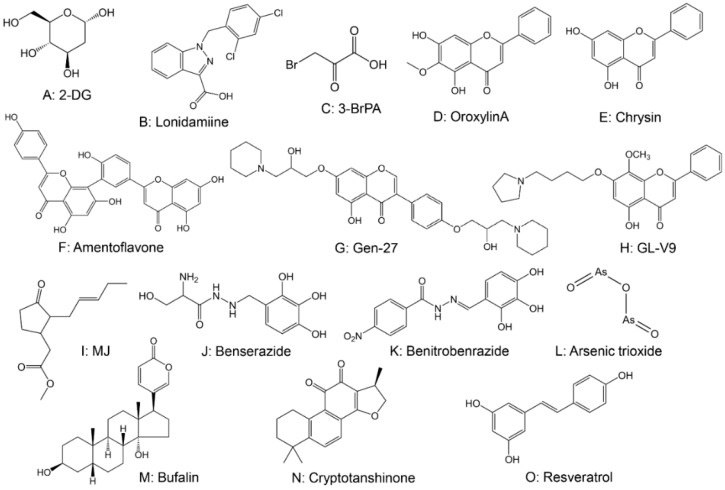
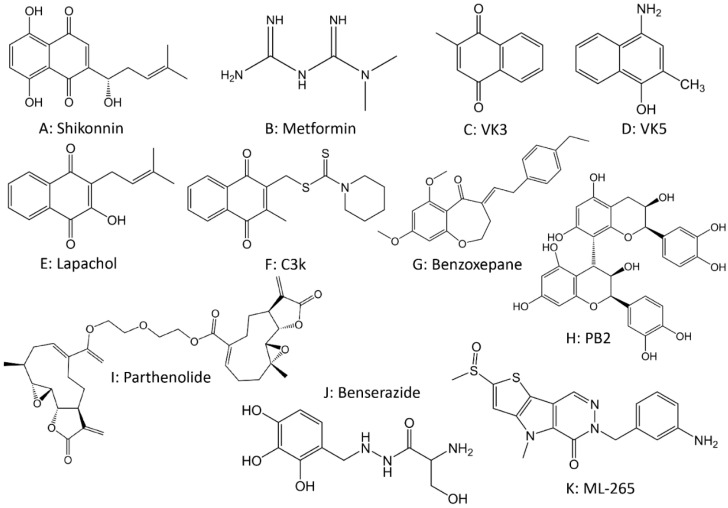
“Various inhibitors have been developed to target glycolysis, such as 2-DG and metformin, although the effectiveness of these molecules has yet to be established [21].”
BackgroundCatabolic rewiring in cancer impacts dietary interventions
Chinopoulos, C. (2025) · Communications Biology · doi:10.1038/s42003-025-09333-9 · Cited by 7
“This redundancy, combined with the fact that inhibition of hexokinase would confer severe sideeffectsonnormal,hexokinase-expressingtissues,probablyaccountsfor theirfailureinclinicaltrials 192 .”
Novais, A. A., Tamarindo, G. H., Melo, L. M. M., Balieiro, B. C., Nobrega, D., dos Santos, G., Saldanha, S. F., de Souza, F. F., Chuffa, L. G. D. A., Bracha, S., et al. (2024) · Cancers · doi:10.3390/cancers16142562 · Cited by 7
“In cancer metabolic reprogramming, ENO1 stimulates cancer cells to create energy largely through the breakdown of glucose in a non-oxidative way, rather than typical oxidative phosphorylation, which is known as the Warburg effect [32,33].”
BackgroundXu, Q., Liu, C., Chen, S., Li, X., & Xiong, D. (2025) · Aquatic Toxicology · doi:10.1016/j.aquatox.2025.107531 · Cited by 4
Targeting immuno-oncology metabolism for precision cancer therapy
Pajai, S., John, J. E., & Tripathi, S. C. (2023) · Frontiers in Oncology · doi:10.3389/fonc.2023.1124715 · Cited by 4
Zhang, T., Han, H., Zhang, T., Zhang, Y., Ma, L., Yang, Z. R., & Zhao, Y. (2025) · Biochimica et Biophysica Acta (BBA) - Reviews on Cancer · doi:10.1016/j.bbcan.2025.189459 · Cited by 6
Self-citationMetabolic reprogramming and plasticity of cancer stem cells
Kulus, M., Marchel, M., Knopik-Skrocka, A., Data, K., Domagała, D., Bednarska, W., Mozdziak, P. E., & Kempisty, B. (2026) · Frontiers in Cell and Developmental Biology · doi:10.3389/fcell.2026.1807649 · Cited by 3
“The increased expression of GLUT1, observed under hypoxic conditions, is driven by the activity of the HIF-1 complex, as a transcription factor (Zambrano et al., 2019; Zhang et al., 2022).”
Drug Screening for Glycolysis Pathway in Living Cancer Cells Using 19F NMR
Liu, B., Huang, T., Xiao, X., Chai, X., Lei, Y., Sun, Q., Hu, Q., Zhu, Q., Zeng, D., Liu, C., et al. (2025) · Analytical Chemistry · doi:10.1021/acs.analchem.4c06149 · Cited by 3
Design, Synthesis, and Biological Evaluation of Naphthoquinone Salts as Anticancer Agents
Cheng, Y., Yu, T. T., Olzomer, E. M., Hoehn, K. L., Byrne, F. L., Kumar, N., & Black, D. S. (2025) · Molecules · doi:10.3390/molecules30091938 · Cited by 4
“To date, numerous glycolysis inhibitors have been developed, particularly quinone-based compounds such as lonidamine, phloretin, shikonin, and lapachol, which interfere with key metabolic pathways essential for cancer cell proliferation (Figure 1) [10–15].”
Reséndiz-Acevedo, K., García-Aguilera, M. E., Tovar‐Tovar, A., Esturau‐Escofet, N., & Ruíz-Azuara, L. (2025) · International Journal of Molecular Sciences · doi:10.3390/ijms26178735 · Cited by 4
“This work demonstrates that Casiopeinas ® exert early interference with carbohydrate metabolism, particularly glucose-related pathways, aligning with emerging therapeutic strategies that target these routes to limit cancer cell adaptation, invasiveness, and dissemination [74].”
Altered B cell metabolic pathways characterize type 1 diabetes progression
Conway, H., Bernard, J., Ramos, R., Zahran, S., Perez, D., Swar-Eldahab, M., Piganelli, J. D., Evans‐Molina, C., & Felton, J. L. (2025) · The Journal of Immunology · doi:10.1093/jimmun/vkaf330 · Cited by 5
Promising Therapeutic Approach in Pancreatic Cancer: Metabolism-Related Genes
Choe, S., Kwak, W., Kim, E., Shin, S., Shin, M., Koh, H. J., & Yoon, H. (2024) · Frontiers in Bioscience-Landmark · doi:10.31083/j.fbl2904137 · Cited by 3
“HK2 is a key enzyme in the first step of glycolysis and is highly expressed in most tumors [45].”
BackgroundMetabolic Imbalance in Immune Cells in Relation to Metabolic Disorders, Cancer, and Infections
Singer, M., Hamdy, R., Ghonaim, J. H., & Husseiny, M. I. (2025) · Springer eBooks · doi:10.1007/978-981-96-1305-2_9 · Cited by 3
Park, S. C., Song, K., Kang, J., & Oh, S. K. (2025) · Oncology Reports · doi:10.3892/or.2025.8906 · Cited by 3
Monteiro, F., Shetty, V. V., Acharaya, R., Naresh, S., Munikumar, M., Shetty, S. S., Nataranjan, P., & Kumari, S. (2025) · Beni-Suef University Journal of Basic and Applied Sciences · doi:10.1186/s43088-025-00668-0 · Cited by 2
Targeting glycolytic enzymes to combat cancer metastasis: Strategies toward clinical translation
Zhang, D., He, Y., & He, Y. (2025) · Biochemical Pharmacology · doi:10.1016/j.bcp.2025.117499 · Cited by 2
Phytochemical nanoliposomes: next-generation therapeutics in precision oncology
Sowmiya, S., Suseela, V., & Jeyaramraja, P. R. (2025) · Nano Express · doi:10.1088/2632-959x/ae2041 · Cited by 7
Speth, J. M., Haggadone, M. D., & Peters-Golden, M. L. (2026) · Frontiers in Immunology · doi:10.3389/fimmu.2025.1708467 · Cited by 3
Li, L., Luo, J., Zhao, L., Tian, L., Wang, J., Cheng, Y., & Li, X. (2026) · Cellular & Molecular Biology Letters · doi:10.1186/s11658-025-00818-3 · Cited by 2
“For example, inhibitors of glycolytic enzymes, such as hexokinase, have demonstrated promising antitumor effects in experimental settings [24].”
Aerobic glycolysis in bladder cancer: research advances and targeted therapy potential
Pan, M., Tao, T., Kong, D., & Gong, H. (2026) · Frontiers in Oncology · doi:10.3389/fonc.2026.1799955 · Cited by 3
“First, toxicity and limited tumor speci fi city remain major challenges, as the metabolic pathways exploited by tumor cells are also essential for the function of normal tissues (126).”
Zhang, L., Li, M., Li, X., Xiao, T., Zhou, H., Zhang, W., & Wang, P. (2024) · Heliyon · doi:10.1016/j.heliyon.2024.e37063 · Cited by 2
“Research indicates that different metabolic enzymes and signaling molecules related to glucose metabolism are crucial in the formation and progression of tumors, making them key targets for diagnosing and treating malignant cancers [5,6].”
BackgroundHoggard, N. K., Yuan, S., Szczepaniak, M. R., Turner, M. M., Kantake, N., Lo, C. C., LaRussa, Z., Song, J., Daniels, N. A., Young, J. A., et al. (2025) · Journal of Cancer Metastasis and Treatment · doi:10.20517/2394-4722.2024.105 · Cited by 3
Chanda, M., Mekasuwandumrong, C., Wilasrusmee, K. T., Panich, U., & Jirawatnotai, S. (2025) · Hepatoma Research · doi:10.20517/2394-5079.2025.15 · Cited by 6
Emerging roles of the chromatin remodeler MORC2 in cancer metabolism
Mohapatra, B., & Pakala, S. B. (2024) · Medical Oncology · doi:10.1007/s12032-024-02464-9 · Cited by 1
“Other compounds, such as benzindoles [72], sulfonamides, and salicylic acid, also inhibit PFK1 and suppress a wide variety of cancer progression [73].”
Metadata
- Authors
- Zhang, Y., Li, Q., Huang, Z., Li, B., Nice, E. C., Huang, C., Wei, L., & Zou, B.
- Affiliations
- Sichuan University (CN)
- Monash University (AU)
- Weifang Medical University (CN)
- Corresponding author
- Wei, Liuya
- Zou, Bingwen
- Venue
- Cancers
- Publisher
- MDPI AG
- Published
- 2022-09-21
- Volume
- 14
- Issue
- 19
- Pages
- 4568
- ISSN
- 2072-6694 (ISSN-L)
- PMC
- PMC9559313
- OpenAlex
- W4296991129
- Cited by
- 144
- References
- 322
- Citations by year
- 2026: 21 · 2025: 54 · 2024: 40 · 2023: 28 · 2022: 1
- FWCI
- 3.71
- Type
- journal article
- Language
- en
- Open access
- gold
- doi.org
- Licence
- Locations
- Cancers (publishedVersion, cc-by)
- PubMed Central (publishedVersion, cc-by)
- PubMed (publishedVersion)
- DOAJ (DOAJ: Directory of Open Access Journals) (submittedVersion)
- Funders
- Clinical Research Incubation Project, West China Hospital, Sichuan University (2021HXFH022, 22GJHZ0015, YXJL-2021-1009-0660, ZYGD22007, 82130082)
- Science and Technology Department of Sichuan Province (2021HXFH022, 22GJHZ0015, YXJL-2021-1009-0660, ZYGD22007, 82130082)
- Beijing Medical Award Foundation (2021HXFH022, 22GJHZ0015, YXJL-2021-1009-0660, ZYGD22007, 82130082)
- 1·3·5 project for disciplines of excellence (2021HXFH022, 22GJHZ0015, YXJL-2021-1009-0660, ZYGD22007, 82130082)
- National Natural Science Foundation of China (2021HXFH022, 22GJHZ0015, YXJL-2021-1009-0660, ZYGD22007, 82130082)
- Topics
- Life Sciences › Biochemistry, Genetics and Molecular Biology › Cancer Research › Cancer, Hypoxia, and Metabolism
- Life Sciences › Biochemistry, Genetics and Molecular Biology › Molecular Biology › Metabolism, Diabetes, and Cancer
- Life Sciences › Biochemistry, Genetics and Molecular Biology › Cancer Research › Cancer, Lipids, and Metabolism
- Keywords
- glucose metabolism reprogramming, glucose metabolism enzymes, cancer metabolism, anticancer drug development, metabolic therapy, natural products, small molecule modulators, combination therapy
About these checks
Registry, retraction, Cites and statistics results are computed, not judged, with one exception: a printed reference that no index lists is read once by a model before it counts as a citation error. Claims are extracted by a model and kept only when their quote appears verbatim in the text; each cited source is then checked, with a model’s help, for whether it says what the claim relies on. Those verdicts can be wrong — read the claim’s quote and the cited source before relying on one.
Statistics and arithmetic are recomputed, not judged.
Confidence bands are shown only for fields calibrated on our annotated test set. None is calibrated yet, so no band is shown.
What counts as a claim ›How we measure confidence ›How we check this ›
Are you an author, or do you see a problem with this page? Request a review
Data sources
Bibliographic data: Semantic Scholar, OpenAlex, Crossref.
Contains information from the Semantic Scholar Academic Graph Datasets, made available under the ODC Attribution License (ODC-BY 1.0).
Semantic Scholar’s data is described in: Kinney, R., et al. (2023). The Semantic Scholar Open Data Platform. arXiv:2301.10140.
