

The DOI matches its Crossref record; 129 of the 131 references it cites were found in a registry or an index.
AI-Powered Diagnosis of Skin Cancer: A Contemporary Review, Open Challenges and Future Research Directions
Open accessAbstract
Skin cancer continues to remain one of the major healthcare issues across the globe. If diagnosed early, skin cancer can be treated successfully. While early diagnosis is paramount for an effective cure for cancer, the current process requires the involvement of skin cancer specialists, which makes it an expensive procedure and not easily available and affordable in developing countries. This dearth of skin cancer specialists has given rise to the need to develop automated diagnosis systems. In this context, Artificial Intelligence (AI)-based methods have been proposed. These systems can assist in the early detection of skin cancer and can consequently lower its morbidity, and, in turn, alleviate the mortality rate associated with it. Machine learning and deep learning are branches of AI that deal with statistical modeling and inference, which progressively learn from data fed into them to predict desired objectives and characteristics. This survey focuses on Machine Learning and Deep Learning techniques deployed in the field of skin cancer diagnosis, while maintaining a balance between both techniques. A comparison is made to widely used datasets and prevalent review papers, discussing automated skin cancer diagnosis. The study also discusses the insights and lessons yielded by the prior works. The survey culminates with future direction and scope, which will subsequently help in addressing the challenges faced within automated skin cancer diagnosis.
Overview
The claims and statistics of this paper haven’t been checked yet.
Run the check — free, no account needed. It reads the open-access text and checks the sources it cites.
Integrity signals
Registry
Cites
Statistics
Figures
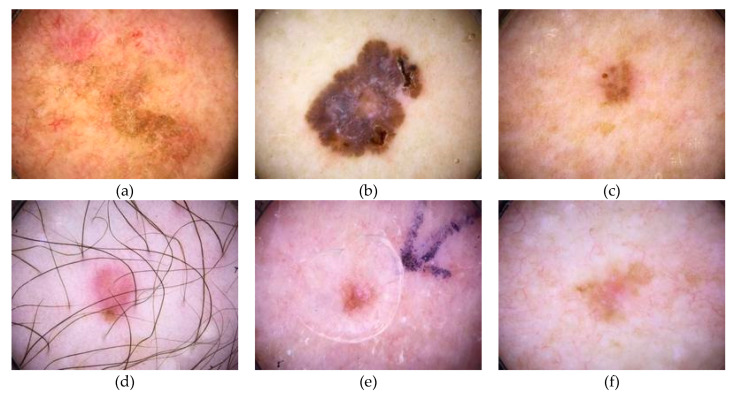
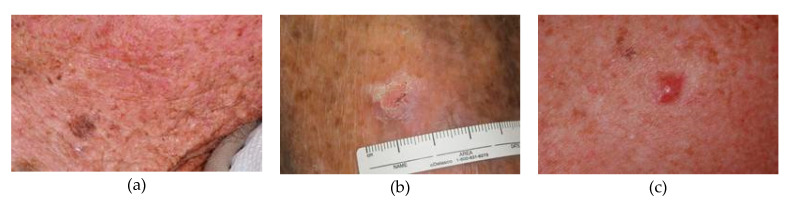
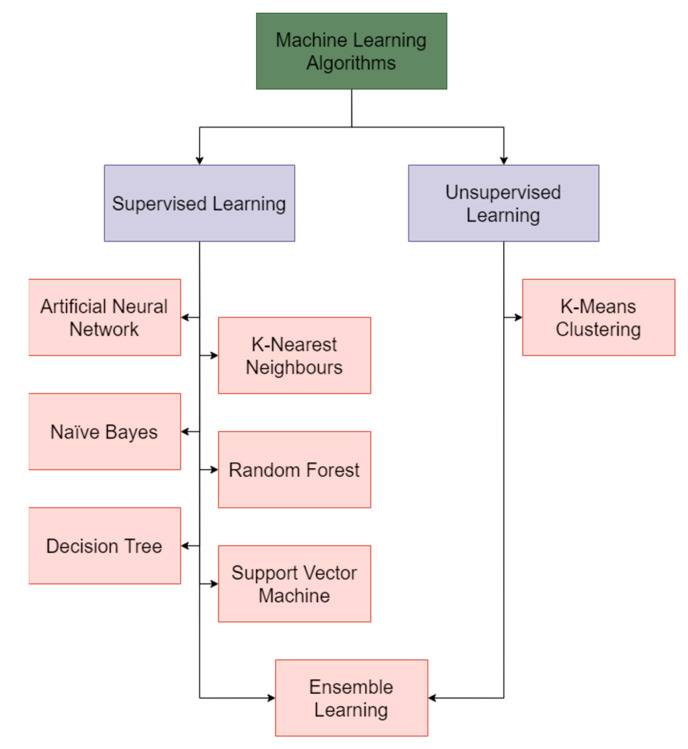
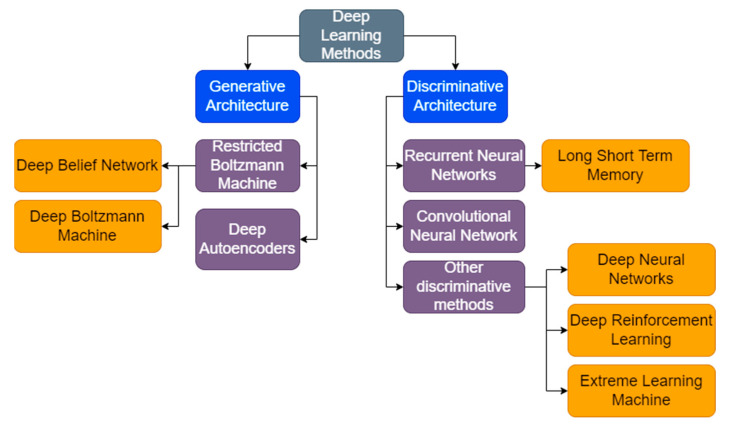
Verification
Claims the paper makes
The claims and statistics of this paper haven’t been checked yet.
Run the check — free, no account needed. It reads the open-access text and checks the sources it cites.
Claims other papers make about this one
Each is checked against this paper’s own text: does it say what the citing paper says it does?
In the citing paper
“Artificial intelligence (AI) for medical diagnosis holds potential, demonstrating high performance in detecting various diseases.57”
From Using artificial intelligence to improve human performance: efficient retinal disease detection training with synthetic images (2024) · cites this paper as [5]
Self-check
Percentages, sums and reported differences re-computed from the paper’s own numbers.
The self-check needs the paper’s full text.
Citations
Cites
2 retracted
RETRACTED ARTICLE: Skin lesion classification using decision trees and random forest algorithms
Dhivyaa, C. R., Sangeetha, K., -, M. B., Amaran, S., Vetriselvi, T., & Johnpaul, P. (2020) · Journal of Ambient Intelligence and Humanized Computing · doi:10.1007/s12652-020-02675-8 · Cited by 90
RetractedRETRACTED: Computer aided intelligent medical system and nursing of breast surgery infection
Sun, J., & Huang, Y. R. (2020) · Microprocessors and Microsystems · doi:10.1016/j.micpro.2020.103769 · Cited by 3
RetractedDermatologist-level classification of skin cancer with deep neural networks
Esteva, A., Kuprel, B., Novoa, R. A., Ko, J., Swetter, S. M., Blau, H. M., & Thrun, S. (2017) · Nature · doi:10.1038/nature21056 · Cited by 14,362
Overview of Next‐Generation Sequencing Technologies
Slatko, B. E., Gardner, A. F., & Ausubel, F. M. (2018) · Current Protocols in Molecular Biology · doi:10.1002/cpmb.59 · Cited by 968
Next-generation sequencing technologies: An overview
Hu, T., Chitnis, N., Monos, D., & Dinh, A. (2021) · Human Immunology · doi:10.1016/j.humimm.2021.02.012 · Cited by 949
Classification of Skin Disease Using Deep Learning Neural Networks with MobileNet V2 and LSTM
Srinivasu, P. N., SivaSai, J. G., Ijaz, M. F., Bhoi, A. K., Kim, W., & Kang, J. J. (2021) · Sensors · doi:10.3390/s21082852 · Cited by 763
Han, S. S., Kim, M. S., Lim, W., Park, G., Park, I., & Chang, S. E. (2018) · Journal of Investigative Dermatology · doi:10.1016/j.jid.2018.01.028 · Cited by 740
Skin Cancer Classification Using Convolutional Neural Networks: Systematic Review
Brinker, T. J., Hekler, A., Utikal, J. S., Grabe, N., Schadendorf, D., Klode, J., Berking, C., Steeb, T., Enk, A. H., & Kalle, C. V. (2018) · Journal of Medical Internet Research · doi:10.2196/11936 · Cited by 528
Goyal, M., Knackstedt, T., Yan, S., & Hassanpour, S. (2020) · Computers in Biology and Medicine · doi:10.1016/j.compbiomed.2020.104065 · Cited by 476
Cancer Diagnosis Using Deep Learning: A Bibliographic Review
Munir, K., Elahi, H., Ayub, A., Frezza, F., & Rizzi, A. (2019) · Cancers · doi:10.3390/cancers11091235 · Cited by 437
Research works printed but not linked: 6
- Nahata, H., and Singh, S.P. (2020). Machine Learning with Health Care Perspective, Springer.
- Alwan, 2022, Skin cancer images classification using naïve bayes, Emergent J. Educ. Discov. Lifelong Learn., 3, 19
- Anas, 2017, Skin cancer classification using K-means clustering, Int. J. Tech. Res. Appl., 5, 62
- Peter Soosai Anandaraj, A., Gomathy, V., Amali Angel Punitha, A., Abitha Kumari, D., Sheeba Rani, S., and Sureshkumar, S. (2021). Cognitive Internet of Medical Things for Smart Healthcare, Springer.
- Gerke, S., Minssen, T., and Cohen, G. (2020). Artificial Intelligence in Healthcare, Academic Press.
- Barata, C., Marques, J.S., and Celebi, M.E. (2014). 2014 IEEE International Conference on Image Processing (ICIP), IEEE.
Cited by
Sorted by citations
A robust deep learning framework for multiclass skin cancer classification
Özdemir, B., & Paçal, İ. (2025) · Scientific Reports · doi:10.1038/s41598-025-89230-7 · Cited by 153
Artificial intelligence in cancer diagnosis and therapy: Current status and future perspective
Sufyan, M., Shokat, Z., & Ashfaq, U. A. (2023) · Computers in Biology and Medicine · doi:10.1016/j.compbiomed.2023.107356 · Cited by 170
A novel CNN-ViT-based deep learning model for early skin cancer diagnosis
Paçal, İ., Ozdemir, B., Zeynalov, J., Gasimov, H., & Pacal, N. (2025) · Biomedical Signal Processing and Control · doi:10.1016/j.bspc.2025.107627 · Cited by 160
AI in Thyroid Cancer Diagnosis: Techniques, Trends, and Future Directions
Habchi, Y., Himeur, Y., Kheddar, H., Boukabou, A., Atalla, S., Chouchane, A., Ouamane, A., & Mansoor, W. (2023) · Systems · doi:10.3390/systems11100519 · Cited by 125
AI'S IMPACT ON PERSONALIZED MEDICINE: TAILORING TREATMENTS FOR IMPROVED HEALTH OUTCOMES
Udegbe, F. C., Ebulue, O. R., Ebulue, C. C., & Ekesiobi, C. S. (2024) · Engineering Science & Technology Journal · doi:10.51594/estj.v5i4.1040 · Cited by 74
Malignant Melanoma: An Overview, New Perspectives, and Vitamin D Signaling
Slominski, R. M., Kim, T., Janjetović, Z., Brożyna, A. A., Podgórska, E., Dixon, K. M., Mason, R. S., Tuckey, R. C., Sharma, R., Crossman, D. K., et al. (2024) · Cancers · doi:10.3390/cancers16122262 · Cited by 79
Noronha, S., Mehta, M. A., Garg, D., Kotecha, K. V., & Abraham, A. (2023) · IEEE Access · doi:10.1109/access.2023.3339635 · Cited by 48
AI in dermatology: a comprehensive review into skin cancer detection
Behara, K., Bhero, E., & Agee, J. T. (2024) · PeerJ Computer Science · doi:10.7717/peerj-cs.2530 · Cited by 60
Lyakhova, U. A., & Lyakhov, P. A. (2024) · Computers in Biology and Medicine · doi:10.1016/j.compbiomed.2024.108742 · Cited by 42
Behara, K., Bhero, E., & Agee, J. T. (2024) · International Journal of Molecular Sciences · doi:10.3390/ijms25031546 · Cited by 31
Hussain, S. I., & Toscano, E. (2024) · Symmetry · doi:10.3390/sym16030366 · Cited by 34
AI in Aesthetic/Cosmetic Dermatology: Current and Future
Thunga, S., Khan, M., Cho, S. I., Na, J., & Yoo, J. Y. (2024) · Journal of Cosmetic Dermatology · doi:10.1111/jocd.16640 · Cited by 30
SkinSight: advancing deep learning for skin cancer diagnosis and classification
Ashfaq, N., Suhail, Z., Khalid, A., Sarwar, N., Irshad, A., Yaman, O., Alubaidi, A., Ahmed, F. M., & Almalki, F. A. (2025) · Discover Computing · doi:10.1007/s10791-025-09541-1 · Cited by 34
Editorial: Recent Advances in Deep Learning and Medical Imaging for Cancer Treatment
Ijaz, M. F., & Woźniak, M. (2024) · Cancers · doi:10.3390/cancers16040700 · Cited by 29
Riley, B. K., & Dixon, A. L. (2024) · Current Opinion in Psychology · doi:10.1016/j.copsyc.2024.101833 · Cited by 38
Feng, Q. J., Harte, M., Carey, B., Alqarni, A., Monteiro, L. S., Freitas, M. D., Fricain, J., Lodi, G., Brailo, V., Andreoletti, M., et al. (2024) · Oral Diseases · doi:10.1111/odi.15100 · Cited by 30
Chauhan, A. S., Singh, R., Priyadarshi, N., Twala, B., Suthar, S., & Swami, S. (2024) · Discover Artificial Intelligence · doi:10.1007/s44163-024-00161-0 · Cited by 28
RetractedSkin cancer classification using EfficientNet architecture
Harahap, M., Husein, A. M., Kwok, S., Wizley, V., Leonardi, J., Ong, D. K., Ginting, D., & Silitonga, B. A. (2024) · Bulletin of Electrical Engineering and Informatics · doi:10.11591/eei.v13i4.7159 · Cited by 24
Cutaneous Oncology: Strategies for Melanoma Prevention, Diagnosis, and Therapy
Saeed, W., Shahbaz, E., Maqsood, Q., Ali, S. W., & Mahnoor, M. (2024) · Cancer Control · doi:10.1177/10732748241274978 · Cited by 27
Zareen, S. S., Hossain, M. S., Wang, J., & Kang, Y. (2025) · Precision Medical Sciences · doi:10.1002/prm2.12156 · Cited by 23
Miller, I. J., Rosic, N. N., Stapelberg, M., Hudson, J., Coxon, P., Furness, J., Walsh, J., & Climstein, M. (2024) · Cancers · doi:10.3390/cancers16071443 · Cited by 23
Tabuchi, H., Engelmann, J., Maeda, F., Nishikawa, R., Nagasawa, T., Yamauchi, T., Tanabe, M., Akada, M., Kihara, K., Nakae, Y., et al. (2024) · British Journal of Ophthalmology · doi:10.1136/bjo-2023-324923 · Cited by 22
Revolutionizing Skin Cancer Diagnosis With Artificial Intelligence
Shafik, W. (2024) · Advances in medical technologies and clinical practice book series · doi:10.4018/979-8-3693-5237-3.ch006 · Cited by 21
Alli, S. R., Hossain, S. Q., Das, S., & Upshur, R. E. G. (2024) · JMIR Medical Education · doi:10.2196/51446 · Cited by 19
Automating skin cancer screening: a deep learning
Rashad, N. M., Abdelnapi, N. M., Seddik, A. F., & Sayedelahl, M. A. (2025) · Journal of Engineering and Applied Science · doi:10.1186/s44147-024-00573-w · Cited by 19
Novel paradigm of therapeutic intervention for skin cancer: challenges and opportunities
Nasim, M., Khan, M., Parveen, R., Gull, A., Khan, S. M., & Ali, J. (2024) · Future Journal of Pharmaceutical Sciences · doi:10.1186/s43094-024-00686-2 · Cited by 20
Primiero, C., Betz‐Stablein, B., Ascott, N., D’Alessandro, B., Gaborit, S., Fricker, P., Goldsteen, A., González-Villà, S., Lee, K., Nazari, S., et al. (2024) · Frontiers in Medicine · doi:10.3389/fmed.2024.1380984 · Cited by 18
A Review on Utilizing Machine Learning Classification Algorithms for Skin Cancer
Abobakir, A., & Abdulazeez, A. M. (2024) · Journal of Applied Science and Technology Trends · doi:10.38094/jastt52191 · Cited by 18
Hussain, S. I., & Toscano, E. (2025) · Mathematics · doi:10.3390/math13091480 · Cited by 15
Perlmutter, J. W., Milkovich, J., Fremont, S., Datta, S., & Mosa, A. J. (2025) · Plastic Surgery · doi:10.1177/22925503251315489 · Cited by 13
Courtenay, L. A., Barbero-García, I., Martínez-Lastras, S., Pozo, S. D., Corral, M., & González‐Aguilera, D. (2024) · Photodiagnosis and Photodynamic Therapy · doi:10.1016/j.pdpdt.2024.104269 · Cited by 14
Artificial Intelligence and New Technologies in Melanoma Diagnosis: A Narrative Review
Górecki, S., Tatka, A., & Brusey, J. (2025) · Cancers · doi:10.3390/cancers17243896 · Cited by 14
Artificial intelligence for nonmelanoma skin cancer
Trager, M. H., Gordon, E. R., Breneman, A., Weng, C., & Samie, F. H. (2024) · Clinics in Dermatology · doi:10.1016/j.clindermatol.2024.06.016 · Cited by 12
Majnoon, A., & Saifoddin, A. (2025) · Cleaner Engineering and Technology · doi:10.1016/j.clet.2025.101072 · Cited by 11
Abir, S. I., Shoha, S., Shiam, S. A. A., Saimon, S. I., Islam, I., Mamun, M. A. I., Hossain, M. M., Rahman, S. M., & Khan, N. I. (2024) · Journal of Computer Science and Technology Studies · doi:10.32996/jcsts.2024.6.5.14 · Cited by 29
The Role of Human-Centered Design in Developing Explainable AI
Akhtar, M. A. K., Kumar, M., & Nayyar, A. (2024) · Studies in systems, decision and control · doi:10.1007/978-3-031-66489-2_4 · Cited by 12
Esfahani, P. R., Mazboudi, P., Reddy, A. J., Farasat, V. P., Guirgus, M. E., Tak, N., Min, M., Arakji, G. H., & Patel, R. (2023) · Cureus · doi:10.7759/cureus.44120 · Cited by 10
Mapping the landscape of artificial intelligence in skin cancer research: a bibliometric analysis
Liu, Q., Zhang, J., & Bai, Y. (2023) · Frontiers in Oncology · doi:10.3389/fonc.2023.1222426 · Cited by 12
İlker, G., & İni̇k, Ö. (2025) · Diagnostics · doi:10.3390/diagnostics15050541 · Cited by 9
Skin cancer detection with MobileNet-based transfer learning and MixNets for enhanced diagnosis
Zakariah, M., Al‐Razgan, M., & Alfakih, T. M. (2024) · Neural Computing and Applications · doi:10.1007/s00521-024-10227-w · Cited by 9
Ali, A., Goyal, B., Monescu, V., Dogra, A., Sudhamsu, G., & Hemanth, D. J. (2025) · Engineering Research Express · doi:10.1088/2631-8695/ae1933 · Cited by 9
Ali, M. D., Iqbal, M. A., Lee, S., Duan, X., & Kim, S. K. (2025) · Applied Sciences · doi:10.3390/app152111689 · Cited by 8
Murali, P., & Mazumder, D. H. (2026) · Scientific Reports · doi:10.1038/s41598-026-46011-0 · Cited by 9
Can GPT-4 revolutionize otolaryngology? Navigating opportunities and ethical considerations
Edalati, S., Vasan, V., Cheng, C., Patel, Z. M., Govindaraj, S., & Iloreta, A. M. (2024) · American Journal of Otolaryngology · doi:10.1016/j.amjoto.2024.104303 · Cited by 7
State-of-the-art skin disease classification: a review of deep learning models
Jaiyeoba, O., Ogbuju, E., Ataguba, G., Jaiyeoba, O., Omaye, J. D., Eze, I. O., & Oladipo, F. O. (2025) · Network Modeling Analysis in Health Informatics and Bioinformatics · doi:10.1007/s13721-024-00495-w · Cited by 10
Sales, C., & Coates, S. J. (2025) · Current Dermatology Reports · doi:10.1007/s13671-025-00469-9 · Cited by 8
Transforming Skin Quality Evaluation With AI : From Subjective Grading to Data‐Driven Precision
Pooth, R., Sattler, S., Westerberg, F., Pavicic, T., & Kerscher, M. J. (2025) · Journal of Cosmetic Dermatology · doi:10.1111/jocd.70371 · Cited by 11
Effective skin cancer classification by modified and optimized inception-ResNet-V2 model
Krishnamoorthy, U., Vanithamani, R., Priya, L., Harini, K., Dadi, M., Dixit, S., Chan, C. K., Kumar, S., & Siddiqui, M. I. H. (2025) · Scientific Reports · doi:10.1038/s41598-025-25480-9 · Cited by 7
Advanced deep learning algorithms in oral cancer detection: Techniques and applications
Wankhade, D., Dhawale, C. A., & Meshram, M. (2025) · Journal of Environmental Science and Health Part C · doi:10.1080/26896583.2024.2445957 · Cited by 7
Veseli, E., Mehrabanian, M., & Ammar, N. (2025) · BDJ · doi:10.1038/s41415-025-8666-7 · Cited by 7
Zehra, T., Koopaie, M., Fatima, N., Rashid, G., Hasan, I., & Siddiqui, Z. (2026) · Frontiers in Molecular Biosciences · doi:10.3389/fmolb.2026.1749586 · Cited by 6
An Ingeniously Designed Skin Lesion Classification Model Across Clinical and Dermatoscopic Datasets
Huang, Y., Zhang, Z., Ran, X., Zhuang, K., & Ran, Y. (2025) · Diagnostics · doi:10.3390/diagnostics15162011 · Cited by 5
The Use of Artificial Intelligence to Detect Malignant Skin Lesions
Haddadin, S., & Ganti, L. (2024) · Mayo Clinic Proceedings Digital Health · doi:10.1016/j.mcpdig.2024.04.003 · Cited by 6
The Use of Artificial Intelligence for Skin Cancer Detection in Asia—A Systematic Review
Ang, X. L., & Oh, C. C. (2025) · Diagnostics · doi:10.3390/diagnostics15070939 · Cited by 6
Applications and challenges of GAN in AI-powered artistry
Ran, S. (2024) · Applied and Computational Engineering · doi:10.54254/2755-2721/41/20230713 · Cited by 5
Towards Equitable Diagnosis: Bias Evaluation and Mitigation in Skin Cancer Classification
Raizman, E., Peng, Y., & Deng, A. (2024) · IEEE Conference on Computational Intelligence in Bioinformatics and Computational Biology (CIBCB) · doi:10.1109/cibcb58642.2024.10702173 · Cited by 5
Liu, J., O'Brien, J. S., Nandakishor, K., Sathianathen, N. J., Teh, J., Manning, T. G., Woon, D. T. S., Murphy, D. G., Bolton, D. M., Chee, J. B. L., et al. (2024) · Cancers · doi:10.3390/cancers16233971 · Cited by 5
AI in Dermatology: A Systematic Review on Skin Cancer Detection
Andromeda, S., & Dwijaksara, N. L. B. (2024) · TIERS Information Technology Journal · doi:10.38043/tiers.v5i1.5444 · Cited by 4
Иванович, К. Д., & Lamotkin, A. I. (2026) · Сибирский журнал клинической и экспериментальной медицины · doi:10.29001/2073-8552-2026-2881 · Cited by 5
Skin Cancer Detection: A Hybrid Approach Combining CNNs and Explainable AI
Kumar, M. K., Vaishnavi, J., Anjibabu, T., & Jayasri, V. (2025) · International Conference on Machine Learning and Autonomous Systems (ICMLAS) · doi:10.1109/icmlas64557.2025.10968907 · Cited by 4
Mustahid, A. A. M., Rahman, M. S., Joy, M. I. K., Ishrak, M. F., Ahmed, N., & Muzahid, A. A. M. (2025) · International Conference on Computer and Automation Engineering · doi:10.1109/iccae64891.2025.10980560 · Cited by 4
Artificial Intelligence in Dermatology Research and Drug Discovery
Utti, V., Bikias, T., Agarwal, A. A., Bikia, V., Zhou, A. Y., Shah, M. M., & Daneshjou, R. (2025) · Dermatologic Clinics · doi:10.1016/j.det.2025.05.008 · Cited by 4
Hybrid approach for multi-class skin cancer classification with DCNN feature and ensemble techniques
Bhargavi, M., & Balakrishna, S. (2025) · Engineering Research Express · doi:10.1088/2631-8695/adf8ba · Cited by 4
Molecular and modular intricacies of precision oncology
Chhabra, R. (2024) · Frontiers in Immunology · doi:10.3389/fimmu.2024.1476494 · Cited by 5
Schreidah, C. M., Gordon, E. R., Adeuyan, O. O., Chen, C., Lapolla, B. A., Kent, J. A., Reynolds, G. B., Fahmy, L. M., Weng, C., Tatonetti, N. P., et al. (2024) · Frontiers in Medicine · doi:10.3389/fmed.2024.1243659 · Cited by 4
Almufareh, M. F. (2024) · IEEE Access · doi:10.1109/access.2024.3395988 · Cited by 4
Soliman, S., Korany, M. M., & Tawfik, N. M. (2025) · Journal of the Egyptian Womenʼs Dermatologic Society · doi:10.4103/jewd.jewd_18_25 · Cited by 3
DermFormer: nested multi-modal vision transformers for robust skin cancer detection
Cockayne, M. J., Ortolani, M., & Al‐Bander, B. (2025) · Pattern Analysis and Applications · doi:10.1007/s10044-025-01572-0 · Cited by 3
Multi-Modal Medical Image Fusion for Enhanced Diagnosis using Deep Learning in the Cloud
Chaitanya, B., Devi, P. N. L., Lakhanpal, S., Rohini, B., Mohammad, Q., & Geetha, B. T. (2023) · International Conference on Artificial Intelligence for Innovations in Healthcare Industries (ICAIIHI) · doi:10.1109/icaiihi57871.2023.10489205 · Cited by 3
Cyrielle, N. N. T., Andigema, A. S., Mafo, L. D., & Ekwelle, E. (2024) · Asian Journal Of Medical Technology · doi:10.32896/ajmedtech.v4n1.22-33 · Cited by 3
Skin Cancer Detection Using Ensemble Learning: ViT, InceptionV3, and MobileNetV2
Junaedi, E., Fatichah, C., & Fabroyir, H. (2025) · International Conference on Smart Computing, IoT and Machine Learning (SIML) · doi:10.1109/siml65326.2025.11081030 · Cited by 3
Deep Learning and Machine Learning models for Skin Disease Detection.A Systematic Review
Gulzar, U., Kang, S. S., & Singla, S. (2025) · International Conference on Computational Intelligence and Communication Technologies (CCICT) · doi:10.1109/ccict65753.2025.00039 · Cited by 4
Heo, E. J., Park, C. G., Chang, K. H., Shim, J. B., Seo, S. H., Kim, D. H., Cho, S. H., Kim, C. Y., Lee, N. K., & Lee, S. (2024) · Journal of the Korean Physical Society · doi:10.1007/s40042-024-01069-9 · Cited by 2
Leveraging Artificial Intelligence for Healthcare Data Analytics: A Comprehensive Survey
Priyanka, P., & Prasad, S. (2024) · International Conference on Communication, Computing and Energy Efficient Technologies (I3CEET) · doi:10.1109/i3ceet61722.2024.10993965 · Cited by 2
An explainable digital twin framework for skin cancer analysis using early activation meta-learner
Pradeepa, S., Gopika, S., Vimal, S., Kang, Y., & Seo, S. (2025) · Frontiers in Computer Science · doi:10.3389/fcomp.2025.1646311 · Cited by 2
A Unified Deep Learning Framework for Robust Multi-Class Tumor Classification in Skin and Brain MRI
Sayedelahl, M. A., Gad, A. G., Essa, R. M., Hussein, Z. G., & Abohany, A. A. (2025) · Technologies · doi:10.3390/technologies13090401 · Cited by 4
Cutting-edge AI technologies in skin cancer applications
Diao, Y., Chen, X., Huang, Z., Tan, Q., Yang, M., Yu, H., Xu, Y., & Hu, X. (2026) · Cancer Letters · doi:10.1016/j.canlet.2026.218256 · Cited by 2
Faris, M., Khalid, F., Shahid, M., Haque, Z. U., Hasnain, S. I., & Ali, M. F. (2026) · VFAST Transactions on Software Engineering · doi:10.21015/vtse.v14i1.2311 · Cited by 2
Sadozai, S. K., & Soylak, M. (2026) · TrAC Trends in Analytical Chemistry · doi:10.1016/j.trac.2026.119029 · Cited by 2
Machine Learning and Cloud-based Mobile App for Real Time Skin Cancer Prediction
Kaushal, R. K., Hemalakshmi, G. R., Prakash, N. B., Maruthai, S., Gupta, K. K., & Natrayan, L. (2023) · International Conference on I-SMAC (IoT in Social, Mobile, Analytics and Cloud) (I-SMAC) · doi:10.1109/i-smac58438.2023.10290392 · Cited by 2
Emerging technologies in dermatopathology
Goldust, M., & Cockerell, C. J. (2024) · Dermatological Reviews · doi:10.1002/der2.231 · Cited by 2
Vargas, N., Hamrah, D., & Serra, M. M. (2025) · The American Journal of Cosmetic Surgery · doi:10.1177/07488068251320224 · Cited by 2
Hameed, M. A. (2025) · BigDataStream Mining · doi:10.70023/bdsm.1101 · Cited by 2
Evaluating the Efficiency of Deep Learning Models for Personalized Healthcare
Goel, A., & Neduncheliyan, S. (2023) · IEEE Engineering Informatics · doi:10.1109/ieeeconf58110.2023.10520611 · Cited by 2
Applying Neural Networks to Recover Values of Monitoring Parameters for COVID-19 Patients in the ICU
Celada-Bernal, S., Pérez-Acosta, G., Travieso, C. M., Blanco-López, J. J., & Santana-Cabrera, L. (2023) · Mathematics · doi:10.3390/math11153332 · Cited by 1
Almusawi, M., Kamma, V., Madhavi, A., Jeyanthi, S., & Santhiya, B. (2024) · International Conference on Software, Systems and Information Technology (SSITCON) · doi:10.1109/ssitcon62437.2024.10795823 · Cited by 1
Baştuğ, B. T., Başol, H. G., Dursun, B., Topuz, S., & Türelik, Ö. (2025) · Diagnostics · doi:10.3390/diagnostics15151921 · Cited by 1
Miller, I. J., Stapelberg, M., Hudson, J., Coxon, P., Milani, N., Rosić, N., Furness, J., Walsh, J., & Climstein, M. (2025) · PeerJ · doi:10.7717/peerj.19876 · Cited by 1
Zeng, S., & Li, J. (2025) · Interdisciplinary Nursing Research · doi:10.1097/nr9.0000000000000100 · Cited by 1
Pavel, M. A., Asad, R. U., Goh, M. K. O., Ikramuzzaman, M., Mustakim, M. R. D., & Khan, R. (2025) · Scientific Reports · doi:10.1038/s41598-025-23403-2 · Cited by 2
Ünal, E., Yücel, M. B., Gedikli, S. N., & Akay, B. N. (2025) · Cutaneous and Ocular Toxicology · doi:10.1080/15569527.2025.2598573 · Cited by 1
Nasir, I. M., Tehsin, S., Damasevicius, R., & Maskeliunas, R. (2024) · International Conference on Innovative Computing (ICIC) · doi:10.1109/icic63915.2024.11116274 · Cited by 1
Mahalakshmi, G., Sasithradevi, A., & Baskar, C. (2026) · PeerJ Computer Science · doi:10.7717/peerj-cs.3277 · Cited by 1
Vijayakumari, G., & O, C. M. (2026) · Journal of The Electrochemical Society · doi:10.1149/1945-7111/ae6bbd · Cited by 1
Trust Dynamics in Remote Patient-Expert Communication
Komalasari, R. (2024) · Advances in medical technologies and clinical practice book series · doi:10.4018/979-8-3693-2141-6.ch010 · Cited by 1
Inclusion Ethics in AI: Use Cases in African Fashion
Scharff, C., Brusseau, J., Bathula, K. M., Kaleemunnisa, F. N. U., Meshram, S. R., & Gaikhe, O. (2024) · Proceedings of the AAAI Symposium Series · doi:10.1609/aaaiss.v3i1.31266 · Cited by 1
THE ANALYSIS STUDY OF ARTIFICIAL INTELIGENCE FOR SKIN CANCER : A COMPREHENSIVE SYSTEMATIC REVIEW
Juwita, T. A., & Siregar, I. S. (2024) · Journal of Advance Research in Medical & Health Science · doi:10.61841/nrx3cg60 · Cited by 1
Improving Skin Lesion Diagnosis with Grasshopper-Optimized ResNet-50 Architecture
Changala, R., Kaur, C., Raju, G. S., Al-Ansari, A. R. M., Mary, S. S. C., & Raj, I. I. (2025) · AI-Driven Smart Healthcare for Society 5.0 · doi:10.1109/ieeeconf64992.2025.10963296 · Cited by 1
Representation and Bias in Artificial Intelligence Models for Thyroid Cancer: A Systematic Review
Ramchandani, R., Guo, E., Biglou, S. G., Sabbah, S. G., Mostowy, M., Mahiny, D., Hurtubise, C., Anicho‐Okereke, G., Shorr, R., Caulley, L., et al. (2025) · Thyroid · doi:10.1177/10507256251372175 · Cited by 1
Reddy, P. S., Mamatha, A., Kamath, A., Sreelatha, P. K., Santosh, Y. N., & Pallavi, C. V. (2024) · doi:10.1002/9781394242252.ch3 · Cited by 1
Metadata
- Authors
- Melarkode, N., Srinivasan, K., Qaisar, S. M., & Plawiak, P.
- Affiliations
- Vellore Institute of Technology University (IN)
- Effat University (SA)
- Department of Computer Science, Faculty of Computer Science and Telecommunications, Cracow University of Technology, Warszawska 24, 31-155 Krakow, Poland
- Corresponding author
- Srinivasan, Kathiravan
- Venue
- Cancers
- Publisher
- MDPI AG
- Published
- 2023-02-13
- Volume
- 15
- Issue
- 4
- Pages
- 1183
- ISSN
- 2072-6694 (ISSN-L)
- PMC
- PMC9953963
- OpenAlex
- W4320492826
- Cited by
- 144
- References
- 131
- Citations by year
- 2026: 26 · 2025: 62 · 2024: 46 · 2023: 10
- FWCI
- 4.65
- Type
- journal article
- Language
- en
- Open access
- gold
- doi.org
- Licence
- Locations
- Cancers (publishedVersion, cc-by)
- PubMed Central (publishedVersion, cc-by)
- PubMed (publishedVersion)
- HAL (submittedVersion)
- Funders
- VIT University
- Politechnika Krakowska
- Effat University
- Topics
- Health Sciences › Medicine › Oncology › Cutaneous Melanoma Detection and Management
- Physical Sciences › Computer Science › Artificial Intelligence › AI in cancer detection
- Health Sciences › Health Professions › Health Information Management › Artificial Intelligence in Healthcare
- Keywords
- skin cancer, automated diagnosis, early detection, machine learning, deep learning, dermatological image analysis, skin lesion classification, medical image dataset, access to specialist care
About these checks
Registry, retraction, Cites and statistics results are computed, not judged, with one exception: a printed reference that no index lists is read once by a model before it counts as a citation error. Claims are extracted by a model and kept only when their quote appears verbatim in the text; each cited source is then checked, with a model’s help, for whether it says what the claim relies on. Those verdicts can be wrong — read the claim’s quote and the cited source before relying on one.
Statistics and arithmetic are recomputed, not judged.
Confidence bands are shown only for fields calibrated on our annotated test set. None is calibrated yet, so no band is shown.
What counts as a claim ›How we measure confidence ›How we check this ›
Are you an author, or do you see a problem with this page? Request a review
