

The DOI matches its Crossref record; 14 of the 14 references it cites were found in a registry or an index.
Hypoxia, Metabolic Reprogramming, and Drug Resistance in Liver Cancer
Open accessAbstract
Hypoxia, low oxygen (O2) level, is a hallmark of solid cancers, especially hepatocellular carcinoma (HCC), one of the most common and fatal cancers worldwide. Hypoxia contributes to drug resistance in cancer through various molecular mechanisms. In this review, we particularly focus on the roles of hypoxia-inducible factor (HIF)-mediated metabolic reprogramming in drug resistance in HCC. Combination therapies targeting hypoxia-induced metabolic enzymes to overcome drug resistance will also be summarized. Acquisition of drug resistance is the major cause of unsatisfactory clinical outcomes of existing HCC treatments. Extra efforts to identify novel mechanisms to combat refractory hypoxic HCC are warranted for the development of more effective treatment regimens for HCC patients.
Overview
The claims and statistics of this paper haven’t been checked yet.
Run the check — free, no account needed. It reads the open-access text and checks the sources it cites.
Integrity signals
Registry
Cites
Statistics
Figures
Verification
Claims the paper makes
The claims and statistics of this paper haven’t been checked yet.
Run the check — free, no account needed. It reads the open-access text and checks the sources it cites.
Claims other papers make about this one
Each is checked against this paper’s own text: does it say what the citing paper says it does?
The source backs part of the claim, not all of it — or backs it for a different population, condition or comparison.
In the citing paper
“Intratumoral hypoxia is a major driving force for cancer progression (15–19).”
From HIF inhibitor 32-134D eradicates murine hepatocellular carcinoma in combination with anti-PD1 therapy (2022) · cites this paper as [15]
Experimental — accuracy not yet measured
Self-check
Percentages, sums and reported differences re-computed from the paper’s own numbers.
The self-check needs the paper’s full text.
Citations
Cites
Bray, F., Ferlay, J., Soerjomataram, I., Siegel, R. L., Torre, L. A., & Jemal, A. (2018) · CA: A Cancer Journal for Clinicians · doi:10.3322/caac.21492 · Cited by 84,109
Sorafenib in advanced hepatocellular carcinoma
Llovet, J. M., Ricci, S., Mazzaferro, V., Hilgard, P., Gane, E., Blanc, J.-F., de Oliveira, A. C., Santoro, A., Raoul, J.-L., Forner, A., et al. (2008) · New England Journal of Medicine · doi:10.1056/nejmoa0708857 · Cited by 13,097
Functional Polarization of Tumour-Associated Macrophages by Tumour-Derived Lactic Acid
Colegio, O. R., Chu, N.-Q., Szabo, A. L., Chu, T., Rhebergen, A. M., Jairam, V., Cyrus, N., Brokowski, C. E., Eisenbarth, S. C., Phillips, G. M., et al. (2014) · Nature · doi:10.1038/nature13490 · Cited by 3,046
Association of reactive oxygen species levels and radioresistance in cancer stem cells
Diehn, M., Cho, R. W., Lobo, N. A., Kalisky, T., Dorie, M. J., Kulp, A. N., Qian, D., Lam, J. S., Ailles, L. E., Wong, M., et al. (2009) · Nature · doi:10.1038/nature07733 · Cited by 2,555
Cellular and developmental control of O 2 homeostasis by hypoxia-inducible factor 1α
Iyer, N. V., Kotch, L. E., Agani, F., Leung, S. W., Laughner, E., Wenger, R. H., Gassmann, M., Gearhart, J. D., Lawler, A. M., Yu, A. Y., et al. (1998) · Genes & Development · doi:10.1101/gad.12.2.149 · Cited by 2,476
Defining normoxia, physoxia and hypoxia in tumours—implications for treatment response
McKeown, S. R. (2014) · The British Journal of Radiology · doi:10.1259/bjr.20130676 · Cited by 1,050
Lactate in the Regulation of Tumor Microenvironment and Therapeutic Approaches
de la Cruz-López, K. G., Castro-Muñoz, L. J., Reyes-Hernández, D. O., García-Carrancá, A., & Manzo-Merino, J. (2019) · Frontiers in Oncology · doi:10.3389/fonc.2019.01143 · Cited by 940 · cited 1×
“5–3 mM, it surges to 10–30 mM in tumor tissues [74].”
BackgroundChan, S. Y., Zhang, Y.-Y., Hemann, C., Mahoney, C. E., Zweier, J. L., & Loscalzo, J. (2009) · Cell Metabolism · doi:10.1016/j.cmet.2009.08.015 · Cited by 702 · cited 1×
“suppresses iron-sulfur cluster assembly enzyme 1/2 (ISCU1/2) in complex I and III to reduce mitochondrial activity and ROS production under hypoxia [48] (Table 1).”
BackgroundDigoxin and other cardiac glycosides inhibit HIF-1α synthesis and block tumor growth
Zhang, H., Qian, D. Z., Tan, Y. S., Lee, K., Gao, P., Ren, Y. R., Rey, S., Hammers, H., Chang, D., Pili, R., et al. (2008) · Proceedings of the National Academy of Sciences · doi:10.1073/pnas.0809763105 · Cited by 624
Serine Catabolism Regulates Mitochondrial Redox Control during Hypoxia
Ye, J., Fan, J., Venneti, S., Wan, Y.-W., Pawel, B. R., Zhang, J., Finley, L. W. S., Lu, C., Lindsten, T., Cross, J. R., et al. (2014) · Cancer Discovery · doi:10.1158/2159-8290.cd-14-0250 · Cited by 452 · cited 4×
“IHC study revealed a positive correlation between SHMT2 and HIF-1α protein expression in human neuroblastoma tissues [95].”
BackgroundInfluential
Research works printed but not linked: 104
- Chen, 2017, Hypoxia inducible factors in hepatocellular carcinoma, Oncotarget, 8, 46691, 10.18632/oncotarget.17358 · DOI
- Li, 2017, Hypoxia induces universal but differential drug resistance and impairs anticancer mechanisms of 5-fluorouracil in hepatoma cells, Acta Pharmacol. Sin., 38, 1642, 10.1038/aps.2017.79 · DOI
- Cheng, 2009, Efficacy and safety of sorafenib in patients in the Asia-Pacific region with advanced hepatocellular carcinoma: A phase III randomised, double-blind, placebo-controlled trial, Lancet Oncol., 10, 25, 10.1016/S1470-2045(08)70285-7 · DOI · Paper page
- Copur, 2008, Sorafenib in advanced hepatocellular carcinoma, N. Engl. J. Med., 359, 2498
- Ikeda, 2015, Safety and Pharmacokinetics of Lenvatinib in Patients with Advanced Hepatocellular Carcinoma, Clin. Cancer Res., 22, 1385, 10.1158/1078-0432.CCR-15-1354 · DOI
- Meyer, 2018, Cabozantinib in Patients with Advanced and Progressing Hepatocellular Carcinoma, N. Engl. J. Med., 379, 54, 10.1056/NEJMoa1717002 · DOI
- Sangro, 2017, Nivolumab in patients with advanced hepatocellular carcinoma (CheckMate 040): An open-label, non-comparative, phase 1/2 dose escalation and expansion trial, Lancet, 389, 2492, 10.1016/S0140-6736(17)31046-2 · DOI · Paper page
- Zhu, 2019, Ramucirumab after sorafenib in patients with advanced hepatocellular carcinoma and increased α-fetoprotein concentrations (REACH-2): A randomised, double-blind, placebo-controlled, phase 3 trial, Lancet Oncol., 20, 282, 10.1016/S1470-2045(18)30937-9 · DOI
- Shi, 2010, PD-1 and PD-L1 upregulation promotes CD8+ T-cell apoptosis and postoperative recurrence in hepatocellular carcinoma patients, Int. J. Cancer, 128, 887, 10.1002/ijc.25397 · DOI
- Pesce, 2019, PD/1-PD-Ls Checkpoint: Insight on the Potential Role of NK Cells, Front. Immunol., 10, 1242, 10.3389/fimmu.2019.01242 · DOI
- Parry, 2005, CTLA-4 and PD-1 Receptors Inhibit T-Cell Activation by Distinct Mechanisms, Mol. Cell. Biol., 25, 9543, 10.1128/MCB.25.21.9543-9553.2005 · DOI · Paper page
- Vaupel, 2007, Detection and Characterization of Tumor Hypoxia Using pO2 Histography, Antioxid. Redox Signal., 9, 1221, 10.1089/ars.2007.1628 · DOI · Paper page
- Liu, 2013, Enhancement of cisplatin-based TACE by a hemoglobin-based oxygen carrier in an orthotopic rat HCC model, Artif. Cells Nanomed. Biotechnol., 42, 229, 10.3109/21691401.2013.808647 · DOI
- Riedl, 2008, Imaging Hypoxia in Orthotopic Rat Liver Tumors with Iodine 124–labeled Iodoazomycin Galactopyranoside PET, Radiology, 248, 561, 10.1148/radiol.2482071421 · DOI · Paper page
- Wada, 2006, Expression pattern of angiogenic factors and prognosis after hepatic resection in hepatocellular carcinoma: Importance of angiopoietin-2 and hypoxia-induced factor-1a, Liver Int., 26, 414, 10.1111/j.1478-3231.2006.01243.x · DOI · Paper page
- Amann, 2009, GLUT1 Expression Is Increased in Hepatocellular Carcinoma and Promotes Tumorigenesis, Am. J. Pathol., 174, 1544, 10.2353/ajpath.2009.080596 · DOI
- Guo, 2019, Combined Aberrant Expression of NDRG2 and LDHA Predicts Hepatocellular Carcinoma Prognosis and Mediates the Anti-tumor Effect of Gemcitabine, Int. J. Biol. Sci., 15, 1771, 10.7150/ijbs.35094 · DOI
- Huang, W.-J., Jeng, Y.-M., Lai, H.-S., Fong, I.-U., Sheu, F.-Y.B., Lai, P.-L., and Yuan, R.-H. (2015). Expression of Hypoxic Marker Carbonic Anhydrase IX Predicts Poor Prognosis in Resectable Hepatocellular Carcinoma. PLoS ONE, 10. · DOI
- Helmlinger, 1997, Interstitial pH and pO2 gradients in solid tumors in vivo: High-resolution measurements reveal a lack of correlation, Nat. Med., 3, 177, 10.1038/nm0297-177 · DOI
- Sun, 2009, Antisense Hypoxia-Inducible Factor-1α Augments Transcatheter Arterial Embolization in the Treatment of Hepatocellular Carcinomas in Rats, Hum. Gene Ther., 20, 314, 10.1089/hum.2008.164 · DOI
- Korotchkina, 2001, Site Specificity of Four Pyruvate Dehydrogenase Kinase Isoenzymes toward the Three Phosphorylation Sites of Human Pyruvate Dehydrogenase, J. Biol. Chem., 276, 37223, 10.1074/jbc.M103069200 · DOI · Paper page
- Korotchkina, 1995, Mutagenesis Studies of the Phosphorylation Sites of Recombinant Human Pyruvate Dehydrogenase. SITE-SPECIFIC REGULATION, J. Biol. Chem., 270, 14297, 10.1074/jbc.270.24.14297 · DOI
- Ma, 2014, 2-Methoxyestradiol synergizes with sorafenib to suppress hepatocellular carcinoma by simultaneously dysregulating hypoxia-inducible factor-1 and -2, Cancer Lett., 355, 96, 10.1016/j.canlet.2014.09.011 · DOI
- Semenza, 2012, Hypoxia-Inducible Factors in Physiology and Medicine, Cell, 148, 399, 10.1016/j.cell.2012.01.021 · DOI · Paper page
- Samanta, 2016, PHGDH Expression Is Required for Mitochondrial Redox Homeostasis, Breast Cancer Stem Cell Maintenance, and Lung Metastasis, Cancer Res., 76, 4430, 10.1158/0008-5472.CAN-16-0530 · DOI
- Coriat, 2012, Sorafenib-Induced Hepatocellular Carcinoma Cell Death Depends on Reactive Oxygen Species Production In Vitro and In Vivo, Mol. Cancer Ther., 11, 2284, 10.1158/1535-7163.MCT-12-0093 · DOI
- Clavo, 1995, Fluorodeoxyglucose uptake in human cancer cell lines is increased by hypoxia, J. Nucl. Med., 36, 1625
- Xia, 2019, Hypoxia-induced modulation of glucose transporter expression impacts 18F-fluorodeoxyglucose PET-CT imaging in hepatocellular carcinoma, Eur. J. Nucl. Med. Mol. Imaging, 47, 787, 10.1007/s00259-019-04638-4 · DOI
- Pedersen, 2002, Mitochondrial bound type II hexokinase: A key player in the growth and survival of many cancers and an ideal prospect for therapeutic intervention, Biochim. et Biophys. Acta (BBA) Bioenerg., 1555, 14, 10.1016/S0005-2728(02)00248-7 · DOI
- Gwak, 2005, Hypoxia stimulates proliferation of human hepatoma cells through the induction of hexokinase II expression, J. Hepatol., 42, 358, 10.1016/j.jhep.2004.11.020 · DOI
- Guo, 2015, MiR-199a-5p is negatively associated with malignancies and regulates glycolysis and lactate production by targeting hexokinase 2 in liver cancer, Hepatology, 62, 1132, 10.1002/hep.27929 · DOI
- Gao, 2019, Prognostic value of glucose transporter 3 expression in hepatocellular carcinoma, Oncol. Lett., 19, 691
- Li, 2019, Fructose-Bisphosphate Aldolase A Regulates Hypoxic Adaptation in Hepatocellular Carcinoma and Involved with Tumor Malignancy, Dig. Dis. Sci., 64, 3215, 10.1007/s10620-019-05642-2 · DOI
- Kunjithapatham, 2012, Glyceraldehyde-3-Phosphate Dehydrogenase: A Promising Target for Molecular Therapy in Hepatocellular Carcinoma, Oncotarget, 3, 940, 10.18632/oncotarget.623 · DOI
- Zhang, 2016, Prognostic significance of synergistic hexokinase-2 and beta2-adrenergic receptor expression in human hepatocelluar carcinoma after curative resection, BMC Gastroenterol., 16, 1, 10.1186/s12876-016-0474-8 · DOI
- Yoo, J.-J., Yu, S.J., Na, J., Kim, K., Cho, Y.Y., Lee, Y.B., Cho, E.J., Lee, J.-H., Kim, Y.J., and Youn, H. (2019). Hexokinase-II Inhibition Synergistically Augments the Anti-tumor Efficacy of Sorafenib in Hepatocellular Carcinoma. Int. J. Mol. Sci., 20. · DOI
- Schito, 2016, Hypoxia-Inducible Factors: Master Regulators of Cancer Progression, Trends Cancer, 2, 758, 10.1016/j.trecan.2016.10.016 · DOI · Paper page
- Cui, 2017, HIF1/2alpha mediates hypoxia-induced LDHA expression in human pancreatic cancer cells, Oncotarget, 8, 24840, 10.18632/oncotarget.15266 · DOI
- Chen, 2018, Aberrant MCT4 and GLUT1 expression is correlated with early recurrence and poor prognosis of hepatocellular carcinoma after hepatectomy, Cancer Med., 7, 5339, 10.1002/cam4.1521 · DOI
- Kim, 2006, HIF-1-mediated expression of pyruvate dehydrogenase kinase: A metabolic switch required for cellular adaptation to hypoxia, Cell Metab., 3, 177, 10.1016/j.cmet.2006.02.002 · DOI · Paper page
- Papandreou, 2006, HIF-1 mediates adaptation to hypoxia by actively downregulating mitochondrial oxygen consumption, Cell Metab., 3, 187, 10.1016/j.cmet.2006.01.012 · DOI · Paper page
- Lai, 2016, NDUFA4L2 Fine-tunes Oxidative Stress in Hepatocellular Carcinoma, Clin. Cancer Res., 22, 3105, 10.1158/1078-0432.CCR-15-1987 · DOI
- Fukuda, 2007, HIF-1 regulates cytochrome oxidase subunits to optimize efficiency of respiration in hypoxic cells, Cell, 129, 111, 10.1016/j.cell.2007.01.047 · DOI · Paper page
- Wu, 2016, Correlation of PDK1 expression with clinicopathologic features and prognosis of hepatocellular carcinoma, OncoTargets Ther., 9, 5597, 10.2147/OTT.S110646 · DOI
- Ji, 2018, Up-Regulation of hsa-miR-210 Promotes Venous Metastasis and Predicts Poor Prognosis in Hepatocellular Carcinoma, Front. Oncol., 8, 569, 10.3389/fonc.2018.00569 · DOI
- Zhang, 2007, HIF-1 inhibits mitochondrial biogenesis and cellular respiration in VHL-deficient renal cell carcinoma by repression of C-MYC activity, Cancer Cell, 11, 407, 10.1016/j.ccr.2007.04.001 · DOI · Paper page
- Liu, 2017, Glyceraldehyde-3-phosphate dehydrogenase promotes liver tumorigenesis by modulating phosphoglycerate dehydrogenase, Hepatology, 66, 631, 10.1002/hep.29202 · DOI
- Sun, 2015, cMyc-mediated activation of serine biosynthesis pathway is critical for cancer progression under nutrient deprivation conditions, Cell Res., 25, 429, 10.1038/cr.2015.33 · DOI
- Liu, 2016, Methylenetetrahydrofolate dehydrogenase 2 overexpression is associated with tumor aggressiveness and poor prognosis in hepatocellular carcinoma, Dig. Liver Dis., 48, 953, 10.1016/j.dld.2016.04.015 · DOI
- Lee, 2017, Folate cycle enzyme MTHFD1L confers metabolic advantages in hepatocellular carcinoma, J. Clin. Investig., 127, 1856, 10.1172/JCI90253 · DOI
- Chiu, 2017, Hypoxia inducible factor HIF-1 promotes myeloid-derived suppressor cells accumulation through ENTPD2/CD39L1 in hepatocellular carcinoma, Nat. Commun., 8, 517, 10.1038/s41467-017-00530-7 · DOI · Paper page
- Ma, 2019, CD73 promotes hepatocellular carcinoma progression and metastasis via activating PI3K/AKT signaling by inducing Rap1-mediated membrane localization of P110beta and predicts poor prognosis, J. Hematol. Oncol., 12, 37, 10.1186/s13045-019-0724-7 · DOI
- Cao, 2006, Glucose uptake inhibitor sensitizes cancer cells to daunorubicin and overcomes drug resistance in hypoxia, Cancer Chemother. Pharmacol., 59, 495, 10.1007/s00280-006-0291-9 · DOI
- Shen, 2012, Activating oxidative phosphorylation by a pyruvate dehydrogenase kinase inhibitor overcomes sorafenib resistance of hepatocellular carcinoma, Br. J. Cancer, 108, 72, 10.1038/bjc.2012.559 · DOI
- Liang, 2013, Hypoxia-mediated sorafenib resistance can be overcome by EF24 through Von Hippel-Lindau tumor suppressor-dependent HIF-1α inhibition in hepatocellular carcinoma, Hepatology, 57, 1847, 10.1002/hep.26224 · DOI
- Tesori, 2015, The multikinase inhibitor Sorafenib enhances glycolysis and synergizes with glycolysis blockade for cancer cell killing, Sci. Rep., 5, 1, 10.1038/srep09149 · DOI
- Reyes, 2017, Sorafenib and 2-Deoxyglucose Synergistically Inhibit Proliferation of Both Sorafenib-Sensitive and -Resistant HCC Cells by Inhibiting ATP Production, Gene Expr., 17, 129, 10.3727/105221616X693855 · DOI
- Wei, 2019, Genome-wide CRISPR/Cas9 library screening identified PHGDH as a critical driver for Sorafenib resistance in HCC, Nat. Commun., 10, 1, 10.1038/s41467-019-12606-7 · DOI · Paper page
- Chang, 2015, Metabolic Competition in the Tumor Microenvironment Is a Driver of Cancer Progression, Cell, 162, 1229, 10.1016/j.cell.2015.08.016 · DOI · Paper page
- Urasaki, Y., Heath, L., and Xu, C.W. (2012). Coupling of Glucose Deprivation with Impaired Histone H2B Monoubiquitination in Tumors. PLoS ONE, 7. · DOI
- Cao, Y., Rathmell, J.C., and MacIntyre, A.N. (2014). Metabolic Reprogramming towards Aerobic Glycolysis Correlates with Greater Proliferative Ability and Resistance to Metabolic Inhibition in CD8 versus CD4 T Cells. PLoS ONE, 9. · DOI
- Keating, 2016, Metabolic Reprogramming Supports IFN-gamma Production by CD56bright NK Cells, J. Immunol., 196, 2552, 10.4049/jimmunol.1501783 · DOI
- Wang, 2020, Glycolysis and Oxidative Phosphorylation Play Critical Roles in Natural Killer Cell Receptor-Mediated Natural Killer Cell Functions, Front. Immunol., 11, 202, 10.3389/fimmu.2020.00202 · DOI
- Bannoud, 2021, Hypoxia Supports Differentiation of Terminally Exhausted CD8 T Cells, Front. Immunol., 12, 660944, 10.3389/fimmu.2021.660944 · DOI
- Mah-Som, A., Rashidi, A., Keppel, M.P., Saucier, N., Moore, E., Alinger, J.B., Tripathy, S.K., Agarwal, S.K., Jeng, E.K., and Wong, H.C. (2017). Glycolytic requirement for NK cell cytotoxicity and cytomegalovirus control. JCI Insight, 2. · DOI
- Sonveaux, 2008, Targeting lactate-fueled respiration selectively kills hypoxic tumor cells in mice, J. Clin. Investig., 118, 3930
- Sheng, 2012, Knockdown of lactate dehydrogenase A suppresses tumor growth and metastasis of human hepatocellular carcinoma, FEBS J., 279, 3898, 10.1111/j.1742-4658.2012.08748.x · DOI
- Lim, 2013, Inhibition of monocarboxylate transporter-4 depletes stem-like glioblastoma cells and inhibits HIF transcriptional response in a lactate-independent manner, Oncogene, 33, 4433, 10.1038/onc.2013.390 · DOI
- Feng, 2017, Tumor cell-derived lactate induces TAZ-dependent upregulation of PD-L1 through GPR81 in human lung cancer cells, Oncogene, 36, 5829, 10.1038/onc.2017.188 · DOI
- Fischer, 2007, Inhibitory effect of tumor cell–derived lactic acid on human T cells, Blood, 109, 3812, 10.1182/blood-2006-07-035972 · DOI · Paper page
- Harmon, 2018, Lactate-Mediated Acidification of Tumor Microenvironment Induces Apoptosis of Liver-Resident NK Cells in Colorectal Liver Metastasis, Cancer Immunol. Res., 7, 335, 10.1158/2326-6066.CIR-18-0481 · DOI
- Chen, 2017, Gpr132 sensing of lactate mediates tumor–macrophage interplay to promote breast cancer metastasis, Proc. Natl. Acad. Sci. USA, 114, 580, 10.1073/pnas.1614035114 · DOI
- Comito, 2019, Lactate modulates CD4+ T-cell polarization and induces an immunosuppressive environment, which sustains prostate carcinoma progression via TLR8/miR21 axis, Oncogene, 38, 3681, 10.1038/s41388-019-0688-7 · DOI
- Husain, 2013, Tumor-Derived Lactate Modifies Antitumor Immune Response: Effect on Myeloid-Derived Suppressor Cells and NK Cells, J. Immunol., 191, 1486, 10.4049/jimmunol.1202702 · DOI
- Watson, 2021, Metabolic support of tumour-infiltrating regulatory T cells by lactic acid, Nat. Cell Biol., 591, 645
- Renner, 2019, Restricting Glycolysis Preserves T Cell Effector Functions and Augments Checkpoint Therapy, Cell Rep., 29, 135, 10.1016/j.celrep.2019.08.068 · DOI
- Daneshmandi, S., Wegiel, B., and Seth, P. (2019). Blockade of Lactate Dehydrogenase-A (LDH-A) Improves Efficacy of Anti-Programmed Cell Death-1 (PD-1) Therapy in Melanoma. Cancers, 11. · DOI
- Dupuy, 2015, PDK1-Dependent Metabolic Reprogramming Dictates Metastatic Potential in Breast Cancer, Cell Metab., 22, 577, 10.1016/j.cmet.2015.08.007 · DOI · Paper page
- McFate, 2008, Pyruvate Dehydrogenase Complex Activity Controls Metabolic and Malignant Phenotype in Cancer Cells, J. Biol. Chem., 283, 22700, 10.1074/jbc.M801765200 · DOI
- Tello, 2011, Induction of the Mitochondrial NDUFA4L2 Protein by HIF-1α Decreases Oxygen Consumption by Inhibiting Complex I Activity, Cell Metab., 14, 768, 10.1016/j.cmet.2011.10.008 · DOI
- Le, 2014, Complex IV subunit 1 defect predicts postoperative survival in hepatocellular carcinoma, Oncol. Lett., 7, 1430, 10.3892/ol.2014.1966 · DOI
- Li, 2019, Yin Yang 1 facilitates hepatocellular carcinoma cell lipid metabolism and tumor progression by inhibiting PGC-1beta-induced fatty acid oxidation, Theranostics, 9, 7599, 10.7150/thno.34931 · DOI
- Engel, 2020, Serine-dependent redox homeostasis regulates glioblastoma cell survival, Br. J. Cancer, 122, 1391, 10.1038/s41416-020-0794-x · DOI · Paper page
- To, 2015, Hypoxia is an effective stimulus for vesicular release of ATP from human umbilical vein endothelial cells, Placenta, 36, 759, 10.1016/j.placenta.2015.04.005 · DOI
- Adinolfi, 2017, Extracellular purines, purinergic receptors and tumor growth, Oncogene, 36, 293, 10.1038/onc.2016.206 · DOI
- Elwell, 2016, Hypoxia-Driven Adenosine Accumulation: A Crucial Microenvironmental Factor Promoting Tumor Progression, Advances in Experimental Medicine and Biology, Volume 876, 177, 10.1007/978-1-4939-3023-4_22 · DOI
- Ohta, 2006, A2A adenosine receptor protects tumors from antitumor T cells, Proc. Natl. Acad. Sci. USA, 103, 13132, 10.1073/pnas.0605251103 · DOI
- Beavis, 2013, Blockade of A2A receptors potently suppresses the metastasis of CD73+ tumors, Proc. Natl. Acad. Sci. USA, 110, 14711, 10.1073/pnas.1308209110 · DOI
- Stagg, 2011, CD73-Deficient Mice Have Increased Antitumor Immunity and Are Resistant to Experimental Metastasis, Cancer Res., 71, 2892, 10.1158/0008-5472.CAN-10-4246 · DOI
- Vijayan, 2017, Selective activation of anti-CD73 mechanisms in control of primary tumors and metastases, Oncoimmunology, 6, e1312044, 10.1080/2162402X.2017.1312044 · DOI
- Stagg, 2012, CD73-Deficient Mice Are Resistant to Carcinogenesis, Cancer Res., 72, 2190, 10.1158/0008-5472.CAN-12-0420 · DOI
- Sorrentino, 2015, Myeloid-derived suppressor cells contribute to A2B adenosine receptor-induced VEGF production and angiogenesis in a mouse melanoma model, Oncotarget, 6, 27478, 10.18632/oncotarget.4393 · DOI
- Csoka, 2012, Adenosine promotes alternative macrophage activation via A2A and A2B receptors, FASEB J., 26, 376, 10.1096/fj.11-190934 · DOI
- Perrot, 2019, Blocking antibodies targeting the CD39/CD73 immunosuppressive pathway unleash immune responses in combination cancer therapies, Cell Rep., 27, 2411, 10.1016/j.celrep.2019.04.091 · DOI
- Chiu, 2016, Hypoxia induces myeloid-derived suppressor cell recruitment to hepatocellular carcinoma through chemokine (C-C motif) ligand 26, Hepatology, 64, 797, 10.1002/hep.28655 · DOI · Paper page
- Wong, 2012, Inhibitors of hypoxia-inducible factor 1 block breast cancer metastatic niche formation and lung metastasis, J. Mol. Med., 90, 803, 10.1007/s00109-011-0855-y · DOI
- Scheuermann, 2009, Artificial ligand binding within the HIF2 PAS-B domain of the HIF2 transcription factor, Proc. Natl. Acad. Sci. USA, 106, 450, 10.1073/pnas.0808092106 · DOI · Paper page
- Xu, 2017, Increasing AR by HIF-2α inhibitor (PT-2385) overcomes the side-effects of sorafenib by suppressing hepatocellular carcinoma invasion via alteration of pSTAT3, pAKT and pERK signals, Cell Death Dis., 8, e3095, 10.1038/cddis.2017.411 · DOI
- Yang, 2016, Downregulation and pro-apoptotic effect of hypoxia-inducible factor 2 alpha in hepatocellular carcinoma, Oncotarget, 7, 34571, 10.18632/oncotarget.8952 · DOI
- Sun, 2012, Hypoxia inducible factor 2 alpha inhibits hepatocellular carcinoma growth through the transcription factor dimerization partner 3/ E2F transcription factor 1-dependent apoptotic pathway, Hepatology, 57, 1088, 10.1002/hep.26188 · DOI
- Fondevila, 2021, Prognostic and clinicopathological significance of hypoxia-inducible factors 1α and 2α in hepatocellular carcinoma: A systematic review with meta-analysis, Ther. Adv. Med. Oncol., 13, 1758835920987071
- Wang, 2017, HIF-2-dependent expression of stem cell factor promotes metastasis in hepatocellular carcinoma, Cancer Lett., 393, 113, 10.1016/j.canlet.2017.01.032 · DOI
- Bangoura, 2007, Prognostic significance of HIF-2alpha/EPAS1 expression in hepatocellular carcinoma, World J. Gastroenterol., 13, 3176, 10.3748/wjg.v13.i23.3176 · DOI
- Bao, 2021, Genome-wide CRISPR-Cas9 knockout library screening identified PTPMT1 in cardiolipin synthesis is crucial to survival in hypoxia in liver cancer, Cell Rep., 34, 108676, 10.1016/j.celrep.2020.108676 · DOI
Cited by
Sorted by citations
Hypoxia-inducible factors: cancer progression and clinical translation
Wicks, E. E., & Semenza, G. L. (2022) · Journal of Clinical Investigation · doi:10.1172/jci159839 · Cited by 626
“…the large battery of HIF-regulated RNAs (>7000 identified to date), in aggregate these RNAs contribute to every critical aspect of cancer progression, including tumor vascularization, metabolic reprogramming, cell motility and invasion, and resistance to chemotherapy and radiation therapy (34–36).”
BackgroundImmune checkpoint inhibitor resistance in hepatocellular carcinoma
Wang, Z., Wang, Y., Gao, P., & Ding, J. (2022) · Cancer Letters · doi:10.1016/j.canlet.2022.216038 · Cited by 190
Pathogenesis and Current Treatment Strategies of Hepatocellular Carcinoma
Tümen, D., Heumann, P., Gülow, K., Demirci, C. N., Cosma, L.-S., Müller, M., & Kandulski, A. (2022) · Biomedicines · doi:10.3390/biomedicines10123202 · Cited by 192
Oxidative Stress–Induced Liver Damage and Remodeling of the Liver Vasculature
Banerjee, P., Gaddam, N., Chandler, V., & Chakraborty, S. (2023) · American Journal Of Pathology · doi:10.1016/j.ajpath.2023.06.002 · Cited by 147
Magar, A. G., Morya, V. K., Kwak, M. K., Oh, J. U., & Noh, K.-C. (2024) · International Journal of Molecular Sciences · doi:10.3390/ijms25063313 · Cited by 150
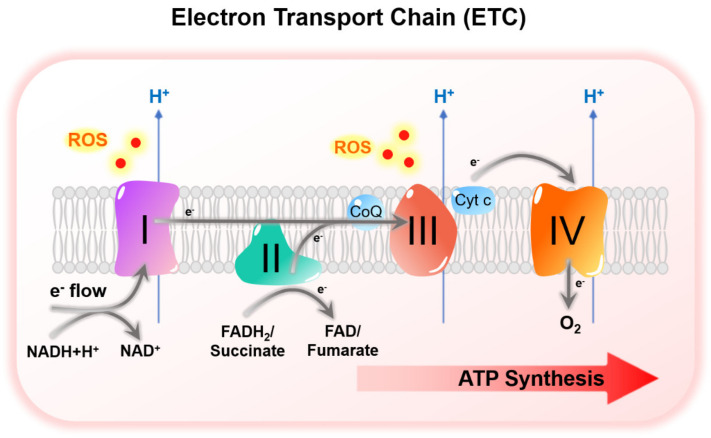
“…(NADH) and flavin adenine di-nucleotide electron transport chain (ETC) in mitochondria Glucose 6-phosphate dehydrogenase is directly transactivated by HIF-1 α and interacts with VEGF in cancer cells, linking PPP activation to angiogenesis [44]. and combine with the electron acceptor O 2 [31].”
BackgroundInfluentialSalman, S., Meyers, D. J., Wicks, E. E., Lee, S. N., Datan, E., Thomas, A. M., Anders, N. M., Hwang, Y., Lyu, Y., Yang, Y., et al. (2022) · Journal of Clinical Investigation · doi:10.1172/jci156774 · Cited by 111
Drug resistance in cancer: molecular mechanisms and emerging treatment strategies
Li, J., Hu, J., Yang, Y., Zhang, H., Liu, Y., Fang, Y., Qu, L., Lin, A., Luo, P., Jiang, A., et al. (2025) · Molecular Biomedicine · doi:10.1186/s43556-025-00352-w · Cited by 120
“HIFs induced under these conditions promote resistance to targeted therapies such as TKIs and suppress anti-tumor immunity by increasing the production of metabolic byproducts like lactate [222].”
Modulation of redox homeostasis: A strategy to overcome cancer drug resistance
Yang, L., Zhang, X., Wang, Z., Li, B., & Zhu, H. (2023) · Frontiers in Pharmacology · doi:10.3389/fphar.2023.1156538 · Cited by 96
“Hypoxia is one of the most prominent features of the tumor microenvironment and is associated with many tumor characteristics, including promoting cell proliferation, angiogenesis, metabolic reprogramming, and resistance to radiotherapy and chemotherapy (Jing et al., 2019; Bao and Wong, 2021).”
BackgroundKao, T.-W., Bai, G.-H., Wang, T.-L., Shih, I.-M., Chuang, C.-M., Lo, C.-L., Tsai, M.-C., Chiu, L.-Y., Lin, C.-C., & Shen, Y.-A. (2023) · Journal of Experimental & Clinical Cancer Research · doi:10.1186/s13046-023-02724-y · Cited by 89
Deng, Y., Shi, M., Lin, Y., Khan, M. N., Xia, Z., & Li, X. (2024) · Heliyon · doi:10.1016/j.heliyon.2024.e37060 · Cited by 73
“Hypoxia and DNA methylation are two mechanisms that boost VISTA expression on MDSC. Low oxygen levels, or hypoxia, are a characteristic of solid tumors [21] and they cause the increase of VISTA on MDSCs in the TME [22].”
BackgroundSu, X., Yan, X., & Zhang, H. (2025) · Molecular Cancer · doi:10.1186/s12943-025-02378-8 · Cited by 76
“In addition, metabolic remodelling of HCC cells and the tumour microenvironment affects tumour growth and metastasis, adding to the difficulty of the study [72].”
Singh, L., Nair, L. S., Kumar, D., Arora, M. K., Bajaj, S., Gadewar, M. M., Mishra, S. S., Rath, S. K., Dubey, A. K., Kaithwas, G., et al. (2023) · Frontiers in Oncology · doi:10.3389/fonc.2023.1034205 · Cited by 73
“These cancer cells have a limited supply of oxygen and nutrients and become hypoxic (22).”
BackgroundHepatocellular carcinoma and lipid metabolism: Novel targets and therapeutic strategies
Cao, L.-Q., Xie, Y., Fleishman, J. S., Liu, X., & Chen, Z. (2024) · Cancer Letters · doi:10.1016/j.canlet.2024.217061 · Cited by 76
Song, H.-J., Qiu, Z.-L., Wang, Y., Xi, C., Zhang, G.-Q., Sun, Z.-K., Luo, Q.-Y., & Shen, C.-T. (2023) · International Journal on Biological Sciences · doi:10.7150/ijbs.75459 · Cited by 72
“These data consistent with our previous and current research findings [7, 9, 27].”
ResultDrug Resistance and Endoplasmic Reticulum Stress in Hepatocellular Carcinoma
Khaled, J., Kopsida, M., Lennernäs, H., & Heindryckx, F. (2022) · Cells · doi:10.3390/cells11040632 · Cited by 78
“Hypoxia and nutrient deprivation can directly activate the UPR [25] and have also been implicated as strong inducers of chemoresistance [13].”
BackgroundTherapeutic Targeting of Hypoxia-Inducible Factors in Cancer
Din, S. M. U., Streit, S., Huynh, B. T., Hana, C. K., Abraham, A. N. J., & Hussein, A. M. (2024) · International Journal of Molecular Sciences · doi:10.3390/ijms25042060 · Cited by 62
“Although sorafenib and immune checkpoint inhibitors (ICIs) are first-line treatments, drug resistance and the suppressive tumor microenvironment (TME) hinder their efficacy [36].”
BackgroundProtein degradation: expanding the toolbox to restrain cancer drug resistance
Ming, H., Li, B., Jiang, J., Qin, S., Nice, E. C., He, W., Lang, T., & Huang, C. (2023) · Journal of Hematology & Oncology · doi:10.1186/s13045-023-01398-5 · Cited by 64
Tian, X., Yan, T., Liu, F., Liu, Q., Zhao, J., Xiong, H., & Jiang, S. (2022) · Frontiers in Pharmacology · doi:10.3389/fphar.2022.991052 · Cited by 53
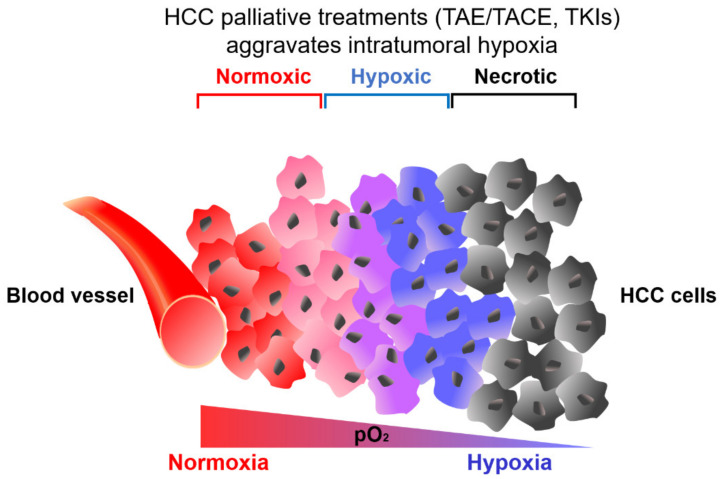
“However, in normal human liver tissue, the pO2 is 30 mm Hg (Bao and Wong, 2021).”
BackgroundRedox regulation of cancer stem cells: Biology and therapeutic implications
Du, M., Zhang, J., Wicha, M. S., & Luo, M. (2024) · MedComm – Oncology · doi:10.1002/mog2.70005 · Cited by 45
Complex II ambiguities—FADH2 in the electron transfer system
Gnaiger, E. (2023) · Journal of Biological Chemistry · doi:10.1016/j.jbc.2023.105470 · Cited by 55
Mechanisms of drug resistance in hepatocellular carcinoma
Zou, Y., Wan, X., Zhou, Q., Zhu, G., Lin, S.-S., Tang, Q., Yang, X.-B., & Wang, S.-M. (2025) · Biological Procedures Online · doi:10.1186/s12575-025-00281-6 · Cited by 49
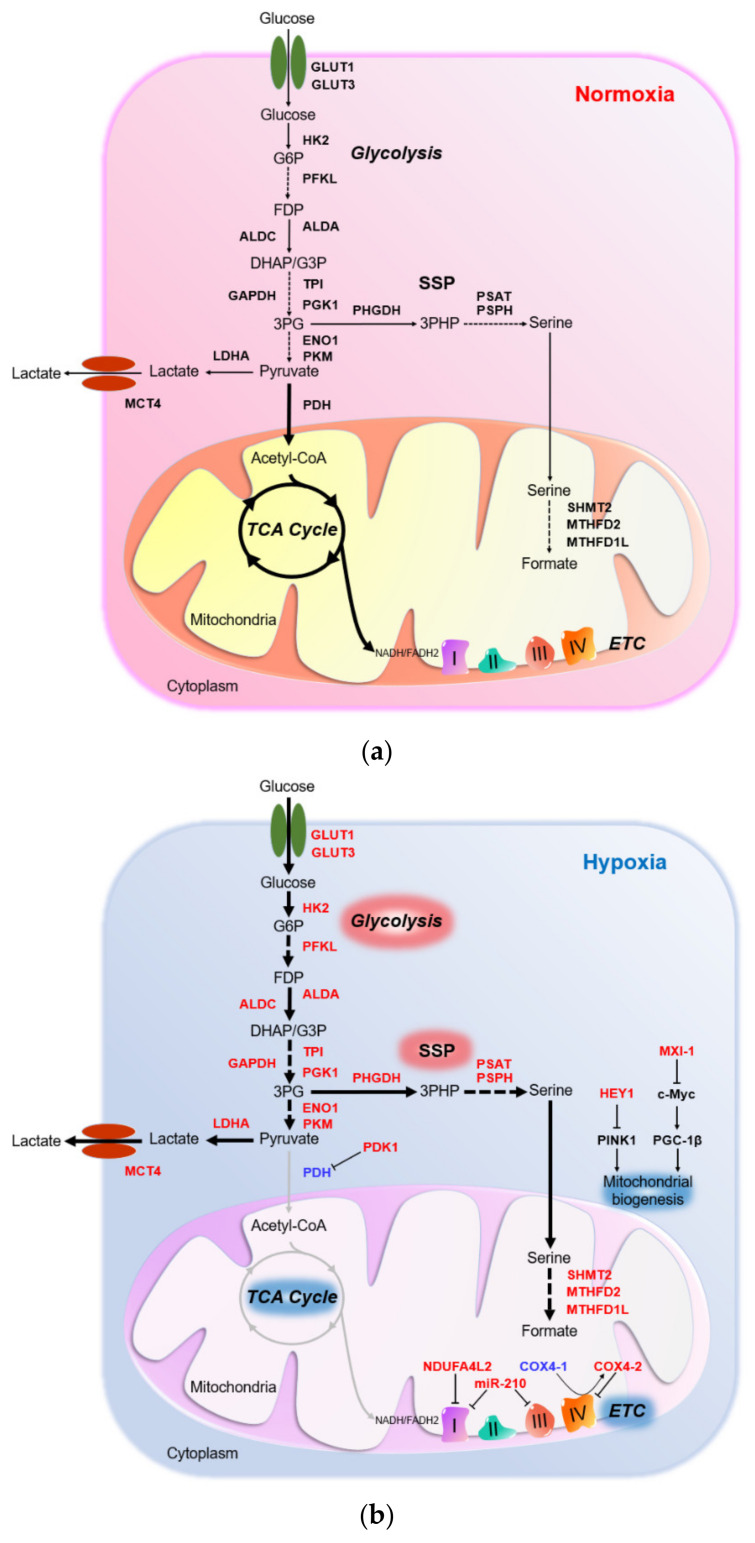
“…pyruvate-to-lactate conversion, while HIF-1α/2α upregulates monocarboxylate transporter MCT4 (SLC16 A3) to extrude lactate into the TME, creating an acidic microenvironment (pH 6.0–6.5) with lactate concentrations reaching 10–30 mM—5–10 times higher than physiological levels (1.5–3 mM) [92].”
InfluentialBeyond Cancer Cells: How the Tumor Microenvironment Drives Cancer Progression
Sabit, H., Arneth, B. M., Abdel-Ghany, S. E., Madyan, E. F., Ghaleb, A. H., Selvaraj, P., Shin, D. M., Bommireddy, R., & El-Hashash, A. H. K. (2024) · Cells · doi:10.3390/cells13191666 · Cited by 51
Glutamine metabolic reprogramming in hepatocellular carcinoma
Ye, Y., Yu, B., Wang, H., & Yi, F. (2023) · Frontiers in Molecular Biosciences · doi:10.3389/fmolb.2023.1242059 · Cited by 47
Xiang, S., Zhan, H., Zhan, J., Li, X., Lin, X., & Sun, W. (2025) · International Journal of Pharmaceutics X · doi:10.1016/j.ijpx.2025.100400 · Cited by 16
“In T cells, HIF-1 α diminishes cytotoxic activity by promoting metabolic reprogramming (Bao and Wong Hypoxia, 2021; Seo et al., 2022; Sitkovsky and Lukashev, 2005).”
Role Of YAP Signaling in Regulation of Programmed Cell Death and Drug Resistance in Cancer
Zhou, W., Lim, A., Edderkaoui, M., Osipov, A., Wu, H., Wang, Q., & Pandol, S. J. (2023) · International Journal of Biological Sciences · doi:10.7150/ijbs.83586 · Cited by 49
Lu, S., Zhang, C., Wang, J., Zhao, L., & Li, G. (2023) · Biomedicine & Pharmacotherapy · doi:10.1016/j.biopha.2023.116059 · Cited by 44
Rong, J., Liu, T., Yin, X., Shao, M., Zhu, K., Li, B., Wang, S., Zhu, Y., Zhang, S., Yin, L., et al. (2024) · Journal of Experimental & Clinical Cancer Research · doi:10.1186/s13046-024-03167-9 · Cited by 45
“Moreover, HCC often develops resistance to these drugs due to the one‑dimensional action mecha‑ nism of single drug therapy [8, 9].”
BackgroundWang, Q., Liu, J., Chen, Z., Zheng, J., Wang, Y., & Dong, J. (2023) · Biomedicine & Pharmacotherapy · doi:10.1016/j.biopha.2023.116021 · Cited by 44
Hypoxia-driven angiogenesis and metabolic reprogramming in vascular tumors
Liu, L., Yu, J., Liu, Y., Xie, L., Hu, F., & Liu, H. (2025) · Frontiers in Cell and Developmental Biology · doi:10.3389/fcell.2025.1572909 · Cited by 30
“During glycolysis, 3-phosphoglycerate (3PG) enters the serine synthesis pathway (SSP) to produce serine (Bao and Wong, 2021).”
Jing, M.-J., Xiong, X.-F., Mao, X.-C., Song, Q.-B., Zhang, L.-M., Ouyang, Y., Pang, Y., Fu, Y., & Yan, W. (2024) · Cell Death and Disease · doi:10.1038/s41419-024-06536-6 · Cited by 39
“Similarly, in the data from TCGA ( n = 370, r = 0.58, P 0.001) and ICGC ( n = 232, r = 0.55, P 0.001), the two were positively correlated (Fig.”
InfluentialmiR-22 gene therapy treats HCC by promoting anti-tumor immunity and enhancing metabolism
Hu, Y., Setayesh, T., Vaziri, F., Wu, X., Hwang, S. T., Chen, X., & Wan, Y. Y. (2023) · Molecular Therapy · doi:10.1016/j.ymthe.2023.04.019 · Cited by 46
“42 Whereas, two known HIF1 a -suppressed lipid metabolism-related genes, Ppara (fatty acid oxidation) and Chka (phospholipid synthesis), were reduced in HCC livers.”
Wu, S.-T., Fan, K., Yang, Q., Chen, Z., Hou, Y., Zou, Y.-H., Cai, W., & Kang, L. (2023) · Journal of Nanobiotechnology · doi:10.1186/s12951-023-01804-7 · Cited by 38
“Low oxygen levels are rarely observed in normal tissues, but hypoxic regions are common in tumors and contribute to chemotherapy resistance [94].”
BackgroundPeng, X., Zhu, J., Liu, S., Luo, C. H., Wu, X., Liu, Z., Li, Y., & Yuan, R. (2022) · Frontiers in Immunology · doi:10.3389/fimmu.2022.990790 · Cited by 44
Wang, Q., Liu, J., Yang, M., Zhou, J., Li, Y., Zheng, J., Jia, H., Yue, S., Le, Y., Su, Y., et al. (2025) · Signal Transduction and Targeted Therapy · doi:10.1038/s41392-025-02321-9 · Cited by 35
“50,51 In this study, we utilized both in vitro and in vivo models to elucidate the critical roles of glucose ‒ lipid metabolic reprogramming and the glutathione metabolic pathway in enabling resistant cells to sustain growth and survive under pressure.”
Tumor microenvironment‐regulating nanomedicine design to fight multi‐drug resistant tumors
Xu, Q., Lan, X., Lin, H., Xi, Q., Wang, M., Quan, X., Yao, G., Yu, Z., Wang, Y., & Yu, M. (2022) · Wiley Interdisciplinary Reviews Nanomedicine and Nanobiotechnology · doi:10.1002/wnan.1842 · Cited by 45
Hu, J., Hu, J., Wu, W.-R., Qin, Y., Fu, J.-J., Zhou, J., Liu, C., & Yin, J. (2022) · Acta Biomaterialia · doi:10.1016/j.actbio.2022.08.027 · Cited by 36
Yao, G., & Yang, Z. (2023) · Archives of Physiology and Biochemistry · doi:10.1080/13813455.2023.2206982 · Cited by 35
“Mechanistically, GPC3 knockdown decreased the lactylation of c-myc, which further The occurrence, development, metastasis, and recurrence of HCC involve many factors, among which cell hypoxia plays a major role in the occurrence and development of HCC (Bao and Wong 2021).”
Shi, T., Morishita, A., Kobara, H., & Masaki, T. (2021) · International Journal of Molecular Sciences · doi:10.3390/ijms221910630 · Cited by 40
Li, Y., Chen, Y., Zhao, C., Yang, Y., Zhang, M., Cheng, H., Li, Q., & Wang, M. (2024) · Phytomedicine · doi:10.1016/j.phymed.2024.155532 · Cited by 33
Liu, Y., Jiang, C., Xu, C., & Gu, L. (2023) · Cancer Cell International · doi:10.1186/s12935-023-03103-5 · Cited by 37
“However, under hypoxic conditions (such as hypoxia), the degradation of HIF1α is inhibited, resulting in its stabilisation and nuclear translocation [16, 17].”
BackgroundFernández‐Palanca, P., Payo‐Serafín, T., San‐Miguel, B., Méndez‐Blanco, C., Tuñón, M. J., González‐Gallego, J., & Mauriz, J. L. (2022) · Acta Pharmacologica Sinica · doi:10.1038/s41401-022-01021-2 · Cited by 34
“Although numerous processes are involved in the loss of drug sensitivity in HCC [4, 10], autophagy arouses a distinct interest because of the dual role this mechanism has on cancer development and progression [14, 15].”
BackgroundLuo, K., Qian, Z., Jiang, Y., Lv, D., Zhu, K., Shao, J., Hu, Y. C., Lv, C., Huang, Q., Gao, Y., et al. (2023) · Computers in Biology and Medicine · doi:10.1016/j.compbiomed.2023.107078 · Cited by 28
Rusu, I., Pirlog, R., Chiroi, P., Nutu, A., Puia, V. R., Fetti, A. C., Rusu, D. R., Berindan-Neagoe, I., & Al Hajjar, N. (2022) · International Journal of Molecular Sciences · doi:10.3390/ijms232012370 · Cited by 27
“Recent evidence showed that ncRNAs are involved in the regulation of hypoxia in HCC via HIF-1α and are responsible for the development of an immunosuppressive tumor microenvironment, which facilitates immune evasion of tumor cells [249].”
BackgroundInflammatory processes involved in NASH-related hepatocellular carcinoma
Cannito, S., Dianzani, U., Parola, M., Albano, E., & Sutti, S. (2023) · Bioscience Reports · doi:10.1042/bsr20221271 · Cited by 29
Chen, H., Chen, J., Yuan, H., Li, X., & Li, W. (2022) · Oncology Letters · doi:10.3892/ol.2022.13404 · Cited by 29
“Hypoxia and inflamma‐ tion are two key factors affecting the microenvironment of HCC (24,25).”
BackgroundCuproptosis-Related Genes MTF1 and LIPT1 as Novel Prognostic Biomarker in Acute Myeloid Leukemia
Li, Y., & Kan, X. (2023) · Biochemical Genetics · doi:10.1007/s10528-023-10473-y · Cited by 24
“Hypoxia is one of the very important features of solid tumors, and pathways such as tricarboxylic acid cycle and gluconeogenesis play a very important role in it (Bao and Wong 2021).”
Yue, B., Gao, Y., Hu, Y., Zhan, M., Wu, Y., & Lu, L. (2024) · Clinical and Translational Medicine · doi:10.1002/ctm2.1731 · Cited by 26
“139 Therefore, overcoming drug resistance in hypoxic HCC is possible to improve patients’ quality of life.”
BackgroundFerroptosis in liver cancer: a key role of post-translational modifications
Xu, Y. C., Xing, Z., Suliman, R. A. I., Liu, Z., & Tang, F. (2024) · Frontiers in Immunology · doi:10.3389/fimmu.2024.1375589 · Cited by 22
Xu, W., Yang, M., Zhang, W., Jia, W., Zhang, H.-D., & Zhang, Y.-W. (2023) · Materials Today Bio · doi:10.1016/j.mtbio.2023.100902 · Cited by 24
“The improvement of hypoxia not only enhances the efficiency of PDT but also can reverse sorafenib resistance [61,62].”
BackgroundImpact of Alternative Splicing Variants on Liver Cancer Biology
Marín, J., Reviejo, M., Soto, M., Lozano, E., Asensio, M., Ortiz-Rivero, S., Berasain, C., Avila, M., & Herráez, E. (2021) · Cancers · doi:10.3390/cancers14010018 · Cited by 24
A stroke organoids-multiomics platform to study injury mechanism and drug response
Zhu, W., Wu, Y., Li, X., Yang, H., He, F., Ma, J., Wei, J., & Leng, L. (2024) · Bioactive Materials · doi:10.1016/j.bioactmat.2024.09.038 · Cited by 14
“Hypoxia is one of the most shared pathogeneses responsible for heterogeneous pathological states, including ischemic injury [5], trauma [6], inflammation [7], and tumors [8].”
Wang, Y., Su, L., Hu, Z.-S., Peng, S., Li, N., Fu, H., Wang, B., & Wu, H. (2024) · Apoptosis · doi:10.1007/s10495-024-01995-w · Cited by 23
“Tumor hypoxia, characterized by low oxygen levels, is a crucial feature of solid tumors, especially HCC. Hypoxia induces metabolic changes through hypoxia-inducible factors (HIFs), resulting in resistance to existing HCC therapies and poor treatment outcomes [75 ].”
A review of the literature on the use of CRISPR/Cas9 gene therapy to treat hepatocellular carcinoma
Amjad, E., Pezzani, R., & Sokouti, B. (2024) · Oncology Research Featuring Preclinical and Clinical Cancer Therapeutics · doi:10.32604/or.2023.044473 · Cited by 26
“It becomes obvious why PHGDH knockout would increase HCC cells ’ susceptibility to sorafenib-induced apoptosis by linking its role in cell survival and proliferation with the stress and DNA damage response [111 – 113].”
BackgroundWang, Y., Xu, C., Yang, X., Liu, X.-F., Guo, Z.-J., Lin, X., Li, L., & Huang, Z. (2024) · MedComm · doi:10.1002/mco2.486 · Cited by 23
Zhang, E., Ding, C., Li, S., Aikemu, B., Zhou, X., Fan, X., Sun, J. P., Yang, X. Y., & Zheng, M. (2023) · Cancer Cell International · doi:10.1186/s12935-023-02892-z · Cited by 26
Cheng, X., Li, J., Feng, L., Feng, S., Wu, X. X., & Li, Y. (2022) · Frontiers in Pharmacology · doi:10.3389/fphar.2022.1011033 · Cited by 30
“ICIs therapy has been shown to be a highly effective agent for the treatment of HCC(Graham and Unger, 2018).”
BackgroundInfluentialEghbali, S. Z., & Heumann, T. R. (2025) · Cancers · doi:10.3390/cancers17020236 · Cited by 22
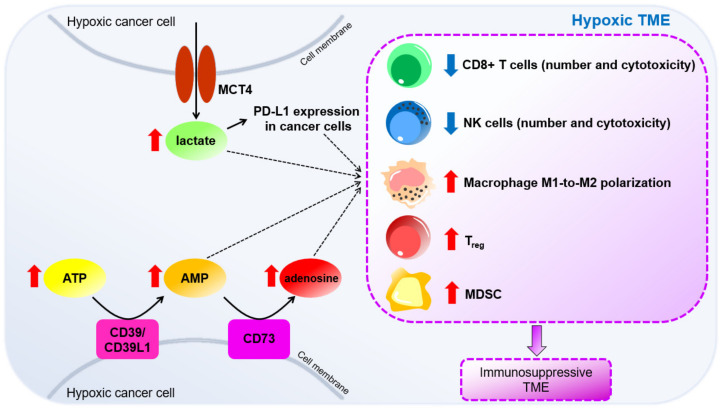
“…adenosine, are altered in the TME such that they collectively help to shape an immunosuppressive environment and greatly hinder the efficacy of ICIs in HCC. Nutrient competition between cancer cells and antitumor immune cells is a common phenomenon in HCC that contributes to ICI resistance [45].”
Role of the TME in immune checkpoint blockade resistance of non-small cell lung cancer
Dai, Y., Tian, X., Ye, X., Gong, Y., Xu, L., & Jiao, L. (2024) · Cancer Drug Resistance · doi:10.20517/cdr.2024.166 · Cited by 14
Luo, S., Yang, Y., Chen, L., Kannan, P. R., Yang, W., Zhang, Y., Zhao, R., Liu, X., Li, Y., & Kong, X. (2024) · Acta Biomaterialia · doi:10.1016/j.actbio.2024.05.010 · Cited by 24
The role of tumor‐associated macrophages in hepatocellular carcinoma progression: A narrative review
Zhang, X., Yu, C., Zhao, S., Wang, M., Shang, L., Zhou, J., & Ma, Y. (2023) · Cancer Medicine · doi:10.1002/cam4.6717 · Cited by 24
“145 However, even under aerobic conditions, tumor cells break down glucose into lactate via glycolysis to rapidly meet the energy requirements for cell proliferation, which is called the Warburg effect.”
BackgroundNakano, T., Chen, C.-L., Chen, I.-H., Tseng, H.-P., Chiang, K.-C., Lai, C., Hsu, L., Goto, S., Lin, C.-C., & Cheng, Y.-F. (2023) · International Journal of Molecular Sciences · doi:10.3390/ijms24097908 · Cited by 21
Hypoxia and HIFs in Ewing sarcoma: new perspectives on a multi-facetted relationship
Ceranski, A. K., Carreño-Gonzalez, M. J., Ehlers, A. C., Colombo, M. V., Cidre‐Aranaz, F., & Grünewald, T. G. P. (2023) · Molecular Cancer · doi:10.1186/s12943-023-01750-w · Cited by 25
Wang, C., Cheng, T., Lu, Q., Li, W., Liu, B., Yue, L., Du, M., Sheng, W., Lu, Z., Yang, J., et al. (2022) · Pharmacological Research · doi:10.1016/j.phrs.2022.106624 · Cited by 25
Radić, J., Kožik, B., Nikolić, I., Kolarov-Bjelobrk, I., Vasiljević, T., Vranjković, B., & Despotović, S. Z. (2023) · International Journal of Molecular Sciences · doi:10.3390/ijms241411745 · Cited by 23
Sun, R., Sun, C., Yue, Z., Yin, G., Zhou, L., Zhang, S., Zhang, Y., Tang, D.-C., & Tan, X. (2024) · Phytomedicine · doi:10.1016/j.phymed.2024.155824 · Cited by 19
miR-10b-5p promotes tumor growth by regulating cell metabolism in liver cancer via targeting SLC38A2
Xia, M.-Z., Chen, J., Hu, Y., Qu, B., Bu, Q., & Shen, H. (2024) · Cancer Biology & Therapy · doi:10.1080/15384047.2024.2315651 · Cited by 19
Mitochondrial Alterations in Prostate Cancer: Roles in Pathobiology and Racial Disparities
Vikramdeo, K. S., Sharma, A., Anand, S., Sudan, S. K., Singh, S., Singh, A. P., & Dasgupta, S. (2023) · International Journal of Molecular Sciences · doi:10.3390/ijms24054482 · Cited by 20
Luo, X., Ji, X., Xie, M., Zhang, T., Wang, Y., Sun, M., Huang, W., & Xia, L. (2022) · Cancers · doi:10.3390/cancers14051165 · Cited by 20
“The mechanisms underlying hypoxia-induced HCC cells escape from sorafenib include HIF-mediated metabolic reprogramming [104], regulation of the PI3K/AKT signaling pathway [105], etc.”
BackgroundAdvancements in nano drug delivery system for liver cancer therapy based on mitochondria-targeting
Chen, L., He, Y., Lan, J., Li, Z., Gu, D., Nie, W., Zhang, T., & Ding, Y. (2024) · Biomedicine & Pharmacotherapy · doi:10.1016/j.biopha.2024.117520 · Cited by 17
Cheng, B., Ma, X.-S., Zhou, Y., Liu, J., Fei, X., Pan, W., Peng, X., Wang, W., & Chen, J. (2024) · European Journal of Medicinal Chemistry · doi:10.1016/j.ejmech.2024.116645 · Cited by 17
He, L.-Y., Wang, X., Chen, J.-Y., Li, Y.-Z., Wang, L., Xiong, C.-Q., & Nie, Z. (2022) · Analytical Chemistry · doi:10.1021/acs.analchem.2c00654 · Cited by 18
Chen, J., Sheng, Z.-G., Zhang, H., Huang, C., Qin, M., Shao, B., Mao, J.-Y., Wang, R., Shao, J., & Zhu, B. (2025) · ACS Applied Materials & Interfaces · doi:10.1021/acsami.4c13889 · Cited by 18
Mechanisms of HIF1A-mediated immune evasion in gastric cancer and the impact on therapy resistance
Qi, H., Ma, X., Ma, Y., Jia, L., Liu, K., & Wang, H. (2024) · Cell Biology and Toxicology · doi:10.1007/s10565-024-09917-x · Cited by 14
Zhu, K., Xia, Y.-R., Tian, X., He, Y.-C., Zhou, J., Han, R., Guo, H., Song, T., Chen, L., & Tian, X.-D. (2023) · Frontiers in Genetics · doi:10.3389/fgene.2023.1271381 · Cited by 17
“Reportedly, pluripotent stem cells and differentiated cells differ with regard to a lack of traits such as low ATP/cell content and a high rate of oxygen consumption (Atashi et al., 2015; Bao and Wong, 2021).”
BackgroundMa, X., Xia, M., Wei, L., Guo, K., Sun, R., Liu, Y., Qiu, C., & Jiang, J. (2022) · Cell Death and Disease · doi:10.1038/s41419-022-05507-z · Cited by 18
“Tumor cells in hypoxia microenvironment can escape drugs targeted at cell division by producing ROS and lead the resistance [22, 23].”
BackgroundYao, J., Ma, C., Feng, K., Tan, G., & Wen, Q. (2022) · Biomolecules · doi:10.3390/biom12111565 · Cited by 22
“Hypoxia-inducible factor-1 (HIF-1) is an essential regulator of cellular adaptation to hypoxia; it is frequently overexpressed in cancer cells and has been related to drug resistance [78,79].”
BackgroundZhao, L., Qi, H., Liu, W.-T., Lv, H., Li, P., Liu, W., Sun, R., Wang, Q., & Wang, X. (2025) · Communications Biology · doi:10.1038/s42003-025-07622-x · Cited by 15
“And there is a signi fi cant correlation between metabolic reprogramming and cancer drug resistance 14 , especially in the case of the glycolytic pathway dominated by aerobic glycolysis (the Warburg effect), which has been observed to signi fi cantly compromise the ef fi cacy of chemo-radiotherapy…”
Targeted Drug Delivery Strategies for the Treatment of Hepatocellular Carcinoma
Liu, Y., Wu, Y., Li, Z., Wan, D., & Pan, J. (2024) · Molecules · doi:10.3390/molecules29184405 · Cited by 18
“…environment with low pH, excessive aggregation of M2 tumor-associated macrophages, hypoxia, abundant blood supply, a high tendency for vascular invasion and metastasis, high chemokine expression, overexpression of enzymes, high levels of redox reactions, strong immunosuppression, etc., [8–11].”
BackgroundChip collection of hepatocellular carcinoma based on O2 heterogeneity from patient tissue
Baek, S., Ha, H., Park, J., Cho, M. J., Kim, H.-S., Yu, S. E., Chung, S.-Y., Kim, C., Kim, J., Lee, J. Y., et al. (2024) · Nature Communications · doi:10.1038/s41467-024-49386-8 · Cited by 16
“This alteration causally enhances cell motility, invasiveness, and metastasis 27 .”
Fernández‐Palanca, P., Payo‐Serafín, T., Méndez‐Blanco, C., San‐Miguel, B., Tuñón, M. J., González‐Gallego, J., & Mauriz, J. L. (2023) · Clinical and Molecular Hepatology · doi:10.3350/cmh.2022.0425 · Cited by 17
“66 66-68 Numerous studies have assessed the modulatory effects of the tumor microenvironment on NRP expression and activity, recently reporting some exciting findings (Fig.”
Fulgenzi, C. A. M., D’Alessio, A., Ogunbiyi, O., Demirtaş, C. Ö., Gennari, A., Cortellini, A., Sharma, R., & Pinato, D. J. (2022) · Expert Opinion on Investigational Drugs · doi:10.1080/13543784.2022.2072726 · Cited by 14
MiR-29a Curbs Hepatocellular Carcinoma Incidence via Targeting of HIF-1α and ANGPT2
Huang, Y.-H., Lian, W.-S., Wang, F.-S., Wang, P., Lin, H.-Y., Tsai, M.-C., & Yang, Y.-L. (2022) · International Journal of Molecular Sciences · doi:10.3390/ijms23031636 · Cited by 16
“Hypoxia is a hallmark of solid cancers, especially HCC mediating metabolic reprogramming in drug resistance in HCC [22].”
BackgroundNanomaterials for liver cancer targeting: research progress and future prospects
Xu, J., & Liu, Y. (2025) · Frontiers in Immunology · doi:10.3389/fimmu.2025.1496498 · Cited by 13
“A major contributing factor to drug resistance in HCC is hypoxia, which in fl uences the effectiveness of drugs like sorafenib by modulating hypoxia-inducible factors (HIFs) and glucose transporters (GLUTs) within metabolic pathways such as glycolysis (43).”
The Hippo Pathway in Breast Cancer: The Extracellular Matrix and Hypoxia
Yang, H., Yang, J., Zheng, X., Chen, T., Zhang, R., Chen, R., Cao, T., Zeng, F., & Liu, Q. (2024) · International Journal of Molecular Sciences · doi:10.3390/ijms252312868 · Cited by 17
Huang, X., Wang, M., Zhang, D., Zhang, C., & Liu, P. (2024) · Journal of Hepatocellular Carcinoma · doi:10.2147/jhc.s447578 · Cited by 20
Wang, Y., Zhang, B., Xi, Q., Chen, C., Wang, Z., Li, F., Wang, S., Yang, W., Liang, X., Yu, Z., et al. (2023) · Nano Today · doi:10.1016/j.nantod.2023.102009 · Cited by 16
Peroxide mediated oxygen delivery in cancer therapy
Khorshidi, S., Younesi, S., & Karkhaneh, A. (2022) · Colloids and Surfaces B Biointerfaces · doi:10.1016/j.colsurfb.2022.112832 · Cited by 19
Wei, M.-Y., Cao, Z.-L., Dong, L., Wang, W., Wei, M., Ji, L.-S., Duan, L., Sun, H., & Zheng, M.-Q. (2025) · Oncology Letters · doi:10.3892/ol.2025.15272 · Cited by 14
“…signaling can upregulate DNA methyltransferase 3 β , driving promoter hypermethylation and silencing of tumor‑suppressive nega‑ tive regulators such as suppressor of cytokine signaling (SOCS) 1/3, which lifts feedback inhibition of JAK/STAT and supports survival and drug tolerance (47,50,51).”
Implication of protein post translational modifications in gastric cancer
Song, H., Zhang, M., Guo, C., Xi, G., Ma, Y., & Ma, Y. (2025) · Frontiers in Cell and Developmental Biology · doi:10.3389/fcell.2025.1523958 · Cited by 14
Shen, J., Wu, Z., Zhou, Y., Yang, D., Wang, X., Yu, B., Zhao, K., & Ding, Y. (2024) · Biochemical and Biophysical Research Communications · doi:10.1016/j.bbrc.2024.150709 · Cited by 16
Liang, Z., He, H., Zhang, B., Kai, Z.-T., & Zong, L. (2024) · Drug development research (Print) · doi:10.1002/ddr.22168 · Cited by 14
“Hypoxia is an important factor in promoting thyroid cancer progression and metastasis (Bao & Wong, 2021).”
BackgroundRen, X., Su, D., Shi, D., & Xiang, X. (2023) · Frontiers in Bioengineering and Biotechnology · doi:10.3389/fbioe.2023.1272850 · Cited by 15
“With the deepening of research, it has been found that the ef fi cacy of drug therapy for HCC is affected by many factors, such as primary and secondary drug resistance, tumor microenvironment (TME), etc (Bao and Wong, 2021).”
BackgroundOvercoming the therapeutic resistance of hepatomas by targeting the tumor microenvironment
Zhang, J., Han, H., Wang, L., Wang, W., Yang, M., & Qin, Y. (2022) · Frontiers in Oncology · doi:10.3389/fonc.2022.988956 · Cited by 13
“The hypoxic microenvironment of liver cancer tissue is widespread, which not only stimulates the proliferation of liver cancer cells, causes angiogenesis, and accelerates invasion, but also has an important impact on drug tolerance (14).”
BackgroundEmerging roles of mesenchymal stem cell-derived exosomes in gastrointestinal cancers
Wang, N., Pei, B., Yuan, X., Yi, C., Ocansey, D. K. W., Qian, H., & Mao, F. (2022) · Frontiers in Bioengineering and Biotechnology · doi:10.3389/fbioe.2022.1019459 · Cited by 12
“The acquisition of drug resistance is one of the main reasons for the current suboptimal clinical outcome of liver cancer (Bao and Wong, 2021).”
BackgroundHypoxaMIRs: Key Regulators of Hallmarks of Colorectal Cancer
Coronel-Hernández, J., Delgado-Waldo, I., Cantú de León, D., López-Camarillo, C., Jacobo-Herrera, N., Ramos-Payán, R., & Pérez-Plasencia, C. (2022) · Cells · doi:10.3390/cells11121895 · Cited by 13
Das, J., Barman, B., Sarma, P., Das, B. K., Chetia, R., & Kalita, P. P. (2025) · Biochemistry and Biophysics Reports · doi:10.1016/j.bbrep.2025.102403 · Cited by 8
Use of Radiomics in Characterizing Tumor Hypoxia
Huang, M., Law, H., & Tam, S. Y. (2025) · International Journal of Molecular Sciences · doi:10.3390/ijms26146679 · Cited by 14
“Hypoxia in HCC leads to tumor advancement and therapy resistance, while in GBM, hypoxic zones in the tumor microenvironment (TME) are associated with highly aggressive behavior as well as therapy resistance [2,3].”
Multifaceted roles of lactate dehydrogenase in liver cancer (Review)
Jin, H., Liu, Q., Li, J., Zhao, S.-Y., & Tuo, B. (2025) · International Journal of Oncology · doi:10.3892/ijo.2025.5756 · Cited by 13
Mohammadipoor, N., Naiebi, R., Mazhari, S. A., Amooei, F., Owrang, M., Dastghaib, S., Shams, M., Maleki, M. H., & Dastghaib, S. (2024) · Molecular Biology Reports · doi:10.1007/s11033-024-09355-2 · Cited by 17
New insights into fibrotic signaling in hepatocellular carcinoma
Liang, S., Wang, F., Xue, W., Zhai, D., Liu, J., & Lv, X. (2023) · Frontiers in Oncology · doi:10.3389/fonc.2023.1196298 · Cited by 14
“…metabolic reprogramming in HCC drug resistance and found that HIF-induced glucose metabolism, glucose uptake, and glycolysis were activated in HCC cells under hypoxic conditions, which promoted glucose uptake and satis fi ed the glucose requirement for the growth of hypoxic cancer cells (252).”
Background
Metadata
- Authors
- Bao, M. H.-R., & Wong, C. C.-L.
- Affiliations
- University of Hong Kong (HK)
- Corresponding author
- Wong, Carmen Chak-Lui
- Venue
- Cells
- Publisher
- MDPI AG
- Published
- 2021-07-06
- Volume
- 10
- Issue
- 7
- Pages
- 1715
- ISSN
- 2073-4409 (ISSN-L)
- PMC
- PMC8304710
- OpenAlex
- W3178403391
- Cited by
- 316
- References
- 121
- Citations by year
- 2026: 35 · 2025: 75 · 2024: 84 · 2023: 71 · 2022: 48 · 2021: 3
- FWCI
- 6.27
- Type
- journal article
- Language
- en
- Open access
- gold
- doi.org
- Licence
- Locations
- Cells (publishedVersion, cc-by)
- PubMed Central (publishedVersion, cc-by)
- PubMed (publishedVersion)
- DOAJ (DOAJ: Directory of Open Access Journals) (submittedVersion, cc-by-sa)
- Funders
- Program for Guangdong Introducing Innovative and Entrepreneurial Teams (2019BT02Y198)
- Topics
- Life Sciences › Biochemistry, Genetics and Molecular Biology › Cancer Research › Cancer, Hypoxia, and Metabolism
- Health Sciences › Medicine › Hepatology › Hepatocellular Carcinoma Treatment and Prognosis
- Life Sciences › Biochemistry, Genetics and Molecular Biology › Cancer Research › Ferroptosis and cancer prognosis
- Keywords
- hepatocellular carcinoma, tumor hypoxia, metabolic reprogramming, drug resistance, hypoxia-inducible factor, combination therapy, liver cancer treatment
- MeSH terms
- Sorafenib, Nivolumab, Pyruvate Dehydrogenase Acetyl-Transferring Kinase, Immune Checkpoint Inhibitors, Hypoxia, Antineoplastic Agents, Carcinoma, Hepatocellular, Humans, Liver Neoplasms, Gene Expression Regulation, Neoplastic, Drug Resistance, Neoplasm, Protein Kinase Inhibitors, Hypoxia-Inducible Factor 1, alpha Subunit, Metabolic Networks and Pathways, Tumor Microenvironment, Antibodies, Monoclonal, Humanized, Cellular Reprogramming
About these checks
Registry, retraction, Cites and statistics results are computed, not judged, with one exception: a printed reference that no index lists is read once by a model before it counts as a citation error. Claims are extracted by a model and kept only when their quote appears verbatim in the text; each cited source is then checked, with a model’s help, for whether it says what the claim relies on. Those verdicts can be wrong — read the claim’s quote and the cited source before relying on one.
Statistics and arithmetic are recomputed, not judged.
Confidence bands are shown only for fields calibrated on our annotated test set. None is calibrated yet, so no band is shown.
What counts as a claim ›How we measure confidence ›How we check this ›
Are you an author, or do you see a problem with this page? Request a review
