

Molecular Mechanisms of Alzheimer’s Disease Induced by Amyloid-β and Tau Phosphorylation Along with RhoA Activity: Perspective of RhoA/Rho-Associated Protein Kinase Inhibitors for Neuronal Therapy
Open accessThe DOI matches its Crossref record; 349 of the 349 references it cites were found in a registry or an index; none of the 221 sources its claims cite is checked for support yet.
Abstract
Amyloid-β peptide (Aβ) is a critical cause of Alzheimer’s disease (AD). It is generated from amyloid precursor protein (APP) through cleavages by β-secretase and γ-secretase. γ-Secretase, which includes presenilin, is regulated by several stimuli. Tau protein has also been identified as a significant factor in AD. In particular, Tau phosphorylation is crucial for neuronal impairment, as phosphorylated Tau detaches from microtubules, leading to the formation of neurofibrillary tangles and the destabilization of the microtubule structure. This instability in microtubules damages axons and dendrites, resulting in neuronal impairment. Notably, Aβ is linked to Tau phosphorylation. Another crucial factor in AD is neuroinflammation, primarily occurring in the microglia. Microglia possess several receptors that bind with Aβ, triggering the expression and release of an inflammatory factor, although their main physiological function is to phagocytose debris and pathogens in the brain. NF-κB activation plays a major role in neuroinflammation. Additionally, the production of reactive oxygen species (ROS) in the microglia contributes to this neuroinflammation. In microglia, superoxide is produced through NADPH oxidase, specifically NOX2. Rho GTPases play an essential role in regulating various cellular processes, including cytoskeletal rearrangement, morphology changes, migration, and transcription. The typical function of Rho GTPases involves regulating actin filament formation. Neurons, with their complex processes and synapse connections, rely on cytoskeletal dynamics for structural support. Other brain cells, such as astrocytes, microglia, and oligodendrocytes, also depend on specific cytoskeletal structures to maintain their unique cellular architectures. Thus, the aberrant regulation of Rho GTPases activity can disrupt actin filaments, leading to altered cell morphology, including changes in neuronal processes and synapses, and potentially contributing to brain diseases such as AD.
Overview
CoChat Summary
TL;DR
This review synthesizes molecular links among Aβ production, Tau hyperphosphorylation, neuroinflammation, and RhoA/ROCK signaling in Alzheimer’s disease, and evaluates RhoA/ROCK inhibitors as potential neuronal therapy. It argues that Aβ and RhoA/ROCK activation form a vicious cycle contributing to neuronal dysfunction, while current ROCK inhibitors are limited by side effects and poor clinical suitability.
Key findings
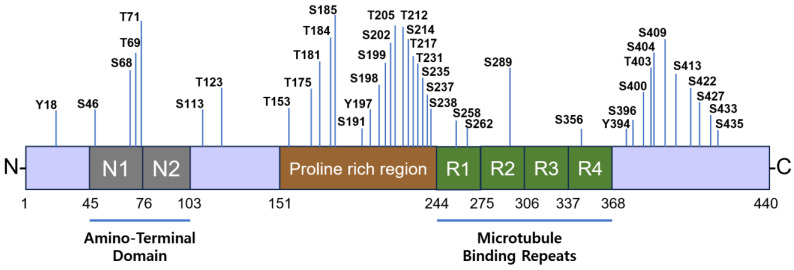
- Aβ is produced from APP by BACE1 and γ-secretase; Aβ42 can induce APP phosphorylation at Thr668 via GSK-3β, CDK5, JNK3, and Dyrk1, enhancing BACE1 cleavage and Aβ production. Aβ increases Tau phosphorylation at Ser262 and Ser396 via GSK-3β and CDK5; hyperphosphorylated Tau detaches from microtubules and forms neurofibrillary tangles.
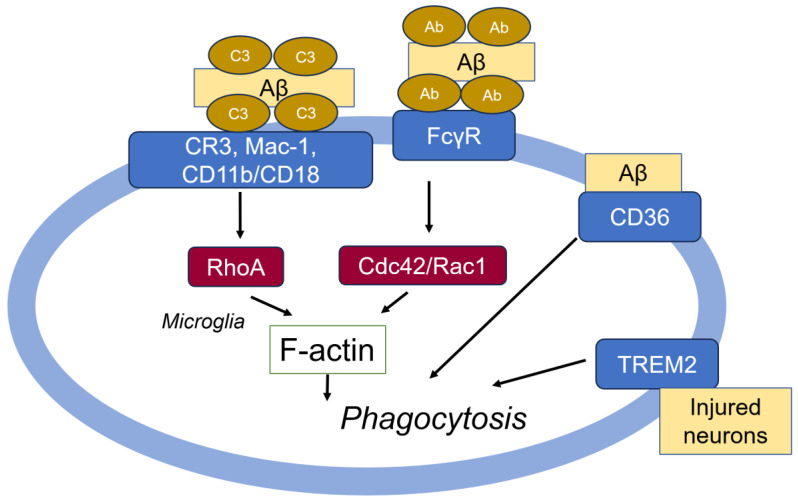
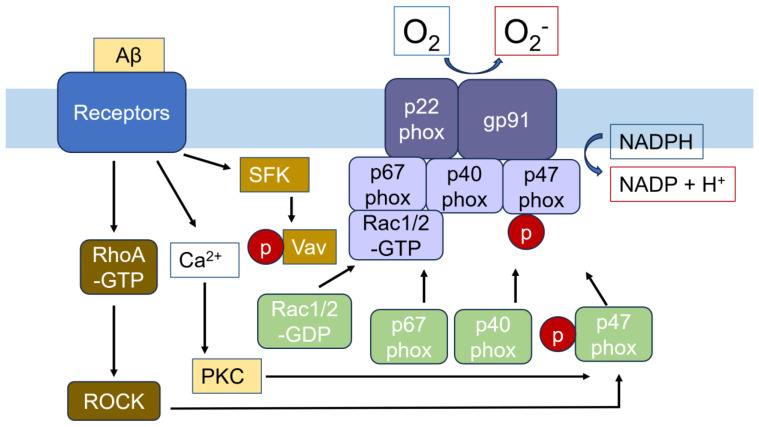
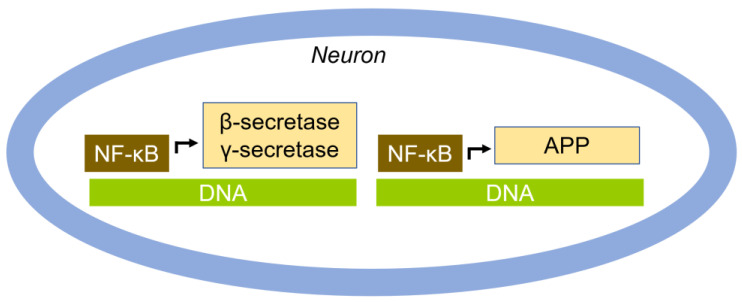
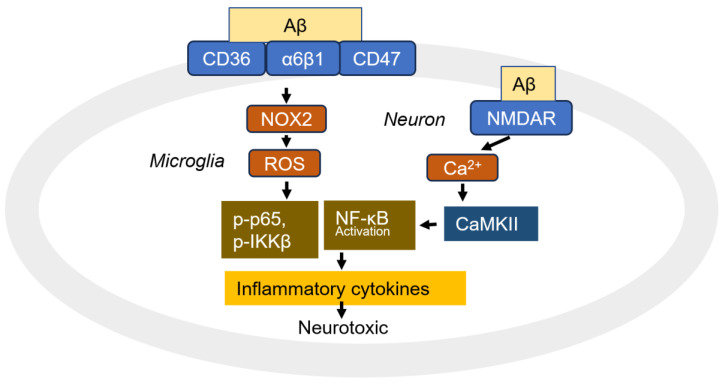
- Neuroinflammation: Aβ engages microglial receptors (e.g., CD36, CR3, FcRs, FPRs, TREM2) to activate NF-κB and NOX2/NADPH oxidase; RhoA/ROCK phosphorylates p47phox and amplifies superoxide. Low Aβ (0.1–1 μM) activates NF-κB and protects neurons from higher Aβ (10 μM), whereas high Aβ (25 or 50 μM) reduces constitutive p-p65 NF-κB in rat cortical neurons.
- RhoA/ROCK signaling is linked to AD: ROCK1 is elevated in frontal cortex and hippocampal neurons of APP/PS1 mice and AD patients; ROCK1 phosphorylates APP at Ser655, generating a better BACE1 substrate; ROCK1 knockdown or Y27632 reduces amyloid pathology and improves learning/memory in APP/PS1 mice. ROCK inhibitors inactivate GSK-3β and CDK5, activate PP2A, and promote autophagy/proteasome-mediated Tau degradation.
- Therapeutic perspective: fasudil and ripasudil are approved in Japan; fasudil reduces Tau phosphorylation, neurite outgrowth impairment, Aβ deposition, BACE expression, and inflammatory markers (TLR-2/4, p-NF-κB/p65, MyD88, IL-1β, IL-6, TNF-α) in APP/PS1 mice. Rhosin, a RhoA-specific inhibitor, promotes neurite outgrowth in PC12 cells synergistically with NGF.
Methods
- Not stated in the paper (no primary experimental design, sample, or statistical analysis is reported; the text is a narrative synthesis of cited literature).
Limitations
- Stated: ROCK inhibitors are limited by side effects; fasudil has high toxicity and a narrow safety margin, poor oral bioavailability, and can only be administered intravenously in clinical settings; no inhibitors have been established to effectively improve AD.
- Stated: unresolved or controversial findings include concentration-dependent Aβ effects on nicotinic acetylcholine receptors, inconsistent RhoA functions across cell types and models, unclear precise mechanism by which active RhoA inhibits axonal growth, and no direct investigation of a link between RhoA activation and HDAC6 inactivation.
- Evident from the text: this is a narrative review without primary data, systematic search, or meta-analysis; conclusions rely on cited preclinical models and cell lines, so clinical translation remains unproven.
Model-written summary. Check it against the paper before relying on it.
Integrity signals
Registry
Cites
Statistics
Figures
Verification
Claims the paper makes
0 Valid · 2 Not valid · 184 Not checked · 22 Own results and interpretations
In the paper
“However, the phosphorylation of Ser212 in MARK2 inhibits its activity [173].”
§ Molecular Mechanisms of Alzheimer’s Disease Induced by Amyloid-β and Tau Phosphorylation Along with RhoA Activity: Perspective of RhoA/Rho-Associated Protein Kinase Inhibitors for Neuronal Therapy > 6. Tau Phosphorylation > 6.3. Microtubule Associated Proteins (MAP)/Microtubule Affinity-Regulating Kinase (MARK)
What the sources say
- Not checked yetcites [173] Lizcano J.M. Goransson O. Toth R. Deak M. Morrice N.A. Boudeau J. Hawley S.A. Udd L. Makela T.P. Hardie D.G. LKB1 is a master kinase that activates 13 kinases of the AMPK subfamily, including MARK/PAR-1 EMBO J. 2004 23 833 843 10.1038/sj.emboj.7600110 14976552 PMC381014 source
plainstates a cause- Asserted: passes — The authors put it forward as true.
- Checkable: passes — It can be checked against evidence.
- Load-bearing: unclear — It is unclear whether the paper’s conclusions depend on it.
- Based: passes — The paper gives a reason why it holds.
In the paper
“LKB1 also enhances the activities of MARK1, MARK3, and MARK4, as well as MARK2 [173].”
§ Molecular Mechanisms of Alzheimer’s Disease Induced by Amyloid-β and Tau Phosphorylation Along with RhoA Activity: Perspective of RhoA/Rho-Associated Protein Kinase Inhibitors for Neuronal Therapy > 6. Tau Phosphorylation > 6.3. Microtubule Associated Proteins (MAP)/Microtubule Affinity-Regulating Kinase (MARK)
What the sources say
- Not checked yetcites [173] Lizcano J.M. Goransson O. Toth R. Deak M. Morrice N.A. Boudeau J. Hawley S.A. Udd L. Makela T.P. Hardie D.G. LKB1 is a master kinase that activates 13 kinases of the AMPK subfamily, including MARK/PAR-1 EMBO J. 2004 23 833 843 10.1038/sj.emboj.7600110 14976552 PMC381014 source
plainstates a cause- Asserted: passes — The authors put it forward as true.
- Checkable: passes — It can be checked against evidence.
- Load-bearing: unclear — It is unclear whether the paper’s conclusions depend on it.
- Based: passes — The paper gives a reason why it holds.
None of the sources cited for this claim have been checked yet.
In the paper
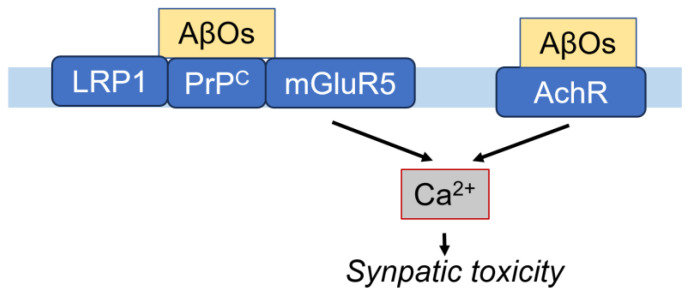
“Furthermore, the AβO-mediated accumulation of striatal-enriched protein tyrosine phosphatase 61 (STEP61) induces the dephosphorylation of the p-Y14782 of NR2B (a subunit of NMDAR), resulting in an increased internalization of NR1/NR2B (NMDAR subunits) that contributes to the cognitive deficits in AD [70,71].”
§ Molecular Mechanisms of Alzheimer’s Disease Induced by Amyloid-β and Tau Phosphorylation Along with RhoA Activity: Perspective of RhoA/Rho-Associated Protein Kinase Inhibitors for Neuronal Therapy > 4. Neuronal Damage by Aβ Through Its Receptors > 4.1. Aβ Receptors in Neurons
What the sources say
- Not checked yetcites [70] Snyder E.M. Nong Y. Almeida C.G. Paul S. Moran T. Choi E.Y. Nairn A.C. Salter M.W. Lombroso P.J. Gouras G.K. Regulation of NMDA receptor trafficking by amyloid-β Nat. Neurosci. 2005 8 1051 1058 10.1038/nn1503 16025111 source
- Not checked yetcites [71] Kurup P. Zhang Y. Xu J. Venkitaramani D.V. Haroutunian V. Greengard P. Nairn A.C. Lombroso P.J. Aβ-mediated NMDA receptor endocytosis in Alzheimer’s disease involves ubiquitination of the tyrosine phosphatase STEP61 J. Neurosci. 2010 30 5948 5957 10.1523/JNEUROSCI.0157-10.2010 20427654 PMC2868326 source
plainstates a cause- Asserted: passes — The authors put it forward as true.
- Checkable: passes — It can be checked against evidence.
- Load-bearing: unclear — It is unclear whether the paper’s conclusions depend on it.
- Based: passes — The paper gives a reason why it holds.
In the paper
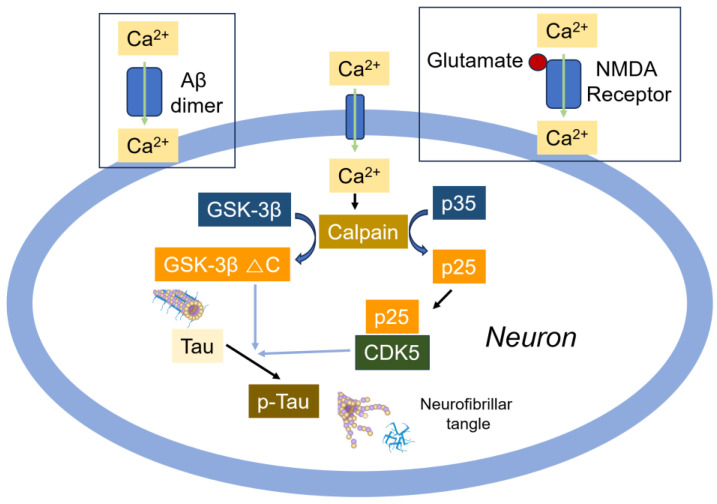
“Neuronal death due to the dysregulation of CDK5 is linked to the calpain-mediated cleavage of its coactivator, p35 or p39, into p25 and p29, respectively [167].”
§ Molecular Mechanisms of Alzheimer’s Disease Induced by Amyloid-β and Tau Phosphorylation Along with RhoA Activity: Perspective of RhoA/Rho-Associated Protein Kinase Inhibitors for Neuronal Therapy > 6. Tau Phosphorylation > 6.2. CDK5
What the sources say
- Not checked yetcites [167] Jessberger S. Gage F.H. Eisch A.J. Lagace D.C. Making a neuron: Cdk5 in embryonic and adult neurogenesis Trends Neurosci. 2009 32 575 582 10.1016/j.tins.2009.07.002 19782409 PMC2767479 source
plainstates an association- Asserted: passes — The authors put it forward as true.
- Checkable: passes — It can be checked against evidence.
- Load-bearing: unclear — It is unclear whether the paper’s conclusions depend on it.
- Based: passes — The paper gives a reason why it holds.
In the paper
“By activating PI3K/Akt signaling, PS1 promotes the inactivation GSK-3 through its phosphorylation, which suppresses GSK-3-dependent Tau phosphorylation in AD [159].”
§ Molecular Mechanisms of Alzheimer’s Disease Induced by Amyloid-β and Tau Phosphorylation Along with RhoA Activity: Perspective of RhoA/Rho-Associated Protein Kinase Inhibitors for Neuronal Therapy > 6. Tau Phosphorylation > 6.1. Glycogen Synthase Kinase-3β (GSK-3β)
What the sources say
- Not checked yetcites [159] Baki L. Shioi J. Wen P. Shao Z. Schwarzman A. Gama-Sosa M. Neve R. Robakis N.K. PS1 activates PI3K thus inhibiting GSK-3 activity and tau overphosphorylation: Effects of FAD mutations EMBO J. 2004 23 2586 2596 10.1038/sj.emboj.7600251 15192701 PMC449766 source
plainstates a cause- Asserted: passes — The authors put it forward as true.
- Checkable: passes — It can be checked against evidence.
- Load-bearing: unclear — It is unclear whether the paper’s conclusions depend on it.
- Based: passes — The paper gives a reason why it holds.
80 more claims
Create a free account to see all 208 claims and to verify the 221 references still open.
- It may state two separate claims as one. 73
- Probably not a substantial claim. 68
Self-check
Percentages, sums and reported differences re-computed from the paper’s own numbers.
Each contradiction between two passages listed here was confirmed by an independent check.
Rated minor: it would not touch a result — a value no result rests on, a p-value that stays on the same side of the significance level, or a conflict that is clerical, resolved elsewhere in the paper, or outside its own findings.
In the paper
§ Molecular Mechanisms of Alzheimer’s Disease Induced by Amyloid-β and Tau Phosphorylation Along with RhoA Activity: Perspective of RhoA/Rho-Associated Protein Kinase Inhibitors for Neuronal Therapy > 7. Regulation of Neuronal Function by RhoA GTPases > 7.7. Brain-Derived Neurotrophic Factor (BDNF)
“BDNF also prevents the functional integrity of neural networks in β-amyloidopathy models [292].”
§ Molecular Mechanisms of Alzheimer’s Disease Induced by Amyloid-β and Tau Phosphorylation Along with RhoA Activity: Perspective of RhoA/Rho-Associated Protein Kinase Inhibitors for Neuronal Therapy > References
“Brain-Derived Neurotrophic Factor (BDNF) Preserves the Functional Integrity of Neural Networks in the β-Amyloidopathy Model in vitro”
Rated minor: it would not touch a result — a value no result rests on, a p-value that stays on the same side of the significance level, or a conflict that is clerical, resolved elsewhere in the paper, or outside its own findings.
In the paper
§ Molecular Mechanisms of Alzheimer’s Disease Induced by Amyloid-β and Tau Phosphorylation Along with RhoA Activity: Perspective of RhoA/Rho-Associated Protein Kinase Inhibitors for Neuronal Therapy > 1. Introduction
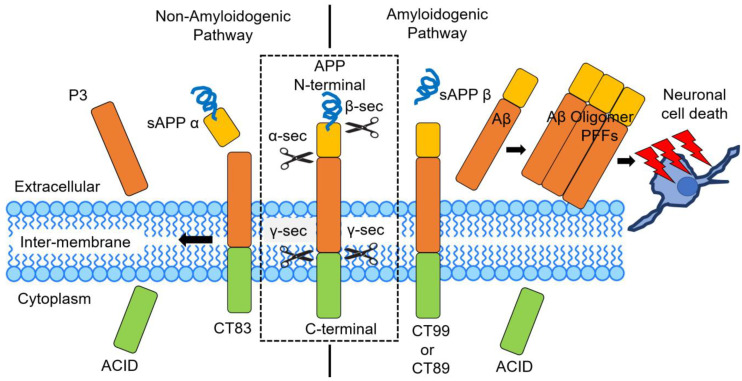
“Aβ is released from the amyloid precursor protein (APP) through the sequential cleavage of α-, β-, and γ-secretase.”
§ Molecular Mechanisms of Alzheimer’s Disease Induced by Amyloid-β and Tau Phosphorylation Along with RhoA Activity: Perspective of RhoA/Rho-Associated Protein Kinase Inhibitors for Neuronal Therapy > 1. Introduction
“In the non-amyloidogenic pathway, APP is primarily cleaved by α-secretase within the Aβ domain at the Aβ17 site, producing a secreted form of APP and an 83-amino acid membrane-bound C-terminal fragment (CTF) called C83, thus preventing Aβ production.”
Cited works that were retracted
Works this paper cites that were later retracted, from the retraction notices publishers deposit. Major when the notice came out before this paper was published.
Rated major: it would touch a result — a value a result rests on, reported and recomputed p-values on opposite sides of the significance level, two passages that conflict with no sign which is right, or a cited work retracted before this paper was published.
In the paper
“Jain, V., Baitharu, I., Prasad, D., and Ilavazhagan, G. (2013). Enriched environment prevents hypobaric hypoxia induced memory impairment and neurodegeneration: Role of BDNF/PI3K/GSK3β pathway coupled with CREB activation. PLoS ONE, 8.”
Cited work 10.1371/journal.pone.0062235 · retracted 2025-01-09 · notice 10.1371/journal.pone.0317531 · this paper published 2025-01-10
A note, not an issue: for example, a cited work that was retracted only after this paper was published, which its authors could not have known.
In the paper
“Larson, 2012, The complex PrP(c)-Fyn couples human oligomeric Aβ with pathological tau changes in Alzheimer’s disease, J. Neurosci., 32, 16857, 10.1523/jneurosci.1858-12.2012”
Cited work 10.1523/jneurosci.1858-12.2012 · retracted 2025-03-12 · notice 10.1523/jneurosci.0301-25.2025 · this paper published 2025-01-10
Citations
Cites
2 retracted
Larson, M., Sherman, M. A., Amar, F., Nuvolone, M., Schneider, J. A., Bennett, D. A., Aguzzi, A., & Lesné, S. E. (2012) · The Journal of Neuroscience · doi:10.1523/jneurosci.1858-12.2012 · Cited by 277
RetractedJain, V., Baitharu, I., Prasad, D., & Ilavazhagan, G. (2013) · PLoS ONE · doi:10.1371/journal.pone.0062235 · Cited by 86
RetractedLecanemab in early Alzheimer's disease
van Dyck, C. H., Swanson, C. J., Aisen, P., Bateman, R. J., Chen, C., Gee, M., Kanekiyo, M., Li, D., Reyderman, L., Cohen, S., et al. (2023) · New England Journal of Medicine · doi:10.1056/nejmoa2212948 · Cited by 5,678
Glenner, G. G., & Wong, C. W. (1984) · Biochemical and Biophysical Research Communications · doi:10.1016/s0006-291x(84)80190-4 · Cited by 5,404
The Molecular Biology of Axon Guidance
Tessier-Lavigne, M., & Goodman, C. S. (1996) · Science · doi:10.1126/science.274.5290.1123 · Cited by 3,278
RHO GTPASES: Biochemistry and Biology
Jaffe, A. B., & Hall, A. (2005) · Annual Review of Cell and Developmental Biology · doi:10.1146/annurev.cellbio.21.020604.150721 · Cited by 3,009
Regulation of Myosin Phosphatase by Rho and Rho-Associated Kinase (Rho-Kinase)
Kimura, K., Ito, M., Amano, M., Chihara, K., Fukata, Y., Nakafuku, M., Yamamori, B., Feng, J., Nakano, T., Okawa, K., et al. (1996) · Science · doi:10.1126/science.273.5272.245 · Cited by 2,884
Rho GTPases and their effector proteins
BISHOP, A. L., & HALL, A. (2000) · Biochemical Journal · doi:10.1042/bj3480241 · Cited by 2,575
Bloom (2014) · doi:10.1001/jamaneurol.2013.5847 · Cited by 2,194
A presenilin-1-dependent γ-secretase-like protease mediates release of Notch intracellular domain
De Strooper, B., Annaert, W., Cupers, P., Saftig, P., Craessaerts, K., Mumm, J. S., Schroeter, E. H., Schrijvers, V., Wolfe, M. S., Ray, W. J., et al. (1999) · Nature · doi:10.1038/19083 · Cited by 2,100
Cited by
Michalak, K. P., & Michalak, A. Z. (2025) · Frontiers in Immunology · doi:10.3389/fimmu.2025.1558263 · Cited by 156
Acute COVID-19 and LongCOVID syndrome – molecular implications for therapeutic strategies - review
Michalak, K. P., Michalak, A. Z., & Brenk-Krakowska, A. (2025) · Frontiers in Immunology · doi:10.3389/fimmu.2025.1582783 · Cited by 29
Li, W., Shi, Q., Bai, R., Zeng, J., Lin, L., Dai, X., Huang, Q., & Gong, G. (2025) · Molecular Medicine Reports · doi:10.3892/mmr.2025.13585 · Cited by 24
Role of RhoA-ROCK signaling inhibitor fasudil in Alzheimer disease
Al-Kuraishy, H. M., Sulaiman, G. M., Mohammed, H. A., Al-Gareeb, A. I., Albuhadily, A. K., & Mohammed, S. G. (2025) · Behavioural Brain Research · doi:10.1016/j.bbr.2025.115524 · Cited by 21
The potential and therapeutic advances of the integrin family in neurological disorders
Zhang, X., Gao, L., Wang, Y., Meng, Q., Bai, M., Xu, D., Wang, Y., Wang, J., Bi, H., & Ding, Y. (2025) · Neural Regeneration Research · doi:10.4103/nrr.nrr-d-25-00020 · Cited by 10
Metadata
- Authors
- Ahn, E. H., & Park, J.-B.
- Affiliations
- Hallym University (KR)
- Corresponding author
- Park, Jae-Bong
- Venue
- Cells
- Publisher
- MDPI AG
- Published
- 2025-01-10
- Volume
- 14
- Issue
- 2
- Pages
- 89
- ISSN
- 2073-4409 (ISSN-L)
- PMC
- PMC11764136
- OpenAlex
- W4406232717
- Cited by
- 38
- References
- 349
- Citations by year
- 2026: 23 · 2025: 15
- FWCI
- 2.78
- Type
- journal article
- Language
- en
- Open access
- gold
- doi.org
- Licence
- Locations
- Cells (publishedVersion, cc-by)
- PubMed Central (publishedVersion, cc-by)
- PubMed (publishedVersion)
- DOAJ (DOAJ: Directory of Open Access Journals) (submittedVersion)
- Funders
- Hallym University (HRF-2023-03-001)
- Topics
- Life Sciences › Neuroscience › Cellular and Molecular Neuroscience › Alzheimer's disease research and treatments
- Life Sciences › Neuroscience › Neurology › Neuroinflammation and Neurodegeneration Mechanisms
- Life Sciences › Biochemistry, Genetics and Molecular Biology › Molecular Biology › Protein Kinase Regulation and GTPase Signaling
- Keywords
- Alzheimer's disease, amyloid-beta, tau phosphorylation, RhoA, Rho kinase, Rho GTPases, neuroinflammation, microglia, NF-κB, reactive oxygen species, NADPH oxidase, actin cytoskeleton, microtubule destabilization, neurofibrillary tangles
- MeSH terms
- Alzheimer Disease, Animals, Humans, Neurons, Phosphorylation, Amyloid beta-Peptides, tau Proteins, Microglia, rhoA GTP-Binding Protein, Protein Kinase Inhibitors, rho-Associated Kinases
About these checks
Registry, retraction, Cites and statistics results are computed, not judged, with one exception: a printed reference that no index lists is read once by a model before it counts as a citation error. Claims are extracted by a model and kept only when their quote appears verbatim in the text; each cited source is then checked, with a model’s help, for whether it says what the claim relies on. Those verdicts can be wrong — read the claim’s quote and the cited source before relying on one.
A language model drew the claims from the paper on 2026-11-27, under version 3 of the claim definition (model deepseek-v4.1-flash, prompt extract-v3).
A second model labelled each claim on 2026-11-27 (model jev-1.13-20260917, definition revision gold-guideline-v0.2).
Statistics and arithmetic are recomputed, not judged.
Confidence bands are shown only for fields calibrated on our annotated test set. None is calibrated yet, so no band is shown.
What counts as a claim ›How we measure confidence ›How we check this ›
Are you an author, or do you see a problem with this page? Request a review
Data sources
Bibliographic data: Semantic Scholar, OpenAlex, Crossref.
Contains information from the Semantic Scholar Academic Graph Datasets, made available under the ODC Attribution License (ODC-BY 1.0).
Semantic Scholar’s data is described in: Kinney, R., et al. (2023). The Semantic Scholar Open Data Platform. arXiv:2301.10140.
