

Effectiveness of Mental Health Literacy Programs in Primary and Secondary Schools: A Systematic Review with Meta-Analysis
Open accessThe DOI matches its Crossref record; 39 of the 39 references it cites were found in a registry or an index.
Abstract
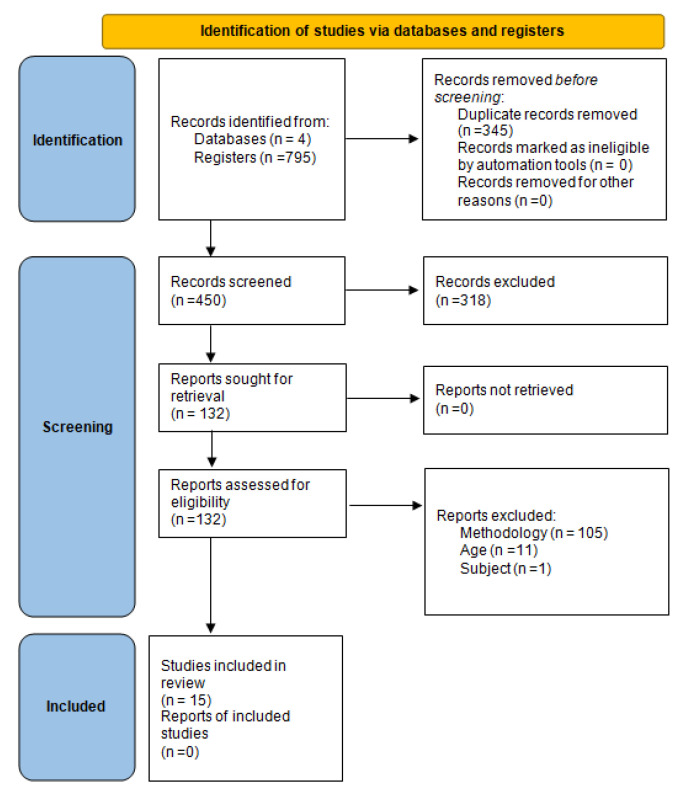
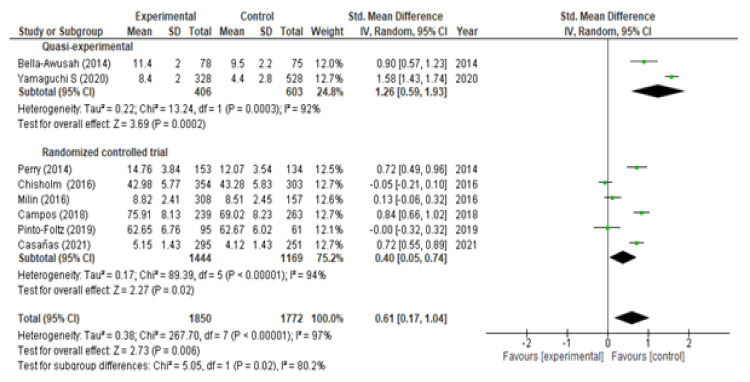
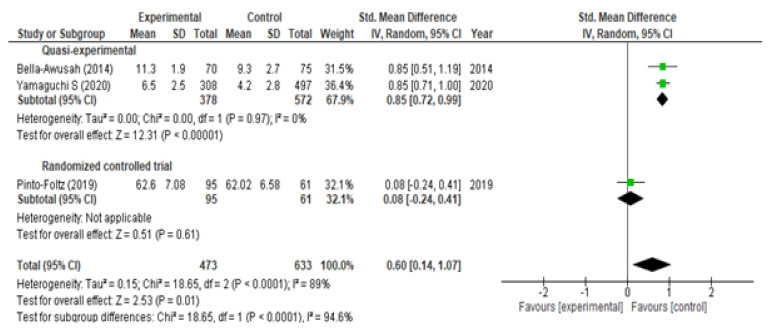
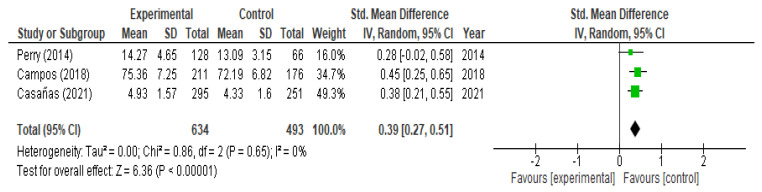
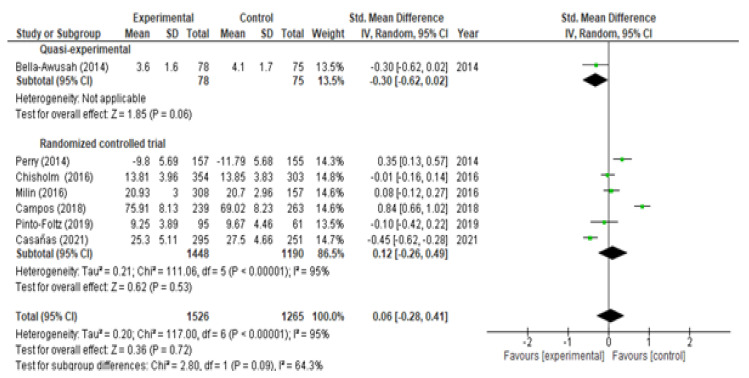
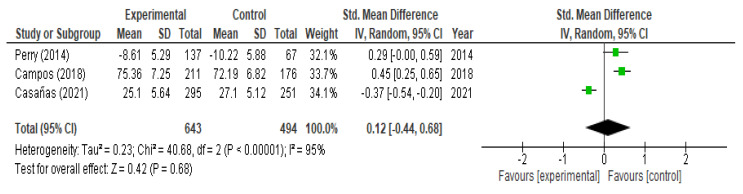
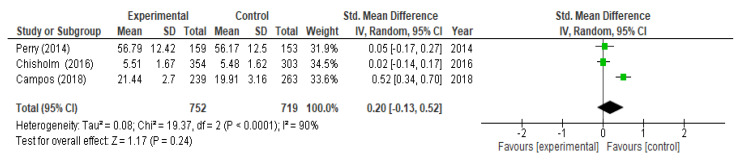
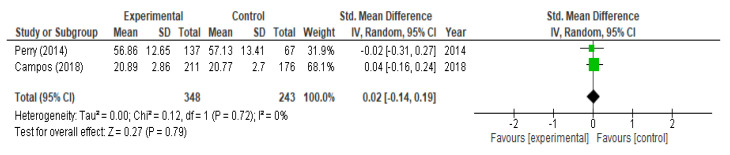
In recent years, there has been an increase in studies evaluating the effectiveness of mental health literacy programs within the context of education as a universal, preventive intervention. A systematic review and meta-analysis regarding the effectiveness of mental health literacy interventions in schools, from 2013 to the present, on mental health knowledge, stigma, and help-seeking is conducted. Of the 795 identified references, 15 studies met the inclusion criteria. Mental health knowledge increased after the interventions (standardized mean difference: SMD = 0.61; 95% CI (0.05, 0.74)), at two months (SMD = 0.60; 95% CI (0.4, 1.07)) and six months (SMD = 0.39; 95% CI (0.27, 0.51)). No significant differences were observed between stigma and improving help-seeking. Mental health literacy interventions are effective in augmenting mental health knowledge, but not in reducing stigma or improving help-seeking behavior.
Overview
The claims and statistics of this paper haven’t been checked yet.
Free: it reads the open-access text and checks the first 5 claims that cite a source we can check. Create a free account to check every claim.
Integrity signals
Registry
Cites
Statistics
Figures
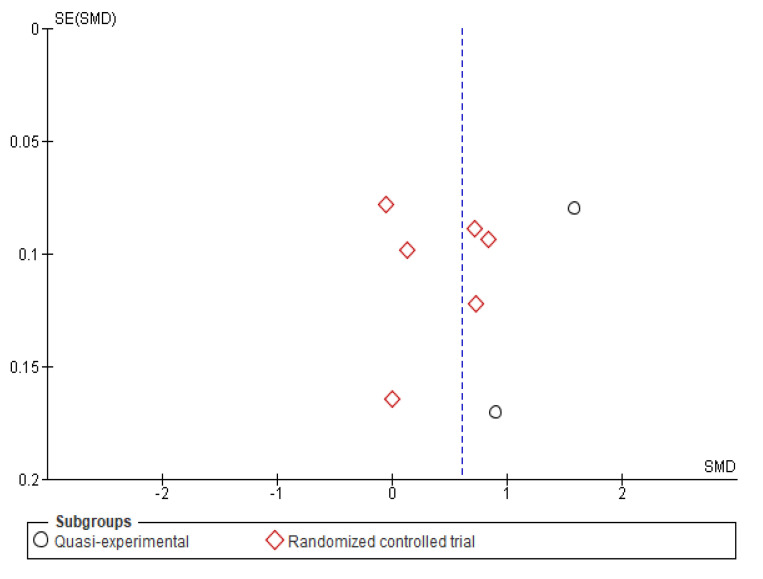
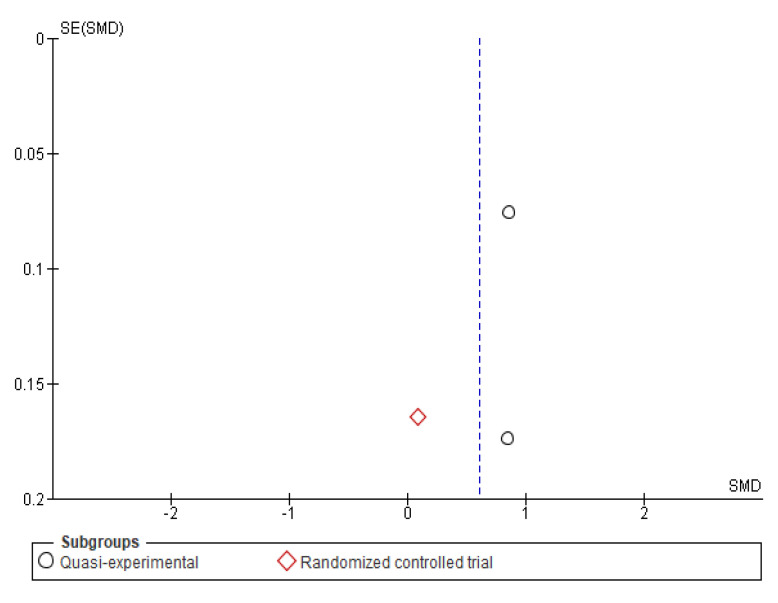
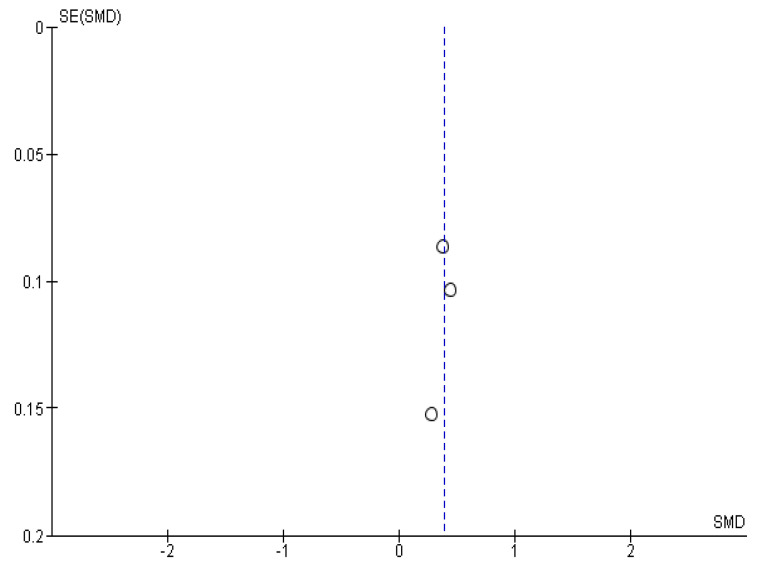
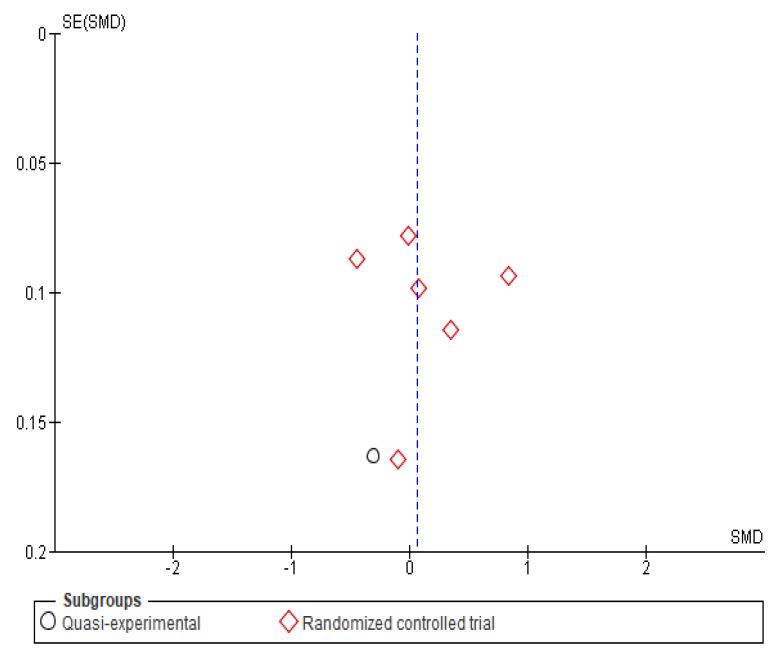
Verification
Claims the paper makes
The claims and statistics of this paper haven’t been checked yet.
Free: it reads the open-access text and checks the first 5 claims that cite a source we can check. Create a free account to check every claim.
Claims other papers make about this one
Each is checked against this paper’s own text: does it say what the citing paper says it does?
The check wasn’t confident either way, so it gives no verdict — never disputed.
In the citing paper
“research from the All Our Families cohort in Canada found that improved sleep and reduced screen time were both protective for depression and anxiety in children [98-100].”
From Psychological Interventions and Those With Elements of Positive Psychology for Child and Youth Mental Health During the COVID-19 Pandemic: Literature Review, Lessons Learned, and Areas for Future Knowledge Dissemination (2024) · cites this paper as [98]
Experimental — accuracy not yet measured
Self-check
Percentages, sums and reported differences re-computed from the paper’s own numbers.
The self-check needs the paper’s full text.
Citations
Cites
The PRISMA 2020 statement: An updated guideline for reporting systematic reviews
Page, M. J., McKenzie, J. E., Bossuyt, P. M., Boutron, I., Hoffmann, T. C., Mulrow, C. D., Shamseer, L., Tetzlaff, J. M., Akl, E. A., Brennan, S. E., et al. (2021) · BMJ · doi:10.1136/bmj.n71 · Cited by 108,283
Bias in meta-analysis detected by a simple, graphical test
Egger, M., Smith, G. D., Schneider, M., & Minder, C. (1997) · BMJ · doi:10.1136/bmj.315.7109.629 · Cited by 56,722 · cited 1×
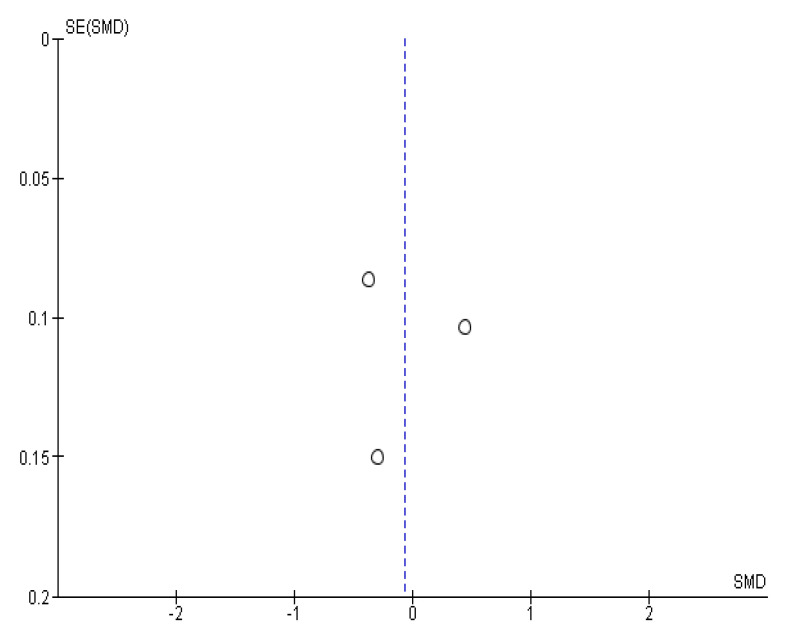
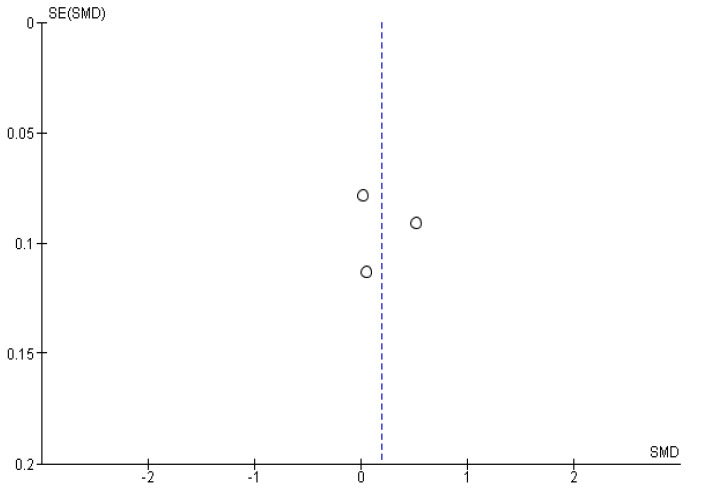
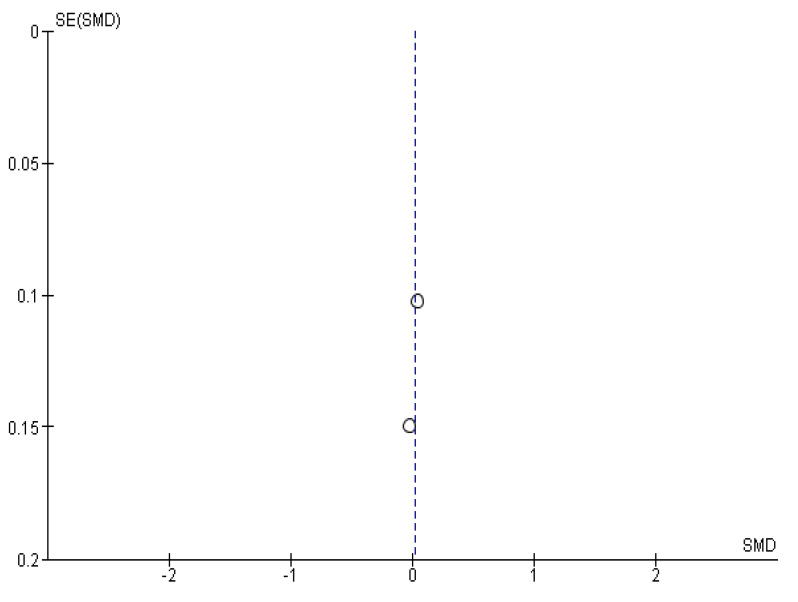
“Publication bias was assessed with a funnel plot (scatter plot with treatment effectiveness against study sample size) [20].”
MethodQuantifying heterogeneity in a meta‐analysis
Higgins, J. P. T., & Thompson, S. G. (2002) · Statistics in Medicine · doi:10.1002/sim.1186 · Cited by 36,763 · cited 1×
“A value of 0–40% indicated low heterogeneity; 40–75% moderate; 75–100% considerable [19].”
BackgroundKessler, R. C., Berglund, P., Demler, O., Jin, R., Merikangas, K. R., & Walters, E. E. (2005) · Archives of General Psychiatry · doi:10.1001/archpsyc.62.6.593 · Cited by 20,391 · cited 1×
“Most mental health problems in individuals commence between 12 and 25 years of age, with 20% of adolescents being affected [1,2].”
BackgroundThe PRISMA 2020 Statement: An Updated Guideline for Reporting Systematic Reviews
Page, M. J., McKenzie, J. E., Bossuyt, P. M., Boutron, I., Hoffmann, T. C., Mulrow, C. D., Shamseer, L., Tetzlaff, J. M., Akl, E. A., Brennan, S. E., et al. (2021) · International Journal of Surgery · doi:10.1016/j.ijsu.2021.105906 · Cited by 11,748
The PRISMA 2020 statement: an updated guideline for reporting systematic reviews
Page, M. J., McKenzie, J., Bossuyt, P., Boutron, I., Hoffmann, T., mulrow, C., Shamseer, L., Tetzlaff, J., Akl, E., Brennan, S. E., et al. (2020) · doi:10.31222/osf.io/v7gm2_v1 · Cited by 8,090
Single-Case Research Designs: Methods for Clinical and Applied Settings
Kazdin, A. E. (1982) · Cited by 4,027
Jorm, A. F., Korten, A. E., Jacomb, P. A., Christensen, H., Rodgers, B., & Pollitt, P. (1997) · Medical Journal of Australia · doi:10.5694/j.1326-5377.1997.tb140071.x · Cited by 2,585 · cited 2×
“This definition includes the capacity to recognize and inform oneself about mental disorders and their risk factors and how to seek treatment and professional support [9].”
BackgroundMental health literacy: empowering the community to take action for better mental health
Jorm, A. F. (2012) · American Psychologist · doi:10.1037/a0025957 · Cited by 1,783
Memory: A contribution to experimental psychology.
Ebbinghaus, H. (1913) · doi:10.1037/10011-000 · Cited by 1,645
Cited by
Mental Health Literacy: It Is Now Time to Put Knowledge into Practice
Sampaio, F., Gonçalves, P., & Sequeira, C. (2022) · International Journal of Environmental Research and Public Health · doi:10.3390/ijerph19127030 · Cited by 71
McCullock, S. P., & Scrivano, R. M. (2022) · Clinical Psychology Review · doi:10.1016/j.cpr.2022.102242 · Cited by 88
Nazari, A., Garmaroudi, G., Foroushani, A. R., & Hosseinnia, M. (2023) · BMC Psychiatry · doi:10.1186/s12888-023-05143-7 · Cited by 81
“This result is in line with previous reviews that have reported mixed or limited evidence for the impact of web-based programs on help-seeking attitudes or stigma among young people [40–42].”
ResultÖzparlak, A., Karakaya, D., & Özer, Z. (2023) · Journal of Pediatric Nursing · doi:10.1016/j.pedn.2023.09.017 · Cited by 56
Chen, Q., Zhao, Z., Bao, J., Lin, J., Li, W., & Zang, Y. (2024) · International Journal of Clinical and Health Psychology · doi:10.1016/j.ijchp.2024.100489 · Cited by 62
Birrell, L., Debenham, J., Furneaux-Bate, A., Prior, K., Spallek, S., Thornton, L. K., Chapman, C., & Newton, N. C. (2023) · Journal of Medical Internet Research · doi:10.2196/45216 · Cited by 28
“The program’s lack of impact on knowledge (literacy) and help-seeking contrasts with other universal mental health prevention programs, which typically find effects on knowledge, with help seeking, symptom, and stigma reduction being harder to demonstrate [34-36].”
World Psychiatric Association-Asian Journal of Psychiatry Commission on Public Mental Health
Bhugra, D. K., Liebrenz, M., Ventriglio, A., Ng, R., Javed, A., Kar, A., Chumakov, E. M., Moura, H. F., Tolentino, E. J., Gupta, S., et al. (2024) · Asian Journal of Psychiatry · doi:10.1016/j.ajp.2024.104105 · Cited by 35
Developmentally appropriate mental health literacy content for school-aged children and adolescents
Kågström, A., Juríková, L., & Guerrero, Z. (2023) · Cambridge Prisms Global Mental Health · doi:10.1017/gmh.2023.16 · Cited by 46
“There is a growing body of evidence indicating the effectiveness of MHL interventions (Amado-Rodríguez et al., 2022), but resources outlining developmentally appropriate MHL content for schoolaged children lack (Kutcher andWei, 2020).”
BackgroundSchäfer, S. K., Streit, S., Schäfer, C. G., Roembell, L. B., Corneli, M., Schaubruch, L. M., Wessa, M., Lieb, K., Equit, M., & Fuhr, D. C. (2025) · European Child & Adolescent Psychiatry · doi:10.1007/s00787-025-02796-5 · Cited by 40
“However, they did not significantly influence mental health stigma, attitudes towards mental health, or help-seeking behavior [30 ].”
Sun, G., Wang, C., & Zhang, J. (2025) · SAGE Open · doi:10.1177/21582440251327445 · Cited by 42
Baetens, I., Hove, L. V., Azadfar, Z., Heel, M. V., & Soyez, V. (2024) · Journal of Clinical Medicine · doi:10.3390/jcm13071852 · Cited by 31
Mental health service coverage and gaps among adults in Europe: a systematic review
Barbui, C., Alonso, J., Chisholm, D., Evans-Lacko, S. E., Keynejad, R. C., Lazëri, L., Miah, N., Valuckienė, Ž., & Gastaldon, C. (2025) · The Lancet Regional Health - Europe · doi:10.1016/j.lanepe.2025.101458 · Cited by 25
“74–76 In addition, acceptability depends on reducing stigma and cultural barriers to care.”
Kirchhoff, S., Freţian, A. M., Okan, O., & Bauer, U. (2023) · BMC Public Health · doi:10.1186/s12889-023-16825-y · Cited by 25
“Although this trend was confirmed by multiple reviews [7, 9], a recently published review provided conflicting results with regard to stigma and help-seeking, which did not change significantly [11].”
ResultGrosselli, L., Baumgärtel, J., Böhm, H., Hoyer, J., & Knappe, S. (2025) · Mental Health Science · doi:10.1002/mhs2.70022 · Cited by 26
Wei, Y., Li, S., McWeeny, R., Johal, R., Easton, C., Baxter, A., Cao, B., Greenshaw, A. J., & Carr, W. (2024) · Scientific Reports · doi:10.1038/s41598-024-56682-2 · Cited by 26
“This is consistent with what has been found in many MHL interventions 6,8 .”
BackgroundResultMackenzie, C. S., Krook, M., Murphy, D. J., & Rapaport, L.-E. (2024) · Clinical Gerontologist · doi:10.1080/07317115.2024.2408762 · Cited by 18
“Several meta-analyses demonstrate the effectiveness of psychoeducation-based interventions in increasing MHL in various populations (Amado-Rodríguez et al., 2022; Liao et al., 2023; Zhihong et al., 2020).”
Nobre, J. R., Luís, H., Oliveira, A. P., Monteiro, F., Cordeiro, R., Sequeira, C., & Ferré‐Grau, C. (2022) · Children · doi:10.3390/children9121961 · Cited by 12
Colet, I. E., Casadó‐Marín, L., Orós‐Navas, L., & Torner, R. D. R. (2025) · Journal of Child and Adolescent Psychiatric Nursing · doi:10.1111/jcap.70039 · Cited by 21
Coughlan, E. C., Heyland, L. K., Sheaves, A., Parlee, M., Wiley, C., Page, D. P., & Hill, T. G. (2024) · Discover Mental Health · doi:10.1007/s44192-024-00079-0 · Cited by 17
Yani, D. I., Chua, J. Y. X., Wong, J. C. M., Pikkarainen, M. A., & Shorey, S. (2024) · International Journal of Mental Health Nursing · doi:10.1111/inm.13494 · Cited by 29
Bifftu, B. B., Thomas, S. J., & Win, K. T. (2025) · Computers in Biology and Medicine · doi:10.1016/j.compbiomed.2025.110080 · Cited by 14
Promoting Mental Health Literacy at Schools in South Korea
Choi, J. (2023) · Journal of korean Academy of Child and Adolescent Psychiatry · doi:10.5765/jkacap.220037 · Cited by 16
Tok, H. H., & Kesgi̇n, M. T. (2024) · Archives of Psychiatric Nursing · doi:10.1016/j.apnu.2024.06.021 · Cited by 12
Mental health literacy interventions for female adolescents: a systematic review and meta-analysis
Arnold, E. R., Liddelow, C., Lim, A. S. X., & Vella, S. A. (2025) · European Child & Adolescent Psychiatry · doi:10.1007/s00787-025-02648-2 · Cited by 16
“Reviews have explored the impact of interventions currently available to address poor mental health literacy and encourage help-seeking in adolescents [43–46].”
Lyzwinski, L., Zwicker, J. D., Mcdonald, S., & Tough, S. (2024) · JMIR Pediatrics and Parenting · doi:10.2196/59171 · Cited by 7
“For example, research from the All Our Families cohort in Canada found that improved sleep and reduced screen time were both protective for depression and anxiety in children [98-100].”
MethodMaddox, R., Berry, K., & Wan, M. W. (2025) · Current Psychology · doi:10.1007/s12144-025-07727-w · Cited by 17
“Mental health stigma-based attitudes may be harder to improve than knowledge (e.g. Amado-Rodriguez et al., 2022; Morgan et al., 2018).”
Marchini, S., Reis, J. S., Ben-Shaool, E., Delhaye, M., Kornreich, C., Nicolis, H., Slama, H., Leys, C., & Delvenne, V. (2023) · Frontiers in Psychiatry · doi:10.3389/fpsyt.2023.1103030 · Cited by 11
“First, mental health literacy appears to have improved in youth over the last years (46), resulting in higher psychological or psychiatric consultation rates that might”
BackgroundResultMeilsmeidth, G., Trigueiro, M. J., Simões-Silva, V., de Almeida, R. S., Portugal, P., Gomes, P. V., de Sousa, S., Campos, F., Monteiro, P., Soutelo, A. P., et al. (2024) · BMC Psychology · doi:10.1186/s40359-024-01591-2 · Cited by 9
“…group, the decrease in stigma from pre to post-intervention was significantly greater than in the control group, proving the consensus that programs that aim to improve the knowledge, attitudes and and beliefs regarding mental disorders can lead to the reduction of stigma [16, 26, 60, 61].”
BackgroundHabgood, E., Gandhi, S., Smith, R., Hearps, S. J. C., Hiscock, H., Oberklaid, F., Raniti, M. B., & Darling, S. J. (2024) · The Australian Educational Researcher · doi:10.1007/s13384-024-00774-5 · Cited by 11
“Notably, whilst programs have been demonstrated to increase knowledge, their effectiveness in reducing stigma and improving student help-seeking behaviour remains unclear (Amado-Rodríguez et al., 2022).”
Edelmann, A., Eppelmann, L., & Wessa, M. (2022) · Die Psychotherapie · doi:10.1007/s00278-022-00622-w · Cited by 9
Consulting the experts: young people's experiences of a school-based mental health literacy program
Marinucci, A., Grové, C., Allen, K., & Hsu, B. N. (2025) · Australian Journal of Psychology · doi:10.1080/00049530.2025.2478089 · Cited by 7
“The current landscape of school-based MHL programs lacks exploration of participant experiences and perspectives, and alignment with theory after implementation (Amado-Rodríguez et al., 2022; Dix et al., 2020; Marinucci, Grové, & Allen, 2022).”
Liang, C., Zhang, X., & Chen, Y. (2026) · Frontiers in Psychology · doi:10.3389/fpsyg.2025.1700220 · Cited by 17
Jean-Bindley, G., Sauriol-Gauthier, A., Corbin‐Berrigan, L., & Girard, S. (2025) · Frontiers in Psychology · doi:10.3389/fpsyg.2025.1619802 · Cited by 8
A systematic review: increasing mental health literacy in students through “The Guide”
Nazari, A., Garmaroudi, G., & Rabiei, M. (2024) · Discover Psychology · doi:10.1007/s44202-024-00219-1 · Cited by 11
“Educational interventions represent a cornerstone in delivering MHL education to youth, aiming to cultivate informed attitudes and encourage proactive help-seeking behaviors [12, 13].”
Mental Health Literacy and School Behavioral Health: Introduction to the Special Issue
Weist, M. D., Parham, B. R., & Figas, K. (2024) · American Journal of Health Education · doi:10.1080/19325037.2024.2422073 · Cited by 10
“…a pair of recent reviews noted concerns with the methodological rigor of research evaluating student MHL programs and noted variability in findings (Amado-Rodriguez et al., 2022; Ma et al., 2023), with one suggesting limited effectiveness for reducing stigma or improving help-seeking behavior…”
Courtwright, S. E., Jones, J., Barton, A. K., Peterson, K. A., Eigen, K., Feuerstein, J. L., Pawa, A., Pawa, A., Northridge, J. L., & Pall, H. (2023) · Journal for Specialists in Pediatric Nursing · doi:10.1111/jspn.12403 · Cited by 4
Giosan, C., Pană, A., Cosmoiu, A., Chira, A.-M., Ana Maria, T. O. M. A., Papasteri, C., Nedelcea, C., & Popoviciu, C. (2024) · Trials · doi:10.1186/s13063-024-08270-y · Cited by 6
“Additionally, testing the effectiveness of such interventions in varied cultural and socioeconomic contexts is timely, as this has been previously recognized as a limitation of the literature [19].”
BackgroundMental health literacy in psychiatric nurses in China: a latent profile analysis
Xia, H., Zhang, R., Liu, Y.-N., Luo, X., & Xiong, W.-N. (2025) · Critical Public Health · doi:10.1080/09581596.2025.2497359 · Cited by 5
“…for nurses with a low level of Mhl. educational programs, training sessions, and access to mental health hotlines can all increase mental health knowledge and improve Mhl among nursing staff (amado-Rodríguez et al., 2022; arthur, Boardman, Morgan, et al., 2021; Bichoualne et al., 2023).”
Casañas, R., Encuentra, E. H., Martín, J., Lalueza, F., & Boixadós, M. (2025) · Health Expectations · doi:10.1111/hex.70469 · Cited by 4
Self-citationA critical review of curriculum and pedagogy in mental health education
Lyons, R., Dyke, N. V., & de Courten, M. (2025) · Health Education · doi:10.1108/he-04-2025-0044 · Cited by 7
Sodi, T., Rantho, K. M., Matlakala, F. K., Wadende, P. A., Ikhile, D., Dada, S. O., Frost, D., Henry, P. A., Ishaku, U. G., Brown, M. O., et al. (2025) · Cambridge Prisms Global Mental Health · doi:10.1017/gmh.2024.153 · Cited by 4
Ayuso, L. S., Ruíz-Hontangas, A., Cervantes, J. J. G., Martínez‐Martínez, C., Pons, E., Císcar, S., Pejó, L. A., & Simarro, J. V. C. (2023) · International Journal of Environmental Research and Public Health · doi:10.3390/ijerph20227087 · Cited by 5
“In fact, there is evidence that states that adolescents with mental disorders have experienced stigmatisation from their peers, families, and teachers, allowing negative emotional reactions, self-discriminatory attitudes, and isolation [12,13].”
BackgroundScholz, D., Taylor, A. M., Callaghan, P., & Strelan, P. (2024) · Australian Psychologist · doi:10.1080/00050067.2024.2315028 · Cited by 7
“…literacy which have been shown to have a positive effect on mental health knowledge, but do not seem to reduce the stigma attached to help seeking, with further qualitative studies needed to understand the particular elements important for effective implementation (Amado-Rodríguez et al., 2022).”
BackgroundStapley, E., March, A., Mansfield, R., Ashworth, E., Burrell, K., Thompson, A., Ravaccia, G. G., Deighton, J., & Hayes, D. (2026) · Contemporary School Psychology · doi:10.1007/s40688-025-00574-3 · Cited by 4
“programmes are a type of curriculum-based intervention, with a focus on educating and providing CYP with informa - tion through a series of lessons to enhance their knowledge and understanding of mental health, stigma reduction, and help-seeking (Amado-Rodríguez et al., 2022 ; Clarke et al., 2021 ).”
Uddin, M. S., Sofija, E., Rahman, N., Hossain, S., & Harris, P. (2026) · International Journal of Health Promotion and Education · doi:10.1080/14635240.2026.2649630 · Cited by 3
“Thirty-four of the 85 systematic reviews targeted mental health promotion, focusing on mental health literacy (MHL) (Amado-Rodríguez et al. 2022; Casañas et al. 2020; Liao et al. 2023; Ma, Anderson, and Burn 2023; Ma, Burn, and Anderson 2023; Wei et al. 2013), socio-emotional learning (SEL) or…”
InfluentialSarfo, J. O., Gbordzoe, N. I., Commey, V. D., Tawiah, E. D.-Y., & Hagan, J. E. (2024) · Social Sciences · doi:10.3390/socsci13120655 · Cited by 4
Psychometric properties of the Spanish version of the Mental Health Literacy questionnaire (MHLq-E)
González‐Sanguino, C., Rodríguez‐Medina, J., Lanchares, A. A., & Valdivieso-León, L. (2025) · Current Psychology · doi:10.1007/s12144-025-07305-0 · Cited by 4
“These interventions are useful both for young people (Seedaket et al., 2020), as well as for their application in school contexts (Amado-Rodríguez et al., 2022; Kusaka et al., 2022), and for families and teachers (Kusaka et al., 2022; O’Connell et al., 2021; Yamaguchi et al., 2020).”
Integrating mental health literacy in the English language arts middle school classroom
Eisenbach, B. B., & Frydman, J. S. (2024) · Middle School Journal · doi:10.1080/00940771.2024.2329512 · Cited by 5
“As a potential response to this need, a surge of recent research has suggested that MHL has a useful place in schools (Amado-Rodríguez et al., 2022; Kutcher, Wei, & Hashish, 2016; Ma et al., 2023; Mcluckie et al., 2014; Whitley et al., 2013).”
BackgroundTay, J. L., Goh, Y. S., Tay, Y. F., & Klainin‐Yobas, P. (2023) · International Journal of Nursing Practice · doi:10.1111/ijn.70160 · Cited by 1
Bozkurt, G., & Alemdar, D. K. (2025) · Children and Youth Services Review · doi:10.1016/j.childyouth.2025.108344 · Cited by 3
Weiler‐Wichtl, L., Fries, J., Hopfgartner, M., Feyrer, D., Krottendorfer, K., Heller, B., Reitbrecht, C., Leiss, U., & Weinzettel, R. (2025) · Frontiers in Rehabilitation Sciences · doi:10.3389/fresc.2025.1568727 · Cited by 1
Conceptualisation and operationalisation of mental health literacy: An umbrella review
Cresswell‐Smith, J., Sultson, H., Murd, C., Havik, M., Griebler, R., Schütze, D., Bevilacqua, R., Sgolastra, A., Laidra, K., LÁrusdÓttir, S. Ó., et al. (2026) · Scandinavian Journal of Public Health · doi:10.1177/14034948261422936 · Cited by 2
Deighton, J., Hayes, D., Thompson, A., March, A., Thornton, E., Santos, J., Patalay, P., Mansfield, R., Deniz, E., Knowles, C., et al. (2026) · The British Journal of Psychiatry · doi:10.1192/bjp.2026.10667 · Cited by 2
“Studies report that universal school-based mental health literacy interventions appear to be successful at increasing mental health knowledge, 14 – 16 but effects on help-seeking are mixed.”
Nobre, J. R., do Arco, H. M. D. S. L. R., Monteiro, F., Oliveira, A. P., Ferré‐Grau, C., & Sequeira, C. (2023) · International Journal of Environmental Research and Public Health · doi:10.3390/ijerph20064898 · Cited by 6
Guijie, L. (2023) · International Journal of New Developments in Education · doi:10.25236/ijnde.2023.051801 · Cited by 1
“It is connected vertically and horizontally, connecting up and down[7].”
BackgroundImpact of Mental Health Literacy on Improving Quality of Life Among Adolescents in Barcelona
Amado-Rodríguez, I. D., Casañas, R., Juan-Parra, J., Roldán-Merino, J. F., Lalucat-Jo, L., & Martin, M. (2025) · Children · doi:10.3390/children12020235 · Cited by 1
“MHL-based interventions in adolescents have led to an increase in mental health knowledge and, to a lesser extent, a decrease in stigma [17,18].”
Self-citationKågström, A. (2023) · Cambridge Prisms Global Mental Health · doi:10.1017/gmh.2023.16.pr7 · Cited by 1
Kågström, A., Juríková, L., & Guerrero, Z. (2023) · Cambridge Prisms Global Mental Health · doi:10.1017/gmh.2023.16.pr9
Kågström, A., Juríková, L., & Guerrero, Z. (2022) · Cambridge Prisms Global Mental Health · doi:10.1017/gmh.2023.16.pr3
Kågström, A., Juríková, L., & Guerrero, Z. (2022) · Cambridge Prisms Global Mental Health · doi:10.1017/gmh.2023.16.pr2
Kågström, A., Juríková, L., & Guerrero, Z. (2023) · Cambridge Prisms Global Mental Health · doi:10.1017/gmh.2023.16.pr12
Kågström, A., Juríková, L., & Guerrero, Z. (2023) · Cambridge Prisms Global Mental Health · doi:10.1017/gmh.2023.16.pr10
Kågström, A., Juríková, L., & Guerrero, Z. (2023) · Cambridge Prisms Global Mental Health · doi:10.1017/gmh.2023.16.pr8
Kågström, A., Juríková, L., & Guerrero, Z. (2023) · Cambridge Prisms Global Mental Health · doi:10.1017/gmh.2023.16.pr11
Kågström, A., Juríková, L., & Guerrero, Z. (2023) · Cambridge Prisms Global Mental Health · doi:10.1017/gmh.2023.16.pr6
Kågström, A., Juríková, L., & Guerrero, Z. (2022) · Cambridge Prisms Global Mental Health · doi:10.1017/gmh.2023.16.pr4
Kågström, A., Juríková, L., & Guerrero, Z. (2022) · Cambridge Prisms Global Mental Health · doi:10.1017/gmh.2023.16.pr5
Kågström, A. (2022) · Cambridge Prisms Global Mental Health · doi:10.1017/gmh.2023.16.pr1
Mackenzie, C. S., Krook, M. A., Murphy, D. J., & Rapaport, L.-E. (2023) · doi:10.31234/osf.io/7nfd4
Enhancing Knowledge of Anxiety Disorders in Primary School Students Through Jigsaw Puzzle Activity
Ganaprakasam, C., Selvarajah, T., Santreseker, T., & Shanmugam, M. (2023) · Journal of Cognitive Sciences and Human Development · doi:10.33736/jcshd.5589.2023
“, 2022) as a foundation for mental health prevention, stigma reduction, and enhanced help-seeking behaviour among young children (Amado-Rodríguez et al., 2022; Simkiss et al., 2020).”
BackgroundSimkiss, N. J. (2023) · Cronfa (Swansea University) · doi:10.23889/suthesis.65407
Zulkiply, S. H., Manaf, R. A., Dahlan, R., & Dapari, R. (2024) · doi:10.2196/preprints.65193
Frydman, J. S., & Eisenbach, B. B. (2024) · American Journal of Health Education · doi:10.1080/19325037.2024.2422068
“…systematic review and meta-analysis of MHL programs implemented across educational settings found that, while mental health knowledge was improved, there were minimal significant improvements found for stigma reduction and none observed for help seeking behavior (Amado-Rodríguez et al., 2022).”
Sutton, S. (2023) · Scholars Archive - University at Albany (University at Albany, State University of New York) · doi:10.54014/ma7q-67dh · Cited by 1
Ipatyuk, O. V., & Kozunova, G. L. (2025) · S S Korsakov Journal of Neurology and Psychiatry · doi:10.17116/jnevro20251250517
Sehgal, P., & Forgey, E. (2025) · Child and Adolescent Psychiatric Clinics of North America · doi:10.1016/j.chc.2025.05.007 · Cited by 1
Collison, A. O., Nadkarni, S. S., Wilcox, N. C., Cruz, S. A. D. L., Rivera, N., Puffer, M., Ijadi‐Maghsoodi, R., Castillo, E. G., & Kataoka, S. (2025) · Academic Psychiatry · doi:10.1007/s40596-025-02179-7
“Several studies have demonstrated that mental health interventions in schools are effective in increasing mental health knowledge in youth, although with conflicting data regarding their effectiveness in improving mental health stigma or help-seeking [9].”
Murphy, J. L., Craft, K., & Kim, Y. (2025) · Children and Youth Services Review · doi:10.1016/j.childyouth.2025.108537 · Cited by 3
A Machine Learning-Based Tool for Autism Screening Using Psychological Medical Records
Bich, H. N. T., Quoc, T. N. V., Dinh, T. N., & Minh, N. N. (2025) · Communications in computer and information science · doi:10.1007/978-981-95-3358-9_15
Schlag, S., Trumpa, S., & Rathmann, K. (2025) · Prävention und Gesundheitsförderung · doi:10.1007/s11553-025-01273-w
A scoping review of mental health literacy research in young people beyond the school context
Toledo, E., Skues, J., Blasche, R. E. C., & Sharp, J. L. (2025) · Mental Health & Prevention · doi:10.1016/j.mhp.2025.200466 · Cited by 4
Promoting Mental Health Literacy Through Multi‐Tiered Systems of Support*
Xiong, M., & Lee, H. (2025) · Journal of School Health · doi:10.1111/josh.70104
Nazari, A., Garmaroudi, G., Foroushani, A. R., & Hosseinnia, M. (2023) · Figshare · doi:10.6084/m9.figshare.24089366
Giosan, C., Pană, A., Cosmoiu, A., Chira, A.-M., Toma, A.-M., Papasteri, C.-C., Nedelcea, C., & Popoviciu, C. (2024) · Figshare · doi:10.6084/m9.figshare.26122711
Nazari, A., Garmaroudi, G., Foroushani, A. R., & Hosseinnia, M. (2023) · Figshare · doi:10.6084/m9.figshare.24089363
Kirchhoff, S., Fretian, A. M., Okan, O., & Bauer, U. (2024) · Figshare · doi:10.6084/m9.figshare.26624965
Kirchhoff, S., Fretian, A. M., Okan, O., & Bauer, U. (2024) · Figshare · doi:10.6084/m9.figshare.26624971
Nazari, A., Garmaroudi, G., Foroushani, A. R., & Hosseinnia, M. (2023) · Figshare · doi:10.6084/m9.figshare.24089372
Nazari, A., Garmaroudi, G., Foroushani, A. R., & Hosseinnia, M. (2023) · Figshare · doi:10.6084/m9.figshare.24089369
Nazari, A., Garmaroudi, G., Foroushani, A. R., & Hosseinnia, M. (2023) · Figshare · doi:10.6084/m9.figshare.24089360
Kirchhoff, S., Fretian, A. M., Okan, O., & Bauer, U. (2024) · Figshare · doi:10.6084/m9.figshare.26624968
Carter, K. M., Schoemann, A. M., Dembowski, A., Schultz, B. K., & Weist, M. D. (2026) · Assessment for Effective Intervention · doi:10.1177/15345084251398540
“The assessment might be followed by interaction between students and school staff on these topics and, as in mental health literacy efforts (Amado-Rodriguez et al., 2022), this additional training could amplify positive impacts of the assessment.”
Kindi, Z. A., Yahyaei, A. A., Jabri, W. A., & Zadjali, M. A. A. A. (2026) · Nursing Forum · doi:10.1155/nuf/7734635
Mental health literacy on social media among secondary school students in Barcelona
Boixadós, M., Lalueza, F., Casañas, R., Martín, J., & Encuentra, E. H. (2026) · Mental Health & Prevention · doi:10.1016/j.mhp.2026.200490 · Cited by 1
Self-citationMwangala, P. N., Kuboka, V. R., Sharif, N., Karendi, A., Mbithi, G., & Abubakar, A. A. (2026) · Cambridge Prisms Global Mental Health · doi:10.1017/gmh.2026.10140 · Cited by 2
“Previous research on MHL has primarily focused on children and adolescents (Fre ţ ian et al., 2021), students (Amado-Rodriguez et al., 2022; Reis et al., 2022; Liao et al., 2023), teachers, educators (Johnson et al., 2023) and various community members in high-income countries (HICs) (Andrade et…”
Zhu, H., He, R., Zhao, J., Yu, Z., Hou, K., & Pan, G. (2026) · Frontiers in Psychology · doi:10.3389/fpsyg.2026.1749928 · Cited by 1
Lebensnahe Vermittlung mentaler Gesundheitskompetenz an Schüler*innen
Rupprecht, J., Weisflog, W., & Müller, L. (2026) · Springer eBooks · doi:10.1007/978-3-658-26545-8_50-1
Viralizar para implicar: redes sociales y alfabetización adolescente en salud mental
Lalueza, F., Encuentra, E. H., & Boixadós, M. (2026) · Revista Latina de Comunicación Social · doi:10.4185/rlcs-2026-2572
“…las acciones que pueden beneficiarla (Jorm, 2025), es el objetivo de diversas intervenciones para la mejora de la salud mental de los adolescentes (Amado-Rodríguez et al. , 2022), con resultados positivos en la mejora de los conocimientos, la disminución del estigma, o el aumento de las conductas…”
Lee, M. H., Lee, X. Y., Yap, K. H., Lum, K., Goh, Y. H. S., & Ho, R. M.-H. (2026) · Cambridge Prisms Global Mental Health · doi:10.1017/gmh.2026.10174 · Cited by 2
“These quality considerations are particularly relevant given the growing implementation of MHL interventions in educational and community settings (e.g., Amado-Rodríguez et al. , 2022; Wei et al. , 2013).”
Metadata
- Authors
- Amado-Rodríguez, I. D., Casañas, R., Mas-Expósito, L., Castellví, P., Roldan-Merino, J. F., Casas, I., Lalucat-Jo, L., & Fernández-San Martín, M. I.
- Affiliations
- Universitat Autònoma de Barcelona (ES)
- Associació Centre d’Higiene Mental Les Corts, Research Department, 08029 Barcelona, Spain
- Centre d'Higiene Mental Les Corts (Spain) (ES)
- Universitat Internacional de Catalunya (ES)
- Campus Docent, Sant Joan de Déu-Fundació Privada, Escuela de Enfermería, 08034 Barcelona, Spain
- Unitat Docent Multiprofessional Gerència Territorial Barcelona, Institut Català de la Salut, 08025 Barcelona, Spain
- Corresponding author
- Amado-Rodríguez, Isaac Daniel
- ORCID
- Venue
- Children
- Publisher
- MDPI AG
- Published
- 2022-03-31
- Volume
- 9
- Issue
- 4
- Pages
- 480
- ISSN
- 2227-9067 (ISSN-L)
- PMC
- PMC9026781
- OpenAlex
- W4221015619
- Cited by
- 112
- References
- 37
- Citations by year
- 2026: 26 · 2025: 26 · 2024: 23 · 2023: 28 · 2022: 9
- FWCI
- 3.22
- Type
- journal article
- Language
- en
- Open access
- gold
- doi.org
- Licence
- Locations
- Children (publishedVersion, cc-by)
- PubMed Central (publishedVersion, cc-by)
- PubMed (publishedVersion)
- Dipòsit Digital de Documents de la UAB (Universitat Autònoma de Barcelona) (submittedVersion, cc-by)
- DOAJ (DOAJ: Directory of Open Access Journals) (submittedVersion, cc-by-sa)
- Funders
- European Commission (2013-2016)
- Generalitat de Catalunya (SLT002)
- Ministerio de Economía y Competitividad
- Institut Català de la Salut (PI15/01613, SLT002/16/00202, SLT002/16)
- European Regional Development Fund (2016-2020, SLT002/16/00202, PI15/01613, 2013-2016)
- Departament de Salut, Generalitat de Catalunya (PI15/01613, SLT002/16/00202)
- Topics
- Health Sciences › Medicine › Psychiatry and Mental health › Mental Health Treatment and Access
- Health Sciences › Medicine › Public Health, Environmental and Occupational Health › School Health and Nursing Education
- Social Sciences › Psychology › Clinical Psychology › Child and Adolescent Psychosocial and Emotional Development
- Keywords
- mental health literacy, school-based intervention, mental health knowledge, mental health stigma, help-seeking, universal prevention, adolescents, primary and secondary schools
About these checks
Registry, retraction, Cites and statistics results are computed, not judged, with one exception: a printed reference that no index lists is read once by a model before it counts as a citation error. Claims are extracted by a model and kept only when their quote appears verbatim in the text; each cited source is then checked, with a model’s help, for whether it says what the claim relies on. Those verdicts can be wrong — read the claim’s quote and the cited source before relying on one.
Statistics and arithmetic are recomputed, not judged.
Confidence bands are shown only for fields calibrated on our annotated test set. None is calibrated yet, so no band is shown.
What counts as a claim ›How we measure confidence ›How we check this ›
Are you an author, or do you see a problem with this page? Request a review
Data sources
Bibliographic data: Semantic Scholar, OpenAlex, Crossref.
Contains information from the Semantic Scholar Academic Graph Datasets, made available under the ODC Attribution License (ODC-BY 1.0).
Semantic Scholar’s data is described in: Kinney, R., et al. (2023). The Semantic Scholar Open Data Platform. arXiv:2301.10140.
