

Effectiveness of Mental Health Literacy Programs in Primary and Secondary Schools: A Systematic Review with Meta-Analysis
Open accessThe DOI matches its Crossref record; 39 of the 39 references it cites were found in a registry or an index.
Abstract
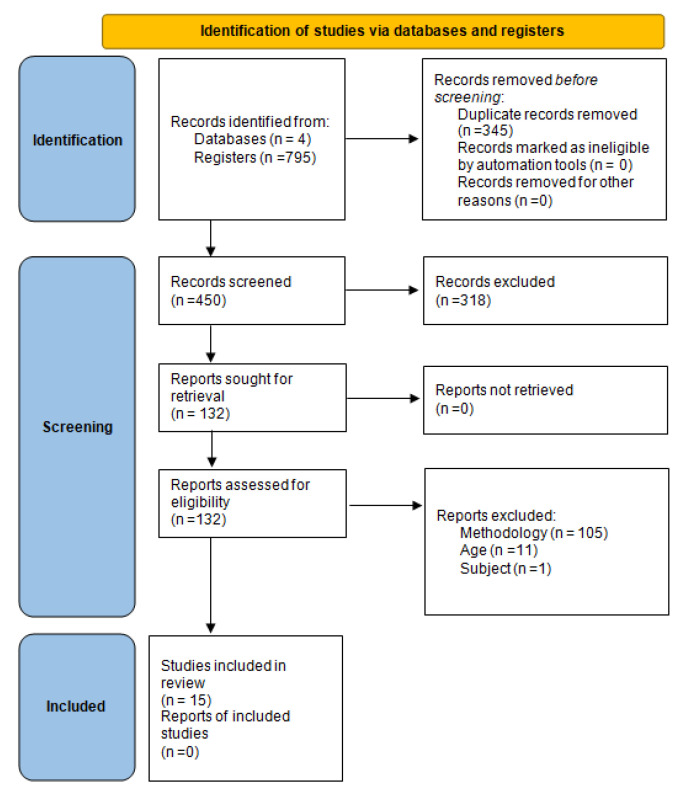
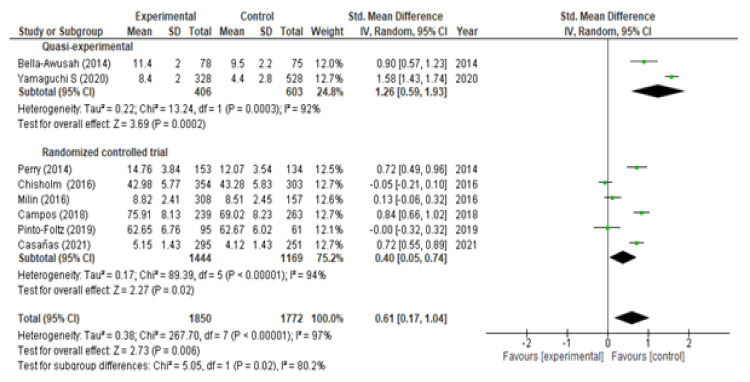
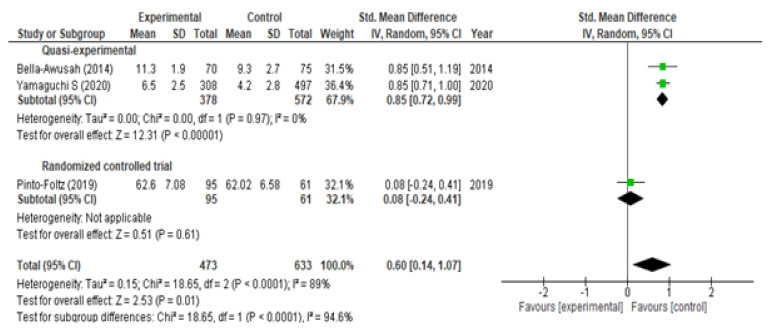
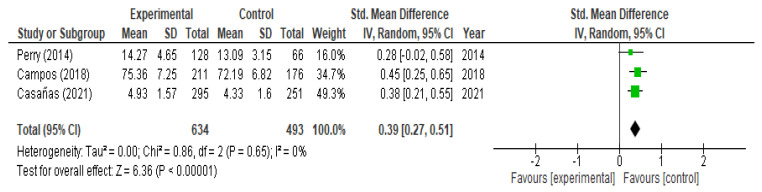
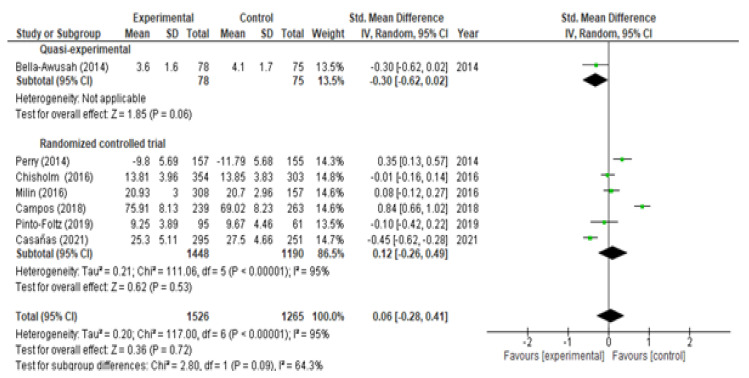
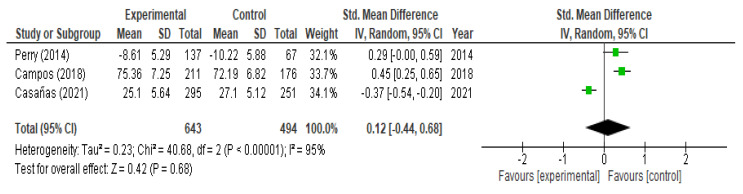
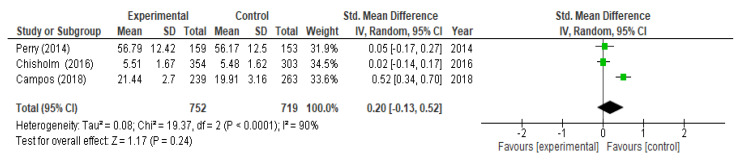
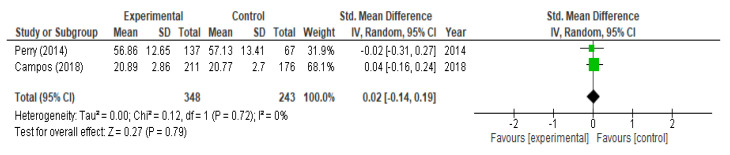
In recent years, there has been an increase in studies evaluating the effectiveness of mental health literacy programs within the context of education as a universal, preventive intervention. A systematic review and meta-analysis regarding the effectiveness of mental health literacy interventions in schools, from 2013 to the present, on mental health knowledge, stigma, and help-seeking is conducted. Of the 795 identified references, 15 studies met the inclusion criteria. Mental health knowledge increased after the interventions (standardized mean difference: SMD = 0.61; 95% CI (0.05, 0.74)), at two months (SMD = 0.60; 95% CI (0.4, 1.07)) and six months (SMD = 0.39; 95% CI (0.27, 0.51)). No significant differences were observed between stigma and improving help-seeking. Mental health literacy interventions are effective in augmenting mental health knowledge, but not in reducing stigma or improving help-seeking behavior.
Overview
The claims and statistics of this paper haven’t been checked yet.
Free: it reads the open-access text and checks the first 5 claims that cite a source we can check. Create a free account to check every claim.
Integrity signals
Registry
Cites
Statistics
Figures
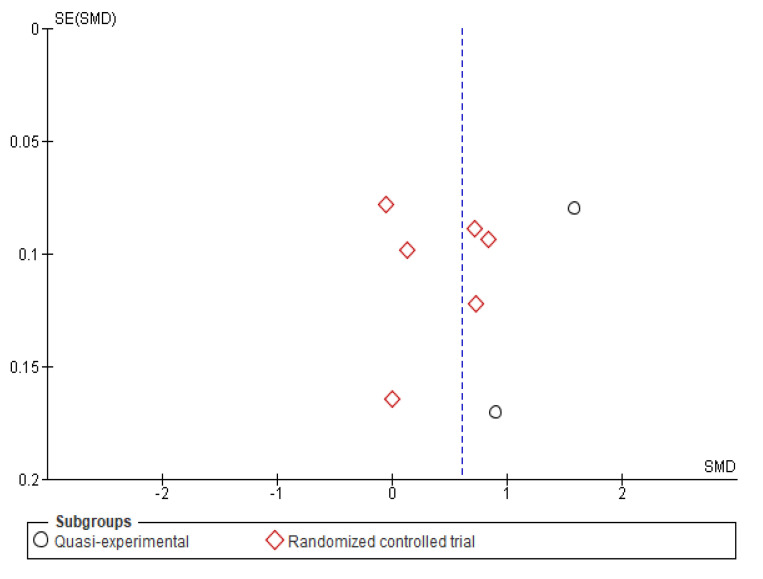
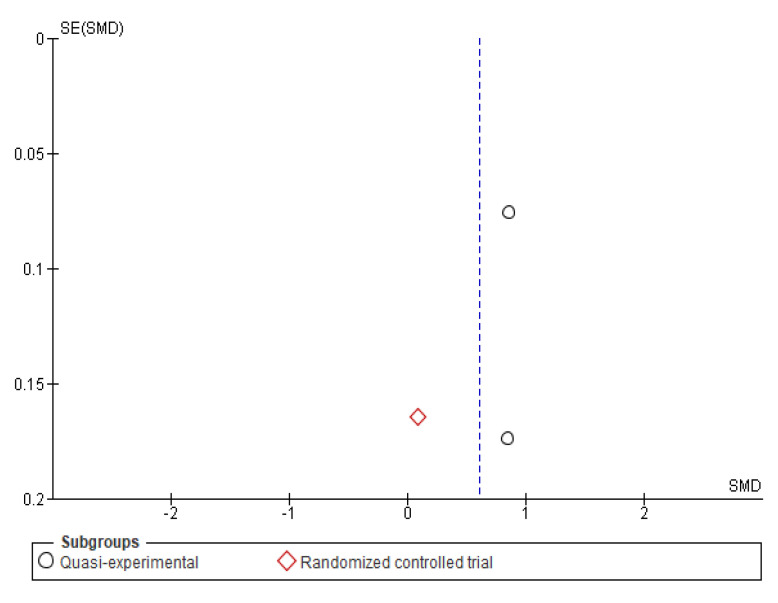
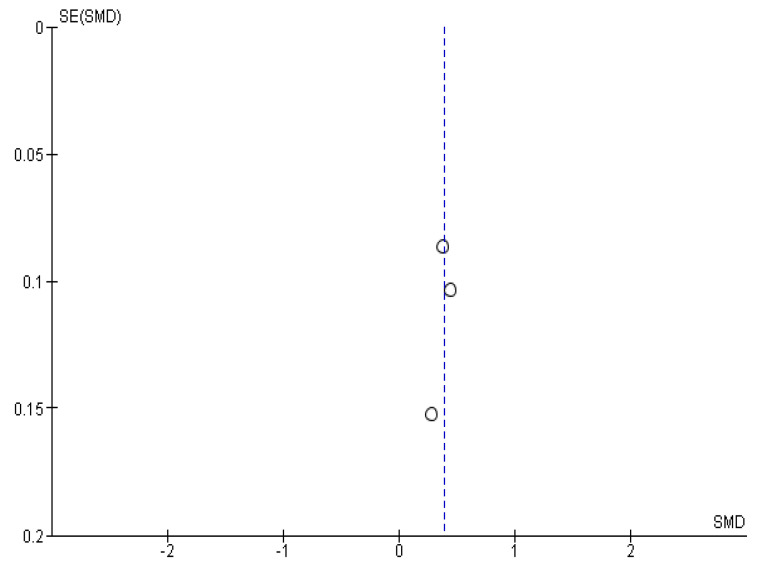
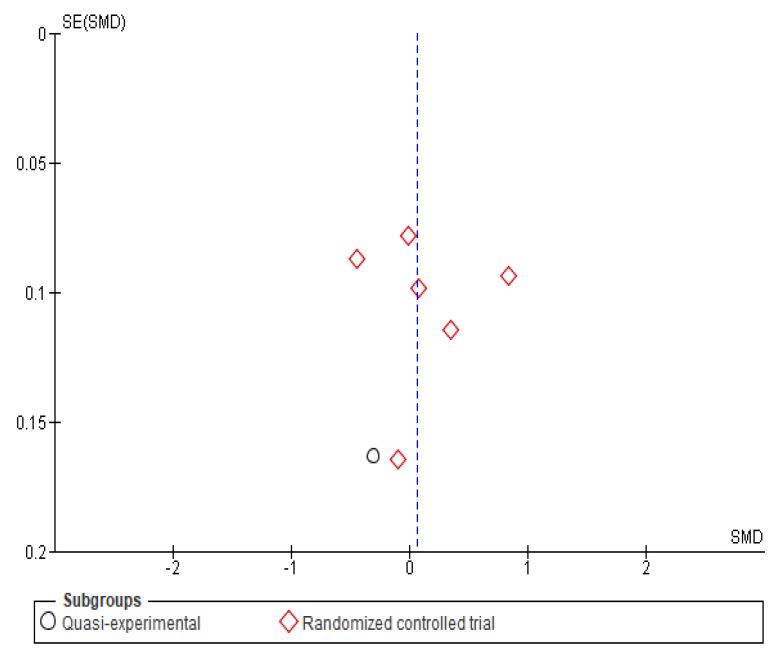
Verification
Claims the paper makes
The claims and statistics of this paper haven’t been checked yet.
Free: it reads the open-access text and checks the first 5 claims that cite a source we can check. Create a free account to check every claim.
Claims other papers make about this one
Each is checked against this paper’s own text: does it say what the citing paper says it does?
The check wasn’t confident either way, so it gives no verdict — never disputed.
In the citing paper
“research from the All Our Families cohort in Canada found that improved sleep and reduced screen time were both protective for depression and anxiety in children [98-100].”
From Psychological Interventions and Those With Elements of Positive Psychology for Child and Youth Mental Health During the COVID-19 Pandemic: Literature Review, Lessons Learned, and Areas for Future Knowledge Dissemination (2024) · cites this paper as [98]
Experimental — accuracy not yet measured
Self-check
Percentages, sums and reported differences re-computed from the paper’s own numbers.
The self-check needs the paper’s full text.
Citations
Cites
The PRISMA 2020 statement: An updated guideline for reporting systematic reviews
Page, M. J., McKenzie, J. E., Bossuyt, P. M., Boutron, I., Hoffmann, T. C., Mulrow, C. D., Shamseer, L., Tetzlaff, J. M., Akl, E. A., Brennan, S. E., et al. (2021) · BMJ · doi:10.1136/bmj.n71 · Cited by 108,283
Bias in meta-analysis detected by a simple, graphical test
Egger, M., Smith, G. D., Schneider, M., & Minder, C. (1997) · BMJ · doi:10.1136/bmj.315.7109.629 · Cited by 56,722 · cited 1×
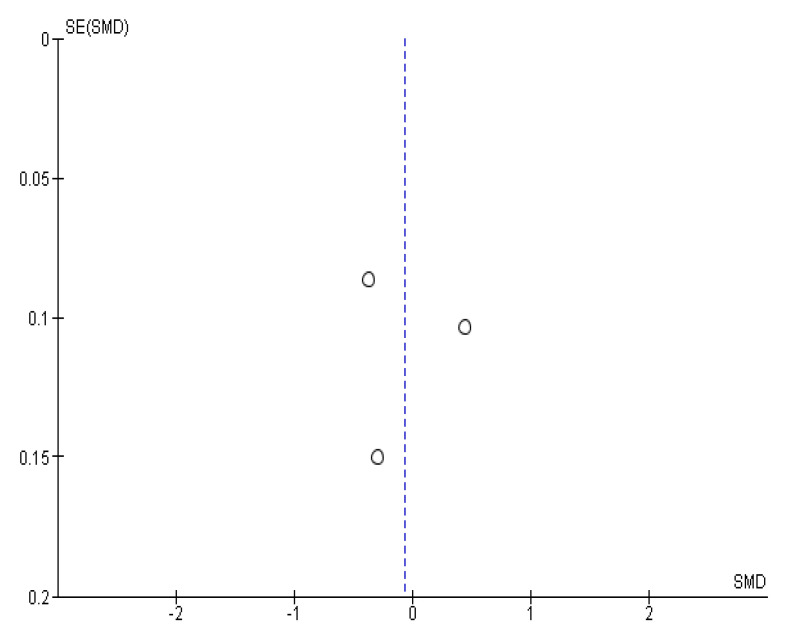
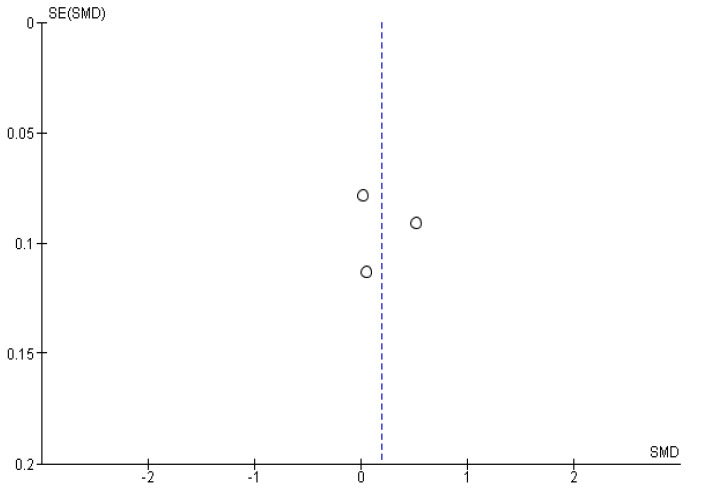
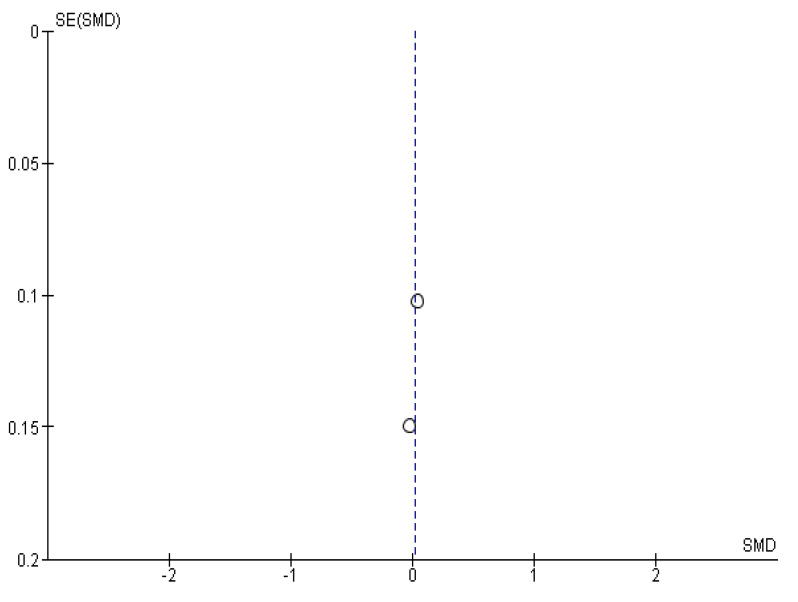
“Publication bias was assessed with a funnel plot (scatter plot with treatment effectiveness against study sample size) [20].”
MethodQuantifying heterogeneity in a meta‐analysis
Higgins, J. P. T., & Thompson, S. G. (2002) · Statistics in Medicine · doi:10.1002/sim.1186 · Cited by 36,763 · cited 1×
“A value of 0–40% indicated low heterogeneity; 40–75% moderate; 75–100% considerable [19].”
BackgroundKessler, R. C., Berglund, P., Demler, O., Jin, R., Merikangas, K. R., & Walters, E. E. (2005) · Archives of General Psychiatry · doi:10.1001/archpsyc.62.6.593 · Cited by 20,391 · cited 1×
“Most mental health problems in individuals commence between 12 and 25 years of age, with 20% of adolescents being affected [1,2].”
BackgroundThe PRISMA 2020 Statement: An Updated Guideline for Reporting Systematic Reviews
Page, M. J., McKenzie, J. E., Bossuyt, P. M., Boutron, I., Hoffmann, T. C., Mulrow, C. D., Shamseer, L., Tetzlaff, J. M., Akl, E. A., Brennan, S. E., et al. (2021) · International Journal of Surgery · doi:10.1016/j.ijsu.2021.105906 · Cited by 11,748
The PRISMA 2020 statement: an updated guideline for reporting systematic reviews
Page, M. J., McKenzie, J., Bossuyt, P., Boutron, I., Hoffmann, T., mulrow, C., Shamseer, L., Tetzlaff, J., Akl, E., Brennan, S. E., et al. (2020) · doi:10.31222/osf.io/v7gm2_v1 · Cited by 8,090
Single-Case Research Designs: Methods for Clinical and Applied Settings
Kazdin, A. E. (1982) · Cited by 4,040
Jorm, A. F., Korten, A. E., Jacomb, P. A., Christensen, H., Rodgers, B., & Pollitt, P. (1997) · Medical Journal of Australia · doi:10.5694/j.1326-5377.1997.tb140071.x · Cited by 2,585 · cited 2×
“This definition includes the capacity to recognize and inform oneself about mental disorders and their risk factors and how to seek treatment and professional support [9].”
BackgroundMental health literacy: empowering the community to take action for better mental health
Jorm, A. F. (2012) · American Psychologist · doi:10.1037/a0025957 · Cited by 1,783
Memory: A contribution to experimental psychology.
Ebbinghaus, H. (1913) · doi:10.1037/10011-000 · Cited by 1,645
Mental Health Literacy: Past, Present, and Future
Kutcher, S., Wei, Y., & Coniglio, C. (2016) · The Canadian Journal of Psychiatry · doi:10.1177/0706743715616609 · Cited by 918
Comprehensive mental health action plan 2013–2020
Saxena, S., Funk, M. K., & Chisholm, D. (2015) · Eastern Mediterranean Health Journal · doi:10.26719/2015.21.7.461 · Cited by 834
Health at a Glance: Europe 2018: State of Health in the EU Cycle
OECD, & Union, E. (2018) · Health at a Glance: Europe · doi:10.1787/health_glance_eur-2018-en · Cited by 524
The Persistence and Transience of Memory
Richards, B. A., & Frankland, P. W. (2017) · Neuron · doi:10.1016/j.neuron.2017.04.037 · Cited by 305 · cited 1×
“This may be due to the fact that over time if knowledge is not reinforced, it is progressively forgotten, as Ebbinghaus [36] and other current studies postulate [37].”
BackgroundWei, Y., Hayden, J. A., Kutcher, S., Zygmunt, A., & McGrath, P. (2013) · Early Intervention in Psychiatry · doi:10.1111/eip.12010 · Cited by 290 · cited 4×
“The effectiveness of MHL interventions has been demonstrated in systematic revisions such as those by Wei [2] and Seedaket [13].”
BackgroundMethodResultInfluentialMost people with mental illness are not treated
Thornicroft, G. (2007) · The Lancet · doi:10.1016/s0140-6736(07)61392-0 · Cited by 285 · cited 1×
“In spite of this elevated incidence, 70–80% of young people and adults do not receive adequate mental healthcare [4].”
BackgroundMental Health Literacy in Secondary Schools
Kutcher, S., Bagnell, A., & Wei, Y. (2015) · Child and Adolescent Psychiatric Clinics of North America · doi:10.1016/j.chc.2014.11.007 · Cited by 257
Mcluckie, A., Kutcher, S., Wei, Y., & Weaver, C. (2014) · BMC Psychiatry · doi:10.1186/s12888-014-0379-4 · Cited by 242 · cited 2×
“Moreover, their duration ranged from 45–50 min, as was the case of the Short MHL program [31,33], up to 12 h for The Guide [29,30].”
BackgroundMilin, R., Kutcher, S., Lewis, S. P., Walker, S., Wei, Y., Ferrill, N., & Armstrong, M. A. (2016) · Journal of the American Academy of Child & Adolescent Psychiatry · doi:10.1016/j.jaac.2016.02.018 · Cited by 237
Pinto-Foltz, M. D., Logsdon, M. C., & Myers, J. A. (2011) · Social Science & Medicine · doi:10.1016/j.socscimed.2011.04.006 · Cited by 197 · cited 6×
“With respect to knowledge, we observed that after analysis, the studies with the best post-intervention results were two QEs (Yamaguchi and Bella-Awusah) [28,35], followed by one RCT from Campos [24].”
BackgroundResultInfluentialPromotion of Mental Health Literacy in Adolescents: A Scoping Review
Nobre, J. R., Oliveira, A. P., Monteiro, F., Sequeira, C., & Ferré‐Grau, C. (2021) · International Journal of Environmental Research and Public Health · doi:10.3390/ijerph18189500 · Cited by 190
Perry, Y., Petrie, K., Buckley, H., Cavanagh, L., Clarke, D., Winslade, M., Hadzi‐Pavlovic, D., Manicavasagar, V., & Christensen, H. (2014) · Journal of Adolescence · doi:10.1016/j.adolescence.2014.08.001 · Cited by 167
Skre, I., Friborg, O., Breivik, C., Johnsen, L. I., Arnesen, Y., & Wang, C. E. A. (2013) · BMC Public Health · doi:10.1186/1471-2458-13-873 · Cited by 157 · cited 6×
“valuation of elp-Seeking ssess e t of el -seeki g for e tal ealt as rese t i i e st ies, five of ic re orte a sig ifica t i rove e t at t e o e t of ost-i terve tio [24,27,31,33,35].”
BackgroundInfluentialFreţian, A. M., Graf, P., Kirchhoff, S., Glinphratum, G., Bollweg, T. M., Sauzet, O., & Bauer, U. (2021) · International Journal of Public Health · doi:10.3389/ijph.2021.1604072 · Cited by 152 · cited 2×
“The most recent review, Freitan [40], also assesses knowledge and stigma but not help-seeking.”
BackgroundMansfield, R., Patalay, P., & Humphrey, N. (2020) · BMC Public Health · doi:10.1186/s12889-020-08734-1 · Cited by 149 · cited 1×
“Our findings concur with the systematic review performed by Mansfield [38], in which the lack of homogeneity regarding the concept of MHL was highlighted.”
ResultKutcher, S., Wei, Y., & Morgan, C. (2015) · The Canadian Journal of Psychiatry · doi:10.1177/070674371506001209 · Cited by 145 · cited 2×
“Moreover, their duration ranged from 45–50 min, as was the case of the Short MHL program [31,33], up to 12 h for The Guide [29,30].”
BackgroundChisholm, K., Patterson, P., Torgerson, C., Turner, E., Jenkinson, D., & Birchwood, M. (2016) · BMJ Open · doi:10.1136/bmjopen-2015-009435 · Cited by 143 · cited 5×
“In the help-seeking variable, the three studies included in the meta-analysis were RCTs, with a different duration between them (10 h [22], 4 h 45 min [23], and 3 h [24]), as those in charge of carrying out the interventions (teachers [22], a researcher together with teachers [23], and an expert psychologist [24]).”
BackgroundMethodResultInfluentialSeedaket, S., Turnbull, N., Phajan, T., & Wanchai, A. (2020) · Tropical Medicine & International Health · doi:10.1111/tmi.13449 · Cited by 139 · cited 2×
“The effectiveness of MHL interventions has been demonstrated in systematic revisions such as those by Wei [2] and Seedaket [13].”
MethodResultLindow, J. C., Hughes, J. L., South, C., Minhajuddin, A., Gutierrez, L., Bannister, E., Trivedi, M. H., & Byerly, M. J. (2020) · Journal of Adolescent Health · doi:10.1016/j.jadohealth.2020.01.006 · Cited by 138 · cited 1×
“Lindow (2020) [34] United States QE without CG Secondary 12–18 years n = 436 Pre and post at 3 months Youth Aware of Mental Health (4 h and 10 min: Given by personnel trained by researchers at the educational center • General help-seeking behaviors questionnaire (GHSQ) • Stigma: 4 and 7 items (OC) • Mental health reso…”
BackgroundCampos, L., Dias, P., Duarte, A., Veiga, E., Dias, C. C., & Palha, F. (2018) · International Journal of Environmental Research and Public Health · doi:10.3390/ijerph15071426 · Cited by 100 · cited 6×
“valuation of elp-Seeking ssess e t of el -seeki g for e tal ealt as rese t i i e st ies, five of ic re orte a sig ifica t i rove e t at t e o e t of ost-i terve tio [24,27,31,33,35].”
BackgroundMethodResultInfluentialKutcher, S., Perkins, K., Gilberds, H., Udedi, M. M., Ubuguyu, O., Njau, T., Chapota, R., & Hashish, M. (2019) · Frontiers in Psychiatry · doi:10.3389/fpsyt.2019.00542 · Cited by 83
Thai, T. T., Vu, N. L. L. T., & Bui, H. H. T. (2020) · School Mental Health · doi:10.1007/s12310-019-09358-6 · Cited by 71
Ojio, Y., Yonehara, H., Taneichi, S., Yamasaki, S., Ando, S., Togo, F., Nishida, A., & Sasaki, T. (2015) · Psychiatry and Clinical Neurosciences · doi:10.1111/pcn.12320 · Cited by 62 · cited 7×
“valuation of elp-Seeking ssess e t of el -seeki g for e tal ealt as rese t i i e st ies, five of ic re orte a sig ifica t i rove e t at t e o e t of ost-i terve tio [24,27,31,33,35].”
BackgroundInfluentialYamaguchi, S., Ojio, Y., Foo, J. C., Michigami, E., Usami, S., Fuyama, T., Onuma, K., Oshima, N., Ando, S., Togo, F., et al. (2020) · Journal of Adolescence · doi:10.1016/j.adolescence.2020.05.002 · Cited by 61 · cited 6×
“valuation of elp-Seeking ssess e t of el -seeki g for e tal ealt as rese t i i e st ies, five of ic re orte a sig ifica t i rove e t at t e o e t of ost-i terve tio [24,27,31,33,35].”
BackgroundResultInfluentialPatalay, P., Annis, J., Sharpe, H., Newman, R., Main, D., Ragunathan, T., Parkes, M., & Rose‐Clarke, K. (2017) · Prevention Science · doi:10.1007/s11121-017-0840-y · Cited by 53 · cited 1×
“Patalay (2017) [32] United Kingdom QE without CG Secondary 13–15 years n = 234 Pre and post Open Minds (1 h and 40 min): Given by medical students • Questionnaire about knowledge: 4 questions (OC) • Non-stigmatized attitudes: 5 items (OC) 2++”
BackgroundOjio, Y., Foo, J. C., Usami, S., Fuyama, T., Ashikawa, M., Ohnuma, K., Oshima, N., Ando, S., Togo, F., & Sasaki, T. (2018) · Early Intervention in Psychiatry · doi:10.1111/eip.12746 · Cited by 48 · cited 7×
“valuation of elp-Seeking ssess e t of el -seeki g for e tal ealt as rese t i i e st ies, five of ic re orte a sig ifica t i rove e t at t e o e t of ost-i terve tio [24,27,31,33,35].”
BackgroundInfluentialBella-Awusah, T., Adedokun, B., Dogra, N., & Omigbodun, O. (2014) · Journal of Child & Adolescent Mental Health · doi:10.2989/17280583.2014.922090 · Cited by 42 · cited 4×
“We have to emphasize that only one study [28] belongs to an economically depressed region.”
BackgroundMethodResultInfluentialCasañas, R., Arfuch, V.-M., Castellví, P., Gil, J.-J., Torres, M., Pujol, A., Castells, G., Teixidó, M., San-Emeterio, M. T., Sampietro, H. M., et al. (2018) · BMC Public Health · doi:10.1186/s12889-018-5855-1 · Cited by 34 · cited 5×
“Citation: Amado-Rodríguez, I.D.; Casañas, R.; Mas-Expósito, L.; Castellví, P.; Roldan-Merino, J.F.; Casas, I.; Lalucat-Jo, L.; Fernández-San Martín, M.I. Effectiveness of Mental Health Literacy Programs in Primary and Secondary Schools: A Systematic Review with Meta-Analysis.”
BackgroundResultInfluentialSelf-citationKorhonen, J., Axelin, A., Grobler, G. P., & Lahti, M. (2019) · Global Health Action · doi:10.1080/16549716.2019.1668215 · Cited by 32
Cited by
Mental Health Literacy: It Is Now Time to Put Knowledge into Practice
Sampaio, F., Gonçalves, P., & Sequeira, C. (2022) · International Journal of Environmental Research and Public Health · doi:10.3390/ijerph19127030 · Cited by 71
McCullock, S. P., & Scrivano, R. M. (2022) · Clinical Psychology Review · doi:10.1016/j.cpr.2022.102242 · Cited by 88
Nazari, A., Garmaroudi, G., Foroushani, A. R., & Hosseinnia, M. (2023) · BMC Psychiatry · doi:10.1186/s12888-023-05143-7 · Cited by 81
“This result is in line with previous reviews that have reported mixed or limited evidence for the impact of web-based programs on help-seeking attitudes or stigma among young people [40–42].”
ResultÖzparlak, A., Karakaya, D., & Özer, Z. (2023) · Journal of Pediatric Nursing · doi:10.1016/j.pedn.2023.09.017 · Cited by 56
Chen, Q., Zhao, Z., Bao, J., Lin, J., Li, W., & Zang, Y. (2024) · International Journal of Clinical and Health Psychology · doi:10.1016/j.ijchp.2024.100489 · Cited by 62
Metadata
- Authors
- Amado-Rodríguez, I. D., Casañas, R., Mas-Expósito, L., Castellví, P., Roldan-Merino, J. F., Casas, I., Lalucat-Jo, L., & Fernández-San Martín, M. I.
- Affiliations
- Universitat Autònoma de Barcelona (ES)
- Associació Centre d’Higiene Mental Les Corts, Research Department, 08029 Barcelona, Spain
- Centre d'Higiene Mental Les Corts (Spain) (ES)
- Universitat Internacional de Catalunya (ES)
- Campus Docent, Sant Joan de Déu-Fundació Privada, Escuela de Enfermería, 08034 Barcelona, Spain
- Unitat Docent Multiprofessional Gerència Territorial Barcelona, Institut Català de la Salut, 08025 Barcelona, Spain
- Corresponding author
- Amado-Rodríguez, Isaac Daniel
- ORCID
- Venue
- Children
- Publisher
- MDPI AG
- Published
- 2022-03-31
- Volume
- 9
- Issue
- 4
- Pages
- 480
- ISSN
- 2227-9067 (ISSN-L)
- PMC
- PMC9026781
- OpenAlex
- W4221015619
- Cited by
- 112
- References
- 37
- Citations by year
- 2026: 26 · 2025: 26 · 2024: 23 · 2023: 28 · 2022: 9
- FWCI
- 3.22
- Type
- journal article
- Language
- en
- Open access
- gold
- doi.org
- Licence
- Locations
- Children (publishedVersion, cc-by)
- PubMed Central (publishedVersion, cc-by)
- PubMed (publishedVersion)
- Dipòsit Digital de Documents de la UAB (Universitat Autònoma de Barcelona) (submittedVersion, cc-by)
- DOAJ (DOAJ: Directory of Open Access Journals) (submittedVersion, cc-by-sa)
- Funders
- European Commission (2013-2016)
- Generalitat de Catalunya (SLT002)
- Ministerio de Economía y Competitividad
- Institut Català de la Salut (PI15/01613, SLT002/16/00202, SLT002/16)
- European Regional Development Fund (2016-2020, SLT002/16/00202, PI15/01613, 2013-2016)
- Departament de Salut, Generalitat de Catalunya (PI15/01613, SLT002/16/00202)
- Topics
- Health Sciences › Medicine › Psychiatry and Mental health › Mental Health Treatment and Access
- Health Sciences › Medicine › Public Health, Environmental and Occupational Health › School Health and Nursing Education
- Social Sciences › Psychology › Clinical Psychology › Child and Adolescent Psychosocial and Emotional Development
- Keywords
- mental health literacy, school-based intervention, mental health knowledge, mental health stigma, help-seeking, universal prevention, adolescents, primary and secondary schools
About these checks
Registry, retraction, Cites and statistics results are computed, not judged, with one exception: a printed reference that no index lists is read once by a model before it counts as a citation error. Claims are extracted by a model and kept only when their quote appears verbatim in the text; each cited source is then checked, with a model’s help, for whether it says what the claim relies on. Those verdicts can be wrong — read the claim’s quote and the cited source before relying on one.
Statistics and arithmetic are recomputed, not judged.
Confidence bands are shown only for fields calibrated on our annotated test set. None is calibrated yet, so no band is shown.
What counts as a claim ›How we measure confidence ›How we check this ›
Are you an author, or do you see a problem with this page? Request a review
Data sources
Bibliographic data: Semantic Scholar, OpenAlex, Crossref.
Contains information from the Semantic Scholar Academic Graph Datasets, made available under the ODC Attribution License (ODC-BY 1.0).
Semantic Scholar’s data is described in: Kinney, R., et al. (2023). The Semantic Scholar Open Data Platform. arXiv:2301.10140.
