

The Valorization of Banana By-Products: Nutritional Composition, Bioactivities, Applications, and Future Development
Open accessThe DOI matches its Crossref record; 108 of the 108 references it cites were found in a registry or an index.
Abstract
Bananas are among the world’s main economic crops and one of the world’s most-selling fresh fruits. However, a great deal of waste and by-products is produced during banana harvesting and consumption, including stems, leaves, inflorescences, and peels. Some of them have the potential to be used to develop new foods. Furthermore, studies have found that banana by-products contain many bioactive substances that have antibacterial, anti-inflammatory, and antioxidant properties and other functions. At present, research on banana by-products has mainly focused on various utilizations of banana stems and leaves, as well as the extraction of active ingredients from banana peels and inflorescences to develop high-value functional products. Based on the current research on the utilization of banana by-products, this paper summarized the composition information, functions, and comprehensive utilization of banana by-products. Moreover, the problems and future development in the utilization of by-products are reviewed. This review is of great value in expanding the potential applications of banana stems, leaves, inflorescences, and peels, which will not only help to reduce waste of agricultural by-product resources and ecological pollution but will also be useful for the development of essential products as alternative sources of healthy food in the future.
Overview
The claims and statistics of this paper haven’t been checked yet.
Free: it reads the open-access text and checks the first 5 claims that cite a source we can check. Create a free account to check every claim.
Integrity signals
Registry
Cites
Statistics
Figures
Verification
Claims the paper makes
The claims and statistics of this paper haven’t been checked yet.
Free: it reads the open-access text and checks the first 5 claims that cite a source we can check. Create a free account to check every claim.
Claims other papers make about this one
Each is checked against this paper’s own text: does it say what the citing paper says it does?
The source backs part of the claim, not all of it — or backs it for a different population, condition or comparison.
In the citing paper
“Dietary fructo-oligosaccharides are active food ingredients that are usually obtained from banana peel [33].”
From Unlocking the potential of banana peel bioactives: extraction methods, benefits, and industrial applications (2025) · cites this paper as [33]
Experimental — accuracy not yet measuredThe cited source says what the claim attributes to it.
In the citing paper
“Banana fiber paper made this way was reported to exhibit lower water absorption than wood pulp paper [132].”
From Potential Valorization of Banana Production Waste in Developing Countries: Bio-Engineering Aspects (2024) · cites this paper as [132]
Self-check
Percentages, sums and reported differences re-computed from the paper’s own numbers.
The self-check needs the paper’s full text.
Citations
Cites
1 retracted
Arun, K. B., Thomas, S., Reshmitha, T. R., Akhil, G. C., & Nisha, P. (2017) · Journal of Functional Foods · doi:10.1016/j.jff.2017.02.001 · Cited by 100
RetractedAn overview of fast pyrolysis of biomass
Bridgwater, A. V., Meier, D., & Radlein, D. (1999) · Organic Geochemistry · doi:10.1016/s0146-6380(99)00120-5 · Cited by 1,752 · cited 3×
“Bio-oil Heat generation by pyrolysis, reducing greenhouse gas emissions Biochar, soil conditioners, ethanol, biogas [12,21]”
BackgroundBy-products of plant food processing as a source of functional compounds—Recent developments
Schieber, A., Stintzing, F. C., & Carle, R. (2001) · Trends in Food Science & Technology · doi:10.1016/s0924-2244(02)00012-2 · Cited by 1,334 · cited 1×
“Most of these peels are often disposed of in landfills or next to other waste [3].”
BackgroundJayathilakan, K., Sultana, K., Radhakrishna, K., & Bawa, A. S. (2012) · Journal of Food Science and Technology · doi:10.1007/s13197-011-0290-7 · Cited by 1,001
Biofibers from agricultural byproducts for industrial applications
Reddy, N., & Yang, Y. (2005) · Trends in Biotechnology · doi:10.1016/j.tibtech.2004.11.002 · Cited by 977 · cited 1×
“Moreover, compared with cotton and chemical fibers, banana fiber is lustrous and has high water absorption, low irritation to the human body, and no negative impact on the environment [7,31,32].”
BackgroundKadirvelu, K., Kavipriya, M., Karthika, C., Radhika, M., Vennilamani, N., & Pattabhi, S. (2003) · Bioresource Technology · doi:10.1016/s0960-8524(02)00201-8 · Cited by 773
Antioxidant properties of several tropical fruits: A comparative study
Lim, Y. Y., Lim, T. T., & Tee, J. J. (2007) · Food Chemistry · doi:10.1016/j.foodchem.2006.08.038 · Cited by 696
Happi Emaga, T., Andrianaivo, R. H., Wathelet, B., Tchango, J. T., & Paquot, M. (2007) · Food Chemistry · doi:10.1016/j.foodchem.2006.09.006 · Cited by 502 · cited 1×
“Therefore, banana inflorescences are an important source of minerals for human beings [41].”
BackgroundAntioxidant compounds from bananas (Musa Cavendish)
Someya, S., Yoshiki, Y., & Okubo, K. (2002) · Food Chemistry · doi:10.1016/s0308-8146(02)00186-3 · Cited by 492
Hong, K.-J., Lee, C.-H., & Kim, S. W. (2004) · Journal of Medicinal Food · doi:10.1089/jmf.2004.7.430 · Cited by 479
Research works printed but not linked: 6
- Rosentrater K.A. Todey D. Persyn R. Quantifying Total and Sustainable Agricultural Biomass Resources in South Dakota—A Preliminary Assessment CIGR EJ. 2009 11 2 37
- Tripathi S.K. Bhardwaj N.K. Chechi S. Varadhan R. Suitability of banana stem pulp as replacement of softwood pulp for making superior grade unbleached paper from agro residue pulp Appita J. 2019 72 163 178
- Bastianello S. Testa R. Pezzin A. Silva D. Evaluation of physical and mechanical properties of handmade recycled papers reinforced with pulp of banana tree or rice straw Matéria 2009 14 1172 1178
- Basumatary S. Nath N. Assessment of chemical compositions and in vitro antioxidant properties of Musa balbisiana Colla inflorescence Int. J. Pharmaceut. Res. 2018 10 80 85
- Bhaskar J.J. Mahadevamma S. Vishwanatha S. Salimath P.V. Effect of banana (Musa sp. cultivar elakki bale) flower and stem on enzyme activities of intestinal and renal disaccharidases in streptozotocin-induced diabetic rats J. Food Biochem. 2010 34 564 580
- Prachpreecha O. Pipatpanyanugoon K. Sawangwong P. A study of characterizations and efficiency of activated carbon prepared from peel and bunch of banana for methyl orange dye adsorption IOSR J. Environ. Sci. Toxicol. Food Technol. 2016 10 17 26
Cited by
Kumari, P., Gaur, S. S., & Tiwari, R. K. (2023) · eFood · doi:10.1002/efd2.110 · Cited by 162
Functional Food in Relation to Gastroesophageal Reflux Disease (GERD)
Herdiana, Y. (2023) · Nutrients · doi:10.3390/nu15163583 · Cited by 98
Probiotic Functions in Fermented Foods: Anti-Viral, Immunomodulatory, and Anti-Cancer Benefits
Pyo, Y., Kwon, K. H., & Jung, Y. J. (2024) · Foods · doi:10.3390/foods13152386 · Cited by 66
Kumar, V., Chakraborty, P., Janghu, P., Umesh, M., Sarojini, S., Pasrija, R., Kaur, K., Lakkaboyana, S. K., Vimal, S., Nandhagopal, M., et al. (2023) · Carbohydrate Polymer Technologies and Applications · doi:10.1016/j.carpta.2023.100366 · Cited by 84
Wani, K. M., & Dhanya, M. (2025) · Discover Food · doi:10.1007/s44187-025-00276-y · Cited by 51
“Antioxidant action is attributed to phenolic compounds, which are essential plant elements with redox characteristics [33].”
Mahajan, P., & Sharma, M. (2024) · Energy Storage · doi:10.1002/est2.634 · Cited by 51
“190 Creating an appropriate system for collecting and separating the agricultural waste is the main challenge in any biorefinery based on agricultural waste.”
BackgroundChoudhury, N., Nickhil, C., & Deka, S. C. (2023) · Food Bioscience · doi:10.1016/j.fbio.2023.103416 · Cited by 43
Exploring pectin from ripe and unripe Banana Peel: A novel functional fat replacers in muffins
Ahsan, M., Ashraf, H., Ul‐Haq, I., Liaquat, A., Nayik, G. A., Ramniwas, S., Alfarraj, S. A., Ansari, M. J., & Gere, A. (2024) · Food Chemistry X · doi:10.1016/j.fochx.2024.101539 · Cited by 51
Kritsi, E., Tsiaka, T., Sotiroudis, G., Mouka, E., Aouant, K., Ladika, G., Zoumpoulakis, P. G., Cavouras, D., & Sinanoglou, V. J. (2023) · Life · doi:10.3390/life13020332 · Cited by 37
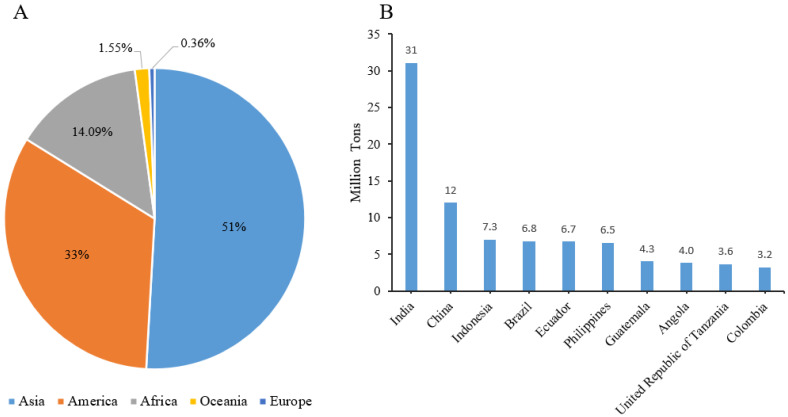
“org/home/en/) (accessed on 1 December 2022), the average banana production and trade has been expanded from 69 million tons in 2000–2002 to around 121 million tons in 2020–2021, highlighting its remarkable increase in the last two decades [4,5].”
BackgroundBanana waste valorisation and the development of biodegradable biofilms
Kumari, S., Debbarma, R., Habibi, M., Haque, S., & Suprasanna, P. (2025) · Waste Management Bulletin · doi:10.1016/j.wmb.2025.100213 · Cited by 42
Banana inflorescence as a new source of bioactive and pharmacological ingredients for food industry
Senevirathna, N., & Karim, A. (2024) · Food Chemistry Advances · doi:10.1016/j.focha.2024.100814 · Cited by 38
Potential Contributions of Banana Fruits and Residues to Multiple Applications: An Overview
Emmanuel, J. K., Mtashobya, L. A., & Mgeni, S. T. (2025) · Natural Product Communications · doi:10.1177/1934578x251320151 · Cited by 40
“65 Banana leaves are extensively utilized as plates and for lining cooking pits and food wrapping for cooking or storage 2,9,12,15 They are eco-friendly, biodegradable, and impart a subtle fl avour to the food, making them an excellent alternative to plastic and aluminium foil.”
InfluentialZou, F., Yang, M., Wu, J., Wang, L., & Wang, H. (2025) · Critical Reviews in Food Science and Nutrition · doi:10.1080/10408398.2025.2477799 · Cited by 27
“Vitamins are essential nutrients that play a key role in maintaining normal body functions, promoting growth and development, and preventing various diseases (Zou et al. 2022).”
Self-citationMeng, Y., Zhu, H., Li, X., Zhao, S., Ma, K., & Li, T. (2025) · Food Chemistry X · doi:10.1016/j.fochx.2025.102375 · Cited by 29
“The presence of various bioactive compounds such as dietary fiber and phenolic chemicals in banana peels suggests that the peels have multiple bioactivities including antioxidant and antibacterial properties (Zou, Tan, Zhang, Wu, & Shang, 2022).”
Phinyo, M., Sangarun, P., Wangkahart, E., & Sujipuri, K. (2024) · Animal Feed Science and Technology · doi:10.1016/j.anifeedsci.2024.115882 · Cited by 22
Kavya, Vashisht, M., Jain, B., & Shrivastava, S. (2024) · Discover Environment · doi:10.1007/s44274-024-00144-z · Cited by 22
“Over the past two decades, the production of bananas has demonstrated consistent growth, escalating from over 70 million tons in 1999 to approximately 121 million tons in 2021 [40].”
Application of Natural Antioxidants from Fruits Waste for Improving Egg Quality Characteristics
Vlaicu, P. A., & Untea, A. E. (2024) · Applied Sciences · doi:10.3390/app142210437 · Cited by 23
Patil, H., Naik, R., & Paramasivam, S. K. (2024) · International Journal of Biological Macromolecules · doi:10.1016/j.ijbiomac.2024.137065 · Cited by 19
Hassanin, D. S., ABDELHADY, S. R., Ghazi, A. K., & Badawy, W. Z. (2025) · Scientific Reports · doi:10.1038/s41598-025-93382-x · Cited by 20
Saady, N. M. C., Hernández, A. V., Servin, K. L. F., Rodriguez, J. Z., Haque, M. A., Owusu, M. K., Zendehboudi, S., Bazán, C., & Espinoza, J. E. R. (2026) · Recycling · doi:10.3390/recycling11010007 · Cited by 17
Widoyanti, A. A. E., Chaikong, K., Rangsinth, P., Saengratwatchara, P., Leung, G., & Prasansuklab, A. (2023) · Foods · doi:10.3390/foods12213955 · Cited by 19
“Moreover, most of the studies on banana species focused on two major parts, the leaf and peel [19], while the midrib and peduncle have yet to attract much attention from researchers.”
BackgroundAshka, P. F., Dubey, K., Kumar, S., & Dubey, P. K. (2023) · Journal of Food Chemistry and Nanotechnology · doi:10.17756/jfcn.2023-s1-073 · Cited by 15
Raveena, N. K., Rajan, S., Priya, S., Lankalapalli, R. S., & Reshma, M. V. (2024) · Food Chemistry Advances · doi:10.1016/j.focha.2024.100700 · Cited by 15
Oliveira, M. C. O., Alves, A., Fidalgo, C., de Freitas, J. G. R., & de Carvalho, M. Â. A. P. (2024) · Frontiers in Microbiology · doi:10.3389/fmicb.2024.1426957 · Cited by 13
Gayathry, K. S., & John, J. A. (2023) · Biomass Conversion and Biorefinery · doi:10.1007/s13399-023-04970-8 · Cited by 13
“However, recently, there is an enhanced focus on converting banana biomass into value-added products and their status have been upgraded to valuable “banana by-products” [5, 6].”
Potential Valorization of Banana Production Waste in Developing Countries: Bio-Engineering Aspects
Waraczewski, R., & Sołowiej, B. G. (2024) · Fibers · doi:10.3390/fib12090072 · Cited by 10
“Banana fiber paper made this way was reported to exhibit lower water absorption than wood pulp paper [132].”
Insights into potential of banana leaf powder as a mud soil stabilizer
Jarjusey, A., Hayano, K., Kassa, A., Raihan, S., & Mochizuki, Y. (2024) · Results in Engineering · doi:10.1016/j.rineng.2024.103166 · Cited by 13
Senevirathna, N., Hassanpour, M., O’Hara, I. M., & Karim, A. (2024) · Energies · doi:10.3390/en17164119 · Cited by 9
Acetalization of glycerol to solketal over Musa acuminata leaf-derived acid functionalized catalyst
Rhithuparna, D., Saad, B., Mridul, M., Rokhum, S. L., & Halder, G. (2025) · Chemical Engineering Journal · doi:10.1016/j.cej.2025.163259 · Cited by 8
Agri-Food Biowaste Bioactives for Biopesticides: A Circular Economy Solution with Industry 4.0?
Soares, T. F., Alves, R. C., & Oliveira, M. B. P. P. (2026) · Molecules · doi:10.3390/molecules31060996 · Cited by 8
Dietary Supplements Derived from Food By-Products for the Management of Diabetes Mellitus
Yuksek, E. N., Pereira, A. G., & Prieto, M. A. (2025) · Antioxidants · doi:10.3390/antiox14101176 · Cited by 8
“Other by-products, such as banana peels (Table 1), are able to enhance the activity of key enzymes in the development of T2DM, such as lactase and sucrase [45].”
Banana starch: Modification methods and their effect on starch properties–a recent review
Kumar, N., Sunil, C. K., Verma, M. K., & Palanimuthu, V. (2025) · Food and Humanity · doi:10.1016/j.foohum.2025.100543 · Cited by 11
Liu, B., Wang, Q., Merino, D., Ezati, P., Pandi, A., Gökşen, G., Tosif, M. M., Zhang, W., & Xia, G. (2025) · Trends in Food Science & Technology · doi:10.1016/j.tifs.2025.105452 · Cited by 7
Fermentation of Fruit By-Products as a Tool for Nutritional and Environmental Sustainability
Kim, D., Choe, U., & Park, Y. (2026) · Foods · doi:10.3390/foods15030578 · Cited by 6
“In addition, it has been estimated that about 40 million tons of banana residues are produced annually worldwide [72].”
Paramitasari, D., Pramana, Y. S., Suparman, S., Putra, O. N., Musa, M., Pudjianto, K., Triwiyono, B., Supriyanti, A., Elisa, S., Singgih, B., et al. (2024) · Journal of Food Measurement & Characterization · doi:10.1007/s11694-024-02928-6 · Cited by 5
“Poor agricultural waste management methods result in the waste of valuable raw materials, causing significant environmental damage, whereas transforming banana peel waste into useful products offers an opportunity to improve agricultural development [ 1].”
Raji, Z., Maleka, R. M., Karim, A., Karam, A., Aïder, M., & Khalloufi, S. (2025) · International Journal of Environmental Science and Technology · doi:10.1007/s13762-025-06667-z · Cited by 8
“Several fruits and vegetables, such as bananas (Begum & Deka 2019; Zou et al. 2022), yellow melons (Raji et al. 2017; Gómez-García et al. 2020; Rico et al. 2020), watermelon (Gómez-García et al. 2020; Rico et al. 2020), and pumpkin (Rico et al. 2020), generate substantial amounts of waste, which…”
Sodagar, M., Lagrou, N. E., & Gries, T. (2025) · Materials · doi:10.3390/ma18214833 · Cited by 5
“After fruit harvesting, the pseudo-stem—constituting about 60% of the plant mass—is typically discarded, generating nearly 400 million tonnes of biomass waste globally each year [1,2].”
Neto, P. A. D. S., Aires, M. L. P., Cunha, F. E. T., da Silva, L. M. R., de Sousa, P. H. M., & Gouveia, S. T. (2024) · International Journal of Gastronomy and Food Science · doi:10.1016/j.ijgfs.2024.101028 · Cited by 5
Hitlamani, V., Lawrence, M., Vanitha, H. D., & Inamdar, A. A. (2026) · Food and Humanity · doi:10.1016/j.foohum.2026.101154 · Cited by 4
Kanbur, G., Göçmen, R., & Ünal, K. (2024) · Tropical Animal Health and Production · doi:10.1007/s11250-024-04139-z · Cited by 3
“Bananas are cultivated primarily for their fruit, and consequently, producing and consuming bananas results in significant waste and by-products, which account for 80% of the entire plant's mass, including the leaves (Zou et al. 2022).”
Nekvapil, J., Vilišová, K., PETŘÍK, Z., Yalçın, E., Fišera, M., Gál, R., Salek, R. N., Mrázková, M., Bučková, M., & Sumczynski, D. (2025) · Foods · doi:10.3390/foods14081350 · Cited by 3
“The banana peel waste from industrial processes represents approximately 35–40% of fresh bananas, and about 40 million tons of peel are produced yearly [11,12].”
ScaNana: Unlocking Potential Products from Scanned Banana Varieties Using Image Recognition
Gonia, D. H. F., Jamodiong, M. I., Yadao, H. M., Paquiao, L. I. M., Pandiin, J. D., & Cabagay, D. A. (2025) · International Conference on Machine Learning and Autonomous Systems (ICMLAS) · doi:10.1109/icmlas64557.2025.10967832 · Cited by 3
“[12] This information is crucial for the proponents' study, providing context on the global banana industry, the economic importance of bananas in the Philippines, and the mineral changes during ripening.”
Epidermal Structure and Leaf Stomata of Several Accessions of Banana Plants (Musa spp.)
Nyainleta, G., Pesik, A., & Hiariej, A. (2022) · Jurnal Penelitian Pendidikan IPA · doi:10.29303/jppipa.v8i6.2194 · Cited by 3
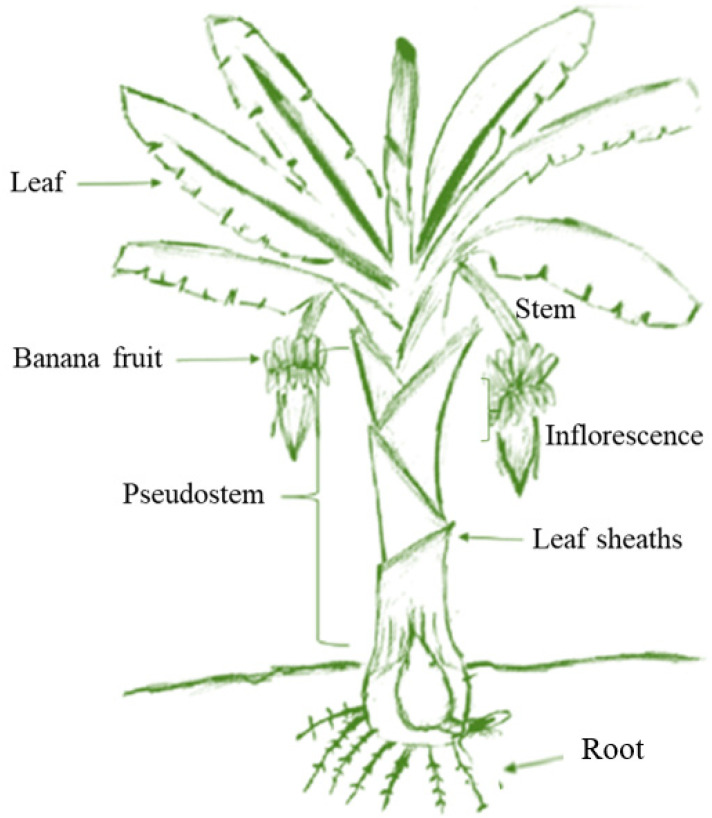
“Generally bananas are known from their fruit parts, but this plant has other parts that are important for growth and development including root, pseudostem and leaves (Zou et al., 2022).”
Pengolahan pangan unggulan pisang sebagai produk makanan tambahan pada balita stunting
Rahmawati, M., Bete, D., Susanto, H. A., Araujo, N. A. D. D., Alfianto, A. G., & Soelaksono, A. D. (2024) · KACANEGARA Jurnal Pengabdian pada Masyarakat · doi:10.28989/kacanegara.v7i1.1876 · Cited by 9
Getahun, A., Kechero, Y., Yemane, N., Tadelle, D., & Esatu, W. (2026) · Advances in Agriculture · doi:10.1155/aia/5597209 · Cited by 2
Banana peels: a potential source of highly functioned bioactive peptides
Khamsaw, P., Sommano, S. R., Tangpao, T., & Sirilun, S. (2026) · Biomass Conversion and Biorefinery · doi:10.1007/s13399-025-07007-4 · Cited by 2
Saengsuwan, T., & Sujinda, N. (2026) · Applied Food Research · doi:10.1016/j.afres.2026.101780 · Cited by 2
Boteju, P. D. N., Senanayake, C. M., & Jayathunge, K. G. L. R. (2026) · Sustainable Food Technology · doi:10.1039/d5fb00591d · Cited by 2
The Influence of Adding Banana Peel Powder on the Quality of Pan Bread
Shammari, B. B. J. A. (2023) · IOP Conference Series Earth and Environmental Science · doi:10.1088/1755-1315/1262/6/062027 · Cited by 6
“…revealed that banana by-products contain a variety of bioactive substances with antibacterial, anti-inflammatory, antioxidant, and other properties[1] indigestible polysaccharides, dietary fiber, vitamins, minerals and antioxidants are all present in significant concentrations in banana flour.…”
BackgroundSilva, A. N. M., Oliveira, J. S. B., Barros, B. C. B., & Feiten, M. C. (2025) · Discover Food · doi:10.1007/s44187-025-00618-w · Cited by 3
“Nevertheless, the results demonstrate that the use of BI in pâté formulations is important due to the correlation of phenolic compounds with antioxidant activity [28], and so with the health benefits mentioned.”
InfluentialAlfizar, A., Resdiar, A., Putra, I., Bustamam, H., Bessania, M. A., & Syaukani, S. (2023) · International Journal of Design & Nature and Ecodynamics · doi:10.18280/ijdne.180628
“Bananas are highly esteemed in Indonesia for their palatability, their nutritional profile — rich in potassium, fiber, protein, and vitamins — and their versatility in culinary applications, ranging from fresh consumption to their use in an array of processed foods and beverages [1-3].”
Extraction of Stable Antioxidant Compounds from Banana Inflorescences Using Eco-friendly Methods
de Sousa, C. C., Mendes, L. L., Ferraz, C. C., Amorim, W. L. D. N., Martini, I. O., da Silva, B. G., Angolini, C. F. F., Veggi, P. C., & Prado, J. M. (2025) · Food and Bioprocess Technology · doi:10.1007/s11947-025-03807-8 · Cited by 2
“…(enhancing maternal lactation), immunomodulatory, larvicidal, and thrombolytic properties (Padam et al., 2014; Ramu et al., 2015; Correa et al., 2017; Lau et al., 2020; Amornlerd-pison et al., 2021; Kraithong & Issara, 2021; Motta et al., 2022; Zou et al., 2022; Gayathry & John, 2023).”
Banana Fibers and Their Advanced Applications
Pavithra, S., Madhumitha, J., Shivani, R., Vijayalakshmi, R. V., Venkataraman, M., & Militký, J. (2025) · Engineering materials · doi:10.1007/978-981-95-1382-6_4 · Cited by 1
Saleem, G., Fatima, N., Tariq, M., Ullah, A., Khan, B. N., Chaman, S., Abdel-Maksoud, M. A., Alamri, A. M., Alabbad, A. F., & Kalmosh, F. S. (2025) · Poultry Science · doi:10.1016/j.psj.2025.106087 · Cited by 2
Rosli, N. F. S., Chong, G. H., Talib, A. A., Kamaruddin, M. S. H., Umanan, F., & Hadzir, N. H. N. (2025) · Journal of Biochemistry Microbiology and Biotechnology · doi:10.54987/jobimb.v13i2.1141 · Cited by 1
Kusudaryati, D. P. D., Adiningrum, R., Wardana, A. S., & Luthfianto, D. (2025) · Amerta Nutrition · doi:10.20473/amnt.v9i1sp.2025.141-151 · Cited by 1
Zuhria, S. A., Puspaningrum, Y., Hartanti, D. A. S., & Qomariyah, S. N. (2025) · Community Empowerment · doi:10.31603/ce.15382 · Cited by 1
Fermented banana stem extract as a workability-enhancing bio-based admixture for concrete
Awasthi, G., Bhujel, S., Adhikari, T. S., Gautam, S., Ghising, S., Sunuwar, S., & Kumar, K. (2026) · Discover Civil Engineering · doi:10.1007/s44290-026-00492-0 · Cited by 1
Febriani, W., Komala, R., Isti, A. D., Wijaya, S. M., & Yunianto, A. E. (2025) · Amerta Nutrition · doi:10.20473/amnt.v9i1sp.2025.471-479 · Cited by 1
Sustainable Valorisation of Banana Inflorescence for Development of Nutraceutical Lozenges
Chan, C. X.-K., Xuan, L. J., Khalid, N. M., Nawi, M. N. M., Kalusalingam, A., Subramanian, P., & Narayanan, S. S. (2026) · Biomass · doi:10.3390/biomass6030043 · Cited by 2
“Banana fruits are rich in carbohydrates, dietary fibre, vitamins, minerals, and various bioactive phytochemicals [7].”
InfluentialIsmail, N. A., & Zain, M. S. C. (2026) · Waste and Biomass Valorization · doi:10.1007/s12649-026-03720-x · Cited by 1
Jensipershiya, S., Sendhilvel, V., Geethalakshmi, V., Manoranjitham, S. K., Malathi, P., & Siva, M. (2025) · Plant Science Today · doi:10.14719/pst.8068 · Cited by 1
“Among them, 40 million tonnes of banana peel are generated every year which accounts for 35 % of the total weight of bananas (27).”
Samoh, T. F., Ikyenge, B. A., Isaac, A. G., & Nguemo, T. V. (2025) · ChemClass Journal · doi:10.33003/chemclass-2025-0902/187 · Cited by 1
Effect of TBHQ Concentration on Sensory Quality of Banana Peel based ‘sev’ in Package Materials
Gohil Mehul, M., Raj, D., Jm, M., & Pandey, A. K. (2023) · Current Journal of Applied Science and Technology · doi:10.9734/cjast/2023/v42i284198
“potential applications in food and nutraceuticals [3] “Banana peel is rich source of dietary fiber (50% on a dry matter basis), protein (8-11%), crude fat (3.”
BackgroundComposição centesimal da inflorescência do cacho da banana
da Silva, M. A. F., Pereira, S. D. A., Silva, A. N. S., Xavier, S. C. N., Sales, L. P., & de Assis, R. C. (2023) · Nutrivisa Revista de Nutrição e Vigilância em Saúde · doi:10.59171/nutrivisa-2023v10e11128
Application of PSO in CNN attribute weighting for banana tree classification based on leaf images
Novichasari, S. I., & Nata, I. A. (2023) · Journal of Applied Intelligent System · doi:10.33633/jais.v8i3.9170
“Apart from containing various vitamins, Ambon bananas have several other benefits, namely antihypertensive, wound healing and antidiabetic [3].”
BackgroundPava, K. C. L., Doblas, G. Z., Toledo, J. M. S., & Cruz, R. Y. D. (2024) · Tropical Journal of Natural Product Research · doi:10.26538/tjnpr/v8i6.20
Shukla, A. D., & Srivastava, Y. (2024) · Elsevier eBooks · doi:10.1016/b978-0-443-13769-3.00011-x · Cited by 1
Senevirathna, P. (2025) · Queensland University of Technology · doi:10.5204/thesis.eprints.256508 · Cited by 3
Ningrum, A. N., Yuniarti, T., Prayogo, D., Presilia, F., Afrakshyad, A., Hidayati, L. S. N., & Utami, A. K. N. (2025) · Jurnal Pengabdian Masyarakat Bhinneka · doi:10.58266/jpmb.v3i4.215
Recent Preparations and Innovations in the Biodegradable Bioplastics and Biocomposites (A Review)
Aggarwal, K., Premlata, P., Mishra, S., & Kumar, R. (2025) · Russian Journal of General Chemistry · doi:10.1134/s1070363225600936
Effect of Citric Acid and Brine Pre-Treatment on Deodorization of Green Banana Flour
Ngwenyama, P., & Goto, S. (2025) · The North African Journal of Food and Nutrition Research · doi:10.51745/najfnr.9.20.158-169
Phung, A.-T. T., Vu, T. X., Nguyen, C. V., & Dao, Y. H. (2025) · Materials Research Express · doi:10.1088/2053-1591/ae1d26
Gony, O., Hossen, M. I., Rahman, M. M., Rahman, A., & Rahman, A. (2025) · Agricultural Sciences · doi:10.4236/as.2025.1611067
RetractedBiovalorization of Banana and False Banana Waste
Soares, C. M. D., Grosso, C., Delerue-Matos, C. M., & Ramalhosa, M. J. (2025) · Wiley eBooks · doi:10.1002/9781394301256.ch5 · Cited by 1
Usabilidad gastronómica de premezcla de chocolate a base de excedentes de banano y pollo
Orozco, N. S., Agudelo, S. A., Arroyave, N. Z., Quiroz, J. Q., & Martínez, M. A. A. (2025) · Alimentación y Ciencia de los Alimentos · doi:10.32870/rayca.vi1.145
Delval, M. H. (2023) · Research Repository (Delft University of Technology)
Isnanto, R. R., Widodo, C. E., Putri, B. D. C., Zaharani, D. M., & Agustiyar (2025) · International Conference on Informatics and Computing (ICIC) · doi:10.1109/icic68054.2025.11309522
“Fruits, particularly bananas, contain various vitamins, minerals, and fiber essential in maintaining overall health [2], [3], [4].”
การพัฒนาผลิตภัณฑ์น้ำดื่มผสมน้ำหัวปลีและสมุนไพรเพื่อสุขภาพ
ธงชัย, น., สาลี, ม., เรืองวิเศษ, ฤ., & อุปถัมภานนท์, อ. (2025) · Journal of Home Economics Technology and Innovation · doi:10.60101/jhet.2025.1163
Fatmawati, M., Nursamsi, N., Rasulu, H., Albaar, N., & Darwis, H. (2025) · Jurnal Pertanian Khairun · doi:10.33387/jpk.v4i2.10766
“Limbah pertanian ini, jika tidak dikelola dengan baik, dapat menimbulkan masalah lingkungan; namun, potensi kandungan nutrisi dan serat pada batang pisang menawarkan peluang signifikan untuk dikembangkan menjadi berbagai produk olahan bernilai tambah (Zou et al., 2022).”
Kurniawan, I. D., Sasongko, P. E., Maghfiroh, R. N., Nurhutami, S. R., Yusuf, A. I., & Hakim, C. A. (2025) · PengabdianMu Jurnal Ilmiah Pengabdian kepada Masyarakat · doi:10.33084/pengabdianmu.v10i12.10424
Banana fibers: Towards a green circular economy
Akatwijuka, O., Hassanin, A. H., Saito, Y., & Yamamoto, M. (2026) · Elsevier eBooks · doi:10.1016/b978-0-443-30237-4.00016-8
Disha, B., Ratul, K. N., & Rakesh, K. (2026) · Plant Science Today · doi:10.14719/pst.8375
Tanganurat, P., & Singkhum, U. (2026) · Discover Food · doi:10.1007/s44187-026-00872-6 · Cited by 1
APROVEITAMENTO DE SUBPRODUTOS NA PRODUÇÃO SUSTENTÁVEL DE LAMINADOS DE FRUTAS: UMA REVISÃO
UEFS, da Gama, A. C. R., de Jesus, E. A., Viana, E. D. S., & Brandao, T. S. D. O. (2026) · doi:10.65747/conali2025v3c02
Aquatic Diptera in Phytotelmata of Bromeliaceae and Zingerberales
Hayford, B., Jurotich, M., Malik, H. I., & Chaboo, C. S. (2026) · Insects · doi:10.3390/insects17030280
“These tall herbs are native to Africa and Asia but are cultivated widely outside the native range for food (bananas, plantains, pseudostem, and flowers), starch, and textiles [146,147].”
Acceptance of Food Products Containing Upcycled Ingredients
Doran, J. M., Fox, S., & Dermiki, M. (2026) · Lecture notes on multidisciplinary industrial engineering · doi:10.1007/978-3-032-19652-1_3
Development and Acceptability of Banana Pith (Musa Paradisiaca L.) Muffin
Andres, A., Anciado, M., Borce, M., Llanto, R., Batoon, M. P., Julian, H. C., Vigilia, M. G., Soriano, M., Gaspar, C., Flores, E., et al. (2026) · International Journal of Education, Research, and Innovation Perspectives · doi:10.5281/zenodo.19570138
Gutiérrez‐Soto, G., López‐Sandin, I., Luiz-Santos, N., Morales-Landa, J. L., Lazcano-Díaz, E., Parra‐Saldívar, R., Iqbal, H. M. N., Martínez, D. C., & Yáñez-Rangel, I. D. (2026) · World sustainability series · doi:10.1007/978-3-032-10314-7_14
Conde-Díaz, A., Santana‐Mayor, Á., Socas-Rodríguez, B., Herrera‐Herrera, A. V., & Rodríguez‐Delgado, M. Á. (2026) · Sustainable Chemistry and Pharmacy · doi:10.1016/j.scp.2026.102423
Isnanto, R. R., Gernowo, R., Putri, B. D. C., Fauzi, F. Z., & Agustiyar (2026) · Mathematical Modelling and Engineering Problems · doi:10.18280/mmep.130303
Valorization of Subtropical Fruit Wastes as Sources of Bioactive Compounds
Chamorro, F., Álvarez, J. E., Pereira, A. G., Silva, A., Seyyedi-Mansour, S., Donn, P., Perez-Vazquez, A., Barciela, P., Carpena, M., & Prieto, M. A. (2026) · Springer eBooks · doi:10.1007/978-3-642-36202-6_286-1
Chaowuthai, A., Saengmanee, C., Deesapa, K., Chuntanapum, A., & Suttibak, S. (2026) · AIP conference proceedings · doi:10.1063/5.0340571
Chitosan-based films with beetroot pulp and banana pseudostem extracts for active food packaging
Nascimento, R. E. A., Sales, J., Alves, V. D., Crespo, J. G., & Neves, L. A. (2026) · Carbohydrate Polymer Technologies and Applications · doi:10.1016/j.carpta.2026.101160
Factors for selection of lignocellulosic fibers for use in structural composites
Santulli, C. (2026) · Frontiers in Materials · doi:10.3389/fmats.2026.1806213
Lupki, F. B., Oliveira, C. D., Silva, M. R., Sobrinho, P. D. S. C., Andrade, M. P. D., & Morais, H. A. (2026) · Scientific Electronic Archives · doi:10.36560/19420262234
“Also, the production of GBF has attracted the food industry due to its high nutritional value, low cost, and potential to minimize banana waste (Li et al. , 2022; Zaini et al. , 2025; Zou et al. , 2022).”
Pham, Q. V., Dang, T. T., Tran, A. D., Vu, G. H., Manh, L. D., Nguyen, Q. T., Nguyen, H. N., & Le, O. T. H. (2026) · Waste and Biomass Valorization · doi:10.1007/s12649-026-03731-8
Musabwayire, C., Niyitanga, F., Manirere, J. D., Ndahetuye, J., Maria, T. A., & Nkundabashaka, V. (2026) · African Journal of Food Agriculture Nutrition and Development · doi:10.18697/ajfand.152.27320
Irmaningsih, Missouri, R., Hamidah, & Putri, N. (2026) · Jurnal Pengabdian kepada Masyarakat (PEMAS) · doi:10.63866/pemas.v3i2.131
Vupru, T. N., & Deb, C. R. (2026) · Journal of Food Science and Technology · doi:10.1007/s13197-026-06816-3
Metadata
- Authors
- Zou, F., Tan, C., Zhang, B., Wu, W., & Shang, N.
- Affiliations
- China Agricultural University (CN)
- Corresponding author
- Shang, Nan
- Venue
- Foods
- Publisher
- MDPI AG
- Published
- 2022-10-11
- Volume
- 11
- Issue
- 20
- Pages
- 3170
- ISSN
- 2304-8158 (ISSN-L)
- PMC
- PMC9602299
- OpenAlex
- W4304584979
- Semantic Scholar
- dba68c149fa53bd47e6f75638357818cf18e574a
- Cited by
- 90
- References
- 108
- Citations by year
- 2026: 33 · 2025: 25 · 2024: 19 · 2023: 12 · 2022: 1
- FWCI
- 1.30
- Type
- journal article
- Language
- en
- Open access
- gold
- doi.org
- Licence
- Locations
- Foods (publishedVersion, cc-by)
- PubMed Central (publishedVersion, cc-by)
- PubMed (publishedVersion)
- DOAJ (DOAJ: Directory of Open Access Journals) (submittedVersion, cc-by-sa)
- Funders
- Beijing Rural Science and Technology Revitalization Project (20221230-01, 50020009)
- Technology Transformation Project (20221230-01, 50020009)
- Topics
- Life Sciences › Agricultural and Biological Sciences › Food Science › Agricultural and Biological Research
- Health Sciences › Medicine › Biochemistry (medical) › Phytochemicals and Antioxidant Activities
- Life Sciences › Agricultural and Biological Sciences › Plant Science › Banana Cultivation and Research
- Keywords
- banana by-products, banana peel, banana stem, banana leaves, banana inflorescence, bioactive compounds, antioxidant activity, antibacterial activity, anti-inflammatory activity, functional foods, agricultural waste valorization, nutritional composition
About these checks
Registry, retraction, Cites and statistics results are computed, not judged, with one exception: a printed reference that no index lists is read once by a model before it counts as a citation error. Claims are extracted by a model and kept only when their quote appears verbatim in the text; each cited source is then checked, with a model’s help, for whether it says what the claim relies on. Those verdicts can be wrong — read the claim’s quote and the cited source before relying on one.
Statistics and arithmetic are recomputed, not judged.
Confidence bands are shown only for fields calibrated on our annotated test set. None is calibrated yet, so no band is shown.
What counts as a claim ›How we measure confidence ›How we check this ›
Are you an author, or do you see a problem with this page? Request a review
Data sources
Bibliographic data: Semantic Scholar, OpenAlex, Crossref.
Contains information from the Semantic Scholar Academic Graph Datasets, made available under the ODC Attribution License (ODC-BY 1.0).
Semantic Scholar’s data is described in: Kinney, R., et al. (2023). The Semantic Scholar Open Data Platform. arXiv:2301.10140.
