

The Valorization of Banana By-Products: Nutritional Composition, Bioactivities, Applications, and Future Development
Open accessThe DOI matches its Crossref record; 108 of the 108 references it cites were found in a registry or an index.
Abstract
Bananas are among the world’s main economic crops and one of the world’s most-selling fresh fruits. However, a great deal of waste and by-products is produced during banana harvesting and consumption, including stems, leaves, inflorescences, and peels. Some of them have the potential to be used to develop new foods. Furthermore, studies have found that banana by-products contain many bioactive substances that have antibacterial, anti-inflammatory, and antioxidant properties and other functions. At present, research on banana by-products has mainly focused on various utilizations of banana stems and leaves, as well as the extraction of active ingredients from banana peels and inflorescences to develop high-value functional products. Based on the current research on the utilization of banana by-products, this paper summarized the composition information, functions, and comprehensive utilization of banana by-products. Moreover, the problems and future development in the utilization of by-products are reviewed. This review is of great value in expanding the potential applications of banana stems, leaves, inflorescences, and peels, which will not only help to reduce waste of agricultural by-product resources and ecological pollution but will also be useful for the development of essential products as alternative sources of healthy food in the future.
Overview
The claims and statistics of this paper haven’t been checked yet.
Free: it reads the open-access text and checks the first 5 claims that cite a source we can check. Create a free account to check every claim.
Integrity signals
Registry
Cites
Statistics
Figures
Verification
Claims the paper makes
The claims and statistics of this paper haven’t been checked yet.
Free: it reads the open-access text and checks the first 5 claims that cite a source we can check. Create a free account to check every claim.
Claims other papers make about this one
Each is checked against this paper’s own text: does it say what the citing paper says it does?
The source backs part of the claim, not all of it — or backs it for a different population, condition or comparison.
In the citing paper
“Dietary fructo-oligosaccharides are active food ingredients that are usually obtained from banana peel [33].”
From Unlocking the potential of banana peel bioactives: extraction methods, benefits, and industrial applications (2025) · cites this paper as [33]
Experimental — accuracy not yet measuredThe cited source says what the claim attributes to it.
In the citing paper
“Banana fiber paper made this way was reported to exhibit lower water absorption than wood pulp paper [132].”
From Potential Valorization of Banana Production Waste in Developing Countries: Bio-Engineering Aspects (2024) · cites this paper as [132]
Self-check
Percentages, sums and reported differences re-computed from the paper’s own numbers.
The self-check needs the paper’s full text.
Citations
Cites
1 retracted
Arun, K. B., Thomas, S., Reshmitha, T. R., Akhil, G. C., & Nisha, P. (2017) · Journal of Functional Foods · doi:10.1016/j.jff.2017.02.001 · Cited by 100
RetractedAn overview of fast pyrolysis of biomass
Bridgwater, A. V., Meier, D., & Radlein, D. (1999) · Organic Geochemistry · doi:10.1016/s0146-6380(99)00120-5 · Cited by 1,752 · cited 3×
“Bio-oil Heat generation by pyrolysis, reducing greenhouse gas emissions Biochar, soil conditioners, ethanol, biogas [12,21]”
BackgroundBy-products of plant food processing as a source of functional compounds—Recent developments
Schieber, A., Stintzing, F. C., & Carle, R. (2001) · Trends in Food Science & Technology · doi:10.1016/s0924-2244(02)00012-2 · Cited by 1,334 · cited 1×
“Most of these peels are often disposed of in landfills or next to other waste [3].”
BackgroundJayathilakan, K., Sultana, K., Radhakrishna, K., & Bawa, A. S. (2012) · Journal of Food Science and Technology · doi:10.1007/s13197-011-0290-7 · Cited by 1,001
Biofibers from agricultural byproducts for industrial applications
Reddy, N., & Yang, Y. (2005) · Trends in Biotechnology · doi:10.1016/j.tibtech.2004.11.002 · Cited by 977 · cited 1×
“Moreover, compared with cotton and chemical fibers, banana fiber is lustrous and has high water absorption, low irritation to the human body, and no negative impact on the environment [7,31,32].”
BackgroundKadirvelu, K., Kavipriya, M., Karthika, C., Radhika, M., Vennilamani, N., & Pattabhi, S. (2003) · Bioresource Technology · doi:10.1016/s0960-8524(02)00201-8 · Cited by 773
Antioxidant properties of several tropical fruits: A comparative study
Lim, Y. Y., Lim, T. T., & Tee, J. J. (2007) · Food Chemistry · doi:10.1016/j.foodchem.2006.08.038 · Cited by 696
Happi Emaga, T., Andrianaivo, R. H., Wathelet, B., Tchango, J. T., & Paquot, M. (2007) · Food Chemistry · doi:10.1016/j.foodchem.2006.09.006 · Cited by 502 · cited 1×
“Therefore, banana inflorescences are an important source of minerals for human beings [41].”
BackgroundAntioxidant compounds from bananas (Musa Cavendish)
Someya, S., Yoshiki, Y., & Okubo, K. (2002) · Food Chemistry · doi:10.1016/s0308-8146(02)00186-3 · Cited by 492
Hong, K.-J., Lee, C.-H., & Kim, S. W. (2004) · Journal of Medicinal Food · doi:10.1089/jmf.2004.7.430 · Cited by 479
Banana by-products: An under-utilized renewable food biomass with great potential
Padam, B. S., Tin, H. S., Chye, F. Y., & Abdullah, M. I. (2014) · Journal of Food Science and Technology · doi:10.1007/s13197-012-0861-2 · Cited by 426
Dietary linoleic acid and human health: Focus on cardiovascular and cardiometabolic effects
Marangoni, F., Agostoni, C., Borghi, C., Catapano, A. L., Cena, H., Ghiselli, A., La Vecchia, C., Lercker, G., Manzato, E., Pirillo, A., et al. (2020) · Atherosclerosis · doi:10.1016/j.atherosclerosis.2019.11.018 · Cited by 416
Pereira, A., & Maraschin, M. (2015) · Journal of Ethnopharmacology · doi:10.1016/j.jep.2014.11.008 · Cited by 388
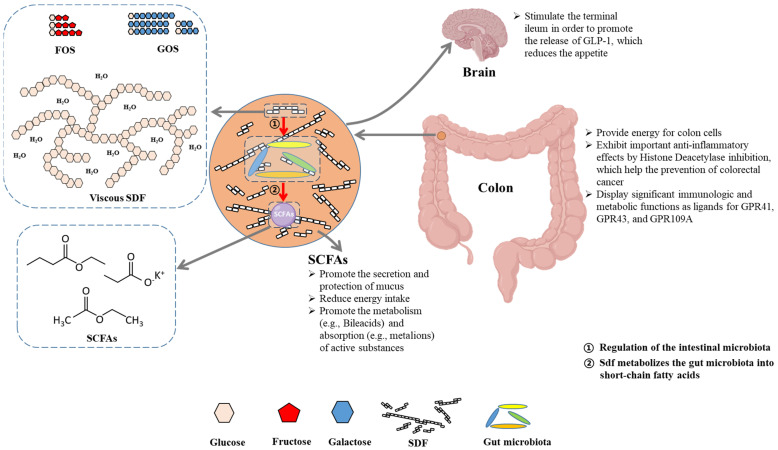
Soluble Dietary Fiber, One of the Most Important Nutrients for the Gut Microbiota
Guan, Z.-W., Yu, E.-Z., & Feng, Q. (2021) · Molecules · doi:10.3390/molecules26226802 · Cited by 336
Happi Emaga, T., Robert, C., Ronkart, S. N., Wathelet, B., & Paquot, M. (2008) · Bioresource Technology · doi:10.1016/j.biortech.2007.08.030 · Cited by 318
(2012) · Journal of Pharmacognosy and Phytochemistry · Cited by 276
Adinugraha, M. P., Marseno, D. W., & Haryadi (2005) · Carbohydrate Polymers · doi:10.1016/j.carbpol.2005.07.019 · Cited by 264
(2009) · Electronic journal of environmental, agricultural and food chemistry · Cited by 244
Thermochemical characterization of banana leaves as a potential energy source
Fernandes, E. R. K., Marangoni, C., Souza, O., & Sellin, N. (2013) · Energy Conversion and Management · doi:10.1016/j.enconman.2013.08.008 · Cited by 244 · cited 1×
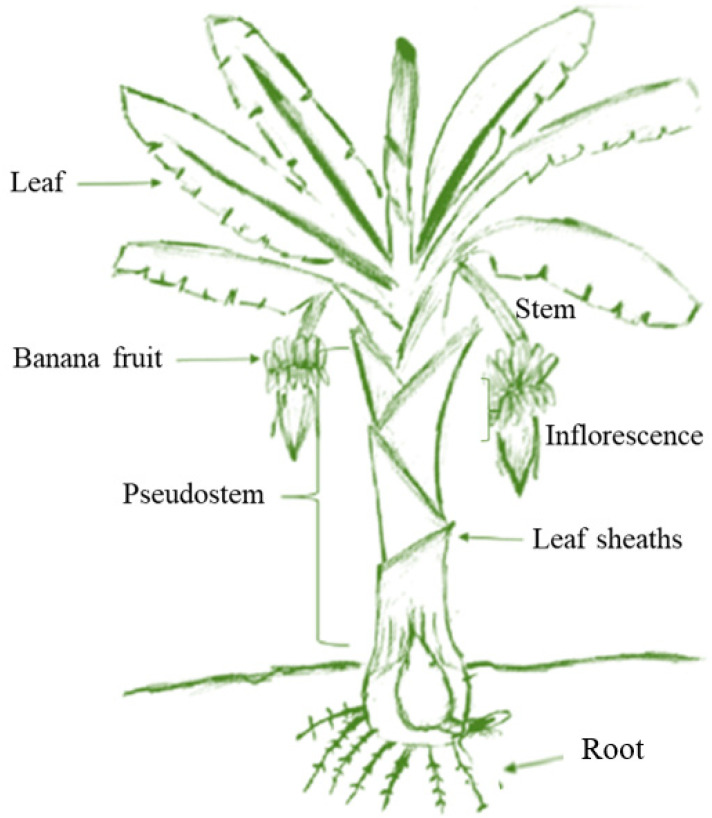
“It has been reported that each ton of bananas collected generates about 4 tons of waste, including 100 kg of waste fruit, 3 tons of pseudostems, 160 kg of stems, 480 kg of leaves, and about 440 kg of inflorescences and skins [2].”
BackgroundBioactive compounds in banana fruits and their health benefits
Sidhu, J. S., & Zafar, T. A. (2018) · Food Quality and Safety · doi:10.1093/fqsafe/fyy019 · Cited by 230
Banana biomass as potential renewable energy resource: A Malaysian case study
Tock, J. Y., Lai, C. L., Lee, K. T., Tan, K. T., & Bhatia, S. (2010) · Renewable and Sustainable Energy Reviews · doi:10.1016/j.rser.2009.10.010 · Cited by 226
Studies on mould growth and biomass production using waste banana peel
Essien, J. P., Akpan, E. J., & Essien, E. P. (2005) · Bioresource Technology · doi:10.1016/j.biortech.2004.12.004 · Cited by 163 · cited 2×
“raw material unused and even cause significant environmental damage [4].”
BackgroundDevelopment of banana fibers and wood bottom ash modified cement mortars
Akinyemi, B. A., & Dai, C. (2020) · Construction and Building Materials · doi:10.1016/j.conbuildmat.2020.118041 · Cited by 160 · cited 1×
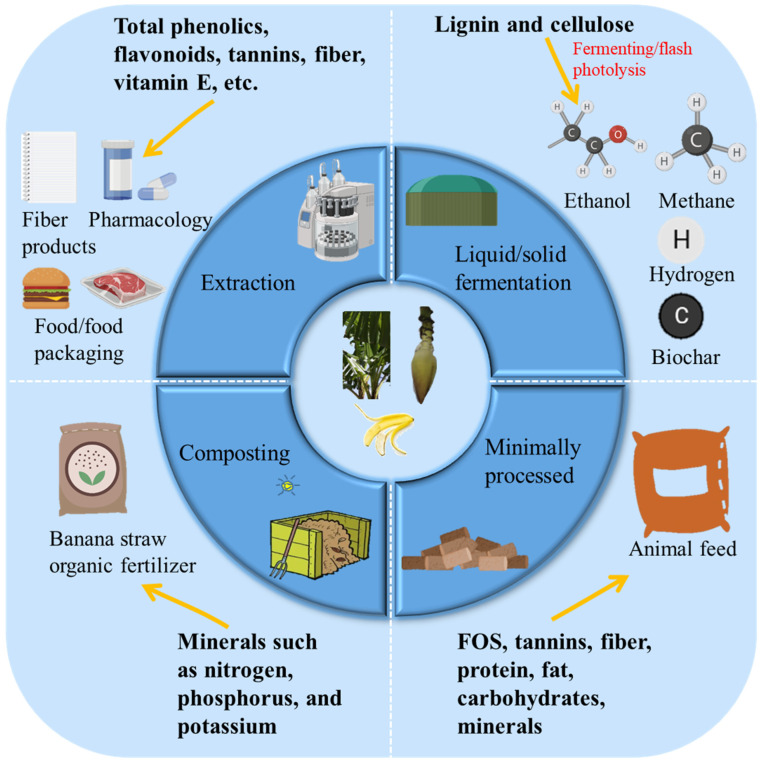
“, fertilization, fodder, energy, and fiber, including food applications such as coloring, flavoring, livestock feed, and non-food applications such as wastewater treatment, biofertilizers, textiles, paper, and composites [7,8].”
BackgroundEshak, N. S. (2016) · Annals of Agricultural Sciences · doi:10.1016/j.aoas.2016.07.002 · Cited by 153
(2011) · Journal of Applied Pharmaceutical Science · Cited by 146
Banana fibre: a natural and sustainable bioresource for eco-friendly applications
Balda, S., Sharma, A., Capalash, N., & Sharma, P. (2021) · Clean Technologies and Environmental Policy · doi:10.1007/s10098-021-02041-y · Cited by 146 · cited 1×
“The chemical composition of banana fiber is mainly cellulose, hemicellulose and lignin; with its biodegradability and good chemical and mechanical properties, banana fiber has potential applications in the sanitary napkin, textile, pulp and paper industries [11], its chemical properties have many similarities with tra…”
BackgroundBhaskar, J. J., Mahadevamma, S., Chilkunda, N. D., & Salimath, P. V. (2011) · Journal of Agricultural and Food Chemistry · doi:10.1021/jf204539v · Cited by 141 · cited 2×
“[37] found that the protein content of banana inflorescences was 12.”
BackgroundRamu, R., Shirahatti, P. S., Zameer, F., Ranganatha, L., & Prasad, M. N. N. (2014) · South African Journal of Botany · doi:10.1016/j.sajb.2014.08.001 · Cited by 141
Hypoglycaemic effect of Musa sapientum L. in alloxan-induced diabetic rats
Pari, L., & Maheswari, J. U. (1999) · Journal of Ethnopharmacology · doi:10.1016/s0378-8741(99)00088-4 · Cited by 141
Vijayakumar, S., Vaseeharan, B., Malaikozhundan, B., Gopi, N., Ekambaram, P., Pachaiappan, R., Velusamy, P., Murugan, K., Benelli, G., Suresh Kumar, R., et al. (2017) · Microbial Pathogenesis · doi:10.1016/j.micpath.2016.11.029 · Cited by 139
Kalemelawa, F., Nishihara, E., Endo, T., Ahmad, Z., Yeasmin, R., Tenywa, M. M., & Yamamoto, S. (2012) · Bioresource Technology · doi:10.1016/j.biortech.2012.04.030 · Cited by 127
Development of banana peel jelly and its antioxidant and textural properties
Lee, E.-H., Yeom, H.-J., Ha, M.-S., & Bae, D.-H. (2010) · Food Science and Biotechnology · doi:10.1007/s10068-010-0063-5 · Cited by 124
Antibacterial and Antioxidant Activities of Banana (Musa, AAA cv. Cavendish) Fruits Peel
Mokbel, M. S., & Hashinaga, F. (2005) · American Journal of Biochemistry and Biotechnology · doi:10.3844/ajbbsp.2005.125.131 · Cited by 123
Therapeutic potentials and compositional changes of valuable compounds from banana- A review
Qamar, S., & Shaikh, A. (2018) · Trends in Food Science & Technology · doi:10.1016/j.tifs.2018.06.016 · Cited by 121 · cited 1×
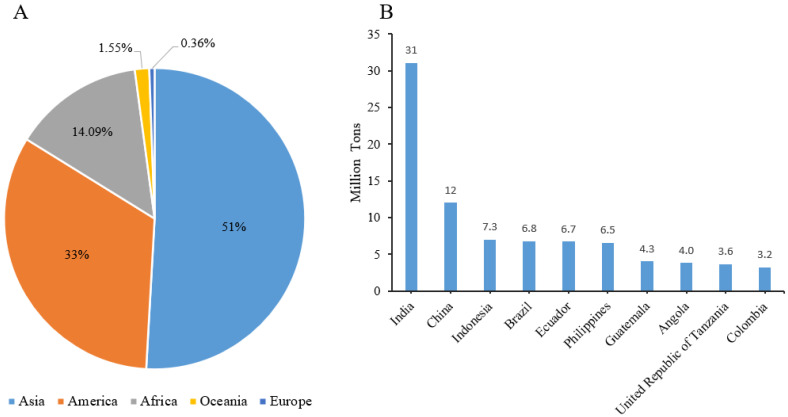
“Bananas are classified as part of ‘Magnoliophyta’, class ‘Liliopsida’, order ‘Zingiberales’, family ‘Musaceae’, and genus ‘Musa’ [1] and are the fourth largest food crop in the world.”
Bananas and people in the homeland of genus Musa: Not just pretty fruit
Kennedy, J. (2009) · Ethnobotany Research and Applications · doi:10.17348/era.7.0.179-197 · Cited by 110 · cited 2×
“The enzymatic degumming of natural plant fibers using microbial strains is a promising method for processing textile fibers [33].”
BackgroundMethodPlantain peel - a potential source of antioxidant dietary fibre for developing functional cookies
Arun, K. B., Persia, F., Aswathy, P. S., Chandran, J., Sajeev, M. S., Jayamurthy, P., & Nisha, P. (2015) · Journal of Food Science and Technology · doi:10.1007/s13197-015-1727-1 · Cited by 109
Prasad, M. N., Ramu, R., Shirahatti, P., Anilakumar, K., Nayakavadi, S., Zameer, F., & Dhananjaya, B. (2017) · Pharmacognosy Research · doi:10.4103/pr.pr_67_17 · Cited by 107 · cited 4×
“54 [36], which is greater than the amount advised for adults by the WHO.”
BackgroundInfluentialRipening influences banana and plantain peels composition and energy content
Emaga, T. H., Bindelle, J., Agneesens, R., Buldgen, A., Wathelet, B., & Paquot, M. (2011) · Tropical Animal Health and Production · doi:10.1007/s11250-010-9671-6 · Cited by 100
Zaini, H. B. M., Sintang, M. D. B., & Pindi, W. (2020) · Food Science & Nutrition · doi:10.1002/fsn3.1847 · Cited by 99
Vu, H. T., Scarlett, C. J., & Vuong, Q. V. (2019) · Scientia Horticulturae · doi:10.1016/j.scienta.2019.04.043 · Cited by 95
Banana inflorescence: Its bio-prospects as an ingredient for functional foods
Lau, B. F., Kong, K. W., Leong, K. H., Sun, J., He, X., Wang, Z., Mustafa, M. R., Ling, T. C., & Ismail, A. (2019) · Trends in Food Science & Technology · doi:10.1016/j.tifs.2019.12.023 · Cited by 91 · cited 1×
“This shows that banana inflorescences can be an important source of healthful UFAs, which may lower the chance of cardiovascular disease [40].”
BackgroundThe effects of banana peel preparations on the properties of banana peel dietary fibre concentrate
Wachirasiri, P., Julakarangka, S., & Wanlapa, S. (2010) · DOAJ (DOAJ: Directory of Open Access Journals) · Cited by 85
Sheng, Z., Ma, W., Jin, Z., Bi, Y., Sun, Z.-G., Dou, H., Gao, J.-H., Li, J., & Han, L. (2010) · AFRICAN JOURNAL OF BIOTECHNOLOGY · doi:10.5897/ajb2010.000-3262 · Cited by 85 · cited 1×
“[39] found that unsaturated fatty acids (UFAs) such as linoleic acid, oleic acid, and alpha-linolenic acid accounted for more than 60% of the total fatty acids in banana inflorescences.”
BackgroundThe development of banana peel/corn starch bioplastic film: a preliminary study
Sultan, N. F. K., & Johari, W. L. W. (2017) · Bioremediation Science and Technology Research · doi:10.54987/bstr.v5i1.352 · Cited by 85
Utilization of banana waste as a resource material for biofuels and other value-added products
Gupta, G., Baranwal, M., Saxena, S., & Reddy, M. S. (2023) · Biomass Conversion and Biorefinery · doi:10.1007/s13399-022-02306-6 · Cited by 83 · cited 2×
“Banana stems and leaves contain a high level of water-soluble organic matter, and these organic components are easily degraded, they have a suitable carbon-to-nitrogen ratio and is a good material for aerobic composting [20].”
BackgroundItelima, J., Onwuliri, F., Onwuliri, E., Onyimba, I., & Oforji, S. (2013) · International Journal of Environmental Science and Development · doi:10.7763/ijesd.2013.v4.337 · Cited by 79
Harish, K. R. Y., Srijana, M., Madhusudhan, R. D., & Gopal, R. (2010) · African Journal of Biotechnology · doi:10.5897/ajb09.1217 · Cited by 79 · cited 2×
“Bio-oil Heat generation by pyrolysis, reducing greenhouse gas emissions Biochar, soil conditioners, ethanol, biogas [12,21]”
BackgroundComparison of Physicochemical Properties of Starches from Flesh and Peel of Green Banana Fruit
Li, Z., Guo, K., Lin, L., He, W., Zhang, L., & Wei, C. (2018) · Molecules · doi:10.3390/molecules23092312 · Cited by 79 · cited 2×
“Fiber Facilitates the digestion and absorption of many nutrients and prevents many diseases Good nutritional quality and organoleptic acceptability when added to instant noodles, feed, clothing, paper, sanitary pads [15,18,22,23]”
BackgroundKurhade, A., Patil, S., Sonawane, S. K., Waghmare, J. S., & Arya, S. S. (2016) · Journal of Food Measurement and Characterization · doi:10.1007/s11694-015-9273-0 · Cited by 76
Ali, M., Imran, M., Nadeem, M. F., Khan, M. K., Sohaib, M., Suleria, H. A. R., & Bashir, R. (2019) · Lipids in Health and Disease · doi:10.1186/s12944-019-0982-y · Cited by 70
Extraction of inflorescences of Musa paradisiaca L. using supercritical CO2 and compressed propane
Correa, M. D. S., Mesomo, M. C., Pianoski, K. E., Torres, Y. R., & Corazza, M. L. (2016) · The Journal of Supercritical Fluids · doi:10.1016/j.supflu.2016.03.016 · Cited by 68 · cited 2×
“[50] optimized the conditions for Figure 4.”
MethodThe synthesis of activated carbon made from banana stem fibers as the supercapacitor electrodes
Taer, E., Yusra, D. A., Amri, A., Awitdrus, A., Taslim, R., Apriwandi, A., Agustino, A., & Putri, A. (2021) · Materials Today Proceedings · doi:10.1016/j.matpr.2020.11.645 · Cited by 66 · cited 1×
“[30] successfully synthesized banana stem fiber-activated carbon without added binder by using zinc chloride activator as a supercapacitor electrode.”
MethodSitthiya, K., Devkota, L., Sadiq, M. B., & Anal, A. K. (2017) · Journal of Food Science and Technology · doi:10.1007/s13197-017-2975-z · Cited by 65 · cited 3×
“[9] used ultrasonicassisted alkaline extraction to extract proteins from banana inflorescences containing various polypeptides and amino acids; these proteins have significant antimicrobial potential against Gram-positive and negative bacteria.”
BackgroundMethodInfluentialRodrigues, A. S., Kubota, E. H., da Silva, C. G., dos Santos Alves, J., Hautrive, T. P., Rodrigues, G. S., & Campagnol, P. C. B. (2020) · Meat Science · doi:10.1016/j.meatsci.2019.107991 · Cited by 64
Antimicrobial and antihyperglycemic activities of Musa paradisiaca flowers
Jawla, S., Kumar, Y., & Khan, M. (2012) · Asian Pacific Journal of Tropical Biomedicine · doi:10.1016/s2221-1691(12)60336-0 · Cited by 62
Amini Khoozani, A., Kebede, B., Birch, J., & Bekhit, A. E.-D. A. (2020) · Foods · doi:10.3390/foods9020152 · Cited by 62
Antioxidant Activities and Anticancer Screening of Extracts from Banana Fruit (Musa sapientum)
Dahham, S. S., Agha, M. T., Tabana, Y., Majid, A. M. S. A., & Majid, S. A. (2015) · Cited by 58
Nisha, P., & Mini, S. (2013) · Journal of Functional Foods · doi:10.1016/j.jff.2013.09.003 · Cited by 56
Khawas, P., & Deka, S. C. (2016) · International Journal of Food Properties · doi:10.1080/10942912.2016.1141296 · Cited by 54
Gupta, A. K., & Houston, B. A. (2017) · Heart Failure Reviews · doi:10.1007/s10741-017-9623-6 · Cited by 54
Lipophilic extractives from different morphological parts of banana plant “Dwarf Cavendish”
de Oliveira, L. P., Freire, C. S. R., Silvestre, A. J. D., Cordeiro, N., Torres, I., & Evtuguin, D. V. (2005) · Industrial Crops and Products · doi:10.1016/j.indcrop.2005.06.003 · Cited by 53
Antibacterial and antioxidant activities of local seeded banana fruits
Jain, P. (2011) · African Journal of Pharmacy and Pharmacology · doi:10.5897/ajpp11.294 · Cited by 53
Evaluation of antioxidant activity of extracts of banana inflorescences (Musa cavendishii)
Schmidt, M. M., Prestes, R. C., Kubota, E. H., Scapin, G., & Mazutti, M. A. (2015) · CyTA - Journal of Food · doi:10.1080/19476337.2015.1007532 · Cited by 52 · cited 2×
“[49] investigated the effects of extraction methods (conventional and ultrasound-assisted) on the antioxidant capacity of banana inflorescences, and according to their findings, the best conditions for the extraction of antioxidants were those that involved stirring for 30 minutes at a temperature of 60 °C while using…”
MethodMordi, R. C., Fadiaro, A. E., Owoeye, T. F., Olanrewaju, I. O., Uzoamaka, G. C., & Olorunshol, S. J. (2016) · Research Journal of Phytochemistry · doi:10.3923/rjphyto.2016.39.44 · Cited by 48
Antioxidant Potential and Antitumour Activities of Nendran Banana Peels in Breast Cancer Cell Line
Kumar, P. S., Durgadevi, S., Saravanan, A., & Uma, S. (2019) · Indian Journal of Pharmaceutical Sciences · doi:10.36468/pharmaceutical-sciences.531 · Cited by 48
Padam, B. S., Tin, H. S., Chye, F. Y., & Abdullah, M. I. (2012) · Journal of Biological Sciences · doi:10.3923/jbs.2012.62.73 · Cited by 47
Chattopadhyay, S. K., Khandal, R. K., Uppaluri, R. V. S., & Ghoshal, A. K. (2010) · Journal of Applied Polymer Science · doi:10.1002/app.32065 · Cited by 46 · cited 1×
“Moreover, compared with cotton and chemical fibers, banana fiber is lustrous and has high water absorption, low irritation to the human body, and no negative impact on the environment [7,31,32].”
BackgroundBio-oil derived from banana pseudo-stem via fast pyrolysis process
Taib, R. M., Abdullah, N., & Aziz, N. S. M. (2021) · Biomass and Bioenergy · doi:10.1016/j.biombioe.2021.106034 · Cited by 44 · cited 2×
“[13] conducted a study to determine whether banana pseudostem (BPS) could be rapidly pyrolyzed to produce high-quality bio-oil.”
BackgroundJacob, N., & Prema, P. (2008) · Brazilian Journal of Microbiology · doi:10.1590/s1517-83822008000100025 · Cited by 44
Anti-cancer potential of banana flower extract: An in vitro study
Nadumane, V. K., & Timsina, B. (2014) · Bangladesh Journal of Pharmacology · doi:10.3329/bjp.v9i4.20610 · Cited by 42
Feasibility of biomethane production from banana peel
Pisutpaisal, N., Boonyawanich, S., & Saowaluck, H. (2014) · Energy Procedia · doi:10.1016/j.egypro.2014.06.096 · Cited by 41
Ramu, R., Shirahatti, P. S., Zameer, F., Lakkapa, D. B., & Prasad, M. N. N. (2015) · International Journal of Pharmacy and Pharmaceutical Sciences · Cited by 40
Fidrianny, I., Kiki Rizki, R., & İnsanu, M. (2014) · International Journal of Pharmacy and Pharmaceutical Sciences · Cited by 39
Evaluating the presence of pesticides in bananas: An integrative review
Gomes, H. D. O., Menezes, J. M. C., da Costa, J. G. M., Coutinho, H. D. M., Teixeira, R. N. P., & do Nascimento, R. F. (2019) · Ecotoxicology and Environmental Safety · doi:10.1016/j.ecoenv.2019.110016 · Cited by 39
Ho, L., Tan, T., Aziz, N. A. A., & Bhat, R. (2015) · Food Bioscience · doi:10.1016/j.fbio.2015.07.003 · Cited by 38
Bhaskar, J. J., Salimath, P. V., & Nandini, C. (2011) · Journal of the Science of Food and Agriculture · doi:10.1002/jsfa.4337 · Cited by 36
Arun, K. B., Madhavan, A., Reshmitha, T. R., Thomas, S., & Nisha, P. (2017) · Food & Function · doi:10.1039/c7fo01454f · Cited by 31
Cultivation of Pleurotus sajor-caju on banana stalk and Bahia grass based substrates
de Siqueira, F. G., Martos, E. T., da Silva, R., & Dias, E. S. (2011) · Horticultura Brasileira · doi:10.1590/s0102-05362011000200011 · Cited by 30 · cited 1×
“[25] reported that the substrates of banana stems and leaves or in combination with other wastes such as wheat bran, hay, soybean straw and cotton textiles were more beneficial to the growth of Amanita mushrooms.”
BackgroundZaini, H. M., Sintang, M. D. B., Dan, Y. N., Wahab, N. A., Hamid, M. A., & Pindi, W. (2019) · British Food Journal · doi:10.1108/bfj-02-2019-0130 · Cited by 30
Sasipriya, G., Maria, C. L., & Siddhuraju, P. (2012) · Journal of Food Science and Technology · doi:10.1007/s13197-012-0791-z · Cited by 28
Sheng, Z., Dai, H., Pan, S., Ai, B., Zheng, L., Zheng, X., Prinyawiwatkul, W., & Xu, Z. (2016) · International Journal of Food Science & Technology · doi:10.1111/ijfs.13263 · Cited by 28
Chemical Composition, Dietary fiber and Antioxidant Activity of Fermented Ripe Banana Peel Flour
Federal University of Technology, A., Oguntoyinbo, O. O., Lagos State Polytechnic, I., Olumurewa, J. A. V., Federal University of Technology, A., Omoba, O. S., & Federal University of Technology, A. (2020) · Journal of Food Stability · doi:10.36400/j.food.stab.3.2.2020-0034 · Cited by 28
Correa, M. D. S., Bombardelli, M. C. M., Fontana, P. D., Bovo, F., Messias-Reason, I., Maurer, J. B. B., & Corazza, M. L. (2016) · The Journal of Supercritical Fluids · doi:10.1016/j.supflu.2016.12.004 · Cited by 27
Jamuna, J. B., Kumar, A., & Salimath, P. V. (2011) · CFTRI Institutional Repository · Cited by 23
Schmidt, M. M., Kubota, E. H., Prestes, R. C., Mello, R. O., Rosa, C. S., Scapin, G., & Ferreira, S. (2016) · CyTA - Journal of Food · doi:10.1080/19476337.2015.1099118 · Cited by 22
Sujithra, S., & Manikkandan, T. R. (2019) · Journal of Chemical and Pharmaceutical Sciences · doi:10.30558/jchps.20191203007 · Cited by 21 · cited 1×
“Bananas are rich in dietary fiber, and they have received attention in recent years due to their significant health-promoting effects [17].”
BackgroundJacob, N., & Prema, P. (2008) · PubMed · doi:10.1590/s1517-838220080001000025 · Cited by 20 · cited 1×
“Fiber Facilitates the digestion and absorption of many nutrients and prevents many diseases Good nutritional quality and organoleptic acceptability when added to instant noodles, feed, clothing, paper, sanitary pads [15,18,22,23]”
BackgroundRevadigar, V., Al‐Mansoub, M. A., Asif, M., Hamdan, M. R., Majid, A. M. S. A., Asmawi, M. Z., & Murugaiyah, V. (2017) · Journal of Applied Pharmaceutical Science · doi:10.7324/japs.2017.70518 · Cited by 19 · cited 1×
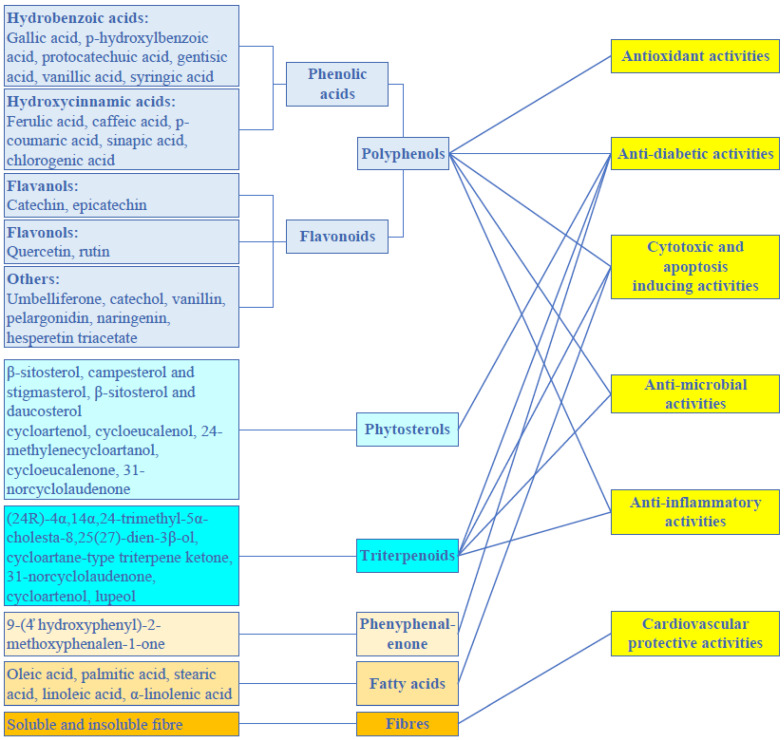
“Banana inflorescence extracts can inhibit the oxidation process, prevent molecular destabilization of DNA, and control various heart problems [36,47,48].”
BackgroundMarie-Magdeleine, C., Liméa, L., Silou‐Etienne, T., Lallo, C. H. O., Archimède, H., & Alexandre, G. G. (2009) · Tropical Animal Health and Production · doi:10.1007/s11250-009-9344-5 · Cited by 17 · cited 2×
“[28] reported banana leaves as good feed because of their nonsignificant differences in crude protein, ATP and fiber content compared with good quality feed, which can be used to sustain animals during seasonal feed shortages.”
BackgroundHoe, S. T., Padam, B. S., Vairappan, C. S., Abdullah, M. I., & Chye, F. Y. (2015) · Sains Malaysiana · doi:10.17576/jsm-2015-4409-12 · Cited by 16
In vitro studies on the biological activities of flowers of banana (Musa Paradisiaca L.)
Divya, R., Venkatalakshmi, P., Vadivel, V., & Brindha, P. (2016) · Der pharmacia lettre · Cited by 15
Petchimuthu, P., Petchimuthu, R., Basha, S. A., Murugan, R. K., Ganapathy, H. S., & Durairaj, U. M. (2019) · International Journal of Engineering and Advanced Technology · doi:10.35940/ijeat.a1145.1291s419 · Cited by 14 · cited 1×
“Fiber Facilitates the digestion and absorption of many nutrients and prevents many diseases Good nutritional quality and organoleptic acceptability when added to instant noodles, feed, clothing, paper, sanitary pads [15,18,22,23]”
BackgroundComparative Soda Pulps from the Mid-Rib, Pseudostem and Stalk of Musa paradisiaca
Ogunsile, B. O., Omotoso, M. A., & Onilude, M. A. (2006) · Journal of Biological Sciences · doi:10.3923/jbs.2006.1047.1052 · Cited by 13 · cited 1×
“[35] used banana by-products as one of the raw materials for pulp production, with approximately 40% of the pulp from the pseudostems and leaves, and pulping parameters such as pulping time, temperature, and pH had great impacts on yield.”
Background(2005) · Cited by 13
Acceptability and antioxidant activity level of shredded banana flower-chicken meat
Novidiyanto, N., Enardi, O. P., Devriany, A., Pratiwi, A. P., & Airuni, M. (2020) · Amerta Nutrition · doi:10.20473/amnt.v4i4.2020.299-306 · Cited by 13
Amarnath, R., & ., V. B. (2007) · International Journal of Dairy Science · doi:10.3923/ijds.2007.217.225 · Cited by 12 · cited 2×
“Feed Utilization According to the study of Amarnath and Balakrishnan [26], banana stems and leaves are a good source of ruminant feed.”
BackgroundBanana split: biomass splitting with flash light irradiation
da Silva, W. O., Nagar, B., Soutrenon, M., & Girault, H. H. (2022) · Chemical Science · doi:10.1039/d1sc06322g · Cited by 11
Pangnakorn, U. (2006) · Cited by 10
Oleforuh-Okoleh, V. U., Ogunnupebi, J. T., & Iroka, J. C. (2015) · Asian Journal of Poultry Science · doi:10.3923/ajpsaj.2015.242.249 · Cited by 8 · cited 3×
“Fiber Facilitates the digestion and absorption of many nutrients and prevents many diseases Good nutritional quality and organoleptic acceptability when added to instant noodles, feed, clothing, paper, sanitary pads [15,18,22,23]”
BackgroundMethodStudies on Mechanical Properties and Biodegradation of Edible Food Wrapper from Banana Peel
Santhoskumar, A. U., Vaishnavi, R., Karunakaran, T., & Chitra, N. J. (2019) · Asian Journal of Advanced Basic Sciences · doi:10.33980/ajabs.2019.v07i02.001 · Cited by 8
Extraction of protein from banana by-product and its characterization
Budhalakoti, N. (2021) · Journal of Food Measurement & Characterization · doi:10.1007/s11694-020-00803-8 · Cited by 8
Gregory, L., Yoshihara, E., Silva, L. K. F., Marques, E. C., Ribeiro, B. L. M., Meira, E. B. D. S., Rossi, R. S., do Amarante, A. F. T., & Hasegawa, M. Y. (2016) · African Journal of Traditional Complementary and Alternative Medicines · doi:10.21010/ajtcam.v14i1.15 · Cited by 7 · cited 2×
“[27] chopped fresh banana leaves and dried them at 40 ◦C and fed them to sheep artificially infected with parasites, and they found that the tannins contained in the banana leaves inhibited the growth of serpentine woolly nematode eggs, providing a method of parasite exclusion.”
MethodDepigmenting effect of banana stem and flower on melanocytes
Sowmya, N. K., Sree, G. N., Patil, P., & Ds, M. (2022) · Journal of Oral Biology and Craniofacial Research · doi:10.1016/j.jobcr.2022.05.015 · Cited by 7 · cited 4×
“The next most abundant macronutrients are magnesium and calcium [33,36,42], but the inflorescences also have significant concentrations of iron, copper and zinc in terms of its micro elements, while iron is an essential element in human physiology and is one of the main raw materials for hemoglobin [19].”
BackgroundInfluentialEffect of Banana Stalk Organic Fertilizer on the Growth of Chinese Cabbage
Ding, Z., Han, L., Jin, Z., Wang, B., Zeng, H., Zheng, W., He, Y., & Zang, X. (2016) · RePEc: Research Papers in Economics · doi:10.22004/ag.econ.245263 · Cited by 3
(2021) · Carpathian Journal of Food Science and Technology · doi:10.34302/crpjfst/2021.13.4.12 · Cited by 3
Nuriyasa, I. M., Puspani, E., & Bidura, I. G. N. G. (2019) · Pakistan Journal of Nutrition · doi:10.3923/pjn.2020.19.24 · Cited by 2
Antioxidant Function of Fruitlets in Hokkaido
Ohtani, K. (2020) · NIPPON SHOKUHIN KOGYO GAKKAISHI · doi:10.3136/nskkk.67.285 · Cited by 2 · cited 1×
“Many medical studies show that consuming antioxidants reduces the risk of diseases like diabetes, cancer, and cardiovascular disease [46].”
BackgroundDEVELOPMENT OF FRESH AND MINIMALLY PROCESSED BANANA INFLORESCENCE
Das, A., & Dhua, R. S. (2021) · PLANT ARCHIVES · doi:10.51470/plantarchives.2021.v21.no1.213 · Cited by 2 · cited 1×
“Banana inflorescence extracts can inhibit the oxidation process, prevent molecular destabilization of DNA, and control various heart problems [36,47,48].”
Background
Research works printed but not linked: 6
- Rosentrater K.A. Todey D. Persyn R. Quantifying Total and Sustainable Agricultural Biomass Resources in South Dakota—A Preliminary Assessment CIGR EJ. 2009 11 2 37
- Tripathi S.K. Bhardwaj N.K. Chechi S. Varadhan R. Suitability of banana stem pulp as replacement of softwood pulp for making superior grade unbleached paper from agro residue pulp Appita J. 2019 72 163 178
- Bastianello S. Testa R. Pezzin A. Silva D. Evaluation of physical and mechanical properties of handmade recycled papers reinforced with pulp of banana tree or rice straw Matéria 2009 14 1172 1178
- Basumatary S. Nath N. Assessment of chemical compositions and in vitro antioxidant properties of Musa balbisiana Colla inflorescence Int. J. Pharmaceut. Res. 2018 10 80 85
- Bhaskar J.J. Mahadevamma S. Vishwanatha S. Salimath P.V. Effect of banana (Musa sp. cultivar elakki bale) flower and stem on enzyme activities of intestinal and renal disaccharidases in streptozotocin-induced diabetic rats J. Food Biochem. 2010 34 564 580
- Prachpreecha O. Pipatpanyanugoon K. Sawangwong P. A study of characterizations and efficiency of activated carbon prepared from peel and bunch of banana for methyl orange dye adsorption IOSR J. Environ. Sci. Toxicol. Food Technol. 2016 10 17 26
Cited by
Kumari, P., Gaur, S. S., & Tiwari, R. K. (2023) · eFood · doi:10.1002/efd2.110 · Cited by 162
Functional Food in Relation to Gastroesophageal Reflux Disease (GERD)
Herdiana, Y. (2023) · Nutrients · doi:10.3390/nu15163583 · Cited by 98
Probiotic Functions in Fermented Foods: Anti-Viral, Immunomodulatory, and Anti-Cancer Benefits
Pyo, Y., Kwon, K. H., & Jung, Y. J. (2024) · Foods · doi:10.3390/foods13152386 · Cited by 66
Kumar, V., Chakraborty, P., Janghu, P., Umesh, M., Sarojini, S., Pasrija, R., Kaur, K., Lakkaboyana, S. K., Vimal, S., Nandhagopal, M., et al. (2023) · Carbohydrate Polymer Technologies and Applications · doi:10.1016/j.carpta.2023.100366 · Cited by 84
Wani, K. M., & Dhanya, M. (2025) · Discover Food · doi:10.1007/s44187-025-00276-y · Cited by 51
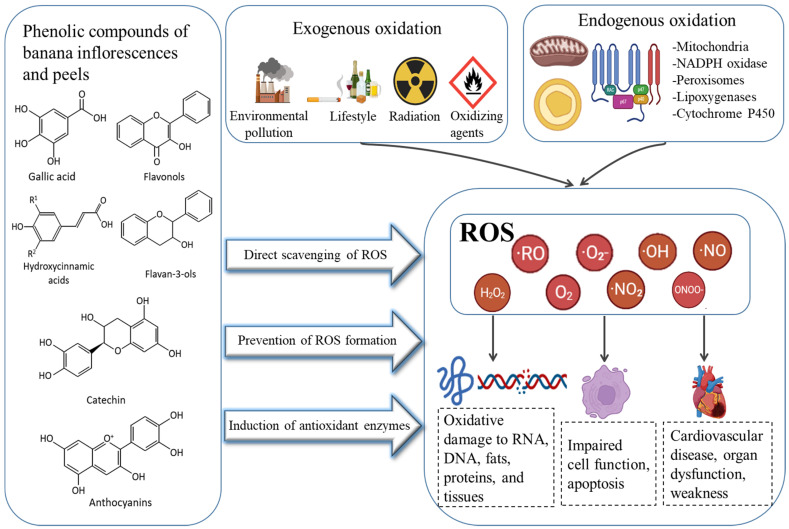
“Antioxidant action is attributed to phenolic compounds, which are essential plant elements with redox characteristics [33].”
Metadata
- Authors
- Zou, F., Tan, C., Zhang, B., Wu, W., & Shang, N.
- Affiliations
- China Agricultural University (CN)
- Corresponding author
- Shang, Nan
- Venue
- Foods
- Publisher
- MDPI AG
- Published
- 2022-10-11
- Volume
- 11
- Issue
- 20
- Pages
- 3170
- ISSN
- 2304-8158 (ISSN-L)
- PMC
- PMC9602299
- OpenAlex
- W4304584979
- Cited by
- 90
- References
- 108
- Citations by year
- 2026: 33 · 2025: 25 · 2024: 19 · 2023: 12 · 2022: 1
- FWCI
- 1.30
- Type
- journal article
- Language
- en
- Open access
- gold
- doi.org
- Licence
- Locations
- Foods (publishedVersion, cc-by)
- PubMed Central (publishedVersion, cc-by)
- PubMed (publishedVersion)
- DOAJ (DOAJ: Directory of Open Access Journals) (submittedVersion, cc-by-sa)
- Funders
- Beijing Rural Science and Technology Revitalization Project (20221230-01, 50020009)
- Technology Transformation Project (20221230-01, 50020009)
- Topics
- Life Sciences › Agricultural and Biological Sciences › Food Science › Agricultural and Biological Research
- Health Sciences › Medicine › Biochemistry (medical) › Phytochemicals and Antioxidant Activities
- Life Sciences › Agricultural and Biological Sciences › Plant Science › Banana Cultivation and Research
- Keywords
- banana by-products, banana peel, banana stem, banana leaves, banana inflorescence, bioactive compounds, antioxidant activity, antibacterial activity, anti-inflammatory activity, functional foods, agricultural waste valorization, nutritional composition
About these checks
Registry, retraction, Cites and statistics results are computed, not judged, with one exception: a printed reference that no index lists is read once by a model before it counts as a citation error. Claims are extracted by a model and kept only when their quote appears verbatim in the text; each cited source is then checked, with a model’s help, for whether it says what the claim relies on. Those verdicts can be wrong — read the claim’s quote and the cited source before relying on one.
Statistics and arithmetic are recomputed, not judged.
Confidence bands are shown only for fields calibrated on our annotated test set. None is calibrated yet, so no band is shown.
What counts as a claim ›How we measure confidence ›How we check this ›
Are you an author, or do you see a problem with this page? Request a review
Data sources
Bibliographic data: Semantic Scholar, OpenAlex, Crossref.
Contains information from the Semantic Scholar Academic Graph Datasets, made available under the ODC Attribution License (ODC-BY 1.0).
Semantic Scholar’s data is described in: Kinney, R., et al. (2023). The Semantic Scholar Open Data Platform. arXiv:2301.10140.
