

Characterization of Polyphenolic Compounds in Cantaloupe Melon By-Products
Open accessThe DOI matches its Crossref record; 31 of the 33 references it cites were found in a registry or an index.
Abstract
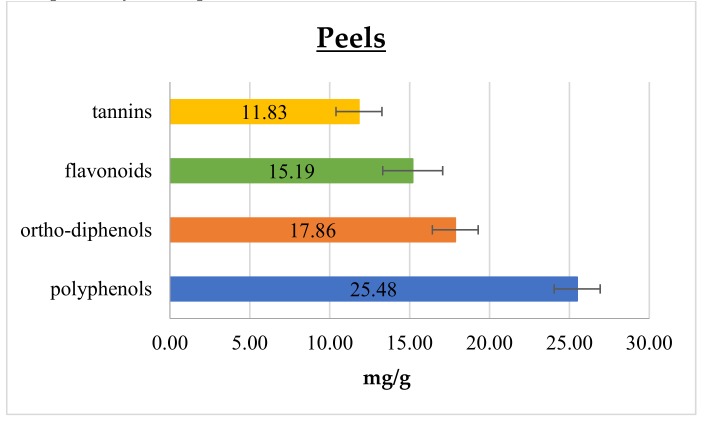
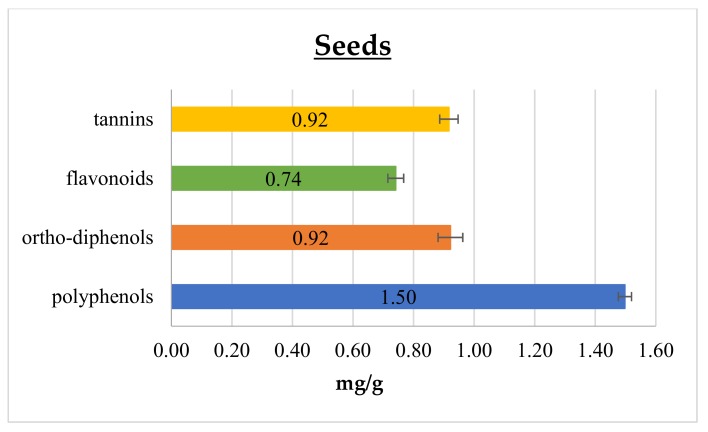
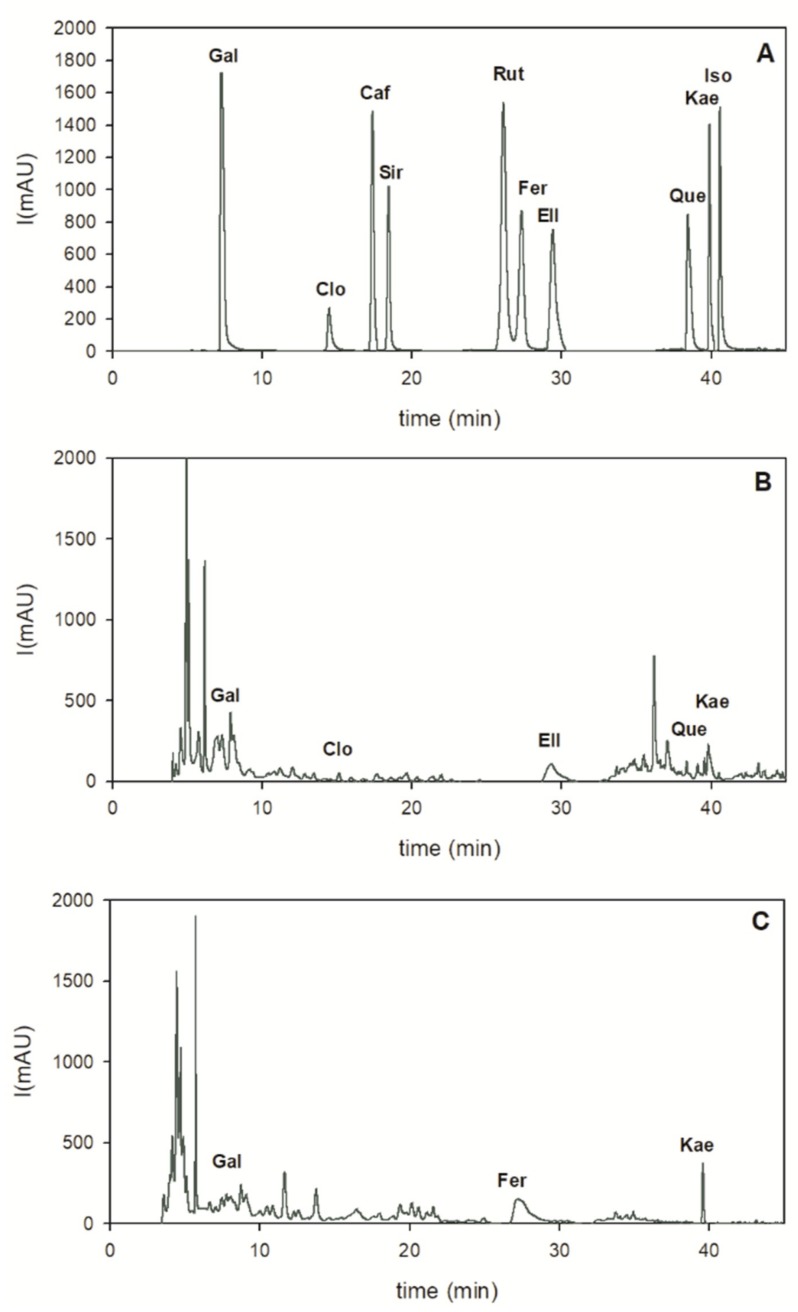
The Muskmelon (Cucumis melo L.), which includes several crops of great economic importance worldwide, belongs to the Cucurbitaceae family, and it is well recognized for culinary and medicinal purposes. The high fruit consumption produces a large quantity of waste materials, such as peels and seeds that are still rich in molecules like polyphenols, carotenoids, and other biologically active components that possess a positive influence on human health and wellness. A sustainable development in agro-food and agro-industry sectors could come through the reutilization and valorization of these wastes, which in turn, could result in reducing their environmental impact. The current study provides a biochemical characterization of cantaloupe by-products, peels and seeds, through evaluating total polyphenols, ortho-diphenols, flavonoids, and tannins content. Furthermore, the antioxidant activity was assessed in order to understand potential benefits as natural antioxidants. Overall, the peel extract revealed the highest radical’s scavenging and reducing activities, moreover, it showed higher polyphenolic content than seed extract as revealed by both cromatographic and spectrophotometric analyses. The results of the present study indicate that the melon residues are a good source of natural phytochemicals useful for many purposes, such as ingredients for nutraceutic, cosmetic, or pharmaceutical industries, development of functional ingredients and new foods, and production of fertilizers and animal feed.
Overview
The claims and statistics of this paper haven’t been checked yet.
Free: it reads the open-access text and checks the first 5 claims that cite a source we can check. Create a free account to check every claim.
Integrity signals
Registry
Cites
Statistics
Figures
Verification
Claims the paper makes
The claims and statistics of this paper haven’t been checked yet.
Free: it reads the open-access text and checks the first 5 claims that cite a source we can check. Create a free account to check every claim.
Claims other papers make about this one
Each is checked against this paper’s own text: does it say what the citing paper says it does?
The source backs part of the claim, not all of it — or backs it for a different population, condition or comparison.
In the citing paper
“From 8 to 20 million tons of melon ( Cucumis melo L.) shells and seeds are discarded annually. Such residues have interesting compounds for the cosmetic industry, such as polyphenols, flavonoids, orthodiphenols, and carotenoids, among others. All derivatives with potential antioxidant properties can be used in cosmetic preparations [90].”
From Innovative Approaches to an Eco-Friendly Cosmetic Industry: A Review of Sustainable Ingredients (2024) · cites this paper as [90]
Experimental — accuracy not yet measured
Self-check
Percentages, sums and reported differences re-computed from the paper’s own numbers.
The self-check needs the paper’s full text.
Citations
Cites
Colorimetry of Total Phenolics with Phosphomolybdic-Phosphotungstic Acid Reagents
Singleton, V. L., & Rossi, J. A. (1965) · American Journal of Enology and Viticulture · doi:10.5344/ajev.1965.16.3.144 · Cited by 24,852 · cited 1×
“Total polyphenols were spectrophotometrically determined according to the Folin–Ciocalteu method [16].”
MethodThe Ferric Reducing Ability of Plasma (FRAP) as a Measure of “Antioxidant Power”: The FRAP Assay
Benzie, I. F. F., & Strain, J. J. (1996) · Analytical Biochemistry · doi:10.1006/abio.1996.0292 · Cited by 22,951 · cited 2×
“As reported by Benzie and Strain [20], freshly prepared FRAP reagent were added to the extracts.”
MethodAntioxidant Determinations by the Use of a Stable Free Radical
BLOIS, M. S. (1958) · Nature · doi:10.1038/1811199a0 · Cited by 12,994 · cited 1×
“The free radical scavenging activity (RSA) of the extracts was assessed according to the procedure of Blois [21].”
MethodZhishen, J., Mengcheng, T., & Jianming, W. (1999) · Food Chemistry · doi:10.1016/s0308-8146(98)00102-2 · Cited by 8,814 · cited 1×
“Flavonoid content in the extracts was determined according to the colorimetric method based on the formation of flavonoid-aluminum compounds [18].”
MethodPlant Phenolics: Extraction, Analysis and Their Antioxidant and Anticancer Properties
Dai, J., & Mumper, R. J. (2010) · Molecules · doi:10.3390/molecules15107313 · Cited by 4,506 · cited 1×
“Peels and seeds, in fact, are potential sources of phytochemicals, such as polyphenols, carotenoids, flavonoids, and other bioactive compounds with potential health-promoting effects [12,13].”
BackgroundBioavailability and bioefficacy of polyphenols in humans. I. Review of 97 bioavailability studies
Manach, C., Williamson, G., Morand, C., Scalbert, A., & Rémésy, C. (2005) · The American Journal of Clinical Nutrition · doi:10.1093/ajcn/81.1.230s · Cited by 4,219
Phenolics in Food and Nutraceuticals
Shahidi, F., & Naczk, M. (2003) · CRC Press eBooks · doi:10.1201/9780203508732 · Cited by 1,496
By-products of plant food processing as a source of functional compounds—Recent developments
Schieber, A., Stintzing, F. C., & Carle, R. (2001) · Trends in Food Science & Technology · doi:10.1016/s0924-2244(02)00012-2 · Cited by 1,334 · cited 1×
“Ever-increasing demand for healthy food has stimulated the manufacturing sectors to search for new natural sources of nutritional and healthful components to be employed as food additives or supplements, with high nutritional value [8,9].”
BackgroundCOLORIMETRIC DETERMINATION OF THE COMPONENTS OF 3,4-DIHYDROXYPHENYLALANINETYROSINE MIXTURES
Arnow, L. E. (1937) · Journal of Biological Chemistry · doi:10.1016/s0021-9258(18)74509-2 · Cited by 1,317 · cited 1×
“Ortho-diphenols content was evaluated by Arnow assay [17].”
MethodSantos-Buelga, C., & Scalbert, A. (2000) · Journal of the Science of Food and Agriculture · doi:10.1002/(sici)1097-0010(20000515)80:7<1094::aid-jsfa569>3.0.co;2-1 · Cited by 1,258
Research works printed but not linked: 1
- Milind P. Kulwant S. Muskmelon is eat-must melon Int. Res. J. Pharm. 2011 2 52 57
Cited by
Techniques and modeling of polyphenol extraction from food: A review
Sridhar, A., Ponnuchamy, M., Kumar, P. S., Kapoor, A., Vo, D.-V. N., & Prabhakar, S. (2021) · Environmental Chemistry Letters · doi:10.1007/s10311-021-01217-8 · Cited by 348
Rico, X., Gullón, B., Alonso, J. L., & Yáñez, R. (2020) · Food Research International · doi:10.1016/j.foodres.2020.109086 · Cited by 218
Plant Secondary Metabolites: An Opportunity for Circular Economy
Chiocchio, I., Mandrone, M., Tomasi, P., Marincich, L., & Poli, F. (2021) · Molecules · doi:10.3390/molecules26020495 · Cited by 208
Vegetables from the Cucurbitaceae family and their products: Positive effect on human health
Rolnik, A., & Olas, B. (2020) · Nutrition · doi:10.1016/j.nut.2020.110788 · Cited by 191
Fruit Juice Industry Wastes as a Source of Bioactives
Kandemir, K., Piskin, E., Xiao, J., Tomas, M., & Capanoglu, E. (2022) · Journal of Agricultural and Food Chemistry · doi:10.1021/acs.jafc.2c00756 · Cited by 164
Gómez‐García, R., Campos, D. A., Aguilar, C. N., Madureira, A. R., & Pintado, M. (2020) · Trends in Food Science & Technology · doi:10.1016/j.tifs.2020.03.033 · Cited by 142
Zeng, Y., Zhou, W., Yu, J., Zhao, L., Wang, K., Hu, Z., & Liu, X. (2023) · Antioxidants · doi:10.3390/antiox12020418 · Cited by 134
Functional relationship of vegetable colors and bioactive compounds: Implications in human health
Sharma, S., Katoch, V., Kumar, S., & Chatterjee, S. (2021) · The Journal of Nutritional Biochemistry · doi:10.1016/j.jnutbio.2021.108615 · Cited by 143
Innovative Approaches to an Eco-Friendly Cosmetic Industry: A Review of Sustainable Ingredients
Sasounian, R., Martinez, R. M., Lopes, A. M., Giarolla, J., Rosado, C., Magalhães, W. V., Velasco, M. V. R., & Baby, A. R. (2024) · Clean Technologies · doi:10.3390/cleantechnol6010011 · Cited by 96
“…in Sardinia (Italy), and approximately 200,000 tons of waste are discarded annually. antioxidant properties can be used in cosmetic preparations [90]. consumed daily globally; however, only 10% of the fruit is used to prepare However, its pericarps and seeds have high concentrations of linoleic…”
BackgroundCucurbitacins as potential anticancer agents: new insights on molecular mechanisms
Varela, C. L., Melim, C., Neves, B. G., Sharifi‐Rad, J., Călina, D. C., Mamurova, A., & Cabral, C. (2022) · Journal of Translational Medicine · doi:10.1186/s12967-022-03828-3 · Cited by 83
Ding, Y., Morozova, K., Scampicchio, M., & Ferrentino, G. (2020) · Processes · doi:10.3390/pr8080925 · Cited by 70
Dueñas, M., & Estévez, I. G. (2020) · Foods · doi:10.3390/foods9060817 · Cited by 51
Gómez‐García, R., Sánchez-Gutiérrez, M., Costa, C. M., Vilas-Boas, A. A., Campos, D. A., Aguilar, C. N., Madureira, A. R., & Pintado, M. (2022) · Food Research International · doi:10.1016/j.foodres.2022.111045 · Cited by 40
Khuna, S., Kumla, J., Thitla, T., Nuangmek, W., Lumyong, S., & Suwannarach, N. (2022) · Journal of Fungi · doi:10.3390/jof8111135 · Cited by 34
Edible plant by-products as source of polyphenols: prebiotic effect and analytical methods
García‐Alonso, A., López, M. S., Manzanares‐Palenzuela, C. L., Redondo, A., & López-Ruíz, B. (2022) · Critical Reviews in Food Science and Nutrition · doi:10.1080/10408398.2022.2084028 · Cited by 36
“There are a great variety of papers reporting the use of the Folin-Ciocalteu method for TPC in edible plant by-products (Menezes Barbosa, Roggia Ruviaro, and Alves Macedo 2018; Vella, Cautela, and Laratta 2019; Nathia-Neves and Alonso 2021; Da Silva et al. 2021).”
MethodEl‐Sakhawy, M., Tohamy, H. S., AbdelMohsen, M. M., & El-Missiry, M. M. (2023) · Journal of Thermoplastic Composite Materials · doi:10.1177/08927057231211236 · Cited by 31
Enciso‐Martínez, Y., Zuñiga-Martínez, B. S., Ayala-Zavala, J. F., Domínguez-Avila, J. A., González-Aguilar, G. A., & Viuda‐Martos, M. (2024) · Biomolecules · doi:10.3390/biom14070762 · Cited by 37
“To evaluate their potential, a study conducted by Vella et al. [22] focused on analyzing the peels’ total phenolic content, which was reported as 25.48 mg GAE/g, and the seeds’ total phenolic content, which was 1.50 mg GAE/g. Phenolics are present in both edible and inedible parts of plants,…”
BackgroundInfluentialSharifi‐Rad, J., Song, S., Ali, A., Subbiah, V., Taheri, Y., & Suleria, H. A. R. (2021) · Cellular and Molecular Biology · doi:10.14715/cmb/2021.67.1.29 · Cited by 35
“2,2’-Diphenyl-2-picryl-hydrazyl (DPPH) antioxidant assay The method of DPPH radical scavenging activities is in line with Vella, Cautela (17).”
MethodRico, X., Gullón, B., & Yáñez, R. (2020) · Foods · doi:10.3390/foods9111702 · Cited by 25
Rico, X., Gullón, B., & Yáñez, R. (2022) · Food and Bioprocess Technology · doi:10.1007/s11947-022-02823-2 · Cited by 29
“, 2021) and by ultrasound-assisted extraction (Vella et al., 2019).”
BackgroundThe Effect of Processing Methods on Phytochemical Composition in Bergamot Juice
Cautela, D., Vella, F. M., & Laratta, B. (2019) · Foods · doi:10.3390/foods8100474 · Cited by 28
Self-citationMagri, A., Rega, P., Capriolo, G., & Petriccione, M. (2023) · International Journal of Molecular Sciences · doi:10.3390/ijms24098315 · Cited by 32
Exploring muskmelon peel as a novel source of pectin: Extraction methods and applications
Drishya, C., & Wani, K. M. (2024) · Food and Humanity · doi:10.1016/j.foohum.2024.100331 · Cited by 38
Genetic and Pre- and Postharvest Factors Influencing the Content of Antioxidants in Cucurbit Crops
Martínez, C., Valenzuela, J. L., & Jamilena, M. (2021) · Antioxidants · doi:10.3390/antiox10060894 · Cited by 36
Hussain, A., Laaraj, S., Tikent, A., Elfazazi, K., Adil, M., Parveen, S., Bouhrim, M., Mothana, R. A., Noman, O. M., Eto, B., et al. (2024) · Frontiers in Sustainable Food Systems · doi:10.3389/fsufs.2024.1444017 · Cited by 35
Antioxidant Properties of Soybean Oil Supplemented with Ginger and Turmeric Powders
Tinello, F., Zannoni, S., & Lante, A. (2020) · Applied Sciences · doi:10.3390/app10238438 · Cited by 22
The Health-Promoting and Sensory Properties of Tropical Fruit Sorbets with Inulin
Palka, A., & Skotnicka, M. (2022) · Molecules · doi:10.3390/molecules27134239 · Cited by 27
Suwannarach, N., Khuna, S., Thitla, T., Senwanna, C., Nuangmek, W., Kumla, J., & Lumyong, S. (2024) · Frontiers in Plant Science · doi:10.3389/fpls.2024.1459759 · Cited by 18
Unlocking the potential of muskmelon seeds as sustainable ingredients for the food industry
Hassan, S. A., Khalid, S., Javaid, H., Zafar, S., Abdi, G., & Aadil, R. M. (2025) · Food Chemistry Advances · doi:10.1016/j.focha.2025.101008 · Cited by 18
Chemical Compounds and Pharmacological Activities of Cucumis genus
(2021) · Biointerface Research in Applied Chemistry · doi:10.33263/briac121.13241334 · Cited by 33
“com/ 1327 acid, luteolin, pinoresinol, and amentoflavone [24-26].”
Ahmed, I. A. M., Juhaimi, F. A., Özcan, M. M., Uslu, N., Babiker, E. E., Ghafoor, K., Osman, M. A., & Salih, H. A. A. (2021) · Journal of Food Processing and Preservation · doi:10.1111/jfpp.15605 · Cited by 18
Kim, B., Lee, S.-H., Song, S.-J., Kim, W., Song, E., Lee, J.-C., Lee, S., Han, D., & Lee, J.-H. (2019) · Antioxidants · doi:10.3390/antiox8080306 · Cited by 18
Han, S., Seo, K., Lee, H. G., & Kim, H. (2023) · Food Research International · doi:10.1016/j.foodres.2023.113476 · Cited by 21
Vella, F. M., Calandrelli, R., & Laratta, B. (2021) · Horticulturae · doi:10.3390/horticulturae7110421 · Cited by 18
Self-citationRapid evaluation of ergosterol to detect yeast contamination in fruit juices
Vella, F. M., Calandrelli, R., Barone, A. D., Guida, M., & Laratta, B. (2022) · European Food Research and Technology · doi:10.1007/s00217-022-04145-1 · Cited by 12
“These results unequivocally demonstrate that juice retains an effective antioxidant power that is consistent with previous work on pulps from some cantaloupe cultivars [12, 15].”
BackgroundMethodResultInfluentialSelf-citationNatural Antioxidant Potential of Melon Peels for Fortified Foods
Vella, F. M., Calandrelli, R., Cautela, D., & Laratta, B. (2023) · Foods · doi:10.3390/foods12132523 · Cited by 12
Self-citationImportance of Certain Varieties of Cucurbits in Enhancing Health: A Review
Romo-Tovar, J., Belmares, R. E., Chávez‐González, M. L., Rodríguez‐Jasso, R. M., Lozano-Sepúlveda, S. A., Govea‐Salas, M., & Loredo‐Treviño, A. (2024) · Foods · doi:10.3390/foods13081142 · Cited by 12
“Cantaloupe is an excellent source of amino acids, particularly neurotransmitters, precursors of nitric oxide, and essential amino acids [54].”
BackgroundInfluentialAli, M. I., Ibrahim, R. M., & Mostafa, A. G. M. (2022) · International Journal of Food Science · doi:10.1155/2022/9918215 · Cited by 14
“[55] who reported that the total polyphenol content of cantaloupe peel and seeds were 25.”
BackgroundNamet, S., Khan, M. R., Aadil, R. M., & Zia, M. A. (2023) · Journal of Food Processing and Preservation · doi:10.1155/2023/6631784 · Cited by 13
A Study on the Potential of Using Melon Wastes in Biscuit Production
Ertaş, N., & Aslan, M. (2020) · Kahramanmaraş Sütçü İmam Üniversitesi Tarım ve Doğa Dergisi · doi:10.18016/ksutarimdoga.vi.681812 · Cited by 11
Oufighou, A., Brahmi, F., Achat, S., Slimani, S., Arroul, Y., Kadi, A., Saadi, S. A., Haddadi‐Guemghar, H., Madani, K., & Boulekbache‐Makhlouf, L. (2024) · Journal of Food Measurement & Characterization · doi:10.1007/s11694-024-02396-y · Cited by 13
Kaur, S., Dhurve, P., & Arora, V. K. (2022) · Journal of Food Processing and Preservation · doi:10.1111/jfpp.16331 · Cited by 10
Antioxidant and pharmacological activity of Cucumis melo var. cantaloupe
Jorge, N., da Silva, A. C., & Veronezi, C. M. (2022) · Elsevier eBooks · doi:10.1016/b978-0-12-824135-6.00001-5 · Cited by 12
Antioxidant Potential and Characterization of Polyphenol Compounds in Moringa oleifera Pods
Xie, R., Ponnampalam, E. N., Ahmadi, F., Dunshea, F. R., & Suleria, H. A. R. (2024) · Food Science & Nutrition · doi:10.1002/fsn3.4628 · Cited by 14
“The DPPH activity was determined using the procedure of Vella, Cautela, and Laratta (2019).”
Konsep Dasar Kurikulum Pendidikan Islam: Kajian Teoritis Filosofis
Rosyadi, F. I., & Usman, U. (2021) · HEUTAGOGIA Journal of Islamic Education · doi:10.14421/hjie.2021.12-01 · Cited by 32
Abderrezag, N., Domínguez‐Rodríguez, G., Montero, L., & Mendiola, J. A. (2024) · Advances in food and nutrition research · doi:10.1016/bs.afnr.2024.09.001 · Cited by 10
Biochar and nano-ferric oxide synergistically alleviate cadmium toxicity of muskmelon
Zhou, Y., Zou, Z., Wang, M., Wang, Y., Li, J., Qiu, L., Cheng, Y., & Dai, Z. (2023) · Environmental Science and Pollution Research · doi:10.1007/s11356-023-26369-8 · Cited by 8
Namet, S., Khan, M. R., Shabbir, M. A., Din, A., Bhat, Z. F., & Aadil, R. M. (2023) · Biomass Conversion and Biorefinery · doi:10.1007/s13399-023-05147-z · Cited by 7
“These extracts were characterized for phenolics, flavonoids [22], DPPH [23], and FRAP assay [24] with some modifications.”
PhInd—Database on Polyphenol Content in Agri-Food By-Products and Waste: Features of the Database
Teslić, N., Pojić, M. M., Stupar, A., Mandić, A., Pavlić, B., & Mišan, A. Č. (2024) · Antioxidants · doi:10.3390/antiox13010097 · Cited by 7
Pais, T. D. S., Luchiari, A. C., de Souza, A. M., Medeiros, I., Silva, M. G. F. R., dos Santos, Y. L., da Silva-Maia, J. K., Passos, T. S., & Morais, A. H. D. A. (2023) · Food and Chemical Toxicology · doi:10.1016/j.fct.2023.114091 · Cited by 7
Phytochemically Rich Medicinally Important Plant Families
Gangwar, H., Kumari, P., & Jaiswal, V. (2022) · Springer eBooks · doi:10.1007/978-981-19-5779-6_2 · Cited by 8
Valorization of seeds of the genera Cucumis, Citrullus, and Cucurbita
Nunes, P. A., & Bhat, R. (2021) · Elsevier eBooks · doi:10.1016/b978-0-12-824044-1.00016-7 · Cited by 10
Guo, Y., Lu, J., Wang, W., Jiang, H., Ma, G., Han, P., & Tian, L. (2025) · Journal of Food Composition and Analysis · doi:10.1016/j.jfca.2025.108363 · Cited by 6
Avalos, B. I., Acevedo, B. A., Colavita, J. P. M., Curbelo, R., Dellacassa, E. S., & Vallejos, M. M. (2025) · Sustainable Food Technology · doi:10.1039/d5fb00206k · Cited by 6
Analysis of drying of melon peels using numerical solution of the diffusion equation
Pereira, M. T. L., Farias, V. S. D. O., Júnior, A. F. D. S., Lima, A. R. D. N., Vieira, V. B., de Medeiros, R. A., da Silva, W. P., Franco, C. M. R., & de Ataíde, J. S. P. (2023) · Journal of Food Process Engineering · doi:10.1111/jfpe.14267 · Cited by 6
POLYPHENOLIC PROFILE AND ANTIOXIDANT ACTIVITIES OF FREEZE-DRIED MELON MANIS TERENGGANU PEEL EXTRACTS
Ying, Q.-O., Harith, S., Shahril, M., Shahidan, N., & Hapidin, H. (2021) · Malaysian applied biology · doi:10.55230/mabjournal.v50i1.1506 · Cited by 6
“…(9.58 ± 0.37 mg/mL in Cucumis melo L. var. reticulatus by Ismail et al., 2010; 0.19 ± 0.00 mg/mL by Morais et al., 2015; 0.32 to 0.50 mg/mL in rockmelon by Norrizah et al., 2012; 6.65 mg/mL in Cucumis melo L. var. reticulatus by Vella et al., 2019; 0.0046 to 0.0053 mg/mL by Wakid & Harun, 2020).”
BackgroundInfluentialDishri, M., & Thakur, N. (2024) · Wiley eBooks · doi:10.1002/9781119803980.ch14 · Cited by 8
Gao, X., Yang, J., Wang, H., Mao, J., Wu, L., Li, J., & Wang, X. (2025) · Frontiers in Nutrition · doi:10.3389/fnut.2025.1548271 · Cited by 7
Nootropic Effects of C. melo and C. lanatus seed extracts
Wahid, S., Alqahtani, A., & Khan, R. A. (2020) · BioMed Research International · doi:10.1155/2020/8823038 · Cited by 7
Nutraceutical Profile of “Carosello” (Cucumis melo L.) Grown in an Out-of-Season Cycle under LEDs
Palmitessa, O. D., Durante, M., Somma, A., Mita, G., D’Imperio, M., Serio, F., & Santamaria, P. (2022) · Antioxidants · doi:10.3390/antiox11040777 · Cited by 5
Frias, H. V., Alves, C. D. S., Flório, J. C., Bondan, E. F., Bonamin, L. V., Coelho, C. D. P., Bernardi, M. M., & Suffredini, I. B. (2020) · Journal of Ethnopharmacology · doi:10.1016/j.jep.2020.113265 · Cited by 5
Rehman, A., Nadeem, M., Murtaza, M. A., Hussain, S., Firdous, N., Arshad, R., Hussain, A., & Elkhedir, A. E. E. (2025) · Food Science & Nutrition · doi:10.1002/fsn3.70519 · Cited by 4
Breeding of Melon (Cucumis melo L. Groups Dudaim and Flexuosus)
Soltani, F. (2021) · Springer eBooks · doi:10.1007/978-3-030-66961-4_9 · Cited by 6
Babaie, M., Cheniany, M., Ganjeali, A., & Vaezi, J. (2023) · Armaghan. · doi:10.61186/jmp.22.87.39 · Cited by 4
Showkat, W. N., Khan, N., Jamila, N., Nishan, U., Badshah, A., Iqbal, Z., Jeong, J. Y., & Kim, K. S. (2024) · Analytical Letters · doi:10.1080/00032719.2024.2372841 · Cited by 7
“…species produce Char Magaz seeds composed of Cucumis melo (melon), Citrullus lanatus (watermelon), Cucurbita moschata (pumpkin), and Cucumis sativus (cucumber) that are well-known for their medicinal benefits (Vella, Cautela, and Laratta 2019; Hussain et al. 2022; Mustafa, Ismael, and Jebir 2024).”
Bouaziz, A., Bentahar, A., Djidel, S., Dahamna, S., & Khennouf, S. (2020) · Journal of Drug Delivery and Therapeutics · doi:10.22270/jddt.v10i5-s.4529 · Cited by 4
Minh, N. P. (2022) · Plant Science Today · doi:10.14719/pst.1456 · Cited by 4
“It is easily distinguished by its netted surface and highly valued due to wonderful nutritional proximate with a rich source of phytochemical constituents such as minerals, polyphenols, favonoids, saponins and vitamins especially carotenoids (42-45).”
BackgroundAvalos, B. I., Ojeda, G. A., Spinnenhirn, E. D., Acevedo, B. A., & Vallejos, M. M. (2023) · Food Chemistry Advances · doi:10.1016/j.focha.2023.100503 · Cited by 8
Yuan, F., Wang, P., Yang, Y., Shi, P., & Cheng, L. (2020) · Arabian Journal of Chemistry · doi:10.1016/j.arabjc.2020.09.051 · Cited by 4
A Review of Functional Values of Melon Seeds
Kumar, A., Jangra, A., & Pramanik, J. (2022) · Current Nutrition & Food Science · doi:10.2174/1573401318666220201113532 · Cited by 3
Saputra, H. E., Syukur, M., Suwarno, W. B., & Sobir, S. (2022) · Biodiversitas Journal of Biological Diversity · doi:10.13057/biodiv/d231221 · Cited by 3
da Silva, E. M., Magalhães, C. D. S., & Randau, K. P. (2023) · Diversitas Journal · doi:10.48017/dj.v8i3.2536 · Cited by 3
Characterization and functional properties of muskmelon seed meal and oil
Pasrija, D., Siddiqi, R. A., Singh, T. P., & Sogi, D. S. (2024) · Applied Food Research · doi:10.1016/j.afres.2024.100514 · Cited by 4
Tao, L., Long, Q., Chen, J., Zhang, Q., Guo, G., He, F., Hu, C., Geng, J., Song, X., Zeng, H., et al. (2025) · Foods · doi:10.3390/foods14213618 · Cited by 2
Leveraging the Cucumis melo Wastes
Laratta, B., Pignone, D., & Vella, F. M. (2022) · Springer eBooks · doi:10.1007/978-3-030-84436-3_27 · Cited by 2
Self-citationEDIBLE SEEDS MEDICINAL VALUE, THERAPEUTIC APPLICATIONS AND FUNCTIONAL PROPERTIES-A REVIEW
R., C., & Sivagami, B. (2021) · International Journal of Pharmacy and Pharmaceutical Sciences · doi:10.22159/ijpps.2021v13i7.41436 · Cited by 7
Isnaini, M., & Harahap, R. A. (2023) · Disease Prevention and Public Health Journal (DPPHJ) · doi:10.12928/dpphj.v17i2.8454 · Cited by 2
“for underweight toddlers, with a ratio of 250 grams of wheat flour to 60 grams of durian seed flour [12, 28-29].”
BackgroundRamos, S. A., de Oliveira, L. F., Silva, M. R., & Capobiango, M. (2023) · Scientia Plena · doi:10.14808/sci.plena.2023.041501 · Cited by 4
Vu, N. D., Nhi, T. T. Y., Quy, N. N., Nguyen, T. X. T., Minh, T. N., Nguyen, T. T. N. H., Ton, N. T. A., & Pham, B. A. (2025) · Journal of Food Processing and Preservation · doi:10.1155/jfpp/2390537 · Cited by 1
Amino acid profile and sensory evaluation of cookies enriched with sweet melon peel and seed flours
Abraham, J., Hussein, J. B., Workneh, T. S., & Sanusi, M. S. (2025) · Acta periodica technologica · doi:10.2298/apt250309011a · Cited by 2
Medina, S., Cedillos, R., Miguez, S. M., Muela, A., Villasmil, E., Marcía-Fuentes, J. A., & Prinyawiwatkul, W. (2025) · Foods · doi:10.3390/foods14234117 · Cited by 1
“The color attributes of melon seed flour are mainly due to its bioactive compounds, such as flavonoids and tannins [30], which may differ by variety [31].”
Intestinal Protective Effects of a Pomegranate Peel Extract in In Vitro and Ex Vivo Studies
Recinella, L., Acquaviva, A., Bruno, A., Ciaramellano, D., Centulio, A. P., Dovizio, M., Milillo, C., Mozzon, M., Generali, D., Genovesi, G., et al. (2026) · International Journal of Molecular Sciences · doi:10.3390/ijms27031603 · Cited by 1
“Specifically, phenolic acids are predominant among the various phenolic subclasses, which may be attributed to the extraction methods and the specific conditions under which the pomegranates were cultivated [14].”
Sampathkumar, M. R., MAHADEVAKUMAR, S., Basavaraj, V., Mahesh, M., Sridhar, K. R., Amruthesh, K. N., & Lakshmidevi, N. (2026) · Physiological and Molecular Plant Pathology · doi:10.1016/j.pmpp.2026.103162 · Cited by 1
Iram, M., Malik, K., Sultana, T., Kazmi, A., & Arooj, F. (2026) · Pharmacological Research - Modern Chinese Medicine · doi:10.1016/j.prmcm.2026.100802 · Cited by 1
Loredo‐Treviño, A., Gómez‐García, R., Guía-García, J. L., Campos, D. A., Dávila-Rangel, I. E., Belmares, R. E., & Flores-López, M. L. (2026) · Processes · doi:10.3390/pr14071105 · Cited by 1
“…melon includes complex (cellulose, hemicellulose, pectin, and lignin) and simple (glucose, fructose, and sucrose) carbohydrates, proteins/enzymes, minerals, chlorophylls, oils, fatty acids (PUFAs), and phenolic and volatile compounds, as well as vitamins (vitamin C and β -carotene) [2,3,32].”
Qin, X., Din, A., Khan, M. R., SHABBIR, M., Rafi, A., Siddiqa, A., Ağar, O. T., Beyatli, A., Imran, A., Ahmadi, F., et al. (2026) · Journal of Food Processing and Preservation · doi:10.1155/jfpp/5431308 · Cited by 2
CmYAB2 transcriptional module regulates fruit morphogenesis in Cucumis Melo
Bao, Y., Zhang, W., Jia, C., Zhang, X., Hasi, A., & Che, G. (2026) · BMC Plant Biology · doi:10.1186/s12870-026-09107-3 · Cited by 1
“Melon fruits have high vitamin content and sweet taste [2, 3].”
Subramani, V., & Tomer, V. (2026) · Applied Food Research · doi:10.1016/j.afres.2026.102260 · Cited by 1
POIANA, M. A., Stoin, D., Suba, M., Catalin, I., & Ghitulescu, A. (2026) · Foods · doi:10.3390/foods15142510 · Cited by 1
“TPC ranging from 670 to 1035 mg GAE/100 g have been reported in cantaloupe peel extracts [15], while values up to 25.48 mg GAE/g have been observed in peel extracts from certain cultivars [58].”
InfluentialAraújo, K. T. A., Queiroz, A. J. D. M., de Figueirêdo, R. M. F., da Silva, R. C., Saraiva, M. M. T., Gomes, J. P., & da Silva, W. P. (2024) · Journal of Food Measurement & Characterization · doi:10.1007/s11694-024-02982-0 · Cited by 1
Maria, Z. A. D. J., de Almeida, M. C., Colivet, J., da Silva, F. A., de Sá, F. P., Caliari, M., & de Oliveira, T. F. (2025) · Caderno Pedagógico · doi:10.54033/cadpedv22n1-182 · Cited by 1
Ramos, S. A., de Moura, D. G., Queiroz, B. E. D. L., de Oliveira, L. F., Silva, M. R., Amaral, T. N., Augusti, R., Melo, J. O. F., & Capobiango, M. (2025) · Journal of Culinary Science & Technology · doi:10.1080/15428052.2025.2497339 · Cited by 1
“Melon peel has more phenolic compounds than its pulp and seeds (Fundo et al., 2018; Gómez-García et al., 2021) and higher antioxidant activity compared to pulp and juice (Fundo et al., 2018; López-Cobo et al., 2017; Vella et al., 2019), making the use of this by-product interesting.”
ANTIHYPERLIPIDEMIC ACTIVITY OF Cucumis melo L ON HEXAVALANT CHROMIUM INDUCED MALE ALBINO RATS
Malathi, G., Vadivelu, J., & Rajeshkumar, S. (2021) · IARJSET · doi:10.17148/iarjset.2021.8875 · Cited by 1
Marveldani (2023) · SABRAO Journal of Breeding and Genetics · doi:10.54910/sabrao2023.55.6.4
“In addition, it has exhibited a hepato-protective effect activity against hypothyroidism and immune-modulating properties (Vella et al ., 2019).”
BackgroundThe Importance of Using Micronutrients in Melon Cultivation: A Mini-Review
Ergashova, D., Lapasovich, S. A., Fayzullaeva, D., Yusupov, M., & Boltayev, K. (2025) · E3S Web of Conferences · doi:10.1051/e3sconf/202563203003
Traffano-Schiffo, M. V., Vallejos, M. M., Gómez, A. G., Avalos, B. I., Acevedo, B. A., & Avanza, M. V. (2025) · Agronomy · doi:10.3390/agronomy15071681
Raza, A., Abdullah, H. M., Ijaz, S., Ehsan, F., Khalid, A., Butt, M. U., Wasiq, M., Shafiq, M., & Afzaal, M. (2026) · European Food Research and Technology · doi:10.1007/s00217-025-04937-1
Meshram, V., Elazar, M., Maymon, M., Sharma, G., Belausov, E., Charuvi, D., Gupta, M., Goyal, S., Goel, S., & Freeman, S. (2026) · Microorganisms · doi:10.3390/microorganisms14040871
“It is ranked fourth in the fresh fruit market and possesses essential vitamins, minerals, nutrients, and several other bioactive compounds that have certain medicinal and nutritional properties [2–4].”
Zhang, G., 王远辉, Zhang, R., Liu, H., Cheng, X., Qin, Z., & Wu, B. (2026) · Future Foods · doi:10.1016/j.fufo.2026.101025
Morphometric and marker-assisted evaluation of melon (Cucumis melo) segregating population
Jone, M. J. H., Siddique, M. N. A., Fatema, M., Nezu, N. J., Mondal, U., Naher, J., & Hossain, M. R. (2026) · Discover Plants. · doi:10.1007/s44372-026-00672-3
“Rich in essential vitamins, particularly Vitamin A and Vitamin C [8], melon boosts the immune system and promotes healthy skin and vision [9].”
Metadata
- Authors
- Vella, F. M., Cautela, D., & Laratta, B.
- Affiliations
- National Research Council (IT)
- Experimental Station for the Industry of the Essential Oils and Citrus Products (IT)
- Corresponding author
- Laratta, Bruna
- Venue
- Foods
- Publisher
- MDPI AG
- Published
- 2019-06-06
- Volume
- 8
- Issue
- 6
- Pages
- 196
- ISSN
- 2304-8158 (ISSN-L)
- PMC
- PMC6617032
- OpenAlex
- W2951976762
- Semantic Scholar
- 7e1a3b177e5f02bef7d9b92f4541fc7fa92db7b0
- Cited by
- 107
- References
- 33
- Citations by year
- 2026: 19 · 2025: 13 · 2024: 14 · 2023: 16 · 2022: 17 · 2021: 14 · 2020: 12 · 2019: 2
- FWCI
- 6.74
- Type
- journal article
- Language
- en
- Open access
- gold
- dx.doi.org
- Licence
- Locations
- Foods (publishedVersion, cc-by)
- Europe PMC (PubMed Central) (publishedVersion, cc-by)
- PubMed Central (publishedVersion, cc-by)
- PubMed (publishedVersion)
- DOAJ (DOAJ: Directory of Open Access Journals) (submittedVersion, cc-by-sa)
- IRIS eCampus Telematic University (Università degli Studi eCampus) (submittedVersion)
- Topics
- Health Sciences › Medicine › Biochemistry (medical) › Phytochemicals and Antioxidant Activities
- Life Sciences › Biochemistry, Genetics and Molecular Biology › Genetics › Advances in Cucurbitaceae Research
- Life Sciences › Agricultural and Biological Sciences › Food Science › Food Nutrient Composition and Product Development
- Keywords
- cantaloupe, Cucumis melo, polyphenols, melon peel, melon seeds, flavonoids, tannins, ortho-diphenols, antioxidant activity, free radical scavenging, waste valorization, agri-food waste, nutraceutical ingredients
About these checks
Registry, retraction, Cites and statistics results are computed, not judged, with one exception: a printed reference that no index lists is read once by a model before it counts as a citation error. Claims are extracted by a model and kept only when their quote appears verbatim in the text; each cited source is then checked, with a model’s help, for whether it says what the claim relies on. Those verdicts can be wrong — read the claim’s quote and the cited source before relying on one.
Statistics and arithmetic are recomputed, not judged.
Confidence bands are shown only for fields calibrated on our annotated test set. None is calibrated yet, so no band is shown.
What counts as a claim ›How we measure confidence ›How we check this ›
Are you an author, or do you see a problem with this page? Request a review
Data sources
Bibliographic data: Semantic Scholar, OpenAlex, Crossref.
Contains information from the Semantic Scholar Academic Graph Datasets, made available under the ODC Attribution License (ODC-BY 1.0).
Semantic Scholar’s data is described in: Kinney, R., et al. (2023). The Semantic Scholar Open Data Platform. arXiv:2301.10140.
