

Hydrogel Network Architecture Design Space: Impact on Mechanical and Viscoelastic Properties
Open accessThe DOI matches its Crossref record; 163 of the 163 references it cites were found in a registry or an index.
Abstract
This comprehensive review explores the expansive design space of network architectures and their significant impact on the mechanical and viscoelastic properties of hydrogel systems. By examining the intricate relationships between molecular structure, network connectivity, and resulting bulk properties, we provide critical insights into rational design strategies for tailoring hydrogel mechanics for specific applications. Recent advances in sequence-defined crosslinkers, dynamic covalent chemistries, and biomimetic approaches have significantly expanded the toolbox for creating hydrogels with precisely controlled viscoelasticity, stiffness, and stress relaxation behavior—properties that are crucial for biomedical applications, particularly in tissue engineering and regenerative medicine.
Overview
The claims and statistics of this paper haven’t been checked yet.
Free: it reads the open-access text and checks the first 5 claims that cite a source we can check. Create a free account to check every claim.
Integrity signals
Registry
Cites
Statistics
Figures
Verification
Claims the paper makes
The claims and statistics of this paper haven’t been checked yet.
Free: it reads the open-access text and checks the first 5 claims that cite a source we can check. Create a free account to check every claim.
Self-check
Percentages, sums and reported differences re-computed from the paper’s own numbers.
The self-check needs the paper’s full text.
Citations
Cites
Highly stretchable and tough hydrogels
Sun, J.-Y., Zhao, X., Illeperuma, W. R. K., Chaudhuri, O., Oh, K. H., Mooney, D. J., Vlassak, J. J., & Suo, Z. (2012) · Nature · doi:10.1038/nature11409 · Cited by 5,481
Hydrogels in pharmaceutical formulations
Peppas, N. (2000) · European Journal of Pharmaceutics and Biopharmaceutics · doi:10.1016/s0939-6411(00)00090-4 · Cited by 4,011
Statistical Mechanics of Cross-Linked Polymer Networks II. Swelling
Flory, P. J., & Rehner, J. (1943) · The Journal of Chemical Physics · doi:10.1063/1.1723792 · Cited by 3,865
Hydrophilic gels for biological use
WICHTERLE, O., & LÍM, D. (1960) · Nature · doi:10.1038/185117a0 · Cited by 2,996
Hydrogels with tunable stress relaxation regulate stem cell fate and activity
Chaudhuri, O., Gu, L., Klumpers, D., Darnell, M., Bencherif, S. A., Weaver, J. C., Huebsch, N., Lee, H.-P., Lippens, E., Duda, G. N., et al. (2016) · Nature Materials · doi:10.1038/nmat4489 · Cited by 2,443
Effects of extracellular matrix viscoelasticity on cellular behaviour
Chaudhuri, O., Cooper-White, J., Janmey, P. A., Mooney, D. J., & Shenoy, V. B. (2020) · Nature · doi:10.1038/s41586-020-2612-2 · Cited by 2,224
Theory of Molecular Size Distribution and Gel Formation in Branched-Chain Polymers
Stockmayer, W. H. (1943) · The Journal of Chemical Physics · doi:10.1063/1.1723803 · Cited by 1,895
Molecular Size Distribution in Three Dimensional Polymers. I. Gelation 1
Flory, P. J. (1941) · Journal of the American Chemical Society · doi:10.1021/ja01856a061 · Cited by 1,873
Lutolf, M. P., Lauer-Fields, J. L., Schmoekel, H. G., Metters, A. T., Weber, F. E., Fields, G. B., & Hubbell, J. A. (2003) · Proceedings of the National Academy of Sciences · doi:10.1073/pnas.0737381100 · Cited by 1,508
Targeting integrin pathways: mechanisms and advances in therapy
Pang, X., He, X., Qiu, Z., Zhang, H., Xie, R., Liu, Z., Gu, Y., Zhao, N., Xiang, Q., & Cui, Y. (2023) · Signal Transduction and Targeted Therapy · doi:10.1038/s41392-022-01259-6 · Cited by 1,275
Cited by
Multifunctional Hydrogel Interfaces: Reshaping the Future of Flexible Electronics
Song, B., Zhang, J., Hao, S., Shao, C., Fu, P., Wen, J., Yang, J. H., Cong, H., & Pan, C. (2026) · Advanced Materials · doi:10.1002/adma.202520644 · Cited by 69
Lanis, M. R., Kim, S., & Schneck, J. P. (2025) · Gels · doi:10.3390/gels11110889 · Cited by 26
Key Strategies to Improve the Mechanical Strength and Toughness of Hydrogels: A Review
Yao, H., Liu, H., Cui, X., Zhao, Z., Wang, M., & Lu, D. (2026) · ACS Applied Materials & Interfaces · doi:10.1021/acsami.5c17447 · Cited by 21
Coser, C., Ghaemmaghami, A. M., & Yang, J. (2025) · Biomaterials Science · doi:10.1039/d5bm01187f · Cited by 17
Naghinezhad, J., Zarifi, N., Soleymani, S., Kandovan, M. N., Chermehini, N. Y., Hamblin, M. R., & Rezaeeyan, H. (2025) · Cancer Nanotechnology · doi:10.1186/s12645-025-00355-w · Cited by 17
“Recent innovations in DNA nanotechnology, including DNA origami, branched motifs, and tetrahedral DNA frameworks, have enabled the creation of hydrogels with highly tunable porosity, interstrand connectivity, and hierarchical spatial architecture (Roca-Arroyo et al. 2025).”
Hydrogels from Renewable Resources: Advances in 3D Networks Based on Cellulose and Hemicellulose
Ciolacu, D. E. (2025) · Polymers · doi:10.3390/polym17202760 · Cited by 10
Cross-linking chemistry-driven structural design of hydrogel electrolytes for zinc-ion batteries
Ge, Y., Li, S., Zhang, C., & Hu, J. (2026) · Coordination Chemistry Reviews · doi:10.1016/j.ccr.2026.218027 · Cited by 9
Mihai, G. M., Martin, L., Radu, L., Aldea, M., Dinescu, S. N., Greșiță, A., Ruscu, M. A., Vasile, R. C., & Rotaru-Zăvăleanu, A. D. (2026) · Gels · doi:10.3390/gels12050398 · Cited by 12
“The tunability of polymer composition, crosslinking chemistry, and degradation kinetics provides, at least in theory, a platform adaptable to the heterogeneous demands of different wound types and healing stages [7].”
Structure–Mechanical Relationships in Alginate–Chitosan Polymer Composites
Sıçramaz, H. (2026) · Polymers · doi:10.3390/polym18060713 · Cited by 8
“By integrating reversible ionic interactions with more permanent covalent bonds, these approaches enhance resilience and long-term stability [62–65].”
Tough Hydrogels with Robust Wet Adhesion via Entropy‐Driven Hydrogen Bond Reorganization
Chen, H., Yuan, X., Du, M., Wu, Q., Kong, W., Zhu, Z., Wu, M. T., & He, Y. (2026) · Advanced Materials · doi:10.1002/adma.73182 · Cited by 10
Xiao, H., Aliabouzar, M., & Fabiilli, M. L. (2026) · Journal of Controlled Release · doi:10.1016/j.jconrel.2026.114997 · Cited by 8
Zhao, X., Fu, H., Mojiri, A., Westerhoff, P. K., & Dai, L. L. (2025) · Small · doi:10.1002/smll.202507990 · Cited by 9
Kim, J.-W., Jeong, J.-O., & Choi, H. (2025) · Gels · doi:10.3390/gels12010022 · Cited by 8
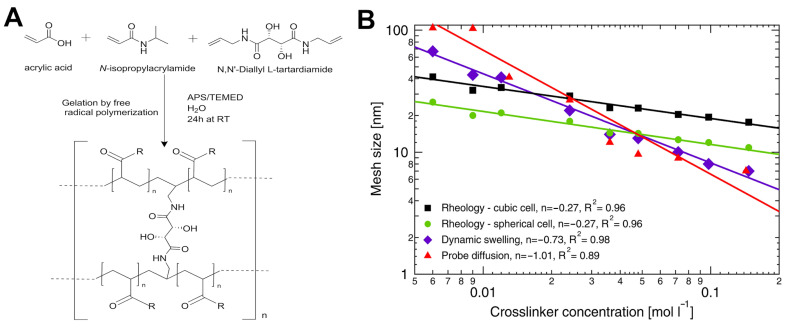
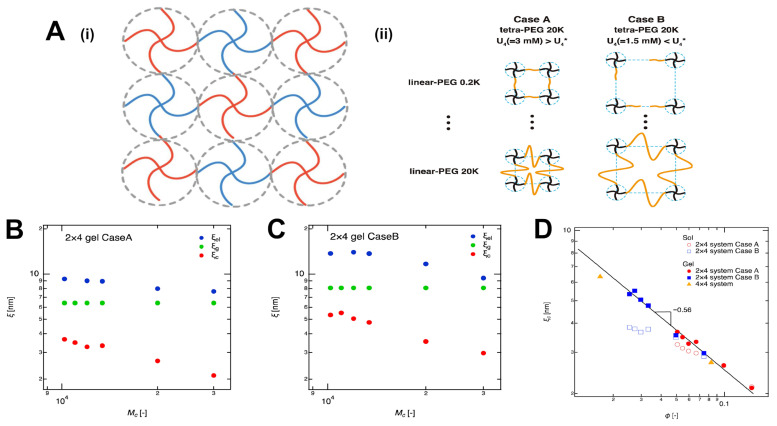
“Increasing crosslink density or introducing dual networks can reinforce structural stability, but often tightens mesh size, slows diffusion, and complicates complete resorption [85].”
Gutierrez-Rivera, J. A., Roca-Arroyo, A. F., Castilla‐Casadiego, D. A., & Albis, A. (2025) · HardwareX · doi:10.1016/j.ohx.2025.e00704 · Cited by 5
“…applications, such as tissue regeneration [73,74] and scaffolds within hydrogels to support three-dimensional cell culture, the latter being one of the most promising applications, given its ability to be modified through crosslinkers for tunable applications in the biomedical field [56,75].”
Self-citationFahimirad, S., Tabatabaei, Z. G., Farahpour, M. R., & Mahmoudian, F. (2026) · BioMedical Engineering OnLine · doi:10.1186/s12938-026-01541-6 · Cited by 7
“Complementary qualitative methods, such as vial inversion tests, are frequently reported for practical comparison; however, these approaches are inherently operator-dependent and lack methodological standardization [164, 165].”
Yao, H., Ning, S., Leng, J., Liu, Y., Li, Z., Chang, H., & Fan, Z. (2026) · Macromolecular Bioscience · doi:10.1002/mabi.70193 · Cited by 5
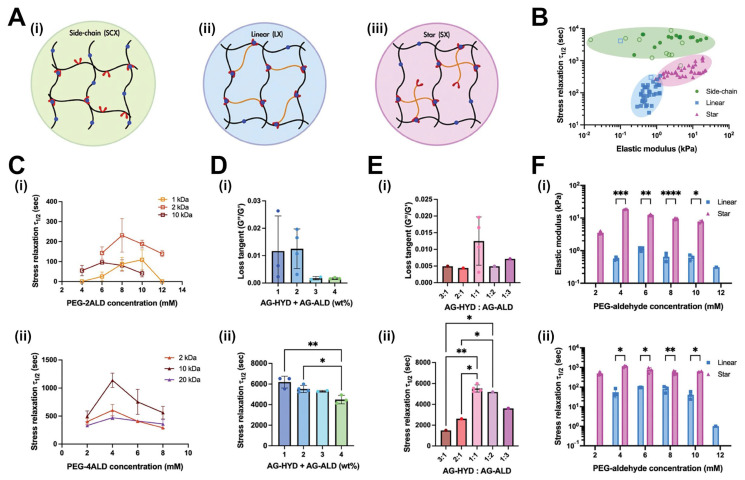
“Sequence programmability provides the foundation for information input and structural design, topological control enables mechanical response, while responsive architecture allows intelligent interaction with the environment [ 94, 99, 108 ].”
Li, Y., Zhang, X., Wang, Y., Xie, N., Zhang, J., Zhang, Y., & Xu, S. (2025) · ACS Omega · doi:10.1021/acsomega.5c07908 · Cited by 4
Advances in Programmable Hydrogels for Regenerative Drug Delivery: A Review
Kumar, P., Sharma, J., Kumar, R., Benova, K., Frantík, J., Kumar, J., & Patel, A. (2026) · Journal of Polymers and the Environment · doi:10.1007/s10924-026-03844-0 · Cited by 5
Chen, P.-Y., Zhan, Y., & Hsu, S.-H. (2026) · Carbohydrate Polymers · doi:10.1016/j.carbpol.2026.125434 · Cited by 4
Sun, T., Liu, S., Qian, K., & Li, S. (2026) · Journal of Materials Chemistry B · doi:10.1039/d6tb00696e · Cited by 4
Cold Sintering of Hydrogels: Opportunities and Roadmap for a Nascent Field
Mamaghani, K. R., Parvin, N., & Rajabzadeh, M. (2025) · Journal of Applied Polymer Science · doi:10.1002/app.70174 · Cited by 3
Tiwari, R., Keshava, K. S., Prabhu, R. S., Samathoti, P., Elakkiya, S. M., Dhakar, R. C., Bhise, M. R., & Sharma, P. K. (2025) · Polymer Bulletin · doi:10.1007/s00289-025-06244-x · Cited by 4
Gokul, G. K., & Parathakkatt, S. (2026) · Journal of Polymers and the Environment · doi:10.1007/s10924-026-03785-8 · Cited by 3
Brezeanu, D., Brezeanu, A.-M., & Tica, V. (2026) · Molecules · doi:10.3390/molecules31071094 · Cited by 3
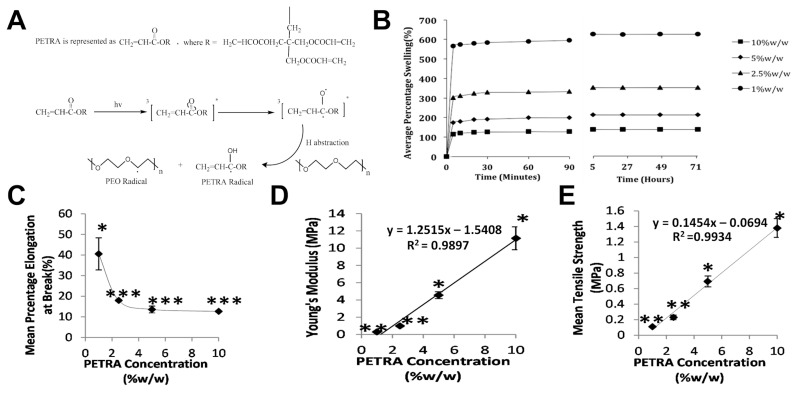
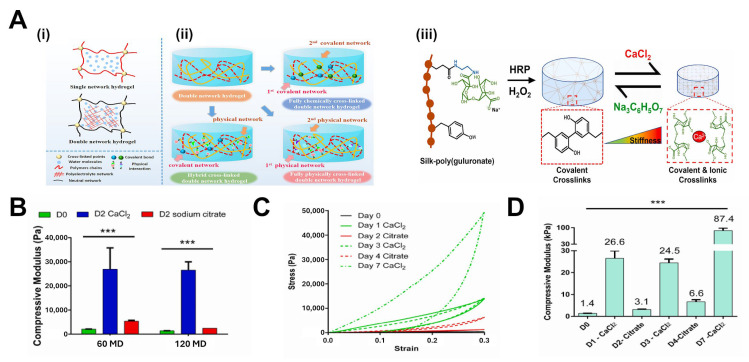
“When exposed to aqueous environments, hydrogels absorb fluid, expanding until elastic restoring forces counterbalance osmotic influx, as illustrated in Figure 2 [73–75].”
InfluentialNath, R., Nag, M., Chakraborty, S., Pandit, S., Lahiri, D., Sen, R., Biswas, B., Gill, H. S., Rajeev, M., Sharma, S., et al. (2026) · Next research. · doi:10.1016/j.nexres.2026.101672 · Cited by 3
Unveiling the Compression Mechanical Properties of AMPS–APTAC–DMAAm Terpolymeric Hydrogels
Mussalimova, M., Gizatullina, N. N., Yelemessova, G., Taubatyrova, A., Aitkaliyeva, G., Shynykul, Z., Su, E., & Toleutay, G. (2025) · Gels · doi:10.3390/gels11120941 · Cited by 2
“When the crosslinking level becomes too high, the network transitions toward excessive rigidity and ultimately becomes brittle [34,35].”
Murphy, R. D., Lobianco, F. A., Chiaradia, V., Galindo, J. M., Hodgkinson, T., & Heise, A. (2026) · Materials Advances · doi:10.1039/d5ma01468a · Cited by 2
Cross-Linkable Protein Nanofiber Aerogels for the Removal of Cationic and Anionic Dyes
Fadaie, N., Vítková, L., Wang, W., Xin, X., & France, K. J. D. (2026) · ACS Materials Au · doi:10.1021/acsmaterialsau.6c00006 · Cited by 3
He, N., Tian, Y., Shi, J., Tan, S., Feng, Q., & Xu, Z. (2026) · International Journal of Biological Macromolecules · doi:10.1016/j.ijbiomac.2026.151716 · Cited by 2
Biocompatible Photocrosslinked Chitosan- and Gelatin-Based Hydrogels for Wound Healing Applications
Nacu, I., Vasilache, A., Peptu, C. A., Vereștiuc, L., & Luca, A. (2026) · Gels · doi:10.3390/gels12040290 · Cited by 2
Yang, H., Li, Z., Davidson‐Rozenfeld, G., Li, M., Shang, Y., Chen, L., Ma, Y., Ge, Y., Willner, I., & Zhang, J. (2026) · Journal of Materials Chemistry B · doi:10.1039/d6tb00438e · Cited by 2
Qian, L., Ma, X., Song, W., Yin, X., Li, C., Wang, Y., Zhang, X., Lü, B., & Nica, V. (2026) · Green Energy & Environment · doi:10.1016/j.gee.2026.05.025 · Cited by 2
Cheng, Q., Lu, C., Gong, X., Wang, Q., Liao, S., & Chen, L. (2026) · Food Hydrocolloids · doi:10.1016/j.foodhyd.2026.113022 · Cited by 2
Gong, J., Huang, Y., Zhu, M., Guo, Z., Wang, S., & Mao, J. (2026) · Polymer · doi:10.1016/j.polymer.2026.130507 · Cited by 2
Grytsenko, O., Pukach, P. Y., Vovk, M. I., & Баран, Н. М. (2025) · Gels · doi:10.3390/gels11121008 · Cited by 1
“The formation of inhomogeneous polymer networks with uneven crosslink distribution represents yet another significant problem [40].”
Zero-Waste Hydrogel Design via Integral Biomass Valorization of Protein-Rich Spirulina Microalgae
Aquino, L. L., Silva, S. C., Hernández-Sosa, A., Ramalhosa, E., Hernández, R., Colla, E., Santamaria‐Echart, A., & Barreiro, M. F. (2026) · Molecules · doi:10.3390/molecules31040591 · Cited by 1
Thapa, S., Twigg, P. C., Katsikogianni, M. G., Tsaroucha, D., & Singhal, M. (2026) · ACS Omega · doi:10.1021/acsomega.5c10393 · Cited by 1
Understanding molecular interactions in Eutectogels for enhancing their therapeutic potential
Sharma, A., Kim, K.-S., & Lee, B. (2026) · Journal of Molecular Liquids · doi:10.1016/j.molliq.2026.129639 · Cited by 1
Hydrogel–nanofiller composites for soft tissue engineering: Structure–property–biology relationships
Pandey, V., Sharma, N., & Pandey, T. (2026) · Journal of Drug Delivery Science and Technology · doi:10.1016/j.jddst.2026.108443 · Cited by 1
Kammerhofer, G., Nagy, Á. T., Joób-Fancsaly, Á., Szmirnov, G., Szmirnova, I., Végh, D., Kivovics, M., Szabó, G., & Németh, Z. (2026) · Gels · doi:10.3390/gels12050429 · Cited by 1
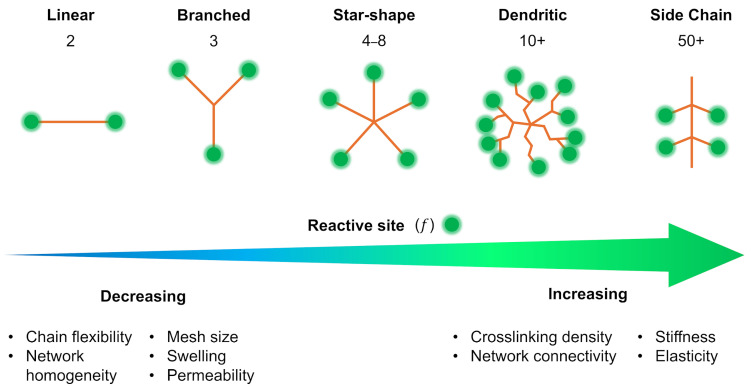
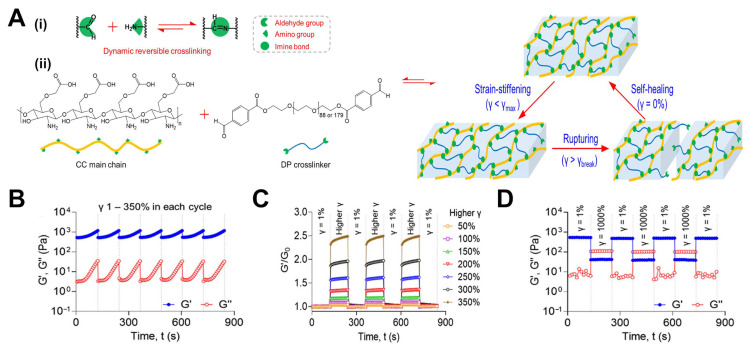
“The proposed mechanisms of action are summarized in Figure 1 [35–37].”
Cai, Y., & Zhao, C. (2026) · Advanced Science · doi:10.1002/advs.202524277 · Cited by 1
Mechano-diffusion of particles in hydrogels
Ma, J., Wong, T. H., Yu, Z., Dai, X., Ye, C., Yeo, J., & Lin, S. (2026) · Extreme Mechanics Letters · doi:10.1016/j.eml.2026.102496 · Cited by 1
Azeem, B., & KuShaari, K. (2026) · Gels · doi:10.3390/gels12060497 · Cited by 1
“This structural rigidity restricts chain mobility, limits swelling, and produces more compact networks with lower permeability, thereby reducing nutrient diffusion rates and enhancing structural integrity [39].”
Bardajee, G. R., Mahmoodian, H., Nami, M., Nami, M. R., & Nami, M. R. (2026) · International Journal of Biological Macromolecules · doi:10.1016/j.ijbiomac.2026.153328 · Cited by 1
Balancing Amine Density and Mesoporosity in Chitosan Cryogels for Multifunctional Water Purification
Behroozi, A. H., Mekonnen, T. H., Champagne, P., & Koupaie, E. H. (2026) · ACS ES&T Water · doi:10.1021/acsestwater.6c00420 · Cited by 1
Elkhoury, K., Zhou, J., Usmani, S., Nagarajan, V., Menon, A., Boitet, M., Hacquebord, J. H., Witek, L., Ramadi, K. B., & Vijayavenkataraman, S. (2026) · International Journal of Biological Macromolecules · doi:10.1016/j.ijbiomac.2026.153674 · Cited by 1
Ji, G., Zhao, N., Torres, G. B., Song, Z., Curtin, C. M., Heise, A., & Murphy, R. D. (2026) · Biomacromolecules · doi:10.1021/acs.biomac.6c00940 · Cited by 1
Effects of Different Lignin Contents and Water Contents on the Performance of DES-Based Hydrogels
Guo, P., Xue, X., Liu, M., Zou, Y., Wang, X., Li, J., Xiao, F., Chen, X., Li, C., Li, H., et al. (2026) · Gels · doi:10.3390/gels12080710 · Cited by 1
“Hydrogels, as a typical class of soft materials with three-dimensionally crosslinked macromolecular network structures [1], exhibit broad application prospects [2] in biomedicine, flexible electronics, environmental adsorption [3], intelligent actuation, and (QALCNF)-based hydrogels with different…”
Rondinella, A., & Marin, E. (2026) · Polymers · doi:10.3390/polym18172108 · Cited by 1
“In addition, the mechanical properties of polymers are another important aspect in deciding the suitability of these materials for medical applications, beyond the chemical behavior [62–64].”
Eskandarnia, E., Binrajab, A., Alsaei, A., Rahimi, F., Alahmed, N., Zarwi, A., & Deen, G. R. (2026) · Journal of Functional Biomaterials · doi:10.3390/jfb17090444 · Cited by 1
“Properties such as compressive modulus, tensile strength, Young’s modulus, and viscoelasticity can be modified by adjusting the formulation parameters mentioned earlier [120].”
Park, J. W., Kim, S. Y., Jeong, M., Kim, B. J., Kang, S. H., & Koh, W. (2026) · Advanced Healthcare Materials · doi:10.1002/adhm.71722 · Cited by 1
Engineering Smart Hydrogels Through Dynamic Polymer Networks for Controlled Drug Delivery
Choi, C., Seo, D., Kim, T., Park, J., Yu, D., Yu, S., Shin, J., Yuk, S. A., Sung, D., & Kim, H. (2026) · Gels · doi:10.3390/gels12100884 · Cited by 1
Antunes, B. S. L., Pedrini, F., Komatsu, D., Asami, J., Dicko, C., & Duek, E. A. R. (2026) · International Journal of Biological Macromolecules · doi:10.1016/j.ijbiomac.2026.154129
Ayaz, H., Khan, A. A., Khan, N., Hasnain, M., Mesbah, S., Ahmad, A., Ahmed, M. R., Ayaz, H., Ahmed, R., & Sana, A. (2025) · International Journal of Scientific Research and Modern Technology. · doi:10.38124/ijsrmt.v4i10.912 · Cited by 1
Chen, R., Zhong, H., Hai, B., Zhu, Y.-C., Zhang, W., & Lian, G. (2025) · Colloid & Polymer Science · doi:10.1007/s00396-025-05530-4
Cell‐Friendly Indirect 3D Printing Strategy for Scaffold Fabrication
Damme, L. V., Blondeel, P. N., & Vlierberghe, S. V. (2026) · Macromolecular Rapid Communications · doi:10.1002/marc.202500624
“These distinctions hold true across both gelatin-based and recombinant collagen peptide hydrogels, with similar trends observed in multifaceted comparative studies of step-versus chain-growth architectures [ 43, 44 ].”
de Souza, J. P., Kupfer, V. L., de Lima, H. H. C., Rinaldi, J. D. C., Girotto, E. M., Guilherme, M. R., & Rinaldi, A. W. (2026) · Macromolecules · doi:10.1021/acs.macromol.5c03339
“16,24,25 To investigate solute transport mechanisms relevant to drug delivery, poly(vinyl alcohol) (PVA) was converted into a covalent hydrogel to provide a durable, mechanically stable network.”
Zhu, T., Zhang, X., Xu, Y., Wang, W., Ma, J., Yin, Z., & Chen, Y. (2026) · The Journal of Physical Chemistry B · doi:10.1021/acs.jpcb.5c07136
Nanofibrous-Composite Hydrogels for Modulating Stem Cell Behavior
Roca-Arroyo, A. F., Gutierrez-Rivera, J. A., Mejia-Rosales, L. M., Morton, L. D., & Castilla‐Casadiego, D. A. (2026) · Cells Tissues Organs · doi:10.1159/000552028
Self-citationDuarte, M. M., Suprinovych, A., Veiga, A., Lopes, A. I., Tavaria, F. K., Morais, R. C., & Oliveira, A. L. (2026) · Gels · doi:10.3390/gels12050352
“Heterogeneous crosslinking can result in local variations in mechanical properties, potentially compromising overall material performance, particularly at high strains [30].”
Quantitative assessment of the repeatability of PermaGel as a ballistic tissue simulant
Read, J., Yates, S., Williams, R., Hazael, R., & Critchley, R. (2026) · International Journal of Legal Medicine · doi:10.1007/s00414-026-03821-1
Effects of Post-Processing on the Properties of Nanofiber/Carboxymethyl Cellulose-Based Hydrogels
Choi, S. R., & Lee, J. M. (2026) · ACS Omega · doi:10.1021/acsomega.5c12553
Muniz, J. D. L. D. B., de Queiroz, M. D. A., Rocha, A. C. D. S., Finotelli, P. V., & de Menezes, L. R. (2026) · Materials Research · doi:10.1590/1980-5373-mr-2025-0719
Wang, B., Alissa, M., Alsuwat, M. A., Alhegaili, A. S., Binshaya, A. S., Juraybi, T. N., Alnafesah, G. M., Almotiry, S., Alghamdi, R. A., & Song, E. (2026) · Coordination Chemistry Reviews · doi:10.1016/j.ccr.2026.218085 · Cited by 1
Hydrogel photopolymerization within microfluidic droplets for single cell encapsulation
Lei, S., Wang, X., Liu, Y., Du, Y., Li, Z., Guo, Y., Liu, R., Chen, K., Ramsey, E. D., Jiang, K., et al. (2026) · Journal of Materials Chemistry B · doi:10.1039/d6tb00258g
Rathore, G., & Singh, R. P. (2026) · Journal of Biomaterials Science Polymer Edition · doi:10.1080/09205063.2026.2675316
Satapathy, T., Chandrakar, O., Satapathy, A., Sahu, P., Sahu, K., Patel, G., & Satapathy, A. (2026) · iPharma · doi:10.1016/j.iphar.2026.100003
Hybrid Polymer–Inorganic Salt Hydrate Materials: Applications for Heat Storage and Beyond
Rajagopalan, K. K., Abedin, S. M. A., Wei, P., & Sukhishvili, S. A. (2026) · ACS Applied Materials & Interfaces · doi:10.1021/acsami.6c07502
Di, J., He, Y., Sun, C., Jia, J., Zheng, X., & Li, X. (2026) · Gels · doi:10.3390/gels12060498
“Constructing a stable three-dimensional network structure is the fundamental step in preparing hydrogels [17].”
Kabadas, F. B., Bedir, T., Ilhan, E., Kanlı, Z., Aydin, B., Kaya, E., Tinaz, G. B., Gürsoy, O. M., Gündüz, O., & Narayan, R. J. (2026) · Journal of Biomedical Materials Research Part A · doi:10.1002/jbm.a.70101
The Impact of Biomaterial Charge on Cells’ Bioelectrical Signaling
Deihl, A. C., Odibo, A. O., Gutierrez-Rivera, J. A., Roca-Arroyo, A. F., Maduka, C. V., Castilla‐Casadiego, D. A., & Rodriguez‐Rivera, G. J. (2026) · Cells Tissues Organs · doi:10.1159/000552765
Self-citationSeah, R., Siripongvutikorn, S., Wichienchot, S., Usawakesmanee, W., & Pisuchpen, S. (2026) · Food and Humanity · doi:10.1016/j.foohum.2026.101345
Effect of the polymer network on the diffusion of foreign particles in hydrogels
Zabashta, Y. F., Lazarenko, Y., Alekseev, A. N., Vergun, L. Y., Hnatiuk, K. I., Andrusenko, D. A., Yablochkova, K. S., Dinzhos, R. V., Koseva, N. S., & Lazarenko, M. M. (2026) · Bulletin of Taras Shevchenko National University of Kyiv Series Physics and Mathematics · doi:10.17721/1812-5409.2026/1.37
Topel, S. D. (2026) · Molecules · doi:10.3390/molecules31142463
“Functional hydrogels with tailored physicochemical profiles are increasingly achieved by incorporating molecular-or nanoscale additives that modulate network topology and introduce new stimulus-specific functionalities [11].”
Wang, H., Wood, E., Wang, B., Wang, B., & Kasapis, S. (2026) · Food Hydrocolloids · doi:10.1016/j.foodhyd.2026.113135
Li, W., & Chen, L. (2026) · Progress in Materials Science · doi:10.1016/j.pmatsci.2026.101784
Mansour, R. N., Enderami, S. E., GholamiSarkati, A., Jafari, N., Ghasemi, M., Ghadikolaei, N., Esmaili, M., Akhtari, J., & Abediankenari, S. (2026) · Journal of Drug Delivery Science and Technology · doi:10.1016/j.jddst.2026.108747
Nam, Y., Yun, J. Y., Gwak, N., Jeong, E., Sim, J., Ahn, Y. N., & Hur, J. (2026) · Chemical Engineering Journal · doi:10.1016/j.cej.2026.180011
On-chip hydrogel microfibers for biomedical sensing applications
Yang, Q., Shi, Z., Zhao, G., & Wang, H. (2026) · Engineered Regeneration · doi:10.1016/j.engreg.2026.07.005
Koh, H. J., Jeong, J.-O., & Choi, H. (2026) · Gels · doi:10.3390/gels12080695
“These requirements should be tested under blood exposure, irrigation, organ motion, and the intended duration of material action rather than inferred from crosslink chemistry alone [29,32,47–49,51”
InfluentialN., N. H., Nguyen, M. T., & Ha, A. C. (2026) · Soft Matter · doi:10.1039/d6sm00493h
Annurakshita, S., Kellomäki, M., & Parihar, V. S. (2026) · Chemical Engineering Journal · doi:10.2139/ssrn.7266151
Hydrogel-Based Materials for Plant Bioelectronics on Earth and Potentiality in Space
Alom, J., Hasan, M. S., Asaduzzaman, M., Paul, A. C., Al-Amin, M., Fattah, I. M. R., Rahman, M. S., Wang, S., Mondal, M. I. H., Johir, M. A. H., et al. (2026) · Progress in Materials Science · doi:10.1016/j.pmatsci.2026.101811
Harnessing Thiol-Tetrazine Bond Exchange for Engineering Dynamic Covalent Hydrogels for Cell CulturePreprint
Brock, K., Fumero‐Medina, C., Carrillo, R., & Paez, J. I. (2026) · ChemRxiv · doi:10.26434/chemrxiv.15008264/v1
Han, S., Li, K., Liu, C., Chen, F., & Kot-Cheung, S. K. (2026) · Materials & Design · doi:10.1016/j.matdes.2026.117099 · Cited by 1
Hrytsenko, T. O., Баран, Н. М., Dulebová, Ľ., & Varga, J. (2026) · Polymers · doi:10.3390/polym18192333
“At the same time, the introduction of PA-6 contributes to an increase in strength due to the formation of additional physical network junctions [71] and reinforcement of the polymer structure.”
Xin, H., Maruf, D. S. A. A., & Wan, B. (2026) · Polymer Engineering and Science · doi:10.1002/pen.70904
Physicochemical Characterization and Network Modeling of Cross-Linked Inulin Based Hydrogels
Vatansever, Ö. (2026) · Celal Bayar Üniversitesi Fen Bilimleri Dergisi · doi:10.18466/cbayarfbe.1974100
Dynamic Covalent Biomacromaterials from Molecular Design to Biomedical Function
Nguyen, H. L. (2026) · Sci · doi:10.3390/sci8100288
Ilbrink, D., Rimal, R., Urbanczyk, M., Viola, M., Silva, B., Hickl, V., Maniura‐Weber, K., & Rottmar, M. (2026) · Materials & Design · doi:10.1016/j.matdes.2026.117264
Li, J., Zhao, R., Zheng, J., Li, H., Niu, X., Li, Y., & Wang, K. (2026) · Chemical Engineering Journal · doi:10.1016/j.cej.2026.183415
Elfawal, G. F., Andicsová, A. E., & Šišková, A. O. (2026) · International Journal of Pharmaceutics · doi:10.1016/j.ijpharm.2026.127566
Biscari, G., Biondo, M., Fiorica, C., Tomasello, L., Pizzolanti, G., Palumbo, F. S., Drago, S. E., & Pitarresi, G. L. (2026) · Materials Today Chemistry · doi:10.1016/j.mtchem.2026.104125
Gradinariu, R., Virvescu, D. I., Budală, D. G., Hăncianu, M., Tatarciuc, M., Tudorici, T. A., Rotundu, G., Bida, F. C., Butnaru, O., & Luchian, I. A. (2026) · Gels · doi:10.3390/gels12110976
Thermosensitive P(D,L)LA-PEG-P(D,L)LA hydrogels for 3D printing
Semkina, A. S., Kuznetsov, N. M., Bakirov, A. V., Zagoskin, Y. D., Крупнин, А. Е., Bakeeva, I. V., & Чвалун, С. Н. (2026) · Chemical Engineering Science · doi:10.1016/j.ces.2026.125469
张立超, Cui, H., & Li, J. (2026) · European Polymer Journal · doi:10.1016/j.eurpolymj.2026.115180
Hydrogels as drug carriers for cartilage repair in osteoarthritis: Applications and challenges
Sun, H., & Yu, H. (2026) · Regenerative Therapy · doi:10.1016/j.reth.2026.101195
Metadata
- Authors
- Roca-Arroyo, A. F., Gutierrez-Rivera, J. A., Morton, L. D., & Castilla-Casadiego, D. A.
- Affiliations
- University of Miami (US)
- Tufts University (US)
- Department of Biomedical Engineering, University of Miami, Coral Gables, FL 33146, USA
- Corresponding author
- Morton, Logan D.
- ORCID
- Venue
- Gels
- Publisher
- MDPI AG
- Published
- 2025-07-30
- Volume
- 11
- Issue
- 8
- Pages
- 588
- ISSN
- 2310-2861 (ISSN-L)
- PMC
- PMC12385289
- OpenAlex
- W4412750500
- Cited by
- 88
- References
- 163
- Citations by year
- 2026: 76 · 2025: 12
- FWCI
- 5.66
- Type
- journal article
- Language
- en
- Open access
- gold
- doi.org
- Licence
- Locations
- Gels (publishedVersion, cc-by)
- Europe PMC (PubMed Central) (publishedVersion, cc-by)
- PubMed Central (publishedVersion, cc-by)
- PubMed (publishedVersion)
- DOAJ (DOAJ: Directory of Open Access Journals) (submittedVersion, cc-by-sa)
- Funders
- National Institute of General Medical Sciences of the National Institutes of Health (R00GM151459)
- Topics
- Physical Sciences › Materials Science › Biomaterials › Hydrogels: synthesis, properties, applications
- Physical Sciences › Engineering › Mechanical Engineering › Advanced Materials and Mechanics
- Physical Sciences › Materials Science › Biomaterials › Silk-based biomaterials and applications
- Keywords
- hydrogels, network architecture, dynamic covalent chemistry, viscoelasticity, mechanical properties, stress relaxation, stiffness, network connectivity, biomimetic hydrogels, tissue engineering, regenerative medicine
About these checks
Registry, retraction, Cites and statistics results are computed, not judged, with one exception: a printed reference that no index lists is read once by a model before it counts as a citation error. Claims are extracted by a model and kept only when their quote appears verbatim in the text; each cited source is then checked, with a model’s help, for whether it says what the claim relies on. Those verdicts can be wrong — read the claim’s quote and the cited source before relying on one.
Statistics and arithmetic are recomputed, not judged.
Confidence bands are shown only for fields calibrated on our annotated test set. None is calibrated yet, so no band is shown.
What counts as a claim ›How we measure confidence ›How we check this ›
Are you an author, or do you see a problem with this page? Request a review
Data sources
Bibliographic data: Semantic Scholar, OpenAlex, Crossref.
Contains information from the Semantic Scholar Academic Graph Datasets, made available under the ODC Attribution License (ODC-BY 1.0).
Semantic Scholar’s data is described in: Kinney, R., et al. (2023). The Semantic Scholar Open Data Platform. arXiv:2301.10140.
