

Ultrasound-Assisted Extraction of Mango (Mangifera indica) Kernel Starch: Chemical, Techno-Functional, and Pasting Properties
Open accessThe DOI matches its Crossref record; 61 of the 62 references it cites were found in a registry or an index.
Abstract
(1) Background: Starch is the main component of mango (Mangifera indica) kernel, making it an alternative to obtain an ingredient from a non-conventional source with potential application in food and other industrial applications; however, reports on the use of new extraction techniques for this material are scarce. The main objective of this research was to evaluate the effect of ultrasound-assisted extraction (UAE) on the yield, chemical, techno-functional, rheological, and pasting properties of starch isolated from a non-conventional source such as a mango kernel. (2) Methods: Different power sonication conditions (120, 300, and 480 W) and sonication time (10, 20, and 30 min) were evaluated along with a control treatment (extracted by the wet milling method). (3) Results: Ultrasound-assisted extraction increases starch yield, with the highest values (54%) at 480 W and 20 min. A significant increase in the amylose content, water-holding capacity, oil-holding capacity, solubility, and swelling power of ultrasonically extracted starches was observed. Similarly, mango kernel starch (MKS) exhibited interesting antioxidant properties. The sol-gel transition temperature and pasting parameters, such as the breakdown viscosity (BD) and the setback viscosity (SB), decreased with ultrasound application; (4) Conclusion: indicating that ultrasound caused changes in physical, chemical, techno-functional, rheological, and pasting properties, depending on the power and time of sonication, so it can be used as an alternative starch extraction and modification technique, for example, for potential application in thermally processed food products such as baked goods, canned foods, and frozen foods.
Overview
The claims and statistics of this paper haven’t been checked yet.
Free: it reads the open-access text and checks the first 5 claims that cite a source we can check. Create a free account to check every claim.
Integrity signals
Registry
Cites
Statistics
Figures
Verification
Claims the paper makes
The claims and statistics of this paper haven’t been checked yet.
Free: it reads the open-access text and checks the first 5 claims that cite a source we can check. Create a free account to check every claim.
Claims other papers make about this one
Each is checked against this paper’s own text: does it say what the citing paper says it does?
In the citing paper
“In addition to antioxidants, the kernel contains approximately 34% starch, of which about 20% is highly rich in tannin [164]”
From From Industrial Food Waste to Bioactive Ingredients: A Review on the Sustainable Management and Transformation of Plant-Derived Food Waste (2023) · cites this paper as [164]
Self-check
Percentages, sums and reported differences re-computed from the paper’s own numbers.
The self-check needs the paper’s full text.
Citations
Cites
Antioxidant activity applying an improved ABTS radical cation decolorization assay
Re, R., Pellegrini, N., Proteggente, A., Pannala, A., Yang, M., & Rice-Evans, C. (1999) · Free Radical Biology and Medicine · doi:10.1016/s0891-5849(98)00315-3 · Cited by 26,165 · cited 1×
“[66], using the ABTS free radical scavenging test.”
MethodSingleton, V. L., Orthofer, R., & Lamuela-Raventós, R. M. (1999) · Methods in Enzymology · doi:10.1016/s0076-6879(99)99017-1 · Cited by 19,125 · cited 1×
“The total phenolic content of the samples (expressed as GAE: mg gallic acid equivalents/g starch) was determined using the Folin–Ciocalteu method [65].”
MethodFT-IR study of plant cell wall model compounds: pectic polysaccharides and hemicelluloses
Kacuráková, M. (2000) · Carbohydrate Polymers · doi:10.1016/s0144-8617(00)00151-x · Cited by 1,751
Characterization of Irradiated Starches by Using FT-Raman and FTIR Spectroscopy
Kizil, R., Irudayaraj, J., & Seetharaman, K. (2002) · Journal of Agricultural and Food Chemistry · doi:10.1021/jf011652p · Cited by 1,284 · cited 1×
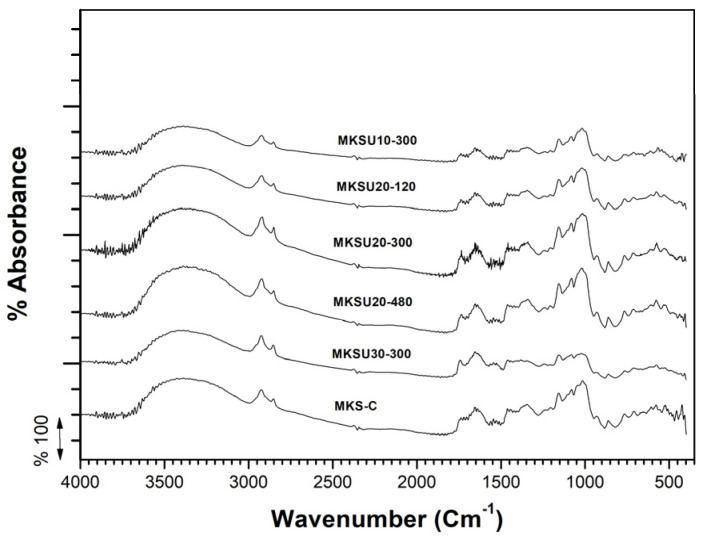
“The peak at 1650 cm−1 was assigned to water molecules absorbed in the amorphous region [36] and the stretching vibration of the double bond O band (amide I) and peaks at 2900 and 3500 cm−1 are due to CH2 deformation and OH bonds, respectively [37].”
BackgroundMorrison, W. R., & Laignelet, B. (1983) · Journal of Cereal Science · doi:10.1016/s0733-5210(83)80004-6 · Cited by 756 · cited 2×
“The apparent amylose content of the starches was determined using the iodine method according to Morrison and Laignelet [64].”
MethodFTIR and laser-Raman spectra of oligosaccharides in water: characterization of the glycosidic bond
Kačuráková, M., & Mathlouthi, M. (1996) · Carbohydrate Research · doi:10.1016/0008-6215(95)00412-2 · Cited by 455
Cationic starch: an effective flocculating agent
Pal, S., Mal, D., & Singh, R. P. (2005) · Carbohydrate Polymers · doi:10.1016/j.carbpol.2004.06.047 · Cited by 395 · cited 2×
“The characteristic peaks of the starch-containing models are at 1010, 1080, and 1150 cm−1, which are assigned to the joined stretching vibrations of the C–O and C–C of the polysaccharide molecules [39].”
BackgroundFood process innovation through new technologies: Use of ultrasound
Cárcel, J. A., García-Pérez, J. V., Benedito, J., & Mulet, A. (2012) · Journal of Food Engineering · doi:10.1016/j.jfoodeng.2011.05.038 · Cited by 310
Starch Modification: Challenges and Prospects
Bemiller, J. N. (1997) · Starch - Stärke · doi:10.1002/star.19970490402 · Cited by 309 · cited 1×
“Decreased retrogradation is a desirable parameter because it increases starch stability during storage and expands its use in the food industry [63].”
BackgroundObservations on the impact of amylopectin and amylose structure on the swelling of starch granules
Vamadevan, V., & Bertoft, E. (2020) · Food Hydrocolloids · doi:10.1016/j.foodhyd.2020.105663 · Cited by 277 · cited 1×
“Solubility represents the number of starch constituents leached into the swelling volume supernatant, while SP reflects the water absorption capacity of starch granules when heated under conditions of excess water [50].”
BackgroundWang, H., Xu, K., Ma, Y., Liang, Y., Zhang, H., & Chen, L. (2020) · Ultrasonics Sonochemistry · doi:10.1016/j.ultsonch.2019.104868 · Cited by 222
Yang, W., Kong, X., Zheng, Y., Sun, W., Chen, S., Liu, D., Zhang, H., Fang, H., Tian, J., & Ye, X. (2019) · Ultrasonics Sonochemistry · doi:10.1016/j.ultsonch.2019.104709 · Cited by 210 · cited 1×
“50 was evidenced for the MKS20-300 sample, indicating that ultrasound contributes to the depolymerization and degradation of long-chain amylopectin and leached amylose [59].”
BackgroundObadi, M., & Xu, B. (2021) · Food Hydrocolloids · doi:10.1016/j.foodhyd.2020.106286 · Cited by 205 · cited 1×
“Furthermore, new extraction technologies enhance the inability of native starches to withstand processing conditions such as extreme temperature, varying pH, and high shear rate, making them undesirable for some industrial applications, enhancing their technological and functional properties and making them suitable f…”
BackgroundKumar, R., & Khatkar, B. S. (2017) · Journal of Food Science and Technology · doi:10.1007/s13197-017-2681-x · Cited by 191
Yang, Q.-Y., Lu, X.-X., Chen, Y.-Z., Luo, Z.-G., & Xiao, Z.-G. (2019) · Ultrasonics Sonochemistry · doi:10.1016/j.ultsonch.2018.09.001 · Cited by 187 · cited 2×
“A similar trend was observed in yam starch with ultrasound-assisted extraction [52], ultrasonic-treated waxy corn starch [60], and chestnut starch with ultrasonic and microwave dual treatment [49].”
ResultPunia, S., Sandhu, K. S., Dhull, S. B., Siroha, A. K., Purewal, S. S., Kaur, M., & Kidwai, M. K. (2020) · International Journal of Biological Macromolecules · doi:10.1016/j.ijbiomac.2020.03.083 · Cited by 156 · cited 4×
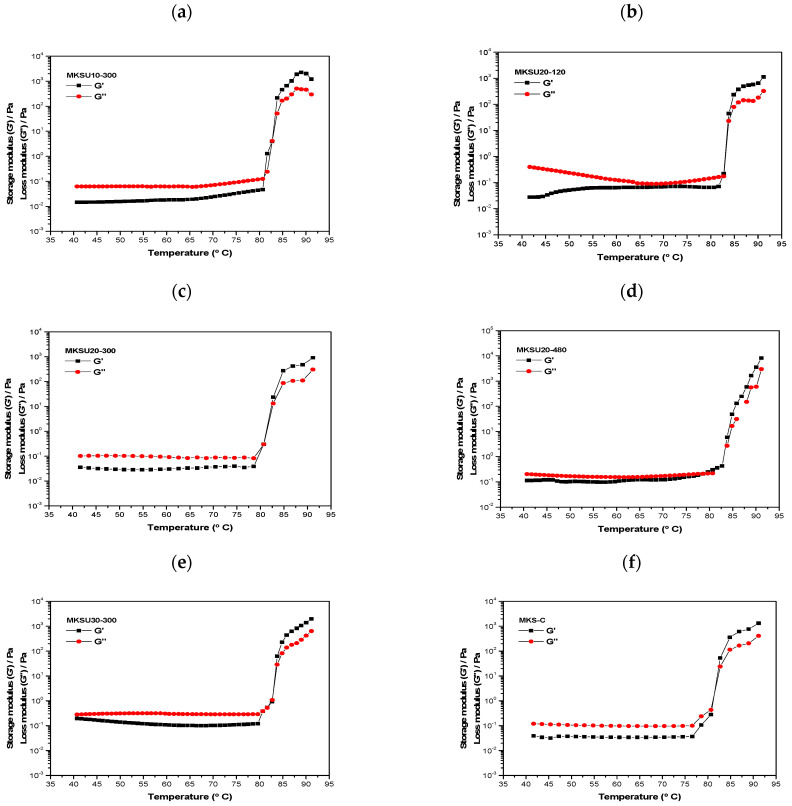
“5 Rheol gical Analysi Dynamic rh ol gical me surements reveal the gelling ability of st rch suspensions or past s [53].”
BackgroundInfluentialMwaurah, P. W., Kumar, S., Kumar, N., Panghal, A., Attkan, A. K., Singh, V. K., & Garg, M. K. (2020) · Comprehensive Reviews in Food Science and Food Safety · doi:10.1111/1541-4337.12598 · Cited by 153 · cited 1×
“The by-products of mango present significant environmental and economic problems for the food industry and the community in general, approximately 123,000 metric tons of mango seeds are discarded each year around the world, leading to waste produced in the fruit processing industry [2]; when the seed constitutes betwe…”
BackgroundKaur, H., & Gill, B. S. (2019) · International Journal of Biological Macromolecules · doi:10.1016/j.ijbiomac.2018.12.149 · Cited by 144 · cited 1×
“The increase in SP of ultrasound-treated samples can be attributed to cavitation, which contributes to the breakdown of the crystalline structure of the starch granules, the disintegration of intermolecular bonds, and the change from order to disordered state of the internal matrices of the starch granules due to wate…”
BackgroundMechanistic approach to enhancement of the yield of a sonochemical reaction
Sivasankar, T., Paunikar, A. W., & Moholkar, V. S. (2007) · AIChE Journal · doi:10.1002/aic.11170 · Cited by 143 · cited 1×
“05) in comparison to MKS-C, which could be attributed to pyrolysis and release of hydroxyl radicals caused by bubbles in cavitation, and the formation of these hydroxyl radicals in water could cause the oxidation of some polar compounds [43].”
Comparison of structural and functional properties of starches from five fruit kernels
Guo, K., Lin, L., Fan, X., Zhang, L., & Wei, C. (2018) · Food Chemistry · doi:10.1016/j.foodchem.2018.03.004 · Cited by 137 · cited 1×
“) kernel [10], Huaya (Melicoccus bijugatus) [11] and lychee (Litchi chinensis Sonn.”
BackgroundPhysicochemical properties of starches isolated from pumpkin compared with potato and corn starches
Przetaczek‐Rożnowska, I. (2017) · International Journal of Biological Macromolecules · doi:10.1016/j.ijbiomac.2017.03.092 · Cited by 132
Caracterización fisicoquímica de almidones de tubérculos cultivados en Yucatán, México
Hernández-Medina, M., Torruco‐Uco, J. G., Chel‐Guerrero, L., & Betancur‐Ancona, D. (2008) · Food Science and Technology · doi:10.1590/s0101-20612008000300031 · Cited by 116
Wang, M., Wu, Y., Liu, Y., & Ouyang, J. (2020) · Polymers · doi:10.3390/polym12081718 · Cited by 111 · cited 3×
“A similar trend was observed in yam starch with ultrasound-assisted extraction [52], ultrasonic-treated waxy corn starch [60], and chestnut starch with ultrasonic and microwave dual treatment [49].”
ResultPhysicochemical, thermal and functional properties of gamma irradiated chickpea starch
Bashir, K., & Aggarwal, M. (2017) · International Journal of Biological Macromolecules · doi:10.1016/j.ijbiomac.2017.01.025 · Cited by 106 · cited 1×
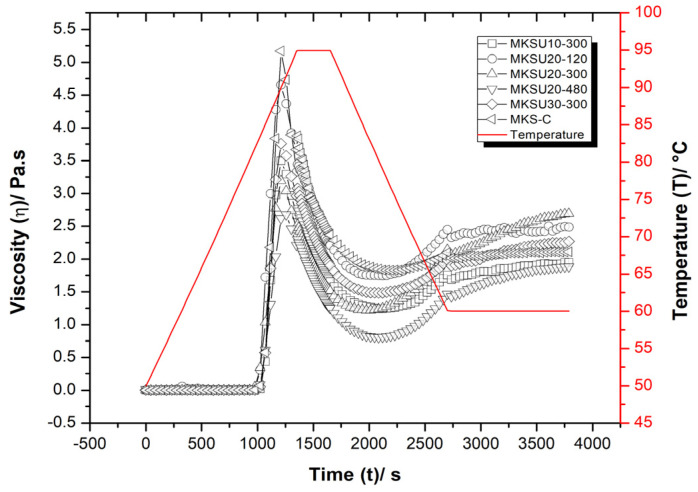
“Meanwhile, breakdown viscosity (BD) is the difference between PV and TV and measures the degree of disintegration of the organization of starch granules, low values of BD suggest a higher resistance of starch granules to mechanical agitation during heating [62].”
BackgroundEffect of ultrasound on structural and physicochemical properties of sweetpotato and wheat flours
Cui, R., & Zhu, F. (2020) · Ultrasonics Sonochemistry · doi:10.1016/j.ultsonch.2020.105118 · Cited by 106 · cited 1×
“Similar behavior was observed for high-power ultrasound-treated kiwi starch [41] and ultrasound-modified sweet potato and wheat flours, respectively [41,44].”
Lemos, P. V. F., Barbosa, L. S., Ramos, I. G., Coelho, R. E., & Druzian, J. I. (2019) · International Journal of Biological Macromolecules · doi:10.1016/j.ijbiomac.2019.03.086 · Cited by 104 · cited 1×
“The Amylose content is important for the production of resistant starches and determines the techno-functional and structural characteristics of starch, modifying some properties that are useful in the food industry, such as gelatinization temperature, solubility, binding, and textural characteristics [26].”
BackgroundHu, Y., Tian, J., Zou, J., Yuan, X., Li, J., Liang, H., Zhan, F., & Li, B. (2018) · International Journal of Biological Macromolecules · doi:10.1016/j.ijbiomac.2018.10.190 · Cited by 103 · cited 4×
“8 ◦C, as shown in Table 3, the temperature at this crossover point is generally considered the sol-gel transition temperature [54], this phenomenon is because the”
BackgroundInfluentialEmerging technologies to enhance starch performance
Maniglia, B. C., Castanha, N., Rojas, M. L., & Augusto, P. E. D. (2020) · Current Opinion in Food Science · doi:10.1016/j.cofs.2020.09.003 · Cited by 103 · cited 1×
“[19] analyzed the effect of sonication time (0–60 min) on starch yield of jicama roots as well as on granule structure, showed that ultrasound had a positive effect on starch yield without affecting starch granule structure and is used for the modification of starch for enhancements of its properties [20].”
BackgroundMango seed starch: A sustainable and eco-friendly alternative to increasing industrial requirements
Bangar, S. P., Kumar, M., & Whiteside, W. S. (2021) · International Journal of Biological Macromolecules · doi:10.1016/j.ijbiomac.2021.05.157 · Cited by 97
Ferraz, C. A., Fontes, R. L. S., Sant’Ana, G. C. F., Calado, V. M. D. A., López, E. O., & Rocha‐Leão, M. H. M. (2018) · Starch - Stärke · doi:10.1002/star.201800023 · Cited by 93
Bharti, I., Singh, S., & Saxena, D. C. (2019) · LWT · doi:10.1016/j.lwt.2019.04.082 · Cited by 93 · cited 1×
“58%, closer than those reported for kernel starch in mango of Brazilian origin [21] and lower starch from mango kernel of Indian origin [22] extracted by the conventional method, with values of 39.”
MethodNon-conventional starch sources
Tagliapietra, B. L., Felisberto, M. H. F., Sanches, E. A., Campelo, P. H., & Clerici, M. T. P. S. (2020) · Current Opinion in Food Science · doi:10.1016/j.cofs.2020.11.011 · Cited by 92 · cited 1×
“However, the extraction and characterization of starch from different nonconventional sources, such as fruit seeds, represent an alternative to conventional starches because they exhibit specific technological properties for their use in the industry [7].”
BackgroundBarbi, R. C. T., Teixeira, G. L., Hornung, P. S., Ávila, S., & Ribani, R. H. (2017) · Food Hydrocolloids · doi:10.1016/j.foodhyd.2017.11.006 · Cited by 91
Yield and Functional Properties of Taro Starch as Affected by Ultrasound
Sit, N., Misra, S., & Deka, S. C. (2013) · Food and Bioprocess Technology · doi:10.1007/s11947-013-1192-7 · Cited by 83 · cited 2×
“[17], investigated the effect of UAE on the yield and functional properties of taro starch, employed a three-factor factorial design with treatment time (5 and 10 min), treatment cycle (0.”
MethodLiang, Q., Chen, X., Ren, X., Yang, X., Raza, H., & Ma, H. (2021) · LWT · doi:10.1016/j.lwt.2021.111616 · Cited by 83 · cited 1×
“This increase could be due to the affinity of starch granules for water molecules caused by cavitation, also, amylose content is directly related to WHC, because amylose tends to form chain-like aggregates through hydrogen bonds and hydrophobic interactions, increasing the water holding capacity of starch [47].”
BackgroundWang, J., Lv, X., Lan, T., Lei, Y., Suo, J., Zhao, Q., Lei, J., Sun, X., & Ma, T. (2022) · Ultrasonics Sonochemistry · doi:10.1016/j.ultsonch.2022.106004 · Cited by 81 · cited 4×
“19 mg GAE/g starch) [40,41] mainly due to a high content of bioactive compounds, especially the content of total phenolic compounds reported for mango seed [42].”
BackgroundInfluentialRaza, H., Ameer, K., Ma, H., Liang, Q., & Ren, X. (2021) · Ultrasonics Sonochemistry · doi:10.1016/j.ultsonch.2021.105826 · Cited by 75 · cited 2×
“[48], which also observed that amylopectin characteristics were indicative of swelling power and increases in ultrasonic power led to a gradual loss of crystallinity in the microcrystalline arrangement of amylopectin molecules.”
BackgroundBernardo, C. O., Ascheri, J. L. R., Chávez, D. W. H., & Carvalho, C. W. P. (2018) · Starch - Stärke · doi:10.1002/star.201700185 · Cited by 73 · cited 3×
“A similar trend was observed in yam starch with ultrasound-assisted extraction [52], ultrasonic-treated waxy corn starch [60], and chestnut starch with ultrasonic and microwave dual treatment [49].”
BackgroundResultPhysicochemical properties of kiwifruit starch
Li, D., & Zhu, F. (2016) · Food Chemistry · doi:10.1016/j.foodchem.2016.09.192 · Cited by 68 · cited 4×
“Regarding the use of fruit seeds as a nonconventional starch source, some research has been reported that has focused on the extraction and identification of techno-functional properties and structures in species of golden kiwifruit kernel (Actinidia chinensis) kernel [8], loquat (Eriobotrya japonica) [9], jackfruit k…”
BackgroundInfluentialSammon, C., Bajwa, G. S., Timmins, P., & Melia, C. D. (2005) · Polymer · doi:10.1016/j.polymer.2005.11.067 · Cited by 64 · cited 2×
“Then, the band at ~1640 cm−1 is associated with the moisture content of the samples that is connected to the vibrations of adsorbed water molecules in the non-crystalline region [38].”
BackgroundWang, J., Lan, T., Lei, Y., Suo, J., Zhao, Q., Wang, H., Lei, J., Sun, X., & Ma, T. (2021) · Ultrasonics Sonochemistry · doi:10.1016/j.ultsonch.2021.105866 · Cited by 61 · cited 1×
“That means that at high power values, the change in the sound field can produce violent vibrations and collapse by cavitation that stimulates the rapid swelling of the cell membrane, leading to a decrease in general resistance to mass transfer and an increase in the isolated starch content [25].”
BackgroundBharti, I., Singh, S., & Saxena, D. C. (2018) · International Journal of Biological Macromolecules · doi:10.1016/j.ijbiomac.2018.12.034 · Cited by 58
Chen, Y., Wang, Y., Xu, L., Jia, Y., Xue, Z., Zhang, M., Phisalaphong, M. K. M., & Chen, H. (2020) · LWT · doi:10.1016/j.lwt.2020.110007 · Cited by 56 · cited 1×
“19 mg GAE/g starch) [40,41] mainly due to a high content of bioactive compounds, especially the content of total phenolic compounds reported for mango seed [42].”
BackgroundUnripe mango kernel starch: Partial characterization
Patiño-Rodríguez, O., Agama‐Acevedo, E., Ramos, G., & Bello‐Pérez, L. A. (2019) · Food Hydrocolloids · doi:10.1016/j.foodhyd.2019.105512 · Cited by 55
Valorisation of mango seed via extraction of starch: preliminary techno-economic analysis
Tesfaye, T., Johakimu, J. K., Chavan, R. B., Sithole, B. B., & Ramjugernath, D. (2017) · Clean Technologies and Environmental Policy · doi:10.1007/s10098-017-1457-3 · Cited by 54 · cited 1×
“Then, starch is the main component of the seeds (58–80%), which makes it one of the most interesting components that can be recovered from mango [4].”
BackgroundAlañón, M. E., Pimentel-Moral, S., Arráez-Román, D., & Segura-Carretero, A. (2021) · Food Chemistry · doi:10.1016/j.foodchem.2020.127764 · Cited by 53
Zabot, G. L., Silva, E. K., Emerick, L. B., Felisberto, M. H. F., Clerici, M. T. P. S., & Meireles, M. A. A. (2018) · Food Hydrocolloids · doi:10.1016/j.foodhyd.2018.10.041 · Cited by 52 · cited 1×
“PT is an important parameter when evaluating the properties of starches since t is the point where the temperature rises above the gelatinization temperature, causing the absorption of a great amount of water and allowing the size to increase due to the swelling of the granules and resulting in a higher viscosity [57].”
BackgroundJiang, Q., Gao, W., Li, X., Man, S., Shi, Y., Yang, Y., Huang, L., & Liu, C. (2014) · Food Hydrocolloids · doi:10.1016/j.foodhyd.2014.01.012 · Cited by 49
Patiño-Rodríguez, O., Bello‐Pérez, L. A., Agama‐Acevedo, E., & Pacheco‐Vargas, G. (2020) · Food Research International · doi:10.1016/j.foodres.2020.109719 · Cited by 44
Extraction of high-amylose starch from Radix Puerariae using high-intensity low-frequency ultrasound
Li, Y., Wu, Z., Wan, N., Wang, X., & Yang, M. (2019) · Ultrasonics Sonochemistry · doi:10.1016/j.ultsonch.2019.104710 · Cited by 43
Composition and thermodynamic properties of starches from facultative wheat varieties
Rosicka‐Kaczmarek, J., Makowski, B., Nebesny, E., Tkaczyk, M., Komisarczyk, A., & Nita, Z. (2015) · Food Hydrocolloids · doi:10.1016/j.foodhyd.2015.09.014 · Cited by 41
The effect of ultrasound-assisted extraction on yield and properties of some pulse starches
Karaman, M., Tuncel, N. B., & Tuncel, N. Y. (2017) · Starch - Stärke · doi:10.1002/star.201600307 · Cited by 40 · cited 1×
“[18] aimed to evaluate the effect of different ultrasound conditions such as power (100–460 W), amplitude (40–100%), and time (1.”
BackgroundOladele, A. K., Duodu, K. G., & Emmambux, M. N. (2020) · Carbohydrate Polymers · doi:10.1016/j.carbpol.2020.116291 · Cited by 37
Trejo, F. M., Trujillo‐Ramírez, D., Aguirre–Mandujano, E., Lobato‐Calleros, C., Vernon‐Carter, E. J., & Álvarez‐Ramírez, J. (2021) · Starch - Stärke · doi:10.1002/star.202100092 · Cited by 36
Al‐Attar, H., Ahmed, J., & Thomas, L. (2022) · LWT · doi:10.1016/j.lwt.2022.113231 · Cited by 36
Tan, S. X., Andriyana, A., Lim, S., Ong, H. C., Pang, Y. L., & Ngoh, G. C. (2021) · Polymers · doi:10.3390/polym13244398 · Cited by 35 · cited 1×
“These results are consistent with those reported for lychee seed and sago pith waste starches [12,24] where, regardless of the amplitude used, increasing the duration of sonication improved the extraction yield.”
ResultMoo‐Huchin, V. M., Ac-Chim, D. M., Chim-Chi, Y., Ríos‐Soberanis, C. R., Ramos, G., Yee-Madeira, H. T., Ortíz-Fernández, A., Estrada‐León, R. J., & Pérez‐Pacheco, E. (2020) · Journal of Food Measurement & Characterization · doi:10.1007/s11694-020-00573-3 · Cited by 27
González-Lemus, L. B., Calderón‐Domínguez, G., Salgado‐Cruz, M. D. L. P., Díaz‐Ramírez, M., Ramírez-Miranda, M., Chanona‐Pérez, J. J., Vera, N. G., & Farrera‐Rebollo, R. R. (2018) · CyTA - Journal of Food · doi:10.1080/19476337.2018.1462852 · Cited by 26
Mieles-Gómez, L., Lastra-Ripoll, S. E., Fuentes, E. E. T., Quintana, S. E., & García‐Zapateiro, L. A. (2021) · Fluids · doi:10.3390/fluids6090312 · Cited by 24 · cited 1×
“28 g/100 g starch) [30], and of Mexican origin (23.”
BackgroundSelf-citationAyo‐Omogie, H. N., Opeyemi, J. O., Awolu, O. O., & Oluwajuyitan, T. D. (2022) · Food Chemistry Advances · doi:10.1016/j.focha.2022.100076 · Cited by 21
Rheological and Functional Properties of Hydrocolloids from Pereskia bleo Leaves
Barraza, D., Ortega-Ramos, A., Fuentes, E. E. T., Quintana, S. E., & García‐Zapateiro, L. A. (2021) · Fluids · doi:10.3390/fluids6100349 · Cited by 17
Self-citationFunctional characterization of mango seed starch (Mangifera indica l.)
de Souza, J. C. A., Macena, J. F. F., Andrade, I. H. P., Camilloto, G. P., & Cruz, R. S. (2021) · Research Society and Development · doi:10.33448/rsd-v10i3.10118 · Cited by 11
Research works printed but not linked: 8
- Emeje H.O. Chemical Properties of Starch and Its Application in the Food Industry IntechOpen Rijeka, Croatia 2019 Chapter 5 978-1-83880-116-8
- Avérous L. Halley P.J. Chapter 1—Starch Polymers: From the Field to Industrial Products Starch Polymers Halley P.J. Avérous L.B.T.-S.P. Elsevier Amsterdam, The Netherlands 2014 3 10 978-0-444-53730-0
- Clerici M.T.P.S. Schmiele M. Starches for Food Application: Chemical, Technological and Health Properties Academic Press Cambridge, MA, USA 2018 0128134348
- Tesfaye T. Sithole B.B. Valorisation of mango seeds via extractioof starch: Using response surface methodology to optimise the extraction process Opportunities for Biomass and Organic Waste Valorisation Routledge Abingdon-on-Thames, UK 2018
- Agama-Acevedo E. Flores-Silva P.C. Bello-Perez L.A. Chapter 3—Cereal starch production for food applications Starches for Food Application Silva Clerici M.T.P. Schmiele M.B.T.-S. Academic Press Cambridge, MA, USA 2019 71 102 978-0-12-809440-2
- Soltani-Firouz M. Application of high-intensity ultrasound in food processing for improvement of food quality Design and Optimization of Innovative Food Processing Techniques Assisted by Ultrasound Academic Press Cambridge, MA, USA 2021 143 167
- Yamazaki W.T. An alkaline water retention capacity test for the evaluation of cookie baking potentialities of soft winter wheat flours Cereal Chem. 1953 30 242 246
- Medcalf D.G. Wheat starches I. Comparison of physicochemical properties Cereal Chem. 1965 42 558 568
Cited by
Shen, L., Pang, S., Zhong, M., Sun, Y., Qayum, A., Liu, Y., Rashid, A., Xu, B., Liang, Q., Ma, H., et al. (2023) · Ultrasonics Sonochemistry · doi:10.1016/j.ultsonch.2023.106646 · Cited by 892
Behrooznia, Z., & Nourmohammadi, J. (2024) · Giant · doi:10.1016/j.giant.2024.100301 · Cited by 119
Selvam, T., Rahman, N. M. M. A., Olivito, F., Ilham, Z., Ahmad, R., & Wan‐Mohtar, W. A. A. Q. I. (2025) · Polymers · doi:10.3390/polym17141897 · Cited by 110
Jaouhari, Y., Travaglia, F., Giovannelli, L., Picco, A., Oz, E., Oz, F., & Bordiga, M. (2023) · Foods · doi:10.3390/foods12112183 · Cited by 89
Demesa, A. G., Saavala, S., Pöysä, M., & Koiranen, T. (2024) · Foods · doi:10.3390/foods13193066 · Cited by 96
“Some specific applications previously reported include starch extraction from mango kernels [45] and the extraction of β -asarone from sweet flag ( Acorus calamus ) rhizome [46].”
Background
Metadata
- Authors
- Mieles-Gómez, L., Quintana, S. E., & García-Zapateiro, L. A.
- Affiliations
- Universidad de Cartagena (CO)
- Research Group of Complex Fluid Engineering and Food Rheology, University of Cartagena, Cartagena 130015, Colombia
- Venue
- Gels
- Publisher
- MDPI AG
- Published
- 2023-02-06
- Volume
- 9
- Issue
- 2
- Pages
- 136
- ISSN
- 2310-2861 (ISSN-L)
- PMC
- PMC9956994
- OpenAlex
- W4319297530
- Cited by
- 60
- References
- 62
- Citations by year
- 2026: 17 · 2025: 22 · 2024: 15 · 2023: 6
- FWCI
- 10.53
- Type
- journal article
- Language
- en
- Open access
- gold
- doi.org
- Licence
- Locations
- Gels (publishedVersion, cc-by)
- PubMed Central (publishedVersion, cc-by)
- PubMed (publishedVersion)
- DOAJ (DOAJ: Directory of Open Access Journals) (submittedVersion, cc-by-sa)
- Funders
- Ministry of Science, Technology, and Innovation—MinCiencias (368–2019, 044-2021)
- Strengthening Plan for research groups from University of Cartagena-Resolution (368–2019, 044-2021)
- Topics
- Health Sciences › Nursing › Nutrition and Dietetics › Food composition and properties
- Life Sciences › Agricultural and Biological Sciences › Food Science › Polysaccharides Composition and Applications
- Life Sciences › Agricultural and Biological Sciences › Food Science › Proteins in Food Systems
- Keywords
- mango, ultrasound-assisted extraction, starch extraction, sonication power, sonication time, amylose content, water holding capacity, oil absorption capacity, starch solubility, swelling power, antioxidant activity, pasting properties, sol-gel transition
About these checks
Registry, retraction, Cites and statistics results are computed, not judged, with one exception: a printed reference that no index lists is read once by a model before it counts as a citation error. Claims are extracted by a model and kept only when their quote appears verbatim in the text; each cited source is then checked, with a model’s help, for whether it says what the claim relies on. Those verdicts can be wrong — read the claim’s quote and the cited source before relying on one.
Statistics and arithmetic are recomputed, not judged.
Confidence bands are shown only for fields calibrated on our annotated test set. None is calibrated yet, so no band is shown.
What counts as a claim ›How we measure confidence ›How we check this ›
Are you an author, or do you see a problem with this page? Request a review
Data sources
Bibliographic data: Semantic Scholar, OpenAlex, Crossref.
Contains information from the Semantic Scholar Academic Graph Datasets, made available under the ODC Attribution License (ODC-BY 1.0).
Semantic Scholar’s data is described in: Kinney, R., et al. (2023). The Semantic Scholar Open Data Platform. arXiv:2301.10140.
