

The DOI matches its Crossref record; 44 of the 45 references it cites were found in a registry or an index.
Programming Pluripotent Precursor Cells Derived from Xenopus Embryos to Generate Specific Tissues and Organs
Open accessAbstract
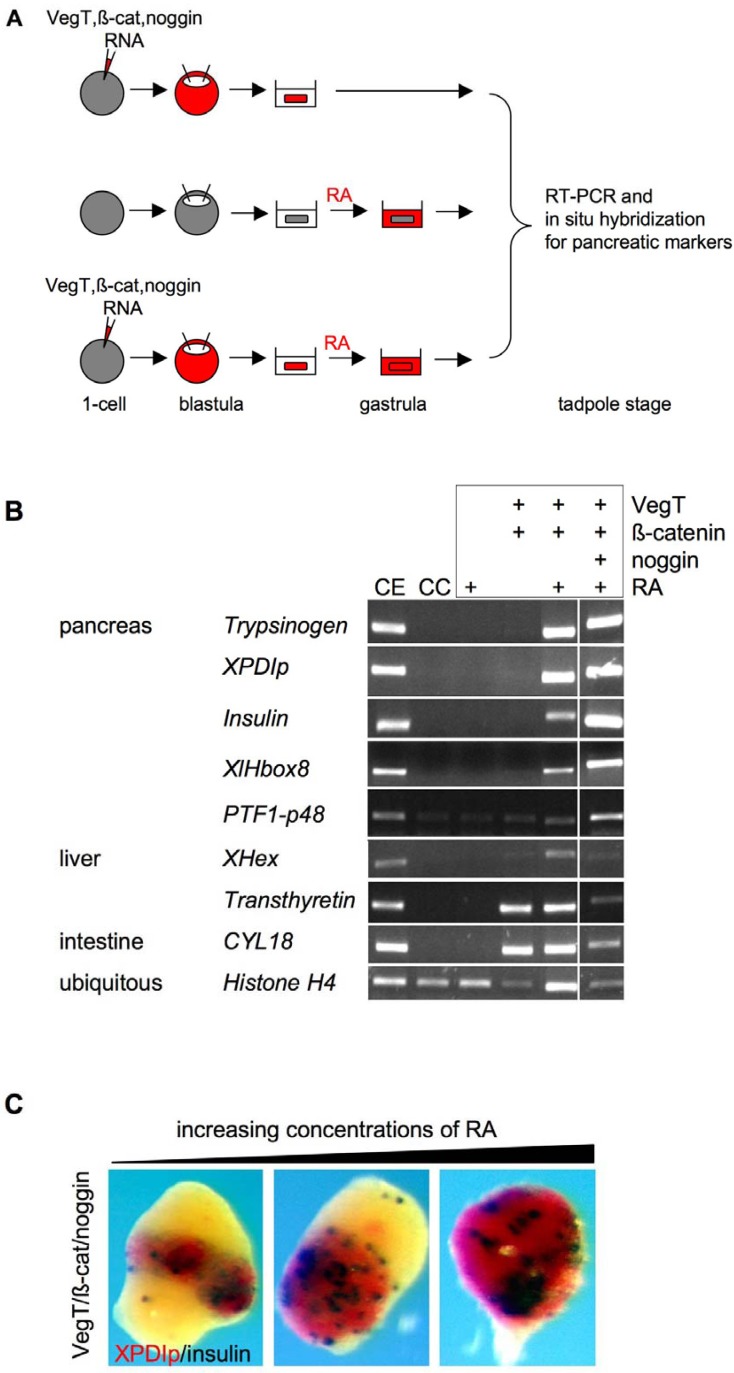
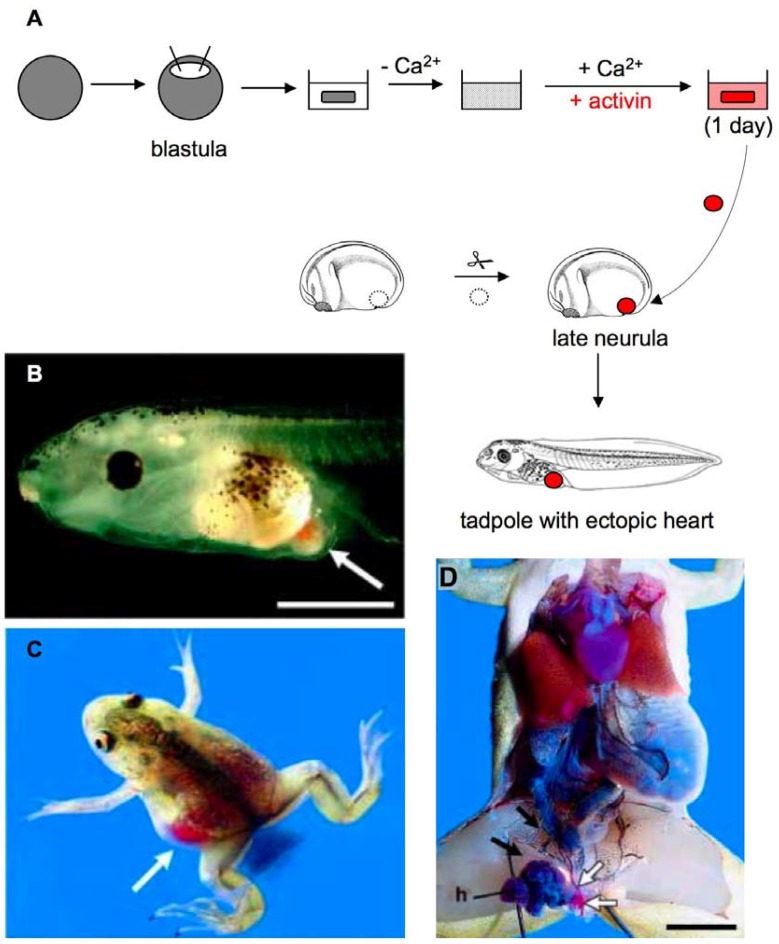
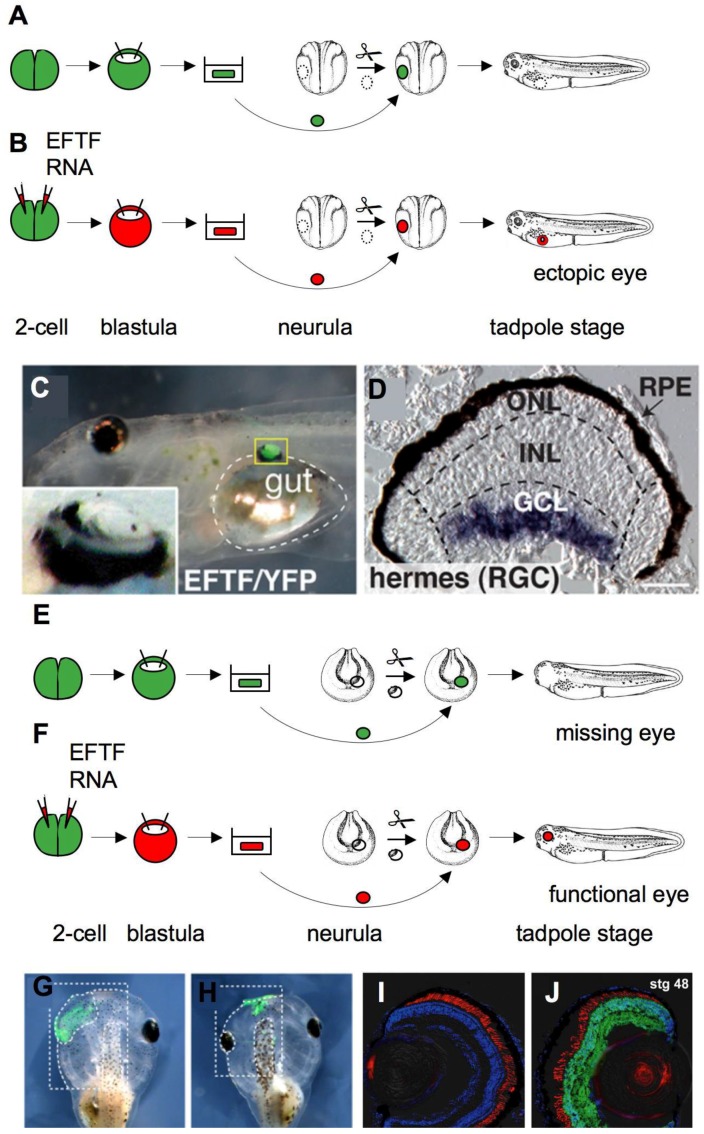
Xenopus embryos provide a rich source of pluripotent cells that can be differentiated into functional organs. Since the molecular principles of vertebrate organogenesis appear to be conserved between Xenopus and mammals, this system can provide useful guidelines for the directional manipulation of human embryonic stem cells. Pluripotent Xenopus cells can be easily isolated from the animal pole of blastula stage Xenopus embryos. These so called “animal cap” cells represent prospective ectodermal cells, but give rise to endodermal, mesodermal and neuro-ectodermal derivatives if treated with the appropriate factors. These factors include evolutionary conserved modulators of the key developmental signal transduction pathways that can be supplied either by mRNA microinjection or direct application of recombinant proteins. This relatively simple system has added to our understanding of pancreas, liver, kidney, eye and heart development. In particular, recent studies have used animal cap cells to generate ectopic eyes and hearts, setting the stage for future work aimed at programming pluripotent cells for regenerative medicine.
Overview
The claims and statistics of this paper haven’t been checked yet.
Run the check — free, no account needed. It reads the open-access text and checks the sources it cites.
Integrity signals
Registry
Cites
Statistics
Figures
Verification
Claims the paper makes
The claims and statistics of this paper haven’t been checked yet.
Run the check — free, no account needed. It reads the open-access text and checks the sources it cites.
Claims other papers make about this one
Each is checked against this paper’s own text: does it say what the citing paper says it does?
In the citing paper
“Besides, multiple sensors are used to monitor various aspects of the target (Borchers and Pieler 2010; Dong et al. 2022). These sensors may be independent of each other (Poitras et al. 2019), meaning that they are not designed to work together or provide a unified view of the system being monitored.”
From Artificial intelligence enhanced sensors - enabling technologies to next-generation healthcare and biomedical platform (2023) · cites this paper as Borchers and Pieler 2010
Self-check
Percentages, sums and reported differences re-computed from the paper’s own numbers.
The self-check needs the paper’s full text.
Citations
Cites
Generation and Regeneration of Cells of the Liver and Pancreas
Zaret, K. S., & Grompe, M. (2008) · Science · doi:10.1126/science.1161431 · Cited by 598
Hemmati‐Brivanlou, A., & Melton, D. (1992) · Nature · doi:10.1038/359609a0 · Cited by 559
Wnt-11 activation of a non-canonical Wnt signalling pathway is required for cardiogenesis
Pandur, P., Läsche, M., Eisenberg, L. M., & Kühl, M. (2002) · Nature · doi:10.1038/nature00921 · Cited by 536
Lamb, T. M., & Harland, R. M. (1995) · Development · doi:10.1242/dev.121.11.3627 · Cited by 385
Experimentelle Beiträge Zu Einer Theorie Der Entwicklung
Spemann, H. (1936) · Springer eBooks · doi:10.1007/978-3-642-92278-7 · Cited by 298
Regional specification within the mesoderm of early embryos ofXenopus laevis
Dale, L., & Slack, J. M. W. (1987) · Development · doi:10.1242/dev.100.2.279 · Cited by 290
Spemann's organizer and self-regulation in amphibian embryos
De Robertis, E. M. (2006) · Nature Reviews Molecular Cell Biology · doi:10.1038/nrm1855 · Cited by 267
Experimentelle Beitr�ge zur Theorie der Entwicklung
Spemann, H. (1933) · Die Naturwissenschaften · doi:10.1007/bf01451843 · Cited by 226
Mixer , a Homeobox Gene Required for Endoderm Development
Henry, G. L., & Melton, D. A. (1998) · Science · doi:10.1126/science.281.5373.91 · Cited by 204
Horb, M. E., & Thomsen, G. H. (1997) · Development · doi:10.1242/dev.124.9.1689 · Cited by 194
Cited by
Sorted by citations
Type 2 immunity in allergic diseases
Öğülür, İ., Mitamura, Y., Yazıcı, D., Pat, Y., Ardıçlı, S., Li, M., D’Avino, P., Beha, C., Babayev, H., Zhao, B., et al. (2025) · Cellular and Molecular Immunology · doi:10.1038/s41423-025-01261-2 · Cited by 453
Wang, C., He, T., Zhou, H., Zhang, Z., & Lee, C. (2023) · Bioelectronic Medicine · doi:10.1186/s42234-023-00118-1 · Cited by 295
Principles of Designing Electrocatalyst to Boost Reactivity for Seawater Splitting
Liu, X., Chi, J., Mao, H., & Wang, L. (2023) · Advanced Energy Materials · doi:10.1002/aenm.202301438 · Cited by 247
Recent advances in two-dimensional nanomaterials for sustainable wearable electronic devices
Hu, J., & Dong, M. (2024) · Journal of Nanobiotechnology · doi:10.1186/s12951-023-02274-7 · Cited by 126
Wang, C., Hu, Y., Liu, Y., Shan, Y., Qu, X., Xue, J., He, T., Cheng, S., Zhou, H., Liu, W., et al. (2023) · Advanced Functional Materials · doi:10.1002/adfm.202303696 · Cited by 108
Liu, Y., Wang, H., Ding, M., Wang, Y., Wang, K., Ullah, I., Bulatov, E., & Yuan, Y. (2024) · Nano Letters · doi:10.1021/acs.nanolett.4c02287 · Cited by 91
Anti-tumor Effect of Oleic Acid in Hepatocellular Carcinoma Cell Lines via Autophagy Reduction
Giulitti, F., Petrungaro, S., Mandatori, S., Tomaipitinca, L., de Franchis, V., D’Amore, A., Filippini, A., Gaudio, E., Ziparo, E., & Giampietri, C. (2021) · Frontiers in Cell and Developmental Biology · doi:10.3389/fcell.2021.629182 · Cited by 94
Su, L., Qian, H., Yang, C., Wang, C., Wang, Z., & Yan, X. (2023) · Journal of Hazardous Materials · doi:10.1016/j.jhazmat.2023.132031 · Cited by 81
Emerging Pickering emulsion films for bio-based food packaging applications
Ding, F., Long, S., Huang, X., Shi, J., Povey, M., & Zou, X. (2024) · Food Packaging and Shelf Life · doi:10.1016/j.fpsl.2024.101242 · Cited by 84
Alcohols as Alkyl Synthons Enabled by Photoredox-Catalyzed Deoxygenative Activation
Mandal, T., Mallick, S., Islam, M., & Sarkar, S. D. (2024) · ACS Catalysis · doi:10.1021/acscatal.4c03560 · Cited by 77
Wang, Q., Chang, K., Yang, Q., & Wu, W. (2024) · Trends in Food Science & Technology · doi:10.1016/j.tifs.2024.104460 · Cited by 76
An overview of photopolymerization and its diverse applications
He, X., Zang, L., Xin, Y., & Zou, Y. (2023) · Applied Research · doi:10.1002/appl.202300030 · Cited by 72
3D printing of octopi-inspired hydrogel suckers with underwater adaptation for reversible adhesion
Wang, Y., Liu, D., Wang, C., Wu, J., Xu, X., Yang, X., Sun, C., Jiang, P., & Wang, X. (2023) · Chemical Engineering Journal · doi:10.1016/j.cej.2022.141268 · Cited by 70
Hallmarks and Biomarkers of Skin Senescence: An Updated Review of Skin Senotherapeutics
Bulbiankova, D., Díaz‐Puertas, R., Álvarez‐Martínez, F. J., Herranz‐López, M., Barrajón‐Catalán, E., & Micol, V. (2023) · Antioxidants · doi:10.3390/antiox12020444 · Cited by 72
Cavazza, A., Molina-Estévez, F. J., Reyes, Á. P., Ronco-Díaz, V., Naseem, A., Malenšek, Š., Pečan, P., Santini, A., Heredia, P., Aguilar-González, A., et al. (2025) · Molecular Therapy — Nucleic Acids · doi:10.1016/j.omtn.2025.102457 · Cited by 78
Su, J., Zhang, W., Moradi, Z., Rouhi, M., Parandi, E., & Garavand, F. (2024) · Food Chemistry · doi:10.1016/j.foodchem.2024.141356 · Cited by 66
Research Progress on Stimulus-Responsive Polymer Nanocarriers for Cancer Treatment
Luo, S., Lv, Z., Yang, Q., Chang, R., & Wu, J. (2023) · Pharmaceutics · doi:10.3390/pharmaceutics15071928 · Cited by 61
zhao, M., Li, H., Gan, D., Wang, M., Deng, H., & Yang, Q. (2024) · mSystems · doi:10.1128/msystems.00607-24 · Cited by 57
From physiology to pathology: Emerging roles of GPER in cardiovascular disease
Wang, Z., Liu, J., Chen, Y., Tang, Y., Chen, T., Zhou, C. S., Wang, S., Chang, R., Chen, Z., Yang, W., et al. (2025) · Pharmacology & Therapeutics · doi:10.1016/j.pharmthera.2025.108801 · Cited by 57
Zhang, Y., Zhang, Z., Zhang, Y., Li, Y., & Yuan, Y. (2023) · Journal of Colloid and Interface Science · doi:10.1016/j.jcis.2023.07.196 · Cited by 55
Energy-efficient anodic reactions for sustainable hydrogen production via water electrolysis
Liu, W., Niu, X., Tang, J., Liu, Q., Luo, J., Liu, X., & Zhou, Y. (2023) · Chemical Synthesis · doi:10.20517/cs.2023.28 · Cited by 56
Research progress on the relationship between bile acid metabolism and type 2 diabetes mellitus
Hou, Y., Zhai, X., Wang, X., Wu, Y., Wang, H., Qin, Y., Han, J., & Meng, Y. (2023) · Diabetology & Metabolic Syndrome · doi:10.1186/s13098-023-01207-6 · Cited by 59
Establishing pluripotency in early development
Paranjpe, S. S., & Veenstra, G. J. C. (2015) · Biochimica et Biophysica Acta (BBA) - Gene Regulatory Mechanisms · doi:10.1016/j.bbagrm.2015.03.006 · Cited by 56
Othman, K. A., Hamad, W. M., & Omer, R. A. (2024) · Corrosion Reviews · doi:10.1515/corrrev-2024-0039 · Cited by 50
Botanic Signal Monitor: Advanced Wearable Sensor for Plant Health Analysis
Xu, W., Chen, L., Hu, X., Zhang, L., Huang, D., Li, J., Xiong, R., Huang, C., & Zhu, M. (2024) · Advanced Functional Materials · doi:10.1002/adfm.202410544 · Cited by 48
Effects of Different Nanoparticles on Microbes
Niu, B., & Zhang, G. (2023) · Microorganisms · doi:10.3390/microorganisms11030542 · Cited by 47
Utilizing animal manure-derived biochar in catalytic advanced oxidation processes: A review
Yang, H., Lee, C., & Lee, J. (2023) · Journal of Water Process Engineering · doi:10.1016/j.jwpe.2023.104545 · Cited by 44
Zhu, W., Pei, Y., Liu, H., Yue, R., Ling, S., Zhang, J., Liu, X., Yin, Y. S., & Guiver, M. D. (2023) · Advanced Science · doi:10.1002/advs.202206062 · Cited by 42
3D culture models to study pathophysiology of steatotic liver disease
Caddeo, A. M., Maurotti, S., Kovooru, L., & Romeo, S. (2024) · Atherosclerosis · doi:10.1016/j.atherosclerosis.2024.117544 · Cited by 42
A Review of Recent Progress in Drug Doping and Gene Doping Control Analysis
Lu, Y., Yan, J., Ou, G., & Fu, L. (2023) · Molecules · doi:10.3390/molecules28145483 · Cited by 42
A Distributed Computing Algorithm for Electricity Carbon Emission Flow and Carbon Emission Intensity
Wu, X., Yang, W. K., Zhang, N., Zhou, C., Song, J., & Kang, C. (2024) · Protection and Control of Modern Power Systems · doi:10.23919/pcmp.2023.000379 · Cited by 42
Jiang, M., Zhang, J., Li, Y., Shi, T., Ma, T., Sun, Y., Qiu, H., Li, Y., & Yin, S. (2023) · Materials Chemistry Frontiers · doi:10.1039/d3qm00239j · Cited by 40
Erecting Stable Lithium Metal Batteries: Comprehensive Review and Future Prospects
Shen, X., Shen, D., Zhu, J., & Duan, X. (2025) · Advanced Functional Materials · doi:10.1002/adfm.202504990 · Cited by 40
Biochar contributes to resistance against root rot disease by stimulating soil polyphenol oxidase
Ge, S., Gao, J., Chang, D., He, T., Cai, H., Wang, M., Li, C., Luo, Z., Yang, E., Meng, J., et al. (2023) · Biochar · doi:10.1007/s42773-023-00257-3 · Cited by 38
Feng, Y., Liu, X., Zuo, N., Yu, M.-B., Bian, W.-M., Han, B., Sun, Z., Felici, M. D., Shen, W., & Li, L. (2024) · Theranostics · doi:10.7150/thno.92416 · Cited by 38
Mager, C. E., Mormol, J. M., Shelton, E. D., Murphy, P. R., Bowman, B. A., Barley, T. J., Wang, X., Linn, S. C., Liu, K., Nelin, L. D., et al. (2023) · Journal of Biological Chemistry · doi:10.1016/j.jbc.2023.103043 · Cited by 36
Yuan, W., Han, X., Shi, G., Wang, M., Zhou, W., Cui, J., Liu, F., Li, Z., Wu, Y., & Wang, L. (2023) · Optics & Laser Technology · doi:10.1016/j.optlastec.2023.109911 · Cited by 37
Wang, Z., Zhu, J., & Ma, T. (2024) · Measurement · doi:10.1016/j.measurement.2024.115225 · Cited by 37
Brtnický, M., Mustafa, A., Hammerschmiedt, T., Kintl, A., Trakal, L., Beesley, L., Ryant, P., Omara-Ojungu, C., Baltazár, T., & Holátko, J. (2023) · Chemical and Biological Technologies in Agriculture · doi:10.1186/s40538-023-00430-7 · Cited by 36
Peng, J., Gong, H., Lyu, X., Liu, Y., Li, S., Tan, S., Dong, L., & Zhang, X. (2023) · Frontiers in Cellular and Infection Microbiology · doi:10.3389/fcimb.2023.1127041 · Cited by 37
Lu, Y., Xu, X., & Li, J. (2023) · Journal of Materials Chemistry B · doi:10.1039/d3tb00251a · Cited by 35
Recent Advances in Field‐Effect Transistor‐Based Biosensors for Label‐Free Detection of SARS‐CoV‐2
Yu, H., Zhang, H., Liu, J. Z., Feng, L., Su, Y., Li, J., Tang, W., & Yan, F. (2023) · Small Science · doi:10.1002/smsc.202300058 · Cited by 35
Xiao, P., Wang, Y., Wang, L., Toyoda, H., Nakamura, K., Bekhti, S., Lu, Y., Huang, J., Gies, H., & Yokoi, T. (2024) · Nature Communications · doi:10.1038/s41467-024-46924-2 · Cited by 34
Kousar, S., Fan, M., Javed, K., Rashid, M., Zhang, S., & Hu, X. (2024) · Journal of Water Process Engineering · doi:10.1016/j.jwpe.2024.105799 · Cited by 35
Zhu, D., Ren, Y., Yu, Y., Zhang, L., Wan, Y., Wang, H., Gao, W., Han, B., & Zhang, L. (2023) · ChemElectroChem · doi:10.1002/celc.202300009 · Cited by 33
Zhang, C., Yang, Q., Meng, X., Li, H., Luo, Z., Kai, L., Liang, J., Chen, S., & Chen, F. (2023) · Advanced Science · doi:10.1002/advs.202303418 · Cited by 33
Lv, F., & Tang, H. (2023) · Renewable Energy · doi:10.1016/j.renene.2023.119876 · Cited by 33
Spring-like behavior of cementitious composite enabled by auxetic hyperelastic frame
Xu, Y., Meng, Z., Bol, R. J. M., & Šavija, B. (2024) · International Journal of Mechanical Sciences · doi:10.1016/j.ijmecsci.2024.109364 · Cited by 33
Dong, C., Tan, G., Zhang, G., Lin, W., & Wang, G. (2023) · Frontiers in Bioengineering and Biotechnology · doi:10.3389/fbioe.2023.1133995 · Cited by 34
Revolutionizing the female reproductive system research using microfluidic chip platform
Yan, J., Wu, T., Zhang, J.-J., Gao, Y.-Y., Wu, J.-M., & Wang, S.-X. (2023) · Journal of Nanobiotechnology · doi:10.1186/s12951-023-02258-7 · Cited by 30
Tan, P., Wu, Y., Tan, Y., Xiang, Y., Zhou, L., Han, N., Jiang, Y., Bao, S., & Zhang, X. (2023) · Small · doi:10.1002/smll.202308371 · Cited by 33
Meng, K., & Long, R. (2025) · JACS Au · doi:10.1021/jacsau.5c00526 · Cited by 32
Ameliorating Mitochondrial Dysfunction for the Therapy of Parkinson's Disease
Zheng, Q. Y., Liu, H., Gao, Y., Cao, G., Wang, Y., & Li, Z. (2024) · Small · doi:10.1002/smll.202311571 · Cited by 32
Li, R., Wang, J. H., Liu, J., Li, M., Lu, J., Zhou, J., Zhang, M., Ferri, N., & Chen, H. (2024) · Phytomedicine · doi:10.1016/j.phymed.2024.155528 · Cited by 30
Li, W., Xiao, X., Qi, Y., Lin, X., Hu, H., Shi, M., Zhou, M., Jiang, W., Liu, L., Chen, K., et al. (2023) · Research · doi:10.34133/research.0051 · Cited by 30
Bright, A. R., van Genesen, S. T., Li, Q., Grasso, A., Frölich, S., van der Sande, M., van Heeringen, S. J., & Veenstra, G. J. C. (2021) · The EMBO Journal · doi:10.15252/embj.2020104913 · Cited by 26
Zhang, M., Kang, F., Xing, T., Wang, J., Ma, T., Li, G., Quan, Z., Yang, W., Chen, X. S., & Wang, J. (2024) · European Journal of Nuclear Medicine and Molecular Imaging · doi:10.1007/s00259-023-06584-8 · Cited by 28
On the investigation of composite cooling/heating set gel systems based on rice starch and curdlan
Wang, J., Ma, Q., Cai, P., Sun, Q., Sun, Q., Li, M., Wang, Y., Zhong, L., & Xie, F. (2023) · Food Chemistry · doi:10.1016/j.foodchem.2023.137960 · Cited by 28
Ouyang, J., Liu, L., Li, Y., Chen, M., Zhou, L., Liu, Z., Xu, L. H., & Shehzad, H. (2023) · Particuology · doi:10.1016/j.partic.2023.11.016 · Cited by 27
Multi-objective optimization in machine learning assisted materials design and discovery
Xu, P., Ma, Y., Lu, W., Li, M., Zhao, W., & Dai, Z. (2025) · Journal of Materials Informatics · doi:10.20517/jmi.2024.108 · Cited by 27
Huang, Q.-Y., Xiao, Y.-H., Li, X.-R., Zhu, C.-B., Sun, Q., Wu, L.-K., & Cao, F. (2025) · Corrosion Science · doi:10.1016/j.corsci.2025.113092 · Cited by 27
Nisar, S., & Raza, Z. A. (2023) · International Journal of Biological Macromolecules · doi:10.1016/j.ijbiomac.2023.128393 · Cited by 27
Microfluidic chips in female reproduction: a systematic review of status, advances, and challenges
Wu, T., Yan, J., Nie, K., Chen, Y., Wu, Y., Wang, S., & Zhang, J. (2024) · Theranostics · doi:10.7150/thno.97301 · Cited by 28
Tang, W., Tang, Z., Qian, H., Huang, C., & He, Y.-C. (2023) · Bioresource Technology · doi:10.1016/j.biortech.2023.129167 · Cited by 26
Xiao, X., Li, L., Deng, H., Zhong, Y., Deng, W., Xu, Y., Chen, Z., Zhang, J., Hu, X., & Wang, Y. (2023) · Journal of Materials Chemistry B · doi:10.1039/d3tb01910a · Cited by 27
Recent Advances in Layered Double Hydroxides Membranes: Insights into Multiple Mass Transport
Hu, J., Zhang, Y., & Dong, M. (2023) · Advanced Functional Materials · doi:10.1002/adfm.202312452 · Cited by 26
Brain Delivery Strategies for Biomacromolecular Drugs: Intranasal Administration
Wu, H., Li, C., Yuan, H., Zhao, J., & Li, S. (2025) · International Journal of Nanomedicine · doi:10.2147/ijn.s520768 · Cited by 26
Wang, Q., Gao, Y., Gong, T., Liu, T., Zhengwei, S. U. I., Fan, J., & Wang, Z. (2023) · Water · doi:10.3390/w15183298 · Cited by 25
The emerging role of nanozymes in ocular antioxidant therapy
Bai, X., Lu, Y. F., Wang, S., Xiao, Q., Luo, X., Wang, Y., Yan, X., Yang, Z., & Jiang, B. (2024) · Nano Today · doi:10.1016/j.nantod.2024.102448 · Cited by 26
Sohani, Z., Jamshidi, S., Koohi, M. K., Malakootikhah, J., Abarkar, M., Golchin, D., Roshani, S., Naghdi, H., Aghajanpour-Moghaddam-Gazafroudi, N., Gazafroudi, et al. (2024) · Scientific Reports · doi:10.1038/s41598-024-74195-w · Cited by 24
Flexible and wearable energy technologies: A lithium-ion battery perspective
YARAR, G., AKYÜZ, E. S., Aydın, Ö., Telli, E., & Farsak, M. (2025) · Journal of Alloys and Compounds · doi:10.1016/j.jallcom.2025.180103 · Cited by 26
Li, C., Tao, R., Li, Z., Liao, J., Fu, C., Zhang, J., Ong, H., Lu, C., Luo, J., & Fu, Y. (2023) · Sensors and Actuators B Chemical · doi:10.1016/j.snb.2023.133823 · Cited by 24
Shi, Y. J., Rong, W., & Chen, P. (2023) · Energy and Buildings · doi:10.1016/j.enbuild.2023.113575 · Cited by 24
Efficient microwave absorbing performance of Ni/carbon nanotubes assembled coronal hollow clusters
Luo, H., Rehman, H., Xia, X., Zheng, J., Li, P., Li, Y., & Tong, J. (2023) · Journal of Alloys and Compounds · doi:10.1016/j.jallcom.2023.172146 · Cited by 23
Wang, W., Ige, O. O., Ding, Y., He, M., Long, P., Wang, S., Zhang, Y., & Wen, X. (2023) · Current Research in Food Science · doi:10.1016/j.crfs.2023.100527 · Cited by 26
Han, J., Zhang, N., Cao, Q., Shi, X., Wang, C., Rui, X., Ding, J., Zhao, C. L., Zhang, J., Ling, X., et al. (2023) · Journal of Molecular Medicine · doi:10.1007/s00109-023-02322-7 · Cited by 22
Jia, J., Wang, H., Quan, R., Shuang, S., Wu, Z., & Li, S. (2023) · Materials Today Chemistry · doi:10.1016/j.mtchem.2023.101730 · Cited by 22
Polymer Vesicles and Lipid Nanoparticles
Luo, Y., Cook, A. B., Abdelmohsen, L. K. E. A., & van Hest, J. C. M. (2024) · Annual Review of Materials Research · doi:10.1146/annurev-matsci-080222-105636 · Cited by 22
Electroreforming of plastic wastes for value-added products
Li, Y., Liu, L., Lee, L. Q., & Li, H. (2024) · Chemical Communications · doi:10.1039/d4cc04574b · Cited by 22
Jia, S., Yu, Z., & Bai, L. (2023) · Frontiers in Physiology · doi:10.3389/fphys.2023.1302769 · Cited by 26
Wong, K. I., Wang, S., Li, M., Zhao, G., Wang, C., Wu, L., Fan, H., Yao, M., & Lu, M. (2024) · Chemical Engineering Journal · doi:10.1016/j.cej.2024.149287 · Cited by 22
Wang, X., Huang, S., Peng, Y., Min, Y., & Xu, Q. (2024) · ChemSusChem · doi:10.1002/cssc.202301262 · Cited by 22
Wang, Z., An, C., Lee, K., & Qi, F. (2023) · Environmental Science & Technology · doi:10.1021/acs.est.3c03270 · Cited by 22
Wang, J., Geng, Y., Zhang, J., Li, L., Guo, F., Yang, S., Zou, J., & Wan, S. (2023) · Agronomy · doi:10.3390/agronomy13071924 · Cited by 21
Li, F., Li, Y., Zhao, Q., Huang, L., Shang, Y., Li, C., Luo, L., Li, J., Tang, T., & Wen, Q. (2023) · ACS Applied Materials & Interfaces · doi:10.1021/acsami.3c14415 · Cited by 21
Li, M., Yuan, Y., Zhang, T., Xu, H., Huo, X., & Zhang, W. (2024) · Space Weather · doi:10.1029/2023sw003829 · Cited by 20
Jiang, J., Zhang, W., Yi, X., Lei, Q., Liao, Y. R., Tan, Y., & Yu, W. (2024) · e-Polymers · doi:10.1515/epoly-2023-0097 · Cited by 20
Wei, X. L., Wang, D., Xu, Z., Liu, J., Zhu, Q., Chen, Q., Tang, H., & Xu, W. (2024) · Heliyon · doi:10.1016/j.heliyon.2024.e37541 · Cited by 20
Roles of adhesives in forming mechanically robust superhydrophobic coatings
Wei, J., Mao, M., Li, B., & Zhang, J. (2025) · Chemical Science · doi:10.1039/d5sc05496f · Cited by 20
Kalatzis, D., Spyratou, E., Karnachoriti, M., Kouri, M. A., Orfanoudakis, S., Koufopoulos, N. I., Pouliakis, A., Danias, N., Seimenis, I., Kontos, A. G., et al. (2023) · Optics · doi:10.3390/opt4020022 · Cited by 21
Wang, P., Liao, H., Yang, M., Wu, L., Tang, Y., & Tan, L. (2023) · Fuel · doi:10.1016/j.fuel.2023.129421 · Cited by 20
Lemnaru, G.-M., Motelică, L., Trusca, R. D., Ilie, C.-I., Croitoru, A.-M., Ficai, D., Oprea, O., Stoica‐Guzun, A., Ficai, A., Diţu, L.-M., et al. (2023) · Polymers · doi:10.3390/polym15173629 · Cited by 20
Yuan, M., Li, Z., Rong, K., Hai, Z., Tang, W., & Song, Q. (2023) · Chemical Communications · doi:10.1039/d3cc03914e · Cited by 20
Angaru, G. K. R., Pal, C. A., Lingamdinne, L. P., Momin, Z. H., Kulkarni, R., Choi, Y.-L., Koduru, J. R., & Chang, Y. (2024) · Chemical Engineering Science · doi:10.1016/j.ces.2023.119700 · Cited by 20
Xie, Y., Yang, H., Huang, Y., Ma, Y., Ye, J., & Ouyang, L. (2024) · Journal of Energy Storage · doi:10.1016/j.est.2024.110887 · Cited by 20
Liu, Y., Tang, Y., Xu, Q., Cao, Y., Wei, J., Liang, Z., Jiang, X., Wu, Y., & Guo, C. (2024) · Journal of Luminescence · doi:10.1016/j.jlumin.2024.120583 · Cited by 20
Tan, C., Wu, H., Yang, L., & Wang, Z. (2024) · Advanced Materials Technologies · doi:10.1002/admt.202302038 · Cited by 19
Wang, J., Liu, Y., Zhao, M., Sun, Q., Li, M., Wang, Y., Zhang, Y., & Xie, F. (2024) · International Journal of Biological Macromolecules · doi:10.1016/j.ijbiomac.2024.132593 · Cited by 19
Xie, E., Jian, C., Peng, Y., Yan, G., & Zhao, Y. (2024) · Agriculture Ecosystems & Environment · doi:10.1016/j.agee.2024.109098 · Cited by 19
Zhou, J.-F., Liang, Z.-W., Yin, K.-Y., Wang, Y., Li, W., Wang, T., Chen, H., Tan, X., Tanveer, M., Zhou, J., et al. (2024) · Food & medicine homology. · doi:10.26599/fmh.2025.9420066 · Cited by 21
Metadata
- Authors
- Borchers, A., & Pieler, T.
- Affiliations
- University of Göttingen (DE)
- Corresponding author
- Borchers, Annette
- Venue
- Genes
- Publisher
- MDPI AG
- Published
- 2010-11-18
- Volume
- 1
- Issue
- 3
- Pages
- 413-426
- ISSN
- 2073-4425 (ISSN-L)
- PMC
- PMC3966229
- OpenAlex
- W2126635564
- Cited by
- 506
- References
- 45
- Citations by year
- 2026: 82 · 2025: 132 · 2024: 145 · 2023: 130 · 2022: 5 · 2021: 4 · 2020: 1 · 2019: 2 · 2018: 2 · 2016: 1 · 2015: 1 · 2013: 1
- FWCI
- 0.13
- Type
- journal article
- Language
- en
- Open access
- gold
- doi.org
- Licence
- Locations
- Genes (publishedVersion, cc-by)
- Europe PMC (PubMed Central) (publishedVersion, cc-by)
- PubMed Central (publishedVersion, cc-by)
- PubMed (publishedVersion)
- DOAJ (DOAJ: Directory of Open Access Journals) (submittedVersion)
- GoeScholar The Publication Server of the Georg-August-Universität Göttingen (Georg-August-Universität Göttingen) (submittedVersion, cc-by)
- Funders
- Deutsche Forschungsgemeinschaft
- Topics
- Life Sciences › Biochemistry, Genetics and Molecular Biology › Molecular Biology › Pluripotent Stem Cells Research
- Life Sciences › Biochemistry, Genetics and Molecular Biology › Molecular Biology › Developmental Biology and Gene Regulation
- Life Sciences › Biochemistry, Genetics and Molecular Biology › Molecular Biology › Planarian Biology and Electrostimulation
- Keywords
- Xenopus embryo, organogenesis, pancreatic development, liver development, kidney development, human embryonic stem cells, regenerative medicine, mRNA microinjection
About these checks
Registry, retraction, Cites and statistics results are computed, not judged, with one exception: a printed reference that no index lists is read once by a model before it counts as a citation error. Claims are extracted by a model and kept only when their quote appears verbatim in the text; each cited source is then checked, with a model’s help, for whether it says what the claim relies on. Those verdicts can be wrong — read the claim’s quote and the cited source before relying on one.
Statistics and arithmetic are recomputed, not judged.
Confidence bands are shown only for fields calibrated on our annotated test set. None is calibrated yet, so no band is shown.
What counts as a claim ›How we measure confidence ›How we check this ›
Are you an author, or do you see a problem with this page? Request a review
