

A Scoping Review of Interventions for the Treatment of Eco-Anxiety
Open accessThe DOI matches its Crossref record; 33 of the 34 references it cites were found in a registry or an index.
Abstract
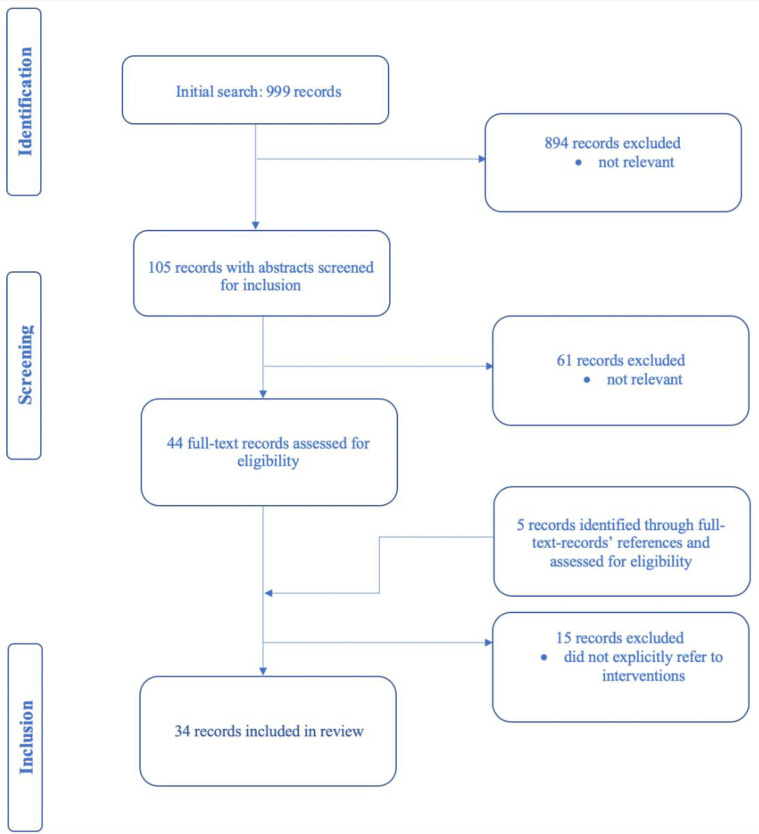
As climate change worsens and public awareness of its grave impact increases, individuals are increasingly experiencing distressing mental health symptoms which are often grouped under the umbrella term of eco-anxiety. Clear guidance is needed to enable mental health professionals to make informed choices of appropriate interventions and approaches in their eco-anxiety treatment plans. A scoping review was conducted to examine the current understanding of eco-anxiety and related intervention options and recommendations. The review included 34 records, 13 of which reflected specific psychological approaches. A thematic analysis of the content of the selected records yielded five major themes across interventions for individual and group treatment of eco-anxiety: practitioners’ inner work and education, fostering clients’ inner resilience, encouraging clients to take action, helping clients find social connection and emotional support by joining groups, and connecting clients with nature. Recommendations for treatment plans are to focus on holistic, multi-pronged, and grief-informed approaches that include eco-anxiety focused group work.
Overview
The claims and statistics of this paper haven’t been checked yet.
Free: it reads the open-access text and checks the first 5 claims that cite a source we can check. Create a free account to check every claim.
Integrity signals
Registry
Cites
Statistics
Figures
Verification
Claims the paper makes
The claims and statistics of this paper haven’t been checked yet.
Free: it reads the open-access text and checks the first 5 claims that cite a source we can check. Create a free account to check every claim.
Claims other papers make about this one
Each is checked against this paper’s own text: does it say what the citing paper says it does?
The source backs part of the claim, not all of it — or backs it for a different population, condition or comparison.
In the citing paper
“addressing ways the client can participate in meaningful eco-friendly action can mitigate hopelessness and anxiety [59,60], and enhance community participation, self-efficacy, and competence [6,20,57].”
From Climate Distress: A Review of Current Psychological Research and Practice (2023) · cites this paper as [57]
Experimental — accuracy not yet measuredThe source backs part of the claim, not all of it — or backs it for a different population, condition or comparison.
In the citing paper
“Psychological adaptation requires an acknowledgement of the threats, coping strategies to manage feelings and thoughts related to the climate crisis, as well as behavioural and psychological engagement to reduce the threat and protect themselves [57,60].”
From Climate Distress: A Review of Current Psychological Research and Practice (2023) · cites this paper as [57]
Experimental — accuracy not yet measuredThe source backs part of the claim, not all of it — or backs it for a different population, condition or comparison.
In the citing paper
“Practitioners should be prepared to discuss the many ramifications of climate change on the ecosystem and society, as service users may feel uncomfortable exploring the extent of the impact of climate change if they sense their clinician does not have a full understanding [56,57].”
From Climate Distress: A Review of Current Psychological Research and Practice (2023) · cites this paper as [57]
Experimental — accuracy not yet measuredThe source backs part of the claim, not all of it — or backs it for a different population, condition or comparison.
In the citing paper
“Clinicians must ensure they do not minimise or question feelings of climate distress, as this can discourage meaningful exploration of the topic, hinder healthy coping strategies, and harm the therapeutic alliance [56,57,59].”
From Climate Distress: A Review of Current Psychological Research and Practice (2023) · cites this paper as [57]
Experimental — accuracy not yet measuredThe source backs part of the claim, not all of it — or backs it for a different population, condition or comparison.
In the citing paper
“Group action or therapy results in a sense of common purpose, fostering relatedness, peer interactions and social connection [20,57,59].”
From Climate Distress: A Review of Current Psychological Research and Practice (2023) · cites this paper as [57]
Experimental — accuracy not yet measured
6 more claims about this paper
Create a free account to see every claim other papers make about this one.
Self-check
Percentages, sums and reported differences re-computed from the paper’s own numbers.
The self-check needs the paper’s full text.
Citations
Cites
Using thematic analysis in psychology
Braun, V., & Clarke, V. (2006) · Qualitative Research in Psychology · doi:10.1191/1478088706qp063oa · Cited by 194,414 · cited 3×
“Central themes were identified during data analysis using Braun and Clarke’s [29]”
MethodInfluentialScoping studies: towards a methodological framework
Arksey, H., & O'Malley, L. (2005) · International Journal of Social Research Methodology · doi:10.1080/1364557032000119616 · Cited by 36,742 · cited 2×
“Although only Burke’s [28] article delved specifically into the collective actions a client might engage with, many records stressed that practitioners could recommend that clients generally join groups focused on active climate change mitigation and adaptation plans.”
BackgroundMethodHealth and climate change: policy responses to protect public health
Watts, N., Adger, W. N., Agnolucci, P., Blackstock, J., Byass, P., Cai, W., Chaytor, S., Colbourn, T., Collins, M., Cooper, A., et al. (2015) · The Lancet · doi:10.1016/s0140-6736(15)60854-6 · Cited by 2,055
Solastalgia: The Distress Caused by Environmental Change
Albrecht, G., Sartore, G.-M., Connor, L., Higginbotham, N., Freeman, S., Kelly, B., Stain, H., Tonna, A., & Pollard, G. (2007) · Australasian Psychiatry · doi:10.1080/10398560701701288 · Cited by 1,369 · cited 3×
“Psychologist Renee Lertzman refers to the experience as “environmental melancholia- a combined sense of primal loss and paralyzing powerlessness” (as quoted by Dockett [16], (p. 11)) while environmental philosopher and professor of sustainability Glenn Albrecht [17] categorizes it as a form of “psychoterratic illness…”
BackgroundThe psychological impacts of global climate change
Doherty, T. J., & Clayton, S. (2011) · American Psychologist · doi:10.1037/a0023141 · Cited by 894 · cited 10×
“These records also reflected on the ability of group processes to offer an emotional container and safe space that galvanizes participants into action [33,39,41,44].”
BackgroundInfluentialClimate change and mental health: risks, impacts and priority actions
Hayes, K., Blashki, G., Wiseman, J., Burke, S., & Reifels, L. (2018) · International Journal of Mental Health Systems · doi:10.1186/s13033-018-0210-6 · Cited by 746 · cited 3×
“Hayes [12] * Not identified Fostering clients’ inner resilience: cognitive interventions, interventions connecting clients with their lyrical self—interventions focused on creative expression and the arts.”
BackgroundHope, despair and transformation: Climate change and the promotion of mental health and wellbeing
Fritze, J. G., Blashki, G. A., Burke, S., & Wiseman, J. (2008) · International Journal of Mental Health Systems · doi:10.1186/1752-4458-2-13 · Cited by 602
Successful Adaptation to Climate Change
(2013) · Routledge eBooks · doi:10.4324/9780203593882 · Cited by 289
Loss and Climate Change: The Cost of Parallel Narratives
Randall, R. (2009) · Ecopsychology · doi:10.1089/eco.2009.0034 · Cited by 268 · cited 15×
“Clients could also be encouraged to relate to their eco-anxiety as a form of anticipatory loss [32].”
BackgroundInfluential
Research works printed but not linked: 11
- Jackman K.P. Uznanski W. McDermott-Levy R. Cook C. Climate change: Preparing the nurses of the future Dean Notes 2018 39 1 3
- Clayton S. Manning C.M. Krygsman K. Speiser M. Mental Health and Our Changing Climate: Impacts, Implications, and Guidance American Psychological Association, and ecoAmerica Washington, DC, USA 2017 Available online: https://www.apa.org/news/press/releases/2017/03/mental-health-climate.pdf (accessed on 23 May 2020)
- Dockett L. The rise of eco-anxiety Psychother. Netw. Mag. 2019 43 11 14
- Seaman E.B. Climate Change on the Therapist’s Couch: How Mental Health Clinicians Receive and Respond to Indirect Psychological Impacts of Climate Change in the Therapeutic Setting Master’s Thesis Smith College for Social Work Northampton, MA, USA 2016 Available online: https://scholarworks.smith.edu/theses/1736 (accessed on 22 February 2020)
- Lewis J. In the room with climate anxiety: Part 1 Psychiatric Times 2018 35 1 2
- Ojala M. Eco-anxiety RSA J. 2018 4 10 15
- Conyer M. Climate justice and mental health–think globally, panic internally, act locally Psychother. Counsell. Today 2019 1 5 12
- Jaramillo J.C. I just see nature collapsing around me Therapy Today 2019 30 38
- Shaffer D.K. Ecophobia: Keeping hope afloat Alive Can. Nat. Health Wellness Mag. 2017 421 109 113
- Bednarek S. Is there a therapy for climate-change anxiety? Ther. Today 2019 30 36 39
- Stewart A.E. Individual psychology and environmental psychology J. Ind. Psychol. 2007 63 67 85
Cited by
Ogunbode, C. A., Doran, R., Hanss, D., Ojala, M., Salmela-Aro, K., van den Broek, K. L., Bhullar, N., Aquino, S. D., Marot, T., Schermer, J. A., et al. (2022) · Journal of Environmental Psychology · doi:10.1016/j.jenvp.2022.101887 · Cited by 549
Lawrance, E. L., Thompson, R., Newberry Le Vay, J., Page, L., & Jennings, N. (2022) · International Review of Psychiatry · doi:10.1080/09540261.2022.2128725 · Cited by 500
“sufficiently collated, mapped, or evaluated (6,450).”
Climate anxiety: What predicts it and how is it related to climate action?
Whitmarsh, L., Player, L., Jiongco, A., James, M., Williams, M., Marks, E., & Kennedy-Williams, P. (2022) · Journal of Environmental Psychology · doi:10.1016/j.jenvp.2022.101866 · Cited by 401
Léger-Goodes, T., Malboeuf-Hurtubise, C., Mastine, T., Généreux, M., Paradis, P.-O., & Camden, C. (2022) · Frontiers in Psychology · doi:10.3389/fpsyg.2022.872544 · Cited by 299
“Literature indicates that psychology can contribute to policies, prepare communities for the impacts of climate change, and individually help their clients cope with the potential distress (Berry, 2009; Baudon and Jachens, 2021).”
BackgroundResultÁgoston, C., Csaba, B., Nagy, B., Kőváry, Z., Dúll, A., Rácz, J., & Demetrovics, Z. (2022) · International Journal of Environmental Research and Public Health · doi:10.3390/ijerph19042461 · Cited by 242
“Certain themes we found in our study were related to the two main themes that were revealed in a scoping review of interventions for individual and group treatment of eco-anxiety [46]: problem-focused coping is related to encouraging clients to take action while social coping is similar to helping clients find social…”
BackgroundThe Process of Eco-Anxiety and Ecological Grief: A Narrative Review and a New Proposal
Pihkala, P. (2022) · Sustainability · doi:10.3390/su142416628 · Cited by 184
Heeren, A., Mouguiama-Daouda, C., & Contreras, A. (2022) · Climatic Change · doi:10.1007/s10584-022-03402-2 · Cited by 166
“Moreover, research has also emphasized empowerment—encouraging people with climate anxiety to engage in conservation actions—as a beneficial treatment option (e.g., Baudon and Jachens 2021; Cunsolo et al.”
BackgroundEco‐anxiety in youth: An integrative literature review
Brophy, H., Olson, J., & Paul, P. (2022) · International Journal of Mental Health Nursing · doi:10.1111/inm.13099 · Cited by 223
Ágoston, C., Urbán, R., Nagy, B., Csaba, B., Kőváry, Z., Kovács, K., Varga, A., Dúll, A., Mónus, F., Shaw, C. A., et al. (2022) · Climate Risk Management · doi:10.1016/j.crm.2022.100441 · Cited by 153
Soutar, C., & Wand, A. P. F. (2022) · International Journal of Environmental Research and Public Health · doi:10.3390/ijerph19020990 · Cited by 140
“their psychotherapeutic approach, emphasizing the need for more study [67].”
BackgroundInfluentialCosh, S. M., Ryan, R., Fallander, K., Robinson, K., Tognela, J., Tully, P. J., & Lykins, A. D. (2024) · BMC Psychiatry · doi:10.1186/s12888-024-06274-1 · Cited by 138
Eco-emotions and Psychoterratic Syndromes: Reshaping Mental Health Assessment Under Climate Change
Cianconi, P., Hanife, B., Grillo, F., Betrò, S., Lesmana, C. B. J., & Janiri, L. (2023) · The Yale Journal of Biology and Medicine · doi:10.59249/earx2427 · Cited by 163
The clinical implications of climate change for mental health
Crandon, T. J., Dey, C., Scott, J. G., Thomas, H. J., Ali, S., & Charlson, F. J. (2022) · Nature Human Behaviour · doi:10.1038/s41562-022-01477-6 · Cited by 88
Mental health and psychosocial interventions in the context of climate change: a scoping review
Xue, S., Massazza, A., Akhter‐Khan, S. C., Wray, B., Husain, M. I., & Lawrance, E. L. (2024) · npj Mental Health Research · doi:10.1038/s44184-024-00054-1 · Cited by 136
“In another review on interventions for eco-anxiety, only 2 studies involved an empirical evaluation component, with the rest being conceptual or re fl ection papers 12 .”
BackgroundHogg, T. L., Stanley, S. K., O’Brien, L. V., Watsford, C. R., & Walker, I. A. (2024) · Journal of Environmental Psychology · doi:10.1016/j.jenvp.2024.102249 · Cited by 119
Heeren, A., & Asmundson, G. J. G. (2023) · Journal of Anxiety Disorders · doi:10.1016/j.janxdis.2022.102654 · Cited by 71
Vercammen, A., Kioupi, V., & Daeninck, C. (2023) · Frontiers in Psychology · doi:10.3389/fpsyg.2023.1126031 · Cited by 107
“A multi-pronged approach implicating connections with others is recommended, as it is proven to support individuals with climate anxiety (Baudon and Jachens, 2021), including environmental specialists (Clayton, 2018).”
BackgroundSampaio, F., Costa, T. F. O., Teixeira-Santos, L., de Pinho, L. G., Sequeira, C., Luís, S., Loureiro, A., Soro, J. C., Roldán-Merino, J. F., Moreno‐Poyato, A. R., et al. (2023) · BMC Public Health · doi:10.1186/s12889-023-16816-z · Cited by 92
“Although the time interval used between tests is frequently reported in the literature, it is shorter than the most commonly recommended test-retest interval of two weeks between measurement points [53].”
MethodLéger‐Goodes, T., Malboeuf‐Hurtubise, C., Hurtubise, K., Simons, K., Boucher, A., Paradis, P.-O., Herba, C. M., Camden, C., & Généreux, M. (2023) · PLoS ONE · doi:10.1371/journal.pone.0284774 · Cited by 88
“Finally, another avenue with interesting potential as a method to help parents, and which has been found to attenuate the complex feelings of eco-anxiety, is spending more time in nature, something that can be done as a family [17, 89].”
BackgroundAir pollution and mental health: associations, mechanisms and methods
King, J. D., Zhang, S., & Cohen, A. (2021) · Current Opinion in Psychiatry · doi:10.1097/yco.0000000000000771 · Cited by 64
Wang, H., Safer, D. L., Cosentino, M., Cooper, R., Susteren, L. V., Coren, E., Nosek, G., Lertzman, R., & Sutton, S. (2023) · The Journal of Climate Change and Health · doi:10.1016/j.joclim.2023.100211 · Cited by 79
Gonzalez, F. H. (2023) · Education Sciences · doi:10.3390/educsci13070676 · Cited by 80
A theoretical model of climate anxiety and coping
Crandon, T., Scott, J. G., Charlson, F., & Thomas, H. J. (2024) · Discover Psychology · doi:10.1007/s44202-024-00212-8 · Cited by 76
“…ecological emotions such as ecological grief or climate anxiety, connecting one to their values and committing to action) [7, 95], and interventions which may be existentially-focused, self-care focused [7, 31], emotion-focused [21], nature-based [6], as well as peer or group-based [21, 100].”
Eco-anxiety and climate-anxiety linked to indirect exposure: A scoping review of empirical research
Jarrett, J. A., Gauthier, S., Baden, D. A., Ainsworth, B., & Dorey, L. (2024) · Journal of Environmental Psychology · doi:10.1016/j.jenvp.2024.102326 · Cited by 66
“In answer to our third and final research question, we build upon the reviews of Baudon and Jachens (2021) and Bingley et al. (2022) While qualitative methods are appropriate to the evaluation of new interventions in an emerging field, we might expect more studies using quantitative evaluation…”
InfluentialZangerl, K. E., Hoernke, K., Andreas, M., Dalglish, S. L., Kelman, I., Nilsson, M., Rocklöv, J., Bärnighausen, T., & McMahon, S. A. (2024) · The Lancet Child & Adolescent Health · doi:10.1016/s2352-4642(24)00084-1 · Cited by 56
Climate Distress: A Review of Current Psychological Research and Practice
Koder, J., Dunk, J., & Rhodes, P. (2023) · Sustainability · doi:10.3390/su15108115 · Cited by 43
Lisboa, P. V., Gómez-Román, C., Guntín, L., & Monteiro, A. P. (2024) · Frontiers in Psychology · doi:10.3389/fpsyg.2024.1323098 · Cited by 61
Transforming education for the just transition
Droubi, S., Galamba, A., Fernandes, F. L., de Mendonça, A. A., & Heffron, R. J. (2023) · Energy Research & Social Science · doi:10.1016/j.erss.2023.103090 · Cited by 73
Reciprocal Relations Between Climate Change Anxiety and Pro-Environmental Behavior
Kühner, C., Rudolph, C. W., & Zacher, H. (2024) · Environment and Behavior · doi:10.1177/00139165241297050 · Cited by 53
“Our study, together with existing research on the topic, underlines the necessity to develop practical interventions that support people in constructively managing their climate change anxiety and channeling it into effective pro-environmental action (Baudon & Jachens, 2021).”
Eco-Anxiety and Pastoral Care: Theoretical Considerations and Practical Suggestions
Pihkala, P. (2022) · Religions · doi:10.3390/rel13030192 · Cited by 57
“…and ways of non-action can give pastoral theologians resources to encounter eco-anxiety (for a review of these kinds of methods in general, see Baudon and Jachens 2021, although their use of the word “treatment” is slightly problematic in the author’s view since it underscores the…”
Laprise, C. (2023) · One Health · doi:10.1016/j.onehlt.2023.100510 · Cited by 37
“Few specific interventions address eco-anxiety at this time (see scoping review of Baudon and Jachens 2021 [89]), as diseases or conditions associated with climate change.”
Lindhe, N., Bengtsson, A., Byggeth, E., Engström, J., Lundin, M., Ludvigsson, M., Aminoff, V., Berg, M., & Andersson, G. (2023) · Behaviour Research and Therapy · doi:10.1016/j.brat.2023.104438 · Cited by 46
“Paradoxically, many researchers express a need for mental health professionals to be able to make informed choices about therapeutic interventions in order to support individuals suffering from indirect impacts of climate change (Baudon & Jachens, 2021).”
Hoppe, B. O., Prussia, L. L., Manning, C. M., Raab, K. K., & Jones-Casey, K. (2023) · Ecopsychology · doi:10.1089/eco.2022.0032 · Cited by 45
“Ecotherapy is a psychotherapeutic approach involving nature-based interventions, and it likely has strong relevance for addressing climate impacts (Baudon & Jachens, 2021; Hasbach 2012; Palinkas et al., 2020).”
Wullenkord, M. C., Johansson, M. V., Loy, L. S., Menzel, C., & Reese, G. (2024) · Journal of Environmental Psychology · doi:10.1016/j.jenvp.2024.102278 · Cited by 46
Edwards, R. C., Larson, B. M. H., & Clayton, S. (2023) · Environmental Education Research · doi:10.1080/13504622.2023.2286929 · Cited by 54
“…Clayton 2022). in response to the reported increase in eco-anxiety among young people, a growing body of literature has emerged which offers guidance on supporting and responding to these emotions (e.g. Baudon and Jachens 2021; Chawla 2020; Clayton et al. 2017; Climate Psychology Alliance 2022).”
BackgroundTowards a unified conceptual framework of eco-anxiety: mapping eco-anxiety through a scoping review
Boivin, M., Gousse-Lessard, A.-S., & Legris, N. H. (2025) · Cogent Mental Health · doi:10.1080/28324765.2025.2490524 · Cited by 42
“While numerous reviews have been published in recent years (e.g., 7–14), they have focused on specific aspects of eco-anxiety such as interventions (Baudon & Jachens, 2021; Bingley et al., 2022), mental health implications (Hayes et al., 2018; Inauen et al., 2021) or specific populations (such as…”
InfluentialNadarajah, K., David, J.-C., Brun, L., Bordel, S., Moyon, L., Foll, D. L., Delouvée, S., & Somat, A. (2022) · Psych · doi:10.3390/psych4030043 · Cited by 38
“These negative emotional responses to climate change are often called “climate anxiety” or “eco-anxiety” and are receiving increasing attention in the media [25] and from health care personnel such as doctors, psychiatrists and psychologists [26] (Cunsolo et al.”
BackgroundClimate Change and Mental Health
Clayton, S., & Crandon, T. (2024) · Annual Review of Clinical Psychology · doi:10.1146/annurev-clinpsy-081423-025932 · Cited by 57
Pitt, C., Norris, K., & Pecl, G. (2024) · Journal of Outdoor and Environmental Education · doi:10.1007/s42322-023-00156-y · Cited by 30
“…2013; Wullenkord et al., 2021), connection to others for emotional expression and collective action (Patrick et al., 2022), and connection to nature (Baudon & Jachens, 2021; Bingley et al., 2022; Harper et al., 2015; Hasbach, 2015; Hayes et al., 2018; Kelly, 2017; Koger, 2015; Koger et al., 2011).”
InfluentialJalin, H., Sapin, A., Macherey, A., Boudoukha, A. H., & Congard, A. (2024) · Current Psychology · doi:10.1007/s12144-024-06098-y · Cited by 41
“Commitment to action is often cited as an effective emotional regulation strategy for alleviat - ing the suffering associated with eco-anxiety (Baudon & Jachens, 2021; Clayton, 2020; Schwartz et al., 2022).”
Ramstetter, L., Rupprecht, S., Luis Mundaca, T., Osika, W., Stenfors, C. U. D., Klackl, J., & Wamsler, C. (2023) · iScience · doi:10.1016/j.isci.2023.106191 · Cited by 36
“Developing train-the-trainer programs could in this context help to upscale efforts, and reach the increasingnumberof peoplewhoare suffering fromclimate anxiety and/orwant to findways formeaningful engagement.(87) (Note that the outcomes and learnings of this study also led to the development of the Mindfulness-Based…”
BackgroundLukacs, J. N., Bratu, A., Adams, S., Logie, C., Tok, N., McCunn, L. J., Lem, M., Henley, A., Closson, K., Martin, G., et al. (2023) · Journal of Environmental Psychology · doi:10.1016/j.jenvp.2023.102091 · Cited by 26
Reese, G., Rueff, M., & Wullenkord, M. C. (2023) · Frontiers in Climate · doi:10.3389/fclim.2023.1158451 · Cited by 38
Triple planetary crisis: why healthcare professionals should care
Ihsan, F. R., Bloomfield, J. G., & Monrouxe, L. V. (2024) · Frontiers in Medicine · doi:10.3389/fmed.2024.1465662 · Cited by 32
“…(comprising Child and Adolescent Psychiatrists in England) had seen a patient who was distressed about ecological issues during the past year (7), while another Australian-based study found that four out of five students felt “ somewhat or very anxious about climate change ” [(6), p. 1].”
BackgroundCosh, S., Williams, S. E., Lykins, A. D., Bartik, W. J., & Tully, P. J. (2024) · BMC Psychology · doi:10.1186/s40359-024-02240-4 · Cited by 35
“For example, there is currently minimal evaluation of psychosocial interventions delivered in the context of climate change [49], and even less evidence for interventions treating climate change anxiety [40, 50].”
Climate Anxiety: Current Evidence and Future Directions
Boehme, B. A. E., Kinsman, L. M., Norrie, H. J., Tessier, E. D., Fleming, S. W., & Asmundson, G. J. G. (2024) · Current Psychiatry Reports · doi:10.1007/s11920-024-01538-9 · Cited by 26
Treble, M., Cosma, A. P., & Martin, G. (2023) · Current Psychiatry Reports · doi:10.1007/s11920-023-01430-y · Cited by 35
Verlie, B. (2024) · Environment and Planning E Nature and Space · doi:10.1177/25148486241252734 · Cited by 37
“…people with climate distress: create a safe space for them to express their feelings, be heard, and explore solutions, including in educational (Verlie et al., 2020), activist and community (Baudon and Jachens, 2021), and psychological responses (Barnwell and Wood, 2022; Hickman et al., 2021).”
Addressing the climate crisis: An action plan for psychologists (summary).
APA Task Force on Climate Change (2022) · American Psychologist · doi:10.1037/amp0001041 · Cited by 32
Reducing personal climate risk to reduce personal climate anxiety
Fyke, J., & Weaver, A. J. (2023) · Nature Climate Change · doi:10.1038/s41558-023-01617-4 · Cited by 30
Rethinking ecoanxiety through environmental moral distress: an ethics reflection
Banwell, N., & Eggert, N. (2023) · The Journal of Climate Change and Health · doi:10.1016/j.joclim.2023.100283 · Cited by 32
Tschakert, P., du Coudray, C. B., & Horwitz, P. (2023) · Environment and Planning E Nature and Space · doi:10.1177/25148486231173202 · Cited by 45
Malboeuf‐Hurtubise, C., Léger‐Goodes, T., Herba, C. M., Bélanger, N., Smith, J., & Marks, E. M. (2024) · Frontiers in Child and Adolescent Psychiatry · doi:10.3389/frcha.2024.1296446 · Cited by 36
From eco-anxiety to eco-hope: surviving the climate change threat
Betrò, S. (2024) · Frontiers in Psychiatry · doi:10.3389/fpsyt.2024.1429571 · Cited by 37
“Eco-anxiety has become an umbrella term used to describe various emotions such as fear, anger, exhaustion, powerlessness, feelings of loss, helplessness, and phobia and despair (35).”
BackgroundInfluentialHeeren, A., Mouguiama-Daouda, C., & Contreras, A. (2021) · PsyArXiv (OSF Preprints) · doi:10.31234/osf.io/a69wp · Cited by 24
Climate emergency, young people and mental health: time for justice and health professional action
Singh, G., Xue, S., & Poukhovski-Sheremetyev, F. (2022) · BMJ Paediatrics Open · doi:10.1136/bmjpo-2021-001375 · Cited by 27
The Impact of Climate Change on Older Adults’ Mental Health: A Primer for Clinicians
Seritan, A. L. (2023) · OBM Geriatrics · doi:10.21926/obm.geriatr.2304254 · Cited by 25
KERSE, Y., & Kerse, G. (2025) · BMC Psychology · doi:10.1186/s40359-025-03501-6 · Cited by 29
“Although research on this specific form of distress is still in its early stages, the term eco-anxiety, which is not yet listed in the Diagnostic and Statistical Manual of Mental Disorders (DSM-5), is emerging as a key concept [25].”
Ecological Grief, Religious Coping, and Spiritual Crises: Exploring Eco-Spiritual Grief
Pihkala, P. (2024) · Pastoral Psychology · doi:10.1007/s11089-024-01158-3 · Cited by 39
“There is often co-occurrence of eco-distress and eco-grief, and thus scholarship on both topics is relevant for related issues (for research about eco-anxiety and eco-distress, see Baudon & Jachens, 2021; Pihkala, 2020a; Soutar & Wand, 2022).”
The climate anxiety compass: A framework to map the solution space for coping with climate anxiety
van Valkengoed, A. M., & Steg, L. (2024) · Dialogues on climate change. · doi:10.1177/29768659241293226 · Cited by 22
Climate anxiety is not a mental health problem. But we should still treat it as one
van Valkengoed, A. M. (2023) · Bulletin of the Atomic Scientists · doi:10.1080/00963402.2023.2266942 · Cited by 16
“A paper that conducted a systematic review on intervention studies to reduce climate anxiety concluded that such assessments have not yet been published (Baudon and Jachens 2021).”
BackgroundRomano, G. H. C., Sippori, R., & Soroker, S. (2025) · Frontiers in Psychology · doi:10.3389/fpsyg.2025.1505564 · Cited by 20
“…or collective environmental activism can serve to achieve a sense of control in an uncontrollable situation (Jain and Jain, 2022) and environmental education, motivation to act, and connection with nature are beneficial in cases of ecological anxiety (Pihkala, 2020b; Baudon and Jachens, 2021).”
Croasdale, K., Grailey, K., Jennings, N., Mole, J., & Lawrance, E. L. (2023) · The Journal of Climate Change and Health · doi:10.1016/j.joclim.2023.100253 · Cited by 16
Nature Relatedness May Play a Protective Role and Contribute to Eco-Distress
Smith, C., Allen, A., Schaffer, V., & Kannis‐Dymand, L. (2024) · Ecopsychology · doi:10.1089/eco.2023.0004 · Cited by 21
“…emotional responses to the Anthropocene (i.e., the current era during which human activity is the prevailing influence on natural environment) are wide ranging (A´goston et al., 2022; Baudon & Jachens, 2021; Bud-ziszewska & Jonsson, 2022; Clissold, McNamara, & Westoby, 2022; Gunasiri et al., 2022).”
Eco‐anxiety: Towards a medical model and the new framework of ecolalgia
Christodoulou, N., Laaidi, K., & Geoffroy, P. A. (2024) · Bipolar Disorders · doi:10.1111/bdi.13446 · Cited by 28
“47 In addition, defining disorders only using the ICD-10 or DSM-5 criteria is reductive to clinical manifestations because of the categorical approaches of these classifications which ease research but are often far away from the daily clinical practice and do not account for all clinical…”
Geraci, A., Giordano, G., Cucinella, N., Cannavò, M., Cavarretta, M. V., Alesi, M., Caci, B., D’Amico, A., Gentile, A., Iannello, N. M., et al. (2024) · Current Psychology · doi:10.1007/s12144-024-06263-3 · Cited by 16
“This might suggest that individuals worried and anxious about climate change may need support in information management (Baudon & Jachens, 2021; Heeren et al., 2023), as well as necessary attention to the ways in which the media share information about climate change (Shao & Yu, 2023).”
Ten Key Principles: How to Communicate Climate Change for Effective Public EngagementPreprint
Sippel, M., Shaw, C., & Marshall, G. C. (2022) · SSRN Electronic Journal · doi:10.2139/ssrn.4151465 · Cited by 25
“…need for laws and regulation that support climate friendly lifestyles (and green businesses).155 Climate communication can also try to motivate people to engage with the political processes that bring 145 Verlie 2019; Moser 2016 146 Gunasiri et al. 2022; Baudon & Jachens 2021 147 E.g. Stoknes 2015.”
BackgroundInfluentialAcceptance and commitment therapy as an approach for working with climate distress
Williams, M. O., & Samuel, V. M. (2024) · The Cognitive Behaviour Therapist · doi:10.1017/s1754470x23000247 · Cited by 13
“…advice for clinicians working with those experiencing climate distress is to encourage pro-environmental behaviour: individual action can bring actions into alignment with environmental values, and collective action can provide a source of emotional support from others (Baudon and Jachens, 2021).”
Doherty, T., Artman, S., Homan, J., Keluskar, J., & White, K. E. (2024) · The Cognitive Behaviour Therapist · doi:10.1017/s1754470x24000278 · Cited by 16
“All of these have relevance for developing effective climate-conscious counselling and therapy (e.g. Anderson et al ., 2024; Baudon and Jachens, 2021; Doherty et al ., 2022b; Lewis et al ., 2020; Xue et al ., 2024).”
EKOLOJİK KRİZ VE ANKSİYETE: YENİ BİR KAVRAM OLARAK EKO-ANKSİYETE
Kara, Y. (2022) · Dokuz Eylül Üniversitesi Sosyal Bilimler Enstitüsü Dergisi · doi:10.16953/deusosbil.1108240 · Cited by 21
Khalil, M. I. M., Shaala, R. S., Mousa, E. F. S., Zoromba, M. A., & Atta, M. H. R. (2024) · Geriatric Nursing · doi:10.1016/j.gerinurse.2024.11.013 · Cited by 16
Soomro, S., Zhou, D., & Charan, I. A. (2024) · Cambridge Prisms Global Mental Health · doi:10.1017/gmh.2024.65 · Cited by 16
“Only two studies in another assessment of eco-anxiety therapies had an empirical evaluation component; the remaining studies were conceptual reflection articles (Baudon & Jachens, 2021).”
Cooper, M., Cunsolo, A., Aylward, B., Yamamoto, S. S., & Harper, S. L. (2025) · Social Science & Medicine · doi:10.1016/j.socscimed.2025.118002 · Cited by 28
Soomro, S., Zhou, D., & Charan, I. A. (2024) · Disaster Medicine and Public Health Preparedness · doi:10.1017/dmp.2024.267 · Cited by 12
Workplace eco-anxiety: a scoping review of what we know and how to mitigate the consequences
Ayassamy, P., Francoeur, V., & Paillé, P. (2024) · Frontiers in Sustainability · doi:10.3389/frsus.2024.1371737 · Cited by 16
“The study conducted by Baudon and Jachens (2021) suggests that addressing eco-anxiety may involve promoting connections between Frontiers in Sustainability 10 frontiersin.org individuals, practitioners, groups, and nature, known as ecotherapy.”
Compassion is key: How virtually embodying nature increases connectedness to nature
Spangenberger, P., Krüger, J. M., Geiger, S. M., Reuth, G. F., Baumann, L., & Nebel, S. (2025) · Journal of Environmental Psychology · doi:10.1016/j.jenvp.2025.102521 · Cited by 14
Grénman, M., Nyrhinen, J., Pihkala, P., Honkanen, A., & Räikkönen, J. (2025) · People and Nature · doi:10.1002/pan3.70075 · Cited by 14
“However, a strong connection with nature may also serve as a coping mechanism, helping individuals manage the various emotions associated with eco-anxiety (e.g. Baudon & Jachens, 2021 ; Passmore et al., 2023; Pihkala, 2020b ).”
InfluentialWicklum, S., Nuique, K., Kelly, M. A., Nesbitt, C., Zhang, J. J., & Svrcek, C. (2023) · Family Practice · doi:10.1093/fampra/cmad006 · Cited by 12
Improving human well-being through community-led coastal restoration
Pichler, E. L., Connell, S. D., & McAfee, D. (2024) · Biological Conservation · doi:10.1016/j.biocon.2024.110892 · Cited by 17
Magruder, K. J., & Chipman, S. J. (2025) · Journal of Human Rights and Social Work · doi:10.1007/s41134-024-00350-y · Cited by 13
“Given that taking action to address environmental issues is widely understood to be a key element in addressing eco-anxiety (Baudon & Jachens, 2021), ACT’s focus on committed action is a seamless match.”
InfluentialUsing values in cognitive and behavioral therapy: A bridge back to philosophy
Martin, S. S. (2023) · Journal of Evaluation in Clinical Practice · doi:10.1111/jep.13872 · Cited by 19
“56 58,p.92 Psychological health could seem distinct from philosophical health, but their interrelation is not difficult to see.”
BackgroundComing of age in a warming world: A self-determination theory perspective
Spitzer, J. E., Grapsas, S., Poorthuis, A. M. G., Vansteenkiste, M., & Thomaes, S. C. E. (2025) · Child Development Perspectives · doi:10.1111/cdep.12534 · Cited by 16
“As youth increasingly report climate-related mental health complaints (Ogunbode et al., 2022; Wullenkord & Ojala, 2023), clinical practitioners could also draw on SDT to support adolescents' well-being and psychological health (Baudon & Jachens, 2021; Brenning et al., 2022).”
Wickson, F., Lambert, L., & Bernstein, M. J. (2025) · Current Opinion in Environmental Sustainability · doi:10.1016/j.cosust.2025.101525 · Cited by 17
Turning to Nature to Process the Emotional Toll of Nature’s Destruction
Westoby, R., Clissold, R., & McNamara, K. E. (2022) · Sustainability · doi:10.3390/su14137948 · Cited by 17
The role of school counsellors in response to eco-anxiety
Köse, A. (2023) · Journal of Psychologists and Counsellors in Schools · doi:10.1017/jgc.2023.11 · Cited by 11
Childhood emotional neglect and its relationship with well-being: Mediation analyses
Wilk, K., Starowicz, A., Szczecińska, M., & Budziszewska, M. (2024) · European Journal of Trauma & Dissociation · doi:10.1016/j.ejtd.2024.100434 · Cited by 17
Climate change distress, entrapment, and suicidal ideation
Brailovskaia, J., & Teismann, T. (2024) · Climatic Change · doi:10.1007/s10584-024-03784-5 · Cited by 16
“…including validation, cognitive behavioral therapy, discouraging self-silencing, encouraging climate change activism and collective action (Baudon and Jachens 2021) as well as cultivating radical hope, i.e. accepting painful realities, without giving up and remaining determined to work…”
‘There’s no helpline’: how mental health services can support young people with climate distress
Williams, M. O., Samuel, V. M., Whitmarsh, L. E., Poortinga, W., Jenkins, C. R., & Constable, C. (2024) · Cogent Mental Health · doi:10.1080/28324765.2024.2409815 · Cited by 13
“Baudon and Jachens (2021) reported a scoping review of existing interventions for “eco-anxiety”, finding that current approaches focus on building emotional resilience, joining groups to make social connections and find emotional support, supporting connections with nature, taking action, and…”
BackgroundUsing the process model of eco‐anxiety in group work
Pihkala, P. (2025) · Annals of the New York Academy of Sciences · doi:10.1111/nyas.15344 · Cited by 13
Nieminen, V., Palmo, S., Hyvönen, K., Paakkolanvaara, J.-V., Raatikainen, K. J., & Muotka, J. S. (2025) · PLoS ONE · doi:10.1371/journal.pone.0326931 · Cited by 18
“Eco-anxiety can be used as a wider term that illustrates the different levels of anxiety caused by environmental issues [6,16].”
Helping young people cope with eco-anxiety: a qualitative intervention study
Eklöf, B., & Klöckner, C. A. (2025) · Environmental Education Research · doi:10.1080/13504622.2025.2542264 · Cited by 14
“…number of recent literature reviews, drawing both from environmental education literature and psychology research, have summarized existing recommendations on how to best address eco-anxiety and facilitate such spaces (Baudon & Jachens, 2021; Bingley et al. 2022; Olsen et al. 2024; Pihkala, 2020b).”
Kırımer‐Aydınlı, F., Juárez-Castelán, M. A., Hakim, N., Gül, P., Unal, A. B., Aguayo‐Estremera, R., Fortis, A. P., Rojas-Russell, M. E., & Gallo, V. (2025) · Current Psychology · doi:10.1007/s12144-025-08270-4 · Cited by 11
“The research design of the majority of the above-mentioned review studies are scoping (Ayassamy et al., 2024; Baudon & Jachens, 2021; Galway et al., 2019; Koder et al., 2023 ; Léger-Goodes et al., 2022; Upward et al., 2024; Wortzel et al., 2024) or integrative reviews (Brophy et al., 2023).”
Mellor, C., Botchway, S., Barnes, N., & Gandy, S. (2022) · International Review of Psychiatry · doi:10.1080/09540261.2022.2092391 · Cited by 11
“If carried out in groups, these activities are also likely to enhance social connectedness (Baudon & Jachens, 2021; Smyth et al., 2022), further bolstering the benefits to mental health associated with the cultivation of connectedness in a broader sense.”
Background“Don’t Look Up”: Eco-anxiety presenting in a Community Mental Health Service
Mulligan, D., O’Callaghan, A. K., & Guérandel, A. (2023) · Irish Journal of Psychological Medicine · doi:10.1017/ipm.2023.20 · Cited by 9
“A standardized, validated tool has recently been developed to measure eco-anxiety, the “ Hogg Eco-Anxiety Scale ” (Hogg et al., 2021).”
Background‘Safe spaces’ and community building for climate scientists, exploring emotions through a case study
Haddaway, N., & Duggan, J. (2023) · Global Environmental Psychology · doi:10.5964/gep.11347 · Cited by 10
Ballegeer, A.-M., Ferrari, E., Corrochano, D., & Ruíz, C. (2024) · European Journal of Teacher Education · doi:10.1080/02619768.2024.2370885 · Cited by 12
“A more recent study goes even further suggesting that engagement in pro-environmental action is used as a strategy for alleviating climate-anxiety (Baudon and Jachens 2021).”
Forest Bathing Increases Adolescent Connection to Nature: A Mixed Methods Study
Keller, J., Chawla, L., Kayira, J., & Rhoades, J. L. (2024) · Ecopsychology · doi:10.1089/eco.2023.0070 · Cited by 10
“Specific recommendations for treating ecoanxiety include encouraging young people to take action, finding social connection and emotional support, and connecting young people with nature (Baudon & Jachens, 2021).”
InfluentialClimate cafés as a space for navigating climate emotions: A scoping review
Jong, A. D., Harris, S., Costanian, C., & Skinner, H. A. (2025) · The Journal of Climate Change and Health · doi:10.1016/j.joclim.2025.100466 · Cited by 15
“A recent review from Baudon and Jachens [25] highlighted the importance of evaluating a variety of climate-related mental wellbeing interventions including: 1) fostering inner resilience, 2) helping clients fi nd social connection and emotional support by joining groups, 3) encouraging clients to…”
Communicating Climate Change in the Era of Anxiety: Testing a Double-Moderated-Mediation Model
Kim, K. (2024) · Environmental Communication · doi:10.1080/17524032.2024.2330004 · Cited by 8
“First, climate anxiety is primarily induced by indirect exposure to extreme weather events, often through media coverage featuring stories and images of climate-related disasters from various parts of the world (e.g. Baudon & Jachens, 2021; Clayton, 2020; Helm et al., 2018).”
Metadata
- Authors
- Baudon, P., & Jachens, L.
- Affiliations
- Webster University Geneva (CH)
- Corresponding author
- Jachens, Liza
- ORCID
- Jachens, Liza
- Venue
- International Journal of Environmental Research and Public Health
- Publisher
- MDPI AG
- Published
- 2021-09-13
- Volume
- 18
- Issue
- 18
- Pages
- 9636
- ISSN
- 1660-4601 (ISSN-L)
- PMC
- PMC8464837
- OpenAlex
- W3199289078
- Semantic Scholar
- a92d5ba1763da872d79b513c95992c9643e7e9b6
- Cited by
- 269
- References
- 34
- Citations by year
- 2026: 52 · 2025: 68 · 2024: 74 · 2023: 46 · 2022: 26 · 2021: 3
- FWCI
- 7.13
- Type
- journal article
- Language
- en
- Open access
- gold
- doi.org
- Licence
- Locations
- International Journal of Environmental Research and Public Health (publishedVersion, cc-by)
- Europe PMC (PubMed Central) (publishedVersion, other-oa)
- PubMed Central (publishedVersion, cc-by)
- PubMed (publishedVersion)
- DOAJ (DOAJ: Directory of Open Access Journals) (submittedVersion, cc-by-sa)
- Topics
- Social Sciences › Sociology and Political Science › Climate Change Communication and Perception
- Social Sciences › Psychology › Clinical Psychology › COVID-19 and Mental Health
- Health Sciences › Medicine › Psychiatry and Mental health › Mental Health Treatment and Access
- Keywords
- climate anxiety, psychological intervention, group therapy, resilience, nature connection, social support, climate change and mental health, holistic medicine
- MeSH terms
- Anxiety, Anxiety Disorders, Counseling, Health Personnel, Humans, Mental Health
About these checks
Registry, retraction, Cites and statistics results are computed, not judged, with one exception: a printed reference that no index lists is read once by a model before it counts as a citation error. Claims are extracted by a model and kept only when their quote appears verbatim in the text; each cited source is then checked, with a model’s help, for whether it says what the claim relies on. Those verdicts can be wrong — read the claim’s quote and the cited source before relying on one.
Statistics and arithmetic are recomputed, not judged.
Confidence bands are shown only for fields calibrated on our annotated test set. None is calibrated yet, so no band is shown.
What counts as a claim ›How we measure confidence ›How we check this ›
Are you an author, or do you see a problem with this page? Request a review
Data sources
Bibliographic data: Semantic Scholar, OpenAlex, Crossref.
Contains information from the Semantic Scholar Academic Graph Datasets, made available under the ODC Attribution License (ODC-BY 1.0).
Semantic Scholar’s data is described in: Kinney, R., et al. (2023). The Semantic Scholar Open Data Platform. arXiv:2301.10140.
