

The HIV Epidemic in South Africa: Key Findings from 2017 National Population-Based Survey
Open accessThe DOI matches its Crossref record; 40 of the 40 references it cites were found in a registry or an index.
Abstract
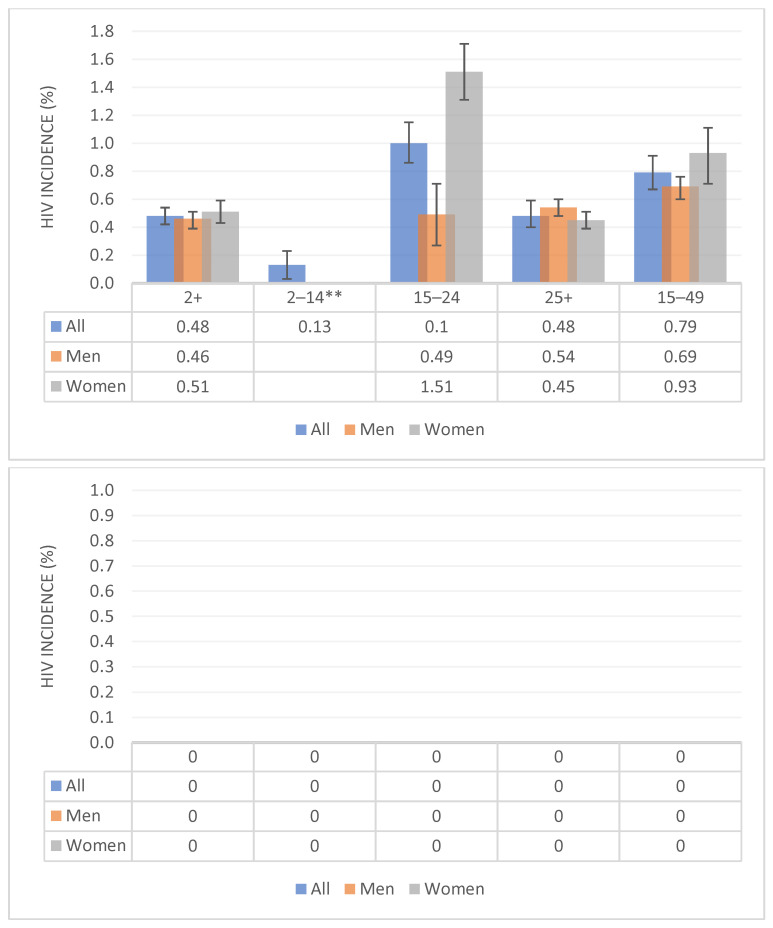
South Africa has the largest number of people living with HIV worldwide. South Africa has implemented five population-based HIV prevalence surveys since 2002 aimed at understanding the dynamics and the trends of the epidemic. This paper presents key findings from the fifth HIV prevalence, incidence, and behaviour survey conducted in 2017 following policy, programme, and epidemic change since the prior survey was conducted in 2012. A cross-sectional population-based household survey collected behavioural and biomedical data on all members of the eligible households. A total of 39,132 respondents from 11,776 households were eligible to participate, of whom 93.6% agreed to be interviewed, and 61.1% provided blood specimens. The provided blood specimens were used to determine HIV status, HIV incidence, viral load, exposure to antiretroviral treatment, and HIV drug resistance. Overall HIV incidence among persons aged 2 years and above was 0.48% which translates to an estimated 231,000 new infections in 2017. HIV prevalence was 14.0% translating to 7.9 million people living with HIV. Antiretroviral (ARV) exposure was 62.3%, with the lowest exposure among those aged 15 to 24 years (39.9%) with 10% lower ARV coverage among males compared to females. Viral suppression among those on treatment was high (87.3%), whilst HIV population viral load suppression was much lower (62.3%). In terms of risk behaviours, 13.6% of youth reported having had an early sexual debut (first sex before the age of 15 years), with more males reporting having done so (19.5%) than females (7.6%). Age-disparate relationships, defined as having a sexual partner 5+ years different from oneself,) among adolescents were more common among females (35.8%) than males (1.5%). Self-reported multiple sexual partnerships (MSPs), defined as having more than one sexual partner in the previous 12 months, were more commonly reported by males (25.5%) than females (9.0%). Condom use at last sexual encounter was highest among males than females. Three quarters (75.2%) of people reported they had ever been tested for HIV, with more females (79.3%) having had done so than males (70.9%). Two-thirds of respondents (66.8%) self-reported having tested for HIV in the past 12 months. Finally, 61.6% of males in the survey self-reported as having been circumcised, with circumcision being more common among youth aged 15-24 years (70.2%), Black Africans (68.9%), and those living in both rural informal (tribal) areas (65%) and urban areas (61.9%). Slightly more (51.2%) male circumcisions were reported to have occurred in a medical setting than in traditional settings (44.8%), with more young males aged 15-24 (62.6%) and men aged 25-49 (51.5%) reporting to have done so compared to most men aged 50 and older (57.1%) who reported that they had undergone circumcision in a traditional setting. The results of this survey show that strides have been made in controlling the HIV epidemic, especially in the reduction of HIV incidence, HIV testing, and treatment. Although condom use at last sex act remains unchanged, there continue to be some challenges with the lack of significant behaviour change as people, especially youth, continue to engage in risky behaviour and delay treatment initiation. Therefore, there is a need to develop or scale up targeted intervention programmes to increase HIV testing further and put more people living with HIV on treatment as well as prevent risky behaviours that put young people at risk of HIV infection.
Overview
The claims and statistics of this paper haven’t been checked yet.
Free: it reads the open-access text and checks the first 5 claims that cite a source we can check. Create a free account to check every claim.
Integrity signals
Registry
Cites
Statistics
Figures
Verification
Claims the paper makes
The claims and statistics of this paper haven’t been checked yet.
Free: it reads the open-access text and checks the first 5 claims that cite a source we can check. Create a free account to check every claim.
Claims other papers make about this one
Each is checked against this paper’s own text: does it say what the citing paper says it does?
The cited source doesn’t support the claim as written.
In the citing paper
“Only half of all patients with TB complete treatment and less than two-thirds with HIV achieve virological suppression on antiretroviral therapy (ART), with rates even lower among individuals with SU and other behavioral health concerns like depression (Naidoo et al., 2017; Zuma et al., 2022).”
From Siyakhana: A Hybrid Type 2 Effectiveness-Implementation Stepped-Wedge Trial to Reduce Stigma Towards Substance Use and Depression Among Community Health Workers in HIV/TB Care in South Africa (2025) · cites this paper as Zuma et al., 2022
Checked by a reasoning model — may be wrong.
Experimental — accuracy not yet measuredThe check wasn’t confident either way, so it gives no verdict — never disputed.
In the citing paper
“contribute to poor engagement in HIV and TB care in South Africa”
From Siyakhana: A Hybrid Type 2 Effectiveness-Implementation Stepped-Wedge Trial to Reduce Stigma Towards Substance Use and Depression Among Community Health Workers in HIV/TB Care in South Africa (2025) · cites this paper as Zuma et al., 2022
Experimental — accuracy not yet measured
Self-check
Percentages, sums and reported differences re-computed from the paper’s own numbers.
The self-check needs the paper’s full text.
Citations
Cites
Auvert, B., Taljaard, D., Lagarde, E., Sobngwi-Tambekou, J., Sitta, R., & Puren, A. (2005) · PLoS Medicine · doi:10.1371/journal.pmed.0020298 · Cited by 2,451
Male circumcision for HIV prevention in young men in Kisumu, Kenya: a randomised controlled trial.
Bailey, R. C., Moses, S., Parker, C. B., Agot, K., Maclean, I., Krieger, J. N., Williams, C. F., Campbell, R. T., & Ndinya-Achola, J. O. (2007) · The Lancet · doi:10.1016/s0140-6736(07)60312-2 · Cited by 2,292
Male circumcision for HIV prevention in men in Rakai, Uganda: a randomised trial.
Gray, R. H., Kigozi, G., Serwadda, D., Makumbi, F., Watya, S., Nalugoda, F., Kiwanuka, N., Moulton, L. H., Chaudhary, M. A., Chen, M. Z., et al. (2007) · The Lancet · doi:10.1016/s0140-6736(07)60313-4 · Cited by 2,226
Gosmann, C., Anahtar, M. N., Handley, S. A., Farcasanu, M., Abu-Ali, G., Bowman, B. A., Padavattan, N., Desai, C., Droit, L., Moodley, A., et al. (2017) · Immunity · doi:10.1016/j.immuni.2016.12.013 · Cited by 696
Zuma, K., Shisana, O., Rehle, T. M., Simbayi, L. C., Jooste, S., Zungu, N., Labadarios, D., Onoya, D., Evans, M., Moyo, S., et al. (2016) · African Journal of AIDS Research · doi:10.2989/16085906.2016.1153491 · Cited by 602
Self-citationFrank, T. D., Carter, A., Jahagirdar, D., Biehl, M. H., Douwes-Schultz, D., Larson, S. L., Arora, M., Dwyer-Lindgren, L., Steuben, K. M., Abbastabar, H., et al. (2019) · The Lancet HIV · doi:10.1016/s2352-3018(19)30196-1 · Cited by 568 · cited 1×
“5% yearly decrease in HIV deaths in South Africa from 2007–2017 [36].”
BackgroundAdolescent girls and young women: key populations for HIV epidemic control
Dellar, R. C., Dlamini, S., & Karim, Q. A. (2015) · Journal of the International AIDS Society · doi:10.7448/ias.18.2.19408 · Cited by 489 · cited 1×
“This dynamic is evidenced by the eight-fold risk of HIV infection amongst adolescent girls and young women compared to their male counterparts [23].”
Backgroundde Oliveira, T., Kharsany, A. B. M., Gräf, T., Cawood, C., Khanyile, D., Grobler, A., Puren, A., Madurai, S., Baxter, C., Karim, Q. A., et al. (2017) · The Lancet HIV · doi:10.1016/s2352-3018(16)30186-2 · Cited by 279 · cited 2×
“Women were more likely to report having had a sexual partner 5 years older than themselves, which has been shown to increase the risk of HIV among youth [19].”
BackgroundStigma-based bullying interventions: A systematic review
Earnshaw, V. A., Reisner, S. L., Menino, D. D., Poteat, V. P., Bogart, L. M., Barnes, T. N., & Schuster, M. A. (2018) · Developmental Review · doi:10.1016/j.dr.2018.02.001 · Cited by 274
Patient-reported barriers and facilitators to antiretroviral adherence in sub-Saharan Africa
Croome, N., Ahluwalia, M., Hughes, L. D., & Abas, M. (2017) · AIDS · doi:10.1097/qad.0000000000001416 · Cited by 198
Research works printed but not linked: 5
- Shisana O. Simbayi L. The Nelson Mandela/HSRC Study of HIV/AIDS: South African National HIV Prevalence, Behavioural Risks and Mass Media: Household Survey 2002 HSRC Press Cape Town, South Africa 2002
- Shisana O. Rehle T. Simbayi L. Parker W. Zuma K. Bhana A. Connolley C. Jooste S. South African National HIV Prevalence, HIV Incidence, Behaviour and Communication Survey, 2005 HSRC Press Cape Town, South Africa 2005
- Shisana O. Rehle T. Simbayi L.C. Zuma K. Jooste S. Pillay-Van Wyk V. Mbelle N. Van Zyl J. Parker W. Zungu N.P. South African National HIV Prevalence, Incidence and Communication Survey, 2008: A Turning Tide among Teenagers HSRC Press Cape Town, South Africa 2009
- Shisana O. Rehle T. Simbayi L.C. Zuma K. Jooste S. Zungu N. Labadarios D. Onoya D. South African National HIV Prevalence, Incidence and Behaviour Survey, 2012 HSRC Press Cape Town, South Africa 2014 27002359
- Simbayi L.C. Zuma K. Zungu N. Moyo S. Marinda E. Jooste S. Mabaso M. Ramlagan S. North A. van Zyl J. South African National HIV Prevalence, Incidence, Behaviour and Communication Survey, 2017 HSRC Press Cape Town, South Africa 2019
Cited by
Bekker, L.-G., Beyrer, C., Mgodi, N., Lewin, S. R., Delany-Moretlwe, S., Taiwo, B., Masters, M. C., & Lazarus, J. V. (2023) · Nature Reviews Disease Primers · doi:10.1038/s41572-023-00452-3 · Cited by 241
Recent Developments in Human Papillomavirus (HPV) Vaccinology
Williamson, A.-L. (2023) · Viruses · doi:10.3390/v15071440 · Cited by 181
“9 million), with young women carrying the burden of HIV incidence [89].”
BackgroundHealth and Related Indicators, 2023
Ndlovu, N., Gray, A., Blose, N., & Mokganya, M. (2024) · South African Health Review · doi:10.61473/001c.122768 · Cited by 53
Pleaner, M., Scorgie, F., Martin, C. E., Butler, V., Muhwava, L. S., Mojapele, M. V., & Mullick, S. (2023) · Frontiers in Reproductive Health · doi:10.3389/frph.2022.1086558 · Cited by 38
von Gottberg, A., Kleynhans, J., de Gouveia, L., Tempia, S., Meiring, S. T., Quan, V., du Plessis, M., von Mollendorf, C., Crowther-Gibson, P., Avenant, T., et al. (2024) · The Lancet Global Health · doi:10.1016/s2214-109x(24)00263-8 · Cited by 35
Stockton, M. A., Mazinyo, E. W., Mlanjeni, L., Sweetland, A. C., Scharf, J. Y., Nogemane, K., Ngcelwane, N., Basaraba, C. N., Bezuidenhout, C., Sansbury, G. M., et al. (2024) · Journal of Affective Disorders · doi:10.1016/j.jad.2024.06.071 · Cited by 34
Manyi-Loh, C. E., & Lues, R. J. F. (2023) · Microorganisms · doi:10.3390/microorganisms11102484 · Cited by 33
“…of South Africa when considering that a great fraction of this population is HIV/AIDS-positive, who depend on antibiotics to enhance their immune systems while managing several infections, including gastrointestinal infections that are known to be recurrent in this category of people [256].”
BackgroundValidation of a brief screener for broad-spectrum mental and substance-use disorders in South Africa
Stockton, M. A., Mazinyo, E. W., Mlanjeni, L., Nogemane, K., Ngcelwane, N., Sweetland, A. C., Basaraba, C. N., Bezuidenhout, C., Sansbury, G. M., Lovero, K. L., et al. (2023) · Cambridge Prisms Global Mental Health · doi:10.1017/gmh.2023.89 · Cited by 22
Treatment planning: teeth versus implants.
Lewis, S. J. (1996) · PubMed · Cited by 24
Dagnew, A. F., Han, L. L., Naidoo, K., Fairlie, L., Innes, J. C., Middelkoop, K., Tameris, M. D., Wilkinson, R. J., Ananworanich, J., Bower, D., et al. (2025) · The Lancet HIV · doi:10.1016/s2352-3018(25)00124-9 · Cited by 23
“Median magnitudes increased from day 1 to day 57 for the M72/AS01 E–4 group, and values were sustained until the end of the trial (appendix pp 23, 28).”
The Malaria Burden: A South African Perspective
Balmith, M., Basson, C., & Brand, S. J. (2024) · Journal of Tropical Medicine · doi:10.1155/2024/6619010 · Cited by 26
Tesfie, T. K., Yismaw, G. A., Yirsaw, B. G., Abuhay, H. W., Alemayehu, M. A., Derseh, N. M., Alemu, G. G., & Agimas, M. C. (2024) · PLoS ONE · doi:10.1371/journal.pone.0313868 · Cited by 21
Understanding barriers and facilitators to integrated HIV and hypertension care in South Africa
Johnson, L. C. M., Khan, S. H., Ali, M. K., Galaviz, K. I., Waseem, F., Ordóñez, C. E., Siedner, M. J., Nyatela, A., Marconi, V. C., & Lalla‐Edward, S. T. (2024) · Implementation Science Communications · doi:10.1186/s43058-024-00625-5 · Cited by 14
“Given that many PWH are engaged in care, on antiretroviral therapy, and virally suppressed [28], the integration of hypertension care within existing HIV care presents an opportunity to improve cardiovascular disease control in this high-risk population.”
BackgroundZanoni, B. C., Milford, C., Sithole, K., Mosery, N., Wilson, M., Bosman, S., & Smit, J. A. (2023) · PLoS ONE · doi:10.1371/journal.pone.0281030 · Cited by 13
“Before a recent increase in people who inject drugs (PWID) in South Africa, it was estimated that 21% of PWID in South Africa were living with HIV [1,3] compared to 14% in the general population [4].”
BackgroundCox, L. A., Martin, C. E., Nongena, P., Mvelase, S., Kutywayo, A., & Mullick, S. (2023) · Journal of Adolescent Health · doi:10.1016/j.jadohealth.2023.08.017 · Cited by 12
Myers, B., Regenauer, K. S., Rose, A., Johnson, K., Ndamase, S., Ciya, N., Brown, I., Joska, J., Bassett, I. V., Belus, J. M., et al. (2024) · Implementation Science Communications · doi:10.1186/s43058-023-00537-w · Cited by 11
“Evidence suggests that only half of all patients complete TB treatment and less than two-thirds achieve virological suppression on antiretroviral therapy (ART) for HIV [5, 6].”
BackgroundGovender, I. S., Mokoena, R., Stoychev, S., & Naicker, P. (2023) · Proteomes · doi:10.3390/proteomes11040029 · Cited by 10
“First-line antiretroviral therapy (ART) is freely available to 90% of people living with HIV in South Africa (~8.5 million total), accounting for ~20% of the global HIV/AIDS burden [27].”
BackgroundInfluentialGwavu, Z., Murray, D., & Okafor, U. B. (2023) · Healthcare · doi:10.3390/healthcare11142089 · Cited by 15
“Furthermore, 51% of South African women are living with HIV/AIDS [9], which is a statistic implying that it is a high-risk environment for the acquisition of cervical cancer.”
BackgroundElsayed, B. M. S., Elmarasi, M., Madzime, R. J., Mapahla, L., ElBadway, M. M. S., & Chivese, T. (2024) · PLoS ONE · doi:10.1371/journal.pone.0298387 · Cited by 12
“In South Africa, three nationally representative studies were carried out, and they showed a gradual rise in male circumcision prevalence from 42.8% (95% CI 41.6–44.0) in 2008 [47], 55.6% (95% CI 54.0–57.2) in 2016 [48] and 61.6% (95% CI 61.1–62.1) in 2017 [21].”
BackgroundInfluentialOmololu, A., Onukak, A. E., Effiong, M., Oke, O. O., Isa, S. E., & Habib, A. G. (2024) · PLOS Global Public Health · doi:10.1371/journal.pgph.0003487 · Cited by 10
Yao, D., Hill, N., Brown, B., Gule, D., Chabane, M., Mcingana, M., Willis, K., Shiba, V., Olawore, O., Nel, D., et al. (2024) · BMC Public Health · doi:10.1186/s12889-024-19679-0 · Cited by 9
“In South Africa, close to 1 in 5 adults are living with HIV, and more than 231,000 individuals are newly infected each year [8], necessitating the delivery of treatment to more than 7.5 million people living with HIV and prevention services to millions more [9].”
BackgroundInfluentialSporothrix and Sporotrichosis: A South African Perspective on a Growing Global Health Threat
Fuchs, T., Visagie, C. M., Wingfield, B. D., & Wingfield, M. J. (2024) · Mycoses · doi:10.1111/myc.13806 · Cited by 10
“South Africa has one of the most significant HIV epidemics in the world [176].”
Nardell, M. F., Govathson, C., Garnier, S., Watts, A., Babalola, D., Ngcobo, N., Long, L. C., Lurie, M. N., Miot, J., Pascoe, S. J. S., et al. (2024) · Journal of the International AIDS Society · doi:10.1002/jia2.26225 · Cited by 10
Neurological manifestations of syphilis-HIV coinfection in South Africa
Shorer, E. F., Zauchenberger, C.-Z., Govender, S., Shorer, G. E., Geragotellis, A., Centner, C. M., & Marais, S. (2023) · Journal of the Neurological Sciences · doi:10.1016/j.jns.2023.122798 · Cited by 14
“The increased prevalence of HIV in our cohort likely reflects the increased HIV prevalence among the general population over the last few decades in South Africa [19], as well as the changing profile of neurosyphilis.”
Stanton, A. M., Boyd, R. L., O’Cleirigh, C. M., Olivier, S., Dolotina, B., Gunda, R., Koole, O., Gareta, D., Modise, T. H., Reynolds, Z., et al. (2024) · PLoS ONE · doi:10.1371/journal.pone.0293963 · Cited by 9
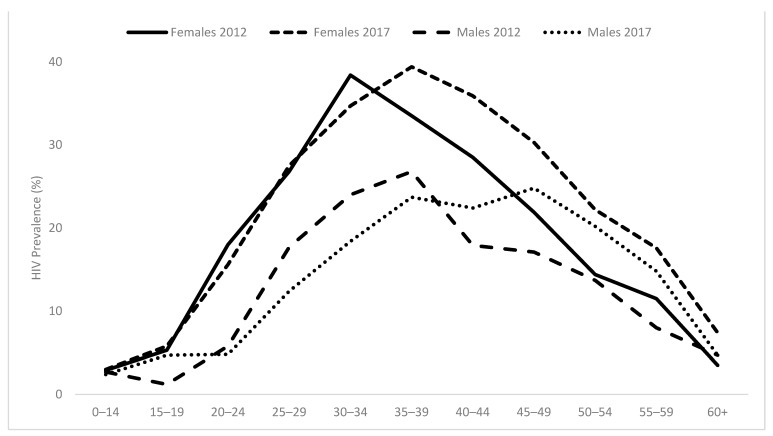
“In South Africa, HIV prevalence rates are also highest among middle-aged men and women (approximately 26% and 38%, respectively) [16].”
BackgroundLukwa, A. T., Odunitan-Wayas, F. A., Lambert, E. V., collaborators, “. F. H. I., & Alaba, O. A. (2024) · Frontiers in Sustainable Food Systems · doi:10.3389/fsufs.2024.1301578 · Cited by 11
Ntimani, J. M., Beer, A. G. M.-D., & Phetlhu, D. R. (2025) · Southern African Journal of HIV Medicine · doi:10.4102/sajhivmed.v26i1.1684 · Cited by 8
Teffo, M. E., & Mokgatle, M. M. (2023) · International Journal of Environmental Research and Public Health · doi:10.3390/ijerph20116044 · Cited by 8
Ismail, A., Magni, S., Katahoire, A., Ayebare, F., Siu, G., Semitala, F. C., Kyambadde, P., Friedland, B., Jarrahian, C., & Kilbourne‐Brook, M. (2023) · PLoS ONE · doi:10.1371/journal.pone.0290568 · Cited by 12
Matahela, V. E., & Makhanya, N. J. (2024) · BMC Nursing · doi:10.1186/s12912-024-01880-6 · Cited by 8
Allorant, A., Kuchukhidze, S., Stannah, J., Xia, Y., Masuku, S. S., Ekanmian, G. K., Eaton, J. W., & Maheu‐Giroux, M. (2025) · Journal of the International AIDS Society · doi:10.1002/jia2.70024 · Cited by 11
Alcock, S., Leal, M., Beukes, J., Nyati, L. H., Thompson, U., & Norris, S. A. (2025) · BMC Pregnancy and Childbirth · doi:10.1186/s12884-025-08194-8 · Cited by 18
“Mothers > 23 years, ≥ 1 child had a higher prevalence of HIV, consistent with prior research [37–39], which is possibly due to prolonged sexual activity and greater cumulative exposure to HIV risk factors [40].”
Rasweswe, M. M., Bopape, M. A., & Ntho, T. A. (2024) · International Journal of Environmental Research and Public Health · doi:10.3390/ijerph21020183 · Cited by 7
“This is of concern at the University of Limpopo because the primary cause of HIV infection in South Africa is sexual contact, and an increasing proportion of people living with HIV in the country have been reported to continue having unprotected sex [14,15].”
BackgroundFundisi, E., Dlamini, S., Mokhele, T., Weir-Smith, G., & Motolwana, E. (2023) · Healthcare · doi:10.3390/healthcare11060881 · Cited by 10
“The selected small area layers were extracted from 84,907 small area layers computed by Statistics South Africa in 2011 [27].”
MethodKamerman, P. (2023) · European Journal of Pain · doi:10.1002/ejp.2144 · Cited by 5
“Similarly, because of their effects on pain and HIV status, age (Dahlhamer et al., 2018; Kamerman et al., 2020; Tsang et al., 2008; Zuma et al., 2016, 2022) and household socio-economic status (poorest, poorer, middle, rich, richest; based on the number and kinds of consumer goods possessed and…”
BackgroundMYERS, B. J., Regenauer, K. S., Johnson, K., Brown, I., Rose, A. L., Ciya, N., Ndamase, S., Jacobs, Y., Anvari, M. S., Hines, A. C., et al. (2025) · Addiction Science & Clinical Practice · doi:10.1186/s13722-025-00544-3 · Cited by 9
Inman, E. M., Nkala-Dlamini, B., Violari, A., & Kidman, R. C. (2024) · AIDS and Behavior · doi:10.1007/s10461-024-04407-x · Cited by 8
“Globally, South Africa has the largest number of people living with HIV and the largest number of adolescents and young adults living with HIV [1 , 28].”
Factors influencing adherence to antiretroviral therapy among young adults in Limpopo province
Mashele, V., Marincowitz, G. J. O., & Marincowitz, C. (2024) · South African Family Practice · doi:10.4102/safp.v66i1.5973 · Cited by 6
Wu, X., Zhou, X., Chen, Y., Lin, Y., Li, Y., Fu, L., Liu, Q., & Zou, H. (2024) · Sexual Health · doi:10.1071/sh24056 · Cited by 7
Dreyer, G., Visser, C., Dreyer, G. J., Botha, M. H., der Merwe, F. H. V., Richter, K. L., & Snyman, L. C. (2024) · Infectious Agents and Cancer · doi:10.1186/s13027-024-00586-3 · Cited by 6
“Local data show a high prevalence of HIV-infection, HPV-infection and pre-invasive disease, with increase over time [2–5].”
BackgroundMhlanga, L., Welte, A., Grebe, E., Ohler, L., Cutsem, G. V., Huerga, H., & Conan, N. (2023) · IJID Regions · doi:10.1016/j.ijregi.2023.07.004 · Cited by 5
Bassett, I. V., Yan, J., Govere, S., Shezi, S., Ngcobo, L. M., Sagar, S., Jarolimova, J., Zionts, D. L., Khumalo, A. R., Zwane, Z., et al. (2025) · BMC Public Health · doi:10.1186/s12889-025-21718-3 · Cited by 7
“…either in age-disparate relationships, never used condoms in the past month while having vaginal sex, or thought their primary sex partner had other partners over the past 3 months, all of which are known risk factors for contracting HIV and STIs both globally and in sub-Saharan Africa [34–39].”
The Lancet HIV Commission on ageing and HIV: a global perspective
Justice, A. C., Althoff, K. N., Clarfield, A. M., Ramírez, B. E. C., Ford, N. P., Hartley, M., Kiplagat, J., Lui, G. C.-Y., Semeere, A., Vitória, M., et al. (2026) · The Lancet HIV · doi:10.1016/s2352-3018(26)00058-5 · Cited by 8
Mensah, L. B. B., Ken‐Amoah, S., Essuman, M. A., Anane‐Fenin, B., Agbeno, E. K., Eliason, S., & Essien‐Baidoo, S. (2023) · BioMed Research International · doi:10.1155/2023/5129709 · Cited by 4
Coelho, S. M., Rosen, J. G., Schulz, G., Meek, K., Shipp, L., Singh, C., Willis, K., Best, A., Mcingana, M., McLoughlin, J., et al. (2024) · Culture Health & Sexuality · doi:10.1080/13691058.2024.2344111 · Cited by 4
“…the 2016 public rollout of PrEP in South Africa (Bekker et al. 2016), at a time when one in every five adults were estimated to be living with HIV (Zuma et al. 2022), observational studies have demonstrated challenges to optimising PrEP uptake, continuation, and adherence in priority populations…”
Mfisa, L. M., Kleinhans, A. V., Mndzebele, S., & Oguntibeju, O. O. (2023) · The Open Microbiology Journal · doi:10.2174/0118742858259481230927040147 · Cited by 4
Baruwa, O. J. (2024) · PLOS Global Public Health · doi:10.1371/journal.pgph.0003317 · Cited by 4
Miranda, J. M. C., Wasserman, S. A., Reséndiz‐Galván, J. E., Abdelgawad, N., Davis, A., Stek, C. J., Wiesner, L., Wilkinson, R. J., & Denti, P. (2025) · Antimicrobial Agents and Chemotherapy · doi:10.1128/aac.00099-25 · Cited by 5
Chapman, R. E., van Diepen, M. T., Douglass, N., Hermanus, T., Moore, P. L., & Williamson, A. (2023) · Vaccines · doi:10.3390/vaccines11020376 · Cited by 4
“9 million people are living with HIV—which translates to 14% of the population [1].”
BackgroundPhaswana-Mafuya, N. R., Phalane, E., Rao, A., Willis, K., Rucinski, K. B., Voet, K. A., Abdulrahman, A., Siyamayambo, C., Sebati, B., Seloka, M. A., et al. (2024) · JMIR Research Protocols · doi:10.2196/63583 · Cited by 4
“While there has been a steady decline of 30.5% (n=198,311) in new infections in the last 5 years, the country still has an unacceptably high HIV incidence (South African National HIV, Prevalence, Incidence, Behaviour, and Communication Survey) [3-5].”
InfluentialBreast cancer in women by HIV status: A report from the South African National Cancer Registry
Davidović, M., Dhokotera, T., dos‐Santos‐Silva, I., Bohlius, J., & Sengayi‐Muchengeti, M. (2024) · PLoS ONE · doi:10.1371/journal.pone.0305274 · Cited by 3
The multisystemic roots of South African child and youth resilience: A scoping review
Theron, L. C., & van Breda, A. D. P. (2025) · PLoS ONE · doi:10.1371/journal.pone.0336716 · Cited by 9
“Most South African children and youth have first-hand experience of poverty, hunger, violence, HIV-related challenges (e.g., being HIV+ or living with a caregiver who is HIV+), inequitable access to services, including quality education, and the climate emergency [12–14].”
Wet, N. D., & Billings, B. K. (2024) · BMC Women s Health · doi:10.1186/s12905-024-03005-2 · Cited by 5
“Sampling weights were computed by HSRC researchers to account for unequal sampling at small areas layers, household level, and individual response to the questionnaire and HIV testing to correct for potential bias due to unequal sampling probabilities [23].”
MethodMogashoa, V., Mpanya, D., & Tsabedze, N. (2024) · Thrombosis Journal · doi:10.1186/s12959-024-00663-y · Cited by 3
“It has been shown that even with correction for cardio-vascular risk factors, a CD4 count of less than 200 and a viral load exceeding 100,000 copies/ml had a 1.4-2.0-fold and 1.7-fold increased risk of AF, respectively [15].”
BackgroundInfluentialGouse, H., Thomas, K. G. F., Masson, C. J., Henry, M., Joska, J. A., Cysique, L. A., Ling, S., Ye, X., Liu, J., & Robbins, R. N. (2024) · Journal of NeuroVirology · doi:10.1007/s13365-024-01235-6 · Cited by 6
“This disproportionate representation of women in the PWH group accurately reflects the South African clinical context (Zuma et al. 2022).”
Fabens, I., Makhele, C., Igaba, N., Moyo, K., Ndebele, F., Pienaar, J., Setswe, G., & Feldacker, C. (2025) · PLOS Digital Health · doi:10.1371/journal.pdig.0000867 · Cited by 3
Mashele, S. A., Zwane, T. B., Kuonza, L. R., Muchengeti, M. M., & Motsuku, L. (2023) · ecancermedicalscience · doi:10.3332/ecancer.2023.1593 · Cited by 5
“The prevalence of HIV is higher among Black women compared to White women [39].”
BackgroundStrategic planning for the second era of the HIV epidemic
Bekker, L., & Wood, R. (2024) · The Lancet Public Health · doi:10.1016/s2468-2667(24)00051-3 · Cited by 3
Mashayekhi, Y., Amadi-Livingstone, C., Timamy, A., Eish, M., Attia, A., Panourgia, M. P., Mital, D., Pearce, O., & Ahmed, M. H. (2025) · Microorganisms · doi:10.3390/microorganisms13071530 · Cited by 3
“[16]”
Alcohol use and the pre-exposure prophylaxis continuum of care among men in rural South AfricaPreprint
Castle, A. C., Busang, J., Dreyer, J., Herbst, C., Okesola, N., Chimbindi, N., Zuma, T., Jarolimova, J., Hahn, J. A., Psaros, C., et al. (2024) · medRxiv · doi:10.1101/2024.03.23.24304770 · Cited by 3
Magidson, J. F., Regenauer, K. S., Johnson, K., Ma, T., Belus, J. M., Rose, A. L., Brown, I., Ciya, N., Ndamase, S., Sacko, C., et al. (2025) · Journal of substance use and addiction treatment · doi:10.1016/j.josat.2025.209634 · Cited by 2
van der Mescht, M. A., Steel, H. C., de Beer, Z., Masenge, A., Abdullah, F., Ueckermann, V., Anderson, R., & Rossouw, T. M. (2024) · Microorganisms · doi:10.3390/microorganisms12112149 · Cited by 2
“South Africa, with an estimated HIV prevalence of 17.8% among adults aged 15–49 years, hosts approximately 7.6 million people living with HIV (PLWH), constituting the largest population globally [1,2].”
InfluentialSteatotic liver disease in people with HIV at Tshepong Hospital: A post-mortem analysis
Moosa, A., Variava, E., Calver, A. D., Chita, G., Sabet, N., Ngwenya, S., Papathanasopoulos, M. A., & Omar, T. (2024) · Southern African Journal of HIV Medicine · doi:10.4102/sajhivmed.v25i1.1638 · Cited by 3
Nyoni, P., Tomita, A. M., Mkhwanazi, S., & Gibbs, A. (2024) · International Journal of Social Psychiatry · doi:10.1177/00207640241306062 · Cited by 2
“…et al., 2011) and those who experience IPV are also more likely to acquire HIV (Jewkes et al., 2010), a particular concern given the continued high rates of HIV-acquisition among young women (15–25 years) and the young people in general (South Africa National AIDS Council, 2022; Zuma et al., 2022).”
Montaño, M. A., Sindelo, S., Fata, A. M., Rousseau, E., Bekker, L., Katz, I. T., & Drain, P. K. (2025) · PLoS ONE · doi:10.1371/journal.pone.0318308 · Cited by 2
Castle, A. C., Busang, J., Dreyer, J., Herbst, C., Okesola, N., Chimbindi, N., Zuma, T., Jarolimova, J., Hahn, J. A., Psaros, C., et al. (2025) · AIDS and Behavior · doi:10.1007/s10461-025-04694-y · Cited by 5
“Notably, young men in the province of Kwa - Zulu-Natal continue to experience the dual burden of HIV incidence and poor engagement with the HIV care cascade [2 – 5].”
Magaiza, G., Mukwada, G., Lutabingwa, J., & Dube, J. (2025) · African Journal of Higher Education Community Engagement · doi:10.21504/ajhece.v1i3.2536 · Cited by 5
Zheng, A., Long, L. C., Govathson, C., Chetty-Makkan, C. M., Morris, S., Rech, D., Fox, M. P., & Pascoe, S. J. S. (2025) · Mayo Clinic Proceedings Digital Health · doi:10.1016/j.mcpdig.2025.100248 · Cited by 4
The management outcomes of chronic subdural hematoma in HIV-Infected individuals
Xulu, K., Shezi, N., & Enicker, B. (2025) · BMC Neurology · doi:10.1186/s12883-025-04364-5 · Cited by 2
“With a prevalence of 20.4% among the 15-to-49-year-old age group and an overall prevalence of 14%, SA has the largest number (approximately 7.92 million) of people living with HIV (PLWHIV) globally [8–10].”
InfluentialConan, N., Farhat, J. B., Ohler, L., Kenyon, C. R., Cutsem, G. V., & Huerga, H. (2025) · BMC Public Health · doi:10.1186/s12889-025-24611-1 · Cited by 3
“…do not sexually transmit HIV [7–9], and considering that the majority of HIV transmission in South Africa is attributed to sexual transmission [10], the launch of the new guideline on universal test and treat in 2016 [11, 12] was most likely an important factor in reducing the risk of…”
InfluentialMeel, R., Hasenkam, M., Goncalves, R., Blair, K., & Mogaladi, S. (2023) · Frontiers in Cardiovascular Medicine · doi:10.3389/fcvm.2023.1209969 · Cited by 2
“Given that Southern Africa has amongst the highest rates of people living with HIV globally, HIV is thus an important cause of aortic aneurysms in this population (10, 11).”
BackgroundHollington, M. (2024) · Infectious Agents and Cancer · doi:10.1186/s13027-023-00527-6 · Cited by 2
Small Area Estimation of HIV/AIDS Prevalence in South Africa using a Neural Method
Fundisi, E., Weir-Smith, G., Mokhele, T., & Motolwana, E. (2024) · The Open Public Health Journal · doi:10.2174/0118749445304594240425112633 · Cited by 3
Mugisa, B., Kehoe, K., Silere-Maqetseba, T., Mabasa, H., Golin, R., Chehab, J., Vrazo, A. C., & Srivastava, M. (2024) · IJID Regions · doi:10.1016/j.ijregi.2024.100435 · Cited by 2
“Similarly, Zuma et al. [ 17 ] and Mukonda et al. [ 18 ] showed with their publications the estimation of population-level viral suppression.”
BackgroundHIV and sexual risk behaviours by 18-25-year-old youth at Nyandeni Municipality in the Eastern Cape
Mntonintshi-Mketo, L. N., Netangaheni, R. T., & Lefoka, M. H. (2024) · Health SA Gesondheid · doi:10.4102/hsag.v29i0.2541 · Cited by 4
Mokoena, H., Mabhida, S. E., Choshi, J., Sekgala, M. D., Nkambule, B. B., Ndwandwe, D. E., Mchiza, Z. J., Kengne, A. P., Dludla, P. V., & Hanser, S. (2024) · PLoS ONE · doi:10.1371/journal.pone.0310056 · Cited by 2
Mutyambizi, C., Rees, K., Grimsrud, A., Ndou, R., & Wilkinson, L. S. (2024) · Journal of the International AIDS Society · doi:10.1002/jia2.26395 · Cited by 2
Zheng, A., Fox, M. P., Greener, R., Kileel, E. M., Bor, J. H., Venter, F., Pisa, P. T., Brennan, A. T., & Maskew, M. (2025) · JAIDS Journal of Acquired Immune Deficiency Syndromes · doi:10.1097/qai.0000000000003642 · Cited by 2
Phiri-Sithole, L., Seedat, M., & Bangdiwala, S. I. (2025) · South African Journal of Psychology · doi:10.1177/00812463251357410 · Cited by 2
“This progress is attributed to factors such as revised ART guidelines that provide immediate access to ART, regardless of clinical status; reductions in HIV infections; fewer infants born with HIV; and reduced AIDS-related deaths (Zuma et al., 2022).”
Zheng, A., Long, L. C., Govathson, C., Chetty-Makkan, C. M., Morris, S. J., Rech, D., Fox, M. P., & Pascoe, S. J. S. (2025) · medRxiv · doi:10.1101/2025.01.30.25321409 · Cited by 2
Spatial Heterogeneity in Determinants of No Condom Use at First Sex in South Africa
Mokhele, T., Moeti, T., Fundisi, E., Naidoo, I., Tshitangano, F., & Weir-Smith, G. (2024) · The Open Public Health Journal · doi:10.2174/0118749445306739240322062514 · Cited by 1
Lamola, T. M., Musekiwa, A., de Voux, A., Reddy, C., & Mutevedzi, P. C. (2024) · Pan African Medical Journal · doi:10.11604/pamj.2024.48.172.40907 · Cited by 1
Motsima, T. (2024) · Journal of Psychosexual Health · doi:10.1177/26318318241265412 · Cited by 1
Moholola, M., Rees, K., Motsoane, N., Kgopong, N., & Mutyambizi, C. (2025) · PLoS ONE · doi:10.1371/journal.pone.0317015 · Cited by 1
“ART coverage and viral suppression are still below target and when measured against the 7.9 million PLHIV in South Africa, 74% are on ART and 53% are virally suppressed [3, 4].”
InfluentialNaidoo, P., & Naicker, T. (2025) · International Journal of Molecular Sciences · doi:10.3390/ijms26094103 · Cited by 3
“The estimated HIV prevalence rate in the South African population is approximately 14% [99] (Naidoo, P. (2025)).”
Chinna, P., Blumenthal, M. J., Lambarey, H., Jennings, L., Orrell, C., & Schäfer, G. (2025) · Virology · doi:10.1016/j.virol.2025.110666 · Cited by 1
Zheng, A., Brennan, A. T., Greener, R., Kileel, E. M., Bor, J. H., Venter, F., Murray, E. J., Pisa, P. T., Goeieman, B., Fox, M. P., et al. (2025) · Scandinavian Journal of Infectious Diseases · doi:10.1080/23744235.2025.2557628 · Cited by 2
“Globally, South Africa has the highest burden of HIV with approximately eight million people living with HIV (PLWH) [1,2].”
Geldenhuys, D. B., Cakic, J. N., Mokete, L., Sikhauli, N., & Pietrzak, J. R. T. (2025) · SICOT-J · doi:10.1051/sicotj/2025052 · Cited by 1
Debra, A., Mhlongo, E., Mackesy‐Amiti, M. E., Kendall, A. D., Emerson, E. M., Jaworski, E., Ngcuka, A., Atujuna, M., Bekker, L., Crooks, N. K., et al. (2025) · Children and Youth Services Review · doi:10.1016/j.childyouth.2025.108630 · Cited by 1
“Globally, South Africa (SA) has the greatest burden of individuals living with HIV (Zuma et al., 2022; Simbayi et al., 2019).”
Bondarchuk, C. P., Lemon, T., Medina‐Marino, A., Rousseau, E., Sindelo, S., Sibanda, N., Butler, L., Bekker, L., Earnshaw, V. A., & Katz, I. T. (2025) · International Journal of Behavioral Medicine · doi:10.1007/s12529-025-10415-5 · Cited by 1
“Young South Africans have Extended author information available on the last page of the article the highest burden of new infections [2–4], accounting for approximately 41.8% of total HIV incidence in 2024 [4].”
InfluentialHIV Prevention Practices Among South African University Students
Mhlanga, N. L., Mqushwane, A., & Ncinitwa, A. (2025) · Youth · doi:10.3390/youth5040123 · Cited by 1
“South Africa bears the burden of most HIV infections, with an estimated 7.9 million people living with HIV (PLWH) by the end of 2017 (Zuma et al., 2022).”
InfluentialFuchs, T., Vismer, H. F., Visagie, C. M., Wingfield, B. D., & Wingfield, M. J. (2025) · Medical Mycology · doi:10.1093/mmy/myaf102 · Cited by 1
Pillay, T., Govender, N., & Reddy, P. (2025) · Public Health Nursing · doi:10.1111/phn.70049 · Cited by 1
Gittings, L., Vafaei, A., Miller, M. M. R., Hatane, L., Ronan, A., Toska, E., Engelsmann, B., Ncube, N., Logie, C. H., Ataullahjan, A., et al. (2025) · AIDS Care · doi:10.1080/09540121.2025.2595271 · Cited by 1
“Children and adolescents experience poorer health outcomes than adults across the HIV cascade (UNAIDS, 2023; Zuma et al., 2022), and AIDS-related illness is among the leading causes of death among adolescents in Southern Africa (Ross et al., 2021).”
Fortuin, T. L., Nkone, P., Loubser, S. A., Tiemessen, C. T., & Mayaphi, S. H. (2026) · Virology Journal · doi:10.1186/s12985-026-03080-x · Cited by 1
“HIV incidence reports aid in identifying populations at higher risk of new infections and thus guiding public health interventions [6–8].”
Pillay, T., Toit, S. D., Sforza, C., Hines, A. C., Magidson, J. F., Magidson, J. F., & Joska, J. A. (2026) · Southern African Journal of HIV Medicine · doi:10.4102/sajhivmed.v27i1.1776 · Cited by 2
“3,7,8 Substance use disorders, including illicit substances and alcohol, can be screened for using the WHO–ASSIST (World Health Organization – the Alcohol, Smoking and Substance Involvement Screening Test), which categorises the risk as low, moderate and severe according the scoring system.”
Zheng, A., Fox, M. P., Greener, R., Kileel, E. M., Bor, J. H., Venter, W. D. F., Pisa, P. T., Murray, E. J., Brennan, A. T., & Maskew, M. (2026) · Annals of Epidemiology · doi:10.1016/j.annepidem.2026.110074 · Cited by 2
Rutt, K., de Vos, L., Gala, K., Njama, T., Fosi, M., Mhaleni, Z., Daniels, J., & Medina‐Marino, A. (2026) · American Journal of Men s Health · doi:10.1177/15579883261430886
“…higher rates of risk-taking behaviors (e.g., condomless sex, binge drinking, smoking), and suboptimal health-seeking behaviors (Beia et al., 2021; Krishan et al., 2014; Kubjane et al., 2023; Motlhale et al., 2022; Moyo et al., 2023; Sharma et al., 2017; Tsai & Siedner, 2015; Zuma et al., 2022).”
Madela, E. I. Y., Gregson, C. L., Paruk, F., Burton, A. J., Patel, R., Wilson, H., Habana, F., Manyara, A. M., Mbanjwa, B., Gates, L., et al. (2026) · BMC Infectious Diseases · doi:10.1186/s12879-026-13273-y · Cited by 1
Chamane, S. C., Mabaso, M., Sewpaul, R., Makola, L., Jooste, S. E., Moyo, S., Mchunu, N., Balakrishna, Y., Zungu, N. P., Shisana, O., et al. (2026) · Current Psychology · doi:10.1007/s12144-026-09563-y · Cited by 1
“Since 2002, the Human Sciences Research Council (HSRC) in South Africa has carried out six nationally representative surveys to estimate the burden of HIV infection in the country (Shisana et al., 2005, 2009, 2014; Shisana & Simbayi, 2002; Simbayi et al., 2021; Zuma et al., 2022).”
Self-citation
Metadata
- Authors
- Zuma, K., Simbayi, L., Zungu, N., Moyo, S., Marinda, E., Jooste, S., North, A., Nadol, P., Aynalem, G., Igumbor, E., Dietrich, C., Sigida, S., Chibi, B., Makola, L., Kondlo, L., Porter, S., Ramlagan, S., & on behalf of the SABSSM V Study Group Contributors
- Affiliations
- Human Sciences Research Council (ZA)
- Centers for Disease Control and Prevention (US)
- Corresponding author
- Zuma, Khangelani
- ORCID
- Venue
- International Journal of Environmental Research and Public Health
- Publisher
- MDPI AG
- Published
- 2022-07-01
- Volume
- 19
- Issue
- 13
- Pages
- 8125
- ISSN
- 1660-4601 (ISSN-L)
- PMC
- PMC9265818
- OpenAlex
- W4283796499
- Cited by
- 187
- References
- 39
- Citations by year
- 2026: 37 · 2025: 47 · 2024: 56 · 2023: 46
- FWCI
- 18.21
- Type
- journal article
- Language
- en
- Open access
- gold
- doi.org
- Licence
- Locations
- International Journal of Environmental Research and Public Health (publishedVersion, cc-by)
- PubMed Central (publishedVersion, cc-by)
- PubMed (publishedVersion)
- RePEc: Research Papers in Economics (submittedVersion)
- DOAJ (DOAJ: Directory of Open Access Journals) (submittedVersion)
- UWC Research Repository (University of the Western Cape) (submittedVersion)
- Funders
- President’s Emergency Plan for AIDS Relief (NU2GGH001629)
- Topics
- Health Sciences › Medicine › Infectious Diseases › HIV/AIDS Research and Interventions
- Social Sciences › Economics, Econometrics and Finance › Economics and Econometrics › HIV/AIDS Impact and Responses
- Health Sciences › Medicine › Epidemiology › HIV, Drug Use, Sexual Risk
- Keywords
- HIV, HIV prevalence, HIV incidence, antiretroviral treatment coverage, viral suppression, HIV drug resistance, HIV testing, HIV risk behavior, early sexual initiation, age-disparate relationships, multiple sexual partners, condom use, South Africa, gender differences, adolescents, young adults
- MeSH terms
- Adolescent, Aged, Cross-Sectional Studies, Female, Humans, Male, Middle Aged, Sexual Behavior, South Africa, HIV Infections, Prevalence, Anti-Retroviral Agents
About these checks
Registry, retraction, Cites and statistics results are computed, not judged, with one exception: a printed reference that no index lists is read once by a model before it counts as a citation error. Claims are extracted by a model and kept only when their quote appears verbatim in the text; each cited source is then checked, with a model’s help, for whether it says what the claim relies on. Those verdicts can be wrong — read the claim’s quote and the cited source before relying on one.
Statistics and arithmetic are recomputed, not judged.
Confidence bands are shown only for fields calibrated on our annotated test set. None is calibrated yet, so no band is shown.
What counts as a claim ›How we measure confidence ›How we check this ›
Are you an author, or do you see a problem with this page? Request a review
Data sources
Bibliographic data: Semantic Scholar, OpenAlex, Crossref.
Contains information from the Semantic Scholar Academic Graph Datasets, made available under the ODC Attribution License (ODC-BY 1.0).
Semantic Scholar’s data is described in: Kinney, R., et al. (2023). The Semantic Scholar Open Data Platform. arXiv:2301.10140.
