

Low Oxygen Tension Maintains Multipotency, Whereas Normoxia Increases Differentiation of Mouse Bone Marrow Stromal Cells
Open accessThe DOI matches its Crossref record; 44 of the 44 references it cites were found in a registry or an index.
Abstract
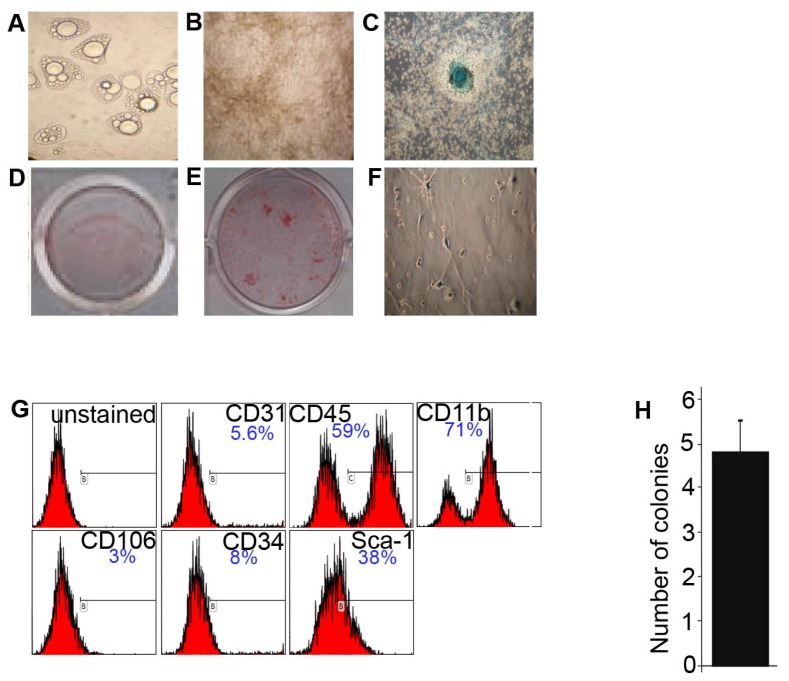
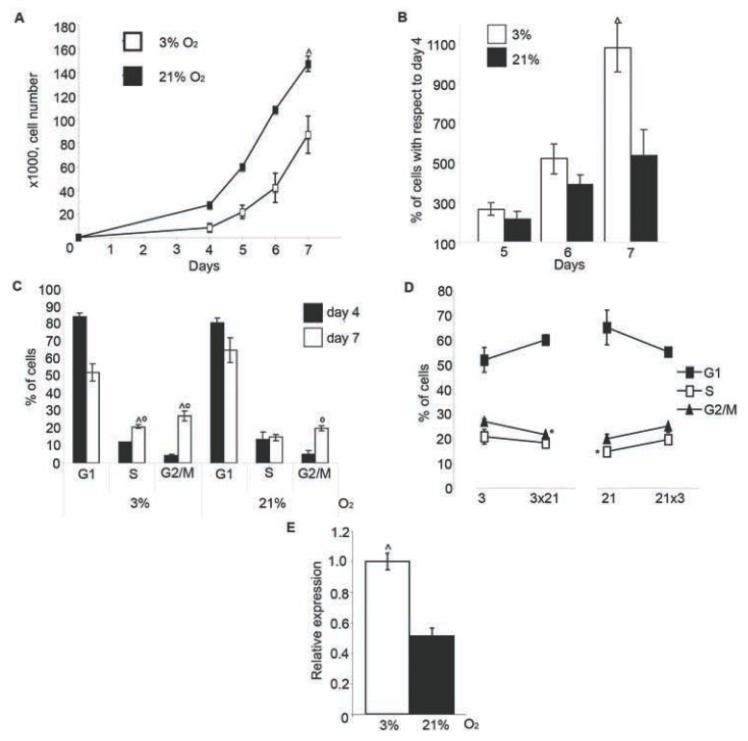
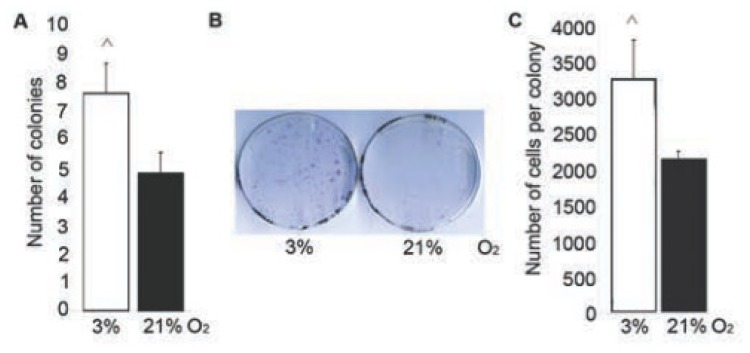
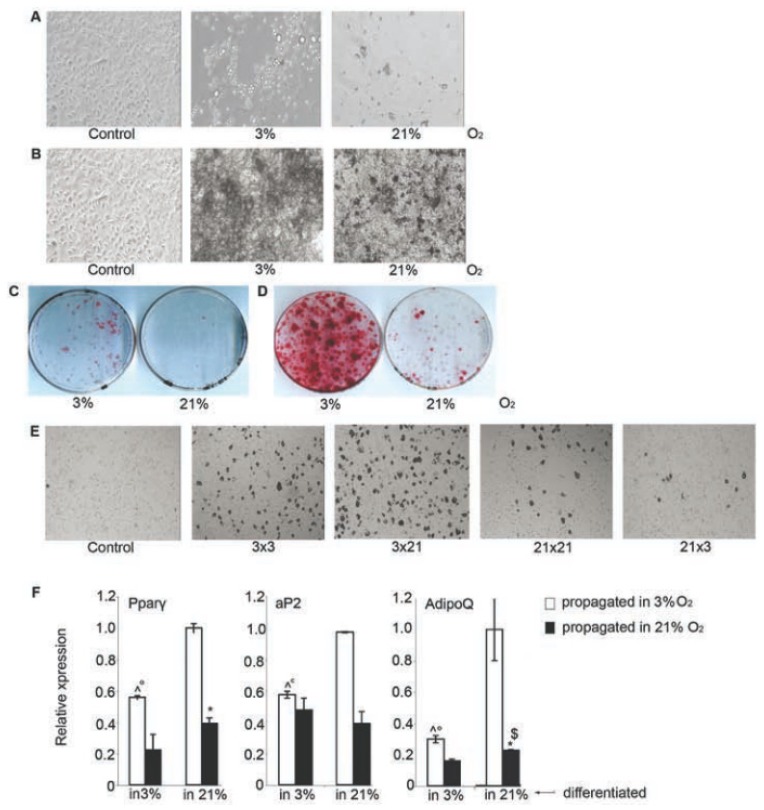
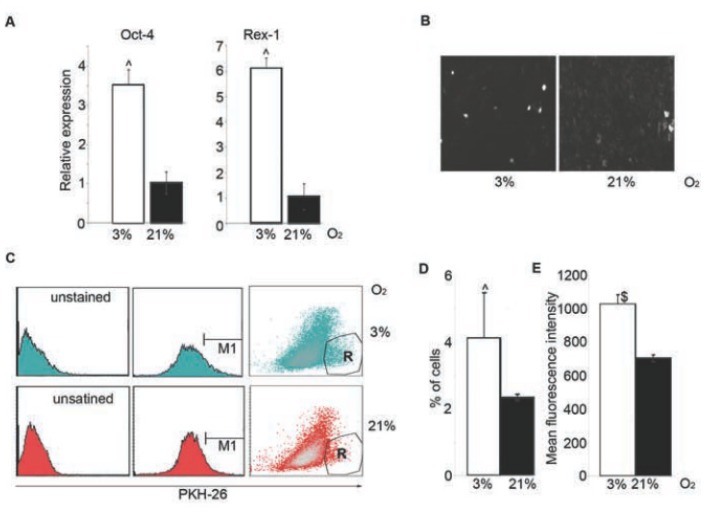
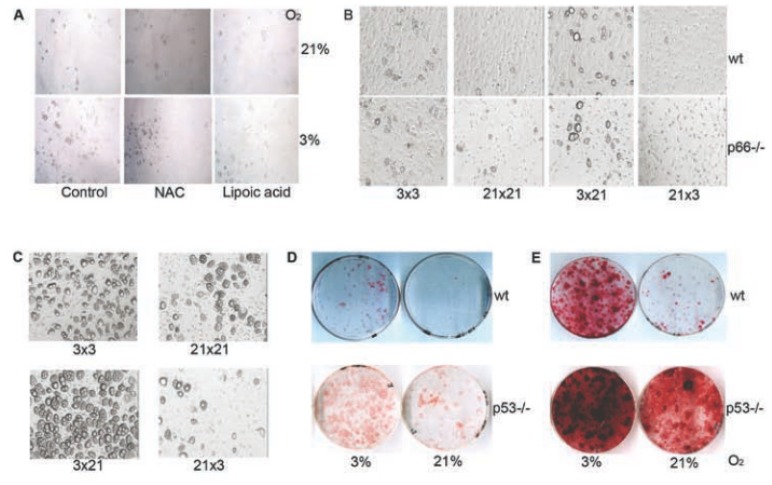
Optimization of mesenchymal stem cells (MSC) culture conditions is of great importance for their more successful application in regenerative medicine. O2 regulates various aspects of cellular biology and, in vivo, MSC are exposed to different O2 concentrations spanning from very low tension in the bone marrow niche, to higher amounts in wounds. In our present work, we isolated mouse bone marrow stromal cells (BMSC) and showed that they contained a population meeting requirements for MSC definition. In order to establish the effect of low O2 on cellular properties, we examined BSMC cultured under hypoxic (3% O2) conditions. Our results demonstrate that 3% O2 augmented proliferation of BMSC, as well as the formation of colonies in the colony-forming unit assay (CFU-A), the percentage of quiescent cells, and the expression of stemness markers Rex-1 and Oct-4, thereby suggesting an increase in the stemness of culture when exposed to hypoxia. In contrast, intrinsic differentiation processes were inhibited by 3% O2. Overall yield of differentiation was dependent on the adjustment of O2 tension to the specific stage of BMSC culture. Thus, we established a strategy for efficient BMSC in vitro differentiation using an initial phase of cell propagation at 3% O2, followed by differentiation stage at 21% O2. We also demonstrated that 3% O2 affected BMSC differentiation in p53 and reactive oxygen species (ROS) independent pathways. Our findings can significantly contribute to the obtaining of high-quality MSC for effective cell therapy.
Overview
The claims and statistics of this paper haven’t been checked yet.
Free: it reads the open-access text and checks the first 5 claims that cite a source we can check. Create a free account to check every claim.
Integrity signals
Registry
Cites
Statistics
Figures
Verification
Claims the paper makes
The claims and statistics of this paper haven’t been checked yet.
Free: it reads the open-access text and checks the first 5 claims that cite a source we can check. Create a free account to check every claim.
Claims other papers make about this one
Each is checked against this paper’s own text: does it say what the citing paper says it does?
The source backs part of the claim, not all of it — or backs it for a different population, condition or comparison.
In the citing paper
“Typically, however, MSCs are expanded under atmospheric (20.9%) oxygen tension (i.e., normoxia), a process that has been shown to impair their proliferative and differentiation capacity [25, 26] and does not properly recapitulate or prepare them for the in vivo environment.”
From Short-term physiological hypoxia potentiates the therapeutic function of mesenchymal stem cells (2018) · cites this paper as [25]
Experimental — accuracy not yet measuredThe cited source says what the claim attributes to it.
In the citing paper
“A large number of studies demonstrated that MSCs cultured in hypoxia exhibit higher rates of proliferation and better retain their stem cell properties [25, 30–33].”
From Short-term physiological hypoxia potentiates the therapeutic function of mesenchymal stem cells (2018) · cites this paper as [25]
Self-check
Percentages, sums and reported differences re-computed from the paper’s own numbers.
The self-check needs the paper’s full text.
Citations
Cites
Targeting HIF-1 for cancer therapy
Semenza, G. L. (2003) · Nature Reviews Cancer · doi:10.1038/nrc1187 · Cited by 6,717 · cited 1×
“It is known that low O2 induces stabilization of the transcription factor Hif-1α, which regulates cellular response to hypoxia [25].”
BackgroundMarrow Stromal Cells as Stem Cells for Nonhematopoietic Tissues
Prockop, D. J. (1997) · Science · doi:10.1126/science.276.5309.71 · Cited by 4,629 · cited 1×
“So far, the majority of research has been focused on human MSC (hMSC) since they are well defined, represent a homogeneous population, and show a high in vitro proliferation rate [6].”
BackgroundStimulation of adipogenesis in fibroblasts by PPARγ2, a lipid-activated transcription factor
Tontonoz, P., Hu, E., & Spiegelman, B. M. (1994) · Cell · doi:10.1016/0092-8674(94)90006-x · Cited by 3,529 · cited 2×
“We confirmed this pattern of BMSC adipocytic differentiation by qPCR, which showed the highest expression of adipocytic differentiation markers Pparγ2 [27], aP2 [28] and adipoQ [29] in cells amplified in 3% O2 and switched for the differentiation to 21% O2 (Figure 4F).”
Nichols, J., Zevnik, B., Anastassiadis, K., Niwa, H., Klewe-Nebenius, D., Chambers, I., Schöler, H., & Smith, A. (1998) · Cell · doi:10.1016/s0092-8674(00)81769-9 · Cited by 3,392 · cited 1×
“Oct-4 and Rex-1 are pluripotent stem cell markers, which were initially described in embryonic stem cells [30,31].”
Background(1989) · PubMed · Cited by 3,343
Wilson, A., Laurenti, E., Oser, G., van der Wath, R. C., Blanco-Bose, W., Jaworski, M., Offner, S., Dunant, C. F., Eshkind, L., Bockamp, E., et al. (2008) · Cell · doi:10.1016/j.cell.2008.10.048 · Cited by 1,908 · cited 1×
“Adult stem cells divide occasionally [33] to renew themselves and generate progeny committed to differentiation [34].”
BackgroundThe p66shc adaptor protein controls oxidative stress response and life span in mammals
Migliaccio, E., Giorgio, M., Mele, S., Pelicci, G., Reboldi, P., Pandolfi, P. P., Lanfrancone, L., & Pelicci, P. G. (1999) · Nature · doi:10.1038/46311 · Cited by 1,712 · cited 1×
“To validate the role of ROS in O2’s effect on the stemness and differentiation, we tested differentiation of BMSC treated with antioxidants such as lipoic acid or N-Acetylcysteine (NAC), or differentiation of BMSC derived from p66-deficient mice characterized by reduced ROS levels ([35] and Figure S1).”
MethodSelf-citationFibroblast precursors in normal and irradiated mouse hematopoietic organs.
Friedenstein, A. J., Jf, G., & Nn, K. (1976) · PubMed · Cited by 1,658
Peister, A., Mellad, J. A., Larson, B. L., Hall, B. M., Gibson, L. F., & Prockop, D. J. (2004) · Blood · doi:10.1182/blood-2003-09-3070 · Cited by 994 · cited 2×
“Studies on murine MSC are restricted by a high heterogeneity of primary cultures, lack of CD set for specific MSC isolation, and decline in proliferation with time [7,8].”
BackgroundDistribution of hematopoietic stem cells in the bone marrow according to regional hypoxia
Parmar, K., Mauch, P., Vergilio, J.-A., Sackstein, R., & Down, J. D. (2007) · Proceedings of the National Academy of Sciences · doi:10.1073/pnas.0701152104 · Cited by 867 · cited 1×
“Activation of specific O2 sensitive pathways is particularly important for cells migrating into different sites of the organism, such as stem cells from bone marrow [39,40].”
Background
Cited by
Mesenchymal stem cells and immunomodulation: current status and future prospects
Gao, F., Chiu, S. M., Motan, D. A. L., Zhang, Z., Chen, L., Ji, H.-L., Tse, H.-F., Fu, Q.-L., & Lian, Q. (2016) · Cell Death & Disease · doi:10.1038/cddis.2015.327 · Cited by 1,121
Mesenchymal Stem Cells for Regenerative Medicine
Han, Y., Li, X., Zhang, Y., Han, Y., Chang, F., & Ding, J. (2019) · Cells · doi:10.3390/cells8080886 · Cited by 1,093
Madrigal, M., Rao, K. S., & Riordan, N. H. (2014) · Journal of Translational Medicine · doi:10.1186/s12967-014-0260-8 · Cited by 615
“to hypoxia results in augmented cellular proliferation and the formation of colonies in the colony-forming unit assay (CFU-A) and the expression of stemness markers Rex-1 and Oct-4, thereby suggesting an increase in the stemness of BM-MSC when exposed to hypoxia [49].”
BackgroundMesenchymal stromal cell secretome: influencing therapeutic potential by cellular pre-conditioning
Ferreira, J. R., Teixeira, G. Q., Santos, S. G., Barbosa, M. A., Almeida-Porada, G., & Gonçalves, R. M. (2018) · Frontiers in Immunology · doi:10.3389/fimmu.2018.02837 · Cited by 572
“Moreover, culturing MSCs in hypoxic conditions has been shown to maintainMSCs’ multipotency (110), enhanceMSCs proliferation (111), and increase their levels of cytoprotective molecules (98) (Table 3), thereby improving the ability of MSCs to survive in the harsh environment found within injury sites upon transplantat…”
BackgroundMesenchymal stem or stromal cells: a review of clinical applications and manufacturing practices
Sharma, R. R., Pollock, K., Hubel, A., & McKenna, D. (2014) · Transfusion · doi:10.1111/trf.12421 · Cited by 430
Mesenchymal Stem Cell-Mediated Effects of Tumor Support or Suppression
Rhee, K.-J., Lee, J., & Eom, Y. (2015) · International Journal of Molecular Sciences · doi:10.3390/ijms161226215 · Cited by 214
“Additionally, the expression of Rex-1 and Oct-4 was increased, leading to the conclusion that MSC stemness was increased during hypoxia [133].”
BackgroundMesenchymal stem cells as a double-edged sword in tumor growth: focusing on MSC-derived cytokines
Liang, W., Chen, X., Zhang, S., Fang, J., Chen, M., Xu, Y., & Chen, X. (2021) · Cellular & Molecular Biology Letters · doi:10.1186/s11658-020-00246-5 · Cited by 180
“Thus, an increase in MSC stemness during hypoxia was concluded [183].”
BackgroundHoch, A. I., & Leach, J. K. (2014) · Stem Cells Translational Medicine · doi:10.5966/sctm.2013-0196 · Cited by 165
Short-term physiological hypoxia potentiates the therapeutic function of mesenchymal stem cells
Antebi, B., Rodriguez, L. A., Walker, K. P., Asher, A. M., Kamucheka, R. M., Alvarado, L., Mohammadipoor, A., & Cancio, L. C. (2018) · Stem Cell Research & Therapy · doi:10.1186/s13287-018-1007-x · Cited by 137
Mesenchymal Stem Cells in the Tumor Microenvironment
Atiya, H. I., Frisbie, L. G., Pressimone, C. A., & Coffman, L. G. (2020) · Advances in experimental medicine and biology · doi:10.1007/978-3-030-37184-5_3 · Cited by 138
Engineering exosomes and biomaterial-assisted exosomes as therapeutic carriers for bone regeneration
Lu, Y., Mai, Z., Cui, L., & Zhao, X. (2023) · Stem Cell Research & Therapy · doi:10.1186/s13287-023-03275-x · Cited by 115
Mesenchymal stem cell transformation and sarcoma genesis
Xiao, W., Mohseny, A. B., Hogendoorn, P. C. W., & Cleton-Jansen, A.-M. (2013) · Clinical Sarcoma Research · doi:10.1186/2045-3329-3-10 · Cited by 103
“There has also been research showing that the low oxygen tension is important for multipotency maintenance of MSCs, while normal oxygen level will induce differentiation [74].”
BackgroundKim, J. H., Song, S. Y., Park, S. G., Song, S. U., Xia, Y., & Sung, J.-H. (2011) · Stem Cells and Development · doi:10.1089/scd.2011.0561 · Cited by 71
Secretomes from Mesenchymal Stem Cells against Acute Kidney Injury: Possible Heterogeneity
Tsuji, K., Kitamura, S., & Wada, J. (2018) · Stem Cells International · doi:10.1155/2018/8693137 · Cited by 68
“Hypoxic condition increases the expression of stem cell markers, such as Oct-4 and Rex-1 from MSCs, indicating the increased stemness [92].”
BackgroundChoi, J. R., Pingguan-Murphy, B., Wan Abas, W. A. B., Yong, K. W., Poon, C. T., Noor Azmi, M. A., Omar, S. Z., Chua, K. H., Xu, F., & Wan Safwani, W. K. Z. (2015) · PLOS ONE · doi:10.1371/journal.pone.0115034 · Cited by 63
Three-dimensional bioactive hydrogel-based scaffolds for bone regeneration in implant dentistry
Sordi, M. B., da Cruz, A. C. C., Fredel, M. C., Magini, R. D. S., & Sharpe, P. T. (2021) · Materials Science and Engineering C · doi:10.1016/j.msec.2021.112055 · Cited by 68
Exosomes from preconditioned mesenchymal stem cells: Tissue repair and regeneration
Long, R., & Wang, S. (2024) · Regenerative Therapy · doi:10.1016/j.reth.2024.01.009 · Cited by 69
“Culturing MSCs in a hypoxic environment has been demonstrated to better preserve their proliferation [19] and multidirectional differentiation abilities [20].”
BackgroundExternal factors influencing mesenchymal stem cell fate in vitro
Sisakhtnezhad, S., Alimoradi, E., & Akrami, H. (2016) · European Journal of Cell Biology · doi:10.1016/j.ejcb.2016.11.003 · Cited by 70
Nowak-Stępniowska, A., Osuchowska, P. N., Fiedorowicz, H., & Trafny, E. A. (2022) · Stem Cells International · doi:10.1155/2022/8775591 · Cited by 68
Shin, H.-S., Lee, S.-Y., Kim, Y.-M., & Lim, J. (2018) · Stem Cells · doi:10.1002/stem.2818 · Cited by 63
Yuan, Z., Zhang, J., Huang, Y. L., Zhang, Y., Liu, W., Wang, G., Zhang, Q., Wang, G., Yang, Y., Li, H., et al. (2017) · Biochemical and Biophysical Research Communications · doi:10.1016/j.bbrc.2017.07.083 · Cited by 55
Hypoxia changes chemotaxis behaviour of mesenchymal stem cells via HIF‐1α signalling
Xu, W., Xu, R., Li, Z., Wang, Y., & Hu, R. (2019) · Journal of Cellular and Molecular Medicine · doi:10.1111/jcmm.14091 · Cited by 60
“This suggests that oxygen tension plays an important role in stem cell regulation and indeed oxygen tension was recently found to affect MSC differentiation.(4) However, it is not clear if the migration of MSCs is also influenced by oxygen tension.”
BackgroundOsathanon, T., Vivatbutsiri, P., Sukarawan, W., Sriarj, W., Pavasant, P., & Sooampon, S. (2015) · Archives of Oral Biology · doi:10.1016/j.archoralbio.2014.08.018 · Cited by 48
Liu, J., Qiu, P., Qin, J., Wu, X., Wang, X., Yang, X., Li, B., Zhang, W., Ye, K., Peng, Z., et al. (2020) · Stem Cells · doi:10.1002/stem.3250 · Cited by 56
“Previous studies have confirmed that MSCs exhibit better stemness and enhanced paracrine effect under hypoxic conditions.(25,26) In addition, MSCs have been shown to display anti-inflammatory and therapeutic effects on skin, arthrosis, andmuscle by interacting withmacrophages.”
BackgroundKushibiki, T., Tu, Y., Abu‐Yousif, A. O., & Hasan, T. G. (2015) · Scientific Reports · doi:10.1038/srep13114 · Cited by 54
“Oxygen tension influences proliferation and pluripotency of bone marrow–derived stem cells (BMSCs) 18 , in which ROS transduce a variety of signals related to control of differentiation 19 .”
Qian, W., Huang, L., Xu, Y., Lu, W., Wen, W., Guo, Z., Zhu, W., & Li, Y. (2022) · Inflammatory Bowel Diseases · doi:10.1093/ibd/izac225 · Cited by 49
Rodriguez, L., Mohammadipoor, A., Alvarado, L., Kamucheka, R. M., Asher, A. M., Cancio, L. C., & Antebi, B. (2019) · Cells · doi:10.3390/cells8050462 · Cited by 46
Sandvig, I., Gadjanski, I., Vlaski‐Lafarge, M., Bużańska, L., Loncaric, D., Sarnowska, A., Rodríguez, L., Sandvig, A., & Ivanović, Z. (2017) · Stem Cells and Development · doi:10.1089/scd.2016.0268 · Cited by 44
“The authors concluded that a suitable strategy for efficient BM-MSC ex vivo differentiation should involve an initial phase of cell propagation at 3% O 2 , followed by a differentiation stage at 21% O 2 [63].”
Insight into Hypoxia Stemness Control
Mattia, M. D., Mauro, A., Citeroni, M. R., Dufrusine, B., Peserico, A., Russo, V., Berardinelli, P., Dainese, E., Cimini, A., & Barboni, B. (2021) · Cells · doi:10.3390/cells10082161 · Cited by 45
Zubair, M., Abouelnazar, F. A., Iqbal, M. A., Pan, J., Zheng, X., Chen, T., Shen, W., Yin, J., Yan, Y., Liu, P., et al. (2025) · Frontiers in Cell and Developmental Biology · doi:10.3389/fcell.2025.1563427 · Cited by 46
Bone marrow microenvironment modulation of acute lymphoblastic leukemia phenotype
Moses, B. S., Slone, W. L., Thomas, P., Evans, R., Piktel, D., Angel, P. M., Walsh, C. M., Cantrell, P. S., Rellick, S. L., Martin, K. H., et al. (2015) · Experimental Hematology · doi:10.1016/j.exphem.2015.09.003 · Cited by 39
“Cultures were maintained in 5% O2 to model normal bone marrow oxygen tension, reported to range from 1% to 7% [20–22].”
MethodStiers, P., van Gastel, N., & Carmeliet, G. (2016) · Molecular and Cellular Endocrinology · doi:10.1016/j.mce.2015.12.024 · Cited by 40
Pape, F. L., Cosnuau, L., Richard, G., Dubrana, F., Férec, C., Zal, F., Leize‐Zal, E., & Delépine, P. (2017) · Artificial Organs · doi:10.1111/aor.12892 · Cited by 36
Chen, Y., Zhao, Q., Yang, X., Yu, X., Yu, D., & Zhao, W. (2019) · Cell Stress and Chaperones · doi:10.1007/s12192-019-00981-5 · Cited by 32
Immunomodulation effect of mesenchymal stem cells in islet transplantation
Shrestha, M., Nguyen, T. T., Park, J., Choi, J. U., Yook, S., & Jeong, J. (2021) · Biomedicine & Pharmacotherapy · doi:10.1016/j.biopha.2021.112042 · Cited by 28
Choi, W., Kwon, S., Jin, H. J., Jeong, S. Y., Choi, S. J., Oh, W., Yang, Y. S., Jeon, H. B., & Jeon, E. S. (2017) · Clinical and Translational Medicine · doi:10.1186/s40169-017-0168-z · Cited by 26
“Indeed, the use of hypoxia (3% O2) during the isolation step has been shown to select for a highly primitive hMSC-like cell population from the bone marrow with markedly improved self-renewal abilities [15].”
BackgroundRamuta, T. Ž., & Kreft, M. E. (2022) · Cancers · doi:10.3390/cancers14153761 · Cited by 31
Zhu, Y., Song, X., Wang, J., Li, Y., Yang, Y., Yang, T., Ma, H., Wang, L., Zhang, G., Cho, W. C. S., et al. (2014) · Expert Opinion on Biological Therapy · doi:10.1517/14712598.2015.960837 · Cited by 25
“However, the niche (culture microenvironment) plays an essential role in cell growth, differentiation and even tumorigenesis, therefore the safety of MSCs expanded in a serumfree medium should be considered [41,42].”
BackgroundLuo, Y., Li, Z., Wang, X., Wang, J., Duan, X., Li, R., Peng, Y., Ye, Q., & He, Y. (2022) · Frontiers in Bioengineering and Biotechnology · doi:10.3389/fbioe.2022.1016833 · Cited by 25
“stromal cell-derived factor 1 genes (Ceradini et al., 2004; Berniakovich and Giorgio, 2013).”
Adipose-derived stem cells exosome and its potential applications in autologous fat grafting
Zhang, Y., & Liu, T. (2022) · Journal of Plastic Reconstructive & Aesthetic Surgery · doi:10.1016/j.bjps.2022.10.050 · Cited by 26
Ong, L. J. Y., Sun, A. R., Wang, Z., Lee, J., Prasadam, I., & Toh, Y. (2024) · Advanced Functional Materials · doi:10.1002/adfm.202315608 · Cited by 26
Park, S.-M., Li, Q., Ryu, M., Nam, A., An, J., Ji-In, Y. A. N. G., Kim, S., Song, W., & Youn, H. (2019) · Veterinary Immunology and Immunopathology · doi:10.1016/j.vetimm.2019.109973 · Cited by 22
Roth, M., Spaniol, K., Kordes, C., Schwarz, S., Mertsch, S., Häussinger, D., Rotter, N., Geerling, G., & Schrader, S. (2015) · Investigative Ophthalmology & Visual Science · doi:10.1167/iovs.14-15475 · Cited by 23
Primary cilium-associated genes mediate bone marrow stromal cell response to hypoxia
Brown, J. A. L., Santra, T., Owens, P., Morrison, A. M., & Barry, F. (2014) · Stem Cell Research · doi:10.1016/j.scr.2014.06.006 · Cited by 22
“Indeed previous work has indicated that the long-term culture of BMSCs under hypoxic conditions supports BMSCs retaining an undifferentiated state (Basciano et al., 2011; Berniakovich and Giorgio, 2013).”
InfluentialRazmkhah, M., Abtahi, S., & Ghaderi, A. A. (2018) · Current Stem Cell Research & Therapy · doi:10.2174/1574888x13666180816114809 · Cited by 21
Domann, F. E. (2013) · International Journal of Molecular Sciences · doi:10.3390/ijms14048491 · Cited by 17
“In addition there are reports pertaining to endoplasmic reticulum stress [12], hypoxic stem cell niches [20], adaptive responses to oxidative stress [21], and a paper describing a Columbian medicinal plant that inhibits lipid peroxidation [22].”
BackgroundSivanathan, K. N., Gronthos, S., Grey, S. T., Rojas‐Canales, D. M., & Coates, P. T. H. (2016) · Stem Cells and Development · doi:10.1089/scd.2016.0180 · Cited by 16
“20 BM mMSC clonogenicity and retained their multipotency [45-47].”
Hypoxia and Hypoxia Mimetic Agents As Potential Priming Approaches to Empower Mesenchymal Stem Cells
Yasan, G. T., & ÖZCAN, A. G. (2023) · Current Stem Cell Research & Therapy · doi:10.2174/1574888x18666230113143234 · Cited by 18
Modeling Chemotherapy Resistant Leukemia In Vitro
Slone, W. L., Moses, B. S., Evans, R., Piktel, D., Martin, K. H., Petros, W. P., Craig, M., & Gibson, L. F. (2016) · Journal of Visualized Experiments · doi:10.3791/53645 · Cited by 15
Mkx mediates tenogenic differentiation but incompletely inhibits the proliferation of hypoxic MSCs
Chen, G., Dong, F., Zhang, W., Wang, S., Gu, J., Gao, Y., He, L., Li, W., Zhang, C., Li, M., et al. (2021) · Stem Cell Research & Therapy · doi:10.1186/s13287-021-02506-3 · Cited by 15
Li, P., Xu, Y., Gan, Y., Song, L., Zhang, C., Wang, L., & Zhou, Q. (2016) · International Journal of Medical Sciences · doi:10.7150/ijms.16045 · Cited by 14
“In other types of stem cells, oxygen tension alteration-induced changes in differentiation capacity are often reported during the past years [20, 27, 28].”
BackgroundBCL6 modulation of acute lymphoblastic leukemia response to chemotherapy
Slone, W. L., Moses, B. S., Hare, I., Evans, R., Piktel, D., & Gibson, L. F. (2016) · Oncotarget · doi:10.18632/oncotarget.8273 · Cited by 15
Zhang, M., Shi, X.-L., Wu, J., Wang, Y., Lin, J. J., Zhao, Y. N., Li, H., Ren, M., Hu, R., Liu, F., et al. (2019) · Archives of Oral Biology · doi:10.1016/j.archoralbio.2019.104525 · Cited by 16
Redox signaling regulates the skeletal tissue development and regeneration
Zhang, H., Hao, J., Hong, H., Gu, W. L., Li, Z., Sun, J., Zhan, H., Wei, X., & Zhou, L. M. (2023) · Biotechnology and Genetic Engineering Reviews · doi:10.1080/02648725.2023.2199244 · Cited by 16
“Stemness is one of the most critical characteristics of MSCs, and it plays a crucial role in regulating the stem cells to self-renew (Schröder, 2020, to synthesize extracellular matrix components (P. Zhang et al., 2016), and to differentiate (Berniakovich & Giorgio, 2013).”
Höfig, I., Ingawale, Y., Atkinson, M. J., Hertlein, H., Nelson, P. J., & Rosemann, M. (2015) · Stem Cells International · doi:10.1155/2016/6429853 · Cited by 18
Zhang, J., Xiong, L., Tang, W., Tang, L., & Wang, B. (2018) · In Vitro Cellular & Developmental Biology - Animal · doi:10.1007/s11626-018-0281-3 · Cited by 12
Wang, Z., Huang, M., Zhang, Y., Jiang, X., & Xu, L. (2023) · Stem Cells International · doi:10.1155/2023/4547875 · Cited by 15
“DPSCs are also expected to be able to treat type 2 diabetes and rheumatoid arthritis [127].”
BackgroundMesenchymal Stem Cells: Pivotal Players in Hematopoietic Stem Cell Microenvironment
Marsafy, S. E., Larghero, J., Bennaceur-Griscelli, A., & Turhan, A. (2014) · Journal of Stem Cell Research & Therapy · doi:10.4172/2157-7633.1000225 · Cited by 10
“Of interest, MSC stemness and survival are promoted by hypoxia through mechanisms involving autophagy and up-regulation of selfrenewal markers such as oct-4, sox-2 and Nanog [14,15].”
BackgroundDeng, X., Jing, D., Liang, H., Zheng, D., & Shao, Z. (2019) · Medical Science Monitor · doi:10.12659/msm.914011 · Cited by 9
“Stemness plays an important role in the ability of stem cells to self-renew [29], to synthesize extracellular matrix components [30,31], and to differentiate [32].”
BackgroundRizvi, S. F. A., Wasim, B., Usman, S., Borges, K. J. J., Sahibdad, I., Salim, A., & Khan, I. (2022) · Molecular and Cellular Biochemistry · doi:10.1007/s11010-022-04468-3 · Cited by 9
Kawasaki, T., Sumita, Y., Egashira, K., Ohba, S., Kagami, H., Tran, S. D., & Asahina, I. (2015) · BioResearch open access · doi:10.1089/biores.2014.0049 · Cited by 8
Patel, A. N., Bartlett, C. E., & Ichim, T. E. (2015) · Elsevier eBooks · doi:10.1016/b978-0-12-801888-0.00011-4 · Cited by 11
Biliary Epithelial Cells Are Not the Predominant Source of Hepatic CXCL12
Saiman, Y., Sugiyama, T., Simchoni, N., Spirlı̀, C., & Bansal, M. B. (2015) · American Journal Of Pathology · doi:10.1016/j.ajpath.2015.03.006 · Cited by 6
“The relationship between CXCL12 and low oxygen tension is also seen within the bone marrow stem cell niche, where regions of hypoxia demonstrate increased CXCL12 expression.(33,34) Similar to the bone marrow compartment, the liver is considered a low oxygen tension organ.”
BackgroundLi, G., Liu, X., Du, Q., Gao, M., & An, J. (2015) · Experimental Biology and Medicine · doi:10.1177/1535370215594583 · Cited by 6
Zhao, W., Zhang, Y., Han, B., Zhou, H., & Chen, Q. (2025) · Stem Cells International · doi:10.1155/sci/9974294 · Cited by 3
“In addition, the hypoxic environment leads to the activation of HIF-1 α , which subsequently induces the transcription of angiogenic genes, such as VEGF [73, 74], as well as the MSC chemotactic factor SDF-1 [75].”
Sasson, D. C., Islam, S., Duan, K., Dash, B. C., & Hsia, H. C. (2023) · Cellular and Molecular Bioengineering · doi:10.1007/s12195-023-00764-0 · Cited by 3
“In vitro preconditioning has been explored to enhance the therapeutic potential of stem cells and includes techniques such as 3D culture, pharmacological compounds, inflammatory cytokines, and hypoxia [4, 19, 21, 33, 39].”
BackgroundThe role of mesenchymal stromal cells in the repair of acute organ injury
Темнов, А. А., Vagabov, A. V., Склифас, А. Н., Novoselov, V. I., & Belyi, Y. A. (2016) · Wiley eBooks · doi:10.1002/9781118907474.ch35 · Cited by 3
Harnessing MSC Immunomodulation in Orthopedics: Clinical Insights for Comorbidities
Rasouli, M., Reynolds, S. T., & Wenke, J. C. (2025) · Stem Cell Reviews and Reports · doi:10.1007/s12015-025-11040-1 · Cited by 3
Enhancing the Potency of Mesenchymal Stem Cells for Tissue Regeneration
Müller, S. (2015) · International Journal of Stem cell Research & Therapy · doi:10.23937/2469-570x/1410013 · Cited by 1
“Growth in hypoxic conditions (2-7% oxygen) has been known to benefit cell cultures since the mid-20th century [115] with multiple studies reporting that culture of MSC samples in hypoxia enhanced the rate of proliferation and maintained the lifespan of cultures [113, 116-122], though when the oxygen concentration is t…”
Bose, B., Katikireddy, K. R., & Sudheer Shenoy, P. (2014) · Springer eBooks · doi:10.1007/978-3-319-13126-9_13 · Cited by 1
“Hypoxic conditions reportedly cause reduced oxidative damage to the MSCs, thereby maintaining their multipotentiality (Berniakovich and Giorgio 2013).”
BackgroundGómez-Ferrer, M. (2022) · RiuNet (Universitat Politècnica de València) · doi:10.4995/thesis/10251/182560 · Cited by 2
Ong, L. J. Y., Sun, A. R., Wang, Z., Lee, J., Pradasadam, I., & Toh, Y. (2023) · bioRxiv (Cold Spring Harbor Laboratory) · doi:10.1101/2023.11.20.567822 · Cited by 1
Edip, S. T. (2013) · Research Repository (Delft University of Technology)
The role of synovial progenitor cells in cartilage repair
Mak, J. (2014) · Libraries and Cultural Resources (University of Calgary) · doi:10.11575/prism/28359
Mesenchymal Stem Cells: Pivotal Players in Hematopoietic Stem Cell
Larghero, J., Griscelli, A. B., & Turhan, A. G. (2014)
Bone Marrow Microenvironment regulation of BCL6 in Acute Lymphoblastic Leukemia
Slone, W. L. (2016) · The Research Repository @ WVU (West Virginia University) · doi:10.33915/etd.6656
Approaches for Stimulating Proliferation of Stem Cells in Vitro
Weilong, L., Li, H., & Cai, L. (2017) · Journal of Advances in Molecular Biology · doi:10.22606/jamb.2017.11002
The role of miRNAs in niche regulation of ALL phenotype
Moses, B. S. (2016) · The Research Repository @ WVU (West Virginia University) · doi:10.33915/etd.6270
Multipotent Stromal Cells in a Tumor Microenvironment
Bruna, F. (2019) · IntechOpen eBooks · doi:10.5772/intechopen.77345
“In addition, the expression of Rex-1 and Oct-4 was increased, leading to the conclusion that MSC scion was increased during hypoxia [100].”
Backgroundfallah, F., Pourhassan, P., Khani, M., Burke, B., Ebrahimi, M., & Sotoodehnejadnematalahi, F. (2022) · Research Square · doi:10.21203/rs.3.rs-1222431/v1 · Cited by 1
Bone Marrow-Derived Stromal Stem Cells as Tools of Cellular Therapy
McDonald, J. L., Kim, K. H., & Fábián, Z. (2024) · Elsevier eBooks · doi:10.1016/b978-0-443-15717-2.00115-3
Chen, G., Fan, D., Zhang, W., Wang, S., Gu, J., Gao, Y., He, L., Li, W., Zhang, C., Li, M., et al. (2021) · Figshare · doi:10.6084/m9.figshare.15071588
Chen, G., Fan, D., Zhang, W., Wang, S., Gu, J., Gao, Y., He, L., Li, W., Zhang, C., Li, M., et al. (2021) · Figshare · doi:10.6084/m9.figshare.15071552
Chen, G., Fan, D., Zhang, W., Wang, S., Gu, J., Gao, Y., He, L., Li, W., Zhang, C., Li, M., et al. (2021) · Figshare · doi:10.6084/m9.figshare.15071549
Chen, G., Fan, D., Zhang, W., Wang, S., Gu, J., Gao, Y., He, L., Li, W., Zhang, C., Li, M., et al. (2021) · Figshare · doi:10.6084/m9.figshare.15071597
Chen, G., Fan, D., Zhang, W., Wang, S., Gu, J., Gao, Y., He, L., Li, W., Zhang, C., Li, M., et al. (2021) · Figshare · doi:10.6084/m9.figshare.15071600
Chen, G., Fan, D., Zhang, W., Wang, S., Gu, J., Gao, Y., He, L., Li, W., Zhang, C., Li, M., et al. (2021) · Figshare · doi:10.6084/m9.figshare.15071579
Chen, G., Fan, D., Zhang, W., Wang, S., Gu, J., Gao, Y., He, L., Li, W., Zhang, C., Li, M., et al. (2021) · Figshare · doi:10.6084/m9.figshare.15071591
Chen, G., Fan, D., Zhang, W., Wang, S., Gu, J., Gao, Y., He, L., Li, W., Zhang, C., Li, M., et al. (2021) · Figshare · doi:10.6084/m9.figshare.15071564
Chen, G., Fan, D., Zhang, W., Wang, S., Gu, J., Gao, Y., He, L., Li, W., Zhang, C., Li, M., et al. (2021) · Figshare · doi:10.6084/m9.figshare.15071573
Chen, G., Fan, D., Zhang, W., Wang, S., Gu, J., Gao, Y., He, L., Li, W., Zhang, C., Li, M., et al. (2021) · Figshare · doi:10.6084/m9.figshare.15071561
Chen, G., Fan, D., Zhang, W., Wang, S., Gu, J., Gao, Y., He, L., Li, W., Zhang, C., Li, M., et al. (2021) · Figshare · doi:10.6084/m9.figshare.15071594
Chen, G., Fan, D., Zhang, W., Wang, S., Gu, J., Gao, Y., He, L., Li, W., Zhang, C., Li, M., et al. (2021) · Figshare · doi:10.6084/m9.figshare.15071570
Chen, G., Fan, D., Zhang, W., Wang, S., Gu, J., Gao, Y., He, L., Li, W., Zhang, C., Li, M., et al. (2021) · Figshare · doi:10.6084/m9.figshare.15071555
Chen, G., Fan, D., Zhang, W., Wang, S., Gu, J., Gao, Y., He, L., Li, W., Zhang, C., Li, M., et al. (2021) · Figshare · doi:10.6084/m9.figshare.15071558
Chen, G., Fan, D., Zhang, W., Wang, S., Gu, J., Gao, Y., He, L., Li, W., Zhang, C., Li, M., et al. (2021) · Figshare · doi:10.6084/m9.figshare.15071567
Chen, G., Fan, D., Zhang, W., Wang, S., Gu, J., Gao, Y., He, L., Li, W., Zhang, C., Li, M., et al. (2021) · Figshare · doi:10.6084/m9.figshare.15071543
Chen, G., Fan, D., Zhang, W., Wang, S., Gu, J., Gao, Y., He, L., Li, W., Zhang, C., Li, M., et al. (2021) · Figshare · doi:10.6084/m9.figshare.15071546
Chen, G., Fan, D., Zhang, W., Wang, S., Gu, J., Gao, Y., He, L., Li, W., Zhang, C., Li, M., et al. (2021) · Figshare · doi:10.6084/m9.figshare.15071585
Chen, G., Fan, D., Zhang, W., Wang, S., Gu, J., Gao, Y., He, L., Li, W., Zhang, C., Li, M., et al. (2021) · Figshare · doi:10.6084/m9.figshare.15071576
Metadata
- Authors
- Berniakovich, I., & Giorgio, M.
- Affiliations
- European Institute of Oncology (IT)
- Corresponding author
- Giorgio, Marco
- ORCID
- Giorgio, Marco
- Venue
- International Journal of Molecular Sciences
- Publisher
- MDPI AG
- Published
- 2013-01-22
- Volume
- 14
- Issue
- 1
- Pages
- 2119-2134
- ISSN
- 1422-0067 (ISSN-L)
- PMC
- PMC3565369
- OpenAlex
- W2111231523
- Cited by
- 103
- References
- 43
- Citations by year
- 2026: 1 · 2025: 3 · 2024: 3 · 2023: 6 · 2022: 8 · 2021: 24 · 2020: 2 · 2019: 9 · 2018: 6 · 2017: 5 · 2016: 10 · 2015: 12 · 2014: 9 · 2013: 4
- FWCI
- 5.74
- Type
- journal article
- Language
- en
- Open access
- gold
- doi.org
- Licence
- Locations
- International Journal of Molecular Sciences (publishedVersion, cc-by)
- Europe PMC (PubMed Central) (publishedVersion, cc-by)
- PubMed Central (publishedVersion, cc-by)
- PubMed (publishedVersion)
- DOAJ (DOAJ: Directory of Open Access Journals) (submittedVersion, cc-by-sa)
- Padua Research Archive (University of Padova) (submittedVersion)
- Topics
- Life Sciences › Biochemistry, Genetics and Molecular Biology › Cell Biology › Mesenchymal stem cell research
- Health Sciences › Medicine › Hematology › Hematopoietic Stem Cell Transplantation
- Life Sciences › Biochemistry, Genetics and Molecular Biology › Molecular Biology › Pluripotent Stem Cells Research
- Keywords
- mesenchymal stem cells, hypoxia, oxygen partial pressure, stemness, multipotency, cell differentiation, cell proliferation, colony-forming units, Oct4, Rex1, p53, reactive oxygen species, cell therapy
- MeSH terms
- Animals, Bone Marrow Cells, Cell Differentiation, Oxygen, Transcription Factors, Cell Hypoxia, Mice, Knockout, Octamer Transcription Factor-3, Mice, Mesenchymal Stem Cells
About these checks
Registry, retraction, Cites and statistics results are computed, not judged, with one exception: a printed reference that no index lists is read once by a model before it counts as a citation error. Claims are extracted by a model and kept only when their quote appears verbatim in the text; each cited source is then checked, with a model’s help, for whether it says what the claim relies on. Those verdicts can be wrong — read the claim’s quote and the cited source before relying on one.
Statistics and arithmetic are recomputed, not judged.
Confidence bands are shown only for fields calibrated on our annotated test set. None is calibrated yet, so no band is shown.
What counts as a claim ›How we measure confidence ›How we check this ›
Are you an author, or do you see a problem with this page? Request a review
Data sources
Bibliographic data: Semantic Scholar, OpenAlex, Crossref.
Contains information from the Semantic Scholar Academic Graph Datasets, made available under the ODC Attribution License (ODC-BY 1.0).
Semantic Scholar’s data is described in: Kinney, R., et al. (2023). The Semantic Scholar Open Data Platform. arXiv:2301.10140.
