

The DOI matches its Crossref record; 59 of the 61 references it cites were found in a registry or an index, and 2 are not checked yet.
Biological Mechanisms Underlying the Ultraviolet Radiation-Induced Formation of Skin Wrinkling and Sagging I: Reduced Skin Elasticity, Highly Associated with Enhanced Dermal Elastase Activity, Triggers Wrinkling and Sagging
Open accessAbstract
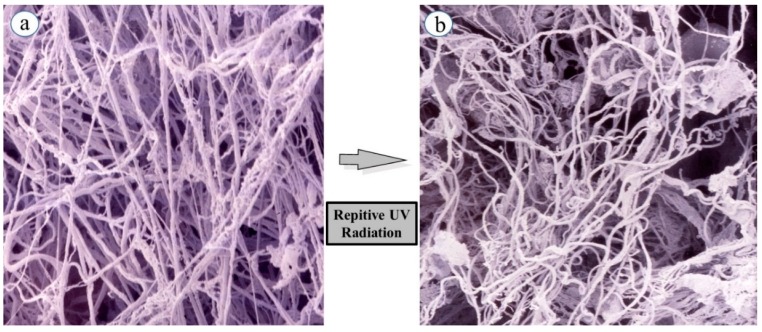
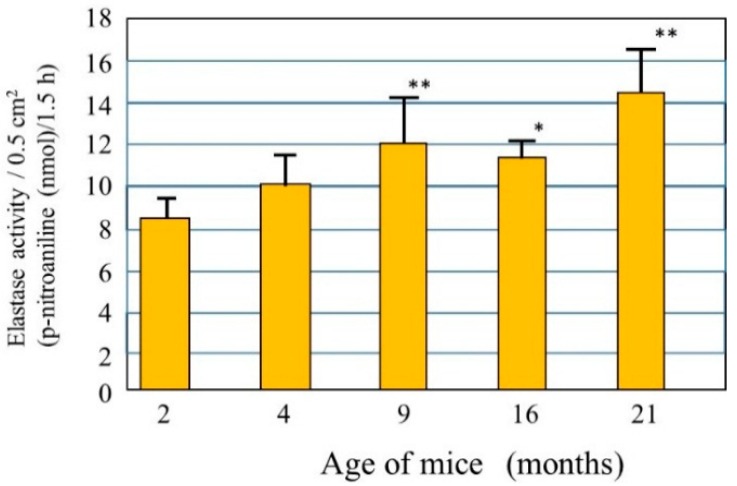
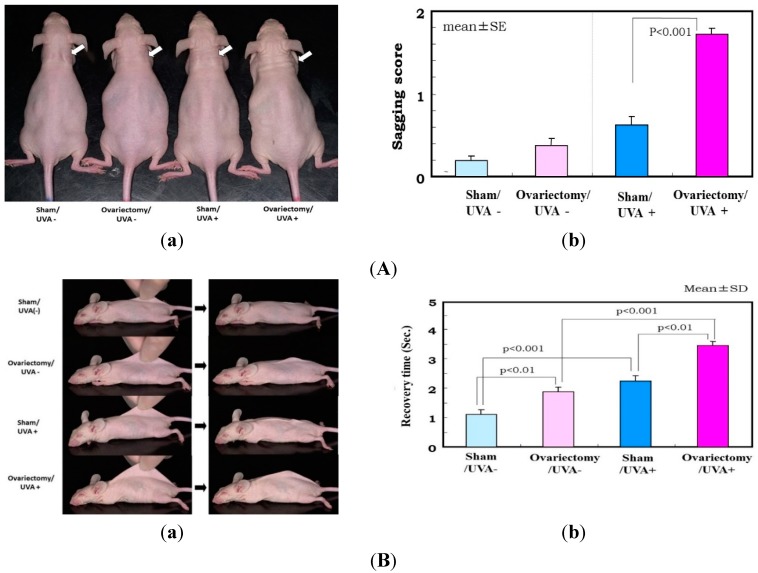
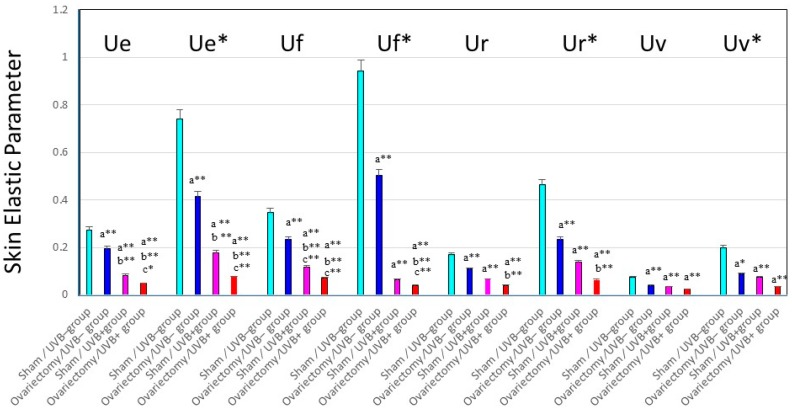
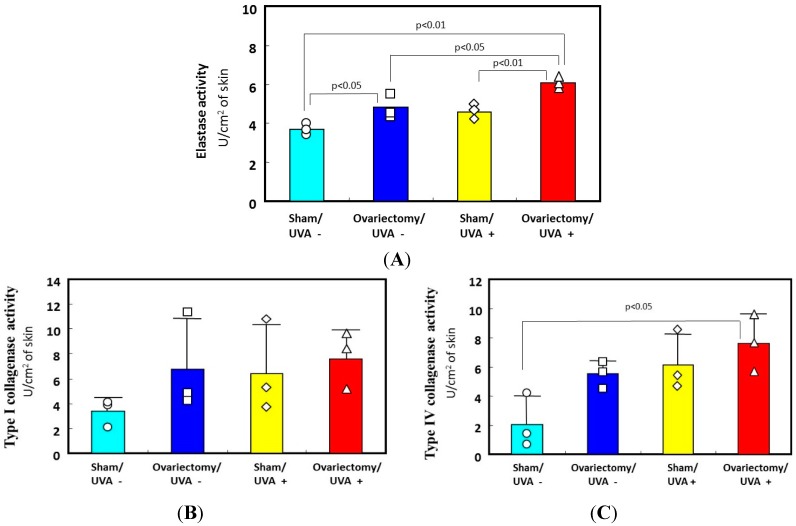
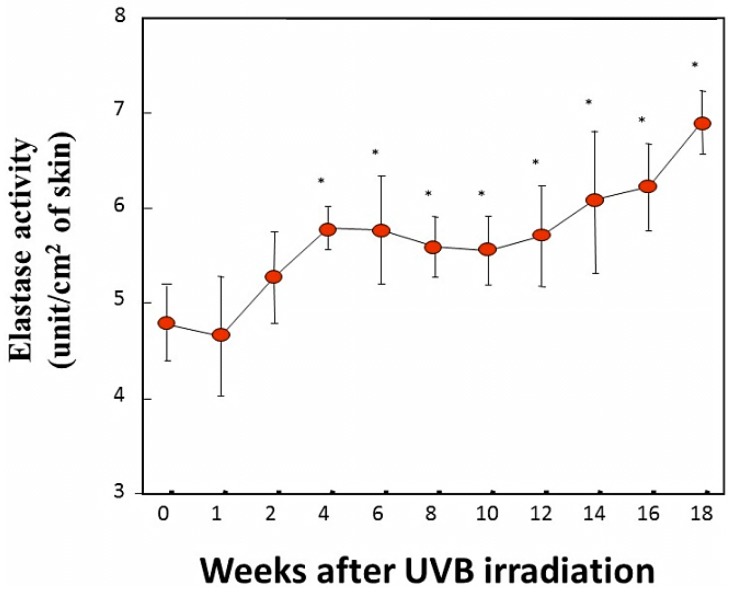
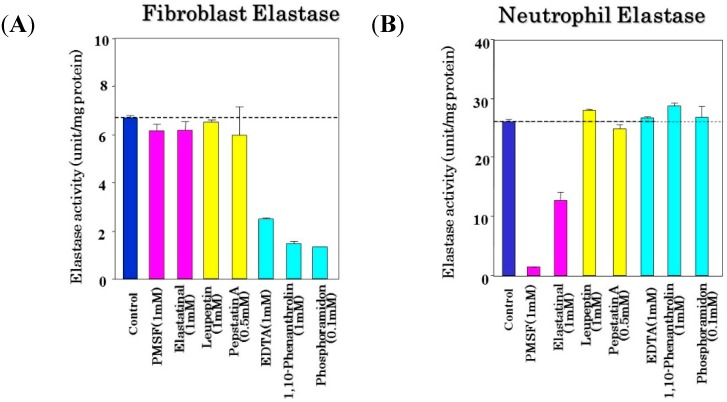
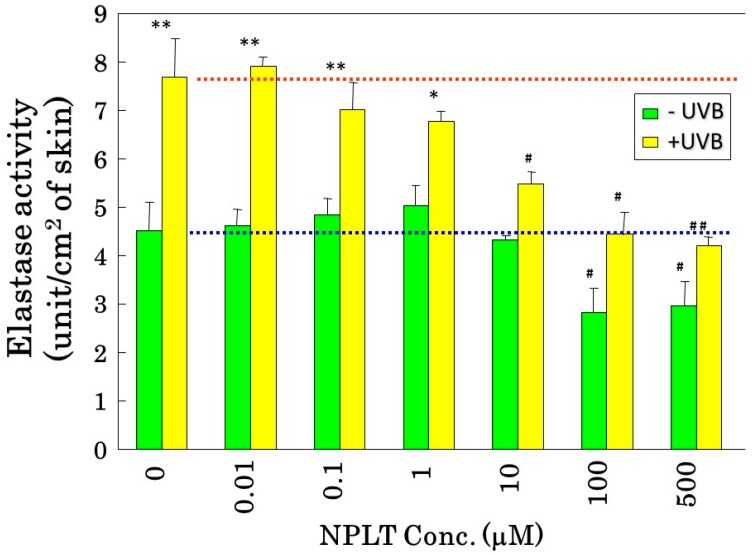
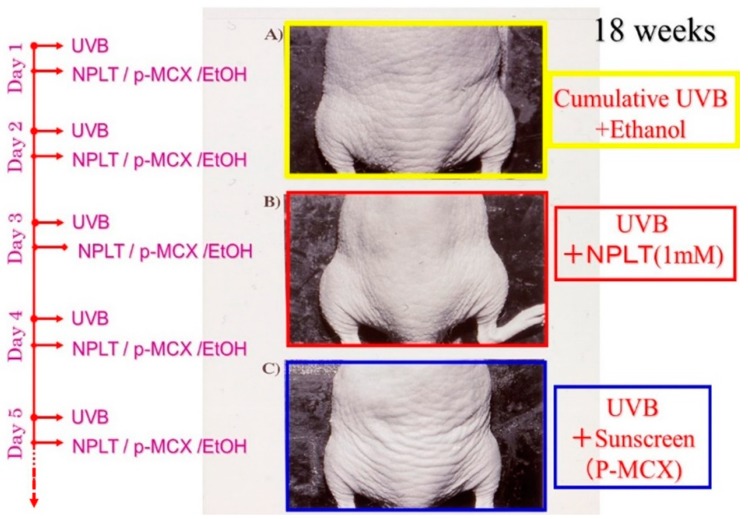
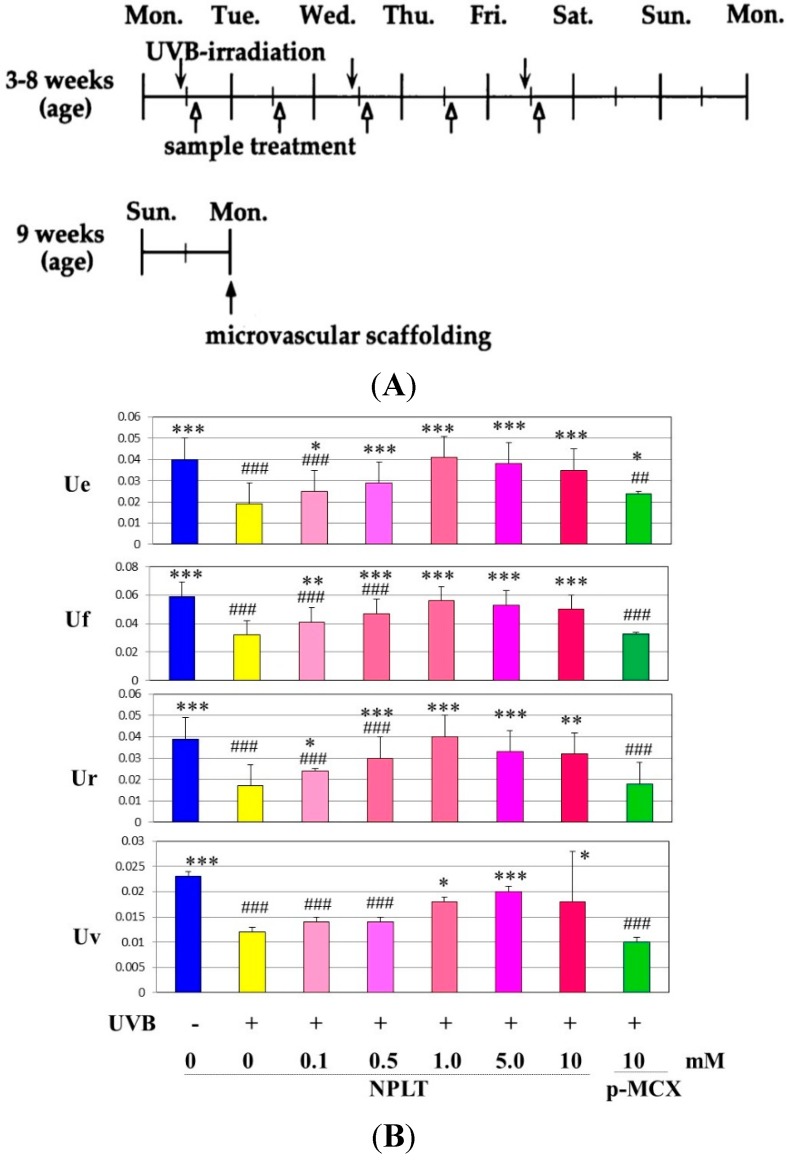
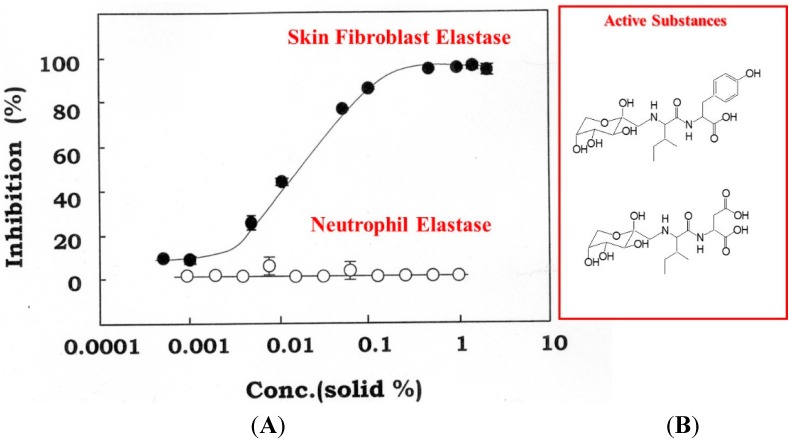
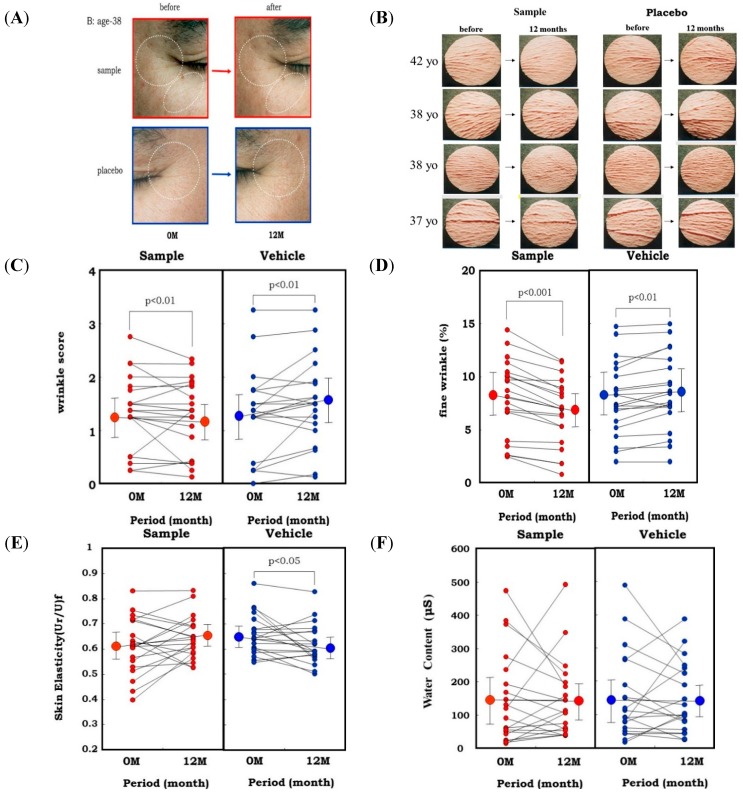
The repetitive exposure of skin to ultraviolet B (UVB) preferentially elicits wrinkling while ultraviolet A (UVA) predominantly elicits sagging. In chronically UVB or UVA-exposed rat skin there is a similar tortuous deformation of elastic fibers together with decreased skin elasticity, whose magnitudes are greater in UVB-exposed skin than in UVA-exposed skin. Comparison of skin elasticity with the activity of matrix metalloproteinases (MMPs) in the dermis of ovariectomized rats after UVB or UVA irradiation demonstrates that skin elasticity is more significantly decreased in ovariectomized rats than in sham-operated rats, which is accompanied by a reciprocal increase in elastase activity but not in the activities of collagenases I or IV. Clinical studies using animal skin and human facial skin demonstrated that topical treatment with a specific inhibitor or an inhibitory extract of skin fibroblast-derived elastase distinctly attenuates UVB and sunlight-induced formation of wrinkling. Our results strongly indicated that the upregulated activity of skin fibroblast-derived elastase plays a pivotal role in wrinkling and/or sagging of the skin via the impairment of elastic fiber configuration and the subsequent loss of skin elasticity.
Overview
The claims and statistics of this paper haven’t been checked yet.
Run the check — free, no account needed. It reads the open-access text and checks the sources it cites.
Integrity signals
Registry
Cites
Statistics
Figures
Verification
Claims the paper makes
The claims and statistics of this paper haven’t been checked yet.
Run the check — free, no account needed. It reads the open-access text and checks the sources it cites.
Claims other papers make about this one
Each is checked against this paper’s own text: does it say what the citing paper says it does?
In the citing paper
“It accelerates the hydrolysis of skin collagen by promoting the production of matrix metalloproteinases (MMPs), leading to tissue destruction and progressive degeneration of dermal extracellular matrix [22,23,24].”
From Diet and Skin Aging—From the Perspective of Food Nutrition (2020) · cites this paper as [22]
Self-check
Percentages, sums and reported differences re-computed from the paper’s own numbers.
The self-check needs the paper’s full text.
Citations
Cites
Molecular Mechanisms of Stress-Responsive Changes in Collagen and Elastin Networks in Skin
Aziz, J., Shezali, H., Radzi, Z., Yahya, N. A., Abu Kassim, N. H., Czernuszka, J., & Rahman, M. T. (2016) · Skin Pharmacology and Physiology · doi:10.1159/000447017 · Cited by 7,323
Tanaka, M., Yamamoto, Y., Misawa, E., Nabeshima, K., Saito, M., Yamauchi, K., Abe, F., & Furukawa, F. (2016) · Skin Pharmacology and Physiology · doi:10.1159/000454718 · Cited by 1,092
Mechanical properties and Young's modulus of human skin in vivo
Agache, P. G., Monneur, C., Lévêque, J., & de Rigal, J. (1980) · Archives of Dermatological Research · doi:10.1007/bf00406415 · Cited by 742
Slominski, A. T., Zmijewski, M. A., Skobowiat, C., Zbytek, B., Slominski, R. M., & Steketee, J. D. (2012) · Advances in anatomy, embryology and cell biology · doi:10.1007/978-3-642-19683-6 · Cited by 505
Slominski (2012) · doi:10.1007/978-3-642-19683-6_1 · Cited by 461
Key role of CRF in the skin stress response system
Slominski, A. T., Zmijewski, M. A., Zbytek, B., Tobin, D. J., Theoharides, T. C., & Rivier, J. (2013) · Endocrine Reviews · doi:10.1210/er.2012-1092 · Cited by 400
Elastic properties of human skin: relation to age, sex, and anatomical region
Cua, A. B., Wilhelm, K., & Maibach, H. I. (1990) · Archives of Dermatological Research · doi:10.1007/bf00375720 · Cited by 383
Age-related changes in the elastic properties and thickness of human facial skin
Takema, Y., Yorimoto, Y., Kawai, M., & Imokawa, G. (1994) · British Journal of Dermatology · doi:10.1111/j.1365-2133.1994.tb04975.x · Cited by 340
Self-citationStructural Changes in Aging Human Skin
Montagna, W., & Carlisle, K. S. (1979) · Journal of Investigative Dermatology · doi:10.1111/1523-1747.ep12532761 · Cited by 323
Alterations in Human Dermal Connective Tissue with Age and Chronic Sun Damage
Smith, J. G., Davidson, E. A., SAMS, W. M., & Clark, R. D. (1962) · Journal of Investigative Dermatology · doi:10.1038/jid.1962.122 · Cited by 293
Cutaneous hypothalamic–pituitary–adrenal axis homolog: regulation by ultraviolet radiation
Skobowiat, C., Dowdy, J. C., Sayre, R. M., Tuckey, R. C., & Slominski, A. (2011) · American Journal of Physiology-Endocrinology and Metabolism · doi:10.1152/ajpendo.00217.2011 · Cited by 269
Elastin Degradation by Matrix Metalloproteinases
Mecham, R. P., Broekelmann, T. J., Fliszar, C. J., Shapiro, S. D., Welgus, H. G., & Senior, R. M. (1997) · Journal of Biological Chemistry · doi:10.1074/jbc.272.29.18071 · Cited by 221
Shah, M., & Maïbach, H. I. (2001) · American Journal of Clinical Dermatology · doi:10.2165/00128071-200102030-00003 · Cited by 220
Tsuji, N., Moriwaki, S., Suzuki, Y., Takema, Y., & Imokawa, G. (2001) · Photochemistry and Photobiology · doi:10.1562/0031-8655(2001)0740283troesb2.0.co2 · Cited by 195
Self-citationNeutral endopeptidase modulates neurogenic inflammation
Nadel, J. A. (1991) · European Respiratory Journal · doi:10.1183/09031936.93.04060745 · Cited by 178
Chronic Solar Dermatosis: A Light and Electron Microscopic Study of the Dermis*
Mitchell, R. E. (1967) · Journal of Investigative Dermatology · doi:10.1038/jid.1967.33 · Cited by 176
Dunn, L. B. (1997) · Archives of Dermatology · doi:10.1001/archderm.133.3.339 · Cited by 172
Shu, Y., & Maïbach, H. I. (2011) · American Journal of Clinical Dermatology · doi:10.2165/11589180-000000000-00000 · Cited by 149
Local Melatoninergic System as the Protector of Skin Integrity
Slominski, A. T., Kleszczyński, K., Semak, I. V., Janjetović, Z., Zmijewski, M. A., Kim, T., Slominski, R. M., Reiter, R. J., & Fischer, T. W. (2014) · International Journal of Molecular Sciences · doi:10.3390/ijms151017705 · Cited by 148
Does Estrogen Prevent Skin Aging?
Dunn, L. B. (1997) · Archives of Dermatology · doi:10.1001/archderm.1997.03890390077010 · Cited by 135
Age-related changes in skin wrinkles assessed by a novel three-dimensional morphometric analysis
Akazaki, S., Nakagawa, H., Kazama, H., Osanai, O., Kawai, M., Takema, Y., & Imokawa, G. (2002) · British Journal of Dermatology · doi:10.1046/j.1365-2133.2002.04874.x · Cited by 131
Self-citationSkin connective tissue and ageing
Calleja-Agius, J., Brincat, M., & Borg, M. (2013) · Best Practice & Research Clinical Obstetrics & Gynaecology · doi:10.1016/j.bpobgyn.2013.06.004 · Cited by 131
Skin water-holding capacity and transdermal estrogen therapy for menopause: a pilot study
Piérard-Franchimont, C., Letawe, C., Goffin, V., & Pierard, G. (1995) · Maturitas · doi:10.1016/0378-5122(95)00924-a · Cited by 120
Skobowiat, C., Sayre, R. M., Dowdy, J. C., & Slominski, A. T. (2013) · British Journal of Dermatology · doi:10.1111/bjd.12096 · Cited by 115
Creidi, P., Faivre, B., Agache, P. G., Richard, E. G., Haudiquet, V., & Sauvanet, J.-P. (1994) · Maturitas · doi:10.1016/0378-5122(94)90074-4 · Cited by 114
Imayama, S., & Braverman, I. M. (1989) · PubMed · Cited by 108
Effects of Aging, Menopause, and Hormone Replacement Therapy on Forearm Skin Elasticity in Women
Sumino, H., Ichikawa, S., Abe, M., Endo, Y., Ishikawa, O., & Kurabayashi, M. (2004) · Journal of the American Geriatrics Society · doi:10.1111/j.1532-5415.2004.52262.x · Cited by 98
Imokawa, G. (2009) · Journal of Investigative Dermatology Symposium Proceedings · doi:10.1038/jidsymp.2009.11 · Cited by 93
Self-citationTsukahara, K., Takema, Y., Moriwaki, S., Tsuji, N., Suzuki, Y., Fujimura, T., & Imokawa, G. (2001) · Journal of Investigative Dermatology · doi:10.1046/j.0022-202x.2001.01450.x · Cited by 93
Self-citationAge dependent increase of elastase type protease activity in mouse skin
Labat-Robert, J., Fourtanier, A., Boyer-Lafargue, B., & Robert, L. (2000) · Journal of Photochemistry and Photobiology B: Biology · doi:10.1016/s1011-1344(00)00085-3 · Cited by 90
Imokawa, G. (2007) · Archives of Dermatological Research · doi:10.1007/s00403-007-0798-x · Cited by 89
Self-citationTsukahara, K., Nakagawa, H., Moriwaki, S., Takema, Y., Fujimura, T., & Imokawa, G. (2006) · International Journal of Dermatology · doi:10.1111/j.1365-4632.2006.02557.x · Cited by 82
Self-citationBolognia, J. L. (1995) · The American Journal of Medicine · doi:10.1016/s0002-9343(99)80066-7 · Cited by 79
Sauvaigo, S., Douki, T., Odin, F., Caillat, S., Ravanat, J., & Cadet, J. (2001) · Photochemistry and Photobiology · doi:10.1562/0031-8655(2001)073 · Cited by 79
Neutral endopeptidase-24.11 (enkephalinase). Biosynthesis and localization in human fibroblasts
Lorkowski, G., Zijderhand-Bleekemolen, J. E., Erdös, E. G., FIGURA, K. V., & Hasilík, A. (1987) · Biochemical Journal · doi:10.1042/bj2480345 · Cited by 66
Neprilysin Is Identical to Skin Fibroblast Elastase
Morisaki, N., Moriwaki, S., Sugiyama‐Nakagiri, Y., Haketa, K., Takema, Y., & Imokawa, G. (2010) · Journal of Biological Chemistry · doi:10.1074/jbc.m110.161547 · Cited by 64
Self-citationDegree of Ultraviolet-Induced Tortuosity of Elastic Fibers in Rat Skin Is Age Dependent
Imokawa, G., Takema, Y., Yorimoto, Y., Tsukahara, K., Kawai, M., & Imayama, S. (1995) · Journal of Investigative Dermatology · doi:10.1111/1523-1747.ep12317607 · Cited by 60
Self-citationTsukahara, K., Nakagawa, H., Moriwaki, S., Kakuo, S., Ohuchi, A., Takema, Y., & Imokawa, G. (2004) · British Journal of Dermatology · doi:10.1111/j.1365-2133.2004.06203.x · Cited by 57
Self-citationCharacterization of Human Skin Fibroblasts Elastase Activity
Homsy, R., Pelletier-Lebon, P., Tixier, J. M., Godeau, G., Robert, L., & Hornebeck, W. (1988) · Journal of Investigative Dermatology · doi:10.1111/1523-1747.ep12476608 · Cited by 56
Sumino, H., Ichikawa, S., Masatoshi, A. B. E., Endo, Y., NAKAJIMA, Y., Minegishi, T., Ishikawa, O., & Kurabayashi, M. (2004) · Endocrine Journal · doi:10.1507/endocrj.51.159 · Cited by 53
Szendrői, M., Barlovatz‐Meimon, G., Bakala, H., Francès, C., Robert, L., Godeau, G., & Hornebeck, W. (1984) · Journal of Investigative Dermatology · doi:10.1111/1523-1747.ep12263609 · Cited by 52
A photographic scale for the assessment of human facial wrinkles
Tsukahara, K., Takema, Y., Kazama, H., Yorimoto, Y., Fujimura, T., Moriwaki, S., Kitahara, T., Kawai, M., & Imokawa, G. (2000) · Journal of the Society of Cosmetic Chemists · Cited by 52
Self-citationImayama, S., Nakamura, K. M., Takeuchi, M., Hori, Y., Takema, Y., Sakaino, Y., & Imokawa, G. (1994) · Journal of Dermatological Science · doi:10.1016/0923-1811(94)90019-1 · Cited by 50
Self-citation[Neuro-immuno-cutaneous system (NICS)].
Misery, L. (1996) · PubMed · Cited by 46
The Effects of UVA and UVB Irradiation on the Viscoelastic Properties of Hairless Mouse Skin in vivo
Takema, Y., & Imokawa, G. (1998) · Dermatology · doi:10.1159/000017931 · Cited by 39
Self-citationInterleukin-1β stimulates fibroblast elastase activity
Croute, F., DELAPORTE, E., Bonnefoy, J., Fertin, C., Thivolet, J., & Nicolas, J. (1991) · British Journal of Dermatology · doi:10.1111/j.1365-2133.1991.tb04946.x · Cited by 39
Godeau, G., & Hornebeck, W. (1988) · PubMed · Cited by 37
Schwartz, E., Cruickshank, F. A., & Lebwohl, M. G. (1988) · Clinica Chimica Acta · doi:10.1016/0009-8981(88)90211-2 · Cited by 35
Takema, Y., Fujimura, T., Ohsu, H., & Imokawa, G. (1996) · Experimental Dermatology · doi:10.1111/j.1600-0625.1996.tb00109.x · Cited by 32
Self-citationBiomarkers of Connective Tissue Aging: Biosynthesis of Fibronectin, Collagen Type III, and Elastase
Labat‐Robert, J., Kern, P., & Robert, L. (1992) · Annals of the New York Academy of Sciences · doi:10.1111/j.1749-6632.1992.tb27431.x · Cited by 32
Takema, Y., Yorimoto, Y., & Kawai, M. (1995) · Journal of the Society of Cosmetic Chemists · Cited by 32
Mid-dermal elastolysis: an ultrastructural and biochemical study
Fimiani, M., Mazzatenta, C., Alessandrini, C., Paola, M. D., Paola, C., & Andreassi, L. (1995) · Archives of Dermatological Research · doi:10.1007/bf01262324 · Cited by 31
Ovariectomy Accelerates Photoaging of Rat Skin
Tsukahara, K., Moriwaki, S., Ohuchi, A., Fujimura, T., & Takema, Y. (2001) · Photochemistry and Photobiology · doi:10.1562/0031-8655(2001)0730525oapors2.0.co2 · Cited by 27
Schwartz, D. E., Paller, A. S., Lizak, P. P., & Pearson, R. W. (1986) · Journal of Investigative Dermatology · doi:10.1111/1523-1747.ep12283833 · Cited by 24
All-transretinoic acid promotes the repair of tortuosity of elastic fibres in rat skin
Tsukahara, Takema, Fujimura, Moriwaki, Kitahara, Imayama, & Imokawa (1999) · British Journal of Dermatology · doi:10.1046/j.1365-2133.1999.02902.x · Cited by 21
Stevanović, D. V. (1976) · British Journal of Dermatology · doi:10.1111/j.1365-2133.1976.tb04337.x · Cited by 20
Tsukahara, K., Takema, Y., Moriwaki, S., Fujimura, T., Imayama, S., & Imokawa, G. (2001) · British Journal of Dermatology · doi:10.1046/j.1365-2133.2001.04067.x · Cited by 20
Self-citationMechanical methods for evaluating skin surface architecture in relation to wrinkling
Akazaki, S., & Imokawa, G. (2001) · Journal of Dermatological Science · doi:10.1016/s0923-1811(01)00115-3 · Cited by 19
Self-citationElastase-like Enzyme Activity in Cultured Human Fibroblast
Nakagawa, K., Tsuji, T., Kadoya, A., & Hamada, T. (1987) · Skin research · doi:10.11340/skinresearch1959.29.793 · Cited by 15
Fujimura, T., Takema, Y., Moriwaki, S., Tsukahara, K., Imokawa, G., Yamada, A., & Imayama, S. (2001) · Lasers in Surgery and Medicine · doi:10.1002/lsm.1061 · Cited by 10
Self-citationA mathematical evaluation of dose-dependent PpIX fluorescence kinetics in vivo
Chatelain (2001) · Pure Amsterdam UMC · doi:10.1562/0031-8655(2001)074 · Cited by 6
Research works printed but not linked: 1
- Tsukahara, 2004, A clinical effect of Zingiber officinale (L.) Rose on facial wrinkles and skin elasticity, Jichi Med. School J., 27, 19
Cited by
Sorted by citations
Molecular Mechanisms of Dermal Aging and Antiaging Approaches
Shin, J.-W., Kwon, S.-H., Choi, J.-Y., Na, J.-I., Huh, C.-H., Choi, H.-R., & Park, K.-C. (2019) · International Journal of Molecular Sciences · doi:10.3390/ijms20092126 · Cited by 875
The role of matrix metalloproteinases in aging: Tissue remodeling and beyond
Freitas‐Rodríguez, S., Folgueras, A. R., & López-Otı́n, C. (2017) · Biochimica et Biophysica Acta (BBA) - Molecular Cell Research · doi:10.1016/j.bbamcr.2017.05.007 · Cited by 377
Structural and Functional Changes and Possible Molecular Mechanisms in Aged Skin
Lee, H. J., Hong, Y., & Kim, M. (2021) · International Journal of Molecular Sciences · doi:10.3390/ijms222212489 · Cited by 276
Diet and Skin Aging—From the Perspective of Food Nutrition
Cao, C., Xiao, Z., Wu, Y., & Ge, C. (2020) · Nutrients · doi:10.3390/nu12030870 · Cited by 231
Boo, Y. C. (2022) · Antioxidants · doi:10.3390/antiox11091663 · Cited by 229
Metadata
- Authors
- Imokawa, G., & Ishida, K.
- Affiliations
- Chubu University (JP)
- Kao Corporation (Japan) (JP)
- Corresponding author
- Imokawa, Genji
- Venue
- International Journal of Molecular Sciences
- Publisher
- MDPI AG
- Published
- 2015-04-08
- Volume
- 16
- Issue
- 4
- Pages
- 7753-7775
- ISSN
- 1422-0067 (ISSN-L)
- PMC
- PMC4425048
- OpenAlex
- W2089161677
- Cited by
- 206
- References
- 59
- Citations by year
- 2026: 19 · 2025: 19 · 2024: 35 · 2023: 17 · 2022: 40 · 2021: 17 · 2020: 21 · 2019: 14 · 2018: 8 · 2017: 6 · 2016: 9 · 2015: 1
- FWCI
- 1.28
- Type
- journal article
- Language
- en
- Open access
- gold
- dx.doi.org
- Licence
- Locations
- International Journal of Molecular Sciences (publishedVersion, cc-by)
- PubMed Central (publishedVersion, cc-by)
- PubMed (publishedVersion)
- DOAJ (DOAJ: Directory of Open Access Journals) (submittedVersion)
- Topics
- Health Sciences › Medicine › Dermatology › Skin Protection and Aging
- Life Sciences › Biochemistry, Genetics and Molecular Biology › Cancer Research › Protease and Inhibitor Mechanisms
- Health Sciences › Medicine › Dermatology › Dermatologic Treatments and Research
- Keywords
- ultraviolet radiation, skin aging, skin wrinkling, skin sagging, skin elasticity, elastase, matrix metalloproteinases, elastic fibers, UV-B radiation, UVA, ovariectomy, collagenase, dermal fibroblasts, elastase inhibitors, facial skin
- MeSH terms
- Animals, Elasticity, Fibroblasts, Humans, Pancreatic Elastase, Ultraviolet Rays, Skin Aging, Dermis
About these checks
Registry, retraction, Cites and statistics results are computed, not judged, with one exception: a printed reference that no index lists is read once by a model before it counts as a citation error. Claims are extracted by a model and kept only when their quote appears verbatim in the text; each cited source is then checked, with a model’s help, for whether it says what the claim relies on. Those verdicts can be wrong — read the claim’s quote and the cited source before relying on one.
Statistics and arithmetic are recomputed, not judged.
Confidence bands are shown only for fields calibrated on our annotated test set. None is calibrated yet, so no band is shown.
What counts as a claim ›How we measure confidence ›How we check this ›
Are you an author, or do you see a problem with this page? Request a review
