

The DOI matches its Crossref record; 117 of the 125 references it cites were found in a registry or an index.
Modifications in Glass Ionomer Cements: Nano-Sized Fillers and Bioactive Nanoceramics
Open accessAbstract
Glass ionomer cements (GICs) are being used for a wide range of applications in dentistry. In order to overcome the poor mechanical properties of glass ionomers, several modifications have been introduced to the conventional GICs. Nanotechnology involves the use of systems, modifications or materials the size of which is in the range of 1–100 nm. Nano-modification of conventional GICs and resin modified GICs (RMGICs) can be achieved by incorporation of nano-sized fillers to RMGICs, reducing the size of the glass particles, and introducing nano-sized bioceramics to the glass powder. Studies suggest that the commercially available nano-filled RMGIC does not hold any significant advantage over conventional RMGICs as far as the mechanical and bonding properties are concerned. Conversely, incorporation of nano-sized apatite crystals not only increases the mechanical properties of conventional GICs, but also can enhance fluoride release and bioactivity. By increasing the crystallinity of the set matrix, apatites can make the set cement chemically more stable, insoluble, and improve the bond strength with tooth structure. Increased fluoride release can also reduce and arrest secondary caries. However, due to a lack of long-term clinical studies, the use of nano-modified glass ionomers is still limited in daily clinical dentistry. In addition to the in vitro and in vivo studies, more randomized clinical trials are required to justify the use of these promising materials. The aim of this paper is to review the modification performed in GIC-based materials to improve their physicochemical properties.
Overview
The claims and statistics of this paper haven’t been checked yet.
Run the check — free, no account needed. It reads the open-access text and checks the sources it cites.
Integrity signals
Registry
Cites
Statistics
Figures
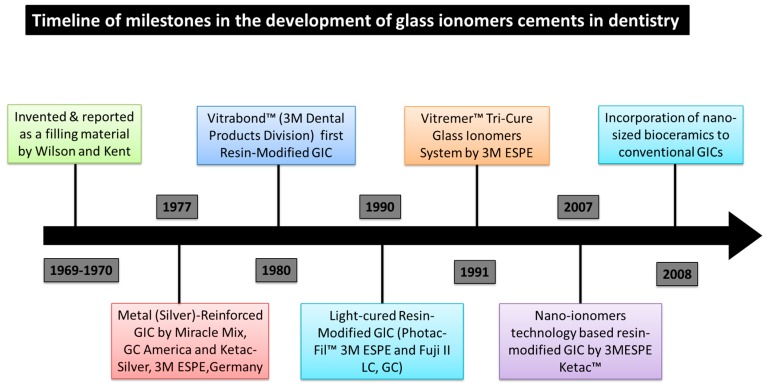
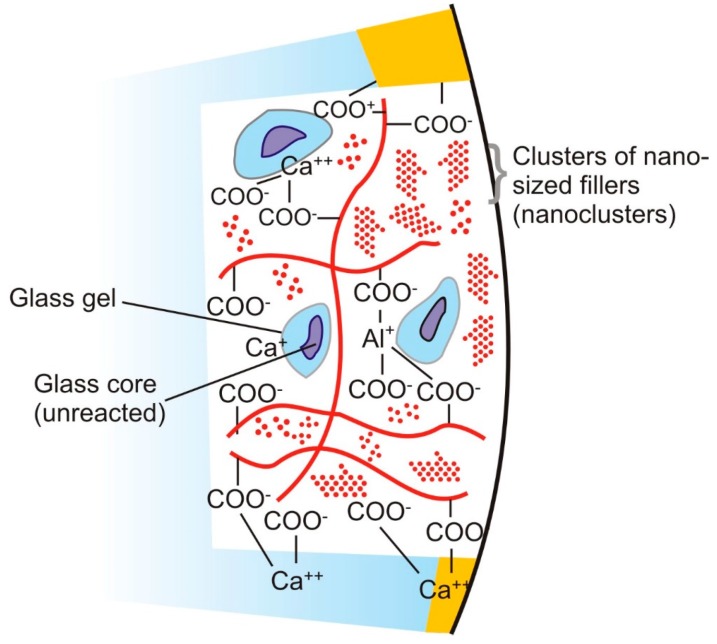
Verification
Claims the paper makes
The claims and statistics of this paper haven’t been checked yet.
Run the check — free, no account needed. It reads the open-access text and checks the sources it cites.
Claims other papers make about this one
Each is checked against this paper’s own text: does it say what the citing paper says it does?
The source backs part of the claim, not all of it — or backs it for a different population, condition or comparison.
In the citing paper
“Nonetheless, the reduced mechanical strength and wear resistance of GIC limit its application in high-stress regions like molars.”
From Minimally Invasive Techniques for Managing Dental Caries in Children: Efficacy, Applications, and Future Directions (2025) · cites this paper as [62]
Experimental — accuracy not yet measuredThe source backs part of the claim, not all of it — or backs it for a different population, condition or comparison.
In the citing paper
“Furthermore, these materials play a significant role in enhancing aesthetics, especially in the field of pediatric dentistry, where modified resin-based bioactive materials offer a more visually appealing alternative to conventional glass ionomer cement [62].”
From Minimally Invasive Techniques for Managing Dental Caries in Children: Efficacy, Applications, and Future Directions (2025) · cites this paper as [62]
Experimental — accuracy not yet measuredThe check wasn’t confident either way, so it gives no verdict — never disputed.
In the citing paper
“The increased expense of bioactive materials in comparison to conventional options limits their availability, especially in low-resource environments where cost-effectiveness is a significant issue [62].”
From Minimally Invasive Techniques for Managing Dental Caries in Children: Efficacy, Applications, and Future Directions (2025) · cites this paper as [62]
Experimental — accuracy not yet measured
Self-check
Percentages, sums and reported differences re-computed from the paper’s own numbers.
The self-check needs the paper’s full text.
Citations
Cites
Surface treatments of titanium dental implants for rapid osseointegration
Le Guéhennec, L., Soueidan, A., Layrolle, P., & Amouriq, Y. (2007) · Dental Materials · doi:10.1016/j.dental.2006.06.025 · Cited by 2,406 · cited 1×
“Key applications of nanotechnology in dentistry include implant surface modifications [62], production of reinforced polymeric composites by incorporation of nano-sized particles [60], and caries prevention [63].”
BackgroundA Critical Review of the Durability of Adhesion to Tooth Tissue: Methods and Results
Munck, J. D., LANDUYT, K. L. V., Peumans, M., Poitevin, A., Lambrechts, P., Braem, M. J. A., & MEERBEEK, B. V. (2005) · Journal of Dental Research · doi:10.1177/154405910508400204 · Cited by 1,990 · cited 2×
“A more critical problem associated with such aesthetic restorations is the absence of therapeutic remineralization of caries-affected dentin and the poor durability/integrity of the resin–dentin interface during aging [34].”
BackgroundAn, G., Li, W.-H., Yan, T., & Li, S.-T. (2014) · International Journal of Molecular Sciences · doi:10.3390/ijms150610479 · Cited by 1,326
Applications of polyetheretherketone (PEEK) in oral implantology and prosthodontics
Najeeb, S., Zafar, M. S., Khurshid, Z., & Siddiqui, F. (2015) · Journal of Prosthodontic Research · doi:10.1016/j.jpor.2015.10.001 · Cited by 920 · cited 1×
“In contrast to “bioinert” materials such as resin composites, dental silver amalgam, and porcelain, bioactive restorations have a more positive effect on remineralization and tissue regeneration [37].”
BackgroundSelf-citationWiegand, A., Buchalla, W., & Attin, T. (2006) · Dental Materials · doi:10.1016/j.dental.2006.01.022 · Cited by 912 · cited 1×
“At high concentrations, fluoride has been thought to reduce the rate of demineralization, enhance the remineralization process, inhibit the growth, and attachment of bacteria on tooth surfaces and impede the formation of a complex bacteria biofilm [117].”
BackgroundCraig's Restorative Dental Materials
Sakaguchi, R., & Powers, J. (2012) · Elsevier eBooks · doi:10.1016/c2010-0-65754-3 · Cited by 640
Mechanical properties and microstructures of glass-ionomer cements
Xie, D., Brantley, W. A., Culbertson, B. M., & Wang, G. (2000) · Dental Materials · doi:10.1016/s0109-5641(99)00093-7 · Cited by 518 · cited 4×
“Generally, a smaller particle size and higher packing density of fillers improves compression strength and hardness of GICs, whereas larger particles can lead to a higher wear resistance [39].”
BackgroundInfluentialChemistry of glass-ionomer cements: a review
Nicholson, J. W. (1998) · Biomaterials · doi:10.1016/s0142-9612(97)00128-2 · Cited by 446 · cited 2×
“The final “maturation” of t e cement may take several months while the aluminum ions may be released slowly and binding of water by the acid and glass takes place [18].”
BackgroundMurdoch‐Kinch, C. A., & McLean, M. E. (2003) · The Journal of the American Dental Association · doi:10.14219/jada.archive.2003.0021 · Cited by 434
Update on Dental Nanocomposites
Chen, M. (2010) · Journal of Dental Research · doi:10.1177/0022034510363765 · Cited by 417
Nanomaterials in preventive dentistry
Hannig, M., & Hannig, C. (2010) · Nature Nanotechnology · doi:10.1038/nnano.2010.83 · Cited by 414
Adhesion to Dentin and Physical Properties of a Light-cured Glass-ionomer Liner/Base
Mitra, S. B. (1991) · Journal of Dental Research · doi:10.1177/00220345910700011201 · Cited by 324 · cited 1×
“RMGICs micromechanically bond to dentine through infiltration of the collagen network previously exposed by using a 10% polyacrylic acid pre-treatment, in combination with chemical bonding obtained by ionic interaction of carboxyl groups from the acid with calcium ions of remaining HAP crystals within the partially de…”
MethodHydroxyapatite and Their Use As Coatings in Dental Implants: A Review
Ong, J. L., & Chan, D. C. N. (2000) · Critical Reviews in Biomedical Engineering · doi:10.1615/critrevbiomedeng.v28.i56.10 · Cited by 315 · cited 1×
“Due to their chemistry being similar to that of mineralized bone and dental tissues, hydroxypatite and fluorohydroxyapatite have been used in many fields of dentistry such as implant dentistry [71], and caries prevention [59,72].”
BackgroundMoshaverinia, A., Ansari, S., Moshaverinia, M., Roohpour, N., Darr, J. A., & Rehman, I. U. (2007) · Acta Biomaterialia · doi:10.1016/j.actbio.2007.07.011 · Cited by 311 · cited 6×
“Fourier transform infrared (FTIR) spectroscopy has been used to observe the effect of nano-modification of GICs via incorporation of apatite nano-crystals [44,45].”
BackgroundMethodInfluentialSelf-citationEffect of nano-hydroxyapatite concentration on remineralization of initial enamel lesionin vitro
Huang, S., Gao, S., & Yu, H. Y. (2009) · Biomedical Materials · doi:10.1088/1748-6041/4/3/034104 · Cited by 303 · cited 1×
“For instance, nano-hydroxyapatite (nHAp) crystals can favor remineralization of enamel [73,74].”
BackgroundPeumans, M., Munck, J. D., Mine, A., & MEERBEEK, B. V. (2014) · Dental Materials · doi:10.1016/j.dental.2014.07.007 · Cited by 301 · cited 1×
“Due to their high fluoride release and white color, dental applications of GICs include restoration of deciduous teeth [20], anterior class III and V restorations [21,22], cementation (luting) of crowns, bridges, and orthodontic appliances [23–25], restorations of non-carious teeth with minimal preparation [26,27], te…”
BackgroundThe glass‐ionomer cement, a new translucent dental filling material
Wilson, A., & Kent, B. (2007) · doi:10.1002/jctb.5020211101 · Cited by 290
Salzmann, J. A. (1973) · American Journal of Orthodontics · doi:10.1016/s0002-9416(73)90317-5 · Cited by 279 · cited 6×
“When compared to resin composites, conventional RMGICs still possess reduced mechanical properties including brittleness and inferior strength along with aesthetics [2,3].”
BackgroundInfluentialElsaka, S. E., Hamouda, I. M., & Swain, M. V. (2011) · Journal of Dentistry · doi:10.1016/j.jdent.2011.05.006 · Cited by 270 · cited 1×
“%) nano particles (nTiO2) to GIC powder has been shown to improve mechanical properties and anti-bacterial effects of the set material [69,70].”
BackgroundSoncini, J. A., Maserejian, N. N., Trachtenberg, F. L., Tavares, M. A., & Hayes, C. (2007) · The Journal of the American Dental Association · doi:10.14219/jada.archive.2007.0264 · Cited by 265 · cited 1×
“The key modifications include the combination of glass ionomer cements with auto-cured or photo-cured resin systems to produce resin-modified glass ionomer cements (RMGICs) [46,47].”
BackgroundFluoride release and uptake by glass-ionomers and related materials and its clinical effect
Forsten, L. (1998) · Biomaterials · doi:10.1016/s0142-9612(97)00130-0 · Cited by 262
Remineralization Potential of Nano-Hydroxyapatite on Initial Enamel Lesions: An in vitro Study
Huang, S., Gao, S., Cheng, L., & Yu, H. (2011) · Caries Research · doi:10.1159/000331207 · Cited by 262 · cited 1×
“For instance, nano-hydroxyapatite (nHAp) crystals can favor remineralization of enamel [73,74].”
BackgroundAdvances in Nanotechnology for Restorative Dentistry
Khurshid, Z., Zafar, M. S., Qasim, S. S. B., Shahab, S., Naseem, M., & AbuReqaiba, A. (2015) · Materials · doi:10.3390/ma8020717 · Cited by 252 · cited 1×
“There are two approaches for the manufacture of nano-size particles: top-down and bottom-up [61].”
MethodSelf-citationStaxrud, F. (2007) · Aktuel Nordisk Odontologi · doi:10.18261/issn.2058-7538-2020-01-18 · Cited by 249 · cited 2×
“Due to their high fluoride release and white color, dental applications of GICs include restoration of deciduous teeth [20], anterior class III and V restorations [21,22], cementation (luting) of crowns, bridges, and orthodontic appliances [23–25], restorations of non-carious teeth with minimal preparation [26,27], te…”
Mechanism of Adhesion of Polyelectrolyte Cements to Hydroxyapatite
Wilson, A. D., Prosser, H. J., & Powis, D. M. (1983) · Journal of Dental Research · doi:10.1177/00220345830620051801 · Cited by 245 · cited 1×
“It is a kind of film of tooth debris left behind on the tooth surface following tooth preparation [90].”
BackgroundStudies on the Adhesion of Glass-ionomer Cements to Dentin
Lin, A. W., McIntyre, N. S., & Davidson, R. D. (1992) · Journal of Dental Research · doi:10.1177/00220345920710111401 · Cited by 236 · cited 1×
“RMGICs micromechanically bond to dentine through infiltration of the collagen network previously exposed by using a 10% polyacrylic acid pre-treatment, in combination with chemical bonding obtained by ionic interaction of carboxyl groups from the acid with calcium ions of remaining HAP crystals within the partially de…”
MethodNanoparticle-reinforced resin-based dental composites
Xia, Y., Zhang, F., Xie, H., & Gu, N. (2008) · Journal of Dentistry · doi:10.1016/j.jdent.2008.03.001 · Cited by 236 · cited 1×
“It is well-documented that incorporation of nano-sized particles may improve the mechanical properties of polymeric dental materials [60,67].”
BackgroundAdvances in glass-ionomer cements
Davidson, C. L. (2006) · Journal of Applied Oral Science · doi:10.1590/s1678-77572006000700002 · Cited by 231
The use of glass-ionomer cements in bonding composite resins to dentine
McLean, J. W., Powis, D. R., Prosser, H. J., & Wilson, A. D. (1985) · BDJ · doi:10.1038/sj.bdj.4805621 · Cited by 222 · cited 1×
“Due to their high fluoride release and white color, dental applications of GICs include restoration of deciduous teeth [20], anterior class III and V restorations [21,22], cementation (luting) of crowns, bridges, and orthodontic appliances [23–25], restorations of non-carious teeth with minimal preparation [26,27], te…”
BackgroundTHE SCIENCE OF BONDING: FROM FIRST TO SIXTH GENERATION
Kugel, G., & Ferrari, M. (2000) · The Journal of the American Dental Association · doi:10.14219/jada.archive.2000.0398 · Cited by 221 · cited 1×
“However, the use of specific dentin pre-treatments with functional primers may prevent the collapse of dentinal collagen fibers and improve the bonding performance of resin adhesive as well as RMGICs [88,89].”
BackgroundThe science of dental materials
Bagnall, R. (1987) · British Dental Journal · doi:10.1038/sj.bdj.4806095 · Cited by 221
Survival of atraumatic restorative treatment (ART) sealants and restorations: a meta-analysis
de Amorim, R. G., Leal, S. C., & Frencken, J. E. (2012) · Clinical Oral Investigations · doi:10.1007/s00784-011-0513-3 · Cited by 213 · cited 1×
“Due to their high fluoride release and white color, dental applications of GICs include restoration of deciduous teeth [20], anterior class III and V restorations [21,22], cementation (luting) of crowns, bridges, and orthodontic appliances [23–25], restorations of non-carious teeth with minimal preparation [26,27], te…”
BackgroundDevelopment of glass-ionomer cement systems
Smith, D. C. (1998) · Biomaterials · doi:10.1016/s0142-9612(97)00126-9 · Cited by 212
Adhesive restorative materials: A review
Tyas, M. J., & Burrow, M. (2004) · Australian Dental Journal · doi:10.1111/j.1834-7819.2004.tb00059.x · Cited by 200 · cited 2×
“Several key benefits characterize IC, such as its ability to bind che ically ith tooth structures via chelation of carboxyl group of acid polymeric chains and calcium ions (Ca2+) in the apatite of enamel and dentine [5].”
BackgroundEffect of water on the physical properties of resin-modified glass ionomer cements
Cattani‐Lorente, M., Dupuis, V., Payan, J., Moya, F., & Meyer, J. (1999) · Dental Materials · doi:10.1016/s0109-5641(99)00016-0 · Cited by 192 · cited 1×
“3% expansion due to water sorption after 24 h of placement [83].”
BackgroundProperties of a glass-ionomer/resin-composite hybrid material
Mathis, R. S., & Ferracane, J. L. (1989) · Dental Materials · doi:10.1016/0109-5641(89)90130-9 · Cited by 190 · cited 2×
“RMGICs have higher flexural strength, tensile strength, and resistance to solubility compared to conventional GICs which could be due to the chemical bonding between glass particles and the resin phase [39,101].”
BackgroundMoshaverinia, A., Ansari, S., Movasaghi, Z., Billington, R. W., Darr, J. A., & Rehman, I. U. (2008) · Dental Materials · doi:10.1016/j.dental.2008.03.008 · Cited by 188 · cited 6×
“Fourier transform infrared (FTIR) spectroscopy has been used to observe the effect of nano-modification of GICs via incorporation of apatite nano-crystals [44,45].”
BackgroundMethodInfluentialSelf-citationResin-modified glass-ionomer cements.
Wilson, A. D. (1990) · PubMed · Cited by 188
McCabe, J. F. (1998) · Biomaterials · doi:10.1016/s0142-9612(98)00132-x · Cited by 186 · cited 3×
“Indeed, it has been observed that RMGICs not only release fluoride but they also have flexural strength superior to those of conventional GICs, as well as lower solubility [82].”
BackgroundInfluentialGarcía‐Contreras, R., Scougall‐Vilchis, R. J., Contreras‐Bulnes, R., Sakagami, H., Morales‐Luckie, R. A., & NAKAJIMA, H. (2015) · Journal of Applied Oral Science · doi:10.1590/1678-775720140496 · Cited by 186 · cited 1×
“%) nano particles (nTiO2) to GIC powder has been shown to improve mechanical properties and anti-bacterial effects of the set material [69,70].”
BackgroundNanohybrid Resin Composites: Nanofiller Loaded Materials or Traditional Microhybrid Resins?
Moraes, R. R., Gonçalves, L. D. S., Lancellotti, A. C. R. A., Consani, S., Correr‐Sobrinho, L., & Sinhoreti, M. A. C. (2009) · Operative Dentistry · doi:10.2341/08-043-l · Cited by 186
Acid–base cements: Frontmatter
Wilson, A. D., & Nicholson, J. W. (1993) · Cambridge University Press eBooks · doi:10.1017/cbo9780511524813 · Cited by 182 · cited 3×
“Glass ionomer cements are being used for a wide range of applications in dentistry [14].”
BackgroundInfluentialMcLean, J. W., & Gasser, O. (1985) · PubMed · Cited by 180
Nanomodified Peek Dental Implants: Bioactive Composites and Surface Modification—A Review
Najeeb, S., Khurshid, Z., Matinlinna, J. P., Siddiqui, F., Nassani, M. Z., & Baroudi, K. (2015) · International Journal of Dentistry · doi:10.1155/2015/381759 · Cited by 178 · cited 2×
“It is well-documented that incorporation of nano-sized particles may improve the mechanical properties of polymeric dental materials [60,67].”
BackgroundSelf-citationToughness, bonding and fluoride-release properties of hydroxyapatite-added glass ionomer cement
Lucas, M. E., Arita, K., & Nishino, M. (2003) · Biomaterials · doi:10.1016/s0142-9612(03)00260-6 · Cited by 176 · cited 2×
“Moreover, nano-apatite containing glass ionomers are expected to have superior bonding to the tooth surface due to the possibility of the formation of the strong ionic linkages between the apatite crystals/particles in the cement and Ca-ions in the tooth structure [77].”
BackgroundCurtis, A. R., Palin, W. M., Fleming, G. J. P., Shortall, A. C. C., & Marquis, P. M. (2008) · Dental Materials · doi:10.1016/j.dental.2008.06.003 · Cited by 164
New trends in glass-ionomer chemistry
Guggenberger, R., May, R., & Stefan, K.-P. (1998) · Biomaterials · doi:10.1016/s0142-9612(97)00127-0 · Cited by 164
ART restorations and glass ionomer sealants in Zimbabwe: survival after 3 years
Frencken, J. E., Makoni, F., & Sithole, W. D. (1998) · Community Dentistry And Oral Epidemiology · doi:10.1111/j.1600-0528.1998.tb01975.x · Cited by 160 · cited 1×
“Due to their high fluoride release and white color, dental applications of GICs include restoration of deciduous teeth [20], anterior class III and V restorations [21,22], cementation (luting) of crowns, bridges, and orthodontic appliances [23–25], restorations of non-carious teeth with minimal preparation [26,27], te…”
BackgroundHall, S., Bradley, T., Moore, J. T., Kuykindall, T., & Minella, L. (2009) · Nanotoxicology · doi:10.1080/17435390902788078 · Cited by 151 · cited 1×
“However, more extensive studies are needed to ascertain the safety of nTiO2-containing GICs because free nTiO2 have been strongly suggested to be cytotoxic [81].”
BackgroundEffects of incorporation of HA/ZrO2 into glass ionomer cement (GIC)
Gu, Y., Yap, A. U., Cheang, P., & Khor, K. A. (2004) · Biomaterials · doi:10.1016/j.biomaterials.2004.03.019 · Cited by 150 · cited 2×
“% to the GIC powder can improve the mechanical properties of the set GIC [52].”
BackgroundMethodŠkrtić, D., Antonucci, J. M., Eanes, E. D., Eichmiller, F. C., & Schumacher, G. E. (2000) · Journal of Biomedical Materials Research · doi:10.1002/1097-4636(2000)53:4 · Cited by 137
Fluoride and Mutans Streptococci in Plaque Grown on Glass Ionomer and Composite
FORSS, H., Jokinen, J., Spets-Happonen, S., Seppä, L., & LUOMA, H. (2009) · Caries Research · doi:10.1159/000261410 · Cited by 134
Resin-modified glass ionomer cements: Fluoride release and uptake
Forsten, L. (1995) · Acta Odontologica Scandinavica · doi:10.3109/00016359509005976 · Cited by 131
Pascotto, R. C., Navarro, M. F. D. L., Filho, L. C., & Cury, J. A. (2004) · American Journal of Orthodontics and Dentofacial Orthopedics · doi:10.1016/s0889-5406(03)00571-7 · Cited by 128
Glass-ionomer Cements of Improved Flexural Strength
Prosser, H. J., Powis, D. R., & Wilson, A. D. (1986) · Journal of Dental Research · doi:10.1177/00220345860650021101 · Cited by 128
A review of powder modifications in conventional glass-ionomer dental cements
Moshaverinia, A., Roohpour, N., Chee, W., & Schricker, S. (2011) · doi:10.1039/c0jm02309d · Cited by 126 · cited 2×
“Similar approaches have been attempted to improve the physical and mechanical characteristics of GIC using nanotechnology [43,44].”
BackgroundMethodNanotechnology and Its Role in Caries Therapy
Hannig, M., & Hannig, C. (2012) · Advances in Dental Research · doi:10.1177/0022034512450446 · Cited by 125 · cited 1×
“Key applications of nanotechnology in dentistry include implant surface modifications [62], production of reinforced polymeric composites by incorporation of nano-sized particles [60], and caries prevention [63].”
BackgroundZoergiebel, J., & Ilie, N. (2012) · Clinical Oral Investigations · doi:10.1007/s00784-012-0733-1 · Cited by 117 · cited 1×
“Additionally, modification of GICs by incorporation polyvinyl phosphonic acid [48,49], fiber-reinforcement [50], bioactive apatite without [43] or with zirconia [51,52], zinc [53,54], strontium oxide [55], stainless steel [56], silica particles [57], amino acids [58], and N-vinylpyrrolidone [45] have all aimed at impr…”
MethodSurface hardness and wear of glass ionomers and compomers.
Peutzfeldt, A., Garcı́a-Godoy, F., & Asmussen, E. (1997) · PubMed · Cited by 111
Experimental studies on a new bioactive material: HAIonomer cements
Yap, A. U., Pek, Y. S., Kumar, R. A., Cheang, P., & Khor, K. A. (2002) · Biomaterials · doi:10.1016/s0142-9612(01)00208-3 · Cited by 110 · cited 1×
“Recently, resin composites modified by the addition of nHAp have been observed to have superior mechanical properties than unmodified resin composites [75,76].”
BackgroundSauro, S., Osorio, R., Watson, T. F., & Toledano, M. (2015) · Dental Materials · doi:10.1016/j.dental.2015.03.013 · Cited by 107 · cited 1×
“Indeed, minimally invasive dentistry can also be applied for the treatment of deeper carious lesions by adopting the atraumatic restorative treatment approach with the scope to selectively remove infected carious tissue leaving as much caries-affected dentin as possible for therapeutic remineralization [32,33].”
BackgroundSelf-citationTerry, D. A. (2004) · PubMed · Cited by 106
The chemistry of dental cements
Wilson, A. (1978) · Chemical Society Reviews · doi:10.1039/cs9780700265 · Cited by 104 · cited 2×
“The initial setting reaction is a gelation reaction between the components [12], followed by binding of the”
BackgroundThe processing, mechanical properties and bioactivity of zinc based glass ionomer cements
Boyd, D., & Towler, M. R. (2005) · Journal of Materials Science Materials in Medicine · doi:10.1007/s10856-005-3578-1 · Cited by 101 · cited 1×
“Additionally, modification of GICs by incorporation polyvinyl phosphonic acid [48,49], fiber-reinforcement [50], bioactive apatite without [43] or with zirconia [51,52], zinc [53,54], strontium oxide [55], stainless steel [56], silica particles [57], amino acids [58], and N-vinylpyrrolidone [45] have all aimed at impr…”
MethodFluoride releasing restorative materials: Effects of pH on mechanical properties and ion release
Moreau, J. L., & Xu, H. H. K. (2010) · Dental Materials · doi:10.1016/j.dental.2010.07.004 · Cited by 98
Bonding effectiveness and interfacial characterization of a nano-filled resin-modified glass-ionomer
Coutinho, E. T., Cardoso, M. V., Munck, J. D., Neves, A. D. A., LANDUYT, K. L. V., Poitevin, A., Peumans, M., Lambrechts, P., & MEERBEEK, B. V. (2009) · Dental Materials · doi:10.1016/j.dental.2009.06.004 · Cited by 97 · cited 4×
“However, recent studies have shown that in terms of micro-tensile bond strength (μTBS), there is no significant difference between nano-filled RMGIC and conventional RMGICs [84].”
BackgroundInfluentialLeevailoj, C., Platt, J. A., Cochran, M. A., & Moore, B. K. (1998) · Journal of Prosthetic Dentistry · doi:10.1016/s0022-3913(98)70058-7 · Cited by 96
Sauro, S., & Pashley, D. (2016) · International Journal of Adhesion and Adhesives · doi:10.1016/j.ijadhadh.2016.03.014 · Cited by 93
Self-citationFluoride Release From a New Glass-ionomer Cement
Neelakantan, P., John, S., Anand, S., Sureshbabu, N. M., & Subbarao, C. V. (2011) · Operative Dentistry · doi:10.2341/10-219-lr · Cited by 90 · cited 1×
“Indeed, several studies have suggested that the cumulative fluoride release from nano-RMGICs and conventional RMGICs are comparable with each other but still significantly lesser than conventional GICs [79,119,120].”
BackgroundThe biocompatibility of glass-ionomer cement in joint replacement: Bulk testing
Jonck, L., Grobbelaar, C., & Strating, H. (1989) · Clinical Materials · doi:10.1016/0267-6605(89)90001-2 · Cited by 89 · cited 1×
“In addition, due to their high bioactivity, GICs may also be used as bone cements [36].”
BackgroundFlexural strength and flexural fatigue properties of resin-modified glass ionomers.
Pameijer, C. H., Garcı́a-Godoy, F., Morrow, B. R., & Jefferies, S. R. (2015) · PubMed · Cited by 88
Dimensional changes of demineralized dentin treated with HEMA primers
Nakaoki, Y., Nikaido, T., Pereira, P. N. R., Inokoshi, S., & Tagami, J. (2000) · Dental Materials · doi:10.1016/s0109-5641(00)00042-7 · Cited by 85 · cited 1×
“However, the use of specific dentin pre-treatments with functional primers may prevent the collapse of dentinal collagen fibers and improve the bonding performance of resin adhesive as well as RMGICs [88,89].”
BackgroundMitsuhashi, A., Hanaoka, K., & Teranaka, T. (2003) · Dental Materials · doi:10.1016/s0109-5641(03)00022-8 · Cited by 81 · cited 2×
“However, even if using smaller particles (>5 μm) has revealed to improve mechanical properties remarkably [102], the challenge that remains prevalent even in RMGICs is the poor surface properties compared to resin composite restorations [3,101].”
BackgroundAndersson-Wenckert, I. E., van Dijken, J. W. V., & Kieri, C. (2004) · PubMed · Cited by 81
Miklaszewski, A. (2012) · doi:10.1201/b13255-12 · Cited by 76 · cited 1×
“Due to their chemistry being similar to that of mineralized bone and dental tissues, hydroxypatite and fluorohydroxyapatite have been used in many fields of dentistry such as implant dentistry [71], and caries prevention [59,72].”
BackgroundThe importance of size-exclusion characteristics of type I collagen in bonding to dentin matrices
Takahashi, M., Nakajima, M., Tagami, J., Scheffel, D. L. S., Carvalho, R. M., Mazzoni, A., Cadenaro, M., Tezvergil‐Mutluay, A., Breschi, L., Tjäderhane, L., et al. (2013) · Acta Biomaterialia · doi:10.1016/j.actbio.2013.07.037 · Cited by 75 · cited 1×
“Such aggressive dentine pre-treatments should not be adopted when using GIC-based materials [32,34,77,95], because their polyalkeonic polymers are excluded from permeating into dentine collagen [96].”
BackgroundLee, J.-J., Lee, Y.-K., Choi, B.-J., Lee, J. H., Choi, H.-J., Son, H.-K., Hwang, J., & Kim, S. (2010) · Journal of Nanoscience and Nanotechnology · doi:10.1166/jnn.2010.2422 · Cited by 72 · cited 1×
“Additionally, decreasing the particle size of apatites from micrometer scale to nanometer scale increases the surface area remarkably, and infiltration of the crystals into demineralised dentine as well as enamel pores; this may enhance bonding at the tooth-ionomer interface [78].”
BackgroundKao, E. C., Culbertson, B. M., & Xie, D. (1996) · Dental Materials · doi:10.1016/s0109-5641(96)80063-7 · Cited by 72 · cited 1×
“Additionally, modification of GICs by incorporation polyvinyl phosphonic acid [48,49], fiber-reinforcement [50], bioactive apatite without [43] or with zirconia [51,52], zinc [53,54], strontium oxide [55], stainless steel [56], silica particles [57], amino acids [58], and N-vinylpyrrolidone [45] have all aimed at impr…”
MethodA fluoride-releasing composite for dental applications
Glasspoole, E. A., Erickson, R. L., & Davidson, C. L. (2001) · Dental Materials · doi:10.1016/s0109-5641(00)00051-8 · Cited by 71
Ten years' clinical evaluation of three luting cements
Jokstad, A., & Mjör, I. A. (1996) · Journal of Dentistry · doi:10.1016/0300-5712(95)00076-3 · Cited by 71
Fluoride release from aesthetic dental materials
Preston, A. J., Mair, L. H., Agalamanyi, E. A., & Higham, S. M. (1999) · Journal of Oral Rehabilitation · doi:10.1046/j.1365-2842.1999.00357.x · Cited by 70
van Dijken, J. W. V. (1996) · PubMed · Cited by 68
Caluwé, T. D., Vercruysse, C., Fraeyman, S., & Verbeeck, R. M. H. (2014) · Dental Materials · doi:10.1016/j.dental.2014.06.003 · Cited by 67 · cited 1×
“showed that doping conventional GICs with nano-sized glass particles can decrease the setting time and enhance the compression strength and elastic modulus [68].”
BackgroundFluoride recharge of aesthetic dental materials
Preston, A. J., Higham, S. M., Agalamanyi, E. A., & Mair, L. H. (1999) · Journal of Oral Rehabilitation · doi:10.1046/j.1365-2842.1999.00502.x · Cited by 66
Influence of Chemical Degradation on the Surface Properties of Nano Restorative Materials
de Paula, A., Fúcio, S., Alonso, R., Ambrosano, G. M. B., & Puppin‐Rontani, R. M. (2013) · Operative Dentistry · doi:10.2341/12-340 · Cited by 66
Randomized Clinical Trial of Two Resin-Modified Glass Ionomer Materials: 1-year Results
Perdigão, J., Dutra-Corrêa, M., Saraceni, S., Ciaramicoli, M. T., & Kiyan, V. H. (2012) · Operative Dentistry · doi:10.2341/11-415-c · Cited by 63 · cited 1×
“A randomized clinical trial investigating the performance of nano-RMGIC compared to conventional GIC and resin composites showed that there is no difference in one year survival of either type of restoration [98].”
BackgroundThe Chemistry of Medical and Dental Materials
Young, A. (2003) · doi:10.1034/j.1601-0825.2003.00963.x · Cited by 61 · cited 1×
“The concept of using synthetic biomaterials to replace lost or damaged tissue is not new [1,2].”
BackgroundPhysical Properties of Stainless-steel and Silver-reinforced Glass-ionomer Cements
Kerby, R. E., & Bleiholder, R. F. (1991) · Journal of Dental Research · doi:10.1177/00220345910700100801 · Cited by 59 · cited 1×
“Additionally, modification of GICs by incorporation polyvinyl phosphonic acid [48,49], fiber-reinforcement [50], bioactive apatite without [43] or with zirconia [51,52], zinc [53,54], strontium oxide [55], stainless steel [56], silica particles [57], amino acids [58], and N-vinylpyrrolidone [45] have all aimed at impr…”
MethodSidhu, S. K., & Schmalz, G. (2001) · PubMed · doi:10.25405/ncl.34601328 · Cited by 59
The effect of early water contact on glass-ionomer cements.
Um, C., & Oilo, G. (1992) · PubMed · Cited by 59
Fluoride release profile of a nanofilled resin-modified glass ionomer cement
Paschoal, M. A. B., Gurgel, C. V., Ríos, D., Magalhães, A. C., Buzalaf, M. A. R., & Machado, M. A. D. A. M. (2011) · Brazilian Dental Journal · doi:10.1590/s0103-64402011000400002 · Cited by 58 · cited 1×
“Indeed, several studies have suggested that the cumulative fluoride release from nano-RMGICs and conventional RMGICs are comparable with each other but still significantly lesser than conventional GICs [79,119,120].”
BackgroundSauro, S., Watson, T. F., Thompson, I., Toledano, M., Nucci, C., & Banerjee, A. (2012) · European Journal Of Oral Sciences · doi:10.1111/j.1600-0722.2012.00939.x · Cited by 58 · cited 2×
“It requires removal of the caries-infected dental tissues in order to arrest caries and induces dental remineralization while utilizing the healing potential of glass ionomer cements [26,35].”
BackgroundSelf-citationJaved, F., Vohra, F. A., Zafar, M. S., & Almas, K. (2014) · Implant Dentistry · doi:10.1097/id.0000000000000161 · Cited by 57 · cited 1×
“Due to their chemistry being similar to that of mineralized bone and dental tissues, hydroxypatite and fluorohydroxyapatite have been used in many fields of dentistry such as implant dentistry [71], and caries prevention [59,72].”
BackgroundA long-term study on the setting reaction of glass ionomer cements by 27Al MAS-NMR spectroscopy
Zainuddin, N., Karpukhina, N. G., Hill, R. G., & Law, R. V. (2008) · Dental Materials · doi:10.1016/j.dental.2008.07.008 · Cited by 57 · cited 1×
“suggests that aluminum may remain in the cement structure for up to one year [19].”
BackgroundBiodegradation and Abrasive Wear of Nano Restorative Materials
de Paula, A. B., Fúcio, S., Ambrosano, G., Alonso, R., Sardi, J. D. C. O., & Puppin‐Rontani, R. M. (2011) · Operative Dentistry · doi:10.2341/10-221-l · Cited by 56 · cited 1×
“Although purely mechanical degradation (abrasion) produced by tooth brushing simulates surface wear of nano-RMGCs to a significantly lesser degree compared to conventional RMGICs, in vitro studies suggest that there is no statistical difference between the surface roughness and hardness of nano-RMGICs and conventional…”
ResultClinical evaluation of glass ionomers and compomers in Class V carious lesions.
Ai, A., Alhadainy, H. A. H., & Garcı́a-Godoy, F. (1997) · PubMed · Cited by 55
Lin, J., Zhu, J., Gu, X., Wen, W., Li, Q., Fischer-Brandies, H., Wang, H., & Mehl, C. (2010) · Acta Biomaterialia · doi:10.1016/j.actbio.2010.10.029 · Cited by 54 · cited 1×
“Furthermore, addition of nHAp, nFAp and nanofluorohydroxyapatite to RMGICs can lead to an increased surface area, due to an increased filler-loading that may lead to improvements in the mechanical properties and bonding strength to the tooth [105].”
BackgroundReactive fibre reinforced glass ionomer cements
Lohbauer, U., Walker, J., Sa, N., Werner, J., Clare, A. G., Petschelt, A., & Greil, P. (2003) · Biomaterials · doi:10.1016/s0142-9612(03)00130-3 · Cited by 51 · cited 1×
“Additionally, modification of GICs by incorporation polyvinyl phosphonic acid [48,49], fiber-reinforcement [50], bioactive apatite without [43] or with zirconia [51,52], zinc [53,54], strontium oxide [55], stainless steel [56], silica particles [57], amino acids [58], and N-vinylpyrrolidone [45] have all aimed at impr…”
MethodZirconia–glass ionomer cement––a potential substitute for Miracle Mix
Gu, Y.-W., Yap, A., Cheang, P., & Khor, K. (2005) · doi:10.1016/j.scriptamat.2004.09.019 · Cited by 49 · cited 2×
“% have a detrimental effect on the properties of the GIC [51].”
BackgroundMethodShear Bond Strength of Three Different Nano-Restorative Materials to Dentin
Korkmaz, Y., Gürgan, S., Fırat, E., & Nathanson, D. (2010) · Operative Dentistry · doi:10.2341/09-051-l · Cited by 48 · cited 1×
“On the other hand, the pH of functional primers is low enough to remove most of the smear layer and improve the chemical bond to dentin and enamel [85,91].”
BackgroundEvaluating Dentin Surface Treatments for Resin-Modified Glass Ionomer Restorative Materials
Imbery, T. A., Namboodiri, A., Duncan, A., Amos, R., Best, A. M., & Moon, P. (2012) · Operative Dentistry · doi:10.2341/12-162-l · Cited by 46 · cited 1×
“Similarly, it has been demonstrated that acid etching (37% phosphoric acid) can improve the shear bond strength of nano-filled RMGIC by removing the smear layer and increasing the surface energy [85,92,93].”
BackgroundThe effect of strontium oxide in glass–ionomer cements
Deb, S., & Nicholson, J. W. (1999) · Journal of Materials Science Materials in Medicine · doi:10.1023/a:1008944924726 · Cited by 45 · cited 1×
“Additionally, modification of GICs by incorporation polyvinyl phosphonic acid [48,49], fiber-reinforcement [50], bioactive apatite without [43] or with zirconia [51,52], zinc [53,54], strontium oxide [55], stainless steel [56], silica particles [57], amino acids [58], and N-vinylpyrrolidone [45] have all aimed at impr…”
MethodEffect of dentine conditioning on adhesion of resin‐modified glass ionomer adhesives
Hamama, H. H. H., Burrow, M. F., & Yiu, C. K. Y. (2014) · Australian Dental Journal · doi:10.1111/adj.12169 · Cited by 44 · cited 1×
“Similarly, it has been demonstrated that acid etching (37% phosphoric acid) can improve the shear bond strength of nano-filled RMGIC by removing the smear layer and increasing the surface energy [85,92,93].”
BackgroundKhouw-Liu, V. H. W., Anstice, H. M., & Pearson, G. J. (1999) · Journal of Dentistry · doi:10.1016/s0300-5712(98)00061-x · Cited by 42 · cited 1×
“Additionally, modification of GICs by incorporation polyvinyl phosphonic acid [48,49], fiber-reinforcement [50], bioactive apatite without [43] or with zirconia [51,52], zinc [53,54], strontium oxide [55], stainless steel [56], silica particles [57], amino acids [58], and N-vinylpyrrolidone [45] have all aimed at impr…”
MethodA review of polyelectrolyte modifications in conventional glass-ionomer dental cements
Moshaverinia, A., Roohpour, N., Chee, W. W. L., & Schricker, S. R. (2012) · Journal of Materials Chemistry · doi:10.1039/c2jm14880c · Cited by 41 · cited 1×
“Additionally, modification of GICs by incorporation polyvinyl phosphonic acid [48,49], fiber-reinforcement [50], bioactive apatite without [43] or with zirconia [51,52], zinc [53,54], strontium oxide [55], stainless steel [56], silica particles [57], amino acids [58], and N-vinylpyrrolidone [45] have all aimed at impr…”
MethodSurface finish produced on three resin composites by new polishing systems.
St-Georges, A. J., Bolla, M., Fortin, D., Muller-Bolla, M., Thompson, J. Y., & Stamatiades, P. J. (2005) · PubMed · Cited by 41
Effect of CaF 2 Content on Rate of Fluoride Release from Filled Resins
Anusavice, K. J., Zhang, N.-Z., & Shen, C. (2005) · Journal of Dental Research · doi:10.1177/154405910508400508 · Cited by 39
Korkmaz, Y., Özel, E., Attar, N., & Biçer, C. Ö. (2009) · Lasers in Medical Science · doi:10.1007/s10103-009-0718-8 · Cited by 39 · cited 1×
“However, no significant improvement has been observed in bond strength when compared to conventional methods [97].”
Resultel Wakeel, A. M., Elkassas, D. W., & Yousry, M. M. (2015) · European Journal of Dentistry · doi:10.4103/1305-7456.156799 · Cited by 37 · cited 1×
“This may be due to the inferior bonding performance of nano-RMGIC when applied onto enamel rather than dentine [99].”
BackgroundEffects of TiO2 nano glass ionomer cements against normal and cancer oral cells.
García‐Contreras, R., Scougall‐Vilchis, R. J., Contreras‐Bulnes, R., Kanda, Y., Nakajima, H., & Sakagami, H. (2014) · PubMed · Cited by 37
Spheroidization of glass powders for glass ionomer cements
Gu, Y., Yap, A. U., Cheang, P., & Kumar, R. (2003) · Biomaterials · doi:10.1016/j.biomaterials.2003.10.096 · Cited by 35 · cited 1×
“Similar to all other composite restorative materials, modification of the size and shape of filler particles in a GIC can influence its mechanical properties [39,100].”
BackgroundZakir, M., Kheraif, A. A. A., Asif, M., Wong, F. S. L., & Rehman, I. U. (2013) · Dental Materials · doi:10.1016/j.dental.2012.12.006 · Cited by 35 · cited 1×
“Recently, resin composites modified by the addition of nHAp have been observed to have superior mechanical properties than unmodified resin composites [75,76].”
BackgroundSelf-citationHoshika, S., Munck, J. D., Sano, H., Sidhu, S. K., & MEERBEEK, B. V. (2015) · PubMed · doi:10.3290/j.jad.a33994 · Cited by 34 · cited 1×
“Such aggressive dentine pre-treatments should not be adopted when using GIC-based materials [32,34,77,95], because their polyalkeonic polymers are excluded from permeating into dentine collagen [96].”
BackgroundTjandrawinata, R., Irie, M., Yoshida, Y., & Suzuki, K. (2004) · Dental Materials Journal · doi:10.4012/dmj.23.146 · Cited by 28 · cited 1×
“Additionally, modification of GICs by incorporation polyvinyl phosphonic acid [48,49], fiber-reinforcement [50], bioactive apatite without [43] or with zirconia [51,52], zinc [53,54], strontium oxide [55], stainless steel [56], silica particles [57], amino acids [58], and N-vinylpyrrolidone [45] have all aimed at impr…”
MethodBiomechanical degradation of the nano-filled resin-modified glass-ionomer surface.
de Fúcio, S. B. P., de Paula, A. B., de Carvalho, F. G., Feitosa, V. P., Ambrosano, G. M. B., & Puppin‐Rontani, R. M. (2012) · PubMed · Cited by 22
Terata, R., Nakashima, K., & Kubota, M. (2000) · PubMed · Cited by 19
Bonding Nano-filled Resin-modified Glass Ionomer to Dentin Using Different Self-etch Adhesives
El-Askary, F. S., & Nassif, M. S. (2011) · Operative Dentistry · doi:10.2341/10-383-l · Cited by 18 · cited 3×
“On the other hand, the pH of functional primers is low enough to remove most of the smear layer and improve the chemical bond to dentin and enamel [85,91].”
Background
Research works printed but not linked: 6
- Wilson, A.D., and Nicholson, J.W. (2005). Acid-Base Cements: Their Biomedical and Industrial Applications, Cambridge University Press.
- Yamaga, 1972, Diammine silver fluoride and its clinical application, J. Osaka Univ. Dent. Sch., 12, 1
- Powers, J.M., and Wataha, J.C. (2014). Dental Materials: Properties and Manipulation, Elsevier Health Sciences.
- Ahmed, 2014, . Effects of wear on hardness and stiffness of restorative dental materials, Life Sci. J., 11, 11
- Ullah, 2015, Oral and dental delivery of fluoride: A review, Fluoride, 48, 195
- Zafar, 2015, Therapeutic roles of fluoride released from restorative dental materials, Fluoride, 48, 184
Cited by
Sorted by citations
Bioactive Glass Applications in Dentistry
Skallevold, H., Rokaya, D., Khurshid, Z., & Zafar, M. S. (2019) · International Journal of Molecular Sciences · doi:10.3390/ijms20235960 · Cited by 300
Self-citationChitosan Biomaterials for Current and Potential Dental Applications
Husain, S., Al-Samadani, K., Najeeb, S., Zafar, M. S., Khurshid, Z., Zohaib, S., & Qasim, S. B. (2017) · Materials · doi:10.3390/ma10060602 · Cited by 231
“Glass ionomer cements (GICs) have been presented with various modifications such as with resin or nano-additives [146–148] and are commonly used for applications such as cementation of prosthesis and restorations.”
BackgroundMethodSelf-citationFrançois, P., Fouquet, V., Attal, J., & Dursun, E. (2020) · Materials · doi:10.3390/ma13102313 · Cited by 213
“However, this name is simplistic because, depending on the composition chosen by the manufacturer, other elements may be incorporated, such as strontium, phosphate, zinc, calcium, or sodium [11,15,16].”
BackgroundInfluentialPolymeric and inorganic nanoscopical antimicrobial fillers in dentistry
Makvandi, P., Gu, J. T., Zare, E. N., Ashtari, B., Moeini, A., Tay, F. R., & Niu, L. (2019) · Acta Biomaterialia · doi:10.1016/j.actbio.2019.09.025 · Cited by 199
Propolis: A natural biomaterial for dental and oral healthcare.
Khurshid, Z., Naseem, M., Zafar, M. S., Najeeb, S., & Zohaib, S. (2017) · Europe PMC (PubMed Central) · doi:10.15171/joddd.2017.046 · Cited by 142
Self-citation
Metadata
- Authors
- Najeeb, S., Khurshid, Z., Zafar, M., Khan, A., Zohaib, S., Martí, J., Sauro, S., Matinlinna, J., & Rehman, I.
- Affiliations
- Al-Farabi College (SA)
- King Faisal University (SA)
- Taibah University (SA)
- COMSATS University Islamabad (PK)
- Universidad Cardenal Herrera CEU (ES)
- University of Hong Kong (HK)
- University of Sheffield (GB)
- Corresponding author
- Rehman, Ihtesham
- ORCID
- Venue
- International Journal of Molecular Sciences
- Publisher
- MDPI AG
- Published
- 2016-07-14
- Volume
- 17
- Issue
- 7
- Pages
- 1134
- ISSN
- 1422-0067 (ISSN-L)
- PMC
- PMC4964507
- OpenAlex
- W2465238864
- Cited by
- 226
- References
- 125
- Citations by year
- 2026: 14 · 2025: 34 · 2024: 23 · 2023: 28 · 2022: 30 · 2021: 26 · 2020: 24 · 2019: 23 · 2018: 12 · 2017: 11 · 2016: 1
- FWCI
- 3.92
- Type
- journal article
- Language
- en
- Open access
- gold
- doi.org
- Licence
- Locations
- International Journal of Molecular Sciences (publishedVersion, cc-by)
- Europe PMC (PubMed Central) (publishedVersion, cc-by)
- PubMed Central (publishedVersion, cc-by)
- PubMed (publishedVersion)
- Research Explorer (The University of Manchester) (publishedVersion)
- White Rose Research Online (University of Leeds, The University of Sheffield, University of York) (acceptedVersion)
- DOAJ (DOAJ: Directory of Open Access Journals) (submittedVersion, cc-by-sa)
- Lancaster EPrints (Lancaster University) (submittedVersion)
- The HKU Scholars Hub (University of Hong Kong) (submittedVersion, cc-by-nc-nd)
- CEU Repositorio Institucional (Fundación Universitaria San Pablo CEU) (submittedVersion, cc-by-nc-nd)
- Topics
- Health Sciences › Dentistry › General Dentistry › Dental materials and restorations
- Health Sciences › Dentistry › Oral Surgery › Endodontics and Root Canal Treatments
- Physical Sciences › Engineering › Biomedical Engineering › Bone Tissue Engineering Materials
- Keywords
- glass ionomer cement, resin-modified glass ionomer cement, fluoride release, bioactivity (biomaterials), mechanical properties, bond strength, secondary caries, dental restorative materials
- MeSH terms
- Ceramics, Dental Cements, Glass Ionomer Cements, Humans, Nanoparticles
About these checks
Registry, retraction, Cites and statistics results are computed, not judged, with one exception: a printed reference that no index lists is read once by a model before it counts as a citation error. Claims are extracted by a model and kept only when their quote appears verbatim in the text; each cited source is then checked, with a model’s help, for whether it says what the claim relies on. Those verdicts can be wrong — read the claim’s quote and the cited source before relying on one.
Statistics and arithmetic are recomputed, not judged.
Confidence bands are shown only for fields calibrated on our annotated test set. None is calibrated yet, so no band is shown.
What counts as a claim ›How we measure confidence ›How we check this ›
Are you an author, or do you see a problem with this page? Request a review
