

The DOI matches its Crossref record; 2 of the 2 references it cites were found in a registry or an index.
Lead (Pb) Exposure Enhances Expression of Factors Associated with Inflammation
Abstract
The human immune system is constantly exposed to xenobiotics and pathogens from the environment. Although the mechanisms underlying their influence have already been at least partially recognized, the effects of some factors, such as lead (Pb), still need to be clarified. The results of many studies indicate that Pb has a negative effect on the immune system, and in our review, we summarize the most recent evidence that Pb can promote inflammatory response. We also discuss possible molecular and biochemical mechanisms of its proinflammatory action, including the influence of Pb on cytokine metabolism (interleukins IL-2, IL-4, IL-8, IL-1b, IL-6), interferon gamma (IFNγ), and tumor necrosis factor alpha (TNF-α); the activity and expression of enzymes involved in the inflammatory process (cyclooxygenases); and the effect on selected acute phase proteins: C-reactive protein (CRP), haptoglobin, and ceruloplasmin. We also discuss the influence of Pb on the immune system cells (T and B lymphocytes, macrophages, Langerhans cells) and the secretion of IgA, IgE, IgG, histamine, and endothelin.
Overview
The claims and statistics of this paper haven’t been checked yet.
Run the check — free, no account needed. It reads the open-access text and checks the sources it cites.
Integrity signals
Registry
Cites
Statistics
Figures
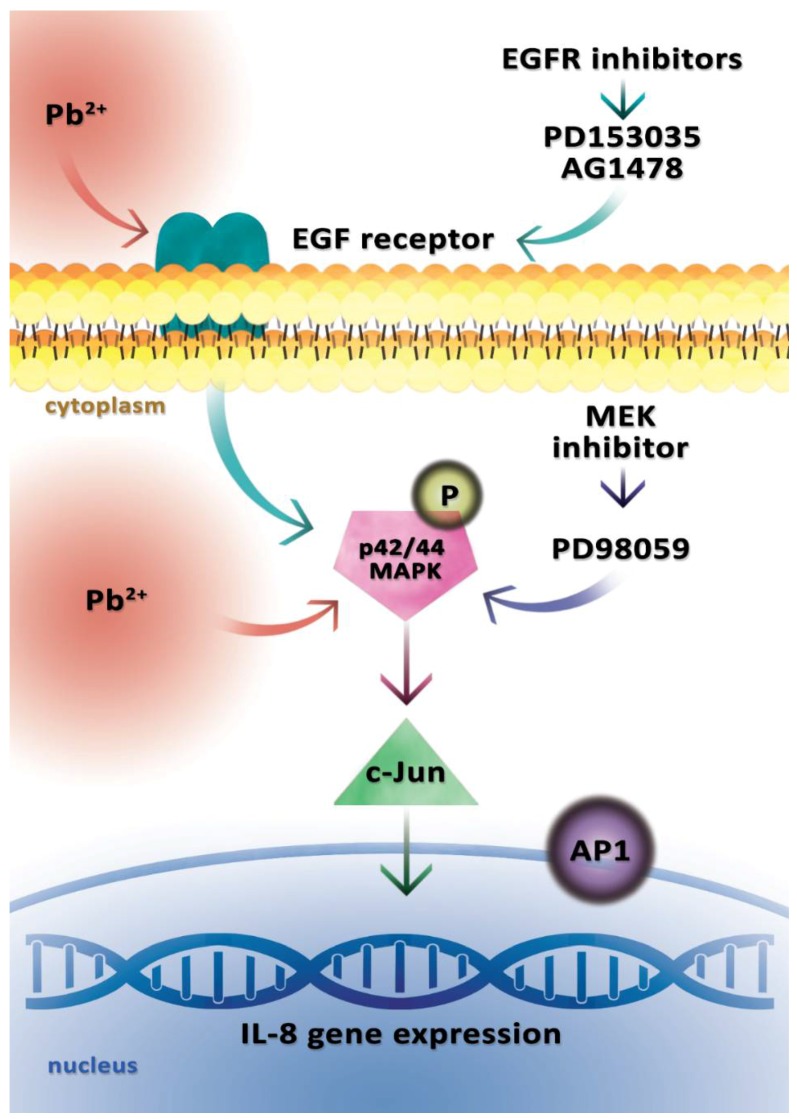
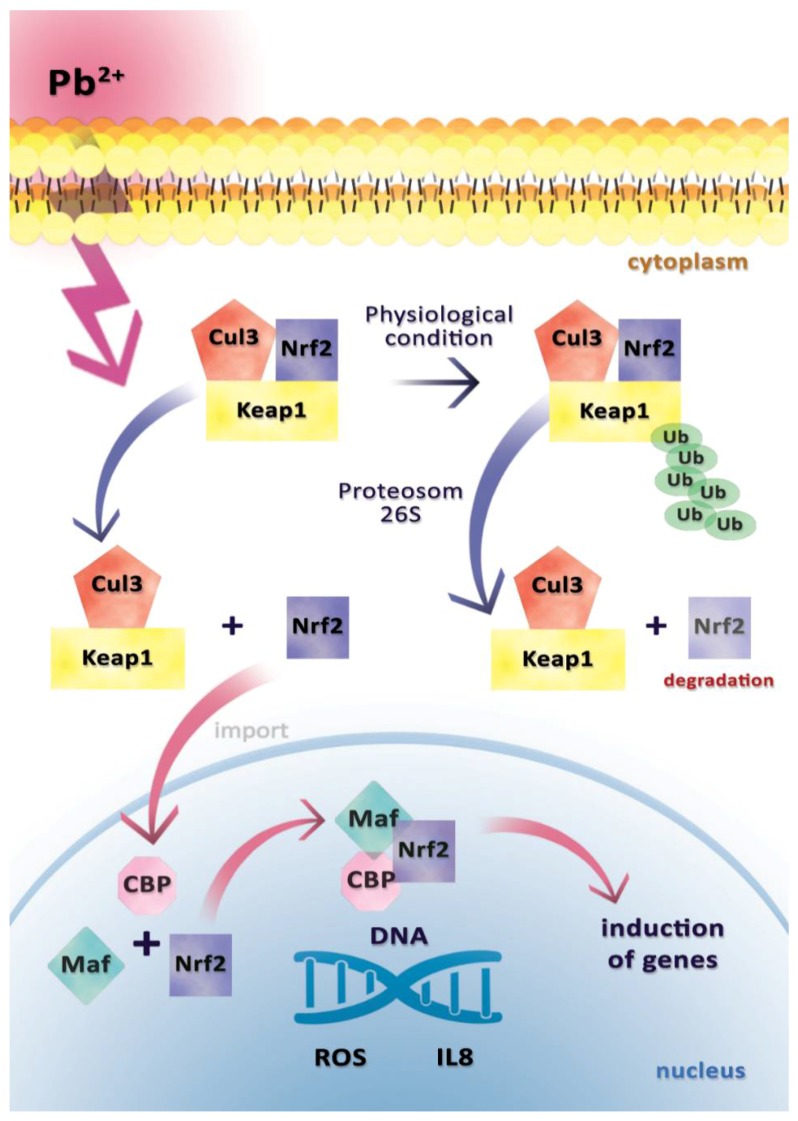
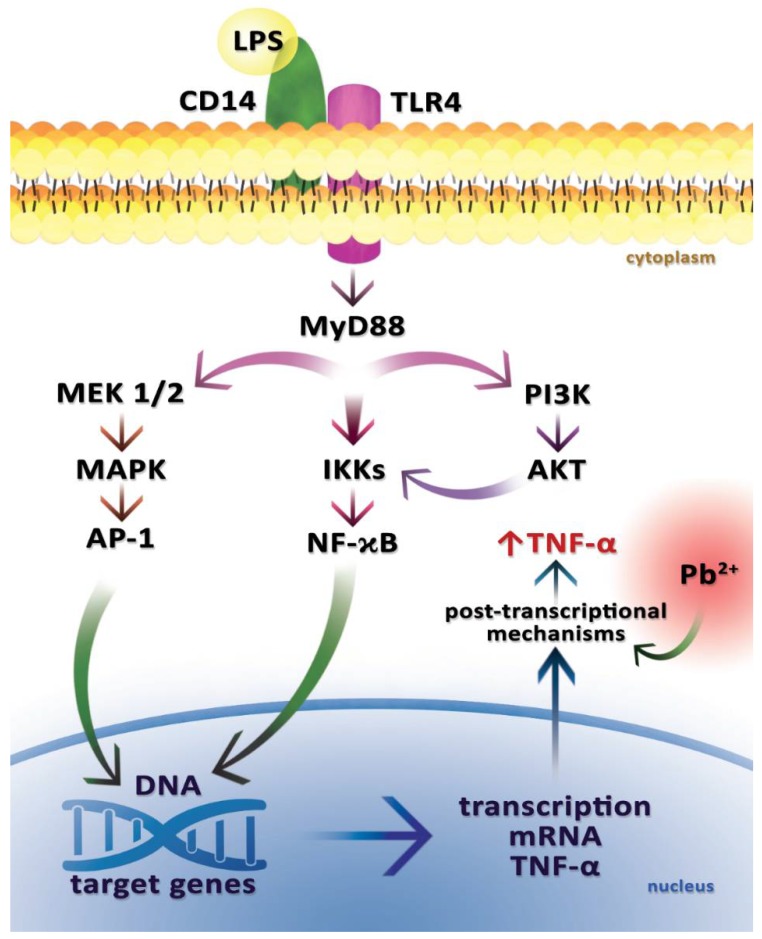
Verification
Claims the paper makes
The claims and statistics of this paper haven’t been checked yet.
Run the check — free, no account needed. It reads the open-access text and checks the sources it cites.
Claims other papers make about this one
Each is checked against this paper’s own text: does it say what the citing paper says it does?
In the citing paper
“Neuronal cells death by apoptosis (Liu et al., 2021), autophagy (Ji et al., 2021), and necrosis (Metryka et al., 2018) often occurs following Pb exposure in brain tissues.”
From MiR-378a-3p/ SLC7A11 regulate ferroptosis in nerve injury induced by lead exposure (2022) · cites this paper as Metryka et al., 2018
Self-check
Percentages, sums and reported differences re-computed from the paper’s own numbers.
The self-check needs the paper’s full text.
Citations
Cites
Oxidative mechanisms in the toxicity of metal ions
Stohs, S. J., & Bagchi, D. (1995) · Free Radical Biology and Medicine · doi:10.1016/0891-5849(94)00159-h · Cited by 4,219
Multiple control of interleukin-8 gene expression
Hoffmann, E., Dittrich-Breiholz, O., Holtmann, H., & Kracht, M. (2002) · Journal of Leukocyte Biology · doi:10.1189/jlb.72.5.847 · Cited by 1,058
Research works printed but not linked: 125
- Sieradzki, 2002, Wpływ ołowiu i kadmu na funkcje układu immunologicznego, Med. Pr., 53, 259
- Ramella, 2017, Endothelial MMP-9 drives the inflammatory response in abdominal aortic aneurysm (AAA), Am. J. Transl. Res., 9, 5485
- Lee, 1994, A protein kinase involved in the regulation of inflammatory cytokine biosynthesis, Nature, 372, 739, 10.1038/372739a0 · DOI
- Dietert, 2006, Lead and Immune Function, Crit. Rev. Toxicol., 36, 359, 10.1080/10408440500534297 · DOI
- Chibowska, K., Baranowska-Bosiacka, I., Falkowska, A., Gutowska, I., Goschorska, M., and Chlubek, D. (2016). Effect of Lead (Pb) on Inflammatory Processes in the Brain. Int. J. Mol. Sci., 17. · DOI
- Bachmann, 2007, Interleukin 2: From immunostimulation to immunoregulation and back again, EMBO Rep., 8, 1142, 10.1038/sj.embor.7401099 · DOI
- Choi, 1998, IL-4: Role in disease and regulation of production, Clin. Exp. Immunol., 113, 317, 10.1046/j.1365-2249.1998.00690.x · DOI
- Iavicoli, 2006, Below background levels of blood lead impact cytokine levels in male and female mice, Toxicol. Appl. Pharmacol., 210, 94, 10.1016/j.taap.2005.09.016 · DOI
- Baggiolini, 1992, Interleukin-8, a chemotactic and inflammatory cytokine, FEBS Lett., 307, 97, 10.1016/0014-5793(92)80909-Z · DOI
- Waugh, 2008, The interleukin-8 pathway in cancer, Clin. Cancer Res., 14, 6735, 10.1158/1078-0432.CCR-07-4843 · DOI · Paper page
- Lin, 2015, Pb2+ induced IL-8 gene expression by extracellular signal-regulated kinases and the transcription factor, activator protein 1, in human gastric carcinoma cells, Environ. Toxicol., 30, 315, 10.1002/tox.21909 · DOI
- Lin, 2013, Thrombin-induced NF-kappaB activation and IL-8/CXCL8 release is mediated by c-Src-dependent Shc, Raf-1, and ERK pathways in lung epithelial cells, Cell. Signal., 25, 1166, 10.1016/j.cellsig.2013.01.018 · DOI
- Chou, 2011, Divalent lead cations induce cyclooxygenase-2 gene expression by epidermal growth factor receptor/nuclear factor-kappa B signaling in A431carcinoma cells, Toxicol. Lett., 203, 147, 10.1016/j.toxlet.2011.03.017 · DOI
- Chang, 2011, Involvement of the epidermal growth factor receptor in Pb2+-induced activation of cPLA2/COX-2 genes and PGE2 production in vascular smooth muscle cells, Toxicology, 279, 45, 10.1016/j.tox.2010.09.004 · DOI
- Gillis, 2012, Analysis of lead toxicity in human cells, BMC Genom., 13, 344, 10.1186/1471-2164-13-344 · DOI
- Zeller, 2010, Lead contributes to arterial intimal hyperplasia through nuclear factor erythroid 2-related factor-mediated endothelial interleukin 8 synthesis and subsequent invasion of smooth muscle cells, Arterioscler. Thromb. Vasc. Biol., 30, 1733, 10.1161/ATVBAHA.110.211011 · DOI
- Kobayashi, 2005, Molecular mechanisms activating the Nrf2-Keap1 pathway of antioxidant gene regulation, Antioxid. Redox Signal., 7, 385, 10.1089/ars.2005.7.385 · DOI
- Roebuck, 1999, Regulation of interleukin-8 gene expression, J. Interferon Cytokine Res., 19, 429, 10.1089/107999099313866 · DOI
- Yang, 2014, Leptin and IL-8: Two novel cytokines screened out in childhood lead exposure, Toxicol. Lett., 227, 172, 10.1016/j.toxlet.2014.03.009 · DOI
- Turner, 2014, Cytokines and chemokines: At the crossroads of cell signalling and inflammatory disease, Biochim. Biophys. Acta, 1843, 2563, 10.1016/j.bbamcr.2014.05.014 · DOI
- Dyatlov, 2002, Neonatal Lead Exposure Potentiates Sickness Behavior Induced by Listeria monocytogenes Infection of Mice, Brain Behav. Immun., 16, 477, 10.1006/brbi.2001.0641 · DOI
- Snyder, 2000, The Efficiency of Maternal Transfer of Lead and Its Influence on Plasma IgE and Splenic Cellularity of Mice, Toxicol. Sci., 57, 87, 10.1093/toxsci/57.1.87 · DOI
- Needleman, 2004, Lead poisoning, Annu. Rev. Med., 55, 209, 10.1146/annurev.med.55.091902.103653 · DOI
- Heo, 2011, Central nervous system cytokine gene expression: Modulation by lead, J. Biochem. Mol. Toxicol., 25, 41, 10.1002/jbt.20358 · DOI
- Klasen, 2003, Expression of cytokines by multipotent neural progenitor cells, Cytokine, 22, 101, 10.1016/S1043-4666(03)00120-0 · DOI
- Kishikawa, 1998, Differential production of interleukin-6 in the brain and spleen of mice treated with lipopolysaccharide in the presence and absence of lead, J. Toxicol. Environ. Health Part A, 53, 357, 10.1080/009841098159222 · DOI
- Vagaska, 2016, MHC-class-II are expressed in a subpopulation of human neural stem cells in vitro in an IFNγ–independent fashion and during development, Sci. Rep., 6, 24251, 10.1038/srep24251 · DOI
- Turhan, 1997, Effects of occupational lead and cadmium exposure on some immunoregulatory cytokine levels in man, Toxicology, 123, 143, 10.1016/S0300-483X(97)00107-8 · DOI
- Heo, 1996, Lead differentially modifies cytokine production in vitro and in vivo, Toxicol. Appl. Pharmacol., 138, 149, 10.1006/taap.1996.0108 · DOI
- Kishikawa, 1997, Interleukin-12 promotes enhanced resistance to Listeria monocytogenes infection of lead-exposed mice, Toxicol. Appl. Pharmacol., 147, 180, 10.1006/taap.1997.8308 · DOI
- Miller, 1998, Developmental exposure to lead causes persistent immunotoxicity in Fischer 344 rats, Toxicol. Sci., 42, 129, 10.1093/toxsci/42.2.129 · DOI
- Heo, 1998, Differential effects of lead and cAMP on development and activities of Th1- and Th2-lymphocytes, Toxicol. Sci., 43, 172
- Heo, 2007, Posttranscriptional inhibition of interferon-gamma production by lead, Toxicol. Sci., 96, 92, 10.1093/toxsci/kfl182 · DOI
- Filar, 1998, Modification of bovine interferon and tumor necrosis factor production by lead in vivo and in vitro, Arch. Immunol. Ther. Exp., 46, 323
- Radbin, 2014, The influence of drinking-water pollution with heavy metal on the expression of IL-4 and IFNγ in mice by real-time polymerase chain reaction, Cytotechnology, 66, 769, 10.1007/s10616-013-9626-7 · DOI
- Guo, 1996, The heavy metal lead modulates the expression of both TNF-alpha and TNF-alpha receptors in lipopolysaccharide-activated human peripheral blood mononuclear cells, J. Leukoc. Biol., 59, 932, 10.1002/jlb.59.6.932 · DOI
- Long, 1994, Lead activation of protein kinase C from rat brain, J. Biol. Chem., 269, 834, 10.1016/S0021-9258(17)42188-0 · DOI
- Erickson, 1994, Decreased sensitivity to tumor-necrosis factor but normal T-cell development in TNF receptor-2-deficient mice, Nature, 372, 560, 10.1038/372560a0 · DOI
- Carpenter, 1995, Differences in the shedding of soluble TNF receptors between endotoxin-sensitive and endotoxin-resistant mice in response to lipopolysaccharide or live bacterial challenge, J. Immunol., 155, 2005, 10.4049/jimmunol.155.4.2005 · DOI
- Goldfeld, 1990, Human tumor necrosis factor alpha gene regulation by virus and lipopolysaccharide, Proc. Natl. Acad. Sci. USA, 87, 9769, 10.1073/pnas.87.24.9769 · DOI
- Cheng, 2006, Lead increases lipopolysaccharide-induced liver-injury through tumor necrosis factor-α overexpression by monocytes/macrophages: Role of protein kinase C and P42/44 mitogen-activated protein kinase, Environ. Health Perspect., 114, 507, 10.1289/ehp.8550 · DOI
- Dentener, 1989, Role of tumour necrosis factor in the enhanced sensitivity of mice to endotoxin after exposure to lead, Immunopharmacol. Immunotoxicol., 11, 321, 10.3109/08923978909005373 · DOI
- Hofsli, 1989, A flow cytometnc and immunofluorescence microscopic study of tumor necrosis factor production and localization in human monocytes, Cell. Immunol., 122, 405, 10.1016/0008-8749(89)90087-7 · DOI
- Hewett, 1993, Relationship between tumor necrosis factor-alpha and neutrophils in endotoxin-induced liver injury, Am. J. Physiol., 265, G1011
- Leist, 1995, The 55-kD tumor necrosis factor receptor and CD95 independently signal murine hepatocyte apoptosis and subsequent liver failure, Mol. Med., 2, 109, 10.1007/BF03402207 · DOI
- Schuchmann, 2003, Dominant negative MORT1/FADD rescues mice from CD95 and TNF-induced liver failure, Hepatology, 37, 129, 10.1053/jhep.2003.50011 · DOI
- Leist, 1997, ICE-protease inhibitors block murine liver injury and apoptosis caused by CD95 or by TNF-alpha, Immunol. Lett., 55, 5, 10.1016/S0165-2478(96)02642-9 · DOI
- Comalada, 2003, PKC epsilon is involved in JNK activation that mediates LPS-induced TNF-alpha, which induces apoptosis in macrophages, Am. J. Physiol. Cell-Physiol., 285, C1235, 10.1152/ajpcell.00228.2003 · DOI
- Beutler, 1989, The biology of cachectin/TNF—A primary mediator of the host response, Annu. Rev., 7, 625
- Appleby, 1994, Structure of the human cyclo-oxygenase-2 gene, Biochem. J., 302, 723, 10.1042/bj3020723 · DOI
- Inoue, 1995, Transcriptional regulation of human prostaglandin-endoperoxide synthase-2 gene by lipopolysaccharide and phorbol ester in vascular endothelial cells. Involvement of both nuclear factor for interleukin-6 expression site and cAMP response element, J. Biol. Chem., 270, 24965, 10.1074/jbc.270.42.24965 · DOI · Paper page
- Xu, 2000, Sp1 increases expression of cyclooxygenase-2 in hypoxic vascular endothelium, Implications for the mechanisms of aortic aneurysm and heart failure, J. Biol. Chem., 275, 24583, 10.1074/jbc.M003894200 · DOI
- Aguado, 2015, MAPK pathway activation by chronic lead-exposure increases vascular reactivity through oxidative stress/cyclooxygenase-2-dependent pathways, Toxicol. Appl. Pharmacol., 283, 127, 10.1016/j.taap.2015.01.005 · DOI
- Ohnaka, 2000, Induction of cyclooxygenase-2 by angiotensin II in cultured rat vascular smooth muscle cells, Hypertension, 35, 68, 10.1161/01.HYP.35.1.68 · DOI
- Wang, 2013, Sodium arsenite induces cyclooxygenase-2 expression in human uroepithelial cells through MAPK pathway activation and reactive oxygen species induction, Toxicol. In Vitro, 27, 1043, 10.1016/j.tiv.2013.01.012 · DOI
- Tsai, 2015, Function of DNA Methyltransferase 3a in Lead (Pb2+)-Induced Cyclooxygenase-2 Gene, Environ. Toxicol., 30, 1024, 10.1002/tox.21976 · DOI
- Kuhn, 2002, Mammalian arachidonate 15-lipoxygenases structure, function, and biological implications, Prostaglandins Other Lipid Mediat., 68–69, 263, 10.1016/S0090-6980(02)00035-7 · DOI
- Chaitidis, 2005, Gene expression alterations of human peripheral blood monocytes induced by medium-term treatment with the TH2-cytokines interleukin-4 and -13, Cytokine, 30, 366, 10.1016/j.cyto.2005.02.004 · DOI
- Conrad, 1992, Specific inflammatory cytokines regulate the expression of human monocyte 15-lipoxygenase, Proc. Natl. Acad. Sci. USA, 89, 217, 10.1073/pnas.89.1.217 · DOI
- Dobrian, 2011, Functional and pathological roles of the 12- and 15-lipoxygenases, Prog. Lipid Res., 50, 115, 10.1016/j.plipres.2010.10.005 · DOI
- Wittwer, 2007, The two faces of the 15-lipoxygenase in atherosclerosis, Prostaglandins Leukot. Essent. Fatty Acids, 77, 67, 10.1016/j.plefa.2007.08.001 · DOI
- Shureiqi, 2001, Lipoxygenase modulation to reverse carcinogenesis, Cancer Res., 61, 6307
- Poeckel, 2009, Dual 12/15- and 5-lipoxygenase deficiency in macrophages alters arachidonic acid metabolism and attenuates peritonitis and atherosclerosis in ApoE knock-out mice, J. Biol. Chem., 284, 21077, 10.1074/jbc.M109.000901 · DOI
- Bazan, 2002, Prostaglandins and other lipid mediators in Alzheimer’s disease, Prostaglandins Other Lipid Mediat., 68–69, 197, 10.1016/S0090-6980(02)00031-X · DOI
- Oberg, 2004, Increased prevalence of oxidant stress and inflammation in patients with moderate to severe chronic kidney disease, Kidney Int., 65, 1009, 10.1111/j.1523-1755.2004.00465.x · DOI
- Vahter, 2002, Metals and women’s health, Environ. Res., 88, 145, 10.1006/enrs.2002.4338 · DOI
- Ercal, 2001, Toxic metals and oxidative stress part I: Mechanisms involved in metal-induced oxidative damage, Curr. Top. Med. Chem., 1, 529, 10.2174/1568026013394831 · DOI · Paper page
- Pollack, 2012, Relation of Blood Cadmium, Lead, and Mercury Levels to Biomarkers of Lipid Peroxidation in Premenopausal Women, Am. J. Epidemiol., 175, 645, 10.1093/aje/kwr375 · DOI
- Songdej, 2010, A population-based assessment of blood lead levels in relation to inflammation, Environ. Res., 110, 272, 10.1016/j.envres.2009.12.008 · DOI
- Kasperczyk, 2008, Assessment of semen function and lipid peroxidation among lead exposed men, Toxicol. Appl. Pharmacol., 228, 378, 10.1016/j.taap.2007.12.024 · DOI
- Boncler, 2006, Znaczenie białka C-reaktywnego w patofizjologii miażdżycy. Role of C-reactive protein in atherogenesis, Postepy Hig. Med. Dosw., 60, 538
- Khan, 2008, Lead-induced oxidative stress adversely affects health of the occupational workers, Toxicol. Ind. Health, 24, 611, 10.1177/0748233708098127 · DOI
- Kasperczyk, 2012, The Effect of Occupational Lead Exposure on Blood Levels of Zinc, Iron, Copper, Selenium and Related Proteins, Biol. Trace Elem. Res., 150, 49, 10.1007/s12011-012-9490-x · DOI
- Luster, 1978, Depression of humoral immunity in rats following chronic developmental lead exposure, J. Environ. Pathol. Toxicol., 1, 397
- Hemphil, 1971, Lead suppression of mouse resistance to Salmonella typhimurium, Science, 172, 1031, 10.1126/science.172.3987.1031 · DOI
- Gainer, 1974, Lead Aggravates Viral Disease and Represses the Antiviral Activity of Interferon Inducers, Environ. Health Perspect., 7, 113, 10.1289/ehp.747113 · DOI
- Chan, 1994, The role of tyrosine kinases and protein tyrosine phosphatases in the antigen receptor signal transduction, Annu. Rev. Immunol., 12, 555, 10.1146/annurev.iy.12.040194.003011 · DOI
- Cambier, 1994, Signal transduction by the B cell antigen receptor and its co-receptors, Annu. Rev. Immunol., 12, 457, 10.1146/annurev.iy.12.040194.002325 · DOI
- Robey, 1995, T cell activation: Integration of signals from the antigen receptor and costimulatory molecules, Immunol. Today, 16, 306, 10.1016/0167-5699(95)80140-5 · DOI
- Berridge, 1995, Inositol trisphosphate and calcium signaling, Ann. N. Y. Acad. Sci., 766, 31, 10.1111/j.1749-6632.1995.tb26646.x · DOI
- Crabtree, 1994, Signal transmission between the plasma membrane and nucleus of T-lymphocytes, Annu. Rev. Biochem., 63, 1045, 10.1146/annurev.bi.63.070194.005145 · DOI
- Edwards, 1999, Lead stimulate lymphocyte proliferation through enhanced T cell-B cell interaction, J. Pharmacol. Exp. Ther., 288, 714, 10.1016/S0022-3565(24)38011-5 · DOI
- Schanne, 1989, Effect of lead on intracellular free calcium ion concentration in a presynaptic neuronal model: 19F-NMR study of NG108-15 cells, Brain Res., 503, 308, 10.1016/0006-8993(89)91680-6 · DOI
- Dave, 1993, Lead increases inositol 1,4,5-trisphospate levels but does not interfere with calcium transient in primary rat astrocytes, Brain Res., 618, 9, 10.1016/0006-8993(93)90422-J · DOI
- Gilman, 1987, G-protein: Transducer of receptor-generated signals, Annu. Rev. Biochem., 56, 615, 10.1146/annurev.bi.56.070187.003151 · DOI
- Boscolo, 1999, Expression of lymphocyte subpopulations, cytokine serum levels, and blood and urinary trace elements in asymptomatic atopic men exposed to an urban environment, Int. Arch. Occup. Environ. Health, 72, 26, 10.1007/s004200050330 · DOI
- Boscolo, 1997, Trace elements in biological samples and immunologic parameters in environmentally exposed populations (preliminary study), Giornale Italiano di Medicina del Lavoro ed Ergonomia, 19, 53
- Boscolo, 1997, Effects of chromium on lymphocyte subsets and immunoglobulins from normal population and exposed workers, Life Sci., 60, 1319, 10.1016/S0024-3205(96)00669-8 · DOI
- Victery, 1987, Effect of different levels and periods of lead exposure on tissue levels and excretion of lead, zinc, and calcium in the rat, Fundam. Appl. Toxicol., 8, 506, 10.1016/0272-0590(87)90136-9 · DOI
- McCabe, 1990, The heavy metal lead exhibits b cell-stimulatory factor by enhancing B cell Ia expression and differentiation, J. Immunol., 145, 671, 10.4049/jimmunol.145.2.671 · DOI
- McCabe, 1991, Lead, a major environmental pollutant, is immunomodulatory by its differential effects on CD4+ T cell subsets, Toxicol. Appl. Pharmacol., 111, 13, 10.1016/0041-008X(91)90129-3 · DOI
- Basaran, 2000, Effects of lead on immune parameters in occupationally exposed workers, Am. J. Ind. Med., 38, 349, 10.1002/1097-0274(200009)38:3<349::AID-AJIM16>3.0.CO;2-Z · DOI
- Mishra, 2003, Effect of lead exposure on the immune response of some occupationally exposed individuals, Toxicology, 188, 251, 10.1016/S0300-483X(03)00091-X · DOI
- Turhan, 1997, Simultaneous effects of lead and cadmium on NK cell activity and some phenotypic parameters, Immunopharmacol. Immunotoxicol., 19, 339, 10.3109/08923979709046980 · DOI
- Krocova, 2000, The immunomodulatory effect(s) of lead and cadmium on the cells of immune system in vitro, Toxicol. In Vitro, 14, 33, 10.1016/S0887-2333(99)00089-2 · DOI
- Herder, 2002, Enhanced proinflammatory response to endotoxin after priming of macrophages with lead ions, J. Leukoc. Biol., 71, 417, 10.1189/jlb.71.3.417 · DOI
- Lawrence, 1981, In vivo and in vitro effects of lead on humoral and cell-mediated immunity, Infect. Immun., 31, 136, 10.1128/iai.31.1.136-143.1981 · DOI
- Horiguchi, 1992, Frequency of cold infections in workers at a lead refinery, Osaka City Med. J., 38, 79
- Brieger, 2016, Lead ions abrogate lipopolysaccharide-induced nitric monoxide toxicity by reducing the expression of STAT1 and iNOS, J. Trace Elem. Med. Biol., 37, 117, 10.1016/j.jtemb.2016.04.009 · DOI
- Xaus, 2000, LPS induces apoptosis in macrophages mostly through the autocrine production of TNF-α, Blood, 95, 3823, 10.1182/blood.V95.12.3823.012k07_3823_3831 · DOI · Paper page
- Baranda, 2002, Effect of arsenic, cadmium and lead on the induction of apoptosis of normal human mononuclear cells, Clin. Exp. Immunol., 129, 69, 10.1046/j.1365-2249.2002.01885.x · DOI
- Shabani, 2000, Lead nitrate induced apoptosis in alveolar macrophages from rat lung, Toxicology, 149, 109, 10.1016/S0300-483X(00)00232-8 · DOI
- Lawrence, 2014, Lead modulation of macrophages causes multiorgan detrimental health effects, J. Biochem. Mol. Toxicol., 28, 355, 10.1002/jbt.21572 · DOI
- Gao, 2007, Lead effects on development and function of bone marrow-derived dendritic cells promote Th2 immune responses, Toxicol. Appl. Pharmacol., 222, 69, 10.1016/j.taap.2007.04.001 · DOI
- Gao, 2010, Dendritic cells in immunotoxicity testing, Methods Mol. Biol., 598, 259, 10.1007/978-1-60761-401-2_19 · DOI
- Aiba, 1997, Dendritic cells differently respond to haptens and irritants by their production of cytokines and expression of co-stimulatory molecules, Eur. J. Immunol., 27, 3031, 10.1002/eji.1830271141 · DOI
- Anetor, 1998, Decreased immune status in Nigerian workers occupationally exposed to lead, Afr. J. Med. Med. Sci., 27, 169
- Sun, 2003, Influence of exposure to environmental lead on serum immunoglobulin in preschool children, Environ. Res., 92, 124, 10.1016/S0013-9351(02)00090-7 · DOI
- Sarasua, 2000, Serum immunoglobulins and lymphocyte subset distributions in children and adults living in communities assessed for lead and cadmium exposure, J. Toxicol. Environ. Health Part A, 60, 1, 10.1080/009841000156556 · DOI
- Farkhondeh, 2014, Lead exposure affects inflammatory mediators, total and differential white blood cells in sensitized guinea pigs during and after sensitization, Drug Chem. Toxicol., 37, 329, 10.3109/01480545.2013.866133 · DOI
- Rothenberg, 2017, Advances in mechanisms of allergic disease in 2016, J. Allergy Clin. Immunol., 140, 1622, 10.1016/j.jaci.2017.08.029 · DOI
- Heo, 1997, In vivo the environmental pollutants lead and mercury induce oligoclonal T cell responses skewed toward type-2 reactivities, Cell. Immunol., 179, 185, 10.1006/cimm.1997.1160 · DOI
- Bener, 2001, A pilot survey of blood lead levels in various types of workers in the United Arab Emirates, Environ. Int., 27, 311, 10.1016/S0160-4120(01)00061-7 · DOI
- Khazdair, 2012, Respiratory symptoms and pulmonary function tests in lead exposed workers, Iran. Red. Crescent Med. J., 14, 737, 10.5812/ircmj.4134 · DOI
- Boskabady, 2012, Tracheal responsiveness to methacholine and ovalbumin; and lung inflammation in guinea pigs exposed to inhaled lead after sensitization, Ecotoxicol. Environ. Saf., 86, 233, 10.1016/j.ecoenv.2012.09.025 · DOI
- Farkhondeh, 2013, The effect of lead exposure on selected blood inflammatory biomarkers in guinea pigs, Cardiovasc. Hematol. Disord. Drug Targets, 13, 45, 10.2174/1871529X11313010005 · DOI
- Russell, 1997, Davenport Detection of endothelin receptors in human coronary artery vascular smooth muscle cells but not endothelial cells by using electron microscope autoradiography, J. Cardiovasc. Pharmacol., 29, 820, 10.1097/00005344-199706000-00017 · DOI
- Sugimoto, 2001, Endothelin-1 induces cyclooxygenase-2 expression via nuclear factor of activated T-cell transcription factor in glomerular mesangial cells, J. Am. Soc. Nephrol., 12, 1359, 10.1681/ASN.V1271359 · DOI
- Molero, 2003, Endothelin-1 induced proinflammatory markers in the myocardium and leukocytes of guinea-pigs: Role of glycoprotein IIB/IIIA receptors, Cardiovasc. Res., 57, 109, 10.1016/S0008-6363(02)00657-0 · DOI
- Riesco, 1993, Effect of endothelin-1 on neutrophil adhesion to endothelial cells and perfused heart, Circulation, 88, 1166, 10.1161/01.CIR.88.3.1166 · DOI
- McCarron, 1993, Endothelin induction of adhesion molecule expression on human brain microvascular endothelial cells, Neurosci. Lett., 156, 31, 10.1016/0304-3940(93)90432-K · DOI
- McMillen, 1995, Endothelin-1 increases intracellular calcium in human monocytes and causes production of interleukin-6, Crit. Care Med., 23, 34, 10.1097/00003246-199501000-00009 · DOI
- Gonick, 1993, Lead-induced hypertension: Possible role of endothelial factors, Am. J. Hypertens., 6, 723, 10.1093/ajh/6.9.723 · DOI
- Gonick, 1997, Lead-induced hypertension: Interplay of nitric oxide and reactive oxygen species, Hypertension, 30, 1487, 10.1161/01.HYP.30.6.1487 · DOI
- Gonick, 1994, Effect of chelation treatment with dimercaptosuccinic acid (DMSA) on lead-related blood pressure changes, Environ. Res., 65, 86, 10.1006/enrs.1994.1023 · DOI
Cited by
Sorted by citations
MiR-378a-3p/ SLC7A11 regulate ferroptosis in nerve injury induced by lead exposure
Wang, W., Shi, F., Cui, J., Pang, S., Zheng, G., & Zhang, Y. (2022) · Ecotoxicology and Environmental Safety · doi:10.1016/j.ecoenv.2022.113639 · Cited by 47
Institute of Biology, P. U. I. S., Tkaczenko, H., Lukash, O., Kamiński, P., & Kurhaluk, N. (2024) · Cellular Physiology and Biochemistry · doi:10.33594/000000716 · Cited by 7
Metadata
- Authors
- Metryka, E., Chibowska, K., Gutowska, I., Falkowska, A., Kupnicka, P., Barczak, K., Chlubek, D., & Baranowska-Bosiacka, I.
- Affiliations
- Department of Biochemistry and Medical Chemistry, Pomeranian Medical University, Powstańców Wlkp. 72, 70-111 Szczecin, Poland
- Department of Biochemistry and Human Nutrition, Pomeranian Medical University, Broniewskiego 24, 71-460 Szczecin, Poland
- Department of Conservative Dentistry and Endodontics, Pomeranian Medical University, Powstańców Wlkp. 72, 70-111 Szczecin, Poland
- Venue
- International Journal of Molecular Sciences
- Publisher
- MDPI AG
- Published
- 2018-06-20
- Volume
- 19
- Issue
- 6
- Pages
- 1813
- ISSN
- 1422-0067
- PMC
- PMC6032409
- Cited by
- 217
- References
- 2
- Language
- en
About these checks
Registry, retraction, Cites and statistics results are computed, not judged, with one exception: a printed reference that no index lists is read once by a model before it counts as a citation error. Claims are extracted by a model and kept only when their quote appears verbatim in the text; each cited source is then checked, with a model’s help, for whether it says what the claim relies on. Those verdicts can be wrong — read the claim’s quote and the cited source before relying on one.
Statistics and arithmetic are recomputed, not judged.
Confidence bands are shown only for fields calibrated on our annotated test set. None is calibrated yet, so no band is shown.
What counts as a claim ›How we measure confidence ›How we check this ›
Are you an author, or do you see a problem with this page? Request a review
