

The DOI matches its Crossref record; 3 of the 3 references it cites were found in a registry or an index.
The Development of a Database for Herbal and Dietary Supplement Induced Liver Toxicity
Abstract
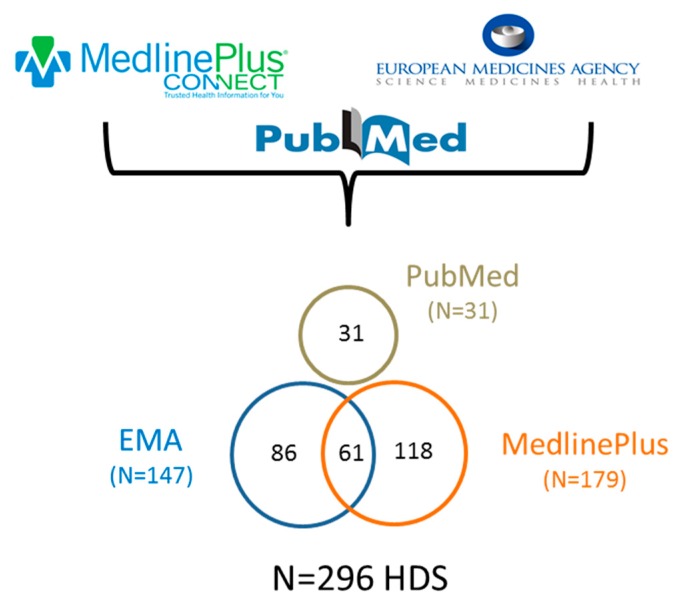
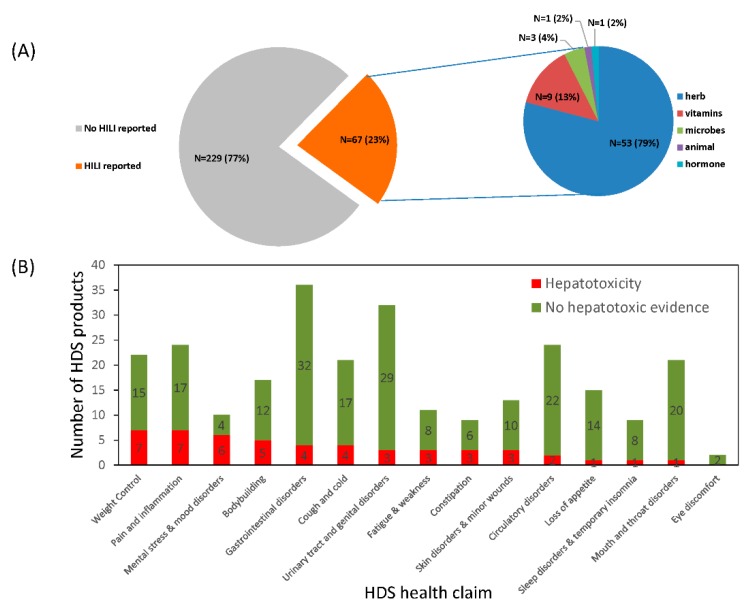
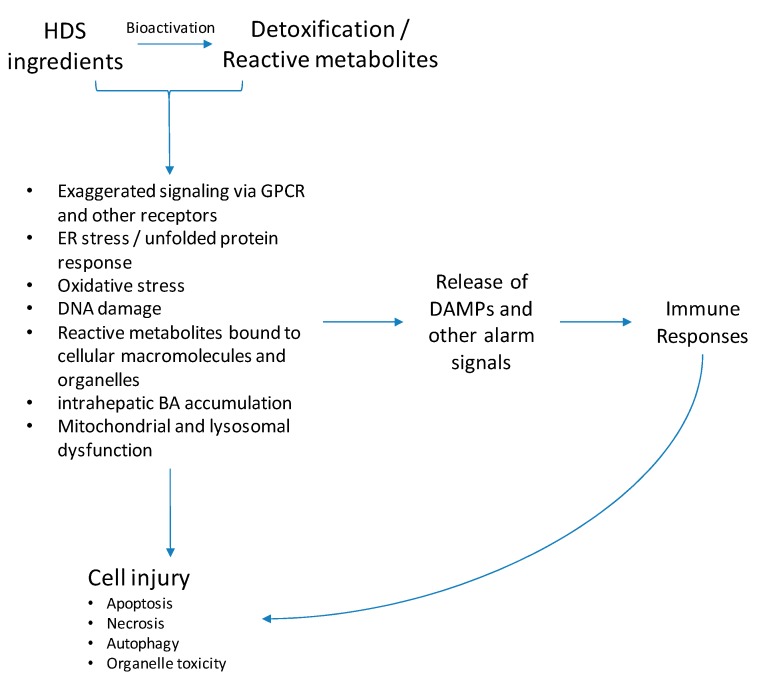
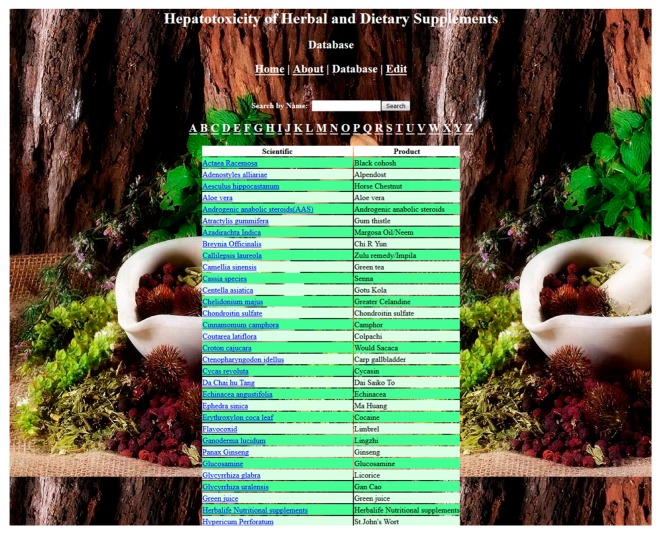
The growing use of herbal dietary supplements (HDS) in the United States provides compelling evidence for risk of herbal-induced liver injury (HILI). Information on HDS products was retrieved from MedlinePlus of the U.S. National Library of Medicine and the herbal monograph of the European Medicines Agency. The hepatotoxic potential of HDS was ascertained by considering published case reports. Other relevant data were collected from governmental documents, public databases, web sources, and the literature. We collected information for 296 unique HDS products. Evidence of hepatotoxicity was reported for 67, that is 1 in 5, of these HDS products. The database revealed an apparent gender preponderance with women representing 61% of HILI cases. Culprit hepatotoxic HDS were mostly used for weight control, followed by pain and inflammation, mental stress, and mood disorders. Commonly discussed mechanistic events associated with HILI are reactive metabolites and oxidative stress, mitochondrial injury, as well as inhibition of transporters. HDS–drug interactions, causing both synergistic and antagonizing effects of drugs, were also reported for certain HDS. The database contains information for nearly 300 commonly used HDS products to provide a single-entry point for better comprehension of their impact on public health.
Overview
The claims and statistics of this paper haven’t been checked yet.
Run the check — free, no account needed. It reads the open-access text and checks the sources it cites.
Integrity signals
Registry
Cites
Statistics
Figures
Verification
Claims the paper makes
The claims and statistics of this paper haven’t been checked yet.
Run the check — free, no account needed. It reads the open-access text and checks the sources it cites.
Claims other papers make about this one
Each is checked against this paper’s own text: does it say what the citing paper says it does?
In the citing paper
“Generally problematic are reports presented as network data when case presentations and causality assessments are poor.67,96,100”
From Herb-induced Liver Injury in Asia and Current Role of RUCAM for Causality Assessment in 11,160 Published Cases (2020) · cites this paper as [96]
In the citing paper
“Data were also disappointing in another FDA report with attempted focus on the development of a database for herbal and dietary supplement-induced liver toxicity, but herbal TCMs and causality assessment by the updated RUCAM were explicitly not considered.96”
From Herb-induced Liver Injury in Asia and Current Role of RUCAM for Causality Assessment in 11,160 Published Cases (2020) · cites this paper as [96]
Self-check
Percentages, sums and reported differences re-computed from the paper’s own numbers.
The self-check needs the paper’s full text.
Citations
Cites
Ekor, M. (2014) · Frontiers in Pharmacology · doi:10.3389/fphar.2013.00177 · Cited by 3,919
Liver injury from herbals and dietary supplements in the U.S. Drug-Induced Liver Injury Network
Navarro, V. J., Barnhart, H., Bonkovsky, H. L., Davern, T., Fontana, R. J., Grant, L., Reddy, R. K., Seeff, L. B., Serrano, J., Sherker, A. H., et al. (2014) · Hepatology · doi:10.1002/hep.27317 · Cited by 418
Chen, M., Suzuki, A., Thakkar, S., Yu, K., Hu, C., & Tong, W. (2016) · Drug Discovery Today · doi:10.1016/j.drudis.2016.02.015 · Cited by 398
Self-citation
Research works printed but not linked: 65
- Stickel, 2005, Herbal hepatotoxicity, J. Hepatol., 43, 901, 10.1016/j.jhep.2005.08.002 · DOI
- Zheng, 2015, Liver Injury from Herbal, Dietary, and Weight Loss Supplements: A Review, J. Clin. Transl. Hepatol., 3, 93, 10.14218/JCTH.2015.00006 · DOI
- Stickel, 2015, Hepatotoxicity of herbal and dietary supplements: An update, Arch. Toxicol., 89, 851, 10.1007/s00204-015-1471-3 · DOI
- Ros, 1999, A case of positive doping associated with a botanical food supplement, Pharm. World Sci., 21, 44, 10.1023/A:1008681612399 · DOI
- Liu, 2015, Network Pharmacology for Traditional Chinese Medicine Research: Methodologies and Applications, Chin. Herb. Med., 1, 005
- Bailey, 2010, Dietary supplement use in the United States, 2003–2006, J. Nutr., 141, 261, 10.3945/jn.110.133025 · DOI
- Lee, 2015, Evolution of traditional medicines to botanical drugs, Science, 347, S32
- Avigan, M.I., Mozersky, R.P., and Seeff, L.B. (2016). Scientific and regulatory perspectives in herbal and dietary supplement associated hepatotoxicity in the United States. Int. J. Mol. Sci., 17. · DOI
- Navarro, 2017, Liver injury from herbal and dietary supplements, Hepatology, 65, 363, 10.1002/hep.28813 · DOI
- Mehta, 2008, Herbal and dietary supplement disclosure to health care providers by individuals with chronic conditions, J. Alter. Complement. Med., 14, 1263, 10.1089/acm.2008.0290 · DOI · Paper page
- Stickel, 2011, Review of liver injury associated with dietary supplements, Liver Int., 31, 595, 10.1111/j.1478-3231.2010.02439.x · DOI
- Seeff, 2015, Herbal products and the liver: A review of adverse effects and mechanisms, Gastroenterology, 148, 517, 10.1053/j.gastro.2014.12.004 · DOI
- Chen, 2013, Liver Toxicity Knowledge Base (LTKB)—A Systems Approach to a Complex Endpoint, Clin. Pharmacol. Ther., 95, 409, 10.1038/clpt.2013.16 · DOI
- Chen, 2016, A Model to predict severity of drug-induced liver injury in humans, Hepatology, 64, 931, 10.1002/hep.28678 · DOI
- Chen, 2015, Drug-Induced liver injury: Interactions between drug properties and host factors, J. Hepatol., 63, 503, 10.1016/j.jhep.2015.04.016 · DOI
- Chen, 2013, High lipophilicity and high daily dose of oral medications are associated with significant risk for drug-induced liver injury, Hepatology, 58, 388, 10.1002/hep.26208 · DOI · Paper page
- Zhang, 2012, Is toxicogenomics a more reliable and sensitive biomarker than conventional indicators from rats to predict drug-induced liver injury in humans?, Chem. Res. Toxicol., 25, 122, 10.1021/tx200320e · DOI
- Wang, 2013, A Unifying Ontology to Integrate Histological and Clinical Observations for Drug-Induced Liver Injury, Am. J. Pathol., 182, 1180, 10.1016/j.ajpath.2012.12.033 · DOI
- Yu, 2014, High Daily Dose and Being a Substrate of Cytochrome P450 Enzymes Are Two Important Predictors of Drug-Induced Liver Injury, Drug Metabol. Disposition, 42, 744, 10.1124/dmd.113.056267 · DOI · Paper page
- Yu, K., Zhang, J., Chen, M., Xu, X., Suzuki, A., Ilic, K., and Tong, W. (2014). Mining hidden knowledge for drug safety assessment: Topic modeling of LiverTox as a case study. BMC Bioinf., 15. · DOI
- Wu, 2015, NETBAGs: A network based clustering approach with gene signatures for cancer subtyping analysis, Biomark Med., 9, 1053, 10.2217/bmm.15.96 · DOI
- Mishra, 2017, Application of “Rule-of-two” Model to Direct-Acting Antivirals for Treatment of Chronic Hepatitis C: Can it Predict Potential for Hepatotoxicity?, Gastroenterology, 152, 1270, 10.1053/j.gastro.2017.03.012 · DOI
- Chen, 2011, FDA-approved drug labeling for the study of drug-induced liver injury, Drug Discov. Today, 16, 697, 10.1016/j.drudis.2011.05.007 · DOI · Paper page
- Russmann, 2009, Current concepts of mechanisms in drug-induced hepatotoxicity, Curr. Med. Chem., 16, 3041, 10.2174/092986709788803097 · DOI
- Chen, M., and Will, Y. (2018). Overview of Mechanisms of Drug-Induced Liver Injury (DILI) and Key Challenges in DILI Research. Drug-Induced Liver Toxicity, Humana Press. · DOI
- Copple, 2003, Liver inflammation during monocrotaline hepatotoxicity, Toxicology, 190, 155, 10.1016/S0300-483X(03)00164-1 · DOI
- Yao, 2014, Hepatic cytochrome P450s play a major role in monocrotaline-induced renal toxicity in mice, Acta Pharmacol. Sin., 35, 292, 10.1038/aps.2013.145 · DOI
- Zhou, 2010, Flavokawain B, the hepatotoxic constituent from kava root, induces GSH-sensitive oxidative stress through modulation of IKK/NF-kappaB and MAPK signaling pathways, FASEB J., 24, 4722
- Wang, 2015, Green tea polyphenol (-)-epigallocatechin-3-gallate triggered hepatotoxicity in mice: Responses of major antioxidant enzymes and the Nrf2 rescue pathway, Toxicol. Appl. Pharmacol., 283, 65, 10.1016/j.taap.2014.12.018 · DOI
- Sahu, 2012, Effects of usnic acid exposure on human hepatoblastoma HepG2 cells in culture, J. Appl. Toxicol., 32, 722, 10.1002/jat.1721 · DOI
- Mazzanti, 2009, Chelidonium majus is not hepatotoxic in Wistar rats, in a 4 weeks feeding experiment, J. Ethnopharmacol., 126, 518, 10.1016/j.jep.2009.09.004 · DOI
- Sahu, 2006, Prooxidant activity and toxicity of nordihydroguaiaretic acid in clone-9 rat hepatocyte cultures, Food Chem. Toxicol., 44, 1751, 10.1016/j.fct.2006.05.016 · DOI
- Campos, 2012, Cimicifuga racemosa impairs fatty acid beta-oxidation and induces oxidative stress in livers of ovariectomized rats with renovascular hypertension, Free Radic. Biol. Med., 53, 680, 10.1016/j.freeradbiomed.2012.05.043 · DOI
- Fujiwara, 1998, Dynamic recycling of ERGIC53 between the endoplasmic reticulum and the Golgi complex is disrupted by nordihydroguaiaretic acid, Biochem. Biophys. Res. Commun., 253, 869, 10.1006/bbrc.1998.9868 · DOI
- Fujiwara, 1998, Nordihydroguaiaretic acid blocks protein transport in the secretory pathway causing redistribution of Golgi proteins into the endoplasmic reticulum, J. Biol. Chem., 273, 3068, 10.1074/jbc.273.5.3068 · DOI
- Chen, 2014, The role of autophagy in usnic acid-induced toxicity in hepatic cells, Toxicol. Sci., 142, 33, 10.1093/toxsci/kfu154 · DOI
- Alhaddad, 2016, Khat-induced liver injuries: A report of two cases, Arab J. Gastroenterol., 17, 45, 10.1016/j.ajg.2016.02.002 · DOI
- Cohen, 2004, Autoimmune hepatitis associated with the use of black cohosh: A case study, Menopause, 11, 575, 10.1097/01.gme.0000142914.55849.6a · DOI
- Nadir, 1996, Acute hepatitis associated with the use of a Chinese herbal product, ma-huang, Am. J. Gastroenterol., 91, 1436
- Stedman, 2002, Herbal hepatotoxicity, Semin. Liver Dis., 22, 195, 10.1055/s-2002-30104 · DOI
- 2000, Herb-drug interactions, Lancet, 355, 134, 10.1016/S0140-6736(99)06457-0 · DOI
- Lekehal, 1996, Hepatotoxicity of the herbal medicine germander: Metabolic activation of its furano diterpenoids by cytochrome P450 3A Depletes cytoskeleton-associated protein thiols and forms plasma membrane blebs in rat hepatocytes, Hepatology, 24, 212, 10.1002/hep.510240134 · DOI
- Fau, 1997, Diterpenoids from germander, an herbal medicine, induce apoptosis in isolated rat hepatocytes, Gastroenterology, 113, 1334, 10.1053/gast.1997.v113.pm9322529 · DOI
- Loeper, 1994, Hepatotoxicity of germander in mice, Gastroenterology, 106, 464, 10.1016/0016-5085(94)90606-8 · DOI
- Roby, 2000, St John’s Wort: Effect on CYP3A4 activity, Clin. Pharmacol. Ther., 67, 451, 10.1067/mcp.2000.106793 · DOI
- Mueller, 2006, The extent of induction of CYP3A by St. John’s wort varies among products and is linked to hyperforin dose, Eur. J. Clin. Pharmacol., 62, 29, 10.1007/s00228-005-0061-3 · DOI
- Mathews, 2002, Inhibition of human cytochrome P450 activities by kava extract and kavalactones, Drug Metab. Dispo., 30, 1153, 10.1124/dmd.30.11.1153 · DOI
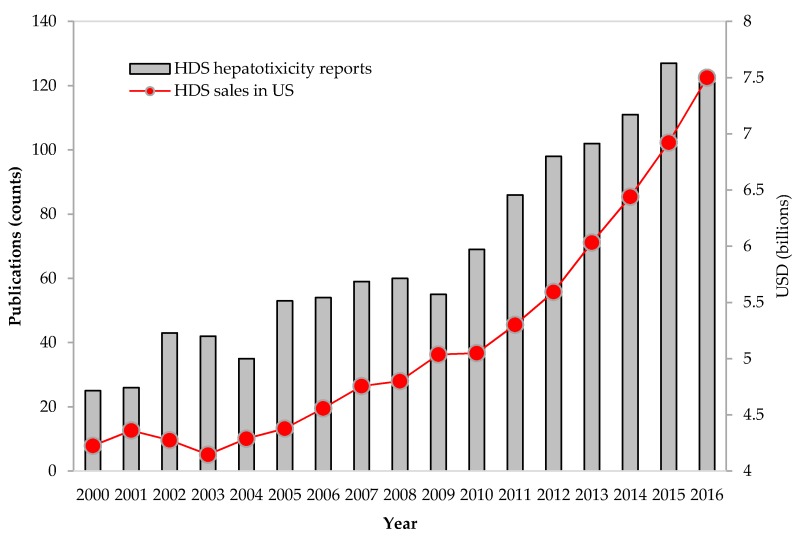
- Smith, 2016, MARKET REPORT. Sales of herbal dietary supplements in US increased 7.5% in 2015 consumers spent $6.92 billion on herbal supplements in 2015, marking the 12th consecutive year of growth, HerbalGram, 111, 67
- Teschke, 2014, Drug induced liver injury: Accuracy of diagnosis in published reports, Ann. Hepatol., 13, 248, 10.1016/S1665-2681(19)30888-9 · DOI
- Teschke, 2018, Drug induced liver injury with analysis of alternative causes as confounding variables, Br. J. Clin. Pharmacol., 84, 1467, 10.1111/bcp.13593 · DOI
- Danan, G., and Teschke, R. (2018). Drug-Induced Liver Injury: Why is the Roussel Uclaf Causality Assessment Method (RUCAM) Still Used 25 Years After Its Launch?. Drug Saf. · DOI · Paper page
- Lewis, 2014, Causality assessment: Which is best—Expert opinion or RUCAM?, Clin. Liver Dis., 4, 4, 10.1002/cld.365 · DOI
- Lucena, 2008, Evaluation of Naranjo Adverse Drug Reactions Probability Scale in causality assessment of drug-induced liver injury, Aliment. Pharmacol. Ther., 27, 780, 10.1111/j.1365-2036.2008.03655.x · DOI · Paper page
- Hoofnagle, 2016, Categorization of drugs implicated in causing liver injury: Critical assessment based on published case reports, Hepatology, 63, 590, 10.1002/hep.28323 · DOI · Paper page
- Chitturi, 2008, Hepatotoxic slimming aids and other herbal hepatotoxins, J. Gastroenterol. Hepatol., 23, 366, 10.1111/j.1440-1746.2008.05310.x · DOI
- Tesch, 2002, Herbs commonly used by women: An evidence-based review (Reprinted from Cln Jnl Womens Health, vol 1, pg 89-102, 2001), Dm-Dis Mon., 48, 671, 10.1053/cjwh.2001.23363 · DOI
- Suk, 2012, A prospective nationwide study of drug-induced liver injury in Korea, Am. J. Gastroenterol., 107, 1380, 10.1038/ajg.2012.138 · DOI · Paper page
- Licata, 2013, Herbal hepatotoxicity: A hidden epidemic, Intern. Emerg Med., 8, 13, 10.1007/s11739-012-0777-x · DOI
- Radimer, 2004, Dietary supplement use by US adults: Data from the National Health and Nutrition Examination Survey, 1999–2000, Am. J. Epidemiol., 160, 339, 10.1093/aje/kwh207 · DOI
- Bunchorntavakul, 2013, Review article: Herbal and dietary supplement hepatotoxicity, Aliment. Pharmacol. Ther., 37, 3, 10.1111/apt.12109 · DOI · Paper page
- Vuppalanchi, 2015, Herbal dietary supplement associated hepatotoxicity: An upcoming workshop and need for research, Gastroenterology, 148, 480, 10.1053/j.gastro.2015.01.004 · DOI
- Navarro, 2014, Hepatotoxicity induced by herbal and dietary supplements, Semin. Liver Dis., 34, 172, 10.1055/s-0034-1375958 · DOI
- Chalasani, 2015, Features and Outcomes of 899 Patients With Drug-Induced Liver Injury: The DILIN Prospective Study, Gastroenterology, 148, 1340, 10.1053/j.gastro.2015.03.006 · DOI · Paper page
- Gardiner, 2013, A Systematic Review of the Prevalence of Herb Usage Among Racial/Ethnic Minorities in the United States, J. Immigr. Minor. Health, 15, 817, 10.1007/s10903-012-9661-z · DOI
- Smith, 2017, MARKET REPORT. Herbal Supplement Sales in US Increase 7.7% in 2016 Consumer preferences shifting toward ingredients with general wellness benefits, driving growth of adaptogens and digestive health products, HerbalGram, 115, 56
Cited by
Sorted by citations
Teschke, R., Zhu, Y., & Jing, J. (2020) · Journal of Clinical and Translational Hepatology · doi:10.14218/jcth.2020.00009 · Cited by 41
Metadata
- Authors
- Zhu, J., Seo, J.-E., Wang, S., Ashby, K., Ballard, R., Yu, D., Ning, B., Agarwal, R., Borlak, J., Tong, W., & Chen, M.
- Affiliations
- Division of Bioinformatics and Biostatistics, National Center for Toxicological Research, U.S. Food and Drug Administration, Jefferson, AR 72079, USA
- Center for Drug Evaluation and Research, U.S. Food and Drug Administration, Silver Spring, MD 20993, USA
- Center of Pharmacology and Toxicology, Hannover Medical School, 30625 Hannover, Germany
- ORCID
- Borlak, Jürgen
- Venue
- International Journal of Molecular Sciences
- Publisher
- MDPI AG
- Published
- 2018-09-28
- Volume
- 19
- Issue
- 10
- Pages
- 2955
- ISSN
- 1422-0067
- PMC
- PMC6213387
- Cited by
- 29
- References
- 3
- Language
- en
About these checks
Registry, retraction, Cites and statistics results are computed, not judged, with one exception: a printed reference that no index lists is read once by a model before it counts as a citation error. Claims are extracted by a model and kept only when their quote appears verbatim in the text; each cited source is then checked, with a model’s help, for whether it says what the claim relies on. Those verdicts can be wrong — read the claim’s quote and the cited source before relying on one.
Statistics and arithmetic are recomputed, not judged.
Confidence bands are shown only for fields calibrated on our annotated test set. None is calibrated yet, so no band is shown.
What counts as a claim ›How we measure confidence ›How we check this ›
Are you an author, or do you see a problem with this page? Request a review
