

The DOI matches its Crossref record; 4 of the 4 references it cites were found in a registry or an index.
The New Model of Snail Expression Regulation: The Role of MRTFs in Fast and Slow Endothelial–Mesenchymal Transition
Open accessAbstract
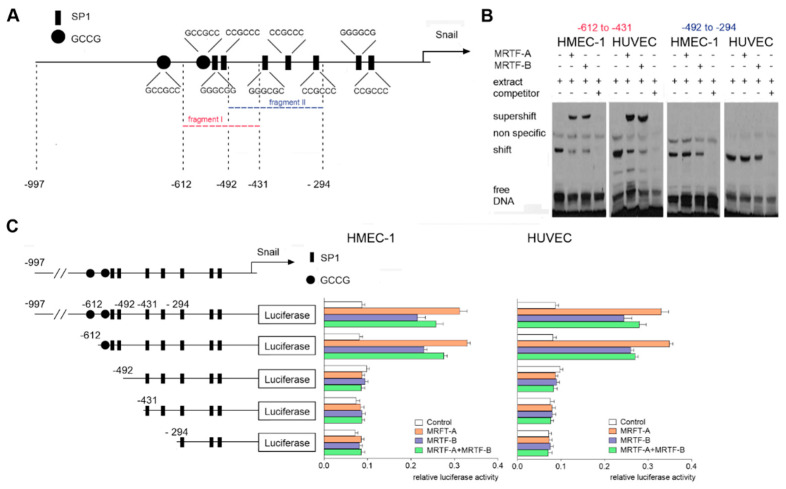
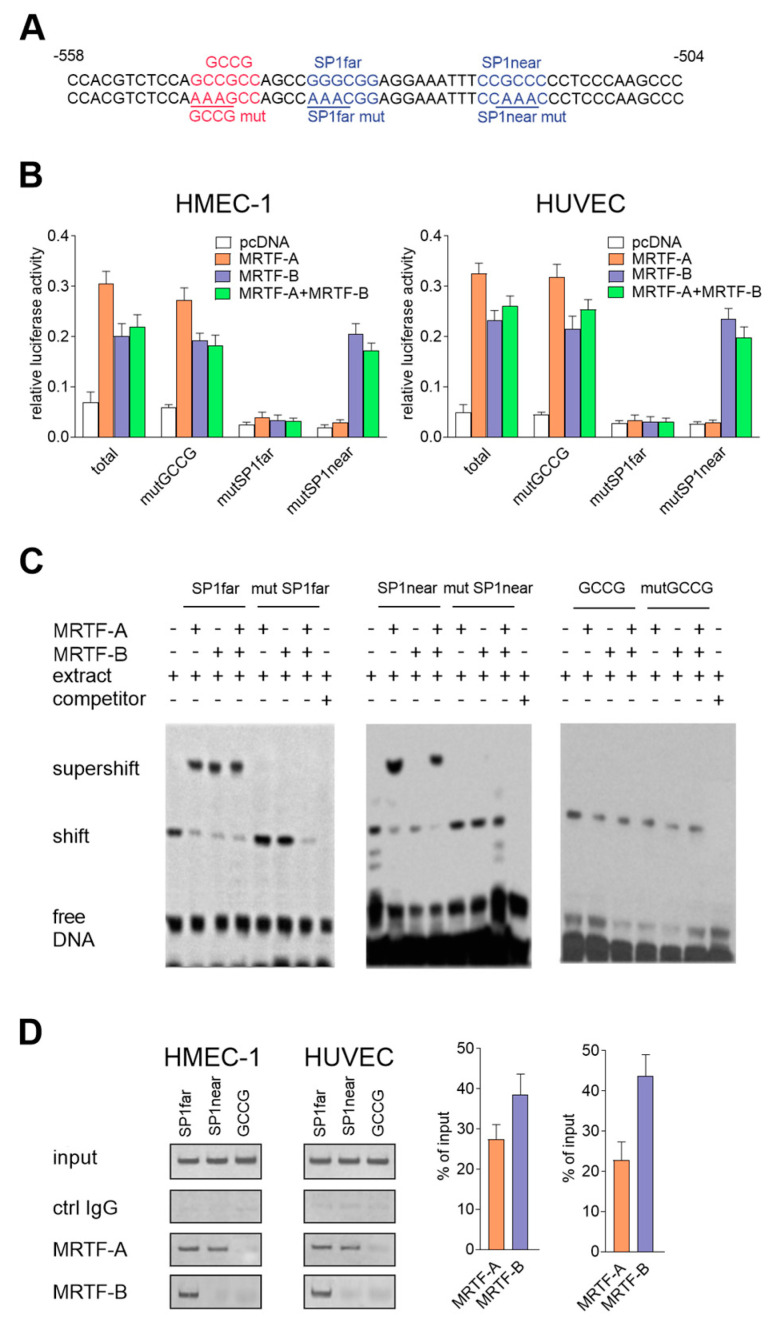
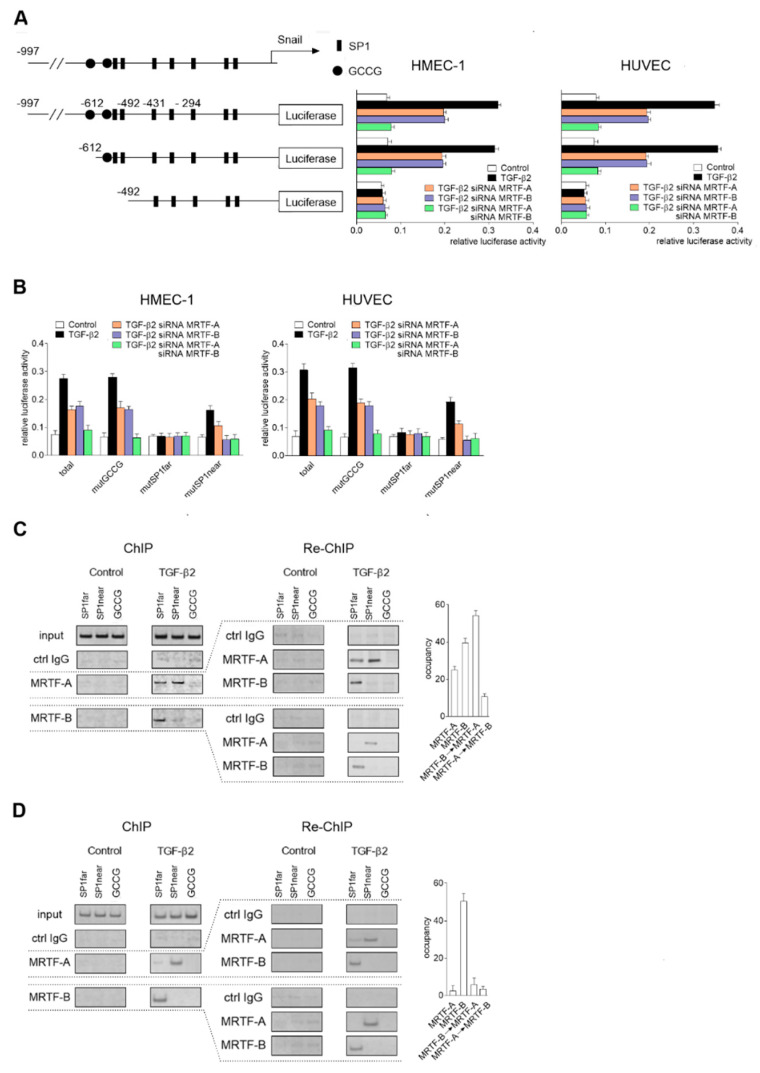
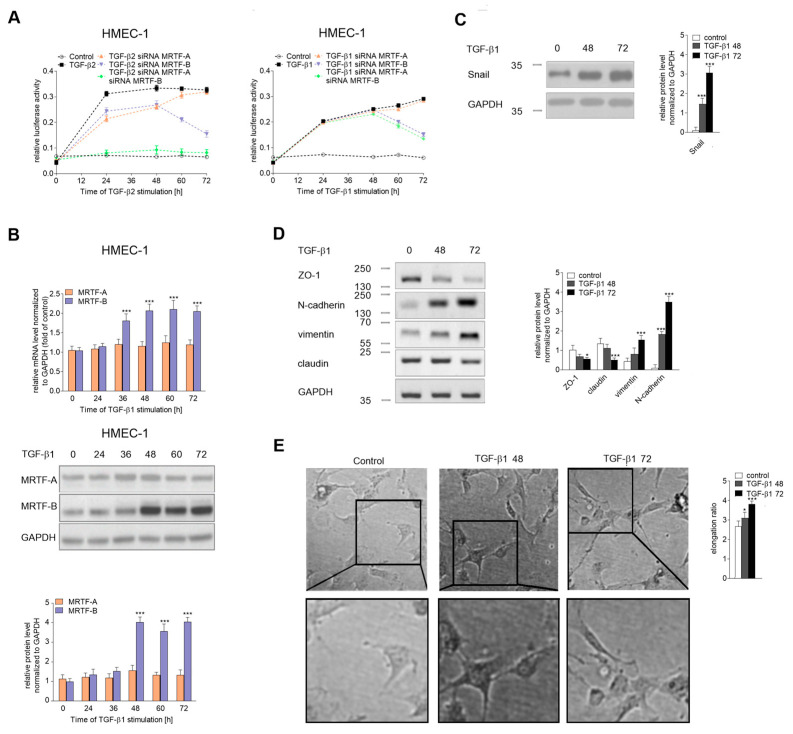
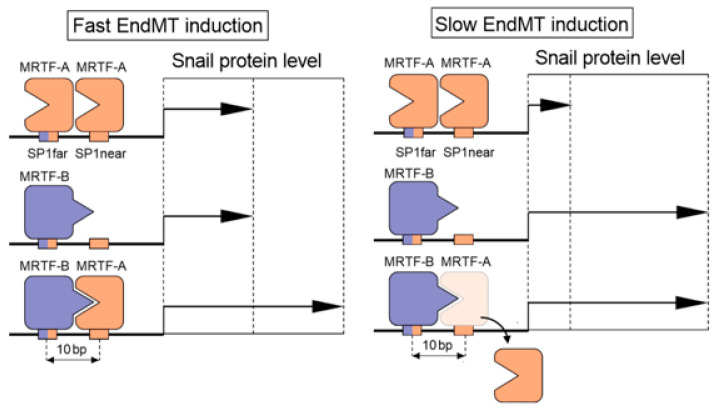
Endothelial–mesenchymal transition (EndMT) is a crucial phenomenon in regulating the development of diseases, including cancer metastasis and fibrotic disorders. The primary regulators of disease development are zinc-finger transcription factors belonging to the Snail family. In this study, we characterized the myocardin-related transcription factor (MRTF)-dependent mechanisms of a human snail promoter regulation in TGF-β-stimulated human endothelial cells. Although in silico analysis revealed that the snail promoter’s regulatory fragment contains one GCCG and two SP1 motifs that could be occupied by MRTFs, the genetic study confirmed that MRTF binds only to SP1 sites to promote snail expression. The more accurate studies revealed that MRTF-A binds to both SP1 elements, whereas MRTF-B to only one (SP1near). Although we found that each MRTF alone is capable of inducing snail expression, the direct cooperation of these proteins is required to reinforce snail expression and promote the late stages of EndMT within 48 hours. Furthermore, genetic and biochemical analysis revealed that MRTF-B alone could induce the late stage of EndMT. However, it requires a prolonged time. Therefore, we concluded that MRTFs might cause EndMT in a fast- and slow-dependent manner. Based on MRTF-dependent Snail upregulation, we recognized that TGF-β1, as an MRTF-B regulator, is involved in slow EndMT induction, whereas TGF-β2, which altered both MRTF-A and MRTF-B expression, promotes a fast EndMT process.
Overview
The claims and statistics of this paper haven’t been checked yet.
Run the check — free, no account needed. It reads the open-access text and checks the sources it cites.
Integrity signals
Registry
Cites
Statistics
Figures
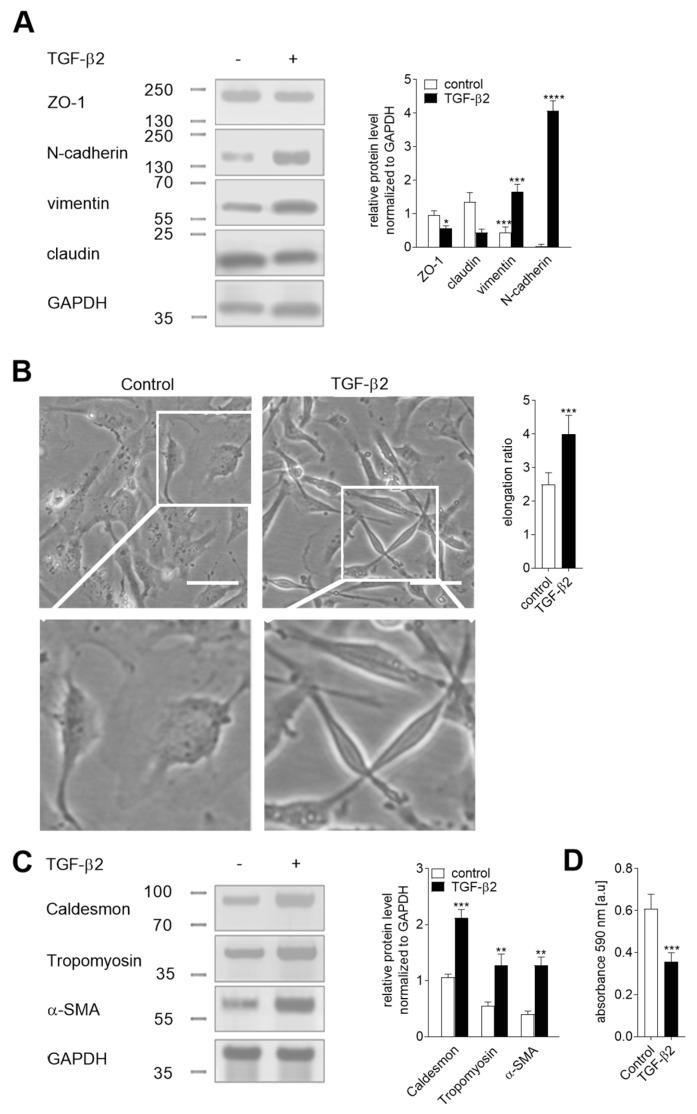
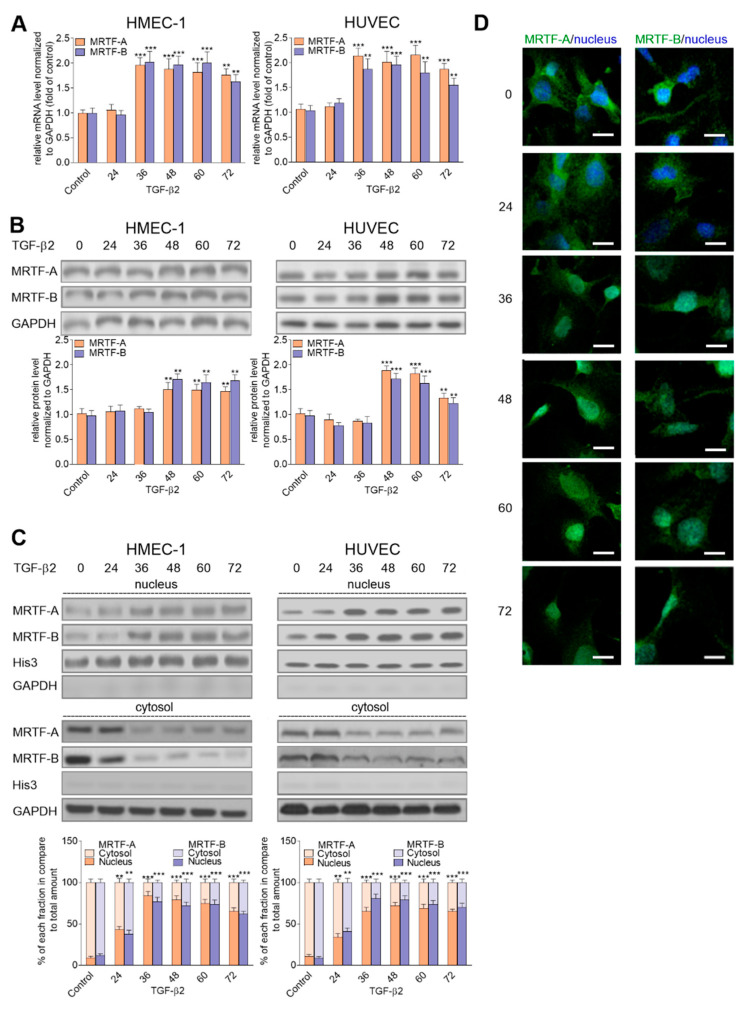
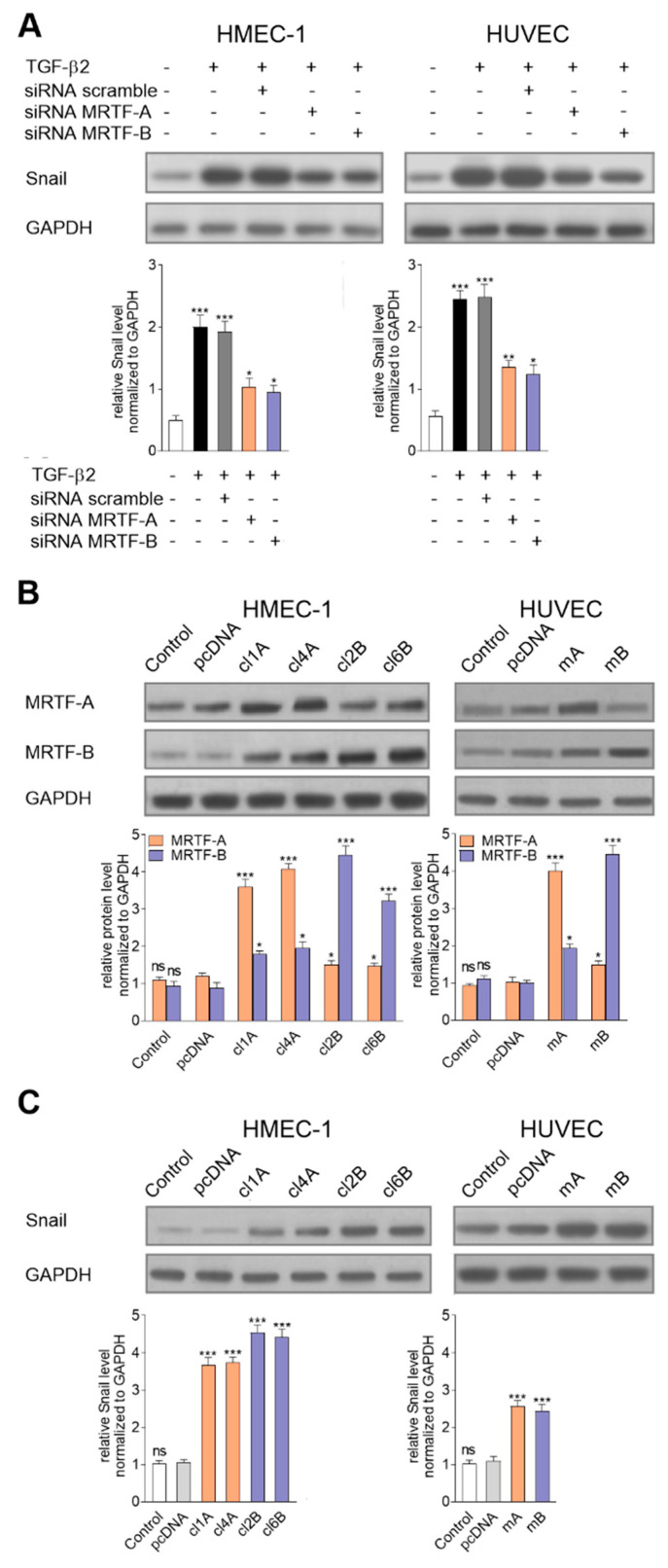
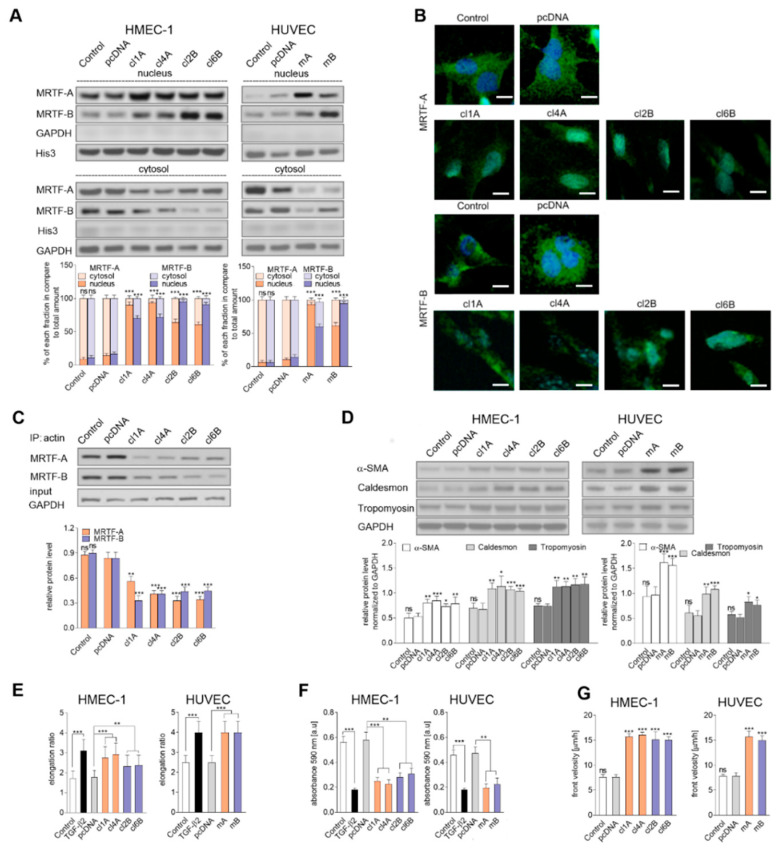
Verification
Claims the paper makes
The claims and statistics of this paper haven’t been checked yet.
Run the check — free, no account needed. It reads the open-access text and checks the sources it cites.
Claims other papers make about this one
Each is checked against this paper’s own text: does it say what the citing paper says it does?
The source backs part of the claim, not all of it — or backs it for a different population, condition or comparison.
In the citing paper
“MRTFB protein is essential for EMT because it is the principal activator of SNAI1 and it cooperates with MRTFA protein to regulate SNAI2 [37, 65].”
From Mechanical stiffness orchestrates distinct regulation of MRTFs and YAP / TAZ transcriptional cofactors in hepatocytes (2026) · cites this paper as [37]
Experimental — accuracy not yet measured
Self-check
Percentages, sums and reported differences re-computed from the paper’s own numbers.
The self-check needs the paper’s full text.
Citations
Cites
Transcription factors: from enhancer binding to developmental control
Spitz, F., & Furlong, E. E. M. (2012) · Nature Reviews Genetics · doi:10.1038/nrg3207 · Cited by 2,227
Liver cirrhosis mortality in 187 countries between 1980 and 2010: a systematic analysis
Mokdad, A. A., Lopez, A. D., Shahraz, S., Lozano, R., Mokdad, A. H., Stanaway, J., Murray, C. J., & Naghavi, M. (2014) · BMC Medicine · doi:10.1186/s12916-014-0145-y · Cited by 1,129
EndMT contributes to the onset and progression of cerebral cavernous malformations
Maddaluno, L., Rudini, N., Cuttano, R., Bravi, L., Giampietro, C., Corada, M., Ferrarini, L., Orsenigo, F., Papa, E., Boulday, G., et al. (2013) · Nature · doi:10.1038/nature12207 · Cited by 486
Luchsinger, L. L., Patenaude, C. A., Smith, B. D., & Layne, M. D. (2011) · Journal of Biological Chemistry · doi:10.1074/jbc.m111.276931 · Cited by 127
Research works printed but not linked: 50
- Cipriani, 2015, The Endothelial-mesenchymal Transition in Systemic Sclerosis Is Induced by Endothelin-1 and Transforming Growth Factor-beta and May Be Blocked by Macitentan, a Dual Endothelin-1 Receptor Antagonist, J. Rheumatol., 42, 1808, 10.3899/jrheum.150088 · DOI
- Chen, 2015, Endothelial-to-mesenchymal transition drives atherosclerosis progression, J. Clin. Investig., 125, 4514, 10.1172/JCI82719 · DOI
- Ranchoux, 2015, Endothelial-to-mesenchymal transition in pulmonary hypertension, Circulation, 131, 1006, 10.1161/CIRCULATIONAHA.114.008750 · DOI
- Li, 2010, Blockade of endothelial-mesenchymal transition by a Smad3 inhibitor delays the early development of streptozotocin-induced diabetic nephropathy, Diabetes, 59, 2612, 10.2337/db09-1631 · DOI
- Cao, 2014, Mechanisms of endothelial to mesenchymal transition in the retina in diabetes, Investig. Ophthalmol. Vis. Sci., 55, 7321, 10.1167/iovs.14-15167 · DOI
- Huang, 2013, Loss of caveolin-1 promotes endothelial-mesenchymal transition during sepsis: A membrane proteomic study, Int. J. Mol. Med., 32, 585, 10.3892/ijmm.2013.1432 · DOI
- Zeisberg, 2007, Discovery of endothelial to mesenchymal transition as a source for carcinoma-associated fibroblasts, Cancer Res., 67, 10123, 10.1158/0008-5472.CAN-07-3127 · DOI · Paper page
- Pinto, 2016, Endothelial Mesenchymal Transition: Comparative Analysis of Different Induction Methods, Biol. Proced. Online, 18, 10, 10.1186/s12575-016-0040-3 · DOI
- Zeisberg, 2007, Endothelial-to-mesenchymal transition contributes to cardiac fibrosis, Nat. Med., 13, 952, 10.1038/nm1613 · DOI
- Mihira, 2012, TGF-beta-induced mesenchymal transition of MS-1 endothelial cells requires Smad-dependent cooperative activation of Rho signals and MRTF-A, J. Biochem., 151, 145, 10.1093/jb/mvr121 · DOI
- Fan, 2007, Cell contact-dependent regulation of epithelial-myofibroblast transition via the rho-rho kinase-phospho-myosin pathway, Mol. Biol. Cell, 18, 1083, 10.1091/mbc.e06-07-0602 · DOI
- Medici, D. (2016). Endothelial-Mesenchymal Transition in Regenerative Medicine. Stem. Cells Int., 2016. · DOI
- Kokudo, 2008, Snail is required for TGFbeta-induced endothelial-mesenchymal transition of embryonic stem cell-derived endothelial cells, J. Cell. Sci., 121, 3317, 10.1242/jcs.028282 · DOI
- Lee, 2013, Snail as a potential target molecule in cardiac fibrosis: Paracrine action of endothelial cells on fibroblasts through snail and CTGF axis, Mol. Ther., 21, 1767, 10.1038/mt.2013.146 · DOI
- Zhang, 2016, Endothelial to mesenchymal transition contributes to arsenic-trioxide-induced cardiac fibrosis, Sci. Rep., 6, 33787, 10.1038/srep33787 · DOI
- Xu, 2015, Snail Is a Direct Target of Hypoxia-inducible Factor 1alpha (HIF1alpha) in Hypoxia-induced Endothelial to Mesenchymal Transition of Human Coronary Endothelial Cells, J. Biol. Chem., 290, 16653, 10.1074/jbc.M115.636944 · DOI
- Crider, 2011, Myocardin-related transcription factors A and B are key regulators of TGF-beta1-induced fibroblast to myofibroblast differentiation, J. Investig. Dermatol., 131, 2378, 10.1038/jid.2011.219 · DOI
- Morita, 2007, Reorganization of the actin cytoskeleton via transcriptional regulation of cytoskeletal/focal adhesion genes by myocardin-related transcription factors (MRTFs/MAL/MKLs), Exp. Cell Res., 313, 3432, 10.1016/j.yexcr.2007.07.008 · DOI
- Busche, 2008, Epithelial cell-cell contacts regulate SRF-mediated transcription via Rac-actin-MAL signalling, J. Cell. Sci., 121, 1025, 10.1242/jcs.014456 · DOI
- Morita, 2007, Dual roles of myocardin-related transcription factors in epithelial mesenchymal transition via slug induction and actin remodeling, J. Cell. Biol., 179, 1027, 10.1083/jcb.200708174 · DOI · Paper page
- Scharenberg, 2014, TGF-beta-induced differentiation into myofibroblasts involves specific regulation of two MKL1 isoforms, J. Cell. Sci., 127, 1079
- Masszi, 2010, Fate-determining mechanisms in epithelial-myofibroblast transition: Major inhibitory role for Smad3, J. Cell. Biol., 188, 383, 10.1083/jcb.200906155 · DOI
- Shiwen, X., Stratton, R., Nikitorowicz-Buniak, J., Ahmed-Abdi, B., Ponticos, M., Denton, C., Abraham, D., Takahashi, A., Suki, B., and Layne, M.D. (2015). A Role of Myocardin Related Transcription Factor-A (MRTF-A) in Scleroderma Related Fibrosis. PLoS ONE, 10. · DOI
- Ciszewski, 2017, The ILK-MMP9-MRTF axis is crucial for EndMT differentiation of endothelial cells in a tumor microenvironment, Biochim. Biophys. Acta Mol. Cell. Res., 1864, 2283, 10.1016/j.bbamcr.2017.09.004 · DOI
- Chen, 2015, Protective Effect of Spironolactone on Endothelial-to-Mesenchymal Transition in HUVECs via Notch Pathway, Cell. Physiol. Biochem., 36, 191, 10.1159/000374063 · DOI
- Geisberg, 2004, Quantitative sequential chromatin immunoprecipitation, a method for analyzing co-occupancy of proteins at genomic regions in vivo, Nucleic Acids Res., 32, e151, 10.1093/nar/gnh148 · DOI
- Medici, 2008, Snail and Slug promote epithelial-mesenchymal transition through beta-catenin-T-cell factor-4-dependent expression of transforming growth factor-beta3, Mol. Biol. Cell, 19, 4875, 10.1091/mbc.e08-05-0506 · DOI
- Wang, 2013, The Role of Snail in EMT and Tumorigenesis, Curr. Cancer Drug Targets, 13, 963, 10.2174/15680096113136660102 · DOI
- Nieto, 2016, Emt: 2016, Cell, 166, 21, 10.1016/j.cell.2016.06.028 · DOI · Paper page
- Medici, 2011, Transforming growth factor-beta2 promotes Snail-mediated endothelial-mesenchymal transition through convergence of Smad-dependent and Smad-independent signalling, Biochem. J., 437, 515, 10.1042/BJ20101500 · DOI
- Shirako, 2009, Cancer metastasis is accelerated through immunosuppression during Snail-induced EMT of cancer cells, Cancer Cell, 15, 195, 10.1016/j.ccr.2009.01.023 · DOI
- Zheng, 2015, Snail and Slug collaborate on EMT and tumor metastasis through miR-101-mediated EZH2 axis in oral tongue squamous cell carcinoma, Oncotarget, 6, 6797, 10.18632/oncotarget.3180 · DOI
- Nieto, 2005, The Snail genes as inducers of cell movement and survival: Implications in development and cancer, Development, 132, 3151, 10.1242/dev.01907 · DOI
- Nieto, 2002, The snail superfamily of zinc-finger transcription factors, Nat. Rev. Mol. Cell Biol., 3, 155, 10.1038/nrm757 · DOI · Paper page
- Lamouille, 2014, Molecular mechanisms of epithelial-mesenchymal transition, Nat. Rev. Mol. Cell Biol., 15, 178, 10.1038/nrm3758 · DOI · Paper page
- Seifert, 2017, Tightly controlled MRTF-A activity regulates epithelial differentiation during formation of mammary acini, Breast Cancer Res., 19, 68, 10.1186/s13058-017-0860-3 · DOI
- Katsura, 2016, MicroRNA-31 is a positive modulator of endothelial-mesenchymal transition and associated secretory phenotype induced by TGF-beta, Genes Cells, 21, 99, 10.1111/gtc.12323 · DOI
- Barbera, 2004, Regulation of Snail transcription during epithelial to mesenchymal transition of tumor cells, Oncogene, 23, 7345, 10.1038/sj.onc.1207990 · DOI
- Thuault, 2006, Transforming growth factor-beta employs HMGA2 to elicit epithelial-mesenchymal transition, J. Cell. Biol., 174, 175, 10.1083/jcb.200512110 · DOI
- Berx, 2005, Unraveling signalling cascades for the Snail family of transcription factors, Cell. Signal., 17, 535, 10.1016/j.cellsig.2004.10.011 · DOI
- Thuault, 2008, HMGA2 and Smads co-regulate SNAIL1 expression during induction of epithelial-to-mesenchymal transition, J. Biol. Chem., 283, 33437, 10.1074/jbc.M802016200 · DOI
- Zhou, 2004, Dual regulation of Snail by GSK-3beta-mediated phosphorylation in control of epithelial-mesenchymal transition, Nat. Cell Biol, 6, 931, 10.1038/ncb1173 · DOI · Paper page
- Wawro, 2017, Tubulin beta 3 and 4 are involved in the generation of early fibrotic stages, Cell. Signal., 38, 26, 10.1016/j.cellsig.2017.06.014 · DOI
- Azhar, 2009, Ligand-specific function of transforming growth factor beta in epithelial-mesenchymal transition in heart development, Dev. Dyn., 238, 431, 10.1002/dvdy.21854 · DOI
- Moonen, 2010, Endothelial progenitor cells give rise to pro-angiogenic smooth muscle-like progeny, Cardiovasc. Res., 86, 506, 10.1093/cvr/cvq012 · DOI
- Balcerczyk, 2016, Pharmacological inhibition of arginine and lysine methyltransferases induces nuclear abnormalities and suppresses angiogenesis in human endothelial cells, Biochem. Pharmacol., 121, 18, 10.1016/j.bcp.2016.09.013 · DOI
- Wawro, M.E., Sobierajska, K., Ciszewski, W.M., and Niewiarowska, J. (2019). Nonsteroidal Anti-Inflammatory Drugs Prevent Vincristine-Dependent Cancer-Associated Fibroblasts Formation. Int. J. Mol. Sci., 20. · DOI
- Sobierajska, 2019, Transforming Growth Factor-beta Receptor Internalization via Caveolae Is Regulated by Tubulin-beta2 and Tubulin-beta3 during Endothelial-Mesenchymal Transition, Am. J. Pathol., 189, 2531, 10.1016/j.ajpath.2019.08.004 · DOI
- Grayson, 1995, Synergistic interactions between heterologous upstream activation elements and specific TATA sequences in a muscle-specific promoter, Mol. Cell. Biol., 15, 1870, 10.1128/MCB.15.4.1870 · DOI
- Zarns, K., Desell, T., Nechaev, S., and Dhasarathy, A. (September, January 31). Searching the Human Genome for Snail and Slug With DNA@Home. Proceedings of the 11th IEEE International Conference eScience, Munich, Germany.
Cited by
Sorted by citations
Torres‐Ortiz, B. S., Pérez‐Calixto, D., Carretero‐Ortega, J., Guzman‐López, A. G., Pinto‐Dueñas, D. C., Hernández‐Juárez, M., Jiménez‐Escobar, A., Rodríguez‐Hernández, A., Díaz‐Bello, B., Serna‐Márquez, N., et al. (2026) · The FEBS Journal · doi:10.1111/febs.70570
Metadata
- Authors
- Sobierajska, K., Ciszewski, W. M., Macierzynska-Piotrowska, E., Klopocka, W., Przygodzka, P., Karakula, M., Pestka, K., Wawro, M. E., & Niewiarowska, J.
- Affiliations
- Medical University of Lodz (PL)
- Department of Molecular Cell Mechanisms, Medical University of Lodz, 92-215 Lodz, Poland
- Department of Biochemistry and Cell Biology, Cardinal Stefan Wyszynski University in Warsaw, 01-938 Warsaw, Poland
- Institute for Medical Biology (PL)
- Corresponding author
- Sobierajska, Katarzyna
- Niewiarowska, Jolanta
- ORCID
- Venue
- International Journal of Molecular Sciences
- Publisher
- MDPI AG
- Published
- 2020-08-16
- Volume
- 21
- Issue
- 16
- Pages
- 5875
- ISSN
- 1422-0067 (ISSN-L)
- PMC
- PMC7461591
- OpenAlex
- W3049627893
- Cited by
- 21
- References
- 4
- Citations by year
- 2026: 4 · 2025: 2 · 2024: 4 · 2023: 5 · 2022: 2 · 2021: 4
- FWCI
- 0.89
- Type
- journal article
- Language
- en
- Open access
- gold
- doi.org
- Licence
- Locations
- International Journal of Molecular Sciences (publishedVersion, cc-by)
- PubMed Central (publishedVersion, cc-by)
- PubMed (publishedVersion)
- DOAJ (DOAJ: Directory of Open Access Journals) (submittedVersion, cc-by-sa)
- Funders
- Narodowe Centrum Badań i Rozwoju (MOMENTO Pol-Nor/209521/5/2013)
- Topics
- Life Sciences › Biochemistry, Genetics and Molecular Biology › Molecular Biology › TGF-β signaling in diseases
- Health Sciences › Medicine › Oncology › Cancer Cells and Metastasis
- Life Sciences › Biochemistry, Genetics and Molecular Biology › Molecular Biology › Kruppel-like factors research
- Keywords
- endothelial-to-mesenchymal transition, Snail transcription factor, MRTF, MRTF-A, MRTF-B, TGF-β1, TGF-beta2, metastasis, fibrosis
- MeSH terms
- Snail Family Transcription Factors, Cell Line, Humans, Promoter Regions, Genetic, Protein Binding, Transcription Factors, Transcriptional Activation, Endothelial Cells, Epithelial-Mesenchymal Transition
About these checks
Registry, retraction, Cites and statistics results are computed, not judged, with one exception: a printed reference that no index lists is read once by a model before it counts as a citation error. Claims are extracted by a model and kept only when their quote appears verbatim in the text; each cited source is then checked, with a model’s help, for whether it says what the claim relies on. Those verdicts can be wrong — read the claim’s quote and the cited source before relying on one.
Statistics and arithmetic are recomputed, not judged.
Confidence bands are shown only for fields calibrated on our annotated test set. None is calibrated yet, so no band is shown.
What counts as a claim ›How we measure confidence ›How we check this ›
Are you an author, or do you see a problem with this page? Request a review
How to cite
Cite CoChat for the checks on this page, and the paper for its own findings.
- This page
- CoChat. (2026). Citation check: The New Model of Snail Expression Regulation: The Role of MRTFs in Fast and Slow Endothelial–Mesenchymal Transition. https://app.cochat.ai/papers/10.3390/ijms21165875
- The paper
- Sobierajska, K., Ciszewski, W. M., Macierzynska-Piotrowska, E., Klopocka, W., Przygodzka, P., Karakula, M., Pestka, K., Wawro, M. E., & Niewiarowska, J. (2020). The New Model of Snail Expression Regulation: The Role of MRTFs in Fast and Slow Endothelial–Mesenchymal Transition. International Journal of Molecular Sciences. https://doi.org/10.3390/ijms21165875
