

The DOI matches its Crossref record; 224 of the 224 references it cites were found in a registry or an index.
Hypochlorous Acid Chemistry in Mammalian Cells—Influence on Infection and Role in Various Pathologies
Open accessAbstract
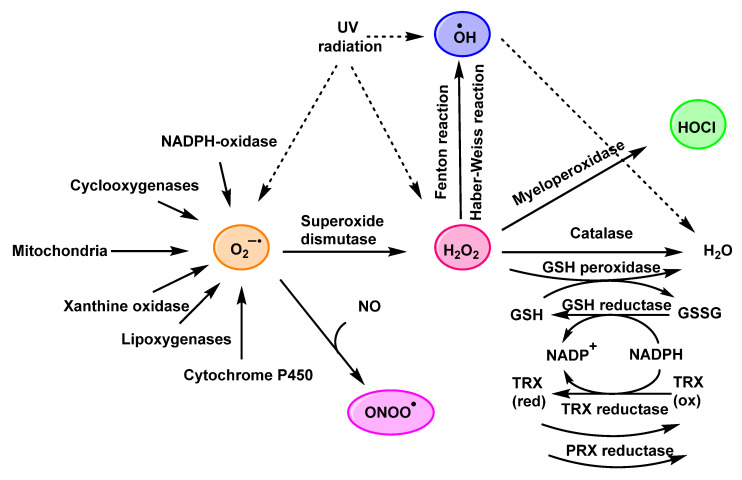
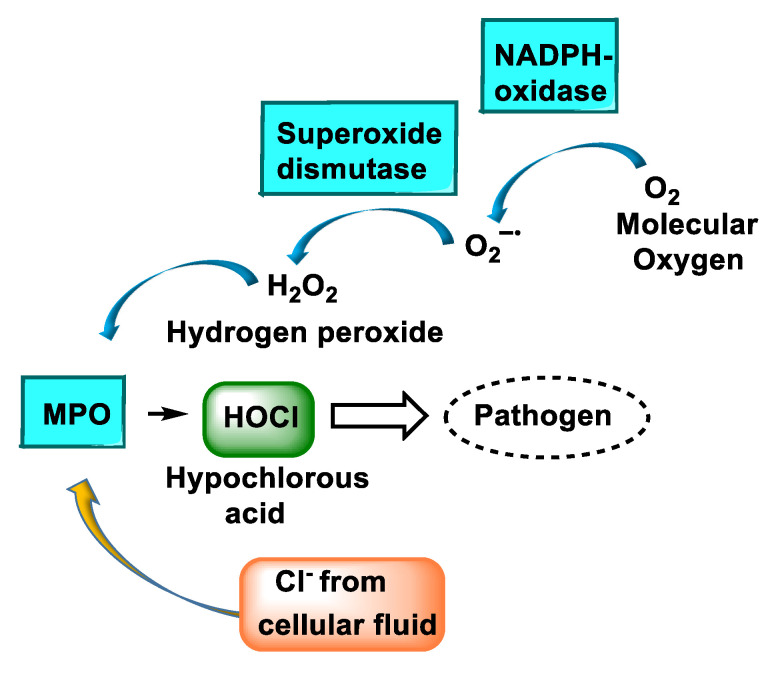
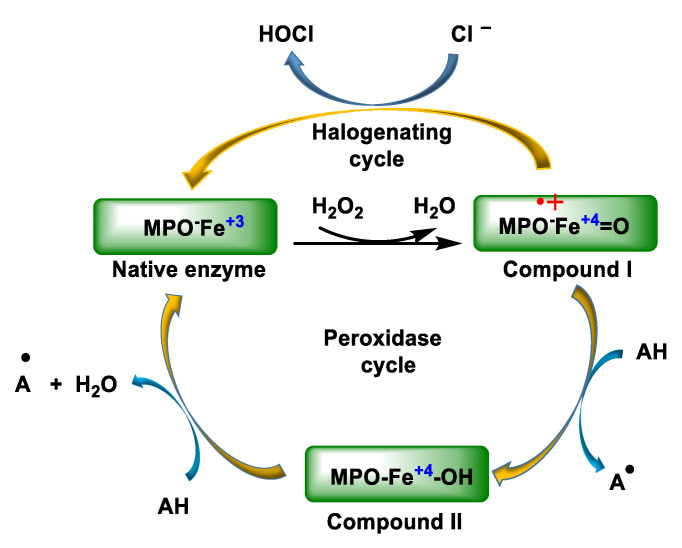
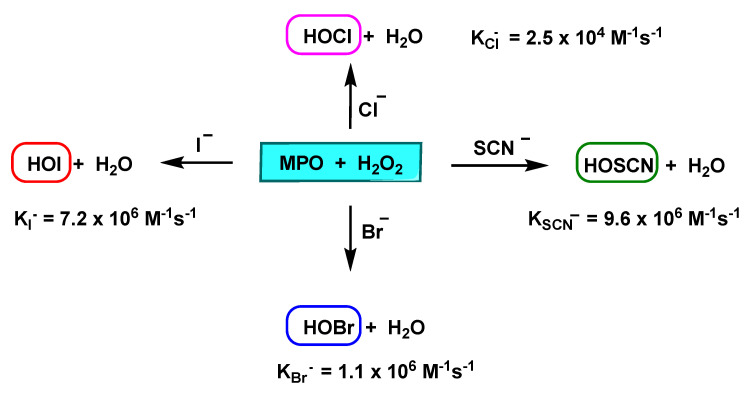
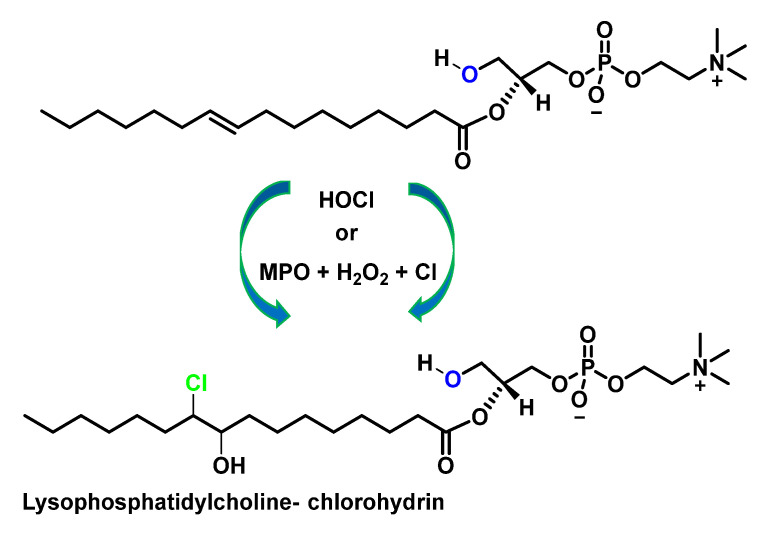
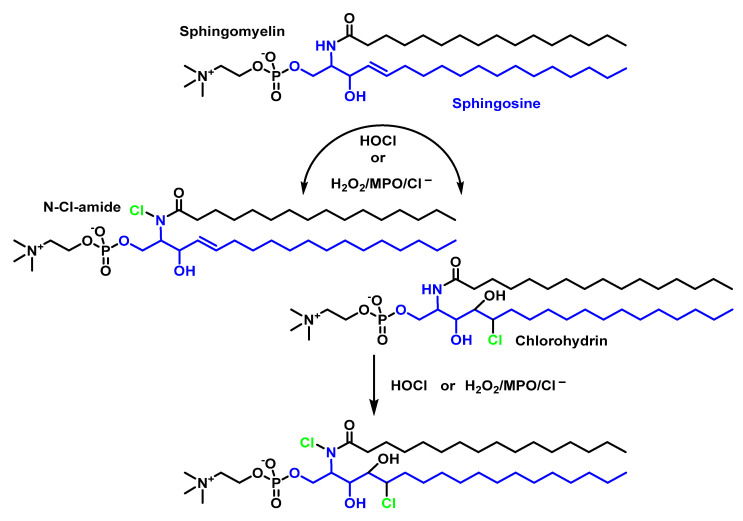
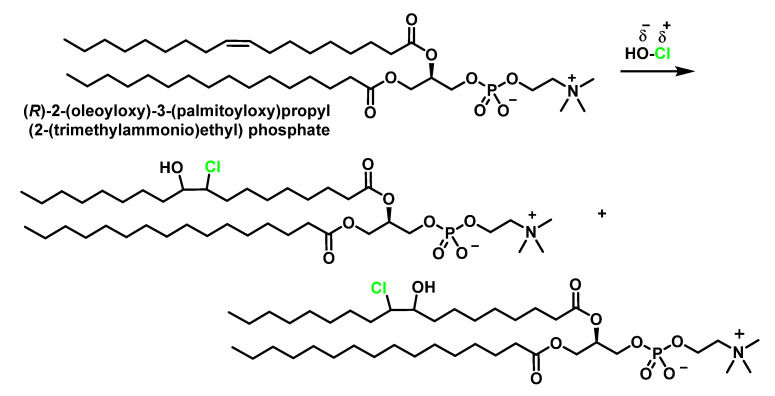
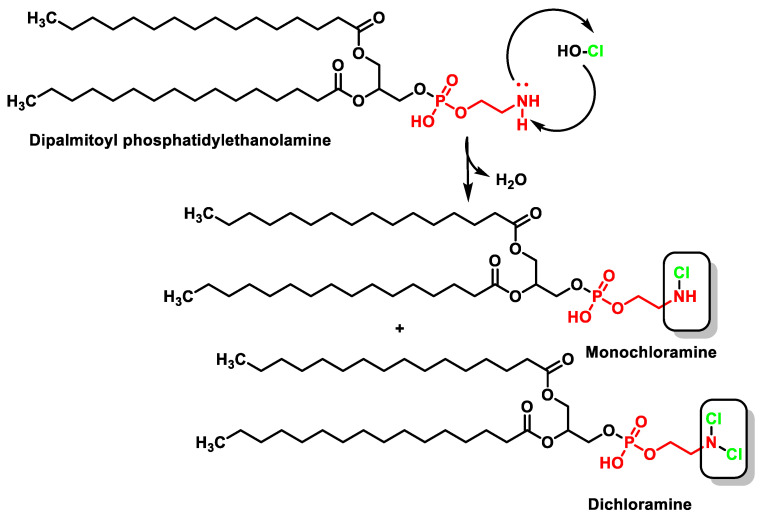
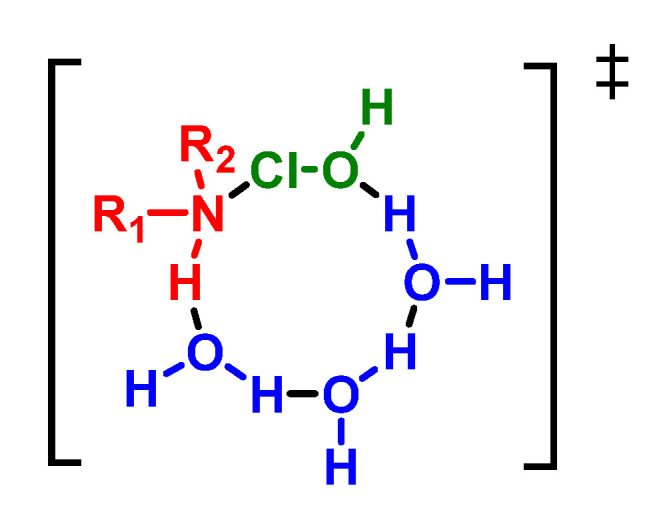
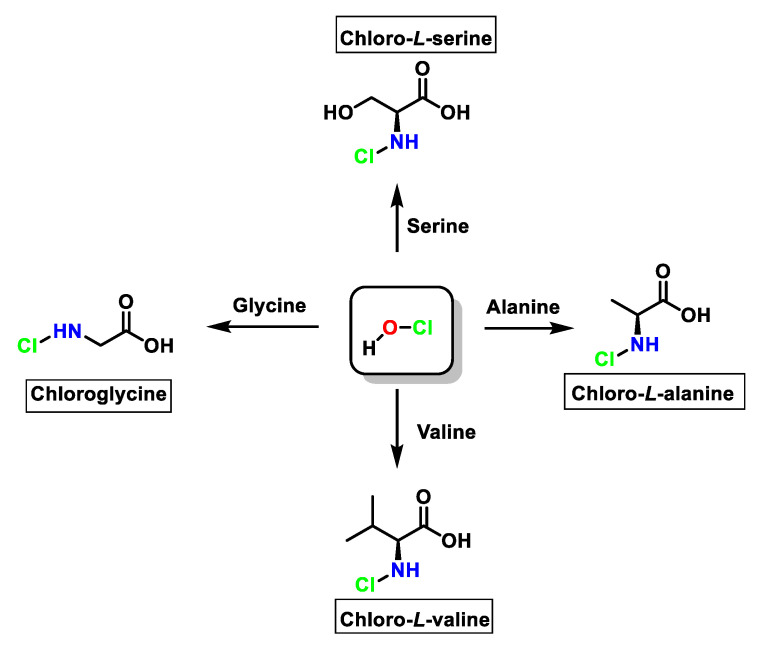
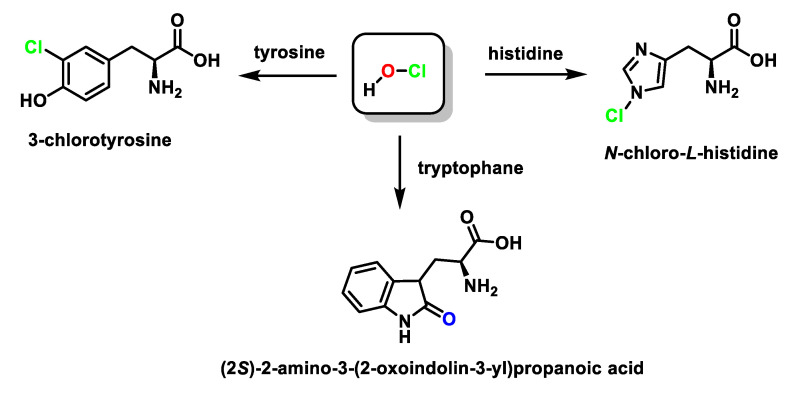
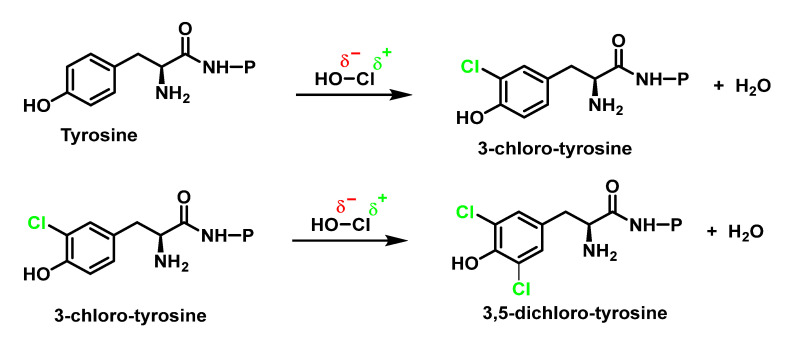
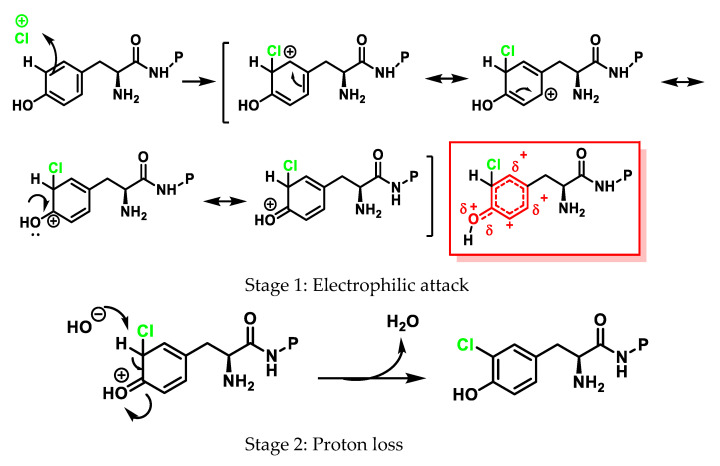
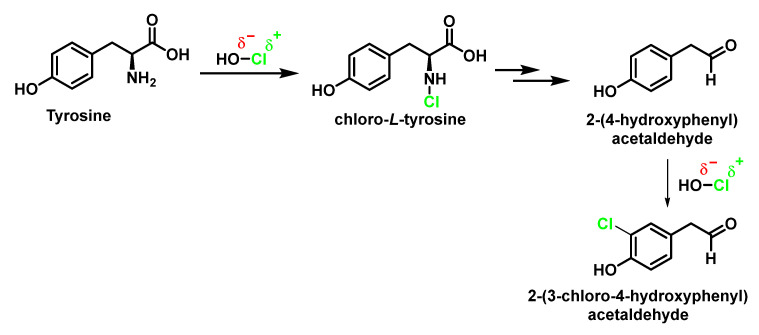
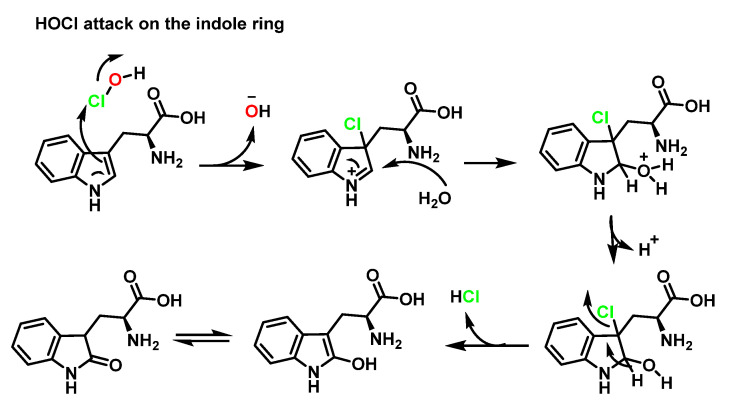
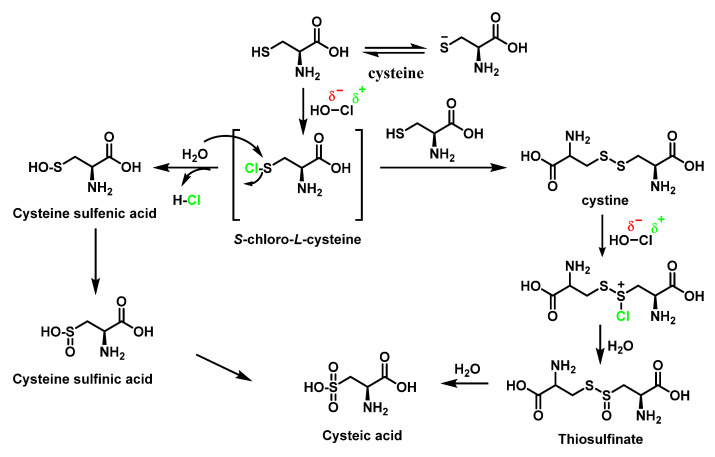
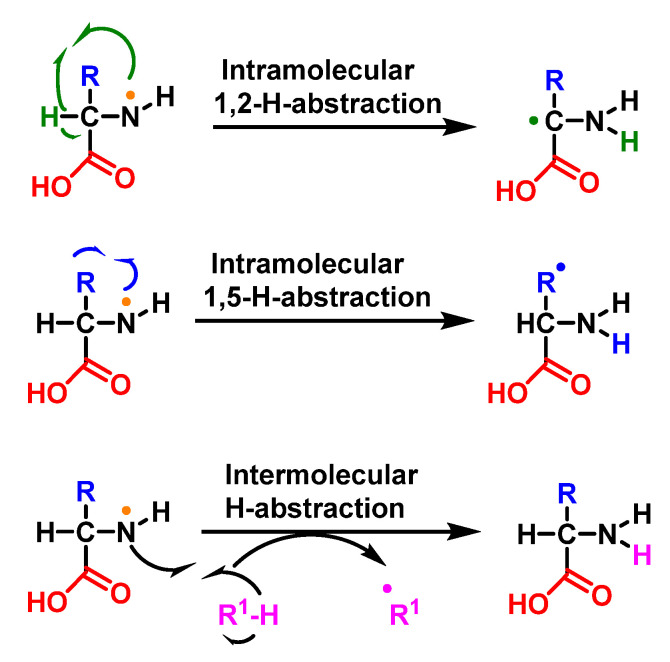
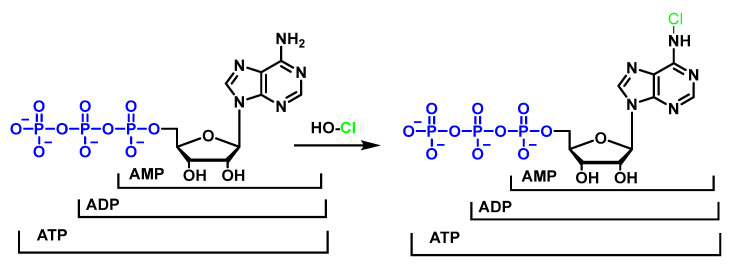
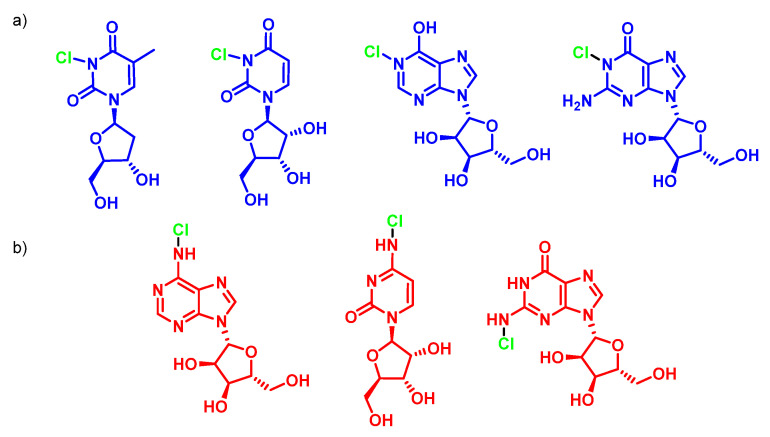
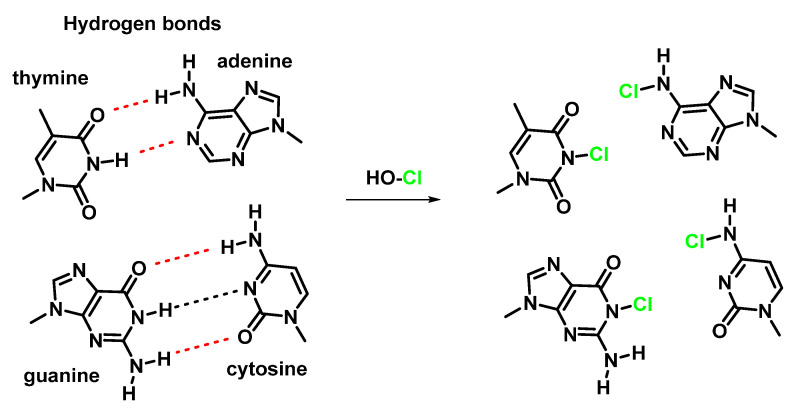
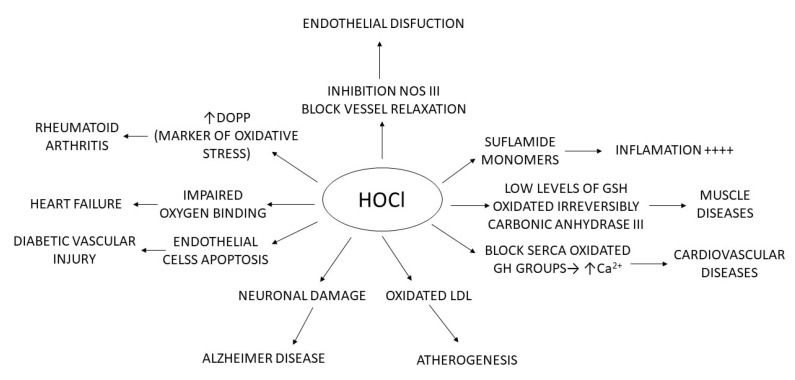
This review discusses the formation of hypochlorous acid HOCl and the role of reactive chlorinated species (RCS), which are catalysed by the enzyme myeloperoxidase MPO, mainly located in leukocytes and which in turn contribute to cellular oxidative stress. The reactions of RCS with various organic molecules such as amines, amino acids, proteins, lipids, carbohydrates, nucleic acids, and DNA are described, and an attempt is made to explain the chemical mechanisms of the formation of the various chlorinated derivatives and the data available so far on the effects of MPO, RCS and halogenative stress. Their presence in numerous pathologies such as atherosclerosis, arthritis, neurological and renal diseases, diabetes, and obesity is reviewed and were found to be a feature of debilitating diseases.
Overview
The claims and statistics of this paper haven’t been checked yet.
Run the check — free, no account needed. It reads the open-access text and checks the sources it cites.
Integrity signals
Registry
Cites
Statistics
Figures


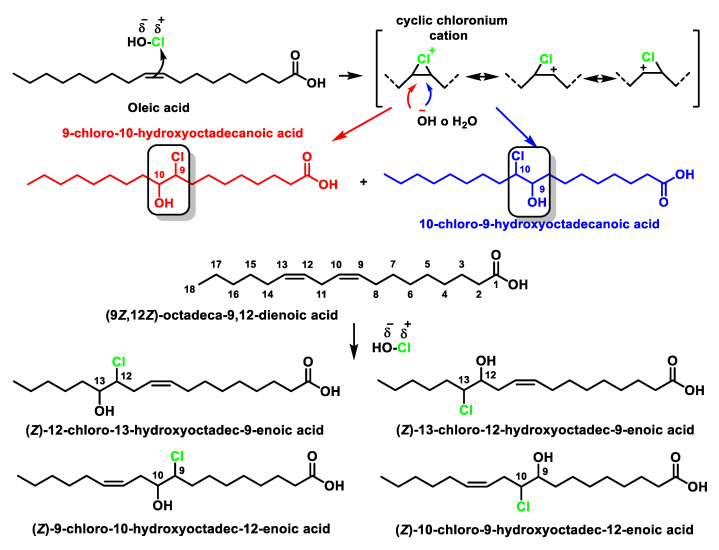
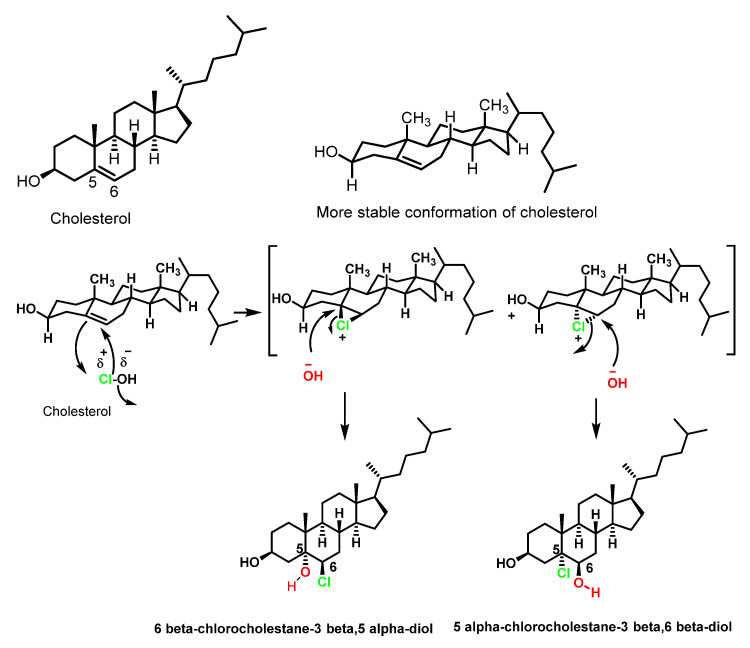
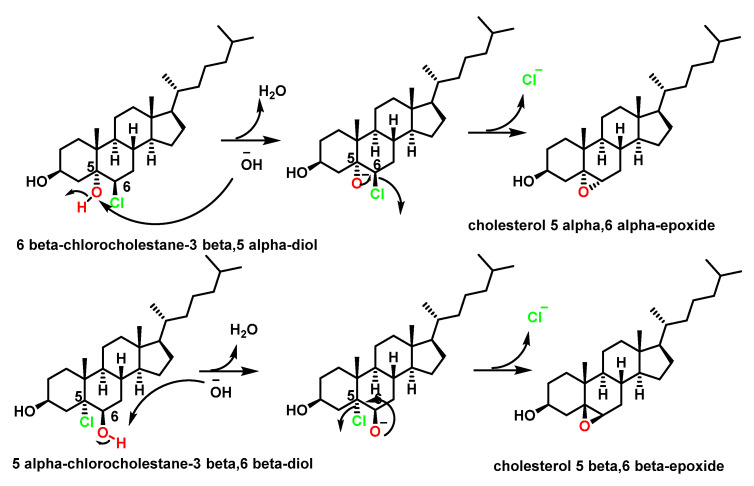
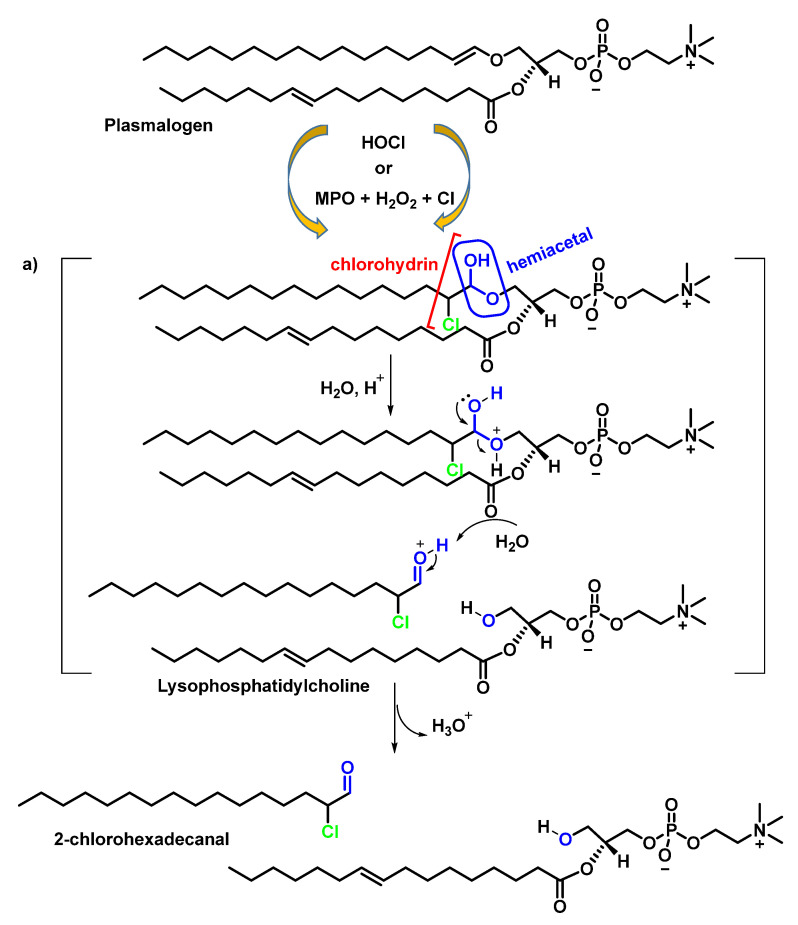



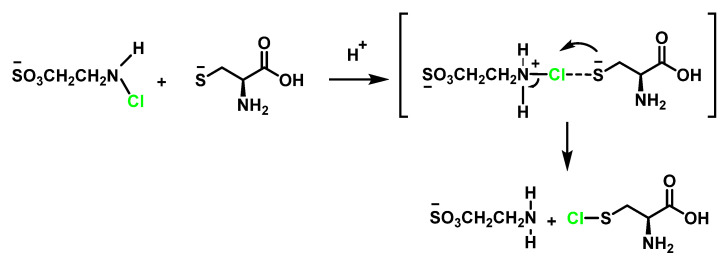
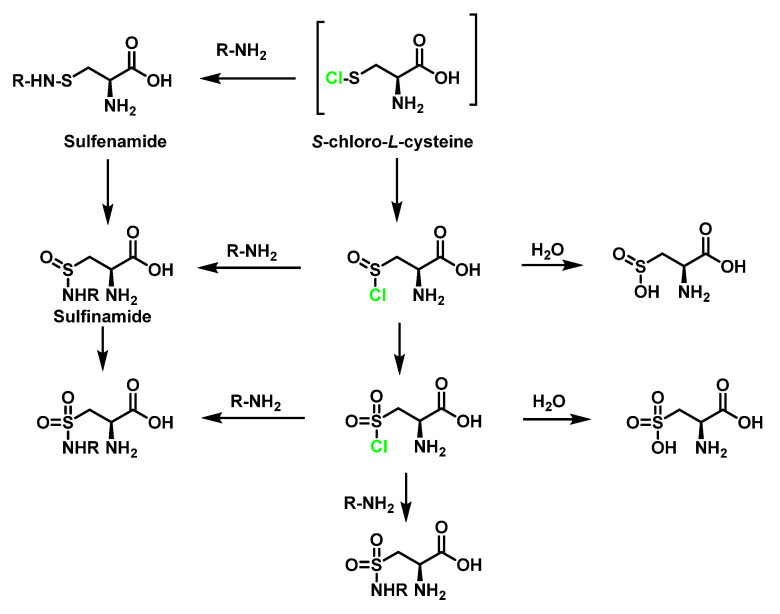
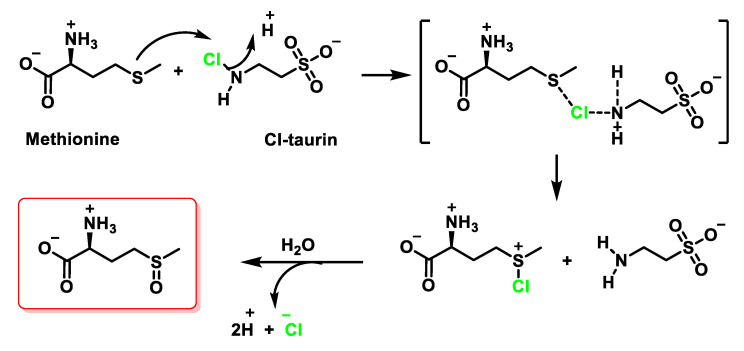
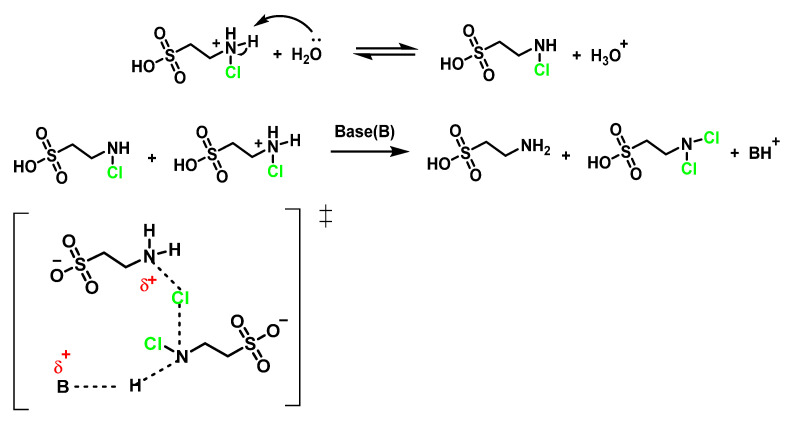
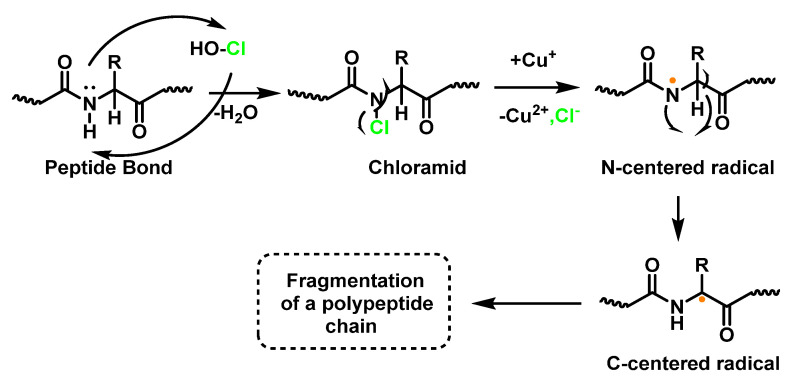
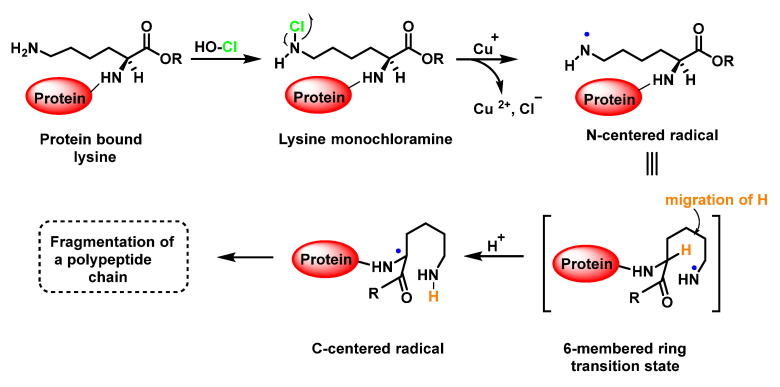
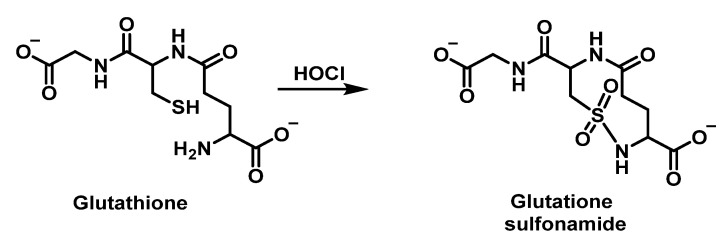
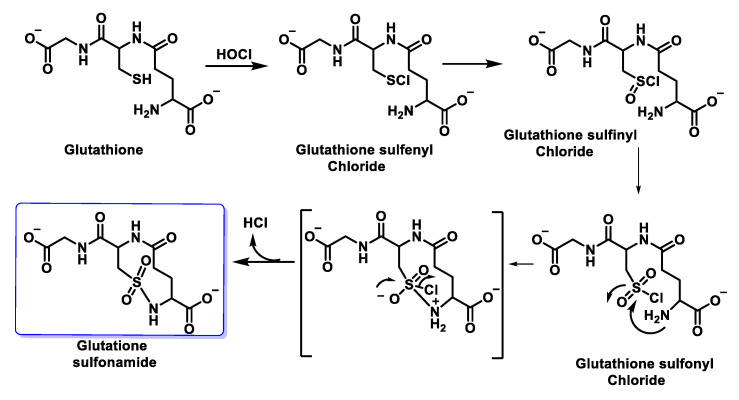
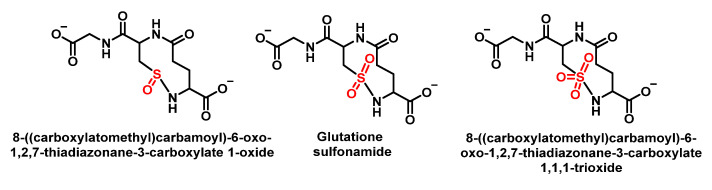
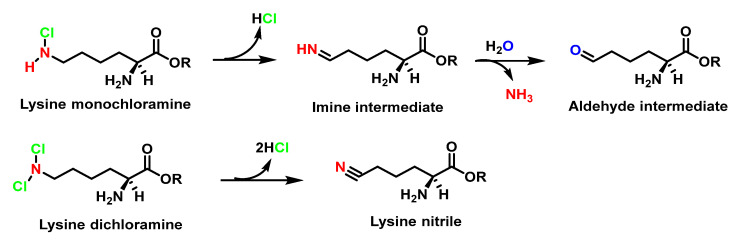
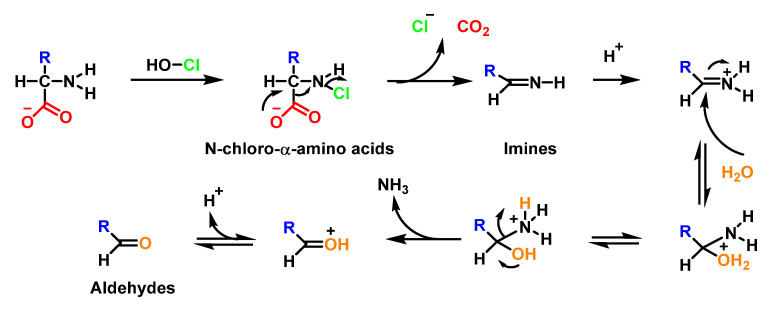
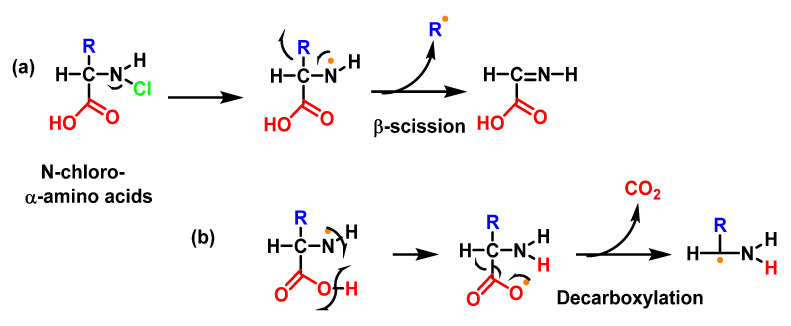

Verification
Claims the paper makes
The claims and statistics of this paper haven’t been checked yet.
Run the check — free, no account needed. It reads the open-access text and checks the sources it cites.
Claims other papers make about this one
Each is checked against this paper’s own text: does it say what the citing paper says it does?
In the citing paper
“In granulocytes, H2O2 is quickly converted into hypochlorous acid HOCl [176] by the action of the enzyme myeloperoxidase (MPO) contained within them.”
From Superoxide Anion Chemistry—Its Role at the Core of the Innate Immunity (2023) · cites this paper as [176]
In the citing paper
“The enzyme myeloperoxidase MPO forms hypochlorous acid HOCl [176] after reaction of chloride anion with hydrogen peroxide.”
From Superoxide Anion Chemistry—Its Role at the Core of the Innate Immunity (2023) · cites this paper as [176]
In the citing paper
“A non-essential amino acid such as taurine, at a concentration of 15 mM, is found naturally in cells and acts as a scavenger of HOCl, buffering collateral damage to cellular macromolecules (proteins, lipids, and DNA) [153].”
From The Role of Reactive Species on Innate Immunity (2022) · cites this paper as [153]
Self-check
Percentages, sums and reported differences re-computed from the paper’s own numbers.
The self-check needs the paper’s full text.
Citations
Cites
1 retracted
Myeloperoxidase Deletion Prevents High-Fat Diet–Induced Obesity and Insulin Resistance
Wang, Q., Xie, Z., Zhang, W., Zhou, J., Wu, Y., Zhang, M., Zhu, H., & Zou, M. (2014) · Diabetes · doi:10.2337/db14-0026 · Cited by 97
RetractedMatrix Metalloproteinases: Regulators of the Tumor Microenvironment
Kessenbrock, K., Plaks, V., & Werb, Z. (2010) · Cell · doi:10.1016/j.cell.2010.03.015 · Cited by 5,151
Tissue Destruction by Neutrophils
Epstein, F. H., & Weiss, S. J. (1989) · New England Journal of Medicine · doi:10.1056/nejm198902093200606 · Cited by 3,950
Juan, C. A., Pérez de la Lastra, J. M., Plou, F. J., & Pérez-Lebeña, E. (2021) · International Journal of Molecular Sciences · doi:10.3390/ijms22094642 · Cited by 2,810
Self-citationInside the Neutrophil Phagosome: Oxidants, Myeloperoxidase, and Bacterial Killing
Hampton, M. B., Kettle, A. J., & Winterbourn, C. C. (1998) · Blood · doi:10.1182/blood.v92.9.3007.421k47_3007_3017 · Cited by 1,665
Ward, J. F. (1988) · Progress in nucleic acid research and molecular biology · doi:10.1016/s0079-6603(08)60611-x · Cited by 1,499
Damage-associated molecular patterns in inflammatory diseases
Roh, J. S., & Sohn, D. H. (2018) · Immune Network · doi:10.4110/in.2018.18.e27 · Cited by 1,261
Functions of plasmalogen lipids in health and disease
Braverman, N. E., & Moser, A. B. (2012) · Biochimica et Biophysica Acta (BBA) - Molecular Basis of Disease · doi:10.1016/j.bbadis.2012.05.008 · Cited by 1,082
Myeloperoxidase: Its role for host defense, inflammation, and neutrophil function
Aratani, Y. (2018) · Archives of Biochemistry and Biophysics · doi:10.1016/j.abb.2018.01.004 · Cited by 978
Protein oxidation and peroxidation
Davies, M. J. (2016) · Biochemical Journal · doi:10.1042/bj20151227 · Cited by 952
Research works printed but not linked: 3
- Ouellette, R.J., and Rawn, J.D. (2015). Organic Chemistry Study Guide: Key Concepts, Problems, and Solutions, Elsevier.
- Fernández-Pérez, M.-I. (2002). Mecanismos de Oxidación y Fotooxidación de Compuestos de Relevancia Bioquímica y Medioambiental: 1. Halogenación de Aminoácidos Azufrados. 2. Fotodegradación de Biocidas Tipo S. Triazina. [Ph.D. Thesis, University of Coruña]. Available online: https://ruc.udc.es/dspace/handle/2183/11706.
- Biscardi, 1995, Inactivación de la lipoamida deshidrogenasa de miocardio por catecolaminas: Protección por captopril y otros tioles, Med. B. Aires, 55, 397
Cited by
Sorted by citations
Items 101–166 of 166
Brezvyn, O. M., Kotsiumbas, I. Y., Girenko, D., Лук'яненко, Т. В., Shmychkova, O. B., Dmitrikova, L. V., & Velichenko, A. B. (2023) · Науковий вісник Львівського національного університету ветеринарної медицини та біотехнологій імені С.З. Ґжицького · doi:10.32718/nvlvet11107 · Cited by 5
Jackson, K. G., Sampson, A. C., Cunnion, K. M., Vesoulis, Z. A., & Krishna, N. K. (2025) · American Journal of Perinatology · doi:10.1055/a-2607-2619 · Cited by 1
Phenolic Derivatives in Hypochlorite-Scavenging Model: Theoretical and Practical Approach
Vorobyev, S. V., Berezin, L. Y., Voronin, A. Y., & Koshelev, V. N. (2025) · Russian Journal of General Chemistry · doi:10.1134/s1070363225603679 · Cited by 1
Smaoui, S., Messaâd, M., Dhouib, I., Gargouri, B., & Khemakhem, B. (2025) · Journal of Molecular Structure · doi:10.1016/j.molstruc.2025.144912 · Cited by 1
Rossato, B. G., & Moresco, R. N. (2026) · Analytical Biochemistry · doi:10.1016/j.ab.2026.116050 · Cited by 1
Ali, H. M., Attia, M. H., Mamdouh, W., Rashed, E. N., & Ali, I. H. (2026) · RSC Advances · doi:10.1039/d5ra06012e · Cited by 1
Renoprotection by 5-Methoxytryptophan in Kidney Disease
Gutierrez, J. P., Diep, T. N., Niu, S., & Yan, L. (2026) · Biomolecules · doi:10.3390/biom16020223 · Cited by 1
Hu, Y., Jennings, S., & Wang, G. (2026) · Biomedicine & Pharmacotherapy · doi:10.1016/j.biopha.2026.119092 · Cited by 1
Ge, C., Sai, Z., You, K., Xu, J., Wang, X., Zhang, P., & Yang, Z. (2026) · Microchemical Journal · doi:10.1016/j.microc.2026.117400 · Cited by 1
Active Chlorine Antiseptics in Wound Care: Recent Advances and Perspectives for Military Medicine
Murashevych, B. V., Stepanskyi, D., Wuest, W. M., & Jakobsen, T. H. (2026) · Apmis · doi:10.1111/apm.70228 · Cited by 1
Praveen, N. G., Lalitha, M. M., Sahoo, J., & Kurapati, R. (2026) · Chemistry - An Asian Journal · doi:10.1002/asia.70855 · Cited by 1
Unlocking HClO detection via an AIE “off-on-off” fluorescent switch
Zhang, Z., Wang, X., Zeng, X., Zhu, Y., Chen, Y., Fan, B., He, Y., Li, Y. X., Zhang, F., & Ye, L. (2026) · Spectrochimica Acta Part A Molecular and Biomolecular Spectroscopy · doi:10.1016/j.saa.2026.128322 · Cited by 1
Sierens, J., Verheust, Y. P., Heugebaert, T. S. A., Raes, K., Demeestere, K., Nikiforov, A. Y., Geyter, N. D., & Meulenaer, B. D. (2026) · Journal of Agricultural and Food Chemistry · doi:10.1021/acs.jafc.6c03539 · Cited by 1
Nazaret, F., Farajzadeh, D., Mejias, J., Pacoud, M., Cosi, A., Frendo, P., Alloing, G., & Mandon, K. (2024) · mBio · doi:10.1128/mbio.02275-24 · Cited by 1
Analysis of the chemical interaction of polyhexanide with endodontic irrigants
Zurab, Z. S., Generalova, Y. A., Kulikova, A. A., Umarov, A. Y., Badalov, F. V., Wehbe, A., & Kakabadze, E. M. (2024) · Endodontics Today · doi:10.36377/et-0051 · Cited by 1
Pareek, N., Kalita, N., Pandey, R., & Samanta, A. (2025) · ChemBioChem · doi:10.1002/cbic.202400893 · Cited by 1
Akl, M. M., & Ahmed, A. K. K. (2024) · Qeios · doi:10.32388/27fkrb · Cited by 1
Leveraging Chlorination-Based Mechanism for Resolving Subcellular Hypochlorous AcidPreprint
Tang, F. K., Tucker, L., Nadiveedhi, M. R., Hladun, C., Morse, J., Ali, M., Payne, N., Schmidt, M., & Leung, K. (2024) · bioRxiv (Cold Spring Harbor Laboratory) · doi:10.1101/2024.08.22.609247 · Cited by 1
Long-Term Skin Safety Effect of Chlorine-Rich Water Treatment on C57BL/6 Mice
Rahman, M. H., Fadriquela, A., Bajgai, J., Goh, S. H., Hyun, C. S., Kim, C.-S., & Lee, K. (2023) · Processes · doi:10.3390/pr11071914 · Cited by 1
Eb, M., Николаевна, О. Д., Павлова, К. И., & Поляничко, А. М. (2023) · Оптика и спектроскопия · doi:10.21883/os.2023.06.55922.113-23
Li, Q., Ling, Y., Chen, G., & Ye, S. (2024) · Medical Hypotheses · doi:10.1016/j.mehy.2024.111406
HOCl Forms Lipid N -Chloramines in Cell Membranes of Bacteria and Immune CellsPreprint
Knoke, L. R., Herrera, S. A., Heinrich, S., Lupilov, N., Bandow, J. E., & Pomorski, T. G. (2024) · bioRxiv (Cold Spring Harbor Laboratory) · doi:10.1101/2024.06.25.600395
Lourenço, F. D., Teixeira, J. V. L., de Moura, G. A., Rocha, Y. M., Rodrigues, J. P. V., Oliveira, J. R., Pinheiro, C. V. G., Nicolete, L. D. D. F., & Nicolete, R. (2024) · Current Medicinal Chemistry · doi:10.2174/0109298673306158240620071438 · Cited by 1
Fine‐Tuning NIR‐Absorbing BODIPYs for Photoacoustic Detection of Hypochlorous Ion (OCl−)
Isar, P., Mukherjee, T., Ji, T., Nellessen, A., Merkes, J. M., Kiessling, F. M., Rueping, M., & Banala, S. (2025) · Chemistry - An Asian Journal · doi:10.1002/asia.202401869
Rodrigues, F., Cuffaro, D., Silva, A. M., Mirabeni, M., Bertini, S., Macchia, M., & Digiacomo, M. (2025) · Journal of the Science of Food and Agriculture · doi:10.1002/jsfa.70232
Aggregation-induced Emission Luminogens for Detecting Reactive Oxygen and Nitrogen Species
Barman, D., Sarmah, T., Gogoi, R., Parui, R., Srinivas, C., Rani, A., & Iyer, P. K. (2025) · Royal Society of Chemistry eBooks · doi:10.1039/9781837676453-00037
Peters, M., Eberle, D. E., Reese, S., Wolf, G., & Lindenberg, A. M. (2025) · The Veterinary Journal · doi:10.1016/j.tvjl.2025.106505
Synovial microenvironment and fluorescence imaging for early rheumatoid arthritis diagnosis
Wang, H., Zhou, P., Chen, H., Zheng, J., Wei, L., Chen, J., & Lei, Y. (2025) · Journal of Pharmaceutical Analysis · doi:10.1016/j.jpha.2025.101509
Jiang, C., Tian, H., Li, E., Zhang, H., Li, Z. C., Shi, T., Liu, Z., & Huo, S. (2025) · Results in Chemistry · doi:10.1016/j.rechem.2025.102972
Wilson, R. B., Liang, Y., Kaushal, D., & Carr, A. C. (2025) · Nutrition Reviews · doi:10.1093/nutrit/nuaf230
The mechanism of mammalian peroxidase destruction of invasive microbes
Puf, R., Smith, M. L., & Laaksonen, A. (2026) · PLoS ONE · doi:10.1371/journal.pone.0339356
Yang, B., Yang, J., Zhou, F., Yang, T., Tu, S., Yan, L., Le, Y., & Liu, L. (2026) · Spectrochimica Acta Part A Molecular and Biomolecular Spectroscopy · doi:10.1016/j.saa.2026.127589
Cejas, J. D. P., Cañadas, O., Ledesma, A. E., Rosa, A. S., Collada, A., Blanco-Rivero, A., Pérez‐Gil, J., Disalvo, E. A., & Frías, M. D. L. Á. (2026) · Journal of Colloid and Interface Science · doi:10.1016/j.jcis.2026.140353
Luminescent Transition Metal Complexes for Biological Sensing and Labelling
Morales-Pioz, E., Benedi, A., & Fernández‐Moreira, V. (2026) · Royal Society of Chemistry eBooks · doi:10.1039/9781837677061-00108
Chemical RNA damage in neurodegenerative-related pathologies
Raorane, K. (2024) · theses.fr (ABES) · doi:10.70675/0fb3d90dz7d78z4082zb92ez0dbc9eec5880
Myeloperoxidase (MPO) mediates LPS-induced mitophagy in murine macrophages through AMPK/ULK1 pathway
Lin, W., Zeng, Y., Li, J., Zhang, X., Wang, Z., Zhao, D., Chen, X., Zhang, Y., & Guo, C. (2026) · Free Radical Biology and Medicine · doi:10.1016/j.freeradbiomed.2026.04.140
Multi-Target Antioxidant Potential of Tricin Against Parkinson’s Disease-Linked Oxidative Stress
Giri, S., & Chandra, P. (2026) · Current Protein and Peptide Science · doi:10.2174/0113892037405800251209190725
Dai, M., Ding, S., Wu, Z., Lu, H., Peng, S., Wang, S. Y., Wang, X., Liu, X., Li, F., Wei, P., et al. (2026) · Dyes and Pigments · doi:10.1016/j.dyepig.2026.113853
Oxidative Stress During Plasmodium falciparum Pathogenesis
Devi, S., Thakkar, M., Billa, A., Tandel, N., & Tyagi, R. K. (2026) · Oxidative stress in applied basic research and clinical practice · doi:10.1007/978-3-032-19837-2_11
Advances in endogenous hypochlorous acid-mediated regulation of tumor cell fates
Zhao, W. B., Cui, X., Zheng, K., Du, F., Li, Y., Cai, B., Shang, L., Jing, C., & Li, L. (2026) · Frontiers in Cell and Developmental Biology · doi:10.3389/fcell.2026.1822165
Liu, Z.-B., Hu, R., Luan, X., Leng, J., Yuan, L., Zhao, Y., & Liu, S. (2026) · Luminescence · doi:10.1002/bio.70556
Marques, H. M. (2026) · Journal of Inorganic Biochemistry · doi:10.1016/j.jinorgbio.2026.113393
Naidu, R. V., & Sabri, F. (2026) · Malaysian Dental Journal · doi:10.4103/mdj.mdj_34_25
Murashevych, B. V., Абраімова, О., Netronina, O., Girenko, D., Herhel, T., & Sergiivna, M. H. (2026) · Advances in Redox Research · doi:10.1016/j.arres.2026.100182
Luan, M., Gao, X., 曹茜茜, & Lv, N. (2026) · BMC Oral Health · doi:10.1186/s12903-026-09409-w
One Stone Two Birds: Novel Fluorescent Probe Chemistry That Detects Redox Stress in Cell Culture
Bansal, S., Gori, M., & Wang, B. (2026) · Analytical Chemistry · doi:10.1021/acs.analchem.6c02835 · Cited by 1
Meng, Q., Xie, Y., Wang, L., Jiang, L., Zhou, H., & Xu, B. (2026) · Innovative Food Science & Emerging Technologies · doi:10.1016/j.ifset.2026.104747
Hou, P., Zhang, Q., Liu, J., Ren, H., Qi, P., Hou, H., & Chen, S. (2026) · Bioorganic Chemistry · doi:10.1016/j.bioorg.2026.110455
Li, Z.-L., Ma, A.-X., Zhou, J.-Y., Wang, H., Zhu, B., Pang, D., & Kong, D. (2026) · Analytical Chemistry · doi:10.1021/acs.analchem.6c04300
Hypochlorous Acid: Considerations for Use in Skin Care and Skin Preparation
Edwards-Jones, V. (2026) · Advances in Skin & Wound Care · doi:10.1097/asw.0000000000000524
Hou, K., Yuan, Y., Wang, J., Huang, Z., Pan, Z., Yin, H., Chen, J., & Tang, Z. (2026) · European Journal of Medicinal Chemistry · doi:10.1016/j.ejmech.2026.119318
Russo, T., D’Orazio, A., & Baggiani, A. (2026) · Pathogens · doi:10.3390/pathogens15090962
Diao, H., Ye, C., Deng, L., Li, Y., Zheng, Q., Wang, Z., Du, Z., Ouyang, C., Huang, S., & Jin, C. (2026) · Chemical & Biomedical Imaging · doi:10.1021/cbmi.6c00136
Costa, A., Costa, E. R., & Júnior, J. D. J. G. V. (2026) · Computational and Theoretical Chemistry · doi:10.1016/j.comptc.2026.116051
Kim, H. S., & Han, M. S. (2026) · RSC Advances · doi:10.1039/d6ra06489b
Pinheiro, A. A., Tathe, C. G., Garg, R., Nandi, C. K., Banerjee, M., & Chatterjee, A. (2026) · Small · doi:10.1002/smll.75813
Domokos, K., Szirmay, B., Farkas, N., Jakabfi-Csepregi, R., Szélig, L., Csontos, C., Szalma, K., Wittmann, I., & Sütő, B. (2026) · Biomedicines · doi:10.3390/biomedicines14102156
Low Dietary Bromide Intake and Sex-Specific Mortality in Kidney Transplant Recipients
van der Veen, Y., Doorenbos, C. S. E., Kremer, D., Touw, D. J., Corpeleijn, E., Rimbach, G., Annema, C., Franssen, C., Bakker, S. J. L., & Post, A. (2026) · Current Developments in Nutrition · doi:10.1016/j.cdnut.2026.109543
Yang, Y., Bao, X., Zhang, Y., Dong, W., Li, P., & Gao, C. (2026) · Analytical Methods · doi:10.1039/d6ay01115b
Chouinard, S., Tremblay, M. A., Bonin, M., Lebel, R., Lesur, O., & Lepage, M. (2026) · ACS Omega · doi:10.1021/acsomega.6c04560
Liu, J., Pan, R., Gu, B., & Tang, S. (2026) · Spectrochimica Acta Part A Molecular and Biomolecular Spectroscopy · doi:10.1016/j.saa.2026.128876
Miao, L., Yin, J., Ren, M., Liu, K., Wang, S., & Kong, F. (2026) · Journal of Photochemistry and Photobiology A Chemistry · doi:10.1016/j.jphotochem.2026.117761
Chavda, V. B., Oza, N. H., Boddula, R., & Patel, P. N. (2026) · Journal of Photochemistry and Photobiology A Chemistry · doi:10.1016/j.jphotochem.2026.117762
Leveraging In Situ Chlorination for Resolving Subcellular Chlorinative Stress
Tang, F. K., Tucker, L., Nadiveedhi, M. R., Hladun, C., Morse, J., Ali, M., Payne, N., Schmidt, M., & Leung, K. (2026) · ACS Sensors · doi:10.1021/acssensors.6c02932 · Cited by 1
Lee, S., Kim, S., Kim, J., & Byun, I. (2026) · Water · doi:10.3390/w18202550
Metadata
- Authors
- Andrés, C. M. C., Pérez de la Lastra, J. M., Juan, C. A., Plou, F. J., & Pérez-Lebeña, E.
- Affiliations
- Hospital Clínico Universitario de Valladolid (ES)
- Institute of Natural Products and Agrobiology, IPNA-CSIC-Spanish Research Council, Avda. Astrofísico Fco. Sánchez, 38206 San Cristóbal de La Laguna, Spain
- Cinquima Institute and Department of Organic Chemistry, Faculty of Sciences, Valladolid University, Paseo de Belén, 7, 47011 Valladolid, Spain
- Consejo Superior de Investigaciones Científicas (ES)
- Sistemas de Biotecnología y Recursos Naturales, 47625 Valladolid, Spain
- Venue
- International Journal of Molecular Sciences
- Publisher
- MDPI AG
- Published
- 2022-09-14
- Volume
- 23
- Issue
- 18
- Pages
- 10735
- ISSN
- 1422-0067 (ISSN-L)
- PMC
- PMC9504810
- OpenAlex
- W4295977692
- Cited by
- 166
- References
- 224
- Citations by year
- 2026: 55 · 2025: 48 · 2024: 41 · 2023: 19 · 2022: 3
- FWCI
- 2.91
- Type
- journal article
- Language
- en
- Open access
- gold
- doi.org
- Licence
- Locations
- International Journal of Molecular Sciences (publishedVersion, cc-by)
- PubMed Central (publishedVersion, cc-by)
- PubMed (publishedVersion)
- DIGITAL.CSIC (Spanish National Research Council (CSIC)) (submittedVersion, cc-by)
- DOAJ (DOAJ: Directory of Open Access Journals) (submittedVersion, cc-by-sa)
- Funders
- Agencia Canaria de Investigación, Innovación y Sociedad de la Información (ACIISI) del Gobierno de Canarias (ProID2020010134, PID2019-105838RB-C31)
- Spanish Ministry of Economy and Competitiveness (ProID2020010134, PID2019-105838RB-C31)
- Topics
- Life Sciences › Immunology and Microbiology › Immunology › Neutrophil, Myeloperoxidase and Oxidative Mechanisms
- Life Sciences › Biochemistry, Genetics and Molecular Biology › Molecular Biology › Redox biology and oxidative stress
- Health Sciences › Medicine › Biochemistry (medical) › Antioxidant Activity and Oxidative Stress
- Keywords
- hypochlorous acid, myeloperoxidase, oxidative stress, leukocytes, lipid peroxidation, atherosclerosis, arthritis, neurological disorders, kidney disease, diabetes mellitus, obesity, infection
- MeSH terms
- Amines, Amino Acids, Animals, Carbohydrates, Hypochlorous Acid, Lipids, Mammals, Peroxidase, Nucleic Acids
About these checks
Registry, retraction, Cites and statistics results are computed, not judged, with one exception: a printed reference that no index lists is read once by a model before it counts as a citation error. Claims are extracted by a model and kept only when their quote appears verbatim in the text; each cited source is then checked, with a model’s help, for whether it says what the claim relies on. Those verdicts can be wrong — read the claim’s quote and the cited source before relying on one.
Statistics and arithmetic are recomputed, not judged.
Confidence bands are shown only for fields calibrated on our annotated test set. None is calibrated yet, so no band is shown.
What counts as a claim ›How we measure confidence ›How we check this ›
Are you an author, or do you see a problem with this page? Request a review
