

The Glutathione S-Transferase PtGSTF1 Improves Biomass Production and Salt Tolerance through Regulating Xylem Cell Proliferation, Ion Homeostasis and Reactive Oxygen Species Scavenging in Poplar
Open accessThe DOI matches its Crossref record; 72 of the 73 references it cites were found in a registry or an index.
Abstract
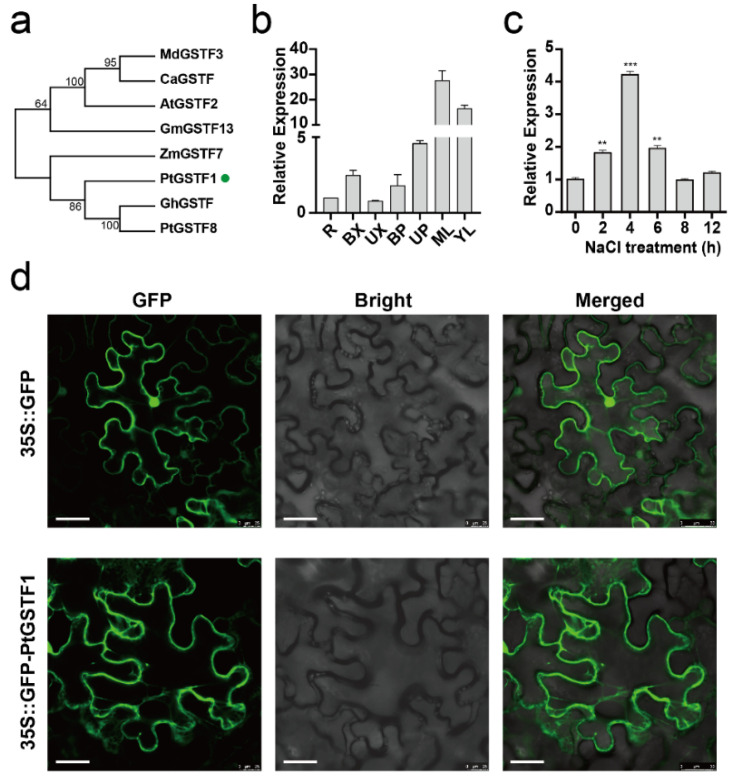
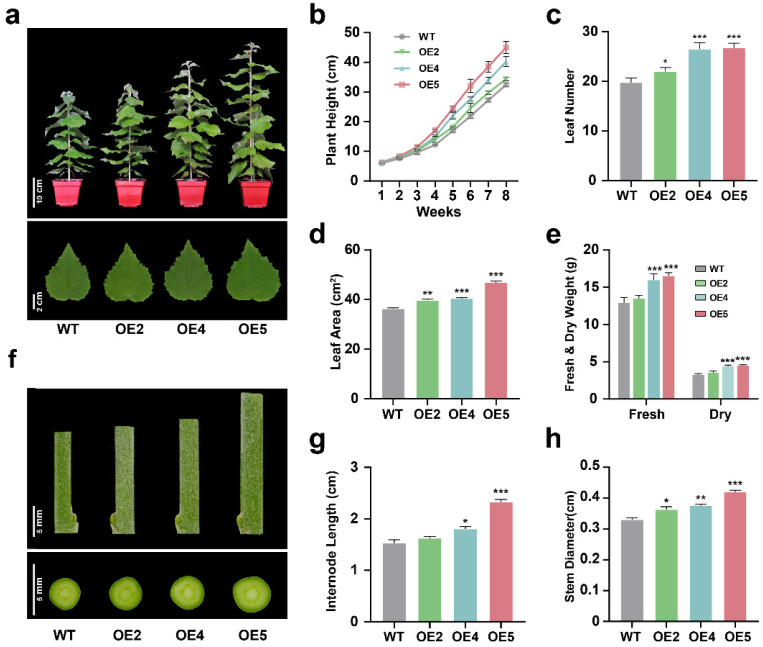
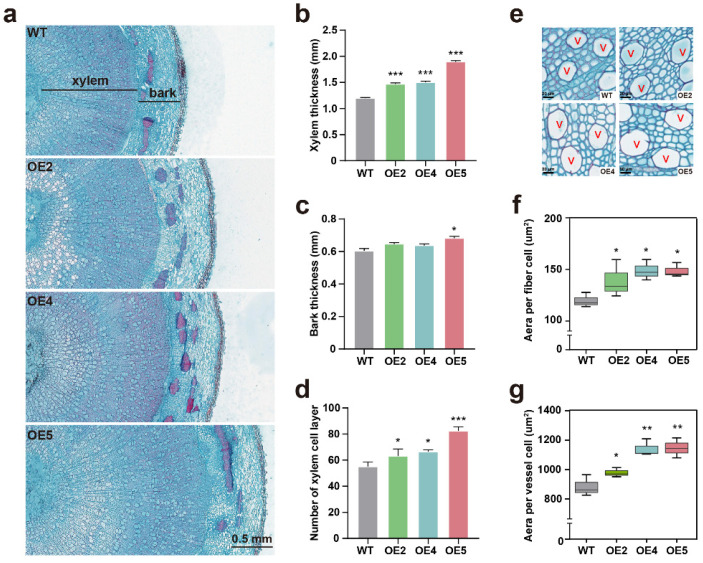
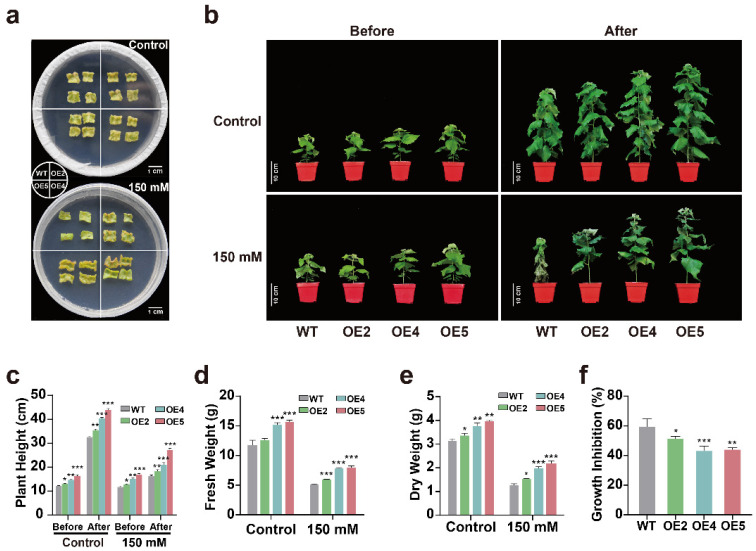
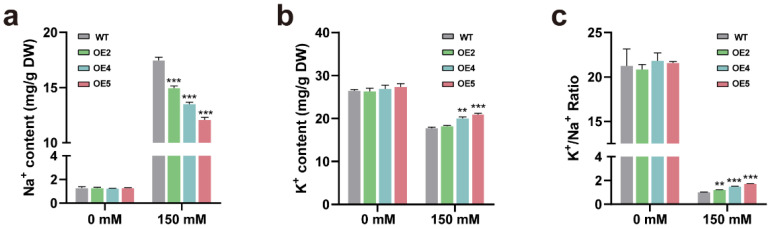
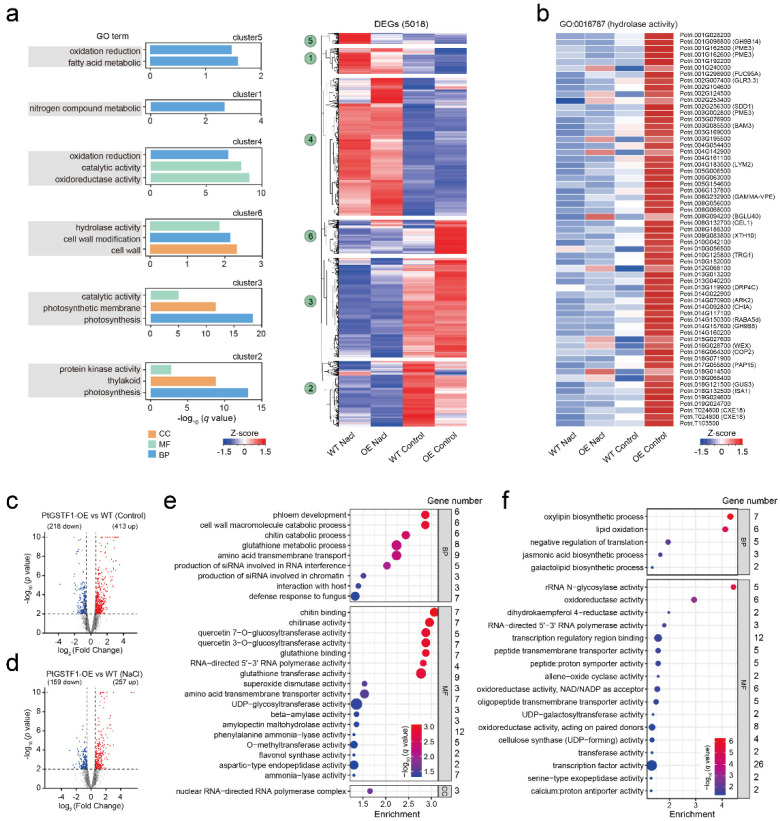
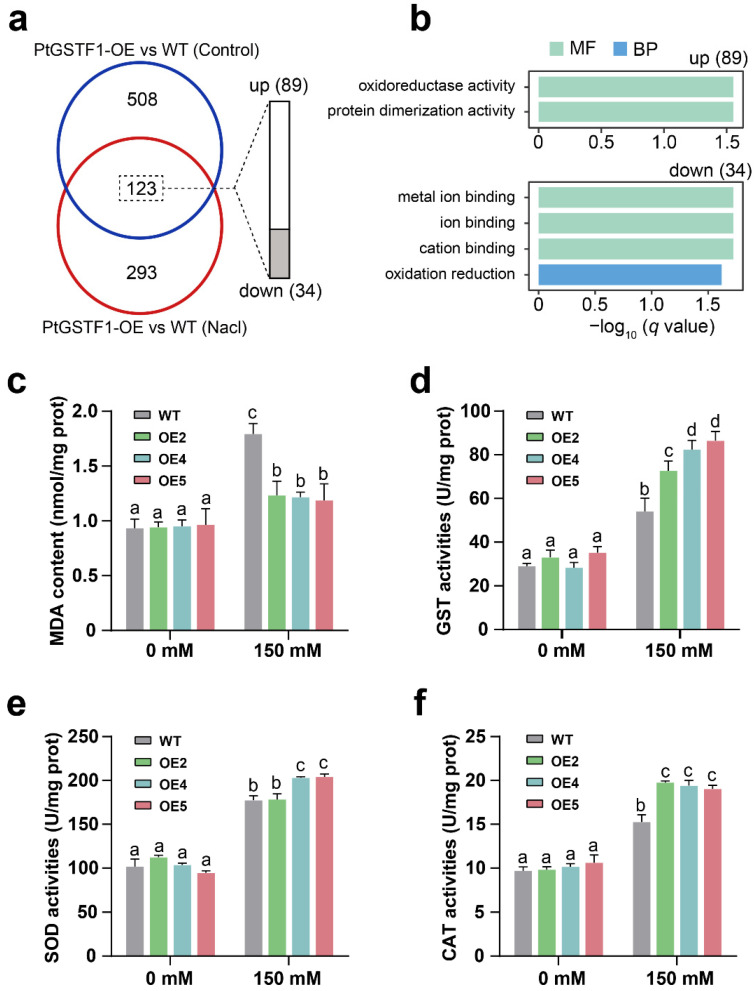
Glutathione S-transferases (GSTs) play an essential role in plant cell detoxification and secondary metabolism. However, their accurate functions in the growth and response to abiotic stress in woody plants are still largely unknown. In this work, a Phi class Glutathione S-transferase encoding gene PtGSTF1 was isolated from poplar (P. trichocarpa), and its biological functions in the regulation of biomass production and salt tolerance were investigated in transgenic poplar. PtGSTF1 was ubiquitously expressed in various tissues and organs, with a predominant expression in leaves and inducible expression by salt stress. Transgenic poplar overexpressing PtGSTF1 showed improved shoot growth, wood formation and improved salt tolerance, consistent with the increased xylem cell number and size under normal condition, and the optimized Na+ and K+ homeostasis and strengthened reactive oxygen species scavenging during salt stress. Further transcriptome analyses demonstrated that the expressions of genes related to hydrolase, cell wall modification, ion homeostasis and ROS scavenging were up- or down-regulated in transgenic plants. Our findings imply that PtGSTF1 improves both biomass production and salt tolerance through regulating hydrolase activity, cell wall modification, ion homeostasis and ROS scavenging in transgenic poplar, and that it can be considered as a useful gene candidate for the genetic breeding of new tree varieties with improved growth under salt stress conditions.
Overview
The claims and statistics of this paper haven’t been checked yet.
Free: it reads the open-access text and checks the first 5 claims that cite a source we can check. Create a free account to check every claim.
Integrity signals
Registry
Cites
Statistics
Figures
Verification
Claims the paper makes
The claims and statistics of this paper haven’t been checked yet.
Free: it reads the open-access text and checks the first 5 claims that cite a source we can check. Create a free account to check every claim.
Claims other papers make about this one
Each is checked against this paper’s own text: does it say what the citing paper says it does?
The check wasn’t confident either way, so it gives no verdict — never disputed.
In the citing paper
“Moreover, in Maize, the Complex Trait Loci (CTL, Figure 3) have been used for novel trait development.”
From Emerging applications of gene editing technologies for the development of climate-resilient crops (2025) · cites this paper as Gao et al., 2022
Experimental — accuracy not yet measured
Self-check
Percentages, sums and reported differences re-computed from the paper’s own numbers.
The self-check needs the paper’s full text.
Citations
Cites
Reactive Oxygen Species in Plant Signaling
Waszczak, C., Carmody, M., & Kangasjärvi, J. (2018) · Annual Review of Plant Biology · doi:10.1146/annurev-arplant-042817-040322 · Cited by 1,563 · cited 1×
“Through the development and evolutionary expansion of a series of enzymatic and non-enzymatic ROS scavengers, cell damage caused by ROS has been effectively alleviated [60].”
BackgroundPlant glutathione transferases.
Dixon, D. P., Lapthorn, A. J., & Edwards, R. (2002) · Genome biology · doi:10.1186/gb-2002-3-3-reviews3004 · Cited by 972 · cited 1×
“They catalyze the conjugation of a diverse range of xenobiotics and detoxified selective herbicides in the form of dimers [9].”
BackgroundROS homeostasis in halophytes in the context of salinity stress tolerance
Bose, J., Rodrigo-Moreno, A., & Shabala, S. (2014) · Journal of Experimental Botany · doi:10.1093/jxb/ert430 · Cited by 963 · cited 1×
“As the central signaling molecule, ROS plays an important role in the process of plant defense responses and salt stress tolerance [26,58,59].”
BackgroundPlant glutathione S -transferases: enzymes with multiple functions in sickness and in health
Edwards, R., Dixon, D. P., & Walbot, V. (2000) · Trends in Plant Science · doi:10.1016/s1360-1385(00)01601-0 · Cited by 931 · cited 1×
“18) are an ancient super family of catalytic and binding proteins widely distributed in bacteria, plants and animals [1,2].”
BackgroundDraper, H. H., Squires, E. J., Mahmoodi, H., Wu, J., Agarwal, S., & Hadley, M. (1993) · Free Radical Biology and Medicine · doi:10.1016/0891-5849(93)90035-s · Cited by 914 · cited 1×
“MDA content was determined with the thiobarbituric acid (TBA) chromatometry method, as described previously [72].”
MethodXia, X.-J., Zhou, Y.-H., Shi, K., Zhou, J., Foyer, C. H., & Yu, J.-Q. (2015) · Journal of Experimental Botany · doi:10.1093/jxb/erv089 · Cited by 709 · cited 1×
“Excess cytoplasmic Na+ can also lead to the production of ROS such as singlet oxygen, H2O2 and O2−, which causes membrane lipid peroxidation [47,50,57].”
BackgroundAllocati, N., Masulli, M., Di Ilio, C., & Federici, L. (2018) · Oncogenesis · doi:10.1038/s41389-017-0025-3 · Cited by 625 · cited 1×
“In eukaryotes, based on their cellular locations, GSTs are divided into at least three major protein families, namely cytosolic GSTs, mitochondrial GSTs and microsomal GSTs [6].”
BackgroundTuning plant signaling and growth to survive salt
Julkowska, M. M., & Testerink, C. (2015) · Trends in Plant Science · doi:10.1016/j.tplants.2015.06.008 · Cited by 563 · cited 1×
“As the central signaling molecule, ROS plays an important role in the process of plant defense responses and salt stress tolerance [26,58,59].”
BackgroundGlutathione S-Transferase Enzymes in Plant-Pathogen Interactions
Gullner, G., Komives, T., Király, L., & Schröder, P. (2018) · Frontiers in Plant Science · doi:10.3389/fpls.2018.01836 · Cited by 503
Roles for glutathione transferases in plant secondary metabolism
Dixon, D. P., Skipsey, M., & Edwards, R. (2010) · Phytochemistry · doi:10.1016/j.phytochem.2009.12.012 · Cited by 501 · cited 2×
“In Arabidopsis, GSTU7 was reported to be localized in the cytosol, whereas the tea CsGSTU8 was found to be distributed throughout the cell [16,17,46,47].”
BackgroundRoxas, V. P., Lodhi, S. A., Garrett, D. K., Mahan, J. R., & Allen, R. D. (2000) · Plant and Cell Physiology · doi:10.1093/pcp/pcd051 · Cited by 484
Kumar, S., & Trivedi, P. K. (2018) · Frontiers in Plant Science · doi:10.3389/fpls.2018.00751 · Cited by 464 · cited 2×
“GSTs catalyze the conjugation of GSH to a range of hydrophobic and electrophilic substrates including ROS in the ROS scavenging system, and thus protect the cells from oxidative burst [61,62].”
BackgroundChen, J.-H., Jiang, H.-W., Hsieh, E.-J., Chen, H.-Y., Chien, C.-T., Hsieh, H.-L., & Lin, T.-P. (2012) · Plant Physiology · doi:10.1104/pp.111.181875 · Cited by 408 · cited 1×
“ABA plays a crucial role in plant resistance to abiotic stress in conjunction with glutathione transferase [30,64,65].”
BackgroundGlutathione-mediated detoxification systems in plants
Dixon, D. P., Cummins, I., Cole, D. J., & Edwards, R. (1998) · Current Opinion in Plant Biology · doi:10.1016/s1369-5266(98)80114-3 · Cited by 380
Key role for a glutathione transferase in multiple-herbicide resistance in grass weeds
Cummins, I., Wortley, D. J., Sabbadin, F., He, Z., Coxon, C. R., Straker, H. E., Sellars, J. D., Knight, K., Edwards, L., Hughes, D., et al. (2013) · Proceedings of the National Academy of Sciences · doi:10.1073/pnas.1221179110 · Cited by 371 · cited 2×
“Apart from this, GSTs are also induced by phytohormones such as auxin, salicylic acid (SA), abscisic acid (ABA), ethylene, and other hormones, which implies that plant GSTs play dynamic roles in plant growth and development [16,27,28].”
BackgroundMueller, S., Hilbert, B., Dueckershoff, K., Roitsch, T., Krischke, M., Mueller, M. J., & Berger, S. (2008) · The Plant Cell · doi:10.1105/tpc.107.054809 · Cited by 358
The functions of inter- and intracellular glutathione transport systems in plants
Foyer, C. H., Theodoulou, F. L., & Delrot, S. (2001) · Trends in Plant Science · doi:10.1016/s1360-1385(01)02086-6 · Cited by 293
Plant glutathione transferase-mediated stress tolerance: functions and biotechnological applications
Nianiou-Obeidat, I., Madesis, P., Kissoudis, C., Voulgari, G., Chronopoulou, E., Tsaftaris, A., & Labrou, N. E. (2017) · Plant Cell Reports · doi:10.1007/s00299-017-2139-7 · Cited by 274 · cited 1×
“Plant GSTs were also found to be involved in other processes such as plant development and secondary metabolism [17,18].”
BackgroundFrova, C. (2003) · Physiologia Plantarum · doi:10.1046/j.1399-3054.2003.00183.x · Cited by 273 · cited 1×
“18) are an ancient super family of catalytic and binding proteins widely distributed in bacteria, plants and animals [1,2].”
BackgroundMoons, A. (2005) · Vitamins & Hormones · doi:10.1016/s0083-6729(05)72005-7 · Cited by 249 · cited 1×
“, ABA) in these processes have been discussed [29,30].”
BackgroundLoss of salt tolerance during tomato domestication conferred by variation in a Na + /K + transporter
Wang, Z., Hong, Y., Zhu, G., Li, Y., Niu, Q., Yao, J., Hua, K., Bai, J., Zhu, Y., Shi, H., et al. (2020) · The EMBO Journal · doi:10.15252/embj.2019103256 · Cited by 232
Sharma, R., Sahoo, A., Devendran, R., & Jain, M. (2014) · PLoS ONE · doi:10.1371/journal.pone.0092900 · Cited by 231 · cited 2×
“This is similar to the expression patterns of other previously reported GST members, which showed induced expression by various biotic and abiotic stresses in different biological metabolism processes [16,31,33,34,44,45].”
BackgroundResultKumar, S., Asif, M. H., Chakrabarty, D., Tripathi, R. D., Dubey, R. S., & Trivedi, P. K. (2013) · Journal of Hazardous Materials · doi:10.1016/j.jhazmat.2013.01.004 · Cited by 231 · cited 4×
“Heterologous expression of the rice OsGSTL2 in Arabidopsis led to promoted flowering and improved abiotic stress tolerance of transgenic plants [34].”
BackgroundResultInfluentialExtensive Functional Diversification of the Populus Glutathione S-Transferase Supergene Family
Lan, T., Yang, Z.-L., Yang, X., Liu, Y.-J., Wang, X.-R., & Zeng, Q.-Y. (2010) · The Plant Cell · doi:10.1105/tpc.109.070219 · Cited by 224 · cited 1×
“In Populus, a model woody tree, a total of 81 GST genes have been identified in the annotated genome, including 8 GSTF genes, which contain a two-intron/three-exon structure with similar exons length and a highly conserved first intron position [35].”
BackgroundSelf-citationMdGSTF6, activated by MdMYB1, plays an essential role in anthocyanin accumulation in apple
Jiang, S., Chen, M., He, N., Chen, X., Wang, N., Sun, Q., Zhang, T., Xu, H., Fang, H., Wang, Y., et al. (2019) · Horticulture Research · doi:10.1038/s41438-019-0118-6 · Cited by 223 · cited 1×
“This is similar to the expression patterns of other previously reported GST members, which showed induced expression by various biotic and abiotic stresses in different biological metabolism processes [16,31,33,34,44,45].”
ResultCohen, D., Bogeat-Triboulot, M.-B., Tisserant, E., Balzergue, S., Martin-Magniette, M.-L., Lelandais, G., Ningre, N., Renou, J.-P., Tamby, J.-P., Le Thiec, D., et al. (2010) · BMC Genomics · doi:10.1186/1471-2164-11-630 · Cited by 204
RALPH, S., ODDY, C., COOPER, D., YUEH, H., JANCSIK, S., KOLOSOVA, N., PHILIPPE, R. N., AESCHLIMAN, D., WHITE, R., HUBER, D., et al. (2006) · Molecular Ecology · doi:10.1111/j.1365-294x.2006.02824.x · Cited by 185
Tang, R.-J., Liu, H., Yang, Y., Yang, L., Gao, X.-S., Garcia, V. J., Luan, S., & Zhang, H.-X. (2012) · Cell Research · doi:10.1038/cr.2012.161 · Cited by 184 · cited 1×
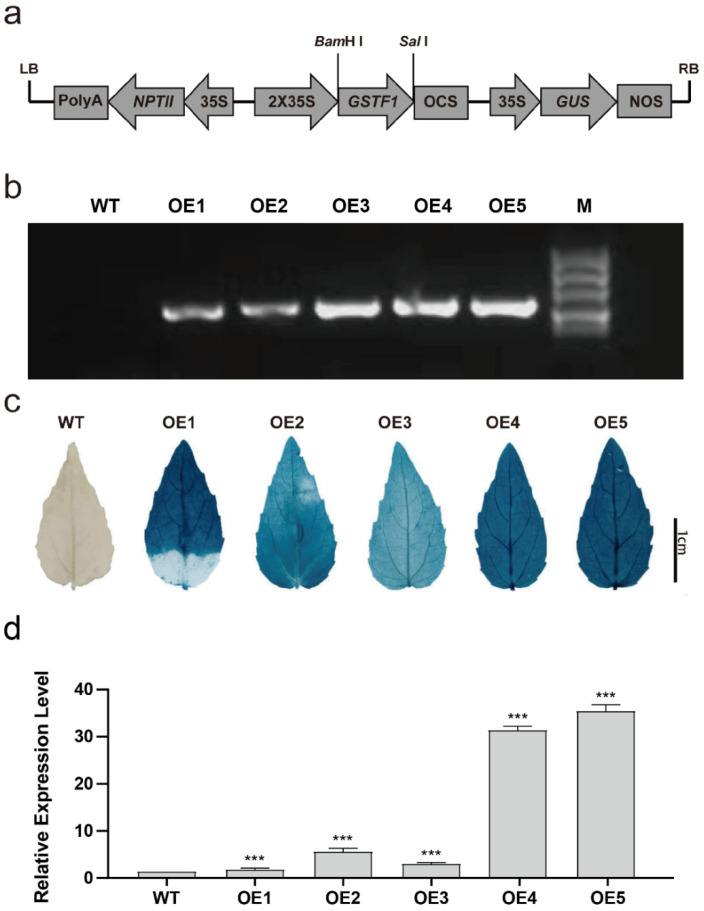
“To confirm the expression of the co-transformed reporter gene (GUS) with PtGSTF1, histochemical staining was conducted as described previously [70].”
MethodSelf-citationLcGST4 is an anthocyanin-related glutathione S-transferase gene in Litchi chinensis Sonn.
Hu, B., Zhao, J., Lai, B., Qin, Y., Wang, H., & Hu, G. (2016) · Plant Cell Reports · doi:10.1007/s00299-015-1924-4 · Cited by 177 · cited 1×
“ABA plays a crucial role in plant resistance to abiotic stress in conjunction with glutathione transferase [30,64,65].”
BackgroundLiu, Y.-J., Han, X.-M., Ren, L.-L., Yang, H.-L., & Zeng, Q.-Y. (2013) · Plant Physiology · doi:10.1104/pp.112.205815 · Cited by 175 · cited 1×
“They also catalyze the interaction between GSH and hydrogen peroxide, thereby regulating the perception and tolerance of various abiotic stressors in plants [63].”
BackgroundJiang, H.-W., Liu, M., Chen, I.-C., Huang, C.-H., Chao, L.-Y., & Hsieh, H.-L. (2010) · PLANT PHYSIOLOGY · doi:10.1104/pp.110.159152 · Cited by 170
Cheng, X., He, Q., Tang, S., Wang, H., Zhang, X., Lyu, M., Liu, H., Gao, Q., Zhou, Y., Wang, Q., et al. (2021) · New Phytologist · doi:10.1111/nph.17211 · Cited by 165 · cited 2×
“As the central signaling molecule, ROS plays an important role in the process of plant defense responses and salt stress tolerance [26,58,59].”
BackgroundWu, H., Zhu, M., Shabala, L., Zhou, M., & Shabala, S. N. (2014) · Journal of Integrative Plant Biology · doi:10.1111/jipb.12238 · Cited by 151
Proteomic and enzymatic response of poplar to cadmium stress
Kieffer, P., Schröder, P., Dommès, J., Hoffmann, L., Renaut, J., & Hausman, J.-F. (2009) · Journal of Proteomics · doi:10.1016/j.jprot.2009.01.014 · Cited by 149
Timmerman, K. P. (1989) · Physiologia Plantarum · doi:10.1111/j.1399-3054.1989.tb05668.x · Cited by 142
Ito, J., Batth, T. S., Petzold, C. J., Redding‐Johanson, A. M., Mukhopadhyay, A., Verboom, R. E., Meyer, E. H., Millar, A. H., & Heazlewood, J. L. (2010) · Journal of Proteome Research · doi:10.1021/pr1009433 · Cited by 133 · cited 1×
“In Arabidopsis, GSTU7 was reported to be localized in the cytosol, whereas the tea CsGSTU8 was found to be distributed throughout the cell [16,17,46,47].”
BackgroundGong, H., Jiao, Y., Hu, W., & Pua, E. (2005) · Plant Molecular Biology · doi:10.1007/s11103-004-4516-1 · Cited by 133 · cited 1×
“In plants, multiple members of GSTs have been identified and their roles in shoot morphogenesis have been respectively demonstrated in vivo and in vitro [42,43].”
BackgroundSmith, A. P., Nourizadeh, S., Peer, W. A., Xu, J., Bandyopadhyay, A., Murphy, A. S., & Goldsbrough, P. B. (2003) · The Plant Journal · doi:10.1046/j.1365-313x.2003.01890.x · Cited by 131 · cited 3×
“Unlike other GSTFs such as AtGSTF2 in particular, PtGSTF1 was unable to interact or activate with auxin and other heterocyclic compounds such as noramine, indole-3-aldehyde and quercetin, although no dramatic structural difference was observed between PtGSTF1 and AtGSTF2 [8,66,67].”
BackgroundStotz, H. U., Mueller, S., Zoeller, M., Mueller, M. J., & Berger, S. (2013) · Journal of Experimental Botany · doi:10.1093/jxb/ers389 · Cited by 103
Wang, H., Wang, C., Liu, H., Tang, R., & Zhang, H. (2011) · Plant Cell Reports · doi:10.1007/s00299-011-1111-1 · Cited by 95 · cited 1×
“tumefaciens) strain EHA105 for poplar transformation as described previously [68].”
MethodSelf-citationEvans, A. F., O’Brien, S. R., Ma, R., Hager, A. G., Riggins, C. W., Lambert, K. N., & Riechers, D. E. (2017) · Plant Biotechnology Journal · doi:10.1111/pbi.12711 · Cited by 92
Cummins, I., Bryant, D. N., & Edwards, R. (2009) · Plant Biotechnology Journal · doi:10.1111/j.1467-7652.2009.00445.x · Cited by 91
Li, G., Peng, X., Xuan, H., Wei, L., Yang, Y., Guo, T., & Kang, G. (2013) · Journal of Proteome Research · doi:10.1021/pr4008283 · Cited by 90 · cited 1×
“This is similar to the expression patterns of other previously reported GST members, which showed induced expression by various biotic and abiotic stresses in different biological metabolism processes [16,31,33,34,44,45].”
ResultTian, Q., Shen, L., Luan, J., Zhou, Z., Guo, D., Shen, Y. M., Jing, W., Zhang, B., Zhang, Q., & Zhang, W. (2021) · Plant Cell & Environment · doi:10.1111/pce.14101 · Cited by 81
Zhou, H., Zhang, F., Zhai, F., Su, Y., Zhou, Y., Ge, Z., Tilak, P., Eirich, J., Finkemeier, I., Fu, L., et al. (2021) · Molecular Plant · doi:10.1016/j.molp.2021.11.006 · Cited by 80
Jin, Y., Tang, R., Wang, H., Jiang, C., Bao, Y., Yang, Y., Liang, M., Sun, Z., Kong, F., Li, B., et al. (2017) · Plant Biotechnology Journal · doi:10.1111/pbi.12717 · Cited by 80 · cited 1×
“This is different from observations in transgenic poplar overexpressing CYP85A3, in which the promoted stem growth resulted from the increased xylem cell number only, implying that the secondary xylem development in PtGSTF1 transgenic plants was promoted differently [48].”
BackgroundSelf-citationAcetaminophen detoxification in cucumber plants via induction of glutathione S-transferases
Sun, C., Dudley, S., McGinnis, M., Trumble, J. T., & Gan, J. J. (2018) · The Science of The Total Environment · doi:10.1016/j.scitotenv.2018.08.346 · Cited by 76 · cited 1×
“GSTs catalyze the conjugation of GSH to a range of hydrophobic and electrophilic substrates including ROS in the ROS scavenging system, and thus protect the cells from oxidative burst [61,62].”
BackgroundDixon, D. P., Sellars, J. D., & Edwards, R. (2011) · Biochemical Journal · doi:10.1042/bj20101884 · Cited by 73 · cited 3×
“Unlike other GSTFs such as AtGSTF2 in particular, PtGSTF1 was unable to interact or activate with auxin and other heterocyclic compounds such as noramine, indole-3-aldehyde and quercetin, although no dramatic structural difference was observed between PtGSTF1 and AtGSTF2 [8,66,67].”
BackgroundHassan, M. A., Morosan, M., López-Gresa, M. P., Prohens, J., Vicente, Ó., & Boşcaiu, M. (2016) · International Journal of Molecular Sciences · doi:10.3390/ijms17091582 · Cited by 70
Overexpression of the P t SOS 2 gene improves tolerance to salt stress in transgenic poplar plants
Yang, Y., Tang, R., Jiang, C., Li, B., Kang, T., Liu, H., Zhao, N., Ma, X., Yang, L., Chen, S., et al. (2015) · Plant Biotechnology Journal · doi:10.1111/pbi.12335 · Cited by 69 · cited 2×
“Excess cytoplasmic Na+ can also lead to the production of ROS such as singlet oxygen, H2O2 and O2−, which causes membrane lipid peroxidation [47,50,57].”
BackgroundSelf-citationNguyen, K. H., Mostofa, M. G., Watanabe, Y., Tran, C. D., Rahman, M. M., & Tran, L. P. (2018) · Environmental and Experimental Botany · doi:10.1016/j.envexpbot.2018.12.021 · Cited by 68
Ugalde, J. M., Lamig, L., Herrera‐Vásquez, A., Fuchs, P., Homagk, M., Kopřiva, S., Müller‐Schüssele, S. J., Holuigue, L., & Meyer, A. J. (2021) · PLANT PHYSIOLOGY · doi:10.1093/plphys/kiab444 · Cited by 67 · cited 6×
“This is similar to the expression patterns of other previously reported GST members, which showed induced expression by various biotic and abiotic stresses in different biological metabolism processes [16,31,33,34,44,45].”
BackgroundResultInfluentialDeRidder, B. P., & Goldsbrough, P. B. (2005) · PLANT PHYSIOLOGY · doi:10.1104/pp.105.067199 · Cited by 64
Chen, F., Zhang, S., Jiang, H., Ma, W., Korpelainen, H., & Li, C. (2011) · Journal of Proteome Research · doi:10.1021/pr200535r · Cited by 63 · cited 1×
“Previous proteomic study has demonstrated an increased PtGSTF1 protein level in the leaves of Populus cathayana male cuttings exposed to salt stress [38].”
BackgroundDetoxification of Reactive Carbonyl Species by Glutathione Transferase Tau Isozymes
Mano, J., Sayaka, K., Kuramitsu, R., Matsuura, N., & Yamauchi, Y. (2019) · Frontiers in Plant Science · doi:10.3389/fpls.2019.00487 · Cited by 61 · cited 1×
“The major function of GSTs is the detoxification of exogenously applied xenobiotics and endogenously generated organic peroxides, such as lipid peroxides [41].”
BackgroundSkliros, D., Kalloniati, C., Καραλιάς, Γ., Skaracis, G. N., Rennenberg, H., & Flemetakis, E. (2018) · Plant and Soil · doi:10.1007/s11104-018-3691-9 · Cited by 59
Zhang, Y., He, J., Xiao, Y., Zhang, Y., Liu, Y., Wan, S., Liu, L., Dong, Y., Liu, H., & Yu, Y. (2021) · Frontiers in Plant Science · doi:10.3389/fpls.2021.795919 · Cited by 58 · cited 2×
“In Arabidopsis, GSTU7 was reported to be localized in the cytosol, whereas the tea CsGSTU8 was found to be distributed throughout the cell [16,17,46,47].”
BackgroundDu, B., An, Y., Li, Y., Zhang, X., Song, L., & Guo, C. (2019) · Biology Open · doi:10.1242/bio.043505 · Cited by 50
Yang, Y., Tang, R. J., Li, B., Wang, H. H., Jin, Y. L., Jiang, C. M., Bao, Y., Su, H. Y., Zhao, N., Ma, X. J., et al. (2015) · Tree Physiology · doi:10.1093/treephys/tpv027 · Cited by 49 · cited 1×
“1 and the constitutively active form of PtSOS2 gene PtSOS2TD [49,50].”
BackgroundSelf-citationLorber, S., & Scalla, R. (1999) · Physiologia Plantarum · doi:10.1034/j.1399-3054.1999.106103.x · Cited by 49 · cited 1×
“Plant GSTs are mainly cytosolic localized and represent up to 2% of soluble proteins [7].”
BackgroundWang, Q., Guo, J., Jin, P., Guo, M., Guo, J., Cheng, P., Li, Q., & Wang, B. (2022) · PLANT PHYSIOLOGY · doi:10.1093/plphys/kiac326 · Cited by 49 · cited 1×
“In plants, multiple members of GSTs have been identified and their roles in shoot morphogenesis have been respectively demonstrated in vivo and in vitro [42,43].”
BackgroundThe poplar Phi class glutathione transferase: expression, activity and structure of GSTF1
Pégeot, H., Koh, C. S., Pêtre, B., Mathiot, S., Duplessis, S., Hecker, A., Claude Didierjean, B., & Rouhier, N. (2014) · Frontiers in Plant Science · doi:10.3389/fpls.2014.00712 · Cited by 45 · cited 5×
“Overexpression of AtGSTF2 increased the tolerance to oxidative stress caused by phenol treatment in transgenic plants [28].”
BackgroundInfluentialChih‐Wei, K., Bakshi, M., Sherameti, I., Dong, S., Reichelt, M., Oelmüller, R., & Yeh, K. (2016) · Plant Molecular Biology · doi:10.1007/s11103-016-0531-2 · Cited by 44 · cited 10×
“Heterologous expression of the rice OsGSTL2 in Arabidopsis led to promoted flowering and improved abiotic stress tolerance of transgenic plants [34].”
BackgroundInfluentialComparison of extractive methods of Na^+, K^+ in wheat leaves
Wang, B. S. (1995) · Cited by 40
Huang, Y., Cui, X., Cen, H., Wang, K., & Zhang, Y. (2018) · BMC Plant Biology · doi:10.1186/s12870-018-1278-5 · Cited by 39
Neue diterpene aus der subtribus espeletiinae
Bohlmann, F., Suding, H., Cuatrecasas, J., King, R. M., & Robinson, H. (1980) · Phytochemistry · doi:10.1016/s0031-9422(00)81971-8 · Cited by 35 · cited 1×
“The first plant GSTs were reported in sorghum and maize, and catalyzed the detoxification of the herbicide atrazine by conjugating to the endogenous tripeptide glutathione (GSH, γ-L-glutamyl-L-cysteinyl-glycine) [10].”
BackgroundYang, G., Peng, S., Wang, T., Gao, X., Li, D., Li, M., Chen, S., & Xu, Z. (2021) · Ecotoxicology and Environmental Safety · doi:10.1016/j.ecoenv.2021.112945 · Cited by 33
Zhang, S., Feng, L., Jiang, H., Ma, W., Korpelainen, H., & Li, C. (2012) · Journal of Proteome Research · doi:10.1021/pr3005953 · Cited by 26
Xu, J., Tian, Y., Xing, X., Xu, Z., Zhu, B., Fu, X., Peng, R., & Yao, Q. (2016) · Plant Growth Regulation · doi:10.1007/s10725-016-0235-2 · Cited by 21 · cited 2×
“Apart from this, GSTs are also induced by phytohormones such as auxin, salicylic acid (SA), abscisic acid (ABA), ethylene, and other hormones, which implies that plant GSTs play dynamic roles in plant growth and development [16,27,28].”
BackgroundMultiple Pesticides Detoxification Function of Maize (Zea mays) GST34
Li, D., Xu, L., Pang, S., Liu, Z., Zhao, W., & Wang, C. (2017) · Journal of Agricultural and Food Chemistry · doi:10.1021/acs.jafc.7b00057 · Cited by 17
Gao, H., Huang, H., Lu, K., Wang, C., Liu, X., Song, Z., Zhou, H., Yang, L., Li, B., Yu, C., et al. (2021) · Plant Physiology and Biochemistry · doi:10.1016/j.plaphy.2021.10.023 · Cited by 17 · cited 1×
“Regenerated transgenic poplar plants were propagated and transplanted into soil as described in our previous report [69].”
MethodSelf-citationCsiszár, J., Hecker, A., Labrou, N. E., Schröder, P., & Riechers, D. E. (2019) · Frontiers in Plant Science · doi:10.3389/fpls.2019.01304 · Cited by 15
Cited by
Rai, G. K., Kumar, P., Choudhary, S. M., Singh, H., Adab, K., Kosser, R., Magotra, I., Kumar, R. R., Singh, M., Sharma, R., et al. (2023) · Plants · doi:10.3390/plants12051133 · Cited by 118
A glutathione S-transferase regulates lignin biosynthesis and enhances salt tolerance in tomato
Yuan, L., Dang, J., Zhang, J., Wang, L., Zheng, H., Li, G., Li, J., Zhou, F., Khan, A., Zhang, Z., et al. (2024) · PLANT PHYSIOLOGY · doi:10.1093/plphys/kiae504 · Cited by 96
Emerging applications of gene editing technologies for the development of climate-resilient crops
Chavhan, R. L., Jaybhaye, S. G., Hinge, V. R., Deshmukh, A. S., Shaikh, U. S., Jadhav, P. K., Kadam, U. S., & Hong, J. C. (2025) · Frontiers in Genome Editing · doi:10.3389/fgeed.2025.1524767 · Cited by 55
PfGSTF2 endows resistance to quizalofop‐p‐ethyl in Polypogon fugax by GSH conjugation
Chen, W., Bai, D., Liao, Y., Yu, Q. P., Bai, L., & Pan, L. (2024) · Plant Biotechnology Journal · doi:10.1111/pbi.14491 · Cited by 41
“The antioxidant capacity of GSTs enzymes (as GPOX) is important in plant responses to adversities (Cummins et al ., 2009; Gao et al ., 2022; Roxas et al ., 1997; Zhang et al ., 2021) and even in insect responses to pesticides (Li et al ., 2021).”
Li, X., Pang, Y., Zhong, Y., Cai, Z., Ma, Q., Wen, K., & Nian, H. (2023) · International Journal of Molecular Sciences · doi:10.3390/ijms24065547 · Cited by 42
Self-citation
Metadata
- Authors
- Gao, H., Yu, C., Liu, R., Li, X., Huang, H., Wang, X., Zhang, C., Jiang, N., Li, X., Cheng, S., Zhang, H., & Li, B.
- Affiliations
- Ludong University (CN)
- Corresponding author
- Zhang, Hongxia
- Li, Bei
- ORCID
- Venue
- International Journal of Molecular Sciences
- Publisher
- MDPI AG
- Published
- 2022-09-25
- Volume
- 23
- Issue
- 19
- Pages
- 11288
- ISSN
- 1422-0067 (ISSN-L)
- PMC
- PMC9569880
- OpenAlex
- W4297235880
- Semantic Scholar
- 803236f80462cd5fb5f741eb03315ee1af92b4ba
- Cited by
- 60
- References
- 73
- Citations by year
- 2026: 14 · 2025: 21 · 2024: 15 · 2023: 9 · 2022: 1
- FWCI
- 7.02
- Type
- journal article
- Language
- en
- Open access
- gold
- doi.org
- Licence
- Locations
- International Journal of Molecular Sciences (publishedVersion, cc-by)
- PubMed Central (publishedVersion, cc-by)
- PubMed (publishedVersion)
- DOAJ (DOAJ: Directory of Open Access Journals) (submittedVersion, cc-by-sa)
- Funders
- National Natural Science Foundation of China (32271909, 31870576, 32071733, SDAIT-02-05)
- Modern Agricultural Industry Technology System Innovation Team of Shandong Province of China (32271909, 31870576, 32071733, SDAIT-02-05)
- Topics
- Life Sciences › Agricultural and Biological Sciences › Plant Science › Plant Stress Responses and Tolerance
- Life Sciences › Biochemistry, Genetics and Molecular Biology › Molecular Biology › Glutathione Transferases and Polymorphisms
- Life Sciences › Agricultural and Biological Sciences › Plant Science › Plant Molecular Biology Research
- Keywords
- glutathione S-transferase, poplar, Populus trichocarpa, salt tolerance, biomass production, ion homeostasis, reactive oxygen species scavenging, hydrolase activity, cell wall remodeling, transgenic poplar, abiotic stress response, wood formation
- MeSH terms
- Plant Breeding, Glutathione, Glutathione Transferase, Homeostasis, Hydrolases, Plant Proteins, Reactive Oxygen Species, Gene Expression Regulation, Plant, Biomass, Plants, Genetically Modified, Populus, Cell Proliferation, Xylem, Salt Tolerance
About these checks
Registry, retraction, Cites and statistics results are computed, not judged, with one exception: a printed reference that no index lists is read once by a model before it counts as a citation error. Claims are extracted by a model and kept only when their quote appears verbatim in the text; each cited source is then checked, with a model’s help, for whether it says what the claim relies on. Those verdicts can be wrong — read the claim’s quote and the cited source before relying on one.
Statistics and arithmetic are recomputed, not judged.
Confidence bands are shown only for fields calibrated on our annotated test set. None is calibrated yet, so no band is shown.
What counts as a claim ›How we measure confidence ›How we check this ›
Are you an author, or do you see a problem with this page? Request a review
Data sources
Bibliographic data: Semantic Scholar, OpenAlex, Crossref.
Contains information from the Semantic Scholar Academic Graph Datasets, made available under the ODC Attribution License (ODC-BY 1.0).
Semantic Scholar’s data is described in: Kinney, R., et al. (2023). The Semantic Scholar Open Data Platform. arXiv:2301.10140.
