

Primary Cell Culture as a Model System for Evolutionary Molecular Physiology
Open accessThe DOI matches its Crossref record; 146 of the 146 references it cites were found in a registry or an index.
Abstract
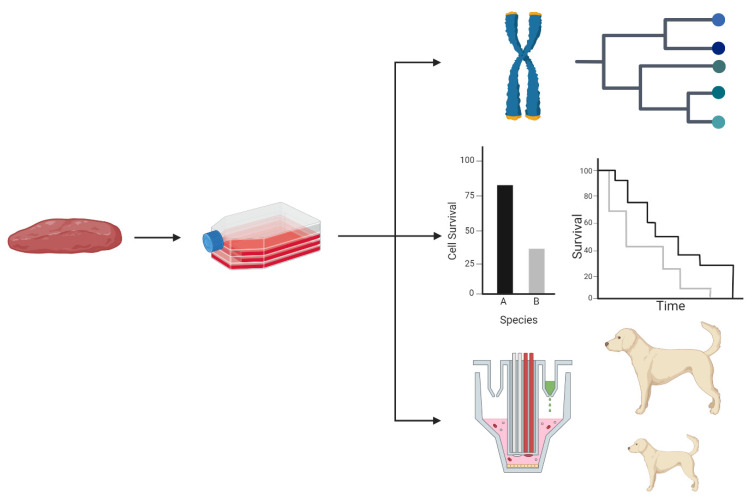
Primary cell culture is a powerful model system to address fundamental questions about organismal physiology at the cellular level, especially for species that are difficult, or impossible, to study under natural or semi-natural conditions. Due to their ease of use, primary fibroblast cultures are the dominant model system, but studies using both somatic and germ cells are also common. Using these models, genome evolution and phylogenetic relationships, the molecular and biochemical basis of differential longevities among species, and the physiological consequences of life history evolution have been studied in depth. With the advent of new technologies such as gene editing and the generation of induced pluripotent stem cells (iPSC), the field of molecular evolutionary physiology will continue to expand using both descriptive and experimental approaches.
Overview
The claims and statistics of this paper haven’t been checked yet.
Free: it reads the open-access text and checks the first 5 claims that cite a source we can check. Create a free account to check every claim.
Integrity signals
Registry
Cites
Statistics
Figures
Verification
Claims the paper makes
The claims and statistics of this paper haven’t been checked yet.
Free: it reads the open-access text and checks the first 5 claims that cite a source we can check. Create a free account to check every claim.
Claims other papers make about this one
Each is checked against this paper’s own text: does it say what the citing paper says it does?
The source backs part of the claim, not all of it — or backs it for a different population, condition or comparison.
In the citing paper
“As primary cell cultures are derived from individual donors, they also allow incorporation of biological variables such as age, sex, disease state, and tissue origin into the experimental design”
From Primary cell cultures versus immortalized cell lines: critical comparative insights into biological fidelity and translational applications (2026) · cites this paper as Harper 2024
Experimental — accuracy not yet measuredThe source backs part of the claim, not all of it — or backs it for a different population, condition or comparison.
In the citing paper
“Under appropriate extracellular matrix and tissue-specific growth factor conditions, primary cells can retain tissue-specific morphology, cell-surface and cytosolic markers, signaling pathways, lineage identity and functional competence.”
From Primary cell cultures versus immortalized cell lines: critical comparative insights into biological fidelity and translational applications (2026) · cites this paper as Harper 2024
Experimental — accuracy not yet measuredThe source backs part of the claim, not all of it — or backs it for a different population, condition or comparison.
In the citing paper
“In contrast, primary cells are isolated directly from tissues and can more directly preserve native tissue-associated molecular, epigenetic, metabolic, and functional states (Harper 2024).”
From Primary cell cultures versus immortalized cell lines: critical comparative insights into biological fidelity and translational applications (2026) · cites this paper as Harper 2024
Experimental — accuracy not yet measuredThe cited source says what the claim attributes to it.
In the citing paper
“In contrast, primary cell cultures preserve native morphology, signaling pathways, and functional characteristics of their tissue of origin, providing a more physiologically relevant model.”
From Primary cell cultures versus immortalized cell lines: critical comparative insights into biological fidelity and translational applications (2026) · cites this paper as Harper 2024
The cited source says what the claim attributes to it.
In the citing paper
“These features allow primary cells to more closely recapitulate in vivo conditions and support studies of cell physiology, cellular metabolism,”
From Primary cell cultures versus immortalized cell lines: critical comparative insights into biological fidelity and translational applications (2026) · cites this paper as Harper 2024
Self-check
Percentages, sums and reported differences re-computed from the paper’s own numbers.
The self-check needs the paper’s full text.
Citations
Cites
Takahashi, K., & Yamanaka, S. (2006) · Cell · doi:10.1016/j.cell.2006.07.024 · Cited by 26,673 · cited 1×
“Induced pluripotent stem cells (iPSC) were first described in 2006 [122] and refers to the generation of a pluripotent stem cell via the forced expression of key transcriptional regulators in somatic cells.”
BackgroundGenetic and transcriptional evolution alters cancer cell line drug response
Ben-David, U., Siranosian, B., Ha, G., Tang, H., Oren, Y., Hinohara, K., Strathdee, C. A., Dempster, J., Lyons, N. J., Burns, R., et al. (2018) · Nature · doi:10.1038/s41586-018-0409-3 · Cited by 931
Life history evolution: successes, limitations, and prospects
Stearns, S. C. (2000) · Naturwissenschaften · doi:10.1007/s001140050763 · Cited by 820 · cited 1×
“According to the tenets of life history theory, species tend to adopt a lifestyle that maximizes their reproductive fitness and lies along a ‘slow–fast’ axis [93].”
MethodHigh-molecular-mass hyaluronan mediates the cancer resistance of the naked mole rat
Tian, X., Azpurua, J., Hine, C., Vaidya, A., Myakishev-Rempel, M., Ablaeva, J., Mao, Z., Nevo, E., Gorbunova, V., & Seluanov, A. (2013) · Nature · doi:10.1038/nature12234 · Cited by 784 · cited 1×
“There is also evidence that the remarkable longevity of the naked mole rat may be due, at least in part, to the ability of their cells to resist malignant transformation due to differences in cell behavior [86] and biochemistry [87–89].”
BackgroundEstablishing Cerebral Organoids as Models of Human-Specific Brain Evolution
Pollen, A. A., Bhaduri, A., Andrews, M. G., Nowakowski, T. J., Meyerson, O. S., Mostajo-Radji, M. A., Di Lullo, E., Alvarado, B., Bedolli, M., Dougherty, M. L., et al. (2019) · Cell · doi:10.1016/j.cell.2019.01.017 · Cited by 600
Pan, C., Kumar, C., Bohl, S., Klingmueller, U., & Mann, M. (2009) · Molecular & Cellular Proteomics · doi:10.1074/mcp.m800258-mcp200 · Cited by 561 · cited 1×
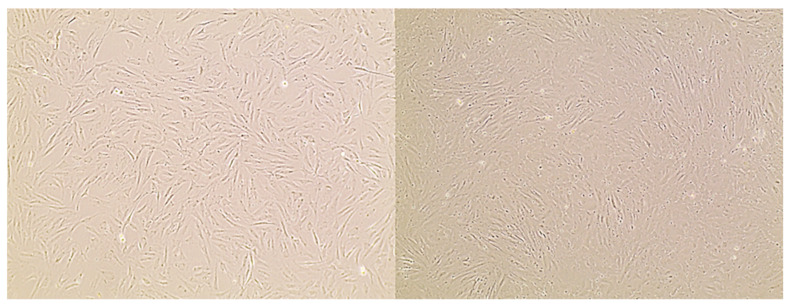
“…however, primary cells maintain the morphology typical of a given cell type, as well as the cell surface and cytosolic markers that are critical for normal cellular function, making primary cell cultures a powerful model to study how these cells would behave in vivo [30]. would behave in vivo [30].”
BackgroundCorrò, C., Novellasdemunt, L., & Li, V. S. W. (2020) · American Journal of Physiology-Cell Physiology · doi:10.1152/ajpcell.00120.2020 · Cited by 561
Pérez, V. I., Buffenstein, R., Masamsetti, V., Leonard, S., Salmon, A. B., Mele, J., Andziak, B., Yang, T., Edrey, Y., Friguet, B., et al. (2009) · Proceedings of the National Academy of Sciences · doi:10.1073/pnas.0809620106 · Cited by 418
Hypersensitivity to contact inhibition provides a clue to cancer resistance of naked mole-rat
Seluanov, A., Hine, C., Azpurua, J., Feigenson, M., Bozzella, M., Mao, Z., Catania, K. C., & Gorbunova, V. (2009) · Proceedings of the National Academy of Sciences · doi:10.1073/pnas.0905252106 · Cited by 381 · cited 1×
“There is also evidence that the remarkable longevity of the naked mole rat may be due, at least in part, to the ability of their cells to resist malignant transformation due to differences in cell behavior [86] and biochemistry [87–89].”
BackgroundSulak, M., Fong, L., Mika, K., Chigurupati, S., Yon, L., Mongan, N. P., Emes, R. D., & Lynch, V. J. (2016) · eLife · doi:10.7554/elife.11994 · Cited by 339 · cited 1×
“On the other hand, body size does correlate with a p53-mediated DNA damage response in elephants [102], and reproductive history may also be an important modulator of cellular function, at least in mammals [103].”
BackgroundPositive correlation between mammalian life span and cellular resistance to stress
Kapahi, P., Boulton, M. E., & Kirkwood, T. B. L. (1999) · Free Radical Biology and Medicine · doi:10.1016/s0891-5849(98)00323-2 · Cited by 325 · cited 1×
“Although not absolute, this was generally the case in both mammals [63–66] and birds [67–69].”
ResultIntegrated stress response of vertebrates is regulated by four eIF2α kinases
Taniuchi, S., Miyake, M., Tsugawa, K., Oyadomari, M., & Oyadomari, S. (2016) · Scientific Reports · doi:10.1038/srep32886 · Cited by 279
HEK293 Cell Line as a Platform to Produce Recombinant Proteins and Viral Vectors
Tan, E., Chin, C. S. H., Lim, Z. F. S., & Ng, S. K. (2021) · Frontiers in Bioengineering and Biotechnology · doi:10.3389/fbioe.2021.796991 · Cited by 251 · cited 1×
“Human embryonic kidney (HEK) 293 cells are one of the most widely used for these studies because they are easy to transfect, have high growth potential, and can be cultured under a variety of conditions [131].”
BackgroundAn Overview of Methods and Tools for Transfection of Eukaryotic Cells in vitro
Fus-Kujawa, A., Prus, P., Bajdak-Rusinek, K., Teper, P., Gawron, K., Kowalczuk, A., & Sieron, A. L. (2021) · Frontiers in Bioengineering and Biotechnology · doi:10.3389/fbioe.2021.701031 · Cited by 186 · cited 1×
“Techniques for the genetic manipulation of primary cells have existed for many years and have provided a means to examine the effect of specific genetic manipulations on cellular function [112].”
BackgroundDiLoreto, R., & Murphy, C. T. (2015) · Molecular Biology of the Cell · doi:10.1091/mbc.e14-06-1084 · Cited by 182 · cited 1×
“…individuals tend to be more resistant to the lethal effects of a variety of exogenous stressors, such as oxidizing agents, heat, or heavy metals [62], initial studies using primary fibroblast cultures asked whether cells from long-lived species were more resistant to stress than those from…”
BackgroundA Circadian Clock Is Not Required in an Arctic Mammal
Lu, W., Meng, Q.-J., Tyler, N. J. C., Stokkan, K.-A., & Loudon, A. S. I. (2010) · Current Biology · doi:10.1016/j.cub.2010.01.042 · Cited by 173
Rapid reprogramming of epigenetic and transcriptional profiles in mammalian culture systems
Nestor, C. E., Ottaviano, R., Reinhardt, D., Cruickshanks, H. A., Mjoseng, H. K., McPherson, R. C., Lentini, A., Thomson, J. P., Dunican, D. S., Pennings, S., et al. (2015) · Genome Biology · doi:10.1186/s13059-014-0576-y · Cited by 173
CULTIVATION OF TISSUES IN VITRO AND ITS TECHNIQUE
Carrel, A., & Burrows, M. T. (1911) · Journal of Experimental Medicine · doi:10.1084/jem.13.3.387 · Cited by 166 · cited 1×
“…into widespread use several years later due to the efforts of scientists at the Wistar Institute [2], and soon thereafter, the advent of tissue and cell culture techniques for the maintenance and propagation of individual cell types opened new avenues for physiological and biochemical research [3].”
BackgroundHarper, J. M., Salmon, A. B., Leiser, S. F., Galecki, A. T., & Miller, R. A. (2007) · Aging Cell · doi:10.1111/j.1474-9726.2006.00255.x · Cited by 156
Self-citationAzpurua, J., Ke, Z., Chen, I. X., Zhang, Q., Ermolenko, D. N., Zhang, Z. D., Gorbunova, V., & Seluanov, A. (2013) · Proceedings of the National Academy of Sciences · doi:10.1073/pnas.1313473110 · Cited by 154 · cited 1×
“…from fibroblasts grown from long-lived species exhibit reduced levels of protein carbonyl when compared to those grown from short-lived species [79–81], while the rate of protein turnover is also reduced in long-lived species [82–84] in con-Int junction with a differential induction of autophagy…”
BackgroundExplant culture of gastrointestinal tissue: a review of methods and applications
Randall, K. J., Turton, J. A., & Foster, J. R. (2011) · Cell Biology and Toxicology · doi:10.1007/s10565-011-9187-5 · Cited by 147 · cited 1×
“Notably, tissue explants can be used to generate individual cell cultures, such as for the derivation of pulmonary fibroblasts [13] or epithelial cells from various organs such as the gastrointestinal tract [14].”
BackgroundManov, I., Hirsh, M., Iancu, T. C., Malik, A., Sotnichenko, N., Band, M., Avivi, A., & Shams, I. (2013) · BMC Biology · doi:10.1186/1741-7007-11-91 · Cited by 125
Strategies for immortalization of primary hepatocytes
Ramboer, E., De Craene, B., De Kock, J., Vanhaecke, T., Berx, G., Rogiers, V., & Vinken, M. (2014) · Journal of Hepatology · doi:10.1016/j.jhep.2014.05.046 · Cited by 121 · cited 1×
“For example, primary hepatocytes maintained in vitro lose their replicative capacity immediately [27], while primary fibroblasts isolated from a variety of organs, but most often the skin, can be expanded to generate tens-to hundreds-of-millions of cells over time.”
BackgroundPost, Y., Puschhof, J., Beumer, J., Kerkkamp, H. M., de Bakker, M. A. G., Slagboom, J., de Barbanson, B., Wevers, N. R., Spijkers, X. M., Olivier, T., et al. (2020) · Cell · doi:10.1016/j.cell.2019.11.038 · Cited by 117 · cited 1×
“Another approach relies on venom gland organoids derived from snakes to elucidate the processes that have led to the evolution of venom glands from salivary glands, as well as the venom types themselves [11].”
BackgroundSalmon, A. B., Akha, A. A. S., Buffenstein, R., & Miller, R. A. (2008) · The Journals of Gerontology Series A: Biological Sciences and Medical Sciences · doi:10.1093/gerona/63.3.232 · Cited by 114 · cited 1×
“…is how other physiological processes such as endoplasmic reticulum stress and the unfolded protein response at the cellular level are shaped by ecology and evolution [104], although increased ER stress sensitivity has been seen in both a reptile [105] and a mammal [65] at the slow end of the axis.”
BackgroundOgburn, C. E., Carlberg, K., Ottinger, M. A., Holmes, D. J., Martin, G. M., & Austad, S. N. (2001) · The Journals of Gerontology Series A: Biological Sciences and Medical Sciences · doi:10.1093/gerona/56.11.b468 · Cited by 114 · cited 1×
“Although not absolute, this was generally the case in both mammals [63–66] and birds [67–69].”
ResultCRISPR/Cas9 Landscape: Current State and Future Perspectives
Tyumentsev, A. I., Tyumentsev, A. I., & Акимкин, В. Г. (2023) · International Journal of Molecular Sciences · doi:10.3390/ijms242216077 · Cited by 112 · cited 1×
“The emergence of CRISPR/Cas9 technology has promised to take this to a new level due to its relative ease of use and applicability to all types of biological material [113], with optimization being necessary for some species [114,115].”
BackgroundEvolution of telomere maintenance and tumour suppressor mechanisms across mammals
Tian, X., Doerig, K., Park, R., Can Ran Qin, A., Hwang, C., Neary, A., Gilbert, M., Seluanov, A., & Gorbunova, V. (2018) · Philosophical Transactions of the Royal Society B: Biological Sciences · doi:10.1098/rstb.2016.0443 · Cited by 111
Pride, H., Yu, Z., Sunchu, B., Mochnick, J., Coles, A., Zhang, Y., Buffenstein, R., Hornsby, P. J., Austad, S. N., & Pérez, V. (2015) · Biochemical and Biophysical Research Communications · doi:10.1016/j.bbrc.2015.01.046 · Cited by 106
Stier, A., Reichert, S., Criscuolo, F., & Bize, P. (2015) · Experimental Gerontology · doi:10.1016/j.exger.2015.09.001 · Cited by 99 · cited 1×
“Please see Stier et al. [61] for an overview of using erythrocytes for aging studies.”
BackgroundThe mammalian decidual cell evolved from a cellular stress response
Erkenbrack, E. M., Maziarz, J. D., Griffith, O. W., Liang, C., Chavan, A. R., Nnamani, M. C., & Wagner, G. P. (2018) · PLOS Biology · doi:10.1371/journal.pbio.2005594 · Cited by 95 · cited 1×
“…cell evolution in mustelids [138], hypoxia tolerance in ground squirrels [139], differential gene expression due to chromosomal fusion in mammalian germ cells [140], factors involved in the evolution of the mammalian uterus [141], and the evolution of skin development [142] in fishes to name a few.”
BackgroundSquare, T. A., Romášek, M., Jandzík, D., Cattell, M. V., Klymkowsky, M. W., & Medeiros, D. M. (2015) · Development · doi:10.1242/dev.125609 · Cited by 89 · cited 1×
“This approach has also been used for studies of evolutionary developmental biology by manipulating ancestral genes in lampreys [118] fibroblast growth factor 5 (FGF5) in sheep [119], as well as the role of the CLOCK gene in the evolution of circadian time maintenance in eukaryotes [120], although…”
MethodMa, S., Upneja, A., Galecki, A., Tsai, Y.-M., Burant, C. F., Raskind, S., Zhang, Q., Zhang, Z. D., Seluanov, A., Gorbunova, V., et al. (2016) · eLife · doi:10.7554/elife.19130 · Cited by 89 · cited 1×
“In addition, cells from long-lived mammals significantly upregulate the expression of DNA repair genes and those involved in glucose metabolism with clear phylogenetic underpinnings [71], as well as the differential expression of antioxidant enzymes [72].”
BackgroundFibroblasts from long-lived bird species are resistant to multiple forms of stress
Harper, J. M., Wang, M., Galecki, A. T., Ro, J., Williams, J. B., & Miller, R. A. (2011) · Journal of Experimental Biology · doi:10.1242/jeb.054643 · Cited by 88
Self-citationThe impact of chromosomal fusions on 3D genome folding and recombination in the germ line
Vara, C., Paytuví-Gallart, A., Cuartero, Y., Álvarez-González, L., Marín-Gual, L., Garcia, F., Florit-Sabater, B., Capilla, L., Sánchez‐Guillén, R. A., Sarrate, Z., et al. (2021) · Nature Communications · doi:10.1038/s41467-021-23270-1 · Cited by 87 · cited 1×
“…cell evolution in mustelids [138], hypoxia tolerance in ground squirrels [139], differential gene expression due to chromosomal fusion in mammalian germ cells [140], factors involved in the evolution of the mammalian uterus [141], and the evolution of skin development [142] in fishes to name a few.”
BackgroundDNA methylation changes during long-term in vitro cell culture are caused by epigenetic drift
Franzen, J., Georgomanolis, T., Selich, A., Kuo, C.-C., Stöger, R., Brant, L., Mulabdić, M. S., Fernandez-Rebollo, E., Grezella, C., Ostrowska, A., et al. (2021) · Communications Biology · doi:10.1038/s42003-021-02116-y · Cited by 87 · cited 1×
“More problematic, however, is the genetic heterogeneity that arises with the continuous culture of individual cell lines over time due to random genetic drifts at both the genomic [21,22] and epigenetic level [23–25] in addition to transposition events [26].”
BackgroundIsolation and Phenotypic Characterization of Lung Fibroblasts
Baglole, C. J., Reddy, S. Y., Pollock, S. J., Feldon, S. E., Sime, P. J., Smith, T. J., & Phipps, R. P. (2005) · Fibrosis Research · doi:10.1385/1-59259-940-0:115 · Cited by 85 · cited 1×
“Notably, tissue explants can be used to generate individual cell cultures, such as for the derivation of pulmonary fibroblasts [13] or epithelial cells from various organs such as the gastrointestinal tract [14].”
BackgroundGoodier, J. L., Mandal, P. K., Zhang, L., & Kazazian, H. H. (2010) · Human Molecular Genetics · doi:10.1093/hmg/ddq048 · Cited by 81
Lifespan of mice and primates correlates with immunoproteasome expression
Pickering, A. M., Lehr, M., & Miller, R. A. (2015) · Journal of Clinical Investigation · doi:10.1172/jci80514 · Cited by 80 · cited 1×
“…fibroblasts grown from long-lived species exhibit reduced levels of protein carbonyl when compared to those grown from short-lived species [79–81], while the rate of protein turnover is also reduced in long-lived species [82–84] in con-Int junction with a differential induction of autophagy [85].”
BackgroundInduced pluripotent stem cells throughout the animal kingdom: Availability and applications
Pessôa, L. V. D. F., Bressan, F. F., & Freude, K. (2019) · World Journal of Stem Cells · doi:10.4252/wjsc.v11.i8.491 · Cited by 76
A mechanism for red coloration in vertebrates
Toomey, M. B., Marques, C. I., Araújo, P. M., Huang, D., Zhong, S., Liu, Y., Schreiner, G. D., Myers, C. A., Pereira, P., Afonso, S., et al. (2022) · Current Biology · doi:10.1016/j.cub.2022.08.013 · Cited by 74 · cited 1×
“Notable studies using the approach are the identification of key enzymes involved in carotenoid metabolism [132], the evolution of combinatorial coding of olfaction in canines [133], and the evolution of retinoids in the evolution of the vertebrate visual system [134].”
BackgroundSwovick, K., Firsanov, D., Welle, K. A., Hryhorenko, J. R., Wise, J. P., George, C., Sformo, T. L., Seluanov, A., Gorbunova, V., & Ghaemmaghami, S. (2021) · Molecular & Cellular Proteomics · doi:10.1074/mcp.ra120.002301 · Cited by 73 · cited 1×
“…fibroblasts grown from long-lived species exhibit reduced levels of protein carbonyl when compared to those grown from short-lived species [79–81], while the rate of protein turnover is also reduced in long-lived species [82–84] in con-Int junction with a differential induction of autophagy [85].”
BackgroundMetabolic rate does not scale with body mass in cultured mammalian cells
Brown, M. F., Gratton, T. P., & Stuart, J. A. (2007) · American Journal of Physiology-Regulatory, Integrative and Comparative Physiology · doi:10.1152/ajpregu.00568.2006 · Cited by 68 · cited 1×
“Interestingly, in both mammals [94] and birds [95], there is no correlation between cellular metabolic rate and body mass across species despite their dramatic differences in mass-specific metabolic rates.”
BackgroundImproved Delivery of CRISPR/Cas9 System Using Magnetic Nanoparticles into Porcine Fibroblast
Hryhorowicz, M., Grześkowiak, B., Mazurkiewicz, N., Śledziński, P., Lipiński, D., & Słomski, R. (2019) · Molecular Biotechnology · doi:10.1007/s12033-018-0145-9 · Cited by 67 · cited 1×
“The emergence of CRISPR/Cas9 technology has promised to take this to a new level due to its relative ease of use and applicability to all types of biological material [113], with optimization being necessary for some species [114,115].”
BackgroundDe Vries, G. H., & Boullerne, A. I. (2010) · Neurochemical Research · doi:10.1007/s11064-010-0318-9 · Cited by 66
A comparative chromosome banding analysis of the Ursidae and their relationship to other carnivores
Nash, W. G., & O’Brien, S. J. (2008) · Cytogenetics and Cell Genetics · doi:10.1159/000132455 · Cited by 62 · cited 1×
“…can be used to address di ff erent questions about genome evolution, the simplest being phylogenetic reconstruction at various taxonomic levels such as orders [43], families [44– 46], or genera [47]. reconstruction at various taxonomic levels such as orders [43], families [44–46], or genera [47].”
BackgroundCsiszar, A., Podlutsky, A., Podlutskaya, N., Sonntag, W. E., Merlin, S. Z., Philipp, E. E. R., Doyle, K., Davila, A., Recchia, F. A., Ballabh, P., et al. (2012) · The Journals of Gerontology Series A: Biological Sciences and Medical Sciences · doi:10.1093/gerona/glr216 · Cited by 61 · cited 1×
“Although not absolute, this was generally the case in both mammals [63–66] and birds [67–69].”
ResultBest Practices and Progress in Precision-Cut Liver Slice Cultures
Dewyse, L., Reynaert, H., & van Grunsven, L. A. (2021) · International Journal of Molecular Sciences · doi:10.3390/ijms22137137 · Cited by 61 · cited 1×
“Although they are a powerful experimental model system, the use of organ slices [5,6] will not be addressed here.”
BackgroundChromosomal Evolution in Gazelles
Vassart, M., Séguéla, A., & Hayes, H. (1995) · Journal of Heredity · doi:10.1093/oxfordjournals.jhered.a111565 · Cited by 55
Wise, J. P., Wise, S. S., Kraus, S. D., Shaffiey, F., Grau, M., Chen, T. L., Perkins, C., Thompson, W. D., Zheng, T., Zhang, Y., et al. (2007) · Mutation Research/Genetic Toxicology and Environmental Mutagenesis · doi:10.1016/j.mrgentox.2007.09.007 · Cited by 55 · cited 1×
“Interestingly, while not directly related to aging research, using primary cultures of fibroblasts from a variety of species to examine the evolution of toxin resistance in the context of ecotoxicology has also become common [75–78].”
BackgroundBosque, A., Dietz, L., Gallego-Lleyda, A., Sanclemente, M., Iturralde, M., Naval, J., Álava, M. A., Martínez‐Lostao, L., Thierse, H., & Anel, A. (2016) · Oncotarget · doi:10.18632/oncotarget.8678 · Cited by 53 · cited 1×
“As an example, the proteome of exosomes analyzed from Jurkat cells, an immortalized human T-cell line, does not overlap extensively with those obtained from primary cultures of T-cells [19].”
Kawasaki, M., Goyama, T., Tachibana, Y., Nagao, I., & Ambrosini, Y. M. (2022) · Frontiers in Medical Technology · doi:10.3389/fmedt.2022.895379 · Cited by 53 · cited 1×
“…organoids derived from a diverse range of species, for example, agricultural and companion animals, so too will the range of questions that can be addressed such as the evolution of pathophysiological mechanisms underlying zoonotic disease transmission, which is an area of growing concern [12].”
BackgroundWebb, S. J. N., Zychowski, G. V., Bauman, S. W., Higgins, B. M., Raudsepp, T., Gollahon, L., Wooten, K. J., Cole, J. M., & Godard‐Codding, C. (2014) · Environmental Science & Technology · doi:10.1021/es504182e · Cited by 52
Yap, K. N., Yamada, K. Y. H., Zikeli, S., Kiaris, H., & Hood, W. R. (2020) · Biological reviews/Biological reviews of the Cambridge Philosophical Society · doi:10.1111/brv.12667 · Cited by 50 · cited 1×
“…is how other physiological processes such as endoplasmic reticulum stress and the unfolded protein response at the cellular level are shaped by ecology and evolution [104], although increased ER stress sensitivity has been seen in both a reptile [105] and a mammal [65] at the slow end of the axis.”
BackgroundShen, J. X., Youhanna, S., Zandi Shafagh, R., Kele, J., & Lauschke, V. M. (2020) · Chemical Research in Toxicology · doi:10.1021/acs.chemrestox.9b00245 · Cited by 49 · cited 1×
“Finally, it is possible to coculture multiple cell types in a system that more closely resembles intact tissues [145].”
BackgroundGutbier, S., May, P., Berthelot, S., Krishna, A., Trefzer, T., Behbehani, M., Efremova, L., Delp, J., Gstraunthaler, G., Waldmann, T., et al. (2018) · Archives of Toxicology · doi:10.1007/s00204-018-2326-5 · Cited by 49
Fibroblasts as an experimental model system for the study of comparative physiology
Madelaire, C. B., Klink, A. C., Israelsen, W. J., & Hindle, A. G. (2022) · Comparative Biochemistry and Physiology Part B Biochemistry and Molecular Biology · doi:10.1016/j.cbpb.2022.110735 · Cited by 46 · cited 1×
“…to establish cultures of other cell types such as Fibroblasts grow readily in many different media formulations and often must be selected against when trying to establish cultures of other cell types such as keratinocytes or endothelial cells [4,31,32]. keratinocytes or endothelial [4,31,32].”
BackgroundCell culture-based karyotyping of orectolobiform sharks for chromosome-scale genome analysis
Uno, Y., Nozu, R., Kiyatake, I., Higashiguchi, N., Sodeyama, S., Murakumo, K., Sato, K., & Kuraku, S. (2020) · Communications Biology · doi:10.1038/s42003-020-01373-7 · Cited by 44
Impact of Growth Hormone-Related Mutations on Mammalian Aging
Bartke, A., & Quainoo, N. (2018) · Frontiers in Genetics · doi:10.3389/fgene.2018.00586 · Cited by 42 · cited 1×
“It also lends itself to studies examining which mechanism(s) may account for differential longevities within species such as single-gene mutations [57,58] or selective breeding [59].”
BackgroundAdvances in cell coculture membranes recapitulating in vivo microenvironments
Yoo, J. H., Jung, Y., Char, K., & Jang, Y. (2022) · Trends in biotechnology · doi:10.1016/j.tibtech.2022.07.014 · Cited by 41 · cited 1×
“In the latter case, the interaction is limited to the exposure of one cell type to factors secreted by another other cell type [143].”
BackgroundPoliakov, E., Gubin, A. N., Stearn, O., Li, Y., Campos, M. M., Gentleman, S., Rogozin, I. B., & Redmond, T. M. (2012) · PLoS ONE · doi:10.1371/journal.pone.0049975 · Cited by 40 · cited 1×
“Notable studies using the approach are the identification of key enzymes involved in carotenoid metabolism [132], the evolution of combinatorial coding of olfaction in canines [133], and the evolution of retinoids in the evolution of the vertebrate visual system [134].”
BackgroundPickering, A. M., Lehr, M., Kohler, W. J., Han, M. L., & Miller, R. A. (2015) · The Journals of Gerontology: Series A · doi:10.1093/gerona/glu115 · Cited by 40
Flexible adaptation of male germ cells from female iPSCs of endangered Tokudaia osimensis
Honda, A., Choijookhuu, N., Izu, H., Kawano, Y., Inokuchi, M., Honsho, K., Lee, A., Nabekura, H., Ohta, H., Tsukiyama, T., et al. (2017) · Science Advances · doi:10.1126/sciadv.1602179 · Cited by 40 · cited 1×
“Similarly, iPSC lines from horse, donkey, and mule demonstrated marked differences in cell growth, pluripotency, and patterns of differentiation in the mule iPSCs relative to the parental strains to provide material for the study of heterosis and hybrid gamete formation [128].”
BackgroundGuo, D., Zhang, L., Wang, X., Zheng, J., & Lin, S. (2022) · Frontiers in Veterinary Science · doi:10.3389/fvets.2022.956357 · Cited by 37 · cited 1×
“Immortalization can be the result of spontaneous processes [15,16] that are the consequence of the stresses associated with being moved to an artificial environment [17], or they may be immortalized via experimenter-induced processes such as mutagenesis or cell transfection [18].”
BackgroundBrown, M. F., & Stuart, J. A. (2007) · Mechanisms of Ageing and Development · doi:10.1016/j.mad.2007.10.004 · Cited by 35
Jiménez, A. G., Harper, J. M., Queenborough, S. A., & Williams, J. B. (2012) · Journal of Experimental Biology · doi:10.1242/jeb.079889 · Cited by 34 · cited 2×
“Although not absolute, this was generally the case in both mammals [63–66] and birds [67–69].”
BackgroundResultSelf-citationKacprzyk, J., Locatelli, A. G., Hughes, G. M., Huang, Z., Clarke, M., Gorbunova, V. A., Sacchi, C., Stewart, G. S., & Teeling, E. C. (2021) · Aging · doi:10.18632/aging.202852 · Cited by 33 · cited 1×
“…fibroblasts grown from long-lived species exhibit reduced levels of protein carbonyl when compared to those grown from short-lived species [79–81], while the rate of protein turnover is also reduced in long-lived species [82–84] in con-Int junction with a differential induction of autophagy [85].”
BackgroundAbbie Lathrop, the “Mouse Woman of Granby”: Rodent Fancier and Accidental Genetics Pioneer
Steensma, D. P., Kyle, R. A., & Shampo, M. A. (2010) · Mayo Clinic Proceedings · doi:10.4065/mcp.2010.0647 · Cited by 33 · cited 1×
“…of Abbie E.C. Lathrop, which was borne out of her business as a “fancy” mouse breeder and conducted in collaboration with scientists from the University of Pennsylvania and Harvard University, helped to establish the house mouse ( Mus musculus ) as a workhorse for experimental animal research [1].”
BackgroundDemethylation of satellite I DNA during senescence of bovine adrenocortical cells in culture
Hornsby, P. J., Yang, L., & Gunter, L. E. (1992) · Mutation Research/DNAging · doi:10.1016/0921-8734(92)90004-9 · Cited by 33 · cited 1×
“More problematic, however, is the genetic heterogeneity that arises with the continuous culture of individual cell lines over time due to random genetic drifts at both the genomic [21,22] and epigenetic level [23–25] in addition to transposition events [26].”
BackgroundProteostasis and ageing: insights from long‐lived mutant mice
Sands, W. A., Page, M. M., & Selman, C. (2017) · The Journal of Physiology · doi:10.1113/jp274334 · Cited by 32 · cited 1×
“It also lends itself to studies examining which mechanism(s) may account for differential longevities within species such as single-gene mutations [57,58] or selective breeding [59].”
BackgroundJin, W., Jia, K., Yang, L., Chen, J., Wu, Y., & Yi, M. (2013) · In Vitro Cellular & Developmental Biology - Animal · doi:10.1007/s11626-013-9611-7 · Cited by 31 · cited 1×
“…working with rare or endangered species because it allows for the generation of large numbers of cells for study while preserving other materials for anatomical, histological, and/or functional studies [41,42]. endangered species toe clip, the sampled individual can be returned to the population.”
BackgroundEvolutionary insights into primate skeletal gene regulation using a comparative cell culture model
Housman, G., Briscoe, E. A., & Gilad, Y. (2022) · PLoS Genetics · doi:10.1371/journal.pgen.1010073 · Cited by 30 · cited 1×
“…cartilaginous and bony fishes [43,135], the evolution of innate immune function in eels [136], variation in skeletal traits among primate species [137], glial cell evolution in mustelids [138], hypoxia tolerance in ground squirrels [139], differential gene expression due to chromosomal fusion in…”
BackgroundLi, T., Wang, J., Su, W., Nie, W., & Yang, F. (2006) · Cytogenetic and Genome Research · doi:10.1159/000089881 · Cited by 30
Mitochondrial haplotypes influence metabolic traits across bovine inter- and intra-species cybrids
Wang, J., Xiang, H., Liu, L., Kong, M., Yin, T., & Zhao, X. (2017) · Scientific Reports · doi:10.1038/s41598-017-04457-3 · Cited by 29 · cited 1×
“Differences in the mitochondrial membrane lipid composition also varied as a function of individual life history strategies [98], while a more sophisticated approach using interspecific cybrids from bovids teased out the contribution of species-specific mitochondria to cellular metabolism [99].”
BackgroundUnprovoked Stabilization and Nuclear Accumulation of the Naked Mole-Rat p53 Protein
Deuker, M. M., Lewis, K. N., Ingaramo, M., Kimmel, J. C., Buffenstein, R., & Settleman, J. (2020) · Scientific Reports · doi:10.1038/s41598-020-64009-0 · Cited by 29 · cited 1×
“There is also evidence that the remarkable longevity of the naked mole rat may be due, at least in part, to the ability of their cells to resist malignant transformation due to differences in cell behavior [86] and biochemistry [87–89].”
BackgroundZhang, R., Wu, H., & Lian, Z. (2019) · Gene · doi:10.1016/j.gene.2019.03.040 · Cited by 28 · cited 1×
“…used for studies of evolutionary developmental biology by manipulating ancestral genes in lampreys [118] fibroblast growth factor 5 (FGF5) in sheep [119], as well as the role of the CLOCK gene in the evolution of circadian time maintenance in eukaryotes [120], although here early-stage embryos or…”
BackgroundTovar, H., Navarrete, F., Rodríguez, L., Skewes, O., & Castro, F. O. (2008) · In Vitro Cellular & Developmental Biology - Animal · doi:10.1007/s11626-008-9124-y · Cited by 27 · cited 1×
“Undoubtedly, cell cultures derived from these, as well as endangered [108,109], species will continue to contribute to our understanding of evolutionary adaptations to different environments while helping to preserve individual species, but the application of “modern” techniques in cell culture and…”
BackgroundRankin, S. A., Steimle, J. D., Yang, X. H., Rydeen, A. B., Agarwal, K., Chaturvedi, P., Ikegami, K., Herriges, M. J., Moskowitz, I. P. G., & Zorn, A. M. (2021) · eLife · doi:10.7554/elife.69288 · Cited by 27
Profiling the Physiological Roles in Fish Primary Cell Culture
He, L., Zhao, C., Xiao, Q., Zhao, J., Liu, H., Jiang, J., & Cao, Q. (2023) · Biology · doi:10.3390/biology12121454 · Cited by 27 · cited 2×
“…from non-traditional models (i.e Oftentimes, the biggest challenge for individuals using cells from non-traditional models (i.e., mammals and birds) is the need to determine the ideal culture conditions for the propagation and maintenance of individual cell types such as those from fi shes [38–40].”
BackgroundSinghal, N. S., Bai, M., Lee, E. M., Luo, S., Cook, K. R., & Ma, D. K. (2020) · eLife · doi:10.7554/elife.55578 · Cited by 26 · cited 1×
“…[136], variation in skeletal traits among primate species [137], glial cell evolution in mustelids [138], hypoxia tolerance in ground squirrels [139], differential gene expression due to chromosomal fusion in mammalian germ cells [140], factors involved in the evolution of the mammalian uterus…”
BackgroundA revisiting of “the hallmarks of aging” in domestic dogs: current status of the literature
Jiménez, A. G. (2023) · GeroScience · doi:10.1007/s11357-023-00911-5 · Cited by 26 · cited 1×
“It also lends itself to studies examining which mechanism(s) may account for differential longevities within species such as single-gene mutations [57,58] or selective breeding [59].”
BackgroundGansen, P. V., & Lerberghe, N. V. (1988) · Archives of Gerontology and Geriatrics · doi:10.1016/0167-4943(88)90021-0 · Cited by 25
Effect of Antioxidants on the Fibroblast Replicative Lifespan In Vitro
Sadowska‐Bartosz, I., & Bartosz, G. (2020) · Oxidative Medicine and Cellular Longevity · doi:10.1155/2020/6423783 · Cited by 25
Concurrent Evolution of Antiaging Gene Duplications and Cellular Phenotypes in Long-Lived Turtles
Glaberman, S. R., Bulls, S. E., Vázquez, J. M., Chiari, Y., & Lynch, V. J. (2021) · Genome Biology and Evolution · doi:10.1093/gbe/evab244 · Cited by 25 · cited 1×
“…is how other physiological processes such as endoplasmic reticulum stress and the unfolded protein response at the cellular level are shaped by ecology and evolution [104], although increased ER stress sensitivity has been seen in both a reptile [105] and a mammal [65] at the slow end of the axis.”
BackgroundMarine mammal cell cultures: To obtain, to apply, and to preserve
Boroda, A. V. (2017) · Marine Environmental Research · doi:10.1016/j.marenvres.2017.06.018 · Cited by 24 · cited 1×
“…a critical tool for conducting genome-to-phenome studies and are especially useful for species that are impractical to study under captive conditions such as aquatic species [106], leading to published protocols for the isolation of various cell types from both fishes [39] and marine mammals [107].”
Functional Analysis of a Subset of Canine Olfactory Receptor Genes
Benbernou, N., Tacher, S., Robin, S., Rakotomanga, M., Senger, F., & Galibert, F. (2007) · Journal of Heredity · doi:10.1093/jhered/esm054 · Cited by 23 · cited 1×
“Notable studies using the approach are the identification of key enzymes involved in carotenoid metabolism [132], the evolution of combinatorial coding of olfaction in canines [133], and the evolution of retinoids in the evolution of the vertebrate visual system [134].”
BackgroundComparative cellular biogerontology: Where do we stand?
Alper, S. J., Bronikowski, A. M., & Harper, J. M. (2015) · Experimental Gerontology · doi:10.1016/j.exger.2015.08.018 · Cited by 22 · cited 1×
“Please see Alper et al. [60] and Jimenez and Harper [4] for the recent reviews.”
BackgroundSelf-citationLinkages between Mitochondrial Lipids and Life History in Temperate and Tropical Birds
Calhoon, E. A., Jiménez, A. G., Harper, J. M., Jurkowitz, M. S., & Williams, J. B. (2014) · Physiological and Biochemical Zoology · doi:10.1086/674696 · Cited by 22 · cited 1×
“Differences in the mitochondrial membrane lipid composition also varied as a function of individual life history strategies [98], while a more sophisticated approach using interspecific cybrids from bovids teased out the contribution of species-specific mitochondria to cellular metabolism [99].”
BackgroundSelf-citationCallol, A., Roher, N., Amaro, C., & MacKenzie, S. A. (2013) · Fish & Shellfish Immunology · doi:10.1016/j.fsi.2013.07.037 · Cited by 21 · cited 1×
“…underlying the evolution of sex determination in both cartilaginous and bony fishes [43,135], the evolution of innate immune function in eels [136], variation in skeletal traits among primate species [137], glial cell evolution in mustelids [138], hypoxia tolerance in ground squirrels [139],…”
BackgroundJiménez, A. G., Cooper‐Mullin, C., Anthony, N. B., & Williams, J. B. (2014) · Comparative Biochemistry and Physiology Part A Molecular & Integrative Physiology · doi:10.1016/j.cbpa.2014.02.006 · Cited by 20 · cited 1×
“On the other hand, there are marked differences in stress resistance parameters that have been in concert with the individual life-history strategies in birds [69], perhaps downstream of the individual growth rates as demonstrated in cultures of fibroblasts and myoblasts [96,97].”
BackgroundJacobus, A. P., Cavassana, S. D., de Oliveira, I. I., Barreto, J. A., Rohwedder, E., Frazzon, J., Basso, T. P., Basso, L. C., & Gross, J. (2024) · Biotechnology for Biofuels and Bioproducts · doi:10.1186/s13068-024-02503-7 · Cited by 20 · cited 1×
“…evolution of differential alcohol tolerance among yeast strains, followed by CRISPR/Cas9-mediated targeting of evolved mutations, allows for the direct confirmation of the role of specific mutations in the evolved trait, as well as putative trade-offs accompanying individual mutations [121].”
BackgroundPatrick, A., Seluanov, M., Hwang, C., Tam, J., Khan, T. M., Morgenstern, A., Wiener, L., Vázquez, J. M., Zafar, H., Wen, R., et al. (2016) · Aging · doi:10.18632/aging.100958 · Cited by 19 · cited 1×
“On the other hand, the evolution of differential oxygen sensitivity does not seem to be involved with the aging process except in the case of the peculiar evolutionary history of the laboratory mouse [91].”
BackgroundPlatypus Induced Pluripotent Stem Cells: The Unique Pluripotency Signature of a Monotreme
Whitworth, D. J., Limnios, I. J., Gauthier, M.-E., Weeratunga, P., Ovchinnikov, D. A., Baillie, G. J., Grimmond, S. M., Graves, J. A. M., & Wolvetang, E. J. (2018) · Stem Cells and Development · doi:10.1089/scd.2018.0179 · Cited by 19 · cited 1×
“An iPSC line generated from a rodent with an unusual chromosome constitution involving the sex chromosomes provides a unique resource to elucidate the evolution of mammalian sex determination [129,130].”
BackgroundAi, S., Chen, S., Gao, F., Li, H.-L., Liu, X.-F., Wang, N., & Sha, Z. (2015) · Fish Physiology and Biochemistry · doi:10.1007/s10695-015-0037-x · Cited by 19 · cited 1×
“…cell culture has also been used to infer the mechanisms underlying the evolution of sex determination in both cartilaginous and bony fishes [43,135], the evolution of innate immune function in eels [136], variation in skeletal traits among primate species [137], glial cell evolution in…”
BackgroundElbourkadi, N., Austad, S. N., & Miller, R. A. (2013) · Aging Cell · doi:10.1111/acel.12172 · Cited by 18 · cited 1×
“Furthermore, in both bird and mammal cells, increased donor longevity was associated with differential activation of extracellular signal-regulated kinase 1/2 (ERK-1/2), an important mediator of cellular stress resistance [74].”
BackgroundGeneration of Induced Pluripotent Stem Cells from Mammalian Endangered Species
Ben‐Nun, I. F., Montague, S. C., Houck, M. L., Ryder, O. A., & Loring, J. F. (2015) · Methods in molecular biology · doi:10.1007/978-1-4939-2848-4_10 · Cited by 18
Metabolomics of aging in primary fibroblasts from small and large breed dogs
Brookes, P. S., & Jiménez, A. G. (2021) · GeroScience · doi:10.1007/s11357-021-00388-0 · Cited by 17 · cited 1×
“Similarly, the metabolic function of cells isolated from small, long-lived dog breeds is different from that of those isolated from large, short-lived dog breeds [73].”
BackgroundHirata, M., Ichiyanagi, T., Katoh, H., Hashimoto, T., Suzuki, H., Nitta, H., Kawase, M., Nakai, R., Imamura, M., & Ichiyanagi, K. (2022) · Molecular Biology and Evolution · doi:10.1093/molbev/msac208 · Cited by 17 · cited 1×
“…specific factors in the evolution of pluripotency based on the differential expression of individual genes in eutherian mammals versus monotremes [126], while Hirata et al. [127] compared the transcriptome and epigenome of iPSCs from humans and chimpanzees to reveal their presumed contribution…”
BackgroundSatellite DNA in Neotropical Deer Species
Vozdová, M., Kubíčková, S., Martínková, N., Galindo, D. J., Bernegossi, A. M., Černohorská, H., Kadlčíková, D., Musilová, P., Duarte, J. M. B., & Rubeš, J. (2021) · Genes · doi:10.3390/genes12010123 · Cited by 16 · cited 1×
“…out phylogeographic relationships among populations [48,49]. for phylogenetic studies using methodologies such as satellite DNA sequence analysis [50,51] or more novel approaches In addition to using karyotypes, primary cell cultures are suitable for phylogenetic studies using methodologies such…”
MethodFibroblasts From Long-Lived Rodent Species Exclude Cadmium
Dostál, L., Kohler, W. M., Penner‐Hahn, J. E., Miller, R. A., & Fierke, C. A. (2014) · The Journals of Gerontology Series A · doi:10.1093/gerona/glu001 · Cited by 15
Lam, E. K., Allen, K. N., Torres-Velarde, J. M., & Vázquez‐Medina, J. P. (2020) · Integrative and Comparative Biology · doi:10.1093/icb/icaa065 · Cited by 15 · cited 1×
“…a critical tool for conducting genome-to-phenome studies and are especially useful for species that are impractical to study under captive conditions such as aquatic species [106], leading to published protocols for the isolation of various cell types from both fishes [39] and marine mammals [107].”
CLOCK evolved in cnidaria to synchronize internal rhythms with diel environmental cues
Aguillon, R., Rinsky, M., Simon‐Blecher, N., Doniger, T., Appelbaum, L., & Levy, O. (2024) · eLife · doi:10.7554/elife.89499 · Cited by 15
Perillo, M., Punzo, A., Caliceti, C., Sell, C., & Lorenzini, A. (2023) · Biomedical Journal · doi:10.1016/j.bj.2023.100596 · Cited by 15
Rapid cell culture procedure for tissue samples
Gray, B. A., Gollin, S. M., Opitz, J. M., & Reynolds, J. F. (1987) · American Journal of Medical Genetics · doi:10.1002/ajmg.1320280236 · Cited by 15 · cited 1×
“Cell culture models are well suited for cytogenetic studies [34] and have been conducted using cells derived from a wide array of vertebrate species. using cells derived from a wide array of vertebrate species.”
BackgroundInsertion of Telomeric Repeats in the Human and Horse Genomes: An Evolutionary Perspective
Santagostino, M., Piras, F. M., Cappelletti, E., Giudice, S. D., Semino, O., Nergadze, S. G., & Giulotto, E. (2020) · International Journal of Molecular Sciences · doi:10.3390/ijms21082838 · Cited by 14
First cytogenetic analysis of lesser gymnures (Mammalia, Galericidae, Hylomys) from Vietnam
Pavlova, S. V., Biltueva, L. S., Romanenko, S. A., Lemskaya, N. A., Shchinov, A. V., Abramov, A. V., & Rozhnov, V. V. (2018) · Comparative Cytogenetics · doi:10.3897/compcytogen.v12i3.27207 · Cited by 14 · cited 2×
“…working with rare or endangered species because it allows for the generation of large numbers of cells for study while preserving other materials for anatomical, histological, and/or functional studies [41,42]. endangered species toe clip, the sampled individual can be returned to the population.”
BackgroundResultLi, T., Wang, J., Su, W., & Yang, F. (2006) · Cytogenetic and Genome Research · doi:10.1159/000091928 · Cited by 14 · cited 1×
“…can be used to address di ff erent questions about genome evolution, the simplest being phylogenetic reconstruction at various taxonomic levels such as orders [43], families [44– 46], or genera [47]. reconstruction at various taxonomic levels such as orders [43], families [44–46], or genera [47].”
BackgroundLi, X., Ma, C., Qin, Y., Li, Y., Wu, D., Bai, L.-W., & Pei, A.-J. (2015) · Fish Physiology and Biochemistry · doi:10.1007/s10695-015-0036-y · Cited by 13
Boroda, A. V., Kipryushina, Y. O., Golochvastova, R. V., Шевченко, О. Г., Shulgina, M. A., Efimova, K. V., Катин, И. О., & Maiorova, M. A. (2020) · In Vitro Cellular & Developmental Biology - Animal · doi:10.1007/s11626-020-00506-w · Cited by 13
Součková, K., Jasík, M., Sovadinová, I., Sember, A., Sychrová, E., Konieczna, A., Bystrý, V., Dyková, I., Blažek, R., Lukšíková, K., et al. (2023) · Aquatic Toxicology · doi:10.1016/j.aquatox.2023.106517 · Cited by 13
Kacprzyk, J., Teeling, E. C., Kelleher, C., & Volleth, M. (2016) · Cytogenetic and Genome Research · doi:10.1159/000447111 · Cited by 13
Immortalization of primary sheep embryo kidney cells
Seridi, N., Hamidouche, M., Belmessabih, N., Kennani, S. E., Gagnon, J., Martinez, G., Coutton, C., Marchal, T., & Chebloune, Y. (2021) · In Vitro Cellular & Developmental Biology - Animal · doi:10.1007/s11626-020-00520-y · Cited by 12 · cited 1×
“This includes using transfection of individual cultures to generate immortalized cell lines [17], but this has the potential to change how the cells behave in an unpredictable manner [110,111].”
Souza, V. C. D. O., Mariano, C. G., Belizário, J. E., Krieger, J. E., Bressan, F. F., Roballo, K. C. S., Neto, P. F., Meirelles, F. V., Chiaratti, M. R., Concordet, J., et al. (2020) · PLoS ONE · doi:10.1371/journal.pone.0235856 · Cited by 11 · cited 1×
“In the context of primary cell culture, CRISPR/Cas9 has been used to demonstrate the role of the mitochondrial transcription factor, TFAM, on mitochondrial function in a bovine model [116] and the evolution of the integrated stress response in vertebrates [117].”
Nogueira, I. P. M., Costa, G. M. J., & Lacerda, S. M. D. S. N. (2024) · Animals · doi:10.3390/ani14020220 · Cited by 11 · cited 1×
“While fibroblasts are the most used for the reasons cited previously, iPSCs can be generated from other somatic cells and can be differentiated to generate almost any somatic cell type, intact tissues or organs, or even whole animals via cloning [123].”
BackgroundReprogramming efficiency and pluripotency of mule iPSCs over its parents
Zhang, J., Zhao, L., Fu, Y., Liu, F., Wang, Z., Li, Y., Zhao, G., Sun, W., Wu, B., Song, Y., et al. (2023) · Biology of Reproduction · doi:10.1093/biolre/ioad041 · Cited by 11 · cited 1×
“…of pluripotency based on the differential expression of individual genes in eutherian mammals versus monotremes [126], while Hirata et al. [127] compared the transcriptome and epigenome of iPSCs from humans and chimpanzees to reveal their presumed contribution to the phenotypic divergence…”
BackgroundNeural-Immune Interactions – An Evolutionary Perspective
Clatworthy, A. L. (1998) · NeuroImmunoModulation · doi:10.1159/000026330 · Cited by 11 · cited 1×
“…use for this approach is the study of the influence of tumor cells on “normal” cells in the immediate area, but it can be asked to address fundamental questions in evolutionary physiology as well, such as the role of neuro-immune interactions in the evolution of the vertebrate nervous system [144].”
BackgroundCharacterization of Novel Human Immortalized Thyroid Follicular Epithelial Cell Lines
Hopperstad, K. A., Truschel, T., Wahlicht, T., Stewart, W. M., Eicher, A., May, T., & Deisenroth, C. (2021) · Applied In Vitro Toxicology · doi:10.1089/aivt.2020.0027 · Cited by 10 · cited 1×
“This includes using transfection of individual cultures to generate immortalized cell lines [17], but this has the potential to change how the cells behave in an unpredictable manner [110,111].”
Pathak, J., SINGH, S. P., Kharche, S. D., Goel, A., Soni, Y., Kaushik, R., Kose, M., & Kumar, A. (2023) · Scientific Reports · doi:10.1038/s41598-023-38634-4 · Cited by 10 · cited 2×
“…to establish cultures of other cell types such as Fibroblasts grow readily in many different media formulations and often must be selected against when trying to establish cultures of other cell types such as keratinocytes or endothelial cells [4,31,32]. keratinocytes or endothelial [4,31,32].”
BackgroundIshijima, J., Uno, Y., Nunome, M., Nishida, C., Kuraku, S., & Matsuda, Y. (2016) · DNA Research · doi:10.1093/dnares/dsw053 · Cited by 10 · cited 2×
“…fi broblasts are the dominant cell type, the nucleated lymphocytes of non-mammalian vertebrates are a ready source for cytogenetic studies [35,36], while a recent study in birds used gonad-derived cells [37]. vertebrates are a ready source for cytogenetic studies [35,36], while a recent…”
BackgroundUno, Y., Asada, Y., Nishida, C., Takehana, Y., Sakaizumi, M., & Matsuda, Y. (2013) · Cytogenetic and Genome Research · doi:10.1159/000354668 · Cited by 10
A leukocyte culture and chromosome preparation technique for avian species
Biederman, B., & Lin, C. (1982) · In Vitro Cellular & Developmental Biology - Plant · doi:10.1007/bf02796343 · Cited by 10 · cited 2×
“…type, the nucleated lymphocytes of non-mammalian vertebrates are a ready source for cytogenetic studies [35,36], while a recent study in birds used gonad-derived cells [37]. vertebrates are a ready source for cytogenetic studies [35,36], while a recent study in birds used gonad-derived cells [37].”
BackgroundHasche, D., Stephan, S., Savelyeva, L., Westermann, F., Rösl, F., & Vinzón, S. E. (2016) · PLoS ONE · doi:10.1371/journal.pone.0161283 · Cited by 9
Hogan, H. H., Hutzenbiler, B. D. E., Robbins, C. T., & Jansen, H. T. (2022) · Journal of Comparative Physiology B · doi:10.1007/s00360-021-01428-z · Cited by 9 · cited 1×
“Meanwhile, primary adipocytes from bears have been used to study the molecular basis of cellular adaptation to the metabolic stress of hibernation [100], while primary fibroblasts from reindeer have demonstrated that circadian clock genes are absent in this species, most likely because of the…”
BackgroundNew Protocol for Cell Culture to Obtain Mitotic Chromosomes in Fishes
Paim, F. G., Maia, L., Landim‐Alvarenga, F. D. C., Foresti, F., & Oliveira, C. (2018) · Methods and Protocols · doi:10.3390/mps1040047 · Cited by 9 · cited 2×
“…from non-traditional models (i.e Oftentimes, the biggest challenge for individuals using cells from non-traditional models (i.e., mammals and birds) is the need to determine the ideal culture conditions for the propagation and maintenance of individual cell types such as those from fi shes [38–40].”
BackgroundWinward, J. D., Ragan, C. M., & Jiménez, A. G. (2018) · Physiological Reports · doi:10.14814/phy2.13909 · Cited by 8 · cited 1×
“On the other hand, body size does correlate with a p53-mediated DNA damage response in elephants [102], and reproductive history may also be an important modulator of cellular function, at least in mammals [103].”
BackgroundElectroporation-based CRISPR gene editing in adult buffalo fibroblast cells
Bajwa, K. K., Punetha, M., Kumar, D., Yadav, P. S., Long, C. R., & Selokar, N. L. (2023) · Animal Biotechnology · doi:10.1080/10495398.2023.2271030 · Cited by 8 · cited 1×
“The emergence of CRISPR/Cas9 technology has promised to take this to a new level due to its relative ease of use and applicability to all types of biological material [113], with optimization being necessary for some species [114,115].”
BackgroundJiménez, A. G., & Harper, J. M. (2023) · American Journal of Physiology-Regulatory, Integrative and Comparative Physiology · doi:10.1152/ajpregu.00025.2023 · Cited by 8
Self-citationCooper‐Mullin, C., Jiménez, A. G., Anthony, N. B., Wortman, M. D., & Williams, J. B. (2015) · Journal of Comparative Physiology B · doi:10.1007/s00360-015-0906-8 · Cited by 7
Jiménez, A. G., & Williams, J. B. (2014) · Comparative Biochemistry and Physiology Part A Molecular & Integrative Physiology · doi:10.1016/j.cbpa.2014.07.009 · Cited by 7 · cited 1×
“Interestingly, in both mammals [94] and birds [95], there is no correlation between cellular metabolic rate and body mass across species despite their dramatic differences in mass-specific metabolic rates.”
BackgroundPrecision Cut Lung Slices as a Model for 3R Application in Toxicology
Herbert, J. J., & Gow, A. J. (2020) · Applied In Vitro Toxicology · doi:10.1089/aivt.2020.29025.com · Cited by 7 · cited 1×
“Although they are a powerful experimental model system, the use of organ slices [5,6] will not be addressed here.”
BackgroundRoboon, J., Hattori, T., Nguyen, D. T., Ishii, H., Takarada‐Iemata, M., Kannon, T., Hosomichi, K., Maejima, T., Saito, K., Shinmyo, Y., et al. (2022) · Frontiers in Cellular Neuroscience · doi:10.3389/fncel.2022.877131 · Cited by 7 · cited 1×
“…the evolution of innate immune function in eels [136], variation in skeletal traits among primate species [137], glial cell evolution in mustelids [138], hypoxia tolerance in ground squirrels [139], differential gene expression due to chromosomal fusion in mammalian germ cells [140], factors…”
BackgroundAdekunbi, D. A., Huber, H. F., Li, C., Nathanielsz, P. W., Cox, L. A., & Salmon, A. B. (2024) · GeroScience · doi:10.1007/s11357-024-01155-7 · Cited by 7 · cited 3×
“However, as demonstrated in [92], limiting studies to a single cell type can mask important relationships.”
BackgroundIn vitro culture of reptile PGCS to preserve endangered species
Golkar‐Narenji, A., Dzięgiel, P., Kempisty, B., Petitte, J. N., Mozdziak, P. E., & Bryja, A. (2023) · Cell Biology International · doi:10.1002/cbin.12033 · Cited by 7
Gu, J., & Gu, X. (2004) · Human Genomics · doi:10.1186/1479-7364-1-4-247 · Cited by 7
Honda, A. (2018) · BioEssays · doi:10.1002/bies.201700152 · Cited by 6 · cited 1×
“An iPSC line generated from a rodent with an unusual chromosome constitution involving the sex chromosomes provides a unique resource to elucidate the evolution of mammalian sex determination [129,130].”
BackgroundSoares, L. B., Paim, F. G., Ramos, L. P., Foresti, F., & Oliveira, C. (2021) · Genetics and Molecular Biology · doi:10.1590/1678-4685-gmb-2020-0260 · Cited by 6 · cited 1×
“…a critical tool for conducting genome-to-phenome studies and are especially useful for species that are impractical to study under captive conditions such as aquatic species [106], leading to published protocols for the isolation of various cell types from both fishes [39] and marine mammals [107].”
Ongoing transposition in cell culture reveals the phylogeny of diverse Drosophila S2 sublines
Han, S., Dias, G. B., Basting, P. J., Nelson, M. G., Patel, S., Marzo, M., & Bergman, C. (2022) · Genetics · doi:10.1093/genetics/iyac077 · Cited by 6 · cited 1×
“More problematic, however, is the genetic heterogeneity that arises with the continuous culture of individual cell lines over time due to random genetic drifts at both the genomic [21,22] and epigenetic level [23–25] in addition to transposition events [26].”
BackgroundKarim, N., Lin, L.-W., Eenennaam, J. P. V., Fangue, N. A., Schreier, A. D., Phillips, M. A., & Rice, R. H. (2022) · PLoS ONE · doi:10.1371/journal.pone.0265218 · Cited by 5 · cited 1×
“…cell evolution in mustelids [138], hypoxia tolerance in ground squirrels [139], differential gene expression due to chromosomal fusion in mammalian germ cells [140], factors involved in the evolution of the mammalian uterus [141], and the evolution of skin development [142] in fishes to name a few.”
BackgroundLodewijk, G. A., de Geus, M., Guimarães, R. L. F. P., & Jacobs, F. M. J. (2024) · The Journal of Comparative Neurology · doi:10.1002/cne.25648 · Cited by 4 · cited 1×
“…fundamental question in evolutionary biology include the influence of copy number variation in genetic loci associated with primate neurodevel-opment [8,9], as well as gene regulatory networks associated with the cardiopulmonary development and the transition to a terrestrial lifestyle [10].”
BackgroundLuo, J., Liang, M., Yang, X., Xu, H., Shi, D., & Lu, S. (2013) · In Vitro Cellular & Developmental Biology - Animal · doi:10.1007/s11626-013-9677-2 · Cited by 4 · cited 1×
“…cultures to exogenous signals and Interestingly, the source organ from which a fibroblast culture is derived can significantly alter the response of individual cultures to exogenous signals and should be considered when conducting experiments [33]. considered when conducting experiments [33].”
BackgroundThe path to immortalization of cells starts by managing stress through gene duplications
Lewerentz, J., Johansson, A., & Stenberg, P. (2022) · Experimental Cell Research · doi:10.1016/j.yexcr.2022.113431 · Cited by 3 · cited 2×
“Immortalization can be the result of spontaneous processes [15,16] that are the consequence of the stresses associated with being moved to an artificial environment [17], or they may be immortalized via experimenter-induced processes such as mutagenesis or cell transfection [18].”
BackgroundEstablishment of the Primary Avian Gonadal Somatic Cell Lines for Cytogenetic Studies
Pristyazhnyuk, I. E., Malinovskaya, L. P., & Бородин, П. М. (2022) · Animals · doi:10.3390/ani12131724 · Cited by 3 · cited 1×
“…type, the nucleated lymphocytes of non-mammalian vertebrates are a ready source for cytogenetic studies [35,36], while a recent study in birds used gonad-derived cells [37]. vertebrates are a ready source for cytogenetic studies [35,36], while a recent study in birds used gonad-derived cells [37].”
Backgroundde Sousa, R. P. C., Furo, I. D. O., Silva‐Oliveira, G. C., Felix, R. C. D. S., Bessa-Brito, C. D., Mello, R. C., Sampaio, I., Artoni, R. F., de Oliveira, E. H. C., & Vallinoto, M. (2024) · PeerJ · doi:10.7717/peerj.16924 · Cited by 3
Oliveira, I. H. R., Penteado, P. R., Pasa, R., Menegídio, F. B., & Kavalco, K. F. (2023) · Genetics and Molecular Biology · doi:10.1590/1678-4685-gmb-2023-0044 · Cited by 2 · cited 1×
“Within species, this approach can also be used to tease out phylogeographic relationships among populations [48,49].”
BackgroundCLOCK evolved in cnidaria to synchronize internal rhythms with diel environmental cues
Aguillon, R., Rinsky, M., Simon‐Blecher, N., Doniger, T., Appelbaum, L., & Levy, O. (2024) · eLife · doi:10.7554/elife.89499.4
The mammalian decidual cell evolved from a cellular stress response
Erkenbrack, E. M., Maziarz, J. D., Griffith, O. W., Liang, C., Chavan, A. R., & Wagner, G. P. (2018) · doi:10.1101/246397
Research works printed but not linked: 1
- Baker H.J. Lindsey J.R. Wesibroth S.H. The Laboratory Rat: Biology and Diseases Elsevier Amsterdam, The Netherlands 2013 Volume 1
Cited by
Klassen, M.-C., Balázs, A., Zöllner, J., Cleve, N., Czichon, L., von Schledorn, L., Hegermann, J., Nawroth, J. C., Roth, D., Mielenz, M., et al. (2025) · Stem Cell Research & Therapy · doi:10.1186/s13287-025-04737-0 · Cited by 6
“Moreover, gene editing, particularly at the clonal level, remains challenging in both systems, making the generation of isogeneic control lines impractical.”
Marathe, K., Gupta, D., Barve, K. H., & Bodas, D. (2025) · Brain Research Bulletin · doi:10.1016/j.brainresbull.2025.111662 · Cited by 8
Ilyina, A., Leonteva, A. A., Berezutskaya, E., Abdurakhmanova, M., Ermakov, M. S., Mishinov, S. V., Kuligina, E. V., Vladimirov, S., Bogachek, M. V., Richter, V. A., et al. (2025) · International Journal of Molecular Sciences · doi:10.3390/ijms26167789 · Cited by 7
“Patient-derived cell culture is a useful model to address the fundamental questions in evolutionary physiology since primary cells retain a «normal» phenotype that recapitulates how the cells would behave in vivo [41].”
Modelling sex differences of neurological disorders in vitro
Castro‐Aldrete, L., Einsiedler, M., Cuní‐López, C., Vanhaelen, Q., Silvestri, A., Ferretti, M. T., de Gennaro, M. E., Putignano, G., Guix, M., Marino, N., et al. (2025) · Nature Reviews Bioengineering · doi:10.1038/s44222-025-00355-w · Cited by 4
“Because primary cultures are obtained directly from donor tissue, cellular mechanisms are not changed to overcome senescence as in immortalized cell lines 96 .”
Nie, R., Zhang, Q.-Y., Feng, Z.-Y., Tan, J., Huang, K., Xu, N., Zou, C., Zhang, Y.-Q., Mou, L.-P., Dong, H., et al. (2026) · Bioactive Materials · doi:10.1016/j.bioactmat.2025.12.010 · Cited by 8
“After the initial adaptation to the in vitro environment, the biological characteristics, genetic material and phenotypic characteristics of the primary cells from P2-P6 passages were highly similar to those of the cells in vivo, which could better reflect the physiological function in vivo [36,37].”
Metadata
- Authors
- Harper, J. M.
- Affiliations
- Sam Houston State University (US)
- Corresponding author
- Harper, James M.
- ORCID
- Harper, James M.
- Venue
- International Journal of Molecular Sciences
- Publisher
- MDPI AG
- Published
- 2024-07-19
- Volume
- 25
- Issue
- 14
- Pages
- 7905
- ISSN
- 1422-0067 (ISSN-L)
- PMC
- PMC11277064
- OpenAlex
- W4400823825
- Semantic Scholar
- 91d4f24bb53b65665d7c341d5bf7de9a050ecac0
- Cited by
- 26
- References
- 145
- Citations by year
- 2026: 16 · 2025: 10
- FWCI
- 0.99
- Type
- journal article
- Language
- en
- Open access
- gold
- doi.org
- Licence
- Locations
- International Journal of Molecular Sciences (publishedVersion, cc-by)
- PubMed Central (publishedVersion, cc-by)
- PubMed (publishedVersion)
- Funders
- Department of Biological Sciences and the Office of Research and Sponsored Programs at Sam Houston State University
- Topics
- Life Sciences › Biochemistry, Genetics and Molecular Biology › Aging › Genetics, Aging, and Longevity in Model Organisms
- Life Sciences › Biochemistry, Genetics and Molecular Biology › Genetics › Evolution and Genetic Dynamics
- Life Sciences › Biochemistry, Genetics and Molecular Biology › Molecular Biology › Developmental Biology and Gene Regulation
- Keywords
- primary cell culture, fibroblast culture, somatic cells, germ cells, genome evolution, phylogenetic relationships, species longevity, life history evolution, genome editing, induced pluripotent stem cells
- MeSH terms
- Animals, Fibroblasts, Humans, Models, Biological, Phylogeny, Evolution, Molecular, Induced Pluripotent Stem Cells, Primary Cell Culture
About these checks
Registry, retraction, Cites and statistics results are computed, not judged, with one exception: a printed reference that no index lists is read once by a model before it counts as a citation error. Claims are extracted by a model and kept only when their quote appears verbatim in the text; each cited source is then checked, with a model’s help, for whether it says what the claim relies on. Those verdicts can be wrong — read the claim’s quote and the cited source before relying on one.
Statistics and arithmetic are recomputed, not judged.
Confidence bands are shown only for fields calibrated on our annotated test set. None is calibrated yet, so no band is shown.
What counts as a claim ›How we measure confidence ›How we check this ›
Are you an author, or do you see a problem with this page? Request a review
Data sources
Bibliographic data: Semantic Scholar, OpenAlex, Crossref.
Contains information from the Semantic Scholar Academic Graph Datasets, made available under the ODC Attribution License (ODC-BY 1.0).
Semantic Scholar’s data is described in: Kinney, R., et al. (2023). The Semantic Scholar Open Data Platform. arXiv:2301.10140.
