

Pharmacological Treatment of MASLD: Contemporary Treatment and Future Perspectives
Open accessThe DOI matches its Crossref record; 144 of the 144 references it cites were found in a registry or an index.
Abstract
Metabolic dysfunction-associated steatotic liver disease (MASLD), formerly NAFLD, is the most prevalent chronic liver disease worldwide. Strongly linked to obesity, type 2 diabetes, and metabolic syndrome, MASLD poses a growing health burden. Despite its high prevalence and risk of progression, no pharmacological treatment is currently approved. This narrative review provides an overview of emerging pharmacological treatments under clinical investigation, with a particular focus on agents recently evaluated in randomized clinical trials. A systematic search of the ClinicalTrials.gov database through to April 2025 was conducted to identify relevant studies. Investigational drugs were categorized by their molecular mechanisms, and data on efficacy, safety, and clinical development phases were summarized. The most extensively studied drug classes include GLP-1 receptor agonists, PPAR agonists, and FXR agonists, as well as inhibitors of ACC and DGAT. These therapies have shown promising effects on hepatic steatosis, liver enzyme levels, and metabolic markers and may be introduced into clinical practice in the near future.
Overview
The claims and statistics of this paper haven’t been checked yet.
Free: it reads the open-access text and checks the first 5 claims that cite a source we can check. Create a free account to check every claim.
Integrity signals
Registry
Cites
Statistics
Figures
Verification
Claims the paper makes
The claims and statistics of this paper haven’t been checked yet.
Free: it reads the open-access text and checks the first 5 claims that cite a source we can check. Create a free account to check every claim.
Self-check
Percentages, sums and reported differences re-computed from the paper’s own numbers.
The self-check needs the paper’s full text.
Citations
Cites
Younossi, Z. M., Koenig, A. B., Abdelatif, D., Fazel, Y., Henry, L., & Wymer, M. (2016) · Hepatology · doi:10.1002/hep.28431 · Cited by 10,781 · cited 3×
“Metabolic dysfunction-associated steatotic liver disease (MASLD), formerly known as non-alcoholic fatty liver disease (NAFLD), is the most common chronic liver disease worldwide, with an estimated prevalence affecting approximately 25–30% of the global population [1].”
Chalasani, N., Younossi, Z., Lavine, J. E., Charlton, M., Cusi, K., Rinella, M., Harrison, S. A., Brunt, E. M., & Sanyal, A. J. (2018) · Hepatology · doi:10.1002/hep.29367 · Cited by 7,239 · cited 1×
“Most guidelines recommend a hypocaloric diet with a daily energy deficit of 500–1000 kcal, targeting gradual, sustainable weight loss [22,23].”
EASL–EASD–EASO Clinical Practice Guidelines for the management of non-alcoholic fatty liver disease
(2016) · Journal of Hepatology · doi:10.1016/j.jhep.2015.11.004 · Cited by 4,836
Pioglitazone, Vitamin E, or Placebo for Nonalcoholic Steatohepatitis
Sanyal, A. J., Chalasani, N., Kowdley, K. V., McCullough, A., Diehl, A. M., Bass, N. M., Neuschwander-Tetri, B. A., Lavine, J. E., Tonascia, J., Unalp, A., et al. (2010) · New England Journal of Medicine · doi:10.1056/nejmoa0907929 · Cited by 3,327 · cited 4×
“The PIVENS trial demonstrated significant improvement in steatohepatitis but not fibrosis among non-diabetic adults with biopsy-proven NASH [38].”
InfluentialThe multiple-hit pathogenesis of non-alcoholic fatty liver disease (NAFLD)
Buzzetti, E., Pinzani, M., & Tsochatzis, E. A. (2016) · Metabolism · doi:10.1016/j.metabol.2015.12.012 · Cited by 3,119 · cited 1×
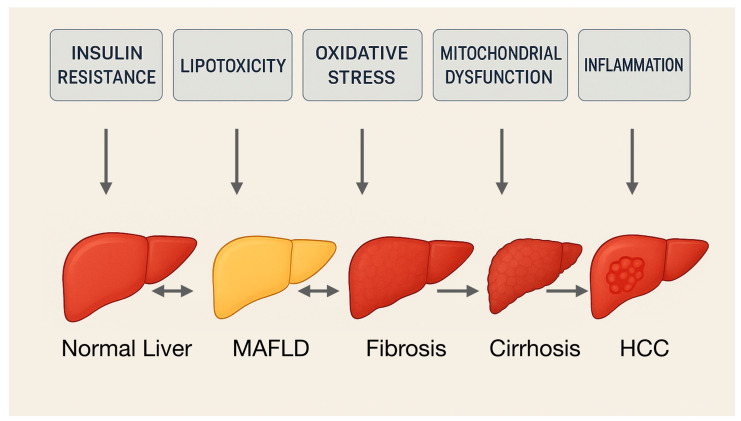
“This is best captured by the “multiple-hit” theory, which posits that liver steatosis and its progression to steatohepatitis, and fibrosis result from the cumulative, and often simultaneous, impact of several pathogenic factors (Figure 1) [8,9].”
Rinella, M. E., Neuschwander-Tetri, B. A., Siddiqui, M. S., Abdelmalek, M. F., Caldwell, S., Barb, D., Kleiner, D. E., & Loomba, R. (2023) · Hepatology · doi:10.1097/hep.0000000000000323 · Cited by 2,667 · cited 5×
“RCTs, including PIVENS, have shown histological improvements in steatosis, lobular inflammation, and hepatocellular ballooning in patients with MASH, especially those with T2DM [13,15,38–40].”
InfluentialEvolution of inflammation in nonalcoholic fatty liver disease: The multiple parallel hits hypothesis
Tilg, H., & Moschen, A. R. (2010) · Hepatology · doi:10.1002/hep.24001 · Cited by 2,548 · cited 1×
“This is best captured by the “multiple-hit” theory, which posits that liver steatosis and its progression to steatohepatitis, and fibrosis result from the cumulative, and often simultaneous, impact of several pathogenic factors (Figure 1) [8,9].”
Assessing mitochondrial dysfunction in cells
Brand, M. D., & Nicholls, D. G. (2011) · Biochemical Journal · doi:10.1042/bj20110162 · Cited by 2,405 · cited 1×
“These effects can contribute to decreased lipid accumulation and improved metabolic homeostasis [127,128].”
Neuschwander-Tetri, B. A., Loomba, R., Sanyal, A. J., Lavine, J. E., Van Natta, M. L., Abdelmalek, M. F., Chalasani, N., Dasarathy, S., Diehl, A. M., Hameed, B., et al. (2015) · The Lancet · doi:10.1016/s0140-6736(14)61933-4 · Cited by 2,237 · cited 1×
“…acid (OCA), the most extensively studied FXR agonist, was evaluated in the FLINT trial (NCT01265498), where non-cirrhotic NASH patients receiving 25 mg daily for 72 weeks experienced notable improvements in liver histology, including reductions in steatosis, inflammation, and fibrosis [65–68].”
A Placebo-controlled trial of subcutaneous semaglutide in nonalcoholic steatohepatitis
Newsome, P. N., Buchholtz, K., Cusi, K., Linder, M., Okanoue, T., Ratziu, V., Sanyal, A. J., Sejling, A.-S., & Harrison, S. A. (2021) · New England Journal of Medicine · doi:10.1056/nejmoa2028395 · Cited by 2,039 · cited 1×
“In the NCT02970942 trial, patients with biopsy-proven NASH and fibrosis stages F1–F3 received daily subcutaneous injections for 72 weeks [74].”
Cited by
Wang, L., Wang, Q., Xiong, Y., Shi, W. F., & Xiao, Q. (2025) · Diabetes Metabolic Syndrome and Obesity · doi:10.2147/dmso.s540103 · Cited by 46
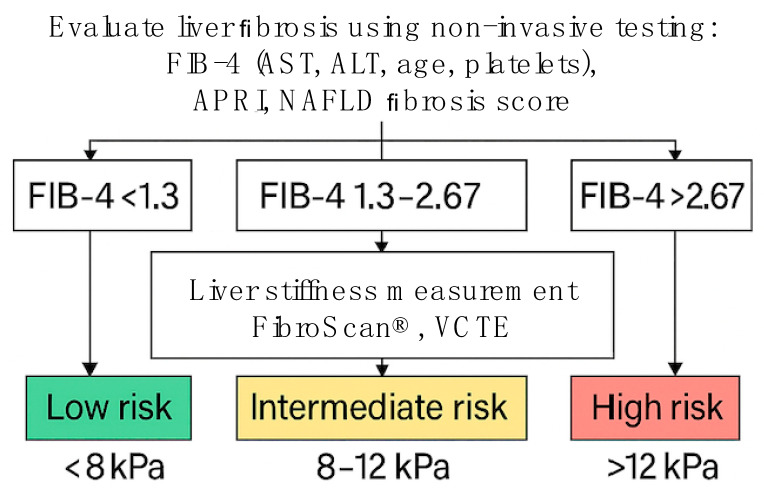
“21 The diagnostic workflow of MASLD integrates multiple approaches: 22,23 (1) Liver biopsyremains the gold standard for evaluating steatosis grade (SAF score), lobular inflammation, and fibrosis stage (NASH CRN scoring); (2) Non-invasive scores, particularly the FIB-4 index (incorporating age, ALT,…”
Caturano, A., Erul, E., Nilo, R., Nilo, D., Russo, V., Rinaldi, L., Acierno, C., Akkuş, E., Koudelková, K., Cerini, F., et al. (2025) · European Journal of Clinical Investigation · doi:10.1111/eci.70132 · Cited by 40
“1,72 While promising, these agents are primarily preventive rather than curative in HCC, and their protective effects must be confirmed in large MASLD-focused trials.”
Metabolic dysfunction‑associated steatotic liver disease: Pathogenesis, model and treatment (Review)
Ma, Q., Liu, K., Chang, C., Wang, L., Shen, Z.-Y., Li, J., Adu, M., Lin, Q., Huang, H., Wu, X., et al. (2025) · International Journal of Molecular Medicine · doi:10.3892/ijmm.2025.5668 · Cited by 23
Jamalinia, M., Saeian, S., Nikkhoo, N., Nazerian, A., & Lankarani, K. B. (2025) · Metabolism and Target Organ Damage · doi:10.20517/mtod.2025.131 · Cited by 20
Ma, J., Xie, N., Wang, Z., Liang, X., Han, Y., Zhao, Q., Wang, M., Lu, H., Kou, W., Alazawi, W., et al. (2026) · Advanced Science · doi:10.1002/advs.202519109 · Cited by 14
Ismaiel, A., Ciornolutchii, V., Popa, S., & Dumitrascu, D. L. (2026) · European Journal of Clinical Investigation · doi:10.1111/eci.70185 · Cited by 7
“10,11 While agents such as resmetirom and semaglutide are currently recommended in advanced MASH fibrosis, 12,13 there is no universally adopted pharmacotherapy that targets the pleiotropic metabolic defects of the disease, particularly the ammonia-related toxicity.”
Chen, L., Lu, Y., Deng, A., Cao, J., Jin, F., Huang, H., Pan, F., Liu, Y., Li, Y.-C., Tong, X., et al. (2025) · Cellular & Molecular Biology Letters · doi:10.1186/s11658-025-00794-8 · Cited by 7
“Additionally, drugs such as GLP-1 receptor agonists, PPAR agonists, and FXR agonists have shown promising therapeutic potential through mechanisms that regulate lipid metabolism, reduce inflammation, and improve insulin sensitivity [157].”
Mitochondrial Calcium Signaling in Hepatocyte Health and Disease
Eberhardt, D. R., & Chaudhuri, D. (2025) · Cold Spring Harbor Perspectives in Biology · doi:10.1101/cshperspect.a041773 · Cited by 5
Zou, J., Dai, Y., Yu, Y., Wu, Y., Xiang, Q., & Yu, R. (2026) · Phytomedicine · doi:10.1016/j.phymed.2026.158128 · Cited by 3
Zhang, R., Li, K., Zhao, Z., Jiang, X., Zhang, R., Liu, C., Zhang, W., & Chen, S. (2026) · Targetome · doi:10.48130/targetome-0026-0012 · Cited by 3
Comparison and Characteristics of MASLD Mouse Models
Wei, L., 高春辰, & Qin, H. (2026) · Biomedicines · doi:10.3390/biomedicines14040895 · Cited by 4
“Under conditions of IR, the anti-insulin effect in adipose tissue is amplified, accelerating lipolysis and the subsequent release of substantial free fatty acids (FFAs) into the circulation for hepatic uptake [11].”
A transdisciplinary framework for managing metabolic dysfunction associated steatotic liver disease
Kouser, S., Sharma, S. V., Bhanu, A., Kukkupuni, S. K., & Vishnuprasad, C. N. (2026) · Frontiers in Pharmacology · doi:10.3389/fphar.2026.1767844 · Cited by 2
“The major challenge in therapeutics is the absence of FDA-approved drugs for MASLD or cirrhosis (Mallet et al., 2024; Drygalski and Drygalski, 2025).”
Jin, D., Jin, S., Zhou, T., Sheng, G., Yao, M., Gao, P., & Li, G. (2026) · Frontiers in Nutrition · doi:10.3389/fnut.2026.1786758 · Cited by 2
“Although the therapeutic landscape is rapidly evolving, currently approved pharmacotherapies target MASH with fibrosis in selected patient population, and there remains no widely accepted drug therapy for the broader MASLD spectrum (20–23).”
Abdulla, A. H., Sheikhnoor, A., Ferrao, K., Stiles, L. I., & Mehta, K. J. (2026) · Clinical and Experimental Medicine · doi:10.1007/s10238-026-02102-w · Cited by 3
Štimac, D. (2026) · Best Practice & Research Clinical Gastroenterology · doi:10.1016/j.bpg.2026.102116 · Cited by 2
Li, H., & Li, T. (2026) · Frontiers in nutrition · doi:10.3389/fnut.2026.1833688 · Cited by 1
Liu, Y., Sun, Y., Zhou, T., Huang, X., Wang, G., & Sun, L. (2025) · Food Bioscience · doi:10.1016/j.fbio.2025.107860 · Cited by 2
Jia, X., Luo, S., Liu, Y., Liu, Y., Liu, X., Zhi, F., Zhao, B., Tu, Y., Jiang, Y., Yi, X., et al. (2026) · The FASEB Journal · doi:10.1096/fj.202503461r · Cited by 1
“Extensive studies indicate that dysregulated hepatic lipid metabolism and aberrant expression of metabolism-related genes are key factors in MASLD pathogenesis [5, 6].”
Chen, Q., Liu, L., Feng, J., Zhang, C., & Zhang, Z. (2026) · Scientific Reports · doi:10.1038/s41598-026-43311-3 · Cited by 2
Effects and Mechanisms of Stevioside on Metabolic Dysfunction‐Associated Steatotic Liver Disease
Li, K., Zhang, C., Kang, L., Mu, Y., Li, Z., Zhang, J. I.-X., & Li, G. H. (2026) · Food Science & Nutrition · doi:10.1002/fsn3.71945 · Cited by 1
“While lifestyle modification remains the cornerstone of MASLD management, long-term adherence is often challenging, and no pharmacological therapies have yet received widespread regulatory approval (Drygalski 2025).”
Zhang, M., Li, X., Zhou, Z., Qin, Q., Jiang, X., Yuan, Y., & Xia, M. (2026) · Current Pharmaceutical Analysis · doi:10.1016/j.cpan.2026.05.001 · Cited by 1
Patankar, S. F., & Ramdass, P. V. A. K. (2026) · BMC Gastroenterology · doi:10.1186/s12876-026-05051-6 · Cited by 1
“Additionally, interventional studies should evaluate whether therapies that improve NHHR—such as lipid-lowering agents, weight reduction strategies, or metabolic treatments including GLP-1 receptor agonists—can reduce the incidence or progression of MASLD [77].”
Abady, E. M. A., AbuEl-Enien, H., Karam, K. N., Shahab, S. H., Fakhiraldeen, S., Kotak, P., Samadi, Y., & Yasin, Z. (2026) · Discover Medicine · doi:10.1007/s44337-026-00653-1 · Cited by 1
“[70] The 'Multiple Parallel Hits' Model (MASLD Era) : This model has been superseded by the 'multiple parallel hits' model, which recognizes that diverse insults including insulin resistance, adipose tissue dysfunction, gut-derived endotoxins, genetic polymorphisms, and nutritional factors act…”
Interorgan Crosstalk in MASLD: A Narrative Review
Lonardo, A., & Weiskirchen, R. (2026) · Biomedicines · doi:10.3390/biomedicines14091949 · Cited by 1
“Incretin-based therapies, thyroid hormone receptor-β agonists, insulin sensitizers and lipid-lowering therapies might improve the hepatic component of the axis, whereas osteoporosis therapies should be used according to standard fracture-risk indications [130,167,168].”
Endocrinologia e Medicina Estética Ed. IX
dos Santos, R. S., Zettermann, L. H., FACHINI, C. B., Cavalcanti, U. R., Lino, G. C., Freitas, G. B. L. D., & Vascão, E. (2025) · Editora Pasteur eBooks · doi:10.59290/978-65-6029-306-9
Doença Hepática Gordurosa Metabólica: Implicações Endócrinas, Metabólicas E Estéticas
FRANCO, L. D. M., NASCIMENTO, D. D. G. D., FERREIRA¹, C. O., FANTI¹, A. C. M., FANTI¹, M. C. A., SAMPAIO¹, L. D. S., NÓBREGA¹, A. D. D., ROCHA¹, J. D. S., BARBOSA, G. D. S., ALCÂNTARA², R. B. J. D., et al. (2025) · Editora Pasteur eBooks · doi:10.59290/2990005297
Tratamiento farmacológico en la enfermedad hepática esteatósica asociada a disfunción metabólica
Lagos-Prieto, D., & Velasco, J. A. V.-R. (2026) · Clínicas de gastroenterología de México · doi:10.24875/cgm.25000032
Pharmacological treatment of steatotic liver disease associated with metabolic dysfunction
Lagos-Prieto, D., & Velasco, J. A. V.-R. (2026) · Clínicas de gastroenterología de México (English Edition) · doi:10.24875/cgme.m25000047
Lee, J.-Y., Lee, J., Jung, W., Je, J., & Lee, S. G. (2026) · Cytotechnology · doi:10.1007/s10616-026-00967-z
Novel Pharmacological and Nanotechnology-Based Therapeutic Strategies for MASLD
Villaseñor-Tapia, E. C., Franco-Acevedo, A., Rosas-Campos, R., & Armendáriz‐Borunda, J. (2026) · Pharmaceutics · doi:10.3390/pharmaceutics18050584
“Consequently, there is an urgent need to identify and develop innovative therapeutic approaches capable of providing sustained clinical benefits [12].”
Tomé, M. R., Chen, J. E., de Jesus, A. V. S., Amador, W. F. O., Silva, G. P., Silveira, I. B., Sampaio, A. V. D. H., & Cançado, G. G. L. (2026) · European Journal of Gastroenterology & Hepatology · doi:10.1097/meg.0000000000003196 · Cited by 1
Bonente, D., Gargiulo, S., Livi, L., Gramanzini, M., Tamborrino, T., Gherardini, L. M., Inzalaco, G., Franci, L., Chiariello, M., & Barone, V. (2026) · Livers · doi:10.3390/livers6030046 · Cited by 1
“…management strategies primarily focus on dietary modifications, increased physical activity, and pharmacological interventions with drugs such as Pioglitazone, Vitamin E, and antagonists of the glucagon-like peptide-receptor 1 (GLP-1R) and peroxisome proliferator– activated receptor (PPAR) [19].”
Protective effects of kaempferol against diet-induced metabolic disorders
Sharma, V., & Patial, V. (2026) · World Journal of Hepatology · doi:10.4254/wjh.120789
Mpisa, S., & Soldera, J. (2026) · World Journal of Nephrology · doi:10.5527/wjn.121652
Wu, X., Zhang, W.-W., Bo-hu, W., & Tang, Y.-F. (2026) · Gastroenterology Research and Practice · doi:10.1155/grp/1090542
Neohesperidin Regulates Lipid Metabolism and Ameliorates MASLD by Targeting ECHS1
Zhu, H., Zhu, T., Yang, M., Huang, X., Gao, S., Li, M., Yang, S. Y., Yu, X., Ke, X., Zhang, J., et al. (2026) · Phytotherapy Research · doi:10.1002/ptr.70400
“Despite the high incidence and progressive risk of MASLD, the therapeutic efficacy of currently available phar-macotherapies remains suboptimal (Drygalski 2025).”
Gorban, V. V., Витальевна, Г. Е., & Kocherga, P. E. (2026) · Meditsinskiy sovet = Medical Council · doi:10.21518/ms2026-194
Sivaslioglu, A., Yeler, G. U., Öztürk, S. C., Gülsün, T., Çelebier, M., & Göktaş, Z. (2026) · Scientific Reports · doi:10.1038/s41598-026-61057-w
“However, the underlying molecular processes of the disease are not yet fully understood, which complicates the development of effective pharmaceutical treatments 27 .”
Du, J., & Mu, Y. (2026) · Pathology - Research and Practice · doi:10.1016/j.prp.2026.156615
Safargar, M., Arefhosseini, S., Tutunchi, H., Arefhosseini, S. R., & Ebrahimi‐Mameghani, M. (2026) · BMC Endocrine Disorders · doi:10.1186/s12902-026-02420-w
“From a nutritional perspective, not only energy and macronutrient intake but also micronutrients have represented promising roles in MASLD [10–12].”
Swamikkannu, D. M., Dasarapu, S., Mohan, K. D., & Shanmugam, A. (2026) · Journal of Physiology and Biochemistry · doi:10.1007/s13105-026-01199-7
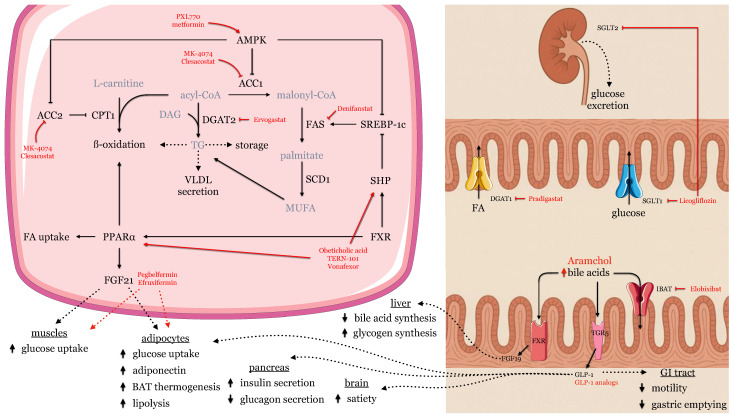
“FXR activation suppresses lipogenesis (via SREBP-1c inhibition) and enhances β-oxidation, thereby reducing hepatic steatosis and inflammation [ 63].”
From Single Agents to Synergy: Redefining Therapeutic Strategies in MASLD
Chrysavgis, L., & Cholongitas, Ε. (2026) · International Journal of Molecular Sciences · doi:10.3390/ijms27188368
“…induced by these GLP-1RAs or dual/triple agonists significantly elevates the risk of cholesterol supersaturation and biliary sludge, prophylactic UDCA therapy is strongly indicated during the active weight-reduction phase to prevent acute cholelithiasis and subsequent biliary complications [84].”
Flores, J. J., & Aguilera, E. P. (2026) · Revista del Hospital Italiano de Buenos Aires · doi:10.51987/rev.hosp.ital.b.aires.v46i3.1314
“Además, las opciones tradicionales siguen siendo fundamentales, especialmente en estadios iniciales y en pacientes con contraindicación para nuevos fármacos 13,14 .”
Chen, Y., Lin, Z., Niu, Y., Zheng, Q., Chen, M., & Gao, P. (2026) · Phytomedicine · doi:10.1016/j.phymed.2026.158839
Circulating miRNA Signatures as Non-Invasive Biomarkers for MASLD: A Bioinformatics Approach
Pranandi, I. (2026) · Journal of Biomedical Advance Scientific Research · doi:10.63721/26jbasr0152
Cheng, F.-E., Zheng, S., Qi, W., Zhao, X., Mei, C., Wang, Q., 张压西, Zao, X., Liu, Q., Du, H., et al. (2026) · Materials Today Advances · doi:10.1016/j.mtadv.2026.101016 · Cited by 1
Alshehri, S. A., Osman, M. A., Alnafisah, G., Asiri, S., Arzoo, S., & Al‐Harbi, L. N. (2026) · International Journal of Molecular Sciences · doi:10.3390/ijms27219453
Villaseñor-Tapia, E. C., Curiel-Pedraza, D. A., Mendieta-Condado, E., Rodríguez, J. A., Canales-Aguirre, A. A., Reza-Zaldívar, E. E., & Márquez-Aguirre, A. L. (2026) · Journal of Medicinal Food · doi:10.1177/1096620x261499871
Integrating patient advocacy into hepatology practice - Current perspective and future directions
Ramier, C., Pénisson, S., Suykens, J., Holtz, L., Allaire, M., & Plessier, A. (2026) · JHEP Reports · doi:10.1016/j.jhepr.2026.102065
Metadata
- Authors
- Drygalski, K.
- Affiliations
- Gdańsk Medical University (PL)
- Corresponding author
- Drygalski, Krzysztof
- ORCID
- Drygalski, Krzysztof
- Venue
- International Journal of Molecular Sciences
- Publisher
- MDPI AG
- Published
- 2025-07-07
- Volume
- 26
- Issue
- 13
- Pages
- 6518
- ISSN
- 1422-0067 (ISSN-L)
- PMC
- PMC12249978
- OpenAlex
- W4412088572
- Cited by
- 39
- References
- 141
- Citations by year
- 2026: 34 · 2025: 5
- FWCI
- 5.95
- Type
- journal article
- Language
- en
- Open access
- gold
- doi.org
- Licence
- Locations
- International Journal of Molecular Sciences (publishedVersion, cc-by)
- PubMed Central (publishedVersion, cc-by)
- PubMed (publishedVersion)
- Funders
- Servier
- Topics
- Health Sciences › Medicine › Hepatology › Liver Disease Diagnosis and Treatment
- Life Sciences › Pharmacology, Toxicology and Pharmaceutics › Pharmacology › Drug-Induced Hepatotoxicity and Protection
- Health Sciences › Medicine › Endocrinology, Diabetes and Metabolism › Diabetes Treatment and Management
- Keywords
- non-alcoholic fatty liver disease, pharmacotherapy, GLP-1 receptor agonists, PPAR agonists, FXR agonists, acetyl-CoA carboxylase inhibitors, hepatic steatosis, drug development, obesity, type 2 diabetes, metabolic syndrome
- MeSH terms
- Glucagon-Like Peptide-1 Receptor Agonists, Animals, Humans, Non-alcoholic Fatty Liver Disease
About these checks
Registry, retraction, Cites and statistics results are computed, not judged, with one exception: a printed reference that no index lists is read once by a model before it counts as a citation error. Claims are extracted by a model and kept only when their quote appears verbatim in the text; each cited source is then checked, with a model’s help, for whether it says what the claim relies on. Those verdicts can be wrong — read the claim’s quote and the cited source before relying on one.
Statistics and arithmetic are recomputed, not judged.
Confidence bands are shown only for fields calibrated on our annotated test set. None is calibrated yet, so no band is shown.
What counts as a claim ›How we measure confidence ›How we check this ›
Are you an author, or do you see a problem with this page? Request a review
Data sources
Bibliographic data: Semantic Scholar, OpenAlex, Crossref.
Contains information from the Semantic Scholar Academic Graph Datasets, made available under the ODC Attribution License (ODC-BY 1.0).
Semantic Scholar’s data is described in: Kinney, R., et al. (2023). The Semantic Scholar Open Data Platform. arXiv:2301.10140.
