

Biomarkers of Post-COVID Depression
Open accessThe DOI matches its Crossref record; 235 of the 241 references it cites were found in a registry or an index.
Abstract
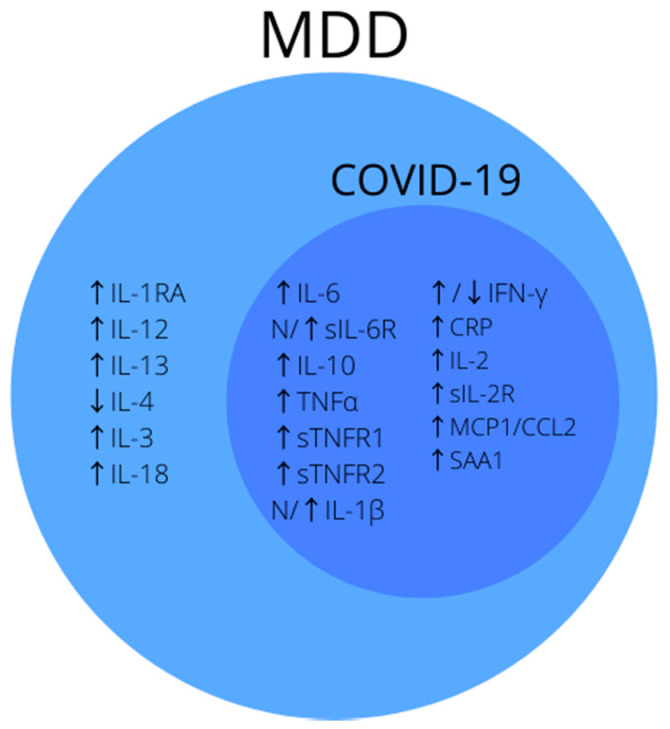
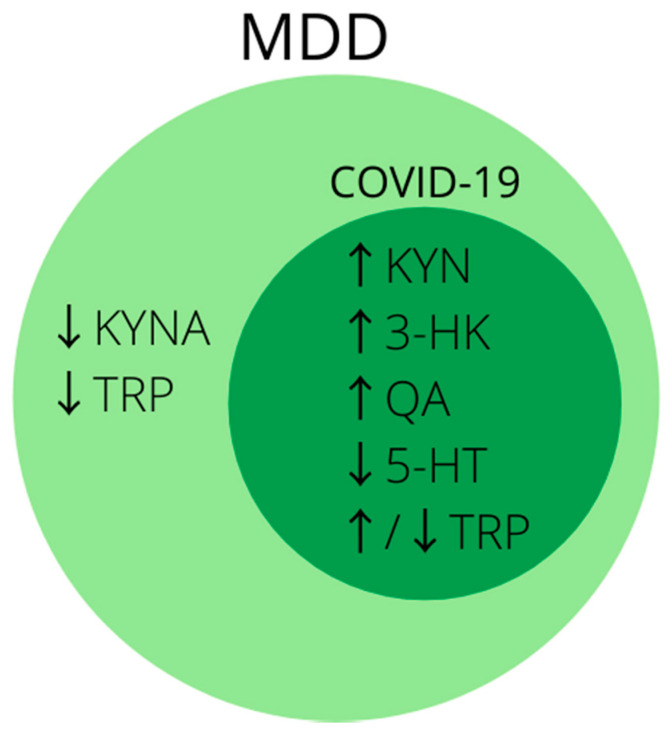
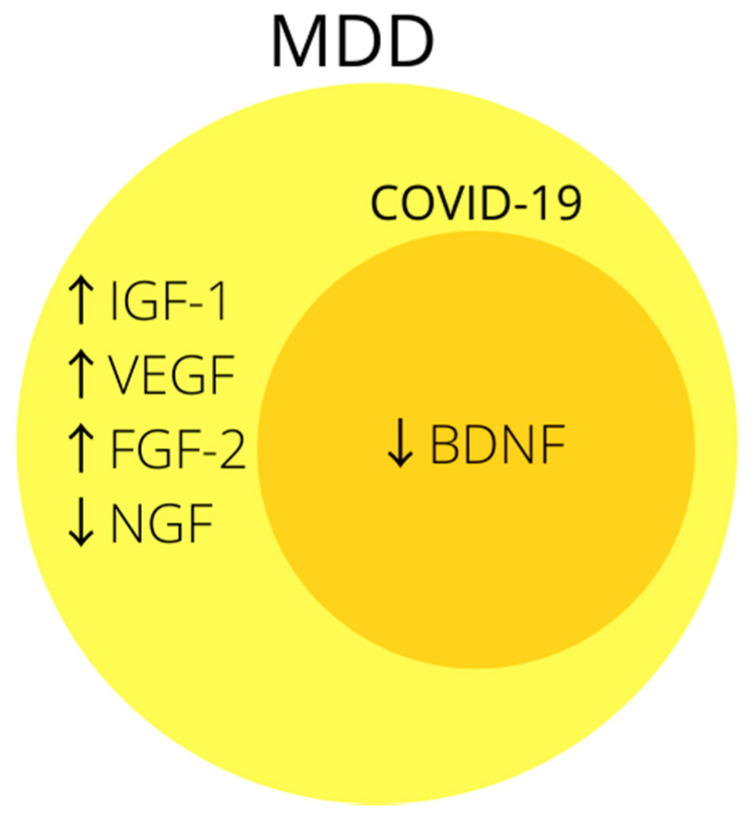
The COVID-19 pandemic is spreading around the world and 187 million people have already been affected. One of its after-effects is post-COVID depression, which, according to the latest data, affects up to 40% of people who have had SARS-CoV-2 infection. A very important issue for the mental health of the general population is to look for the causes of this complication and its biomarkers. This will help in faster diagnosis and effective treatment of the affected patients. In our work, we focused on the search for major depressive disorder (MDD) biomarkers, which are also present in COVID-19 patients and may influence the development of post-COVID depression. For this purpose, we searched PubMed, Scopus and Google Scholar scientific literature databases using keywords such as 'COVID-19', 'SARS-CoV-2', 'depression', 'post-COVID', 'biomarkers' and others. Among the biomarkers found, the most important that were frequently described are increased levels of interleukin 6 (IL-6), soluble interleukin 6 receptor (sIL-6R), interleukin 1 β (IL-1β), tumor necrosis factor α (TNF-α), interferon gamma (IFN-γ), interleukin 10 (IL-10), interleukin 2 (IL-2), soluble interleukin 2 receptor (sIL-2R), C-reactive protein (CRP), Monocyte Chemoattractant Protein-1 (MCP-1), serum amyloid a (SAA1) and metabolites of the kynurenine pathway, as well as decreased brain derived neurotrophic factor (BDNF) and tryptophan (TRP). The biomarkers identified by us indicate the etiopathogenesis of post-COVID depression analogous to the leading inflammatory hypothesis of MDD.
Overview
The claims and statistics of this paper haven’t been checked yet.
Free: it reads the open-access text and checks the first 5 claims that cite a source we can check. Create a free account to check every claim.
Integrity signals
Registry
Cites
Statistics
Figures
Verification
Claims the paper makes
The claims and statistics of this paper haven’t been checked yet.
Free: it reads the open-access text and checks the first 5 claims that cite a source we can check. Create a free account to check every claim.
Claims other papers make about this one
Each is checked against this paper’s own text: does it say what the citing paper says it does?
The cited source says what the claim attributes to it.
In the citing paper
“This investigation underlines the importance of identifying and prioritizing the distinctive demands and individual preferences of depression patients; this is in contrast to previous research with a focus on objective representation (76).”
From Anti-stigmatizing: a collaborative autoethnography on recovery from depression (2024) · cites this paper as [76]
Self-check
Percentages, sums and reported differences re-computed from the paper’s own numbers.
The self-check needs the paper’s full text.
Citations
Cites
Clinical features of patients infected with 2019 novel coronavirus in Wuhan, China
Huang, C., Wang, Y., Li, X., Ren, L., Zhao, J., Hu, Y., Zhang, L., Fan, G., Xu, J., Gu, X., et al. (2020) · The Lancet · doi:10.1016/s0140-6736(20)30183-5 · Cited by 48,884
James, S. L., Abate, D., Abate, K. H., Abay, S. M., Abbafati, C., Abbasi, N., Abbastabar, H., Abd-Allah, F., Abdela, J., Abdelalim, A., et al. (2018) · The Lancet · doi:10.1016/s0140-6736(18)32279-7 · Cited by 13,867
Vos, T., Abajobir, A. A., Abate, K. H., Abbafati, C., Abbas, K. M., Abd-Allah, F., Abdulkader, R. S., Abdulle, A. M., Abebo, T. A., Abera, S. F., et al. (2017) · The Lancet · doi:10.1016/s0140-6736(17)32154-2 · Cited by 13,220
COVID-19: consider cytokine storm syndromes and immunosuppression
Mehta, P., McAuley, D. F., Brown, M., Sanchez, E., Tattersall, R. S., & Manson, J. J. (2020) · The Lancet · doi:10.1016/s0140-6736(20)30628-0 · Cited by 9,664
Molecular Mechanisms of Depression: Perspectives on New Treatment Strategies
Lang, U. E., & Borgwardt, S. (2013) · Cellular Physiology and Biochemistry · doi:10.1159/000350094 · Cited by 8,475
Neurotoxic reactive astrocytes are induced by activated microglia
Liddelow, S. A., Guttenplan, K. A., Clarke, L. E., Bennett, F. C., Bohlen, C. J., Schirmer, L., Bennett, M. L., Münch, A. E., Chung, W.-S., Peterson, T. C., et al. (2017) · Nature · doi:10.1038/nature21029 · Cited by 7,971
Lai, C.-C., Shih, T.-P., Ko, W.-C., Tang, H.-J., & Hsueh, P.-R. (2020) · International Journal of Antimicrobial Agents · doi:10.1016/j.ijantimicag.2020.105924 · Cited by 6,068
IL‐6 in inflammation, immunity, and disease
Tanaka, T., Narazaki, M., & Kishimoto, T. (2014) · Cold Spring Harbor Perspectives in Biology · doi:10.1101/cshperspect.a016295 · Cited by 5,046
Nalbandian, A., Sehgal, K., Gupta, A., Madhavan, M. V., McGroder, C., Stevens, J. S., Cook, J. R., Nordvig, A. S., Shalev, D., Sehrawat, T. S., et al. (2021) · Nature Medicine · doi:10.1038/s41591-021-01283-z · Cited by 4,862
Dysregulation of Immune Response in Patients With Coronavirus 2019 (COVID-19) in Wuhan, China
Qin, C., Zhou, L., Hu, Z., Zhang, S., Yang, S., Tao, Y., Xie, C., Ma, K., Shang, K., Wang, W., et al. (2020) · Clinical Infectious Diseases · doi:10.1093/cid/ciaa248 · Cited by 4,775
Cited by
Post-COVID-19 Depressive Symptoms: Epidemiology, Pathophysiology, and Pharmacological Treatment
Mazza, M. G., Palladini, M., Poletti, S., & Benedetti, F. (2022) · CNS Drugs · doi:10.1007/s40263-022-00931-3 · Cited by 220
“0001), and correlated positively with disease severity [76], but its role has not yet been investigated in the pathogenesis of post-COVID-19 depression.”
BackgroundNeuroinflammation—A Crucial Factor in the Pathophysiology of Depression—A Comprehensive Review
Sălcudean, A., Bodo, C.-R., Popovici, R. A., Lica, M. M., Păcurar, M., Crăciun, R.-E., Crișan, A., ENĂTESCU, V. R., Marinescu, I. P., Cîmpian, D. M., et al. (2025) · Biomolecules · doi:10.3390/biom15040502 · Cited by 202
“C-C motif chemokine ligand 2 (CCL2), also known as monocyte chemoattractant protein-1 (MCP-1), is significantly elevated in individuals with MDD. CCL2 has been associated with heightened neuroinflammation and blood–brain barrier dysfunction, making it a promising target for biomarker research [295].”
Persistent Autoimmune Activation and Proinflammatory State in Post-Coronavirus Disease 2019 Syndrome
Acosta-Ampudia, Y., Monsalve, D. M., Rojas, M., Rodríguez, Y., Zapata, E., Ramírez-Santana, C., & Anaya, J.-M. (2022) · The Journal of Infectious Diseases · doi:10.1093/infdis/jiac017 · Cited by 168
“Other biomarkers such as IL-1β, TNF-α, IFN-γ, IL-10, IL-2, CRP, MCP-1, serum amyloid A, and metabolites of the kynurenine pathway may contribute to this symptomatology in PCS [27].”
BackgroundCOVID-19 2022 update: transition of the pandemic to the endemic phase
Biancolella, M., Colona, V. L., Mehrian‐Shai, R., Watt, J. L., Luzzatto, L., Novelli, G., & Reichardt, J. K. V. (2022) · Human Genomics · doi:10.1186/s40246-022-00392-1 · Cited by 159
“Among the major complications, however, those mostly described were the presence of diffuse brain damage of inflammatory [52] or acute metabolic origins (toxic-metabolic encephalopathies) [53], Guillain-Barré syndrome [54, 55], Miller-Fisher syndrome [56], ischemic vasculitis [57], dysautonomic dysfunctions [55, 58, 5…”
BackgroundVisco, V., Vitale, C., Rispoli, A., Izzo, C., Virtuoso, N., Ferruzzi, G. J., Santopietro, M., Melfi, A., Rusciano, M. R., Maglio, A., et al. (2022) · Journal of Clinical Medicine · doi:10.3390/jcm11030524 · Cited by 125
“These variations facilitate neurotoxicity, neurodegeneration and reduction in neurogenesis and synaptic plasticity [99].”
BackgroundInfluentialShared biological mechanisms of depression and obesity: focus on adipokines and lipokines
Fu, X., Wang, Y., Zhao, F., Cui, R., Xie, W., Liu, Q., & Yang, W. (2023) · Aging · doi:10.18632/aging.204847 · Cited by 126
The Relationship Between COVID-19 and the Development of Depression: Implications on Mental Health
Shetty, P. A., Ayari, L., Madry, J. E., Betts, C., Robinson, D. M., & Kirmani, B. F. (2023) · Neuroscience Insights · doi:10.1177/26331055231191513 · Cited by 52
Haunhorst, S., Bloch, W., Wagner, H., Ellert, C., Krüger, K., Vilser, D., Finke, K., Reuken, P. A., Pletz, M. W., Stallmach, A., et al. (2022) · Oxford Open Immunology · doi:10.1093/oxfimm/iqac006 · Cited by 52
Varghese, S. M., Patel, S., Nandan, A., Jose, A., Ghosh, S., Sah, R. K., Menon, B., Athira, K. V., & Chakravarty, S. (2024) · Molecular Neurobiology · doi:10.1007/s12035-024-04205-5 · Cited by 42
“ACE2 downregulation affects BDNF and tryptophan levels [445].”
Is post-COVID syndrome an autoimmune disease?
Anaya, J., Herrán, M., Beltrán, S., & Rojas, M. (2022) · Expert Review of Clinical Immunology · doi:10.1080/1744666x.2022.2085561 · Cited by 41
“10, IL-2, CRP, MCP-1, serum amyloid A, and kynurenine pathway metabolite [155].”
BackgroundIncreased Kynurenine Indicates a Fatal Course of COVID-19
Mangge, H., Herrmann, M., Meinitzer, A., Pailer, S., Curcic, P., Sloup, Z., Holter, M., & Prüller, F. (2021) · Antioxidants · doi:10.3390/antiox10121960 · Cited by 39
“Herein, an altered TRP metabolism may disturb an effective immune response, involved in oxidative stress generation [20], and promote long-term symptoms in survivors of coronavirus disease 2019 (COVID-19) [21] including post COVID depression [22].”
BackgroundŚniadach, J., Kicman, A., Michalska‐Falkowska, A., Jończyk, K., & Waszkiewicz, N. (2025) · International Journal of Molecular Sciences · doi:10.3390/ijms26051796 · Cited by 32
“The majority of smoking-related deaths are associated with cancers (especially lung, oral cavity, and throat) [4,24,25], and cardiovascular (examples include coronary artery disease, aortic aneurysm) [4,26] and respiratory diseases (examples include chronic obstructive pulmonary disease,…”
Self-citationWoodward, S., Bari, S., Vike, N. L., Lalvani, S., Stetsiv, K., Kim, B. W., Stefanopoulos, L., Maglaveras, N., Breiter, H. C., & Katsaggelos, A. K. (2022) · JMIR Formative Research · doi:10.2196/36656 · Cited by 35
“Moreover, evidence suggests that biomarkers of PCS-associated depression align with those already linked to major depressive disorders [44].”
BackgroundAtta, M. H. R., El-Gueneidy, M., & Lachine, O. A. R. (2024) · BMC Psychology · doi:10.1186/s40359-024-01949-6 · Cited by 36
“…addition, research has demonstrated a rise in depression during the COVID-19 outbreak; a combination of increased stress, social isolation, disrupted routines, and exposure to trauma can severely impair emotional regulation, leading to heightened vulnerability to depression during the pandemic [6].”
BackgroundSyncytin, envelope protein of human endogenous retrovirus (HERV): no longer ‘fossil’ in human genome
Durnaoglu, S., Lee, S.-K., & Ahnn, J. (2021) · Animal Cells and Systems · doi:10.1080/19768354.2021.2019109 · Cited by 32
“depression are higher than those without depression (Yuan et al. 2020; Lorkiewicz and Waszkiewicz 2021).”
BackgroundLong-lasting cognitive effects of COVID-19: is there a role of BDNF?
Demir, B., Beyazyüz, E., Beyazyüz, M., Çelikkol, A., & Albayrak, Y. (2022) · European Archives of Psychiatry and Clinical Neuroscience · doi:10.1007/s00406-022-01514-5 · Cited by 30
“Given the decrease in the activity of ACE-2 receptors in the brain in COVID-19 patients, the level of BDNF may decrease, which causes neurodegeneration [11].”
BackgroundKupferschmitt, A. A., Jöbges, M., Randerath, J., Hinterberger, T., Loew, T. H., & Köllner, V. (2023) · Journal of Psychosomatic Research · doi:10.1016/j.jpsychores.2023.111540 · Cited by 29
Inflammatory and mental health sequelae of COVID-19
Loftis, J. M., Firsick, E. J., Shirley, K., Adkins, J. L., Le-Cook, A., Sano, E., Hudson, R., & Moorman, J. P. (2023) · Comprehensive Psychoneuroendocrinology · doi:10.1016/j.cpnec.2023.100186 · Cited by 25
“Increased tryptophan degradation along the kynurenine pathway has been proposed to contribute to depression etiology [64–66], including in the context of post COVID depression [67].”
Karthik, S., Saraswathi, I., Alarifi, A., Al-Atram, A. A., Mickeymaray, S., Paramasivam, A., Shaikh, S., Jeraud, M., & Alothaim, A. S. (2022) · PeerJ · doi:10.7717/peerj.14227 · Cited by 25
Cardoso, T. D. A., da Silva, R. H., Fernandes, J. L., Arent, C. O., Amboni, G., Borba, L. A., Padilha, A. P. Z., Botelho, M. E. M., Maciel, A. L., Barichello, T., et al. (2023) · Journal of Affective Disorders · doi:10.1016/j.jad.2023.03.019 · Cited by 23
“A recent review showed that CRP is a potential biomarker for post-COVID depression that deserves investigation (Lorkiewicz and Waszkiewicz, 2021).”
Interaction effects between sleep disorders and depression on heart failure
Fan, T., & Su, D. (2023) · BMC Cardiovascular Disorders · doi:10.1186/s12872-023-03147-5 · Cited by 23
“Depressive symptoms and major depression were associated with elevated levels of inflammatory biomarkers such as C-reactive protein (CRP), interleukin (IL)-1, IL-6, tumor necrosis factor-alpha (TNF-α) and monocyte chemoattractant protein-1 (MCP-1) [29].”
BackgroundKim, K. Y., Shin, K. Y., & Chang, K. (2023) · International Journal of Molecular Sciences · doi:10.3390/ijms241813907 · Cited by 26
“These cytokines, i.e., IL-1 β , IL-6, and TNF-α , though part of distinct superfamilies characterized by structural similarities rather than common genetic origins [48,49], have been linked to neuroinflammation and neurodegeneration [50].”
BackgroundC-Reactive Protein (CRP): A Potent Inflammation Biomarker in Psychiatric Disorders
Orsolini, L., Pompili, S., & Volpe, U. (2023) · Advances in experimental medicine and biology · doi:10.1007/978-981-19-7376-5_7 · Cited by 22
Promising Markers of Inflammatory and Gut Dysbiosis in Patients with Post-COVID-19 Syndrome
Sorokina, E., Pautova, A. K., Fatuev, O. E., Zakharchenko, V., Onufrievich, A., Grechko, A. V., Nv, B., & Chernevskaya, E. (2023) · Journal of Personalized Medicine · doi:10.3390/jpm13060971 · Cited by 19
“Different original studies [2–5], meta-analyses [6], and reviews [7,8] focused on the search for the post-COVID-19 syndrome biomarkers and most of them were divided into inflammatory and vascular biomarkers.”
ResultClinical Aspects of Manic Episodes After SARS-CoV-2 Contagion or COVID-19
CASALE, A. D., Modesti, M. N., Rapisarda, L., Girardi, P., & Tambelli, R. (2022) · Frontiers in Psychiatry · doi:10.3389/fpsyt.2022.926084 · Cited by 18
“Nevertheless, some citokines appear to be involved in the development of psychiatric symptoms: it has been suggested that some may be specific for manic state (IL-2,4,6), and for depression (IL6) (17, 18).”
BackgroundLopresti, B. J., Royse, S. K., Mathis, C. A., Tollefson, S., & Narendran, R. (2022) · Journal of Neurochemistry · doi:10.1111/jnc.15615 · Cited by 16
Bhandari, R. B. (2022) · Annals of Neurosciences · doi:10.1177/09727531221117623 · Cited by 18
Multivariate Brain-Blood Signatures in Early-Stage Depression and Psychosis
Popovic, D., Weyer, C., Dwyer, D., Griffiths, S. L., Lalousis, P. A., Barnes, N. M., Vetter, C. S., Neuner, L., Buciuman, M.-O., Sarisik, E., et al. (2025) · JAMA Psychiatry · doi:10.1001/jamapsychiatry.2025.3803 · Cited by 14
Is There such a Thing as Post-Viral Depression?: Implications for Precision Medicine
Park, E., Shin, C. Y., Jeon, S. J., & Ham, B. (2024) · Biomolecules & Therapeutics · doi:10.4062/biomolther.2024.170 · Cited by 14
Post traumatic stress and sleep disorders in long COVID: Patient management and treatment
Herring, T. E., Chopra, A., Friedly, J. L., Bender, J. A., Gentile, N. L., & Knowles, L. M. (2024) · Life Sciences · doi:10.1016/j.lfs.2024.123081 · Cited by 14
Crook, H., Ramírez, A., Hosseini, A. A., Vavougios, G. D., Lehmann, C., Bruchfeld, J., Schneider, A., d’Avossa, G., Re, V. L., Salmoiraghi, A., et al. (2023) · Brain Connectivity · doi:10.1089/brain.2022.0058 · Cited by 12
“Moreover, TNF-a , IL-6, and various other inflammatory markers have been found to be associated with post-COVID-19 depression (Lorkiewicz and Waszkiewicz, 2021).”
Koleničová, V., Vňuková, M., Anders, M., Fišerová, M., Raboch, J., & Ptáček, R. (2023) · Medical Science Monitor · doi:10.12659/msm.941079 · Cited by 14
“Other reported long-term symptoms include anxiety, depression, sleep disturbances, and post-traumatic stress [4-6].”
BackgroundAmadio, P., Macchi, C., Favero, C., Zarà, M., Solazzo, G., Dioni, L., Sandrini, L., Vigna, L., Greco, M. F., Buoli, M., et al. (2022) · Frontiers in Cardiovascular Medicine · doi:10.3389/fcvm.2022.906483 · Cited by 11
“(74) proposed to include BDNF among biomarkers of COVID-19-derived depression, whereas De Sousa et al.”
BackgroundShafiee, A., Seighali, N., Athar, M. M. T., Abdollahi, A. K., Jafarabady, K., & Bakhtiyari, M. (2023) · European Archives of Psychiatry and Clinical Neuroscience · doi:10.1007/s00406-023-01681-z · Cited by 13
“With the reduced activity of ACE-2 receptors in the nervous system of COVID-19 patients, it is conceivable that the level of BDNF might decrease, leading to mental impairments such as anxiety, depression, and cognitive deficits [42, 43].”
Matits, L., Munk, M., Bizjak, D. A., Kolassa, I.-T., Karrasch, S., Vollrath, S., Jerg, A., & Steinacker, J. M. (2023) · Brain, Behavior, & Immunity - Health · doi:10.1016/j.bbih.2023.100614 · Cited by 10
“Post-COVID depression, which combines both depressive symptoms and fatigue, has also been observed as a long-term consequence of a SARS-CoV-2 infection (Fern ´ andez-de-las-Pe ˜ nas et al., 2021; Lopez-Leon et al., 2021; Lorkiewicz and Waszkiewicz, 2021).”
Miyata, S., Ishino, Y., Shimizu, S., & Tohyama, M. (2022) · Frontiers in Aging Neuroscience · doi:10.3389/fnagi.2022.934346 · Cited by 10
“Furthermore, some patients with COVID-19 show cytokine dysregulation, such as TNF-α, IL-1β, IL-6, and IFN-γ, which are well known to be associated with MDD (Liu et al., 2021; Lorkiewicz and Waszkiewicz, 2021).”
BackgroundLorkiewicz, P., & Waszkiewicz, N. (2024) · Frontiers in Cellular and Infection Microbiology · doi:10.3389/fcimb.2024.1423739 · Cited by 11
“These can activate indoleamine 2,3-dioxygenase (IDO), disrupt hippocampal neurogenesis, induce apoptosis, increase blood-brain barrier (BBB) permeability, and stimulate amygdala activity (Lorkiewicz and Waszkiewicz, 2021).”
BackgroundSelf-citationBrain Mechanisms Involved in Post COVID Syndrome: A Narrative Review
Gulyaeva, N. V. (2024) · Neurochemical Journal · doi:10.1134/s1819712424700156 · Cited by 9
Николаевна, С. Е., & Zhmaeva, L. (2023) · Antibiot Khimioter = Antibiotics and Chemotherapy · doi:10.37489/0235-2990-2022-67-11-12-51-55 · Cited by 11
Anderson, M. N., Gallo, C. A., Passalugo, S. W., Nimeh, J. M., & Buckley, T. A. (2023) · Journal of Athletic Training · doi:10.4085/1062-6050-0554.22 · Cited by 8
Post COVID-19 complications and follow up biomarkers
Abdullah, M. M. J. A., Ali, A., Usman, M., Naz, A., Qureshi, J. A., Bajaber, M. A., & Zhang, X. L. (2023) · Nanoscale Advances · doi:10.1039/d3na00342f · Cited by 8
Demyelination in Patients with POST-COVID Depression
Khodanovich, M. Y., Светлик, М. В., Kamaeva, D. A., Usova, A. V., Kudabaeva, M., Anan’ina, T. V., Wasserlauf, I. E., Pashkevich, V., Moshkina, M., Obukhovskaya, V. B., et al. (2024) · Journal of Clinical Medicine · doi:10.3390/jcm13164692 · Cited by 8
“The pathological mechanisms underlying post-COVID depressive symptoms are mainly related to the inflammation triggered by the peripheral immune-inflammatory response to the viral infection [18,20].”
BackgroundResultNerve Growth Factor and Brain-Derived Neurotrophic Factor in COVID-19
Petrella, C., Ferraguti, G., Tarani, L., Tarani, F., Messina, M. P., & Fiore, M. (2024) · Biology · doi:10.3390/biology13110907 · Cited by 12
Turčić, M., Pavelić, S. K., Trivanović, D., & Pavelić, K. (2024) · International Journal of Molecular Sciences · doi:10.3390/ijms252413360 · Cited by 8
“Notably, the same correlation was found in patients suffering from schizophrenia, confirming the theory of HERV-W playing a significant role in sustaining chronic inflammation [68,69].”
Is SARS-CoV-2 a Risk Factor of Bipolar Disorder?—A Narrative Review
Lorkiewicz, P., & Waszkiewicz, N. (2022) · Journal of Clinical Medicine · doi:10.3390/jcm11206060 · Cited by 9
“Among COVID-19 patients, the most common disorders of cytokines and chemokines are increased levels of IL-1β, IL-2, IL-6, interleukin-7 (IL-7), IL-10, TNF-α, CRP, chemokine ligand 2 (CCL2), as well as an increase or decrease in the concentration of IFN-γ [7,70,72].”
BackgroundInfluentialSelf-citationÖngyilkossági halálozás Magyarországon a COVID–19-pandémia idején.
Bálint, L., Osváth, P., Németh, A., Kapitány, B., Rihmer, Z., & Döme, P. (2022) · Orvosi Hetilap · doi:10.1556/650.2022.32642 · Cited by 8
Effects of vaccination, new SARS-CoV-2 variants and reinfections on post-COVID-19 complications
Orendáčová, M., & Kvašňák, E. (2022) · Frontiers in Public Health · doi:10.3389/fpubh.2022.903568 · Cited by 7
“Some immune markers associated with immune deregulation, such as elevated levels of pro-inflammatory cytokines, presence of autoantibodies, and abnormal distribution of leukocytes following acute COVID-19 were positively correlated with the presence and severity of various post-COVID complications (33, 79, 80).”
BackgroundOrendáčová, M., & Kvašňák, E. (2022) · Frontiers in Human Neuroscience · doi:10.3389/fnhum.2022.837972 · Cited by 9
Seyedmirzaei, H., Faramarzpour, M., Saghazadeh, A., Teixeira, A. L., & Rezaei, N. (2023) · The World Journal of Biological Psychiatry · doi:10.1080/15622975.2023.2242928 · Cited by 6
“The source of these pro-inflammatory cytokines could be the peripheral immune cells or those in the brain (Lorkiewicz and Waszkiewicz 2021).”
Background«Storm» of soluble differentiation molecules in COVID-19
Vv, N., & Karaulov, A. V. (2022) · Immunologiya · doi:10.33029/0206-4952-2022-43-4-458-467 · Cited by 6
Kumboyono, K., Chomsy, I. N., Iskandar, A., Aryati, A., Parwati, I., & Wihastuti, T. A. (2022) · Infection and Drug Resistance · doi:10.2147/idr.s348392 · Cited by 10
“IL-1β, and MCP-1 are pro-inflammatory cytokines critical in the defence response against systemic infection and injury.(17,21) IL-1β and MCP-1 respond as an emergent cytokine by initiating acute-phase protein synthesis.”
BackgroundWitoszyńska-Sobkowiak, J., Sikorska, D., Rutkowski, R., Niklas, K., Żychowska, I., & Samborski, W. (2023) · Inflammopharmacology · doi:10.1007/s10787-023-01317-7 · Cited by 5
Ordering Knowledge in the Markers of Psychiatric/Mental Disorders
Waszkiewicz, N. (2022) · Journal of Clinical Medicine · doi:10.3390/jcm11020284 · Cited by 6
“High values of IL-6, CRP, and TNF may also be involved in or be the reason for treatmentresistant depression (TRD) and more somatic symptoms, but they may be used to predict the level of depressive response in post-COVID-19 patients [1,3,12].”
Self-citationDiniz, E., Scorza, F. A., Rodrigues, F. M. S., de Mello, C. B., Bonetti, T. C., Bortoluci, K. R., & Mari, J. D. J. (2024) · Trends in Psychiatry and Psychotherapy · doi:10.47626/2237-6089-2022-0599 · Cited by 6
“73,74 Another proposed mechanism for the monoamine synthesis disturbances that may exacerbate or trigger mental health disorders is the disruption of angiotensin-converting Two studies included in this review indicate that the SARS-CoV-2 infection seems to affect goal-directed cognitive skills that…”
Seyedmirzaei, H., Katebian, S., Pourkand, D., Cattarinussi, G., Sambataro, F., Brambilla, P., & Delvecchio, G. (2023) · Journal of Affective Disorders · doi:10.1016/j.jad.2023.03.087 · Cited by 5
Singh, C., Hempel, F., Endres, K., Engelmann, J., & Tarasov, A. (2025) · 2D Materials · doi:10.1088/2053-1583/adce17 · Cited by 4
Sex-Specific Inflammatory Profiles Affect Neuropsychiatric Issues in COVID-19 Survivors
Palladini, M., Mazza, M. G., Bravi, B., Bessi, M., Lorenzi, C., Spadini, S., LORENZO, R. D., Rovere, P. Q., Furlan, R., & Benedetti, F. (2025) · Biomolecules · doi:10.3390/biom15040600 · Cited by 4
Benzakour, L., & Bondolfi, G. (2022) · Trauma Care · doi:10.3390/traumacare2020011 · Cited by 4
Traditional Chinese medicine for long COVID-19: the potential roles of immunity remodeling
Zhao, Q., Bucchi, A., Duan, X., Yang, Z., Molla, D., Baruscotti, M., & Wang, Y. (2025) · Acupuncture and Herbal Medicine · doi:10.1097/hm9.0000000000000175 · Cited by 5
Dynamics of Anxiety, Depression, and Sleep Quality Following COVID-19 Hospitalization in Romania
Vasile, M.-C., Pleșea-Condratovici, C., Stuparu-Crețu, M., Arbune, A.-A., Vasile, C. I., & Arbune, M. (2025) · GERMS · doi:10.3390/germs15040004 · Cited by 3
“Chronic activation of inflammatory pathways may alter synaptic plasticity and neurotransmitter systems, increasing vulnerability to major depressive disorder [23].”
Pediatric SARS-CoV-2 infection and development of anxiety and depression
Dun-Dery, F., Xie, J., Zemek, R. L., Winston, K., Burstein, B., Sabhaney, V. J., Emsley, J. G., Gravel, J., Kam, A. J., Mater, A., et al. (2025) · Frontiers in Pediatrics · doi:10.3389/fped.2025.1524617 · Cited by 3
“Cytokines can lead to depression in various ways including hyperactivation of the hypothalamic – pituitary – adrenal axis which can result in neurotoxicity and neurodegeneration which are associated with the development of depression (18).”
Anti-stigmatizing: a collaborative autoethnography on recovery from depression
Zhu, D., & Lyu, K. (2024) · Frontiers in Psychiatry · doi:10.3389/fpsyt.2024.1360967 · Cited by 2
Correlation Between COVID-19 Recovery, Executive Function Decline, and Emotional State
Cabrera, D. V., la Roca-Chiapas, J. M. D., Hernández-González, M. A., Pérez, V. R., & Villada, C. (2025) · Psychology Research and Behavior Management · doi:10.2147/prbm.s487382 · Cited by 2
“67 In addition, inflammation, a factor associated with MDD, is a significant feature of COVID-19, which caused systemic inflammation and may contribute to the development or exacerbation of MDD. 69”
Rittmannsberger, H., Barth, M., Lamprecht, B., Malík, P., & Yazdi‐Zorn, K. (2023) · Neuropsychiatrie · doi:10.1007/s40211-023-00487-8 · Cited by 2
A clinical case of the new-onset bipolar affective disorder in the postcovid period
Dmitriev, M. N., Baeva, D. O., & Slavgorodskaya, M. (2024) · S S Korsakov Journal of Neurology and Psychiatry · doi:10.17116/jnevro2024124031125 · Cited by 2
Psychosocial Implications of Yoga for Healthcare Workers During Covid-19
Bhandari, R. B., Sangodkar, N. P., & Balkrishna, A. (2024) · Springer eBooks · doi:10.1007/978-981-97-2851-0_7 · Cited by 3
Levent-Krauskopff, S., & Guedj, M. (2023) · Annales Médico-psychologiques revue psychiatrique · doi:10.1016/j.amp.2023.05.001 · Cited by 2
Yarandi, R. B., Biglarian, A., Bakhshi, E., Khodaei-Ardakani, M.-R., & Behboudi‐Gandevani, S. (2024) · BMJ Open · doi:10.1136/bmjopen-2023-075754 · Cited by 1
Scassellati, C., Cattane, N., Benedetti, F., Borsello, T., Cicala, G., Gennarelli, M., Genini, P., Gialluisi, A., Giani, A., Iacoviello, L., et al. (2024) · Brain Behavior & Immunity - Health · doi:10.1016/j.bbih.2024.100886 · Cited by 2
“…of IL-6, soluble interleukin 6 receptor (sIL-6R), IL-1 β , TNF-α , interferon gamma (IFN-γ ), IL-10, IL-2, soluble interleukin 2 receptor (sIL-2R), CRP, Monocyte Chemoattractant Protein-1 (MCP-1), serum amyloid a (SAA1) and metabolites of the kynurenine pathway (Lorkiewicz and Waszkiewicz, 2021).”
Allagui, I., Sdayria, J., Athmouni, K., Zammel, N., Guesmi, F., Saoudi, M., Giuffrè, A. M., Allagui, M. S., Nahdi, S., & Harrath, A. H. (2024) · 3 Biotech · doi:10.1007/s13205-024-04169-2 · Cited by 1
“Interleukin-6 (IL-6) is a liver-specific activator of CRP production that has been investigated in several studies (Lorkiewicz and Waszkiewicz 2021; Rudnicka et al. 2021).”
Clinical and immune evolution in neurological/psychiatric patients during the COVID-19 pandemic
Toledo, A., Gaona, M. A., Delgadillo, T., Arellano, C. T., Padilla, A., Bravo, S., Alipi, H., Toledo, V., Río‐Quiñones, M. A. D., de la Cruz-Aguilera, D. L., et al. (2025) · Neurology Perspectives · doi:10.1016/j.neurop.2025.100189 · Cited by 1
Colgan, D. D., Stadler, D. D., Hope, A. A., Zwickey, H. L., Davenport, T. E., & Weimbs, T. (2025) · Case Reports in Clinical Medicine · doi:10.4236/crcm.2025.148052 · Cited by 2
“…of stress, depression, and anxiety [65], [66] driven by various biologic and psychosocial factors including, but not limited to, neuroinflammation [67], stress of a chronic illness, experiences of stigmatization and feeling dismissed by medical providers, living with uncertainty and fear,…”
Palladini, M., Azzalin, A. A., Bessi, M., LORENZO, R. D., Rovere, P. Q., Benedetti, F., & Mazza, M. G. (2025) · Journal of Neuroimmune Pharmacology · doi:10.1007/s11481-025-10247-w · Cited by 1
“…marked by a hyperinflam - matory state with up-regulation of IL-1β and IL-6 being a hallmark of acute infection (da Silva Lopes et al. 2021; Lorkiewicz and Waszkiewicz 2021 ), whose detrimental impact on neuroplasticity, neurotransmission and oxida - tive homeostasis has been increasingly…”
Lorkiewicz, P., Adamczuk, J., Kryńska, J. A., Maciejczyk, M., Żendzian‐Piotrowska, M., Flisiak, R., Moniuszko-Malinowska, A. M., & Waszkiewicz, N. (2026) · International Journal of Molecular Sciences · doi:10.3390/ijms27041670 · Cited by 1
Self-citationJaglan, G., Balkrishna, A., & Varshney, A. (2026) · Annals of Neurosciences · doi:10.1177/09727531261440119 · Cited by 1
“30,32”
POST-ACUTE SEQUELAE OF COVID-19. THE PATHOPHYSIOLOGY, RISKS, BIOMARKERS, DIAGNOSIS, AND PROGNOSIS
Mukhomorova, L. V., & Васильевич, В. В. (2022) · Laboratornaya i klinicheskaya meditsina Farmatsiya · doi:10.14489/lcmp.2022.03.pp.057-064 · Cited by 1
Решетникова, И. Д., Tyurin, Y. A., Ганиевич, М. И., Agafonova, E. V., & Шайхразиева, Н. Д. (2024) · Russian Journal of Infection and Immunity · doi:10.15789/2220-7619-amg-10359 · Cited by 1
Post-COVID major depression is not associated with peripheral inflammation
Boschi, G., Colle, R., Noël, N., Morin, L., Chappell, K., Pham, T. O., Montani, D., Monnet, X., Becquemont, L., Corruble, E., et al. (2025) · Journal of Psychiatric Research · doi:10.1016/j.jpsychires.2025.02.005 · Cited by 1
Взаимосвязь депрессии, ожирения и воспаления. Роль физических упражнений в их коррекции
Avdeeva, K. S., Kicherova, O. A., Петелина, Т. И., Gorbachevskii, A. V., & Guskova, O. A. (2025) · Психиатрия психотерапия и клиническая психология · doi:10.34883/pi.2025.16.2.011 · Cited by 5
S100A9 as an inflammatory marker in hospitalized COVID-19 patientsPreprint
Barbosa, L. G., da Silva, A. C. G., Oliveira, J. M., Klein, M. H. F., Klein, R. C., Venâncio, L. P. R., Araújo-Santos, T., de Souza, P. C., & Lima, J. B. (2022) · Research Square · doi:10.21203/rs.3.rs-1661944/v1
O’Malley, P. A. (2022) · Clinical Nurse Specialist · doi:10.1097/nur.0000000000000696
“However, recent research and theory development in the pathophysiology of major depressive disorder has uncovered immune, digestive, endocrine, neurotrophic, and metabolome biomarkers for possible translation to practice.(3) Also emerging is the possible repurposing of the newer-generation antidepressants— selective s…”
BackgroundPsychological Effects and Neuropsychiatric Sequelae in COVID‐19 Patients
Sakka, E., Kalniunas, A., Vitkauskaite, E., Salman, W., Chaudhri, S., & Pappa, S. (2022) · Wiley eBooks · doi:10.1002/9781119789741.ch25
Murugaiyan, S., Nandeesha, H., Kumar, J. P., Balachandar, S., & Hariprasad, S. (2023) · Journal of Medical Evidence · doi:10.4103/jme.jme_81_22
Comorbidity in bipolar disorder, volume II
(2023) · Frontiers research topics · doi:10.3389/978-2-83251-906-6
Mental disorders associated with acute COVID-19: clinical picture, therapy approaches
Samushiya, M. A., Chorbinskaya, S. A., Kolpakov, E. A., Шмырев, В. И., Kryzhanovsky, S. M., BARANOVSKAYA, O. P., Trifonova, E. V., Devyatkin, A. V., Kydryavtseva, N. A., Maeva, V. O., et al. (2023) · S S Korsakov Journal of Neurology and Psychiatry · doi:10.17116/jnevro202312304252
Dimensions psychiatriques de l’affection post-Covid-19 : état des lieux
Berney, A., & Marillier, G. (2023) · JMIG · doi:10.53738/revmed.2023.19.827.975
Miryan, M., Moradi, S., Soleimani, D., Pasdar, Y., Jangjoo, A., Bagherniya, M., Guest, P. C., Ashari, S., & Sahebkar, A. (2023) · Advances in experimental medicine and biology · doi:10.1007/978-3-031-28012-2_24 · Cited by 1
Tong, J., Hong, W., Wang, Q., Hou, Q., Wang, R., Bai, Y., Sun, X., & Liu, W. (2023) · SSRN Electronic Journal · doi:10.2139/ssrn.4570068
Affective disorders in the structure of post-COVID syndrome (literature review)
Druzhkova, O., & Khritinin, D. F. (2023) · Vestnik nevrologii psihiatrii i nejrohirurgii (Bulletin of Neurology Psychiatry and Neurosurgery) · doi:10.33920/med-01-2312-05
Verma, A., Kaur, D., Singh, A., Dere, S. S., & Ghildiyal, R. (2024) · MGM Journal of Medical Sciences · doi:10.4103/mgmj.mgmj_55_23
Altered serum cytokines in patients with symptomatic disk herniation and depressive symptoms
Bielewicz, J., Daniluk, B., & Kamieniak, P. (2024) · Frontiers in Neuroscience · doi:10.3389/fnins.2024.1366559 · Cited by 1
Xie, Y., Xu, Z., Zhang, Y., Li, Y., Du, P., & Wang, C. (2024) · Journal of Biomedical Research · doi:10.7555/jbr.38.20240005
(2024) · Elsevier eBooks · doi:10.1016/b978-0-443-23565-8.09996-8
Pathogenic Factors Related to Mental and Neurological Disorders
Anisman, H., Hayley, S. P., & Kusnecov, A. (2024) · Elsevier eBooks · doi:10.1016/b978-0-443-23565-8.00004-1
Sakr, A. M. K., Okasha, T. A., Hamed, M. A., Sayed, M. M., & Mohamed, M. Y. (2024) · Middle East Current Psychiatry · doi:10.1186/s43045-024-00487-6
“Indeed, consistently elevated TNF-α level in COVID-19 patients increased the chance of developing post-COVID depression as confirmed by Lorkiewicz and Waszkiewicz [77].”
Гасанбекова, А. Р., Yastrebtseva, I. P., Белова, В. В., & Bochkova, Y. A. (2024) · Consilium Medicum · doi:10.26442/20751753.2024.11.202793
Trastornos neuropsiquiátricos asociados al Covid persistente
Mario Díaz, S., Gustavo Moreira, G., Felipe Núñez, A., Felipe Ahumada, M., Roco, E. D., Antonella Regular, S., & Constanza Martínez, M. (2024) · Revista Hospital Clínico Universidad de Chile · doi:10.5354/2735-7996.2024.76949
Qi, P., Huang, M., & Zhu, H. (2025) · Combinatorial Chemistry & High Throughput Screening · doi:10.2174/0113862073322931241030104813
Metadata
- Authors
- Lorkiewicz, P., & Waszkiewicz, N.
- Affiliations
- Medical University of Białystok (PL)
- Corresponding author
- Lorkiewicz, Piotr
- Venue
- Journal of Clinical Medicine
- Publisher
- MDPI AG
- Published
- 2021-09-14
- Volume
- 10
- Issue
- 18
- Pages
- 4142
- ISSN
- 2077-0383 (ISSN-L)
- PMC
- PMC8470902
- OpenAlex
- W3200359909
- Cited by
- 102
- References
- 241
- Citations by year
- 2026: 5 · 2025: 16 · 2024: 24 · 2023: 27 · 2022: 28 · 2021: 2
- FWCI
- 1.91
- Type
- journal article
- Language
- en
- Open access
- gold
- doi.org
- Licence
- Locations
- Journal of Clinical Medicine (publishedVersion, cc-by)
- Europe PMC (PubMed Central) (publishedVersion, other-oa)
- PubMed Central (publishedVersion, cc-by)
- PubMed (publishedVersion)
- DOAJ (DOAJ: Directory of Open Access Journals) (submittedVersion, cc-by-sa)
- Funders
- the Medical University of Bialystok (SUB/1/DN/21/001/1147)
- Topics
- Life Sciences › Neuroscience › Biological Psychiatry › Tryptophan and brain disorders
- Health Sciences › Medicine › Clinical Neurology › Long-Term Effects of COVID-19
- Social Sciences › Psychology › Clinical Psychology › COVID-19 and Mental Health
- Keywords
- post-COVID depression, major depressive disorder, biomarkers, SARS-CoV-2, COVID-19 pandemic, cytokines, interleukin-6, C-reactive protein, brain-derived neurotrophic factor, tryptophan, kynurenine pathway, serum amyloid A, MCP-1, neuroinflammation
About these checks
Registry, retraction, Cites and statistics results are computed, not judged, with one exception: a printed reference that no index lists is read once by a model before it counts as a citation error. Claims are extracted by a model and kept only when their quote appears verbatim in the text; each cited source is then checked, with a model’s help, for whether it says what the claim relies on. Those verdicts can be wrong — read the claim’s quote and the cited source before relying on one.
Statistics and arithmetic are recomputed, not judged.
Confidence bands are shown only for fields calibrated on our annotated test set. None is calibrated yet, so no band is shown.
What counts as a claim ›How we measure confidence ›How we check this ›
Are you an author, or do you see a problem with this page? Request a review
Data sources
Bibliographic data: Semantic Scholar, OpenAlex, Crossref.
Contains information from the Semantic Scholar Academic Graph Datasets, made available under the ODC Attribution License (ODC-BY 1.0).
Semantic Scholar’s data is described in: Kinney, R., et al. (2023). The Semantic Scholar Open Data Platform. arXiv:2301.10140.
