

Immunomodulation as a Therapy for Aspergillus Infection: Current Status and Future Perspectives
Open accessThe DOI matches its Crossref record; 124 of the 126 references it cites were found in a registry or an index.
Abstract
Invasive aspergillosis (IA) is the most serious life-threatening infectious complication of intensive remission induction chemotherapy and allogeneic stem cell transplantation in patients with a variety of hematological malignancies. Aspergillus fumigatus is the most commonly isolated species from cases of IA. Despite the various improvements that have been made with preventative strategies and the development of antifungal drugs, there is an urgent need for new therapeutic approaches that focus on strategies to boost the host’s immune response, since immunological recovery is recognized as being the major determinant of the outcome of IA. Here, we aim to summarize current knowledge about a broad variety of immunotherapeutic approaches against IA, including therapies based on the transfer of distinct immune cell populations, and the administration of cytokines and antibodies.
Overview
The claims and statistics of this paper haven’t been checked yet.
Free: it reads the open-access text and checks the first 5 claims that cite a source we can check. Create a free account to check every claim.
Integrity signals
Registry
Cites
Statistics
Figures
Verification
Claims the paper makes
The claims and statistics of this paper haven’t been checked yet.
Free: it reads the open-access text and checks the first 5 claims that cite a source we can check. Create a free account to check every claim.
Claims other papers make about this one
Each is checked against this paper’s own text: does it say what the citing paper says it does?
The source backs part of the claim, not all of it — or backs it for a different population, condition or comparison.
In the citing paper
“Many preclinical studies over the past 30 years have successfully employed different immunotherapeutic approaches”
From Aspergillus fumigatus and Aspergillosis in 2019 (2019) · cites this paper as [708]
Experimental — accuracy not yet measuredThe source backs part of the claim, not all of it — or backs it for a different population, condition or comparison.
In the citing paper
“Many preclinical studies over the past 30 years have successfully employed different immunotherapeutic approaches”
From Aspergillus fumigatus and Aspergillosis in 2019 (2019) · cites this paper as [708]
Experimental — accuracy not yet measured
Self-check
Percentages, sums and reported differences re-computed from the paper’s own numbers.
The self-check needs the paper’s full text.
Citations
Cites
Patterson, T. F., Thompson, G. R., Denning, D. W., Fishman, J. A., Hadley, S., Herbrecht, R., Kontoyiannis, D. P., Marr, K. A., Morrison, V. A., Nguyen, M. H., et al. (2016) · Clinical Infectious Diseases · doi:10.1093/cid/ciw326 · Cited by 2,926
Tomblyn, M., Chiller, T., Einsele, H., Gress, R., Sepkowitz, K., Storek, J., Wingard, J. R., Young, J.-A. H., & Boeckh, M. A. (2009) · Biology of Blood and Marrow Transplantation · doi:10.1016/j.bbmt.2009.06.019 · Cited by 1,797 · cited 1×
“After allo-SCT, the reconstitution of the adaptive immune system takes several months [110].”
BackgroundSelf-citationSmith, T. J., Khatcheressian, J., Lyman, G. H., Ozer, H., Armitage, J. O., Balducci, L., Bennett, C. L., Cantor, S. B., Crawford, J., Cross, S. J., et al. (2006) · Journal of Clinical Oncology · doi:10.1200/jco.2006.06.4451 · Cited by 1,636 · cited 2×
“Research shows that G‐CSF shortens neutropenia in patients, but more studies investigating the effects of G‐CSF on the prevalence and outcomes of Aspergillus infections have to be conducted [69,70].”
BackgroundA Controlled Trial of Interferon Gamma to Prevent Infection in Chronic Granulomatous Disease
The International Chronic Granulomatous Disease Cooperative Study Group* (1991) · New England Journal of Medicine · doi:10.1056/nejm199102213240801 · Cited by 830
Surface hydrophobin prevents immune recognition of airborne fungal spores
Aimanianda, V., Bayry, J., Bozza, S., Kniemeyer, O., Perruccio, K., Elluru, S. R., Clavaud, C., Paris, S., Brakhage, A. A., Kaveri, S. V., et al. (2009) · Nature · doi:10.1038/nature08264 · Cited by 792 · cited 1×
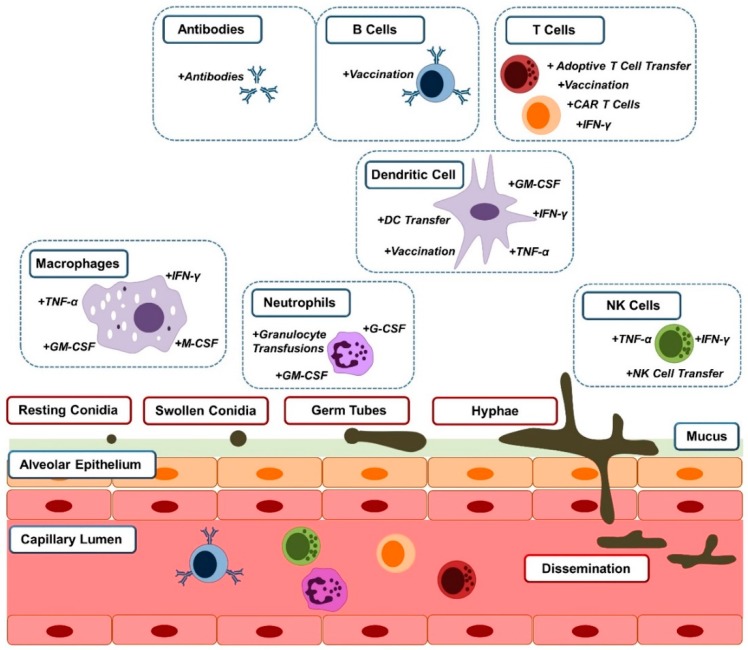
“In the alveoli, inert spores swell, germinate, and grow into lung tissue, becoming subsequently angioinvasive and lastly undergoing hematogenous dissemination [5].”
BackgroundHume, D. A., & MacDonald, K. P. A. (2012) · Blood · doi:10.1182/blood-2011-09-379214 · Cited by 763 · cited 1×
“Its main function is the stimulation of macrophage growth [71].”
BackgroundDesign and development of therapies using chimeric antigen receptor‐expressing T cells
Dotti, G., Gottschalk, S., Savoldo, B., & Brenner, M. K. (2014) · Immunological Reviews · doi:10.1111/imr.12131 · Cited by 508 · cited 1×
“MHC unrestricted antigen recognition and the capability to recognize glycoproteins and lipids are only two of the many advantages of this approach [58,59].”
BackgroundTreatment of patients with advanced cancer with the natural killer cell line NK-92
Tonn, T., Schwabe, D., Klingemann, H. G., Becker, S., Esser, R., Koehl, U., Suttorp, M., Seifried, E., Ottmann, O. G., & Bug, G. (2013) · Cytotherapy · doi:10.1016/j.jcyt.2013.06.017 · Cited by 467
Tzannou, I., Papadopoulou, A., Naik, S., Leung, K., Martinez, C. A., Ramos, C. A., Carrum, G., Sasa, G., Lulla, P., Watanabe, A., et al. (2017) · Journal of Clinical Oncology · doi:10.1200/jco.2017.73.0655 · Cited by 457 · cited 1×
“They were found to be safe and only rarely caused mild GvHD (grade 1) [52].”
BackgroundEngineering Natural Killer Cells for Cancer Immunotherapy
Rezvani, K., Rouce, R., Liu, E., & Shpall, E. (2017) · Molecular Therapy · doi:10.1016/j.ymthe.2017.06.012 · Cited by 453 · cited 1×
“In the future, this fight might involve the use of new NK CAR technology, a tool that can be used as an allogeneic “off-the-shelf” product [118].”
MethodArai, S., Meagher, R., Swearingen, M., Myint, H., Rich, E., Martinson, J., & Klingemann, H. (2008) · Cytotherapy · doi:10.1080/14653240802301872 · Cited by 434
Taccone, F. S., Van den Abeele, A.-M., Bulpa, P., Misset, B., Meersseman, W., Cardoso, T., Paiva, J.-A., Blasco-Navalpotro, M., De Laere, E., Dimopoulos, G., et al. (2015) · Critical Care · doi:10.1186/s13054-014-0722-7 · Cited by 405 · cited 1×
“Because of this high abundance, hundreds of spores of Aspergillus are inhaled daily by each individual [1].”
BackgroundThe immune response to fungal infections
Shoham, S., & Levitz, S. M. (2005) · British Journal of Haematology · doi:10.1111/j.1365-2141.2005.05397.x · Cited by 392 · cited 1×
“PMNs are able to engulf fungus, release antimicrobial peptides, and form extracellular traps [13,14].”
BackgroundPerruccio, K., Tosti, A., Burchielli, E., Topini, F., Ruggeri, L., Carotti, A., Capanni, M., Urbani, E., Mancusi, A., Aversa, F., et al. (2005) · Blood · doi:10.1182/blood-2005-05-1775 · Cited by 391 · cited 2×
“In addition, patients receiving adoptive T cell transfer showed significantly decreased galactomannan antigenemia in comparison to the levels in the control group [44].”
BackgroundClark, O. A. C., Lyman, G. H., Castro, A. A., Clark, L. G. O., & Djulbegovic, B. (2005) · Journal of Clinical Oncology · doi:10.1200/jco.2005.05.645 · Cited by 310 · cited 2×
“Even though G-CSF does not decrease mortality caused by infections, it reduces time of neutropenia and febrile neutropenia-related hospitalization periods [66].”
BackgroundInterferon-gamma as adjunctive immunotherapy for invasive fungal infections: a case series
Delsing, C. E., Gresnigt, M. S., Leentjens, J., Preijers, F., Frager, F. A., Kox, M., Monneret, G., Venet, F., Bleeker-Rovers, C. P., van de Veerdonk, F. L., et al. (2014) · BMC Infectious Diseases · doi:10.1186/1471-2334-14-166 · Cited by 271 · cited 1×
“While lymphocyte and monocyte numbers were increased, granulocyte numbers were slightly decreased [92].”
BackgroundFungal Invasion of Normally Non-Phagocytic Host Cells
Filler, S. G., & Sheppard, D. C. (2006) · PLoS Pathogens · doi:10.1371/journal.ppat.0020129 · Cited by 270 · cited 1×
“This includes alveolar macrophages, the major resident cells in the lung alveoli, which most efficiently engulf conidia in the lung [2].”
BackgroundDriving gene-engineered T cell immunotherapy of cancer
Johnson, L. A., & June, C. H. (2017) · Cell Research · doi:10.1038/cr.2016.154 · Cited by 268 · cited 1×
“MHC unrestricted antigen recognition and the capability to recognize glycoproteins and lipids are only two of the many advantages of this approach [58,59].”
BackgroundBridgeman, J. S., Hawkins, R. E., Bagley, S., Blaylock, M., Holland, M., & Gilham, D. E. (2010) · The Journal of Immunology · doi:10.4049/jimmunol.0901766 · Cited by 267
Role of TNF-alpha in pulmonary host defense in murine invasive aspergillosis.
Mehrad, B., Strieter, R. M., & Standiford, T. J. (1999) · PubMed · Cited by 264
Azole-Resistant Aspergillosis: Epidemiology, Molecular Mechanisms, and Treatment
Chowdhary, A., Sharma, C., & Meis, J. F. (2017) · The Journal of Infectious Diseases · doi:10.1093/infdis/jix210 · Cited by 262
Cytokine‐ and T Helper–Dependent Lung Mucosal Immunity in Mice with Invasive Pulmonary Aspergillosis
Cenci, E., Mencacci, A., Fè d'Ostiani, C., Del Sero, G., Mosci, P., Montagnoli, C., Bacci, A., & Romani, L. (1998) · The Journal of Infectious Diseases · doi:10.1086/314493 · Cited by 254
Price, T. H., Boeckh, M., Harrison, R. W., McCullough, J., Ness, P. M., Strauss, R. G., Nichols, W. G., Hamza, T. H., Cushing, M. M., King, K. E., et al. (2015) · Blood · doi:10.1182/blood-2015-05-645986 · Cited by 254 · cited 2×
“The limited success of GT transfusions up to date might be a result of the transfusion of too low granulocyte numbers in some patients [19] and points to the necessity of overcoming multifactorial dysfunctions of the immune system after allo-SCT in order to prevent and clear IA.”
BackgroundPrice, T. H., Bowden, R. A., Boeckh, M., Bux, J., Nelson, K., Liles, W. C., & Dale, D. C. (2000) · Blood · doi:10.1182/blood.v95.11.3302 · Cited by 253 · cited 3×
“GTs have shown low toxicity in allo-SCT patients and are considered to be safe [16,17].”
BackgroundIntravascular immunity: the host–pathogen encounter in blood vessels
Hickey, M. J., & Kubes, P. (2009) · Nature Reviews Immunology · doi:10.1038/nri2532 · Cited by 251 · cited 1×
“PMNs are able to engulf fungus, release antimicrobial peptides, and form extracellular traps [13,14].”
Redirecting Specificity of T-Cell Populations For CD19 Using the Sleeping Beauty System
Singh, H., Manuri, P. R., Olivares, S., Dara, N., Dawson, M. J., Huls, H., Hackett, P. B., Kohn, D. B., Shpall, E. J., Champlin, R. E., et al. (2008) · Cancer Research · doi:10.1158/0008-5472.can-07-5600 · Cited by 246
Role of TNF-α in Pulmonary Host Defense in Murine Invasive Aspergillosis
Mehrad, B., Strieter, R. M., & Standiford, T. J. (1999) · The Journal of Immunology · doi:10.4049/jimmunol.162.3.1633 · Cited by 240
Bioengineering T cells to target carbohydrate to treat opportunistic fungal infection
Kumaresan, P. R., Manuri, P. R., Albert, N. D., Maiti, S., Singh, H., Mi, T., Roszik, J., Rabinovich, B., Olivares, S., Krishnamurthy, J., et al. (2014) · Proceedings of the National Academy of Sciences · doi:10.1073/pnas.1312789111 · Cited by 237 · cited 1×
“In addition, IFN-γ concentration increased after stimulation, and the perforin/granzyme pathway was likely activated [63].”
BackgroundA dendritic cell vaccine against invasive aspergillosis in allogeneic hematopoietic transplantation
Bozza, S., Perruccio, K., Montagnoli, C., Gaziano, R., Bellocchio, S., Burchielli, E., Nkwanyuo, G., Pitzurra, L., Velardi, A., & Romani, L. (2003) · Blood · doi:10.1182/blood-2003-03-0748 · Cited by 234
CAR T cells for infection, autoimmunity and allotransplantation
Maldini, C. R., Ellis, G. I., & Riley, J. L. (2018) · Nature Reviews Immunology · doi:10.1038/s41577-018-0042-2 · Cited by 229 · cited 1×
“Chimeric antigen receptor (CAR) T cells are one of the most promising immunotherapeutic tools available and have shown their efficacy in primary clinical trials of B cell malignancies [56].”
BackgroundT Cell Vaccination in Mice with Invasive Pulmonary Aspergillosis
Cenci, E., Mencacci, A., Bacci, A., Bistoni, F., Kurup, V. P., & Romani, L. (2000) · The Journal of Immunology · doi:10.4049/jimmunol.165.1.381 · Cited by 223 · cited 1×
“In contrast, no prolonged protection was found in mice vaccinated with heat-inactivated fungus, which provoked a Th2 response [106].”
BackgroundAdvances in combating fungal diseases: vaccines on the threshold
Cutler, J. E., Deepe Jr, G. S., & Klein, B. S. (2007) · Nature Reviews Microbiology · doi:10.1038/nrmicro1537 · Cited by 222 · cited 1×
“Current findings have indicated that not only CD4+ T cell responses are important against Aspergillus, but cytotoxic CD8+ T cells might play an important role as well [53,54].”
BackgroundRuef, C., & Coleman, D. L. (1990) · Clinical Infectious Diseases · doi:10.1093/clinids/12.1.41 · Cited by 222 · cited 1×
“Therefore, GM-CSF treatment increases numbers of tissue macrophages, circulating monocytes, neutrophils, and platelets, as well as eosinophils [77,78].”
BackgroundShah, N., Li, L., McCarty, J., Kaur, I., Yvon, E., Shaim, H., Muftuoglu, M., Liu, E., Orlowski, R. Z., Cooper, L., et al. (2017) · British Journal of Haematology · doi:10.1111/bjh.14570 · Cited by 221
Edwards, J. E., Schwartz, M. M., Schmidt, C. S., Sobel, J. D., Nyirjesy, P., Schodel, F., Marchus, E., Lizakowski, M., DeMontigny, E. A., Hoeg, J., et al. (2018) · Clinical Infectious Diseases · doi:10.1093/cid/ciy185 · Cited by 213 · cited 1×
“albicans, which was used in a recent promising clinical trial, might lead to increased interest in the development of vaccines for Aspergillus [102,111].”
BackgroundTorosantucci, A., Chiani, P., Bromuro, C., De Bernardis, F., Palma, A. S., Liu, Y., Mignogna, G., Maras, B., Colone, M., Stringaro, A., et al. (2009) · PLoS ONE · doi:10.1371/journal.pone.0005392 · Cited by 204
Pivotal Roles of GM‐CSF in Autoimmunity and Inflammation
Shiomi, A., & Usui, T. (2015) · Mediators of Inflammation · doi:10.1155/2015/568543 · Cited by 201 · cited 1×
“It plays a role in the differentiation of dendritic cells, as well as macrophages, and stimulates the proliferation and activation of many cell types, including neutrophils, macrophages, eosinophils, and dendritic cells [75,76].”
BackgroundRingdén, O., Labopin, M., Gorin, N.-C., Le Blanc, K., Rocha, V., Gluckman, E., Reiffers, J., Arcese, W., Vossen, J. M., Jouet, J.-P., et al. (2004) · Journal of Clinical Oncology · doi:10.1200/jco.2004.06.102 · Cited by 191 · cited 2×
“Research shows that G‐CSF shortens neutropenia in patients, but more studies investigating the effects of G‐CSF on the prevalence and outcomes of Aspergillus infections have to be conducted [69,70].”
Immunoglobulins in Defense, Pathogenesis, and Therapy of Fungal Diseases
Casadevall, A., & Pirofski, L.-A. (2012) · Cell Host & Microbe · doi:10.1016/j.chom.2012.04.004 · Cited by 180 · cited 1×
“Humoral responses, in fact, are important for the host defense against fungal infection, including Aspergillus [112].”
BackgroundBoyiadzis, M., Agha, M., Redner, R. L., Sehgal, A., Im, A., Hou, J.-Z., Farah, R., Dorritie, K. A., Raptis, A., Lim, S. H., et al. (2017) · Cytotherapy · doi:10.1016/j.jcyt.2017.07.008 · Cited by 178
Systemic use of tumor necrosis factor alpha as an anticancer agent
Roberts, N. J., Zhou, S., Diaz, L. A., & Holdhoff, M. (2011) · Oncotarget · doi:10.18632/oncotarget.344 · Cited by 177 · cited 1×
“However, the major limitation of using TNF-α in the treatment of aspergillosis is its serious toxicity after systemic administration, including hepatotoxicity, nephrotoxicity, and neurotoxicity [101].”
BackgroundBozza, S., Clavaud, C., Giovannini, G., Fontaine, T., Beauvais, A., Sarfati, J., D'Angelo, C., Perruccio, K., Bonifazi, P., Zagarella, S., et al. (2009) · The Journal of Immunology · doi:10.4049/jimmunol.0900961 · Cited by 176
Interferon- and Tumor Necrosis Factor- Protect Mice from Invasive Aspergillosis
Nagai, H., Guo, J., Choi, H., & Kurup, V. (1995) · Journal of Infectious Diseases · doi:10.1093/infdis/172.6.1554 · Cited by 174
Approved CAR T cell therapies: ice bucket challenges on glaring safety risks and long-term impacts
Zheng, P.-P., Kros, J. M., & Li, J. (2018) · Drug Discovery Today · doi:10.1016/j.drudis.2018.02.012 · Cited by 171
Bozza, S., Gaziano, R., Lipford, G. B., Montagnoli, C., Bacci, A., Di Francesco, P., Kurup, V. P., Wagner, H., & Romani, L. (2002) · Microbes and Infection · doi:10.1016/s1286-4579(02)00007-2 · Cited by 158 · cited 1×
“fumigatus allergens, Asp f 16, induced a protective Th1 response in a hematopoietic stem cell transplantation (HSCT) mouse model of IA [26].”
BackgroundRandomized phase III study of granulocyte transfusions in neutropenic patients
Seidel, M. G., Peters, C., Wacker, A., Northoff, H., Moog, R., Boehme, A., Silling, G., Grimminger, W., & Einsele, H. (2008) · Bone Marrow Transplantation · doi:10.1038/bmt.2008.237 · Cited by 156 · cited 2×
“GTs have shown low toxicity in allo-SCT patients and are considered to be safe [16,17].”
BackgroundResultSelf-citationRoilides, E., Dimitriadou-Georgiadou, A., Sein, T., Kadiltsoglou, I., & Walsh, T. J. (1998) · Infection and Immunity · doi:10.1128/iai.66.12.5999-6003.1998 · Cited by 153 · cited 1×
“fumigatus conidia by alveolar macrophages was not increased, phagocytosis was enhanced [98].”
BackgroundEarly NK Cell-Derived IFN-γ Is Essential to Host Defense in Neutropenic Invasive Aspergillosis
Park, S. J., Hughes, M. A., Burdick, M., Strieter, R. M., & Mehrad, B. (2009) · The Journal of Immunology · doi:10.4049/jimmunol.0803462 · Cited by 137 · cited 1×
“The transfer of NK cells of IFN-γ-deficient mice into the same murine models, however, showed no effect [36].”
Liles, W. C., Huang, J. E., van Burik, J. H., Bowden, R. A., & Dale, D. C. (1997) · The Journal of Infectious Diseases · doi:10.1086/513961 · Cited by 134 · cited 1×
“fumigatus conidia by PMNs compared to untreated controls [68].”
BackgroundSchmidt, S., Tramsen, L., Hanisch, M., Latgé, J.-P., Huenecke, S., Koehl, U., & Lehrnbecher, T. (2011) · The Journal of Infectious Diseases · doi:10.1093/infdis/jiq062 · Cited by 130 · cited 1×
“fumigatus, NK cells become activated and release soluble factors such as perforin and granzyme, which mediate antifungal activity [34].”
BackgroundHübel, K., Carter, R. A., Liles, W. C., Dale, D. C., Price, T. H., Bowden, R. A., Rowley, S. D., Chauncey, T. R., Bensinger, W. I., & Boeckh, M. (2002) · Transfusion · doi:10.1046/j.1537-2995.2002.00249.x · Cited by 128 · cited 1×
“Allogeneic granulocyte transfusions (GTs) dramatically increase neutrophil counts, which is speculated to reverse the increased susceptibility to infections in allo-SCT patients [15,16].”
BackgroundChai, L. Y. A., Van De Veerdonk, F., Marijnissen, R. J., Cheng, S., Khoo, A. L., Hectors, M., Lagrou, K., Vonk, A. G., Maertens, J., Joosten, L. A. B., et al. (2010) · Immunology · doi:10.1111/j.1365-2567.2009.03211.x · Cited by 127
Nemunaitis, J., Shannon-Dorcy, K., Appelbaum, F., Meyers, J., Owens, A., Day, R., Ando, D., O'Neill, C., Buckner, D., & Singer, J. (1993) · Blood · doi:10.1182/blood.v82.5.1422.1422 · Cited by 127 · cited 1×
“While the clinical outcome of patients infected with various Candida species improved compared to historical controls, no positive effect on patients suffering from aspergillosis was observed [72].”
White, P. L., Posso, R. B., & Barnes, R. A. (2015) · Journal of Clinical Microbiology · doi:10.1128/jcm.00667-15 · Cited by 112
Malphettes, M., Gérard, L., Galicier, L., Boutboul, D., Asli, B., Szalat, R. E., Perlat, A., MASSEAU, A., SCHLEINITZ, N., Guenno, G. L., et al. (2015) · Clinical Infectious Diseases · doi:10.1093/cid/civ269 · Cited by 112 · cited 1×
“Patients with Good syndrome, a disease characterized by hypogammaglobulinemia, show increased incidences of fungal infections, including aspergillosis [113].”
BackgroundBitMansour, A., Burns, S. M., Traver, D., Akashi, K., Contag, C. H., Weissman, I. L., & Brown, J. M. Y. (2002) · Blood · doi:10.1182/blood-2002-05-1552 · Cited by 107
Cytokine Networking in Lungs of Immunocompetent Mice in Response to Inhaled Aspergillus fumigatus
Brieland, J. K., Jackson, C., Menzel, F., Loebenberg, D., Cacciapuoti, A., Halpern, J., Hurst, S., Muchamuel, T., Debets, R., Kastelein, R., et al. (2001) · Infection and Immunity · doi:10.1128/iai.69.3.1554-1560.2001 · Cited by 105
Dendritic Cells in Antifungal Immunity and Vaccine Design
Roy, R. M., & Klein, B. S. (2012) · Cell Host & Microbe · doi:10.1016/j.chom.2012.04.005 · Cited by 99
Natural Killer Cells in Antifungal Immunity
Schmidt, S., Tramsen, L., & Lehrnbecher, T. (2017) · Frontiers in Immunology · doi:10.3389/fimmu.2017.01623 · Cited by 99 · cited 2×
“They have been shown to interact with A. fumigatus, Cryptococcus neoformans, Candida albicans, and Mucorales [32].”
BackgroundExogenous Interferon-γ Immunotherapy for Invasive Fungal Infections in Kidney Transplant Patients
Armstrong-James, D., Teo, I. A., Shrivastava, S., Petrou, M. A., Taube, D., Dorling, A., & Shaunak, S. (2010) · American Journal of Transplantation · doi:10.1111/j.1600-6143.2010.03094.x · Cited by 97
Mousset, S., Hermann, S., Klein, S., Bialleck, H., Duchscherer, M., Bomke, B., Waßmann, B., Böhme, A., Hoelzer, D. F., & Martin, H. (2005) · Annals of Hematology · doi:10.1007/s00277-005-1055-z · Cited by 97 · cited 1×
“This result, however, was limited by the inclusion of possible IA cases into the study population and the trial’s nonrandomized nature [18].”
Khanna, N., Stuehler, C., Conrad, B., Lurati, S., Krappmann, S., Einsele, H., Berges, C., & Topp, M. S. (2011) · Blood · doi:10.1182/blood-2010-12-322610 · Cited by 95
Self-citationGaviria, J. M., van Burik, J. H., Dale, D. C., Root, R. K., & Liles, W. C. (1999) · The Journal of Infectious Diseases · doi:10.1086/314679 · Cited by 95
Ito, J. I., Lyons, J. M., Hong, T. B., Tamae, D., Liu, Y.-K., Wilczynski, S. P., & Kalkum, M. (2006) · Infection and Immunity · doi:10.1128/iai.00815-06 · Cited by 92 · cited 1×
“Furthermore, vaccination with recombinant Aspergillus antigens Asp f 3, Asp f 9, Asp f 16 (all major allergens), Gel1 (a protein associated with cell wall morphogenesis), and Pep1 (an extracellular endopeptidase) resulted in protective effects in murine models of aspergillosis [107,108].”
BackgroundCD103+ Dendritic Cells Control Th17 Cell Function in the Lung
Zelante, T., Wong, A. Y. W., Ping, T. J., Chen, J., Sumatoh, H. R., Viganò, E., Hong Bing, Y., Lee, B., Zolezzi, F., Fric, J., et al. (2015) · Cell Reports · doi:10.1016/j.celrep.2015.08.030 · Cited by 90
Recent progress in vaccines against fungal diseases
Cassone, A., & Casadevall, A. (2012) · Current Opinion in Microbiology · doi:10.1016/j.mib.2012.04.004 · Cited by 90 · cited 1×
“Live vaccines are more immunogenic, but are considered unsafe in immunocompromised patients, as they can potentially cause disease [103].”
BackgroundWiederhold, N. P., Patterson, T. F., Srinivasan, A., Chaturvedi, A. K., Fothergill, A. W., Wormley, F. L., Ramasubramanian, A. K., & Lopez-Ribot, J. L. (2017) · Virulence · doi:10.1080/21505594.2016.1196301 · Cited by 88
Schmidt, S., Tramsen, L., Perkhofer, S., Lass‐Flörl, C., Hanisch, M., Roeger, F., Klingebiel, T. E., Koehl, U., & Lehrnbecher, T. (2012) · Immunobiology · doi:10.1016/j.imbio.2012.10.013 · Cited by 87 · cited 1×
“NK cells participate in the control of numerous pathogens, including viruses and fungi [31].”
BackgroundAn unappreciated role for neutrophil-DC hybrids in immunity to invasive fungal infections
Fites, J. S., Gui, M., Kernien, J. F., Negoro, P. E., Dagher, Z., Sykes, D. B., Nett, J. E., Mansour, M. K., & Klein, B. S. (2018) · PLoS Pathogens · doi:10.1371/journal.ppat.1007073 · Cited by 86 · cited 1×
“Another promising approach is the usage of neutrophil-dendritic cell hybrids (PMN-DCs), which are cells with the microbicide function of PMNs and the capacity of DCs to stimulate adaptive immunity [120].”
BackgroundMethods of Controlling Invasive Fungal Infections Using CD8+ T Cells
Kumaresan, P. R., da Silva, T. A., & Kontoyiannis, D. P. (2018) · Frontiers in Immunology · doi:10.3389/fimmu.2017.01939 · Cited by 85 · cited 2×
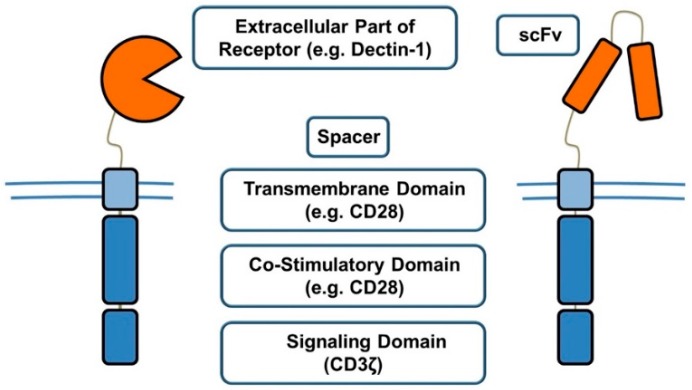
“The targeting element is linked to a spacer or linker, which gives the targeting element the flexibility to bind to the intended target [60].”
Safdar, A., Rodriguez, G., Ohmagari, N., Kontoyiannis, D. P., Rolston, K. V., Raad, I. I., & Champlin, R. E. (2005) · Cancer · doi:10.1002/cncr.20883 · Cited by 84
Ramirez-Ortiz, Z. G., & Means, T. K. (2012) · Virulence · doi:10.4161/viru.22295 · Cited by 84
Wan, L., Zhang, Y., Lai, Y., Jiang, M., Song, Y., Zhou, J., Zhang, Z., Duan, X., Fu, Y., Liao, L., et al. (2015) · Journal of Clinical Oncology · doi:10.1200/jco.2014.60.5121 · Cited by 81 · cited 2×
“Therefore, GM-CSF treatment increases numbers of tissue macrophages, circulating monocytes, neutrophils, and platelets, as well as eosinophils [77,78].”
BackgroundSainz, J., Pérez, E., Hassan, L., Moratalla, A., Romero, A., Collado, M. D., & Jurado, M. (2007) · Human Immunology · doi:10.1016/j.humimm.2006.10.011 · Cited by 81 · cited 1×
“TNF-α is one of the most important cytokines in the defense against Aspergillus [97].”
BackgroundCD56 Is a Pathogen Recognition Receptor on Human Natural Killer Cells
Ziegler, S., Weiss, E., Schmitt, A.-L., Schlegel, J., Burgert, A., Terpitz, U., Sauer, M., Moretta, L., Sivori, S., Leonhardt, I., et al. (2017) · Scientific Reports · doi:10.1038/s41598-017-06238-4 · Cited by 81 · cited 1×
“fumigatus through the neural cell adhesion molecule (NCAM-1, CD56), and this interaction leads to the secretion of CC chemokine ligands CCL3, 4, and 5 [33].”
BackgroundSelf-citationFirst Line of Defense: Innate Cell-Mediated Control of Pulmonary Aspergillosis
Espinosa, V., & Rivera, A. (2016) · Frontiers in Microbiology · doi:10.3389/fmicb.2016.00272 · Cited by 77
Clinical-scale generation of human anti-Aspergillus T cells for adoptive immunotherapy
Tramsen, L., Koehl, U., Tonn, T., Latgé, J.-P., Schuster, F. R., Borkhardt, A., Uharek, L., Quaritsch, R., Beck, O., Seifried, E., et al. (2008) · Bone Marrow Transplantation · doi:10.1038/bmt.2008.271 · Cited by 74
Stuehler, C., Kuenzli, E., Jaeger, V. K., Baettig, V., Ferracin, F., Rajacic, Z., Kaiser, D., Bernardini, C., Forrer, P., Weisser, M., et al. (2015) · Journal of Infectious Diseases · doi:10.1093/infdis/jiv143 · Cited by 70 · cited 1×
“Higher reactive oxygen species (ROS) production and NK cell counts were associated with better control of IA in allo-SCT patients [35].”
BackgroundThe Multifaceted Role of T-Helper Responses in Host Defense against Aspergillus fumigatus
Dewi, I., Van de Veerdonk, F., & Gresnigt, M. (2017) · Journal of Fungi · doi:10.3390/jof3040055 · Cited by 69 · cited 2×
“It has the capacity to induce protective responses of the innate and adaptive immune systems against Aspergillus [43].”
BackgroundGil-Lamaignere, C., Winn, R. M., Simitsopoulou, M., Maloukou, A., Walsh, T. J., & Roilides, E. (2005) · Medical Mycology · doi:10.1080/13693780412331271072 · Cited by 68
Interferon-γ therapy in two patients with progressive chronic pulmonary aspergillosis
Kelleher, P., Goodsall, A., Mulgirigama, A., Kunst, H., Henderson, D. C., Wilson, R., Newman-Taylor, A., & Levin, M. (2006) · European Respiratory Journal · doi:10.1183/09031936.06.00021705 · Cited by 68
Thakur, R., Anand, R., Tiwari, S., Singh, A. P., Tiwary, B. N., & Shankar, J. (2015) · Frontiers in Microbiology · doi:10.3389/fmicb.2015.00429 · Cited by 65
Cenci, E., Mencacci, A., Spreca, A., Montagnoli, C., Bacci, A., Perruccio, K., Velardi, A., Magliani, W., Conti, S., Polonelli, L., et al. (2002) · Infection and Immunity · doi:10.1128/iai.70.5.2375-2382.2002 · Cited by 65 · cited 1×
“fumigatus decreased fungal growth and increased survival [116].”
BackgroundBrummer, E., Kamberi, M., & Stevens, D. A. (2003) · The Journal of Infectious Diseases · doi:10.1086/368383 · Cited by 64
Vaccination of Corticosteroid Immunosuppressed Mice against Invasive Pulmonary Aspergillosis
Ito, J. I., & Lyons, J. M. (2002) · The Journal of Infectious Diseases · doi:10.1086/342509 · Cited by 61 · cited 1×
“Subcutaneous vaccination using a hyphal sonicate protected immunocompromised mice in a model of IA [104].”
BackgroundWhite, P. L., Posso, R. B., & Barnes, R. A. (2017) · Journal of Clinical Microbiology · doi:10.1128/jcm.00411-17 · Cited by 61 · cited 1×
“Major risk factors include immunosuppression, neutropenia, lymphopenia, and depletion of T cells [3].”
Sionov, E., Mendlovic, S., & Segal, E. (2005) · Journal of Antimicrobial Chemotherapy · doi:10.1093/jac/dki252 · Cited by 60 · cited 1×
“9%, decreased fungal burden in organs, and reduced serum galactomannan [67].”
BackgroundTramsen, L., Schmidt, S., Boenig, H. B., Latgé, J., Lass‐Flörl, C., Roeger, F., Seifried, E., Klingebiel, T. E., & Lehrnbecher, T. (2013) · Cytotherapy · doi:10.1016/j.jcyt.2012.11.014 · Cited by 53
Modulating host immune responses to fight invasive fungal infections
Scriven, J. E., Tenforde, M. W., Levitz, S. M., & Jarvis, J. N. (2017) · Current Opinion in Microbiology · doi:10.1016/j.mib.2017.10.018 · Cited by 51 · cited 1×
“It plays a role in the differentiation of dendritic cells, as well as macrophages, and stimulates the proliferation and activation of many cell types, including neutrophils, macrophages, eosinophils, and dendritic cells [75,76].”
BackgroundBandera, A., Trabattoni, D., Ferrario, G., Cesari, M., Franzetti, F., Clerici, M., & Gori, A. (2008) · Infection · doi:10.1007/s15010-008-7378-7 · Cited by 48 · cited 1×
“This resulted in an improved control of the fungal infection [93].”
Stuehler, C., Nowakowska, J., Bernardini, C., Topp, M. S., Battegay, M., Passweg, J., & Khanna, N. (2015) · The Journal of Infectious Diseases · doi:10.1093/infdis/jiu607 · Cited by 48
Kandalla, P. K., Sarrazin, S., Molawi, K., Berruyer, C., Redelberger, D., Favel, A., Bordi, C., de Bentzmann, S., & Sieweke, M. H. (2016) · Journal of Experimental Medicine · doi:10.1084/jem.20151975 · Cited by 48
Leroux, S., & Ullmann, A. J. (2013) · Clinical Microbiology and Infection · doi:10.1111/1469-0691.12426 · Cited by 47 · cited 2×
“, itraconazole nd posaconazole) remai for salvage therapy [11].”
BackgroundΠαπαδοπούλου, Α., Kaloyannidis, P., Yannaki, E., & Cruz, C. C. (2015) · Critical Reviews in Oncology/Hematology · doi:10.1016/j.critrevonc.2015.10.005 · Cited by 47 · cited 2×
“In turn, high numbers of these specific T cells are injected into the patient, where they recognize their target and aid the immune system in its elimination [45].”
BackgroundKlingemann, H., Grodman, C., Cutler, E., Duque, M., Kadidlo, D. M., Klein, A., Sprague, K. A., Miller, K. B., Comenzo, R., Kewalramani, T., et al. (2012) · Transfusion · doi:10.1111/j.1537-2995.2012.03764.x · Cited by 46
From memory to antifungal vaccine design
Iannitti, R. G., Carvalho, A., & Romani, L. R. (2012) · Trends in Immunology · doi:10.1016/j.it.2012.04.008 · Cited by 46 · cited 2×
“Subunit vaccines, which consist of purified elements, in combination with an adjuvant, could be the best method available in order to vaccinate immunocompromised patients, as they are easy to standardize and also considered safe in this cohort [53].”
BackgroundMethodBrummer, E., Maqbool, A., & Stevens, D. A. (2001) · Journal of Leukocyte Biology · doi:10.1189/jlb.70.6.868 · Cited by 44
Garth, J. M., Reeder, K. M., Godwin, M. S., Mackel, J. J., Dunaway, C. W., Blackburn, J. P., & Steele, C. H. (2017) · The Journal of Immunology · doi:10.4049/jimmunol.1602186 · Cited by 42
Braem, S. G. E., Rooijakkers, S. H. M., van Kessel, K. P. M., de Cock, H., Wösten, H. A. B., van Strijp, J. A. G., & Haas, P.-J. A. (2015) · Journal of Innate Immunity · doi:10.1159/000369493 · Cited by 41 · cited 1×
“Complement activation leads to the killing of Aspergillus by neutrophils [114].”
BackgroundGonzalez, C. E., Lyman, C. A., Lee, S., Guercio, C. D., Roilides, E., Bacher, J. D., Gehrt, A., Feuerstein, E., Tsokos, M., & Walsh, T. J. (2001) · Cytokine · doi:10.1006/cyto.2001.0889 · Cited by 38 · cited 1×
“Prophylactic administration of M-CSF to neutropenic rabbits in a model of pulmonary aspergillosis lowered pulmonary injury and increased survival, most likely due to increased macrophage numbers and phagocytosis activity [74].”
MethodBächer, P., Jochheim-Richter, A., Mockel-Tenbrinck, N., Kniemeyer, O., Wingenfeld, E., Alex, R., Ortigao, A., Karpova, D., Lehrnbecher, T., Ullmann, A. J., et al. (2015) · Cytotherapy · doi:10.1016/j.jcyt.2015.05.011 · Cited by 38
Identification of Ebsulfur Analogues with Broad‐Spectrum Antifungal Activity
Ngo, H. X., Shrestha, S. K., & Garneau‐Tsodikova, S. (2016) · ChemMedChem · doi:10.1002/cmdc.201600236 · Cited by 38 · cited 1×
“This pathway is different in humans compared to bacteria, as well as fungi, and therefore might be a suitable target [121,122].”
BackgroundSaccharomyces as a vaccine against systemic aspergillosis: ‘the friend of man’ a friend again?
Liu, M., Capilla, J., Johansen, M. E., Alvarado, D., Martinez, M., Chen, V., Clemons, K. V., & Stevens, D. A. (2011) · Journal of Medical Microbiology · doi:10.1099/jmm.0.033290-0 · Cited by 36 · cited 1×
“The usefulness of this approach in an immunocompromised setting cannot be predicted [105].”
BackgroundWright, C. R., Ward, A. C., & Russell, A. P. (2017) · Mediators of Inflammation · doi:10.1155/2017/7517350 · Cited by 36 · cited 7×
“In contrast to G-CSF and granulocyte-macrophage CSF (GM-CSF), macrophage CSF (M-CSF) is not FDA-approved.”
BackgroundInfluentialBitMansour, A., Cao, T. M., Chao, S., Shashidhar, S., & Brown, J. M. Y. (2005) · Blood · doi:10.1182/blood-2004-07-2676 · Cited by 35 · cited 1×
“fumigatus infection by granulocyte/monocyte progenitors [20,21].”
Immune responses to invasive aspergillosis: new understanding and therapeutic opportunities
Hohl, T. M. (2017) · Current Opinion in Infectious Diseases · doi:10.1097/qco.0000000000000381 · Cited by 35 · cited 1×
“fumigatus is responsible for more than 90% of all systemic Aspergillus infections [4].”
BackgroundEllis, M. E., WATSON, R., McNabb, A., Lukić, M. L., & Nork, M. (2002) · Journal of Medical Microbiology · doi:10.1099/0022-1317-51-1-70 · Cited by 33
Vaccination with mannan protects mice against systemic aspergillosis
Liu, M., Machová, E., Neščáková, Z., Medovarská, I., Clemons, K. V., Martinez, M., Chen, V., Bystrický, S., & Stevens, D. A. (2012) · Medical Mycology · doi:10.3109/13693786.2012.683539 · Cited by 32 · cited 1×
“Mortality was further decreased by the addition of bovine serum albumin (BSA) to the mannans [109].”
BackgroundQuezada, G., Koshkina, N. V., Zweidler‐McKay, P. A., Zhou, Z., Kontoyiannis, D. P., & Kleinerman, E. S. (2007) · Antimicrobial Agents and Chemotherapy · doi:10.1128/aac.00760-07 · Cited by 31 · cited 1×
“Supportively, GM-CSF exposure lowered the fungal burden in the lung among cyclophosphamide immunosuppressed mice in a model of pulmonary aspergillosis [81].”
BackgroundTramsen, L., Schmidt, S., Roeger, F., Schubert, R., Salzmann‐Manrique, E., Latgé, J., Klingebiel, T. E., & Lehrnbecher, T. (2014) · Infection and Immunity · doi:10.1128/iai.01700-14 · Cited by 31 · cited 1×
“These immunosuppressants are frequently used after allo-SCT, complicating the application of adoptive T cell transfer in allo-SCT patients [51].”
BackgroundNosanchuk, J. D., & Dadachova, E. (2012) · Frontiers in Microbiology · doi:10.3389/fmicb.2011.00283 · Cited by 30 · cited 1×
“In this approach, an antibody directed against the fungus is tagged with radionuclides in order to deliver a lethal dose of radiation to the fungus [117].”
BackgroundSafdar, A., Rodriguez, G. H., Zuniga, J., Akhrass, F. A., Georgescu, G., & Pande, A. (2012) · Acta Haematologica · doi:10.1159/000342121 · Cited by 29 · cited 1×
“After allo-SCT, GM-CSF administration is considered safe [79].”
BackgroundZhu, F., Ramadan, G., Davies, B. M., Margolis, D. A., & Keever-Taylor, C. A. (2007) · Clinical & Experimental Immunology · doi:10.1111/j.1365-2249.2007.03544.x · Cited by 27 · cited 1×
“This method was described as more effective in generating Asp f 16-specific cytotoxic T lymphocytes (CTLs), and therefore would require less initial blood volume of the patient compared to DC stimulation alone [29].”
Sun, Z., Zhu, P., Li, L., Wan, Z., Zhao, Z., & Li, R. (2012) · European Journal of Clinical Microbiology & Infectious Diseases · doi:10.1007/s10096-012-1670-2 · Cited by 27 · cited 1×
“The transfer of Asp f 16-specific CTLs resulted in higher survival in a murine model of IA [55].”
BackgroundCheckpoint inhibitors and aspergillosis in AML: the double hit hypothesis
Daver, N., & Kontoyiannis, D. P. (2017) · The Lancet Oncology · doi:10.1016/s1470-2045(17)30852-5 · Cited by 26 · cited 2×
“Many immunotherapeutic strategies such as D-CARs or ß-glucan-specific antibodies target these epitopes, which might result in more efficient fungal clearance [119].”
BackgroundImmune Modulators as Adjuncts for the Prevention and Treatment of Invasive Fungal Infections
Pikman, R., & Ben‐Ami, R. (2012) · Immunotherapy · doi:10.2217/imt.12.127 · Cited by 25 · cited 2×
“They are complex and therefore difficult to standardize, and usually only elicit weak immune responses [102].”
BackgroundInvasive Aspergillosis in a Renal Transplant Recipient Successfully Treated with Interferon-Gamma
Estrada, C. C., Desai, A., Chirch, L. M., Suh, H., Seidman, R., Darras, F., & Nord, E. P. (2012) · Case Reports in Transplantation · doi:10.1155/2012/493758 · Cited by 23
Shao, H.-J., Chen, L., & Su, Y.-B. (2004) · Veterinary Research Communications · doi:10.1023/b:verc.0000046743.27552.19 · Cited by 22 · cited 1×
“The treatment led to less mortality and decreased fungal burden due to a strong Th1 response [28].”
Khanna, N., Stuehler, C., Lünemann, A., Wójtowicz, A., Bochud, P., & LeibundGut‐Landmann, S. (2016) · Swiss Medical Weekly · doi:10.4414/smw.2016.14350 · Cited by 20
Costimulation Engages the Gear in Driving CARs
Abken, H. (2016) · Immunity · doi:10.1016/j.immuni.2016.02.001 · Cited by 19 · cited 1×
“In second-generation CARs, a costimulatory domain, most commonly CD28 and 4-1BB, was added to CD3-ζ, resulting in better persistence of CAR T cells [62] (Figure 2).”
BackgroundBenedetto, N., Sabatini, P., Sellitto, C., & Carratelli, C. R. (1988) · PubMed · Cited by 19
Heinz, W., Vehreschild, J. J., & Buchheidt, D. (2019) · Mycoses · doi:10.1111/myc.12860 · Cited by 18
Bidula, S. M., & Schelenz, S. (2016) · PLoS Pathogens · doi:10.1371/journal.ppat.1005637 · Cited by 16 · cited 1×
“, TLR2, TLR4, and dectin-1), which induce cell-specific and general defense mechanisms [6].”
BackgroundMezidi, M., Belafia, F., Nougaret, S., Pageaux, G., Conseil, M., Panaro, F., Boniface, G., Morquin, D., Jaber, S., & Jung, B. (2014) · PubMed · Cited by 10
Cited by
Aspergillus fumigatus and Aspergillosis in 2019
Latgé, J.-P., & Chamilos, G. (2019) · Clinical Microbiology Reviews · doi:10.1128/cmr.00140-18 · Cited by 1,400
Hoenigl, M., Arastehfar, A. A., Arendrup, M. C., Brüggemann, R. J. M., Carvalho, A., Chiller, T. M., Chen, W., Egger, M., Feys, S., Gangneux, J., et al. (2024) · Clinical Microbiology Reviews · doi:10.1128/cmr.00074-23 · Cited by 187
Natural Killer Cells in Antifungal Immunity
Schmidt, S., Tramsen, L., & Lehrnbecher, T. (2017) · Frontiers in Immunology · doi:10.3389/fimmu.2017.01623 · Cited by 99
Wurster, S., Watowich, S. S., & Kontoyiannis, D. P. (2022) · Frontiers in Immunology · doi:10.3389/fimmu.2022.1018202 · Cited by 81
Treatment of Invasive Aspergillosis: How It’s Going, Where It’s Heading
Boyer, J., Feys, S., Zsifkovits, I., Hoenigl, M., & Egger, M. (2023) · Mycopathologia · doi:10.1007/s11046-023-00727-z · Cited by 78
“The largest issue to overcome to make vaccination a viable strategy to prevent IA is the requirement of a sufficiently working group of B- and T-cells, which is a problem in many severely immunocompromised IA patients [136].”
Metadata
- Authors
- Lauruschkat, C. D., Einsele, H., & Loeffler, J.
- Affiliations
- Universitätsklinikum Würzburg (DE)
- Corresponding author
- Loeffler, Juergen
- Venue
- Journal of Fungi
- Publisher
- MDPI AG
- Published
- 2018-12-14
- Volume
- 4
- Issue
- 4
- Pages
- 137
- ISSN
- 2309-608X (ISSN-L)
- PMC
- PMC6308942
- OpenAlex
- W2903750794
- Cited by
- 32
- References
- 126
- Citations by year
- 2026: 4 · 2025: 2 · 2024: 5 · 2023: 4 · 2022: 4 · 2021: 3 · 2020: 6 · 2019: 3
- FWCI
- 0.44
- Type
- journal article
- Language
- en
- Open access
- gold
- dx.doi.org
- Licence
- Locations
- Journal of Fungi (publishedVersion, cc-by)
- Europe PMC (PubMed Central) (publishedVersion, cc-by)
- PubMed Central (publishedVersion, cc-by)
- PubMed (publishedVersion)
- DOAJ (DOAJ: Directory of Open Access Journals) (submittedVersion, cc-by-sa)
- Online Publication Service of Würzburg University (Würzburg University) (submittedVersion, cc-by)
- Topics
- Health Sciences › Medicine › Infectious Diseases › Antifungal resistance and susceptibility
- Life Sciences › Immunology and Microbiology › Immunology › Immunodeficiency and Autoimmune Disorders
- Health Sciences › Medicine › Oncology › Neutropenia and Cancer Infections
- Keywords
- invasive aspergillosis, immunomodulation, immunotherapy, Aspergillus fumigatus, hematologic malignancies, allogeneic stem cell transplantation, induction chemotherapy, cytokines, immunoglobulins, host immune response
About these checks
Registry, retraction, Cites and statistics results are computed, not judged, with one exception: a printed reference that no index lists is read once by a model before it counts as a citation error. Claims are extracted by a model and kept only when their quote appears verbatim in the text; each cited source is then checked, with a model’s help, for whether it says what the claim relies on. Those verdicts can be wrong — read the claim’s quote and the cited source before relying on one.
Statistics and arithmetic are recomputed, not judged.
Confidence bands are shown only for fields calibrated on our annotated test set. None is calibrated yet, so no band is shown.
What counts as a claim ›How we measure confidence ›How we check this ›
Are you an author, or do you see a problem with this page? Request a review
Data sources
Bibliographic data: Semantic Scholar, OpenAlex, Crossref.
Contains information from the Semantic Scholar Academic Graph Datasets, made available under the ODC Attribution License (ODC-BY 1.0).
Semantic Scholar’s data is described in: Kinney, R., et al. (2023). The Semantic Scholar Open Data Platform. arXiv:2301.10140.
