

The DOI matches its Crossref record; 1 of the 1 references it cites were found in a registry or an index.
Evaluating Biochar’s Role in Dye Adsorption and Wheat Performance Under Saline Conditions
Abstract
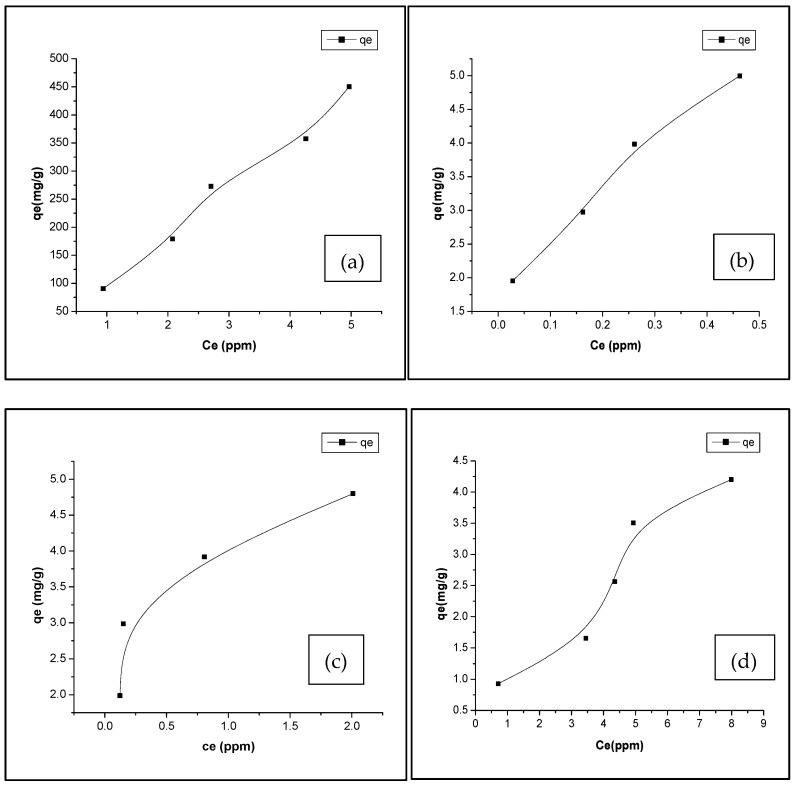
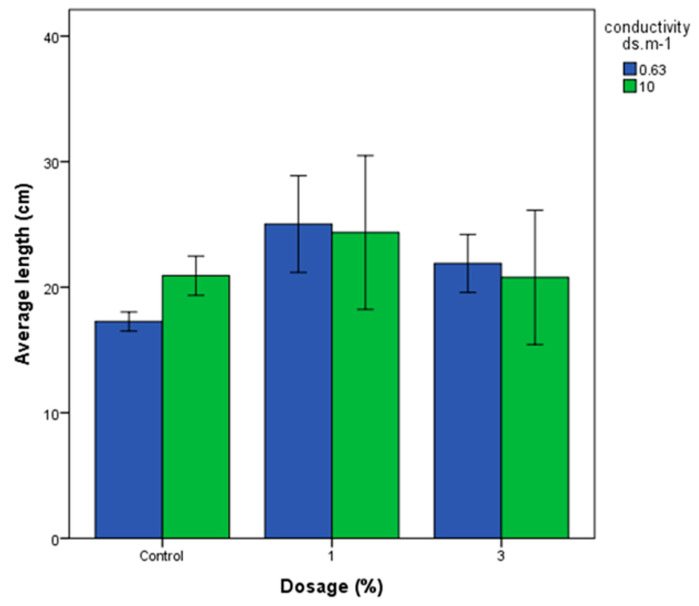
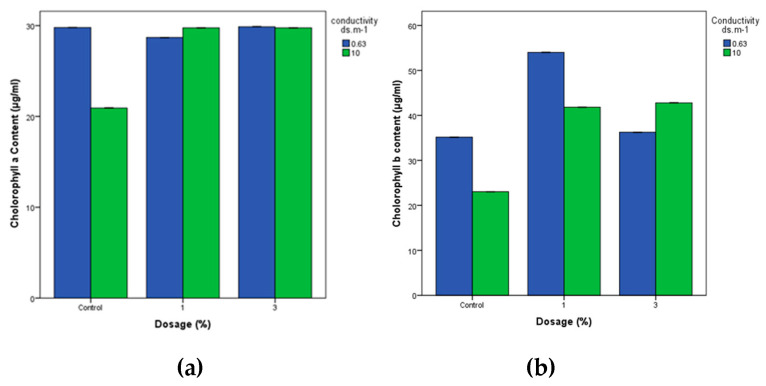
This research explores the dual role of biochar in addressing the escalating challenges of water salinity and pollution, focusing on its potential for both wastewater treatment and agricultural resilience. We investigated the adsorption capacity and efficiency of various biochar treatments to remove crystal violet dye from contaminated water. Biochar treated with H2SO4 demonstrated the highest adsorption capacity (450 mg/g). It consistently achieved 100% removal efficiency in all crystal violet concentrations tested, while silver-modified biochar showed a 99.95% removal rate at 50 ppm and an adsorption capacity of 5 mg/g. In agricultural applications, we evaluated the impact of biochar applications at concentrations of 1% and 3% on wheat crops irrigated with saline water of varying conductivity levels (0.63 and 10 dS/m). Wheat plants treated with 1% biochar exhibited the highest yield (26.6 cm) under 0.63 dS/m water conductivity, significantly outperforming the control group (17 cm). Biochar also resulted in elevated chlorophyll levels, with chlorophyll a ranging from 29.8 to 20.9 µg/mL and chlorophyll b ranging from 54 to 23 µg/mL, showing a marked improvement over the control. These findings demonstrate biochar’s potential to mitigate salinity-induced damage, with lower salinity conditions further enhancing chlorophyll a levels, while untreated plants showed reduced chlorophyll under high salinity.
Overview
The claims and statistics of this paper haven’t been checked yet.
Run the check — free, no account needed. It reads the open-access text and checks the sources it cites.
Integrity signals
Registry
Cites
Statistics
Figures
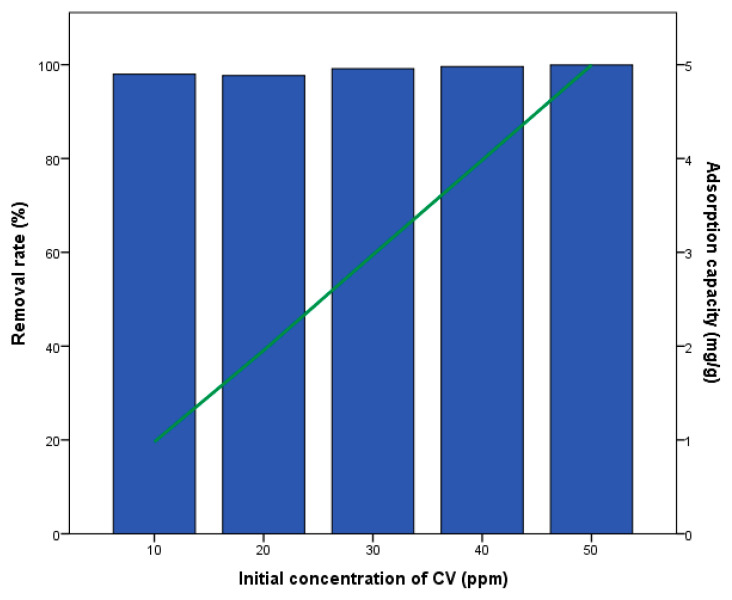
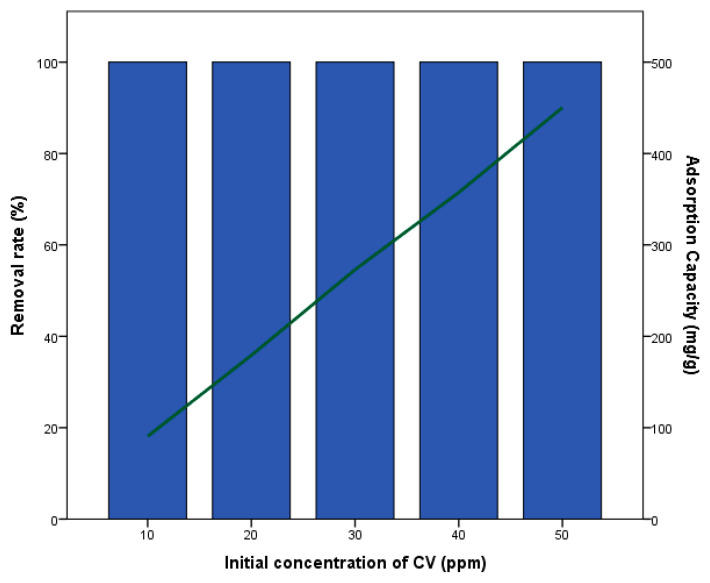
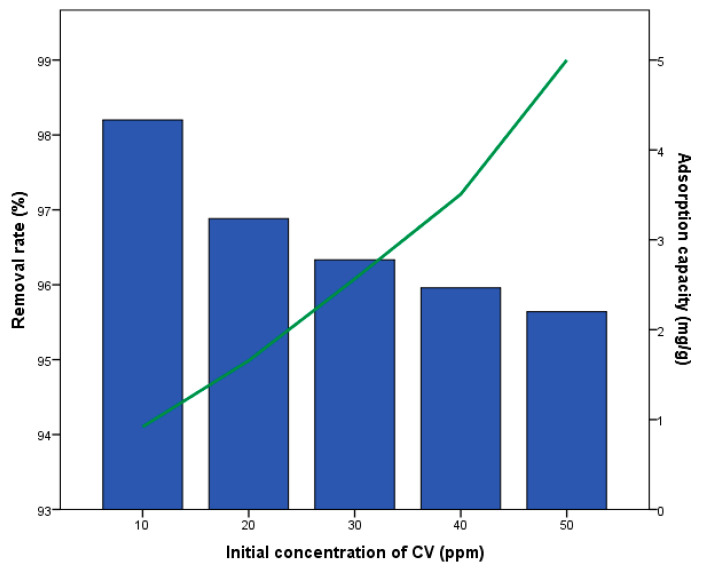
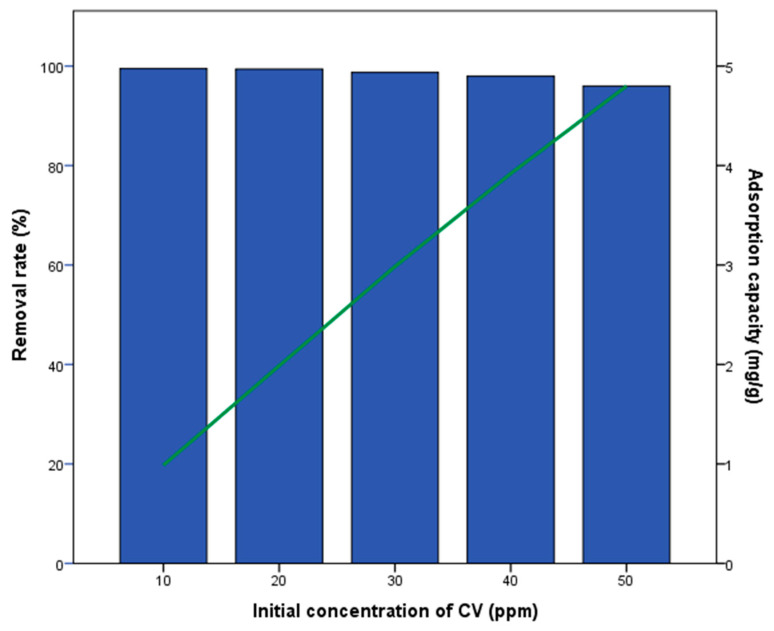
Verification
Claims the paper makes
The claims and statistics of this paper haven’t been checked yet.
Run the check — free, no account needed. It reads the open-access text and checks the sources it cites.
Claims other papers make about this one
Each is checked against this paper’s own text: does it say what the citing paper says it does?
The cited source doesn’t support the claim as written.
In the citing paper
“while silver nanoparticles occupied surface area without contributing significantly to adsorption.”
From Biomass-Derived Biochar for The Removal of Textile Dyes from Aqueous Solutions: A Review (2026) · cites this paper as [10]
Checked by a reasoning model — may be wrong.
Experimental — accuracy not yet measuredThe source backs part of the claim, not all of it — or backs it for a different population, condition or comparison.
In the citing paper
“Sulfuric-acid-treated kitchen-waste biochar not only removed crystal violet dye but also improved wheat growth under saline conditions [10].”
From Biomass-Derived Biochar for The Removal of Textile Dyes from Aqueous Solutions: A Review (2026) · cites this paper as [10]
Experimental — accuracy not yet measuredThe source backs part of the claim, not all of it — or backs it for a different population, condition or comparison.
In the citing paper
“The acid treatment increased surface area and introduced sulfonic groups that provide many active sites,”
From Biomass-Derived Biochar for The Removal of Textile Dyes from Aqueous Solutions: A Review (2026) · cites this paper as [10]
Experimental — accuracy not yet measuredThe cited source says what the claim attributes to it.
In the citing paper
“Applying biochar to saline soils improved wheat growth and chlorophyll content [10].”
From Biomass-Derived Biochar for The Removal of Textile Dyes from Aqueous Solutions: A Review (2026) · cites this paper as [10]
The cited source says what the claim attributes to it.
In the citing paper
“whereas silver-modified biochar achieved similar removal but only 5 mg/g capacity [10].”
From Biomass-Derived Biochar for The Removal of Textile Dyes from Aqueous Solutions: A Review (2026) · cites this paper as [10]
The cited source says what the claim attributes to it.
In the citing paper
“Sulfuric-acid-treated kitchen-waste biochar achieved a capacity of 450 mg/g for crystal violet and 100 % removal efficiency [10].”
From Biomass-Derived Biochar for The Removal of Textile Dyes from Aqueous Solutions: A Review (2026) · cites this paper as [10]
Self-check
Percentages, sums and reported differences re-computed from the paper’s own numbers.
The self-check needs the paper’s full text.
Citations
Cites
Innovations and challenges in adsorption-based wastewater remediation: A comprehensive review
Satyam, S., & Patra, S. (2024) · Heliyon · doi:10.1016/j.heliyon.2024.e29573 · Cited by 788
Research works printed but not linked: 51
- Woodward, 2010, Climate change and freshwater ecosystems: Impacts across multiple levels of organization, Philos. Trans. R. Soc. B Biol. Sci., 365, 2093, 10.1098/rstb.2010.0055 · DOI
- Bandala, 2017, The impact of global climate change on water quantity and quality: A system dynamics approach to the US–Mexican transborder region, Eur. J. Oper. Res., 256, 567, 10.1016/j.ejor.2016.06.016 · DOI
- Kesari, 2021, Wastewater treatment and reuse: A review of its applications and health implications, Water Air Soil Pollut., 232, 208, 10.1007/s11270-021-05154-8 · DOI
- Upadhyay, 2025, Myco-remediation of synthetic dyes: A comprehensive review on contaminant alleviation mechanism, kinetic study and toxicity analysis, Int. J. Environ. Sci. Technol., 22, 521, 10.1007/s13762-024-05793-4 · DOI
- Silva, V.C., Barbosa Araújo, M.E., Rodrigues, A.M., Vitorino, B.C., Cartaxo, J.M., Menezes, R.R., and Neves, G.A. (2021). Adsorption behavior of crystal violet and Congo red dyes on heat-treated Brazilian palygorskite: Kinetic, isothermal and thermodynamic studies. Materials, 14. · DOI
- Ben Aissa, M.A., Modwi, A., Albadri, A.E., and Saleh, S.M. (2023). Dependency of crystal violet dye removal behaviors onto mesoporous V2O5-g-C3N4 constructed by simplistic ultrasonic method. Inorganics, 11. · DOI
- Rakshi, 2023, Developments in treatment technologies of dye-containing effluent: A review, Case Stud. Chem. Environ. Eng., 7, 100339, 10.1016/j.cscee.2023.100339 · DOI
- Yaqoob, A.A., Guerrero-Barajas, C., Ahmad, A., Ibrahim, M.N.M., and Alshammari, M.B. (2023). Advanced technologies for wastewater treatment. Green Chemistry for Sustainable Water Purification, Wiley. · DOI
- Nishat, 2023, Wastewater treatment: A short assessment on available techniques, Alex. Eng. J., 76, 505, 10.1016/j.aej.2023.06.054 · DOI
- Adesanmi, 2022, Comparison of dye wastewater treatment methods: A review, GSC Adv. Res. Rev., 10, 126, 10.30574/gscarr.2022.10.2.0054 · DOI
- Olugbenga, 2024, Biomass-derived biochar in wastewater treatment: A circular economy approach, Waste Manag. Bull., 1, 1, 10.1016/j.wmb.2023.07.007 · DOI
- Jagadeesh, 2023, Adsorption of pollutants from wastewater by biochar: A review, J. Hazard. Mater. Adv., 9, 100226
- Srivatsav, P., Bhargav, B.S., Shanmugasundaram, V., Arun, J., Gopinath, K.P., and Bhatnagar, A. (2020). Biochar as an eco-friendly and economical adsorbent for the removal of colorants (dyes) from aqueous environment: A review. Water, 12. · DOI
- Amalina, 2022, A comprehensive assessment of the method for producing biochar, its characterization, stability, and potential applications in regenerative economic sustainability—A review, Clean. Mater., 3, 100045, 10.1016/j.clema.2022.100045 · DOI
- Wang, 2024, Research status, trends, and mechanisms of biochar adsorption for wastewater treatment: A scientometric review, Environ. Sci. Eur., 36, 25, 10.1186/s12302-024-00859-z · DOI
- Jha, S., Gaur, R., Shahabuddin, S., and Tyagi, I. (2023). Biochar as sustainable alternative and green adsorbent for the remediation of noxious pollutants: A comprehensive review. Toxics, 11. · DOI
- Collivignarelli, M.C., Illankoon, W.A., Milanese, C., Calatroni, S., Caccamo, F.M., Girella, A., and Sorlini, S. (2023). Preparation and modification of biochar derived from agricultural waste for metal adsorption from urban wastewater. Water, 16. · DOI
- Gupta, 2022, Use of biomass-derived biochar in wastewater treatment and power production: A promising solution for a sustainable environment, Sci. Total Environ., 825, 153892, 10.1016/j.scitotenv.2022.153892 · DOI
- Soares Dias, A.P., Santos, F.A., Rijo, B., Simes, D.C., Pereira, L., and Pereira, M.F. (2024). Seaweed-Derived Biochar for Effective Treatment of Dye-Contaminated Wastewater. Water, 17. · DOI
- Wang, W., Huang, J., Wu, T., Ren, X., and Zhao, X. (2022). Research on the preparation of biochar from waste and its application in environmental remediation. Water, 15. · DOI
- Vyavahare, 2019, Strategies for crystal violet dye sorption on biochar derived from mango leaves and evaluation of residual dye toxicity, J. Clean. Prod., 207, 296, 10.1016/j.jclepro.2018.09.193 · DOI
- Nouioua, 2023, Production of biochar from Melia azedarach seeds for the crystal violet dye removal from water: Combining hydrothermal carbonization and pyrolysis, Bioengineered, 14, 290, 10.1080/21655979.2023.2236843 · DOI
- Goswami, L., Kushwaha, A., Kafle, S.R., and Kim, B. (2022). Surface modification of biochar for dye removal from wastewater. Catalysts, 12. · DOI
- Zhang, Y., Ding, J., and Wang, H. (2020). Biochar addition alleviates the negative effects of drought and salinity stress on soybean productivity and water use efficiency. BMC Plant Biol., 20. · DOI
- Kul, 2021, Biochar as an organic soil conditioner for mitigating salinity stress in tomato, Soil Sci. Plant Nutr., 67, 693, 10.1080/00380768.2021.1998924 · DOI
- Mohammadi, 2023, Wastewater reuse in agriculture: Prospects and challenges, Environ. Res., 236, 116711, 10.1016/j.envres.2023.116711 · DOI
- Kataya, G., Issa, M., Jeguirim, M., and Hijazi, A. (2023). Characterization and environmental application potential of banana peels bio-char. Eng. Proc., 37. · DOI
- Peixoto, B.S., Mota, L.S., Oliveira, P.C., Veloso, M.C., Romeiro, G.A., and Moraes, M.C. (2021). Highly functionalized microporous activated biochar from Syagrus coronata waste: Production, characterization, and application in adsorption studies. Water, 14. · DOI
- Mohan, 2014, Cadmium and lead remediation using magnetic oak wood and oak bark fast pyrolysis bio-chars, Chem. Eng. J., 236, 513, 10.1016/j.cej.2013.09.057 · DOI
- Sun, X., Fu, H., and Bao, M. (2022). Development of a new hydrophobic magnetic biochar for removing oil spills on the water surface. Biochar, 4. · DOI
- Yerli, C. (2023, January 10–12). Examining the effects of biochar in spinach cultivation with increased irrigation water salinity on some physical and physiological properties of the plant. Proceedings of the International Conference on Applied Engineering and Natural Sciences, Konya, Turkey. · DOI
- Shaikh, 2021, Biochar-based nanocomposite from waste tea leaf for toxic dye removal: From facile fabrication to functional fitness, Chemosphere, 282, 132788
- Tran, 2021, The ability of silver-biochar green-synthesized from Citrus maxima peel to adsorb pollutant organic compounds and antibacterial activity, Green Chem. Lett. Rev., 15, 18, 10.1080/17518253.2021.2015456 · DOI
- Khan, M.N., Siddique, M., Mirza, N., Khan, R., Bilal, M., Riaz, N., Waheed, U., Shahzadi, I., Ali, A., and Abdellattif, M.H. (2022). Synthesis, characterization, and application of Ag-biochar composite for sono-adsorption of phenol. Front. Environ. Sci., 10. · DOI
- Haldhar, 2022, Silver nanoparticles-based composite for dye removal: A comprehensive review, Clean. Mater., 6, 100161, 10.1016/j.clema.2022.100161 · DOI
- Baharim, 2023, Removal of crystal violet from aqueous solution using post-treated activation biochar derived from banana pseudo stem, Chem. Eng. Trans., 98, 45
- Mohanty, 2006, Removal of crystal violet from wastewater by activated carbons prepared from rice husk, Ind. Eng. Chem. Res., 45, 5165, 10.1021/ie060257r · DOI
- Chen, 2010, Equilibrium and kinetic studies of methyl orange and methyl violet adsorption on activated carbon derived from Phragmites australis, Desalination, 252, 149, 10.1016/j.desal.2009.10.010 · DOI
- Sun, 2023, Adsorption of crystal violet on activated bamboo fiber powder from water: Preparation, characterization, kinetics and isotherms, RSC Adv., 13, 6108, 10.1039/D2RA08323J · DOI
- Kumbhar, 2022, Synthesis of tea waste/Fe3O4 magnetic composite (TWMC) for efficient adsorption of crystal violet dye: Isotherm, kinetic and thermodynamic studies, J. Environ. Chem. Eng., 10, 107893, 10.1016/j.jece.2022.107893 · DOI
- Luyen, 2019, Preparation of rice husk biochar-based magnetic nanocomposite for effective removal of crystal violet, J. Electron. Mater., 49, 10
- Malika, 2023, Fe-biochar composite for the removal of dye in wastewater using adsorption method, Int. Res. J. Eng. Technol. (IRJET), 10, 70
- Anastasiou, M., Sakkas, V., and Sleiman, M. (2024). Activated Biochar from Sewage Sludge: A Sustainable Solution for Effective Removal of Emerging Water Contaminants. Molecules, 30. · DOI
- Shafiq, M., Alazba, A.A., and Amin, M.T. (2020). Kinetic and Isotherm Studies of Ni2+ and Pb2+ Adsorption from Synthetic Wastewater Using Eucalyptus camdulensis—Derived Biochar. Sustainability, 13. · DOI
- Mojid, 2014, An advantageous level of irrigation water salinity for wheat cultivation, J. Bangladesh Agric. Univ., 11, 141, 10.3329/jbau.v11i1.18225 · DOI
- Tekin, 2014, Water production functions of wheat irrigated with saline water using line source sprinkler system under the Mediterranean type climate, Türk Tarım Ve Doğa Bilim. Derg., 1, 1017
- Wang, 2023, Impacts of long-term saline water irrigation on soil properties and crop yields under maize-wheat crop rotation, Agric. Water Manag., 286, 108383, 10.1016/j.agwat.2023.108383 · DOI
- El Sayed, M., Hazman, M., Gamal, A., Almas, L., McFarland, M., and Burian, S. (2021). Biochar reduces the adverse effect of saline water on soil properties and wheat production profitability. Agriculture, 11. · DOI
- Helaoui, 2023, Biochar application mitigates salt stress on maize plant: Study of the agronomic parameters, photosynthetic activities and biochemical attributes, Plant Stress, 9, 100182, 10.1016/j.stress.2023.100182 · DOI
- Vu, N., Bui, T., Vu, T., Nguyen, T., Le, T., Tran, A., Vu, N., Tran, V., Tong, V., and Nguyen, X. (2023). Biochar improved sugarcane growth and physiology under salinity stress. Appl. Sci., 13. · DOI
- Kanwal, 2017, Application of biochar in mitigation of negative effects of salinity stress in wheat (Triticum aestivum L.), J. Plant Nutr., 40, 1923
Cited by
Sorted by citations
Biomass-Derived Biochar for The Removal of Textile Dyes from Aqueous Solutions: A Review
Srijayathi, I., Boddupally, M., Qaiyum, M. A., & Ramesh, G. V. (2026) · EPJ Web of Conferences · doi:10.1051/epjconf/202635602007
Metadata
- Authors
- Kataya, G., El Badan, D., Cornu, D., Mousawi, A. A., Bechelany, M., & Hijazi, A.
- Venue
- Materials
- Publisher
- MDPI AG
- Published
- 2025-10-12
- Volume
- 18
- Issue
- 20
- Pages
- 4678
- ISSN
- 1996-1944
- PMC
- PMC12565813
- Cited by
- 2
- References
- 1
- Language
- en
- Funders
- Lebanese university
About these checks
Registry, retraction, Cites and statistics results are computed, not judged, with one exception: a printed reference that no index lists is read once by a model before it counts as a citation error. Claims are extracted by a model and kept only when their quote appears verbatim in the text; each cited source is then checked, with a model’s help, for whether it says what the claim relies on. Those verdicts can be wrong — read the claim’s quote and the cited source before relying on one.
Statistics and arithmetic are recomputed, not judged.
Confidence bands are shown only for fields calibrated on our annotated test set. None is calibrated yet, so no band is shown.
What counts as a claim ›How we measure confidence ›How we check this ›
Are you an author, or do you see a problem with this page? Request a review
How to cite
Cite CoChat for the checks on this page, and the paper for its own findings.
- This page
- CoChat. (2026). Citation check: Evaluating Biochar’s Role in Dye Adsorption and Wheat Performance Under Saline Conditions. https://app.cochat.ai/papers/10.3390/ma18204678
- The paper
- Kataya, G., El Badan, D., Cornu, D., Mousawi, A. A., Bechelany, M., & Hijazi, A. (2025). Evaluating Biochar’s Role in Dye Adsorption and Wheat Performance Under Saline Conditions. Materials. https://doi.org/10.3390/ma18204678
