

Comparison of Conventional Statistical Methods with Machine Learning in Medicine: Diagnosis, Drug Development, and Treatment.
Open accessThe DOI matches its Crossref record; 45 of the 45 references it cites were found in a registry or an index.
Abstract
Futurists have anticipated that novel autonomous technologies, embedded with machine learning (ML), will substantially influence healthcare. ML is focused on making predictions as accurate as possible, while traditional statistical models are aimed at inferring relationships between variables. The benefits of ML comprise flexibility and scalability compared with conventional statistical approaches, which makes it deployable for several tasks, such as diagnosis and classification, and survival predictions. However, much of ML-based analysis remains scattered, lacking a cohesive structure. There is a need to evaluate and compare the performance of well-developed conventional statistical methods and ML on patient outcomes, such as survival, response to treatment, and patient-reported outcomes (PROs). In this article, we compare the usefulness and limitations of traditional statistical methods and ML, when applied to the medical field. Traditional statistical methods seem to be more useful when the number of cases largely exceeds the number of variables under study and a priori knowledge on the topic under study is substantial such as in public health. ML could be more suited in highly innovative fields with a huge bulk of data, such as omics, radiodiagnostics, drug development, and personalized treatment. Integration of the two approaches should be preferred over a unidirectional choice of either approach.
Overview
The claims and statistics of this paper haven’t been checked yet.
Free: it reads the open-access text and checks the first 5 claims that cite a source we can check. Create a free account to check every claim.
Integrity signals
Registry
Cites
Statistics
Figures
Verification
Claims the paper makes
The claims and statistics of this paper haven’t been checked yet.
Free: it reads the open-access text and checks the first 5 claims that cite a source we can check. Create a free account to check every claim.
Claims other papers make about this one
Each is checked against this paper’s own text: does it say what the citing paper says it does?
The source backs part of the claim, not all of it — or backs it for a different population, condition or comparison.
In the citing paper
“In the healthcare domain, medical AI and ML models have demonstrated the potential to improve patient outcomes, reduce cost burdens, accelerate clinical trials, and revolutionize the way we diagnose, treat, and prevent disease [26,28–31].”
From Bias in medical AI: Implications for clinical decision-making (2024) · cites this paper as [28]
Experimental — accuracy not yet measuredThe source backs part of the claim, not all of it — or backs it for a different population, condition or comparison.
In the citing paper
“This suggests that conventional statistical methods (eg, correlation or LMM) may not depict the complex nonlinear relationship between digital biomarkers and depression, and indeed more powerful methods such as ML models (eg, XGB) are needed to make better predictions [90].”
From Predicting Depression From Smartphone Behavioral Markers Using Machine Learning Methods, Hyperparameter Optimization, and Feature Importance Analysis: Exploratory Study (2021) · cites this paper as [90]
Experimental — accuracy not yet measured
Self-check
Percentages, sums and reported differences re-computed from the paper’s own numbers.
The self-check needs the paper’s full text.
Citations
Cites
LeCun, Y., Bengio, Y., & Hinton, G. (2015) · Nature · doi:10.1038/nature14539 · Cited by 84,126
Dermatologist-level classification of skin cancer with deep neural networks
Esteva, A., Kuprel, B., Novoa, R. A., Ko, J., Swetter, S. M., Blau, H. M., & Thrun, S. (2017) · Nature · doi:10.1038/nature21056 · Cited by 14,362
High-performance medicine: the convergence of human and artificial intelligence
Topol, E. J. (2019) · Nature Medicine · doi:10.1038/s41591-018-0300-7 · Cited by 10,450 · cited 1×
“…to have an impact in medicine at three levels: for clinicians, predominantly via rapid, accurate image interpretation; for patients, by enabling them to process their own data to promote health; and for health systems, by improving workflow and the potential for reducing medical errors [38].”
BackgroundGulshan, V., Peng, L., Coram, M., Stumpe, M. C., Wu, D., Narayanaswamy, A., Venugopalan, S., Widner, K., Madams, T., Cuadros, J., et al. (2016) · JAMA · doi:10.1001/jama.2016.17216 · Cited by 7,697 · cited 1×
“Examples where ML has done well : Gulshan et al. have applied deep learning to build an algorithm-automated detection of diabetic retinopathy and diabetic macular edema in retinal fundus photographs [36].”
BackgroundRajkomar, A., Dean, J., & Kohane, I. (2019) · New England Journal of Medicine · doi:10.1056/nejmra1814259 · Cited by 4,579 · cited 2×
“For instance, digitized slides read by pathologists are rehabilitated to features (pixels of the slides) and labels (e.g., data indicating that a slide comprises evidence of deviations indicating cancer) [9].”
BackgroundEhteshami Bejnordi, B., Veta, M., Johannes van Diest, P., van Ginneken, B., Karssemeijer, N., Litjens, G., van der Laak, J. A. W. M., and the CAMELYON16 Consortium, Hermsen, M., Manson, Q. F., et al. (2017) · JAMA · doi:10.1001/jama.2017.14585 · Cited by 3,293 · cited 1×
“Bejnordi et al. have recently evaluated the performance of automated deep learning algorithms at identifying metastases in hematoxylin and eosin-stained tissue sections of lymph nodes of women with breast cancer and related it with pathologists’ diagnoses in a diagnostic setting [37].”
BackgroundCalibration: the Achilles heel of predictive analytics
On behalf of Topic Group ‘Evaluating diagnostic tests and prediction models’ of the STRATOS initiative, Van Calster, B., McLernon, D. J., van Smeden, M., Wynants, L., & Steyerberg, E. W. (2019) · BMC Medicine · doi:10.1186/s12916-019-1466-7 · Cited by 2,650 · cited 1×
“Possibly much bigger sample sizes are required to gain reliable (calibrated) risk predictions [44] than reliable (diagnostic) classifications.”
BackgroundBig Data and Machine Learning in Health Care
Beam, A. L., & Kohane, I. S. (2018) · JAMA · doi:10.1001/jama.2017.18391 · Cited by 2,506 · cited 1×
“There is no clear line between ML models and traditional statistical models, and a recent article summarizes the relationship between the two [41].”
BackgroundA Deep Learning Approach to Antibiotic Discovery
Stokes, J. M., Yang, K., Swanson, K., Jin, W., Cubillos-Ruiz, A., Donghia, N. M., MacNair, C. R., French, S., Carfrae, L. A., Bloom-Ackermann, Z., et al. (2020) · Cell · doi:10.1016/j.cell.2020.01.021 · Cited by 2,463
Neuroscience-Inspired Artificial Intelligence
Hassabis, D., Kumaran, D., Summerfield, C., & Botvinick, M. (2017) · Neuron · doi:10.1016/j.neuron.2017.06.011 · Cited by 1,557
Research works printed but not linked: 1
- Goodfellow I. Bengio Y. Courville A. Deep Learning MIT Press Cambridge, MA, USA 2016
Cited by
Bias in artificial intelligence algorithms and recommendations for mitigation
Nazer, L. H., Zatarah, R., Waldrip, S., Ke, J. X. C., Moukheiber, M., Khanna, A. K., Hicklen, R. S., Moukheiber, L., Moukheiber, D., Ma, H., et al. (2023) · PLOS Digital Health · doi:10.1371/journal.pdig.0000278 · Cited by 621
“AI-based algorithms tend to incorporate a variety of conventional statistical methods and intensive computational machine learning methods to help understand patterns and associations within high-dimensional, nonlinear, and multimodal data [8].”
BackgroundBias in medical AI: Implications for clinical decision-making
Cross, J. L., Choma, M. A., & Onofrey, J. A. (2024) · PLOS Digital Health · doi:10.1371/journal.pdig.0000651 · Cited by 607
“In the healthcare domain, medical AI and ML models have demonstrated the potential to improve patient outcomes, reduce cost burdens, accelerate clinical trials, and revolutionize the way we diagnose, treat, and prevent disease [26,28–31].”
BackgroundDigital Twins for Multiple Sclerosis
Voigt, I., Inojosa, H., Dillenseger, A., Haase, R., Akgün, K., & Ziemssen, T. (2021) · Frontiers in Immunology · doi:10.3389/fimmu.2021.669811 · Cited by 272
“The success of a ML project depends on the number of observations, the number of features, the selection and parameterization of the features as well as the quality of the underlying data and the chosen algorithm for the model (90, 91).”
BackgroundQi, X., Wang, S., Fang, C., Jia, J., Lin, L., & Yuan, T. (2025) · Redox Biology · doi:10.1016/j.redox.2024.103470 · Cited by 271
“Unlike traditional statistical methods, ML techniques can handle large, complex datasets and identify implicit relationships among various health-related features, thereby predicting disease risk more accurately [11].”
Li, F., Ruijs, N., & Lu, Y. (2022) · AI · doi:10.3390/ai4010003 · Cited by 239
“Deep learning (DL) is a subset of ML based on multi-layered artificial neural networks, which can be further utilized to solve complex problems using unstructured data, much like the human brain [10,11].”
BackgroundOpoku Asare, K., Terhorst, Y., Vega, J., Peltonen, E., Lagerspetz, E., & Ferreira, D. (2021) · JMIR mHealth and uHealth · doi:10.2196/26540 · Cited by 145
“This suggests that conventional statistical methods (eg, correlation or LMM) may not depict the complex nonlinear relationship between digital biomarkers and depression, and indeed more powerful methods such as ML models (eg, XGB) are needed to make better predictions [90].”
Factors associated with healthy aging in Latin American populations
Santamaria-Garcia, H., Sainz-Ballesteros, A., Hernandez, H., Moguilner, S., Maito, M., Ochoa-Rosales, C., Corley, M., Valcour, V., Miranda, J. J., Lawlor, B., et al. (2023) · Nature Medicine · doi:10.1038/s41591-023-02495-1 · Cited by 141
A privacy preserving framework for federated learning in smart healthcare systems
Wang, W., Li, X., Qiu, X., Zhang, X., Brusić, V., & Zhao, J. (2022) · Information Processing & Management · doi:10.1016/j.ipm.2022.103167 · Cited by 159
Piccolroaz, S., Zhu, S., Ladwig, R., Carrea, L., Oliver, S. K., Piotrowski, A., Ptak, M., Shinohara, R., Sojka, M., Woolway, R. I., et al. (2024) · Reviews of Geophysics · doi:10.1029/2023rg000816 · Cited by 151
Smart Fermentation Technologies: Microbial Process Control in Traditional Fermented Foods
Yee, C. S., Zahia-Azizan, N. A., Rahim, M. H. A., Zaini, N. A. M., Raja‐Razali, R. B., Ushidee-Radzi, M. A., Ilham, Z., & Wan‐Mohtar, W. A. A. Q. I. (2025) · Fermentation · doi:10.3390/fermentation11060323 · Cited by 169
“The ability of ML to discover relationships between variables is what sets it apart from traditional statistical methods, whose main goal is to make highly accurate predictions [182].”
Artificial Intelligence in Andrology: From Semen Analysis to Image Diagnostics
Ghayda, R. A., Cannarella, R., Calogero, A. E., Shah, R. S., Rambhatla, A., Zohdy, W., Kavoussi, P. K., Avidor‐Reiss, T., Boitrelle, F., Mostafa, T., et al. (2023) · The World Journal of Men s Health · doi:10.5534/wjmh.230050 · Cited by 105
“To develop ML, large datasets are critical for training the algorithm to find complicated patterns and associations faster than traditional statistical models that usually focus only on a small number of variables, with better or, at least, comparable accuracy [11,12].”
BackgroundRecent Advances on Machine Learning Applications in Machining Processes
Aggogeri, F., Pellegrini, N., & Tagliani, F. L. (2021) · Applied Sciences · doi:10.3390/app11188764 · Cited by 88
“ML methods enable to consider the available information without screening or prioritization actions, obtaining a superior degree of flexibility [10].”
MethodApplications of Artificial Intelligence to Obesity Research: Scoping Review of Methodologies
An, R., Shen, J., & Xiao, Y. (2022) · Journal of Medical Internet Research · doi:10.2196/40589 · Cited by 99
“Admittedly, the concept of conventional statistical methods is dubious at best because the development of statistical theories and algorithms is continual in time and intertwines at all levels [78].”
An, R., Shen, J., Wang, J., & Yang, Y. (2023) · Journal of sport and health science/Journal of Sport and Health Science · doi:10.1016/j.jshs.2023.09.010 · Cited by 92
“56 (cid:1) 58 AI leverages training, validation, and test sets to ensure peak performance and counteract overfitting.”
BackgroundEnvironmental Risk Assessment of Trace Metal Pollution: A Statistical Perspective
Ogwu, M. C., Izah, S. C., Sawyer, W. E., & Amabie, T. (2025) · Environmental Geochemistry and Health · doi:10.1007/s10653-025-02405-z · Cited by 96
“Traditional statistical methods often struggle to capture the multifaceted interactions that characterize these relationships (Rajula et al., 2020).”
Artificial Intelligence in Head and Neck Cancer: Innovations, Applications, and Future Directions
Pham, T. D., Teh, M., Chatzopoulou, D., Holmes, S., & Coulthard, P. (2024) · Current Oncology · doi:10.3390/curroncol31090389 · Cited by 89
“Traditional statistical methods often struggle with the complexity and high dimensionality of such data, whereas AI and advanced data-science algorithms excel in extracting meaningful insights [89,101].”
BackgroundMadakkatel, I., Zhou, A., McDonnell, M. D., & Hyppönen, E. (2021) · Scientific Reports · doi:10.1038/s41598-021-02476-9 · Cited by 72
Glioma Survival Analysis Empowered With Data Engineering—A Survey
Wijethilake, N., Meedeniya, D., Chitraranjan, C. D., Perera, I., Islam, M., & Ren, H. (2021) · IEEE Access · doi:10.1109/access.2021.3065965 · Cited by 67
“However, traditional statistical methods are often based on assumptions such as the additivity of the parameters in proportional hazard models and linear functions [140].”
MethodChilyabanyama, O. N., Chilengi, R., Simuyandi, M., Chisenga, C. C., Chirwa, M., Hamusonde, K., Saroj, R. K., Iqbal, N. T., Ngaruye, I., & Bosomprah, S. (2022) · Children · doi:10.3390/children9071082 · Cited by 106
“Furthermore, they follow strict assumptions about the data and the data generating process, such as the distribution of errors and additivity of parameters with linear predictors, which may not hold in real-life [14].”
BackgroundMeasurements and determinants of extreme multidimensional energy poverty using machine learning
Abbas, K., Butt, K. M., Xu, D., Ali, M. S., Baz, K., Kharl, S. H., & Ahmed, M. (2022) · Energy · doi:10.1016/j.energy.2022.123977 · Cited by 71
Machine learning and artificial intelligence in cardiac transplantation: A systematic review
Naruka, V., Rad, A. A., Ponniah, H. S., Francis, J., Vardanyan, R., Tasoudis, P., Magouliotis, D. E., Lazopoulos, G., Salmasi, M. Y., & Athanasiou, T. (2022) · Artificial Organs · doi:10.1111/aor.14334 · Cited by 66
“22 Indeed, when predicting graft failure and mortality, donor variables such as age were generally found to be of less importance in ML models, while the length of hospital stay was of high importance.”
BackgroundXu, X., Yu, Z. T., Ge, Z., Chow, E. P. F., Bao, Y., Ong, J. J., Li, W., Wu, J., Fairley, C. K., & Zhang, L. (2022) · Journal of Medical Internet Research · doi:10.2196/37850 · Cited by 62
Exploring data mining and machine learning in gynecologic oncology
Idlahcen, F., Idri, A., & Göçeri, E. (2024) · Artificial Intelligence Review · doi:10.1007/s10462-023-10666-2 · Cited by 66
“Conventionally, traditional statistics analyses have been the mainstream of oncologic prognostic research, yet they are ineffective in coping with high-dimensional data and non-linear correlations (Rajula et al. 2020).”
Cervical cancer survival prediction by machine learning algorithms: a systematic review
Rahimi, M., Akbari, A., Asadi, F., & Emami, H. (2023) · BMC Cancer · doi:10.1186/s12885-023-10808-3 · Cited by 73
“They have also provided an admirable ability to process image, video, text, audio and signals [45].”
BackgroundSreedhar, P. S. S., Sujay, V., Rani, M. R., Melita, L., Reshma, S., & Boopathi, S. (2024) · Advances in medical technologies and clinical practice book series · doi:10.4018/979-8-3693-1934-5.ch012 · Cited by 58
Yang, X., Qiu, H., Wang, L., & Wang, X. (2023) · Journal of Medical Internet Research · doi:10.2196/44417 · Cited by 74
Sarno, L. D., Caroselli, A., Tonin, G., Graglia, B., Pansini, V., Causio, F. A., Gatto, A., & Chiaretti, A. (2024) · Biomedicines · doi:10.3390/biomedicines12061220 · Cited by 67
“Since standard clinical decision making often relies on strict flowcharts and classifications with a well-structured approach, these new AI tools could induce a significant shift from conventional methods [3,6].”
Enhancing Short-Term Load Forecasting With a CNN-GRU Hybrid Model: A Comparative Analysis
Hasanat, S. M., Ullah, K., Yousaf, H., et al. (2024) · IEEE Access · doi:10.1109/access.2024.3511653 · Cited by 56
“The study has utilized four Conv1D layers with different receptive fields of 7, 5, 3, and 1 to obtain both the long-term dependency and short-term pattern, extract detailed information from the input sequences, and organize a multi-scale feature map.”
Ye, Z., Zhang, T., Wu, C., Qiao, Y., Su, W., Chen, J., Xie, G., Dong, S., Xu, J., & Zhao, J. (2022) · The American Journal of Sports Medicine · doi:10.1177/03635465221129870 · Cited by 56
“The discrepant and confusing results could be partially explained by the limitations of conventional statistical methods, which identify each independent factor with a priori assumptions and probably result in suboptimal prediction models.(19,28) In comparison, multiple interacting factors can be included in optimal m…”
BackgroundMethodGholipour, M., Khajouei, R., Amiri, P., Hajesmaeel‐Gohari, S., & Ahmadian, L. (2023) · BMC Bioinformatics · doi:10.1186/s12859-023-05480-0 · Cited by 67
“A likely reason for this may be that these algorithms are simple and easier to implement and understand, as well as more interpretable compared to deep learning methods [63].”
BackgroundResultApplication and Potential of Artificial Intelligence in Heart Failure: Past, Present, and Future
Yoon, M., Park, J. J., Hur, T., Hua, C.-H., Hussain, M., Lee, S., & Choi, D. (2024) · International Journal of Heart Failure · doi:10.36628/ijhf.2023.0050 · Cited by 72
“20) High-dimensional datasets with numerous variables present a challenge for traditional statistical techniques, such as regression, whereas ML methods are well suited to handle such complex data.”
BackgroundPredicting Academic Success of College Students Using Machine Learning Techniques
Guanin-Fajardo, J. H., Jorge, C., & Guaña–Moya, J. (2024) · Data · doi:10.3390/data9040060 · Cited by 88
Medical Digital Twin: A Review on Technical Principles and Clinical Applications
Tortora, M., Pacchiano, F., Ferraciolli, S. F., Criscuolo, S., Gagliardo, C., Jaber, K., Angelicchio, M., Briganti, F., Caranci, F., Tortora, F., et al. (2025) · Journal of Clinical Medicine · doi:10.3390/jcm14020324 · Cited by 70
Husnain, A., Rasool, S., Saeed, A., & Hussain, H. K. (2023) · International Journal of Multidisciplinary Sciences and Arts · doi:10.47709/ijmdsa.v2i2.2897 · Cited by 115
Kumar, V., Ramesh, K. V., & Rakesh, V. (2023) · Applied Intelligence · doi:10.1007/s10489-023-05005-5 · Cited by 57
Atalan, A., Şahin, H., & Atalan, Y. A. (2022) · Healthcare · doi:10.3390/healthcare10101920 · Cited by 53
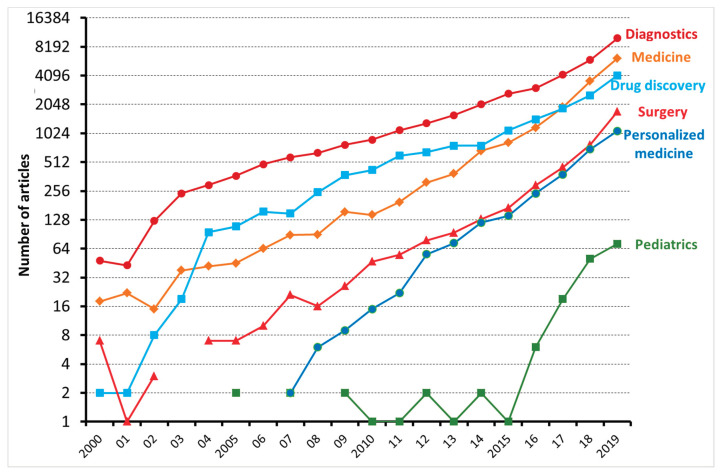
“Even if ML algorithms are used in many areas, positive results have been obtained by using ML algorithms in the field of healthcare, generally in medical subjects such as diagnosis, drug development, and treatment [20].”
BackgroundSwagatika, S., Paul, J. C., Sahoo, B. B., Gupta, S. K., & Singh, P. K. (2023) · Journal of Water and Climate Change · doi:10.2166/wcc.2023.487 · Cited by 52
Wang, Y., Liu, S., Spiteri, A. G., Huynh, A. L. H., Chu, C., Masters, C. L., Goudey, B., Pan, Y., & Jin, L. (2024) · Alzheimer s Research & Therapy · doi:10.1186/s13195-024-01540-6 · Cited by 61
Ardila, C. M., González‐Arroyave, D., & Tobón, S. (2025) · PLoS ONE · doi:10.1371/journal.pone.0319460 · Cited by 57
“Unlike traditional statistical methods, ML does not depend on fulfilling specific assumptions, which are often not met or assessed in medical research [46].”
Ardila, C. M., Yadalam, P. K., & González‐Arroyave, D. (2024) · PeerJ · doi:10.7717/peerj.18213 · Cited by 54
“Dissimilar to conventional statistical approaches, ML does not rely on specific assumptions, which are frequently overlooked or critically examined in clinical information ( Rajula et al., 2020 ).”
BackgroundData-Driven Prediction of Contract Failure of Public-Private Partnership Projects
Wang, Y., Shao, Z., & Tiong, R. L. K. (2021) · Journal of Construction Engineering and Management · doi:10.1061/(asce)co.1943-7862.0002124 · Cited by 40
Leme, D. E. D. C., & de Oliveira, C. M. (2023) · The Journals of Gerontology Series A · doi:10.1093/gerona/glad127 · Cited by 51
“ML has become an important tool for identifying people with health vulnerabilities and can be used to help choose prevention and treat-ment strategies (6).”
MethodFittipaldi, S., Legaz, A., Maito, M., Hernandez, H., Altschuler, F., Canziani, V., Moguilner, S., Gillan, C. M., Castillo, J., Lillo, P., et al. (2024) · Nature Mental Health · doi:10.1038/s44220-023-00164-3 · Cited by 36
“This procedure allowed us to automatically rank predictors based on their contribution to the model’s prediction accuracy without assuming a priori theoretical importance, which is required when classical statistical methods are applied 93 .”
InfluentialNakajo, M., Jinguji, M., Tani, A., Kikuno, H., Hirahara, D., Togami, S., Kobayashi, H., & Yoshiura, T. (2021) · Molecular Imaging and Biology · doi:10.1007/s11307-021-01599-9 · Cited by 41
Low, J. S. Y., Thevarajah, T. M., Chang, S., & Khor, S. M. (2023) · Sensors and Actuators B Chemical · doi:10.1016/j.snb.2023.134403 · Cited by 40
A Machine Learning Approach for Early Diagnosis of Cognitive Impairment Using Population-Based Data
Tan, W. Y., Hargreaves, C. A., Chen, C., & Hilal, S. (2022) · Journal of Alzheimer s Disease · doi:10.3233/jad-220776 · Cited by 42
“Additionally, ML model can also address interactions, which are diffi-cult to investigate with traditional statistical methods [55].”
MethodOsteoporosis screening using machine learning and electromagnetic waves
Albuquerque, G. A., Carvalho, D. D. A., Cruz, A. S., Santos, J. P. Q., Machado, G. M., Sánchez-Gendriz, I., Fernandes, F. R. D. S., Barbalho, I. M. P., dos Santos, M. M., Teixeira, C., et al. (2023) · Scientific Reports · doi:10.1038/s41598-023-40104-w · Cited by 36
“Unlike traditional statistical methods that rely on inferring relationships between variables, machine learning is able to make predictions about the status of a patient (e.g., sick or healthy) based on other information from that patient 19 .”
BackgroundAn osteoarthritis pathophysiological continuum revealed by molecular biomarkers
Kraus, V. B., Sun, S., Reed, A., Soderblom, E. J., Moseley, M. A., Zhou, K., Jain, V., Arden, N., & Li, Y. (2024) · Science Advances · doi:10.1126/sciadv.adj6814 · Cited by 36
“…they are focused on making predictions as accurate as possible although this predictive power may come at the expense of other factors (overfitting, as one limitation) that can affect accuracy, while traditional statistical models are aimed at inferring relationships be-tween variables ( 52 ).”
BackgroundThe challenges of using machine learning models in psychiatric research and clinical practice
Ostojic, D., Lalousis, P. A., Donohoe, G. J., & Morris, D. W. (2024) · European Neuropsychopharmacology · doi:10.1016/j.euroneuro.2024.08.005 · Cited by 51
“ML models, on the other hand, can examine a large number of potential predictors; thus, avoiding an a priori selection beforehand (Rajula et al., 2020).”
BackgroundUsing machine learning techniques to predict antimicrobial resistance in stone disease patients
Tzelves, L. I., Lazarou, L. C., Feretzakis, G., Kalles, D., Mourmouris, P., Loupelis, E., Basourakos, S. P., Berdempes, M. V., Manolitsis, I. S., Mitsogiannis, I. C., et al. (2022) · World Journal of Urology · doi:10.1007/s00345-022-04043-x · Cited by 41
“In contrast with conventional statistical methods, ML does not need the fulfillment of specific assumptions, which are commonly nor met or tested in medical literature [19].”
ResultDiagnosis of Parkinson’s disease based on voice signals using SHAP and hard voting ensemble method
Ghaheri, P., Nasiri, H., Shateri, A., & Homafar, A. (2023) · Computer Methods in Biomechanics & Biomedical Engineering · doi:10.1080/10255842.2023.2263125 · Cited by 45
“Machine Learning (ML), a subfield of artificial intelligence, is gaining traction in the medical field due to its potential to improve the course of treatment for patients with chronic diseases (Rajula et al. 2020).”
Dhillon, S. K., Ganggayah, M. D., Sinnadurai, S., Lió, P., & Taib, N. A. M. (2022) · Diagnostics · doi:10.3390/diagnostics12102526 · Cited by 50
“The conventional statistical approach gives more priority to the type of dataset, for example, those including a cohort study, which follow a specific hypothesis [35].”
BackgroundTechnology acceptance prediction of robo-advisors by machine learning
Chung, D., Jeong, P., Kwon, D., & Han, H. (2023) · Intelligent Systems with Applications · doi:10.1016/j.iswa.2023.200197 · Cited by 46
Park, S. W., Yeo, N. Y., Kang, S., Ha, T., Kim, T. Y., Lee, D., Kim, D., Choi, S., Kim, M., Lee, D., et al. (2024) · Journal of Korean Medical Science · doi:10.3346/jkms.2024.39.e53 · Cited by 38
Applications of artificial intelligence in urologic oncology
Pak, S., Park, S. G., Park, J., Cho, S. T., Lee, Y. G., & Ahn, H. (2024) · Korean journal of urology · doi:10.4111/icu.20230435 · Cited by 47
Mirjalili, S. R., Soltani, S., Meybodi, Z. H., Marques-Vidal, P. M., Firouzabadi, D. D., Eshraghi, R., Restrepo, D. S., Ghoshouni, H., & Sarebanhassanabadi, M. (2024) · Cardiovascular Diabetology · doi:10.1186/s12933-024-02306-y · Cited by 38
“Previous research has indicated that the complementation of conventional statistical techniques and machine learning is the optimum strategy to guide to generalizable and significant findings [57].”
BackgroundMethodOrhan, F., & Kurutkan, M. N. (2025) · BMC Health Services Research · doi:10.1186/s12913-025-12502-5 · Cited by 53
“Unlike traditional statistical methods, ML algorithms are data-driven and independent of predefined assumptions [22].”
Munda, M., & Velnar, T. (2024) · Biomolecules and Biomedicine · doi:10.17305/bb.2023.9518 · Cited by 37
Bernal, L., Rastelli, G., & Pinzi, L. (2025) · Journal of Chemical Information and Modeling · doi:10.1021/acs.jcim.5c02015 · Cited by 47
Güldoğan, E., Yağın, F. H., Pınar, A., Çolak, C., Kadry, S., & Kim, J. (2023) · Scientific Reports · doi:10.1038/s41598-023-49673-2 · Cited by 38
Hailemariam, S., Seboka, B. T., & Sisay, D. (2024) · PLoS ONE · doi:10.1371/journal.pone.0300172 · Cited by 30
Soft computing techniques for biomedical data analysis: open issues and challenges
Houssein, E. H., Hosney, M. E., Emam, M. M., Younis, E. M. G., Ali, A. A., & Mohamed, W. M. (2023) · Artificial Intelligence Review · doi:10.1007/s10462-023-10585-2 · Cited by 40
Madanchian, M. (2024) · Systems · doi:10.3390/systems12100415 · Cited by 67
Combination of machine learning algorithms and Resnet50 for Arabic Handwritten Classification
Khudeyer, R. S., & Al-Moosawi, N. M. A.-M. M. (2023) · Informatica · doi:10.31449/inf.v46i9.4375 · Cited by 32
Use of Machine Learning in Stroke Rehabilitation: A Narrative Review
Choo, Y. J., & Chang, M. C. (2022) · Brain & Neurorehabilitation · doi:10.12786/bn.2022.15.e26 · Cited by 39
“The widely recognized advantages of machine learning include its ability to identify interactions between several variables and detect useful information in time-series, clinical, and imaging data [8].”
BackgroundTran, N. L., Kim, H., Shin, C.-H., Ko, E., & Oh, S. J. (2023) · Cancer Cell International · doi:10.1186/s12935-023-03176-2 · Cited by 32
Tan, Y. G., Fang, H. S. A., Lim, K. S., Khalid, F., Chen, K. S.-M., Ho, H. S. S., Yuen, J. S. P., Huang, H. H., & Tay, K. J. (2021) · The Prostate · doi:10.1002/pros.24272 · Cited by 27
“Instead, ML algorithms, free from a priori assumptions, can benefit from large datasets by training and deep learning to understand the intricate interactions of variables and constantly improve their predictions.(27) Finally, unlike regression analyses, AI has the potential to incorporate complex nonstatistical datas…”
MethodMachine Learning Approach to Model Physical Fatigue during Incremental Exercise among Firefighters
Bustos, D., Cardoso, F., Rios, M. J., Vaz, M. A. P., Guedes, J. C., Costa, J. T., Baptista, J. S., & Fernandes, R. J. (2022) · Sensors · doi:10.3390/s23010194 · Cited by 40
“adjust their parameters based on these examples [47].”
BackgroundPredicting Alzheimer's disease CSF core biomarkers: a multimodal Machine Learning approach
Gaeta, A. M., Quijada-López, M., Barbé, F., Vaca, R., Pujol, M., Mínguez, O., Sánchez‐de‐la‐Torre, M., Muñoz‐Barrutia, A., & Piñol‐Ripoll, G. (2024) · Frontiers in Aging Neuroscience · doi:10.3389/fnagi.2024.1369545 · Cited by 33
El-Rashidy, N. M., Sedik, A., Siam, A. I., & Ali, Z. H. (2023) · Neural Computing and Applications · doi:10.1007/s00521-023-08258-w · Cited by 28
“The utilization of ML in medicine has witnessed an explosion in numerous medical applications [19–22], including automated diagnosis, classification of disease severity, development of new therapies [23], analysis of medical record [24] and improving the quality of medical”
BackgroundOei, C. W., Chan, Y. M., Zhang, X., Leo, K. H., Yong, E., Chong, L. R. C., Hong, Q., Zhang, L., Pan, Y., Tan, G. W. L., et al. (2024) · Journal of Diabetes Science and Technology · doi:10.1177/19322968241228606 · Cited by 31
Machine learning in asthma research: moving toward a more integrated approach
Fontanella, S., Cucco, A., & Čustović, A. (2021) · Expert Review of Respiratory Medicine · doi:10.1080/17476348.2021.1894133 · Cited by 26
“integrated, understood, and analyzed [51].”
Predictors of suicide ideation among South Korean adolescents: A machine learning approach
Donnelly, H. K., Han, Y., Kim, S.-A., & Lee, D. H. (2023) · Journal of Affective Disorders · doi:10.1016/j.jad.2023.02.079 · Cited by 28
Dig information of nanogenerators by machine learning
Zhang, J., Yu, Y., Zhang, L., Chen, J., Wang, X., & Wang, X. (2023) · Nano Energy · doi:10.1016/j.nanoen.2023.108656 · Cited by 28
Zaki, M. T., Rowles, L. S., Adjeroh, D., & Orner, K. D. (2023) · ACS ES&T Engineering · doi:10.1021/acsestengg.3c00043 · Cited by 30
Chen, Y., Lin, K., Li, Y.-C., & Lin, C.-J. (2023) · Journal of NeuroEngineering and Rehabilitation · doi:10.1186/s12984-023-01151-6 · Cited by 24
“The advantages of ML include its ability to take a large amount of features at once, to conduct multidimensional data analyses, and to learn from the data without substantial a priori knowledge about the features [2].”
BackgroundMaknuna, L., Kim, H., Lee, Y., Choi, Y.-H., Kim, H., Yi, M., & Kang, H. (2022) · Diagnostics · doi:10.3390/diagnostics12020534 · Cited by 22
“, speed, automation, and accuracy) and provide reliable results from iterative calculations, making machine learning analysis more effective than conventional methods (Figure 1) [23].”
Explainable ensemble learning model improves identification of candidates for oral cancer screening
Adeoye, J., Zheng, L. W., Thomson, P. J., Choi, S. W., & Su, Y. (2022) · Oral Oncology · doi:10.1016/j.oraloncology.2022.106278 · Cited by 27
Artificial Intelligence in the Differential Diagnosis of Cardiomyopathy Phenotypes
Cau, R., Pisu, F., Suri, J. S., Montisci, R., Gatti, M., Mannelli, L., Gong, X., & Saba, L. (2024) · Diagnostics · doi:10.3390/diagnostics14020156 · Cited by 29
“AI algorithms exhibit the capacity to manage larger and more intricate datasets in comparison with traditional medical models, and do not require the pre-specification of predictors or interactions, thereby facilitating the identification of novel relationships [89,90].”
BackgroundCama-Olivares, A., Braun, C. G., Takeuchi, T., O’Hagan, E. C., Kaiser, K. A., Ghazi, L., Chen, J., Forni, L. G., Kane‐Gill, S. L., Ostermann, M., et al. (2025) · Journal of the American Society of Nephrology · doi:10.1681/asn.0000000702 · Cited by 31
The Role of Artificial Intelligence in Biomaterials Science: A Review
Martelli, A., Bellucci, D., & Cannillo, V. (2025) · Polymers · doi:10.3390/polym17192668 · Cited by 24
Machine learning for antidepressant treatment selection in depression
Arnold, P. I. M., Janzing, J., & Hommersom, A. (2024) · Drug Discovery Today · doi:10.1016/j.drudis.2024.104068 · Cited by 28
Smith, H., Sweeting, M. J., Morris, T. P., & Crowther, M. J. (2022) · Diagnostic and Prognostic Research · doi:10.1186/s41512-022-00124-y · Cited by 31
“Machine learning methods are becoming increasingly popular within the medical field, in areas such as diagnostics, prognostics and drug discovery [9].”
BackgroundAutomated machine learning (AutoML) can predict 90-day mortality after gastrectomy for cancer
SenthilKumar, G., Madhusudhana, S., Flitcroft, M. A., Sheriff, S. A., Thalji, S. Z., Merrill, J., Clarke, C. N., Maduekwe, U. N., Tsai, S., Christians, K. K., et al. (2023) · Scientific Reports · doi:10.1038/s41598-023-37396-3 · Cited by 22
Internet of robotic things for independent living: Critical analysis and future directions
Sandhu, M. M., Silvera‐Tawil, D., Borges, P., Zhang, Q., & Kusý, B. (2024) · Internet of Things · doi:10.1016/j.iot.2024.101120 · Cited by 31
Cox, M., Panagides, J. C., Tabari, A., Kalva, S. P., Kalpathy–Cramer, J., & Daye, D. (2022) · PLoS ONE · doi:10.1371/journal.pone.0277507 · Cited by 24
“Machine learning has the potential to improve upon these methods by finding generalizable predictive patterns in the data without being constrained by limitations of statistical methods such as a priori assumptions and difficulty addressing interactions [15,16].”
BackgroundValidated risk prediction models for outcomes of acute kidney injury: a systematic review
Haredasht, F. N., Vanhoutte, L., Vens, C., Pottel, H., Viaene, L., & Corte, W. D. (2023) · BMC Nephrology · doi:10.1186/s12882-023-03150-0 · Cited by 26
McLeish, E., Slater, N., Mastaglia, F. L., Needham, M., & Coudert, J. D. (2023) · Briefings in Bioinformatics · doi:10.1093/bib/bbad514 · Cited by 28
Ali, N. S., Hanif, N., Khan, H. A., Waseem, M., Saeed, A., Zakir, S., Khan, A., Aamir, M., Ali, A., Ali, A., et al. (2025) · Discover Applied Sciences · doi:10.1007/s42452-025-06991-6 · Cited by 39
“In this cooperative ecosystem, for drug discovery applications, DL algorithms are optimized and create specialized knowledge offered by computer scientists, including molecular creation and predictive modeling [60].”
Machine learning applications in healthcare clinical practice and research
Arkoudis, N., & Papadakos, S. P. (2024) · World Journal of Clinical Cases · doi:10.12998/wjcc.v13.i1.99744 · Cited by 23
Shapiro, M. R., Tallon, E. M., Brown, M. E., Posgai, A. L., Clements, M. A., & Brusko, T. M. (2024) · Diabetologia · doi:10.1007/s00125-024-06339-6 · Cited by 24
A Review of the Applications, Benefits, and Challenges of Generative AI for Sustainable Toxicology
Alam, F., Alnazzawi, T. S. M., Mehmood, R., & Almaghthawi, A. (2025) · Current Research in Toxicology · doi:10.1016/j.crtox.2025.100232 · Cited by 28
“On the other side, well-developed statistical and conventional machine learning-based methods are available today to analyze structured data in healthcare (Rajula et al., 2020).”
Braig, M., & Zeiler, P. (2022) · IEEE Access · doi:10.1109/access.2022.3233220 · Cited by 24
“and machine learning methods in relation to the amount of data can be found, for example, in [31], [32], and [33].”
BackgroundPrediction of acute organophosphate poisoning severity using machine learning techniques
Hosseini, S. M., Rahimi, M., Afrash, M. R., ZIAEEFAR, P., Yousefzadeh, P., Pashapour, S., Evini, P. E. T., Mostafazadeh, B., & Shadnia, S. (2023) · Toxicology · doi:10.1016/j.tox.2023.153431 · Cited by 29
Benefo, E. O., Karanth, S., & Pradhan, A. K. (2023) · Food Research International · doi:10.1016/j.foodres.2023.113635 · Cited by 23
Sobkowich, K. E. (2025) · American Journal of Veterinary Research · doi:10.2460/ajvr.24.09.0275 · Cited by 26
Liu, Q., Salanti, G., Crescenzo, F. D., Ostinelli, E. G., Li, Z., Tomlinson, A., Cipriani, A., & Efthimiou, O. (2022) · BMC Psychiatry · doi:10.1186/s12888-022-03986-0 · Cited by 24
“Recently, however, there has been a call for an integration of the two approaches, so that they can complement rather than antagonize each other [49].”
BackgroundXu, Z., Li, Y., Yu, H., & Guo, L. (2022) · Frontiers in Oncology · doi:10.3389/fonc.2022.905222 · Cited by 19
Edo, O. C., Etu, E.-E., Tenebe, I. T., Oladele, O. S., Edo, S., Diekola, O. A., & Emakhu, J. (2023) · Cogent Business & Management · doi:10.1080/23311975.2023.2242985 · Cited by 32
“Standard parametric statistics follow a clear set of rules and patterns with fixed conditions (Bishop, 2007), whereas ML eliminates sets of rules that are often constrained (Hastie et al., 2016; Rajula et al., 2020), enabling the identification of subtle patterns and features in training data.”
Allan, S., Olaiya, R., & Burhan, R. (2021) · Postgraduate Medical Journal · doi:10.1136/postgradmedj-2020-139352 · Cited by 23
Metadata
- Authors
- Rajula, H. S. R., Verlato, G., Manchia, M., Antonucci, N., & Fanos, V.
- Affiliations
- University of Cagliari (IT)
- University of Verona (IT)
- Dalhousie University (CA)
- Corresponding author
- Manchia, Mirko
- Venue
- Medicina
- Publisher
- MDPI AG
- Published
- 2020-09-08
- Volume
- 56
- Issue
- 9
- Pages
- 455
- ISSN
- 1010-660X (ISSN-L)
- 1648-9144
- PMC
- PMC7560135
- OpenAlex
- W3084378266
- Cited by
- 606
- References
- 43
- Citations by year
- 2026: 86 · 2025: 185 · 2024: 151 · 2023: 93 · 2022: 62 · 2021: 29
- FWCI
- 7.03
- Type
- journal article
- Language
- en
- Open access
- gold
- dx.doi.org
- Licence
- Locations
- Medicina (publishedVersion, cc-by)
- PubMed Central (publishedVersion, cc-by)
- PubMed (publishedVersion)
- UNICA IRIS Institutional Research Information System (University of Cagliari) (submittedVersion, public-domain)
- DOAJ (DOAJ: Directory of Open Access Journals) (submittedVersion, cc-by-sa)
- DOAJ (DOAJ: Directory of Open Access Journals) (submittedVersion)
- Funders
- Horizon 2020 (721567)
- Topics
- Health Sciences › Health Professions › Health Information Management › Artificial Intelligence in Healthcare
- Physical Sciences › Computer Science › Artificial Intelligence › Machine Learning in Healthcare
- Health Sciences › Medicine › Health Informatics › Artificial Intelligence in Healthcare and Education
- Keywords
- machine learning, diagnosis, drug development, personalized treatment, survival prediction, patient-reported outcomes, treatment response prediction, omics data, radiographic diagnosis, big data in healthcare
- MeSH terms
- Machine Learning, Drug Development, Humans, Models, Statistical
About these checks
Registry, retraction, Cites and statistics results are computed, not judged, with one exception: a printed reference that no index lists is read once by a model before it counts as a citation error. Claims are extracted by a model and kept only when their quote appears verbatim in the text; each cited source is then checked, with a model’s help, for whether it says what the claim relies on. Those verdicts can be wrong — read the claim’s quote and the cited source before relying on one.
Statistics and arithmetic are recomputed, not judged.
Confidence bands are shown only for fields calibrated on our annotated test set. None is calibrated yet, so no band is shown.
What counts as a claim ›How we measure confidence ›How we check this ›
Are you an author, or do you see a problem with this page? Request a review
Data sources
Bibliographic data: Semantic Scholar, OpenAlex, Crossref.
Contains information from the Semantic Scholar Academic Graph Datasets, made available under the ODC Attribution License (ODC-BY 1.0).
Semantic Scholar’s data is described in: Kinney, R., et al. (2023). The Semantic Scholar Open Data Platform. arXiv:2301.10140.
