

Comparison of Conventional Statistical Methods with Machine Learning in Medicine: Diagnosis, Drug Development, and Treatment.
Open accessThe DOI matches its Crossref record; 45 of the 45 references it cites were found in a registry or an index.
Abstract
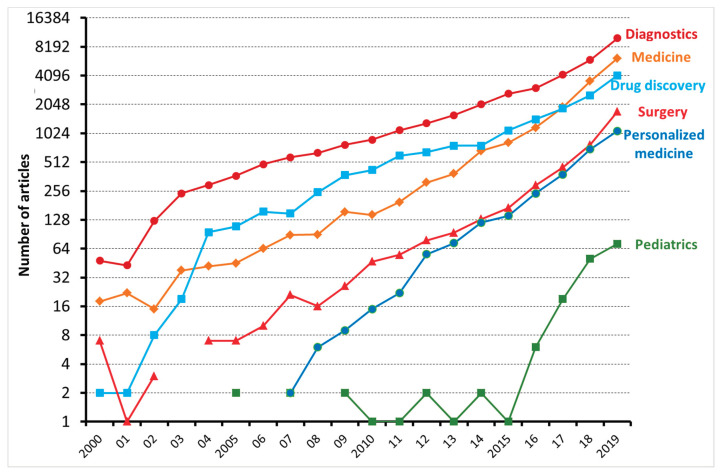
Futurists have anticipated that novel autonomous technologies, embedded with machine learning (ML), will substantially influence healthcare. ML is focused on making predictions as accurate as possible, while traditional statistical models are aimed at inferring relationships between variables. The benefits of ML comprise flexibility and scalability compared with conventional statistical approaches, which makes it deployable for several tasks, such as diagnosis and classification, and survival predictions. However, much of ML-based analysis remains scattered, lacking a cohesive structure. There is a need to evaluate and compare the performance of well-developed conventional statistical methods and ML on patient outcomes, such as survival, response to treatment, and patient-reported outcomes (PROs). In this article, we compare the usefulness and limitations of traditional statistical methods and ML, when applied to the medical field. Traditional statistical methods seem to be more useful when the number of cases largely exceeds the number of variables under study and a priori knowledge on the topic under study is substantial such as in public health. ML could be more suited in highly innovative fields with a huge bulk of data, such as omics, radiodiagnostics, drug development, and personalized treatment. Integration of the two approaches should be preferred over a unidirectional choice of either approach.
Overview
The claims and statistics of this paper haven’t been checked yet.
Free: it reads the open-access text and checks the first 5 claims that cite a source we can check. Create a free account to check every claim.
Integrity signals
Registry
Cites
Statistics
Figures
Verification
Claims the paper makes
The claims and statistics of this paper haven’t been checked yet.
Free: it reads the open-access text and checks the first 5 claims that cite a source we can check. Create a free account to check every claim.
Claims other papers make about this one
Each is checked against this paper’s own text: does it say what the citing paper says it does?
The source backs part of the claim, not all of it — or backs it for a different population, condition or comparison.
In the citing paper
“In the healthcare domain, medical AI and ML models have demonstrated the potential to improve patient outcomes, reduce cost burdens, accelerate clinical trials, and revolutionize the way we diagnose, treat, and prevent disease [26,28–31].”
From Bias in medical AI: Implications for clinical decision-making (2024) · cites this paper as [28]
Experimental — accuracy not yet measuredThe source backs part of the claim, not all of it — or backs it for a different population, condition or comparison.
In the citing paper
“This suggests that conventional statistical methods (eg, correlation or LMM) may not depict the complex nonlinear relationship between digital biomarkers and depression, and indeed more powerful methods such as ML models (eg, XGB) are needed to make better predictions [90].”
From Predicting Depression From Smartphone Behavioral Markers Using Machine Learning Methods, Hyperparameter Optimization, and Feature Importance Analysis: Exploratory Study (2021) · cites this paper as [90]
Experimental — accuracy not yet measured
Self-check
Percentages, sums and reported differences re-computed from the paper’s own numbers.
The self-check needs the paper’s full text.
Citations
Cites
LeCun, Y., Bengio, Y., & Hinton, G. (2015) · Nature · doi:10.1038/nature14539 · Cited by 84,126
Dermatologist-level classification of skin cancer with deep neural networks
Esteva, A., Kuprel, B., Novoa, R. A., Ko, J., Swetter, S. M., Blau, H. M., & Thrun, S. (2017) · Nature · doi:10.1038/nature21056 · Cited by 14,362
High-performance medicine: the convergence of human and artificial intelligence
Topol, E. J. (2019) · Nature Medicine · doi:10.1038/s41591-018-0300-7 · Cited by 10,450 · cited 1×
“…to have an impact in medicine at three levels: for clinicians, predominantly via rapid, accurate image interpretation; for patients, by enabling them to process their own data to promote health; and for health systems, by improving workflow and the potential for reducing medical errors [38].”
BackgroundGulshan, V., Peng, L., Coram, M., Stumpe, M. C., Wu, D., Narayanaswamy, A., Venugopalan, S., Widner, K., Madams, T., Cuadros, J., et al. (2016) · JAMA · doi:10.1001/jama.2016.17216 · Cited by 7,697 · cited 1×
“Examples where ML has done well : Gulshan et al. have applied deep learning to build an algorithm-automated detection of diabetic retinopathy and diabetic macular edema in retinal fundus photographs [36].”
BackgroundRajkomar, A., Dean, J., & Kohane, I. (2019) · New England Journal of Medicine · doi:10.1056/nejmra1814259 · Cited by 4,579 · cited 2×
“For instance, digitized slides read by pathologists are rehabilitated to features (pixels of the slides) and labels (e.g., data indicating that a slide comprises evidence of deviations indicating cancer) [9].”
BackgroundEhteshami Bejnordi, B., Veta, M., Johannes van Diest, P., van Ginneken, B., Karssemeijer, N., Litjens, G., van der Laak, J. A. W. M., and the CAMELYON16 Consortium, Hermsen, M., Manson, Q. F., et al. (2017) · JAMA · doi:10.1001/jama.2017.14585 · Cited by 3,293 · cited 1×
“Bejnordi et al. have recently evaluated the performance of automated deep learning algorithms at identifying metastases in hematoxylin and eosin-stained tissue sections of lymph nodes of women with breast cancer and related it with pathologists’ diagnoses in a diagnostic setting [37].”
BackgroundCalibration: the Achilles heel of predictive analytics
On behalf of Topic Group ‘Evaluating diagnostic tests and prediction models’ of the STRATOS initiative, Van Calster, B., McLernon, D. J., van Smeden, M., Wynants, L., & Steyerberg, E. W. (2019) · BMC Medicine · doi:10.1186/s12916-019-1466-7 · Cited by 2,650 · cited 1×
“Possibly much bigger sample sizes are required to gain reliable (calibrated) risk predictions [44] than reliable (diagnostic) classifications.”
BackgroundBig Data and Machine Learning in Health Care
Beam, A. L., & Kohane, I. S. (2018) · JAMA · doi:10.1001/jama.2017.18391 · Cited by 2,506 · cited 1×
“There is no clear line between ML models and traditional statistical models, and a recent article summarizes the relationship between the two [41].”
BackgroundA Deep Learning Approach to Antibiotic Discovery
Stokes, J. M., Yang, K., Swanson, K., Jin, W., Cubillos-Ruiz, A., Donghia, N. M., MacNair, C. R., French, S., Carfrae, L. A., Bloom-Ackermann, Z., et al. (2020) · Cell · doi:10.1016/j.cell.2020.01.021 · Cited by 2,463
Neuroscience-Inspired Artificial Intelligence
Hassabis, D., Kumaran, D., Summerfield, C., & Botvinick, M. (2017) · Neuron · doi:10.1016/j.neuron.2017.06.011 · Cited by 1,557
Research works printed but not linked: 1
- Goodfellow I. Bengio Y. Courville A. Deep Learning MIT Press Cambridge, MA, USA 2016
Cited by
Items 101–200 of 605
Shi, H. W., Li, Z., Zou, Q., & Yang, H. Q. (2025) · Briefings in Bioinformatics · doi:10.1093/bib/bbaf361 · Cited by 19
“Traditional statistical techniques, such as the t-test, analysis of variance (ANOVA), Mann–Whitney U test, Pearson’s correlation coefficient, and Spearman’s rank correlation coefficient, are designed to explore relationships between variables [5].”
Hayat, M. T., Allawi, Y. M., Alamro, W., Sultan, S. M., Abadleh, A., Kang, H., & Zreikat, A. I. (2025) · Diagnostics · doi:10.3390/diagnostics15212673 · Cited by 31
“…playing an increasingly important role in enhancing treatment strategies for chronic conditions, supporting precision medicine, and expediting clinical trials [1,2] and promising significant advances in areas such as diagnostic processes [3–5], prognosis prediction [6–8], and drug discovery [4,5].”
Applications of machine learning to behavioral sciences: focus on categorical data
Dehghan, P., Alashwal, H., & Moustafa, A. A. (2022) · Discover Psychology · doi:10.1007/s44202-022-00027-5 · Cited by 25
Aguirre, U., & Urrechaga, E. (2023) · Clinical Chemistry and Laboratory Medicine (CCLM) · doi:10.1515/cclm-2022-0713 · Cited by 17
Artificial intelligence and digital twins for the personalised prediction of hypertension risk
Naik, A., Nalepa, J., Wijata, A. M., Mahon, J., Mistry, D., Knowles, A. T., Dawson, E. A., Lip, G. Y. H., Olier, I., & Ortega‐Martorell, S. (2025) · Computers in Biology and Medicine · doi:10.1016/j.compbiomed.2025.110718 · Cited by 27
Hašimbegović, E., Papp, L., Grahovac, M., Krajnc, D., Poschner, T., Hasan, W., Andreas, M., Gross, C., Strouhal, A., Delle‐Karth, G., et al. (2021) · Journal of Personalized Medicine · doi:10.3390/jpm11111062 · Cited by 19
“A potential way to harness the advantages of both approaches is using them in combination with one another, which should lead to significant leaps in diagnostic and predictive capabilities in the medical field in the future [56].”
BackgroundClinical Decision Support System Used in Spinal Disorders: Scoping Review
Toh, Z. A., Berg, B., Han, Q., Hey, H. W. D., Pikkarainen, M. A., Grotle, M., & He, H. G. (2024) · Journal of Medical Internet Research · doi:10.2196/53951 · Cited by 21
“Traditional statistical methods for prognostic modeling use simpler computation methods that allow insight into causal effects [67].”
Marullo, G., Ulrich, L., Antonaci, F. G., Audisio, A., Aprato, A., Massè, A., & Vezzetti, E. (2024) · Bone Reports · doi:10.1016/j.bonr.2024.101801 · Cited by 25
Meiseles, A., Paley, D., Ziv, M., et al. (2022) · Computers in Biology and Medicine · doi:10.1016/j.compbiomed.2022.105490 · Cited by 17
Mann, J., Lyons, M., O'Rourke, J., & Davies, S. J. (2025) · Journal of Clinical Anesthesia · doi:10.1016/j.jclinane.2025.111782 · Cited by 26
Nguyen‐Hoang, L., Sahota, D. S., Pooh, R. K., Duan, H., Chaiyasit, N., Sekizawa, A., Shaw, S. W., Seshadri, S., Choolani, M. A., Yapan, P., et al. (2024) · International Journal of Gynecology & Obstetrics · doi:10.1002/ijgo.15563 · Cited by 19
Zhan, M., Chen, Z., Ding, C.-C., Qu, Q., Wang, G., Liu, S., & Wen, F. (2021) · Leukemia & lymphoma/Leukemia and lymphoma · doi:10.1080/10428194.2021.1913140 · Cited by 16
Development of a Clinical Prediction Model for Anastomotic Leakage in Colorectal Surgery
Ochs, V., Taha‐Mehlitz, S., Lavanchy, J. L., Steinemann, D. C., Müller-Stich, B. P., Rosenberg, R., Flaifel, M., Enodien, B., Frey, D. M., Baltuonis, M., et al. (2025) · JAMA Network Open · doi:10.1001/jamanetworkopen.2025.38267 · Cited by 19
Limon, D., Satish, V., Raghavan, N., Morris, M. X., Muir, M. T., & Rajesh, A. (2025) · The American Surgeon · doi:10.1177/00031348251393934 · Cited by 21
Banoei, M. M., Rafiepoor, H., Zendehdel, K., Seyyedsalehi, M. S., Nahvijou, A., Allameh, F. S., & Amanpour, S. (2023) · Frontiers in Medicine · doi:10.3389/fmed.2023.1170331 · Cited by 15
Brain imaging signatures of neuropathic facial pain derived by artificial intelligence
Latypov, T. H., So, M., Hung, P. S.-P., Tsai, P., Walker, M. R., Tohyama, S., Tawfik, M., Rudzicz, F., & Hodaie, M. (2023) · Scientific Reports · doi:10.1038/s41598-023-37034-y · Cited by 17
“In addition, AI can provide complementary insight when combined with conventional statistics—this has been demonstrated in the current study as well as in previous reports, summarized by Rajula et al. 34 .”
ResultHe, W., Fu, X., & Chen, S. (2023) · Journal of Translational Medicine · doi:10.1186/s12967-023-04487-8 · Cited by 21
Fear of falling in community-dwelling older adults: What their gait acceleration pattern reveals
Suri, A., Hubbard, Z. L., VanSwearingen, J. M., Torres‐Oviedo, G., Brach, J. S., Redfern, M. S., Sejdić, E., & Rosso, A. L. (2023) · Computer Methods and Programs in Biomedicine · doi:10.1016/j.cmpb.2023.108001 · Cited by 17
Design of risk prediction model for esophageal cancer based on machine learning approach
Nopour, R. (2024) · Heliyon · doi:10.1016/j.heliyon.2024.e24797 · Cited by 16
“Also, considering the high-volume data and various data types that exist in the medical field, such as image data, the ML approach obtained more predictive competency than statistical predictive approaches [33,34].”
Yimer, A., Yesuf, H. A., Ahmed, S., et al. (2025) · BMC Pediatrics · doi:10.1186/s12887-025-05659-9 · Cited by 15
Thongpeth, W., Lim, A., Wongpairin, A., Thongpeth, T., & Chaimontree, S. (2021) · Informatics in Medicine Unlocked · doi:10.1016/j.imu.2021.100769 · Cited by 21
Gul, S., Ayturan, K., & Hardalaç, F. (2024) · Journal of Personalized Medicine · doi:10.3390/jpm14080804 · Cited by 15
“ML techniques have several advantages over conventional statistical methods, such as the ability to handle high-dimensional and nonlinear data, discover complex patterns and interactions, and improve accuracy and generalization [3–5].”
BackgroundAlazwari, A., Abdollahian, M., Tafakori, L., Johnstone, A., Alshumrani, R. A., AlHelal, M., Alsaheel, A. Y., Almoosa, E. S., & Alkhaldi, A. R. (2022) · PLoS ONE · doi:10.1371/journal.pone.0264118 · Cited by 15
Kazapoe, R. W., Sagoe, S. D., & Abu, M. (2024) · Discover Water · doi:10.1007/s43832-024-00104-x · Cited by 16
Machine learning for brain-stroke prediction: comparative analysis and evaluation
Bhowmick, R., Mishra, S. R., Tiwary, S., et al. (2024) · Multimedia Tools and Applications · doi:10.1007/s11042-024-20057-6 · Cited by 14
Brain Network Dynamics and Multiscale Modeling of Neurodegenerative Disorders: A Review
Shaheen, H., & Melnik, R. (2025) · IEEE Access · doi:10.1109/access.2025.3542634 · Cited by 25
Oei, R. W., Lyu, Y., Ye, L., Kong, F., Du, C., Zhai, R., Xu, T., Shen, C., He, X., Kong, L., et al. (2021) · Journal of Personalized Medicine · doi:10.3390/jpm11080787 · Cited by 15
“The exclusion criteria included: (1) history of neck dissection prior to chemoradiotherapy; (2) history of irradiation to head and neck; (3) incomplete chemoradiotherapy.”
BackgroundMethodDrigny, J., Rolland, M., & Gauthier, A. (2025) · Muscles · doi:10.3390/muscles4010003 · Cited by 20
“…intelligence and machine learning methods, future studies should investigate the role of proprioception and its influence on functional symmetry, exploring patterns and regularities in this area, particularly in the contexts of physical and rehabilitation medicine and sports sciences [49,50].”
Suriyaamporn, P., Kansom, T., Pamornpathomkul, B., Ngawhirunpat, T., Opanasopit, P., & Ramjan, S. (2025) · International Journal of Pharmaceutics · doi:10.1016/j.ijpharm.2025.126080 · Cited by 18
Wearable AI for on-device frailty assessment
Kasper, K. A., Thien, R., Stuart, T., Kim, J., Bhatia, A., & Gutruf, P. (2025) · Nature Communications · doi:10.1038/s41467-025-67728-y · Cited by 21
“…assessment, such as examining stance time, step length, or frequency component analysis 11 , are dif fi cult to automate and tailor to individuals 12,13 , these large datasets provide a strong use case for machine learning (ML)-based data analysis, which can rapidly and accurately identify features…”
Chen, Y.-W., Li, Y.-C., Huang, C., Lin, C.-J., Tien, C.-J., Chen, W., Chen, C., & Lin, K. (2023) · International Journal of Environmental Research and Public Health · doi:10.3390/ijerph20054123 · Cited by 13
“Unlike traditional statistics, machine learning uses multidimensional linear and nonlinear methods to find patterns in the data [24], striving to achieve as high an accuracy as possible.”
MethodTsai, M., Jhou, M.-J., Liu, T.-C., Fang, Y., & Lu, C.-J. (2023) · Frontiers in Medicine · doi:10.3389/fmed.2023.1155426 · Cited by 16
Ghadban, Y. A., Du, Y., Charnock‐Jones, D. S., Garmire, L. X., Smith, G. C. S., & Sovio, U. (2023) · BJOG An International Journal of Obstetrics & Gynaecology · doi:10.1111/1471-0528.17723 · Cited by 16
“27,28 However, according to a recent systematic review, the methodological quality (e.g. small sample size and selection of predictors based on univariable analysis) and reporting of machine learning-based prediction models for PTB have generally been poor.”
BackgroundAghababa, M. P., & Andrysek, J. (2024) · PLoS ONE · doi:10.1371/journal.pone.0300447 · Cited by 15
Using Transfer Learning and XGBoost for Early Detection of Fires in Offshore Wind Turbine Units
Wan, A., Du, C., Gong, W., et al. (2024) · Energies · doi:10.3390/en17102330 · Cited by 13
Prediction based on machine learning of tooth sensitivity for in-office dental bleaching
Favoreto, M. W., Matos, T. D. P., da Cruz, K. R., Ferraz, A. X., Carneiro, T. D. S., Reis, A., Loguércio, A. D., & de Araújo, C. M. (2024) · Journal of Dentistry · doi:10.1016/j.jdent.2024.105517 · Cited by 13
Nakajo, M., Jinguji, M., Tani, A., Hirahara, D., Nagano, H., Takumi, K., & Yoshiura, T. (2021) · Abdominal Radiology · doi:10.1007/s00261-021-02985-1 · Cited by 13
“Rajula et al. [36] reviewed the difference between machine learning and conventional statistical method in healthcare, and reported that one main difference between machine learning and conventional statistical method lies in their purposes, and machine learning is focused on making predictions as…”
BackgroundAbuabara, A., do Nascimento, T. V. P. M., da Cruz, K. R., et al. (2025) · Forensic Science Medicine and Pathology · doi:10.1007/s12024-025-01042-3 · Cited by 12
Sani, J., Halane, S. A., Ahmed, A. M., & Ahmed, M. M. (2025) · Scientific Reports · doi:10.1038/s41598-025-04704-y · Cited by 16
“Previous studies have predominantly focused on individual demographic and socioeconomic determinants using these methods, which, while useful, often fail to capture complex, nonlinear relationships and interactions between multiple predictors 7,8 .”
Yanagawa, R., Iwadoh, K., Nakayama, T., Firl, D. J., Wehrle, C. J., Bekki, Y., Soma, D., Kusakabe, J., Sambommatsu, Y., Endo, Y., et al. (2025) · The Lancet Digital Health · doi:10.1016/j.landig.2025.100918 · Cited by 16
Nowinka, Z., Alagha, M. A., Mahmoud, K., & Jones, G. G. (2022) · JMIR Formative Research · doi:10.2196/36130 · Cited by 14
“The ability of ML algorithms to handle large data sets, and evaluate complex and nonlinear relationships between variables theoretically makes them better suited for predictive tasks than standard statistical methods [23,24].”
BackgroundRawal, A., Kidchob, C., Ou, J., Yogurtcu, O. N., Yang, H., & Sauna, Z. E. (2023) · Heliyon · doi:10.1016/j.heliyon.2023.e16331 · Cited by 14
“For prediction of inhibitor development, classification models are suitable as they can make binary classification predictions based on the datasets [13].”
BackgroundMethodLove, C. S. (2023) · The Linacre Quarterly · doi:10.1177/00243639231162431 · Cited by 16
“Oncological radiology can bene fi t from ROC curves by evaluating the radiographic appearance of a tumor to assess its malignancy (Rajula et al. 2020, 1 – 10).”
BackgroundHwang, U., Kwon, O.-Y., Kim, J., & Yang, S. (2024) · Musculoskeletal Science and Practice · doi:10.1016/j.msksp.2024.102945 · Cited by 12
Application of machine learning approaches for predicting hemophilia A severity
Rawal, A., Kidchob, C., Ou, J., & Sauna, Z. E. (2024) · Journal of Thrombosis and Haemostasis · doi:10.1016/j.jtha.2024.04.019 · Cited by 13
Towards the future of bot detection: A comprehensive taxonomical review and challenges on Twitter/X
Javed, D., Jhanjhi, N. Z., Khan, N. A., Ray, S. K., Mazroa, A. A., Ashfaq, F., & Das, S. R. (2024) · Computer Networks · doi:10.1016/j.comnet.2024.110808 · Cited by 27
Wind Power Forecasting Based on WaveNet and Multitask Learning
Wang, H., Chen, P., Liao, B., Cao, X., & Li, S. (2023) · Sustainability · doi:10.3390/su151410816 · Cited by 14
Data Classification Model for COVID-19 Pandemic
Folorunso, S. O., Awotunde, J. B., Adeboye, N. O., & Matiluko, O. E. (2021) · Studies in systems, decision and control · doi:10.1007/978-3-030-77302-1_6 · Cited by 18
Registries, Databases and Repositories for Developing Artificial Intelligence in Cancer Care
Wang, J. W., & Williams, M. (2021) · Clinical Oncology · doi:10.1016/j.clon.2021.11.040 · Cited by 12
Outcomes of UK military personnel treated with ice cold water immersion for exertional heat stroke
Wood, F., de Sa, D. R., Pynn, H. J., Smith, J. E., Bishop, J. R. B., & Hemingway, R. (2022) · BMJ Military Health · doi:10.1136/military-2022-002133 · Cited by 14
Buschmeyer, K., Hatfield, S., & Zenner, J. (2023) · Frontiers in Artificial Intelligence · doi:10.3389/frai.2023.1249322 · Cited by 29
“They are often based onmachine-learningmodels, which are more scalable and flexible than traditional statistical models (Rajula et al., 2020), making them appropriate tools for today’s dynamic and complex work environments.”
BackgroundUllah, N., Chou, W. K., Vardanyan, R., Rad, A. A., Shah, V., Torabi, S., AVAVDE, D., Airapetyan, A., Zubarevich, A., Weymann, A., et al. (2023) · Minerva Surgery · doi:10.23736/s2724-5691.23.10130-4 · Cited by 11
Sequence of Simple Digital Technologies for Detection of Platelets in Medical Images
Babker, A. M. A., Suliman, R. S., Elshaikh, R. H., et al. (2024) · Biomedical & Pharmacology Journal · doi:10.13005/bpj/2842 · Cited by 11
Nawrin, S. S., Inada, H., Momma, H., & Nagatomi, R. (2024) · BMC Public Health · doi:10.1186/s12889-024-18759-5 · Cited by 18
Russo, M. J., Elmariah, S., Kaneko, T., Daniels, D. V., Makkar, R. R., Chikermane, S. G., Thompson, C. A., Benuzillo, J. G., Clancy, S., Pawlikowski, A., et al. (2024) · JACC Advances · doi:10.1016/j.jacadv.2024.101116 · Cited by 11
Rawshani, A., Hessulf, F., Deminger, J., Sultanian, P., Gupta, V., Lundgren, P., Mohammed, M., Alchay, M., Siöland, T., Gryska, E. A., et al. (2024) · Resuscitation · doi:10.1016/j.resuscitation.2024.110359 · Cited by 13
Shan, R., Li, X., Chen, J., Chen, Z., Cheng, Y., Han, B., Hu, R.-Z., Huang, J., Kong, G., Liu, H., et al. (2025) · JMIR Cancer · doi:10.2196/66269 · Cited by 12
Carrasco-Ribelles, L. A., Cabrera‐Bean, M., Khalid, S., Roso‐Llorach, A., & Violán, C. (2025) · Journal of Medical Systems · doi:10.1007/s10916-024-02138-z · Cited by 14
“Models based on Artificial Intelligence (AI) are generally capable of handling larger numbers of variables than classical statistical models with which most clinical risk scores have been developed [4, 5].”
Mourmouris, P., Tzelves, L. I., Feretzakis, G., et al. (2021) · Archivio Italiano di Urologia e Andrologia · doi:10.4081/aiua.2021.4.418 · Cited by 11
Anti-Reflective Zeolite Coating for Implantable Bioelectronic Devices
Oliva, G., Bianco, M. G., Fiorillo, A. S., & Pullano, S. A. (2022) · Bioengineering · doi:10.3390/bioengineering9080404 · Cited by 11
Telemedicine Framework in COVID-19 Pandemic
Ali, F. I., Ali, T. E., & Hamad, A. H. (2022) · International Conference on Engineering and Emerging Technologies (ICEET) · doi:10.1109/iceet56468.2022.10007389 · Cited by 14
“[36] ● They give an overview of the AI/ML-based medical devices and algorithms currently on the market that have been approved by the US Food and Drug Administration (FDA) [37] ● They examine the benefits and drawbacks of ML and traditional statistical (TS) systems in the medical profession.”
BackgroundZhuparris, A., de Goede, A. A., Yocarini, I. E., Kraaij, W., Groeneveld, G. J., & Doll, R. J. (2023) · Sensors · doi:10.3390/s23115243 · Cited by 18
“Traditional statistical learning aims to create a statistical model that represents causal inference from a sample, while ML aims to build generalizable predictive models that can be used to make accurate predictions on previously unseen data [10,11].”
Vidiri, A., Marzi, S., Piludu, F., Lucchese, S., Dolcetti, V., Polito, E., Mazzola, F., Marchesi, P., Merenda, E., Sperduti, I., et al. (2023) · Computational and Structural Biotechnology Journal · doi:10.1016/j.csbj.2023.08.020 · Cited by 15
“Statistical analyses used an integrated statistical approach based on conventional statistical tests and machine learning to improve data interpretability and prediction accuracy [31].”
MethodSun, R., Zhao, H., Huang, S., Zhang, R., Lu, Z., Li, S., Wang, G., Aa, J., & Xie, Y. (2021) · Frontiers in Pharmacology · doi:10.3389/fphar.2021.760474 · Cited by 11
The Estimation of the Long-Term Agricultural Output with a Robust Machine Learning Prediction Model
Kuan, C.-H., Leu, Y., Lin, W.-S., et al. (2022) · Agriculture · doi:10.3390/agriculture12081075 · Cited by 11
“Although many models have been successfully applied in agricultural fields, some problems still exist; for example, (a) agricultural output data might not satisfy statistical assumptions [12,13,21,22] because annual agricultural output data are highly volatile; and (b) prediction models have to be frequently retrained…”
BackgroundIdentifying factors that shape whether digital food marketing appeals to children
Valderrama, C. E., Olstad, D. L., Lee, Y. Y., & Lee, J. (2023) · Public Health Nutrition · doi:10.1017/s1368980023000642 · Cited by 12
“Machine learning, by contrast, can handle multiple predictors by using mathematical models that extract patterns from data to map such input predictors to a specific outcome(26,27).”
BackgroundIhalapathirana, A., Chalkou, K., Siirtola, P., Tamminen, S., Chandra, G., Benkert, P., Kühle, J., Salanti, G., & Röning, J. (2023) · Informatics in Medicine Unlocked · doi:10.1016/j.imu.2023.101349 · Cited by 11
Bhak, Y., Ahn, T., Peterson, T. A., Han, H. W., & Nam, S. M. (2024) · Journal of Pain · doi:10.1016/j.jpain.2024.02.011 · Cited by 14
Multi-model assessment of potential natural vegetation to support ecological restoration
Ci, M., Liu, Q., Liu, Y., Jin, Q., Martínez‐Valderrama, J., & Zhao, J. (2024) · Journal of Environmental Management · doi:10.1016/j.jenvman.2024.121934 · Cited by 12
Ovarian cancer data analysis using deep learning: A systematic review
Hira, M. T., Razzaque, M. A., & Sarker, M. H. (2024) · Engineering Applications of Artificial Intelligence · doi:10.1016/j.engappai.2024.109250 · Cited by 30
Sadeghi, M. H., Sina, S., Alavi, M., Giammarile, F., & Yeong, C. H. (2024) · Physical and Engineering Sciences in Medicine · doi:10.1007/s13246-024-01485-y · Cited by 10
“This outcome aligns with discussions on the limitations of traditional statistical methods in face of complex clinical data, as highlighted by Rahnenführer et al. [29] and Rajula et al. [ 30].”
Altmann, S., Ruf, L., Thiem, S., Beckmann, T., Wohak, O., Romeike, C., & Härtel, S. (2024) · Journal of Sports Sciences · doi:10.1080/02640414.2024.2442850 · Cited by 14
Le, N., Han, S., Kenawy, A. S., Kim, Y., & Park, C. (2025) · Cancer Control · doi:10.1177/10732748251332803 · Cited by 11
“89 Our ML models showed a new and higher number of signi fi cant predictors of readmission, providing a better prediction for readmissions in blood cancers.”
Use of machine learning in predicting continuity of HIV treatment in selected Nigerian States
Ijaiya, M., Troncoso, E., Mutloatse, M., Ifeanyi, D., Obasa, G. B., Emerenini, F. C., Voux, L. D., Mnguni, T., Parrott, S., Okwor, E., et al. (2025) · PLOS Global Public Health · doi:10.1371/journal.pgph.0004497 · Cited by 12
The collection, analysis and exploitation of footballer attributes: A systematic review
Wakelam, E., Steuber, V., & Wakelam, J. (2022) · Journal of Sports Analytics · doi:10.3233/jsa-200554 · Cited by 20
Decision Tree Modeling for Osteoporosis Screening in Postmenopausal Thai Women
Makond, B., Pornsawad, P., & Thawnashom, K. (2022) · Informatics · doi:10.3390/informatics9040083 · Cited by 10
Deep-Learning Algorithms for Prescribing Insoles to Patients with Foot Pain
Kim, J. K., Choo, Y. J., Park, I. S., Choi, J., Park, D., & Chang, M. C. (2023) · Applied Sciences · doi:10.3390/app13042208 · Cited by 9
Hammam, N., Bakhiet, A., Latif, E. A. E., El-Gazzar, I. I., Samy, N., Noor, R. A. A., El-Shebeiny, E., El‐Najjar, A. R., Eesa, N. N., Salem, M. N., et al. (2023) · BMC Medical Informatics and Decision Making · doi:10.1186/s12911-023-02130-6 · Cited by 13
Machine Learning Assessment of Spasmodic Dysphonia Based on Acoustical and Perceptual Parameters
Calà, F., Frassineti, L., Manfredi, C., Dejonckere, P. H. O., Messina, F., Barbieri, S., Pignataro, L., & Cantarella, G. (2023) · Bioengineering · doi:10.3390/bioengineering10040426 · Cited by 10
Zhang, Z., & Fidan, I. (2022) · Materials · doi:10.3390/ma15124292 · Cited by 10
“ML has been us d to help users in var us areas, such as dimensional accuracy pre iction of LCMME-fa ricated parts [1], la guage detection a d translation [20], medicine [21], etc.”
MethodJamali, F., Amininasab, S. M., Taleshi, H., & Madadi, H. (2024) · Global Ecology and Conservation · doi:10.1016/j.gecco.2024.e02968 · Cited by 11
Establishment of prediction model for mortality risk of pancreatic cancer: a retrospective study
Nopour, R. (2024) · BMC Medical Informatics and Decision Making · doi:10.1186/s12911-024-02590-4 · Cited by 10
“They also revealed more predictive competency than some techniques, such as conventional statistical methods [22, 23].”
BackgroundUse machine learning to predict treatment outcome of early childhood caries
Wu, Y., Jia, M., Fang, Y., Duangthip, D., Chu, C. H., & Gao, S. S. (2025) · BMC Oral Health · doi:10.1186/s12903-025-05768-y · Cited by 14
“However, the predictive power of traditional statistical models was relatively weak due to the simple structure of models and limited predictors [8].”
Explainable artificial intelligence for stroke risk stratification in atrial fibrillation
Zimmerman, R. M., Hernandez, E. J., Tristani‐Firouzi, M., Yandell, M. D., & Steinberg, B. A. (2025) · European Heart Journal - Digital Health · doi:10.1093/ehjdh/ztaf019 · Cited by 12
“21,22 27 Both regression and neural networks are established techniques in the field of AI, but reside on opposite ends of the spectrum in terms of complexity and interpretability.”
Zhang, X., Lin, S., Zeng, Q., Peng, L., & Yan, C. (2025) · Frontiers in Nutrition · doi:10.3389/fnut.2025.1612369 · Cited by 19
Ndjonko, L. C. M., Chakraborty, A., Petri, F., Alavi, S. M. A., Matsuo, T., Borgonovo, F., Comba, I. Y., Murad, M. H., Nassr, A. N., Zein, S. E., et al. (2025) · The Spine Journal · doi:10.1016/j.spinee.2025.07.032 · Cited by 14
Wen, Y., Wan, Z., Ren, H., Wang, X., & Wang, W. (2025) · JMIR Medical Informatics · doi:10.2196/64979 · Cited by 19
“…methods often perform poorly when dealing with the high dimensionality and nonlinearity of biomedical data, whereas ML algorithms, such as decision trees, random forests, support vector machines, and neural networks, exhibit advantages that traditional statistical methods cannot match [7].”
Predicting Mortality in Hospitalized COVID‐19 Patients in Zambia: An Application of Machine Learning
Mulenga, C., Kaonga, P., Hamoonga, R., Mazaba, M. L., Chabala, F., & Musonda, P. (2023) · Global Health · doi:10.1155/2023/8921220 · Cited by 12
“One study entitled: Comparison of Conventional Statistical Methods with Machine Learning in Medicine: Diagnosis, Drug Development, and Treatment [22].”
Machine learning for morbid glomerular hypertrophy
Ushio, Y., Kataoka, H., Iwadoh, K., Ohara, M., Suzuki, T., Hirata, M., Manabe, S., Kawachi, K., Akihisa, T., Makabe, S., et al. (2022) · Scientific Reports · doi:10.1038/s41598-022-23882-7 · Cited by 11
Queipo, M., Barbado, J., Torres, A., & Mateo, J. (2024) · Biomedicines · doi:10.3390/biomedicines12020409 · Cited by 9
“That is why its characteristics allow ML models to be applied in areas such as diagnosis [15,16], prognosis prediction [17], drug discovery, or personalized treatments [18].”
BackgroundLu, X., Chen, Y., Zhang, G., Zeng, X., Lai, L., & Qu, C. (2024) · Journal of Stroke and Cerebrovascular Diseases · doi:10.1016/j.jstrokecerebrovasdis.2024.107729 · Cited by 9
Varroa destructor detection on honey bees using hyperspectral imagery
Duma, Z.-S., Zemčík, T., Bilík, Š., et al. (2024) · Computers and Electronics in Agriculture · doi:10.1016/j.compag.2024.109219 · Cited by 8
Askar, M., Tafavvoghi, M., Småbrekke, L., Bongo, L. A., & Svendsen, K. (2024) · PLoS ONE · doi:10.1371/journal.pone.0309175 · Cited by 10
“This improvement could be explained by ML models offering several advantages over traditional regression models such as flexibility, the ability to handle large, complex, high dimensional datasets, and identifying non-linear relationships [10].”
Khan, W. H., Khan, M. S., Khan, N., Ahmad, A., Siddiqui, Z. I., Singh, R. K., & Malik, M. Z. (2024) · Elsevier eBooks · doi:10.1016/b978-0-443-21870-5.00006-6 · Cited by 9
Masaebi, F., Looha, M. A., Mohammadzadeh, M., Pahlevani, V., Farjam, M., Zayeri, F., & Homayounfar, R. (2024) · Archives of Iranian Medicine · doi:10.34172/aim.31269 · Cited by 40
“26 Regarding the appealing features of ML, it is actively utilized to construct models for identifying and classifying subjects with or without MASLD.”
MethodHan, J., Kim, Y., Kang, H. J., Seo, J., Choi, H., Kim, M., Kee, G., Park, S., Ko, S., Jung, H., et al. (2025) · Scientific Reports · doi:10.1038/s41598-025-88693-y · Cited by 15
Prakash, S., Sahu, N., Choudhary, A., Kumari, H., Minakshi, Mahanty, B., & Kumar, A. (2025) · Biotechnology and Applied Biochemistry · doi:10.1002/bab.2787 · Cited by 9
Muhammad, M. A., Sani, J., & Ahmed, M. M. (2025) · Journal of Primary Care & Community Health · doi:10.1177/21501319251400546 · Cited by 13
“25 By leveraging machine learning algorithms, this work establishes a robust framework for analyzing population health patterns, particularly in contexts involving numerous inter-related variables.”
Ou, Y., Jiang, D., Li, P., Zhang, W., Zhou, Y., Chen, Y., & Yin, X. (2026) · Frontiers in Public Health · doi:10.3389/fpubh.2025.1667792 · Cited by 14
Artificial Intelligence-Assisted Diagnosis for Early Intervention Patients
Sierra, I., Díaz–Díaz, N., Barranco, C., & Carrasco-Villalón, R. (2022) · Applied Sciences · doi:10.3390/app12188953 · Cited by 11
Metadata
- Authors
- Rajula, H. S. R., Verlato, G., Manchia, M., Antonucci, N., & Fanos, V.
- Affiliations
- University of Cagliari (IT)
- University of Verona (IT)
- Dalhousie University (CA)
- Corresponding author
- Manchia, Mirko
- Venue
- Medicina
- Publisher
- MDPI AG
- Published
- 2020-09-08
- Volume
- 56
- Issue
- 9
- Pages
- 455
- ISSN
- 1010-660X (ISSN-L)
- 1648-9144
- PMC
- PMC7560135
- OpenAlex
- W3084378266
- Cited by
- 606
- References
- 43
- Citations by year
- 2026: 86 · 2025: 185 · 2024: 151 · 2023: 93 · 2022: 62 · 2021: 29
- FWCI
- 7.03
- Type
- journal article
- Language
- en
- Open access
- gold
- dx.doi.org
- Licence
- Locations
- Medicina (publishedVersion, cc-by)
- PubMed Central (publishedVersion, cc-by)
- PubMed (publishedVersion)
- UNICA IRIS Institutional Research Information System (University of Cagliari) (submittedVersion, public-domain)
- DOAJ (DOAJ: Directory of Open Access Journals) (submittedVersion, cc-by-sa)
- DOAJ (DOAJ: Directory of Open Access Journals) (submittedVersion)
- Funders
- Horizon 2020 (721567)
- Topics
- Health Sciences › Health Professions › Health Information Management › Artificial Intelligence in Healthcare
- Physical Sciences › Computer Science › Artificial Intelligence › Machine Learning in Healthcare
- Health Sciences › Medicine › Health Informatics › Artificial Intelligence in Healthcare and Education
- Keywords
- machine learning, diagnosis, drug development, personalized treatment, survival prediction, patient-reported outcomes, treatment response prediction, omics data, radiographic diagnosis, big data in healthcare
- MeSH terms
- Machine Learning, Drug Development, Humans, Models, Statistical
About these checks
Registry, retraction, Cites and statistics results are computed, not judged, with one exception: a printed reference that no index lists is read once by a model before it counts as a citation error. Claims are extracted by a model and kept only when their quote appears verbatim in the text; each cited source is then checked, with a model’s help, for whether it says what the claim relies on. Those verdicts can be wrong — read the claim’s quote and the cited source before relying on one.
Statistics and arithmetic are recomputed, not judged.
Confidence bands are shown only for fields calibrated on our annotated test set. None is calibrated yet, so no band is shown.
What counts as a claim ›How we measure confidence ›How we check this ›
Are you an author, or do you see a problem with this page? Request a review
Data sources
Bibliographic data: Semantic Scholar, OpenAlex, Crossref.
Contains information from the Semantic Scholar Academic Graph Datasets, made available under the ODC Attribution License (ODC-BY 1.0).
Semantic Scholar’s data is described in: Kinney, R., et al. (2023). The Semantic Scholar Open Data Platform. arXiv:2301.10140.
