

Comparison of Conventional Statistical Methods with Machine Learning in Medicine: Diagnosis, Drug Development, and Treatment.
Open accessThe DOI matches its Crossref record; 45 of the 45 references it cites were found in a registry or an index.
Abstract
Futurists have anticipated that novel autonomous technologies, embedded with machine learning (ML), will substantially influence healthcare. ML is focused on making predictions as accurate as possible, while traditional statistical models are aimed at inferring relationships between variables. The benefits of ML comprise flexibility and scalability compared with conventional statistical approaches, which makes it deployable for several tasks, such as diagnosis and classification, and survival predictions. However, much of ML-based analysis remains scattered, lacking a cohesive structure. There is a need to evaluate and compare the performance of well-developed conventional statistical methods and ML on patient outcomes, such as survival, response to treatment, and patient-reported outcomes (PROs). In this article, we compare the usefulness and limitations of traditional statistical methods and ML, when applied to the medical field. Traditional statistical methods seem to be more useful when the number of cases largely exceeds the number of variables under study and a priori knowledge on the topic under study is substantial such as in public health. ML could be more suited in highly innovative fields with a huge bulk of data, such as omics, radiodiagnostics, drug development, and personalized treatment. Integration of the two approaches should be preferred over a unidirectional choice of either approach.
Overview
The claims and statistics of this paper haven’t been checked yet.
Free: it reads the open-access text and checks the first 5 claims that cite a source we can check. Create a free account to check every claim.
Integrity signals
Registry
Cites
Statistics
Figures
Verification
Claims the paper makes
The claims and statistics of this paper haven’t been checked yet.
Free: it reads the open-access text and checks the first 5 claims that cite a source we can check. Create a free account to check every claim.
Claims other papers make about this one
Each is checked against this paper’s own text: does it say what the citing paper says it does?
The source backs part of the claim, not all of it — or backs it for a different population, condition or comparison.
In the citing paper
“In the healthcare domain, medical AI and ML models have demonstrated the potential to improve patient outcomes, reduce cost burdens, accelerate clinical trials, and revolutionize the way we diagnose, treat, and prevent disease [26,28–31].”
From Bias in medical AI: Implications for clinical decision-making (2024) · cites this paper as [28]
Experimental — accuracy not yet measuredThe source backs part of the claim, not all of it — or backs it for a different population, condition or comparison.
In the citing paper
“This suggests that conventional statistical methods (eg, correlation or LMM) may not depict the complex nonlinear relationship between digital biomarkers and depression, and indeed more powerful methods such as ML models (eg, XGB) are needed to make better predictions [90].”
From Predicting Depression From Smartphone Behavioral Markers Using Machine Learning Methods, Hyperparameter Optimization, and Feature Importance Analysis: Exploratory Study (2021) · cites this paper as [90]
Experimental — accuracy not yet measured
Self-check
Percentages, sums and reported differences re-computed from the paper’s own numbers.
The self-check needs the paper’s full text.
Citations
Cites
LeCun, Y., Bengio, Y., & Hinton, G. (2015) · Nature · doi:10.1038/nature14539 · Cited by 84,126
Dermatologist-level classification of skin cancer with deep neural networks
Esteva, A., Kuprel, B., Novoa, R. A., Ko, J., Swetter, S. M., Blau, H. M., & Thrun, S. (2017) · Nature · doi:10.1038/nature21056 · Cited by 14,362
High-performance medicine: the convergence of human and artificial intelligence
Topol, E. J. (2019) · Nature Medicine · doi:10.1038/s41591-018-0300-7 · Cited by 10,450 · cited 1×
“…to have an impact in medicine at three levels: for clinicians, predominantly via rapid, accurate image interpretation; for patients, by enabling them to process their own data to promote health; and for health systems, by improving workflow and the potential for reducing medical errors [38].”
BackgroundGulshan, V., Peng, L., Coram, M., Stumpe, M. C., Wu, D., Narayanaswamy, A., Venugopalan, S., Widner, K., Madams, T., Cuadros, J., et al. (2016) · JAMA · doi:10.1001/jama.2016.17216 · Cited by 7,697 · cited 1×
“Examples where ML has done well : Gulshan et al. have applied deep learning to build an algorithm-automated detection of diabetic retinopathy and diabetic macular edema in retinal fundus photographs [36].”
BackgroundRajkomar, A., Dean, J., & Kohane, I. (2019) · New England Journal of Medicine · doi:10.1056/nejmra1814259 · Cited by 4,579 · cited 2×
“For instance, digitized slides read by pathologists are rehabilitated to features (pixels of the slides) and labels (e.g., data indicating that a slide comprises evidence of deviations indicating cancer) [9].”
BackgroundEhteshami Bejnordi, B., Veta, M., Johannes van Diest, P., van Ginneken, B., Karssemeijer, N., Litjens, G., van der Laak, J. A. W. M., and the CAMELYON16 Consortium, Hermsen, M., Manson, Q. F., et al. (2017) · JAMA · doi:10.1001/jama.2017.14585 · Cited by 3,293 · cited 1×
“Bejnordi et al. have recently evaluated the performance of automated deep learning algorithms at identifying metastases in hematoxylin and eosin-stained tissue sections of lymph nodes of women with breast cancer and related it with pathologists’ diagnoses in a diagnostic setting [37].”
BackgroundCalibration: the Achilles heel of predictive analytics
On behalf of Topic Group ‘Evaluating diagnostic tests and prediction models’ of the STRATOS initiative, Van Calster, B., McLernon, D. J., van Smeden, M., Wynants, L., & Steyerberg, E. W. (2019) · BMC Medicine · doi:10.1186/s12916-019-1466-7 · Cited by 2,650 · cited 1×
“Possibly much bigger sample sizes are required to gain reliable (calibrated) risk predictions [44] than reliable (diagnostic) classifications.”
BackgroundBig Data and Machine Learning in Health Care
Beam, A. L., & Kohane, I. S. (2018) · JAMA · doi:10.1001/jama.2017.18391 · Cited by 2,506 · cited 1×
“There is no clear line between ML models and traditional statistical models, and a recent article summarizes the relationship between the two [41].”
BackgroundA Deep Learning Approach to Antibiotic Discovery
Stokes, J. M., Yang, K., Swanson, K., Jin, W., Cubillos-Ruiz, A., Donghia, N. M., MacNair, C. R., French, S., Carfrae, L. A., Bloom-Ackermann, Z., et al. (2020) · Cell · doi:10.1016/j.cell.2020.01.021 · Cited by 2,463
Neuroscience-Inspired Artificial Intelligence
Hassabis, D., Kumaran, D., Summerfield, C., & Botvinick, M. (2017) · Neuron · doi:10.1016/j.neuron.2017.06.011 · Cited by 1,557
Research works printed but not linked: 1
- Goodfellow I. Bengio Y. Courville A. Deep Learning MIT Press Cambridge, MA, USA 2016
Cited by
Items 301–400 of 605
Prediction Models for Falls Risk Among Inpatients: A Systematic Review and Meta‐Analysis
Zhao, G., Zhang, Y., Luo, J., Tong, Y., & Sui, W. (2025) · Journal of Advanced Nursing · doi:10.1111/jan.17079 · Cited by 6
Yacoubi, S., Manita, G., Chhabra, A., Oliva, D. A., & Korbaa, O. (2025) · Cognitive Computation · doi:10.1007/s12559-025-10486-2 · Cited by 4
Kim, E. M., & Lim, Y. (2025) · Scientific Reports · doi:10.1038/s41598-025-17517-w · Cited by 6
“Future research should focus on scalable AI models, real-time adaptive learning, and federated privacy-preserving ML for next-generation DT systems 22,23 .”
Marzi, S., Vidiri, A., Ianiro, A., Parrino, C., Ruggiero, S., Trobiani, C., Teodoli, L., Vallati, G. E., Trillò, G., Ciolina, M., et al. (2025) · Annals of Surgical Oncology · doi:10.1245/s10434-025-18248-y · Cited by 5
Ngema, F., Whata, A., Olusanya, M. O., & Mhlongo, S. (2025) · JMIR AI · doi:10.2196/68196 · Cited by 4
“ML analyzes complex, high-dimensional data and captures complex relationships between variables [12].”
Demystifying machine learning for mortality prediction
Smit, J. M., van Genderen, M. E., Reinders, M. J. T., Gommers, D. A. M. P. J., Krijthe, J. H., & van Bommel, J. (2021) · Critical Care · doi:10.1186/s13054-021-03868-z · Cited by 4
Machine Learning in Childhood Asthma Prediction: A Systematic Review
Shukla, P. K., Jain, S., & Kalra, S. (2022) · International Conference on Reliability, Infocom Technologies and Optimization (Trends and Future Directions) (ICRITO) · doi:10.1109/icrito56286.2022.9964849 · Cited by 5
Zhou, Q., Liu, X., Yun, H., Zhao, Y., Shu, K., Chen, Y., & Chen, S. (2023) · Biomolecules and Biomedicine · doi:10.17305/bb.2023.9519 · Cited by 7
Credit Card Default Prediction Using Machine Learning Models
Yash, H., --, A., Saurav, K., & Dhanda, S. S. (2023) · International Conference on Innovative Sustainable Computational Technologies (CISCT) · doi:10.1109/cisct57197.2023.10351316 · Cited by 9
“For instance, nonlinear correlations and intricate interactions between variables could be missed by conventional statistical models [2].”
BackgroundReal-Time Tissue Classification Using a Novel Optical Needle Probe for Biopsy
Surażyński, Ł., Hassinen, V., Nieminen, M. T., Seppänen, T., & Myllylä, T. (2024) · Applied Spectroscopy · doi:10.1177/00037028241230568 · Cited by 4
“17 CAD has been applied to many types of medical data, such as X-rays, computed tomography images, and electrocardiograms.”
MethodDAT: A robust Discriminant Analysis-based Test of unimodality for unknown input distributions
Gupta, A., Onumanyi, A. J., Ahlawat, S., et al. (2024) · Pattern Recognition Letters · doi:10.1016/j.patrec.2024.04.021 · Cited by 4
Gil-Rojas, S., Suárez, M., Martínez-Blanco, P., Torres, A., Martínez-García, N., Blasco, P., Torralba, M., & Mateo, J. (2024) · Metabolites · doi:10.3390/metabo14060305 · Cited by 7
“The application of these learning methods enables the efficient handling of large amounts of data, allowing for reliable predictions of outcomes compared to conventional statistics [22,23].”
MethodMao, L., Yu, Z. T., Lin, L., Sharma, M., Song, H., Zhao, H., & Xu, X. (2024) · JMIR Aging · doi:10.2196/59810 · Cited by 7
“Compared with traditional statistical methods, ML algorithms can handle more complex nonlinear relationships, interactions, and multiple covariances, significantly improving the predictive ability of artificial intelligence models [10,11].”
MethodXu, Z., & Leung, J. Y. (2024) · SPE Annual Technical Conference and Exhibition · doi:10.2118/220790-ms · Cited by 5
Wyatt, S., Markussen, D. L., Haizoune, M., Vestbø, A. S., Sima, Y. T., Sandboe, M. I., Landschulze, M., Bartsch, H., & Sauer, C. M. (2024) · Journal of Medical Internet Research · doi:10.2196/56382 · Cited by 6
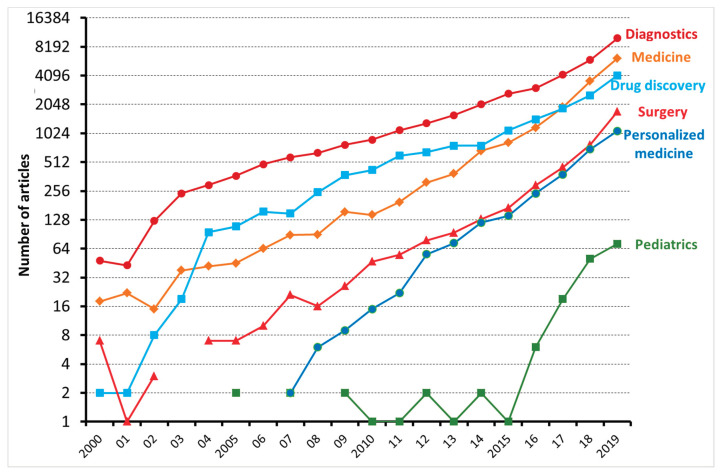
“ML is a topic of growing interest in the field of health care, and the number of articles published about ML, specifically in diagnostics, has steadily increased annually since 2000 [18].”
Ngusie, H. S., Tesfa, G. A., Taddese, A. A., Enyew, E. B., Alene, T. D., Abebe, G. K., Walle, A. D., & Zemariam, A. B. (2024) · Frontiers in Public Health · doi:10.3389/fpubh.2024.1439320 · Cited by 4
Nyam, T.-T. E., Tu, K.-C., Chen, N.-C., Wang, C.-C., Liu, C., Kuo, J., & Liao, J.-C. (2024) · Diagnostics · doi:10.3390/diagnostics15010020 · Cited by 4
“However, the complexity of TBI outcomes and the limitations of traditional statistical methods may be insufficient in capturing the interactions among various clinical variables, especially with multiple interacting variables and non-linear relationships [33].”
Alkutbe, R. B., Alruban, A., Alturki, H. A., Sattar, A. A., Al-Hazzaa, H. M., & Rees, G. (2021) · PeerJ · doi:10.7717/peerj.10734 · Cited by 4
“The benefits those advanced algorithms, such as gradient boosting, comprise flexibility and scalability compared with conventional statistical approaches, which makes it deployable for several tasks, such as diagnosis and classification (Rajula et al., 2020).”
BackgroundHavayolu Taşımacılığında Müşteri Memnuniyetinin Topluluk Öğrenmesi Yöntemleri ile Belirlenmesi
Ercan, U. (2022) · Alanya Akademik Bakış · doi:10.29023/alanyaakademik.1095574 · Cited by 5
Dominke, C., Fischer, A. M., Grimmer, T., Diehl‐Schmid, J., & Jähn, T. (2022) · Aging Neuropsychology and Cognition · doi:10.1080/13825585.2022.2138255 · Cited by 4
“…explained by one of the main differences between traditional statistical approaches and ML – the fact that the focus of the former lies in the interference of relationships between different variables, whereas the latter aims at the most accurate prediction (Orrù et al., 2020; Rajula et al., 2020).”
BackgroundJiang, Z., Song, L., Liang, C., Zhang, H., Tan, H., Sun, Y., Guo, R., & Liu, L. (2023) · Frontiers in Cardiovascular Medicine · doi:10.3389/fcvm.2023.1140670 · Cited by 5
Prediction of Early Recurrence Following CRS/HIPEC in Patients With Disseminated Appendiceal Cancer
SenthilKumar, G., Merrill, J., Maduekwe, U. N., Cloyd, J. M., Fournier, K. F., Abbott, D. E., Zafar, N., Patel, S. H., Johnston, F. M., Dineen, S. P., et al. (2023) · Journal of Surgical Research · doi:10.1016/j.jss.2023.06.054 · Cited by 5
Sentiment Analysis of Tweets on Menu Labeling Regulations in the US
Yang, Y., Lin, N., Batcheller, Q., Zhou, Q., Anderson, J., & An, R. (2023) · Nutrients · doi:10.3390/nu15194269 · Cited by 6
“Traditional statistical methods often fall short when applied to unstructured data [33].”
BackgroundHwang, U., & Gwak, G. (2023) · Journal of Musculoskeletal Science and Technology · doi:10.29273/jmst.2023.7.2.71 · Cited by 4
Onadeji, A., Sani, B. S., & Abubakar, U. A. (2024) · Water Environment Research · doi:10.1002/wer.10963 · Cited by 4
“However, this method has several drawbacks, including being time-consuming, overlooking potential interactions between variables, and sometimes failing to identify the true optimal conditions (Rajula et al., 2020).”
BackgroundMachine Learning for Biosensors
Anapanani, G. (2023) · The Research Repository @ WVU (West Virginia University) · doi:10.33915/etd.12118 · Cited by 10
Data Processing Method for AI‐Driven Predictive Models for CNS Drug Discovery
Vairamani, A. D., Adhikary, S., & Banerjee, K. (2024) · Wiley eBooks · doi:10.1002/9781394234196.ch8 · Cited by 6
Greenberg, E. M., Watson, A., Helm, K., Landrum, K. M., Lawrence, J. T. R., & Ganley, T. J. (2025) · Orthopaedic Journal of Sports Medicine · doi:10.1177/23259671251329355 · Cited by 7
“31 Compared with conventional statistical methods, such as regression analyses, machine learning is superior in simultaneously analyzing multiple predictive variables with their combinations and interactions rather than validating the a priori–assumed relationships between variables.”
Miiro, E., Kato, I., Nantege, Z., Ssendi, S., & Bassajjalaba, K. (2025) · Journal of Flood Risk Management · doi:10.1111/jfr3.70039 · Cited by 5
“…and AI systems have data-rich risk-modeling applications that can make substantial inroads in predictive analysis, compared to traditional statistical methods that can hardly cope with high dimensional data, complex relationships and real-time decision making (Sen et al. 2021; Rajula et al. 2020).”
Model Systems of Chronic Kidney Disease: A Detailed Overview and Recent Advances
Lahane, G. P., Dhar, A., & Bhat, A. (2025) · Journal of Biochemical and Molecular Toxicology · doi:10.1002/jbt.70302 · Cited by 4
Wang, J., Wu, H., Wang, F., Wang, Y., & Gu, J. H. (2025) · Journal of Inflammation Research · doi:10.2147/jir.s530974 · Cited by 3
“21 The current landscape of EC risk assessment reveals a paucity of robust predictive models that base on real-world data.”
Predictive modeling of bruising in broiler chickens using machine learning algorithms
Pirompud, P., Sivapirunthep, P., Punyapornwithaya, V., & Chaosap, C. (2025) · Poultry Science · doi:10.1016/j.psj.2025.105756 · Cited by 3
Sharif, A. F., Hafez, A. A., Fayed, M. M., & Sobh, Z. K. (2025) · Cardiovascular Toxicology · doi:10.1007/s12012-025-10055-x · Cited by 4
Foundations of Artificial Intelligence in Hepatology: What a Clinician Needs to Know?
Peng, N., Song, S. J., Hui, V. W., Lai, J. C., Wong, G. L., Wong, V. W., & Yip, T. C. (2025) · Journal of Clinical and Experimental Hepatology · doi:10.1016/j.jceh.2025.103183 · Cited by 5
Duncheskie, R. P., Omari, O. A., & Anjum, F. (2025) · Transplantation Proceedings · doi:10.1016/j.transproceed.2025.08.016 · Cited by 4
Schröder, Â. G. D., Rotta, J. M. F., da Silva, R. D., Baratto‐Filho, F., de Araujo, B. M. D. M., Beisel-Memmert, S., Zeigelboim, B. S., Taveira, K. V. M., Mattos, N. H. R., Küchler, É. C., et al. (2025) · Forensic Imaging · doi:10.1016/j.fri.2025.200654 · Cited by 3
Mok, C. H. Y., Cheng, C. P. W., & Chu, M. H. W. (2025) · Frontiers in Psychiatry · doi:10.3389/fpsyt.2025.1692177 · Cited by 4
Memon, S. M. Z., Wamala, R., & Kabano, I. H. (2025) · International Journal of Environmental Research and Public Health · doi:10.3390/ijerph22111691 · Cited by 4
“The challenges in reaching this goal highlight the need for more targeted, data-driven approaches to identify women at risk of not using skilled delivery services and develop interventions that increase uptake [14,15].”
Garcia‐Vozmediano, A., Romano, A., Begovoeva, M., Pitti, M., Crescio, E., Brenda, A., Roberto, M. D., Gioia, A., Giraldo, A. J. B., Massone, E., et al. (2025) · Microorganisms · doi:10.3390/microorganisms13122773 · Cited by 3
“…and limited capacity to handle high-dimensional or correlated data [93,94], ML algorithms such as XGBoost offer enhanced flexibility to capture non-linear relationships, high-order interactions, and complex interactions among variables without the need for a priori specification [95,96].”
Marvi, K., Sikder, I. U., Wang, S., et al. (2025) · Scientific Reports · doi:10.1038/s41598-025-32344-9 · Cited by 3
“ML was chosen over conventional statistical models because it can efficiently handle large, complex datasets with intricate inter-variable relationships 11 .”
The molecular ICU: a primer on omics, informatics and the future of precision critical care
Nynatten, L. R. V., Raheel, H., Basmaji, J., Slessarev, M., & Fraser, D. D. (2026) · Critical Care · doi:10.1186/s13054-026-06169-5 · Cited by 6
A Machine Learning Study on the Role of Behavioral and Demographic Factors in Mining Injuries
Ravikumar, A., Raju, G. Y., & Gupta, S. (2022) · International Journal of Reliability Quality and Safety Engineering · doi:10.1142/s0218539322500073 · Cited by 3
Lee, H., Kang, B. G., Jo, J., Park, H. E., Yoon, S., Choi, S., & Kim, M. J. (2023) · Frontiers in Cardiovascular Medicine · doi:10.3389/fcvm.2023.1167468 · Cited by 5
Olender, R. T., Roy, S., Jamieson, H. A., Hilmer, S. N., & Nishtala, P. S. (2024) · The Journals of Gerontology Series A · doi:10.1093/gerona/glae130 · Cited by 3
“Machine learning (ML) models do not suffer these drawbacks (11).”
Jung, Y. J., Ahn, J., Park, S., Sun, J., Lee, S., Ahn, J. S., Ahn, M.-J., Cho, S. Y., & Jung, H. A. (2024) · Translational Cancer Research · doi:10.21037/tcr-23-2188 · Cited by 4
“Traditional statistical approaches, even those considered at the apex of the evidence hierarchy, frequently falter due to their a priori selection of variables for consideration (22).”
Machine learning opportunities to predict obstetric haemorrhages
Boldina, Y. S., & Ivshin, А. А. (2024) · Obstetrics Gynecology and Reproduction · doi:10.17749/2313-7347/ob.gyn.rep.2024.491 · Cited by 3
Mao, L., Lin, L., Shi, Z., Song, H., Zhao, H., & Xu, X. (2024) · Heliyon · doi:10.1016/j.heliyon.2024.e38124 · Cited by 8
“Compared to traditional statistical methods, ML algorithms excel at handling intricate nonlinear relationships, interactions, and multiple covariates, significantly bolstering the predictive power of the models [10].”
MethodRen, J., Li, Y., Zhou, J., et al. (2024) · Scientific Reports · doi:10.1038/s41598-024-72385-0 · Cited by 3
Bonifaz, A. P., Syed, S., Kassel, M., McKenzie, G. W., Shah, V. M., Forry, B. M., Gaskins, J., Sowards, K. T., Avula, T. B., Masters, A. H., et al. (2025) · PLoS ONE · doi:10.1371/journal.pone.0312208 · Cited by 5
“…viewed as top-down approaches, and their main advantages are their interpretability due to usually focusing on the parsimonious relationships between input and response, the low computational resources needed to fit the models, and being less susceptible to overfitting with large datasets [16,17].”
Kasambara, A., Kamndaya, M. S., Masangwi, S. J., & Mulaga, A. N. (2025) · Tropical Medicine & International Health · doi:10.1111/tmi.14134 · Cited by 2
Predicting In-Hospital Cardiac Arrest Using Machine Learning Models: Protocol for a Scoping Review
Attin, M., Shareef, B., Appiah-Agyei, N., Rini, F. M., Goodman, X. Y., Bredesky, L., Chavez, J. A., Mohammed, R., & Batra, K. (2025) · JMIR Research Protocols · doi:10.2196/69716 · Cited by 3
“Despite the increasing use of ML, this field remains challenging as the quality and accuracy of EHR data are essential to ML’s success [30-34].”
Kim, S., & Lee, K. (2025) · Psychiatry Research · doi:10.1016/j.psychres.2025.116702 · Cited by 6
Senan, C. P. P. C., Ajin, R. S., Devi, B. R. A., Rajaneesh, A., Nagar, J. K., & Sajinkumar, K. S. (2025) · Water Conservation Science and Engineering · doi:10.1007/s41101-025-00423-7 · Cited by 3
The role of artificial intelligence in predicting preterm birth
Ivshin, А. А., Boldina, Y. S., & Gusev, A. V. (2021) · Russian Journal of Human Reproduction · doi:10.17116/repro202127051121 · Cited by 4
Improving the Accuracy of Diagnosis for Multiple-System Atrophy Using Deep Learning-Based Method
Kanatani, Y., Sato, Y., Nemoto, S., Ichikawa, M., & Onodera, O. (2022) · Biology · doi:10.3390/biology11070951 · Cited by 4
“Conventional statistical methods can reveal differences among subtypes, but machine learning has the advantage of linking all explanatory and objective variables for each case [26].”
Lee, W., Carlson, J. J., Basu, A., & Veenstra, D. L. (2023) · Journal of Geriatric Oncology · doi:10.1016/j.jgo.2023.101487 · Cited by 4
Classification of powdery mildew disease symptoms on sandalwood using machine learning techniques
Muthu Kumar, A., Antony, J. C., & Soundararajan, V. (2024) · European Journal of Forest Engineering · doi:10.33904/ejfe.1415402 · Cited by 3
Appleton, S., Naik, G. R., Nguyen, D. P., Toson, B., Lechat, B., Loffler, K. A., CATCHESIDE, P. G., Vakulin, A., Martin, S., Wittert, G., et al. (2024) · Journal of Sleep Research · doi:10.1111/jsr.14357 · Cited by 4
Type 2 diabetes and susceptibility to COVID-19: a machine learning analysis
Shabestari, M., Azizi, R., & Ghadiri‐Anari, A. (2024) · BMC Endocrine Disorders · doi:10.1186/s12902-024-01758-3 · Cited by 4
“Conversely, statistical tests have limitations in dealing with these attributes [28].”
BackgroundZainal, N. H., Tan, H. H., Hong, R. Y. S., & Newman, M. G. (2025) · JMIR Mental Health · doi:10.2196/67210 · Cited by 11
Ciba, M., Petzold, M., Alves, C. L., Rodrigues, F. A., Jimbo, Y., & Thielemann, C. (2025) · Scientific Reports · doi:10.1038/s41598-025-99479-7 · Cited by 4
Chetta, M., Tarsitano, M., Bukvić, N., Fontana, L., & Miozzo, M. R. (2025) · Journal of Personalized Medicine · doi:10.3390/jpm15080390 · Cited by 3
“Ethical and data privacy considerations further complicate the complexity of the deployment of AI in genomics [67].”
Lopez-Perez, L. (2022) · UPM Digital Archive (Technical University of Madrid) · doi:10.20868/upm.thesis.70347 · Cited by 6
Kinship, gender and social links impact on micro group lending defaults
Elfakir, A., Fairchild, R. J., Alaoui, Y. L., Chan, D., Tkiouat, M., & Amer, Z. (2023) · International Journal of Finance & Economics · doi:10.1002/ijfe.2786 · Cited by 4
Stroke Outcome Prediction via Multi-level Feature and Multi-modal Fusion Network
Xiao, T., Lei, S., Wang, H., Wang, Z., & Yi, L. (2024) · IEEE International Conference on Bioinformatics and Biomedicine (BIBM) · doi:10.1109/bibm62325.2024.10821993 · Cited by 5
“Early studies primarily relied on statistical methods for disease analysis and prediction [16].”
Ohashi, M., Ishikawa, Y., Arai, S., Nagao, T., Kitaoka, K., Nagasu, H., Yano, Y., & Kashihara, N. (2025) · Clinical and Experimental Nephrology · doi:10.1007/s10157-024-02616-1 · Cited by 4
Passarelli-Araújo, H. (2025) · International Journal of Medical Informatics · doi:10.1016/j.ijmedinf.2025.105834 · Cited by 3
Zhang, Q., Qiang, S., Alataş, B., & Yuan, Y.-H. (2025) · Journal of Organizational and End User Computing · doi:10.4018/joeuc.368840 · Cited by 10
Bae, K.-J., Bae, J.-H., Oh, A.-C., & Cho, C. H. (2025) · Diagnostics · doi:10.3390/diagnostics15060791 · Cited by 3
“Meanwhile, artificial intelligence (AI)-driven analysis has been reported to provide deeper insights than traditional statistical methods alone, demonstrating robust performance in disease classification, prediction, and identifying critical factors through the analysis of medical datasets [13,14].”
Adugna, A., Amare, G. A., & Jemal, M. (2025) · Cancer Informatics · doi:10.1177/11769351251333847 · Cited by 5
Artificial Intelligence–Guided Dual Antiplatelet Therapy and Anticoagulation
Huerta, N. H., Iqbal, S. B., Rao, S. J., Isath, A. M., Glicksberg, B. S., & Krittanawong, C. (2025) · Journal of Cardiovascular Pharmacology · doi:10.1097/fjc.0000000000001710 · Cited by 3
Andión, Ó., Bouso, J. C., Sarris, J. J., Tófoli, L. F., Opaleye, E. S., & Perkins, D. (2025) · PLOS mental health. · doi:10.1371/journal.pmen.0000097 · Cited by 3
“As explanatory models can be difficult to interpret when a high number of exogenous and mediation variables are included in the analysis, in this study, a machine learning and classical statistical combined approach is used [47,48] to better analyze our aims.”
Zhang, R., Wang, Z., Yang, M., Chen, B., Liu, M., Zheng, M., Liu, P. X., & Wang, L. (2025) · European Journal of Surgical Oncology · doi:10.1016/j.ejso.2025.110141 · Cited by 3
Machine Learning-Based Modeling for Predicting Hypopituitarism After Cranial Trauma
Ai, C., Zhong, H., Peng, J., Luo, T., & Jun, S. (2025) · World Neurosurgery · doi:10.1016/j.wneu.2025.124018 · Cited by 2
Yang, L., Zou, K., Wang, Y., Zhang, Y., Zhong, J., Wu, Z., Tang, F., Lü, P., Liu, X., & Deng, L. (2025) · BMC Medical Informatics and Decision Making · doi:10.1186/s12911-025-03043-2 · Cited by 3
“Machine Learning (ML) is a branch of artificial intelligence that enables computers to learn from data and recognize patterns without relying on traditional programming instructions [15].”
Özmen, M. (2025) · Sustainable Development · doi:10.1002/sd.70122 · Cited by 3
Lee, C. E., Koo, J., & Li, C. (2025) · Research in Developmental Disabilities · doi:10.1016/j.ridd.2025.105181 · Cited by 2
Nopour, R. (2025) · BMC Gastroenterology · doi:10.1186/s12876-025-04461-2 · Cited by 3
“Despite the statistical methods commonly used to determine feature relevance in data, the ML approach can develop efficient predictive models in biomedical research [22, 23].”
Nkhono, W., van Lieshout, E., Calis, J. C. J., Yebei, V. N., Hoogendoorn, M., Phiri, K. S., & Villalobos-Quesada, M. J. (2026) · EClinicalMedicine · doi:10.1016/j.eclinm.2025.103743 · Cited by 3
“58 However, this highly innovative scenario may not match the reality in LMICs.”
Gu, J., & Chai, J. (2026) · BMC Gastroenterology · doi:10.1186/s12876-025-04594-4 · Cited by 4
“Machine learning, with its capacity for multidimensional data integration and pattern recognition, has emerged as a promising alternative, offering enhanced accuracy and broader clinical utility for predictive modeling [15].”
Machine learning risk prediction models for medication harm in hospitalised adult patients
Lam, J. Y. J., Barras, M. A., Scott, I. A., Masood, H., Abdel‐Hafez, A., & Falconer, N. (2026) · Therapeutic Advances in Drug Safety · doi:10.1177/20420986251409325 · Cited by 5
Ridwan, A. M., & Uddin, K. M. M. (2026) · Journal of International Medical Research · doi:10.1177/03000605251411752 · Cited by 2
“29,30 By improving the use of digital data, such as electronic health records, across various medical sectors, ML, a branch of AI, has gained prominence.”
Aryal, K., Nair, V., Gorla, N. K. R., et al. (2026) · Aerospace Science and Technology · doi:10.1016/j.ast.2026.111773 · Cited by 2
Huang, X., Goh, H. H., He, T., Zhang, D.-D., Dai, W., Kurniawan, T. A., Goh, K. C., Wong, H. Y., Islam, M. T., & Liang, X. (2026) · Journal of Chinese Integrative Medicine · doi:10.1016/j.joim.2026.02.004 · Cited by 3
Sholehrasa, H., Xu, X., Caragea, D., Riviere, J. E., & Jaberi‐Douraki, M. (2025) · IEEE International Conference on Big Data (BigData) · doi:10.1109/bigdata66926.2025.11402599 · Cited by 9
“Unlike conventional statistical models that typically test pre-defined hypotheses and rely on simplified assumptions, ML/DL can uncover patterns without prior specification and adapt to new data for forecasting and real-time risk prediction.”
Rajendiran, G., Rethnaraj, J., Zade, S., et al. (2026) · Scientific Reports · doi:10.1038/s41598-026-44564-8 · Cited by 2
Rico-González, M., Holsbrekken, E., Gómez‐Carmona, C. D., & Ardigò, L. P. (2026) · Journal of Primary Care & Community Health · doi:10.1177/21501319261431024 · Cited by 3
Machine learning predicts clinical response to platelet-rich plasma therapy in knee osteoarthritis
Zhang, H., Yang, X., Geng, T., Wang, R., & Li, G. (2026) · Frontiers in Medicine · doi:10.3389/fmed.2026.1787872 · Cited by 2
Yamamoto, S. H. (2022) · Journal of Applied Social Science · doi:10.1177/19367244221133481 · Cited by 4
“The fact that Random Forest performed better than multilevel logistic regression in the NW state but did just the opposite in the SW state is perhaps why some research recommends using both (see Rajula et al. 2020).”
MethodResultApplications of Machine Learning Model for Prediction of Outcomes in Primary Pontine Hemorrhage
Yindeedej, V., Setprapha, C., Komarapaj, C., Osirichaivait, K., Nimmannitya, P., & Noiphithak, R. (2023) · World Neurosurgery · doi:10.1016/j.wneu.2023.05.014 · Cited by 3
Pineda, A. M., Alves, C. L., Moeckel, M., Toutain, T. G. L. D. O., Porto, J. A. M., & Rodrigues, F. A. (2023) · Journal of Complex Networks · doi:10.1093/comnet/cnad030 · Cited by 4
Retinale optische Kohärenztomographie Biomarker und ihr Zusammenhang mit kognitiven Funktionen
Rauscher, F. G., & Bernardes, R. (2024) · Die Ophthalmologie · doi:10.1007/s00347-024-01985-y · Cited by 2
Retinal OCT biomarkers and their association with cognitive function—clinical and AI approaches
Rauscher, F. G., & Bernardes, R. (2024) · Die Ophthalmologie · doi:10.1007/s00347-024-01988-9 · Cited by 2
Jamali, F., Amininasab, S. M., Taleshi, H., & Madadi, H. (2024) · Wildlife Research · doi:10.1071/wr23010 · Cited by 2
Machine Learning for Treatment Management Prediction in Laryngeal Fractures
Alabi, R. O., & Mäkitie, R. E. (2024) · Journal of Voice · doi:10.1016/j.jvoice.2024.09.029 · Cited by 2
Predicting Suicidal Behaviors in Individuals With Diabetes Using Machine Learning Techniques
Mamun, M. A., Al‐Mamun, F., Hasan, M. E., Roy, N., ALmerab, M. M., Muhit, M., & Moonajilin, M. S. (2024) · Perspectives In Psychiatric Care · doi:10.1155/2024/8894098 · Cited by 3
Cao, C., Dyrstad, J. M., & Green, C. P. (2024) · Scandinavian Journal of Public Health · doi:10.1177/14034948241290852 · Cited by 2
The Role of Machine Learning Models in Predicting Cirrhosis Mortality: A Systematic Review
Mohamud, K. A., Eltahir, S. A. E., Alhardalo, H. A. A., Albashir, H. B., Zain, N. Q. A. A. M., Ibrahim, M. E. A., & Fadlallah, E. N. A. (2025) · Cureus · doi:10.7759/cureus.78155 · Cited by 5
“According to this review, which is consistent with earlier research, machine learning models have the potential to improve predictive accuracy by accommodating and understanding complex nonlinear relationships between input variables [23].”
Galactose-Induced Cataracts in Rats: A Machine Learning Analysis
Al-Mashhadani, A. J. M., Gong, Q., Shehaj, F., & Zhou, L. (2025) · International Journal of Medical Sciences · doi:10.7150/ijms.103892 · Cited by 2
Vo, L. T., Vu, T., Pham, T. N., Trinh, T. H., & Nguyen, T. T. (2025) · World Journal of Methodology · doi:10.5662/wjm.v15.i3.101837 · Cited by 3
Metadata
- Authors
- Rajula, H. S. R., Verlato, G., Manchia, M., Antonucci, N., & Fanos, V.
- Affiliations
- University of Cagliari (IT)
- University of Verona (IT)
- Dalhousie University (CA)
- Corresponding author
- Manchia, Mirko
- Venue
- Medicina
- Publisher
- MDPI AG
- Published
- 2020-09-08
- Volume
- 56
- Issue
- 9
- Pages
- 455
- ISSN
- 1010-660X (ISSN-L)
- 1648-9144
- PMC
- PMC7560135
- OpenAlex
- W3084378266
- Cited by
- 606
- References
- 43
- Citations by year
- 2026: 86 · 2025: 185 · 2024: 151 · 2023: 93 · 2022: 62 · 2021: 29
- FWCI
- 7.03
- Type
- journal article
- Language
- en
- Open access
- gold
- dx.doi.org
- Licence
- Locations
- Medicina (publishedVersion, cc-by)
- PubMed Central (publishedVersion, cc-by)
- PubMed (publishedVersion)
- UNICA IRIS Institutional Research Information System (University of Cagliari) (submittedVersion, public-domain)
- DOAJ (DOAJ: Directory of Open Access Journals) (submittedVersion, cc-by-sa)
- DOAJ (DOAJ: Directory of Open Access Journals) (submittedVersion)
- Funders
- Horizon 2020 (721567)
- Topics
- Health Sciences › Health Professions › Health Information Management › Artificial Intelligence in Healthcare
- Physical Sciences › Computer Science › Artificial Intelligence › Machine Learning in Healthcare
- Health Sciences › Medicine › Health Informatics › Artificial Intelligence in Healthcare and Education
- Keywords
- machine learning, diagnosis, drug development, personalized treatment, survival prediction, patient-reported outcomes, treatment response prediction, omics data, radiographic diagnosis, big data in healthcare
- MeSH terms
- Machine Learning, Drug Development, Humans, Models, Statistical
About these checks
Registry, retraction, Cites and statistics results are computed, not judged, with one exception: a printed reference that no index lists is read once by a model before it counts as a citation error. Claims are extracted by a model and kept only when their quote appears verbatim in the text; each cited source is then checked, with a model’s help, for whether it says what the claim relies on. Those verdicts can be wrong — read the claim’s quote and the cited source before relying on one.
Statistics and arithmetic are recomputed, not judged.
Confidence bands are shown only for fields calibrated on our annotated test set. None is calibrated yet, so no band is shown.
What counts as a claim ›How we measure confidence ›How we check this ›
Are you an author, or do you see a problem with this page? Request a review
Data sources
Bibliographic data: Semantic Scholar, OpenAlex, Crossref.
Contains information from the Semantic Scholar Academic Graph Datasets, made available under the ODC Attribution License (ODC-BY 1.0).
Semantic Scholar’s data is described in: Kinney, R., et al. (2023). The Semantic Scholar Open Data Platform. arXiv:2301.10140.
