

Healing of Chronic Wounds by Copper Oxide-Impregnated Wound Dressings—Case Series
Open accessThe DOI matches its Crossref record; 44 of the 44 references it cites were found in a registry or an index.
Abstract
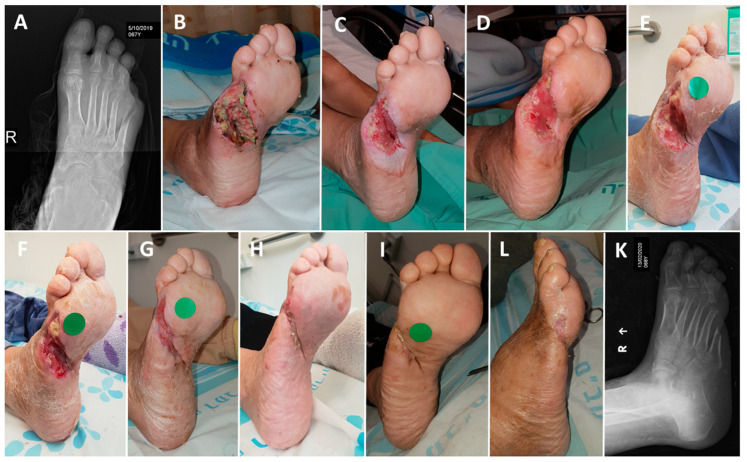
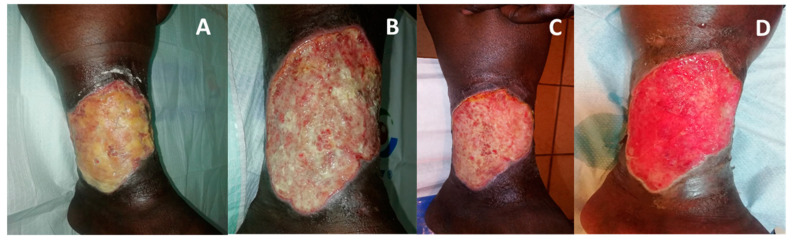
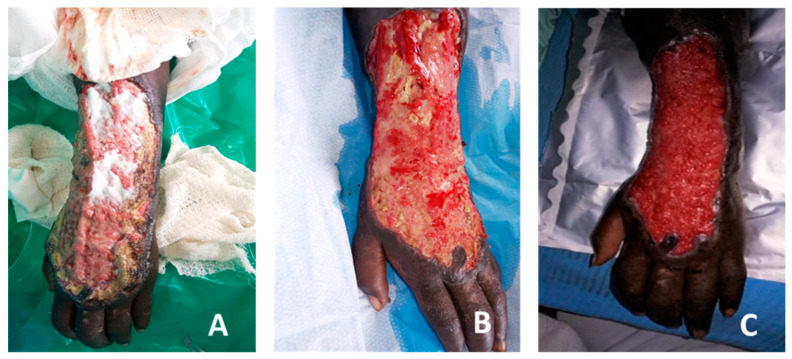
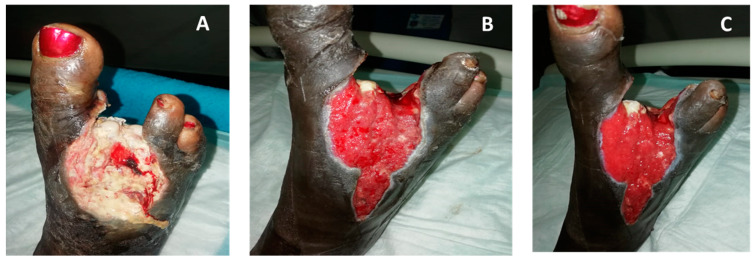
Novel antimicrobial wound dressings impregnated with copper oxide micro-particles have been cleared for treatment of acute and chronic wounds. Our objective is to provide preliminary data regarding the potential benefit of using these novel wound dressings including in non-infected wounds. Methods involved the treatment of wounds that responded partially or poorly to conventional wound healing treatments with copper oxide impregnated wound dressings in patients with a range of etiologies. Ten cases of patients with etiologies such as diabetes mellitus, sickle cell disease, renal failure, and necrotizing fasciitis, in which the application of copper oxide impregnated wound dressings in infected and non-infected wounds, which resulted in significant enhanced wound healing, are presented. This was exemplified by clearing of the wound infections, reduction of the fibrous and/or necrotic tissue and by intense granulation, epithelialization, and wound closure. The described 10 case reports support our hypothesis that the copper oxide-containing wound dressing not only confers protection to the wound and the dressing from microbial contamination, and in some cases may help clear the wound infections, but in addition and more importantly, stimulate skin regeneration and wound healing. Our findings are in line with previous animal and in vitro studies showing that copper plays a key role in angiogenesis and skin regeneration. These case reports support the notion that the use of copper oxide impregnated wound dressings may be an important intervention in the arsenal of wound treatment modalities, especially in hard to heal wounds.
Overview
The claims and statistics of this paper haven’t been checked yet.
Free: it reads the open-access text and checks the first 5 claims that cite a source we can check. Create a free account to check every claim.
Integrity signals
Registry
Cites
Statistics
Figures
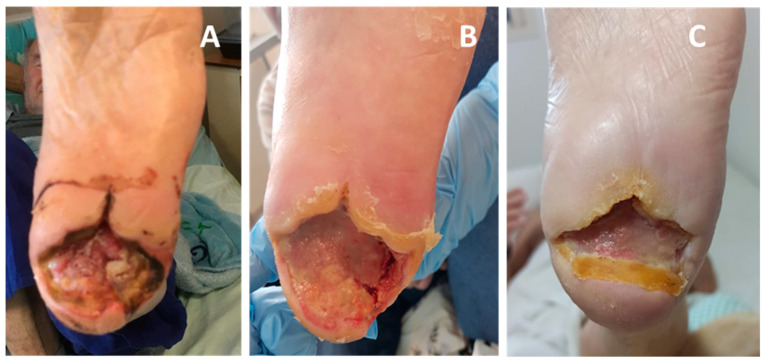
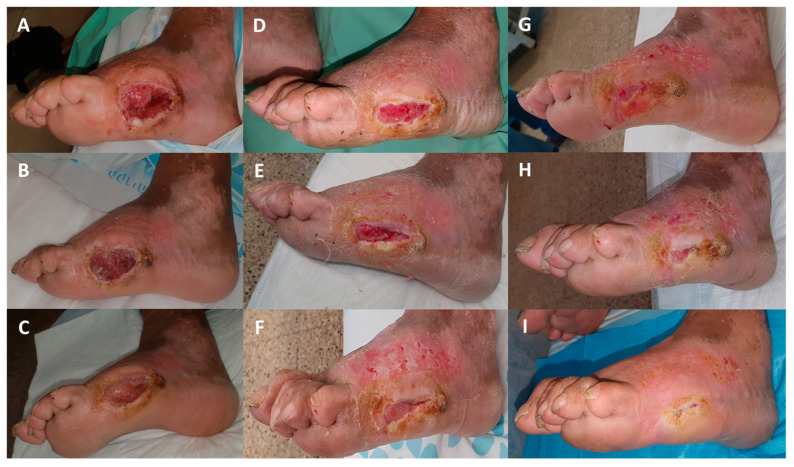
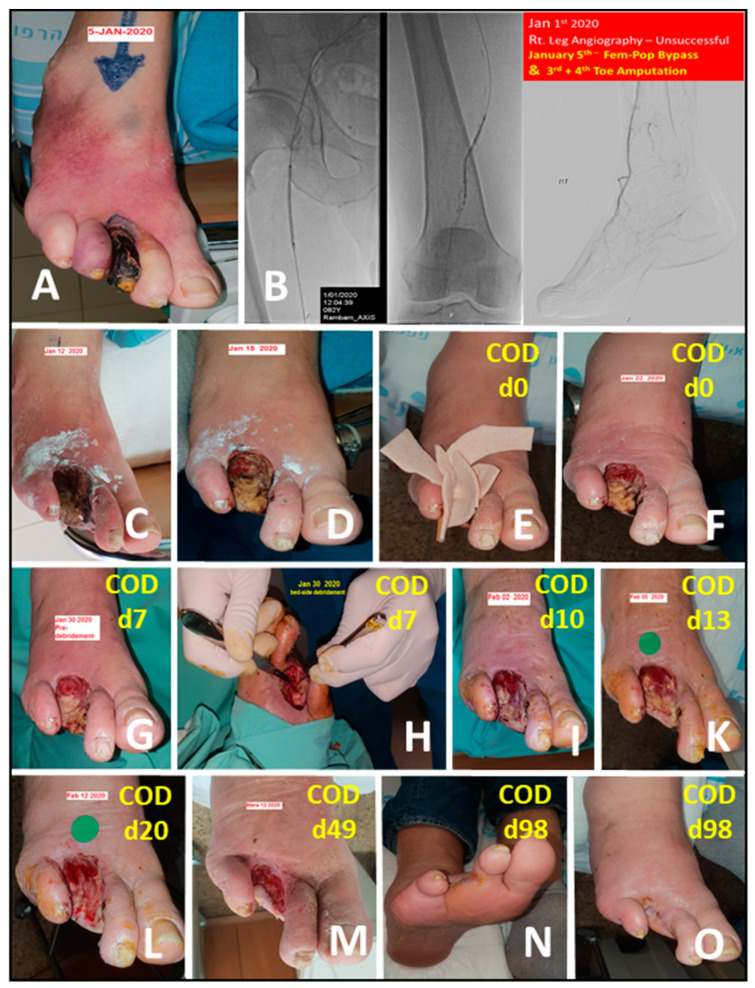
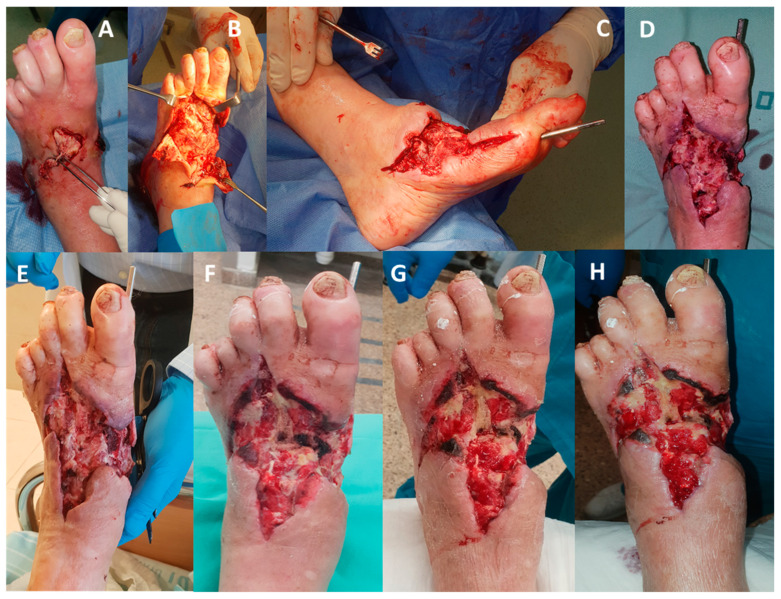
Verification
Claims the paper makes
The claims and statistics of this paper haven’t been checked yet.
Free: it reads the open-access text and checks the first 5 claims that cite a source we can check. Create a free account to check every claim.
Claims other papers make about this one
Each is checked against this paper’s own text: does it say what the citing paper says it does?
The source backs part of the claim, not all of it — or backs it for a different population, condition or comparison.
In the citing paper
“Numerous studies have demonstrated the ability of copper dressings to enhance healing in hard-to-heal wounds, including both infected and non-infected wounds, across all stages of the healing process [107,108,109,110,111,112,113,114,115,116,117,118,119,120,121,122].”
From The Journey of Copper-Impregnated Dressings in Wound Healing: From a Medical Hypothesis to Clinical Practice (2025) · cites this paper as [109]
Experimental — accuracy not yet measured
Self-check
Percentages, sums and reported differences re-computed from the paper’s own numbers.
The self-check needs the paper’s full text.
Citations
Cites
Global epidemiology of diabetic foot ulceration: a systematic review and meta-analysis
Zhang, P., Lu, J., Jing, Y., Tang, S., Zhu, D., & Bi, Y. (2017) · Annals of Medicine · doi:10.1080/07853890.2016.1231932 · Cited by 1,853 · cited 1×
“3% of diabetic patients, affecting nearly 20 million people annually [28], leading to impaired mobility and amputation [29].”
BackgroundEffect of silver on burn wound infection control and healing: Review of the literature
Atiyeh, B. S., Costagliola, M., Hayek, S. N., & Dibo, S. A. (2007) · Burns · doi:10.1016/j.burns.2006.06.010 · Cited by 1,267 · cited 1×
“However, their usefulness in promoting wound healing is questionable, especially due to cellular toxicity [40,41].”
BackgroundEssentiality of copper in humans
Uauy, R., Olivares, M., & Gonzalez, M. (1998) · The American Journal of Clinical Nutrition · doi:10.1093/ajcn/67.5.952s · Cited by 1,052
Borkow, G., & Gabbay, J. (2005) · Current Medicinal Chemistry · doi:10.2174/0929867054637617 · Cited by 727 · cited 5×
“Copper also has potent biocidal properties [18], but in contrast to silver, copper is an indispensable trace element extremely well metabolized by the human body [23], and could be a substitute for silver in wound dressings, if only to reduce biocontamination.”
BackgroundSelf-citationCopper-induced vascular endothelial growth factor expression and wound healing
Sen, C. K., Khanna, S., Venojarvi, M., Trikha, P., Ellison, E. C., Hunt, T. K., & Roy, S. (2002) · American Journal of Physiology-Heart and Circulatory Physiology · doi:10.1152/ajpheart.01015.2001 · Cited by 522 · cited 2×
“Copper stimulates (a) angiogenesis [3] by upregulating Hypoxia Induced Factor 1alpha (HIF-1α) [4], vascular endothelial growth factor (VEGF) [5], and Cu-dependent transcription factor Atox1 [6]; (b) expression of integrin [7]; (c) stimulation of secretion of fibrinogen, elastin, and collagen by dermal fibroblasts [8,9…”
BackgroundSilver dressings: their role in wound management
Leaper, D. J. (2006) · International Wound Journal · doi:10.1111/j.1742-481x.2006.00265.x · Cited by 414
Copper, lysyl oxidase, and extracellular matrix protein cross-linking
Rucker, R., Kosonen, T., Clegg, M., Mitchell, A., Rucker, B., Uriu-Hare, J., & Keen, C. (1998) · The American Journal of Clinical Nutrition · doi:10.1093/ajcn/67.5.996s · Cited by 371
Putting copper into action: copper‐impregnated products with potent biocidal activities
Borkow, G., & Gabbay, J. (2004) · The FASEB Journal · doi:10.1096/fj.04-2029fje · Cited by 366 · cited 1×
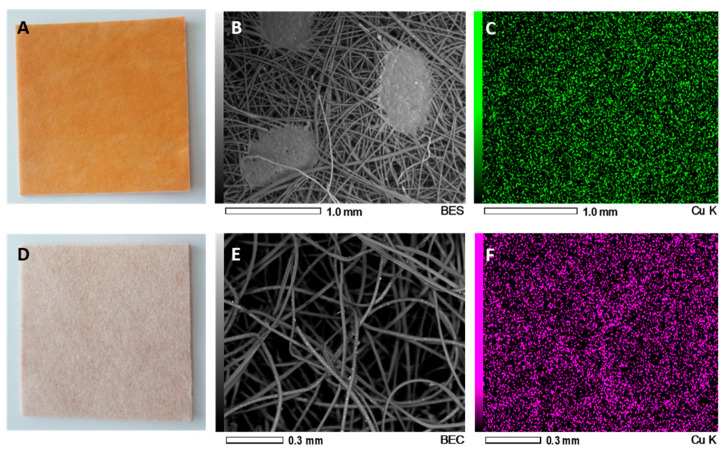
“Recently, by using a platform technology that introduces copper oxide into fibers [36,37], wound dressings impregnated with copper oxide microparticles (COD, Figure 1) are produced.”
BackgroundSelf-citationCopper Oxide Impregnated Textiles with Potent Biocidal Activities
Gabbay, J., Borkow, G., Mishal, J., Magen, E., Zatcoff, R., & Shemer-Avni, Y. (2006) · Journal of Industrial Textiles · doi:10.1177/1528083706060785 · Cited by 255 · cited 1×
“Recently, by using a platform technology that introduces copper oxide into fibers [36,37], wound dressings impregnated with copper oxide microparticles (COD, Figure 1) are produced.”
BackgroundSelf-citationMolecular mechanisms of enhanced wound healing by copper oxide-impregnated dressings
Borkow, G., Gabbay, J., Dardik, R., Eidelman, A. I., Lavie, Y., Grunfeld, Y., Ikher, S., Huszar, M., Zatcoff, R. C., & Marikovsky, M. (2010) · Wound Repair and Regeneration · doi:10.1111/j.1524-475x.2010.00573.x · Cited by 253 · cited 6×
“Medicina 2021, 57, 296 12 of 14 HIF-1α has been recognized as a critical factor in wound healing [4,44].”
BackgroundResultSelf-citation
Cited by
Role of copper nanoparticles in wound healing for chronic wounds: literature review
Salvo, J., & Sandoval, C. (2022) · Burns & Trauma · doi:10.1093/burnst/tkab047 · Cited by 206
“[107] have shown that copper oxide-containing wound dressings not only confer protection to the wound and the dressing from microbial contamination but in addition, and more importantly, stimulate skin regeneration and wound healing.”
The Use of Metallic Nanoparticles in Wound Healing: New Perspectives
Mendes, C., Thirupathi, A., Corrêa, M. E. A. B., Gu, Y., & Silveira, P. C. L. (2022) · International Journal of Molecular Sciences · doi:10.3390/ijms232315376 · Cited by 130
Progress in copper‐based materials for wound healing
Diao, W., Li, P., Jiang, X., Zhou, J., & Yang, S. (2023) · Wound Repair and Regeneration · doi:10.1111/wrr.13122 · Cited by 84
Innovative approaches to wound healing: insights into interactive dressings and future directions
Yadav, R., Kumar, R., Kathpalia, M., Ahmed, B., Dua, K., Gulati, M., Singh, S. K., Singh, P. J., Kumar, S., Shah, R., et al. (2024) · Journal of Materials Chemistry B · doi:10.1039/d3tb02912c · Cited by 75
Transforming Wound Management: Nanomaterials and Their Clinical Impact
Ashwini, T., Prabhu, A., Baliga, V., Bhat, S., Thenkondar, S. T., Nayak, Y., & Nayak, U. Y. (2023) · Pharmaceutics · doi:10.3390/pharmaceutics15051560 · Cited by 74
“The findings from this case series support the potential use of copper oxide-impregnated wound dressings as a valuable intervention in wound healing, particularly in cases of difficult-to-treat wounds [67].”
BackgroundInfluentialExploring nanobioceramics in wound healing as effective and economical alternatives
Al-Naymi, H. A. S., Al‐Musawi, M. H., Mirhaj, M., Valizadeh, H., Momeni, A., Pajooh, A. M. D., Shahriari‐Khalaji, M., Sharifianjazi, F., Tavamaishvili, K., Kazemi, N., et al. (2024) · Heliyon · doi:10.1016/j.heliyon.2024.e38497 · Cited by 54
A Review of Metal Nanoparticles Embedded in Hydrogel Scaffolds for Wound Healing In Vivo
Sheikh‐Oleslami, S., Tao, B. K.-L., D’Souza, J., Butt, F. S., Suntharalingam, H., Rempel, L., & Amiri, N. (2023) · Gels · doi:10.3390/gels9070591 · Cited by 45
Novel metal nanomaterials to promote angiogenesis in tissue regeneration
Yoshida, Y. G., Su, Y., Xu, H., & Yang, J. Y. (2023) · Engineered Regeneration · doi:10.1016/j.engreg.2023.03.008 · Cited by 54
Rebelo, A., Almeida, A. A., Peixe, L. M. S. V., Antunes, P., & Novais, C. (2023) · Antibiotics · doi:10.3390/antibiotics12091474 · Cited by 42
“Currently, ATO is still used as an anticancer chemotherapeutic agent for hematological diseases, listed as one of the essential medicines by the World Health Organization [169].”
BackgroundAntimicrobial and Wound Healing Effects of Metal Oxide Nanoparticles-Enriched Wound Dressing
Abbas, S. F., Haider, A. J., & Al-Musawi, S. (2023) · NANO · doi:10.1142/s1793292023300050 · Cited by 30
Zhao, H., Yang, Y., An, J., Xin, H., Xiao, Y., Jia, Z., Wu, Y., Sheng, L., & Wen, M. (2024) · ACS Applied Nano Materials · doi:10.1021/acsanm.4c02928 · Cited by 29
Borkow, G., & Melamed, E. (2025) · Biomedicines · doi:10.3390/biomedicines13030562 · Cited by 24
“…dressing application consistently led to significant improvements in wound healing, including in stagnant, non-infected, and non-healing wounds [109,110,112–115 Across these studies, copper dressing application consistently led to signi fi cant improvements in wound healing, including in…”
InfluentialSelf-citationMechanisms and design strategies of copper-incorporated dressings for wound management
Liu, X., Wang, M., Wang, R., Yang, J., & Wang, X. (2025) · Coordination Chemistry Reviews · doi:10.1016/j.ccr.2025.217310 · Cited by 24
Copper Ions Ameliorated Thermal Burn-Induced Damage in ex vivo Human Skin Organ Culture
Ogen‐Shtern, N., Chumin, K., Silberstein, E., & Borkow, G. (2021) · Skin Pharmacology and Physiology · doi:10.1159/000517194 · Cited by 24
Self-citationMelamed, E., Rovitsky, A., Roth, T., Assa, L., & Borkow, G. (2021) · Medicina · doi:10.3390/medicina57101129 · Cited by 22
“Our results are in accordance with 10 case reports we recently reported, in which COD not only conferred protection to the wound and the dressing from microbial contamination, and in some cases, helped to clear the wound infections, but in addition, stimulated skin regeneration and wound healing [25].”
ResultSelf-citationElectrochemical Devices in Cutaneous Wound Healing
Evans, J. P., & Sen, C. K. (2023) · Bioengineering · doi:10.3390/bioengineering10060711 · Cited by 22
“Bandages are viable for seven days or until saturated [63].”
BackgroundGholivand, K., Mohammadpour, M., Derakhshankhah, H., Samadian, H., Aghaz, F., Malekshah, R. E., & Rahmatabadi, S. (2023) · International Journal of Biological Macromolecules · doi:10.1016/j.ijbiomac.2023.127297 · Cited by 23
Gorel, O., Hamuda, M., Feldman, I., & Kucyn‐Gabovich, I. (2024) · Health Science Reports · doi:10.1002/hsr2.1816 · Cited by 18
“20,21,31 Coger et al. 32 showed that following wounding there is almost a 40% increase in the copper concentration in the wound in normal healthy rats, indicating that the normal physiological response to wounding, among many processes, is the increased delivery of copper to the wounds.”
BackgroundBorkow, G., Roth, T., & Kalinkovich, A. (2022) · Microbiology Research · doi:10.3390/microbiolres13030029 · Cited by 17
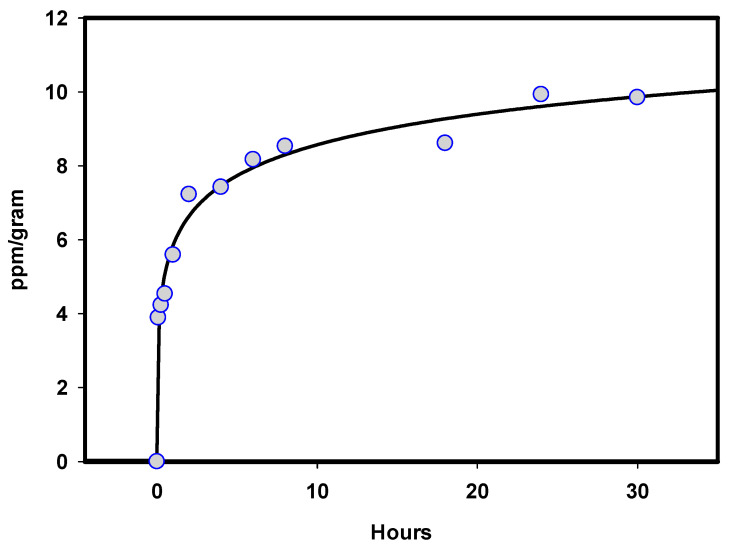
“The cuprous oxide microparticles serve as a reservoir of copper ions that are slowly and constantly released [16,21], endowing the wound dressing with prolonged and stable biocidal properties for at least 7 consecutive days that protect the dressings from bio-contamination and reduction of passage of the viable microo…”
BackgroundSelf-citationEffective antibacterial agents in modern wound dressings: a review
Torabi, S., & Hassanzadeh-Tabrizi, S. A. (2024) · Biofouling · doi:10.1080/08927014.2024.2358913 · Cited by 16
“New antimicrobial wound dressings impregnated with copper oxide micro-particles were used by Melamed et al. (2021) to treat both acute and chronic wounds.”
MethodKotyakova, K. Y., Permyakova, E. S., Makarets, Y. А., Demakov, A. M., Narzulloev, U. U., Ivankova, Y. I., Varlamova, L. A., Antipina, L. Y., Karshieva, S. S., Slukin, P. V., et al. (2025) · Chemical Engineering Journal · doi:10.1016/j.cej.2025.166072 · Cited by 12
Continuum of care in hard-to-heal wounds by copper dressings: A case series
Melamed, E., & Borkow, G. (2023) · Journal of Wound Care · doi:10.12968/jowc.2023.32.12.788 · Cited by 11
Self-citationRoth, T., Zelinger, E., Kossovsky, T., & Borkow, G. (2024) · Microbiology Research · doi:10.3390/microbiolres15040158 · Cited by 13
Self-citationMelamed, E. A., Dabbah, J., Israel, T., Kan, I., Pinzur, M. S., Roth, T., & Borkow, G. (2025) · Advances in Wound Care · doi:10.1089/wound.2024.0273 · Cited by 11
“Even in wounds with necrotic tissue, ischemia, and exposed bone, COD stimulate granulation tissue formation, 28 – 30 ,”
Self-citationHidradenitis Suppurativa and Five Key Vitamins and Minerals
Weir, S. A., Roman, B., Jiminez, V. S., Burns, M., Sanyi, A. A., Elewski, B. E., & Mayo, T. T. (2023) · Skin Appendage Disorders · doi:10.1159/000528122 · Cited by 10
Clinical translation and landscape of copper nanoparticles
Hadiwinata, R. D., Zhang, R., Barmin, R. A., Kiessling, F. M., Lammers, T., & Pallares, R. M. (2026) · Drug Delivery and Translational Research · doi:10.1007/s13346-026-02094-w · Cited by 13
“For example, evidence from copper-releasing dressings and copper-based materials indicates that transient, locally controlled release of copper ions supports angiogenesis and granulation during impaired healing, such as in diabetic wounds [19, 74, 77].”
Healing Effect of a Nano-Functionalized Medical-Grade Honey for the Treatment of Infected Wounds
Salvo, J., Sandoval, C., Schencke, C., Acevedo, F., & del Sol, M. (2023) · Pharmaceutics · doi:10.3390/pharmaceutics15092187 · Cited by 8
“Therefore, the combination of these two qualities makes Cu2+ an attractive material to improve the well-being of the skin [28].”
BackgroundInfluentialCopper-based dressing: Efficacy in a wound infection of ex vivo human skin
Strickland, A. D., Ozturk, M., Conti, T., & Tabatabaei, F. S. (2023) · Tissue and Cell · doi:10.1016/j.tice.2023.102196 · Cited by 7
A Novel Potential Treatment for Diabetic Foot Ulcers and Non-Healing Ulcers - Case Series
Singh, S., Aggarwal, A. K., Gudisa, R., Batra, P., Rathi, N. K., Madan, V., Thakur, V., Sharma, H., Kumar, R., Khare, S., et al. (2023) · Infectious Disorders - Drug Targets · doi:10.2174/0118715265260305231115112728 · Cited by 7
Guo, X., Duo, Y., Tang, X., Tang, L., Qian, X., Shi, Y., Yan, F., Zhang, J. C., & Wang, L. (2025) · Industrial Crops and Products · doi:10.1016/j.indcrop.2025.120766 · Cited by 7
Buschmann, J., Andreoli, S., Jang, J., Gröninger, O. G., Stark, W. J., Spanaus, K. S., Opelz, C., Bürgisser, G. M., Calcagni, M., & Jungraithmayr, W. (2022) · Journal of Biomaterials Applications · doi:10.1177/08853282211065624 · Cited by 6
Engineering Biocompatible Metal‐Based Nanoparticles for Advanced Antibacterial Therapy
Kim, J., Enkhtaivan, K., Kim, M., Lee, S., Kim, S., Lee, S., Jang, J., Choi, Y., & Choi, J. H. (2025) · ChemBioChem · doi:10.1002/cbic.202500752 · Cited by 4
The Use of Complementary and Alternative Medicine in Management of Hidradenitis Suppurativa
Jain, S., O’Brien, J. C., & Harris-Tryon, T. A. (2024) · Current Dermatology Reports · doi:10.1007/s13671-024-00449-5 · Cited by 4
“Rarely, copper deficiency can result from zinc supplementation but resolves after zinc discontinuation and copper repletion [41].”
Cheyne, I., Rybka, M., Mazurek, Ł., Jurak, J., & Konop, M. (2025) · Journal of Biomaterials Applications · doi:10.1177/08853282251392491 · Cited by 4
“31 Similarly, Cu 2+ released from CODs 37 and topical CuNP suspensions (0.01% – 0.1% CuNP, ≈ 100 – 1000 µg/mL) 34 integrated into wound dressings were shown to reduce wound size and accelerate closure in rat models, accompanied by increased collagen deposition and vascular density.”
InfluentialXiong, Y., He, C., Su, D., Zheng, S., Deng, W., & Li, Y. (2026) · Biomaterials · doi:10.1016/j.biomaterials.2026.124428 · Cited by 5
Poláková, V., Matulova, J., Brtníková, J., Fohlerová, Z., Šmerková, K., Kaiser, J., Zikmund, T., Procházková, P., Zidek, J., & Vojtová, L. (2025) · ACS Omega · doi:10.1021/acsomega.5c03661 · Cited by 2
Eggshell-derived nanoparticles accelerate wound healing
Nagchowdhury, P., Londhe, S., Tripathy, S., Chandra, Y., & Patra, C. R. (2026) · Journal of Materials Chemistry B · doi:10.1039/d6tb00239k · Cited by 3
Chattaraj, S. P., Sri, V. S. P. S., Mohanraju, R., Jha, D. K., Dharani, G., & Ramakrishnan, B. (2026) · Scientific Reports · doi:10.1038/s41598-026-42937-7 · Cited by 2
“applications 3–10 .”
Sahoo, M., Banerjee, T., Virkar, S., Das, S., Biswas, S., & Mitra, D. (2026) · Journal of Materials Chemistry B · doi:10.1039/d6tb00543h · Cited by 2
Shikuku, R., Hasnat, M. A., & Khan, M. N. (2026) · Materials Advances · doi:10.1039/d5ma01301a · Cited by 2
Advanced Moist Wound Dressing: Classification by Function
Greco, A., Diego, M., Mennini, N., & Magnoni, C. (2023) · Springer eBooks · doi:10.1007/978-3-031-45453-0_8 · Cited by 3
Synthesis and characterization of biopolymer-based copper carbonate nanoparticles
Блинов, А. В., Анатольевна, Я. М., Gvozdenko, A. A., Рехман, З. А., Filippov, D., Golik, A. B., Askerova, A., Bocharov, N., & Nagdalian, A. A. (2024) · Materials Today Communications · doi:10.1016/j.mtcomm.2024.111149 · Cited by 2
Borkow, G., Cheyne, I., & Melamed, E. (2024) · Wound Healing Southern Africa · doi:10.36303/whsa.839 · Cited by 1
Self-citationMyronov, P. F., Duzhyi, I. D., Івахнюк, Т. В., Pshenychnyi, R., Бандура, І., & Holubnycha, V. (2026) · Discover Nano · doi:10.1186/s11671-026-04587-6 · Cited by 1
Green-Nano Pharmaceutical Formulation in Safe Wound Healing Procedures
Abualsunun, W. A. (2024) · Springer eBooks · doi:10.1007/978-981-97-3843-4_11
Review and evaluation of commercially available wound dressings
Tarzyńska, N., Śniarowski, P., Bednarowicz, A., Jagodzińska, S., & Zielińska, D. (2024) · Fibres and Textiles in Eastern Europe · doi:10.2478/ftee-2024-0038
Retrospective study to assess the efficiency of a novel wound healing patch – Zioheal
Adluri, K. S., Reddy, G. S. C., Vedati, B. G., & Adluri, R. K. P. (2025) · Medicover journal of medicine. · doi:10.4103/mjm.mjm_8_25
Unravelling the environmental hazards of metal and metal oxide nanoparticles used in dermatology
Palariya, L., Tomar, A., Bawari, S., & Sah, A. N. (2025) · Elsevier eBooks · doi:10.1016/b978-0-443-36326-9.00008-3
Management of Dehisced Wounds With Exposed Spongiosa With Modern Dressings: A Case Report
Jurišić, D., Miletić, B., Marinović, M., Batinac, T., & Slivšek, G. (2025) · Cureus · doi:10.7759/cureus.91841
“…with copper oxide (MedCu dressings) create an optimal moist environment for healing, while copper has antimicrobial properties, stimulates angiogenesis, and supports the formation of the extracellular matrix, thereby accelerating granulation tissue formation and epithelialisation [11,12].”
Limb salvage in polytrauma—pushing the boundaries
Nierenberg, G., Lerner, A., Chelnokov, A., & Keltz, E. (2025) · BMJ Case Reports · doi:10.1136/bcr-2025-267339
Exploring Cuproptosis: New Biomarkers and Therapeutic Targets for Skin Diseases
Cao, H.-D., & Jiang, G. (2025) · International Journal of Dermatology and Venereology · doi:10.1097/jd9.0000000000000443
Agrawal, S., Sharma, R., Aggarwal, R., & Goyal, N. (2026) · Asian Journal of Medical Sciences · doi:10.71152/ajms.v17i3.5138
Fomeshi, M. R., Gholipourmalekabadi, M., Eskandari, F., Hussain, Z., Osguei, N. K., Pei, R., & Samadikuchaksaraei, A. (2026) · Journal of Biomedical Materials Research Part B Applied Biomaterials · doi:10.1002/jbm.b.70121
Copper Complexes: Emerging Micro- and Nanosystems for Dermatological Treatment
Hernández-Rojas, I., Águila-Rosas, J., Hernández, O. C., Martínez-Armenta, C., Baron-Flores, V., García-Martínez, B. A., & Ríos, C. (2026) · Pharmaceutics · doi:10.3390/pharmaceutics18070784
“For this reason, the evaluation and correlation of in vitro and in vivo studies for each system and copper complex is essential in order to demonstrate that excess copper can be properly regulated by physiological transport and excretion mechanisms [190,192,193].”
Melamed, E. A., & Cheyne, I. (2026) · Journal of Functional Biomaterials · doi:10.3390/jfb17070350
“…as non-woven, multilayer constructs in which the polymer matrix itself serves as the structural reservoir, with cuprous oxide microparticles incorporated at approximately 2.65% ( w / w ) into both the external spunbond nonwoven layer that contacts the wound bed and the inner absorbent core [16,17].”
InfluentialSelf-citationJanssen, A. H. J., & Siebers, Y. (2026) · Advances in Skin & Wound Care · doi:10.1097/asw.0000000000000476
Stojkovska, J., Zvicer, J., & Osmokrović, A. (2026) · Elsevier eBooks · doi:10.1016/b978-0-443-34256-1.00003-0 · Cited by 1
Wang, N., Wang, G., Zhou, M., Zhang, K., Zhou, T., Wang, X., Yang, G., Deng, L., Huang, T., & Ju, S. (2026) · Frontiers in Endocrinology · doi:10.3389/fendo.2026.1926211
“This growing interest in metal-based antimicrobial dressings, including copper-impregnated alternatives, re fl ects the broader search for antibiotic-independent strategies to combat MDRO infections in chronic wounds (20, 21).”
Dobos, A. M., Serbezeanu, D., Bargan, A., Suflet, D. M., Rusu, D., Rîmbu, C., & Filimon, A. (2026) · Materials Today Chemistry · doi:10.1016/j.mtchem.2026.104164
Metadata
- Authors
- Melamed, E., Kiambi, P., Okoth, D., Honigber, I., Tamir, E., & Borkow, G.
- Affiliations
- Rambam Health Care Campus (IL)
- Kenyatta National Hospital (KE)
- Assaf Harofeh Medical Center (IL)
- MedCu Technologies Ltd., Herzliya 4672837, Israel
- Corresponding author
- Melamed, Eyal
- Venue
- Medicina
- Publisher
- MDPI AG
- Published
- 2021-03-22
- Volume
- 57
- Issue
- 3
- Pages
- 296
- ISSN
- 1010-660X (ISSN-L)
- 1648-9144
- PMC
- PMC8004176
- OpenAlex
- W3136080901
- Semantic Scholar
- f0990f209d336b07bce8ae01d8d6807d69f481ce
- Cited by
- 55
- References
- 44
- Citations by year
- 2026: 11 · 2025: 13 · 2024: 11 · 2023: 14 · 2022: 3 · 2021: 3
- FWCI
- 4.07
- Type
- journal article
- Language
- en
- Open access
- gold
- doi.org
- Licence
- Locations
- Medicina (publishedVersion, cc-by)
- PubMed Central (publishedVersion, cc-by)
- PubMed (publishedVersion)
- DOAJ (DOAJ: Directory of Open Access Journals) (submittedVersion, cc-by-sa)
- Topics
- Health Sciences › Medicine › Surgery › Wound Healing and Treatments
- Health Sciences › Medicine › Endocrinology, Diabetes and Metabolism › Diabetic Foot Ulcer Assessment and Management
- Physical Sciences › Materials Science › Biomaterials › Electrospun Nanofibers in Biomedical Applications
- Keywords
- copper oxide, antimicrobial dressings, chronic wounds, wound healing, skin regeneration, angiogenesis, necrotizing fasciitis, diabetic wounds, sickle cell disease, renal failure, re-epithelialization, granulation tissue
- MeSH terms
- Animals, Bandages, Copper, Humans, Oxides, Skin, Wound Healing
About these checks
Registry, retraction, Cites and statistics results are computed, not judged, with one exception: a printed reference that no index lists is read once by a model before it counts as a citation error. Claims are extracted by a model and kept only when their quote appears verbatim in the text; each cited source is then checked, with a model’s help, for whether it says what the claim relies on. Those verdicts can be wrong — read the claim’s quote and the cited source before relying on one.
Statistics and arithmetic are recomputed, not judged.
Confidence bands are shown only for fields calibrated on our annotated test set. None is calibrated yet, so no band is shown.
What counts as a claim ›How we measure confidence ›How we check this ›
Are you an author, or do you see a problem with this page? Request a review
Data sources
Bibliographic data: Semantic Scholar, OpenAlex, Crossref.
Contains information from the Semantic Scholar Academic Graph Datasets, made available under the ODC Attribution License (ODC-BY 1.0).
Semantic Scholar’s data is described in: Kinney, R., et al. (2023). The Semantic Scholar Open Data Platform. arXiv:2301.10140.
