

Healing of Chronic Wounds by Copper Oxide-Impregnated Wound Dressings—Case Series
Open accessThe DOI matches its Crossref record; 44 of the 44 references it cites were found in a registry or an index.
Abstract
Novel antimicrobial wound dressings impregnated with copper oxide micro-particles have been cleared for treatment of acute and chronic wounds. Our objective is to provide preliminary data regarding the potential benefit of using these novel wound dressings including in non-infected wounds. Methods involved the treatment of wounds that responded partially or poorly to conventional wound healing treatments with copper oxide impregnated wound dressings in patients with a range of etiologies. Ten cases of patients with etiologies such as diabetes mellitus, sickle cell disease, renal failure, and necrotizing fasciitis, in which the application of copper oxide impregnated wound dressings in infected and non-infected wounds, which resulted in significant enhanced wound healing, are presented. This was exemplified by clearing of the wound infections, reduction of the fibrous and/or necrotic tissue and by intense granulation, epithelialization, and wound closure. The described 10 case reports support our hypothesis that the copper oxide-containing wound dressing not only confers protection to the wound and the dressing from microbial contamination, and in some cases may help clear the wound infections, but in addition and more importantly, stimulate skin regeneration and wound healing. Our findings are in line with previous animal and in vitro studies showing that copper plays a key role in angiogenesis and skin regeneration. These case reports support the notion that the use of copper oxide impregnated wound dressings may be an important intervention in the arsenal of wound treatment modalities, especially in hard to heal wounds.
Overview
The claims and statistics of this paper haven’t been checked yet.
Free: it reads the open-access text and checks the first 5 claims that cite a source we can check. Create a free account to check every claim.
Integrity signals
Registry
Cites
Statistics
Figures
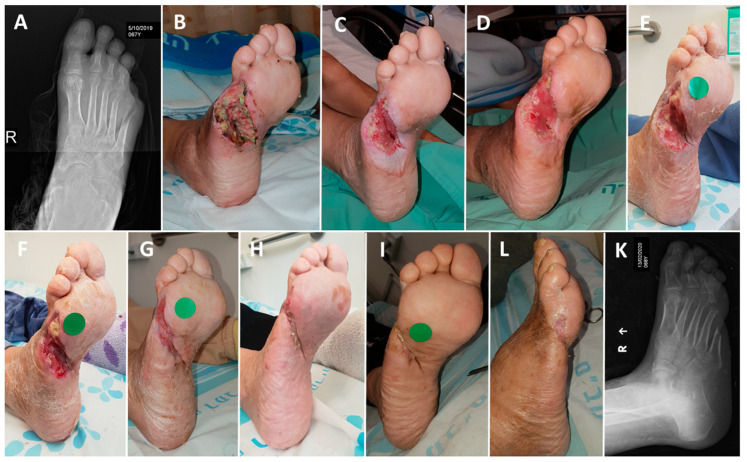
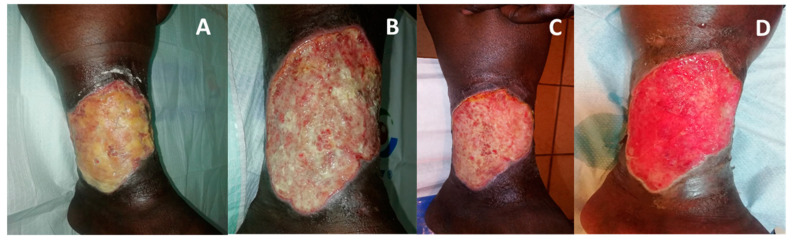
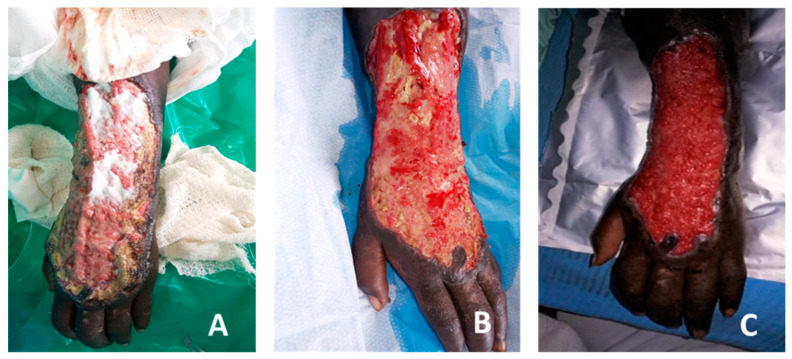
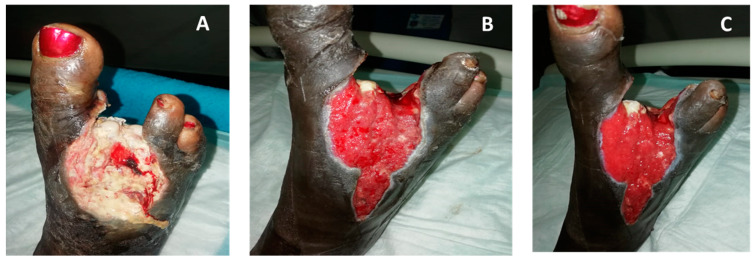
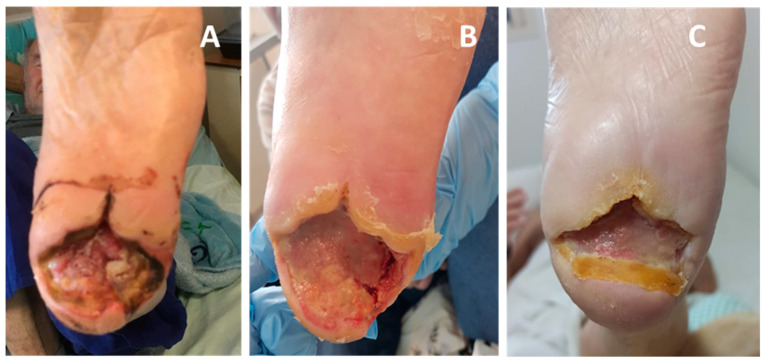
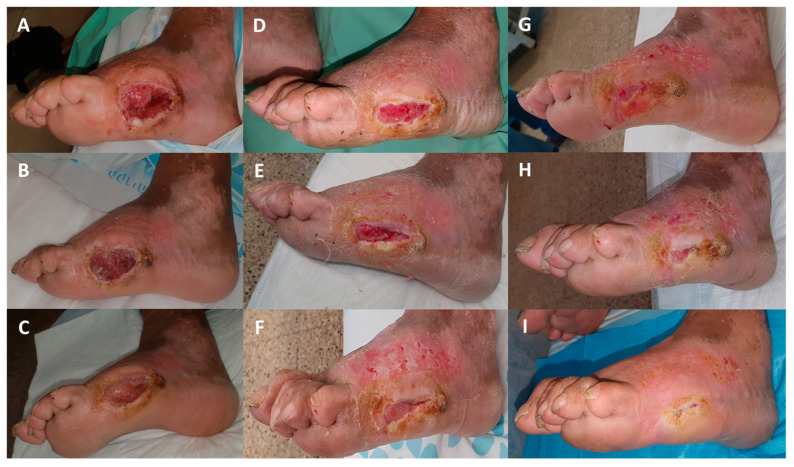
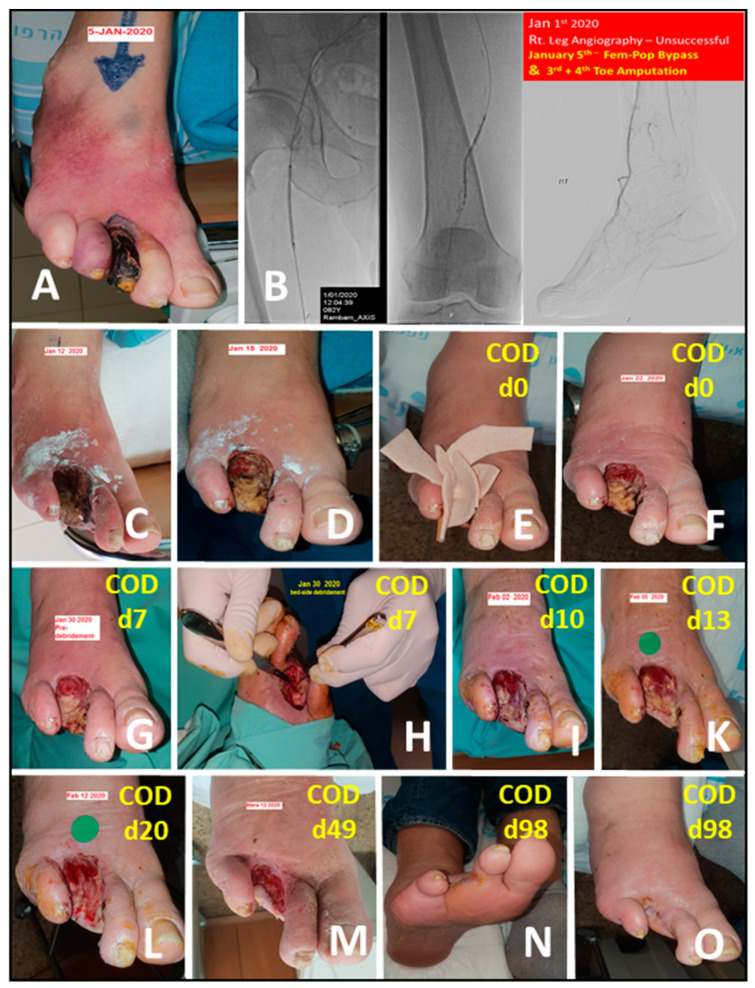
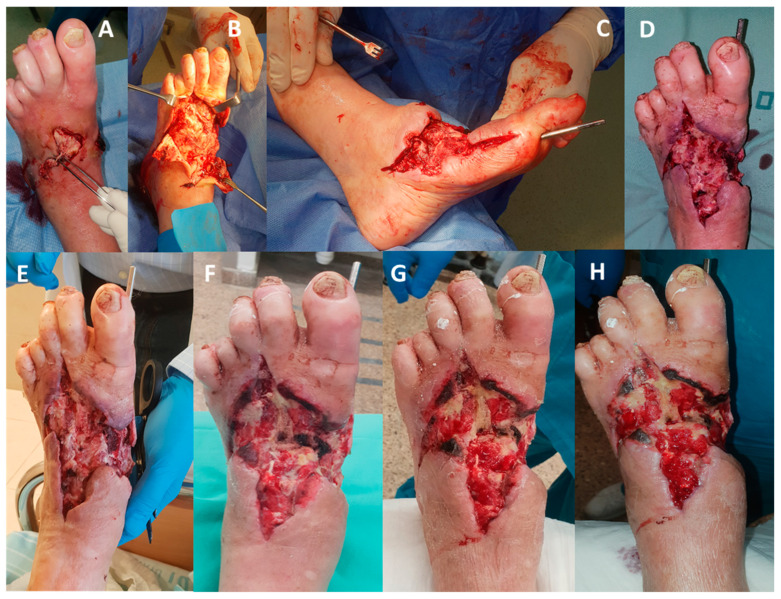
Verification
Claims the paper makes
The claims and statistics of this paper haven’t been checked yet.
Free: it reads the open-access text and checks the first 5 claims that cite a source we can check. Create a free account to check every claim.
Claims other papers make about this one
Each is checked against this paper’s own text: does it say what the citing paper says it does?
The source backs part of the claim, not all of it — or backs it for a different population, condition or comparison.
In the citing paper
“Numerous studies have demonstrated the ability of copper dressings to enhance healing in hard-to-heal wounds, including both infected and non-infected wounds, across all stages of the healing process [107,108,109,110,111,112,113,114,115,116,117,118,119,120,121,122].”
From The Journey of Copper-Impregnated Dressings in Wound Healing: From a Medical Hypothesis to Clinical Practice (2025) · cites this paper as [109]
Experimental — accuracy not yet measured
Self-check
Percentages, sums and reported differences re-computed from the paper’s own numbers.
The self-check needs the paper’s full text.
Citations
Cites
Global epidemiology of diabetic foot ulceration: a systematic review and meta-analysis
Zhang, P., Lu, J., Jing, Y., Tang, S., Zhu, D., & Bi, Y. (2017) · Annals of Medicine · doi:10.1080/07853890.2016.1231932 · Cited by 1,853 · cited 1×
“3% of diabetic patients, affecting nearly 20 million people annually [28], leading to impaired mobility and amputation [29].”
BackgroundEffect of silver on burn wound infection control and healing: Review of the literature
Atiyeh, B. S., Costagliola, M., Hayek, S. N., & Dibo, S. A. (2007) · Burns · doi:10.1016/j.burns.2006.06.010 · Cited by 1,267 · cited 1×
“However, their usefulness in promoting wound healing is questionable, especially due to cellular toxicity [40,41].”
BackgroundEssentiality of copper in humans
Uauy, R., Olivares, M., & Gonzalez, M. (1998) · The American Journal of Clinical Nutrition · doi:10.1093/ajcn/67.5.952s · Cited by 1,052
Borkow, G., & Gabbay, J. (2005) · Current Medicinal Chemistry · doi:10.2174/0929867054637617 · Cited by 727 · cited 5×
“Copper also has potent biocidal properties [18], but in contrast to silver, copper is an indispensable trace element extremely well metabolized by the human body [23], and could be a substitute for silver in wound dressings, if only to reduce biocontamination.”
BackgroundSelf-citationCopper-induced vascular endothelial growth factor expression and wound healing
Sen, C. K., Khanna, S., Venojarvi, M., Trikha, P., Ellison, E. C., Hunt, T. K., & Roy, S. (2002) · American Journal of Physiology-Heart and Circulatory Physiology · doi:10.1152/ajpheart.01015.2001 · Cited by 522 · cited 2×
“Copper stimulates (a) angiogenesis [3] by upregulating Hypoxia Induced Factor 1alpha (HIF-1α) [4], vascular endothelial growth factor (VEGF) [5], and Cu-dependent transcription factor Atox1 [6]; (b) expression of integrin [7]; (c) stimulation of secretion of fibrinogen, elastin, and collagen by dermal fibroblasts [8,9…”
BackgroundSilver dressings: their role in wound management
Leaper, D. J. (2006) · International Wound Journal · doi:10.1111/j.1742-481x.2006.00265.x · Cited by 414
Copper, lysyl oxidase, and extracellular matrix protein cross-linking
Rucker, R., Kosonen, T., Clegg, M., Mitchell, A., Rucker, B., Uriu-Hare, J., & Keen, C. (1998) · The American Journal of Clinical Nutrition · doi:10.1093/ajcn/67.5.996s · Cited by 371
Putting copper into action: copper‐impregnated products with potent biocidal activities
Borkow, G., & Gabbay, J. (2004) · The FASEB Journal · doi:10.1096/fj.04-2029fje · Cited by 366 · cited 1×
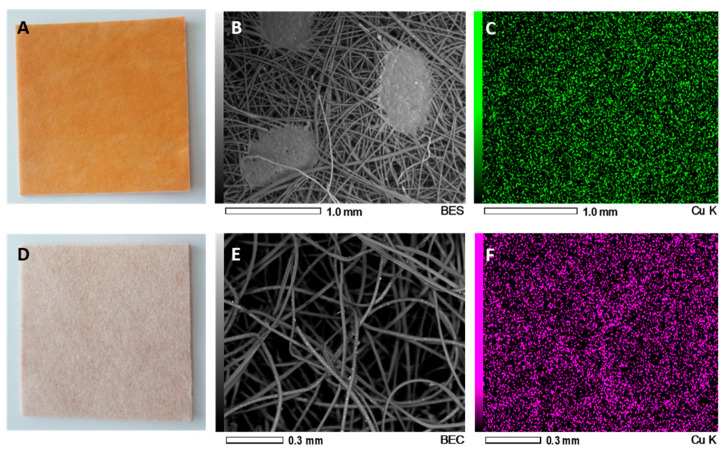
“Recently, by using a platform technology that introduces copper oxide into fibers [36,37], wound dressings impregnated with copper oxide microparticles (COD, Figure 1) are produced.”
BackgroundSelf-citationCopper Oxide Impregnated Textiles with Potent Biocidal Activities
Gabbay, J., Borkow, G., Mishal, J., Magen, E., Zatcoff, R., & Shemer-Avni, Y. (2006) · Journal of Industrial Textiles · doi:10.1177/1528083706060785 · Cited by 255 · cited 1×
“Recently, by using a platform technology that introduces copper oxide into fibers [36,37], wound dressings impregnated with copper oxide microparticles (COD, Figure 1) are produced.”
BackgroundSelf-citationMolecular mechanisms of enhanced wound healing by copper oxide-impregnated dressings
Borkow, G., Gabbay, J., Dardik, R., Eidelman, A. I., Lavie, Y., Grunfeld, Y., Ikher, S., Huszar, M., Zatcoff, R. C., & Marikovsky, M. (2010) · Wound Repair and Regeneration · doi:10.1111/j.1524-475x.2010.00573.x · Cited by 253 · cited 6×
“Medicina 2021, 57, 296 12 of 14 HIF-1α has been recognized as a critical factor in wound healing [4,44].”
BackgroundResultSelf-citationWHS guidelines update: Diabetic foot ulcer treatment guidelines
Lavery, L. A., Davis, K. E., Berriman, S. J., Braun, L., Nichols, A., Kim, P. J., Margolis, D., Peters, E. J., & Attinger, C. (2016) · Wound Repair and Regeneration · doi:10.1111/wrr.12391 · Cited by 233 · cited 1×
“Aggressive wound care, consisting of infection control, sharp debridement, off weight bearing, and other basic approaches, often results in wound closure [30].”
BackgroundRegulation of Wound Healing and Fibrosis by Hypoxia and Hypoxia-Inducible Factor-1
Ruthenborg, R. J., Ban, J.-J., Wazir, A., Takeda, N., & Kim, J.-W. (2014) · Molecules and Cells · doi:10.14348/molcells.2014.0150 · Cited by 223 · cited 1×
“HIF-1α has been recognized as a critical factor in wound healing [4,44].”
BackgroundThe neglected role of copper ions in wound healing
Kornblatt, A. P., Nicoletti, V. G., & Travaglia, A. (2016) · Journal of Inorganic Biochemistry · doi:10.1016/j.jinorgbio.2016.02.012 · Cited by 221 · cited 1×
“Copper is a trace mineral essential for many wound healing-related processes [1,2].”
BackgroundChitosan-based copper nanocomposite accelerates healing in excision wound model in rats
Gopal, A., Kant, V., Gopalakrishnan, A., Tandan, S. K., & Kumar, D. (2014) · European Journal of Pharmacology · doi:10.1016/j.ejphar.2014.02.033 · Cited by 217
A Quantitative Test for Copper Using Bicinchoninic Acid
Brenner, A. J., & Harris, E. D. (1995) · Analytical Biochemistry · doi:10.1006/abio.1995.1194 · Cited by 195 · cited 2×
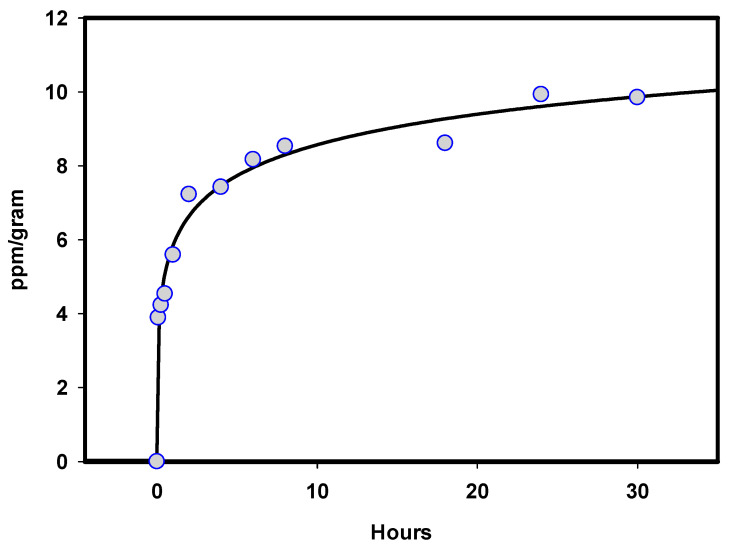
“ions eluting to the saline solution was determined by colorimetry assay using bicinchoninic acid [38].”
MethodFabrication of Chitosan/PVA/GO/CuO patch for potential wound healing application
Venkataprasanna, K. S., Prakash, J., Vignesh, S., Bharath, G., Venkatesan, M., Banat, F., Sahabudeen, S., Ramachandran, S., & Devanand Venkatasubbu, G. (2020) · International Journal of Biological Macromolecules · doi:10.1016/j.ijbiomac.2019.10.029 · Cited by 188
Abdollahi, Z., Zare, E. N., Salimi, F., Goudarzi, I., Tay, F. R., & Makvandi, P. (2021) · International Journal of Molecular Sciences · doi:10.3390/ijms22052531 · Cited by 170
Alizadeh, S., Seyedalipour, B., Shafieyan, S., Kheime, A., Mohammadi, P., & Aghdami, N. (2019) · Biochemical and Biophysical Research Communications · doi:10.1016/j.bbrc.2019.07.110 · Cited by 162 · cited 1×
“Copper stimulates (a) angiogenesis [3] by upregulating Hypoxia Induced Factor 1alpha (HIF-1α) [4], vascular endothelial growth factor (VEGF) [5], and Cu-dependent transcription factor Atox1 [6]; (b) expression of integrin [7]; (c) stimulation of secretion of fibrinogen, elastin, and collagen by dermal fibroblasts [8,9…”
BackgroundFerreira, M. C., Tuma, P., Carvalho, V. F., & Kamamoto, F. (2006) · Clinics · doi:10.1590/s1807-59322006000600014 · Cited by 151 · cited 1×
“Foot ulcers are among the most often occurring chronic wounds [27], with global prevalence of 6.”
BackgroundYang, T., Yao, Q., Cao, F., Liu, Q., Liu, B., & Wang, X. (2016) · International Journal of Nanomedicine · doi:10.2147/ijn.s109695 · Cited by 143 · cited 3×
“Copper stimulates (a) angiogenesis [3] by upregulating Hypoxia Induced Factor 1alpha (HIF-1α) [4], vascular endothelial growth factor (VEGF) [5], and Cu-dependent transcription factor Atox1 [6]; (b) expression of integrin [7]; (c) stimulation of secretion of fibrinogen, elastin, and collagen by dermal fibroblasts [8,9…”
BackgroundIn vitro modulation of keratinocyte wound healing integrins by zinc, copper and manganese
TENAUD, SAINTE-MARIE, JUMBOU, LITOUX, & DRÉNO (1999) · British Journal of Dermatology · doi:10.1046/j.1365-2133.1999.02603.x · Cited by 126 · cited 1×
“Copper stimulates (a) angiogenesis [3] by upregulating Hypoxia Induced Factor 1alpha (HIF-1α) [4], vascular endothelial growth factor (VEGF) [5], and Cu-dependent transcription factor Atox1 [6]; (b) expression of integrin [7]; (c) stimulation of secretion of fibrinogen, elastin, and collagen by dermal fibroblasts [8,9…”
BackgroundGhasemian Lemraski, E., Jahangirian, H., Dashti, M., Khajehali, E., Sharafinia, M. S., Rafiee-Moghaddam, R., & Webster, T. J. (2021) · International Journal of Nanomedicine · doi:10.2147/ijn.s266692 · Cited by 125
Siméon, A., Wegrowski, Y., Bontemps, Y., & Maquart, F.-X. (2000) · Journal of Investigative Dermatology · doi:10.1046/j.1523-1747.2000.00166.x · Cited by 119
Siméon, A., Emonard, H., Hornebeck, W., & Maquart, F.-X. (2000) · Life Sciences · doi:10.1016/s0024-3205(00)00803-1 · Cited by 118
Metallothioneins: potential therapeutic aids for wound healing in the skin
Lansdown, A. B. G. (2002) · Wound Repair and Regeneration · doi:10.1046/j.1524-475x.2002.20101.x · Cited by 101
Characterization and quantification of copper sulfate-induced vascularization of the rabbit cornea.
Parke, A., Bhattacherjee, P., Palmer, R. M., & Lazarus, N. R. (1988) · Europe PMC (PubMed Central) · Cited by 98
Copper oxide impregnated wound dressing: biocidal and safety studies.
Borkow, G., Okon-Levy, N., & Gabbay, J. (2010) · PubMed · Cited by 98
Self-citationCopper Hypersensitivity: Dermatologie Aspects
Hostynek, J. J., & Maibach, H. I. (2003) · Reviews on Environmental Health · doi:10.1515/reveh.2003.18.3.153 · Cited by 95
Novel copper (II) alginate hydrogels and their potential for use as anti-bacterial wound dressings
Klinkajon, W., & Supaphol, P. (2014) · Biomedical Materials · doi:10.1088/1748-6041/9/4/045008 · Cited by 93
Copper affects the binding of HIF-1α to the critical motifs of its target genes
Wu, Z., Zhang, W., & Kang, Y. J. (2019) · Metallomics · doi:10.1039/c8mt00280k · Cited by 92 · cited 1×
“Furthermore, in contrast to silver, which has been found to inhibit HIF-1α [42], copper enhances HIF-1α expression [4] and the binding of HIF-1α to the critical motifs in the promoter and putative enhancer regions of HIF-1 regulated genes [43].”
BackgroundEndothelial Antioxidant-1: a Key Mediator of Copper-dependent Wound Healing in vivo
Das, A., Sudhahar, V., Chen, G.-F., Kim, H. W., Youn, S.-W., Finney, L., Vogt, S., Yang, J., Kweon, J., Surenkhuu, B., et al. (2016) · Scientific Reports · doi:10.1038/srep33783 · Cited by 89 · cited 1×
“Copper stimulates (a) angiogenesis [3] by upregulating Hypoxia Induced Factor 1alpha (HIF-1α) [4], vascular endothelial growth factor (VEGF) [5], and Cu-dependent transcription factor Atox1 [6]; (b) expression of integrin [7]; (c) stimulation of secretion of fibrinogen, elastin, and collagen by dermal fibroblasts [8,9…”
BackgroundUsing Copper to Fight Microorganisms
Borkow, G. (2012) · Current Chemical Biology · doi:10.2174/187231312801254723 · Cited by 88 · cited 1×
“Copper has also potent wide spectrum biocidal properties [18,19].”
BackgroundSelf-citationCould chronic wounds not heal due to too low local copper levels?
Borkow, G., Gabbay, J., & Zatcoff, R. C. (2008) · Medical Hypotheses · doi:10.1016/j.mehy.2007.06.006 · Cited by 81
Self-citationSilver treatments for leg ulcers: a systematic review
Chambers, H., Dumville, J. C., & Cullum, N. (2007) · Wound Repair and Regeneration · doi:10.1111/j.1524-475x.2007.00201.x · Cited by 76 · cited 1×
“However, their usefulness in promoting wound healing is questionable, especially due to cellular toxicity [40,41].”
BackgroundCopper and the Synthesis of Elastin and Collagen
Harris, E. D., Rayton, J. K., Balthrop, J. E., Di Silvestro, R. A., & Garcia‐de‐Quevedo, M. (1980) · Novartis Foundation Symposia · doi:10.1002/9780470720622.ch9 · Cited by 59 · cited 1×
“Copper stimulates (a) angiogenesis [3] by upregulating Hypoxia Induced Factor 1alpha (HIF-1α) [4], vascular endothelial growth factor (VEGF) [5], and Cu-dependent transcription factor Atox1 [6]; (b) expression of integrin [7]; (c) stimulation of secretion of fibrinogen, elastin, and collagen by dermal fibroblasts [8,9…”
BackgroundExamination of the Cutaneous Absorption of Copper After the Use of Copper-Containing Ointments
Gorter, R. W., Butorac, M., & Cobian, E. P. (2004) · American Journal of Therapeutics · doi:10.1097/01.mjt.0000127148.83065.e5 · Cited by 55 · cited 1×
“The risk of adverse skin reactions due to copper exposure is extremely low [20,21].”
BackgroundBilian, X. (2002) · Best Practice & Research Clinical Obstetrics & Gynaecology · doi:10.1053/beog.2002.0267 · Cited by 55 · cited 1×
“Copper is not only considered safe to humans, as demonstrated by the widespread and prolonged use of copper intrauterine devices and copper food supplementation [22,23], but is an essential metal needed for normal metabolic processes [23].”
BackgroundPhilips, N., Samuel, P., Parakandi, H., Gopal, S., Siomyk, H., Ministro, A., Thompson, T., & Borkow, G. (2012) · Connective Tissue Research · doi:10.3109/03008207.2012.665970 · Cited by 44 · cited 1×
“Copper stimulates (a) angiogenesis [3] by upregulating Hypoxia Induced Factor 1alpha (HIF-1α) [4], vascular endothelial growth factor (VEGF) [5], and Cu-dependent transcription factor Atox1 [6]; (b) expression of integrin [7]; (c) stimulation of secretion of fibrinogen, elastin, and collagen by dermal fibroblasts [8,9…”
BackgroundSelf-citationStabilization of fibronectin mats with micromolar concentrations of copper
Ahmed, Z., Idowu, B. D., & Brown, R. A. (1999) · Biomaterials · doi:10.1016/s0142-9612(98)00015-5 · Cited by 36 · cited 1×
“Copper stimulates (a) angiogenesis [3] by upregulating Hypoxia Induced Factor 1alpha (HIF-1α) [4], vascular endothelial growth factor (VEGF) [5], and Cu-dependent transcription factor Atox1 [6]; (b) expression of integrin [7]; (c) stimulation of secretion of fibrinogen, elastin, and collagen by dermal fibroblasts [8,9…”
BackgroundSafety of Using Copper Oxide in Medical Devices and Consumer Products
Borkow, G. (2012) · Current Chemical Biology · doi:10.2174/2212796811206010086 · Cited by 34
Self-citationAhmed, Z., Briden, A., Hall, S., & Brown, R. A. (2003) · Biomaterials · doi:10.1016/s0142-9612(03)00596-9 · Cited by 29 · cited 1×
“Copper stimulates (a) angiogenesis [3] by upregulating Hypoxia Induced Factor 1alpha (HIF-1α) [4], vascular endothelial growth factor (VEGF) [5], and Cu-dependent transcription factor Atox1 [6]; (b) expression of integrin [7]; (c) stimulation of secretion of fibrinogen, elastin, and collagen by dermal fibroblasts [8,9…”
BackgroundCopper promotes migration of adipose-derived stem cells by enhancing vimentin-Ser39 phosphorylation
Chen, M., Li, R. Q., Yin, W., Wang, T., & Kang, Y. J. (2020) · Experimental Cell Research · doi:10.1016/j.yexcr.2020.111859 · Cited by 22 · cited 1×
“Copper stimulates (a) angiogenesis [3] by upregulating Hypoxia Induced Factor 1alpha (HIF-1α) [4], vascular endothelial growth factor (VEGF) [5], and Cu-dependent transcription factor Atox1 [6]; (b) expression of integrin [7]; (c) stimulation of secretion of fibrinogen, elastin, and collagen by dermal fibroblasts [8,9…”
BackgroundSafety of Using Diapers Containing Copper Oxide in Chronic Care Elderly Patients
Weinberg, I., Lazary, A., Jefidoff, A., Vatine, J., Borkow, G., & Ohana, N. (2013) · The Open Biology Journal · doi:10.2174/1874196701306010001 · Cited by 17
Self-citationEpidemiology and Health Care Costs of Diabetic Foot Problems
Reiber, G. E. (2003) · Humana Press eBooks · doi:10.1385/1-59259-168-x:035 · Cited by 12
Cited by
Role of copper nanoparticles in wound healing for chronic wounds: literature review
Salvo, J., & Sandoval, C. (2022) · Burns & Trauma · doi:10.1093/burnst/tkab047 · Cited by 206
“[107] have shown that copper oxide-containing wound dressings not only confer protection to the wound and the dressing from microbial contamination but in addition, and more importantly, stimulate skin regeneration and wound healing.”
The Use of Metallic Nanoparticles in Wound Healing: New Perspectives
Mendes, C., Thirupathi, A., Corrêa, M. E. A. B., Gu, Y., & Silveira, P. C. L. (2022) · International Journal of Molecular Sciences · doi:10.3390/ijms232315376 · Cited by 130
Progress in copper‐based materials for wound healing
Diao, W., Li, P., Jiang, X., Zhou, J., & Yang, S. (2023) · Wound Repair and Regeneration · doi:10.1111/wrr.13122 · Cited by 84
Innovative approaches to wound healing: insights into interactive dressings and future directions
Yadav, R., Kumar, R., Kathpalia, M., Ahmed, B., Dua, K., Gulati, M., Singh, S. K., Singh, P. J., Kumar, S., Shah, R., et al. (2024) · Journal of Materials Chemistry B · doi:10.1039/d3tb02912c · Cited by 75
Transforming Wound Management: Nanomaterials and Their Clinical Impact
Ashwini, T., Prabhu, A., Baliga, V., Bhat, S., Thenkondar, S. T., Nayak, Y., & Nayak, U. Y. (2023) · Pharmaceutics · doi:10.3390/pharmaceutics15051560 · Cited by 74
“The findings from this case series support the potential use of copper oxide-impregnated wound dressings as a valuable intervention in wound healing, particularly in cases of difficult-to-treat wounds [67].”
BackgroundInfluential
Metadata
- Authors
- Melamed, E., Kiambi, P., Okoth, D., Honigber, I., Tamir, E., & Borkow, G.
- Affiliations
- Rambam Health Care Campus (IL)
- Kenyatta National Hospital (KE)
- Assaf Harofeh Medical Center (IL)
- MedCu Technologies Ltd., Herzliya 4672837, Israel
- Corresponding author
- Melamed, Eyal
- Venue
- Medicina
- Publisher
- MDPI AG
- Published
- 2021-03-22
- Volume
- 57
- Issue
- 3
- Pages
- 296
- ISSN
- 1010-660X (ISSN-L)
- 1648-9144
- PMC
- PMC8004176
- OpenAlex
- W3136080901
- Cited by
- 55
- References
- 44
- Citations by year
- 2026: 11 · 2025: 13 · 2024: 11 · 2023: 14 · 2022: 3 · 2021: 3
- FWCI
- 4.07
- Type
- journal article
- Language
- en
- Open access
- gold
- doi.org
- Licence
- Locations
- Medicina (publishedVersion, cc-by)
- PubMed Central (publishedVersion, cc-by)
- PubMed (publishedVersion)
- DOAJ (DOAJ: Directory of Open Access Journals) (submittedVersion, cc-by-sa)
- Topics
- Health Sciences › Medicine › Surgery › Wound Healing and Treatments
- Health Sciences › Medicine › Endocrinology, Diabetes and Metabolism › Diabetic Foot Ulcer Assessment and Management
- Physical Sciences › Materials Science › Biomaterials › Electrospun Nanofibers in Biomedical Applications
- Keywords
- copper oxide, antimicrobial dressings, chronic wounds, wound healing, skin regeneration, angiogenesis, necrotizing fasciitis, diabetic wounds, sickle cell disease, renal failure, re-epithelialization, granulation tissue
- MeSH terms
- Animals, Bandages, Copper, Humans, Oxides, Skin, Wound Healing
About these checks
Registry, retraction, Cites and statistics results are computed, not judged, with one exception: a printed reference that no index lists is read once by a model before it counts as a citation error. Claims are extracted by a model and kept only when their quote appears verbatim in the text; each cited source is then checked, with a model’s help, for whether it says what the claim relies on. Those verdicts can be wrong — read the claim’s quote and the cited source before relying on one.
Statistics and arithmetic are recomputed, not judged.
Confidence bands are shown only for fields calibrated on our annotated test set. None is calibrated yet, so no band is shown.
What counts as a claim ›How we measure confidence ›How we check this ›
Are you an author, or do you see a problem with this page? Request a review
Data sources
Bibliographic data: Semantic Scholar, OpenAlex, Crossref.
Contains information from the Semantic Scholar Academic Graph Datasets, made available under the ODC Attribution License (ODC-BY 1.0).
Semantic Scholar’s data is described in: Kinney, R., et al. (2023). The Semantic Scholar Open Data Platform. arXiv:2301.10140.
