

Cognitive Behavioral Therapy for Migraine Headache: A Systematic Review and Meta-Analysis
Open accessThe DOI matches its Crossref record; 38 of the 38 references it cites were found in a registry or an index.
Abstract
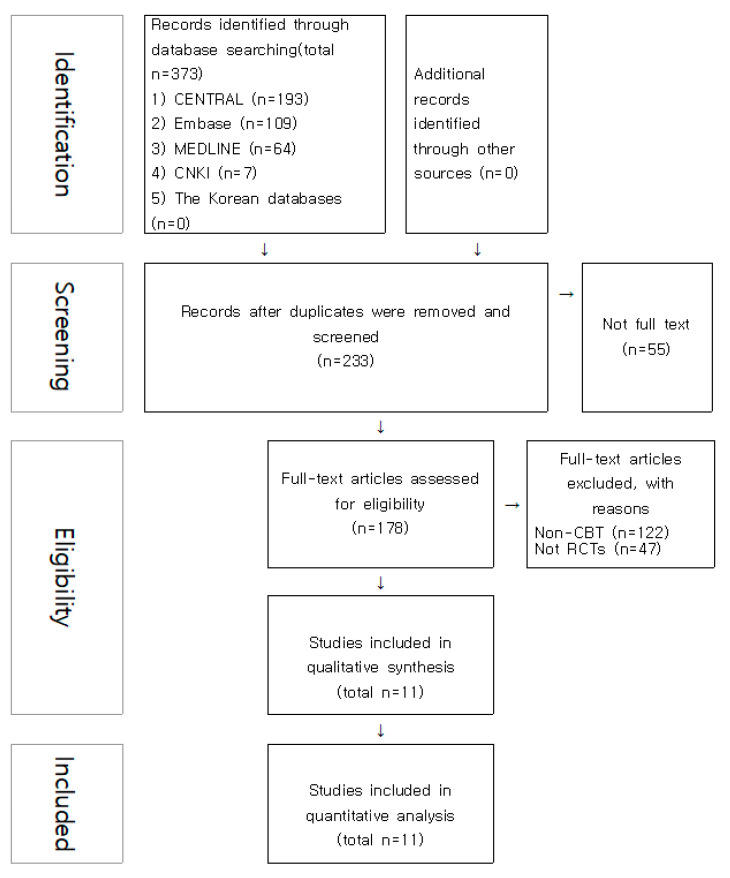
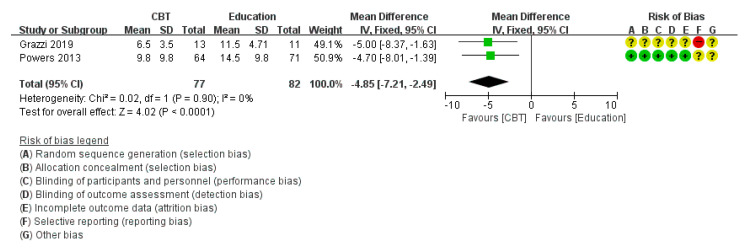
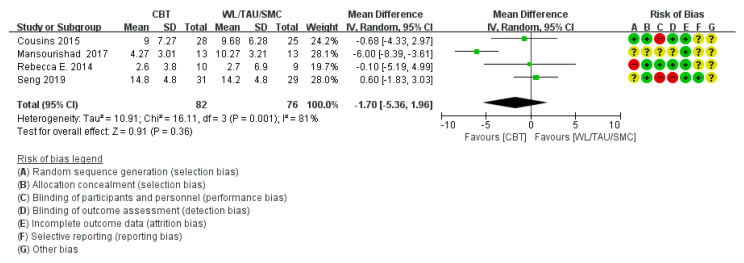
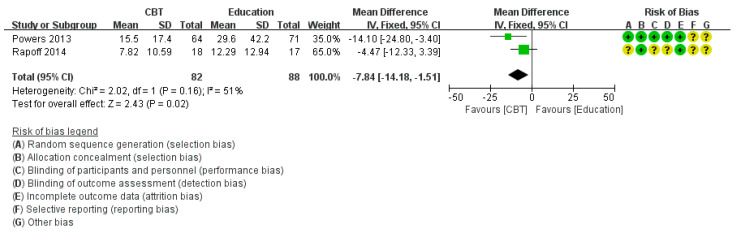
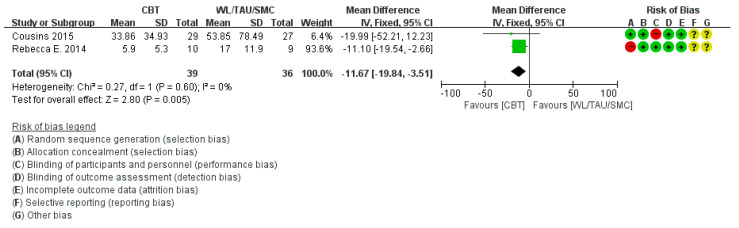
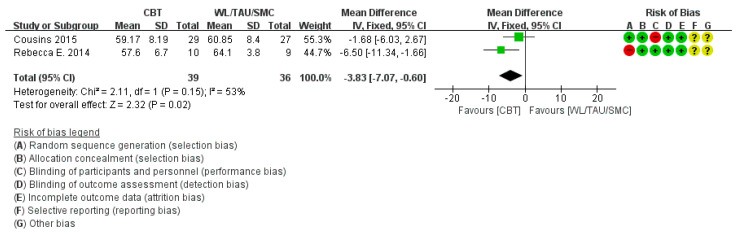
Background and Objectives: Migraine headaches are chronic neurological diseases that reduce the quality of life by causing severe headaches and autonomic nervous system dysfunction, such as facial flushing, nasal stuffiness, and sweating. Their major treatment methods include medication and cognitive behavioral therapy (CBT). CBT has been used for pain treatment and various psychogenic neurological diseases by reducing pain, disability, and emotional disorders caused by symptoms of mental illness and improving the understanding of mental health. This study aimed to evaluate the effectiveness and safety of CBT in treating migraines. Materials and Methods: Seven electronic databases were searched from the date of inception to December 2020. Randomized controlled studies (RCTs) using CBT as an intervention for migraine were included. The primary outcome of this study was to determine the frequency of migraines and the intensity of migraines on Visual Analog Scale (VAS), the frequency of drug use, Migraine Disability Assessment (MIDAS), and Headache Impact Test (HIT-6) index. The two authors independently conducted the data extraction and quality assessment of the included RCTs, and conducted meta-analysis with RevMan V.5.4. Results: Among the 373 studies, 11 RCTs were included in this systematic review. Seven out of the 11 RCTs were conducted in the USA, and four were conducted in the UK, Germany, Iran, and Italy, respectively. Headache frequency and MIDAS scores were statistically significant reduced. In the subgroup analysis, headache strength was significantly reduced. Two of the included studies reported adverse effects, including worsening of migraine intensity and frequency, respiratory symptoms, and vivid memory of a traumatic event. Conclusions: CBT for migraine effectively reduced headache frequency and MIDAS score in meta-analysis and headache intensity subgroup analysis, with few adverse events. Additional RCTs with CBT for migraine headaches are needed for a more accurate analysis.
Overview
The claims and statistics of this paper haven’t been checked yet.
Free: it reads the open-access text and checks the first 5 claims that cite a source we can check. Create a free account to check every claim.
Integrity signals
Registry
Cites
Statistics
Figures
Verification
Claims the paper makes
The claims and statistics of this paper haven’t been checked yet.
Free: it reads the open-access text and checks the first 5 claims that cite a source we can check. Create a free account to check every claim.
Self-check
Percentages, sums and reported differences re-computed from the paper’s own numbers.
The self-check needs the paper’s full text.
Citations
Cites
The PRISMA 2020 statement: An updated guideline for reporting systematic reviews
Page, M. J., McKenzie, J. E., Bossuyt, P. M., Boutron, I., Hoffmann, T. C., Mulrow, C. D., Shamseer, L., Tetzlaff, J. M., Akl, E. A., Brennan, S. E., et al. (2021) · BMJ · doi:10.1136/bmj.n71 · Cited by 108,283
(2018) · Cephalalgia · doi:10.1177/0333102417738202 · Cited by 10,733 · cited 3×
“Migraine is a disease characterized by severe headache accompanied by symptoms, such as nausea, photophobia, phonophobia, and vomiting [1].”
BackgroundInfluentialVos, T., Allen, C., Arora, M., Barber, R. M., Bhutta, Z. A., Brown, A., Carter, A., Casey, D. C., Charlson, F. J., Chen, A. Z., et al. (2016) · The Lancet · doi:10.1016/s0140-6736(16)31678-6 · Cited by 7,253
The Efficacy of Cognitive Behavioral Therapy: A Review of Meta-analyses
Hofmann, S. G., Asnaani, A., Vonk, I. J. J., Sawyer, A. T., & Fang, A. (2012) · Cognitive Therapy and Research · doi:10.1007/s10608-012-9476-1 · Cited by 3,445 · cited 1×
“Cognitive behavioral therapy (CBT) is a treatment that uses cognitive factors to improve mental disorders and psychological distress [20].”
BackgroundMigraine — Current Understanding and Treatment
Goadsby, P. J., Lipton, R. B., & Ferrari, M. D. (2002) · New England Journal of Medicine · doi:10.1056/nejmra010917 · Cited by 1,918 · cited 1×
“Migraine is a chronic neurological disorder and autonomic nervous system dysfunction that affects patients’ quality of life [5,6].”
BackgroundA six-item short-form survey for measuring headache impact: The HIT-6™
Kosinski, M., Bayliss, M. S., Bjorner, J. B., Ware, J. E., Garber, W. H., Batenhorst, A., Cady, R., Dahlöf, C. G. H., Dowson, A., & Tepper, S. (2003) · Quality of Life Research · doi:10.1023/a:1026119331193 · Cited by 1,376
Silberstein, S. D. (2000) · Neurology · doi:10.1212/wnl.55.6.754 · Cited by 1,360
Stewart, W. F., Lipton, R. B., Dowson, A. J., & Sawyer, J. (2001) · Neurology · doi:10.1212/wnl.56.suppl_1.s20 · Cited by 1,210 · cited 1×
“Primary outcome measures were headache days assessed by headache diary (mostly defined as a day containing 2 or more hours of headache); headache duration and pain intensity; Migraine Disability Assessment (MIDAS) [27], assessing migraine-related disability, with a higher score reflecting more severe disability; and H…”
BackgroundEFNS guideline on the drug treatment of migraine—revised report of an EFNS task force
Evers, S., Áfra, J., Frese, A., Goadsby, P. J., Linde, M., May, A., & Sándor, P. S. (2009) · European Journal of Neurology · doi:10.1111/j.1468-1331.2009.02748.x · Cited by 892
Ehde, D. M., Dillworth, T. M., & Turner, J. A. (2014) · American Psychologist · doi:10.1037/a0035747 · Cited by 879 · cited 1×
“Several previous studies have shown that CBT reduces disability and chronic pain in patients [39,40].”
Background
Research works printed but not linked: 1
- Van Den Brink M. Antoinette MacGregor E.A. Gender and Migraine Springer International Cham, Switzerland 2019 1 15
Cited by
Hallmarks of primary headache: part 1 – migraine
Raggi, A., Leonardi, M., Arruda, M., Caponnetto, V., Castaldo, M., Coppola, G., Della Pietra, A., Fan, X., Garcia-Azorin, D., Gazerani, P., et al. (2024) · The Journal of Headache and Pain · doi:10.1186/s10194-024-01889-x · Cited by 198
“Specialty centres and neurologists with specific training on head-ache disorders have knowledge and skills to provide specific care, from diagnosis to treatment [15–17].”
Management of chronic migraine
Hovaguimian, A., & Roth, J. L. (2022) · BMJ · doi:10.1136/bmj-2021-067670 · Cited by 120
Chronic Stress and Headaches: The Role of the HPA Axis and Autonomic Nervous System
Sič, A., Bogicevic, M., Brezić, N., Nemr, C., & Knežević, N. N. (2025) · Biomedicines · doi:10.3390/biomedicines13020463 · Cited by 120
“Additionally, newer research demonstrated that ten sessions of transdi-agnostic CBT (TCBT) significantly improved migraine severity, disability, and associated anxiety and depression, with the effects lasting for one month after treatment [137].”
Nagy, Z., Szigedi, E., Takács, S., & Császár-Nagy, N. (2023) · Life · doi:10.3390/life13030849 · Cited by 54
“, chronic pain [17], other chronic health conditions [49], or headache [50]).”
BackgroundInfluences of Genetic and Environmental Factors on Chronic Migraine: A Narrative Review
Yeh, P.-K., An, Y.-C., Hung, K., & Yang, F. (2024) · Current Pain and Headache Reports · doi:10.1007/s11916-024-01228-4 · Cited by 41
“Considering these factors, the current review emphasizes the importance of psychotherapy in migraine treatment strategies, particularly cognitive behavioral therapy (CBT) and stress management techniques, which have proven effective in reducing migraine attacks [11].”
Triggers of migraine: where do we stand?
Martinelli, D., Pocora, M. M., Icco, R. D., Putortì, A., & Tassorelli, C. (2022) · Current Opinion in Neurology · doi:10.1097/wco.0000000000001065 · Cited by 38
Non-Pharmacological Treatment for Chronic Migraine
Han, X., & Yu, S. (2023) · Current Pain and Headache Reports · doi:10.1007/s11916-023-01162-x · Cited by 29
“Though there is grade A evidence for behavioral treatment (e.g., biofeedback, cognitive behavioral therapy (CBT), and relaxation techniques) for migraine [87], these treatments are underused [88].”
BackgroundMigraine With Comorbid Depression: Pathogenesis, Clinical Implications, and Treatment
Asif, N., Patel, A., Vedantam, D., Poman, D. S., & Motwani, L. (2022) · Cureus · doi:10.7759/cureus.25998 · Cited by 33
“Like migraine, MDD is diagnosed more often in females than males [9] and is a major burden on society.”
BackgroundMangrum, R., Bryant, A. L., Gerstein, M. T., McCarrier, K. P., Houts, C. R., McGinley, J. S., Buse, D. C., Lipton, R. B., & Wirth, R. J. (2024) · Headache The Journal of Head and Face Pain · doi:10.1111/head.14664 · Cited by 31
“For example, a range of be - havioral treatment options like cognitive behavioral therapy, 37,38 acceptance and commitment therapy, 39 and mindfulness-based therapies 39,40 have been shown to improve symptom experience or functioning and reduce disability in the same ways as phar - macological…”
Backgrounddel Pino‐Sedeño, T., Cabrera-Maroto, M., Abrante-Luis, A., González‐Hernández, Y., & Herrera, M. C. O. (2024) · Frontiers in Psychology · doi:10.3389/fpsyg.2024.1457842 · Cited by 35
Digital Therapeutics in Migraine Management: A Novel Treatment Option in the COVID-19 Era
Chen, X., & Luo, Y. (2023) · Journal of Pain Research · doi:10.2147/jpr.s387548 · Cited by 19
Zhang, F., Wang, L., Chen, Z., Cao, X., & Chen, B.-Y. (2023) · Journal of Orthopaedic Science · doi:10.1016/j.jos.2023.01.007 · Cited by 21
Alternative and complementary treatments for migraine
Tabeeva, G. R., Filatova, E. G., Амелин, А. В., Osipova, V. В., Artemenko, A. R., Ахмадеева, Л. Р., Ekusheva, E. V., Koreshkina, M. I., Разумовна, Л. Е., Сергеев, А. В., et al. (2024) · Neurology neuropsychiatry Psychosomatics · doi:10.14412/2074-2711-2024-1-4-15 · Cited by 16
Psychological Approaches for Migraine Management
Sturgeon, J. A., Ehde, D. M., Darnall, B. D., Barad, M. J., Clauw, D. J., & Jensen, M. P. (2023) · Anesthesiology Clinics · doi:10.1016/j.anclin.2023.02.002 · Cited by 19
Migraine and the Gender Divide
Vanood, A., Rangel, I. C., & Starling, A. J. (2023) · Neurologic Clinics · doi:10.1016/j.ncl.2023.01.002 · Cited by 14
Golovacheva, V. A., Александровна, Г. А., Fateeva, T. G., & Parfenov, V. A. (2024) · S S Korsakov Journal of Neurology and Psychiatry · doi:10.17116/jnevro2024124052110 · Cited by 13
Behavioral therapy in migraine: Expanding the therapeutic arsenal
Mínguez‐Olaondo, A., Días, P. A., de Munáin, E. L., Grozeva, V., Laspra‐Solís, C., Martín‐Villalba, I., García‐Martín, V., Vila‐Pueyo, M., Barandiarán, M., Zabalza, R., et al. (2024) · European Journal of Neurology · doi:10.1111/ene.16414 · Cited by 12
“BT has been shown to be useful at any age and life phase, especially in children and adolescents [30].”
BackgroundEffects of Dietary Interventions in Patients With Migraine: A Systematic Review
Roldán‐Ruiz, A., Bertotti, G., & López‐Moreno, M. (2025) · Nutrition Reviews · doi:10.1093/nutrit/nuae188 · Cited by 13
Treating Vestibular Migraine When Pregnant and Postpartum: Progress, Challenges and Innovations
Teelucksingh, S., Govind, R. M., Dobson, R., Nelson‐Piercy, C., & Ovadia, C. (2023) · International Journal of Women s Health · doi:10.2147/ijwh.s371491 · Cited by 15
Zamir, O., Yarns, B. C., Lagman‐Bartolome, A. M., Jobanputra, L., Lawler, V., & Lay, C. L. (2023) · Headache The Journal of Head and Face Pain · doi:10.1111/head.14624 · Cited by 12
Tabeeva, G. R., Kosivtsova, O. V., Александровна, К. Н., & Orlyuk, T. A. (2024) · Neurology neuropsychiatry Psychosomatics · doi:10.14412/2074-2711-2024-2-76-86 · Cited by 12
The nervous system and associated disorders
Teixeira, L. (2024) · British Journal of Nursing · doi:10.12968/bjon.2024.33.4.194 · Cited by 9
Tam, A. C. T., Naik, H., Trenaman, L., Lynd, L. D., & Zhang, W. (2024) · The Journal of Headache and Pain · doi:10.1186/s10194-024-01882-4 · Cited by 10
Min, X., Huo, Y., Sun, N., Zhi, H., Li, H., Zhang, S., Cui, W., Guo, Y., & Wu, H. (2023) · Medical Science Monitor · doi:10.12659/msm.938574 · Cited by 11
“The HIT-6 can be used to evaluate the effect of various types of headaches on QoL [22], so we used the HIT-6 to evaluate the effect of chronic tension-type headache on QoL.”
Huguet, A., Rozario, S., Wozney, L., & McGrath, P. J. (2023) · JMIR Human Factors · doi:10.2196/48677 · Cited by 8
Evidence Mapping Based on Systematic Reviews of Cognitive Behavioral Therapy for Neuropathic Pain
Li, C., Hou, W., Ding, D., Yang, Y., Gu, S., & Zhu, Y. (2023) · Neural Plasticity · doi:10.1155/2023/2680620 · Cited by 10
The role of stress in the comorbidity of migraine and other chronic primary pain
Zhao, S., Wang, T., Zhang, Q., Akerman, S., & Cao, D. (2025) · Headache The Journal of Head and Face Pain · doi:10.1111/head.70004 · Cited by 8
“153 CBT combined with amitriptyline in the treatment of migraine re - sults in fewer headache attacks and a reduction in migraine-related disability.”
Typical clinical practice of treating patients with chronic migraine
Golovacheva, V. A., Александровна, Г. А., Tarshilova, A. R., & Osipova, V. В. (2024) · Neurology neuropsychiatry Psychosomatics · doi:10.14412/2074-2711-2024-1s-31-37 · Cited by 7
A Role for Visual Art Therapy in the Management of Migraine
Smirnoff, L., & Pham, K. (2024) · Current Pain and Headache Reports · doi:10.1007/s11916-023-01207-1 · Cited by 6
Advances in Migraine Treatment: A Comprehensive Clinical Review
Rushendran, R., & Vellapandian, C. (2025) · Current Protein and Peptide Science · doi:10.2174/0113892037329429241123095325 · Cited by 9
Headaches treatment with EMG biofeedback: a focused systematic review and meta-analysis
Cinnera, A. M., Morone, G., Bisirri, A., LUCENTI, T., ROTUNDO, M., MONACI, S., Berton, C., PAOLUZZI, M., Iosa, M., & Ciancarelli, I. (2023) · European Journal of Physical and Rehabilitation Medicine · doi:10.23736/s1973-9087.23.07745-6 · Cited by 9
Currently Available Interventions for the Management of Migraine Pain
Singh, R. K., Pandey, S. K., Singh, S., Chittoda, A., & Chaudhari, S. A. (2024) · Springer eBooks · doi:10.1007/978-981-97-4529-6_11 · Cited by 13
Cognitive Behavioral Therapy and Biofeedback
Wie, C. S., Dunn, T., Sperry, J. A., Strand, N. H., Dawodu, A., Freeman, J., Covington, S. M., Pew, S., Misra, L., & Maloney, J. A. (2025) · Current Pain and Headache Reports · doi:10.1007/s11916-024-01348-x · Cited by 8
“Therefore, conclusions could not be made for the other primary outcome measures [ 12].”
Neuro-ophthalmology and migraine: visual aura and its neural basis
Tukur, H. N., Uwishema, O., Sheikhah, D., & Akbay, H. (2025) · International Journal of Emergency Medicine · doi:10.1186/s12245-025-00924-1 · Cited by 4
“Furthermore, behavioral therapies, such as cognitive-behavioral therapy (CBT) and biofeedback, offer additional support in migraine control [37].”
Katsuki, M., Matsumoto, N., Matsumori, Y., Tatsumoto, M., Suzuki, K., Shimazu, T., Huerta, M. Á., Sato, D., Kikugawa, K., Kamado, S., et al. (2026) · The Journal of Headache and Pain · doi:10.1186/s10194-026-02284-4 · Cited by 6
Study protocol for a randomized controlled trial of neurofeedback mindfulness in chronic migraines
Golshan, F., Lysenko, R., Zade, M. N., Alibolandi, P., Block, H., Masiowski, P., O’Connell, M. E., Sun, G., & Mickleborough, M. (2024) · Contemporary Clinical Trials Communications · doi:10.1016/j.conctc.2024.101362 · Cited by 4
“At the same time, systematic reviews on other forms of treatments do not provide enough evidence for a decrease in migraine intensity followed by cognitive-behavioural therapy [10] or changes in migraine frequency and medication use followed by acceptance and commitment therapy [11].”
BackgroundRandomized Trial of Self-Guided, Internet-Based, Cognitive Behavior Therapies for Migraine
Huguet, A., Rozario, S., Chaplin, W., McDonald, M., Wozney, L., Lagman‐Bartolome, A. M., Kronish, I. M., Purdy, A., Stinson, J., & McGrath, P. J. (2024) · Canadian Journal of Neurological Sciences / Journal Canadien des Sciences Neurologiques · doi:10.1017/cjn.2024.287 · Cited by 4
Golovacheva, V. A., & Александровна, Г. А. (2024) · Neurology neuropsychiatry Psychosomatics · doi:10.14412/2074-2711-2024-6-21-27 · Cited by 4
Selvakumar, K., Fan, T. L., Nien, F. C., & Kit, M. H. (2023) · PLoS ONE · doi:10.1371/journal.pone.0291534 · Cited by 3
“Behavioural treatment approaches can be considered an add-on to ongoing treatments and often offer a positive clinical improvement [20].”
Biobehavioral treatments of migraine
Penzien, D. B., & Irby, M. B. (2024) · Handbook of clinical neurology · doi:10.1016/b978-0-12-823357-3.00031-8 · Cited by 4
Golovacheva, V. A., Александровна, Г. А., & Parfenov, V. A. (2025) · Russian neurological Journal · doi:10.30629/2658-7947-2024-29-6-35-43 · Cited by 3
The migraine epidemic among medical students: a call for action
Saeed, M., Farooq, M. U., Abbas, M. N. A., Khan, F., Tangmi, D. E. A., & Mittal, G. (2024) · Annals of Medicine and Surgery · doi:10.1097/ms9.0000000000002241 · Cited by 2
“People with migraines can learn coping techniques for handling the tension, anxiety, and discomfort of attacks with the aid of cognitive behavioral therapy (CBT) [26] .”
BackgroundBehavioral Treatment Strategies for Headache Management
McGeary, D. D., & McGeary, C. A. (2025) · Physical Medicine and Rehabilitation Clinics of North America · doi:10.1016/j.pmr.2025.08.004 · Cited by 2
Perspectives on Pain: A Narrative Review of Pain Beliefs, Coping, and Clinical Implications
Pugh, C., Snoddy, K., Boyett, R., Bakir, H., Cawley, D., & Piscura, M. K. (2026) · Journal of Pain Research · doi:10.2147/jpr.s603074 · Cited by 3
Pina, R., Matos, C. H. C., Cardoso, K., & de Oliveira, D. A. (2024) · Physiotherapy Theory and Practice · doi:10.1080/09593985.2024.2383933 · Cited by 5
“Specific strategies, such as cognitive-behavioral therapy, can be integrated to help patients restructure negative thoughts, reduce catastrophizing, and improve clinical outcomes of migraine such as attack frequency and disability (Bae et al., 2021; Seng and Holroyd, 2014).”
Headache diagnosis and treatment: A pilot knowledge and needs assessment among physical therapists
Minen, M. T., Whetten, C., Messier, D., Mehta, S., Williamson, A., Verhaak, A. M. S., & Grosberg, B. M. (2024) · Headache The Journal of Head and Face Pain · doi:10.1111/head.14801 · Cited by 2
ganji, M. F., Kalantari, M., & Abedi, A. (2024) · Current Psychology · doi:10.1007/s12144-024-06614-0 · Cited by 3
“This correction is achieved through various cognitive and behavioral techniques, either individually or in group settings (Bae et al., 2021 ; Bieling et al., 2022 ).”
Chen, Y.-M., Wang, J.-H., Liang, C., Lin, Y., & Yang, F. (2025) · BMC Neurology · doi:10.1186/s12883-025-04165-w · Cited by 9
“Elucidating these relationships in different ethnic and cultural contexts is crucial for developing targeted interventions that account for population-specific factors influencing both sleep and migraine [19].”
Abdominal Migraine in Adults: A Narrative Review
Niriella, M. A., Jayasena, H., Nishad, N., Wijesingha, I. P., & Prabagar, K. (2025) · Cureus · doi:10.7759/cureus.85958 · Cited by 2
“It has been extensively shown to be effective in functional abdominal pain disorders such as IBS and functional dyspepsia, and has also been used successfully in migraine [40].”
A Cognitive Behavioral Computing Model Combined with DM’s Teaching Quality Improvement
Lei, B. (2022) · Mobile Information Systems · doi:10.1155/2022/7184295 · Cited by 2
Migraine Headache: Dietary Approaches and Nutritional Supplements
Lucius, K. (2022) · Integrative and Complementary Therapies · doi:10.1089/ict.2022.29016.klu · Cited by 4
Acceptance-Commitment Therapy for Women with Episodic Migraine: A Pilot Randomized Trial
Bernstein, C., Lazaridou, A., Paschali, M., Vilsmark, E. S., & Rist, P. M. (2024) · Journal of Integrative and Complementary Medicine · doi:10.1089/jicm.2023.0085 · Cited by 1
Capturing the experiences of sexual and gender minorities with migraine headache
Lane, I. A., & Zempsky, W. T. (2023) · Headache The Journal of Head and Face Pain · doi:10.1111/head.14595 · Cited by 1
DeLone, A. M., Dattilo, T. M., Roberts, C. M., Fisher, R. S., Chaney, J. M., & Mullins, L. L. (2024) · American Journal of Health Education · doi:10.1080/19325037.2023.2295559 · Cited by 1
“44,45 For example, CBT may help individuals with medical conditions integrate illness specific cognitive appraisal mechanisms and identify behavioral changes to reduce illness uncertainty and intrusiveness which may be beneficial in reducing anxious and depressive symptoms.”
BackgroundTakagishi, S. C., Grinberg, A. S., Lindsey, H. M., Goldman, R. E., Baird, S. A., Burrone, L., Sico, J. J., & Damush, T. M. (2024) · Cureus · doi:10.7759/cureus.56175 · Cited by 2
“Headache specialists valuing a health psychologist’s ability to effectively provide CBT for their headache patients provided a further endorsement of CBT being able to produce positive results [35-37].”
BackgroundCastiglia, S. F., Sebastianelli, G., Abagnale, C., Casillo, F., Trabassi, D., Lorenzo, C. D., Ziccardi, L., Parisi, V., Renzo, A. D., Icco, R. D., et al. (2024) · Sensors · doi:10.3390/s24237627 · Cited by 1
Çopuroğlu, Ö. B., & Çopuroğlu, M. (2024) · Medicina · doi:10.3390/medicina61010028 · Cited by 9
“These findings are consistent with prior research emphasizing the efficacy of relaxation techniques, such as diaphragmatic breathing and mindfulness meditation, in addressing stress-related migraine triggers [20].”
Golovacheva, V. A. (2025) · Meditsinskiy sovet = Medical Council · doi:10.21518/ms2025-319 · Cited by 1
Goel, A., Upadhyay, P., Kaur, G., Paul, B. S., & Mishra, B. P. (2026) · Journal of Clinical Psychology in Medical Settings · doi:10.1007/s10880-025-10122-z · Cited by 1
“Prior studies have also indicated the benefits of CBT and Biofeedback modality in migraine headaches (Bae et al., 2021; Paudel & Sah, 2025).”
Digital and virtual interventions for migraine: A systematic review of randomized controlled trials
Tana, C., Raffaelli, B., Moffa, L., Götz, J., & Angerhöfer, C. (2026) · Cephalalgia · doi:10.1177/03331024261422276 · Cited by 1
Pei, F., Hu, W.-J., & Zhao, Y. (2023) · Menopause The Journal of The North American Menopause Society · doi:10.1097/gme.0000000000002255 · Cited by 1
Transcranial direct current stimulation for migrane
Петрович, Б. С., Andreev, S., Zinchenko, O. O., Panina, U. V., Дмитриевна, К. В., Takhirov, R., Potakhina, A. E., & Викторовна, Ш. К. (2024) · Meditsinskiy sovet = Medical Council · doi:10.21518/ms2024-121 · Cited by 1
Psychogastroenterology of cyclic vomiting syndrome: A crucial need to build evidence
Tarbell, S. E., & van Tilburg, M. A. L. (2024) · Neurogastroenterology & Motility · doi:10.1111/nmo.14888 · Cited by 2
“34,35 The durability of nonpharmacological interventions, including significant short-and long-term improvement in headache frequency has also been demonstrated.”
Migräne verstehen: von der klinischen Untersuchung zu standardisierten Behandlungsstrategien
Pradela, J., Eschke, R.-C., Bevilaqua‐Grossi, D., & Lüdtke, K. (2024) · MSK – Muskuloskelettale Physiotherapie · doi:10.1055/a-2344-7948 · Cited by 2
Golovacheva, V. A., & Александровна, Г. А. (2024) · Consilium Medicum · doi:10.26442/20751753.2024.11.203055 · Cited by 5
Padrós-Augé, J., Schytz, H., Søgaard, K., Donat-Roca, R., Espí-López, G., & Madsen, B. (2025) · Journal of Clinical Medicine · doi:10.3390/jcm14155359 · Cited by 3
“Adding other interventions, such as cognitive behavioral therapy or motivational interviewing, may increase functional status by assessing fear avoidance and sedentary behaviors, which were not assessed in this study but could potentially influence adherence and functionality [30,31].”
(2020) · Frontiers research topics · doi:10.3389/978-2-88966-037-7
Acute Treatments for Episodic Migraine: Surveillance Report 2
Pluym, J. H. V., Singh, R. B. H., Farah, M. H., Viola, K. E., Hasan, B., Saadi, S. M., Shah, S. H., Nayfeh, T., Prokop, L. J., Murad, M. H., et al. (2022) · doi:10.23970/ahrqepcmigrainesurveillance2
Study of Risk Factors and Correlates of Migraine and Depression Comorbidity
Wang, N., & Yan, Y. (2022) · Journal of Innovations in Medical Research · doi:10.56397/jimr/2022.12.02
Re, V. (2023) · IntechOpen eBooks · doi:10.5772/intechopen.109856
Beyond conventional therapies - an overview of the alternative approaches in migraine management
Barg, M., Biały-Karbowniczek, J., Jędrasek, A., & Wojtyła, K. (2024) · Journal of Education Health and Sport · doi:10.12775/jehs.2024.65.012 · Cited by 1
Marelli, A., Grazzi, L., Visco, M. A., Crescenzo, P., Bavagnoli, A., Sirotich, A. C., & Covelli, V. (2024) · Healthcare · doi:10.3390/healthcare12131302
Digital clinics for diagnosing and treating migraine
Nyberg, J., Rosenbacke, R., & Ben‐Menachem, E. (2024) · Current Opinion in Supportive and Palliative Care · doi:10.1097/spc.0000000000000715
“Cognitive behavior therapy and innovative biofeed-back therapies are established as effective preventive migraine and have now begun to be digitized by device-based companies [14, 15, 16].”
Persistent postural perceptual dizziness (PPPD) in pediatric patients after COVID-19 infection
Noij, K. S., Babu, V., Drews, M., Lockshaw, S. A., Hermann, L., Malone, L. A., & Jenks, C. M. (2024) · International Journal of Pediatric Otorhinolaryngology · doi:10.1016/j.ijporl.2024.112076 · Cited by 1
Headache: A primary indicator for depression in out patient department at a teritiary care hospital
Divan, R., Chaurasia, S. K., & Kumar, S. (2024) · Panacea Journal of Medical Sciences · doi:10.18231/j.pjms.2024.124
Episodic and chronic migraine - treatment and risk factors - A literature review
Skrzypek, J., Niewiadomska, J., Bondos, B., Stępień, A., Paluch, A., Niekra, A., Fussek, Ł., Kochan, R., Wieczorek, E., & Lee, K. (2024) · Journal of Education Health and Sport · doi:10.12775/jehs.2024.75.56459
The Relationship between Primary Headache and Cognition
曹, 伊. (2025) · Journal of Clinical Personalized Medicine · doi:10.12677/jcpm.2025.41068
Efficacy of electromyographical (EMG) and thermal biofeedback in management of migraine
Badr, M. Y., Gad, E.-S. A. H., Alsawi, H. E. F., El-Hay, M. A. A., Pasha, M. M., Belal, A. A. E., & Eldeeb, F. A. (2025) · The Egyptian Journal of Neurology Psychiatry and Neurosurgery · doi:10.1186/s41983-025-00947-8
“There is a need for other therapies combined with medication [3, 4].”
Effectiveness of a Multidisciplinary Headache Management Program: An Open-Label Pilot Study
Souren, R., Winteler, B., Bischoff, N., Fluri, O., Grolimund, J., Scutelnic, A., Streitberger, K., Beckwée, D., & Schankin, C. J. (2025) · Clinical and Translational Neuroscience · doi:10.3390/ctn9020027 · Cited by 1
Nonpharmacological Treatment of Headaches
Mauskop, A., & Juraboev, A. (2025) · Oxford University Press eBooks · doi:10.1093/med/9780190888770.003.0020
Li, L., He, Q., Zhou, N., Zhang, Z., Lv, X., & Zhang, J. (2025) · Scientific Reports · doi:10.1038/s41598-025-13774-x · Cited by 1
Real-life practice for managing patients with chronic migraine
Golovacheva, V. A., & Александровна, Г. А. (2025) · Meditsinskiy sovet = Medical Council · doi:10.21518/ms2025-293
Golovacheva, V. A., & Александровна, Г. А. (2025) · Neurology neuropsychiatry Psychosomatics · doi:10.14412/2074-2711-2025-4-84-91 · Cited by 1
Damush, T. M., Calcatera, S. M., Datre, O., Lindsey, H. M., Austin, C., Fortenberry, E. L. S., Eubanks, C. L., Harrison, L., Yuan, D., Taylor, S., et al. (2025) · Cephalalgia Reports · doi:10.1177/25158163251374156
Migräne verstehen – von der klinischen Untersuchung zu standardisierten Behandlungsstrategien
Pradela, J., Eschke, R.-C., Bevilaqua‐Grossi, D., & Lüdtke, K. (2025) · VPT Magazin · doi:10.1055/s-0045-1811412
“Migräne kann Stress und negative Verhaltensmuster auslösen, die sich durch kognitive Verhaltenstherapie (CBT) positiv beeinflus - sen lassen [83].”
Migraine treatments: what have we learned from neuroimaging?
Genovese, F., Messina, R., & Filippi, M. (2025) · Elsevier eBooks · doi:10.1016/b978-0-443-23649-5.00010-4
Vandenbussche, N., & Moreno-Ajona, D. (2025) · Elsevier eBooks · doi:10.1016/b978-0-443-23649-5.00007-4
Non-pharmacological approaches to migraine management
Тимуровна, М. Р., Петрович, Б. С., Вячеславовна, В. А., & Викторовна, Ш. К. (2026) · Meditsinskiy sovet = Medical Council · doi:10.21518/ms2025-530
Research Still in Need: Introduction: The Global Impact of Headache
Ren, X., Xiong, Z., & Wang, Y. (2026) · Sustainable development goals series · doi:10.1007/978-3-032-14609-0_8
Non-pharmacological approaches for migraine management: a mini-review
Singh, V., Kumar, A., Ray, S., Chakravarty, K., Lall, N., & Joshi, D. (2026) · Frontiers in Pain Research · doi:10.3389/fpain.2026.1760756 · Cited by 4
“A meta-analysis of 11 Randomized control trial (RCTs) demonstrated CBT reduces headache frequency and MIDAS ratings (28), proving especially beneficial for chronic and medication-overuse migraines by mitigating stress responses, regulating autonomic balance, and reducing anxiety and depression (29,…”
Bedside Cognitive Behavioral Therapy Techniques in Primary Care
Williamson, M. L. C., Terry, D. L., & Jackson, K. (2026) · Primary Care Clinics in Office Practice · doi:10.1016/j.pop.2026.01.008
Cognitive and emotional mechanisms underlying migraine quality of life
Shinan‐Altman, S., & Hamama‐Raz, Y. (2026) · Headache The Journal of Head and Face Pain · doi:10.1111/head.70102
A study on cortical habituation based on event-related potential P50 and CNV
Li, J., Zhang, Y., Li, H., Liu, C., Sun, Z. X., Fu, Y., He, Q., & Lv, Y. (2026) · Frontiers in Neurology · doi:10.3389/fneur.2026.1787063 · Cited by 1
“Beyond headache, migraine sufferers frequently experience cognitive impairments such as inattention and slowed response times during or between attacks (6–8).”
Bartsch, L., Fiebig, N., Klötzer, C., Strauß, S., Reuter, U., & Fleischmann, R. (2026) · Scientific Reports · doi:10.1038/s41598-026-47295-y
“Behavioural interventions such as CBT and biofeedback have demonstrated efficacy in migraine and may contribute to improvements in self-management and disability outcomes 15 .”
Digital Therapeutics for Migraine: Core Categories, Clinical Evidence, and Future Perspectives
Yang, M., Shao, J., Peres, M., & Liu, K. (2026) · International Journal of Pain Research · doi:10.11648/j.ijpr.20260202.11
Pediatric migraine: Neurodevelopmental mechanisms, clinical phenotypes, and modern therapeutics
Al‐Beltagi, M. (2026) · World Journal of Clinical Pediatrics · doi:10.5409/wjcp.v15.i2.119843 · Cited by 2
Psychological interventions for migraine
Grazzi, L., Rizzoli, P. B., Montisano, D. A., Lambru, G., & Raggi, A. (2026) · Nature Reviews Neurology · doi:10.1038/s41582-026-01223-w · Cited by 1
“…two Chinese databases and two Korean databases) and covering the period from inception of each database to 2020, specifically focused on randomized controlled trials comparing CBT against no treatment or treatment as usual, or against a ‘sham control group’ who underwent lifestyle modification 79 .”
Maheshwari, L., Irfan, S. A., Hassan, A. O., Ahmed, A., Jaffery, I., Kazmi, F., Ravi, P., & Iqbal, J. (2026) · Discover Neuroscience · doi:10.1186/s13064-026-00285-2
“Two meta-analyses assessed the pooled effect of CBT on migraine patients who did not suffer from sleep pathologies, showing significant improvement in headache frequency and MIDAS scores [29, 30].”
Soontrapa, P., Koonalintip, P., Sornplaeng, P., & Wakerley, B. R. (2026) · Pain Research and Management · doi:10.1155/prm/3699422
“Nevertheless, given their simplicity, low cost, and absence of apparent harms [41, 42], brief educational interventions could reasonably be ofered to all patients with MOH as part of routine care [43].”
JAISWAL, C., Kalia, N., JAISWAL, L., & Sharma, O. P. (2026) · Current Psychology · doi:10.1007/s12144-026-09873-1
“Cognitive-behavioral, mindfulness-based, relaxation, and biofeedback approaches can reduce headache burden and improve coping (Bae et al., 2021; Nestoriuc & Martin, 2007; Nesto-riuc et al., 2008).”
Metadata
- Authors
- Bae, J.-Y., Sung, H.-K., Kwon, N.-Y., Go, H.-Y., Kim, T.-J., Shin, S.-M., & Lee, S.
- Affiliations
- Kyung Hee University (KR)
- Semyung University (KR)
- Gachon University (KR)
- Clinical Trial Center, Wonkwang University Gwangju Hospital, Gwangju 61729, Korea
- Venue
- Medicina
- Publisher
- MDPI AG
- Published
- 2021-12-28
- Volume
- 58
- Issue
- 1
- Pages
- 44
- ISSN
- 1010-660X (ISSN-L)
- 1648-9144
- PMC
- PMC8777662
- OpenAlex
- W4200183743
- Cited by
- 105
- References
- 38
- Citations by year
- 2026: 22 · 2025: 23 · 2024: 35 · 2023: 17 · 2022: 7
- FWCI
- 2.66
- Type
- journal article
- Language
- en
- Open access
- gold
- doi.org
- Licence
- Locations
- Medicina (publishedVersion, cc-by)
- PubMed Central (publishedVersion, cc-by)
- PubMed (publishedVersion)
- DOAJ (DOAJ: Directory of Open Access Journals) (submittedVersion, cc-by-sa)
- Funders
- Korea Health Industry Development Institute (HB16C0043)
- Topics
- Health Sciences › Medicine › Clinical Neurology › Migraine and Headache Studies
- Health Sciences › Dentistry › Oral Surgery › Temporomandibular Joint Disorders
- Health Sciences › Medicine › Clinical Neurology › Traumatic Brain Injury Research
- Keywords
- cognitive behavioral therapy, migraine, headache frequency, headache severity, migraine disability, psychogenic headache, treatment effectiveness, adverse effects, autonomic symptoms
- MeSH terms
- Disability Evaluation, Headache, Humans, Migraine Disorders, Pain Measurement, Cognitive Behavioral Therapy
About these checks
Registry, retraction, Cites and statistics results are computed, not judged, with one exception: a printed reference that no index lists is read once by a model before it counts as a citation error. Claims are extracted by a model and kept only when their quote appears verbatim in the text; each cited source is then checked, with a model’s help, for whether it says what the claim relies on. Those verdicts can be wrong — read the claim’s quote and the cited source before relying on one.
Statistics and arithmetic are recomputed, not judged.
Confidence bands are shown only for fields calibrated on our annotated test set. None is calibrated yet, so no band is shown.
What counts as a claim ›How we measure confidence ›How we check this ›
Are you an author, or do you see a problem with this page? Request a review
Data sources
Bibliographic data: Semantic Scholar, OpenAlex, Crossref.
Contains information from the Semantic Scholar Academic Graph Datasets, made available under the ODC Attribution License (ODC-BY 1.0).
Semantic Scholar’s data is described in: Kinney, R., et al. (2023). The Semantic Scholar Open Data Platform. arXiv:2301.10140.
