

Oral Manifestations Associated with HIV/AIDS Patients
Open accessThe DOI matches its Crossref record; 50 of the 51 references it cites were found in a registry or an index.
Abstract
Oral manifestations are early and important clinical indicators of Human Immunodeficiency Virus (HIV) infection since they can occur in up to 50% of HIV-infected patients and in up to 80% of patients at the AIDS stage (<200 CD4+ T lymphocytes). Oral health is related to physical and mental well-being because the presence of some lesions can compromise dental aesthetics, and alter speech, chewing, and swallowing, thus impacting the quality of life of patients. For this reason, it is necessary to integrate, as part of the medical treatment of HIV-positive patients, the prevention, diagnosis, and control of oral health. It is essential that health professionals have the power to identify, diagnose, and treat oral pathologies through clinical characteristics, etiological agents, and risk factors, both local and systemic. A diagnosis at an early stage of injury allows optimizing and prioritizing oral treatments, especially in acute pathologies, such as gingivitis and necrotizing periodontitis. In this group of patients, the development of strategies for the prevention, control, and reduction of these pathologies must be prioritized in order to reduce morbidity and mortality in this group of patients.
Overview
The claims and statistics of this paper haven’t been checked yet.
Free: it reads the open-access text and checks the first 5 claims that cite a source we can check. Create a free account to check every claim.
Integrity signals
Registry
Cites
Statistics
Figures
Verification
Claims the paper makes
The claims and statistics of this paper haven’t been checked yet.
Free: it reads the open-access text and checks the first 5 claims that cite a source we can check. Create a free account to check every claim.
Self-check
Percentages, sums and reported differences re-computed from the paper’s own numbers.
The self-check needs the paper’s full text.
Citations
Cites
Tonetti, M. S., Greenwell, H., & Kornman, K. S. (2018) · Journal of Periodontology · doi:10.1002/jper.18-0006 · Cited by 3,239
Xerostomia: an update for clinicians
Hopcraft, M., & Tan, C. (2010) · Australian Dental Journal · doi:10.1111/j.1834-7819.2010.01229.x · Cited by 346 · cited 3×
“Salivation impairment has been considered a risk factor for developing caries, as well as increasing the risk of oral infection, such as candidiasis and periodontal disease [33,34].”
BackgroundCandidiasis: Red and White Manifestations in the Oral Cavity
Hellstein, J. W., & Marek, C. L. (2019) · Head and Neck Pathology · doi:10.1007/s12105-019-01004-6 · Cited by 175
Diagnosis and Treatment of Kaposi Sarcoma
Schneider, J. W., & Dittmer, D. P. (2017) · American Journal of Clinical Dermatology · doi:10.1007/s40257-017-0270-4 · Cited by 165 · cited 1×
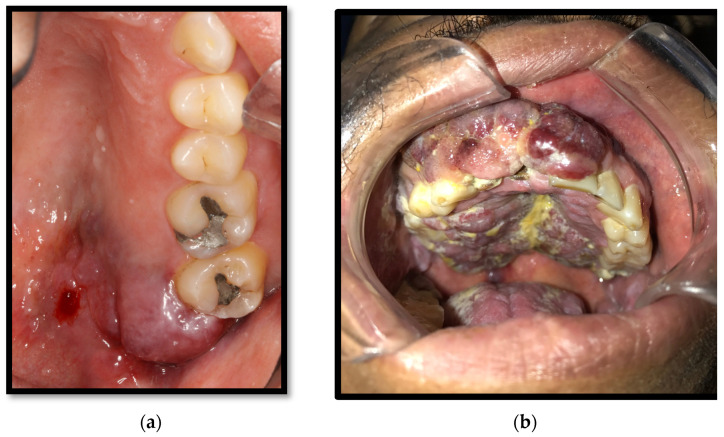
“Its pathological features might oscillate according to the location of the lesions (ganglia, mucous membranes, or skin) as well as its morphological stage (patch, plaque, and nodule), progressing from papules, which convalesce into red-purplish plaques, which might ulcer and cause nearby tissue destruction [38,39].”
BackgroundOral manifestations of HIV infection and their correlation with CD4 count
Bodhade, A. S., Ganvir, S. M., & Hazarey, V. K. (2011) · Journal of Oral Science · doi:10.2334/josnusd.53.203 · Cited by 133
Urzúa, B., Hermosilla, G., Gamonal, J., Morales-Bozo, I., Canals, M., Barahona, S., Cóccola, C., & Cifuentes, V. (2008) · Medical Mycology · doi:10.1080/13693780802060899 · Cited by 120
Subgingival plaque microbiota in HIV positive patients
Aas, J. A., Barbuto, S. M., Alpagot, T., Olsen, I., Dewhirst, F. E., & Paster, B. J. (2007) · Journal of Clinical Periodontology · doi:10.1111/j.1600-051x.2006.01034.x · Cited by 118 · cited 2×
“coli, among others [18,20], as well as diverse Candida spp.”
BackgroundHIV infection and periodontal diseases: an overview of the post‐HAART era
Mataftsi, M., Skoura, L., & Sakellari, D. (2010) · Oral Diseases · doi:10.1111/j.1601-0825.2010.01727.x · Cited by 116 · cited 7×
“have been associated ith triggering this condition [16,23,26].”
BackgroundInfluentialIllicit drug use and HIV treatment outcomes in a US cohort
Cofrancesco, J., Scherzer, R., Tien, P. C., Gibert, C. L., Southwell, H., Sidney, S., Dobs, A. S., & Grünfeld, C. (2008) · AIDS · doi:10.1097/qad.0b013e3282f3cc21 · Cited by 111 · cited 2×
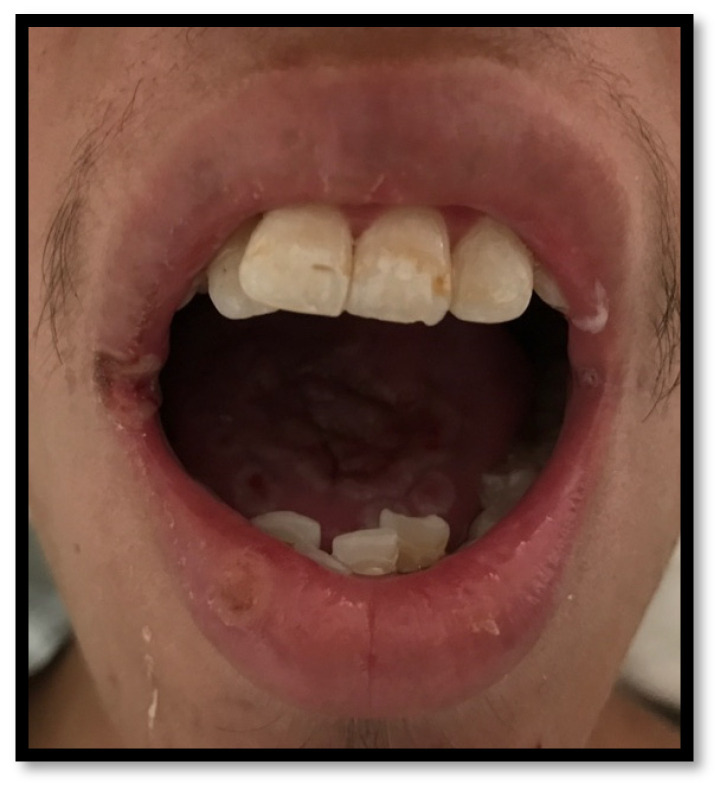
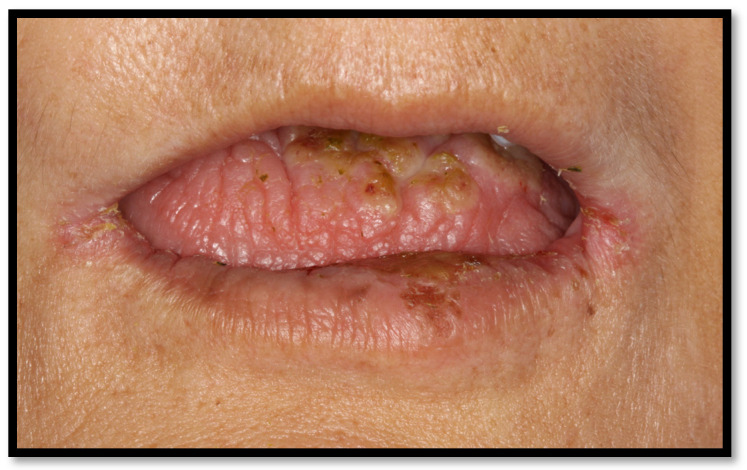
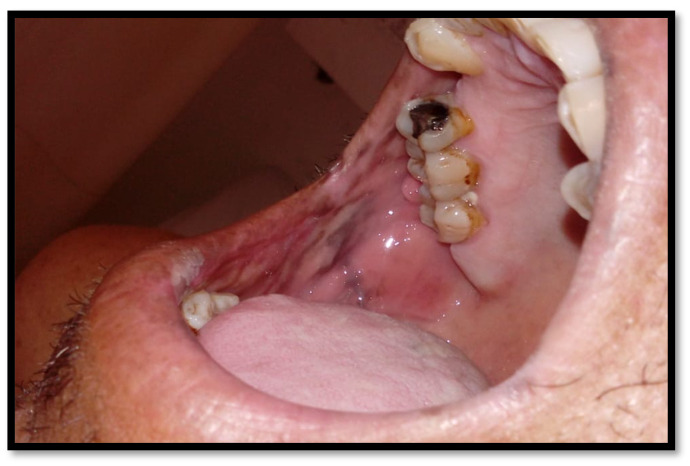
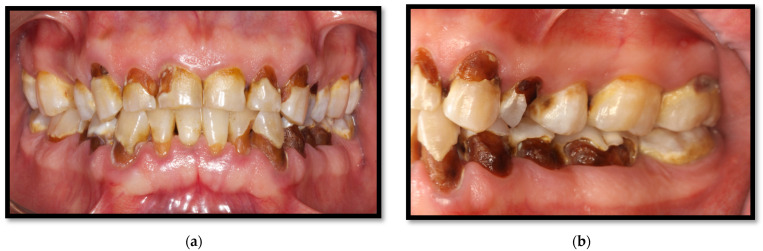
“These patients can show up with precarious oral hygiene, xerostomia, hypochromic lip lesions, lateral sides of cheeks and palate, accompanied by rampant caries (so-called oral “meth sores”), aside from grinding-related excessive dental wasting (Figure 13) [47].”
BackgroundKoo, H., & Bowen, W. H. (2014) · Future Microbiology · doi:10.2217/fmb.14.92 · Cited by 110 · cited 2×
“Bacteria on the biofilm involved in caries onset and progression, mainly Streptococcus mutans and Lactobacillus, respectively, metabolize sugars, thereby producing acid substances which that decompose enamel and dentin [10].”
BackgroundManagement of oral lesions in HIV-positive patients
Baccaglini, L., Atkinson, J. C., Patton, L. L., Glick, M., Ficarra, G., & Peterson, D. E. (2007) · Oral Surgery Oral Medicine Oral Pathology Oral Radiology and Endodontology · doi:10.1016/j.tripleo.2006.11.002 · Cited by 104 · cited 1×
“These wounds are self-limited, disappearing within seven to thirty days, although leaving a scar; they are linked to a CD4+ T lymphocyte count <100 cells/μL [4,44,48].”
BackgroundHairy leukoplakia; lessons learned: 30‐plus years
Js, G., Greenspan, D., & Webster-Cyriaque, J. Y. (2016) · Oral Diseases · doi:10.1111/odi.12393 · Cited by 102 · cited 1×
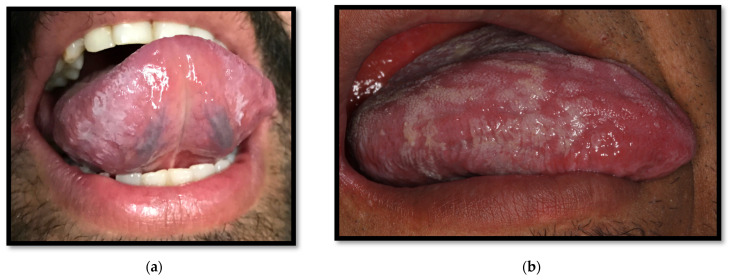
“[43] It often appears as a well-limited white lesion of variable appearance, transitioning from a flat lesion to growing papillary processes, similar to hair.”
BackgroundCandida spp. in periodontal disease: a brief review
Sardi, J. D. C. O., Duque, C., Mariano, F. S., Peixoto, I. T. A., Höfling, J. F., & Gonçalves, R. B. (2010) · Journal of Oral Science · doi:10.2334/josnusd.52.177 · Cited by 97
Oral Complications of HIV Disease
Leão, J. C., Panjwani, C. M. B. R. G., Carvalho, A. A. T., Frezzini, C., & Porter, S. R. (2009) · Clinics · doi:10.1590/s1807-59322009000500014 · Cited by 91 · cited 5×
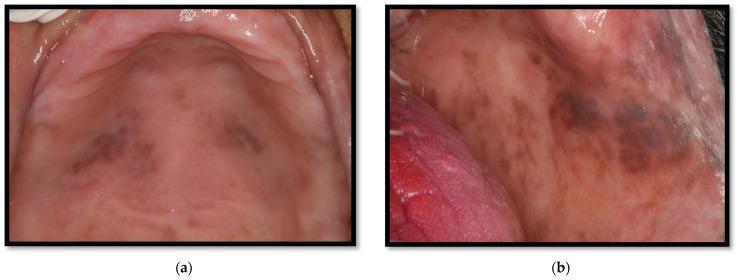
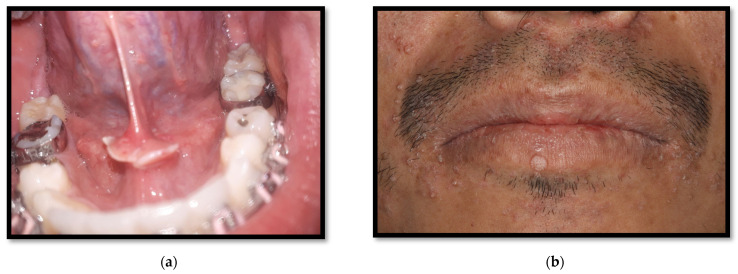
“This endothelial angioproliferative neoplasia is caused by human herpesvirus 8, which is transmitted during anal intercourse or through blood and saliva [4,16,37].”
BackgroundInfluentialOral manifestations of human immunodeficiency virus-infected patients.
Pakfetrat, A., Falaki, F., Delavarian, Z., Dalirsani, Z., Sanatkhani, M., & Marani, M. (2015) · PubMed Central · Cited by 84
Portela, M. B., de Souza, I. P. R., Costa, E. M. M. D. B., Hagler, A. N., Soares, R. M. A., & dos Santos, A. L. S. (2004) · Journal of Clinical Microbiology · doi:10.1128/jcm.42.12.5925-5927.2004 · Cited by 67
Systematic review of the changing pattern of the oral manifestations of HIV
El‐Howati, A., & Tappuni, A. R. (2018) · Journal of Investigative and Clinical Dentistry · doi:10.1111/jicd.12351 · Cited by 67
Gonçalves, L. S., Gonçalves, B. M. L., & Fontes, T. V. (2013) · Archives of Oral Biology · doi:10.1016/j.archoralbio.2013.05.002 · Cited by 66 · cited 2×
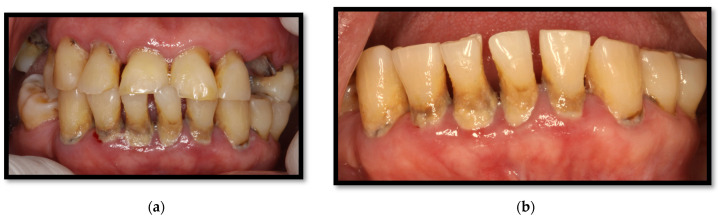
“In severe stages of periodontal disease, the destruction of teeth support structures (gum tissue, cementum, periodontal fibers, and alveolar bone) can be observed [12,17].”
BackgroundStimulated salivary flow rate and oral health status
Shimazaki, Y., Fu, B., Yonemoto, K., Akifusa, S., Shibata, Y., Takeshita, T., Ninomiya, T., Kiyohara, Y., & Yamashita, Y. (2016) · Journal of Oral Science · doi:10.2334/josnusd.16-0372 · Cited by 61 · cited 3×
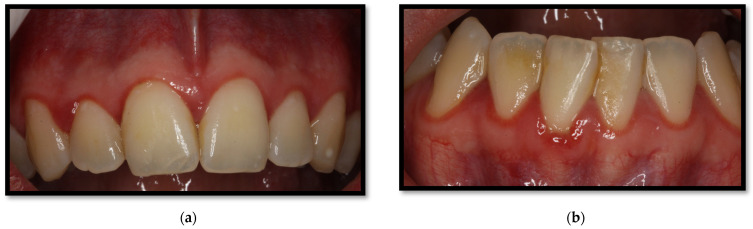
“Adding to the already mentioned predisposing conditions, suboptimal oral hygiene, tobacco use, drugs, periodontal disease, and a carbohydrate-rich diet are relevant factors leading to substantial dental caries development in this population (Figure 15a,b) [34,50].”
BackgroundRelationship between human immunodeficiency virus (HIV-1) infection and chronic periodontitis
Pólvora, T. L. S., Nobre, Á. V. V., Tirapelli, C., Taba, M., de Macedo, L. D., Santana, R. D. C., Pozzetto, B., Lourenço, A. G., & Motta, A. C. F. (2018) · Expert Review of Clinical Immunology · doi:10.1080/1744666x.2018.1459571 · Cited by 59 · cited 2×
“Periodontal diseases shows up in HIV-infected patients with a variable prevalence of 27% up to 76% when the patient has AIDS [6,12].”
BackgroundUbiquitination in Periodontal Disease: A Review
Tsuchida, S., Satoh, M., Takiwaki, M., & Nomura, F. (2017) · International Journal of Molecular Sciences · doi:10.3390/ijms18071476 · Cited by 56
Oral manifestations and their correlation to baseline CD4 count of HIV/AIDS patients in Ghana
Frimpong, P., Amponsah, E. K., Abebrese, J., & Kim, S. M. (2017) · 대한구강악안면외과학회지 · doi:10.5125/jkaoms.2017.43.1.29 · Cited by 54 · cited 2×
“This pathology is predominant in patients who have a CD4+ T lymphocyte count of <200 cells/μL and whom also have CD8+ T lymphocyte proliferation within the main salivary glands, resulting in its destruction [3,5,6,32].”
Backgroundde Almeida, V. L., Lima, I. F. P., Ziegelmann, P. K., Paranhos, L. R., & de Matos, F. R. (2017) · International Journal of Oral and Maxillofacial Surgery · doi:10.1016/j.ijom.2017.06.008 · Cited by 54
Head and Neck Kaposi Sarcoma: Clinicopathological Analysis of 11 Cases
Agaimy, A., Mueller, S. K., Harrer, T., Bauer, S., & Thompson, L. D. �. (2018) · Head and Neck Pathology · doi:10.1007/s12105-018-0902-x · Cited by 53
Aphtes et ulcérations buccales
Vaillant, L., & Samimi, M. (2016) · La Presse Médicale · doi:10.1016/j.lpm.2016.01.005 · Cited by 51
Lourenço, A. G., Ribeiro, A. E. R. A., Nakao, C., Motta, A. C. F., Antônio, L. G. L., Machado, A. A., & Komesu, M. C. (2017) · Revista do Instituto de Medicina Tropical de São Paulo · doi:10.1590/s1678-9946201759029 · Cited by 47
Correlation of CD4 counts with oral and systemic manifestations in HIV patients
Vohra, P., Jamatia, K., Subhada, B., Tiwari, R., Althaf, M. N., & Jain, C. (2019) · Journal of Family Medicine and Primary Care · doi:10.4103/jfmpc.jfmpc_767_19 · Cited by 47
Sharma, G., Pai, K. M., Setty, S., Ramapuram, J., & Nagpal, A. (2008) · Clinical Oral Investigations · doi:10.1007/s00784-008-0210-z · Cited by 46 · cited 3×
“Periodontal diseases shows up in HIV-infected patients with a variable prevalence of 27% up to 76% when the patient has AIDS [6,12].”
BackgroundEpidemiological and oral manifestations of HIV-positive patients in a specialized service in Brazil
Pedreira, E. N., Cardoso, C. L., Barroso, É. D. C., Santos, J. A. D. S., Fonseca, F. P., & Taveira, L. A. D. A. (2008) · Journal of Applied Oral Science · doi:10.1590/s1678-77572008000600003 · Cited by 43 · cited 1×
“Kaposi’s sarcoma is the most common oral HIV-associated neoplasia, appearing in up to 6% of patients, and has been notably decreasing due to the use of ART [36,37].”
BackgroundGaetti‐Jardim, E., Nakano, V., Wahasugui, T. C., Cabral, F. C., Gamba, R. C., & Ávila-Campos, M. J. (2008) · Brazilian Journal of Microbiology · doi:10.1590/s1517-83822008000200011 · Cited by 43
Berbéri, A., & Noujeim, Z. (2015) · PubMed Central · Cited by 43
Oral and systemic manifestations in HIV-1 patients
Menezes, T. O. D. A., Rodrigues, M. C., Nogueira, B. M. L., de Menezes, S. A. F., da Silva, S. H. M., & Vallinoto, A. C. R. (2015) · Revista da Sociedade Brasileira de Medicina Tropical · doi:10.1590/0037-8682-0179-2014 · Cited by 41 · cited 1×
“Dental caries is considered the most common oral disease in HIV-positive patients, with a prevalence reported between 54% and 83% [3,49,50].”
BackgroundÚlceras orales recurrentes: Características clínicas y diagnóstico diferencial
Paola Toche, P., Jessica Salinas, L., María Antonieta Guzmán, M., Alejandro Afani, S., & Nicole Jadue, A. (2007) · Revista chilena de infectología · doi:10.4067/s0716-10182007000300007 · Cited by 40
Kalanzi, D., Mayanja‐Kizza, H., Nakanjako, D., Mwesigwa, C. L., Ssenyonga, R., & Amaechi, B. T. (2019) · BMC Oral Health · doi:10.1186/s12903-019-0847-9 · Cited by 37 · cited 2×
“Adding to the already mentioned predisposing conditions, suboptimal oral hygiene, tobacco use, drugs, periodontal disease, and a carbohydrate-rich diet are relevant factors leading to substantial dental caries development in this population (Figure 15a,b) [34,50].”
Backgrounddo Vale, D. A., Martins, F., Braz‐Silva, P. H., & Ortega, K. L. (2016) · Brazilian Oral Research · doi:10.1590/1807-3107bor-2016.vol30.0118 · Cited by 36
Donoso-Hofer, F. (2016) · Revista chilena de infectología · doi:10.4067/s0716-10182016000700004 · Cited by 34 · cited 7×
“These lesions are usually symptomatic, accompanied by an oral burning sensation or taste distortion, particularly associated with the consumption of salty or spicy meals or sour beverages [4,15,16].”
BackgroundInfluentialOral complaints and stimulated salivary flow rate in 1188 adults
Toida, M., Nanya, Y., Takeda‐Kawaguchi, T., Baba, S., Iida, K., Kato, K., Hatakeyama, D., Makita, H., Yamashita, T., & Shibata, T. (2010) · Journal of Oral Pathology and Medicine · doi:10.1111/j.1600-0714.2009.00852.x · Cited by 32
Síndrome de inmunodeficiencia adquirida: manifestaciones en la cavidad bucal
Urízar, J. M. A., Goicouria, M. Á. E., & Eguia, A. (2004) · Cited by 24
López-Verdín, S., Andrade-Villanueva, J., Zamora-Perez, A. L., Bologna-Molina, R., Cervantes-Cabrera, J. J., & Molina-Frechero, N. (2013) · AIDS Research and Treatment · doi:10.1155/2013/613278 · Cited by 21 · cited 2×
“colonization of atypical microorganisms [8,9].”
BackgroundSelf-citationOral Candidiasis - A Review. -
Khan, M., Iqubal, M. A., Shukla, A. K., & Kumar, P. (2014) · International Journal of Health Sciences and Research · Cited by 19
Umeizudike, K. A., Savage, K. O., Ayanbadejo, P. O., & Akanmu, S. A. (2011) · Medical Principles and Practice · doi:10.1159/000324872 · Cited by 18 · cited 1×
“The identified risk factors for NUP are smoking, xerostomia, and a CD4+ T lymphocyte count of <200 cells/μL [23,26,31].”
BackgroundXerostomía: Diagnóstico y Manejo Clínico
Jiménez, E. G., Cordero, M. J. A., Barrilao, R. G., Fernández, J. M. T., López, P. A. G., & Ferré, J. Á. (2009) · Revista Clínica de Medicina de Familia · doi:10.4321/s1699-695x2009000100009 · Cited by 18 · cited 3×
“This pathology is predominant in patients who have a CD4+ T lymphocyte count of <200 cells/μL and whom also have CD8+ T lymphocyte proliferation within the main salivary glands, resulting in its destruction [3,5,6,32].”
BackgroundNecrotizing periodontitis in a heavy smoker and tobacco chewer – A case report
Zia, A., Andrabi, S. M., Qadri, S., & Bey, A. (2015) · Singapore Dental Journal · doi:10.1016/j.sdj.2015.07.001 · Cited by 14
Agbelusi, G., Eweka, O. M., Umeizudike, K. A., & Okoh, M. (2013) · InTech eBooks · doi:10.5772/52941 · Cited by 13 · cited 7×
“These lesions are usually symptomatic, accompanied by an oral burning sensation or taste distortion, particularly associated with the consumption of salty or spicy meals or sour beverages [4,15,16].”
BackgroundInfluentialNecrotizing Periodontal Diseases in a Semirural District of South Africa
Wood, N. H., Blignaut, E., Lemmer, J., Meyerov, R., & Feller, L. (2011) · AIDS Research and Treatment · doi:10.1155/2011/638584 · Cited by 13 · cited 3×
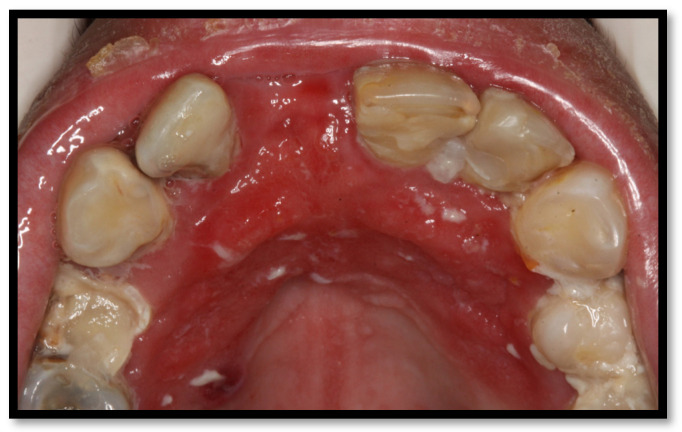
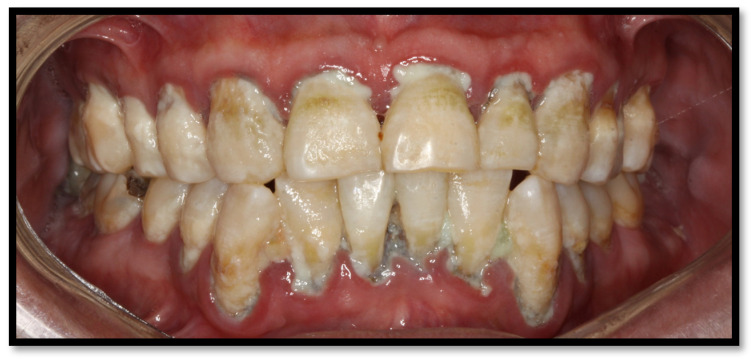
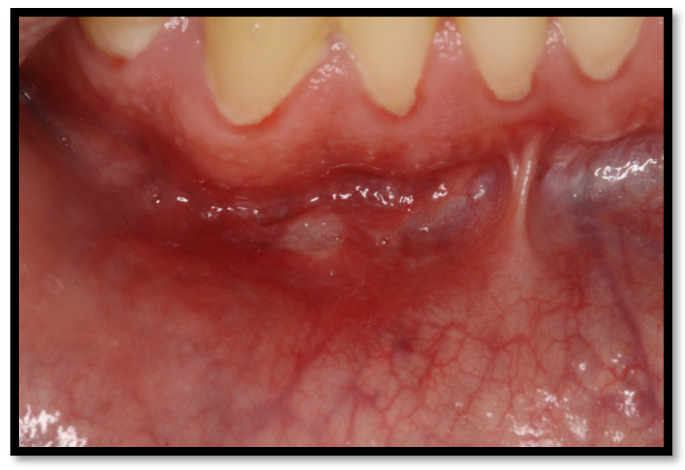
“This form of gingivitis is characterized by severe erythematous gingival tissue, covered by a necrotic white-colored pseudomembrane, which is composed of inflammatory cells, necrotic tissue, bacteria, fibrin, ulcers (with an interproximal crater aspect), bleedingprone mucous membrane, foul-smelling breath, and pain [4…”
BackgroundRole of Candida species from HIV infected children in enamel caries lesions: an in vitro study
Charone, S., Portela, M. B., Martins, K. D. O., Soares, R. M. D. A., & Castro, G. F. B. D. A. (2017) · Journal of Applied Oral Science · doi:10.1590/1678-77572016-0021 · Cited by 13 · cited 1×
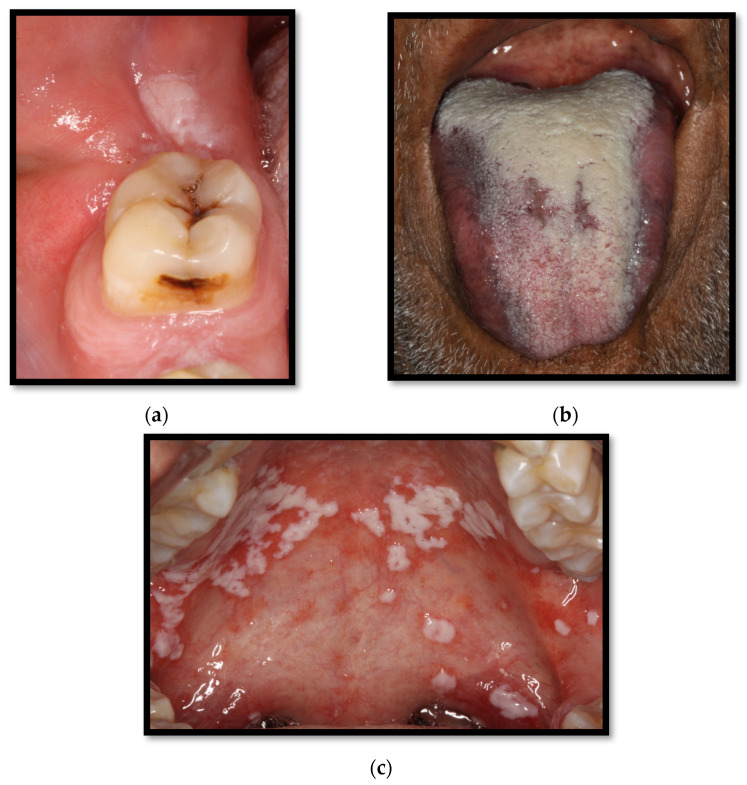
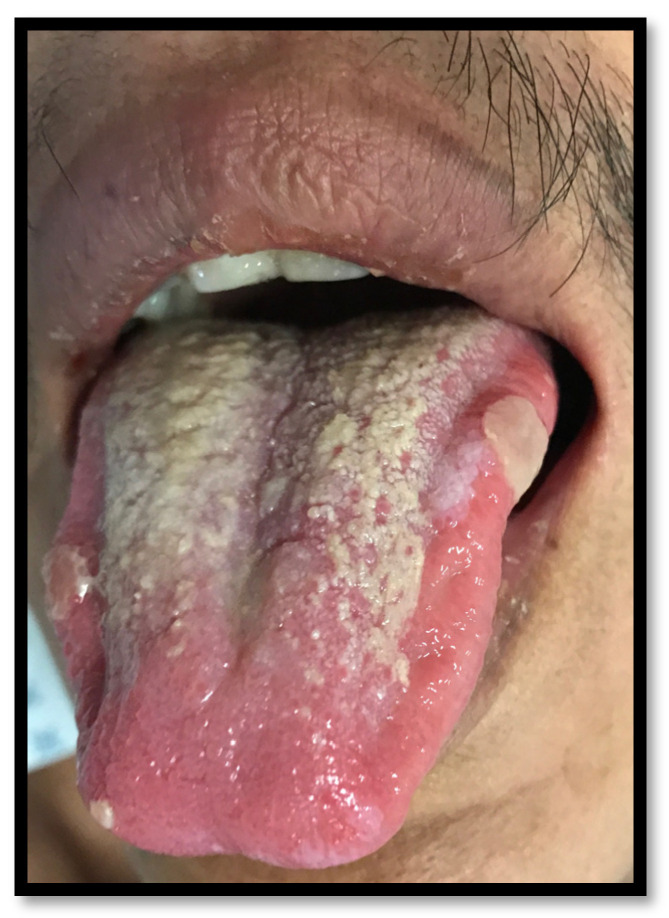
“albicans might increase caries development in patients who have HIV/AIDS, considering its capability to produce lactic acid through carbohydrate fermentation and hydroxyapatite dental structure degeneration processes, which is complicated with greater severity and the progression of caries development [10,11].”
BackgroundMartínez, S. M. L., González-Hernández, L. A., Villanueva, J. F. A., Gómez, E. V., Ratkovich-González, S., Álvarez-Zavala, M., Sánchez-Reyes, K., Cabrera-Silva, R. I., & Varela-Hernández, J. J. (2022) · Journal de Mycologie Médicale · doi:10.1016/j.mycmed.2022.101294 · Cited by 11
Self-citationRezaei-Soufi, L., Davoodi, P., Jazaeri, M., & Niknami, H. (2011) · International Journal of Dental Hygiene · doi:10.1111/j.1601-5037.2010.00491.x · Cited by 8 · cited 2×
“Additionally, it has been suggested that the severity of dental caries increases significantly with age and the duration of ART [51].”
BackgroundJordan, R. A., Lucaciu, A., & Zimmer, S. (2014) · Journal of Investigative and Clinical Dentistry · doi:10.1111/jicd.12124 · Cited by 4
Gingivitis ulceronecrosante aguda
de la Teja-Ángeles, E., Rodríguez-Ramírez, F. A., Villegas-García, L. M., & Durán-Gutiérrez, L. A. (2015) · DOAJ (DOAJ: Directory of Open Access Journals) · doi:10.18233/apm36no6pp497-498 · Cited by 2 · cited 3×
“as well, such as malaise, lymphadenopathy, halitosis, and fever [30].”
BackgroundInfluential
Research works printed but not linked: 4
- 2. World Dental Federation. The Challenge of Oral Disease, a Call for Global Action. The Oral Health Atlas. Second Edition. 2015. Available online: https://www.fdiworlddental.org/sites/default/files/202103/complete\_oh\_atlas-2\_0.pdf (accessed on 15 June 2022).
- 4. Donoso, F. Oral lesions associated with human immunodeficiency virus disease in adult patients, a clinical perspective. Rev. Chil. Infectol. 2016 , 33 , 27-35.
- 15. Lekshmi, L.; Anithalekshmi, M.R.; Abraham, L.; Nair, M.; Aniyan, N.; Nair, N.; Varghese, R.; Abraham, S. Oral Candidiasis Review. Int. J. Res. Pharm. Nano Sci. 2015 , 4 , 409-417.
- 32. Gonz á lez, E.; Aguilar, M.; Guisado, R.; Tristan, J.; Garc í a, P.; Alvarez, J. Xerostom í a: Diagn ó stico y Manejo Cl í nico. Rev. Clin. Med. Fam. 2009 , 2 , 300-304.
Cited by
Horberg, M. A., Thompson, M., Agwu, A. L., Colasanti, J. A., Haddad, M. S., Jain, M. K., McComsey, G. A., Radix, A., Rakhmanina, N. Y., Short, W. R., et al. (2024) · Clinical Infectious Diseases · doi:10.1093/cid/ciae479 · Cited by 189
Therapeutic Potential of Cannabis: A Comprehensive Review of Current and Future Applications
Leinen, Z. J., Mohan, R., Premadasa, L. S., Acharya, A., Mohan, M., & Byrareddy, S. N. (2023) · Biomedicines · doi:10.3390/biomedicines11102630 · Cited by 150
Guedes, M. C. S., Lopes‐Araujo, H. F., dos Santos, K. F., Simões, E., Carvalho‐Silva, W. H. V., & Guimarães, R. L. (2025) · Frontiers in Immunology · doi:10.3389/fimmu.2025.1535565 · Cited by 25
Factors Associated with Periodontitis in Patients with and without HIV
Pereira, L. L., Amorim, D. V. S., Sampaio, W. B., Azevêdo, T. A. C., Cardoso, V. B. P., Lemos, F. B., da Silva, A. C. R. F., Machado, F. C., Lima, F., Neves, F. S., et al. (2023) · International Journal of Dentistry · doi:10.1155/2023/9929835 · Cited by 19
Peña, D. E. R., Pillet, S., Lourenço, A. G., Pozzetto, B., Bourlet, T., & Motta, A. C. F. (2024) · Frontiers in Cellular and Infection Microbiology · doi:10.3389/fcimb.2024.1364002 · Cited by 18
Metadata
- Authors
- Lomelí-Martínez, S. M., González-Hernández, L. A., Ruiz-Anaya, A. D. J., Lomelí-Martínez, M. A., Martínez-Salazar, S. Y., Mercado González, A. E., Andrade-Villanueva, J. F., & Varela-Hernández, J. J.
- Affiliations
- Department of Medical and Life Sciences, Centro Universitario de la Ciénega, Universidad de Guadalajara, Ocotlán 47810, Mexico
- Universidad de Guadalajara (MX)
- Mexican Social Security Institute (MX)
- HIV Unit Department, Antiguo Hospital Civil de Guadalajara “Fray Antonio Alcalde”, Universidad de Guadalajara, Guadalajara 44280, Mexico
- Corresponding author
- Varela-Hernández, Juan José
- ORCID
- Venue
- Medicina
- Publisher
- MDPI AG
- Published
- 2022-09-03
- Volume
- 58
- Issue
- 9
- Pages
- 1214
- ISSN
- 1010-660X (ISSN-L)
- 1648-9144
- PMC
- PMC9504409
- OpenAlex
- W4294845359
- Cited by
- 107
- References
- 51
- Citations by year
- 2026: 33 · 2025: 23 · 2024: 29 · 2023: 20 · 2022: 1
- FWCI
- 3.62
- Type
- journal article
- Language
- en
- Open access
- gold
- doi.org
- Licence
- Locations
- Medicina (publishedVersion, cc-by)
- PubMed Central (publishedVersion, cc-by)
- PubMed (publishedVersion)
- DOAJ (DOAJ: Directory of Open Access Journals) (submittedVersion, cc-by-sa)
- Topics
- Health Sciences › Dentistry › General Dentistry › HIV/AIDS oral health manifestations
- Health Sciences › Dentistry › General Dentistry › Oral Health Pathology and Treatment
- Health Sciences › Dentistry › General Dentistry › Oral health in cancer treatment
- Keywords
- HIV/AIDS, oral manifestations, oral health, HIV infection, gingivitis, necrotizing periodontitis, CD4+ T cells, oral pathology diagnosis, oral health prevention, quality of life
- MeSH terms
- Humans, Oral Health, Periodontitis, Quality of Life, HIV Infections, Lymphocyte Count
About these checks
Registry, retraction, Cites and statistics results are computed, not judged, with one exception: a printed reference that no index lists is read once by a model before it counts as a citation error. Claims are extracted by a model and kept only when their quote appears verbatim in the text; each cited source is then checked, with a model’s help, for whether it says what the claim relies on. Those verdicts can be wrong — read the claim’s quote and the cited source before relying on one.
Statistics and arithmetic are recomputed, not judged.
Confidence bands are shown only for fields calibrated on our annotated test set. None is calibrated yet, so no band is shown.
What counts as a claim ›How we measure confidence ›How we check this ›
Are you an author, or do you see a problem with this page? Request a review
Data sources
Bibliographic data: Semantic Scholar, OpenAlex, Crossref.
Contains information from the Semantic Scholar Academic Graph Datasets, made available under the ODC Attribution License (ODC-BY 1.0).
Semantic Scholar’s data is described in: Kinney, R., et al. (2023). The Semantic Scholar Open Data Platform. arXiv:2301.10140.
