

The DOI matches its Crossref record; 265 of the 270 references it cites were found in a registry or an index.
The Impact of Immune System Aging on Infectious Diseases
Open accessAbstract
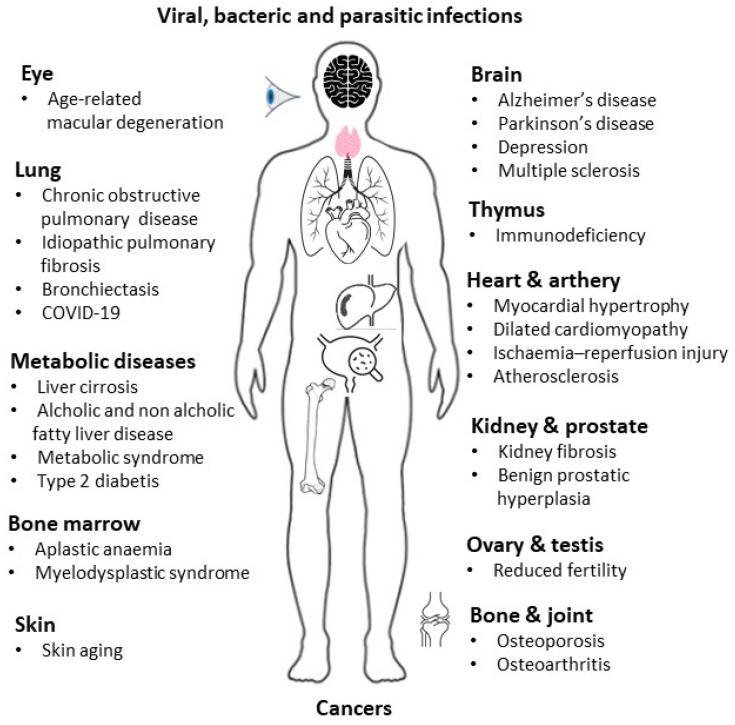
Immune system aging is becoming a field of increasing public health interest because of prolonged life expectancy, which is not paralleled by an increase in health expectancy. As age progresses, innate and adaptive immune systems undergo changes, which are defined, respectively, as inflammaging and immune senescence. A wealth of available data demonstrates that these two conditions are closely linked, leading to a greater vulnerability of elderly subjects to viral, bacterial, and opportunistic infections as well as lower post-vaccination protection. To face this novel scenario, an in-depth assessment of the immune players involved in this changing epidemiology is demanded regarding the individual and concerted involvement of immune cells and mediators within endogenous and exogenous factors and co-morbidities. This review provides an overall updated description of the changes affecting the aging immune system, which may be of help in understanding the underlying mechanisms associated with the main age-associated infectious diseases.
Overview
The claims and statistics of this paper haven’t been checked yet.
Run the check — free, no account needed. It reads the open-access text and checks the sources it cites.
Integrity signals
Registry
Cites
Statistics
Figures
Verification
Claims the paper makes
The claims and statistics of this paper haven’t been checked yet.
Run the check — free, no account needed. It reads the open-access text and checks the sources it cites.
Claims other papers make about this one
Each is checked against this paper’s own text: does it say what the citing paper says it does?
The source backs part of the claim, not all of it — or backs it for a different population, condition or comparison.
In the citing paper
“The elderly also face heightened vulnerability, since physiological aging, immunological decline, and cumulative environmental exposures compromise skin barrier function, leading to increased incidence and severity of inflammatory skin diseases, infections, and malignancies, especially during periods of poor air quality or extreme weather events [88,89,90].”
From The Environmental Determinants of Skin Health: Linking Climate Change, Air Pollution, and the Dermatologic Disease Burden (2025) · cites this paper as [88]
Experimental — accuracy not yet measured
Self-check
Percentages, sums and reported differences re-computed from the paper’s own numbers.
The self-check needs the paper’s full text.
Citations
Cites
López-Otín, C., Blasco, M. A., Partridge, L., Serrano, M., & Kroemer, G. (2013) · Cell · doi:10.1016/j.cell.2013.05.039 · Cited by 14,982 · cited 1×
“…to encompass nine common features, including genomic instability, telomere shortening attrition, epigenetic alteration, deregulation of nutrient sensing, mitochondrial dysfunction, cellular senescence, stem cell exhaustion, alteration of intercellular communication, and loss of proteostasis [5].”
Yang, X., Yu, Y., Xu, J., Shu, H., Xia, J., Liu, H., Wu, Y., Zhang, L., Yu, Z., Fang, M., et al. (2020) · The Lancet Respiratory Medicine · doi:10.1016/s2213-2600(20)30079-5 · Cited by 10,066 · cited 1×
“This was especially poignant in the wake of the COVID-19 pandemic, when the mortality rate was disproportionately high among the elderly [238].”
Rudd, K. E., Johnson, S. C., Agesa, K. M., Shackelford, K. A., Tsoi, D., Kievlan, D. R., Colombara, D. V., Ikuta, K. S., Kissoon, N., Finfer, S., et al. (2020) · The Lancet · doi:10.1016/s0140-6736(19)32989-7 · Cited by 7,971 · cited 1×
“Severe infections in the elderly can evolve into sepsis, a life-threatening event caused by host response failure, resulting in multiorgan collapse [215].”
Hallmarks of aging: An expanding universe
López-Otín, C., Blasco, M. A., Partridge, L., Serrano, M., & Kroemer, G. (2023) · Cell · doi:10.1016/j.cell.2022.11.001 · Cited by 6,549 · cited 1×
“In addition, three other distinctive derangements, such as alteration of metabolic pathways, adaptation to stress, and, more importantly, chronic inflammation, have been added to the list [7].”
Inflamm‐aging: An Evolutionary Perspective on Immunosenescence
FRANCESCHI, C., BONAFÈ, M., VALENSIN, S., OLIVIERI, F., DE LUCA, M., OTTAVIANI, E., & DE BENEDICTIS, G. (2000) · Annals of the New York Academy of Sciences · doi:10.1111/j.1749-6632.2000.tb06651.x · Cited by 5,358 · cited 1×
“It has also been considered a negative process because it leads to a type of inflammation called “inflammaging”, which defines a reduction in the capability to cope with a variety of stressors and a progressive increase in the pro-inflammatory status [16].”
Dendritic cells, monocytes and macrophages: a unified nomenclature based on ontogeny
Guilliams, M., Ginhoux, F., Jakubzick, C., Naik, S. H., Onai, N., Schraml, B. U., Segura, É., Tussiwand, R., & Yona, S. (2014) · Nature reviews. Immunology · doi:10.1038/nri3712 · Cited by 1,923 · cited 1×
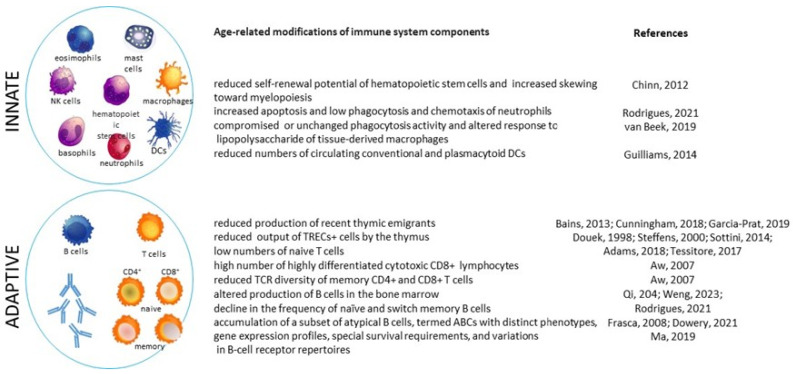
“Although information regarding the numbers and performance of dendritic cells (DCs) is relatively scarce, the number of circulating conventional and plasmacytoid DCs appears to be reduced in frail, healthy elderly [35].”
Changes in thymic function with age and during the treatment of HIV infection
Douek, D. C., McFarland, R. D., Keiser, P. H., Gage, E. A., Massey, J. M., Haynes, B. F., Polis, M. A., Haase, A. T., Feinberg, M. B., Sullivan#, J. L., et al. (1998) · Nature · doi:10.1038/25374 · Cited by 1,893 · cited 4×
“…of highly active antiretroviral therapy, which has prolonged the survival of these patients despite a persistent inflammation, fueled by high levels of IL-6 and TNF-α , interferon (IFN)- α , reduced production of IL-2 [116–118], as well as by a variable decrease in the number of TRECs [37,119,120].”
InfluentialKirkwood, T. B. L., & Austad, S. N. (2000) · Nature · doi:10.1038/35041682 · Cited by 1,774
Senescence surveillance of pre-malignant hepatocytes limits liver cancer development
Kang, T.-W., Yevsa, T., Woller, N., Hoenicke, L., Wuestefeld, T., Dauch, D., Hohmeyer, A., Gereke, M., Rudalska, R., Potapova, A., et al. (2011) · Nature · doi:10.1038/nature10599 · Cited by 1,621 · cited 1×
“Infected patients likely produce an increased number of intrahepatic senescent, not functional T cells [156,157], which may promote the development of hepatocellular cancer as these T cells would be unable to eliminate premalignant senescent hepatocytes [158].”
Emerging concepts in the science of vaccine adjuvants
Pulendran, B., Arunachalam, P. S., & O’Hagan, D. T. (2021) · Nature Reviews Drug Discovery · doi:10.1038/s41573-021-00163-y · Cited by 1,446 · cited 1×
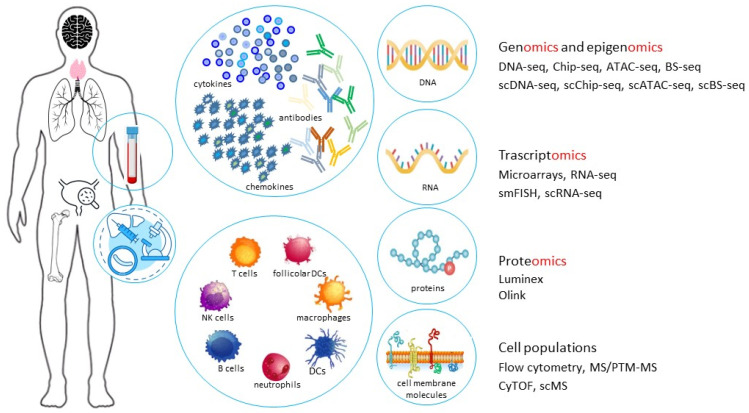
“These advances, which incorporate immunobiography information with clinical, immunological and omics data, could allow stratifying subgroups of subjects and to identify those markers that could lead to the rational development of vaccines specifically designed for older adults [253,254].”
Research works printed but not linked: 4
- Rose, M.R. (1991). Oxford University Press.
- Fulop, T., Franceschi, C., Hirokawa, K., and Pawelec, G. (2018). Handbook of Immunosenescence: Basic Understanding and Clinical Implications, Springer Nature. · DOI
- Sivick, 2010, The innate immune response to uropathogenic Escherichia coli involves IL-17A in a murine model of urinary tract infection, J. Immunol., 184, 2065, 10.4049/jimmunol.0902386 · DOI
- Dukowicz, 2007, Small intestinal bacterial overgrowth: A comprehensive review, Gastroenterol. Hepatol., 3, 112
Cited by
Sorted by citations
Antibiotic Resistance in the Elderly: Mechanisms, Risk Factors, and Solutions
Theodorakis, N., Feretzakis, G., Hitas, C., Kreouzi, M., Kalantzi, S., Spyridaki, A., Boufeas, I. Z., Sakagianni, A., Paxinou, E., Verykios, V. S., et al. (2024) · Microorganisms · doi:10.3390/microorganisms12101978 · Cited by 85
“Patient-specific factors include immunosenescence, frailty, sarcopenia, cognitive dysfunction, multimorbidity, and polypharmacy [5].”
Pathological and Inflammatory Consequences of Aging
García‐Domínguez, M. (2025) · Biomolecules · doi:10.3390/biom15030404 · Cited by 78
“This impairment manifests as a reduced ability to produce antibodies after vaccination or infection, making older individuals more susceptible to many infections, including influenza and pneumonia [206].”
Candidemia: An Update on Epidemiology, Risk Factors, Diagnosis, Susceptibility, and Treatment
Cabrera-Guerrero, J. P., García-Salazar, E., Hernández‐Silva, G., Herrera, A. C., Martínez-Herrera, E. O., Pinto‐Almazán, R., León, M. G. F.-D., & Castro-Fuentes, C. A. (2025) · Pathogens · doi:10.3390/pathogens14080806 · Cited by 44
“This functional impairment of the immune system reduces the effectiveness of responses to new pathogens, including opportunistic fungi [87].”
Caldarelli, M., Rio, P., Marrone, A., Giambra, V., Gasbarrini, A., Gambassi, G., & Cianci, R. (2024) · Biomedicines · doi:10.3390/biomedicines12081716 · Cited by 39
The Role of Cortisol and Dehydroepiandrosterone in Obesity, Pain, and Aging
Erceg, N., Mićić, M., Forouzan, E., & Knežević, N. N. (2025) · Diseases · doi:10.3390/diseases13020042 · Cited by 43
“Those cells significantly contribute to the inflammaging leading to the development of age-related diseases [141,142].”
Food, Health, and Environmental Impact of Lactic Acid Bacteria: The Superbacteria for Posterity
Akpoghelie, P. O., Edo, G. I., Mafe, A. N., Isoje, E. F., Igbuku, U. A., Ali, A. B. M., Yousif, E. A., Owheruo, J. O., Oberhiri, S. O., Essaghah, A. E. A., et al. (2025) · Probiotics and Antimicrobial Proteins · doi:10.1007/s12602-025-10546-x · Cited by 28
“A significant percentage of the elderly exhibit a tendency to express Th2 phenotypes and have been found to have low NK cell activity [218].”
Lifelong partners: Gut microbiota-immune cell interactions from infancy to old age
Brown, J. A., Bashir, H., & Zeng, M. Y. (2025) · Mucosal Immunology · doi:10.1016/j.mucimm.2025.01.006 · Cited by 31
Cardiovascular ageing: hallmarks, signaling pathways, diseases and therapeutic targets
Zheng, P., Yan, W., Ding, Y.-N., Zhang, Y., Chen, Z., Qian, J., & Ge, J. (2026) · Signal Transduction and Targeted Therapy · doi:10.1038/s41392-026-02630-7 · Cited by 26
“81 Preterm birth is correlated with myocardial remodeling and accelerated cardiovascular ageing later in life.”
Ahmadi, N. K., & Ahmadi, V. (2024) · Biology · doi:10.3390/biology13110862 · Cited by 24
Immunosenescence and age-related immune cells: causes of age-related diseases
Kim, N., Sim, S.-J., Han, H.-G., Yoon, J.-H., & Han, Y. (2024) · Archives of Pharmacal Research · doi:10.1007/s12272-024-01529-7 · Cited by 22
“2012; Rea et al. 2018; Quiros-Roldan et al. 2024).”
Age- and sex-associated differences in immune cell populations
Gheitasi, R., Baumgart, S., Roell, D., Rose, N., Watzl, C., Dudziak, D., Andreas, N., Makarewicz, O., Drube, S., Schnizer, C., et al. (2025) · iScience · doi:10.1016/j.isci.2025.113092 · Cited by 20
“5,6 Also, sex -specific differences have been observed, with females showing higher numbers of total leukocytes, including higher proportions of T cells, B cells, and macrophages in tissues like the peritoneal and pleural cavities compared to males.”
High seroprevalence and high risk: why are older adults more prone to respiratory syncytial virus?
Rzymski, P., Poniedziałek, B., Zarębska‐Michaluk, D., Tomasiewicz, K., & Flisiak, R. (2025) · Journal of Virology · doi:10.1128/jvi.01432-25 · Cited by 19
Immunosenescence and Inflammaging in Dogs and Cats: A Narrative Review
McKenzie, B. A. (2025) · Journal of Veterinary Internal Medicine · doi:10.1111/jvim.70159 · Cited by 15
Moffa, L., & Tana, C. (2025) · International Journal of Molecular Sciences · doi:10.3390/ijms26199649 · Cited by 16
“As a result, the immune system undergoes progressive weakening, with impaired T-and B-cell function and consequent compromise of both innate and adaptive immunity, and predisposes older adults to heightened vulnerability to HAIs [23].”
InfluentialCentenarians—the way to healthy vascular ageing and longevity: a review from VascAgeNet
Summer, S., Borrell-Pagés, M., Bruno, R. M., Climie, R. E., Δίπλα, Κ., Dogan, A., Eruslanova, K. A., Fraenkel, E., Mattace-Raso, F. U. S., Pugh, C. J. A., et al. (2024) · GeroScience · doi:10.1007/s11357-024-01467-8 · Cited by 16
Prisco, M. D., Manente, R., Santella, B., Serretiello, E., Dell’Annunziata, F., Santoro, E., Bernardi, F. F., D’Amore, C., Perrella, A., Pagliano, P., et al. (2024) · Antibiotics · doi:10.3390/antibiotics13090901 · Cited by 14
“Collectively, these factors significantly elevate the risk of MDR infections in older adults [25].”
A researcher's guide to studying sex differences in immune aging
Baker, C., Kim, M., & Benayoun, B. A. (2025) · Trends in Molecular Medicine · doi:10.1016/j.molmed.2025.01.005 · Cited by 14
Immunosenescence and organoids: pathophysiology and therapeutic opportunities
Kamroo, A., Kakroudi, M. H., Sarmadian, A. J., Firouzabadi, A., Mousavi, S., Yazdanpanah, N., Saleki, K., & Rezaei, N. (2025) · Immunity & Ageing · doi:10.1186/s12979-025-00530-y · Cited by 11
Acierno, C., Frontuto, M., Stefano, G. F. D., Erezanu, A., Limone, A., Morella, S., Picaro, F., Palazzo, D., & Gilio, M. (2025) · Biomedicines · doi:10.3390/biomedicines13102513 · Cited by 10
“These innate and adaptive immune dysfunctions converge in the loss of “integrated immunocompetence”, a concept describing the immune system’s capacity to mount a coordinated and adaptive response to external stimuli [83].”
Serretiello, E., Prisco, M. D., Siervi, G. D., Cosimato, I., Dell'Annunziata, F., Santoro, E., Vozzella, E. A., Boccia, G., Folliero, V., & Franci, G. (2025) · Pathogens · doi:10.3390/pathogens14111165 · Cited by 8
Basazinew, E., Dejene, H., Dagnaw, G. G., Lakew, A. Z., & Gessese, A. T. (2025) · Frontiers in Veterinary Science · doi:10.3389/fvets.2025.1538963 · Cited by 8
“This variation in prevalence across age groups suggests that older birds may have acquired immunity or benefit from better management practices, while younger birds are at higher risk due to incomplete immune development and greater susceptibility to infections (25).”
Anshory, M., Kalim, H., Nouwen, J. L., & Thio, H. B. (2025) · International Journal of Molecular Sciences · doi:10.3390/ijms26073199 · Cited by 9
“Notably, women respond better to immunostimulating therapies, emphasizing the need for personalized health and vaccination strategies that consider sex-based immune variations [42].”
InfluentialReview of impaired immune parameters in RSV infections in the elderly
Miller, J. L., & Niewiesk, S. (2025) · Virology · doi:10.1016/j.virol.2025.110395 · Cited by 9
Zieneldien, T., Ma, S., Tan, I. J., Kim, J., Busot, D., & Cohen, B. A. (2025) · International Journal of Environmental Research and Public Health · doi:10.3390/ijerph22121820 · Cited by 7
“…aging, immunological decline, and cumulative environmental exposures compromise skin barrier function, leading to increased incidence and severity of inflammatory skin diseases, infections, and malignancies, especially during periods of poor air quality or extreme weather events [88–90].”
Ding, S., Lyu, X.-Y., Zhou, S.-Y., Fang, Y.-W., Ji, H.-H., Li, J.-Y., & Lü, H. (2025) · Frontiers in Immunology · doi:10.3389/fimmu.2025.1633486 · Cited by 8
Molecular Mechanisms Driving Metastatic Progression Within the Aged Tumor Microenvironment
Kumar, S., Chand, J., Sharma, P., Singh, S., Khanal, P., Chellammal, H. S. J., Suhail, A., & Mittal, S. (2025) · International Journal of Molecular Sciences · doi:10.3390/ijms262311508 · Cited by 6
“For decades, immunological aging research has focused predominantly on lymphocyte (especially T cell) intrinsic defects, declining efficacy, increased susceptibility to exhaustion, and impaired generation of new naive T cells by the aging thymus [24].”
Hospital-Acquired Infections in the Age of Antimicrobial Resistance and Smart Surveillance.
Lawal, O., Orenolu, I. O., Ajobiewe, M. A., Forson, K. A. A. M., Agu, U. F., Fidelix, M. E., Madugba, F. C., & Obi, L. I. (2025) · Australian Journal of Biomedical Research · doi:10.63946/aubiomed/16759 · Cited by 6
“…are (older people, people with chronic illnesses, and people with weakened immune systems) and more complicated treatments (mechanical ventilation, indwelling catheters, organ transplantation) have changed the microbial battlefield, making hospitals perfect places for opportunistic infections [6].”
Aboagye, F. T., Ahiabu, M. K., Akahoho, H., Armah, E., Anang, S. G., Amarteifio, N. A. S., Amoo, C., Enninful, A. K. O.-S., Quarshie, Q. D., Kuma, N. A., et al. (2025) · PLOS Global Public Health · doi:10.1371/journal.pgph.0004991 · Cited by 5
“…the finding that all isolates from older adults (≥ 60 years) were multidrug-resistant (MDR) highlights the need for targeted infection prevention interventions for high-risk populations, particularly elderly patients who may have prolonged antibiotic exposure due to chronic conditions [41,42].”
Srivastava, R., Karan, S., Lekbach, Y., Quadiri, A., Tohidian, A., Maurya, C., Ng, S. X. L., Chow, R., Garcia, A., Agrawal, A., et al. (2025) · Pathogens · doi:10.3390/pathogens14070624 · Cited by 6
“A decrease in ciliary beat capacity and increased secretion of mucin have been reported in the literature [28–32].”
Tana, C., Soloperto, M., Giuliano, G., Erroi, G., Maggio, A. D., Tortorella, C., & Moffa, L. (2025) · Viruses · doi:10.3390/v17111482 · Cited by 3
Chronic Diseases and Influenza Vaccines
Lian, R., Zhang, H., An, Y., & Chen, Z. (2025) · Vaccines · doi:10.3390/vaccines13090936 · Cited by 6
“Age is a major risk factor, with young adults potentially exhibiting hyperactive immune responses that trigger excessive inflammation and older adults experiencing immunosenescence, characterized by impaired viral clearance due to dysregulated immune responses [200–202].”
Mehari, M. G., Yeshiwas, A. G., Esubalew, D., Azmeraw, Y., Delie, A. M., Limenh, L. W., Worku, N. K., Hailu, M., Melese, M., Abie, A., et al. (2025) · Journal of Health Population and Nutrition · doi:10.1186/s41043-025-00767-9 · Cited by 6
“Targeted healthcare interventions for this group, including regular screenings for infections and preventive care such as vaccinations, could help mitigate these risks [38].”
Chen, B., Pan, J., Peng, Y., Zhang, Y., Wan, Y., Wei, H., Li, K., Song, W., Zhao, Y., Fang, K., et al. (2025) · Infectious Disease Modelling · doi:10.1016/j.idm.2025.04.006 · Cited by 4
Ramírez-Giraldo, C., Pesce, A., González-Muñoz, A., Navarro-Pulido, N., Ochoa‐Patarroyo, M., Vallejo-Soto, J. C., Figueroa-Avendaño, C., & Isaza-Restrepo, A. (2025) · Surgery · doi:10.1016/j.surg.2025.109336 · Cited by 4
Influenza A(H3N2) Subclade K: Epidemiology, Molecular Evolution and Vaccine Effectiveness in Europe
Scarvaglieri, I., Francesco, M. D. D., Alberti, M., Cesanelli, F., Salvi, M., Tiecco, G., Castelli, F., & Quiros-Roldan, E. (2026) · Pathogens · doi:10.3390/pathogens15050474 · Cited by 3
“Host-related factors, including age-related immune decline and prior exposure history, also play a significant role in shaping vaccine responses [6,38].”
Self-citationDialogues in Immunity: The Interplay Between Neutrophils and Macrophages
Anitua, E., Troya, M., & Alkhraisat, M. H. (2026) · Biomedicines · doi:10.3390/biomedicines14030520 · Cited by 3
“In older adults, neutrophils display reduced efficiency in chemotaxis, phagocytosis, and microbial killing [38,39].”
InfluentialImmune Aging as a Failure of Programmed Cell Death Coordination
Lee, H.-M., Kim, E.-J., Hasan, A., & Kang, T. (2026) · International Journal of Molecular Sciences · doi:10.3390/ijms27031554 · Cited by 3
“Exhausted and terminally differentiated memory T cells frequently acquire resistance to apoptosis, allowing them to persist despite functional impairment [66–70].”
Exercise Ameliorates Immunosenescence: From Mechanisms to Interventions
Xiao, H., & Ren, J. (2025) · Biology · doi:10.3390/biology15010058 · Cited by 1
“Furthermore, declining immune function leads to the attenuated efficacy of cancer immunotherapy, markedly increased incidence and mortality of infectious diseases (such as influenza and pneumonia) [8,9], and elevated cardiovascular disease risk [10].”
Bubulac, L., Georgescu, T., Zivari, M., Popescu‐Spineni, D., Albu, C.-C., Bobu, A., Nemeth, S., Bogdan-Andreescu, C. F., Gurghean, A. L., & Alecu, A. A. (2025) · Bioengineering · doi:10.3390/bioengineering12111259 · Cited by 5
“As a result, older adults display a reduced pool of naïve T cells for responding to novel antigens, while memory T cells become predominant [50–52].”
Okechukwu, J. K., Polna, O., Okahia, T. W., Okobi, O., Ezulike, S., Nwachukwu, E. M., & Ozojide, K. O. (2025) · Cureus · doi:10.7759/cureus.89225 · Cited by 3
“The increasing burden with advancing age is consistent with prior literature, which highlights the greater vulnerability of older adults to infectious gastroenteritis due to age-related immunosenescence, comorbid conditions, and delayed healthcare-seeking behavior [22].”
An unexpected dengue outbreak in Taiwan, 2023: A retrospective analysis of potential risk factors.
Tung, Y.-W., Yang, Z.-S., Wang, W.-H., Hsu, Y.-T., Tsui, C.-I., Assavalapsakul, W., Thitithanyanont, A., Lin, C.-Y., Chao, D.-Y., Chen, Y.-H., et al. (2025) · Journal of Infection and Public Health · doi:10.1016/j.jiph.2025.102939 · Cited by 3
Coudeville, L., Bertrand-Gerentes, I., Zocchetti, C., Langevin, E., Bchir, S., Coste, F., & Oster, P. (2025) · Scientific Reports · doi:10.1038/s41598-025-08112-0 · Cited by 4
“Aging is known to lead to a decline in immune function (immunosenescence), which may be an additional risk factor for IMD and its debilitating sequalae and consequences 58 .”
Putera, I., Rothová, A., & Nora, R. L. D. (2025) · Eye · doi:10.1038/s41433-025-03751-z · Cited by 3
“What this study adds: ● Our study explored the clinical manifestations across different spectrums of ocular TB, including patients with proven infection (active disease) and those diagnosed solely based on IGRA positivity.”
Parekh, S., Xu, L., Hayes, C. V., Hand, K., Ashiru-Oredope, D., & Lecky, D. (2024) · JAC-Antimicrobial Resistance · doi:10.1093/jacamr/dlaf018 · Cited by 3
Central Skull Base Osteomyelitis in Queensland, Australia, 2010–2020
Eustace, M. B., Braddick, M., Alcorn, K., Choong, K., Satyaputra, F., Siebert, D., Smith, S., Sommerville, R., & McCarthy, K. (2024) · Open Forum Infectious Diseases · doi:10.1093/ofid/ofae614 · Cited by 3
“While in advanced age, reduced bone marrow hematopoietic potential manifests with reduced production of B cells (especially naive and switch memory B cells), increasing vulnerability to bacterial and viral infections [21].”
Olokede, E. U., Liasu-Thomas, J. A., Ghansah, V., Inyang, B., Lamidi, D. R., Okoro, B. C., & Effa, A. A. (2026) · Journal of Pharma Insights and Research · doi:10.69613/d25y8z24 · Cited by 2
“The progressive systemic depletion of CD4 + T-lymphocytes caused by HIV infection directly translates to a profound impairment of mucosal immune surveillance in the female reproductive tract [38].”
Vaez, A., Ghahremanzadeh, A., Zare, F., Nami, S., Zargari, F., Najafi, S., Zamani, A., Leilabadi, S. P., Asl, H. F., & Morovati, H. (2026) · BMC Infectious Diseases · doi:10.1186/s12879-026-12739-3 · Cited by 2
“It may be due to the severe changes in hosts’ physiological imbalance and weakened immunity, which lead to susceptibility to fungal infections [78].”
Alamerew, E. A., Ayele, F., Demis, C., Aydefruhim, D., Wondifra, Y., Asfaw, T., Yitagesu, E., & Mekonnen, M. M. (2026) · Discover Animals · doi:10.1007/s44338-026-00164-4 · Cited by 2
“This pattern is consistent with their immature immune systems and limited adaptive immunity, which may reduce their ability to withstand acute and severe infections once disease occurs [40].”
Alemnew, E., & Birhan, M. (2026) · F1000Research · doi:10.12688/f1000research.173618.1 · Cited by 2
Lysakova, E. V., Burak, M., Larin, I. I., Chuvpilo, S. A., Laktyushkin, V. S., Shumeev, A. N., Pismennyi, I. E., Toshchakov, V. Y., Bobrov, M. Y., & Александрович, Р. С. (2025) · Biomedicines · doi:10.3390/biomedicines14010071 · Cited by 2
“Collectively, these deficits compromise the overall effectiveness of the immune response and increase susceptibility to infections in the elderly [43].”
Cell-to-Cell and Patient-to-Patient Variability in Antimicrobial Resistance
Huang, X., Huang, J., Zhong, C. C., & Wong, M. C. S. (2025) · Microorganisms · doi:10.3390/microorganisms13122766 · Cited by 2
“Host-specific factors such as age-related immune decline, immunosuppression, and underlying comorbidities significantly influence the clinical trajectory and treatment outcomes of infections caused by antimicrobial-resistant pathogens [83–85].”
Marzooqi, A. A. A., Bashir, M. M., Khogali, M., Suliman, A., Timire, C., Hosani, F. A. A., & Ahbabi, F. M. A. (2025) · Antibiotics · doi:10.3390/antibiotics14111142 · Cited by 2
“The higher proportion of culture positives in elderly patients may be due to their weak immune system, which increases their susceptibility to infections, and, often, the presence of comorbidities [14].”
Chen, L., Lou, Y., Yang, J., Zhang, K., Liu, X., Fan, Y., Zhang, X., Wang, Q., Yang, Q., Chen, Q., et al. (2025) · Frontiers in Public Health · doi:10.3389/fpubh.2025.1648877
Parvej, M., Lu, T., Maiti, S., Dietz, Z., Howlader, D. R., Zahan, M. N., Cato, A. K., Biswas, S., Picking, W., & Picking, W. (2025) · Frontiers in Immunology · doi:10.3389/fimmu.2025.1586537 · Cited by 2
“Furthermore, as impaired innate and adaptive immune responses make the elderly more vulnerable to pathogens and decreases the effectiveness of many vaccines (28).”
Aging and DNA Damage: Investigating the Microbiome’s Stealthy Impact – A Perspective
Chakrabarti, S. K., & Chattopadhyay, D. (2025) · Exploratory Research and Hypothesis in Medicine · doi:10.14218/erhm.2024.00046 · Cited by 2
“164–166 New research emphasizes the considerable role that imbalances in gut microbiota play in the processes associated with aging.”
Leang, C., Suwannatrai, A., Suttiprapa, S., Laha, T., & Sripa, B. (2025) · Tropical medicine & international health · doi:10.1111/tmi.14100 · Cited by 2
“…to other family members ( p = 0.02), suggesting that occupational exposures and behavioural factors specific to this role, such as increased involvement in agricultural activities or greater exposure to contaminated environments, as mentioned above, may contribute to their increased risk [28, 29].”
InfluentialSpeckled-egg staining appearance of cryptococcal osteomyelitis in an immunocompetent patient
Stack, M. A., Lavik, J.-P., Schneider, J. G., & Cross, B. (2025) · IDCases · doi:10.1016/j.idcr.2025.e02171 · Cited by 2
“Advanced age is a risk factor not only for cryptococcal infection, but other infections as well due to immunosenescence from an aging immune system [12,13].”
Deckers, J., van Elsas, Y., Versteeg, I., Anbergen, T., Toner, Y. C., Grao-Roldán, C., Cole, J. E., Umali, M., Wang, W., Nauta, S. A., et al. (2026) · JACC Basic to Translational Science · doi:10.1016/j.jacbts.2026.101660
Nagappan, G. L., Antony, A. M., Venkateswaran, R., & Thirunavukkarasu, R. (2026) · IP International Journal of Medical Microbiology and Tropical Diseases · doi:10.18231/j.ijmmtd.16720.1784528227 · Cited by 1
“31 Several studies evaluating SSI risk factors are limited by single-center design, heterogeneous patient populations, and variations in wound classification systems.”
Vaccines for the Prevention of COVID-19 in Older Adults
Olagunju, O. J., Oyebanji, O. A., Mylonakis, E. E., & Canaday, D. H. (2026) · Clinics in Geriatric Medicine · doi:10.1016/j.cger.2025.09.003 · Cited by 1
Reinstrup, N. W., Gidsel, R. H., Heikkinen, T., Dyrhol-Riise, A., Levin, L., Østergaard, L., & Ehlers, L. (2026) · Vaccines · doi:10.3390/vaccines14080703 · Cited by 1
Bhavya, R., & Sandur, R. (2026) · Immunological Investigations · doi:10.1080/08820139.2026.2695165 · Cited by 1
“…related signalling and senescence associated secretory phenotype (SASP) promote chronic low-grade inflammation (inflammaging) attenuating immune activity (Allameen et al., 2025; Kamroo et al., 2025; Mohapatra et al., 2023; Quiros-Roldan et al., 2024; Rea et al., 2018; Swanson et al., 2019).”
Thomas, S., van Haren, S. D., & Levy, O. (2026) · Current Opinion in Virology · doi:10.1016/j.coviro.2026.101557 · Cited by 2
Immune interplay between sepsis and haematological malignancies
Pons, S., Grosset, M., Touze, E., & Zafrani, L. (2026) · Intensive Care Medicine Experimental · doi:10.1186/s40635-026-00904-6 · Cited by 1
Yadav, A., Rana, M. J., & Rahaman, M. (2026) · Discover Public Health · doi:10.1186/s12982-026-01947-6 · Cited by 1
Ramadhan, A. F., Sutandhio, S., Darmadi, E. T., Wihanto, L., & Tanudjaja, G. N. (2026) · JUKEJ : Jurnal Kesehatan Jompa · doi:10.57218/jkj.vol5.iss1.2397 · Cited by 1
Typhoid fever in the West Gonja Municipality, Ghana: Analysis of 2022 laboratory surveillance data
Saeed, F. U., Apetorgbor, S. J., Issahaku, G. R., Akowuah, G., Odikro, M., Kenu, E., Nindow, J. A. C., & Kubio, C. (2026) · Journal of Interventional Epidemiology and Public Health · doi:10.37432/jieph-d-24-02048 · Cited by 1
Testing the redox theory of aging under parasitism
Silva, L. M., Belli, A., & Koella, J. C. (2026) · npj Aging · doi:10.1038/s41514-026-00357-x
“Contrary to the expectation that infection accelerates physiological decline 24 , parasite exposure increased longevity in both sexes.”
Zhang, Y.-Y., Zhang, Y.-W., Zhou, F., Chen, S., Dai, D., Li, C., Duan, Y., & Liu, M. (2025) · BMC Public Health · doi:10.1186/s12889-025-25970-5 · Cited by 1
“…respiratory infections accounted for the majority of cases among individuals over 55 years old, which is closely linked to age-related immune decline [22] and the higher prevalence of chronic respiratory diseases (e.g., Chronic Obstructive Pulmonary Disease (COPD), asthma) in this cohort [23].”
Jin, J., Hu, Y., & Lianxing, D. U. (2025) · Health Science Reports · doi:10.1002/hsr2.71639
“However, related studies [40–42] revealed that age widely influenced the susceptibility to pathogen infections, and there were marked differences in susceptibility and immune responses across age groups.”
Quantification of the IgG antibody response half-life for hybrid immunity to SARS-CoV-2
Bongiovanni, F., Conway, E. J., Smith, L., Cumming, J., Mazhari, R., Kiernan‐Walker, N., Eriksson, E. M., McVernon, J., & Müeller, I. (2025) · BMC Medicine · doi:10.1186/s12916-025-04490-4 · Cited by 1
Zhang, Y., Lou, C., Mao, L., Yao, W., Ma, C., Shi, X., Qin, F., & Zhang, R. (2025) · BMC Women s Health · doi:10.1186/s12905-025-04119-x · Cited by 1
“The increase in middle-aged and older populations may be attributable to immunosenescence, which heightens infection risk [39].”
Gushchin, V., Semenenko, T., Burtseva, E., Simakova, Y., Ogarkova, D., Nozdracheva, A., Gotvyanskaya, T. P., Ermakova, T. V., Vetrova, E. V., Mukasheva, E. A., et al. (2025) · Epidemiology and Vaccinal Prevention · doi:10.31631/2073-3046-2025-24-4-14-30 · Cited by 1
A bibliometric analysis of the immune system and cognitive impairment: trends from 1985 to 2024
Zou, B., Xiang, J., Zhang, M., Huang, J., & Feng, C. (2025) · Frontiers in Aging Neuroscience · doi:10.3389/fnagi.2025.1587575 · Cited by 2
Ramly, N., Muhammad, E. N., Asari, F. N., Mutalip, M. H. A., Hisham, M. F. M., Haris, H. M., & Chong, Z. L. (2025) · Clinical Epidemiology and Global Health · doi:10.1016/j.cegh.2025.102152 · Cited by 1
Alyazidi, A., Muthanna, A., Noor, S. M., Osman, M., & Seman, Z. (2025) · Malaysian Journal of Social Sciences and Humanities · doi:10.47405/mjssh.v10i5.3382 · Cited by 1
“Collaborative interlaboratory studies, such as those conducted under ISO standards for bacterial quantification, demonstrate how pooling resources and standardizing protocols can improve reproducibility and reliability across diverse settings (Quiros-Roldan et al., 2024).”
Amewu, E., Amaglo, B., Osei-Poku, P., Abakah, A., Shardow, A. L. K., Wright, L., & Kwarteng, A. (2025) · PLoS ONE · doi:10.1371/journal.pone.0320640 · Cited by 1
“This relationship may be attributed to the cumulative effects of chronic infections and the natural decline in immune function that occurs with aging [41].”
Manzo, C., Isetta, M., & Castagna, A. (2024) · Rheumatology · doi:10.5114/reum/194687 · Cited by 1
“Immunosenescence, the progressive decline in the immune system functions associated with aging, can favour – among other consequences – an increase of incidence and severity of infections [70, 71].”
Bricout, H., LEVANT, M.-C., Crépey, P., Gavazzi, G., Gaillat, J., Dufournet, M., Assi, N., Grenier, B., RAGUIDEAU, F., Péretz, F., et al. (2025) · Influenza and Other Respiratory Viruses · doi:10.1111/irv.70193 · Cited by 1
Human Metapneumovirus: A Comprehensive Review of Etiology and Pathogenesis
Asif, M., Ullah, I., Aziz, M., Zubair, M., Ramzan, A., Nadeem, M., M.A.Dahesh, S., & Aziz, M. (2025) · Journal of Chemical Health Risks · doi:10.52783/jchr.v15.i3.8132 · Cited by 1
Invasive guests: the role of non-oral bacteria in oral dysbiosis and systemic health
Ari, M. M., Al‐Ahmad, A., Cieplik, F., & Scholz, K. J. (2026) · Journal of Oral Microbiology · doi:10.1080/20002297.2026.2745592
“Oral carriage rates vary widely, ranging from 24 to 84% in healthy adults [108] and approximately 48% in denture wearers [109], with older adults being particularly vulnerable due to age ‑ related immune decline, chronic conditions, medications, or nutritional deficiencies [110].”
Triggers and Modifiers of Acute Coronary Events and Implications for Practice: An Umbrella Review
Hunt, L., Riegel, M., Tofler, G. H., Heighes, P. T., Shi, W., & Buckley, T. A. (2026) · Journal of Advanced Nursing · doi:10.1111/jan.70777
Ebob, A. O. B., Gandjui, N. T. V., Lenz, B., Ouam, E., Foyet, J., Beng, A. A., Fombad, F. F., Nietcho, F., Ritter, M., Karunakaran, I., et al. (2026) · PLoS Neglected Tropical Diseases · doi:10.1371/journal.pntd.0014780
Preservation of MHC-Ia protective allele suppression of SIVmac239 in aged rhesus macaques
Marenco, A., Varco-Merth, B. D., Nkoy, C., Aparna, G., Lam, A., Li, H., Fachko, D. N., Duell, D. M., Goodwin, W., Ogunwale, O., et al. (2026) · The Journal of Immunology · doi:10.1093/jimmun/vkag272
Maiti, S., Lu, T., Dietz, Z. K., Whittier, S. K., Picking, W. D., & Picking, W. L. (2026) · Infection and Immunity · doi:10.1128/iai.00355-26
Chan, M. K. S., Skutella, T., Thomas, F. M., Lakey, J. R. T., Mutto, A. Á., Fukuda, K., Baochi, L., & Wong, M. B. F. (2026) · Frontiers in Veterinary Science · doi:10.3389/fvets.2026.1919982
“Immune competence, inflammatory regulation, age, co-infections, metabolic status and environmental stress can affect disease severity (80).”
Zhao, R., Zhao, M., Wang, Y., Zhang, X., Zhang, J., Ge, J., Jian-xing, Y. U. E., Xu, Y., & Liu, Q. (2026) · British Journal of Hospital Medicine · doi:10.31083/bjhm58253
Park, S. J., Choi, J. W., Choi, H., Im, G. E., Seo, B. H., Kim, H. E., Park, K.-B., Kim, S. A., Jung, J., Choi, M., et al. (2026) · Journal of Microbiology and Biotechnology · doi:10.4014/jmb.2607.07022
Derijks, L., Karapinar-Çarkıt, F., Mujagić, Z., van Marum, R. V., & Pierik, M. (2026) · Drugs & Aging · doi:10.1007/s40266-026-01321-w
“In parallel, immunosenescence and inflammaging may increase susceptibility to viral and opportunistic infections and may amplify class-specific adverse effects, such as HZ with JAK inhibition and initiation-related conduction effects with S1P receptor modulators [37, 69, 81, 88, 89].”
The Role of the Mammalian Target of Rapamycin in Microglial Phenotypic Polarization
Partridge, K. J., & Ebert, A. D. (2026) · Cells · doi:10.3390/cells15181654
“This may be particularly relevant for neuroinflammatory disease where long-term treatment may be required, and where patients may have age-related risks for metabolic comorbidities or vulnerability to infection [133,134].”
Mohammed, A. Y., Dibbasey, M., Ceesay, B., Minteh, M., Umukoro, S. E., Secka, O., & Bojang, A. (2026) · International Journal of Infectious Diseases · doi:10.1016/j.ijid.2026.109120
Chaudhari, H. R., & Tonde, T. (2026) · Medical Journal Armed Forces India · doi:10.1016/j.mjafi.2026.08.003
Baigi, S. R., Yang, C.-C., Mondino, A., Fefer, G., Panek, W. K., Case, B. C., Griffith, E. H., Gruen, M., & Olby, N. J. (2026) · Journal of Veterinary Internal Medicine · doi:10.1093/jvimsj/aalag208
“Owners completed the Canine Dementia Scale (CADES 32 ) questionnaire along with others related to general health (study-specific), pain (LOAD, 37 CBPI 38 ), quality of life (adapted CORQ 39 , 40 ), sleep quality (Snore3.”
Maina, E., Ndung’u, P., Karanja, P., & Moriasi, G. A. (2026) · IJID Regions · doi:10.1016/j.ijregi.2026.100998
“Additional host factors contributing to increased risk among the elderly include reduced gastric acidity, impaired gut motility, and intestinal microbiome dysbiosis [ 10 , 11 ].”
Age- and sex-dependent heterogeneity during LPS-induced murine acute lung injury
Crispens, C., Wilken-Schmitz, A., Dern, V., Rahimi, A. R., Madau, E., Frigger, N. C., Jakob, J., Häupl, B., Oellerich, T., Weigert, A., et al. (2026) · Immunity & Ageing · doi:10.1186/s12979-026-00592-6
“These processes collectively contribute to the chronic low-grade inflammatory state termed inflammageing , which substantially modifies host responses to acute inflammatory injury [14–21, 29, 30, 52, 53].”
Application of artificial intelligence in geriatric infection: recent advances and prospects
Liang, P., Tan, Z., Liang, B., Xu, Y., Wang, T., Zhang, Z., & Cai, Y. (2026) · Frontiers in Cellular and Infection Microbiology · doi:10.3389/fcimb.2026.1887322
Zailan, N. F. Z., Chee, H. Y., Tohit, E. R. M., Abdullah, M., Nordin, S. A., Ismail, I. Z., & Hassan, M. (2026) · Journal of Applied Toxicology · doi:10.1002/jat.70380
Quatorze, J., Reis, M., Alvarez1, G., & Martins, A. C. (2026) · Sensors · doi:10.3390/s26144616
“Other common age-related changes include declines in memory and information processing speed, as well as alterations in sexual, neurological, endocrine, cardiopulmonary, gastrointestinal, urinary [5,16], and immune system functions [17].”
Salam, T., Tufael, Siddique, M. A. B., Bari, K. F., Mujahid, M. H., Debnath, A., Nath, N. D., Ullah, M. S., & Upadhye, V. J. (2026) · BMC Microbiology · doi:10.1186/s12866-026-05292-1
Metadata
- Authors
- Quiros-Roldan, E., Sottini, A., Natali, P. G., & Imberti, L.
- Affiliations
- Department of Infectious and Tropical Diseases, ASST- Spedali Civili and DSCS- University of Brescia, 25123 Brescia, Italy
- Azienda Socio Sanitaria Territoriale degli Spedali Civili di Brescia (IT)
- Mediterranean Task Force for Cancer Control (MTCC), Via Pizzo Bernina, 14, 00141 Rome, Italy
- University of Brescia (IT)
- Corresponding author
- Imberti, Luisa
- Venue
- Microorganisms
- Publisher
- MDPI AG
- Published
- 2024-04-11
- Volume
- 12
- Issue
- 4
- Pages
- 775
- ISSN
- 2076-2607 (ISSN-L)
- PMC
- PMC11051847
- OpenAlex
- W4394716887
- Cited by
- 133
- References
- 270
- Citations by year
- 2026: 56 · 2025: 63 · 2024: 14
- FWCI
- 5.87
- Type
- journal article
- Language
- en
- Open access
- gold
- doi.org
- Licence
- Locations
- Microorganisms (publishedVersion, cc-by)
- PubMed Central (publishedVersion, cc-by)
- PubMed (publishedVersion)
- DOAJ (DOAJ: Directory of Open Access Journals) (submittedVersion)
- Institutional Research Information System (Università degli Studi di Brescia) (submittedVersion)
- Funders
- 2nd bando Sanità; PNRR-Salute; Ministero della Salute, Italia
- Topics
- Life Sciences › Immunology and Microbiology › Immunology › Immune responses and vaccinations
- Life Sciences › Immunology and Microbiology › Immunology › Immune Response and Inflammation
- Life Sciences › Biochemistry, Genetics and Molecular Biology › Aging › Genetics, Aging, and Longevity in Model Organisms
- Keywords
- immunosenescence, inflammaging, opportunistic infections, viral infection, bacterial infection, vaccine response in the elderly, innate immunity, adaptive immunity, comorbidities
About these checks
Registry, retraction, Cites and statistics results are computed, not judged, with one exception: a printed reference that no index lists is read once by a model before it counts as a citation error. Claims are extracted by a model and kept only when their quote appears verbatim in the text; each cited source is then checked, with a model’s help, for whether it says what the claim relies on. Those verdicts can be wrong — read the claim’s quote and the cited source before relying on one.
Statistics and arithmetic are recomputed, not judged.
Confidence bands are shown only for fields calibrated on our annotated test set. None is calibrated yet, so no band is shown.
What counts as a claim ›How we measure confidence ›How we check this ›
Are you an author, or do you see a problem with this page? Request a review
