

The DOI matches its Crossref record; 265 of the 270 references it cites were found in a registry or an index.
The Impact of Immune System Aging on Infectious Diseases
Open accessAbstract
Immune system aging is becoming a field of increasing public health interest because of prolonged life expectancy, which is not paralleled by an increase in health expectancy. As age progresses, innate and adaptive immune systems undergo changes, which are defined, respectively, as inflammaging and immune senescence. A wealth of available data demonstrates that these two conditions are closely linked, leading to a greater vulnerability of elderly subjects to viral, bacterial, and opportunistic infections as well as lower post-vaccination protection. To face this novel scenario, an in-depth assessment of the immune players involved in this changing epidemiology is demanded regarding the individual and concerted involvement of immune cells and mediators within endogenous and exogenous factors and co-morbidities. This review provides an overall updated description of the changes affecting the aging immune system, which may be of help in understanding the underlying mechanisms associated with the main age-associated infectious diseases.
Overview
The claims and statistics of this paper haven’t been checked yet.
Run the check — free, no account needed. It reads the open-access text and checks the sources it cites.
Integrity signals
Registry
Cites
Statistics
Figures
Verification
Claims the paper makes
The claims and statistics of this paper haven’t been checked yet.
Run the check — free, no account needed. It reads the open-access text and checks the sources it cites.
Claims other papers make about this one
Each is checked against this paper’s own text: does it say what the citing paper says it does?
The source backs part of the claim, not all of it — or backs it for a different population, condition or comparison.
In the citing paper
“The elderly also face heightened vulnerability, since physiological aging, immunological decline, and cumulative environmental exposures compromise skin barrier function, leading to increased incidence and severity of inflammatory skin diseases, infections, and malignancies, especially during periods of poor air quality or extreme weather events [88,89,90].”
From The Environmental Determinants of Skin Health: Linking Climate Change, Air Pollution, and the Dermatologic Disease Burden (2025) · cites this paper as [88]
Experimental — accuracy not yet measured
Self-check
Percentages, sums and reported differences re-computed from the paper’s own numbers.
The self-check needs the paper’s full text.
Citations
Cites
López-Otín, C., Blasco, M. A., Partridge, L., Serrano, M., & Kroemer, G. (2013) · Cell · doi:10.1016/j.cell.2013.05.039 · Cited by 14,982 · cited 1×
“…to encompass nine common features, including genomic instability, telomere shortening attrition, epigenetic alteration, deregulation of nutrient sensing, mitochondrial dysfunction, cellular senescence, stem cell exhaustion, alteration of intercellular communication, and loss of proteostasis [5].”
Yang, X., Yu, Y., Xu, J., Shu, H., Xia, J., Liu, H., Wu, Y., Zhang, L., Yu, Z., Fang, M., et al. (2020) · The Lancet Respiratory Medicine · doi:10.1016/s2213-2600(20)30079-5 · Cited by 10,066 · cited 1×
“This was especially poignant in the wake of the COVID-19 pandemic, when the mortality rate was disproportionately high among the elderly [238].”
Rudd, K. E., Johnson, S. C., Agesa, K. M., Shackelford, K. A., Tsoi, D., Kievlan, D. R., Colombara, D. V., Ikuta, K. S., Kissoon, N., Finfer, S., et al. (2020) · The Lancet · doi:10.1016/s0140-6736(19)32989-7 · Cited by 7,971 · cited 1×
“Severe infections in the elderly can evolve into sepsis, a life-threatening event caused by host response failure, resulting in multiorgan collapse [215].”
Hallmarks of aging: An expanding universe
López-Otín, C., Blasco, M. A., Partridge, L., Serrano, M., & Kroemer, G. (2023) · Cell · doi:10.1016/j.cell.2022.11.001 · Cited by 6,549 · cited 1×
“In addition, three other distinctive derangements, such as alteration of metabolic pathways, adaptation to stress, and, more importantly, chronic inflammation, have been added to the list [7].”
Inflamm‐aging: An Evolutionary Perspective on Immunosenescence
FRANCESCHI, C., BONAFÈ, M., VALENSIN, S., OLIVIERI, F., DE LUCA, M., OTTAVIANI, E., & DE BENEDICTIS, G. (2000) · Annals of the New York Academy of Sciences · doi:10.1111/j.1749-6632.2000.tb06651.x · Cited by 5,358 · cited 1×
“It has also been considered a negative process because it leads to a type of inflammation called “inflammaging”, which defines a reduction in the capability to cope with a variety of stressors and a progressive increase in the pro-inflammatory status [16].”
Dendritic cells, monocytes and macrophages: a unified nomenclature based on ontogeny
Guilliams, M., Ginhoux, F., Jakubzick, C., Naik, S. H., Onai, N., Schraml, B. U., Segura, É., Tussiwand, R., & Yona, S. (2014) · Nature reviews. Immunology · doi:10.1038/nri3712 · Cited by 1,923 · cited 1×
“Although information regarding the numbers and performance of dendritic cells (DCs) is relatively scarce, the number of circulating conventional and plasmacytoid DCs appears to be reduced in frail, healthy elderly [35].”
Changes in thymic function with age and during the treatment of HIV infection
Douek, D. C., McFarland, R. D., Keiser, P. H., Gage, E. A., Massey, J. M., Haynes, B. F., Polis, M. A., Haase, A. T., Feinberg, M. B., Sullivan#, J. L., et al. (1998) · Nature · doi:10.1038/25374 · Cited by 1,893 · cited 4×
“…of highly active antiretroviral therapy, which has prolonged the survival of these patients despite a persistent inflammation, fueled by high levels of IL-6 and TNF-α , interferon (IFN)- α , reduced production of IL-2 [116–118], as well as by a variable decrease in the number of TRECs [37,119,120].”
InfluentialKirkwood, T. B. L., & Austad, S. N. (2000) · Nature · doi:10.1038/35041682 · Cited by 1,774
Senescence surveillance of pre-malignant hepatocytes limits liver cancer development
Kang, T.-W., Yevsa, T., Woller, N., Hoenicke, L., Wuestefeld, T., Dauch, D., Hohmeyer, A., Gereke, M., Rudalska, R., Potapova, A., et al. (2011) · Nature · doi:10.1038/nature10599 · Cited by 1,621 · cited 1×
“Infected patients likely produce an increased number of intrahepatic senescent, not functional T cells [156,157], which may promote the development of hepatocellular cancer as these T cells would be unable to eliminate premalignant senescent hepatocytes [158].”
Emerging concepts in the science of vaccine adjuvants
Pulendran, B., Arunachalam, P. S., & O’Hagan, D. T. (2021) · Nature Reviews Drug Discovery · doi:10.1038/s41573-021-00163-y · Cited by 1,446 · cited 1×
“These advances, which incorporate immunobiography information with clinical, immunological and omics data, could allow stratifying subgroups of subjects and to identify those markers that could lead to the rational development of vaccines specifically designed for older adults [253,254].”
Clostridium difficile--more difficult than ever.
Kelly, C. P., & Lamont, J. (2008) · New England Journal of Medicine · doi:10.1056/nejmra0707500 · Cited by 1,386 · cited 1×
“Dysregulation of the gut microbiota, more precisely the decrease in diversity of the microbiome associated with aging, appears also play a role in Clostridium difficile colitis, the major cause of gastrointestinal infections worldwide, occurring in up to 80% of cases in adults aged 65 [208,209].”
Immunosenescence and Inflamm-Aging As Two Sides of the Same Coin: Friends or Foes?
Fulop, T., Larbi, A., Dupuis, G., Le Page, A., Frost, E. H., Cohen, A. A., Witkowski, J. M., & Franceschi, C. (2018) · Frontiers in Immunology · doi:10.3389/fimmu.2017.01960 · Cited by 1,364 · cited 4×
“Indeed, while the accumulation of pro-inflammatory factors and inflammaging were suggested as standing at the origin of most diseases of the elderly, age-related inflammation showed a closer correlation with longevity than any other parameters [22,23].”
InfluentialHIV Infection, Inflammation, Immunosenescence, and Aging
Deeks, S. G. (2011) · Annual Review of Medicine · doi:10.1146/annurev-med-042909-093756 · Cited by 1,349 · cited 2×
“…of highly active antiretroviral therapy, which has prolonged the survival of these patients despite a persistent inflammation, fueled by high levels of IL-6 and TNF-α , interferon (IFN)- α , reduced production of IL-2 [116–118], as well as by a variable decrease in the number of TRECs [37,119,120].”
Autophagy in healthy aging and disease
Aman, Y., Schmauck-Medina, T., Hansen, M., Morimoto, R. I., Simon, A. K., Bjedov, I., Palikaras, K., Simonsen, A., Johansen, T., Tavernarakis, N., et al. (2021) · Nature Aging · doi:10.1038/s43587-021-00098-4 · Cited by 1,313
Cellular senescence and senolytics: the path to the clinic
Chaib, S., Tchkonia, T., & Kirkland, J. L. (2022) · Nature Medicine · doi:10.1038/s41591-022-01923-y · Cited by 1,134 · cited 1×
“Several senolytic clinical trials have been completed, are current, or are planned for the near future [259], which include those focusing on immunosenescence or inflammaging [260–262].”
The Spleen in Local and Systemic Regulation of Immunity
Bronte, V., & Pittet, M. J. (2013) · Immunity · doi:10.1016/j.immuni.2013.10.010 · Cited by 1,132 · cited 2×
“Aging female T cells produce This organ preserves the physiologic populations of white blood cells and platelets that, mobilized by pathogenic invaders in the blood, sustain a protective immune response [59]. more IL-10 [65], capable of neutralizing age-related inflammaging.”
Immunosenescence: molecular mechanisms and diseases
Liu, Z., Liang, Q., Ren, Y., Guo, C., Ge, X., Wang, L., Cheng, Q., Luo, P., Zhang, Y., & Han, X. (2023) · Signal Transduction and Targeted Therapy · doi:10.1038/s41392-023-01451-2 · Cited by 1,082 · cited 3×
“More generally, immunosenescence refers to a series of complex changes leading to altered innate and adaptive immune system functions which, overall, may result in a state of immunodeficiency [15].”
Normalizing the environment recapitulates adult human immune traits in laboratory mice
Beura, L. K., Hamilton, S. E., Bi, K., Schenkel, J. M., Odumade, O. A., Casey, K. A., Thompson, E. A., Fraser, K. A., Rosato, P. C., Filali-Mouhim, A., et al. (2016) · Nature · doi:10.1038/nature17655 · Cited by 1,072 · cited 1×
“Some investigations have used wild or pet store mice, which are maintained in hygienic conditions, which may recapitulate adult human immune challenges [90].”
Variation in the Human Immune System Is Largely Driven by Non-Heritable Influences
Brodin, P., Jojic, V., Gao, T., Bhattacharya, S., Angel, C. J. L., Furman, D., Shen-Orr, S., Dekker, C. L., Swan, G. E., Butte, A. J., et al. (2015) · Cell · doi:10.1016/j.cell.2014.12.020 · Cited by 1,065 · cited 2×
“The progressive senescence of the immune system during adulthood occurs earlier than was previously appreciated, most likely because comparative analyses were performed between young subjects and very old people, thus missing the intermediate age [74,77].”
Age-dependent dysregulation of innate immunity
Shaw, A. C., Goldstein, D. R., & Montgomery, R. R. (2013) · Nature Reviews Immunology · doi:10.1038/nri3547 · Cited by 1,061 · cited 1×
“This virus is recognized by pathogen recognition receptors, the Toll-like receptors, which undergo an age-related decline [169].”
Advances in the understanding and treatment of sepsis-induced immunosuppression
Venet, F., & Monneret, G. (2017) · Nature Reviews Nephrology · doi:10.1038/nrneph.2017.165 · Cited by 1,029 · cited 1×
“Th2 cells have been shown to increase with aging [224], playing a paradoxical role in sepsis, since they may also increase the production of pro-inflammatory cytokines during emergency myelogenesis, and concomitantly be potently immunosuppressive [225].”
Immunosenescence: emerging challenges for an ageing population
Aw, D., Silva, A. B., & Palmer, D. B. (2007) · Immunology · doi:10.1111/j.1365-2567.2007.02555.x · Cited by 880 · cited 2×
“…function that contributes to the increased susceptibility of the elderly to infections and, possibly, autoimmune diseases and cancer” [12]; “the changes in the immune system associated with age” [13]; and “a gradual and subjective decline of the immune system and host defense mechanisms” [14].”
Cook, M., Glass, C. A., & Cash, J. C. (2012) · Transfusion Medicine and Hemotherapy · doi:10.1159/000353698 · Cited by 830 · cited 1×
“Several signs of immunosenescence have been observed in the viral encephalitis caused by WNV [168], representing a worldwide health concern due to the prevalence, severity, and lack of efficient treatments for this disease.”
Diversity and clonal selection in the human T-cell repertoire
Qi, Q., Liu, Y., Cheng, Y., Glanville, J., Zhang, D., Lee, J.-Y., Olshen, R. A., Weyand, C. M., Boyd, S. D., & Goronzy, J. J. (2014) · Proceedings of the National Academy of Sciences · doi:10.1073/pnas.1409155111 · Cited by 755 · cited 2×
“A decline in the diversity of the TCR repertoire owing to thymic involution has been implicated as causing defective immune responses in the elderly [46].”
Telomere dysfunction in ageing and age-related diseases
Rossiello, F., Jurk, D., Passos, J. F., & d’Adda di Fagagna, F. (2022) · Nature Cell Biology · doi:10.1038/s41556-022-00842-x · Cited by 754
Khan, N., Shariff, N., Cobbold, M., Bruton, R., Ainsworth, J. A., Sinclair, A. J., Nayak, L., & Moss, P. A. H. (2002) · The Journal of Immunology · doi:10.4049/jimmunol.169.4.1984 · Cited by 754 · cited 1×
“The accumulation of terminally differentiated, apoptosis-resistant, CMV-specific CD8+ lymphocytes is believed to reduce the overall TCR repertoire diversity [149,150].”
Stereotypic Immune System Development in Newborn Children
Olin, A., Henckel, E., Chen, Y., Lakshmikanth, T., Pou, C., Mikeš, J., Gustafsson, A., Bernhardsson, A. K., Zhang, C., Bohlin, K., et al. (2018) · Cell · doi:10.1016/j.cell.2018.06.045 · Cited by 708 · cited 1×
“Cord blood cells show extreme individual variability, which flattens during the first weeks of life, including an initial short-lasting neutrophil expansion, and the increase in CD4+ and CD8+ lymphocytes and B cells occurring in all children [76].”
Aiello, A., Farzaneh, F., Candore, G., Caruso, C., Davinelli, S., Gambino, C. M., Ligotti, M. E., Zareian, N., & Accardi, G. (2019) · Frontiers in Immunology · doi:10.3389/fimmu.2019.02247 · Cited by 693 · cited 3×
“Further, immunosenescence develops later and slower in women [68], and this has been associated with their longer life expectancy [69,70].”
Sepsis-induced immunosuppression: mechanisms, diagnosis and current treatment options
Liu, D., Huang, S., Sun, J., Zhang, H., Cai, Q., Gao, C., Li, L., Cao, J., Xu, F., Zhou, Y., et al. (2022) · Military Medical Research · doi:10.1186/s40779-022-00422-y · Cited by 646 · cited 1×
“The occurrence of sepsis arising from a concurrent excess of inflammation and immunosuppression [220] may also induce solid organ impairment [221], as in the case of blood–brain barrier disruption, local myocardial ischemia, or infarction secondary to pre-existing coronaropathy.”
Pyroptosis and Apoptosis Pathways Engage in Bidirectional Crosstalk in Monocytes and Macrophages
Taabazuing, C. Y., Okondo, M. C., & Bachovchin, D. A. (2017) · Cell chemical biology · doi:10.1016/j.chembiol.2017.03.009 · Cited by 630
Age and immunity: What is “immunosenescence”?
Pawelec, G. (2018) · Experimental Gerontology · doi:10.1016/j.exger.2017.10.024 · Cited by 606 · cited 1×
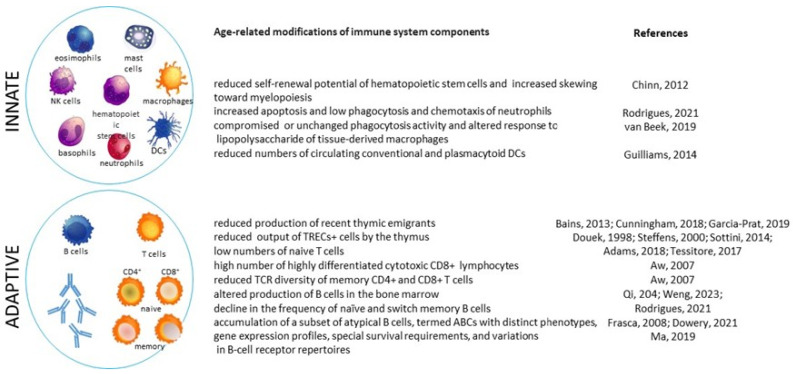
“Age-Associated Changes in the Immune Compartments Several age-related modifications affect the innate and adaptive immune system [26,27 In aging bone marrow, hematopoietic stem cells show reduced One of the most recent hypotheses on the meaning of immune system age-related changes is that these…”
Immunosenescence and inflammaging in the aging process: age-related diseases or longevity?
Santoro, A., Bientinesi, E., & Monti, D. (2021) · Ageing Research Reviews · doi:10.1016/j.arr.2021.101422 · Cited by 603
Sexual-dimorphism in human immune system aging
Márquez, E. J., Chung, C.-H., Marches, R., Rossi, R. J., Nehar-Belaid, D., Eroglu, A., Mellert, D. J., Kuchel, G. A., Banchereau, J., & Ucar, D. (2020) · Nature Communications · doi:10.1038/s41467-020-14396-9 · Cited by 584 · cited 4×
“…higher monocyte activity [63], expression of myeloid cell-related genes [64], and a faster decline in the number and function of B and T cells [63]. females aged between 20 and 70, tested eight lymphocyte subpopulations, 3 million single nucleotide polymorphisms, and 560 genes of the immune…”
InfluentialHearps, A. C., Martin, G. E., Angelovich, T. A., Cheng, W., Maisa, A., Landay, A. L., Jaworowski, A., & Crowe, S. M. (2012) · Aging Cell · doi:10.1111/j.1474-9726.2012.00851.x · Cited by 547 · cited 2×
“Undoubtedly, a failure of innate immunity is also likely to play a role because of the decrease in macrophage functions [131,132], and of reduced uptake of opsonized bacteria by CD14+ monocytes [133].”
An update on inflamm-aging: mechanisms, prevention, and treatment
Xia, S., Zhang, X., Zheng, S., Khanabdali, R., Kalionis, B., Wu, J., Wan, W., & Tai, X. (2016) · Journal of Immunology Research · doi:10.1155/2016/8426874 · Cited by 538 · cited 1×
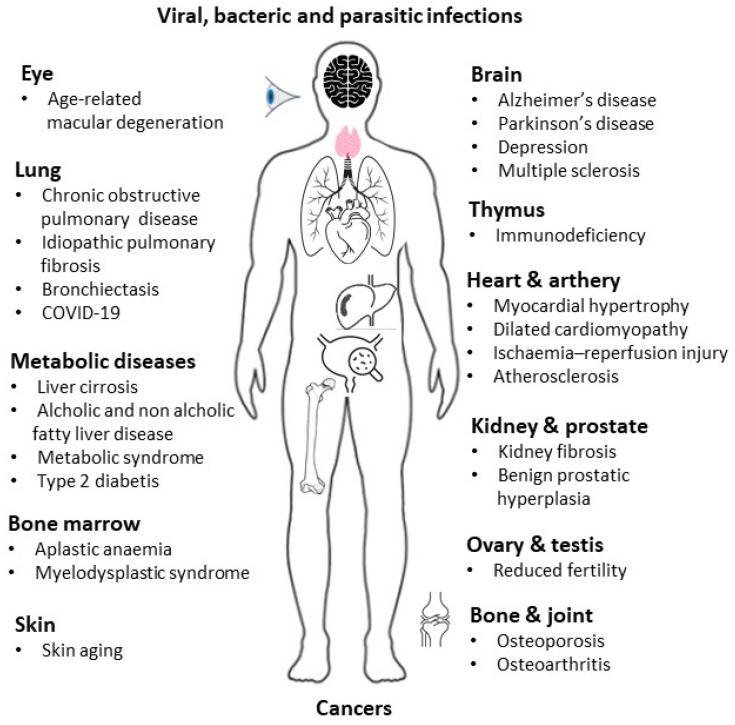
“…mediators, concomitantly with the adoption of lifestyle factors, including smoking, obesity, alcohol, lack of exercise, and exposure to ultraviolet radiation, are known to increase the risk for age-related multi-organ/system diseases (Figure 1) [15,19–22] and premature morbidity and mortality.”
Immunosenescence and human vaccine immune responses
Crooke, S. N., Ovsyannikova, I. G., Poland, G. A., & Kennedy, R. B. (2019) · Immunity & Ageing · doi:10.1186/s12979-019-0164-9 · Cited by 530 · cited 1×
“Additionally, the production of cytokines is not optimal for adaptive immune response priming [243].”
A clinically meaningful metric of immune age derived from high-dimensional longitudinal monitoring
Alpert, A., Pickman, Y., Leipold, M., Rosenberg-Hasson, Y., Ji, X., Gaujoux, R., Rabani, H., Starosvetsky, E., Kveler, K., Schaffert, S., et al. (2019) · Nature Medicine · doi:10.1038/s41591-019-0381-y · Cited by 513 · cited 2×
“The progressive senescence of the immune system during adulthood occurs earlier than was previously appreciated, most likely because comparative analyses were performed between young subjects and very old people, thus missing the intermediate age [74,77].”
Immunology of aging: the birth of inflammaging
Fulop, T., Larbi, A., Pawelec, G., Khalil, A., Cohen, A. A., Hirokawa, K., Witkowski, J. M., & Franceschi, C. (2021) · Clinical Reviews in Allergy & Immunology · doi:10.1007/s12016-021-08899-6 · Cited by 464 · cited 1×
“An pathological aging burdened by age-related diseases [25].”
Cho, S. J., & Stout-Delgado, H. W. (2020) · Annual Review of Physiology · doi:10.1146/annurev-physiol-021119-034610 · Cited by 458 · cited 1×
“For instance, in the lungs, decreased respiratory muscle strength reduces lung compliance, and impaired muco-ciliary function leads to inefficient clearance of infectious organisms [101].”
Vaiserman, A., & Krasnienkov, D. (2021) · Frontiers in Genetics · doi:10.3389/fgene.2020.630186 · Cited by 454 · cited 1×
“Telomere length measure, recognized as one of the most reliable biomarkers of aging [83], provides a rough estimate of the rate of the immunosenescence process and can hardly be regarded as clinically relevant [84].”
Innate immunity in aging: impact on macrophage function
Plowden, J., Renshaw‐Hoelscher, M., Engleman, C., Katz, J. M., & Sambhara, S. R. (2004) · Aging Cell · doi:10.1111/j.1474-9728.2004.00102.x · Cited by 430 · cited 2×
“…mice [135] reduced public CD8+ TCR αβ clonotypes and TCR αβ diversity [137] Influenza virus decrease in macrophage peritoneal phagocytic function [131,132] reduced uptake of bacteria by monocytes [133] decreased abundance, activity and migration of DCs [134] RSV low levels of serum neutralizing…”
Revisiting the timetable of tuberculosis
Behr, M. A., Edelstein, P. H., & Ramakrishnan, L. (2018) · BMJ · doi:10.1136/bmj.k2738 · Cited by 411 · cited 1×
“Although most individuals exposed to MTB manage to control tuberculosis (TB), which can remain in a latent form, approximately 5–10% of them develop an active disease [175].”
Vaccination in the elderly: The challenge of immune changes with aging
Ciabattini, A., Nardini, C., Santoro, F., Garagnani, P., Franceschi, C., & Medaglini, D. (2018) · Seminars in Immunology · doi:10.1016/j.smim.2018.10.010 · Cited by 411 · cited 1×
“These advances, which incorporate immunobiography information with clinical, immunological and omics data, could allow stratifying subgroups of subjects and to identify those markers that could lead to the rational development of vaccines specifically designed for older adults [253,254].”
Epidemiology and Unique Aspects of Aging and Infectious Diseases
Yoshikawa, T. T. (2000) · Clinical Infectious Diseases · doi:10.1086/313792 · Cited by 392 · cited 1×
“Also, intra-abdominal infections, such as cholecystitis, diverticulitis, appendicitis, abscesses, infectious endocarditis, bacterial meningitis, tuberculosis, and herpes zoster, have been reported to frequently occur in the elderly [113].”
Savic, M., Penders, Y., Shi, T., Branche, A., & Pirçon, J. (2022) · Influenza and Other Respiratory Viruses · doi:10.1111/irv.13031 · Cited by 374
Manipulation of the Innate Immune Response by Varicella Zoster Virus
Gerada, C., Campbell, T. M., Kennedy, J. J., McSharry, B. P., Steain, M. C., Slobedman, B., & Abendroth, A. (2020) · Frontiers in Immunology · doi:10.3389/fimmu.2020.00001 · Cited by 364 · cited 2×
“In addition, the virus can interfere with the type 1 IFN pathway and the production of pro-inflammatory cytokines [160].”
SARS-CoV-2, COVID-19 and the aging immune system
Bartleson, J. M., Radenkovic, D., Covarrubias, A. J., Furman, D., Winer, D. A., & Verdin, E. (2021) · Nature Aging · doi:10.1038/s43587-021-00114-7 · Cited by 359 · cited 1×
“Moreover, infections by new pathogens, such as West Nile virus (WNV) and severe acute respiratory syndrome coronavirus 2 (SARS-CoV-2), responsible for the coronavirus disease 2019 (COVID-19) pandemic, have shown heightened severity in the older population [99,100].”
Varicella‐Zoster Virus–Specific Immune Responses in Elderly Recipients of a Herpes Zoster Vaccine
Levin, M. J., Oxman, M. N., Zhang, J. H., Johnson, G. R., Stanley, H., Hayward, A. R., Caulfield, M. J., Irwin, M. R., Smith, J. G., Clair, J. S., et al. (2008) · The Journal of Infectious Diseases · doi:10.1086/528696 · Cited by 355 · cited 1×
“Similarly, IgA and IgM levels were found to be significantly lower in the elderly vaccinated against pneumonia [248–250], and antibodies against VZV are low in subjects ≥ 70 years old [251].”
Wertheimer, A. M., Bennett, M. S., Park, B., Uhrlaub, J. L., Martinez, C., Pulko, V., Currier, N. L., Nikolich-Žugich, D., Kaye, J., & Nikolich-Žugich, J. (2014) · The Journal of Immunology · doi:10.4049/jimmunol.1301721 · Cited by 352 · cited 3×
“…and increase in CD56 − CD16+ NK cells percentage [146] lower number of naïve CD4+ and increased effector memory CD4+ and CD8+ T cells [148] reduced TCR repertoire diversity [151] EBV expansion of CD56-NK cells with reduced cytotoxic capacity and IFN-γ production [152] increase in…”
InfluentialVuyst, L. D., & Leroy, F. (2011) · International Journal of Food Microbiology · doi:10.1016/j.ijfoodmicro.2011.03.003 · Cited by 349 · cited 1×
“Age-related alteration of the microbiota also leads to a decrease in the production of short-chain fatty acids, which may promote inflammation and cell vulnerability [207].”
Gastrointestinal Tract Disorders in Older Age
Dumic, I., Nordin, T., Jecmenica, M., Lalošević, M. S., Milosavljević, T., & Milovanovic, T. (2019) · Canadian Journal of Gastroenterology and Hepatology · doi:10.1155/2019/6757524 · Cited by 348 · cited 2×
“…and Gram-negative intestinal bacteria disequilibrium activation of DCs [205] release of pro-inflammatory cytokines, mainly IL-6 and IL-17 [206] senescent cellular markers in DCs [214] Gram-positive and Gram-negative induced sepsis expansion of myeloid-derived suppressor cells, inhibiting…”
Zhang, L., Lewin, S. R., Markowitz, M. H., Lin, H.-H., Skulsky, E., Karanicolas, R., He, Y., Jin, X., Tuttleton, S., Vesanen, M., et al. (1999) · The Journal of Experimental Medicine · doi:10.1084/jem.190.5.725 · Cited by 346 · cited 2×
“…of highly active antiretroviral therapy, which has prolonged the survival of these patients despite a persistent inflammation, fueled by high levels of IL-6 and TNF-α , interferon (IFN)- α , reduced production of IL-2 [116–118], as well as by a variable decrease in the number of TRECs [37,119,120].”
A Paradoxical Role for Myeloid-Derived Suppressor Cells in Sepsis and Trauma
Cuenca, A. G., Delano, M. J., Kelly‐Scumpia, K. M., Moreno, C. R. D. C., Scumpia, P. O., LaFace, D., Heyworth, P. G., Efron, P. A., & Moldawer, L. L. (2010) · Molecular Medicine · doi:10.2119/molmed.2010.00178 · Cited by 340 · cited 1×
“Th2 cells have been shown to increase with aging [224], playing a paradoxical role in sepsis, since they may also increase the production of pro-inflammatory cytokines during emergency myelogenesis, and concomitantly be potently immunosuppressive [225].”
Arai, Y., Martin-Ruiz, C. M., Takayama, M., Abe, Y., Takebayashi, T., Koyasu, S., Suematsu, M., Hirose, N., & von Zglinicki, T. (2015) · EBioMedicine · doi:10.1016/j.ebiom.2015.07.029 · Cited by 333 · cited 3×
“Indeed, while the accumulation of pro-inflammatory factors and inflammaging were suggested as standing at the origin of most diseases of the elderly, age-related inflammation showed a closer correlation with longevity than any other parameters [22,23].”
Frasca, D., Landin, A. M., Lechner, S. C., Ryan, J. G., Schwartz, R., Riley, R. L., & Blomberg, B. B. (2008) · The Journal of Immunology · doi:10.4049/jimmunol.180.8.5283 · Cited by 333 · cited 1×
“Although the output of new B cells, quantified by measuring K deleting recombinant excision circles (KRECs), remains conserved [49], with the peripheral number unchanged, aging is associated with a decline in the frequency of naïve B cells and in the percentage of switch memory B cells [50,51].”
T cell exhaustion during persistent viral infections
Kahan, S. M., Wherry, E. J., & Zajac, A. J. (2015) · Virology · doi:10.1016/j.virol.2014.12.033 · Cited by 327 · cited 1×
“In addition, persistent infections result in a prolonged antigenic overload of the immune system, leading to host T-cell exhaustion [105] and the promotion and/or acceleration the progressive accumulation of cells with an immunosenescent phenotype [106], thus easing the development of a…”
The aging innate immune system
Gómez, C. R., Boehmer, E. D., & Kovacs, E. J. (2005) · Current Opinion in Immunology · doi:10.1016/j.coi.2005.07.013 · Cited by 315 · cited 1×
“Similarly, the decreased function of the epithelial barriers of the skin, lungs, and gastrointestinal tract favors the pathogen invasiveness [102].”
Melgar, M., Britton, A., Roper, L., Talbot, H., Long, S. S., Kotton, C. N., & Havers, F. (2023) · MMWR. Morbidity and mortality weekly report · doi:10.15585/mmwr.mm7229a4 · Cited by 303 · cited 1×
“…Committee on Immunization Practices of Centers for Disease Control and Prevention recommends that adults over 65 years obtain immunization against herpes zoster virus, Streptococcus pneumoniae , influenza viruses [104], and more recently, RSV in those over 60 years [239], and SARS-CoV-2 [104].”
Influence of immune aging on vaccine responses
Gustafson, C. E., Kim, C., Weyand, C. M., & Goronzy, J. J. (2020) · Journal of Allergy and Clinical Immunology · doi:10.1016/j.jaci.2020.03.017 · Cited by 292 · cited 2×
“Finally, vaccine-induced antibodies commonly show lower protective capacity [244], as suggested by the low production of antibodies in response to influenza vaccination in old rhesus macaques [246] and old individuals [247].”
Vaccines for preventing influenza in the elderly
Jefferson, T., Pietrantonj, C. D., Al‐Ansary, L. A., Ferroni, E., Thorning, S., & Thomas, R. E. (2010) · Cochrane Database of Systematic Reviews · doi:10.1002/14651858.cd004876.pub3 · Cited by 283 · cited 1×
“Vaccination that elicits immunological memory capable of protecting against subsequent infections is crucial in safeguarding the elderly, a population generally less responsive to both primary and booster challenges [134,236], and thus is less protected [237].”
Changes in primary lymphoid organs with aging
Chinn, I. K., Blackburn, C. C., Manley, N. R., & Sempowski, G. D. (2012) · Seminars in Immunology · doi:10.1016/j.smim.2012.04.005 · Cited by 282 · cited 1×
“…these modifications are linked to the immune system response to permanent stress. self-renewal potential and increased skewing toward myelopoiesis [28], probably because of compromised Pax5 expression and Rag2 recombinase function and bone marrow niche alterations This novel vision considers…”
The science and medicine of human immunology
Pulendran, B., & Davis, M. M. (2020) · Science · doi:10.1126/science.aay4014 · Cited by 275 · cited 1×
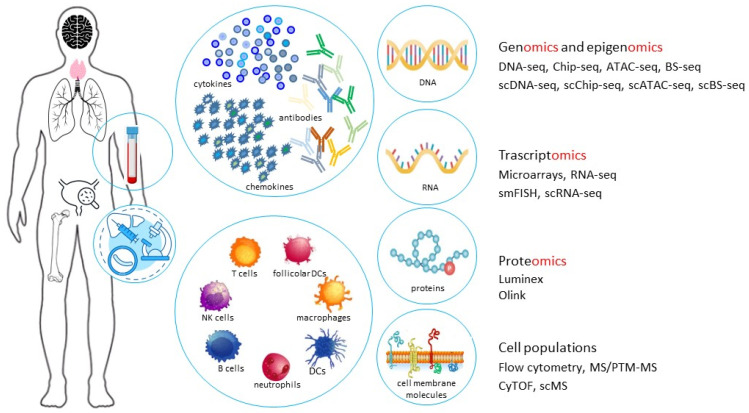
“The variation in cell composition, plasma proteins, and functional responses in aging through a system immunology approach has been possible due to the introduction of high-throughput “omics” technologies [93].”
Systems immunology: just getting started
Davis, M. M., Tato, C. M., & Furman, D. (2017) · Nature Immunology · doi:10.1038/ni.3768 · Cited by 275 · cited 2×
“This provides unprecedented information on the human immune response following vaccinations, infections, autoimmunity, and tumors [94].”
Human T cell immunosenescence and inflammation in aging
Bektas, A., Schurman, S. H., Sen, R., & Ferrucci, L. (2017) · Journal of Leukocyte Biology · doi:10.1189/jlb.3ri0716-335r · Cited by 274 · cited 1×
“Age-Associated Changes in the Immune Compartments Several age-related modifications affect the innate and adaptive immune system [26,27 In aging bone marrow, hematopoietic stem cells show reduced One of the most recent hypotheses on the meaning of immune system age-related changes is that these…”
Murasko, D. M. (2002) · Experimental Gerontology · doi:10.1016/s0531-5565(01)00210-8 · Cited by 250 · cited 1×
“Finally, vaccine-induced antibodies commonly show lower protective capacity [244], as suggested by the low production of antibodies in response to influenza vaccination in old rhesus macaques [246] and old individuals [247].”
Viral infections induce abundant numbers of senescent CD8 T cells
Voehringer, D., Blaser, C., Brawand, P., Raulet, D. H., Hanke, T., & Pircher, H. (2001) · The Journal of Immunology · doi:10.4049/jimmunol.167.9.4838 · Cited by 246 · cited 2×
“…senescent CD8+ CD28 − T cells [154] HCV high plasma levels of SASP proteins [155] increase in intrahepatic senescent, not functional T cells [156,157] HZV interferes with the type 1 IFN pathway and the production of pro-inflammatory cytokines [160] reduced frequency of virus-specific…”
Tuberculosis and Aging: A Global Health Problem
Rajagopalan, S. (2001) · Clinical Infectious Diseases · doi:10.1086/322671 · Cited by 245 · cited 1×
“In-deed, as with many other aging-related diseases, the diagnosis of active TB is difficult because of non-specific symptoms, such as unexplained fever and weight loss, which are less pronounced in this population [177].”
Immunosenescence, aging and successful aging
Wang, Y., Chen, D., Han, Y., Gu, Z., & Sun, C. C. (2022) · Frontiers in Immunology · doi:10.3389/fimmu.2022.942796 · Cited by 237 · cited 2×
“Since it can impact the functions of many organs and systems, it represents a major risk factor for the on-set and/or progression of a wide spectrum of aging-related disorders [1].”
The effect of comorbidity and age on hospital mortality and length of stay in patients with sepsis
Yang, Y., Yang, K. S., Hsann, Y. M., Lim, V., & Ong, B. C. (2009) · Journal of Critical Care · doi:10.1016/j.jcrc.2009.09.001 · Cited by 226 · cited 1×
“These features can only partly be explained by age-related comorbidities [217], which are related to multiple organ failure produced by an excessive inflammatory response [218].”
Respiratory Syncytial Virus Infection in Elderly Adults
Falsey, A. R., & Walsh, E. E. (2005) · Drugs & Aging · doi:10.2165/00002512-200522070-00004 · Cited by 226 · cited 1×
“Elderly people often have recurrent clinically mild RSV infections [138], which occasionally may cause altered airway resistance and the worsening of chronic obstructive lung disease [139], leading to serious or life-threatening pneumonia [140].”
Piasecka, B., Duffy, D., Urrutia, A., Quach, H., Patin, É., Posseme, C., Bergstedt, J., Charbit, B., Rouilly, V., MacPherson, C. R., et al. (2017) · Proceedings of the National Academy of Sciences · doi:10.1073/pnas.1714765115 · Cited by 223 · cited 1×
“…can favor the appearance of autoreactive clones [66], as supported by epidemiological studies showing that about 80% of autoimmune diseases occur in females at earlier age [67]. factors are correlated with only a few changes in immune system genes, but these changes are extremely puissant [71].”
The impact of sex and gender on immunotherapy outcomes
Klein, S. L., & Morgan, R. (2020) · Biology of Sex Differences · doi:10.1186/s13293-020-00301-y · Cited by 216 · cited 1×
“…[68], women are A study, enrolling 500 males and 500 females aged between 20 and 70, tested eight lymphocyte subpopulations, 3 million single nucleotide polymorphisms, and 560 genes of the immune system before and after reported to be more sensitive to immunostimulating strategies [73].”
Tuttle, C. S. L., Waaijer, M. E. C., Slee‐Valentijn, M. S., Stijnen, T., Westendorp, R., & Maier, A. B. (2020) · Aging Cell · doi:10.1111/acel.13083 · Cited by 211 · cited 1×
“In humans, senescent cells of various lineages accumulate at various body sites at different rates, from 2-to 20-fold, when comparing young (<35 years) to old (>65 years) healthy individuals [8].”
Senescence in osteoarthritis: from mechanism to potential treatment
Liu, Y., Zhang, Z., Li, T., Xu, H., & Zhang, H. (2022) · Arthritis Research & Therapy · doi:10.1186/s13075-022-02859-x · Cited by 210 · cited 1×
“Although all cell types can undergo senescence during aging, this process mainly affects fibroblasts, endothelial cells, chondrocytes, tenocytes, skin and immune cells [9–11].”
Cellular senescence: the sought or the unwanted?
Sun, Y., Coppé, J.-P., & Lam, E. W.-F. (2018) · Trends in Molecular Medicine · doi:10.1016/j.molmed.2018.08.002 · Cited by 208 · cited 1×
“In particular, senescent immune cells, by producing cytokines, chemokines, growth factors, proteases, and angiogenic factors, acquire the so-called “senescence-associated secretory phenotype” (SASP) [18].”
Metabolic Alterations in Aging Macrophages: Ingredients for Inflammaging?
van Beek, A. A., Van den Bossche, J., Mastroberardino, P. G., de Winther, M. P. J., & Leenen, P. J. M. (2019) · Trends in Immunology · doi:10.1016/j.it.2018.12.007 · Cited by 207
Hallmarks of aging and immunosenescence: Connecting the dots
Rodrigues, L. P., Teixeira, V. R., Alencar‐Silva, T., Simonassi-Paiva, B., Pereira, R. W., Pogue, R. E., & Carvalho, J. L. (2021) · Cytokine & Growth Factor Reviews · doi:10.1016/j.cytogfr.2021.01.006 · Cited by 193 · cited 4×
“The production of B lymphocytes, as well as of myeloid cells, is impaired in aged bone marrow [29].”
InfluentialSlower immune system aging in women versus men in the Japanese population
Hirokawa, K., Utsuyama, M., Hayashi, Y., Kitagawa, M., Makinodan, T., & Fulop, T. (2013) · Immunity & Ageing · doi:10.1186/1742-4933-10-19 · Cited by 186 · cited 2×
“Further, immunosenescence develops later and slower in women [68], and this has been associated with their longer life expectancy [69,70].”
B Cell Dysfunction Associated With Aging and Autoimmune Diseases
Ma, S., Wang, C., Mao, X., & Hao, Y. (2019) · Frontiers in Immunology · doi:10.3389/fimmu.2019.00318 · Cited by 184 · cited 2×
“These cells have distinct phenotypes, gene expression profiles, special survival requirements, variations in B-cell receptor repertoires, and unique functions [52].”
Dynamics of Individual T Cell Repertoires: From Cord Blood to Centenarians
Britanova, O. V., Shugay, M., Merzlyak, E. M., Staroverov, D. B., Putintseva, E. V., Turchaninova, M. A., Mamedov, I. Z., Pogorelyy, M. V., Bolotin, D. A., Izraelson, M., et al. (2016) · The Journal of Immunology · doi:10.4049/jimmunol.1600005 · Cited by 183 · cited 1×
“It is of interest that the accumulation of highly differentiated T cells and the significant reduction in naïve T cells are not observed in long-lived individuals [47], so centenarians show unexpectedly larger TCR repertoires [48].”
Senescent T cells: a potential biomarker and target for cancer therapy
Zhang, J., He, T., Xue, L., & Guo, H. (2021) · EBioMedicine · doi:10.1016/j.ebiom.2021.103409 · Cited by 175
Correlation between human gut microbiome and diseases
Madhogaria, B., Bhowmik, P., & Kundu, A. (2022) · Infectious Medicine · doi:10.1016/j.imj.2022.08.004 · Cited by 175 · cited 1×
“Poor intestinal mucosal immunity represents a major factor leading to higher mortality from infections in aging [203] because it favors the changes in the human intestinal microbiota associated with inflammatory bowel diseases, irritable bowel syndrome, and metabolic disorders [204].”
Premature ageing of the immune system: the cause of AIDS?
Appay, V., & Rowland-Jones, S. L. (2002) · Trends in Immunology · doi:10.1016/s1471-4906(02)02338-4 · Cited by 173
The immune response to influenza in older humans: beyond immune senescence
McElhaney, J. E., Verschoor, C. P., Andrew, M. K., Haynes, L., Kuchel, G. A., & Pawelec, G. (2020) · Immunity & Ageing · doi:10.1186/s12979-020-00181-1 · Cited by 173 · cited 3×
“Aging appears to affect DCs, in terms of a decrease in number, activity, and migration, determining poorer viral clearance as well as clinical outcomes and susceptibility to complications, which have been correlated to the levels of circulating inflammatory cytokines [134].”
Deeks, S. G., Verdin, E. M., & McCune, J. M. (2012) · Current Opinion in Immunology · doi:10.1016/j.coi.2012.05.004 · Cited by 169 · cited 1×
“…during HIV infection, the immunosenescence process is accelerated, resulting not only in an immunosuppressed state unable to contain HIV replication and spread, but also to a lower capacity to respond to new antigenic challenges favoring other infections and age-associated organ diseases [126].”
Gonadal steroids and humoral immunity
Sakiani, S., Olsen, N., & Kovacs, W. (2013) · Nature Reviews Endocrinology · doi:10.1038/nrendo.2012.206 · Cited by 168 · cited 2×
“In contrast, genetic The high humoral response observed in women can favor the appearance of autoreactive clones [66], as supported by epidemiological studies showing that about 80% of autoimmune diseases occur in females at earlier age [67]. factors are correlated with only a few changes in immune…”
Hallmark Features of Immunosenescence Are Absent in Familial Longevity
Derhovanessian, E., Maier, A. B., Beck, R., Jahn, G., Hähnel, K., Slagboom, P. E., de Craen, A. J. M., Westendorp, R. G. J., & Pawelec, G. (2010) · The Journal of Immunology · doi:10.4049/jimmunol.1001629 · Cited by 164 · cited 1×
“It is of interest that the accumulation of highly differentiated T cells and the significant reduction in naïve T cells are not observed in long-lived individuals [47], so centenarians show unexpectedly larger TCR repertoires [48].”
Rowe, T. A., & McKoy, J. M. (2017) · Infectious Disease Clinics of North America · doi:10.1016/j.idc.2017.07.010 · Cited by 162 · cited 1×
“The outcomes of sepsis are worst in older adults, with higher rates of mortality, organ dysfunction, cognitive deficiency, and permanent disabilities [216].”
The Dynamics of B Cell Aging in Health and Disease
de Mol, J., Kuiper, J., Tsiantoulas, D., & Foks, A. C. (2021) · Frontiers in Immunology · doi:10.3389/fimmu.2021.733566 · Cited by 159 · cited 2×
“As a result, antibody affinity and diversity also decline, leading to impaired antibody responses [53].”
Evaluation of the urinary microbiota of women with uncomplicated stress urinary incontinence
Thomas-White, K. J., Kliethermes, S., Rickey, L., Lukacz, E. S., Richter, H. E., Moalli, P., Zimmern, P. E., Norton, P., Kusek, J. W., Wolfe, A. J., et al. (2016) · American Journal of Obstetrics and Gynecology · doi:10.1016/j.ajog.2016.07.049 · Cited by 158 · cited 1×
“…Klebsiella pneumoniae , Proteus mirabilis , Enterobacter species, Citrobacter species, and Pseudomonas aeruginosa , as well as Gram-positive bacteria, including group B Streptococcus , other streptococci, Staphylococcus aureus , coagulase-negative staphylococci, and Enterococcus species [195,196].”
Qian, F., Wang, X., Zhang, L., Lin, A., Zhao, H., Fikrig, E., & Montgomery, R. R. (2011) · The Journal of Infectious Diseases · doi:10.1093/infdis/jir048 · Cited by 157 · cited 1×
“This receptor, potentially relevant for susceptibility to WNV, has been found in human DCs [170].”
Aging and chronic inflammation: highlights from a multidisciplinary workshop
Saavedra, D., Añé-Kourí, A. L., Barzilai, N., Caruso, C., Cho, K., Fontana, L., Franceschi, C., Frasca, D., Ledón, N., Niedernhofer, L. J., et al. (2023) · Immunity & Ageing · doi:10.1186/s12979-023-00352-w · Cited by 157 · cited 1×
“This acceleration is anticipated to be largely variable, being related to the variety of inducing environmental factors, type, intensity, duration, and temporal sequence of antigen exposure, the so called “exposome” [110], implying that that aging is an individual phenomenon.”
Integration of molecular profiles in a longitudinal wellness profiling cohort
Tebani, A., Gummesson, A., Zhong, W., Schuppe‐Koistinen, I., Lakshmikanth, T., Olsson, L. M., Boulund, F., Neiman, M., Stenlund, H. C., Hellström, C., et al. (2020) · Nature Communications · doi:10.1038/s41467-020-18148-7 · Cited by 156 · cited 1×
“…and autoantibody data were integrated with information on gut microbiota composition, routine clinical chemistry, and various clinical parameters [97]. multihierarchical or multiscale organization, the components at a lower scale are integrated with the functional units of the immediately higher…”
Simell, B., Vuorela, A., Ekström, N., Palmu, A., Reunanen, A., Meri, S., Käyhty, H., & Väkeväinen, M. (2011) · Vaccine · doi:10.1016/j.vaccine.2010.12.121 · Cited by 155 · cited 2×
“In these patients, both antibody opsonic activities for all tested pneumococcal serotypes and phagocytic killing of pneumococci by neutrophils were significantly impaired [191].”
Individuality and Variation of Personal Regulomes in Primary Human T Cells
Qu, K., Zaba, L. C., Giresi, P. G., Li, R., Longmire, M. R., Kim, Y. H., Greenleaf, W. J., & Chang, H. Y. (2015) · Cell Systems · doi:10.1016/j.cels.2015.06.003 · Cited by 149 · cited 1×
“…with worse health conditions [17]. and silencing of immune system genes occur through different “switches”, which partially Although detailed information is lacking regarding sex differences in immune performance, a number of advances have been made. percentages and types of immune players [72].”
Does tuberculosis threaten our ageing populations?
Byng-Maddick, R., & Noursadeghi, M. (2016) · BMC Infectious Diseases · doi:10.1186/s12879-016-1451-0 · Cited by 149 · cited 1×
“The interactions between MTB and the host immune system are complex and only partially clarified, but the concomitant overall senescence of both innate and adaptive immunity appears to play a major role [181–183].”
Lelarge, V., Capelle, R., Oger, F., Mathieu, T., & Le Calvé, B. (2024) · npj Aging · doi:10.1038/s41514-024-00138-4 · Cited by 140 · cited 1×
“…demonstrated moderate efficacy when used in clinical trials, next-generation senolytics (CAR-T cells, antibody drug conjugates or vaccines) targeting specific proteins selectively expressed during senescence and, based on new technical developments, can pave the way for preclinical research [263].”
Ademokun, A., Wu, Y., Martin, V., Mitra, R., Sack, U., Baxendale, H., Kipling, D., & Dunn‐Walters, D. K. (2011) · Aging Cell · doi:10.1111/j.1474-9726.2011.00732.x · Cited by 139 · cited 1×
“Similarly, IgA and IgM levels were found to be significantly lower in the elderly vaccinated against pneumonia [248–250], and antibodies against VZV are low in subjects ≥ 70 years old [251].”
Chatta, G., Andrews, R. G., Rodger, E., Schrag, M., Hammond, W., & Dale, D. (1993) · Journal of Gerontology · doi:10.1093/geronj/48.5.m207 · Cited by 139 · cited 1×
“The number of circulating neutrophils does not significantly change [30], although the function of these cells may be compromised in aging, since activated neutrophils are more prone to apoptosis and deficient The prevalence of one of the conditions may result either in healthy longevity or…”
Macrophages Subvert Adaptive Immunity to Urinary Tract Infection
Mora-Bau, G., Platt, A. M., van Rooijen, N., Randolph, G., Albert, M., & Ingersoll, M. (2015) · PLoS Pathogens · doi:10.1371/journal.ppat.1005044 · Cited by 134 · cited 2×
“…alter the mucosal landscape [195] aged bladder CXCL13+ macrophages may be responsible for inhibiting development of the adaptive immune responses [198] decreased macrophage phagocytosis [199] Gram-positive and Gram-negative intestinal bacteria disequilibrium activation of DCs [205] release of…”
Effect of Aging on NK Cell Population and Their Proliferation at Ex Vivo Culture Condition
Gounder, S. S., Abdullah, B. J. J., Radzuanb, N. E. I. B. M., Zain, F. D. B. M., Sait, N. B. M., Chua, C., & Subramani, B. (2018) · Analytical Cellular Pathology · doi:10.1155/2018/7871814 · Cited by 128 · cited 1×
“While natural killer (NK) cells significantly increase, with the majority of these cells being CD56dim, their proliferative ability declines with age [36].”
Effect of age and CMV on NK cell subpopulations
Campos, C., Pera, A., Sanchez-Correa, B., Alonso, C., Lopez-Fernandez, I., Morgado, S., Tarazona, R., & Solana, R. (2014) · Experimental Gerontology · doi:10.1016/j.exger.2014.01.008 · Cited by 128 · cited 2×
“CMV seropositive elderly donors have a decreased percentage of both CD16 − and CD16+ CD56bright NK cells, and an increase in the CD56 − CD16+ subset [146].”
Respiratory viral infections in the elderly
Watson, A., & Wilkinson, T. M. A. (2021) · Therapeutic Advances in Respiratory Disease · doi:10.1177/1753466621995050 · Cited by 118 · cited 1×
“Other respiratory viruses, such as human metapneumovirus, human rhinovirus, and human parainfluenza virus, also lead to substantial morbidity and mortality in the elderly [144], but the impact of senescence and other factors modulating their severity in the elderly remain to be identified.”
Shivshankar, P., Boyd, A. R., Le Saux, C. J., Yeh, I., & Orihuela, C. J. (2011) · Aging Cell · doi:10.1111/j.1474-9726.2011.00720.x · Cited by 117 · cited 2×
“…phagocytic killing of neutrophils [191] changes in CD27+IgM+ B cells [194] increase in senescence markers (IL-1 α / β , TNF-α , IL-6, and CXCL1) [192] Escherichia coli and other bacteria inducing urinary tract infections high levels of pro-inflammatory cytokines (IL-6, IL-1 β , and TNF-α )…”
Bongen, E., Lucian, H. J., Khatri, A., Fragiadakis, G. K., Bjornson, Z. B., Nolan, G. P., Utz, P. J., & Khatri, P. (2019) · Cell Reports · doi:10.1016/j.celrep.2019.10.019 · Cited by 116
How good is the evidence that cellular senescence causes skin ageing?
Low, E., Alimohammadiha, G., Smith, L. A., Costello, L., Przyborski, S. A., von Zglinicki, T., & Miwa, S. (2021) · Ageing Research Reviews · doi:10.1016/j.arr.2021.101456 · Cited by 116
Immune senescence and vaccines to prevent herpes zoster in older persons
Levin, M. J. (2012) · Current Opinion in Immunology · doi:10.1016/j.coi.2012.06.002 · Cited by 114 · cited 2×
“…due to VZV infection, is also associated with an age-related decline in cell-mediated immunity against the virus, namely with the reduced frequency of virus-specific effector memory T cells [161], which appears to be the cause of the increased risk of post-herpetic neuralgia complications [162].”
Xu, P., Wang, M., Song, W.-M., Wang, Q., Yuan, G.-C., Sudmant, P. H., Zare, H., Tu, Z., Orr, M. E., & Zhang, B. (2022) · Molecular Neurodegeneration · doi:10.1186/s13024-021-00507-7 · Cited by 114
Extended immunophenotyping reference values in a healthy pediatric population
García-Prat, M., Álvarez‐Sierra, D., Aguiló‐Cucurull, A., Salgado‐Perandrés, S., Briongos‐Sebastian, S., Franco‐Jarava, C., Martín‐Nalda, A., Colobrán, R., Montserrat, I., Hernández-González, M., et al. (2018) · Cytometry Part B Clinical Cytometry · doi:10.1002/cyto.b.21728 · Cited by 113 · cited 1×
“Data resulting from the measurement of thymic emigrants by flow cytometer [39–41] or TCR excision circles (TRECs) by real-time PCR [37,42–44] have demonstrated that the release of new T cells decreases progressively during aging.”
Influence of ageing on the microarchitecture of the spleen and lymph nodes
Turner, V. M., & Mabbott, N. A. (2017) · Biogerontology · doi:10.1007/s10522-017-9707-7 · Cited by 111 · cited 2×
“…at the border between the follicular and marginal zones, become disorganized, leading to altered immune system cell localization, resulting in an improper antigen-presenting capacity [60,61]. epidemiological studies showing that about 80% of autoimmune diseases occur in females at earlier age [67].”
Kokkola, A., Sipponen, P., Rautelin, H., Härkönen, M., Kosunen, T. U., Haapiainen, R. K., & Puolakkainen, P. A. (2002) · Alimentary Pharmacology & Therapeutics · doi:10.1046/j.1365-2036.2002.01214.x · Cited by 110 · cited 1×
“Interestingly, patients who successfully eradicated Helicobacter pylori , another infection related to changes in the microbiota, had significantly lower histological markers of inflammation [210,211].”
Schenkein, J. G., Park, S., & Nahm, M. (2008) · Vaccine · doi:10.1016/j.vaccine.2008.07.071 · Cited by 109 · cited 1×
“Similarly, IgA and IgM levels were found to be significantly lower in the elderly vaccinated against pneumonia [248–250], and antibodies against VZV are low in subjects ≥ 70 years old [251].”
Pietschmann, P., Gollob, E., Brosch, S., Hahn, P., Kudlacek, S. T., Willheim, M., Woloszczuk, W., Peterlik, M., & Tragl, K. H. (2003) · Experimental Gerontology · doi:10.1016/s0531-5565(03)00189-x · Cited by 109 · cited 2×
“The data demonstrated that age preferentially Aging female T cells produce more IL-10 [65], capable of neutralizing age-related inflammaging. and macrophages, as well as multiple genes related to the immune system.”
Ahuja, S. K., Manoharan, M. S., Lee, G. C., McKinnon, L. R., Meunier, J. A., Steri, M., Harper, N., Fiorillo, E., Smith, A. M., Restrepo, M. I., et al. (2023) · Nature Communications · doi:10.1038/s41467-023-38238-6 · Cited by 109 · cited 1×
“These conditions can be related to the incapacity, at any age, to preserve and/or restore an optimal “immune resilience” when inflammatory or antigenic stressors occur [269].”
Parlesak, A., Klein, B., Schecher, K., Bode, J., & Bode, C. (2003) · Journal of The American Geriatrics Society · doi:10.1046/j.1365-2389.2003.51259.x · Cited by 108 · cited 1×
“This disease is common in the elderly, and is associated with chronic diarrhea, malabsorption, weight loss, and secondary nutritional deficiencies [213].”
Advanced Age Alters Monocyte and Macrophage Responses
Albright, J. M., Dunn, R. C., Shults, J. A., Boe, D. M., Afshar, M., & Kovacs, E. J. (2016) · Antioxidants and Redox Signaling · doi:10.1089/ars.2016.6691 · Cited by 107 · cited 2×
“…[135] reduced public CD8+ TCR αβ clonotypes and TCR αβ diversity [137] Influenza virus decrease in macrophage peritoneal phagocytic function [131,132] reduced uptake of bacteria by monocytes [133] decreased abundance, activity and migration of DCs [134] RSV low levels of serum neutralizing…”
Characterization of lung inflammation and its impact on macrophage function in aging
Canan, C., Gokhale, N. S., Carruthers, B., Lafuse, W. P., Schlesinger, L., Torrelles, J., & Turner, J. (2014) · Journal of Leukocyte Biology · doi:10.1189/jlb.4a0214-093rr · Cited by 106 · cited 1×
“These data are in line with those obtained in mice, indicating that age induces an inflammatory pulmonary environment, turning the resident macrophages more prone to being infected by MTB [185].”
Human CD8+ CD57- TEMRA cells: Too young to be called "old"
Verma, K., Ogonek, J., Varanasi, P. R., Luther, S., Bünting, I., Thomay, K., Behrens, Y. L., Weissinger, E. M., & Hambach, L. (2017) · PLoS ONE · doi:10.1371/journal.pone.0177405 · Cited by 105 · cited 1×
“With aging, a progressive increase in terminal effector memory T (TEMRA) cells occurs [86].”
The untwining of immunosenescence and aging
Xu, W., Wong, G. C. L., Hwang, Y. Y., & Larbi, A. (2020) · Seminars in Immunopathology · doi:10.1007/s00281-020-00824-x · Cited by 105 · cited 1×
“Although total white blood cell counts and lymphocyte counts have been the most studied biomarkers of adaptive immunity, they can further differentiate after their maturation in response to pathogens, so it is unclear when senescence is induced in these cells [82].”
Agrawal, L., Engel, K. B., Greytak, S. R., & Moore, H. M. (2017) · Seminars in Cancer Biology · doi:10.1016/j.semcancer.2017.12.008 · Cited by 104 · cited 1×
“In particular, there are cell markers that are sensitive to the conditions in which they are collected, temperature, delay in processing, preservation method, duration of storage, and number of freeze–thaw cycles [256].”
Effect of recent thymic emigrants on progression of HIV-1 disease
Hatzakis, A. E., Touloumi, G., Karanicolas, R., Karafoulidou, A., MANDALAKI, T., Anastassopoulou, C. G., Zhang, L., Goedert, J. J., Ho, D. D., & Kostrikis, L. G. (2000) · The Lancet · doi:10.1016/s0140-6736(99)10311-8 · Cited by 102 · cited 2×
“…of highly active antiretroviral therapy, which has prolonged the survival of these patients despite a persistent inflammation, fueled by high levels of IL-6 and TNF-α , interferon (IFN)- α , reduced production of IL-2 [116–118], as well as by a variable decrease in the number of TRECs [37,119,120].”
Inflammaging markers characteristic of advanced age show similar levels with frailty and dependency
Alberro, A., Iribarren-López, A., Sáenz-Cuesta, M., Matheu, A., Vergara, I., & Otaegui, D. (2021) · Scientific Reports · doi:10.1038/s41598-021-83991-7 · Cited by 102 · cited 1×
“While IL-6 serum concentrations in healthy individuals are undetectable or minimal, elevated levels have been reported, especially in advanced age, to be associated with disability and mortality; TNF-α age-related changes behave similarly [81].”
Chronic Human Infection with Trypanosoma cruzi Drives CD4+ T Cells to Immune Senescence
Albareda, M. C., Olivera, G. C., Laucella, S. A., Alvarez, M. G., Fernández, E. R., Lococo, B., Viotti, R. J., Tarleton, R. L., & Postan, M. (2009) · The Journal of Immunology · doi:10.4049/jimmunol.0900852 · Cited by 98 · cited 2×
“Indeed, in this infection, an increase in Ag-experienced IFN-γ -producing CD4+ T cells has been described [234].”
Geriatric Infectious Diseases: Current Concepts on Diagnosis and Management
Yoshikawa, T. T., & Norman, D. C. (2017) · Journal of the American Geriatrics Society · doi:10.1111/jgs.14731 · Cited by 98 · cited 1×
“Dysregulation of the gut microbiota, more precisely the decrease in diversity of the microbiome associated with aging, appears also play a role in Clostridium difficile colitis, the major cause of gastrointestinal infections worldwide, occurring in up to 80% of cases in adults aged 65 [208,209].”
Single-cell immunology: Past, present, and future
Ginhoux, F., Yalin, A., Dutertre, C., & Amit, I. (2022) · Immunity · doi:10.1016/j.immuni.2022.02.006 · Cited by 96 · cited 2×
“Many of these improvements have been optimized for studies at the single cell level [95], especially to characterize immune system cells that are located in multiple sites, i.e., blood, primary and secondary lymphoid organs, respiratory and gastrointestinal tissues (lungs, intestine, pancreas, and…”
Aging, inflammaging and immunosenescence as risk factors of severe COVID-19
Tizazu, A. M., Mengist, H. M., & Demeke, G. (2022) · Immunity & Ageing · doi:10.1186/s12979-022-00309-5 · Cited by 96
Njue, A., Nuabor, W., Lyall, M., Margulis, A. V., Mauskopf, J., Curcio, D., Kurosky, S., Gessner, B., & Begier, E. (2023) · Open Forum Infectious Diseases · doi:10.1093/ofid/ofad513 · Cited by 94 · cited 1×
“…of the risk factors for poor outcomes in RSV infection found a strong link between immunosenescence and preexisting co-morbidities (cardiac, pulmonary, and immunocompromising conditions, diabetes, and renal disease), and living conditions (socioeconomic status and nursing home residence) [143].”
Pyroptosis and degenerative diseases of the elderly
Zhou, J., Qiu, J., Song, Y., Liang, T., Liu, S., Ren, C., Song, X., Cui, L., & Sun, Y. (2023) · Cell Death and Disease · doi:10.1038/s41419-023-05634-1 · Cited by 92
Effect of Aging on Cytokine Production in Response to Respiratory Syncytial Virus Infection
Looney, R. J., Falsey, A. R., Walsh, E. E., & Campbell, D. (2002) · The Journal of Infectious Diseases · doi:10.1086/339008 · Cited by 90 · cited 2×
“…of bacteria by monocytes [133] decreased abundance, activity and migration of DCs [134] RSV low levels of serum neutralizing antibody and IFN-γ [141] RSV-specific effector memory T cells prevent symptomatic infection [142] CMV increased CD8+ CD244+ effector T cells [147] decreased…”
Impact of aging on immunity in the context of COVID-19, HIV, and tuberculosis
Grifoni, A., Alonzi, T., Alter, G., Noonan, D. M., LANDAY, A. L., Albini, A., & Goletti, D. (2023) · Frontiers in Immunology · doi:10.3389/fimmu.2023.1146704 · Cited by 90 · cited 4×
“For a discussion of the role of aging in response to severe acute respiratory syndrome coronavirus 2 infection, we recommend the reader refer to recent contributions [118,127,128].”
InfluentialSex/gender-related differences in inflammaging
Olivieri, F., Marchegiani, F., Matacchione, G., Giuliani, A., Ramini, D., Fazioli, F., Sabbatinelli, J., & Bonafè, M. (2023) · Mechanisms of Ageing and Development · doi:10.1016/j.mad.2023.111792 · Cited by 89 · cited 3×
“Unfortunately, this longer life expectancy is associated with worse health conditions [17].”
InfluentialEffect of ageing on CMV-specific CD8 T cells from CMV seropositive healthy donors
Pita‐López, M. L., Gayoso, I., DelaRosa, O., Casado, J. G., Alonso, C., Muñoz-Gomáriz, E., Tarazona, R., & Solana, R. (2009) · Immunity & Ageing · doi:10.1186/1742-4933-6-11 · Cited by 86 · cited 2×
“…antibody and IFN-γ [141] RSV-specific effector memory T cells prevent symptomatic infection [142] CMV increased CD8+ CD244+ effector T cells [147] decreased CD16-/CD16+CD56bright and increase in CD56 − CD16+ NK cells percentage [146] lower number of naïve CD4+ and increased effector memory…”
Maintenance of the human memory T cell repertoire by subset and tissue site
Miron, M., Meng, W., Rosenfeld, A. M., Dvorkin, S., Poon, M. M. L., Lam, N., Kumar, B. V., Louzoun, Y., Prak, E. T. L., & Färber, D. L. (2021) · Genome Medicine · doi:10.1186/s13073-021-00918-7 · Cited by 85 · cited 1×
“Overall, TEMRA cells, characterized by a decline in proliferation potential, efficient cytotoxicity, pro-inflammatory activity, and high clonal expansion, are considered hallmarks of immunosenescence [87,88].”
Heather, J., Best, K., Oakes, T., Gray, E. R., Roe, J. K., Thomas, N., Friedman, N., Noursadeghi, M., & Chain, B. (2016) · Frontiers in Immunology · doi:10.3389/fimmu.2015.00644 · Cited by 82 · cited 2×
“…[88] expansion of non-functional CD3-CD56-CD16+ NK cells [125] elevated KRECs in patients not needing therapy [121] decreased T-cell diversity [123] diminished CD8+ T-cell response in aged mice [135] reduced public CD8+ TCR αβ clonotypes and TCR αβ diversity [137] Influenza virus decrease in…”
Senescence in immunity against helminth parasites predicts adult mortality in a wild mammal
Froy, H., Sparks, A. M., Watt, K., Sinclair, R., Bach, F. A., Pilkington, J. G., Pemberton, J. M., McNeilly, T. N., & Nussey, D. H. (2019) · Science · doi:10.1126/science.aaw5822 · Cited by 82 · cited 2×
“This was suggested mainly by a murine model performed in mice, in which Th2 function and anti-worm antibody production are compromised in old age [235].”
Chen, H., Matsumoto, H., Horita, N., Hara, Y., Kobayashi, N., & Kaneko, T. (2021) · Scientific Reports · doi:10.1038/s41598-021-91234-y · Cited by 81 · cited 1×
“An additional leading cause of infection-related mortality in the elderly is Streptococcus pneumoniae infection [190].”
Cakala, M., Kołodziej, P., & Puzianowska‐Kuźnicka, M. (2021) · Cells · doi:10.3390/cells10113148 · Cited by 81 · cited 3×
“In addition, changes in the local production of adequate amounts of chemokines and cytokines were observed, which ensured an efficient immune response [57,58].”
Müller-Durovic, B., Grählert, J., Devine, O., Akbar, A. N., & Hess, C. (2019) · Aging · doi:10.18632/aging.101774 · Cited by 80 · cited 2×
“…and CD8+ T cells [148] reduced TCR repertoire diversity [151] EBV expansion of CD56-NK cells with reduced cytotoxic capacity and IFN-γ production [152] increase in terminally differentiated T cells and decrease in TCR repertoire diversity [153] expansion of viral-specific exhausted, senescent…”
The Whole Body as the System in Systems Immunology
Poon, M. M. L., & Färber, D. L. (2020) · iScience · doi:10.1016/j.isci.2020.101509 · Cited by 77 · cited 2×
“…and secondary lymphoid organs, respiratory and gastrointestinal tissues (lungs, intestine, pancreas, and liver), and barrier sites (skin and mucosal surfaces), where the composition, phenotype, function, and tissue-specific adaptations of different immune cell populations are known to differ [96].”
Steffens, C. M., Al‐Harthi, L., Shott, S., Yogev, R., & LANDAY, A. L. (2000) · Clinical Immunology · doi:10.1006/clim.2000.4938 · Cited by 73 · cited 1×
“Data resulting from the measurement of thymic emigrants by flow cytometer [39–41] or TCR excision circles (TRECs) by real-time PCR [37,42–44] have demonstrated that the release of new T cells decreases progressively during aging.”
Karagiannis, T. T., Dowrey, T. W., Villacorta-Martin, C., Montano, M., Reed, E. R., Belkina, A., Andersen, S., Perls, T., Monti, S., Murphy, G., et al. (2022) · bioRxiv · doi:10.1101/2022.07.06.498968 · Cited by 73 · cited 1×
“On the contrary, there are elderly people, in particular centenarians, who harbor a unique, highly functional immune system that has successfully adapted to a history of insults, allowing for exceptional longevity [268].”
Impact of aging on gastrointestinal mucosal immunity
Schmucker, D. L., Heyworth, M., Owen, R., & Daniels, C. (1996) · Digestive Diseases and Sciences · doi:10.1007/bf02088236 · Cited by 73 · cited 1×
“Poor intestinal mucosal immunity represents a major factor leading to higher mortality from infections in aging [203] because it favors the changes in the human intestinal microbiota associated with inflammatory bowel diseases, irritable bowel syndrome, and metabolic disorders [204].”
Cellular senescence in lymphoid organs and immunosenescence
Budamagunta, V., Foster, T. C., & Zhou, D. (2021) · Aging · doi:10.18632/aging.203405 · Cited by 73 · cited 2×
“…at the border between the follicular and marginal zones, become disorganized, leading to altered immune system cell localization, resulting in an improper antigen-presenting capacity [60,61]. epidemiological studies showing that about 80% of autoimmune diseases occur in females at earlier age [67].”
Malavolta, M., Giacconi, R., Brunetti, D., Provinciali, M., & Maggi, F. (2020) · Cells · doi:10.3390/cells9040909 · Cited by 72 · cited 1×
“Several senolytic clinical trials have been completed, are current, or are planned for the near future [259], which include those focusing on immunosenescence or inflammaging [260–262].”
Biomarkers of the ageing immune system and their association with frailty – A systematic review
Hoi, E. T. V., de Glas, N. A., Portielje, J. E. A., van Heemst, D., van den Bos, F., Jochems, S. P., & Mooijaart, S. P. (2023) · Experimental Gerontology · doi:10.1016/j.exger.2023.112163 · Cited by 72 · cited 2×
“Converging literature recognizes IL-6 and TNF-α as relevant biomarkers for the aging innate immune system [80].”
Tuberculosis in older adults: challenges and best practices in the Western Pacific Region
Teo, A. K. J., Morishita, F., Islam, T., Viney, K. A., Ong, C. W. M., Kato, S., Kim, H. J., Liu, Y., Oh, K. H., Yoshiyama, T., et al. (2023) · The Lancet Regional Health - Western Pacific · doi:10.1016/j.lanwpc.2023.100770 · Cited by 68 · cited 3×
“Overall, due the low adherence to treatment and poorer tolerance to TB drugs, anticipatory diagnosis in the elderly represents an important challenge [176].”
InfluentialAge-related alterations in immune responses to West Nile virus infection
Montgomery, R. R. (2016) · Clinical & Experimental Immunology · doi:10.1111/cei.12863 · Cited by 67 · cited 2×
“Also, neutrophils, monocyte/macrophages, and DCs, the first barriers to this infection, show an age-related impairment [99].”
Elsayed, R., Elashiry, M., Liu, Y., El-Awady, A., Hamrick, M., & Cutler, C. W. (2021) · Frontiers in Cellular and Infection Microbiology · doi:10.3389/fcimb.2021.669989 · Cited by 64 · cited 2×
“Indeed, bacterial invasion leads to an increase in the secretion of inflammatory exosomes which, in turn, amplify immune senescence [214].”
Mills, E. A., & Mao‐Draayer, Y. (2018) · Multiple Sclerosis Journal · doi:10.1177/1352458518775550 · Cited by 64 · cited 2×
“Finally, it must be remembered that impairments of the immune system resembling those induced by aging can have an iatrogenic origin; this is the case, for example, of disease-modifying therapies for multiple sclerosis [172].”
Weinberger, B., Schirmer, M., Matteucci Gothe, R., Siebert, U., Fuchs, D., & Grubeck-Loebenstein, B. (2013) · PLoS ONE · doi:10.1371/journal.pone.0082967 · Cited by 61 · cited 1×
“Moreover, tetanus and diphtheria vaccines were also recommended, despite responses to these vaccines often being impaired in older individuals [240].”
CD8 T cell responses to influenza virus infection in aged mice
Jiang, J. K., Fisher, E. M., & Murasko, D. M. (2011) · Ageing Research Reviews · doi:10.1016/j.arr.2011.02.001 · Cited by 61 · cited 2×
“Although a diminished CD8+ T-cell immune response to influenza virus infection [135] has been demonstrated in the past in mice, only very recently has the role of CD8+ T cells been elucidated as a mechanism of respiratory viral infection severity in the elderly [136].”
Mucosal Immunosenescence in the Gastrointestinal Tract: A Mini-Review
Sato, S., Kiyono, H., & Fujihashi, K. (2014) · Gerontology · doi:10.1159/000368897 · Cited by 61 · cited 1×
“Finally, evidence has been gathered of an overall decline in mucosal immunity, especially in the gastrointestinal tracts of the elderly [62].”
Varicella zoster virus productively infects human natural killer cells and manipulates phenotype
Campbell, T. M., McSharry, B. P., Steain, M. C., Ashhurst, T. M., Slobedman, B., & Abendroth, A. (2018) · PLoS Pathogens · doi:10.1371/journal.ppat.1006999 · Cited by 60 · cited 2×
“…the production of pro-inflammatory cytokines [160] reduced frequency of virus-specific effector memory T cells [161] increases in CD57+ NK cells [159] reduction in IFN-γ /IL-4 ratio and other pro-inflammatory, such as IL-17A, IL-2, TNF-α [187] reduction in regulatory T cells and polyfunctional…”
The Effect of Aging on Circulating Levels of Proinflammatory Cytokines During Septic Shock
Marik, P. E., Zaloga, G. P., & and the Norasept II Study Investigators (2001) · Journal of the American Geriatrics Society · doi:10.1046/j.1532-5415.2001.49003.x · Cited by 58 · cited 1×
“Conclusively, our understanding of the relationship between aging and the onset of sepsis is incomplete and conflictual, as little or no association between age and inflammatory markers [226,227] or higher levels of these mediators among older septic patients [228] have been found.”
Human Immune System Variation during 1 Year
Lakshmikanth, T., Muhammad, S. A., Olin, A., Chen, Y., Mikeš, J., Fagerberg, L., Gummesson, A., Bergström, G. M. L., Uhlén, M., & Brodin, P. (2020) · Cell Reports · doi:10.1016/j.celrep.2020.107923 · Cited by 58 · cited 1×
“One should remember that, to appreciate significant changes related to IS, long-term follow-up analyses should be performed, since a rather stable immune system cell composition is commonly observed in the short period of observation [79].”
Immunosenescence and Altered Vaccine Efficiency in Older Subjects: A Myth Difficult to Change
Fülöp, T., Larbi, A., Pawelec, G., Cohen, A. A., Provost, G., Khalil, A., Lacombe, G., Rodrigues, S., Desroches, M., Hirokawa, K., et al. (2022) · Vaccines · doi:10.3390/vaccines10040607 · Cited by 58 · cited 1×
“Vaccination that elicits immunological memory capable of protecting against subsequent infections is crucial in safeguarding the elderly, a population generally less responsive to both primary and booster challenges [134,236], and thus is less protected [237].”
Rajagopalan, S. (2016) · Clinics in Geriatric Medicine · doi:10.1016/j.cger.2016.02.006 · Cited by 57 · cited 1×
“The interactions between MTB and the host immune system are complex and only partially clarified, but the concomitant overall senescence of both innate and adaptive immunity appears to play a major role [181–183].”
NRF2 signaling pathway and telomere length in aging and age-related diseases
Medoro, A., Saso, L., Scapagnini, G., & Davinelli, S. (2023) · Molecular and Cellular Biochemistry · doi:10.1007/s11010-023-04878-x · Cited by 57 · cited 1×
“Telomere length measure, recognized as one of the most reliable biomarkers of aging [83], provides a rough estimate of the rate of the immunosenescence process and can hardly be regarded as clinically relevant [84].”
Immune-mediated attenuation of influenza illness after infection: opportunities and challenges
Patel, M. M., York, I. A., Monto, A. S., Thompson, M. G., & Fry, A. M. (2021) · The Lancet Microbe · doi:10.1016/s2666-5247(21)00180-4 · Cited by 57 · cited 1×
“Unfortunately, large gaps exist between our understanding of the immune response to a natural influenza infection and vaccination, although immunity appears to be more robust and longer-lived in natural infections than following vaccinations [130].”
Aging and Options to Halt Declining Immunity to Virus Infections
Palacios-Pedrero, M. Á., Osterhaus, A. D. M. E., Becker, T., Elbahesh, H., Rimmelzwaan, G. F., & Saletti, G. (2021) · Frontiers in Immunology · doi:10.3389/fimmu.2021.681449 · Cited by 55 · cited 1×
“Despite being extensively investigated, no conclusive data is available regarding how cytomegalovirus (CMV) infection influences the immune response in the elderly and how it can trigger an increase in pro-inflammatory cytokines, promoting inflammaging [145].”
Immunosenescence and lymphomagenesis
Mancuso, S., Carlisi, M., Santoro, M., Napolitano, M., Raso, S., & Siragusa, S. M. (2018) · Immunity & Ageing · doi:10.1186/s12979-018-0130-y · Cited by 54 · cited 2×
“…differentiated T cells and decrease in TCR repertoire diversity [153] expansion of viral-specific exhausted, senescent CD8+ CD28 − T cells [154] HCV high plasma levels of SASP proteins [155] increase in intrahepatic senescent, not functional T cells [156,157] HZV interferes with the type…”
Intracellular signalling pathways: targets to reverse immunosenescence
Fülöp, T., Witkowski, J. M., Page, A. Y. L., Fortin, C. F., Pawelec, G., & Larbi, A. (2016) · Clinical & Experimental Immunology · doi:10.1111/cei.12836 · Cited by 54 · cited 1×
“The exact cause and significance of all these changes are not clear, but alterations to immune cell signaling may be one of prominent cause of malfunctioning immunity, as extensively discussed in Fulop et al. [54].”
Reinterpreting recent thymic emigrant function: defective or adaptive?
Cunningham, C. A., Helm, E. Y., & Fink, P. J. (2017) · Current Opinion in Immunology · doi:10.1016/j.coi.2017.12.006 · Cited by 54
Clinical Trials Targeting Aging
Nielsen, J. L., Bakula, D., & Scheibye‐Knudsen, M. (2022) · Frontiers in Aging · doi:10.3389/fragi.2022.820215 · Cited by 53
Effects of aging on urinary tract epithelial homeostasis and immunity
Ligon, M. M., Joshi, C. S., Fashemi, B., Salazar, A., & Mysorekar, I. U. (2022) · Developmental Biology · doi:10.1016/j.ydbio.2022.11.003 · Cited by 53 · cited 7×
“Infections from Escherichia coli are the most common cause of recurring UTIs that continue to be a burden on aging females [195].”
InfluentialAging hampers neutrophil extracellular traps (NETs) efficacy
Sabbatini, M., Bona, E., Novello, G., Migliario, M., & Renò, F. (2022) · Aging Clinical and Experimental Research · doi:10.1007/s40520-022-02201-0 · Cited by 51
Pneumococcal vaccination for patients with COPD: current practice and future directions.
Schenkein, J. G., Nahm, M., & Dransfield, M. (2008) · Chest · doi:10.1378/chest.07-0996 · Cited by 50
Dowery, R., Benhamou, D., Ben‐Chetrit, E., Harel, O., Nevelsky, A., Zisman‐Rozen, S., Braun‐Moscovici, Y., Balbir‐Gurman, A., Avivi, I. M., Shechter, A., et al. (2021) · Blood · doi:10.1182/blood.2021012428 · Cited by 50 · cited 1×
“Although the output of new B cells, quantified by measuring K deleting recombinant excision circles (KRECs), remains conserved [49], with the peripheral number unchanged, aging is associated with a decline in the frequency of naïve B cells and in the percentage of switch memory B cells [50,51].”
Hase, I., Toren, K. G., Hirano, H., Sakurai, K., Horne, D. J. D. L., Saito, T., & Narita, M. (2021) · Drugs & Aging · doi:10.1007/s40266-021-00880-4 · Cited by 50 · cited 1×
“Finally, it should be underlined that, despite the overall tuberculosis burden and rate of mortality in the elderly having declined in recent years [188], this pattern is expected to reverse, particularly for those aged ≥ 80 years [189].”
Bacterial genotoxins induce T cell senescence
Mathiasen, S. L., Gall-Mas, L., Pateras, I. S., Theodorou, S. D. P., Namini, M. R. J., Hansen, M., Martin, O. C. B., Vadivel, C. K., Ntostoglou, K., Butter, D., et al. (2021) · Cell Reports · doi:10.1016/j.celrep.2021.109220 · Cited by 49 · cited 1×
“A large body of information has been accumulated regarding the still ill-defined link between bacterial infections and immunosenescence [266], indicating that aging affects the functions of immune system cells, resulting in an increase in infection severity, and that chronic viral infections can…”
The Interaction of Viruses with the Cellular Senescence Response
Seoane, R., Vidal, S., Bouzaher, Y. H., El Motiam, A., & Rivas, C. (2020) · Biology · doi:10.3390/biology9120455 · Cited by 49 · cited 1×
“…of human lung fibroblast cells by the measles virus generates cellular senescence, as documented by reduced cell proliferation, sa β -gal activity, increased expression of p53 and p21, as well as the induction of pro-inflammatory secretome with IL-8 or C-C motif chemokine ligand 5 expression [164].”
Covre, L. P., Martins, R. F., Devine, O., Chambers, E. S., Vukmanovic‐Stejic, M., Silva, J. A., Dietze, R., Rodrigues, R. R., Guedes, H. L. D. M., Falqueto, A., et al. (2019) · Frontiers in Immunology · doi:10.3389/fimmu.2018.03001 · Cited by 48 · cited 2×
“…and regulatory T-cell productions [222] parasitic Leishmania expansion of senescent CD56+ CD57+ NK cells [231] expansion of CD57+ CD4+ lymphocytes [230] expansion of effector memory CD8+ T cells that re-express CD45RA marker [231] increased transcriptions of senescence-associated genes in the…”
Mouse Models of Accelerated Cellular Senescence
Yousefzadeh, M. J., Melos, K. I., Angelini, L. A., Burd, C. E., Robbins, P. D., & Niedernhofer, L. J. (2018) · Methods in molecular biology · doi:10.1007/978-1-4939-8931-7_17 · Cited by 48 · cited 1×
“Mouse models have also been particularly informative in studies of aging [270], but they have not allowed us to establish to what extent these models faithfully recapitulate the mechanisms underlying immunosenescence processes in humans and their possible common effects in predisposing to…”
Numbers and odds: TCR repertoire size and its age changes impacting on T cell functions
Weng, N. (2023) · Seminars in Immunology · doi:10.1016/j.smim.2023.101810 · Cited by 47 · cited 1×
“In addition, a restriction on TCR repertoire diversity [45], both in memory CD4+ and CD8+ T cells, occurs [46].”
van de Sandt, C. E., Nguyen, T. H. O., Gherardin, N. A., Crawford, J. C., Samir, J., Minervina, A. A., Pogorelyy, M. V., Rizzetto, S., Szeto, C. W., Kaur, J., et al. (2023) · Nature Immunology · doi:10.1038/s41590-023-01633-8 · Cited by 47 · cited 2×
“…decreased T-cell diversity [123] diminished CD8+ T-cell response in aged mice [135] reduced public CD8+ TCR αβ clonotypes and TCR αβ diversity [137] Influenza virus decrease in macrophage peritoneal phagocytic function [131,132] reduced uptake of bacteria by monocytes [133] decreased…”
Gut microbiome-mediated mechanisms in aging-related diseases: are probiotics ready for prime time?
Ren, J., Li, H., Zeng, G., Pang, B., Wang, Q., & Wei, J.-P. (2023) · Frontiers in Pharmacology · doi:10.3389/fphar.2023.1178596 · Cited by 46 · cited 2×
“As gut biodiversity decreases, potential pro-inflammatory microbes accumulate [205].”
Healthy ageing: Herpes zoster infection and the role of zoster vaccination
Curran, D., Doherty, T., Lecrenier, N., & Breuer, T. (2023) · npj Vaccines · doi:10.1038/s41541-023-00757-0 · Cited by 45 · cited 1×
“This is an important issue in view of the expected increase in population aging, leading to a higher incidence of herpes zoster cases in developed countries [163].”
Li, H., Luo, Y.-F., Wang, Y.-S., Yang, Q., Xiao, Y.-L., Cai, H.-R., & Xie, C.-M. (2018) · Oxidative Medicine and Cellular Longevity · doi:10.1155/2018/9741838 · Cited by 45 · cited 2×
“…bladder CXCL13+ macrophages may be responsible for inhibiting development of the adaptive immune responses [198] decreased macrophage phagocytosis [199] Gram-positive and Gram-negative intestinal bacteria disequilibrium activation of DCs [205] release of pro-inflammatory cytokines, mainly IL-6…”
Challenges in the Vaccination of the Elderly and Strategies for Improvement
Soegiarto, G., & Purnomosari, D. (2023) · Pathophysiology · doi:10.3390/pathophysiology30020014 · Cited by 45 · cited 2×
“…and toxins, geographical location, seasons, the number of family members, composition of the microbiota, presence of co-infections, use of antibiotics, smoking, dietary intake, alcohol consumption, exercise, sleep patterns, and comorbidities of the host also play a role in vaccine response [241].”
Making human immune systems more interpretable through systems immunology
Forlin, R., James, A. J., & Brodin, P. (2023) · Trends in Immunology · doi:10.1016/j.it.2023.06.005 · Cited by 44 · cited 1×
“More recently, the issue of immune system variability has been addressed by a new approach, defined as “system immunology”, a branch of “systems biology” [91].”
Kwon, Y.-S., Kim, Y., Jeon, K., Jeong, B.-H., Ryu, Y., Choi, J., Kim, H., & Koh, W. (2015) · PLoS ONE · doi:10.1371/journal.pone.0129792 · Cited by 43
Neuroendocrine and viral correlates of premature immunosenescence
Bauer, M. E., Wieck, A., Petersen, L. E., & Baptista, T. S. A. (2015) · Annals of the New York Academy of Sciences · doi:10.1111/nyas.12786 · Cited by 43 · cited 1×
“Furthermore, it must be remembered that some younger individuals show features consistent with a pro-inflammatory and early immunosenescence state, which may pre-dispose to an increased risk/severity of diseases [267].”
Inflammaging in Endemic Areas for Infectious Diseases
Batista, M. A., Calvo-Fortes, F., Silveira‐Nunes, G., Camatta, G. C., Speziali, E., Turroni, S., Teixeira‐Carvalho, A., Martins‐Filho, O. A., Neretti, N., Maioli, T. U., et al. (2020) · Frontiers in Immunology · doi:10.3389/fimmu.2020.579972 · Cited by 43 · cited 1×
“Therefore, both chronic infection and the related immune response contribute to accelerating aging [109].”
Prosperini, L., Scarpazza, C., Imberti, L., Cordioli, C., Rossi, N. D., & Capra, R. (2017) · Journal of NeuroVirology · doi:10.1007/s13365-017-0561-9 · Cited by 42
Self-citationShin, C. M., Kim, N., Park, J. H., & Lee, D. H. (2021) · Frontiers in Microbiology · doi:10.3389/fmicb.2020.621879 · Cited by 42 · cited 1×
“Interestingly, patients who successfully eradicated Helicobacter pylori , another infection related to changes in the microbiota, had significantly lower histological markers of inflammation [210,211].”
Nicoli, F., Clave, E., Wanke, K., von Braun, A., Bondet, V., Alanio, C., Douay, C., Baqué, M., Lependu, C., Marconi, P., et al. (2022) · EBioMedicine · doi:10.1016/j.ebiom.2022.103852 · Cited by 41 · cited 2×
“…NK cells percentage [146] lower number of naïve CD4+ and increased effector memory CD4+ and CD8+ T cells [148] reduced TCR repertoire diversity [151] EBV expansion of CD56-NK cells with reduced cytotoxic capacity and IFN-γ production [152] increase in terminally differentiated T cells and…”
Menon, S., Rossi, R., Nshimyumukiza, L., Aibibula, W., Zdraveska, N., & Eldin, M. S. (2016) · BMC Infectious Diseases · doi:10.1186/s12879-016-1718-5 · Cited by 40
Systems immunology: a survey of modeling formalisms, applications and simulation tools
Narang, V., Decraene, J., Wong, S. Y., Aiswarya, B. S., Wasem, A. R., Leong, S. R., & Gouaillard, A. (2012) · Immunologic Research · doi:10.1007/s12026-012-8305-7 · Cited by 39 · cited 2×
“…data were integrated with information on gut microbiota composition, routine clinical chemistry, and various clinical parameters [97]. multihierarchical or multiscale organization, the components at a lower scale are integrated with the functional units of the immediately higher scale [92].”
Role of thymus in health and disease
Gulla, S., Reddy, M. C., Reddy, V. C., Chitta, S., Bhanoori, M., & Lomada, D. (2022) · International Reviews of Immunology · doi:10.1080/08830185.2022.2064461 · Cited by 39 · cited 1×
“One of the main and early investigated adaptive immune system impairments occurs as a result of thymic involution, such as loss of organ mass, disruption of architecture, enhancement of perivascular space, and increased adiposity, which fail to meet the demand for new T-cell output [37,38].”
Sottini, A., Serana, F., Bertoli, D., Chiarini, M., Valotti, M., Tessitore, M. V., & Imberti, L. (2014) · Journal of Visualized Experiments · doi:10.3791/52184 · Cited by 38 · cited 2×
“More informative is the quantification of TRECs and KRECs [43], which mirrors the capability to homeostatically replenish both lymphocyte pools.”
Self-citationCellular Senescence in Immunity against Infections
Marrella, V., Facoetti, A., & Cassani, B. (2022) · International Journal of Molecular Sciences · doi:10.3390/ijms231911845 · Cited by 38 · cited 1×
“…overload of the immune system, leading to host T-cell exhaustion [105] and the promotion and/or acceleration the progressive accumulation of cells with an immunosenescent phenotype [106], thus easing the development of a pro-inflammatory milieu that favors aging-related diseases [107,108].”
Contribution of viral and bacterial infections to senescence and immunosenescence
Reyes, A., Ortiz, G., Duarte, L. F., Fernández, C., Hernández‐Armengol, R., Palacios, P. A., Prado, Y., Andrade, C. A., Rodríguez‐Guilarte, L., Kalergis, A. M., et al. (2023) · Frontiers in Cellular and Infection Microbiology · doi:10.3389/fcimb.2023.1229098 · Cited by 38 · cited 1×
“…overload of the immune system, leading to host T-cell exhaustion [105] and the promotion and/or acceleration the progressive accumulation of cells with an immunosenescent phenotype [106], thus easing the development of a pro-inflammatory milieu that favors aging-related diseases [107,108].”
The role of TEMRA cell-mediated immune senescence in the development and treatment of HIV disease
Guo, L., Liu, X., & Su, X. (2023) · Frontiers in Immunology · doi:10.3389/fimmu.2023.1284293 · Cited by 37 · cited 3×
“Overall, TEMRA cells, characterized by a decline in proliferation potential, efficient cytotoxicity, pro-inflammatory activity, and high clonal expansion, are considered hallmarks of immunosenescence [87,88].”
Age-Related Differences in Biomarkers of Acute Inflammation During Hospitalization for Sepsis
Ginde, A. A., Blatchford, P. J., Trzeciak, S., Hollander, J. E., Birkhahn, R., Otero, R., Osborn, T. M., Moretti, E., Nguyen, H. T., Gunnerson, K. J., et al. (2014) · Shock · doi:10.1097/shk.0000000000000182 · Cited by 35 · cited 1×
“Conclusively, our understanding of the relationship between aging and the onset of sepsis is incomplete and conflictual, as little or no association between age and inflammatory markers [226,227] or higher levels of these mediators among older septic patients [228] have been found.”
Coe, C. L., Lubach, G. R., & Kinnard, J. (2012) · AGE · doi:10.1007/s11357-011-9356-8 · Cited by 34 · cited 1×
“Finally, vaccine-induced antibodies commonly show lower protective capacity [244], as suggested by the low production of antibodies in response to influenza vaccination in old rhesus macaques [246] and old individuals [247].”
Herpes Zoster and Postherpetic Neuralgia: a review of the effects of vaccination
Johnson, R. W. (2009) · Aging Clinical and Experimental Research · doi:10.1007/bf03324909 · Cited by 34 · cited 1×
“…due to VZV infection, is also associated with an age-related decline in cell-mediated immunity against the virus, namely with the reduced frequency of virus-specific effector memory T cells [161], which appears to be the cause of the increased risk of post-herpetic neuralgia complications [162].”
Rafferty, E., Paulden, M., Buchan, S., Robinson, J., Bettinger, J., Kumar, M., Svenson, L., & MacDonald, S. (2022) · PharmacoEconomics (Auckland) · doi:10.1007/s40273-022-01142-w · Cited by 34 · cited 1×
“However, it is important to underline that the diagnosis and treatment of chronic diseases related to age place a significant burden on National Healthcare System budgets [265].”
Age and CMV-Infection Jointly Affect the EBV-Specific CD8+ T-Cell Repertoire
Lanfermeijer, J., de Greef, P. C., Hendriks, M., Vos, M. W., van Beek, J., Borghans, J. A. M., & van Baarle, D. (2021) · Frontiers in Aging · doi:10.3389/fragi.2021.665637 · Cited by 34 · cited 2×
“Antigen-specific T cells against EBV undergo an age-related increase in the expression of markers associated with a differentiated phenotype, including KLRG-1, an increase in terminally differentiated T cells, and a decrease in the TCR repertoire diversity [153].”
Aging and CMV discordance are associated with increased immune diversity between monozygotic twins
Yan, Z., Maecker, H. T., Brodin, P., Nygaard, U. C., Lyu, S. C., Davis, M. M., Nadeau, K. C., & Andorf, S. (2021) · Immunity & Ageing · doi:10.1186/s12979-021-00216-1 · Cited by 33 · cited 1×
“The study demonstrates that the inter-individual variability of most immune system subpopulations starts before the age of 50 [78], well before the age of 60, conventionally established as the initiation of immunosenescence.”
Senescence Affects Endothelial Cells Susceptibility to Dengue Virus Infection
Abubakar, S., Shu, M.-H., Johari, J., & Wong, P.-F. (2014) · International Journal of Medical Sciences · doi:10.7150/ijms.7896 · Cited by 33 · cited 1×
“Similarly, parvoviruses induce the expression of a pro-inflammatory secretome, including IL-8, IL-6, and IL-1 β production [165]; dengue virus and Merkel cell polyomavirus elicit sa β -gal expression [166,167].”
Research works printed but not linked: 4
- Rose, M.R. (1991). Oxford University Press.
- Fulop, T., Franceschi, C., Hirokawa, K., and Pawelec, G. (2018). Handbook of Immunosenescence: Basic Understanding and Clinical Implications, Springer Nature. · DOI
- Sivick, 2010, The innate immune response to uropathogenic Escherichia coli involves IL-17A in a murine model of urinary tract infection, J. Immunol., 184, 2065, 10.4049/jimmunol.0902386 · DOI
- Dukowicz, 2007, Small intestinal bacterial overgrowth: A comprehensive review, Gastroenterol. Hepatol., 3, 112
Cited by
Sorted by citations
Antibiotic Resistance in the Elderly: Mechanisms, Risk Factors, and Solutions
Theodorakis, N., Feretzakis, G., Hitas, C., Kreouzi, M., Kalantzi, S., Spyridaki, A., Boufeas, I. Z., Sakagianni, A., Paxinou, E., Verykios, V. S., et al. (2024) · Microorganisms · doi:10.3390/microorganisms12101978 · Cited by 85
“Patient-specific factors include immunosenescence, frailty, sarcopenia, cognitive dysfunction, multimorbidity, and polypharmacy [5].”
Pathological and Inflammatory Consequences of Aging
García‐Domínguez, M. (2025) · Biomolecules · doi:10.3390/biom15030404 · Cited by 78
“This impairment manifests as a reduced ability to produce antibodies after vaccination or infection, making older individuals more susceptible to many infections, including influenza and pneumonia [206].”
Candidemia: An Update on Epidemiology, Risk Factors, Diagnosis, Susceptibility, and Treatment
Cabrera-Guerrero, J. P., García-Salazar, E., Hernández‐Silva, G., Herrera, A. C., Martínez-Herrera, E. O., Pinto‐Almazán, R., León, M. G. F.-D., & Castro-Fuentes, C. A. (2025) · Pathogens · doi:10.3390/pathogens14080806 · Cited by 44
“This functional impairment of the immune system reduces the effectiveness of responses to new pathogens, including opportunistic fungi [87].”
Caldarelli, M., Rio, P., Marrone, A., Giambra, V., Gasbarrini, A., Gambassi, G., & Cianci, R. (2024) · Biomedicines · doi:10.3390/biomedicines12081716 · Cited by 39
The Role of Cortisol and Dehydroepiandrosterone in Obesity, Pain, and Aging
Erceg, N., Mićić, M., Forouzan, E., & Knežević, N. N. (2025) · Diseases · doi:10.3390/diseases13020042 · Cited by 43
“Those cells significantly contribute to the inflammaging leading to the development of age-related diseases [141,142].”
Metadata
- Authors
- Quiros-Roldan, E., Sottini, A., Natali, P. G., & Imberti, L.
- Affiliations
- Department of Infectious and Tropical Diseases, ASST- Spedali Civili and DSCS- University of Brescia, 25123 Brescia, Italy
- Azienda Socio Sanitaria Territoriale degli Spedali Civili di Brescia (IT)
- Mediterranean Task Force for Cancer Control (MTCC), Via Pizzo Bernina, 14, 00141 Rome, Italy
- University of Brescia (IT)
- Corresponding author
- Imberti, Luisa
- Venue
- Microorganisms
- Publisher
- MDPI AG
- Published
- 2024-04-11
- Volume
- 12
- Issue
- 4
- Pages
- 775
- ISSN
- 2076-2607 (ISSN-L)
- PMC
- PMC11051847
- OpenAlex
- W4394716887
- Cited by
- 133
- References
- 270
- Citations by year
- 2026: 56 · 2025: 63 · 2024: 14
- FWCI
- 5.87
- Type
- journal article
- Language
- en
- Open access
- gold
- doi.org
- Licence
- Locations
- Microorganisms (publishedVersion, cc-by)
- PubMed Central (publishedVersion, cc-by)
- PubMed (publishedVersion)
- DOAJ (DOAJ: Directory of Open Access Journals) (submittedVersion)
- Institutional Research Information System (Università degli Studi di Brescia) (submittedVersion)
- Funders
- 2nd bando Sanità; PNRR-Salute; Ministero della Salute, Italia
- Topics
- Life Sciences › Immunology and Microbiology › Immunology › Immune responses and vaccinations
- Life Sciences › Immunology and Microbiology › Immunology › Immune Response and Inflammation
- Life Sciences › Biochemistry, Genetics and Molecular Biology › Aging › Genetics, Aging, and Longevity in Model Organisms
- Keywords
- immunosenescence, inflammaging, opportunistic infections, viral infection, bacterial infection, vaccine response in the elderly, innate immunity, adaptive immunity, comorbidities
About these checks
Registry, retraction, Cites and statistics results are computed, not judged, with one exception: a printed reference that no index lists is read once by a model before it counts as a citation error. Claims are extracted by a model and kept only when their quote appears verbatim in the text; each cited source is then checked, with a model’s help, for whether it says what the claim relies on. Those verdicts can be wrong — read the claim’s quote and the cited source before relying on one.
Statistics and arithmetic are recomputed, not judged.
Confidence bands are shown only for fields calibrated on our annotated test set. None is calibrated yet, so no band is shown.
What counts as a claim ›How we measure confidence ›How we check this ›
Are you an author, or do you see a problem with this page? Request a review
